

Gastrointestinal flora and gastrointestinal status in children with autism – comparisons to typical children and correlation with autism severity
Open accessThe DOI matches its Crossref record; 40 of the 40 references it cites were found in a registry or an index.
Abstract
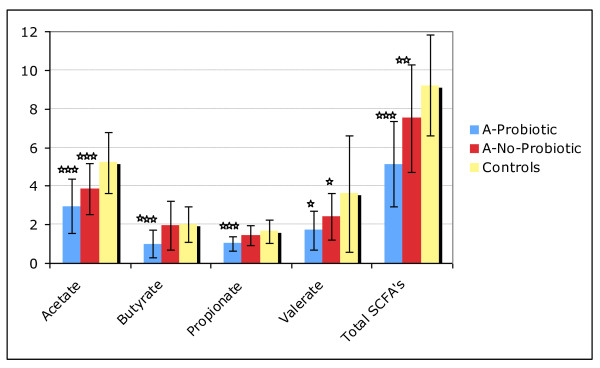
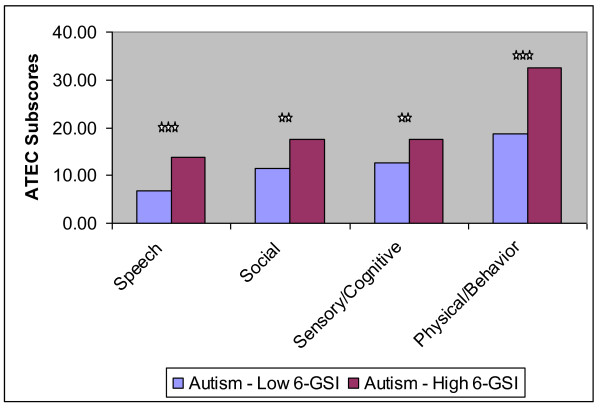
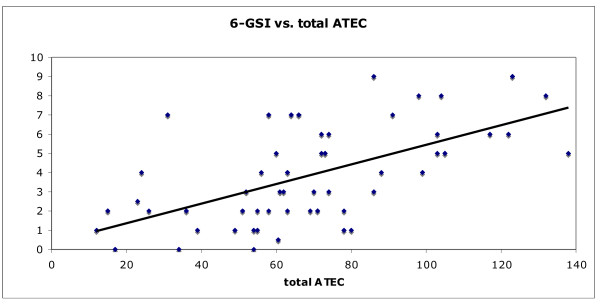
BACKGROUND: Children with autism have often been reported to have gastrointestinal problems that are more frequent and more severe than in children from the general population. METHODS: Gastrointestinal flora and gastrointestinal status were assessed from stool samples of 58 children with Autism Spectrum Disorders (ASD) and 39 healthy typical children of similar ages. Stool testing included bacterial and yeast culture tests, lysozyme, lactoferrin, secretory IgA, elastase, digestion markers, short chain fatty acids (SCFA's), pH, and blood presence. Gastrointestinal symptoms were assessed with a modified six-item GI Severity Index (6-GSI) questionnaire, and autistic symptoms were assessed with the Autism Treatment Evaluation Checklist (ATEC). RESULTS: Gastrointestinal symptoms (assessed by the 6-GSI) were strongly correlated with the severity of autism (assessed by the ATEC), (r = 0.59, p < 0.001). Children with 6-GSI scores above 3 had much higher ATEC Total scores than those with 6-GSI-scores of 3 or lower (81.5 +/- 28 vs. 49.0 +/- 21, p = 0.00002).Children with autism had much lower levels of total short chain fatty acids (-27%, p = 0.00002), including lower levels of acetate, proprionate, and valerate; this difference was greater in the children with autism taking probiotics, but also significant in those not taking probiotics. Children with autism had lower levels of species of Bifidobacter (-43%, p = 0.002) and higher levels of species of Lactobacillus (+100%, p = 0.00002), but similar levels of other bacteria and yeast using standard culture growth-based techniques. Lysozyme was somewhat lower in children with autism (-27%, p = 0.04), possibly associated with probiotic usage. Other markers of digestive function were similar in both groups. CONCLUSIONS: The strong correlation of gastrointestinal symptoms with autism severity indicates that children with more severe autism are likely to have more severe gastrointestinal symptoms and vice versa. It is possible that autism symptoms are exacerbated or even partially due to the underlying gastrointestinal problems. The low level of SCFA's was partly associated with increased probiotic use, and probably partly due to either lower production (less sacchrolytic fermentation by beneficial bacteria and/or lower intake of soluble fiber) and/or greater absorption into the body (due to longer transit time and/or increased gut permeability).
Overview
The claims and statistics of this paper haven’t been checked yet.
Free: it reads the open-access text and checks the first 5 claims that cite a source we can check. Create a free account to check every claim.
Integrity signals
Registry
Cites
Statistics
Figures
Verification
Claims the paper makes
The claims and statistics of this paper haven’t been checked yet.
Free: it reads the open-access text and checks the first 5 claims that cite a source we can check. Create a free account to check every claim.
Claims other papers make about this one
Each is checked against this paper’s own text: does it say what the citing paper says it does?
The cited source doesn’t support the claim as written.
In the citing paper
“Several studies found lower levels of fecal SCFA, including butyrate in feces of ASD children [53, 64], while a 2012 study found increased ammonia and SCFA including acetic, butyric, isobutyric, valeric, and isovaleric acids in ASD [61].”
From The Gut Microbiota and Dysbiosis in Autism Spectrum Disorders (2018) · cites this paper as [53]
Checked by a reasoning model — may be wrong.
Experimental — accuracy not yet measuredThe source backs part of the claim, not all of it — or backs it for a different population, condition or comparison.
In the citing paper
“In the order Lactobacillales and family Streptococcaceae, Streptococcus results (not S. thermophilus) corroborated an overall decrease in counts and percentage in ASD cases when statistical significance was reached [30, 31, 33, 37, 41].”
From Gut microbiota changes in children with autism spectrum disorder: a systematic review (2020) · cites this paper as [30]
Experimental — accuracy not yet measuredThe source backs part of the claim, not all of it — or backs it for a different population, condition or comparison.
In the citing paper
“however, upon a closer look at Bifidobacterium, consistently lower counts and proportions were found in children with ASD versus their siblings [31, 52] or controls [30, 38, 47].”
From Gut microbiota changes in children with autism spectrum disorder: a systematic review (2020) · cites this paper as [30]
Experimental — accuracy not yet measuredThe source backs part of the claim, not all of it — or backs it for a different population, condition or comparison.
In the citing paper
“Moreover, ASD patients seem to be characterized by both elevated levels of SCFA concentrations in stool and serum, and increased level of SCFA-producing bacteria (e.g., Clostridia, Desulfovibrio, and Bacteroides) [29,36,180].”
From Autism, Gastrointestinal Symptoms and Modulation of Gut Microbiota by Nutritional Interventions (2019) · cites this paper as [29]
Experimental — accuracy not yet measuredThe cited source says what the claim attributes to it.
In the citing paper
“Moreover, has been reported that the severity of gastrointestinal disorders in children with ASD may be closely linked to the intensity of neuropsychiatric symptoms, with more severe GI issues observed in individuals with more pronounced neuropsychiatric symptoms, and vice versa [33,34].”
From The Prevalence and Clinical Significance of Toe Walking in Autism Spectrum Disorder: A Cross-Sectional Study in an Italian Pediatric Sample (2025) · cites this paper as [33]
17 more claims about this paper
Create a free account to see every claim other papers make about this one.
Self-check
Percentages, sums and reported differences re-computed from the paper’s own numbers.
The self-check needs the paper’s full text.
Citations
Cites
Topping, D. L., & Clifton, P. M. (2001) · Physiological Reviews · doi:10.1152/physrev.2001.81.3.1031 · Cited by 3,091 · cited 2×
“Decreased levels may reflect insufficient normal colonic flora, a diet low in soluble fiber, or prolonged intestinal transit time [ 39 ].”
BackgroundPyrosequencing study of fecal microflora of autistic and control children
Finegold, S. M., Dowd, S. E., Gontcharova, V., Liu, C., Henley, K. E., Wolcott, R. D., Youn, E., Summanen, P. H., Granpeesheh, D., Dixon, D., et al. (2010) · Anaerobe · doi:10.1016/j.anaerobe.2010.06.008 · Cited by 977 · cited 4×
“Feingold’s pyrosequencing study [14] estimated that typical children normally have about 500-600 species of bacteria in their gut and estimated that children with autism have about twice that, so it is important to remember that we are only able to culture a small fraction of the species present.”
BackgroundMethodResultInfluentialNutritional and physiologic significance of human milk proteins
Lönnerdal, B. (2003) · The American Journal of Clinical Nutrition · doi:10.1093/ajcn/77.6.1537s · Cited by 878 · cited 1×
“Infants fed formula without lysozyme have three times the rate of diarrheal disease [43].”
BackgroundParracho, H. M., Bingham, M. O., Gibson, G. R., & McCartney, A. L. (2005) · Journal of Medical Microbiology · doi:10.1099/jmm.0.46101-0 · Cited by 784 · cited 2×
“Parracho et al. 2005 [13] used another culture-independent technique, fluorescence in situ hybridization (FISH) targeting Clostridium groups, and reported differences in the gut microflora of children with ASD compared to healthy children.”
BackgroundMethodGastrointestinal Microflora Studies in Late‐Onset Autism
Finegold, S. M., Molitoris, D., Song, Y., Liu, C., Vaisanen, M., Bolte, E., McTeague, M., Sandler, R., Wexler, H., Marlowe, E. M., et al. (2002) · Clinical Infectious Diseases · doi:10.1086/341914 · Cited by 742 · cited 2×
“Finegold et al. 2002 [11] studied fecal samples from 13 children with late-onset autism and 8 controls.”
BackgroundShort-Term Benefit From Oral Vancomycin Treatment of Regressive-Onset Autism
Sandler, R. H., Finegold, S. M., Bolte, E. R., Buchanan, C. P., Maxwell, A. P., Väisänen, M.-L., Nelson, M. N., & Wexler, H. M. (2000) · Journal of Child Neurology · doi:10.1177/088307380001500701 · Cited by 614 · cited 2×
“Additionally Desulfovibrio species and Bacteroides vulgatus were present in higher numbers in autistic than controls Treatment studies using a minimally absorbed oral antibiotic (vancomycin) to treat abnormal gut flora showed significant temporary improvements in behavior for children with late-onset autism [15], but…”
BackgroundReal-Time PCR Quantitation of Clostridia in Feces of Autistic Children
Song, Y., Liu, C., & Finegold, S. M. (2004) · Applied and Environmental Microbiology · doi:10.1128/aem.70.11.6459-6465.2004 · Cited by 556
de Magistris, L., Familiari, V., Pascotto, A., Sapone, A., Frolli, A., Iardino, P., Carteni, M., De Rosa, M., Francavilla, R., Riegler, G., et al. (2010) · Journal of Pediatric Gastroenterology and Nutrition · doi:10.1097/mpg.0b013e3181dcc4a5 · Cited by 546
MACFABE, D., CAIN, D., RODRIGUEZCAPOTE, K., FRANKLIN, A., HOFFMAN, J., BOON, F., TAYLOR, A., KAVALIERS, M., & OSSENKOPP, K. (2007) · Behavioural Brain Research · doi:10.1016/j.bbr.2006.07.025 · Cited by 497 · cited 3×
“2007 [17], which demonstrates that SCFA’s can induce autistic-like symptoms when injected into rats.”
BackgroundVolatile organic compounds from feces and their potential for diagnosis of gastrointestinal disease
Garner, C. E., Smith, S., de Lacy Costello, B., White, P., Spencer, R., Probert, C. S. J., & Ratcliffem, N. M. (2007) · The FASEB Journal · doi:10.1096/fj.06-6927com · Cited by 439
Research works printed but not linked: 4
- Rimland B Edelson S Autism Treatment Evaluation Checklist: Statistical Analyses 2000 Autism Research Institute, San Diego, CA
- Dugad L Performance Verification of Lysozyme ELISA Test Kit Verification 105 2007 Doctor's Data, Inc. Saint Charles, Illinois
- Dugad L Wu Z PerformanceVerification of Lactoferrin ELISA Test Kit of Fecal Verification 104 2007 Doctor's Data Inc, Saint Charles, Illinois
- Edelson S Parent Ratings of Behavioral Effects of Biomedical Interventions 2010 Autism Research Institute, Publication 34, San Diego, CA
Cited by
Items 501–600 of 1,000
Autism and Gut–Brain Axis: Role of Probiotics
Chidambaram, S. B., Tuladhar, S., Bhat, A., Mahalakshmi, A. M., Ray, B., Essa, M. M., Bishir, M., Bolla, S. R., Nanjaiah, N. D., Guillemin, G. J., et al. (2020) · Advances in neurobiology · doi:10.1007/978-3-030-30402-7_21 · Cited by 31
Tomaszek, N., Urbaniak, A. D., Bałdyga, D., Chwesiuk, K., Modzelewski, S., & Waszkiewicz, N. (2025) · Nutrients · doi:10.3390/nu17030486 · Cited by 30
Chamtouri, M., Gaddour, N., Merghni, A., Mastouri, M., Arboleya, S., & Reyes‐Gavilán, C. G. D. L. (2023) · Scientific Reports · doi:10.1038/s41598-023-45534-0 · Cited by 30
“A “leaky gut” allows bacteria and/or bacterial-derived metabolites to enter the systemic circulation, where they can cross the Blood–Brain Barrier (BBB) and cause neuronal dysfunction and inflammation.”
BackgroundMirizzi, P., Esposito, M., Ricciardi, O., Bove, D., Fadda, R., Caffò, A. O., Mazza, M., & Valenti, M. (2025) · Nutrients · doi:10.3390/nu17172798 · Cited by 34
“Gastrointestinal problems are highly prevalent in individuals with ASD, with estimates varying across studies but consistently exceeding those observed in the general population [62].”
Dziedziak, M., Mytych, A., Szyller, H. P., Lasocka, M., Augustynowicz, G., Szydziak, J., Hrapkowicz, A., Dyda, M., Braksator, J., & Pytrus, T. (2025) · Biomedicines · doi:10.3390/biomedicines13092104 · Cited by 31
“There was a noted reduction in microbiota diversity, lower levels of Bifidobacterium, Bacteroides , Ruminococcus , Prevotella , Coprococcus , and Veillonellaceae , and higher levels of Lactobacillus , Desulfovibrio , Alistipes , Akkermansia , and Sutterella bacteria [7,91,100,109,111,112].”
Khalil, M., Azouz, H. G., Ahmed, S. M., Gad, H. A., & Omar, O. M. (2020) · Journal of Molecular Neuroscience · doi:10.1007/s12031-020-01636-2 · Cited by 30
Karagözlü, S., Dalgıç, B., & İşeri, E. (2021) · Journal of Autism and Developmental Disorders · doi:10.1007/s10803-021-04966-1 · Cited by 30
Arkesteyn, A., Damme, T. V., Thoen, A., Cornelissen, V., Healy, S., & Vancampfort, D. (2021) · Disability and Rehabilitation · doi:10.1080/09638288.2021.1970251 · Cited by 29
Nitschke, A. S., do Valle, H. A., Vallance, B. A., Bickford, C., Ip, A., Lanphear, N. E., Lanphear, B. P., Weikum, W., Oberlander, T. F., & Hanley, G. E. (2023) · Paediatric and Perinatal Epidemiology · doi:10.1111/ppe.12972 · Cited by 29
Turicibacter and Catenibacterium as potential biomarkers in autism spectrum disorders
Gerges, P., Bangarusamy, D. K., Bitar, T., Alameddine, A., Nemer, G. M., & Hleihel, W. (2024) · Scientific Reports · doi:10.1038/s41598-024-73700-5 · Cited by 29
“…the microbiome in the manifestation of ASD by examining three distinct groups: individuals with ASD, their unaffected siblings, and a control group 15,17–19 Our comprehensive analysis, incorporating various statistical methods such as LEfSe, Random Forest, Differential Abundance Analysis, and…”
MethodResultInfluentialEtiology of Autism the Complexity of Risk Factors in Autism Spectrum Disorder
Fett‐Conte, A. C., Bossolani-Martins, A. L., & Rosan, D. B. A. (2015) · InTech eBooks · doi:10.5772/59109 · Cited by 30
A metaproteomic-based gut microbiota profiling in children affected by autism spectrum disorders
Mortera, S. L., Vernocchi, P., Basadonne, I., Zandonà, A., Chierici, M., Durighello, M., Marzano, V., Gardini, S., Gasbarrini, A., Urbani, A., et al. (2021) · Journal of Proteomics · doi:10.1016/j.jprot.2021.104407 · Cited by 28
The Use of Probiotic Therapy in Metabolic and Neurological Diseases
Lee, S. H. F., Ahmad, S. R., Lim, Y. C., & Zulkipli, I. N. (2022) · Frontiers in Nutrition · doi:10.3389/fnut.2022.887019 · Cited by 28
Zhao, R.-H., Zheng, P., Liu, S., Tang, Y., Li, E.-Y., Sun, Z., & Jiang, M. (2019) · PubMed Central · doi:10.7499/j.issn.1008-8830.2019.07.009 · Cited by 28
“感 觉 知 觉 此外,Rigsbee 等 [15] 发现肠易激综合征儿童肠道 Veillonella 和 Prevotella 水平较健康对照组升高。 在出生后 1 年中,婴儿的肠道微生物结构趋 于稳定。本研究发现 ASD 儿童肠道菌群的物种均 匀性和多样性较健康对照组儿童降低,且两组儿 童肠道菌群在物种组成上存在显著差异。在门水 平,肠道菌群以 Fimicutes 和 Bacteroidetes 为主, 其次为 Actinobacteria 和 Proteobacteria,与参考文 献 [16] 结果一致;ASD 儿童肠道菌群 Fimicutes 比例 较健康对照组显著降低,而 Acidobacteria 比例较健 康对照组显…”
BackgroundA Healthy Gut for a Healthy Brain: Preclinical, Clinical and Regulatory Aspects
Petrella, C., Vecchioli, S. F., Cisale, G. Y., Strimpakos, G., Borg, J.-J., Ceccanti, M., Fiore, M., Monteleone, G., & Nisticò, R. (2020) · Current Neuropharmacology · doi:10.2174/1570159x18666200730111528 · Cited by 27
Gu, Y., Han, Y., Ren, S., Zhang, B., Zhao, Y., Wang, X., Zhang, S., & Qin, J. (2021) · Behavioural Brain Research · doi:10.1016/j.bbr.2021.113580 · Cited by 27
Jendraszak, M., Gałęcka, M., Kotwicka, M., Regdos, A., Pazgrat-Patan, M., & Andrusiewicz, M. (2021) · Scientific Reports · doi:10.1038/s41598-021-03794-8 · Cited by 28
Gastrointestinal manifestations and their relation to faecal calprotectin in children with autism
Azouz, H. G., Zakaria, N. H., Khalil, A. F., Naguib, S. M., & Khalil, M. (2021) · Gastroenterology Review · doi:10.5114/pg.2021.111420 · Cited by 27
“Also, a strong positive correlation between autism severity and GI symptom severity was detected [10].”
BackgroundTonkaz, G. Y., ESİN, İ. S., Turan, B., Uslu, H., & Dursun, O. B. (2022) · Journal of Autism and Developmental Disorders · doi:10.1007/s10803-022-05540-z · Cited by 27
“There are also studies in the literature showing lower Bifidobacterium, in agreement with the data of our study (Adams et al., 2011; Andreo-Martínez et al., 2021; De Angelis et al., 2013; Finegold et al., 2010; Iglesias-Vázquez et al., 2020; Xu et al., 2019).”
BackgroundResultChanges to the Gut Microbiome in Young Children Showing Early Behavioral Signs of Autism
Jones, J. C., Reinke, S. N., Mousavi‐Derazmahalleh, M., Palmer, D. J., & Christophersen, C. T. (2022) · Frontiers in Microbiology · doi:10.3389/fmicb.2022.905901 · Cited by 27
“, 2019) and SCFA concentration (Adams et al., 2011; Wang et al., 2012; Coretti et al., 2018; Bojović et al., 2020) have also been observed between autistic and neurotypical controls.”
BackgroundTopi, S., Bottalico, L., Charitos, I. A., Colella, M., Domenico, M. D., Palmirotta, R., & Santacroce, L. (2022) · Pathophysiology · doi:10.3390/pathophysiology29030041 · Cited by 27
“Furthermore, they have shown reduced microbial biodiversity accompanied by an increase in some genera of microbes, such as Clostridium, Bifidobacterium, Lactobacillus, and Bacteroidota, as well as Bacillota phylum [185,186].”
BackgroundDiet in treatment of autism spectrum disorders
Alam, S., Westmark, C. J., & McCullagh, E. A. (2023) · Frontiers in Neuroscience · doi:10.3389/fnins.2022.1031016 · Cited by 29
Grubišić, V., & Parpura, V. (2015) · Frontiers in Cellular Neuroscience · doi:10.3389/fncel.2015.00242 · Cited by 27
“Although gut disorders are not exclusive for ASD (Chaidez et al., 2014), there is a strong correlation of GI disturbances with autism severity (Adams et al., 2011).”
BackgroundJurek, L., Sevil, M., Jay, A., Schroder, C. M., Baghdadli, A., Héry-Arnaud, G., & Geoffray, M. (2020) · European Child & Adolescent Psychiatry · doi:10.1007/s00787-020-01544-1 · Cited by 27
McDonald, D. T., Hornig, M., Lozupone, C., Debelius, J. W., Gilbert, J. A., & Knight, R. D. (2015) · Microbial Ecology in Health and Disease · doi:10.3402/mehd.v26.26555 · Cited by 28
Prevalencia de síntomas gastrointestinales en trastornos del espectro del autismo: un metaanálisis
Lasheras, I., Real‐López, M., & Santabárbara, J. (2023) · Anales de Pediatría · doi:10.1016/j.anpedi.2023.05.011 · Cited by 26
The enteric nervous system deficits in autism spectrum disorder
Wang, X., Tang, R., Wei, Z., Zhan, Y., Lu, J., & Li, Z. (2023) · Frontiers in Neuroscience · doi:10.3389/fnins.2023.1101071 · Cited by 26
“Analysis of the fecal microbiota in children with ASDs reveals an overgrowth of pathogenic strains and a significant reduction in the Bacteroidetes/ Firmicutes ratio (Adams et al., 2011; Strati et al., 2017; Settanni et al., 2021).”
BackgroundCrosstalk Between the Microbiome and Gestational Immunity in Autism-Related Disorders
Paysour, M. J., Bolte, A. C., & Lukens, J. R. (2019) · DNA and Cell Biology · doi:10.1089/dna.2019.4653 · Cited by 26
“…(GI) comorbidities, including constipation, diarrhea, gastroesophageal reflux disease, increased gut permeability (also called ‘‘leaky gut’’), GI inflammatory disease, and gut dysbiosis (Parracho et al., 2005; Buie et al., 2010; de Magistris et al., 2010; Finegold et al., 2010; Adams et al., 2011).”
BackgroundProsperi, M., Santocchi, E., Muratori, F., Narducci, C., Calderoni, S., Tancredi, R., Morales, M. A., & Guiducci, L. (2019) · BMC Pediatrics · doi:10.1186/s12887-019-1841-8 · Cited by 26
Peripheral Routes to Neurodegeneration: Passing Through the Blood–Brain Barrier
Giannoni, P., Claeysen, S., Noè, F. M., & Marchi, N. (2020) · Frontiers in Aging Neuroscience · doi:10.3389/fnagi.2020.00003 · Cited by 28
“Modifications in the composition of the GM was reported in brain disorders, such as autism (Adams et al., 2011; Kang et al., 2019), depression (Kelly et al.”
BackgroundThe Microbiota/Microbiome and the Gut–Brain Axis: How Much Do They Matter in Psychiatry?
Marazziti, D., Buccianelli, B., Palermo, S., Parra, E., Arone, A., Beatino, M. F., Massa, L., Carpita, B., Barberi, F. M., Mucci, F., et al. (2021) · Life · doi:10.3390/life11080760 · Cited by 27
“, 2011 [182] Cross-sectional study 58 ASD children; 39 healthy controls GI symptoms: assessed with a modified six-item GI Severity Index (6-GSI) questionnaire; autistic symptoms: assessed with the Autism Treatment Evaluation Checklist (ATEC) Correlations between GI symptoms and autism severity”
BackgroundMethodThe gut-microbiota-brain axis in autism: what Drosophila models can offer?
Salim, S., Banu, A., Alwa, A., Gowda, S. B. M., & Mohammad, F. (2021) · Journal of Neurodevelopmental Disorders · doi:10.1186/s11689-021-09378-x · Cited by 26
Lewis, N., Villani, A., & Lagopoulos, J. (2025) · Neuroscience · doi:10.1016/j.neuroscience.2025.01.031 · Cited by 25
“It is associated with a significantly higher F/B ratio and other microbiota composition and diversity differences compared to controls (Adams et al., 2011; De Angelis et al., 2013; Finegold et al., 2010; Song et al., 2004; Wan et al., 2021; Williams et al., 2011; Tomova et al., 2015).”
Darmanto, A. G., Yen, T., Jan, J., Linh, T. T. D., Taliyan, R., Yang, C. H., & Sheu, J. (2024) · Pharmacological Research · doi:10.1016/j.phrs.2024.107564 · Cited by 25
Zhang, Z., Kang, W., Mi, Y., Zhong, X., & He, Y. (2025) · Pathogens · doi:10.3390/pathogens14111145 · Cited by 27
Kittana, M., Ahmadani, A., Al-Marzooq, F. I., & Attlee, A. (2021) · Nutrients · doi:10.3390/nu13113818 · Cited by 25
“The unpleasant feeling associated with GID, such as pain and discomfort, may lead to feelings of anxiety, frustration, and irritability [6,10], which may increase the risk of aggression and self-abuse [10], especially if children are unable to express this discomfort verbally, thus increasing the severity of ASD itsel…”
BackgroundInfluentialCould Candida Overgrowth Be Involved in the Pathophysiology of Autism?
Herman, A., & Herman, A. P. (2022) · Journal of Clinical Medicine · doi:10.3390/jcm11020442 · Cited by 25
“with GI symptoms and autism severity indicates that children with more severe autism are likely to have more severe GI symptoms and vice versa [46,60].”
BackgroundShi, Y., Luo, J., Narbad, A., & Chen, Q. (2023) · Microorganisms · doi:10.3390/microorganisms11010179 · Cited by 26
Tamang, M. K., Ali, A. A., Pértile, R. A. N., Cui, X., Alexander, S., Nitert, M. D., Palmieri, C., & Eyles, D. W. (2023) · Translational Psychiatry · doi:10.1038/s41398-023-02513-3 · Cited by 25
“Alterations in faecal levels of SCFAs have been reported in autistic children [87, 88].”
BackgroundEvenepoel, M., Daniëls, N., Moerkerke, M., de Vliet, M. V., Prinsen, J., Tuerlinckx, E., Steyaert, J. G., Boets, B., Alaerts, K., & Joossens, M. (2024) · Brain Behavior & Immunity - Health · doi:10.1016/j.bbih.2024.100801 · Cited by 26
“…recent studies have pointed toward altered gut microbiome compositions, referred to as ‘dysbiosis ’ , indicating altered microbial diversity and/or overgrowth of particular bacteria that are linked to autism symptom severity, increased repetitive behavior, and GI problems (Adams et al., 2011).”
BackgroundTong, J., Satyanarayanan, S. K., & Su, H. (2020) · Brain Behavior and Immunity · doi:10.1016/j.bbi.2020.08.027 · Cited by 26
Mack, D. L., Guan, X., Wagoner, A. L., Walker, S. J., & Childers, M. K. (2014) · American Journal of Physical Medicine & Rehabilitation · doi:10.1097/phm.0000000000000141 · Cited by 25
Hawkins, B., Montgomery, M., Bokota, G., Santoyo, M., Giron, E., & Eltokhi, A. (2025) · Gut Microbes · doi:10.1080/19490976.2025.2574934 · Cited by 24
“192 Transitioning to SZ, probiotics address both metabolic and psychiatric symptoms associated with SZ.”
Characterization of Early Life Stress-Affected Gut Microbiota
Usui, N., Matsuzaki, H., & Shimada, S. (2021) · Brain Sciences · doi:10.3390/brainsci11070913 · Cited by 24
Laghi, L., Mastromarino, P., Prosperi, M., Morales, M. A., Calderoni, S., Santocchi, E., Muratori, F., & Guiducci, L. (2021) · Metabolites · doi:10.3390/metabo11100654 · Cited by 24
“[2] and subsequently other authors [3–6] noticed that a large proportion of ASD subjects has gastrointestinal (GI) dysfunctions, with diarrhea, constipation, and abdominal pain reported as the most common symptoms [7].”
ResultZhanfeng, N., Wu, L., Kang, J., Bai, J., Chen, Y., & Hechun, X. (2022) · Frontiers in Neuroscience · doi:10.3389/fnins.2022.934822 · Cited by 25
Yan, F., Xia, L., Xu, L., Deng, L., & Jin, G. (2022) · BMC Psychiatry · doi:10.1186/s12888-022-04328-w · Cited by 24
Microbiota and Autism: A Review on Oral and Gut Microbiome Analysis Through 16S rRNA Sequencing
Anaclerio, F., Minelli, M., Antonucci, I., Gatta, V., & Stuppia, L. (2024) · Biomedicines · doi:10.3390/biomedicines12122686 · Cited by 24
“For example, decreases in beneficial bacteria such as Bifidobacterium and Lactobacillus , alongside increases in potentially pathogenic genera such as Clostridium , have been observed [15,16].”
Main, P. A. E., Thomas, P., Angley, M. T., Young, R. L., Esterman, A., King, C. E., & Fenech, M. F. (2014) · Autism Research · doi:10.1002/aur.1428 · Cited by 24
Rucklidge, J. J., & Kaplan, B. J. (2014) · CNS Drugs · doi:10.1007/s40263-014-0190-2 · Cited by 24
“Research on the fascinating role that the intestinal microbiota play in the expression of psychological symptoms is burgeoning [72–74] and will likely interest mainstream mental health professionals as research decodes more of the gut–brain connections [75].”
Role of Gut-Brain Axis in the Aetiology of Neurodevelopmental Disorders with Reference to Autism
Rizk, M. Z. (2012) · Journal of Clinical Toxicology · doi:10.4172/2161-0495.s6-005 · Cited by 24
“difficile, pathogenic bacteria recently reported as etiological factor in the pathophysiology of autism [70].”
BackgroundBrandt, L. J. (2015) · Journal of Clinical Gastroenterology · doi:10.1097/mcg.0000000000000346 · Cited by 24
Stress and the Gut-Brain Axis: Implications for Cancer, Inflammation and Sepsis
Moughnyeh, M., Brawner, K. M., Kennedy, B. A., Yeramilli, V. A., Udayakumar, N., Graham, J. A., & Martin, C. A. (2021) · Journal of Surgical Research · doi:10.1016/j.jss.2021.02.055 · Cited by 24
Nutritional strategies and personalized diet in autism-choice or necessity?
Kałużna‐Czaplińska, J., & Jóźwik-Pruska, J. (2016) · Trends in Food Science & Technology · doi:10.1016/j.tifs.2016.01.005 · Cited by 24
Mazahery, H., Conlon, C. A., Beck, K. L., Kruger, M. C., Stonehouse, W., Camargo, C. A., Meyer, B. J., Tsang, B., Mugridge, O., & von Hurst, P. R. (2016) · Trials · doi:10.1186/s13063-016-1428-8 · Cited by 24
“Gastrointestinal problems may relate to abnormal gut flora [45], decreased activity of digestive enzymes [46] or increased intestinal permeability [47].”
OTİZM SPEKTRUM BOZUKLUKLARI TEDAVİSİNDE BESLENME YAKLAŞIMLARI
Aktitiz, S., YALÇIN, E., & Göktaş, Z. (2019) · Sağlık Akademisi Kastamonu · doi:10.25279/sak.435435 · Cited by 23
Host–diet–microbiota interplay in intestinal nutrition and health
Ignatiou, A., & Pitsouli, C. (2024) · FEBS Letters · doi:10.1002/1873-3468.14966 · Cited by 23
“Another pivotal study reports that symptoms of GI impairment are associated with the severity of ASD in children [310].”
Maternal Antibody and ASD: Clinical Data and Animal Models
Gata-Garcia, A., & Diamond, B. (2019) · Frontiers in Immunology · doi:10.3389/fimmu.2019.01129 · Cited by 24
A Gut Feeling: The Importance of the Intestinal Microbiota in Psychiatric Disorders
Ochoa‐Repáraz, J., Ramelow, C. C., & Kasper, L. H. (2020) · Frontiers in Immunology · doi:10.3389/fimmu.2020.510113 · Cited by 24
Role of microbes in the pathogenesis of neuropsychiatric disorders
Goswami, A., Wendt, F. R., Pathak, G. A., Tylee, D. S., Angelis, F. D., Lillo, A. D., & Polimanti, R. A. (2021) · Frontiers in Neuroendocrinology · doi:10.1016/j.yfrne.2021.100917 · Cited by 23
Rodakis, J. (2015) · Microbial Ecology in Health and Disease · doi:10.3402/mehd.v26.26382 · Cited by 24
Peng, Z., Hou, T., Yang, K., Zhang, J., Mao, Y.-H., & Hou, X. (2025) · Nutrients · doi:10.3390/nu17111769 · Cited by 22
The gut microbiome shapes social behaviour across animal species
Griffiths, J. A., Nirmalkar, K., Wu, W., Krajmalnik‐Brown, R., & Mazmanian, S. K. (2025) · Nature Reviews Microbiology · doi:10.1038/s41579-025-01262-y · Cited by 23
Gut microbiome in neuropsychiatric disorders
Granados, D. M. M., Villasana‐Salazar, B., Coan, A. C., Rizzi, L., Balthazar, M. L. F., Godoi, A. B., do Canto, A. M., da Rosa, D. C., Silva, L. S., Tacla, R., et al. (2022) · Arquivos de Neuro-Psiquiatria · doi:10.1590/0004-282x-anp-2021-0052 · Cited by 22
Congenitally underdeveloped intestine drives autism-related gut microbiota and behavior
Li, J., Wang, H., Wei, Q., Liu, F., Zeng, N., Wu, F., Shi, Y., Gao, X., Cheng, M., Li, H., et al. (2022) · Brain Behavior and Immunity · doi:10.1016/j.bbi.2022.06.006 · Cited by 23
Lactiplantibacillus plantarum N-1 improves autism-like behavior and gut microbiota in mouse
Qiu, Z., Luo, D., Yin, H., Chen, Y., Zhou, Z., Zhang, J., Zhang, L., Xia, J., Xie, J., Sun, Q., et al. (2023) · Frontiers in Microbiology · doi:10.3389/fmicb.2023.1134517 · Cited by 23
Dai, H., Jiang, Y., Liu, S., Li, D., & Zhang, X. (2024) · Food Research International · doi:10.1016/j.foodres.2024.114404 · Cited by 22
Microbiota gastrointestinal aeróbica en niños con trastorno del espectro autista. Estudio preliminar
Moreno, X., Santamaria, G., Sánchez, R., la Torre, B. D., Garcés, F., Hernández, C., Martínez, C., de González, A. H. M., & López, K. (2015) · Revista GEN · doi:10.61155/gen.v69i2.12 · Cited by 22
The Gut Microbiota and the Emergence of Autoimmunity: Relevance to Major Psychiatric Disorders
Severance, E. G., Tveiten, D., Lindström, L., Yolken, R. H., & Reichelt, K. L. (2016) · Current Pharmaceutical Design · doi:10.2174/1381612822666160914183804 · Cited by 22
Qian, G., & Ho, J. W. K. (2020) · Biophysical Reviews · doi:10.1007/s12551-020-00724-2 · Cited by 23
Early Predictors of ASD in Young Children Using a Nationally Representative Data Set
Jeans, L. M., Santos, R. M., Laxman, D. J., McBride, B. A., & Dyer, W. J. (2013) · Journal of Early Intervention · doi:10.1177/1053815114523319 · Cited by 22
Dectin-1 Polymorphism: A Genetic Disease Specifier in Autism Spectrum Disorders?
Bennabi, M., Delorme, R., Oliveira, J., Fortier, C., Lajnef, M., Boukouaci, W., Feugeas, J., Marzais, F., Gaman, A., Charron, D. J., et al. (2015) · PLoS ONE · doi:10.1371/journal.pone.0137339 · Cited by 22
“These ASD children with GI disorders (ASD) have chronic inflammation with nodular lymphoid hyperplasia, enterocolitis and mucosal infiltration by GI-tract immune cells [24] and the severity of the GI symptoms often paralleled that of ASD and in particular the degree of behavioral impairment [25, 26].”
BackgroundThe role of host molecules in communication with the resident and pathogenic microbiota: A review
White, J. R., Dauros-Singorenko, P., Hong, J., Vanholsbeeck, F., Phillips, A., & Swift, S. (2020) · Medicine in Microecology · doi:10.1016/j.medmic.2020.100005 · Cited by 21
Risk factors for inflammatory bowel disease: an umbrella review
Wu, T., Cheng, H., Zhuang, J., Liu, X., Ouyang, Z., & Qian, R. (2025) · Frontiers in Cellular and Infection Microbiology · doi:10.3389/fcimb.2024.1410506 · Cited by 21
Hassib, L., Kanashiro, A., Pedrazzi, J. F. C., Vercesi, B. F., Higa, S., Arruda, Í., Soares, Y., de Souza, A. P., Barichello, T., Guimarães, F. S., et al. (2025) · Progress in Neuro-Psychopharmacology and Biological Psychiatry · doi:10.1016/j.pnpbp.2025.111385 · Cited by 22
Dietary components regulate chronic diseases through gut microbiota: a review
Zhang, Y., Zhou, M., Zhou, Y., & Xiao, G. (2023) · Journal of the Science of Food and Agriculture · doi:10.1002/jsfa.12732 · Cited by 22
Microbial metabolites regulate social novelty via CaMKII neurons in the BNST
Liou, C.-W., Cheng, S., Yao, T.-H., Lai, T.-T., Tsai, Y.-H., Chien, C.-W., Kuo, Y., Chou, S.-H., Hsu, C., & Wu, W. (2023) · Brain Behavior and Immunity · doi:10.1016/j.bbi.2023.06.029 · Cited by 21
An Update on Microbial Interventions in Autism Spectrum Disorder with Gastrointestinal Symptoms
Moreno, R. J., & Ashwood, P. (2024) · International Journal of Molecular Sciences · doi:10.3390/ijms252313078 · Cited by 21
Kara, H., Açıkel, S. B., Çetinkaya, M., & Tuncer, S. Ç. (2021) · ALPHA PSYCHIATRY · doi:10.5152/alphapsychiatry.2021.21152 · Cited by 21
Miranda-Ribera, A., Serena, G., Liu, J., Fasano, A., Kingsbury, M. A., & Fiorentino, M. R. (2021) · Tissue Barriers · doi:10.1080/21688370.2021.2000299 · Cited by 21
Gu, Y., Han, Y., Liang, J., Cui, Y., Zhang, B., Zhang, Y., Zhang, S.-B., & Qin, J. (2021) · Frontiers in Bioscience-Landmark · doi:10.52586/5051 · Cited by 21
Deciphering the interdependent labyrinth between gut microbiota and the immune system
Saini, A., Dalal, P., & Sharma, D. (2022) · Letters in Applied Microbiology · doi:10.1111/lam.13775 · Cited by 21
Mathew, N. E., McCaffrey, D., Walker, A. K., Mallitt, K., Masi, A., Morris, M. J., & Ooi, C. Y. (2024) · Molecular Autism · doi:10.1186/s13229-023-00575-0 · Cited by 20
“…levels of autistic traits, GI symptoms and other biological markers GI symptoms 6‑Item Gastrointestinal Severity Index (6‑GSI) question‑ naire [58] Azouz et al. [39] A moderate correlation was found between the faecal calprotectin and gastrointestinal symptoms as indicated by parent‑reported…”
BackgroundWu, S., Jia, W., Li, J., Luo, Y., Chen, F., Yang, T., Jiang, X., He, F., & Cheng, R. (2025) · npj Biofilms and Microbiomes · doi:10.1038/s41522-025-00790-y · Cited by 21
“Research on SCFAs and neurodevelopmental disorders, such as autism spectrumdisorder(ASD),hasshowninconsistent fi ndings 31,32 .”
Biodistribution and racemization of gut-absorbed l/d-alanine in germ-free mice
Qiu, T. A., Lee, C. J., Sirois, C. H., Lee, D., Rubakhin, S. S., Romanova, E. V., & Sweedler, J. V. (2023) · Communications Biology · doi:10.1038/s42003-023-05209-y · Cited by 20
“nvestigation of chemical interactions in the microbiome-gut-brain axis has become an increasingly important for the understanding and treatment of neurological diseases such as autism spectrum disorder 1 , Alzheimer ’ s disease 2 , and Parkinson ’ s disease 3 .”
BackgroundGupta, S., Dinesh, S., & Sharma, S. (2024) · Central Nervous System Agents in Medicinal Chemistry · doi:10.2174/0118715249271548231115071021 · Cited by 20
Wu, Y., & Su, Q. (2024) · Nutrients · doi:10.3390/nu16152382 · Cited by 20
“The strong correlation between GI scores and the Autism Treatment Evaluation Checklist (ATEC), along with its subscales, suggested a significant association between GI issues and ASD symptoms [34].”
BackgroundResearch trends of inflammation in autism spectrum disorders: a bibliometric analysis
Chen, Y., Du, X., Zhang, X., Li, F., Yuan, S., Wang, W., Zhu, Z., Wang, M., & Gu, C. (2025) · Frontiers in Immunology · doi:10.3389/fimmu.2025.1534660 · Cited by 20
“Furthermore, the third most cited study, “ Gastrointestinal Flora and Gastrointestinal Status in Children with Autism — Comparisons to Typical Children and Correlation with Autism Severity, ” published in 2011 in BMC Gastroenterology (IF: 2.5), received 660 citations (21).”
InfluentialAutism Spectrum Disorder, Oral Implications, and Oral Microbiota
D’Angelo, E., Fiori, F., Ferraro, G. A., Tessitore, A., Nazzaro, L., Serpico, R., & Contaldo, M. (2025) · Children · doi:10.3390/children12030368 · Cited by 20
“Additional research has highlighted alterations in the presence of Lactobacillus , Prevotella , Sutterella , Desulfovibrio , and the Veillonellaceae family in ASD populations [72,109].”
Probiotic supplementation in children with autism spectrum disorder
Srinivasjois, R. M., Rao, S. C., & Patole, S. (2015) · Archives of Disease in Childhood · doi:10.1136/archdischild-2014-308002 · Cited by 20
Mapping the Influence of the Gut Microbiota on Small Molecules across the Microbiome Gut Brain Axis
Hulme, H., Meikle, L. M., Strittmatter, N., Swales, J. G., Hamm, G. R., Brown, S. L., Milling, S. W. F., MacDonald, A. S., Goodwin, R. J. A., Burchmore, R., et al. (2022) · Journal of the American Society for Mass Spectrometry · doi:10.1021/jasms.1c00298 · Cited by 20
Cognition and Emotion in Development
Bell, M. A., Wolfe, C. D., Diaz, A., & Liu, R. (2019) · Springer eBooks · doi:10.1007/978-3-030-17332-6_15 · Cited by 20
Babinská, K., Bucová, M., Ďurmanová, V., Lakatošová, S., Jánošíková, D., Bakoš, J., Hlavatá, A., & Ostatníková, D. (2014) · Physiological Research · doi:10.33549/physiolres.932932 · Cited by 20
Marano, G., Sfratta, G., Marzo, E. M., Cozzo, G., Abate, F., Traversi, G., Mazza, O., Capristo, E., Gaetani, E., & Mazza, M. (2025) · Children · doi:10.3390/children12111561 · Cited by 21
“These associations have been validated using standardized diagnostic and observational methods [49] and are often reflected in externalizing behavioral expressions, such as irritability or aggression [50].”
The early life exposome and autism risk: a role for the maternal microbiome?
Gesù, C. M. D., & Buffington, S. A. (2024) · Gut Microbes · doi:10.1080/19490976.2024.2385117 · Cited by 21
“179,180 Higher levels of SCFAs have been found in a valproic acid mouse model for ASD, 181 while a beneficial effect of butyrate on social dysfunction has been reported in the BTBR mouse model for idiopathic ASD.”
BackgroundToward a better understanding of T cell dysregulation in autism: An integrative review
Moreno, R. J., Amara, R. A., & Ashwood, P. (2024) · Brain Behavior and Immunity · doi:10.1016/j.bbi.2024.10.009 · Cited by 19
“Comorbidity with GI issues has been generally associated with more severe behaviors and cognitive impairments in ASD children (Chaidez et al., 2014; Adams, 2011; Ferguson, 2019).”
The Microbiome–Genetics Axis in Autism Spectrum Disorders: A Probiotic Perspective
Mihailovich, M., Tolinački, M., Bajić, S. S., Leštarević, S., Pejovic-Milovancevic, M., & Golić, N. (2024) · International Journal of Molecular Sciences · doi:10.3390/ijms252212407 · Cited by 20
Liber, A., & Więch, M. (2025) · Nutrients · doi:10.3390/nu17132250 · Cited by 20
Ābele, S., Meija, L., Folkmanis, V., & Tzivian, L. (2021) · Proceedings of the Latvian Academy of Sciences Section B Natural Exact and Applied Sciences · doi:10.2478/prolas-2021-0062 · Cited by 19
“GIT symptoms together with selective eating habits were shown to be the cause of significant nutritional deficiencies for autistic children (Adams et al., 2011a; 2011b).”
BackgroundMethodResultInfluentialFeng, J., Shan, L., Miao, C., Yang, X., Yue, X., & Jia, F. (2023) · BMC Pediatrics · doi:10.1186/s12887-023-03987-2 · Cited by 19
“People with scores of 3 or less were included in the low GI-severity group, while those with scores over 3 were included in the high GI severity group[27].”
Background
Metadata
- Authors
- Adams, J. B., Johansen, L. J., Powell, L. D., Quig, D., & Rubin, R. A.
- Affiliations
- Arizona State University (US)
- Whittier College (US)
- Corresponding author
- Adams, James B
- ORCID
- Adams, James B
- Venue
- BMC Gastroenterology
- Published
- 2011-03-16
- Volume
- 11
- Issue
- 1
- Pages
- 22-22
- ISSN
- 1471-230X (ISSN-L)
- PMC
- PMC3072352
- OpenAlex
- W1996441448
- Cited by
- 1,076
- References
- 40
- Citations by year
- 2026: 42 · 2025: 76 · 2024: 92 · 2023: 85 · 2022: 100 · 2021: 101 · 2020: 104 · 2019: 99 · 2018: 81 · 2017: 58 · 2016: 59 · 2015: 60 · 2014: 43 · 2013: 38 · 2012: 25
- FWCI
- 15.05
- Type
- journal article
- Language
- en
- Open access
- gold
- doi.org
- Licence
- cc-by
- creativecommons.org/licenses/by/2.0 (tdm)
- Locations
- BMC Gastroenterology (publishedVersion, cc-by)
- Europe PMC (PubMed Central) (publishedVersion, cc-by)
- PubMed Central (publishedVersion, cc-by)
- PubMed (publishedVersion)
- Arizona State University Library Digital Repository (Arizona State University) (submittedVersion, cc-by)
- DOAJ (DOAJ: Directory of Open Access Journals) (submittedVersion, cc-by-sa)
- Funders
- Autism Research Institute
- Topics
- Life Sciences › Biochemistry, Genetics and Molecular Biology › Molecular Biology › Gut microbiota and health
- Life Sciences › Neuroscience › Cognitive Neuroscience › Autism Spectrum Disorder Research
- Health Sciences › Medicine › Gastroenterology › Gastrointestinal motility and disorders
- Keywords
- autism spectrum disorder, gastrointestinal symptoms, gut microbiota, short-chain fatty acids, probiotics, Lactobacillus, lysozyme, lactoferrin, secretory IgA, autism severity, children, dysbiosis, dietary fiber, yeast overgrowth, Autism Treatment Evaluation Checklist, stool examination
- MeSH terms
- Autistic Disorder, Bifidobacterium, Child, Child, Preschool, Digestion, Fatty Acids, Volatile, Female, Gastrointestinal Diseases, Humans, Lactobacillus, Male, Severity of Illness Index, Case-Control Studies, Probiotics, Gastrointestinal Tract
About these checks
Registry, retraction, Cites and statistics results are computed, not judged, with one exception: a printed reference that no index lists is read once by a model before it counts as a citation error. Claims are extracted by a model and kept only when their quote appears verbatim in the text; each cited source is then checked, with a model’s help, for whether it says what the claim relies on. Those verdicts can be wrong — read the claim’s quote and the cited source before relying on one.
Statistics and arithmetic are recomputed, not judged.
Confidence bands are shown only for fields calibrated on our annotated test set. None is calibrated yet, so no band is shown.
What counts as a claim ›How we measure confidence ›How we check this ›
Are you an author, or do you see a problem with this page? Request a review
Data sources
Bibliographic data: Semantic Scholar, OpenAlex, Crossref.
Contains information from the Semantic Scholar Academic Graph Datasets, made available under the ODC Attribution License (ODC-BY 1.0).
Semantic Scholar’s data is described in: Kinney, R., et al. (2023). The Semantic Scholar Open Data Platform. arXiv:2301.10140.
