

Gastrointestinal flora and gastrointestinal status in children with autism – comparisons to typical children and correlation with autism severity
Open accessThe DOI matches its Crossref record; 40 of the 40 references it cites were found in a registry or an index.
Abstract
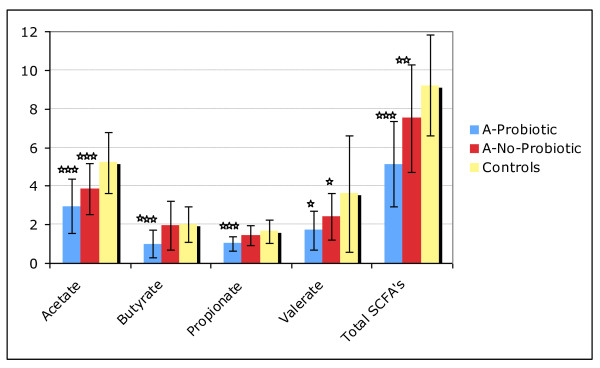
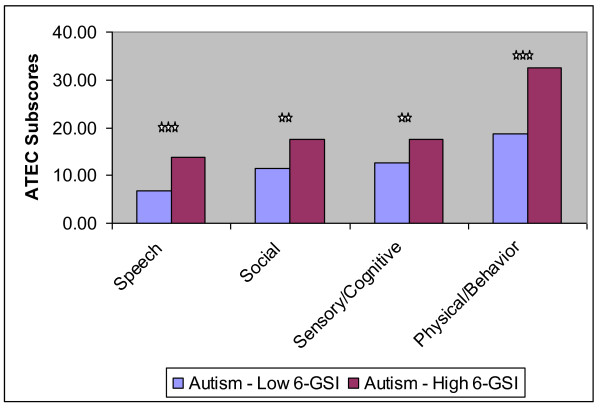
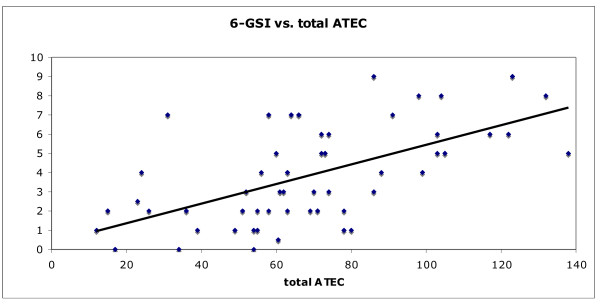
BACKGROUND: Children with autism have often been reported to have gastrointestinal problems that are more frequent and more severe than in children from the general population. METHODS: Gastrointestinal flora and gastrointestinal status were assessed from stool samples of 58 children with Autism Spectrum Disorders (ASD) and 39 healthy typical children of similar ages. Stool testing included bacterial and yeast culture tests, lysozyme, lactoferrin, secretory IgA, elastase, digestion markers, short chain fatty acids (SCFA's), pH, and blood presence. Gastrointestinal symptoms were assessed with a modified six-item GI Severity Index (6-GSI) questionnaire, and autistic symptoms were assessed with the Autism Treatment Evaluation Checklist (ATEC). RESULTS: Gastrointestinal symptoms (assessed by the 6-GSI) were strongly correlated with the severity of autism (assessed by the ATEC), (r = 0.59, p < 0.001). Children with 6-GSI scores above 3 had much higher ATEC Total scores than those with 6-GSI-scores of 3 or lower (81.5 +/- 28 vs. 49.0 +/- 21, p = 0.00002).Children with autism had much lower levels of total short chain fatty acids (-27%, p = 0.00002), including lower levels of acetate, proprionate, and valerate; this difference was greater in the children with autism taking probiotics, but also significant in those not taking probiotics. Children with autism had lower levels of species of Bifidobacter (-43%, p = 0.002) and higher levels of species of Lactobacillus (+100%, p = 0.00002), but similar levels of other bacteria and yeast using standard culture growth-based techniques. Lysozyme was somewhat lower in children with autism (-27%, p = 0.04), possibly associated with probiotic usage. Other markers of digestive function were similar in both groups. CONCLUSIONS: The strong correlation of gastrointestinal symptoms with autism severity indicates that children with more severe autism are likely to have more severe gastrointestinal symptoms and vice versa. It is possible that autism symptoms are exacerbated or even partially due to the underlying gastrointestinal problems. The low level of SCFA's was partly associated with increased probiotic use, and probably partly due to either lower production (less sacchrolytic fermentation by beneficial bacteria and/or lower intake of soluble fiber) and/or greater absorption into the body (due to longer transit time and/or increased gut permeability).
Overview
The claims and statistics of this paper haven’t been checked yet.
Free: it reads the open-access text and checks the first 5 claims that cite a source we can check. Create a free account to check every claim.
Integrity signals
Registry
Cites
Statistics
Figures
Verification
Claims the paper makes
The claims and statistics of this paper haven’t been checked yet.
Free: it reads the open-access text and checks the first 5 claims that cite a source we can check. Create a free account to check every claim.
Claims other papers make about this one
Each is checked against this paper’s own text: does it say what the citing paper says it does?
The cited source doesn’t support the claim as written.
In the citing paper
“Several studies found lower levels of fecal SCFA, including butyrate in feces of ASD children [53, 64], while a 2012 study found increased ammonia and SCFA including acetic, butyric, isobutyric, valeric, and isovaleric acids in ASD [61].”
From The Gut Microbiota and Dysbiosis in Autism Spectrum Disorders (2018) · cites this paper as [53]
Checked by a reasoning model — may be wrong.
Experimental — accuracy not yet measuredThe source backs part of the claim, not all of it — or backs it for a different population, condition or comparison.
In the citing paper
“In the order Lactobacillales and family Streptococcaceae, Streptococcus results (not S. thermophilus) corroborated an overall decrease in counts and percentage in ASD cases when statistical significance was reached [30, 31, 33, 37, 41].”
From Gut microbiota changes in children with autism spectrum disorder: a systematic review (2020) · cites this paper as [30]
Experimental — accuracy not yet measuredThe source backs part of the claim, not all of it — or backs it for a different population, condition or comparison.
In the citing paper
“however, upon a closer look at Bifidobacterium, consistently lower counts and proportions were found in children with ASD versus their siblings [31, 52] or controls [30, 38, 47].”
From Gut microbiota changes in children with autism spectrum disorder: a systematic review (2020) · cites this paper as [30]
Experimental — accuracy not yet measuredThe source backs part of the claim, not all of it — or backs it for a different population, condition or comparison.
In the citing paper
“Moreover, ASD patients seem to be characterized by both elevated levels of SCFA concentrations in stool and serum, and increased level of SCFA-producing bacteria (e.g., Clostridia, Desulfovibrio, and Bacteroides) [29,36,180].”
From Autism, Gastrointestinal Symptoms and Modulation of Gut Microbiota by Nutritional Interventions (2019) · cites this paper as [29]
Experimental — accuracy not yet measuredThe cited source says what the claim attributes to it.
In the citing paper
“Moreover, has been reported that the severity of gastrointestinal disorders in children with ASD may be closely linked to the intensity of neuropsychiatric symptoms, with more severe GI issues observed in individuals with more pronounced neuropsychiatric symptoms, and vice versa [33,34].”
From The Prevalence and Clinical Significance of Toe Walking in Autism Spectrum Disorder: A Cross-Sectional Study in an Italian Pediatric Sample (2025) · cites this paper as [33]
17 more claims about this paper
Create a free account to see every claim other papers make about this one.
Self-check
Percentages, sums and reported differences re-computed from the paper’s own numbers.
The self-check needs the paper’s full text.
Citations
Cites
Topping, D. L., & Clifton, P. M. (2001) · Physiological Reviews · doi:10.1152/physrev.2001.81.3.1031 · Cited by 3,091 · cited 2×
“Decreased levels may reflect insufficient normal colonic flora, a diet low in soluble fiber, or prolonged intestinal transit time [ 39 ].”
BackgroundPyrosequencing study of fecal microflora of autistic and control children
Finegold, S. M., Dowd, S. E., Gontcharova, V., Liu, C., Henley, K. E., Wolcott, R. D., Youn, E., Summanen, P. H., Granpeesheh, D., Dixon, D., et al. (2010) · Anaerobe · doi:10.1016/j.anaerobe.2010.06.008 · Cited by 977 · cited 4×
“Feingold’s pyrosequencing study [14] estimated that typical children normally have about 500-600 species of bacteria in their gut and estimated that children with autism have about twice that, so it is important to remember that we are only able to culture a small fraction of the species present.”
BackgroundMethodResultInfluentialNutritional and physiologic significance of human milk proteins
Lönnerdal, B. (2003) · The American Journal of Clinical Nutrition · doi:10.1093/ajcn/77.6.1537s · Cited by 878 · cited 1×
“Infants fed formula without lysozyme have three times the rate of diarrheal disease [43].”
BackgroundParracho, H. M., Bingham, M. O., Gibson, G. R., & McCartney, A. L. (2005) · Journal of Medical Microbiology · doi:10.1099/jmm.0.46101-0 · Cited by 784 · cited 2×
“Parracho et al. 2005 [13] used another culture-independent technique, fluorescence in situ hybridization (FISH) targeting Clostridium groups, and reported differences in the gut microflora of children with ASD compared to healthy children.”
BackgroundMethodGastrointestinal Microflora Studies in Late‐Onset Autism
Finegold, S. M., Molitoris, D., Song, Y., Liu, C., Vaisanen, M., Bolte, E., McTeague, M., Sandler, R., Wexler, H., Marlowe, E. M., et al. (2002) · Clinical Infectious Diseases · doi:10.1086/341914 · Cited by 742 · cited 2×
“Finegold et al. 2002 [11] studied fecal samples from 13 children with late-onset autism and 8 controls.”
BackgroundShort-Term Benefit From Oral Vancomycin Treatment of Regressive-Onset Autism
Sandler, R. H., Finegold, S. M., Bolte, E. R., Buchanan, C. P., Maxwell, A. P., Väisänen, M.-L., Nelson, M. N., & Wexler, H. M. (2000) · Journal of Child Neurology · doi:10.1177/088307380001500701 · Cited by 614 · cited 2×
“Additionally Desulfovibrio species and Bacteroides vulgatus were present in higher numbers in autistic than controls Treatment studies using a minimally absorbed oral antibiotic (vancomycin) to treat abnormal gut flora showed significant temporary improvements in behavior for children with late-onset autism [15], but…”
BackgroundReal-Time PCR Quantitation of Clostridia in Feces of Autistic Children
Song, Y., Liu, C., & Finegold, S. M. (2004) · Applied and Environmental Microbiology · doi:10.1128/aem.70.11.6459-6465.2004 · Cited by 556
de Magistris, L., Familiari, V., Pascotto, A., Sapone, A., Frolli, A., Iardino, P., Carteni, M., De Rosa, M., Francavilla, R., Riegler, G., et al. (2010) · Journal of Pediatric Gastroenterology and Nutrition · doi:10.1097/mpg.0b013e3181dcc4a5 · Cited by 546
MACFABE, D., CAIN, D., RODRIGUEZCAPOTE, K., FRANKLIN, A., HOFFMAN, J., BOON, F., TAYLOR, A., KAVALIERS, M., & OSSENKOPP, K. (2007) · Behavioural Brain Research · doi:10.1016/j.bbr.2006.07.025 · Cited by 497 · cited 3×
“2007 [17], which demonstrates that SCFA’s can induce autistic-like symptoms when injected into rats.”
BackgroundVolatile organic compounds from feces and their potential for diagnosis of gastrointestinal disease
Garner, C. E., Smith, S., de Lacy Costello, B., White, P., Spencer, R., Probert, C. S. J., & Ratcliffem, N. M. (2007) · The FASEB Journal · doi:10.1096/fj.06-6927com · Cited by 439
Research works printed but not linked: 4
- Rimland B Edelson S Autism Treatment Evaluation Checklist: Statistical Analyses 2000 Autism Research Institute, San Diego, CA
- Dugad L Performance Verification of Lysozyme ELISA Test Kit Verification 105 2007 Doctor's Data, Inc. Saint Charles, Illinois
- Dugad L Wu Z PerformanceVerification of Lactoferrin ELISA Test Kit of Fecal Verification 104 2007 Doctor's Data Inc, Saint Charles, Illinois
- Edelson S Parent Ratings of Behavioral Effects of Biomedical Interventions 2010 Autism Research Institute, Publication 34, San Diego, CA
Cited by
Items 701–800 of 1,000
Lawrence, K., Fibert, P., Toribio-Mateas, M. A., Gregory, A. M., Hobbs, J., Quadt, F., Wright, S., Cotter, P. D., Patel, S. H., & Myrissa, K. (2025) · BMC Psychiatry · doi:10.1186/s12888-025-07568-8 · Cited by 11
“However, it is widely used within paediatric research [57, 58] and we report total GSI for comparability with prior studies.”
Kreider, C. M., Mburu, S., Dizdarevic, S., Garvan, G. J., & Elder, J. H. (2021) · Pediatric Reports · doi:10.3390/pediatric13040071 · Cited by 10
Exercise Changes Gut Microbiota: A New Idea to Explain that Exercise Improves Autism
Xue, Y., An, S., Qiu, W., Zhang, W., Li-min, F., & Zhen, Z. (2023) · International Journal of Sports Medicine · doi:10.1055/a-2018-2477 · Cited by 11
Jin, Y., Fan, H., Shi, R., Song, G., Wu, X., Wang, D., Xia, B., Zhao, Z., Zhao, B., Liu, X., et al. (2024) · Food & Function · doi:10.1039/d3fo05078e · Cited by 10
The effect of antibiotics on social aversion following early life inflammation
Kentner, A. C., Khan, U., MacRae, M., Dowd, S. E., & Yan, S. (2018) · Physiology & Behavior · doi:10.1016/j.physbeh.2018.06.006 · Cited by 10
Índice de caries y de higiene oral en un grupo de pacientes autistas
Chávez, M. C. M., & Villarroel‐Dorrego, M. (2018) · Revista Estomatológica Herediana · doi:10.20453/reh.v28i3.3393 · Cited by 10
A cellular automaton model to find the risk of developing autism through gut-mediated effects
Nagaraju, K., Sudeep, K. S., & Kurhekar, M. P. (2019) · Computers in Biology and Medicine · doi:10.1016/j.compbiomed.2019.05.015 · Cited by 10
Analysis methods for the gut microbiome in neuropsychiatric and neurodegenerative disorders
Song, J. G., Yu, M., Lee, B., Lee, J., Hwang, S.-H., Na, D., & Kim, H. W. (2022) · Computational and Structural Biotechnology Journal · doi:10.1016/j.csbj.2022.02.024 · Cited by 10
Gastrointestinal Disorders and Autism
Parmeggiani, A. (2013) · Springer eBooks · doi:10.1007/978-1-4614-4788-7_122 · Cited by 10
Microbiome: The Missing Link in Neuropsychiatric Disorders
Evrensel, A., & Ceylan, M. E. (2017) · EMJ Innovation · doi:10.33590/emjinnov/10313424 · Cited by 10
Afaf, K. E. A., Bacha, A. G. B., Ghada, H. S., & Laila, Y. A. A. (2013) · African Journal of Microbiology Research · doi:10.5897/ajmr12.1178 · Cited by 10
“…in the current study, together with the role previously reported for PA (MacFabe et al., 2007; El-Ansary and Al-Daihan, 2011) in the etiology of autism, find support in the recent work of Adams et al. (2011) which declared that children with autism have lower PA concentrations in their stools.”
ResultReeves, K. D., Figuereo, Y. F., Weis, V. G., Hsu, F., Engevik, M. A., Krigsman, A., & Walker, S. J. (2024) · American Journal of Physiology-Gastrointestinal and Liver Physiology · doi:10.1152/ajpgi.00101.2024 · Cited by 9
Urinary Metabolomic Profile in Children with Autism Spectrum Disorder
Osredkar, J., Kumer, K., Godnov, U., Vrhovšek, M. J., Vidová, V., Price, E. J., Javornik, T., Avguštin, G., & Fabjan, T. (2025) · International Journal of Molecular Sciences · doi:10.3390/ijms26052254 · Cited by 9
Šoltýsová, M., Tomova, A., Paulinyova, M., Lakatošová, S., Trebatická, J., & Ostatníková, D. (2025) · Neuroscience · doi:10.1016/j.neuroscience.2025.08.020 · Cited by 9
Autism: genetics, environmental stressors, maternal immune activation, and the male bias in autism
Otaru, S., & Lawrence, D. A. (2022) · Exploration of Neuroprotective Therapy · doi:10.37349/ent.2022.00025 · Cited by 9
Li, J., Lin, W., Yuan, C., Lingling, Z., Qianqian, J., Xu, A., & Yansong, G. (2023) · Life Sciences · doi:10.1016/j.lfs.2023.122330 · Cited by 9
Sánchez-Recillas, E., Almanza‐Aguilera, E., Dufoo‐Hurtado, E., Luzardo‐Ocampo, I., Campos-Vega, R., & Vergara‐Castañeda, H. A. (2024) · Journal of Functional Foods · doi:10.1016/j.jff.2024.106063 · Cited by 9
“Bacterial diversity may be related to the severity of gastro-intestinal symptoms in this disorder, leading to lower SCFAs production in children with autism (Adams et al., 2011).”
Bjørklund, G., Meguid, N. A., Hemimi, M., Sahakyan, E., Fereshetyan, K., & Yenkoyan, K. B. (2024) · Molecular Neurobiology · doi:10.1007/s12035-024-04099-3 · Cited by 9
“Moreover, several clinical studies examining the gut microbiome of ASD children found higher levels of bacterial taxa with proteolytic activity, such as Clostridium, Lactobacillus, and Propionibacterium [33, 34].”
Sall, I., Foxall, R. L., Felth, L. C., Maret, S., Rosa, Z., Gaur, A., Calawa, J., Pavlik, N., Whistler, J. L., & Whistler, C. A. (2025) · Gut Microbes · doi:10.1080/19490976.2024.2446423 · Cited by 10
Microbiota-Immune System Interactions in Human Neurological Disorders
Huang, Q., Fang, Y., Liao, D., & Xia, J. (2020) · CNS & Neurological Disorders - Drug Targets · doi:10.2174/1871527319666200726222138 · Cited by 9
Tataru, C. A., Martin, A., Dunlap, K., Peras, M., Chrisman, B., Rutherford, E. M., Deitzler, G. E., Phillips, A., Yin, X., Sabino, K., et al. (2021) · ISME Communications · doi:10.1038/s43705-021-00080-6 · Cited by 10
“Evidence of dysbiosis of the gut microbial community has also been observed in humans with ASD, specifically altered levels of Bifidobacterium, Lactobacillus, and Clostridium species [10, 11].”
BackgroundResultPsychobiotics: a new way in psychopharmacology, or How do bacteria manage our brain?
Andreeva, I. V., Tolpygo, A. V., Andreev, V. А., Azyzov, I. S., Golman, I. A., Osipova, N. N., Privolnev, V. V., Stetsiouk, О. U., & Sokolovskaya, V. V. (2022) · Clinical Microbiology and Antimicrobial Chemotherapy · doi:10.36488/cmac.2022.2.108-133 · Cited by 10
An Update on the Relationship Between the Gut Microbiome and Obsessive-Compulsive Disorder
Turna, J., Patterson, B. A., & Ameringen, M. V. (2017) · Psychiatric Annals · doi:10.3928/00485713-20171013-01 · Cited by 9
Could Gut Modulation through Probiotic Supplementation Be Beneficial in Autism Spectrum Disorder?
Khatib, R. E., Karam‐Sarkis, D., Waligora‐Dupriet, A., & Butel, M. (2020) · IntechOpen eBooks · doi:10.5772/intechopen.89375 · Cited by 9
Personalized Dentistry: Approaching a New Way for Diagnosis and Treatment of Oral Diseases
Patini, R. (2020) · Journal of Personalized Medicine · doi:10.3390/jpm10020035 · Cited by 9
Research Progress on the Relationship between Intestinal Flora and Mental and Psychological Diseases
Tao, H., Wang, C., Guo, J., & Guo, M. (2020) · Advances in Microbiology · doi:10.4236/aim.2020.106021 · Cited by 10
“difficile, autistic people have imbalances in other intestinal flora [47] [48] [49] [50] [51].”
BackgroundGastrointestinal Problems in Chinese Children with Autism Spectrum Disorder
Lai, K. Y. C., Leung, P. W. L., Hung, S. F., Shea, C. K., Mo, F. Y. M., Che, K. K. I., Tse, C., Lau, F. L. F., Ma, S. L., Wu, J. C., et al. (2020) · Neuropsychiatric Disease and Treatment · doi:10.2147/ndt.s260654 · Cited by 9
Good, P. (2012) · Medical Hypotheses · doi:10.1016/j.mehy.2012.08.035 · Cited by 9
Neuroinflammation in Animal Models of Autism
Kazlauskas, N., Robinson‐Agramonte, M. D. L. Á., & Depino, A. M. (2015) · Springer eBooks · doi:10.1007/978-3-319-16321-5_8 · Cited by 9
Gut-Brain Axis: The Role of Gut Microbiota in the Psychiatric Disorders
Evrensel, A., & Ceylan, M. E. (2015) · Psikiyatride Guncel Yaklasimlar - Current Approaches in Psychiatry · doi:10.5455/cap.20150128123852 · Cited by 9
Extracerebral Dysfunction in Animal Models of Autism Spectrum Disorder
Hill‐Yardin, E. L., McKeown, S. J., Novarino, G., & Grabrucker, A. M. (2017) · Advances in anatomy, embryology and cell biology · doi:10.1007/978-3-319-52498-6_9 · Cited by 9
Assessment of haptoglobin alleles in autism spectrum disorders
Cupaioli, F. A., Mosca, E., Magri, C., Gennarelli, M., Moscatelli, M., Raggi, M. E., Landini, M., Galluccio, N., Villa, L. M., Bonfanti, A., et al. (2020) · Scientific Reports · doi:10.1038/s41598-020-64679-w · Cited by 9
compuGUT: An in silico platform for simulating intestinal fermentation
Moorthy, A. S., & Eberl, H. J. (2017) · SoftwareX · doi:10.1016/j.softx.2017.06.004 · Cited by 9
Costanza, C., Gallai, B., Sorrentino, M., Gnazzo, M., Pisanò, G., Parisi, L., Germanò, E., Maltese, A., Esposito, M., Roccella, M., et al. (2025) · Medicina · doi:10.3390/medicina61081346 · Cited by 8
“Moreover, has been reported that the severity of gastrointestinal disorders in children with ASD may be closely linked to the intensity of neuropsychiatric symptoms, with more severe GI issues observed in individuals with more pronounced neuropsychiatric symptoms, and vice versa [33,34].”
Camargo, L. O. S. (2025) · Jornal Brasileiro de Psiquiatria · doi:10.1590/0047-2085-2024-0044 · Cited by 8
Sonbol, H. M., Abdelmawgoud, A. S., Elkady, N. M., Elhay, E. S. A., & Twab, H. A. (2025) · Scientific Reports · doi:10.1038/s41598-025-11420-0 · Cited by 8
Yu, W., Li, Y., Liu, Z., Hua, S., Tan, Z., Tang, W. X., Gao, M., Zhou, X., & Hua, Z. (2025) · Ageing Research Reviews · doi:10.1016/j.arr.2025.102850 · Cited by 8
Ferina, J., Dando, E., Anderson, C., Foster, J., Lantz, J. F., Hamlin, T., & Hahn, J. (2025) · Journal of Personalized Medicine · doi:10.3390/jpm15100453 · Cited by 8
“One study shows that individuals with ASD have fewer species of Bifidobacter and more species of Lactobacillus than TD children [32].”
InfluentialSopel, A., Szczuciński, W., Gosiewski, T., & Salamon, D. (2024) · Gastroenterology Review · doi:10.5114/pg.2024.146118 · Cited by 7
Shank3 mutation manifests in abnormal gastrointestinal morphology and function in mice
Eberly, G. L., Manthey, M., Pang, K. K. L., Hussein, H., Paniagua, E. V., Machen, S., Klingensmith, S. M., & Anikeeva, P. (2025) · Frontiers in Neuroscience · doi:10.3389/fnins.2025.1552369 · Cited by 8
Role of Immune and Autoimmune Dysfunction in Schizophrenia
Severance, E. G., & Yolken, R. H. (2015) · Handbook of behavioral neuroscience · doi:10.1016/b978-0-12-800981-9.00029-8 · Cited by 8
“Although there are numerous reports of autism-related altered communities of the intestinal microbiome (Adams, Johansen, Powell, Quig, & Rubin, 2011; Finegold et al., 2010; Finegold, Downes, & Summanen, 2012; Kang et al., 2013; Parracho, Bingham, Gibson, & McCartney, 2005; Williams et al., 2011; Williams, Hornig, Pare…”
Background(2019) · Global Clinical and Translational Research · doi:10.20900/gctr20190004 · Cited by 8
Hockey, M., Aslam, H., Berk, M., Pasco, J. A., Ruusunen, A. A., Mohebbi, M., Macpherson, H., Chatterton, M. L., Marx, W., O'Neil, A. E., et al. (2021) · Trials · doi:10.1186/s13063-021-05812-6 · Cited by 8
“SCFA are metabolic by-products of microbial fermentation of dietary fibre in the gut and serve as markers of colonic health [62].”
BackgroundTartaglione, A. M., Pazienza, V., Calamandrei, G., & Ricceri, L. (2023) · Neuroscience & Biobehavioral Reviews · doi:10.1016/j.neubiorev.2023.105105 · Cited by 8
Introduction to the Gut Microbiome and Its Impact on Health and Disease
Comess, J. E., & Abad-Jorge, A. (2023) · Topics in Clinical Nutrition · doi:10.1097/tin.0000000000000324 · Cited by 8
Gong, X.-R., You, X.-R., Guo, M.-R., Ding, X., & Ma, B. (2023) · Medicine · doi:10.1097/md.0000000000036794 · Cited by 8
“The article with the highest burst strength was published in BMC Gastroenterology by Adams et al [22] in 2011 (26.34), followed by Finegold et al [11] in Anaerobe in 2010 (23.91).”
BackgroundInfluentialŞizofreni Etyolojisinde Mikrobiyotanın Rolü
Kartalcı, Ş. (2017) · Psikiyatride Guncel Yaklasimlar - Current Approaches in Psychiatry · doi:10.18863/pgy.358105 · Cited by 8
Potential Determinants of Gastrointestinal Dysfunction in Autism Spectrum Disorders
Shindler, A. E., Hill‐Yardin, E. L., Petrovski, S., Cunningham, A. C., Bishop, N. E., & Franks, A. E. (2019) · Review Journal of Autism and Developmental Disorders · doi:10.1007/s40489-019-00187-6 · Cited by 8
“An improved understanding of the frequency and diversity of symptoms and the underlying causes of GI dysfunction in ASD is essential (Adams et al. 2011).”
BackgroundInfluentialModulation of gut microbiota in autism spectrum disorders: a systematic review
Lasheras, I., Gracia‐García, P., & Santabárbara, J. (2021) · The European Journal of Psychiatry · doi:10.1016/j.ejpsy.2020.12.003 · Cited by 8
Assessment of medical morbidities in a rhesus monkey model of naturally occurring low sociality
Myers, A. K., Talbot, C. F., Rosso, L. A. D., Maness, A. C., Simmons, S. M. V., Garner, J. P., Capitanio, J. P., & Parker, K. J. (2021) · Autism Research · doi:10.1002/aur.2512 · Cited by 8
“For example, GI symptoms strongly correlate with ASD symptom severity as assessed by the Autism Treatment Evaluation Checklist (Adams et al., 2011).”
BackgroundMethodGastrointestinal disorders in children with autism: Could artificial intelligence help?
Al‐Beltagi, M., Saeed, N. K., & Qaraghuli, S. (2022) · Artificial Intelligence in Gastroenterology · doi:10.35712/aig.v3.i1.1 · Cited by 8
Salman, T., Varol, U., Yıldız, İ., Küçükzeybek, Y., & Alacacıoğlu, A. (2015) · Acta Oncologica Turcica · doi:10.5505/aot.2015.49368 · Cited by 8
ROLE OF MICROBIOTA IN MAINTAINING THE HOMEOSTASIS IN THE HUMAN BODY
Góralska, K., & Dzikowiec, M. (2018) · Postępy Mikrobiologii - Advancements of Microbiology · doi:10.21307/pm-2018.57.1.005 · Cited by 8
“The severity of symptoms are correlated with the severity of dysbiosis [1, 39, 45].”
BackgroundLiu, H., Liu, G., Zhang, Y., Suo, W., Hao, Y., Wang, Y., & Ding, H. (2025) · Neuropsychiatric Disease and Treatment · doi:10.2147/ndt.s547997 · Cited by 7
“De Angelis et al 56 and Adams et al 10 reported decreased total SCFAs levels, while Wang et al 17 showed increased SCFAs levels in children with ASD compared to those in normally developing children.”
Keerthy, D., Spratlen, M. J., Wen, L., Seeram, D., Park, H., Calero, L., Uhlemann, A., & Herbstman, J. B. (2024) · Environmental Research · doi:10.1016/j.envres.2024.120053 · Cited by 7
Mallick, K., Islam, S. R., Krishna, V., Manna, S. K., & Banerjee, S. (2025) · Life Sciences · doi:10.1016/j.lfs.2025.123392 · Cited by 7
Davias, A., Verghese, M., Bridgman, S. L., Tun, H. M., Field, C. J., Hicks, M., Pei, J. R., Hicks, A., Moraes, T. J., Simons, E., et al. (2025) · Brain Behavior & Immunity - Health · doi:10.1016/j.bbih.2025.100946 · Cited by 7
“Children with ASD have been reported to have both lower (Adams et al., 2011) and higher (Wang et al., 2012) fecal SCFAs levels than controls.”
Cai, Z., Che, C., Li, D., Li, X., Yu, X., Yu, L., Sun, Q., Niu, Y., & Cao, A. (2025) · Autism Research · doi:10.1002/aur.70016 · Cited by 8
Gastrointestinal health and nutritional strategies in autism spectrum disorder
Wu, Y., Wong, O. W. H., Chen, S., Ng, S. C., Su, Q., & Chan, F. K. L. (2025) · Journal of Gastroenterology · doi:10.1007/s00535-025-02269-1 · Cited by 7
“The clinical rationale for this approach is drawn from the therapeutic frameworks for IBD and irritable bowel syndrome (IBS) [2, 60, 61], supporting its potential translation to ASD treatment paradigms.”
Prebiotics Mechanism of Action: An Over View
Gowrishankar, S., Kamaladevi, A., & Pandian, S. K. (2021) · Elsevier eBooks · doi:10.1016/b978-0-12-822909-5.00009-5 · Cited by 7
Manokaran, R. K., & Gulati, S. (2021) · Elsevier eBooks · doi:10.1016/b978-0-12-823733-5.00017-9 · Cited by 7
The role of the gut microbiota in patients with Kleefstra syndrome
Bloemendaal, M., Vlaming, P., de Boer, A., Vermeulen, K., Bouman, A., Kleefstra, T., & Vásquez, A. A. (2023) · American Journal of Medical Genetics Part B Neuropsychiatric Genetics · doi:10.1002/ajmg.b.32926 · Cited by 7
“…problems occur more frequently in patients with ASDs compared to family members and the general population (Holingue, Newill, Lee, Pasricha, & Daniele Fallin, 2018) and bowel problem severity correlates with ASD-symptoms severity in a study by Adams, Johansen, Powell, Quig, and Rubin ( 2011).”
BackgroundCostello, S. M., Cheney, A. M., Waldum, A., Tripet, B., Cotrina-Vidal, M. L., Kaufmann, H., Norcliffe‐Kaufmann, L., Lefcort, F. B., & Copié, V. (2023) · Metabolites · doi:10.3390/metabo13030433 · Cited by 7
Cho, Y. J., Shin, B., Lee, S., Park, S. M., Kim, Y., Kim, J., & Kim, E. J. (2023) · Microorganisms · doi:10.3390/microorganisms11082063 · Cited by 7
Fang, J., Geng, R., Kang, S., Huang, K.-L., & Tong, T. (2023) · Food Science and Human Wellness · doi:10.26599/fshw.2022.9250234 · Cited by 7
Chamtouri, M., Merghni, A., Miranda-Cadena, K., Sakly, N., Gaddour, N., Reyes‐Gavilán, C. G. D. L., Mastouri, M., Eraso, E., & Quindós, G. (2024) · Journal of Fungi · doi:10.3390/jof10110730 · Cited by 8
“In the current study, there were no significant differences in the prevalence of Candida in the faeces of children with ASD in comparison with control children, as reported by Adams et al. [41] and Zou et al. [37].”
4HNE Protein Adducts in Autistic Spectrum Disorders: Rett Syndrome and Autism
Valacchi, G., Pecorelli, A., Signorini, C., Leoncini, S., Ciccoli, L., Felice, C. D., & Hayek, J. (2013) · Springer eBooks · doi:10.1007/978-1-4614-4788-7_199 · Cited by 7
Weyrich, L. S. (2015) · Interdisciplinary evolution research · doi:10.1007/978-3-319-16345-1_9 · Cited by 7
“In the case of autism, an overall decrease of diversity and a decrease of Prevotella microorganisms in the gut are linked with the onset of this disease, directly linking mental illness to the presence of specific microbial diversity in the gut (Adams et al. 2011).”
BackgroundIncreased serum lysozyme activity in children with autism spectrum disorder
Laboratorio de Métodos Inmunológicos, D. D. B., Montiel, N., Cátedra Libre de Autismo. Vicerrectorado Académico, U. D. Z., División de Investigación, U. I. D. A. (., Escalona, M., Facultad de Ciencias de la Salud, U. T. D. A., Carrero, Y. N., Laboratorio de Métodos Inmunológicos, D. D. B., Laboratorio de Biología Celular y Molecular, C. D. M., Urdaneta, K. E., et al. (2018) · Investigación Clínica · doi:10.22209/ic.v59n3a05 · Cited by 7
Polifenollerin Bağırsak Mikrobiyota Kompozisyonunu Düzenleyici ve Nöroprotektif Etkileri
ÇİMEN, F., Kaya, H. P., & Ekici, L. (2020) · Akademik Gıda · doi:10.24323/akademik-gida.758838 · Cited by 10
“Ayrıca KZYA’lar, yine G-proteinleri aracılığıyla beyni etkileyerek sinir iletimini düzenlemektedir [81,82].”
Disfunção gastrointestinal no transtorno do espectro autista e suas possíveis condutas terapêuticas
Vilela, D. A. M., Nascimento, H. B., & Palma, S. M. M. (2019) · Debates em Psiquiatria · doi:10.25118/2763-9037.2019.v9.46 · Cited by 7
Enhancing Human Superorganism Ecosystem Resilience by Holistically ‘Managing Our Microbes’
Coleman, M. E., Dietert, R. R., North, D., & Stephenson, M. M. (2021) · Applied Microbiology · doi:10.3390/applmicrobiol1030031 · Cited by 7
“An early cohort study documented statistically significant differences between GI microbiota for 58 ASD children and 39 neurotypical children in Arizona and a strong correlation between GI symptom severity and the severity of ASD behavioral and social symptoms [95].”
BackgroundScreening of gastrointestinal symptoms and celiac disease in children with autism spectrum disorder
Ahmed, E., Mansour, A., Amer, A. M., Barakat, T. E., & Baz, H. M. (2022) · The Egyptian Journal of Otolaryngology · doi:10.1186/s43163-022-00270-6 · Cited by 7
Medical conditions in autism and events associated with the initial onset of autism
Kern, J. K., Geier, D. A., Sykes, L. K., Homme, K. G., & Geier (2014) · Cited by 7
Ghosh, A. K., Mahajan, P. B., Tripathy, P. R., Mishra, B. R., Mahapatra, S. C., & Nanda, P. (2015) · JOURNAL OF CLINICAL AND DIAGNOSTIC RESEARCH · doi:10.7860/jcdr/2015/16522.6982 · Cited by 7
“[11] Adams JB, Johansen LJ, Powell LD, Quig D, Rubin RA.”
BackgroundAutismo: aspectos nutrológicos das dietas e possível etiologia
Anderle, T., & de Mello, E. D. (2018) · International Journal of Nutrology · doi:10.1055/s-0038-1670668 · Cited by 8
Developmental Fluoxetine Exposure Alters Behavior and Neuropeptide Receptors in the Prairie Vole
Lawrence, R. H., Palumbo, M., Freeman, S. M., Guoynes, C. D., & Bales, K. L. (2020) · Frontiers in Behavioral Neuroscience · doi:10.3389/fnbeh.2020.584731 · Cited by 7
The Role of Inflammation in Autism Spectrum Disorder
Ferretti, C. J., & Hollander, E. (2015) · Current topics in neurotoxicity · doi:10.1007/978-3-319-13602-8_14 · Cited by 7
Gut Microbiome-Brain Communications Regulate Host Physiology and Behavior
Serre, C. B. D. L. (2015) · Journal of Nutritional Health & Food Science · doi:10.15226/jnhfs.2015.00141 · Cited by 7
“Abnormal microbiota composition is associated with a wide range of metabolic and behavioral disorders, such as anxiety/depression [13-15], autism spectrum disorders [16-18], hepatic encephalopathy [19], multiple sclerosis [20, 21], allergies [22], visceral pain [23,24], atherosclerosis [25] and cardiovascular risks [2…”
BackgroundRelationships between Gut Microbiota and Autism Spectrum Disorders: Development and Treatment
Poupard, L., Page, G., Thoreau, V., & Kaouah, Z. (2024) · Clinical Psychopharmacology and Neuroscience · doi:10.9758/cpn.24.1179 · Cited by 6
“There seems to be a correlation between severity of GIS and neurological ASD symptoms [6,8,9].”
BackgroundGut: The gate and key to brain
Zhang, X., & Yang, Y. (2025) · Chinese Medical Journal · doi:10.1097/cm9.0000000000003767 · Cited by 6
Li, H. B., Li, X., Wang, X., Lin, L., Cao, M., Pan, S., Ou, X., Gu, T., Shen, S., Li, H. B., et al. (2026) · npj Biofilms and Microbiomes · doi:10.1038/s41522-025-00894-5 · Cited by 7
“A shortened version of the 6-GSI questionnaire was designed to index the severity of GI symptoms in children with ASD 43 .”
Oberlander, T. F., & Zeltzer, L. K. (2014) · Springer eBooks · doi:10.1007/978-2-8178-0414-9_12 · Cited by 6
Islam, M. Z., Jozipović, D., Atienza, P., Krych, Ł., Correia, B. S. B., Bertram, H. C., Hansen, A. K., & Hansen, C. H. F. (2024) · Microorganisms · doi:10.3390/microorganisms12122499 · Cited by 7
“The mycobiome abundance table was obtained by adapting LACA [22] to the expected size of the regions sequenced (300–2500 bp) using the UNITE fungal ITS-specific database [23].”
Helminth therapy for autism under gut-brain axis- hypothesis
Arroyo-López, C. (2019) · Medical Hypotheses · doi:10.1016/j.mehy.2019.02.042 · Cited by 6
“Alteration in gut microbiota ecology (dysbiosis) [21,40], species richness [4,39,53,54], and abundances are suspected to be directly or indirectly associated to ASD symptoms, by influencing the immune system, particular metabolic pathways, abnormal behaviors [77], and the severity of the disease [38].”
BackgroundGenetic Diversity - Recent Advances and Applications
Çalişkan, M., & Aydin, S. (2022) · IntechOpen eBooks · doi:10.5772/intechopen.100913 · Cited by 6
Altered gastrointestinal tract structure and microbiome following cerebral malaria infection
Knowler, S. A., Shindler, A. E., Wood, J. L., Lakkavaram, A. L., Thomas, C. J., de Koning‐Ward, T. F., Hill‐Yardin, E. L., Carvalho, T. G., & Franks, A. E. (2023) · Parasitology Research · doi:10.1007/s00436-022-07775-2 · Cited by 6
Potential approaches and recent advances in biomarker discovery in autism spectrum disorders
Salloum‐Asfar, S., Elsayed, A. K., & Abdulla, S. A. (2023) · Elsevier eBooks · doi:10.1016/b978-0-12-824421-0.00014-x · Cited by 6
Alonazi, M. A., Bacha, A. G. B., Alharbi, M. G., Khayyat, A. I. A., AL-Ayadhi, L. Y., & El-Ansary, A. K. (2023) · Metabolites · doi:10.3390/metabo13040548 · Cited by 6
Sideraki, A., & Drigas, A. S. (2023) · World Journal of Biology Pharmacy and Health Sciences · doi:10.30574/wjbphs.2023.14.3.0253 · Cited by 7
D’Adamo, C. R., Nelson, J. L., Miller, S. N., Hong, M. R., Lambert, E., & Ruhm, H. T. (2024) · Journal of Personalized Medicine · doi:10.3390/jpm14060641 · Cited by 6
The gut microbiota–brain axis and role of probiotics
Sound, R. (2020) · Elsevier eBooks · doi:10.1016/b978-0-12-820593-8.00013-6 · Cited by 6
A Review of Psychiatric Disorders Associated with Celiac Disease
Liester, M. B., & Liester, M. G. (2018) · Dual Diagnosis Open Access · doi:10.21767/2472-5048.100035 · Cited by 6
“Children with ASD experience a higher rate of GI symptoms than controls [143] and 40-60% of ASD children suffer from GI problems [144].”
BackgroundEl-Ansary, A. K. (2019) · Novel Techniques in Nutrition & Food Science · doi:10.31031/ntnf.2019.03.000562 · Cited by 6
“Volume - 3 Issue - 3 Bifidobacterium, was reduced [20-25].”
Background[Anatomy of the external saphenous vein].
Payen, B. (1985) · PubMed · Cited by 6
Ware, W. R. (2010) · Cited by 6
Les comorbidités cliniques de l'autisme : une interface entre le syndrome autistique et ses causes
Guinchat, V. (2014) · theses.fr (ABES) · doi:10.70675/ab717410z7ca6z4d86za328z74a98ae3a09f · Cited by 7
Bacterial extracellular vesicles in the brain: Pathological effects and therapeutic possibilities
Arenas, Y. M., Izquierdo‐Altarejos, P., Pérez‐Martínez, G., Felipo, V., & Llansola, M. (2025) · Neural Regeneration Research · doi:10.4103/nrr.nrr-d-25-00236 · Cited by 7
“The bacterial patterns identified from urine BEVs were similar to those reported in faecal microbiota from ASD patients in the literature by different studies (Finegold et al., 2010; Adams et al., 2011; Kang et al., 2013; Strati et al., 2017).”
Applying biologically anchored subtypes to advance precision medicine in autism spectrum disorder
Choi, T.-Y., Gunawan, A., Seo, D., Park, J., Ahn, E. H., Suh, S. W., Fuccillo, M. V., & Choi, K. (2025) · Neurobiology of Disease · doi:10.1016/j.nbd.2025.107219 · Cited by 5
Yang, Z., Chen, X., Li, Y., Feng, Y., Lin, L., & Hou, X. (2026) · Brain Behavior & Immunity - Health · doi:10.1016/j.bbih.2026.101189 · Cited by 5
“After et al., 2011; Kang et al., 2018a; Adams et al., 2011; He et al., 2023; Wang et al., 2012b, 2019, 2020; Bojovi ´ c et al., 2020; Berding and Donovan, 2018, 2020; Coretti et al., 2018; Zhao et al., 2017; Liu et al., 2019; Ha et al., 2021; Deng et al., 2022; Zhang et al., 2022).”
Influential
Metadata
- Authors
- Adams, J. B., Johansen, L. J., Powell, L. D., Quig, D., & Rubin, R. A.
- Affiliations
- Arizona State University (US)
- Whittier College (US)
- Corresponding author
- Adams, James B
- ORCID
- Adams, James B
- Venue
- BMC Gastroenterology
- Published
- 2011-03-16
- Volume
- 11
- Issue
- 1
- Pages
- 22-22
- ISSN
- 1471-230X (ISSN-L)
- PMC
- PMC3072352
- OpenAlex
- W1996441448
- Cited by
- 1,076
- References
- 40
- Citations by year
- 2026: 42 · 2025: 76 · 2024: 92 · 2023: 85 · 2022: 100 · 2021: 101 · 2020: 104 · 2019: 99 · 2018: 81 · 2017: 58 · 2016: 59 · 2015: 60 · 2014: 43 · 2013: 38 · 2012: 25
- FWCI
- 15.05
- Type
- journal article
- Language
- en
- Open access
- gold
- doi.org
- Licence
- cc-by
- creativecommons.org/licenses/by/2.0 (tdm)
- Locations
- BMC Gastroenterology (publishedVersion, cc-by)
- Europe PMC (PubMed Central) (publishedVersion, cc-by)
- PubMed Central (publishedVersion, cc-by)
- PubMed (publishedVersion)
- Arizona State University Library Digital Repository (Arizona State University) (submittedVersion, cc-by)
- DOAJ (DOAJ: Directory of Open Access Journals) (submittedVersion, cc-by-sa)
- Funders
- Autism Research Institute
- Topics
- Life Sciences › Biochemistry, Genetics and Molecular Biology › Molecular Biology › Gut microbiota and health
- Life Sciences › Neuroscience › Cognitive Neuroscience › Autism Spectrum Disorder Research
- Health Sciences › Medicine › Gastroenterology › Gastrointestinal motility and disorders
- Keywords
- autism spectrum disorder, gastrointestinal symptoms, gut microbiota, short-chain fatty acids, probiotics, Lactobacillus, lysozyme, lactoferrin, secretory IgA, autism severity, children, dysbiosis, dietary fiber, yeast overgrowth, Autism Treatment Evaluation Checklist, stool examination
- MeSH terms
- Autistic Disorder, Bifidobacterium, Child, Child, Preschool, Digestion, Fatty Acids, Volatile, Female, Gastrointestinal Diseases, Humans, Lactobacillus, Male, Severity of Illness Index, Case-Control Studies, Probiotics, Gastrointestinal Tract
About these checks
Registry, retraction, Cites and statistics results are computed, not judged, with one exception: a printed reference that no index lists is read once by a model before it counts as a citation error. Claims are extracted by a model and kept only when their quote appears verbatim in the text; each cited source is then checked, with a model’s help, for whether it says what the claim relies on. Those verdicts can be wrong — read the claim’s quote and the cited source before relying on one.
Statistics and arithmetic are recomputed, not judged.
Confidence bands are shown only for fields calibrated on our annotated test set. None is calibrated yet, so no band is shown.
What counts as a claim ›How we measure confidence ›How we check this ›
Are you an author, or do you see a problem with this page? Request a review
Data sources
Bibliographic data: Semantic Scholar, OpenAlex, Crossref.
Contains information from the Semantic Scholar Academic Graph Datasets, made available under the ODC Attribution License (ODC-BY 1.0).
Semantic Scholar’s data is described in: Kinney, R., et al. (2023). The Semantic Scholar Open Data Platform. arXiv:2301.10140.
