

Gastrointestinal flora and gastrointestinal status in children with autism – comparisons to typical children and correlation with autism severity
Open accessThe DOI matches its Crossref record; 40 of the 40 references it cites were found in a registry or an index.
Abstract
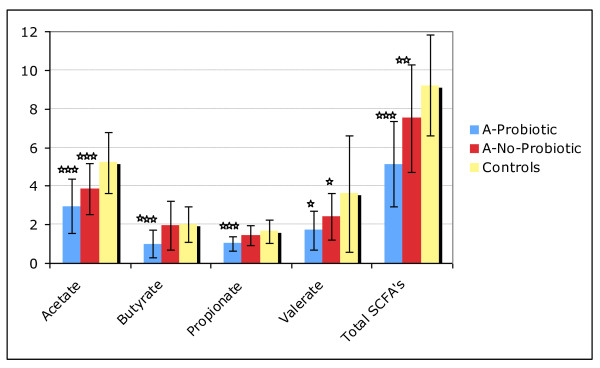
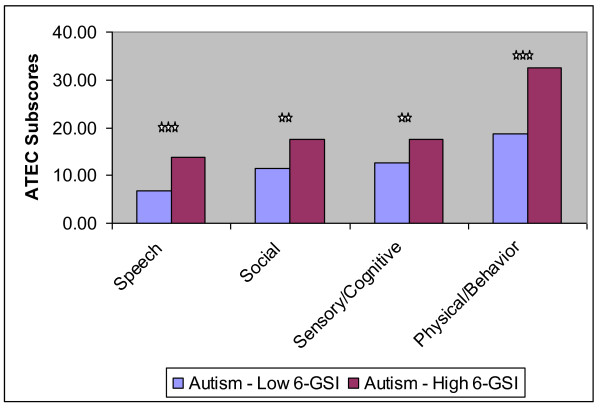
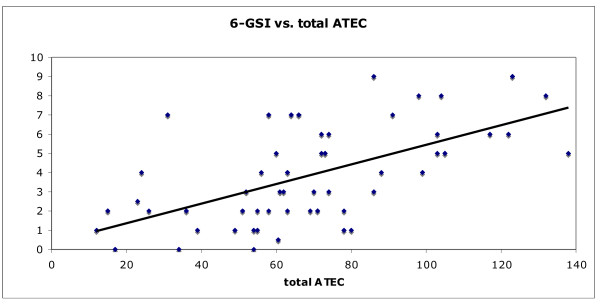
BACKGROUND: Children with autism have often been reported to have gastrointestinal problems that are more frequent and more severe than in children from the general population. METHODS: Gastrointestinal flora and gastrointestinal status were assessed from stool samples of 58 children with Autism Spectrum Disorders (ASD) and 39 healthy typical children of similar ages. Stool testing included bacterial and yeast culture tests, lysozyme, lactoferrin, secretory IgA, elastase, digestion markers, short chain fatty acids (SCFA's), pH, and blood presence. Gastrointestinal symptoms were assessed with a modified six-item GI Severity Index (6-GSI) questionnaire, and autistic symptoms were assessed with the Autism Treatment Evaluation Checklist (ATEC). RESULTS: Gastrointestinal symptoms (assessed by the 6-GSI) were strongly correlated with the severity of autism (assessed by the ATEC), (r = 0.59, p < 0.001). Children with 6-GSI scores above 3 had much higher ATEC Total scores than those with 6-GSI-scores of 3 or lower (81.5 +/- 28 vs. 49.0 +/- 21, p = 0.00002).Children with autism had much lower levels of total short chain fatty acids (-27%, p = 0.00002), including lower levels of acetate, proprionate, and valerate; this difference was greater in the children with autism taking probiotics, but also significant in those not taking probiotics. Children with autism had lower levels of species of Bifidobacter (-43%, p = 0.002) and higher levels of species of Lactobacillus (+100%, p = 0.00002), but similar levels of other bacteria and yeast using standard culture growth-based techniques. Lysozyme was somewhat lower in children with autism (-27%, p = 0.04), possibly associated with probiotic usage. Other markers of digestive function were similar in both groups. CONCLUSIONS: The strong correlation of gastrointestinal symptoms with autism severity indicates that children with more severe autism are likely to have more severe gastrointestinal symptoms and vice versa. It is possible that autism symptoms are exacerbated or even partially due to the underlying gastrointestinal problems. The low level of SCFA's was partly associated with increased probiotic use, and probably partly due to either lower production (less sacchrolytic fermentation by beneficial bacteria and/or lower intake of soluble fiber) and/or greater absorption into the body (due to longer transit time and/or increased gut permeability).
Overview
The claims and statistics of this paper haven’t been checked yet.
Free: it reads the open-access text and checks the first 5 claims that cite a source we can check. Create a free account to check every claim.
Integrity signals
Registry
Cites
Statistics
Figures
Verification
Claims the paper makes
The claims and statistics of this paper haven’t been checked yet.
Free: it reads the open-access text and checks the first 5 claims that cite a source we can check. Create a free account to check every claim.
Claims other papers make about this one
Each is checked against this paper’s own text: does it say what the citing paper says it does?
The cited source doesn’t support the claim as written.
In the citing paper
“Several studies found lower levels of fecal SCFA, including butyrate in feces of ASD children [53, 64], while a 2012 study found increased ammonia and SCFA including acetic, butyric, isobutyric, valeric, and isovaleric acids in ASD [61].”
From The Gut Microbiota and Dysbiosis in Autism Spectrum Disorders (2018) · cites this paper as [53]
Checked by a reasoning model — may be wrong.
Experimental — accuracy not yet measuredThe source backs part of the claim, not all of it — or backs it for a different population, condition or comparison.
In the citing paper
“In the order Lactobacillales and family Streptococcaceae, Streptococcus results (not S. thermophilus) corroborated an overall decrease in counts and percentage in ASD cases when statistical significance was reached [30, 31, 33, 37, 41].”
From Gut microbiota changes in children with autism spectrum disorder: a systematic review (2020) · cites this paper as [30]
Experimental — accuracy not yet measuredThe source backs part of the claim, not all of it — or backs it for a different population, condition or comparison.
In the citing paper
“however, upon a closer look at Bifidobacterium, consistently lower counts and proportions were found in children with ASD versus their siblings [31, 52] or controls [30, 38, 47].”
From Gut microbiota changes in children with autism spectrum disorder: a systematic review (2020) · cites this paper as [30]
Experimental — accuracy not yet measuredThe source backs part of the claim, not all of it — or backs it for a different population, condition or comparison.
In the citing paper
“Moreover, ASD patients seem to be characterized by both elevated levels of SCFA concentrations in stool and serum, and increased level of SCFA-producing bacteria (e.g., Clostridia, Desulfovibrio, and Bacteroides) [29,36,180].”
From Autism, Gastrointestinal Symptoms and Modulation of Gut Microbiota by Nutritional Interventions (2019) · cites this paper as [29]
Experimental — accuracy not yet measuredThe cited source says what the claim attributes to it.
In the citing paper
“Moreover, has been reported that the severity of gastrointestinal disorders in children with ASD may be closely linked to the intensity of neuropsychiatric symptoms, with more severe GI issues observed in individuals with more pronounced neuropsychiatric symptoms, and vice versa [33,34].”
From The Prevalence and Clinical Significance of Toe Walking in Autism Spectrum Disorder: A Cross-Sectional Study in an Italian Pediatric Sample (2025) · cites this paper as [33]
17 more claims about this paper
Create a free account to see every claim other papers make about this one.
Self-check
Percentages, sums and reported differences re-computed from the paper’s own numbers.
The self-check needs the paper’s full text.
Citations
Cites
Topping, D. L., & Clifton, P. M. (2001) · Physiological Reviews · doi:10.1152/physrev.2001.81.3.1031 · Cited by 3,091 · cited 2×
“Decreased levels may reflect insufficient normal colonic flora, a diet low in soluble fiber, or prolonged intestinal transit time [ 39 ].”
BackgroundPyrosequencing study of fecal microflora of autistic and control children
Finegold, S. M., Dowd, S. E., Gontcharova, V., Liu, C., Henley, K. E., Wolcott, R. D., Youn, E., Summanen, P. H., Granpeesheh, D., Dixon, D., et al. (2010) · Anaerobe · doi:10.1016/j.anaerobe.2010.06.008 · Cited by 977 · cited 4×
“Feingold’s pyrosequencing study [14] estimated that typical children normally have about 500-600 species of bacteria in their gut and estimated that children with autism have about twice that, so it is important to remember that we are only able to culture a small fraction of the species present.”
BackgroundMethodResultInfluentialNutritional and physiologic significance of human milk proteins
Lönnerdal, B. (2003) · The American Journal of Clinical Nutrition · doi:10.1093/ajcn/77.6.1537s · Cited by 878 · cited 1×
“Infants fed formula without lysozyme have three times the rate of diarrheal disease [43].”
BackgroundParracho, H. M., Bingham, M. O., Gibson, G. R., & McCartney, A. L. (2005) · Journal of Medical Microbiology · doi:10.1099/jmm.0.46101-0 · Cited by 784 · cited 2×
“Parracho et al. 2005 [13] used another culture-independent technique, fluorescence in situ hybridization (FISH) targeting Clostridium groups, and reported differences in the gut microflora of children with ASD compared to healthy children.”
BackgroundMethodGastrointestinal Microflora Studies in Late‐Onset Autism
Finegold, S. M., Molitoris, D., Song, Y., Liu, C., Vaisanen, M., Bolte, E., McTeague, M., Sandler, R., Wexler, H., Marlowe, E. M., et al. (2002) · Clinical Infectious Diseases · doi:10.1086/341914 · Cited by 742 · cited 2×
“Finegold et al. 2002 [11] studied fecal samples from 13 children with late-onset autism and 8 controls.”
BackgroundShort-Term Benefit From Oral Vancomycin Treatment of Regressive-Onset Autism
Sandler, R. H., Finegold, S. M., Bolte, E. R., Buchanan, C. P., Maxwell, A. P., Väisänen, M.-L., Nelson, M. N., & Wexler, H. M. (2000) · Journal of Child Neurology · doi:10.1177/088307380001500701 · Cited by 614 · cited 2×
“Additionally Desulfovibrio species and Bacteroides vulgatus were present in higher numbers in autistic than controls Treatment studies using a minimally absorbed oral antibiotic (vancomycin) to treat abnormal gut flora showed significant temporary improvements in behavior for children with late-onset autism [15], but…”
BackgroundReal-Time PCR Quantitation of Clostridia in Feces of Autistic Children
Song, Y., Liu, C., & Finegold, S. M. (2004) · Applied and Environmental Microbiology · doi:10.1128/aem.70.11.6459-6465.2004 · Cited by 556
de Magistris, L., Familiari, V., Pascotto, A., Sapone, A., Frolli, A., Iardino, P., Carteni, M., De Rosa, M., Francavilla, R., Riegler, G., et al. (2010) · Journal of Pediatric Gastroenterology and Nutrition · doi:10.1097/mpg.0b013e3181dcc4a5 · Cited by 546
MACFABE, D., CAIN, D., RODRIGUEZCAPOTE, K., FRANKLIN, A., HOFFMAN, J., BOON, F., TAYLOR, A., KAVALIERS, M., & OSSENKOPP, K. (2007) · Behavioural Brain Research · doi:10.1016/j.bbr.2006.07.025 · Cited by 497 · cited 3×
“2007 [17], which demonstrates that SCFA’s can induce autistic-like symptoms when injected into rats.”
BackgroundVolatile organic compounds from feces and their potential for diagnosis of gastrointestinal disease
Garner, C. E., Smith, S., de Lacy Costello, B., White, P., Spencer, R., Probert, C. S. J., & Ratcliffem, N. M. (2007) · The FASEB Journal · doi:10.1096/fj.06-6927com · Cited by 439
Research works printed but not linked: 4
- Rimland B Edelson S Autism Treatment Evaluation Checklist: Statistical Analyses 2000 Autism Research Institute, San Diego, CA
- Dugad L Performance Verification of Lysozyme ELISA Test Kit Verification 105 2007 Doctor's Data, Inc. Saint Charles, Illinois
- Dugad L Wu Z PerformanceVerification of Lactoferrin ELISA Test Kit of Fecal Verification 104 2007 Doctor's Data Inc, Saint Charles, Illinois
- Edelson S Parent Ratings of Behavioral Effects of Biomedical Interventions 2010 Autism Research Institute, Publication 34, San Diego, CA
Cited by
Items 401–500 of 1,000
A Microbial Association with Autism
Benach, J. L., Li, E., & McGovern, M. M. (2012) · mBio · doi:10.1128/mbio.00019-12 · Cited by 41
“Similarly, Adams and coworkers have demonstrated an increase in Lactobacillus species and a reduction in Bifidobacter organisms in the stools of ASD patients compared to controls (19).”
BackgroundReticulate Evolution: Symbiogenesis, Lateral Gene Transfer, Hybridization and Infectious Heredity
Gontier, N. (2015) · Interdisciplinary evolution research · doi:10.1007/978-3-319-16345-1 · Cited by 47
“In the case of autism, an overall decrease of diversity and a decrease of Prevotella microorganisms in the gut are linked with the onset of this disease, directly linking mental illness to the presence of specific microbial diversity in the gut (Adams et al. 2011).”
BackgroundMesleh, A. G., Abdulla, S. A., & El‐Agnaf, O. M. A. (2021) · Journal of Personalized Medicine · doi:10.3390/jpm11010041 · Cited by 48
Altered Gut Microbiota in Korean Children with Autism Spectrum Disorders
Ha, S., Oh, D., Lee, S., Park, J., Ahn, J., Choi, S., & Cheon, K.-A. A. (2021) · Nutrients · doi:10.3390/nu13103300 · Cited by 46
“They further explained that altered fecal SCFA levels in ASD can be influenced by several factors, such as gut microbiome composition, food intake, gut transit time variabilities, and gut permeability [15].”
BackgroundMychasiuk, R., & Rho, J. M. (2017) · Autism Research · doi:10.1002/aur.1682 · Cited by 45
Béopoulos, A., Géa, M., Fasano, A., & Iris, F. (2021) · Nutrients · doi:10.3390/nu14010065 · Cited by 45
Phan, J. L., Calvo, D. C., Nair, D., Jain, S., Montagne, T., Corbitt, J., Blanchard, K., Treadwell, S. M., Adams, J. B., & Krajmalnik‐Brown, R. (2024) · mSystems · doi:10.1128/msystems.00503-24 · Cited by 45
Self-citationTakyi, E., Nirmalkar, K., Adams, J. B., & Krajmalnik‐Brown, R. (2025) · Gut Microbes · doi:10.1080/19490976.2025.2499580 · Cited by 45
Self-citationA dysbiotic subpopulation of alcohol-dependent subjects
de Timary, P., Leclercq, S., Stärkel, P., & Delzenne, N. (2015) · Gut Microbes · doi:10.1080/19490976.2015.1107696 · Cited by 41
Microbiome programming of brain development: implications for neurodevelopmental disorders
Forssberg, H. (2019) · Developmental Medicine & Child Neurology · doi:10.1111/dmcn.14208 · Cited by 46
“Gastrointestinal symptoms such as constipation or diarrhoea, and irritable bowel syndrome are found in 23% to 70% of patients with ASD, and the gastrointestinal symptoms correlate strongly to the severity of the ASD symptoms.(42) A large number of studies, based on bacterial culture, gene sequencing, and metabolomics,…”
BackgroundNettleton, J. E., Klančič, T., Schick, A., Choo, A. C., Cheng, N., Shearer, J., Borgland, S. L., Rho, J. M., & Reimer, R. A. (2021) · Microorganisms · doi:10.3390/microorganisms9091833 · Cited by 45
“distress has been correlated with autism severity [6,7], but may be underreported due to the limited communication and verbal capacities of individuals with ASD, thus manifesting in increased problem behavior, such as aggression and self-injury [8].”
BackgroundPan, J.-X., Deng, F.-L., Zeng, B., Zheng, P., Liang, W., Yin, B., Wu, J., Dong, M.-X., Luo, Y., Wang, H., et al. (2019) · Journal of the Neurological Sciences · doi:10.1016/j.jns.2019.03.027 · Cited by 45
Keskitalo, A., Aatsinki, A.-K., Kortesluoma, S., Pelto, J., Korhonen, L., Lahti, L., Lukkarinen, M., Munukka, E., Karlsson, H., & Karlsson, L. (2021) · Stress · doi:10.1080/10253890.2021.1895110 · Cited by 44
“…& Francis Group such as irritable bowel syndrome (IBS) are often associated with altered HPA axis responses (Chang et al., 2009; Dinan et al., 2006), while gastrointestinal symptoms are common in several neurodevelopmental disorders such as autism (Adams et al., 2011; de Angelis et al., 2015).”
BackgroundAllan, N. P., Yamamoto, B. Y., Kunihiro, B. P., Nunokawa, C. K. L., Rubas, N. C., Wells, R. K., Umeda, L., Phankitnirundorn, K., Torres, A., Peres, R., et al. (2024) · Nutrients · doi:10.3390/nu16101401 · Cited by 44
“Multiple studies have linked abnormal gut flora to the varying severity of ASD symptoms, suggesting the involvement of the gut–brain axis in the development of ASD [10].”
BackgroundBetween Dysbiosis, Maternal Immune Activation and Autism: Is There a Common Pathway?
Suprunowicz, M., Tomaszek, N., Urbaniak, A., Zackiewicz, K., Modzelewski, S., & Waszkiewicz, N. (2024) · Nutrients · doi:10.3390/nu16040549 · Cited by 44
“Some authors suggest a correlation between the disturbances in gut microbiota composition and the severity of autistic symptomatology, including verbal and social skills and general behavior [46,161].”
BackgroundQuan, L., Yi, J., Zhao, Y., Zhang, F., Shi, X.-T., Feng, Z., & Miller, H. L. (2020) · NeuroToxicology · doi:10.1016/j.neuro.2019.10.012 · Cited by 44
“Intestinal disturbances are reported clinically in ASD, and compositional changes in gut microbiota are described in the literature (Li et al., 2017a; Chaidez et al., 2014; Liu et al., 2019; Adams et al., 2011).”
BackgroundDe Sales-Millán, A., Aguirre-Garrido, J. F., González-Cervantes, R. M., & Velázquez-Aragón, J. A. (2023) · doi:10.20944/preprints202305.1223.v1 · Cited by 44
The Gut–Brain–Microbiota Connection and Its Role in Autism Spectrum Disorders
Młynarska, E., Barszcz, E., Budny, E., Gajewska, A., Kopeć, K., Wasiak, J., Rysz, J., & Franczyk, B. (2025) · Nutrients · doi:10.3390/nu17071135 · Cited by 44
“The severity of GI disorders in children with ASD is closely linked to the intensity of neuropsychiatric symptoms, with more severe GI issues observed in individuals with more pronounced neuropsychiatric symptoms, and vice versa [14].”
Elsayed, H. E., Thompson, K. L., Conklin, J., & Watson, L. R. (2022) · American Journal of Speech-Language Pathology · doi:10.1044/2022_ajslp-21-00401 · Cited by 45
Gut microbiota signatures of vulnerability to food addiction in mice and humans
Samulenaite, S., García‐Blanco, A., Mayneris‐Perxachs, J., Domingo‐Rodriguez, L., Cabana‐Domínguez, J., Fernàndez‐Castillo, N., Gago-García, E., Pineda-Cirera, L., Burokas, A., Espinosa‐Carrasco, J., et al. (2024) · Gut · doi:10.1136/gutjnl-2023-331445 · Cited by 45
“Alterations of Ruminococca-ceae or Clostridiales bacterial abundances have been reported in patients with autism spectrum disorders, schizophrenia and social behavioural disorder, 37 38 which further supports the possibility that the gut–brain axis may affect the persistence of response.”
BackgroundAnti-Candida albicans IgG Antibodies in Children With Autism Spectrum Disorders
Hughes, H. K., & Ashwood, P. (2018) · Frontiers in Psychiatry · doi:10.3389/fpsyt.2018.00627 · Cited by 47
The Neuro‐Immune Axis: Prospect for Novel Treatments for Mental Disorders
Kraneveld, A. D., de Theije, C. G. M., van Heesch, F., Borre, Y., de Kivit, S., Olivier, B., Korte, M., & Garssen, J. (2014) · Basic & Clinical Pharmacology & Toxicology · doi:10.1111/bcpt.12154 · Cited by 37
Liu, J., Wan, G., Huang, M.-S., Agyapong, G., Zou, T.-L., Zhang, X., Liu, Y.-W., Song, Y., Tsai, Y.-C., & Kong, X. (2019) · Current Medical Science · doi:10.1007/s11596-019-2016-4 · Cited by 44
The gut microbiota and microbial metabolites are associated with tail biting in pigs
Verbeek, E., Keeling, L. J., Landberg, R., Lindberg, J. E., & Dicksved, J. (2021) · Scientific Reports · doi:10.1038/s41598-021-99741-8 · Cited by 43
Alteration of the fecal microbiota in Chinese children with autism spectrum disorder
Xie, X., Li, L., Wu, X., Hou, F., Chen, Y., Shi, L., Liu, Q., Zhu, K., Jiang, Q., Feng, Y., et al. (2022) · Autism Research · doi:10.1002/aur.2718 · Cited by 43
Chen, Z., Lin, Y., Zhou, Q., Shilin, X., Li, C., Lin, R., Li, J., Chen, Y., Luo, C., & Mo, Z. (2022) · Biomedicine & Pharmacotherapy · doi:10.1016/j.biopha.2022.112935 · Cited by 43
Elucidating the Role of Neurotensin in the Pathophysiology and Management of Major Mental Disorders
Boules, M., Fredrickson, P. A., Muehlmann, A. M., & Richelson, E. (2014) · Behavioral Sciences · doi:10.3390/bs4020125 · Cited by 43
Li, H., Huang, S., Jin, J., Yu, H. Y., Gu, T., Ou, X., Pan, S., Zhu, Y., & Su, X. (2024) · Nutrition Journal · doi:10.1186/s12937-024-00930-8 · Cited by 43
“In a 2011 study, it was employed as an instrument to measure aspects of GI symptoms in ASD research [40].”
MethodIUPHAR review: Microbiota-gut-brain axis and its role in neuropsychiatric disorders
Lee, S.-H., Han, C., & Shin, C. (2025) · Pharmacological Research · doi:10.1016/j.phrs.2025.107749 · Cited by 42
ENVOLVIMENTO DA FLORA INTESTINAL NA MODULAÇÃO DE DOENÇAS PSIQUIÁTRICAS
Lach, G., Morais, L. H., Costa, A. P., & Hoeller, A. A. (2017) · VITTALLE - Revista de Ciências da Saúde · doi:10.14295/vittalle.v29i1.6413 · Cited by 44
“Inicialmente, esta microbiota é, em grande parte, formada por bactérias ácidoláticas como o Lactobacillus, além de Prevotella e Sneathia (20).”
BackgroundInfluentialSavelkoul, H. F. J. (2017) · Clinical Immunolgy & Immunotherapy · doi:10.24966/ciit-8844/100009 · Cited by 43
Borghi, E., & Vignoli, A. (2019) · International Journal of Molecular Sciences · doi:10.3390/ijms20174160 · Cited by 36
“However, the contribution of microbial metabolites to ASD still must be elucidated, taking into account that fecal SCFAs were reported to be either lower or higher in ASD children [15,33,34].”
BackgroundNutrition and Autism Spectrum Disorder: Between False Myths and Real Research-Based Opportunities
Narzisi, A., Masi, G., & Grossi, E. (2021) · Nutrients · doi:10.3390/nu13062068 · Cited by 42
“Clostridia are increased in 2 studies [22,24] and a significant reduction in Bifidobacterial was shown in two studies [25,26] while Sutterella, a germ never previously detected in the human intestine, was found to be increased in both feces and ileal mucosa in 2 independent studies [23,27].”
BackgroundCaputi, V., Hill, L., Figueiredo, M., Popov, J., Hartung, E., Margolis, K. G., Baskaran, K., Joharapurkar, P., Moshkovich, M., & Pai, N. (2024) · Frontiers in Neuroscience · doi:10.3389/fnins.2024.1341656 · Cited by 41
Novau-Ferré, N., Papandreou, C., Rojo-Marticella, M., Canals, J., & Bulló, M. (2025) · Research in Developmental Disabilities · doi:10.1016/j.ridd.2025.105003 · Cited by 41
The role of microbiota in autism spectrum disorders
Campion, D., Ponzo, P., Alessandria, C., Saracco, G. M., & Balzola, F. A. (2018) · Minerva Gastroenterologica e Dietologica · doi:10.23736/s1121-421x.18.02493-5 · Cited by 41
“Finegold et al. (2010) described higher levels of Bacteroidetes in ASD patients, while Firmicutes were predominant in the control group.33 Conversely, Tomova et al., Williams et al. and Strati et al. showed a lower Bacteroidetes/Firmicutes ratio in autistic children.”
BackgroundResultInfluentialAutism and Migraine: An Unexplored Association?
Vetri, L. (2020) · Brain Sciences · doi:10.3390/brainsci10090615 · Cited by 42
“Gastrointestinal problems are the most frequent medical condition associated with autism [85] and they are correlated with autism severity, worse behaviors and they can trigger regression in children with ASD [86].”
BackgroundDavid, M. M., Tataru, C. A., Daniels, J., Schwartz, J. N., Keating, J., Hampton‐Marcell, J., Gottel, N., Gilbert, J. A., & Wall, D. P. (2021) · mSystems · doi:10.1128/msystems.00193-20 · Cited by 42
Screening of quorum sensing peptides for biological effects in neuronal cells
Janssens, Y., Wynendaele, E., Verbeke, F., Debunne, N., Gevaert, B., Audenaert, K., deWiele, C. V., & Spiegeleer, B. M. J. D. (2018) · Peptides · doi:10.1016/j.peptides.2018.01.013 · Cited by 41
“The abundancy of these species were found to be elevated in autism patients [56].”
Impacto da microbiota intestinal na saúde mental
Landeiro, J. (2016) · Portuguese National Funding Agency for Science, Research and Technology (RCAAP Project by FCT) · Cited by 41
Qureshi, F. A., Adams, J. B., Hanagan, K., Kang, D., Krajmalnik‐Brown, R., & Hahn, J. (2020) · Journal of Personalized Medicine · doi:10.3390/jpm10040152 · Cited by 41
Self-citationA Review of the Impact of Maternal Prenatal Stress on Offspring Microbiota and Metabolites
Yeramilli, V. A., Cheddadi, R., Shah, J., Brawner, K. M., & Martin, C. A. (2023) · Metabolites · doi:10.3390/metabo13040535 · Cited by 40
“However, the profiles of these SCFAs improved after children with ASD were administered probiotics [67].”
BackgroundInteraction of Heavy Metal Lead with Gut Microbiota: Implications for Autism Spectrum Disorder
Tizabi, Y., Bennani, S., Kouhen, N. E., Getachew, B., & Aschner, M. (2023) · Biomolecules · doi:10.3390/biom13101549 · Cited by 40
“Gastrointestinal symptoms seem to correlate with ASD severity [105,107,110].”
BackgroundDeFilippis, M. (2025) · Psychopharmacology Bulletin · doi:10.64719/pb.4560 · Cited by 42
Gut–brain axis in the executive function of austism spectrum disorder
Román, P., Rueda‐Ruzafa, L., Cardona, D., & Cortés‐Rodríguez, A. E. (2018) · Behavioural Pharmacology · doi:10.1097/fbp.0000000000000428 · Cited by 39
Kim, J. W., Hong, J. Y., & Bae, S. M. (2018) · Clinical Psychopharmacology and Neuroscience · doi:10.9758/cpn.2018.16.3.246 · Cited by 39
Autism Spectrum Disorders: From Immunity to Behavior
Careaga, M., & Ashwood, P. (2012) · Methods in Molecular Biology · doi:10.1007/978-1-62703-071-7_12 · Cited by 38
Murakami, Y., Imamura, Y., Kasahara, Y., Yoshida, C., Momono, Y., Fang, K., Sakai, D., Konishi, Y., & Nishiyama, T. (2023) · Cells · doi:10.3390/cells12071087 · Cited by 39
Alteration of the gut microbiota profile in children with autism spectrum disorder in China
Li, H., Guo, W., Li, S., Sun, B., Li, N., Xie, D., Dong, Z., Luo, D., Chen, W., Fu, W., et al. (2024) · Frontiers in Microbiology · doi:10.3389/fmicb.2023.1326870 · Cited by 39
Zhu, X., Sun, Y., Zhang, C., & Liu, H. (2017) · Molecular Medicine Reports · doi:10.3892/mmr.2017.6353 · Cited by 38
“Minor microflora consist of facultative anaerobes, fewer in number and species, including Escherichia coli and streptococcus, which have high mobility and potential pathogenicity (28,34).”
Wang, L., Yu, Y.-M., Zhang, Y.-Q., Zhang, J., Lu, N., & Liu, N. (2017) · European Child & Adolescent Psychiatry · doi:10.1007/s00787-017-1039-2 · Cited by 39
Patterns of Food Selectivity among Children with Autism Spectrum Disorders
Byrska, A., Błażejczyk, I., Faruga, A., Potaczek, M., Wilczyński, K. M., & Janas-Kozik, M. (2023) · doi:10.20944/preprints202307.0875.v1 · Cited by 37
“of dietary interventions, such as restrictive diets (most often gluten-free and casein-free), and dietary supplements, such as vitamins, minerals, amino acids, omega-3s and herbal compounds, in ASD are still controversial [49].”
Timperio, A. M., Gevi, F., Cucinotta, F., Ricciardello, A., Turriziani, L., Scattoni, M. L., & Persico, A. M. (2022) · Metabolites · doi:10.3390/metabo12090797 · Cited by 37
Rojo-Marticella, M., Arija, V., & Canals, J. (2025) · Research on Child and Adolescent Psychopathology · doi:10.1007/s10802-024-01278-7 · Cited by 38
“…symptomatology and behavior in ASD, noting improvements in autism severity, attention capacity, social affect, and core symptoms in children (Adams et al., 2011; Grossi et al., 2016; He et al., 2023; Liu et al., 2019; Parracho et al., 2010; Santocchi et al., 2016; Schmitt et al., 2023;…”
Khanna, H. N., Roy, S., Shaikh, A., Chhabra, R., & Uddin, A. (2025) · BMJ Paediatrics Open · doi:10.1136/bmjpo-2024-003045 · Cited by 37
“Probiotic supplementation shows promise in reducing GI problems, such as diarrhoea, stool smell and flatulence,”
Gonzales, J. A., Marchix, J., Aymeric, L., Berre‐Scoul, C. L., Zoppi, J., Bordron, P., Burel, M., Davidovic, L., Richard, J., Gaman, A., et al. (2021) · Microorganisms · doi:10.3390/microorganisms9081723 · Cited by 38
“To date, no studies have examined the level of BA in ASD patients, but several studies have investigated the fecal concentration of SCFA in children with ASD.”
BackgroundInfluentialInterventions on Microbiota: Where Do We Stand on a Gut–Brain Link in Autism? A Systematic Review
Prosperi, M., Santocchi, E., Guiducci, L., Frinzi, J., Morales, M. A., Tancredi, R., Muratori, F., & Calderoni, S. (2022) · Nutrients · doi:10.3390/nu14030462 · Cited by 31
“Other studies concerning the administration of probiotics in subjects with ASD did not analyze the effects on the behavior of the enrolled subjects [6,58] (not included in this review) or did not reveal any improvement related to treatment with supplements [28,38].”
BackgroundMethodBonnechère, B., Amin, N., & van Duijn, C. M. (2022) · Frontiers in Cellular and Infection Microbiology · doi:10.3389/fcimb.2022.831666 · Cited by 39
“The most studied neuropsychiatric disorder is ASD with twenty-three studies included in the review, involving a total of 932 patients and 792 healthy controls (Adams et al., 2011; Wang et al., 2011; Gondalia et al., 2012; Kang et al., 2013; Son et al., 2015; Tomova et al., 2015; Luna et al., 2016; Strati et al., 2017;…”
BackgroundSerra, D., Henriques, J. F., Sousa, F. J., Laranjo, M., Resende, R., Ferreira‐Marques, M., de Freitas, V. A. P., Silva, G., Peça, J., Dinis, T. C. P., et al. (2022) · International Journal of Molecular Sciences · doi:10.3390/ijms23169259 · Cited by 37
“interplay between the gut or gut microbiota and the brain has recently gained much attention in the context of ASD on the basis of several pieces of evidence, namely: (i) children with ASD often report gastrointestinal symptoms (GI), such as diarrhea, constipation, and abdominal pain, and GI symptoms seem to be strong…”
BackgroundNeuroinflammation in Autism Spectrum Disorders: Role of High Mobility Group Box 1 Protein.
Dipasquale, V., Cutrupi, M. C., Colavita, L., Manti, S., Cuppari, C., & Salpietro, C. D. (2017) · PubMed Central · doi:10.22088/acadpub.bums.6.3.148 · Cited by 37
Palmer, J. K., van der Pols, J. C., Sullivan, K. A., Staudacher, H. M., & Byrne, R. (2024) · Journal of Autism and Developmental Disorders · doi:10.1007/s10803-024-06239-z · Cited by 36
Hanau, S., Almugadam, S. H., Sapienza, E., Cacciari, B., Manfrinato, M. C., Trentini, A., & Kennedy, J. F. (2020) · Carbohydrate Polymer Technologies and Applications · doi:10.1016/j.carpta.2020.100013 · Cited by 36
The role of faecal microbiota transplantation: looking beyond Clostridioides difficile infection
Goldenberg, S. D., & Merrick, B. (2021) · Therapeutic Advances in Infectious Disease · doi:10.1177/2049936120981526 · Cited by 36
Żebrowska-Różańska, P., Łaczmańska, I., & Łaczmański, Ł. (2021) · Frontiers in Cellular and Infection Microbiology · doi:10.3389/fcimb.2021.630052 · Cited by 36
“There is also a positive correlation between the exacerbation of neurological symptoms and GI inconvenience (Adams et al., 2011).”
BackgroundGood bacteria, oxidative stress and neurological disorders: Possible therapeutical considerations
Soheili, M., Alinaghipour, A., & Salami, M. (2022) · Life Sciences · doi:10.1016/j.lfs.2022.120605 · Cited by 36
Marć, M. A., Jastrząb, R., & Mytych, J. (2022) · Nutrients · doi:10.3390/nu14193967 · Cited by 36
Mucosal Immunity and the Gut-Microbiota-Brain-Axis in Neuroimmune Disease
Sterling, K. G., Dodd, G. K., Alhamdi, S., Asimenios, P. G., Dagda, R. K., Meirleir, K. L. D., Hudig, D., & Lombardi, V. C. (2022) · International Journal of Molecular Sciences · doi:10.3390/ijms232113328 · Cited by 36
Short-chain fatty acids in patients with schizophrenia and ultra-high risk population
Peng, H., Ouyang, L., Li, D., Li, Z., Liu, Y., Fan, L., Liao, A., Li, J., Wei, Y., Yang, Z., et al. (2022) · Frontiers in Psychiatry · doi:10.3389/fpsyt.2022.977538 · Cited by 36
Matthews, J. S., & Adams, J. B. (2023) · Journal of Personalized Medicine · doi:10.3390/jpm13101448 · Cited by 39
“…need for sugar and it can contribute to overweight, digestive symptoms, poor growth, dental caries, and increase the risk of developing type 2 diabetes and cardiometabolic conditions [42], and also increase the risk of intestinal yeast infections, which are common in children with ASD [18,43].”
BackgroundSelf-citationA review of engraftment assessments following fecal microbiota transplant
Herman, C., Barker, B. M., Bartelli, T. F., Chandra, V., Krajmalnik‐Brown, R., Jewell, M., Li, L., Liao, C., McAllister, F. M., Nirmalkar, K., et al. (2025) · Gut Microbes · doi:10.1080/19490976.2025.2525478 · Cited by 36
“105,106 Desulfovibrio has been reported as both detrimental and commensal in the gut microbiome by different research groups but has been identified as an important bacterial genus in autism studies.”
Góra, B., Gofron, Z., Grosiak, M., Aptekorz, M., Kazek, B., Kocelak, P., Radosz-Komoniewska, H., Chudek, J., & Martirosian, G. (2018) · Anaerobe · doi:10.1016/j.anaerobe.2018.03.005 · Cited by 32
Thulasi, V., Steer, R. A., Monteiro, I. M., & Ming, X. (2018) · Autism · doi:10.1177/1362361318757564 · Cited by 35
“The GSI has been previously described and employed in ASD research by Adams et al. (2011) and Ming et al. (2012).”
MethodWang, J., Pan, J., Chen, H., Li, Y., Amakye, W. K., Liang, J., Ma, B., Chu, X., Mao, L., & Zhang, Z. (2019) · Frontiers in Neuroscience · doi:10.3389/fnins.2019.01216 · Cited by 30
The enteric nervous system: “A little brain in the gut”
Annaházi, A., & Schemann, M. (2020) · e-Neuroforum · doi:10.1515/nf-2019-0027 · Cited by 35
“GI symptoms in patients with ASD are very common, and they correlate strongly with disease severity (Adams et al., 2011).”
BackgroundPrenatal Zinc Deficient Mice as a Model for Autism Spectrum Disorders
Sauer, A. K., Hagmeyer, S., & Grabrucker, A. M. (2022) · International Journal of Molecular Sciences · doi:10.3390/ijms23116082 · Cited by 35
Zhu, J., Meng, H., Zhang, L., & Li, Y. (2023) · Journal of Translational Medicine · doi:10.1186/s12967-023-04218-z · Cited by 35
“Children with ASD exhibit aberrant intestinal permeability and altered intestinal microbiomes, according to previous studies [4, 5].”
BackgroundEffect of probiotics on children with autism spectrum disorders: a meta-analysis
Zeng, P., Zhang, C.-Z., Fan, Z., Yang, C., Cai, W., Huang, Y., Xiang, Z., Wu, J., Zhang, J., & Yang, J. (2024) · The Italian Journal of Pediatrics/Italian journal of pediatrics · doi:10.1186/s13052-024-01692-z · Cited by 36
“Secondary outcome: the severity of gastrointestinal symptoms was evaluated by total 6-GSI (gastrointestinal severity index) [17].”
BackgroundLin, C.-H., Zeng, T., Lu, C.-W., Li, D.-Y., Liu, Y.-Y., Li, B., Chen, S., & Deng, Y. (2024) · Frontiers in Nutrition · doi:10.3389/fnut.2024.1447059 · Cited by 34
Pochakom, A., Mu, C., Rho, J. M., Tompkins, T. A., Mayengbam, S., & Shearer, J. (2022) · Brain Sciences · doi:10.3390/brainsci12060781 · Cited by 34
“Furthermore, a strong correlation has been found between GI symptoms and autism severity, suggesting a potential relationship between the gut and brain dysfunction in affected individuals [7].”
BackgroundYang, Y., Zhou, S., Xing, Y., Yang, G., & You, M. (2023) · Ecotoxicology and Environmental Safety · doi:10.1016/j.ecoenv.2023.115079 · Cited by 34
Zheng, L., Jiao, Y., Zhong, H., Tan, Y., Yin, Y., Liu, Y., Liu, D., Wu, M., Wang, G., Huang, J., et al. (2024) · mSystems · doi:10.1128/msystems.00257-24 · Cited by 34
“Recent research has bolstered the concept of a functional gut-brain axis (GBA), establishing a connection between gut microbiota and brain activity in autism (9, 10) as well as other neuropsychiatric disorders (11, 12).”
BackgroundNeuropeptides in the microbiota-brain axis and feeding behavior in autism spectrum disorder
Fetissov, S. O., Averina, O. V., & Даниленко, В. Н. (2018) · Nutrition · doi:10.1016/j.nut.2018.10.030 · Cited by 34
Mind the gut: probiotics in paediatric neurogastroenterology
Salvatore, S., Pensabene, L., Borrelli, O., Saps, M., Thapar, N., Concolino, D., Staiano, A., & Vandenplas, Y. (2018) · Beneficial Microbes · doi:10.3920/bm2018.0013 · Cited by 33
Serra, D., Almeida, L. M., & Dinis, T. C. P. (2019) · Neuroscience & Biobehavioral Reviews · doi:10.1016/j.neubiorev.2019.05.010 · Cited by 33
From “Leaky Gut” to Impaired Glia-Neuron Communication in Depression
Rudzki, L., & Maes, M. H. J. (2021) · Advances in experimental medicine and biology · doi:10.1007/978-981-33-6044-0_9 · Cited by 33
An anxious relationship between Autism Spectrum Disorder and Gut Microbiota: A tangled chemistry?
Vellingiri, B., Aishwarya, S. Y., Jancy, S. B., Abhishek, G. S., Babu, H. W. S., Vijayakumar, P., Narayanasamy, A., Mariappan, S., Sangeetha, R., Gopalakrishnan, A. V., et al. (2022) · Journal of Clinical Neuroscience · doi:10.1016/j.jocn.2022.03.003 · Cited by 34
Inchingolo, A. M., Patano, A., Piras, F., Mancini, A., Inchingolo, A. D., Paduanelli, G., Inchingolo, F., Palermo, A., Dipalma, G., & Malcangi, G. (2023) · Microorganisms · doi:10.3390/microorganisms11061477 · Cited by 33
“Probiotic investigation found a reduction in short-chain fatty acids (SCFAs), which are fermentation products of dietary carbohydrates generated by Clostridium, Ruminococcaceae, Lachnospiraceae, and Desulfovibrio, among others [50,60,68,69].”
BackgroundChen, Z., Zhijie, C., Yuting, Z., Shilin, X., Qichun, Z., Ou, J., Chaohua, L., Li, J., & Zhi-xian, M. (2020) · Frontiers in Microbiology · doi:10.3389/fmicb.2020.00946 · Cited by 34
Yu, R., Hafeez, R., Ibrahim, M. K., Alonazi, W. B., & Li, B. (2024) · Behavioural Brain Research · doi:10.1016/j.bbr.2024.115177 · Cited by 33
Dong, H.-Y., Feng, J., Li, H., Yue, X.-J., & Jia, F. (2022) · BMC Pediatrics · doi:10.1186/s12887-021-03086-0 · Cited by 32
“Children with severe symptoms are likely to have a much higher proportion of accompanying gastrointestinal problems [37].”
BackgroundZhang, Y., Guo, M., Zhang, H., Wang, Y., Li, R., Liu, Z., Zheng, H., & You, C. (2022) · Frontiers in Nutrition · doi:10.3389/fnut.2022.1005308 · Cited by 32
“Among the multiple comorbidities of ASD, variable levels of gastrointestinal dysfunctions are frequently reported, together with changes in the intestinal microbiota (10, 11).”
BackgroundDecreased Plasma Myeloperoxidase Associated with Probiotic Therapy in Autistic Children
Russo, A. J. (2015) · Clinical Medicine Insights: Pediatrics · doi:10.4137/cmped.s17901 · Cited by 27
A potential impact of Helicobacter pylori -related galectin-3 in neurodegeneration
Boziki, M. K., Pοlyzos, S. A., Deretzi, G., Kazakos, E. I., Katsinelos, P., Doulberis, M., Kotronis, G., Giartza‐Taxidou, E., Laskaridis, L., Tzivras, D., et al. (2017) · Neurochemistry International · doi:10.1016/j.neuint.2017.12.003 · Cited by 32
“The importance of the gut-brain interaction has been recognized since disruption in neuroendocrine balance may result in neurodevelopmental, behavioural and cognitive disorders (Adams et al., 2011; Rhee et al., 2009).”
Khan, Z. U. N., Chand, P., Majid, H., Ahmed, S., Khan, A. H., Jamil, A., Ejaz, S., Wasim, A., Khan, K. A., & Jafri, L. (2022) · BMC Neurology · doi:10.1186/s12883-022-02630-4 · Cited by 32
“Studies have also shown a strong correlation between GI dysfunction and autism severity, across all domains including speech, social, and behavior [45, 47].”
BackgroundIsaksson, J., Pettersson, E., Kostrzewa, E., Diaz Heijtz, R., & Bölte, S. (2017) · Journal of Autism and Developmental Disorders · doi:10.1007/s10803-017-3169-2 · Cited by 31
Gut mycobiome and neuropsychiatric disorders: insights and therapeutic potential
Hadrich, I., Turki, M., Chaari, I., Abdelmoula, B., Gargouri, R., Khemakhem, N., Elatoui, D., Abid, F., Kammoun, S., Rekik, M., et al. (2025) · Frontiers in Cellular Neuroscience · doi:10.3389/fncel.2024.1495224 · Cited by 31
Heberling, C., & Dhurjati, P. (2015) · International Journal of Molecular Sciences · doi:10.3390/ijms16048949 · Cited by 31
“Recent research suggests that individuals with autism often suffer from gastrointestinal dysfunction, as well [3,4].”
BackgroundGut Microbiota and Fecal Metabolome Perturbation in Children with Autism Spectrum Disorder
Mohamadkhani, A. (2018) · Middle East Journal of Digestive Diseases · doi:10.15171/mejdd.2018.112 · Cited by 33
Kobliner, V., Mumper, E. A., & Baker, S. M. (2018) · Europe PMC (PubMed Central) · Cited by 31
Probiotics and Prebiotics in the Treatment of Autism Spectrum Disorder: A Narrative Review
Zhang, S., Han, F., Wang, Q., & Fan, F. (2024) · Journal of Integrative Neuroscience · doi:10.31083/j.jin2301020 · Cited by 31
Metadata
- Authors
- Adams, J. B., Johansen, L. J., Powell, L. D., Quig, D., & Rubin, R. A.
- Affiliations
- Arizona State University (US)
- Whittier College (US)
- Corresponding author
- Adams, James B
- ORCID
- Adams, James B
- Venue
- BMC Gastroenterology
- Published
- 2011-03-16
- Volume
- 11
- Issue
- 1
- Pages
- 22-22
- ISSN
- 1471-230X (ISSN-L)
- PMC
- PMC3072352
- OpenAlex
- W1996441448
- Cited by
- 1,076
- References
- 40
- Citations by year
- 2026: 42 · 2025: 76 · 2024: 92 · 2023: 85 · 2022: 100 · 2021: 101 · 2020: 104 · 2019: 99 · 2018: 81 · 2017: 58 · 2016: 59 · 2015: 60 · 2014: 43 · 2013: 38 · 2012: 25
- FWCI
- 15.05
- Type
- journal article
- Language
- en
- Open access
- gold
- doi.org
- Licence
- cc-by
- creativecommons.org/licenses/by/2.0 (tdm)
- Locations
- BMC Gastroenterology (publishedVersion, cc-by)
- Europe PMC (PubMed Central) (publishedVersion, cc-by)
- PubMed Central (publishedVersion, cc-by)
- PubMed (publishedVersion)
- Arizona State University Library Digital Repository (Arizona State University) (submittedVersion, cc-by)
- DOAJ (DOAJ: Directory of Open Access Journals) (submittedVersion, cc-by-sa)
- Funders
- Autism Research Institute
- Topics
- Life Sciences › Biochemistry, Genetics and Molecular Biology › Molecular Biology › Gut microbiota and health
- Life Sciences › Neuroscience › Cognitive Neuroscience › Autism Spectrum Disorder Research
- Health Sciences › Medicine › Gastroenterology › Gastrointestinal motility and disorders
- Keywords
- autism spectrum disorder, gastrointestinal symptoms, gut microbiota, short-chain fatty acids, probiotics, Lactobacillus, lysozyme, lactoferrin, secretory IgA, autism severity, children, dysbiosis, dietary fiber, yeast overgrowth, Autism Treatment Evaluation Checklist, stool examination
- MeSH terms
- Autistic Disorder, Bifidobacterium, Child, Child, Preschool, Digestion, Fatty Acids, Volatile, Female, Gastrointestinal Diseases, Humans, Lactobacillus, Male, Severity of Illness Index, Case-Control Studies, Probiotics, Gastrointestinal Tract
About these checks
Registry, retraction, Cites and statistics results are computed, not judged, with one exception: a printed reference that no index lists is read once by a model before it counts as a citation error. Claims are extracted by a model and kept only when their quote appears verbatim in the text; each cited source is then checked, with a model’s help, for whether it says what the claim relies on. Those verdicts can be wrong — read the claim’s quote and the cited source before relying on one.
Statistics and arithmetic are recomputed, not judged.
Confidence bands are shown only for fields calibrated on our annotated test set. None is calibrated yet, so no band is shown.
What counts as a claim ›How we measure confidence ›How we check this ›
Are you an author, or do you see a problem with this page? Request a review
Data sources
Bibliographic data: Semantic Scholar, OpenAlex, Crossref.
Contains information from the Semantic Scholar Academic Graph Datasets, made available under the ODC Attribution License (ODC-BY 1.0).
Semantic Scholar’s data is described in: Kinney, R., et al. (2023). The Semantic Scholar Open Data Platform. arXiv:2301.10140.
