

Gastrointestinal flora and gastrointestinal status in children with autism – comparisons to typical children and correlation with autism severity
Open accessThe DOI matches its Crossref record; 40 of the 40 references it cites were found in a registry or an index.
Abstract
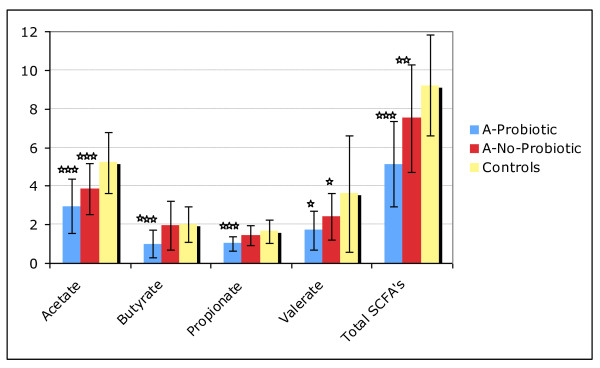
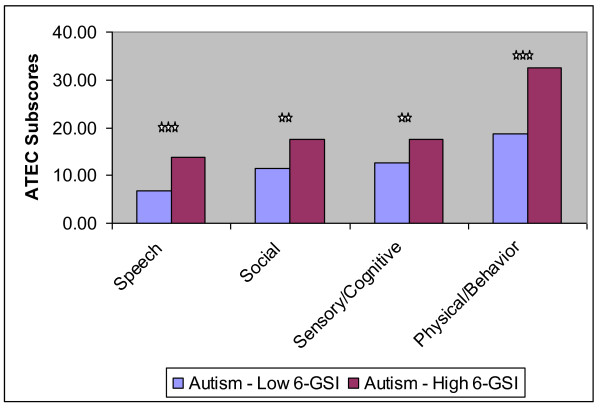
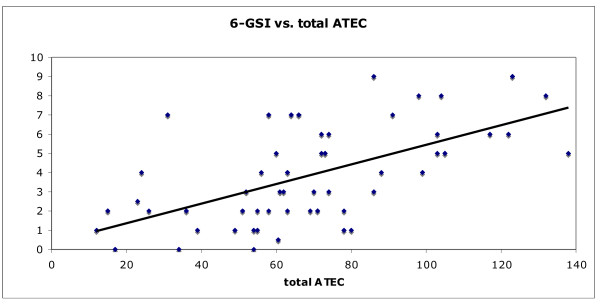
BACKGROUND: Children with autism have often been reported to have gastrointestinal problems that are more frequent and more severe than in children from the general population. METHODS: Gastrointestinal flora and gastrointestinal status were assessed from stool samples of 58 children with Autism Spectrum Disorders (ASD) and 39 healthy typical children of similar ages. Stool testing included bacterial and yeast culture tests, lysozyme, lactoferrin, secretory IgA, elastase, digestion markers, short chain fatty acids (SCFA's), pH, and blood presence. Gastrointestinal symptoms were assessed with a modified six-item GI Severity Index (6-GSI) questionnaire, and autistic symptoms were assessed with the Autism Treatment Evaluation Checklist (ATEC). RESULTS: Gastrointestinal symptoms (assessed by the 6-GSI) were strongly correlated with the severity of autism (assessed by the ATEC), (r = 0.59, p < 0.001). Children with 6-GSI scores above 3 had much higher ATEC Total scores than those with 6-GSI-scores of 3 or lower (81.5 +/- 28 vs. 49.0 +/- 21, p = 0.00002).Children with autism had much lower levels of total short chain fatty acids (-27%, p = 0.00002), including lower levels of acetate, proprionate, and valerate; this difference was greater in the children with autism taking probiotics, but also significant in those not taking probiotics. Children with autism had lower levels of species of Bifidobacter (-43%, p = 0.002) and higher levels of species of Lactobacillus (+100%, p = 0.00002), but similar levels of other bacteria and yeast using standard culture growth-based techniques. Lysozyme was somewhat lower in children with autism (-27%, p = 0.04), possibly associated with probiotic usage. Other markers of digestive function were similar in both groups. CONCLUSIONS: The strong correlation of gastrointestinal symptoms with autism severity indicates that children with more severe autism are likely to have more severe gastrointestinal symptoms and vice versa. It is possible that autism symptoms are exacerbated or even partially due to the underlying gastrointestinal problems. The low level of SCFA's was partly associated with increased probiotic use, and probably partly due to either lower production (less sacchrolytic fermentation by beneficial bacteria and/or lower intake of soluble fiber) and/or greater absorption into the body (due to longer transit time and/or increased gut permeability).
Overview
The claims and statistics of this paper haven’t been checked yet.
Free: it reads the open-access text and checks the first 5 claims that cite a source we can check. Create a free account to check every claim.
Integrity signals
Registry
Cites
Statistics
Figures
Verification
Claims the paper makes
The claims and statistics of this paper haven’t been checked yet.
Free: it reads the open-access text and checks the first 5 claims that cite a source we can check. Create a free account to check every claim.
Claims other papers make about this one
Each is checked against this paper’s own text: does it say what the citing paper says it does?
The cited source doesn’t support the claim as written.
In the citing paper
“Several studies found lower levels of fecal SCFA, including butyrate in feces of ASD children [53, 64], while a 2012 study found increased ammonia and SCFA including acetic, butyric, isobutyric, valeric, and isovaleric acids in ASD [61].”
From The Gut Microbiota and Dysbiosis in Autism Spectrum Disorders (2018) · cites this paper as [53]
Checked by a reasoning model — may be wrong.
Experimental — accuracy not yet measuredThe source backs part of the claim, not all of it — or backs it for a different population, condition or comparison.
In the citing paper
“In the order Lactobacillales and family Streptococcaceae, Streptococcus results (not S. thermophilus) corroborated an overall decrease in counts and percentage in ASD cases when statistical significance was reached [30, 31, 33, 37, 41].”
From Gut microbiota changes in children with autism spectrum disorder: a systematic review (2020) · cites this paper as [30]
Experimental — accuracy not yet measuredThe source backs part of the claim, not all of it — or backs it for a different population, condition or comparison.
In the citing paper
“however, upon a closer look at Bifidobacterium, consistently lower counts and proportions were found in children with ASD versus their siblings [31, 52] or controls [30, 38, 47].”
From Gut microbiota changes in children with autism spectrum disorder: a systematic review (2020) · cites this paper as [30]
Experimental — accuracy not yet measuredThe source backs part of the claim, not all of it — or backs it for a different population, condition or comparison.
In the citing paper
“Moreover, ASD patients seem to be characterized by both elevated levels of SCFA concentrations in stool and serum, and increased level of SCFA-producing bacteria (e.g., Clostridia, Desulfovibrio, and Bacteroides) [29,36,180].”
From Autism, Gastrointestinal Symptoms and Modulation of Gut Microbiota by Nutritional Interventions (2019) · cites this paper as [29]
Experimental — accuracy not yet measuredThe cited source says what the claim attributes to it.
In the citing paper
“Moreover, has been reported that the severity of gastrointestinal disorders in children with ASD may be closely linked to the intensity of neuropsychiatric symptoms, with more severe GI issues observed in individuals with more pronounced neuropsychiatric symptoms, and vice versa [33,34].”
From The Prevalence and Clinical Significance of Toe Walking in Autism Spectrum Disorder: A Cross-Sectional Study in an Italian Pediatric Sample (2025) · cites this paper as [33]
17 more claims about this paper
Create a free account to see every claim other papers make about this one.
Self-check
Percentages, sums and reported differences re-computed from the paper’s own numbers.
The self-check needs the paper’s full text.
Citations
Cites
Topping, D. L., & Clifton, P. M. (2001) · Physiological Reviews · doi:10.1152/physrev.2001.81.3.1031 · Cited by 3,091 · cited 2×
“Decreased levels may reflect insufficient normal colonic flora, a diet low in soluble fiber, or prolonged intestinal transit time [ 39 ].”
BackgroundPyrosequencing study of fecal microflora of autistic and control children
Finegold, S. M., Dowd, S. E., Gontcharova, V., Liu, C., Henley, K. E., Wolcott, R. D., Youn, E., Summanen, P. H., Granpeesheh, D., Dixon, D., et al. (2010) · Anaerobe · doi:10.1016/j.anaerobe.2010.06.008 · Cited by 977 · cited 4×
“Feingold’s pyrosequencing study [14] estimated that typical children normally have about 500-600 species of bacteria in their gut and estimated that children with autism have about twice that, so it is important to remember that we are only able to culture a small fraction of the species present.”
BackgroundMethodResultInfluentialNutritional and physiologic significance of human milk proteins
Lönnerdal, B. (2003) · The American Journal of Clinical Nutrition · doi:10.1093/ajcn/77.6.1537s · Cited by 878 · cited 1×
“Infants fed formula without lysozyme have three times the rate of diarrheal disease [43].”
BackgroundParracho, H. M., Bingham, M. O., Gibson, G. R., & McCartney, A. L. (2005) · Journal of Medical Microbiology · doi:10.1099/jmm.0.46101-0 · Cited by 784 · cited 2×
“Parracho et al. 2005 [13] used another culture-independent technique, fluorescence in situ hybridization (FISH) targeting Clostridium groups, and reported differences in the gut microflora of children with ASD compared to healthy children.”
BackgroundMethodGastrointestinal Microflora Studies in Late‐Onset Autism
Finegold, S. M., Molitoris, D., Song, Y., Liu, C., Vaisanen, M., Bolte, E., McTeague, M., Sandler, R., Wexler, H., Marlowe, E. M., et al. (2002) · Clinical Infectious Diseases · doi:10.1086/341914 · Cited by 742 · cited 2×
“Finegold et al. 2002 [11] studied fecal samples from 13 children with late-onset autism and 8 controls.”
BackgroundShort-Term Benefit From Oral Vancomycin Treatment of Regressive-Onset Autism
Sandler, R. H., Finegold, S. M., Bolte, E. R., Buchanan, C. P., Maxwell, A. P., Väisänen, M.-L., Nelson, M. N., & Wexler, H. M. (2000) · Journal of Child Neurology · doi:10.1177/088307380001500701 · Cited by 614 · cited 2×
“Additionally Desulfovibrio species and Bacteroides vulgatus were present in higher numbers in autistic than controls Treatment studies using a minimally absorbed oral antibiotic (vancomycin) to treat abnormal gut flora showed significant temporary improvements in behavior for children with late-onset autism [15], but…”
BackgroundReal-Time PCR Quantitation of Clostridia in Feces of Autistic Children
Song, Y., Liu, C., & Finegold, S. M. (2004) · Applied and Environmental Microbiology · doi:10.1128/aem.70.11.6459-6465.2004 · Cited by 556
de Magistris, L., Familiari, V., Pascotto, A., Sapone, A., Frolli, A., Iardino, P., Carteni, M., De Rosa, M., Francavilla, R., Riegler, G., et al. (2010) · Journal of Pediatric Gastroenterology and Nutrition · doi:10.1097/mpg.0b013e3181dcc4a5 · Cited by 546
MACFABE, D., CAIN, D., RODRIGUEZCAPOTE, K., FRANKLIN, A., HOFFMAN, J., BOON, F., TAYLOR, A., KAVALIERS, M., & OSSENKOPP, K. (2007) · Behavioural Brain Research · doi:10.1016/j.bbr.2006.07.025 · Cited by 497 · cited 3×
“2007 [17], which demonstrates that SCFA’s can induce autistic-like symptoms when injected into rats.”
BackgroundVolatile organic compounds from feces and their potential for diagnosis of gastrointestinal disease
Garner, C. E., Smith, S., de Lacy Costello, B., White, P., Spencer, R., Probert, C. S. J., & Ratcliffem, N. M. (2007) · The FASEB Journal · doi:10.1096/fj.06-6927com · Cited by 439
Research works printed but not linked: 4
- Rimland B Edelson S Autism Treatment Evaluation Checklist: Statistical Analyses 2000 Autism Research Institute, San Diego, CA
- Dugad L Performance Verification of Lysozyme ELISA Test Kit Verification 105 2007 Doctor's Data, Inc. Saint Charles, Illinois
- Dugad L Wu Z PerformanceVerification of Lactoferrin ELISA Test Kit of Fecal Verification 104 2007 Doctor's Data Inc, Saint Charles, Illinois
- Edelson S Parent Ratings of Behavioral Effects of Biomedical Interventions 2010 Autism Research Institute, Publication 34, San Diego, CA
Cited by
Mind-altering microorganisms: the impact of the gut microbiota on brain and behaviour
Cryan, J. F., & Dinan, T. G. (2012) · Nature Reviews Neuroscience · doi:10.1038/nrn3346 · Cited by 4,572
The role of short-chain fatty acids in microbiota–gut–brain communication
Dalile, B., Van Oudenhove, L., Vervliet, B., & Verbeke, K. (2019) · Nature Reviews Gastroenterology & Hepatology · doi:10.1038/s41575-019-0157-3 · Cited by 3,357
Hsiao, E. Y., McBride, S. W., Hsien, S., Sharon, G., Hyde, E. R., McCue, T., Codelli, J. A., Chow, J., Reisman, S. E., Petrosino, J. F., et al. (2013) · Cell · doi:10.1016/j.cell.2013.11.024 · Cited by 3,283
“…obesity, and cardiovascular disease (Blumberg and Powrie, 2012), and several studies report altered composition of the intestinal microbiota in ASD (Adams et al., 2011; Finegold et al., 2010; Finegold et al., 2012; Kang et al., 2013; Parracho et al., 2005; Williams et al., 2011; Williams et al.,…”
InfluentialMicrobiota in health and diseases
Hou, K., Wu, Z.-X., Chen, X.-Y., Wang, J.-Q., Zhang, D., Xiao, C., Zhu, D., Koya, J. B., Wei, L., Li, J., et al. (2022) · Signal Transduction and Targeted Therapy · doi:10.1038/s41392-022-00974-4 · Cited by 3,171
“demonstrated that symptoms of GI discomfort were correlated with severity of autism in children.(265) A small pilot scale study conducted by Kang et al.”
BackgroundThe Role of Short-Chain Fatty Acids From Gut Microbiota in Gut-Brain Communication
Silva, Y. P., Bernardi, A., & Frozza, R. L. (2020) · Frontiers in Endocrinology · doi:10.3389/fendo.2020.00025 · Cited by 3,043
“Although Sharon and coworkers did not evaluate the alteration in SCFAs, children with ASD have been previously reported to have both lower (144) and higher (33) fecal SCFA levels than controls.”
BackgroundGut–brain axis: How the microbiome influences anxiety and depression
Foster, J. A., & McVey Neufeld, K.-A. (2013) · Trends in Neurosciences · doi:10.1016/j.tins.2013.01.005 · Cited by 2,460
Interactions between the microbiota, immune and nervous systems in health and disease
Fung, T. C., Olson, C. A., & Hsiao, E. Y. (2017) · Nature Neuroscience · doi:10.1038/nn.4476 · Cited by 1,900
Prebiotics: Definition, Types, Sources, Mechanisms, and Clinical Applications
Davani-Davari, D., Negahdaripour, M., Karimzadeh, I., Seifan, M., Mohkam, M., Masoumi, S., Berenjian, A., & Ghasemi, Y. (2019) · Foods · doi:10.3390/foods8030092 · Cited by 1,716
“For example, the amount of SCFAs in children with autism is lower than healthy ones [163,165].”
BackgroundKang, D.-W., Adams, J. B., Gregory, A. C., Borody, T., Chittick, L., Fasano, A., Khoruts, A., Geis, E., Maldonado, J., McDonough-Means, S., et al. (2017) · Microbiome · doi:10.1186/s40168-016-0225-7 · Cited by 1,391
“underrepresented in children with ASD [7, 21, 66], also observed in this study at baseline (two-tailed MannWhitney U test p < 0.”
BackgroundResultSelf-citationThe Effect of Probiotics on the Production of Short-Chain Fatty Acids by Human Intestinal Microbiome
Markowiak-Kopeć, P., & Śliżewska, K. (2020) · Nutrients · doi:10.3390/nu12041107 · Cited by 1,219
The Human Gut Microbiome – A Potential Controller of Wellness and Disease
Kho, Z. Y., & Lal, S. K. (2018) · Frontiers in Microbiology · doi:10.3389/fmicb.2018.01835 · Cited by 1,104
“, Bacteroidetes, Lactobacillus, Desulfovibrio, and reduced Bifidobacteria were reported (Song et al., 2004; Adams et al., 2011), suggesting a possible link between dysbiosis and ASD.”
BackgroundImpacts of gut bacteria on human health and diseases
Zhang, Y.-J., Li, S., Gan, R.-Y., Zhou, T., Xu, D.-P., & Li, H.-B. (2015) · International Journal of Molecular Sciences · doi:10.3390/ijms16047493 · Cited by 1,055
“Autism has been thought to be linked to gastrointestinal symptoms, such as diarrhea, combined with genetic predisposition and environmental factors [116].”
BackgroundNew evidences on the altered gut microbiota in autism spectrum disorders
Strati, F., Cavalieri, D., Albanese, D., De Felice, C., Donati, C., Hayek, J., Jousson, O., Leoncini, S., Renzi, D., Calabrò, A., et al. (2017) · Microbiome · doi:10.1186/s40168-017-0242-1 · Cited by 1,040
“The evidence that the taxa belonging to the Clostridium cluster XVIII and the putative proinflammatory Escherichia/Shigella [41, 42] positively correlated with the constipation status of the subjects as well as their enrichment in constipated autistic subjects supports the hypothesis that GI problems and related alter…”
BackgroundThe Intestinal Microbiome in Early Life: Health and Disease
Arrieta, M.-C., Stiemsma, L. T., Amenyogbe, N., Brown, E. M., & Finlay, B. (2014) · Frontiers in Immunology · doi:10.3389/fimmu.2014.00427 · Cited by 1,024
Reduced incidence of Prevotella and other fermenters in intestinal microflora of autistic children
Kang, D.-W., Park, J. G., Ilhan, Z. E., Wallstrom, G., LaBaer, J., Adams, J. B., & Krajmalnik-Brown, R. (2013) · PLoS ONE · doi:10.1371/journal.pone.0068322 · Cited by 976
“A large fraction of autistic children suffer from gastrointestinal (GI) problems, and a strong positive correlation was observed between GI problems and ASD severity [4].”
BackgroundSelf-citationDe Angelis, M., Piccolo, M., Vannini, L., Siragusa, S., De Giacomo, A., Serrazzanetti, D. I., Cristofori, F., Guerzoni, M. E., Gobbetti, M., & Francavilla, R. (2013) · PLoS ONE · doi:10.1371/journal.pone.0076993 · Cited by 887
“The composition of lactic acid bacteria (Enterococcus, Lactobacillus and Streptococcus genera) differed between AD and HC children [3,38].”
BackgroundResultInfluentialMechanisms of inflammation-driven bacterial dysbiosis in the gut
Zeng, M. Y., Inohara, N., & Nuñez, G. (2017) · Mucosal Immunology · doi:10.1038/mi.2016.75 · Cited by 877
The Role of Microbiota-Gut-Brain Axis in Neuropsychiatric and Neurological Disorders
Socała, K., Doboszewska, U., Szopa, A., Serefko, A., Włodarczyk, M., Zielińska, A., Poleszak, E., Fichna, J., & Wlaź, P. (2021) · Pharmacological Research · doi:10.1016/j.phrs.2021.105840 · Cited by 857
Gastrointestinal Symptoms in Autism Spectrum Disorder: A Meta-analysis
McElhanon, B. O., McCracken, C., Karpen, S., & Sharp, W. G. (2014) · Pediatrics · doi:10.1542/peds.2013-3995 · Cited by 831
The gut-brain axis: how microbiota and host inflammasome influence brain physiology and pathology
Rutsch, A., Kantsjö, J. B., & Ronchi, F. (2020) · Frontiers in Immunology · doi:10.3389/fimmu.2020.604179 · Cited by 821
The role of microbiome in central nervous system disorders
Wang, Y., & Kasper, L. H. (2014) · Brain Behavior and Immunity · doi:10.1016/j.bbi.2013.12.015 · Cited by 803
“The role of microbiom dx.doi.org/10.1016/j.bbi.2013.12.015 Alcaligenaceae family, were correlated with autism (Adams et al., 2011; Kang et al., 2013; Wang et al., 2013; Williams et al., 2012).”
InfluentialKhan, I., Ullah, N., Zha, L., Bai, Y., Khan, A., Zhao, T., Che, T., & Zhang, C. (2019) · Pathogens · doi:10.3390/pathogens8030126 · Cited by 771
Long-term benefit of microbiota transfer therapy on autism symptoms and gut microbiota
Kang, D.-W., Adams, J. B., Coleman, D. M., Pollard, E. L., Maldonado, J., McDonough-Means, S., Caporaso, J. G., & Krajmalnik-Brown, R. (2019) · Scientific Reports · doi:10.1038/s41598-019-42183-0 · Cited by 749
Self-citationShort chain fatty acids: Microbial metabolites for gut-brain axis signalling
O'Riordan, K. J., Collins, M. K., Moloney, G. M., Knox, E. G., Aburto, M. R., Fülling, C., Morley, S. J., Clarke, G., Schellekens, H., & Cryan, J. F. (2022) · Molecular and Cellular Endocrinology · doi:10.1016/j.mce.2022.111572 · Cited by 713
Gastrointestinal microbiota in children with autism in Slovakia
Tomova, A., Husarova, V., Lakatosova, S., Bakos, J., Vlkova, B., Babinska, K., & Ostatnikova, D. (2015) · Physiology & Behavior · doi:10.1016/j.physbeh.2014.10.033 · Cited by 632
“At first we found in our participants a strong positive correlation between the manifestations of GI symptoms and the severity of autism (ADI), as it has been shown in someprevious studies [4,5].”
BackgroundResultInfluentialButyrate, neuroepigenetics and the gut microbiome: Can a high fiber diet improve brain health?
Bourassa, M. W., Alim, I., Bultman, S. J., & Ratan, R. R. (2016) · Neuroscience Letters · doi:10.1016/j.neulet.2016.02.009 · Cited by 632
“autism, where an overwhelming 70% of autistic children suffer from gastrointestinal (GI) symptoms [84].”
Emerging Roles for the Gut Microbiome in Autism Spectrum Disorder
Vuong, H. E., & Hsiao, E. Y. (2017) · Biological Psychiatry · doi:10.1016/j.biopsych.2016.08.024 · Cited by 595
“Parallel studies reveal greater prevalence of GI disorders and disturbances in ASD populations compared with control subjects (19,20).”
BackgroundPetra, A. I., Panagiotidou, S., Hatziagelaki, E., Stewart, J. M., Conti, P., & Theoharides, T. C. (2015) · Clinical Therapeutics · doi:10.1016/j.clinthera.2015.04.002 · Cited by 592
Williams, B. L., Hornig, M., Buie, T., Bauman, M. L., Cho Paik, M., Wick, I., Bennett, A., Jabado, O., Hirschberg, D. L., & Lipkin, W. I. (2011) · PLoS ONE · doi:10.1371/journal.pone.0024585 · Cited by 492
“Furthermore, a recent study found a strong correlation between GI symptoms and autism severity [19].”
BackgroundMicrobiota-derived metabolites as drivers of gut–brain communication
Ahmed, H., Leyrolle, Q., Koistinen, V., Kärkkäinen, O., Layé, S., Delzenne, N., & Hanhineva, K. (2022) · Gut Microbes · doi:10.1080/19490976.2022.2102878 · Cited by 462
The Gut Microbiota and Autism Spectrum Disorders
Li, Q., Han, Y., Dy, A. B. C., & Hagerman, R. J. (2017) · Frontiers in Cellular Neuroscience · doi:10.3389/fncel.2017.00120 · Cited by 462
“Furthermore, the observed GI symptoms are associated with the severity of ASD (Adams et al., 2011; Gorrindo et al., 2012).”
BackgroundAltered gut microbiota and short chain fatty acids in Chinese children with autism spectrum disorder
Liu, S., Li, E., Sun, Z., Fu, D., Duan, G., Jiang, M., Yu, Y., Mei, L., Yang, P., Tang, Y., et al. (2019) · Scientific Reports · doi:10.1038/s41598-018-36430-z · Cited by 457
Altered gut microbiota and activity in a murine model of autism spectrum disorders
de Theije, C. G. M., Wopereis, H., Ramadan, M., van Eijndthoven, T., Lambert, J., Knol, J., Garssen, J., Kraneveld, A. D., & Oozeer, R. (2014) · Brain Behavior and Immunity · doi:10.1016/j.bbi.2013.12.005 · Cited by 433
Wang, L., Christophersen, C. T., Sorich, M. J., Gerber, J. P., Angley, M. T., & Conlon, M. A. (2011) · Applied and Environmental Microbiology · doi:10.1128/aem.05212-11 · Cited by 432
The microbiome: stress, health and disease
Moloney, R. D., Desbonnet, L., Clarke, G., Dinan, T. G., & Cryan, J. F. (2014) · Mammalian Genome · doi:10.1007/s00335-013-9488-5 · Cited by 430
The progress of gut microbiome research related to brain disorders
Zhu, S., Jiang, Y., Xu, K., Cui, M., Ye, W., Zhao, G., Jin, L., & Chen, X. (2020) · Journal of Neuroinflammation · doi:10.1186/s12974-020-1705-z · Cited by 419
“Szczesniak et al. found that bacteria such as Faecali- bacterium, Alistipes and Ruminococcus were correlated with depression, as well as the level of isovaleric acid, a type of volatile fatty acid (VFA) [112].”
BackgroundInfluentialFecal Microbiota Transplantation in Neurological Disorders
Vendrik, K. E. W., Ooijevaar, R. E., de Jong, P. R. C., Laman, J. D., van Oosten, B. W., van Hilten, J. J., Ducarmon, Q. R., Keller, J. J., Kuijper, E. J., & Contarino, M. F. (2020) · Frontiers in Cellular and Infection Microbiology · doi:10.3389/fcimb.2020.00098 · Cited by 413
“Some studies found an association between gastrointestinal symptoms and severity of ASD symptoms (Adams et al., 2011; Wang L. W. et al., 2011; Mazurek et al., 2013), but others could not reproduce these findings (Kang et al.”
BackgroundResultThe microbiota-gut-brain axis: neurobehavioral correlates, health and sociality
Montiel-Castro, A. J., González-Cervantes, R. M., Bravo-Ruiseco, G., & Pacheco-López, G. (2013) · Frontiers in Integrative Neuroscience · doi:10.3389/fnint.2013.00070 · Cited by 413
“Keywords: microbiota–gut–brain axis, neurobiology, psychoneuroimmunology, evolutionary psychology, social bonds, kissing”
BackgroundGut microbiota in autism and mood disorders
Mangiola, F. (2016) · World Journal of Gastroenterology · doi:10.3748/wjg.v22.i1.361 · Cited by 413
Wang, L., Christophersen, C. T., Sorich, M. J., Gerber, J. P., Angley, M. T., & Conlon, M. A. (2012) · Digestive Diseases and Sciences · doi:10.1007/s10620-012-2167-7 · Cited by 412
“[25] who reported lower fecal concentrations of some SCFA in children with ASD compared with controls.”
BackgroundLi, W., Wu, X., Hu, X., Wang, T., Liang, S., Duan, Y., Jin, F., & Qin, B. (2017) · Science China Life Sciences · doi:10.1007/s11427-016-9001-4 · Cited by 406
Role of microbiota-derived short-chain fatty acids in nervous system disorders
Mirzaei, R., Bouzari, B., Hosseini-Fard, S. R., Mazaheri, M., Ahmadyousefi, Y., Abdi, M., Jalalifar, S., Karimitabar, Z., Teimoori, A., Keyvani, H., et al. (2021) · Biomedicine & Pharmacotherapy · doi:10.1016/j.biopha.2021.111661 · Cited by 386
The Neuro-endocrinological Role of Microbial Glutamate and GABA Signaling
Mazzoli, R., & Pessione, E. (2016) · Frontiers in Microbiology · doi:10.3389/fmicb.2016.01934 · Cited by 383
“Altered gut microbiota has been observed in individuals affected by severe psychiatric disorders, such as autism (Adams et al., 2011; Williams et al., 2011).”
BackgroundThe dormant blood microbiome in chronic, inflammatory diseases
Potgieter, M., Bester, J., Kell, D. B., & Pretorius, E. (2015) · FEMS Microbiology Reviews · doi:10.1093/femsre/fuv013 · Cited by 383
“…Coimbatore (2010); Alam et al. (2014) Atherosclerosis Koren et al. (2011) Autism spectrum disorders Parracho et al. (2005); Finegold et al. (2010); Adams et al. (2011); Williams et al. (2011, 2012); De Angelis et al. (2013); Kang et al. (2013) β-Cell autoimmunity de Goffau et al. (2014)…”
Differences in fecal microbial metabolites and microbiota of children with autism spectrum disorders
Kang, D.-W., Ilhan, Z. E., Isern, N. G., Hoyt, D. W., Howsmon, D. P., Shaffer, M., Lozupone, C. A., Hahn, J., Adams, J. B., & Krajmalnik-Brown, R. (2018) · Anaerobe · doi:10.1016/j.anaerobe.2017.12.007 · Cited by 381
Self-citationWilliams, B. L., Hornig, M., Parekh, T., & Lipkin, W. I. (2012) · mBio · doi:10.1128/mbio.00261-11 · Cited by 378
“Gastrointestinal (GI) symptoms are commonly reported in children with autism and may correlate with autism severity (1, 2).”
BackgroundThe role of probiotics in children with autism spectrum disorder: A prospective, open-label study
Shaaban, S. Y., El Gendy, Y. G., Mehanna, N. S., El-Senousy, W. M., El-Feki, H. S. A., Saad, K., & El-Asheer, O. M. (2018) · Nutritional Neuroscience · doi:10.1080/1028415x.2017.1347746 · Cited by 374
A prebiotic intervention study in children with autism spectrum disorders (ASDs)
Grimaldi, R., Gibson, G. R., Vulevic, J., Giallourou, N., Castro-Mejía, J. L., Hansen, L. H., Leigh Gibson, E., Nielsen, D. S., & Costabile, A. (2018) · Microbiome · doi:10.1186/s40168-018-0523-3 · Cited by 369
Iglesias-Vázquez, L., Van Ginkel Riba, G., Arija, V., & Canals, J. (2020) · Nutrients · doi:10.3390/nu12030792 · Cited by 352
“Two of the earliest studies in this field used cultures [11,20] to evaluate bacterial diversity.”
BackgroundFecal microbiota transplantation: current challenges and future landscapes
Yadegar, A., Bar-Yoseph, H., Monaghan, T. M., Pakpour, S., Severino, A., Kuijper, E. J., Smits, W. K., Terveer, E. M., Neupane, S., Nabavi-Rad, A., et al. (2024) · Clinical Microbiology Reviews · doi:10.1128/cmr.00060-22 · Cited by 351
Autism-related dietary preferences mediate autism-gut microbiome associations
Yap, C. X., Henders, A. K., Alvares, G. A., Wood, D. L. A., Krause, L., Tyson, G. W., Restuadi, R., Wallace, L., McLaren, T., Hansell, N. K., et al. (2021) · Cell · doi:10.1016/j.cell.2021.10.015 · Cited by 350
Microbiota regulate social behaviour via stress response neurons in the brain
Wu, W.-L., Adame, M. D., Liou, C.-W., Barlow, J. T., Lai, T.-T., Sharon, G., Schretter, C. E., Needham, B. D., Wang, M. I., Tang, W., et al. (2021) · Nature · doi:10.1038/s41586-021-03669-y · Cited by 349
Schwarz, E., Maukonen, J., Hyytiäinen, T., Kieseppä, T., Orešič, M., Sabunciyan, S., Mantere, O., Saarela, M., Yolken, R., & Suvisaari, J. (2018) · Schizophrenia Research · doi:10.1016/j.schres.2017.04.017 · Cited by 333
Jašarević, E., Howerton, C. L., Howard, C. D., & Bale, T. L. (2015) · Endocrinology · doi:10.1210/en.2015-1177 · Cited by 329
Wang, Y., Li, N., Yang, J.-J., Zhao, D.-M., Chen, B., Zhang, G.-Q., Chen, S., Cao, R.-F., Yu, H., Zhao, C.-Y., et al. (2020) · Pharmacological Research · doi:10.1016/j.phrs.2020.104784 · Cited by 324
Oxidative Stress in Autism Spectrum Disorder
Bjørklund, G., Meguid, N. A., El-Bana, M. A., Tinkov, A. A., Saad, K., Dadar, M., Hemimi, M., Skalny, A. V., Hosnedlová, B., Kizek, R., et al. (2020) · Molecular Neurobiology · doi:10.1007/s12035-019-01742-2 · Cited by 323
“Moreover, children with ASD experience significantly more GI symptoms than children without ASD [58], and their GI symptoms correlate strongly with their ASD severity [59].”
BackgroundThe mutual interplay of gut microbiota, diet and human disease
Illiano, P., Brambilla, R., & Parolini, C. (2020) · The FEBS Journal · doi:10.1111/febs.15217 · Cited by 322
How gut microbes talk to organs: The role of endocrine and nervous routes
Cani, P. D., & Knauf, C. (2016) · Molecular Metabolism · doi:10.1016/j.molmet.2016.05.011 · Cited by 321
“In fact, the levels of SCFAs in the feces could be correlated negatively [93] or positively [94] with ASD.”
BackgroundAutism spectrum disorders and intestinal microbiota
De Angelis, M., Francavilla, R., Piccolo, M., De Giacomo, A., & Gobbetti, M. (2015) · Gut Microbes · doi:10.1080/19490976.2015.1035855 · Cited by 311
“Although the possible mechanisms are unknown, it has been suggested that some intestinal lesions that increase intestinal permeability to exogenous peptides of dietary origin or to neurotoxic peptides of bacterial origin may lead to the disruption of neuroregulatory mechanisms and normal brain development, thereby con…”
BackgroundResultInfluentialXu, M., Xu, X., Li, J., & Li, F. (2019) · Frontiers in Psychiatry · doi:10.3389/fpsyt.2019.00473 · Cited by 309
“A low level of SCFA was possibly related to probiotic usage, lower saccharolytic fermentation by beneficial bacteria, or increased gut permeability, subsequently exacerbating autistic symptoms (32).”
BackgroundMethodInfluentialMicrobiota-gut-brain axis and the central nervous system
Zhu, X., Han, Y., Du, J., Liu, R., Jin, K., & Yi, W. (2017) · Oncotarget · doi:10.18632/oncotarget.17754 · Cited by 308
“Adams found that the levels of SCFAs, which are very important for the development of neurological functions, in the stool samples of autistic children were lower than those of normal children [42]; similarly, the PPA levels were also reduced.”
BackgroundInfluentialMorris, G., Berk, M., Carvalho, A., Caso, J. R., Sanz, Y., Walder, K., & Maes, M. (2017) · Molecular Neurobiology · doi:10.1007/s12035-016-0004-2 · Cited by 307
Modulation of Gut Microbiota–Brain Axis by Probiotics, Prebiotics, and Diet
Liu, X., Cao, S., & Zhang, X. (2015) · Journal of Agricultural and Food Chemistry · doi:10.1021/acs.jafc.5b02404 · Cited by 304
Microbiota regulation of the mammalian gut-brain axis
Burokas, A., Moloney, R. D., Dinan, T. G., & Cryan, J. F. (2015) · Advances in applied microbiology · doi:10.1016/bs.aambs.2015.02.001 · Cited by 300
Effect of a vitamin/mineral supplement on children and adults with autism
Adams, J. B., Audhya, T., McDonough-Means, S., Rubin, R. A., Quig, D., Geis, E., Gehn, E., Loresto, M., Mitchell, J., Atwood, S., et al. (2011) · BMC Pediatrics · doi:10.1186/1471-2431-11-111 · Cited by 297
“001) [48].”
Self-citationNankova, B. B., Agarwal, R., MacFabe, D. F., & La Gamma, E. F. (2014) · PLoS ONE · doi:10.1371/journal.pone.0103740 · Cited by 294
Development of the preterm infant gut microbiome: a research priority
Groer, M. W., Luciano, A. A., Dishaw, L. J., Ashmeade, T. L., Miller, E., & Gilbert, J. A. (2014) · Microbiome · doi:10.1186/2049-2618-2-38 · Cited by 285
“A relationship between gastrointestinal symptoms and autism severity has also been observed [64], pointing to a potential relationship with the gut microbiota.”
Exploring Bacteroidetes: Metabolic key points and immunological tricks of our gut commensals
Gibiino, G., Lopetuso, L. R., Scaldaferri, F., Rizzatti, G., Binda, C., & Gasbarrini, A. (2018) · Digestive and Liver Disease · doi:10.1016/j.dld.2018.03.016 · Cited by 278
Autism Spectrum Disorders: Etiology and Pathology
Sauer, A. K., Stanton, J. E., Hans, S., & Grabrucker, A. M. (2021) · Exon Publications eBooks · doi:10.36255/exonpublications.autismspectrumdisorders.2021.etiology · Cited by 281
Fecal Microbiota Transplantation: Indications, Methods, Evidence, and Future Directions
Borody, T. J., Paramsothy, S., & Agrawal, G. (2013) · Current Gastroenterology Reports · doi:10.1007/s11894-013-0337-1 · Cited by 275
Cross talk: the microbiota and neurodevelopmental disorders
Kelly, J. R., Minuto, C., Cryan, J. F., Clarke, G., & Dinan, T. G. (2017) · Frontiers in Neuroscience · doi:10.3389/fnins.2017.00490 · Cited by 271
“…and valerate ASD—lower levels of Bifidobacterium and higher levels of Lactobacillus GI symptoms were strongly correlated with the severity of autism Adams et al., 2011 Meta-analysis of 15 cross-sectional studies 11 studies (n = 562) reported significant gut microbiota differences between ASD…”
BackgroundKim, Y.-K., & Shin, C. (2018) · Current Neuropharmacology · doi:10.2174/1570159x15666170915141036 · Cited by 271
“Altered levels of Bifidobacterium, Lactobacillus, Sutterella, Prevotella, Ruminococcus, and Alcaligenaceae have been associated with autism [119, 121, 122].”
BackgroundAdams, J., Audhya, T., Geis, E., Gehn, E., Fimbres, V., Pollard, E., Mitchell, J., Ingram, J., Hellmers, R., Laake, D., et al. (2018) · Nutrients · doi:10.3390/nu10030369 · Cited by 267
“A study by our group [53] found that those problems are strongly correlated to autism severity (r = 0.”
BackgroundSelf-citationUnhealthy gut, unhealthy brain: The role of the intestinal microbiota in neurodegenerative diseases
Spielman, L. J., Gibson, D. L., & Klegeris, A. (2018) · Neurochemistry International · doi:10.1016/j.neuint.2018.08.005 · Cited by 266
“It has also been demonstrated that children with autism spectrum disorder display an overall 27% reduction of SCFA levels in their stool, with the exception of propionic and acetic acids (Adams et al., 2011; De Angelis et al., 2015).”
Gut Microbiota Features in Young Children With Autism Spectrum Disorders
Coretti, L., Paparo, L., Riccio, M. P., Amato, F., Cuomo, M., Natale, A., Borrelli, L., Corrado, G., De Caro, C., Comegna, M., et al. (2018) · Frontiers in Microbiology · doi:10.3389/fmicb.2018.03146 · Cited by 266
“In accordance with our results, several studies reported decrease of Bifidobacteria in ASD patients (Adams et al., 2011; Wang et al., 2011; De Angelis et al., 2013; Kang et al., 2013, 2017).”
ResultCommunication between gastrointestinal bacteria and the nervous system
Bravo, J. A., Julio-Pieper, M., Forsythe, P., Kunze, W., Dinan, T. G., Bienenstock, J., & Cryan, J. F. (2012) · Current Opinion in Pharmacology · doi:10.1016/j.coph.2012.09.010 · Cited by 261
“Moreover, alterations in gut microbiota have been described in autism [15–17].”
BackgroundMicrobial ecology and host-microbiota interactions during early life stages
Collado, M. C., Cernada, M., Baüerl, C., Vento, M., & Pérez-Martínez, G. (2012) · Gut Microbes · doi:10.4161/gmic.21215 · Cited by 256
Sanctuary, M. R., Kain, J. N., Chen, S. Y., Kalanetra, K., Lemay, D. G., Rose, D. R., Yang, H. T., Tancredi, D. J., German, J. B., Slupsky, C. M., et al. (2019) · PLOS ONE · doi:10.1371/journal.pone.0210064 · Cited by 255
“The incidence of these symptoms may be due in part to the presence of an abnormal microbiota as well as aberrant immune function in the GI tracts of these children [11, 15, 18].”
BackgroundInfluentialThe gut microbiota–brain axis in neurological disorder
Ullah, H., Arbab, S., Tian, Y., Liu, C.-Q., Chen, Y., Qijie, L., Khan, M. I. U., Hassan, I. U., & Li, K. (2023) · Frontiers in Neuroscience · doi:10.3389/fnins.2023.1225875 · Cited by 255
The microbiota-gut-brain axis and its potential therapeutic role in autism spectrum disorder
Li, Q., & Zhou, J.-M. (2016) · Neuroscience · doi:10.1016/j.neuroscience.2016.03.013 · Cited by 253
“The study by Adams et al. has found that children with autism had much lower levels of total SCFAs in their stool samples, including lower levels of AA, valeric acid (VA) and PPA (Adams et al., 2011; MacFabe, 2015).”
InfluentialVandenplas, Y., Abkari, A., Bellaiche, M., Benninga, M., Chouraqui, J. P., Çokura, F., Harb, T., Hegar, B., Lifschitz, C., Ludwig, T., et al. (2015) · Journal of Pediatric Gastroenterology and Nutrition · doi:10.1097/mpg.0000000000000949 · Cited by 253
“A few studies have reported a history of GI symptoms in children with autistic spectrum disorder (74–76), whereas others have found no such association (77,78).”
BackgroundSeverance, E. G., Yolken, R. H., & Eaton, W. W. (2016) · Schizophrenia Research · doi:10.1016/j.schres.2014.06.027 · Cited by 253
“communities of the intestinal microbiome (Adams et al., 2011; Finegold et al., 2010; Finegold et al., 2012; Kang et al., 2013; Parracho et al., 2005; Williams et al., 2011; Williams et al., 2012).”
BackgroundThe intestinal microbiome, probiotics and prebiotics in neurogastroenterology
Saulnier, D. M., Ringel, Y., Heyman, M. B., Foster, J. A., Bercik, P., Shulman, R. J., Versalovic, J., Verdu, E. F., Dinan, T. G., Hecht, G., et al. (2013) · Gut Microbes · doi:10.4161/gmic.22973 · Cited by 248
“GI disturbances are prevalent in children with autism and the number of GI symptoms is shown to be associated with the severity of autism.(41) Several studies have now reported changes in microbiota profile in patients with autism.”
BackgroundPlasma and Fecal Metabolite Profiles in Autism Spectrum Disorder
Needham, B. D., Adame, M. D., Serena, G., Rose, D. R., Preston, G. M., Conrad, M. C., Campbell, A. S., Donabedian, D. H., Fasano, A., Ashwood, P., et al. (2021) · Biological Psychiatry · doi:10.1016/j.biopsych.2020.09.025 · Cited by 247
Gut microbiome composition and diversity are related to human personality traits
Johnson, K. V.-A. (2020) · Human Microbiome Journal · doi:10.1016/j.humic.2019.100069 · Cited by 240
Metabolic Perturbance in Autism Spectrum Disorders: A Metabolomics Study
Ming, X., Stein, T. P., Barnes, V., Rhodes, N., & Guo, L. (2012) · Journal of Proteome Research · doi:10.1021/pr300910n · Cited by 234
Gut microbiota and autism: key concepts and findings
Ding, H. T., Taur, Y., & Walkup, J. T. (2017) · Journal of Autism and Developmental Disorders · doi:10.1007/s10803-016-2960-9 · Cited by 232
“Studies have also shown a strong correlation between GI dysfunction and autism severity, across all domains including speech, social, and behavioral (Adams et al. 2011).”
BackgroundThe Microbiome in Psychology and Cognitive Neuroscience
Sarkar, A., Harty, S., Lehto, S. M., Moeller, A. H., Dinan, T. G., Dunbar, R. I. M., Cryan, J. F., & Burnet, P. W. J. (2018) · Trends in Cognitive Sciences · doi:10.1016/j.tics.2018.04.006 · Cited by 232
“Autism has also been linked to gastroenterological and immunological dysregulation, as well as variation in microbial content[102-107].”
BackgroundSon, J. S., Zheng, L. J., Rowehl, L. M., Tian, X., Zhang, Y., Zhu, W., Litcher-Kelly, L., Gadow, K. D., Gathungu, G., Robertson, C. E., et al. (2015) · PLOS ONE · doi:10.1371/journal.pone.0137725 · Cited by 229
“[15] reported that GI symptoms, which were assessed by the modified 6-GSI score, correlated with ASD severity that was assessed by the parental completed Autism Treatment Evaluation Checklist (ATEC) [15].”
MethodMicrobiome disturbances and autism spectrum disorders
Rosenfeld, C. S. (2015) · Drug Metabolism and Disposition · doi:10.1124/dmd.115.063826 · Cited by 229
“However, similar to antibiotic treatments, it is likely that any beneficial effects of this intervention will be short-lived, and disease symptomology will return upon cessation of this therapy.”
BackgroundResultInfluentialThe Gut Microbiota and Dysbiosis in Autism Spectrum Disorders
Hughes, H. K., Rose, D., & Ashwood, P. (2018) · Current Neurology and Neuroscience Reports · doi:10.1007/s11910-018-0887-6 · Cited by 225
Making Sense of … the Microbiome in Psychiatry
Bastiaanssen, T. F. S., Cowan, C. S. M., Claesson, M. J., Dinan, T. G., & Cryan, J. F. (2019) · International Journal of Neuropsychopharmacology · doi:10.1093/ijnp/pyy067 · Cited by 222
“There is a strong relationship between autism spectrum disorders (ASD) and gastrointestinal disorders, including high rates of comorbidity between these seemingly disparate diagnoses (Hsiao, 2014) and evidence of a correlation between the severity of ASD and severity of gastrointestinal complaints (Adams et al., 2011).”
BackgroundThe Gut-Brain Axis, BDNF, NMDA and CNS Disorders
Maqsood, R., & Stone, T. W. (2016) · Neurochemical Research · doi:10.1007/s11064-016-2039-1 · Cited by 222
Current perspectives on gut microbiome dysbiosis and depression
Capuco, A., Urits, I., Hasoon, J., Chun, R., Gerald, B., Wang, J. K., Kassem, H., Ngo, A. L., Abd-Elsayed, A., Simopoulos, T., et al. (2020) · Advances in Therapy · doi:10.1007/s12325-020-01272-7 · Cited by 216
Autism, Gastrointestinal Symptoms and Modulation of Gut Microbiota by Nutritional Interventions
Ristori, M. V., Quagliariello, A., Reddel, S., Ianiro, G., Vicari, S., Gasbarrini, A., & Putignani, L. (2019) · Nutrients · doi:10.3390/nu11112812 · Cited by 214
“Indeed, abdominal pain, constipation, and/or diarrhea likely to produce frustration and may contribute to the severity of the disorder, with decreased ability to concentrate on tasks, behavior problems, and possibly aggression and self-abuse, especially in children unable to communicate their discomfort [29].”
BackgroundInfluentialSantocchi, E., Guiducci, L., Fulceri, F., Billeci, L., Buzzigoli, E., Apicella, F., Calderoni, S., Grossi, E., Morales, M. A., & Muratori, F. (2016) · BMC Psychiatry · doi:10.1186/s12888-016-0887-5 · Cited by 213
“Indeed, it has been suggested that both GI disturbances and altered gut microflora could make a child with a genetic predisposition for ASD more prone to express the autistic phenotype or increase the severity of the autistic behavior [17, 34, 42].”
BackgroundResultInfluentialMind-altering with the gut: Modulation of the gut-brain axis with probiotics
Kim, N., Yun, M., Oh, Y. J., & Choi, H.-J. (2018) · Journal of Microbiology · doi:10.1007/s12275-018-8032-4 · Cited by 210
“Moreover, altered levels of other gut microbiota have been found in stool samples from children with ASD; alteration affected the relative abundances of Bifidobacterium, Lactobacillus, Sutterella, Prevotella, and Ruminococcus genera (Adams et al., 2011; Kang et al., 2013; Wang and Kasper, 2014).”
BackgroundThe Role of Gut Bacterial Metabolites in Brain Development, Aging and Disease
Tran, S. M.-S., & Mohajeri, M. H. (2021) · Nutrients · doi:10.3390/nu13030732 · Cited by 210
“[43] reported lower faecal levels across all SCFAs (AA, BA, PA, valeric acid (VA)) in children with ASD.”
BackgroundInfluentialGastrointestinal issues in autism spectrum disorder
Hsiao, E. Y. (2014) · Harvard Review of Psychiatry · doi:10.1097/hrp.0000000000000029 · Cited by 209
Effect of Intestinal Microbial Ecology on the Developing Brain
Douglas-Escobar, M., Elliott, E., & Neu, J. (2013) · JAMA Pediatrics · doi:10.1001/jamapediatrics.2013.497 · Cited by 207
“Therefore, there has been an attempt to relate these gastrointestinal problems with an abnormal gut flora, differential activity of digestive enzymes, or altered intestinal permeability.(39,40) Most recently, Adams et al(39) and Iebba et al(40) described changes in the gut flora of autistic patients with higher concen…”
Background
Metadata
- Authors
- Adams, J. B., Johansen, L. J., Powell, L. D., Quig, D., & Rubin, R. A.
- Affiliations
- Arizona State University (US)
- Whittier College (US)
- Corresponding author
- Adams, James B
- ORCID
- Adams, James B
- Venue
- BMC Gastroenterology
- Published
- 2011-03-16
- Volume
- 11
- Issue
- 1
- Pages
- 22-22
- ISSN
- 1471-230X (ISSN-L)
- PMC
- PMC3072352
- OpenAlex
- W1996441448
- Cited by
- 1,076
- References
- 40
- Citations by year
- 2026: 42 · 2025: 76 · 2024: 92 · 2023: 85 · 2022: 100 · 2021: 101 · 2020: 104 · 2019: 99 · 2018: 81 · 2017: 58 · 2016: 59 · 2015: 60 · 2014: 43 · 2013: 38 · 2012: 25
- FWCI
- 15.05
- Type
- journal article
- Language
- en
- Open access
- gold
- doi.org
- Licence
- cc-by
- creativecommons.org/licenses/by/2.0 (tdm)
- Locations
- BMC Gastroenterology (publishedVersion, cc-by)
- Europe PMC (PubMed Central) (publishedVersion, cc-by)
- PubMed Central (publishedVersion, cc-by)
- PubMed (publishedVersion)
- Arizona State University Library Digital Repository (Arizona State University) (submittedVersion, cc-by)
- DOAJ (DOAJ: Directory of Open Access Journals) (submittedVersion, cc-by-sa)
- Funders
- Autism Research Institute
- Topics
- Life Sciences › Biochemistry, Genetics and Molecular Biology › Molecular Biology › Gut microbiota and health
- Life Sciences › Neuroscience › Cognitive Neuroscience › Autism Spectrum Disorder Research
- Health Sciences › Medicine › Gastroenterology › Gastrointestinal motility and disorders
- Keywords
- autism spectrum disorder, gastrointestinal symptoms, gut microbiota, short-chain fatty acids, probiotics, Lactobacillus, lysozyme, lactoferrin, secretory IgA, autism severity, children, dysbiosis, dietary fiber, yeast overgrowth, Autism Treatment Evaluation Checklist, stool examination
- MeSH terms
- Autistic Disorder, Bifidobacterium, Child, Child, Preschool, Digestion, Fatty Acids, Volatile, Female, Gastrointestinal Diseases, Humans, Lactobacillus, Male, Severity of Illness Index, Case-Control Studies, Probiotics, Gastrointestinal Tract
About these checks
Registry, retraction, Cites and statistics results are computed, not judged, with one exception: a printed reference that no index lists is read once by a model before it counts as a citation error. Claims are extracted by a model and kept only when their quote appears verbatim in the text; each cited source is then checked, with a model’s help, for whether it says what the claim relies on. Those verdicts can be wrong — read the claim’s quote and the cited source before relying on one.
Statistics and arithmetic are recomputed, not judged.
Confidence bands are shown only for fields calibrated on our annotated test set. None is calibrated yet, so no band is shown.
What counts as a claim ›How we measure confidence ›How we check this ›
Are you an author, or do you see a problem with this page? Request a review
Data sources
Bibliographic data: Semantic Scholar, OpenAlex, Crossref.
Contains information from the Semantic Scholar Academic Graph Datasets, made available under the ODC Attribution License (ODC-BY 1.0).
Semantic Scholar’s data is described in: Kinney, R., et al. (2023). The Semantic Scholar Open Data Platform. arXiv:2301.10140.
