

A randomized controlled trial of CBT therapy for adults with ADHD with and without medication
Open accessThe DOI matches its Crossref record; 26 of the 27 references it cites were found in a registry or an index.
Abstract
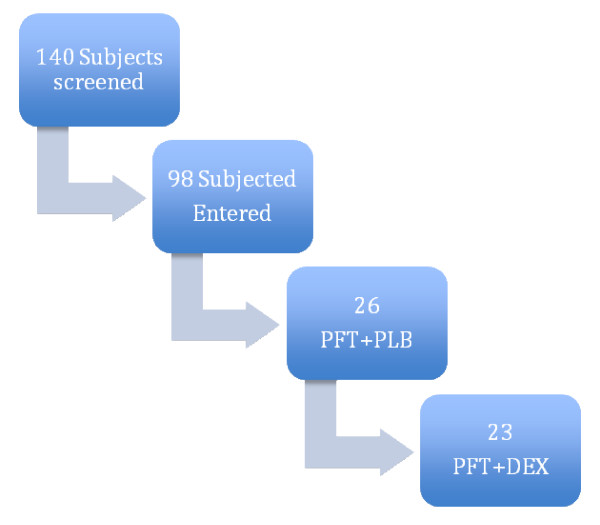
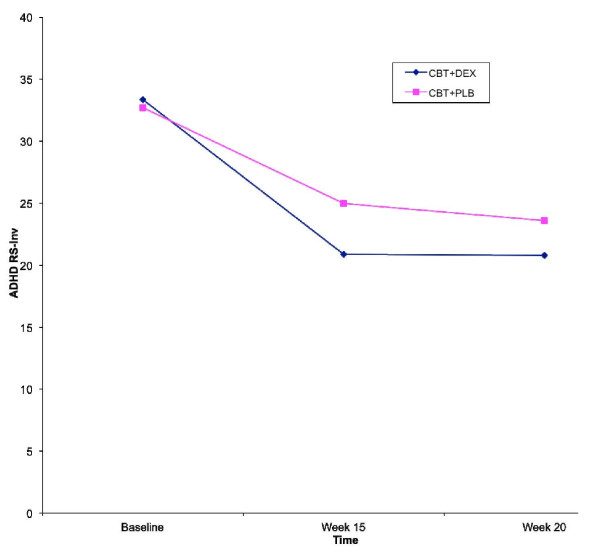
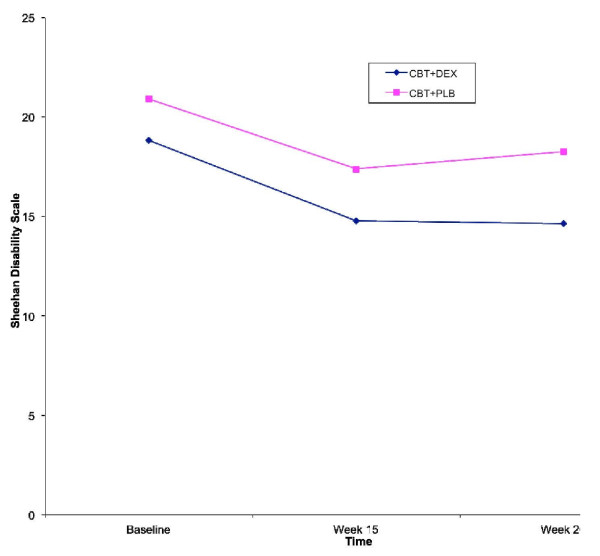
BACKGROUND: Previous studies of psychological treatment in adults with ADHD have not controlled for medication status and include either medicated participants or mixed samples of medicated and unmedicated participants. The objective of this study is to examine whether use of medication improves outcome of therapy. METHOD: This was a secondary analysis comparing 23 participants randomized to CBT and Dextroamphetamine vs. 25 participants randomized to CBT and placebo. Both patients and investigators were blind to treatment assignment. Two co-primary outcomes were used: ADHD symptoms on the ADHD-RS-Inv completed by the investigator and improvement in functioning as reported by the patient on the Sheehan Disability Scale. RESULTS: Both groups showed robust improvement in both symptoms and functioning, but the use of medication did not significantly improve outcome over and above use of CBT and placebo. CONCLUSION: This study replicates previous work demonstrating that CBT is an effective treatment for ADHD in adults. Within the limits of this pilot, secondary analysis we were not able to demonstrate that medication significantly augments the outcome of CBT therapy for adults with ADHD. The study was funded by GlaxoSmithKline, Clinical Trials Registry #GSK707.
Overview
The claims and statistics of this paper haven’t been checked yet.
Free: it reads the open-access text and checks the first 5 claims that cite a source we can check. Create a free account to check every claim.
Integrity signals
Registry
Cites
Statistics
Figures
Verification
Claims the paper makes
The claims and statistics of this paper haven’t been checked yet.
Free: it reads the open-access text and checks the first 5 claims that cite a source we can check. Create a free account to check every claim.
Claims other papers make about this one
Each is checked against this paper’s own text: does it say what the citing paper says it does?
The source backs part of the claim, not all of it — or backs it for a different population, condition or comparison.
In the citing paper
“All found that CBT reduced ADHD symptoms (self and independently rated) compared with the control treatment(s).”
From Cognitive–behavioural therapy for adult attention-deficit hyperactivity disorder: a proof of concept randomised controlled trial (2018) · cites this paper as [6]
Experimental — accuracy not yet measuredThe cited source says what the claim attributes to it.
In the citing paper
“There have been four randomized controlled trials of individualised CBT that are structured and manualised (3-6).”
From Cognitive–behavioural therapy for adult attention-deficit hyperactivity disorder: a proof of concept randomised controlled trial (2018) · cites this paper as [6]
In the citing paper
“CBT, alone and in combination with pharmacotherapy, has been successfully used to ameliorate core symptoms of adult ADHD, such as attentional deficits (Safren et al 2005, Weiss et al 2012).”
From Prefrontal cortex executive processes affected by stress in health and disease (2018) · cites this paper as Weiss et al 2012
In the citing paper
“CBT, alone and in combination with pharmacotherapy, has been successfully used to reduce impulsivity and disinhibition in ADD (Safren et al 2005, Weiss et al 2012).”
From Prefrontal cortex executive processes affected by stress in health and disease (2018) · cites this paper as Weiss et al 2012
Self-check
Percentages, sums and reported differences re-computed from the paper’s own numbers.
The self-check needs the paper’s full text.
Citations
Cites
Kessler, R. C., Adler, L., Barkley, R., Biederman, J., Conners, C. K., Demler, O., Faraone, S. V., Greenhill, L. L., Howes, M. J., Secnik, K., et al. (2006) · American Journal of Psychiatry · doi:10.1176/ajp.2006.163.4.716 · Cited by 3,886 · cited 1×
“Adult ADHD is a common and impairing condition [1].”
Background(1999) · Archives of General Psychiatry · doi:10.1001/archpsyc.56.12.1073 · Cited by 3,372
SWANSON, J. M., KRAEMER, H. C., HINSHAW, S. P., ARNOLD, L. E., CONNERS, C. K., ABIKOFF, H. B., CLEVENGER, W., DAVIES, M., ELLIOTT, G. R., GREENHILL, L. L., et al. (2001) · Journal of the American Academy of Child & Adolescent Psychiatry · doi:10.1097/00004583-200102000-00011 · Cited by 1,157 · cited 1×
“The therapy employed the key principles of CBT in challenging cognitive distortions such as personalization, overgeneralization, selective attention, disqualifying benefits, jumping to conclusions, should statements and catastrophizing-all of which are common in ADHD adults [28].”
MethodSelf-citationSheehan, D. V. (1984) · Medical Entomology and Zoology · Cited by 883
Cognitive-behavioral therapy for ADHD in medication-treated adults with continued symptoms
Safren, S. A., Otto, M. W., Sprich, S., Winett, C. L., Wilens, T. E., & Biederman, J. (2005) · Behaviour Research and Therapy · doi:10.1016/j.brat.2004.07.001 · Cited by 519 · cited 1×
“This is true for individual CBT [7-10] group psychoeducation * Correspondence: Margaret.”
BackgroundFaraone, S. V., Spencer, T., Aleardi, M., Pagano, C., & Biederman, J. (2004) · Journal of Clinical Psychopharmacology · doi:10.1097/01.jcp.0000108984.11879.95 · Cited by 404 · cited 1×
“Clinical trials of new medications for ADHD have demonstrated that up to one-quarter of patients will either not respond or not tolerate the medication, or if they do respond will improve but not achieve full remission [2,3].”
BackgroundSafren, S. A., Sprich, S., Mimiaga, M. J., Surman, C., Knouse, L., Groves, M., & Otto, M. W. (2010) · JAMA · doi:10.1001/jama.2010.1192 · Cited by 394 · cited 1×
“There are now four manuals for psychological treatment of adults with ADHD, which enable replication and use of these interventions by clinicians [16-19].”
BackgroundEfficacy of meta-cognitive therapy for adult ADHD
Solanto, M. V., Marks, D. J., Wasserstein, J., Mitchell, K., Abikoff, H., Alvir, J. M. J., & Kofman, M. D. (2010) · American Journal of Psychiatry · doi:10.1176/appi.ajp.2009.09081123 · Cited by 370 · cited 2×
“Emilsson found that CBT and medication was superior to treatment as usual and medication [20].”
BackgroundHesslinger, B., Tebartz van Elst, L., Nyberg, E., Dykierek, P., Richter, H., Berner, M., & Ebert, D. (2002) · European Archives of Psychiatry and Clinical Neuroscience · doi:10.1007/s00406-002-0379-0 · Cited by 366 · cited 1×
“and organization training [11], group cognitive remediation as used with brain injury patients [12] and dialectical behavior therapy (DBT) [13].”
BackgroundMultimodal Treatment of ADHD in the MTA: An Alternative Outcome Analysis
CONNERS, C. K., EPSTEIN, J. N., MARCH, J. S., ANGOLD, A., WELLS, K. C., KLARIC, J., SWANSON, J. M., ARNOLD, L. E., ABIKOFF, H. B., ELLIOTT, G. R., et al. (2001) · Journal of the American Academy of Child & Adolescent Psychiatry · doi:10.1097/00004583-200102000-00010 · Cited by 285 · cited 1×
“We defined improvement conservatively as a 25% drop in the ADHD-RS-Inv score and remission as a mean score less than or equal to 1 [29].”
MethodSelf-citation
Research works printed but not linked: 5
- Young S Bramham J ADHD in adults, a psychological guide to practice 2007 Sussex: Wiley and Sons
- Young SJ Ross RR R&R2 for ADHD Youths and Adults with ADHD: A Prosocial Competence Training Program 2007 http://www.cognitivecentre.ca
- Conners CK Epstein J Johnson DE Conners Adult ADHD Diagnostic Interview DSM-IV 2004 Toronto Multi Health Systems
- Conners CK Erhardt D Sparrow EP Conners' adult ADHD rating scales, technical manual 1999 New York: Multi-Health Systems
- Solanto MV Cognitive behavior therapy for adult ADHD, targeting executive dysfunction 2011 New York: Guilford
Cited by
Zulauf, C. A., Sprich, S. E., Safren, S. A., & Wilens, T. E. (2014) · Current Psychiatry Reports · doi:10.1007/s11920-013-0436-6 · Cited by 214
Amphetamines for attention deficit hyperactivity disorder (ADHD) in adults
Castells, X., Blanco-Silvente, L., & Cunill, R. (2018) · Cochrane Database of Systematic Reviews · doi:10.1002/14651858.cd007813.pub3 · Cited by 209
Philipsen, A., Jans, T., Graf, E., Matthies, S., Borel, P., Colla, M., Gentschow, L., Langner, D., Jacob, C., Groß-Lesch, S., et al. (2015) · JAMA Psychiatry · doi:10.1001/jamapsychiatry.2015.2146 · Cited by 175
Prefrontal cortex executive processes affected by stress in health and disease
Girotti, M., Adler, S. M., Bulin, S. E., Fucich, E. A., Paredes, D., & Morilak, D. A. (2018) · Progress in Neuro-Psychopharmacology and Biological Psychiatry · doi:10.1016/j.pnpbp.2017.07.004 · Cited by 176
Cognitive-behavioural interventions for attention deficit hyperactivity disorder (ADHD) in adults
Lopez, P. L., Torrente, F. M., Ciapponi, A., Lischinsky, A. G., Cetkovich-Bakmas, M., Rojas, J. I., Romano, M., & Manes, F. F. (2018) · Cochrane Database of Systematic Reviews · doi:10.1002/14651858.cd010840.pub2 · Cited by 140
Young, Z., Moghaddam, N., & Tickle, A. (2020) · Journal of Attention Disorders · doi:10.1177/1087054716664413 · Cited by 138
“Further research is also needed to build on the results from Weiss et al. (2012), suggesting that medication did not provide any additional benefit to CBT, an important implication for those who choose not to take medication, or for those for whom medication is ineffective or intolerable.”
BackgroundMethodInfluentialCoghill, D. R., Banaschewski, T., Soutullo, C., Cottingham, M. G., & Zuddas, A. (2017) · European Child & Adolescent Psychiatry · doi:10.1007/s00787-017-0986-y · Cited by 122
“5 for both ADHD symptoms and HRQoL or functioning in six out of these 12 studies: three of ATX, two of OROS-MPH and one of metadoxine [25, 40, 59, 79, 82, 96].”
BackgroundResultInfluentialMeta-analysis of cognitive-behavioral treatments for adult ADHD
Knouse, L. E., Teller, J., & Brooks, M. A. (2017) · Journal of Consulting and Clinical Psychology · doi:10.1037/ccp0000216 · Cited by 101
“For example, an effect size from Weiss et al. (2012) was calculated by comparing CBT plus pill placebo versus CBT plus active medication treatment.”
MethodLongitudinal trends in diagnosis at child and adolescent mental health centres in Madrid, Spain
Carballo, J. J., Nieto, R. G., Pérez-Rodríguez, M. M., López‐Castromán, J., Blasco-Fontecilla, H., Mata-Iturralde, L., de León-Martínez, V., & Baca‐García, E. (2012) · European Child & Adolescent Psychiatry · doi:10.1007/s00787-012-0322-5 · Cited by 106
Mongia, M., & Hechtman, L. (2012) · Current Psychiatry Reports · doi:10.1007/s11920-012-0303-x · Cited by 102
“However, the pertinent issue of how medication augments the outcome of CBT has been addressed by a recent study by Weiss et al. 2012 [8••] that compared the outcome of those who received CBT and medication (i.e., dextroamphetamine (n023) to those who received CBT and placebo (n025).”
ResultSelf-citationSandstrom, A., Perroud, N., Alda, M., Uher, R., & Pavlova, B. (2021) · Acta Psychiatrica Scandinavica · doi:10.1111/acps.13283 · Cited by 90
Cognitive behavioural therapy for ADHD in adults: systematic review and meta-analyses
Jensen, C. M., Amdisen, B. L., Jørgensen, K. J., & Arnfred, S. M. H. (2016) · ADHD Attention Deficit and Hyperactivity Disorders · doi:10.1007/s12402-016-0188-3 · Cited by 81
“Two studies were excluded because the studies focused on the effect of medication rather than CBT (Levin et al. 2007; Weiss et al. 2012).”
BackgroundSchrantee, A., Tamminga, H. G. H., Bouziane, C., Bottelier, M. A., Bron, E. E., Mutsaerts, H.-J. M. M., Zwinderman, A. H., Groote, I. R., Rombouts, S. A. R. B., Lindauer, R. J. L., et al. (2016) · JAMA Psychiatry · doi:10.1001/jamapsychiatry.2016.1572 · Cited by 77
Young, S., Khondoker, M., Emilsson, B., Sigurdsson, J. F., Philipp-Wiegmann, F., Baldursson, G., Olafsdottir, H., & Gudjonsson, G. (2015) · Psychological Medicine · doi:10.1017/s0033291715000756 · Cited by 75
“Only one study has been conducted comparing participants randomized to receive combined cognitive–behavioural therapy (CBT) and medication (dextroamphetamine) versus CBT and placebo; this study found ADHD symptom outcomes using CBT alone were as good as when both medication andCBT interventionswere combined (Weiss et…”
Psychological treatments in adult ADHD: a systematic review
Fullen, T., Jones, S. L., Emerson, L. M., & Adamou, M. (2020) · Journal of Psychopathology and Behavioral Assessment · doi:10.1007/s10862-020-09794-8 · Cited by 73
Hirvikoski, T., Lindström, T., Carlsson, J., Waaler, E., Jokinen, J., & Bölte, S. (2017) · European Psychiatry · doi:10.1016/j.eurpsy.2017.04.005 · Cited by 71
Vidal, R., Castells, J., Richarte, V., Palomar, G., García, M., Nicolau, R., Lazaro, L., Casas, M., & Ramos-Quiroga, J. A. (2015) · Journal of the American Academy of Child & Adolescent Psychiatry · doi:10.1016/j.jaac.2014.12.016 · Cited by 69
van Emmerik-van Oortmerssen, K., Vedel, E., Kramer, F. J., Blankers, M., Dekker, J. J. M., van den Brink, W., & Schoevers, R. A. (2019) · Drug and Alcohol Dependence · doi:10.1016/j.drugalcdep.2018.12.023 · Cited by 66
Interventions in ADHD: A comparative review of stimulant medications and behavioral therapies
Rajeh, A., Amanullah, S., Shivakumar, K., & Cole, J. (2016) · Asian Journal of Psychiatry · doi:10.1016/j.ajp.2016.09.005 · Cited by 88
Pan, M., Huang, F., Zhao, M., Wang, Y., Wang, Y., & Qian, Q. (2019) · Psychiatry Research · doi:10.1016/j.psychres.2019.06.040 · Cited by 87
Moëll, B., Kollberg, L., Nasri, B., Lindefors, N., & Kaldo, V. (2015) · Internet Interventions · doi:10.1016/j.invent.2014.11.004 · Cited by 61
“(Bramham et al., 2009; Emilsson et al., 2011; Mongia and Hechtman, 2012; Ramsay and Rostain, 2011; Safren et al., 2005; Weiss et al., 2012).”
Young, S., Emilsson, B., Sigurdsson, J. F., Khondoker, M., Philipp-Wiegmann, F., Baldursson, G., Olafsdottir, H., & Gudjonsson, G. (2017) · European Archives of Psychiatry and Clinical Neuroscience · doi:10.1007/s00406-016-0735-0 · Cited by 59
Edel, M.-A., Hölter, T., Wassink, K., & Juckel, G. (2017) · Journal of Attention Disorders · doi:10.1177/1087054714551635 · Cited by 55
“To date, all evidence-based psychotherapies for adults with ADHD are grounded in cognitive behavior therapy (CBT), which emerged as effective in improving ADHD symptoms in single (Safren et al., 2005) and group settings (Emilsson et al., 2011; Solanto et al., 2010; Weiss et al., 2012).”
BackgroundMeta-Analysis: Parental Interventions for Preschool ADHD
Mulqueen, J. M., Bartley, C. A., & Bloch, M. H. (2013) · Journal of Attention Disorders · doi:10.1177/1087054713504135 · Cited by 82
“Cognitive behavior therapy, an intervention focused on identifying and changing problematic ways of thinking and thus maladaptive behaviors, has shown to be effective for adults with ADHD (Weiss et al., 2012); however, little evidence supports its efficacy in children, particularly preschool children, due to a general…”
BackgroundSolanto, M. V., & Scheres, A. (2020) · Journal of Attention Disorders · doi:10.1177/1087054720951865 · Cited by 73
“More recent studies have replicated benefits for similar CBT programs to address executive dysfunction both with and without medication in adults with ADHD (Cherkasova et al., 2016; Weiss et al., 2012; Young et al., 2015).”
BackgroundLópez-Pinar, C., Martínez-Sanchís, S., Carbonell-Vayá, E., Fenollar-Cortés, J., & Sánchez-Meca, J. (2018) · Frontiers in Psychology · doi:10.3389/fpsyg.2018.00638 · Cited by 50
“have found that adding medication to psychological therapy did not significantly improve outcomes (Weiss et al., 2012), others concluded that a combination of methylphenidate and psychotherapy is significantly more effective than psychotherapy alone (Philipsen et al.”
BackgroundMorgensterns, E., Alfredsson, J., & Hirvikoski, T. (2016) · ADHD Attention Deficit and Hyperactivity Disorders · doi:10.1007/s12402-015-0182-1 · Cited by 48
“So far, there is only one published RCT comparing the outcomes of psychotherapy (cognitive behavior therapy) for adults with ADHD with and without concurrent pharmacological treatment (dextroamphetamine) (Weiss et al. 2012).”
BackgroundResultLópez-Pinar, C., Martínez-Sanchís, S., Carbonell-Vayá, E., Sánchez-Meca, J., & Fenollar-Cortés, J. (2020) · Journal of Attention Disorders · doi:10.1177/1087054719855685 · Cited by 47
“…Wasserstein, & Kofman, 2008; Thompson & Thompson, 1998; Van der Oord et al., 2018; Virta, Hiltunen, Mattsson, & Kallio, 2015; Wang et al., 2016; Weiss et al., 2012; White & Shah, 2006; Zilverstand et al., 2017; Zwart & Kallemeyn, 2001); four because there were insufficient data in the article…”
A Scoping Review of Factors Associated With Emotional Dysregulation in Adults With ADHD
Bodalski, E. A., Flory, K., & Meinzer, M. C. (2023) · Journal of Attention Disorders · doi:10.1177/10870547231187148 · Cited by 52
“The effectiveness of psychosocial interventions sometimes differs between children and adults with ADHD (Halldorsdottir & Ollendick, 2014; Weiss et al., 2012), so the existing interventions for children and adolescents might not necessarily be useful when delivered to adults, especially since adults have significantly…”
BackgroundPsychosocial Interventions in Attention-Deficit/Hyperactivity Disorder
Antshel, K. M. (2014) · Child and Adolescent Psychiatric Clinics of North America · doi:10.1016/j.chc.2014.08.002 · Cited by 73
Cognitive Behavioral Therapy for Adolescents with ADHD
Antshel, K. M., & Olszewski, A. K. (2014) · Child and Adolescent Psychiatric Clinics of North America · doi:10.1016/j.chc.2014.05.001 · Cited by 44
Philipsen, A., Graf, E., Jans, T., Matthies, S., Borel, P., Colla, M., Gentschow, L., Langner, D., Jacob, C., Groß-Lesch, S., et al. (2014) · ADHD Attention Deficit and Hyperactivity Disorders · doi:10.1007/s12402-013-0120-z · Cited by 44
“Recently, a secondary analysis of a large randomized placebo-controlled multicenter trial on the psychopharmacological treatment of adult ADHD patients with stimulants (dextroamphetamine), antidepressants (paroxetine), the combination of both, or placebo (Plac) in combination with manualized psychotherapy (problem-foc…”
BackgroundOptimal management of ADHD in older adults
Torgersen, T., Gjervan, B., Lensing, M. B., & Rasmussen, K. (2016) · Neuropsychiatric Disease and Treatment · doi:10.2147/ndt.s59271 · Cited by 42
Are Motivation Deficits Underestimated in Patients With ADHD? A Review of the Literature
Modesto-Lowe, V., Chaplin, M., Soovajian, V., & Meyer, A. (2013) · Postgraduate Medicine · doi:10.3810/pgm.2013.07.2677 · Cited by 41
YouTube lens to attention deficit hyperactivity disorder: a social media analysis
Thapa, P., Thapa, A., Khadka, N., Bhattarai, R., Jha, S., Khanal, A., & Basnet, B. (2018) · BMC Research Notes · doi:10.1186/s13104-018-3962-9 · Cited by 41
Addressing the lack of studies in attention-deficit/hyperactivity disorder in adults
Ramos‐Quiroga, J. A., Nasillo, V., Fernández‐Aranda, F., & Casas, M. (2014) · Expert Review of Neurotherapeutics · doi:10.1586/14737175.2014.908708 · Cited by 49
“(2012) CBT + dextroamphetamine versus CBT + placebo 48 Group Both groups showed robust improvement in both symptoms and functioning, but the use of medication did not significantly improve outcome over and above use of CBT and placebo [108]”
MethodBreaux, R., & Langberg, J. M. (2020) · Evidence-Based Practice in Child and Adolescent Mental Health · doi:10.1080/23794925.2020.1759468 · Cited by 42
Rodrigo-Yanguas, M., Martín-Moratinos, M., González, C., Sánchez‐Sánchez, F., Royuela, A., Bella-Fernández, M., & Blasco-Fontecilla, H. (2023) · JMIR Serious Games · doi:10.2196/39874 · Cited by 43
“The literature on the efficacy of cognitive behavioral therapy in ADHD is still equivocal, although some trials focused on organizational training in adolescents and adults showed promising results [19-21].”
Nasri, B., Castenfors, M., Fredlund, P., Ginsberg, Y., Lindefors, N., & Kaldo, V. (2017) · Journal of Attention Disorders · doi:10.1177/1087054717690231 · Cited by 39
“…have been studied the most (Knouse & Safren, 2010; Philipsen, 2012) and studies of CBT for adult ADHD show promising results (Bramham et al., 2009; Emilsson et al., 2011; Mongia & Hechtman, 2012; Ramsay & Rostain, 2011; Safren, Otto, et al., 2005; Weiss et al., 2012; Solanto et al., 2010).”
BackgroundCorbisiero, S., Bitto, H., Newark, P. E., Mörstedt, B., Elsässer, M., Buchli-Kammermann, J., Künne, S., Nyberg, E., Fallahpour, M. H., & Stieglitz, R. (2018) · Frontiers in Psychiatry · doi:10.3389/fpsyt.2018.00571 · Cited by 45
“They also express difficulties in housekeeping and managing their children (17).”
BackgroundCoaching for College Students with ADHD
Prevatt, F. F. (2016) · Current Psychiatry Reports · doi:10.1007/s11920-016-0751-9 · Cited by 46
Experience of CBT in adults with ADHD: a mixed methods study
William, S., Horrocks, M., Richmond, J., Hall, C. L., & French, B. (2024) · Frontiers in Psychiatry · doi:10.3389/fpsyt.2024.1341624 · Cited by 46
“Additionally, studies comparing CBT to treatment as usual control groups, have shown the treatment ’ s ef fi cacy compared with medication-only groups (35, 36).”
MethodLensing, M. B., Zeiner, P., Sandvik, L., & Opjordsmoen, S. (2013) · The Journal of Clinical Psychiatry · doi:10.4088/jcp.12m07714 · Cited by 34
Dittner, A. J., Hodsoll, J., Rimes, K. A., Russell, A. J., & Chalder, T. (2018) · Acta Psychiatrica Scandinavica · doi:10.1111/acps.12836 · Cited by 31
“There have been four randomized controlled trials of individualised CBT that are structured and manualised (3-6).”
Kenter, R. M. F., Gjestad, R., Lundervold, A. J., & Nordgreen, T. (2023) · Internet Interventions · doi:10.1016/j.invent.2023.100614 · Cited by 30
“In addition to encouraging results in college student samples, there is strong evidence for the use of cognitive behavioral treatment (CBT) to address symptoms and impairments associated with ADHD in the general adult population (Knouse and Safren, 2010; Knouse et al., 2017; Weiss et al., 2012).”
BackgroundInternet delivered cognitive behavioral therapy for adults with ADHD - A randomized controlled trial
Nasri, B., Cassel, M., Enhärje, J., Larsson, M., Hirvikoski, T., Ginsberg, Y., Lindefors, N., & Kaldo, V. (2023) · Internet Interventions · doi:10.1016/j.invent.2023.100636 · Cited by 44
Long-Term Effects of Stimulant Treatment for ADHD: What Can We Tell Our Patients?
Craig, S. G., Davies, G., Schibuk, L., Weiss, M. D., & Hechtman, L. T. (2015) · Current Developmental Disorders Reports · doi:10.1007/s40474-015-0039-5 · Cited by 42
Self-citationCognitive-Behavioral Therapy for Adult ADHD: A Randomized Clinical Trial in China
Huang, F., Tang, Y., Zhao, M., Wang, Y., Pan, M., Wang, Y., & Qian, Q. (2017) · Journal of Attention Disorders · doi:10.1177/1087054717725874 · Cited by 38
The relevance of cognitive distortions in the psychosocial treatment of adult ADHD.
Ramsay, J. R. (2017) · Professional Psychology: Research and Practice · doi:10.1037/pro0000101 · Cited by 28
Champ, R. E., Adamou, M., & Tolchard, B. (2021) · PLoS ONE · doi:10.1371/journal.pone.0261247 · Cited by 43
Schrevel, S. J. C., Dedding, C. W. M., & Broerse, J. E. W. (2016) · SAGE Open · doi:10.1177/2158244016662498 · Cited by 29
“…treatment alone, however, may not sufficiently improve negative impacts of ADHD beyond these symptoms, and, therefore, many scholars recommend a combination of pharmacological and psychosocial interventions as treatment (Emilsson et al., 2011; Kooij et al., 2010; Murphy, 2005; Weiss et al., 2012).”
BackgroundAttention-deficit/hyperactivity disorder in adults: update on clinical presentation and care
Asherson, P. J., Manor, I., & Huß, M. (2014) · Neuropsychiatry · doi:10.2217/npy.14.16 · Cited by 30
Benson, K., Woodlief, D. T., Flory, K., Siceloff, E. R., Coleman, K., & Lamont, A. E. (2018) · Experimental and Clinical Psychopharmacology · doi:10.1037/pha0000202 · Cited by 28
“Supports could include assistance with organization, time management, and study skills, using an approach such as cognitive behavioral therapy (e.g., Weiss et al., 2012), as well as prescribing stimulant medications to students who do meet full ADHD diagnostic criteria.”
MethodIntegrative Couples Group Treatment for Emerging Adults With ADHD Symptoms
Wymbs, B. T., & Molina, B. S. G. (2015) · Cognitive and Behavioral Practice · doi:10.1016/j.cbpra.2014.06.008 · Cited by 24
Pan, M., Zhang, S., Qiu, S., Liu, L., Li, H., Zhao, M., Dong, M., Si, F., Wang, Y., & Qian, Q. (2021) · European Archives of Psychiatry and Clinical Neuroscience · doi:10.1007/s00406-021-01236-0 · Cited by 40
A self-guided internet-delivered intervention for adults with ADHD: a feasibility study
Nordby, E. S., Kenter, R. M. F., Lundervold, A. J., & Nordgreen, T. (2021) · Internet Interventions · doi:10.1016/j.invent.2021.100416 · Cited by 22
He, J. A., & Antshel, K. M. (2016) · Cognitive and Behavioral Practice · doi:10.1016/j.cbpra.2016.03.010 · Cited by 35
Wang, X., Cao, Q., Wang, J., Wu, Z., Wang, P., Sun, L., Cai, T., & Wang, Y. (2016) · Behaviour Research and Therapy · doi:10.1016/j.brat.2015.11.003 · Cited by 21
Muld, B. B., Jokinen, J., Bölte, S., & Hirvikoski, T. (2016) · ADHD Attention Deficit and Hyperactivity Disorders · doi:10.1007/s12402-016-0195-4 · Cited by 25
Differences Between Students with and without Disabilities in College Counseling
Varkula, L. C., Beauchemin, J. D., Facemire, S. D., & Bucher, E. C. (2017) · ScholarWorks (Boise State University) · Cited by 22
Recognizing and Treating Attention-Deficit/Hyperactivity Disorder in College Students
Prevatt, F. F., & Young, J. L. (2014) · Journal of College Student Psychotherapy · doi:10.1080/87568225.2014.914825 · Cited by 27
“Specific improvements have been found for time management and organizational skills (Bramham et al., 2009; Emilsson et al., 2011; Solanto, Marks, Mitchell, Wasserstein, & Kofman, 2008; Stevenson, Whitmont, Bornholt, Livesey, & Stevenson, 2002; Weiss et al., 2012).”
BackgroundManaging the comorbidity of schizophrenia and ADHD
Gough, A., & Morrison, J. (2016) · Journal of Psychiatry and Neuroscience · doi:10.1503/jpn.150251 · Cited by 23
Corrales, M., García-González, S., Richarte, V., Fadeuilhe, C., Daigre, C., Garcia-Gea, E., & Ramos‐Quiroga, J. A. (2023) · Psychiatry Research · doi:10.1016/j.psychres.2023.115642 · Cited by 23
Psychosocial Therapy in the Treatment of Adults With Attention-Deficit/Hyperactivity Disorder
Manos, M. J. (2013) · Postgraduate Medicine · doi:10.3810/pgm.2013.03.2641 · Cited by 15
Kenter, R. M. F., Lundervold, A. J., & Nordgreen, T. (2021) · Internet Interventions · doi:10.1016/j.invent.2021.100485 · Cited by 14
Dargis, M. A., & Koenigs, M. R. (2018) · Criminal Justice and Behavior · doi:10.1177/0093854818770693 · Cited by 17
“For instance, there is evidence that cognitive-behavioral therapy (CBT; J. S. Beck, 1995) is effective at improving self-regulatory responses among individuals with attention deficit hyperactivity disorder (ADHD; Mongia & Hechtman, 2012; Weiss et al., 2012).”
BackgroundPan, M., Dong, M., Zhang, S., Liu, L., Li, H., Wang, Y., & Qian, Q. (2024) · BMC Psychiatry · doi:10.1186/s12888-024-05673-8 · Cited by 17
“Previous studies also found equal effectiveness of CBT in depressive symptoms when combined with medication or not [32, 54, 55], leading to the hypothesis that CBT might be more effective in depressive symptoms.”
ResultRational Principles of Psychopharmacology for Therapists, Healthcare Providers and Clients
Breggin, P. R. (2015) · Journal of Contemporary Psychotherapy · doi:10.1007/s10879-015-9307-2 · Cited by 16
“without medication have found that Cognitive Behavioral Therapy (CBT) is helpful in adults (Weiss et al. 2012).”
BackgroundShepard, E., Sweeney, C., Thompson, L., Jacobs, S., Grimm, J., & Weyandt, L. L. (2022) · Applied Neuropsychology Child · doi:10.1080/21622965.2022.2106436 · Cited by 13
Comorbidity of ADHD and anxiety disorders: Diagnosis and treatment across the lifespan
Krone, B., & Newcorn, J. H. (2014) · Cambridge University Press eBooks · doi:10.1017/cbo9781139035491.010 · Cited by 18
Weiss, M. D. (2014) · Cambridge University Press eBooks · doi:10.1017/cbo9781139035491.005 · Cited by 17
Self-citationLa thérapie cognitive-comportementale dans le traitement du TDAH chez l’adulte
Auclair, V., Harvey, P., & Lepage, M. (2016) · Santé mentale au Québec · doi:10.7202/1036976ar · Cited by 14
“ADHD Current Symptoms Suivi de 12 mois 0.688 0.257 0.066 0.184 1.192 2.677 0.007 Weiss et al., 2012 TCC + placebo vs TCC + md. ADHD-RS Inv.”
BackgroundInfluentialNolan, L. J., & Higgs, S. (2024) · Appetite · doi:10.1016/j.appet.2024.107229 · Cited by 9
Pan, M., Zhao, M., Liu, L., Li, H., Wang, Y., & Qian, Q. (2020) · BMJ Open · doi:10.1136/bmjopen-2020-037514 · Cited by 13
Huang, F., Qian, Q., & Wang, Y. (2015) · Trials · doi:10.1186/s13063-015-0686-1 · Cited by 21
“Compared with medication, CBT could also improve patients’ADHD symptoms without previous medical treatment, which might suggest that the mechanism of CBT did not fully rely on medication [14].”
BackgroundMethodInfluentialBowers, C., & Widdowson, M. (2023) · International Journal of Transactional Analysis Research & Practice · doi:10.29044/v14i1p32 · Cited by 10
Zhang, S., Pan, M.-R., Zhang, L., Li, H., Zhao, M., Dong, M., Si, F., Liu, L., Wang, Y., & Qian, Q.-J. (2025) · Psychiatry Research · doi:10.1016/j.psychres.2025.116352 · Cited by 15
Kim, H., Kim, E. J., Kim, J.-H., Park, J., Bahn, G. H., Lee, Y. J., Jhung, K., & Shin, D. (2017) · Journal of korean Academy of Child and Adolescent Psychiatry · doi:10.5765/jkacap.2017.28.2.70 · Cited by 10
Sheehan, D. V., Gasior, M., McElroy, S. L., Radewonuk, J., Herman, B. K., & Hudson, J. I. (2018) · Europe PMC (PubMed Central) · Cited by 8
Creating Statistics Exercises on the Basis of Research Articles
Bebermeier, S., & Hagemann, A. (2019) · Teaching of Psychology · doi:10.1177/0098628319853938 · Cited by 6
Shin, Y., Kim, E., Kim, Y., Bhang, S., Lee, E., Lee, C.-S., Chang, H. Y., Hong, M., & Shin, D. (2017) · Journal of korean Academy of Child and Adolescent Psychiatry · doi:10.5765/jkacap.2017.28.2.84 · Cited by 7
Lewandrowski, K., Blum, K., Sharafshah, A., Thanos, K. Z., Thanos, P. K., Zirath, R., Pinhasov, A., Bowirrat, A., Jafari, N., Zeine, F., et al. (2025) · Journal of Personalized Medicine · doi:10.3390/jpm15030103 · Cited by 12
Cognitive-Behavioral Therapies for ADHD
Knouse, L. E. (2014) · Cited by 12
Yee, K. S. Y., Pokrzywinski, R. M., Hareendran, A., Shaffer, S., & Sheehan, D. V. (2020) · International Journal of Methods in Psychiatric Research · doi:10.1002/mpr.1849 · Cited by 7
“…& Gnanasakthy, 2014; Jacobsen, Mahableshwarkar, Serenko, Chan, & Trivedi, 2015; Leon, Shear, Portera, & Klerman, 1992; D. V. Sheehan et al., 2011; Weiss et al., 2012), assesses impairment in the domains of work/school, social life/leisure activities, and family life/home responsibilities (Leon,…”
ResultLessons from two series by physicians and caregivers' self‐reported data in DDX3X‐related disorders
Ruault, V., Burger, P., Gradels‐Hauguel, J., Pallarès-Ruiz, N., Xtraordinaire, Jamra, R. A., Afenjar, A., Alembik, Y., Alessandri, J., Arpin, S., et al. (2024) · Molecular Genetics & Genomic Medicine · doi:10.1002/mgg3.2363 · Cited by 4
“Banged up with ADHD”: a qualitative analysis of the experiences of adult men with ADHD in prison
Roberts, K., & Lawrence, D. (2024) · Journal of Forensic Practice · doi:10.1108/jfp-04-2024-0015 · Cited by 3
Culturally Competent Strategies for Assessing and Treating ADHD in African American Adults
Rostain, A. L., Ramsay, J. R., & Waite, R. L. (2015) · The Journal of Clinical Psychiatry · doi:10.4088/jcp.13008co6c · Cited by 3
López-Pinar, C., Selaskowski, B., Braun, N., Fornés, V., Euscher, R., Matthies, S., Jans, T., van Elst, L. T., Jacob, C., Huß, M., et al. (2023) · Psychiatry Research · doi:10.1016/j.psychres.2023.115610 · Cited by 5
The Treatment of Adult ADHD: Complexity at Hand
Pallanti, S., & Salerno, L. (2020) · Springer eBooks · doi:10.1007/978-3-030-39051-8_19 · Cited by 4
Bolinski, F., Hendriks, G., Bardoel, S., Hollon, S. D., Martell, C. R., & Huibers, M. J. H. (2018) · International Journal of Cognitive Therapy · doi:10.1007/s41811-018-0027-8 · Cited by 8
Öncü, B. K., & Mermerkaya, M. İ. (2023) · Turkish Journal of Psychiatry · doi:10.5080/u27201 · Cited by 3
Gonda, X., Döme, P., Balogh, L., Baradits, M., & Réthelyi, J. (2026) · Pharmacology & Therapeutics · doi:10.1016/j.pharmthera.2026.108997 · Cited by 3
Psychosocial treatment of ADHD in adults
Solanto, M. V. (2014) · Cambridge University Press eBooks · doi:10.1017/cbo9781139035491.024 · Cited by 3
Combined Treatment With CBT and Psychopharmacology
Lee, J., Hearon, B. A., & Otto, M. W. (2017) · Elsevier eBooks · doi:10.1016/b978-0-12-803457-6.00006-4 · Cited by 3
PAPADOPOULOS, C. R. (2018) · doi:10.17771/pucrio.acad.33969 · Cited by 2
Cognitive Behavior Therapy for Adults with ADHD
Eddy, L. D., & Martin, K. R. (2023) · Autism and child psychopathology series · doi:10.1007/978-3-031-41709-2_24 · Cited by 1
van der Ham, M., Bijlenga, D., Molenaar, N. M., Starreveld, D. E. J., Böhmer, M. N., Wettstein, R., Dumont, G. J. H., Beekman, A. T. F., & Kooij, J. J. S. (2025) · Journal of Attention Disorders · doi:10.1177/10870547251379103 · Cited by 3
“These results are consistent with previous studies showing substantial reductions in ADHD symptoms following pharmacological treatment (ADHD TAU; Cortese et al., 2018; Weiss et al., 2012).”
Assessment and treatment of depressive disorders in adults with ADHD
Prince, J. B. (2014) · Cambridge University Press eBooks · doi:10.1017/cbo9781139035491.009 · Cited by 2
The ADHD Conundrum- A Review of Non-pharmacological Approach to Management
Palakodeti, S., Sarangi, A., & Mehta, T. (2025) · Current Developmental Disorders Reports · doi:10.1007/s40474-025-00317-2 · Cited by 6
“Research has shown that cognitive-behavioral therapy (CBT) can sig - nificantly reduce ADHD symptoms in adults, whether used alone or alongside medication [24].”
Sleep in Adults With ADHD—Etiology, Impact, and Treatments
Aizenstros, J., Chan, E. S., Aizenstros, A., & May, T. (2019) · Elsevier eBooks · doi:10.1016/b978-0-12-814180-9.00012-0 · Cited by 1
Metadata
- Authors
- Weiss, M., Murray, C., Wasdell, M., Greenfield, B., Giles, L., & Hechtman, L.
- Affiliations
- University of British Columbia (CA)
- BC Mental Health & Substance Use Services (CA)
- Montreal Children's Hospital (CA)
- Corresponding author
- Weiss, Margaret
- Venue
- BMC Psychiatry
- Published
- 2012-04-05
- Volume
- 12
- Issue
- 1
- Pages
- 30-30
- ISSN
- 1471-244X (ISSN-L)
- PMC
- PMC3414742
- OpenAlex
- W1998279172
- Cited by
- 119
- References
- 27
- Citations by year
- 2026: 4 · 2025: 7 · 2024: 6 · 2023: 10 · 2022: 4 · 2021: 5 · 2020: 8 · 2019: 5 · 2018: 10 · 2017: 11 · 2016: 15 · 2015: 10 · 2014: 14 · 2013: 8 · 2012: 2
- FWCI
- 7.77
- Type
- journal article
- Language
- en
- Open access
- gold
- doi.org
- Licence
- Locations
- BMC Psychiatry (publishedVersion, cc-by)
- PubMed Central (publishedVersion, cc-by)
- PubMed (publishedVersion)
- DOAJ (DOAJ: Directory of Open Access Journals) (submittedVersion, cc-by-sa)
- Funders
- Eli Lilly and Company
- Purdue University
- Topics
- Health Sciences › Medicine › Psychiatry and Mental health › Attention Deficit Hyperactivity Disorder
- Health Sciences › Medicine › Epidemiology › Substance Abuse Treatment and Outcomes
- Social Sciences › Psychology › Clinical Psychology › Obsessive-Compulsive Spectrum Disorders
- Keywords
- adult ADHD, cognitive behavioral therapy, d-amphetamine, ADHD medication, treatment outcomes, ADHD symptoms, functioning, Sheehan Disability Scale
- MeSH terms
- Adolescent, Adult, Aged, Central Nervous System Stimulants, Attention Deficit Disorder with Hyperactivity, Combined Modality Therapy, Dextroamphetamine, Double-Blind Method, Female, Humans, Male, Middle Aged, Cognitive Behavioral Therapy, Treatment Outcome
About these checks
Registry, retraction, Cites and statistics results are computed, not judged, with one exception: a printed reference that no index lists is read once by a model before it counts as a citation error. Claims are extracted by a model and kept only when their quote appears verbatim in the text; each cited source is then checked, with a model’s help, for whether it says what the claim relies on. Those verdicts can be wrong — read the claim’s quote and the cited source before relying on one.
Statistics and arithmetic are recomputed, not judged.
Confidence bands are shown only for fields calibrated on our annotated test set. None is calibrated yet, so no band is shown.
What counts as a claim ›How we measure confidence ›How we check this ›
Are you an author, or do you see a problem with this page? Request a review
Data sources
Bibliographic data: Semantic Scholar, OpenAlex, Crossref.
Contains information from the Semantic Scholar Academic Graph Datasets, made available under the ODC Attribution License (ODC-BY 1.0).
Semantic Scholar’s data is described in: Kinney, R., et al. (2023). The Semantic Scholar Open Data Platform. arXiv:2301.10140.
