

Depression and sickness behavior are Janus-faced responses to shared inflammatory pathways
Open accessThe DOI matches its Crossref record; 187 of the 189 references it cites were found in a registry or an index.
Abstract
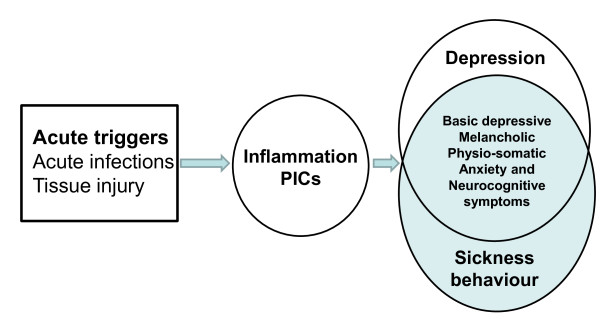
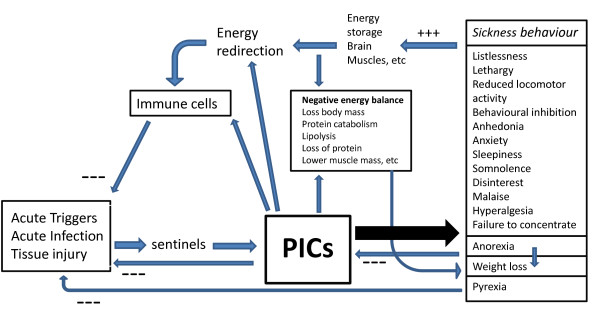
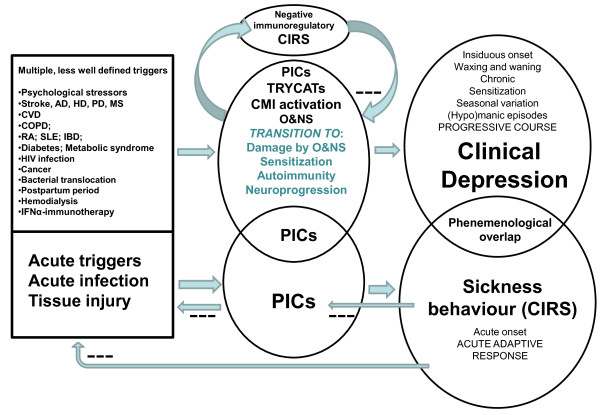
It is of considerable translational importance whether depression is a form or a consequence of sickness behavior. Sickness behavior is a behavioral complex induced by infections and immune trauma and mediated by pro-inflammatory cytokines. It is an adaptive response that enhances recovery by conserving energy to combat acute inflammation. There are considerable phenomenological similarities between sickness behavior and depression, for example, behavioral inhibition, anorexia and weight loss, and melancholic (anhedonia), physio-somatic (fatigue, hyperalgesia, malaise), anxiety and neurocognitive symptoms. In clinical depression, however, a transition occurs to sensitization of immuno-inflammatory pathways, progressive damage by oxidative and nitrosative stress to lipids, proteins, and DNA, and autoimmune responses directed against self-epitopes. The latter mechanisms are the substrate of a neuroprogressive process, whereby multiple depressive episodes cause neural tissue damage and consequent functional and cognitive sequelae. Thus, shared immuno-inflammatory pathways underpin the physiology of sickness behavior and the pathophysiology of clinical depression explaining their partially overlapping phenomenology. Inflammation may provoke a Janus-faced response with a good, acute side, generating protective inflammation through sickness behavior and a bad, chronic side, for example, clinical depression, a lifelong disorder with positive feedback loops between (neuro)inflammation and (neuro)degenerative processes following less well defined triggers.
Overview
The claims and statistics of this paper haven’t been checked yet.
Free: it reads the open-access text and checks the first 5 claims that cite a source we can check. Create a free account to check every claim.
Integrity signals
Registry
Cites
Statistics
Figures
Verification
Claims the paper makes
The claims and statistics of this paper haven’t been checked yet.
Free: it reads the open-access text and checks the first 5 claims that cite a source we can check. Create a free account to check every claim.
Claims other papers make about this one
Each is checked against this paper’s own text: does it say what the citing paper says it does?
The source backs part of the claim, not all of it — or backs it for a different population, condition or comparison.
In the citing paper
“A single systemic injection of LPS induces DLB characterized with behavioral changes similar to symptoms of acute systemic inflammation or infection triggering exacerbation of depression (49).”
From Melatonin Attenuates LPS-Induced Acute Depressive-Like Behaviors and Microglial NLRP3 Inflammasome Activation Through the SIRT1/Nrf2 Pathway (2019) · cites this paper as [49]
Experimental — accuracy not yet measuredThe cited source says what the claim attributes to it.
In the citing paper
“It has been suggested that a 'compensatory (anti)inflammatory reflex system' (CIRS) may operate in MDD [46].”
In the citing paper
“This system has been hypothesized to play a counter-regulatory (i.e.homeostatic) role in the context of peripheral inflammation.”
Self-check
Percentages, sums and reported differences re-computed from the paper’s own numbers.
The self-check needs the paper’s full text.
Citations
Cites
From inflammation to sickness and depression: when the immune system subjugates the brain
Dantzer, R., O'Connor, J. C., Freund, G. G., Johnson, R. W., & Kelley, K. W. (2008) · Nature Reviews Neuroscience · doi:10.1038/nrn2297 · Cited by 7,395 · cited 17×
“Women with a lifetime history of depression have increased inflammatory biomarkers, including IL-6 and sIL-1RA, in the early puerperium as compared to women who have never suffered from depression [115].”
BackgroundInfluentialA Meta-Analysis of Cytokines in Major Depression
Dowlati, Y., Herrmann, N., Swardfager, W., Liu, H., Sham, L., Reim, E. K., & Lanctôt, K. L. (2010) · Biological Psychiatry · doi:10.1016/j.biopsych.2009.09.033 · Cited by 4,729 · cited 2×
“In this context, there is abundant evidence that clinical depression is an immuno-inflammatory disorder characterized by among other things increased levels of PICs and acute phase proteins, including C-reactive protein and haptoglobin [11-20].”
BackgroundTracey, K. J. (2002) · Nature · doi:10.1038/nature01321 · Cited by 3,728 · cited 1×
“PIC-induced changes in neural pathways also participate in inhibiting acute inflammation, for example, enhanced production of glucocorticoids and catecholamines, and activation of cholinergic pathways [91].”
BackgroundAssociations of depression with C-reactive protein, IL-1, and IL-6: a meta-analysis.
Howren, M. B., Lamkin, D. M., & Suls, J. (2009) · Psychosomatic Medicine · doi:10.1097/psy.0b013e3181907c1b · Cited by 2,766 · cited 1×
“Recent meta-analyses and recent publications have confirmed increased levels of PICs in human depression particularly IL-6, TNFa, and IL-1, and CMI activation, evidenced by higher levels of neopterin and soluble IL-2 receptors (sIL-2Rs) [18-20,79,80].”
BackgroundPoints of control in inflammation
Nathan, C. (2002) · Nature · doi:10.1038/nature01320 · Cited by 2,738 · cited 1×
“Activation of the IRS is controlled at different levels whereby regulatory mechanisms specifically target selected control points, such as the production of pro-inflammatory mediators or the effects of mediators on the target tissues [21,89].”
BackgroundDrevets, W. C., Price, J. L., & Furey, M. L. (2008) · Brain Structure and Function · doi:10.1007/s00429-008-0189-x · Cited by 2,241 · cited 1×
“regions that process viscerosensory and regulation of emotion in humans [145-147] and rodents [148].”
BackgroundBiological basis of the behavior of sick animals
Hart, B. L. (1988) · Neuroscience & Biobehavioral Reviews · doi:10.1016/s0149-7634(88)80004-6 · Cited by 2,223 · cited 18×
“Women with a lifetime history of depression have increased inflammatory biomarkers, including IL-6 and sIL-1RA, in the early puerperium as compared to women who have never suffered from depression [115].”
BackgroundInfluentialSystemic LPS causes chronic neuroinflammation and progressive neurodegeneration
Qin, L., Wu, X., Block, M. L., Liu, Y., Breese, G. R., Hong, J., Knapp, D. J., & Crews, F. T. (2007) · Glia · doi:10.1002/glia.20467 · Cited by 2,144 · cited 16×
“Women with a lifetime history of depression have increased inflammatory biomarkers, including IL-6 and sIL-1RA, in the early puerperium as compared to women who have never suffered from depression [115].”
BackgroundInfluentialInflammation 2010: New Adventures of an Old Flame
Medzhitov, R. (2010) · Cell · doi:10.1016/j.cell.2010.03.006 · Cited by 1,834 · cited 5×
“When the resolution phase, however, is not induced, for example, when the IRS was unable to eradicate the pathogen, inflammation may persist despite the CIRS thus causing a chronic inflammatory state [21].”
BackgroundInfluentialHippocampal volume and depression: a meta-analysis of MRI studies
Videbech, P., & Ravnkilde, B. (2004) · American Journal of Psychiatry · doi:10.1176/appi.ajp.161.11.1957 · Cited by 1,590 · cited 1×
“Meta-analysis showed that in patients with chronic depression (> 2 years) or recurrent depression hippocampal volume is significantly decreased and that the latter is related to the number of episodes [140,141].”
Background
Research works printed but not linked: 1
- El-Radhi AS The role of fever in the past and present Med J Islamic World Acad Sci 2011 19 9 14
Cited by
Items 501–600 of 644
Maes, M. H. J., Jirakran, K., Vasupanrajit, A., Zhou, B., Tunvirachaisakul, C., & Almulla, A. F. (2024) · Research Square · doi:10.21203/rs.3.rs-4206701/v1 · Cited by 3
Self-citationBishnoi, I. R., Kavaliers, M., & Ossenkopp, K. (2023) · Behavioural Brain Research · doi:10.1016/j.bbr.2023.114800 · Cited by 2
Psychiatric Influences on Hidradenitis Suppurativa: A Call for Help
Shan, H. D., Huffman, S. S., Bovill, J. D., Haffner, Z. K., Towfighi, P. N., Mitnick, C. D. B., & Evans, K. K. (2024) · Archives of Plastic Surgery · doi:10.1055/a-2258-2438 · Cited by 3
Schubert, C., Seizer, L., Lauby, N. C. S., & Fuchs, D. (2025) · Comprehensive Psychoneuroendocrinology · doi:10.1016/j.cpnec.2025.100301 · Cited by 4
“According to Maes et al. [8], these sickness-related changes in physiological and behavioral activities are expected to return to baseline with the resolution of acute inflammation.”
Tedesco, W. L. D., Danelli, T., Tano, Z. N., Cassela, P. L. C. S., Trigo, G. L., Cardoso, K. D. M., Loni, L. P., Ahrens, T. M., Espinosa, B. R., Fernandes, Á. J., et al. (2025) · Human Immunology · doi:10.1016/j.humimm.2025.111337 · Cited by 3
Self-citationDevereaux, J., Robinson, A. M., Stavely, R. G., Davidson, M., Filippone, R. T., Ephraim, R., Kiatos, D., Apostolopoulos, V., & Nurgali, K. (2025) · Journal of Neuroinflammation · doi:10.1186/s12974-025-03536-x · Cited by 4
“…sensitivity to pain, fever, lack of interest in social interactions, reduced energy, decreased exploration, less grooming, loss of pleasure, drowsiness, reduced appetite and weight, difficulty focusing, and heightened anxiety, commonly triggered by acute infections and tissue injuries [12–15].”
Gökçay, H., & Balcıoğlu, Y. H. (2020) · Psychiatry and Behavioral Sciences · doi:10.5455/pbs.20200615090037 · Cited by 5
Nonesterified Fatty Acids and Depression in Cancer Patients and Caregivers
McCusker, M., Bazinet, R. P., Metherel, A. H., Klein, R. Y., Kundra, A., Haibe‐Kains, B., & Li, M. (2020) · Current Developments in Nutrition · doi:10.1093/cdn/nzaa156 · Cited by 2
“Abbreviations used: ALA, α-linolenic acid; CIRS, compensatory anti-inflammatory reflex system; DSM-IV, Diagnostic and Statistical Manual of Mental Disorders, fourth edition; FDR, false discovery rate; GPR40, G protein–coupled receptor 40; GRID Ham-D, GRID-Hamilton Depression Rating Scale; LASSO, least absolute shrinka…”
BackgroundShaaban, A. N., Tayel, M. Y., Hassan, E., Salah, M. A., Ibrahim, M., & Said, W. (2022) · Egyptian Rheumatology and Rehabilitation · doi:10.1186/s43166-022-00113-5 · Cited by 3
“SLE depression is complex, with neurotransmitter dysfunction and immunological activation (lymphocyte abnormalities and cytokine production) being two possible causes [10, 11].”
BackgroundInflammation in the long arc of history
Hébert, J. R., & Hofseth, L. J. (2022) · Elsevier eBooks · doi:10.1016/b978-0-12-822130-3.00012-0 · Cited by 2
Ryklief, Z., Suliman, S., Hemmings, S. M. J., van den Heuvel, L. L., & Seedat, S. (2022) · Journal of Psychosomatic Research · doi:10.1016/j.jpsychores.2022.110938 · Cited by 2
Psychiatric Symptoms after Infection Treated with Kampo Medicine, Mainly Chikujountanto
AMANO, M. (2022) · 日本東洋醫學雜誌 · doi:10.3937/kampomed.73.303 · Cited by 2
Anxiety and depression in patients with histiocytic neoplasms and their associated clinical features
Reiner, A. S., Alici, Y., Correa, D. D., Bossert, D. F., Sigler, A. M., Fournier, D., Brewer, K., Goyal, G., Atkinson, T. M., Marathe, P., et al. (2025) · Blood Advances · doi:10.1182/bloodadvances.2024014850 · Cited by 6
Nguyen, T. P., Baumeister-Lingens, L., Markser, A. M., Rösch, A.-S., Kaess, M., & Koenig, J. (2025) · The World Journal of Biological Psychiatry · doi:10.1080/15622975.2025.2521023 · Cited by 3
“These inflammatory markers are thought to promote sickness behaviours (e.g. fatigue, anhedonia) and induce brain alterations such as the disruption of synaptic plasticity and the activation of corticotropin-releasing hormone (Maes et al. 2012; Lamers et al. 2019).”
Szabo, C. P. (2014) · Journal of psychiatry · doi:10.4172/psychiatry.1000124 · Cited by 3
Identifying the Role of Vasopressin and Oxytocin in the Microbiota-Gut-Brain-Behavior Axis
Peters, N. V. (2019) · Digital Archive @ GSU · doi:10.57709/14972899 · Cited by 3
Gene expression in depression: Molecular aspects of postpartum depression
Landsman, A. (2021) · Elsevier eBooks · doi:10.1016/b978-0-12-817935-2.00012-x · Cited by 4
Psychische Störungen bei somatischen Krankheiten
Kapfhammer, H. (2015) · Springer eBooks · doi:10.1007/978-3-642-45028-0_88-1 · Cited by 3
Present and Future of Biomarkers in Diagnostics of Endogenous Neuropsychiatric Disorders
Петрова, Н. Н., Георгиевич, Б. Б., & Dorofeikova, M. (2020) · Психиатрия психотерапия и клиническая психология · doi:10.34883/pi.2020.11.2.006 · Cited by 2
Riedl, D., Labek, K., Gottfried, T. M., Innerhofer, V., Santer, M., Weigel, B., & Dejaco, D. (2022) · Journal of Psychosomatic Research · doi:10.1016/j.jpsychores.2022.111047 · Cited by 2
Alotaibi, G., Thippeswamy, B. S., Chinnadhurai, M., Dachani, S. R., Ahmad, M. D., & Aldaajanii, K. A. (2022) · Metabolites · doi:10.3390/metabo12121215 · Cited by 3
“Malaise, hyperalgesia, fever, lethargy, social withdrawal, inhibition, decreased locomotor activity, exploration, grooming, loss of libido, anhedonia, sleepiness, anorexia weight loss, disturbed concentration, and anxiety are part of the typical sickness behavioural pattern [3,5].”
BackgroundCausas biológicas de depressão em doentes com lupus eritematoso sistémico: um estudo de revisão
Braga, J. C. F. F. (2014) · Portuguese National Funding Agency for Science, Research and Technology (RCAAP Project by FCT) · doi:10.34626/v2xh-me81 · Cited by 8
The Biology of ‘Risk-On’. Decreasing Inflammatory and Stress Responses on a London Trading FloorPreprint
Xie, N. Z., Page, L., Granger, D. A., & Coates, J. M. (2018) · bioRxiv (Cold Spring Harbor Laboratory) · doi:10.1101/473157 · Cited by 2
Trindade, M. I. O. E. C. D. A. (2019) · Portuguese National Funding Agency for Science, Research and Technology (RCAAP Project by FCT) · Cited by 5
Anti-inflammatory diet: Necessity of scientific spotlight and challenges
Watanabe, K. (2019) · Complementary Therapies in Medicine · doi:10.1016/j.ctim.2019.102281 · Cited by 2
Circulatory effects of digoxin, acid-base correction, and volume loading in cardiogenic shock.
Muir, A. L., Anderton, J. L., Lawrie, D. M., & Donald, K. W. (1969) · PubMed · Cited by 2
Maes, M. H. J., Jirakran, K., Vasupanrajit, A., Zhou, B., Tunvirachaisakul, C., & Almulla, A. F. (2024) · medRxiv · doi:10.1101/2024.01.20.24301553 · Cited by 2
Self-citationAntidepressant Drug Effect on Periodontal Status in Chronic Periodontitis Patients
Inasu, S., Thomas, B., Rao, S., Ramesh, A., & Shetty, S. (2016) · Journal of Health and Allied Sciences NU · doi:10.1055/s-0040-1708640 · Cited by 1
Muráni, E., Trakooljul, N., Hadlich, F., & Wimmers, K. (2024) · Brain Behavior and Immunity · doi:10.1016/j.bbi.2024.12.004 · Cited by 1
Hennessy, M. B., Slomski, O., Spenny, J. L., Sharma, T. R., Schiml, P. A., & Deak, T. (2025) · Developmental Psychobiology · doi:10.1002/dev.70033 · Cited by 1
Al‐Hakeim, H. K., Al-Issa, A. A. R., Chen, C., & Maes, M. H. J. (2025) · Acta Neuropsychiatrica · doi:10.1017/neu.2025.5 · Cited by 1
Self-citationBehringer, V., & Deimel, C. (2025) · American Journal of Primatology · doi:10.1002/ajp.70081 · Cited by 2
“Mounting an effective immune response to infections or vaccination is dependent on sleep quality and sleep disturbance, and deprivation impairs Th1 ‐ type responses and increases pro ‐ inflammatory cytokines such as IFN ‐ γ (Besedovsky et al. 2019; Garbarino et al. 2021).”
InfluentialAsdaq, S. M. B., Imran, M., Alsanie, W. F., Alamri, A. S., Alhomrani, M., Alshammary, A. F., Sultana, R., Mannasaheb, B. A., Rabbani, S. I., & Almuqbil, M. S. (2025) · Scientific Reports · doi:10.1038/s41598-025-23235-0 · Cited by 2
Zhao, S., Dong, X., Lu, J., Wu, Y., Fang, P., Zhang, Y., Mou, Y., & Xie, H. (2026) · ALPHA PSYCHIATRY · doi:10.31083/ap44160 · Cited by 1
The emerging role of T cells in depression
Wang, H., Tao, H., Yuan, M., & Zhang, W. (2026) · Frontiers in Psychiatry · doi:10.3389/fpsyt.2026.1780383 · Cited by 2
“Depression is characterized by low-grade neuroin fl ammation, which perturbs BBB integrity and modulates T-cell migration-related molecules, creating a microenvironment that facilitates T-cell entry into the CNS (41, 42).”
Hummad, H., Gairola, P., Matakhov, D., Shah, S., Jeyakkodi, H., Rahming, N., Eze, C., Yassa, M. A., Armbrister, U. S., Christie, S., et al. (2026) · Cureus · doi:10.7759/cureus.107728 · Cited by 1
“Such an approach would also align with the broader agenda of stratified psychiatry, in which biological subtyping is used to move beyond the current trial-and-error model of antidepressant prescribing [34-36].”
Oka, N., Nakamura, K., Hirahata, K., Ishii, A., Yamakawa, K., Ie, K., Goto, T., Shimada, K., Fujitani, S., & Kondo, K. (2026) · Frontiers in Pharmacology · doi:10.3389/fphar.2026.1807203 · Cited by 1
Tanaka, M., & Vécsei, L. (2026) · EXCLI journal · doi:10.17179/excli2026-9522 · Cited by 3
The mood–immunity relationship in multiple sclerosis
Ristori, G., Annibali, V., & Salvetti, M. (2012) · Experimental Neurology · doi:10.1016/j.expneurol.2012.11.030 · Cited by 1
“Later on, this theory has been reviewed by several reports by Maes et al. (1995, 2012), Maes (2008, 2011).”
MethodLark, S. D., Kurtovich, R., de Terte, I., & Bromhead, C. (2018) · Journal of Police and Criminal Psychology · doi:10.1007/s11896-018-9303-z · Cited by 1
Molecular basis of tryptophan metabolism disorders associated with depression
Wigner, P., Gałecki, P., & Śliwiński, T. (2021) · Elsevier eBooks · doi:10.1016/b978-0-12-817935-2.00019-2 · Cited by 2
Self-citationEffects of Long Term Consumption of High Calorie Diet on Neurological Disorders
Farooqui, A. A. (2015) · Springer eBooks · doi:10.1007/978-3-319-15254-7_9 · Cited by 1
The Quality of Life and the Bio-Molecular Profile in Working Environment: A Systematic Review
Ghelli, F., Malandrone, F., Bellisario, V., Squillacioti, G., Panizzolo, M., Colombi, N., Ostacoli, L., & Bono, R. (2022) · Sustainability · doi:10.3390/su14138100 · Cited by 2
“concerning the relationship with HRQOL, IL-6 was found to be related to lower HRQOL scores in PTSD patients [75] and associated with depression, fatigue, disturbed sleep, sleep restriction, and cognitive impairment [29,58].”
BackgroundDepression and Cancer: The Inflammatory Bridge
Leite, F., & Leite, Â. M. T. (2023) · Interdisciplinary cancer research · doi:10.1007/16833_2022_106 · Cited by 1
Allostatic Mechanism of Mind-Body Medicine for Neuroinflammation
Schoenberg, P. L. A., & Gonzalez, K. M. (2023) · OBM Integrative and Complementary Medicine · doi:10.21926/obm.icm.2301005 · Cited by 2
Zhang, Z.-H., Xu, D.-Y., Chen, G., Teng, T., Wu, H., & Zhou, X. (2023) · 四川大学学报:医学版 · doi:10.12182/20230360503 · Cited by 3
Metzker, K. L. L., Mathias, K., Machado, R. S., Bonfante, S., Joaquim, L. D. S., da Silva, M. G., Daros, G. C., Lins, E. M. F., Belle, F., Alano, C. G., et al. (2024) · CNS & Neurological Disorders - Drug Targets · doi:10.2174/0118715273282363240415045927 · Cited by 1
Setoyama, H., Ota, S., Yoshida, M., Kawashima, S., Kusumoto‐Yoshida, I., Kashiwadani, H., & Kuwaki, T. (2024) · iScience · doi:10.1016/j.isci.2024.111197 · Cited by 1
Petrozzi, B. P., Lamadé, E. K., Hübner, N., Zippelius, J., Neumann, E., & Sammer, G. (2025) · Biomarkers in Neuropsychiatry · doi:10.1016/j.bionps.2025.100121 · Cited by 1
Various courses of early post‐stroke apathy symptoms are associated with different outcomes
Klimiec, E., Pera, J., Słowik, A., & Dziedzic, T. (2022) · European Journal of Clinical Investigation · doi:10.1111/eci.13833 · Cited by 1
Kadry, M. O., & Megeed, R. M. A. (2022) · Research Square · doi:10.21203/rs.3.rs-2272668/v1 · Cited by 1
Kapfhammer, H. (2023) · Springer eBooks · doi:10.1007/978-3-662-68309-5_5 · Cited by 1
Montgomery, C. M. (2024) · Carleton University's Institutional Repository (MacOdrum Library, Carleton University) · doi:10.22215/etd/2024-16211 · Cited by 3
Bishnoi, I. R. (2023) · Scholarship@Western (Western University) · Cited by 1
Depression as an Adaptation: The Infection–Defense Hypothesis and Cytokine Mechanisms
Neumann, A., & Walter, S. (2014) · Springer eBooks · doi:10.1007/978-1-4939-1387-9_9
Long-Term Health Outcome of Adolescent Mood Disorders : Focus on Bipolar Disorder
Päären, A. (2015) · Uppsala University Publications (Uppsala University)
Managing Body Distress in the Control of Severe Asthma
Bakal, D. A., & Davidson, W. (2012) · Journal of Asthma & Allergy Educators · doi:10.1177/2150129712465178
Huesker, K. (2014) · International Neuropsychiatric Disease Journal · doi:10.9734/indj/2014/9065
Llorente, A. M. (2015) · The Journal of Clinical Psychiatry · doi:10.4088/jcp.14com09743 · Cited by 1
Common Pathways between Depression and Infection: The Mediating Role of Pro-inflammatory Cytokines
Vlachos, I. I. (2015) · SM Journal of Depression Research and Treatment · doi:10.36876/smjdrt.1008
Manning, J. (2014) · Cork Open Research Archive (University College Cork, Ireland)
Volchegorsky, I. A., Правдин, Е. В., & Uzlova, T. V. (2015) · Russian Bulletin of Obstetrician-Gynecologist · doi:10.17116/rosakush201515630-35 · Cited by 1
“31 РОССИЙСКИЙ ВЕСТНИК АКУШЕРА-ГИНЕКОЛОГА 6, 2015 Развитие острого воспалительного процесса сопровождается стереотипными нарушениями эмоциональной сферы, которые во многом идентичны клиническим проявлениям депрессии [1].”
Treatment failure in major depression associated with chronic inflammation of the immune system
Andrés‐Rodríguez, L., Sesto, P. M. B., & Hernández, F. X. B. I. (2015) · Dipòsit Digital de Documents de la UAB (Universitat Autònoma de Barcelona)
An investigation into the role of TLR3 activation on hippocampal function
Ritchie, L. (2015) · STAX · doi:10.48730/t659-vj95
Einfluss von Antidepressiva auf die Zytokinproduktion depressiver Patienten in-vitro
Munzer, A. (2014) · Qucosa (Saxon State and University Library Dresden)
Arthur, R. (2016) · Springer eBooks · doi:10.1007/978-3-319-42307-4_10
Investigating neurobiological mechanisms linking depression and inflammation
Hasebe, K. (2017) · Figshare
Appearance of depression in later life
Hegeman, J. M. (2016) · Leiden Repository (Leiden University)
Inflammation and subjective health : the role of sickness behaviour
Lodin, K. (2018) · Figshare
The two sides of the coin of psychosocial stress: evaluation by positron emission tomography
Feltes, P. K. (2018) · University of Groningen research database (University of Groningen / Centre for Information Technology)
Marcadores inflamatorios en depresión
Uranga, S. A. (2018) · Communities in ADDI (Universidad del Pais Vasco) · Cited by 1
Temporal Associations between Prenatal Psychosocial Context and Birth Outcomes
Schminkey, D. L. (2014) · doi:10.18130/v37f80 · Cited by 1
Kinon, B. J. (2019) · Handbook of behavioral neuroscience · doi:10.1016/b978-0-12-803161-2.00008-4
Kudinova, A. Y. (2018) · The Open Repository - Binghamton (Binghamton University)
Ethanol and Microglia: From Molecules to Behavior
Walter, T. (2017) · Carolina Digital Repository (University of North Carolina at Chapel Hill) · doi:10.17615/bgzg-p920
Proceedings of the 3rd International Evolutionary Health Conference
Frassetto, L. A., Bastos, P., brito, F., Deans, E. C., Pardi, D., & Rossiello, A. (2019) · Journal of Evolution and Health An Ancestral Health Society Publication · doi:10.15310/2334-3591.1122
Mood, immunity and brain connectivity in patients with chronic hepatitis c
Oriolo, G. (2019) · Dipòsit Digital de la Universitat de Barcelona (Universitat de Barcelona)
Functional and Structural Neuroplasticity in Depression
Alders, G. L. (2019) · MacSphere (McMaster University) · doi:10.71548/18202
dos Santos, J. C. (2020) · Digital Library of Theses and Dissertations (Universidade de São Paulo) · doi:10.11606/t.17.2020.tde-20112018-110709
Gut Microbiome and Depression: Bidirectional Communication and Implications for Treatment
Winter, G., Hart, R. A. D. J., Charlesworth, R. P. G., & Sharpley, C. F. (2020) · Oxford University Press eBooks · doi:10.1093/oxfordhb/9780190931544.013.6
Spiess, G., & Schimmel, R. (2020) · Zürcher Hochschule für Angewandte Wissenschaften digital collection (Zurich University of Applied Sciences) · doi:10.21256/zhaw-20744
THE ANALYSIS OF THE RELATIONSHIP BETWEEN INFLAMMATION, DEPRESSION AND SUICIDAL BEHAVIOR
Gavril, R., Gavril, R. S., Dobrin, I., Traian, C., & Ștefănescu, C. (2020) · The Medical-Surgical Journal
The Role of DNA Damage-induced Cellular Senescence in the Pathophysiology of mTBI
Schwab, N. (2019) · TSpace (University of Toronto)
Zanuy, F., & Ariadna, E. (2021) · UCrea (University of Cantabria) · Cited by 1
McGovern, A. J. (2021) · Cork Open Research Archive (University College Cork, Ireland)
Clark, E. L. (2021) · cIRcle (University of British Columbia) · doi:10.14288/1.0400894
Stępień, A., Domitrz, I., Kozubski, W. P., Rejdak, K., Rózniecki, J., Słowik, A., Woroń, J., Wachowska, K., & Gałecki, P. (2021) · Psychiatria Polska · doi:10.12740/pp/onlinefirst/136489
“Hence, we observe clinical symptoms of depression [38].”
Self-citationNeurodevelopmental theory of depression
Talarowska, M. E. (2021) · Elsevier eBooks · doi:10.1016/b978-0-12-817933-8.00010-4
Maes, M. H. J., Kanchanatawan, B., Sirivichayakul, S., & Carvalho, A. F. (2018) · Preprints.org · doi:10.20944/preprints201810.0083.v1 · Cited by 1
Self-citationIMSCOGS Abstracts 2019: Poster presentations
(2019) · Multiple Sclerosis Journal · doi:10.1177/1352458519851961
Probiotics and gut-brain axis modulation
de Oliveira, M. E. G. (2022) · Elsevier eBooks · doi:10.1016/b978-0-323-89908-6.00018-2 · Cited by 1
von Knebel, K. A. (2022) · eDiss (Georg-August-Universität Göttingen) · doi:10.53846/goediss-9504
Kapfhammer, H. (2022) · Springer eBooks · doi:10.1007/978-3-662-65873-4_12
Kapfhammer, H. (2022) · Springer eBooks · doi:10.1007/978-3-662-65873-4_11
Petrozzi, B. P., Lamadé, E. K., Hübner, N., Seifert, J., Neumann, E., & Sammer, G. (2023) · Research Square · doi:10.21203/rs.3.rs-3304499/v1
Time-dependent dual mode of action of COX-2 inhibition on mouse serum corticosterone levels
Pańczyszyn-Trzewik, P., Sowa-Kućma, M., Misztak, P., Tabęcka-Łonczyńska, A., & Stachowicz, K. (2024) · Steroids · doi:10.1016/j.steroids.2024.109438 · Cited by 1
Bastos, A. A. (2024) · Digital Library of Theses and Dissertations (Universidade de São Paulo) · doi:10.11606/t.6.2024.tde-05082024-161456 · Cited by 1
Chen, Y., Zhao, Y., Zhang, Y., Chen, F., Choudhary, M. I., Liu, X., & Jiang, N. (2024) · Digital Chinese Medicine · doi:10.1016/j.dcmed.2024.09.009
Metadata
- Authors
- Maes, M., Berk, M., Goehler, L., Song, C., Anderson, G., Gałecki, P., & Leonard, B.
- Affiliations
- Piyavate Hospital (TH)
- The Royal Melbourne Hospital (AU)
- University of Virginia (US)
- Dalhousie University (CA)
- Medical University of Lodz (PL)
- Ollscoil na Gaillimhe – University of Galway (IE)
- Corresponding author
- Maes, Michael
- Venue
- BMC Medicine
- Published
- 2012-06-29
- Volume
- 10
- Issue
- 1
- Pages
- 66-66
- ISSN
- 1741-7015 (ISSN-L)
- PMC
- PMC3391987
- OpenAlex
- W2098731039
- Cited by
- 629
- References
- 189
- Citations by year
- 2026: 24 · 2025: 36 · 2024: 51 · 2023: 57 · 2022: 63 · 2021: 39 · 2020: 41 · 2019: 47 · 2018: 53 · 2017: 44 · 2016: 40 · 2015: 54 · 2014: 40 · 2013: 26 · 2012: 11
- FWCI
- 2.71
- Type
- journal article
- Language
- en
- Open access
- gold
- doi.org
- Licence
- Locations
- BMC Medicine (publishedVersion, cc-by)
- Europe PMC (PubMed Central) (publishedVersion, cc-by)
- PubMed Central (publishedVersion, cc-by)
- PubMed (publishedVersion)
- ENLIGHTEN (Jurnal Bimbingan dan Konseling Islam) (acceptedVersion)
- ARAN (University of Galway Research Repository) (Ollscoil na Gaillimhe – University of Galway) (acceptedVersion, cc-by-nc-nd)
- Minerva Access (University of Melbourne) (submittedVersion, cc-by)
- Arrow@dit (Dublin Institute of Technology) (submittedVersion)
- ARAN (University of Galway Research Repository) (Ollscoil na Gaillimhe – University of Galway) (submittedVersion, cc-by-nc-nd)
- DOAJ (DOAJ: Directory of Open Access Journals) (submittedVersion, cc-by-sa)
- Figshare (submittedVersion, cc-by)
- ARAN (University of Galway Research Repository) (Ollscoil na Gaillimhe – University of Galway) (submittedVersion, cc-by-nc)
- Research Repository UCD (University College Dublin) (cc-by-nc)
- Funders
- Bristol-Myers Squibb
- Eli Lilly and Company
- Pfizer
- Sanofi
- Geelong Region Medical Research Foundation
- Beyond Blue
- Servier
- H. Lundbeck A/S
- National Institutes of Health
- National Health and Medical Research Council
- Cilag
- Topics
- Life Sciences › Neuroscience › Biological Psychiatry › Tryptophan and brain disorders
- Life Sciences › Neuroscience › Behavioral Neuroscience › Stress Responses and Cortisol
- Health Sciences › Medicine › Pharmacology (medical) › Treatment of Major Depression
- Keywords
- depression, sickness behavior, inflammation, inflammatory cytokines, neuroinflammation, oxidative stress, nitrosative stress, autoimmunity, anhedonia, fatigue, neurodegeneration, chronic inflammation
- MeSH terms
- Animals, Depression, Humans, Autoimmunity, Cytokines, Inflammation Mediators, Neurodegenerative Diseases, Illness Behavior
About these checks
Registry, retraction, Cites and statistics results are computed, not judged, with one exception: a printed reference that no index lists is read once by a model before it counts as a citation error. Claims are extracted by a model and kept only when their quote appears verbatim in the text; each cited source is then checked, with a model’s help, for whether it says what the claim relies on. Those verdicts can be wrong — read the claim’s quote and the cited source before relying on one.
Statistics and arithmetic are recomputed, not judged.
Confidence bands are shown only for fields calibrated on our annotated test set. None is calibrated yet, so no band is shown.
What counts as a claim ›How we measure confidence ›How we check this ›
Are you an author, or do you see a problem with this page? Request a review
Data sources
Bibliographic data: Semantic Scholar, OpenAlex, Crossref.
Contains information from the Semantic Scholar Academic Graph Datasets, made available under the ODC Attribution License (ODC-BY 1.0).
Semantic Scholar’s data is described in: Kinney, R., et al. (2023). The Semantic Scholar Open Data Platform. arXiv:2301.10140.
