

Preliminary evidence about the effects of meditation on interoceptive sensitivity and social cognition
Open accessThe DOI matches its Crossref record; 26 of the 26 references it cites were found in a registry or an index.
Abstract
Background: Interoception refers to the conscious perception of body signals. Mindfulness is a meditation practice that encourages individuals to focus on their internal experiences such as bodily sensations, thoughts, and emotions. In this study, we selected a behavioral measure of interoceptive sensitivity (heartbeat detection task, HBD) to compare the effect of meditation practice on interoceptive sensitivity among long term practitioners (LTP), short term meditators (STM, subjects that completed a Mindfulness-Based Stress Reduction (MBSR) program) and controls (non-meditators). All participants were examined with a battery of different tasks including mood state, executive function and social cognition tests (emotion recognition, empathy and theory of mind). Findings: Compared to controls, both meditators’ groups showed lower levels of anxiety and depression, but no improvement in executive function or social cognition performance was observed (except for lower scores compared to controls only in the personal distress dimension of empathy). More importantly, meditators’ performance did not differ from that of nonmeditators regarding cardiac interoceptive sensitivity. Conclusion: Results suggest no influence of meditation practice in cardiac interoception and in most related social cognition measures. These negative results could be partially due to the fact that awareness of heartbeat sensations is not emphasized during mindfulness/vipassana meditation and may not be the best index of the awareness supported by the practice of meditation.
Overview
The claims and statistics of this paper haven’t been checked yet.
Free: it reads the open-access text and checks the first 5 claims that cite a source we can check. Create a free account to check every claim.
Integrity signals
Registry
Cites
Statistics
Figures
Verification
Claims the paper makes
The claims and statistics of this paper haven’t been checked yet.
Free: it reads the open-access text and checks the first 5 claims that cite a source we can check. Create a free account to check every claim.
Claims other papers make about this one
Each is checked against this paper’s own text: does it say what the citing paper says it does?
The cited source says what the claim attributes to it.
In the citing paper
“Except for two cases [47,125] measuring only IAc, all studies measured IS mostly with MAIA.”
From Interoceptive Ability and Emotion Regulation in Mind–Body Interventions: An Integrative Review (2024) · cites this paper as [125]
The cited source says what the claim attributes to it.
In the citing paper
“Behavioural evidence has been mixed; while some studies have found that meditation experience is unrelated to cardiac accuracy (Khalsa et al., 2008; Melloni et al., 2013; Parkin et al., 2014), a recent study suggested that cardiac accuracy was improved following contemplative practice over a period of three months (Bornemann and Singer, 2017).”
From Atypical interoception as a common risk factor for psychopathology: A review (2021) · cites this paper as Melloni et al., 2013
The cited source says what the claim attributes to it.
In the citing paper
“The second study examining IAc, instead, showed no significant effects in IAc in meditators as assessed with a heartbeat detection task [125].”
From Interoceptive Ability and Emotion Regulation in Mind–Body Interventions: An Integrative Review (2024) · cites this paper as [125]
The cited source says what the claim attributes to it.
In the citing paper
“However, several studies have not found that interoception is improved in long-term meditators.”
From Brief structured respiration practices enhance mood and reduce physiological arousal (2023) · cites this paper as [50]
The cited source says what the claim attributes to it.
In the citing paper
“Most studies, however, found no improvement in the HBD task (Nielsen and Kaszniak, 2006; Khalsa et al., 2008; Melloni et al., 2013; Parkin et al., 2013, 2014; Bornemann et al., 2015).”
From Mindfulness, Interoception, and the Body: A Contemporary Perspective (2019) · cites this paper as Melloni et al., 2013
2 more claims about this paper
Create a free account to see every claim other papers make about this one.
Self-check
Percentages, sums and reported differences re-computed from the paper’s own numbers.
The self-check needs the paper’s full text.
Citations
Cites
Measuring individual differences in empathy: Evidence for a multidimensional approach.
Davis, M. H. (1983) · Journal of Personality and Social Psychology · doi:10.1037/0022-3514.44.1.113 · Cited by 10,272 · cited 1×
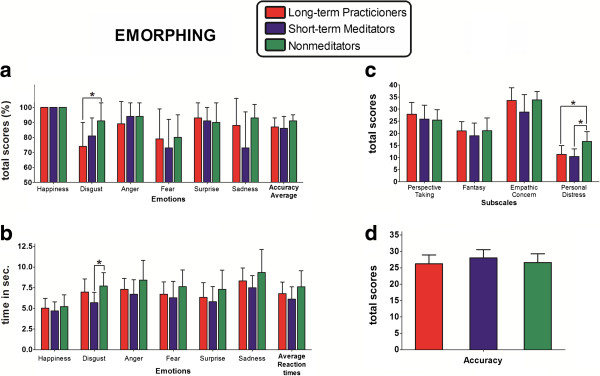
“Both meditators’ groups showed significantly lower empathy scores compared to controls only in the personal distress subscale, an index of emotional contagion by others’ distress [23].”
Background(2008) · Medical Entomology and Zoology · Cited by 7,477
How do you feel? Interoception: The sense of the physiological condition of the body
Craig, A. D. (2002) · Nature Reviews Neuroscience · doi:10.1038/nrn894 · Cited by 6,006 · cited 4×
“Moreover, given the relationship between interoception and social cognition [2,4,13,14], we included”
BackgroundInfluentialHölzel, B. K., Lazar, S. W., Gard, T., Schuman-Olivier, Z., Vago, D. R., & Ott, U. (2011) · Perspectives on Psychological Science · doi:10.1177/1745691611419671 · Cited by 3,024 · cited 1×
“Meditation is a form of mental training [5] encouraging individuals to focus on their internal experiences, such as bodily sensations, thoughts, and emotions [6].”
BackgroundOn the relationship between emotion and cognition
Pessoa, L. (2008) · Nature Reviews Neuroscience · doi:10.1038/nrn2317 · Cited by 2,350 · cited 1×
“Moreover, considering the interaction between executive functions (EF) and social cognition domains (emotional processing [15], ToM [16] and empathy [17]), EF abilities were also evaluated.”
BackgroundBoth of Us Disgusted in My Insula
Wicker, B., Keysers, C., Plailly, J., Royet, J.-P., Gallese, V., & Rizzolatti, G. (2003) · Neuron · doi:10.1016/s0896-6273(03)00679-2 · Cited by 2,185
The social neuroscience of empathy
Singer, T., & Lamm, C. (2009) · Annals of the New York Academy of Sciences · doi:10.1111/j.1749-6632.2009.04418.x · Cited by 1,981 · cited 1×
“Moreover, considering the interaction between executive functions (EF) and social cognition domains (emotional processing [15], ToM [16] and empathy [17]), EF abilities were also evaluated.”
BackgroundThe Psychology of Physical Symptoms
Pennebaker, J. W. (1982) · Springer eBooks · doi:10.1007/978-1-4613-8196-9 · Cited by 1,758
Vago, D. R., & Silbersweig, D. A. (2012) · Frontiers in Human Neuroscience · doi:10.3389/fnhum.2012.00296 · Cited by 1,310 · cited 1×
“Additionally, meditation practice promotes the development of prosocial behavior [8].”
BackgroundThe role of anterior insular cortex in social emotions
Lamm, C., & Singer, T. (2010) · Brain Structure and Function · doi:10.1007/s00429-010-0251-3 · Cited by 566 · cited 2×
“Moreover, given the relationship between interoception and social cognition [2,4,13,14], we included”
Background
Cited by
Lutz, A., Jha, A. P., Dunne, J. D., & Saron, C. D. (2015) · American Psychologist · doi:10.1037/a0039585 · Cited by 697
“In a more recent study Melloni et al. (2013) replicated these null effects and reported that meditators and novices that completed a MBSR intervention did not differ from non-meditators on cardiac interoceptive sensitivity.”
Visceral Signals Shape Brain Dynamics and Cognition
Azzalini, D., Rebollo, I., & Tallon-Baudry, C. (2019) · Trends in Cognitive Sciences · doi:10.1016/j.tics.2019.03.007 · Cited by 409
Bornemann, B., Herbert, B. M., Mehling, W. E., & Singer, T. (2015) · Frontiers in Psychology · doi:10.3389/fpsyg.2014.01504 · Cited by 349
“…January 2015 | Volume 5 | Article 1504 | 1 of the heartbeat is not increased in meditators (Nielsen and Kaszniak, 2006; Khalsa et al., 2008; Melloni et al., 2013; Parkin et al., 2013) and accurate perception of breathing, was only slightly better in experienced meditators compared to…”
Prospects for a clinical science of mindfulness-based intervention
Dimidjian, S., & Segal, Z. V. (2015) · American Psychologist · doi:10.1037/a0039589 · Cited by 291
Brief structured respiration practices enhance mood and reduce physiological arousal
Balban, M. Y., Neri, E., Kogon, M. M., Weed, L., Nouriani, B., Jo, B., Holl, G., Zeitzer, J. M., Spiegel, D., & Huberman, A. D. (2023) · Cell Reports Medicine · doi:10.1016/j.xcrm.2022.100895 · Cited by 284
“However, several studies have not found that interoception is improved in long-term meditators.(49,50) How voluntary breathwork practices influence interoceptive processes and how that compares with mindfulness meditation is not well studied, and we aim to explore this in future studies.”
BackgroundMindfulness, Interoception, and the Body: A Contemporary Perspective
Gibson, J. (2019) · Frontiers in Psychology · doi:10.3389/fpsyg.2019.02012 · Cited by 278
Focus of attention modulates the heartbeat evoked potential
Petzschner, F. H., Weber, L. A., Wellstein, K. V., Paolini, G., Do, C. T., & Stephan, K. E. (2019) · NeuroImage · doi:10.1016/j.neuroimage.2018.11.037 · Cited by 248
Adolfi, F., Couto, B., Richter, F., Decety, J., Lopez, J., Sigman, M., Manes, F., & Ibáñez, A. (2017) · Cortex · doi:10.1016/j.cortex.2016.12.019 · Cited by 238
Self-citationCalì, G., Ambrosini, E., Picconi, L., Mehling, W. E., & Committeri, G. (2015) · Frontiers in Psychology · doi:10.3389/fpsyg.2015.01202 · Cited by 214
“…can longitudinally improve different facets of the IAw construct (e.g., Bornemann et al., 2014), but they seem to have no effect on the ability to accurately perceive bodily signals, as assessed by the HPT (Nielsen and Kaszniak, 2006; Khalsa et al., 2008; Melloni et al., 2013; Parkin et al., 2013).”
Backgroundde Jong, M., Lazar, S. W., Hug, K., Mehling, W. E., Hölzel, B. K., Sack, A. T., Peeters, F., Ashih, H., Mischoulon, D., & Gard, T. (2016) · Frontiers in Psychology · doi:10.3389/fpsyg.2016.00967 · Cited by 201
“Furthermore, they are consistent with a long hypothesized mechanism for mindfulness and emphasize the clinical relevance of body awareness.”
BackgroundBornemann, B., & Singer, T. (2017) · Psychophysiology · doi:10.1111/psyp.12790 · Cited by 204
García-Cordero, I., Sedeño, L., de la Fuente, L., Slachevsky, A., Forno, G., Klein, F., Lillo, P., Ferrari, J., Rodriguez, C., Bustin, J., et al. (2016) · Philosophical Transactions of the Royal Society B: Biological Sciences · doi:10.1098/rstb.2016.0006 · Cited by 199
Self-citationAtypical interoception as a common risk factor for psychopathology: A review
Brewer, R., Murphy, J., & Bird, G. (2021) · Neuroscience & Biobehavioral Reviews · doi:10.1016/j.neubiorev.2021.07.036 · Cited by 180
Hanley, A. W., Mehling, W. E., & Garland, E. L. (2017) · Journal of Psychosomatic Research · doi:10.1016/j.jpsychores.2017.05.014 · Cited by 180
Improvement of Interoceptive Processes after an 8-Week Body Scan Intervention
Fischer, D., Messner, M., & Pollatos, O. (2017) · Frontiers in Human Neuroscience · doi:10.3389/fnhum.2017.00452 · Cited by 159
“, 2015) or comparisons between experienced and novice meditators in this regard (Nielsen and Kaszniak, 2006; Khalsa et al., 2008; Melloni et al., 2013).”
BackgroundResultMeditation, Mindfulness, and Attention: a Meta-analysis
Sumantry, D., & Stewart, K. E. (2021) · Mindfulness · doi:10.1007/s12671-021-01593-w · Cited by 165
Differential benefits of mental training types for attention, compassion, and theory of mind
Trautwein, F.-M., Kanske, P., Böckler, A., & Singer, T. (2020) · Cognition · doi:10.1016/j.cognition.2019.104039 · Cited by 139
Multichannel Investigation of Interoception: Sensitivity Is Not a Generalizable Feature
Ferentzi, E., Bogdány, T., Szabolcs, Z., Csala, B., Horváth, Á., & Köteles, F. (2018) · Frontiers in Human Neuroscience · doi:10.3389/fnhum.2018.00223 · Cited by 137
“…several studies using heartbeat perception task did not show differences between meditators and non- meditators (Nielsen and Kaszniak, 2006; Khalsa et al., 2008; Melloni et al., 2013; Otten et al., 2015), while one study using respiratory task led to mixed results (Daubenmier et al., 2013).”
ResultSedeño, L., Couto, B., Melloni, M., Canales-Johnson, A., Yoris, A., Baez, S., Esteves, S., Velásquez, M., Barttfeld, P., Sigman, M., et al. (2014) · PLoS ONE · doi:10.1371/journal.pone.0098769 · Cited by 135
“We performed a motor tracking interoception test, the Heartbeat Detection Task (HBD), which has already been validated and applied in previous studies of our group [40,71].”
MethodSelf-citationVerhaeghen, P. (2020) · Mindfulness · doi:10.1007/s12671-020-01532-1 · Cited by 170
Vieten, C., Wahbeh, H., Cahn, B. R., MacLean, K., Estrada, M., Mills, P., Murphy, M., Shapiro, S., Radin, D., Josipovic, Z., et al. (2018) · PLoS ONE · doi:10.1371/journal.pone.0205740 · Cited by 124
García-Cordero, I., Esteves, S., Mikulan, E. P., Hesse, E., Baglivo, F. H., Silva, W., García, M. D. C., Vaucheret, E., Ciraolo, C., García, H. S., et al. (2017) · Frontiers in Neuroscience · doi:10.3389/fnins.2017.00411 · Cited by 115
“…multiple dimensions (Garfinkel et al., 2015), such as the conscious perception of visceral information and learning about the underlying mechanisms (Melloni et al., 2013; Couto et al., 2014; Sedeno et al., 2014; Canales-Johnson et al., 2015; Yoris et al., 2015; García-Cordero et al., 2016).”
BackgroundMethodResultInfluentialSelf-citationThe relationship between mindfulness and objective measures of body awareness: A meta-analysis
Treves, I. N., Tello, L. Y., Davidson, R. J., & Goldberg, S. B. (2019) · Scientific Reports · doi:10.1038/s41598-019-53978-6 · Cited by 114
“Nielsen 2006 39, Melloni 2013*38 Heartbeat Tracking Participants count their heartbeats over a short period, and then report total at the end.”
BackgroundThe roles of interoceptive sensitivity and metacognitive interoception in panic
Yoris, A., Esteves, S., Couto, B., Melloni, M., Kichic, R., Cetkovich, M., Favaloro, R., Moser, J., Manes, F., Ibanez, A., et al. (2015) · Behavioral and Brain Functions · doi:10.1186/s12993-015-0058-8 · Cited by 101
“The HBD task is a motor tracking test that assesses IS at rest [11-13].”
BackgroundMethodSelf-citationThe New Measures of Interoceptive Accuracy: A Systematic Review and Assessment.
Desmedt, O., Luminet, O., Walentynowicz, M., & Corneille, O. (2023) · Neuroscience and Biobehavioral Reviews · doi:10.1016/j.neubiorev.2023.105388 · Cited by 87
Ferentzi, E., Drew, R., Tihanyi, B. T., & Köteles, F. (2018) · Physiology & Behavior · doi:10.1016/j.physbeh.2017.11.015 · Cited by 93
A multidimensional and multi-feature framework for cardiac interoception
Fittipaldi, S., Abrevaya, S., Fuente, A. D. L., Pascariello, G. O., Hesse, E., Birba, A., Salamone, P., Hildebrandt, M., Martí, S. A., Pautassi, R. M., et al. (2020) · NeuroImage · doi:10.1016/j.neuroimage.2020.116677 · Cited by 90
Self-citationSocial neuroscience: undoing the schism between neurology and psychiatry
Ibáñez, A., García, A. M., Esteves, S., Yoris, A., Muñoz, E., Reynaldo, L., Pietto, M. L., Adolfi, F., & Manes, F. (2018) · Social Neuroscience · doi:10.1080/17470919.2016.1245214 · Cited by 84
Self-citationMeyerholz, L., Irzinger, J., Witthöft, M., Gerlach, A. L., & Pohl, A. (2018) · Journal of Behavior Therapy and Experimental Psychiatry · doi:10.1016/j.jbtep.2018.12.002 · Cited by 104
I can feel my heartbeat: dancers have increased interoceptive accuracy
Christensen, J. F., Gaigg, S. B., & Calvo‐Merino, B. (2018) · Psychophysiology · doi:10.1111/psyp.13008 · Cited by 74
Psychological Effects of Meditation for Healthy Practitioners: An Update
Sedlmeier, P., Loße, C., & Quasten, L. C. (2018) · Mindfulness · doi:10.1007/s12671-017-0780-4 · Cited by 74
The practice of meditation is not associated with improved interoceptive awareness of the heartbeat
Khalsa, S. S., Rudrauf, D., Hassanpour, M. S., Davidson, R. J., & Tranel, D. (2020) · Psychophysiology · doi:10.1111/psyp.13479 · Cited by 71
“While these negative results were surprising, they are corroborated by numerous studies using 1) the same task (Nielsen & Kaszniak, 2006), and 2) other measures of heartbeat perception (Fischer, Messner, & Pollatos, 2017; Melloni et al., 2013; Otten et al., 2015; Parkin et al., 2013).”
ResultBrain-heart interactions are modulated across the respiratory cycle via interoceptive attention
Zaccaro, A., Perrucci, M. G., Parrotta, E., Costantini, M., & Ferri, F. (2022) · NeuroImage · doi:10.1016/j.neuroimage.2022.119548 · Cited by 82
Yoris, A., Abrevaya, S., Esteves, S., Salamone, P., Lori, N., Martorell, M., Legaz, A., Alifano, F., Petroni, A., Sánchez, R., et al. (2018) · Human Brain Mapping · doi:10.1002/hbm.23933 · Cited by 66
“Cardiac interoception was assessed through a modified version of a validated HBD task (Couto et al., 2013; García-Cordero et al., 2016; Melloni et al., 2013; Sedeno et al., 2014; Yoris et al., 2015, 2017), encompassing two conditions.”
BackgroundMethodSelf-citationHadash, Y., & Bernstein, A. (2019) · Current Opinion in Psychology · doi:10.1016/j.copsyc.2019.01.008 · Cited by 63
The effect of mindful eating on subsequent intake of a high calorie snack
Seguias, L., & Tapper, K. (2017) · Appetite · doi:10.1016/j.appet.2017.10.041 · Cited by 67
“Whilst interoceptive awareness may not be amenable to change via mindfulness practice (Melloni et al., 2013; Parkin et al., 2014) it is possible that it may moderate its effects.”
Couto, B., Adolfi, F., Sedeño, L., Salles, A., Canales-Johnson, A., Alvarez-Abut, P., Garcia-Cordero, I., Pietto, M., Bekinschtein, T., Sigman, M., et al. (2015) · Frontiers in Psychology · doi:10.3389/fpsyg.2015.00503 · Cited by 51
“The 12 odors commonly used in commercially available tests were smoke, chocolate, onion, strawberry, gasoline, turpentine, banana, pineapple, cinnamon, soap, lemon, and rose.”
BackgroundMethodSelf-citationRichter, F., García, A. M., Rodriguez Arriagada, N., Yoris, A., Birba, A., Huepe, D., Zimmer, H., Ibáñez, A., & Sedeño, L. (2021) · Human Brain Mapping · doi:10.1002/hbm.25288 · Cited by 46
“We used an adapted version of a validated HBD task (CanalesJohnson et al., 2015; Couto et al., 2013; García-Cordero et al., 2016; Melloni et al., 2013; Salamone et al., 2018; Sedeño et al., 2014; Yoris et al., 2015, 2018) in which participants were required to tap a key on a computer keyboard along…”
MethodResultSelf-citationCampos, D., Modrego-Alarcón, M., López-del-Hoyo, Y., González-Panzano, M., Van Gordon, W., Shonin, E., Navarro-Gil, M., & García-Campayo, J. (2019) · Frontiers in Psychology · doi:10.3389/fpsyg.2019.00809 · Cited by 45
“…body of evidence highlighting the benefits of mindfulness on health, well-being, attention, cognitive functioning, and cognitive flexibility (e.g., Moore and Malinowski, 2009; Van Gordon et al., 2014; Khoury et al., 2015; Campos et al., 2016; Mira et al., 2016; Raffone and Srinivasan, 2017).”
BackgroundPsychophysiology of duration estimation in experienced mindfulness meditators and matched controls
Otten, S., Schötz, E., Wittmann, M., Kohls, N., Schmidt, S., & Meissner, K. (2015) · Frontiers in Psychology · doi:10.3389/fpsyg.2015.01215 · Cited by 44
Body influences on social cognition through interoception
Gao, Q., Ping, X., & Chen, W. (2019) · Frontiers in Psychology · doi:10.3389/fpsyg.2019.02066 · Cited by 44
“Among these, the cardiovascular system is the focus of research (Tsakiris, 2017), and perceived heartbeat is the most important experimental measure of interoception (Häfner, 2013;Melloni et al., 2013).”
BackgroundInteroceptive Ability and Emotion Regulation in Mind–Body Interventions: An Integrative Review
Lazzarelli, A., Scafuto, F., Crescentini, C., Matiz, A., Orrù, G., Ciacchini, R., Alfì, G., Gemignani, A., & Conversano, C. (2024) · Behavioral Sciences · doi:10.3390/bs14111107 · Cited by 49
Time is body: multimodal evidence of crosstalk between interoception and time estimation
Richter, F., & Ibáñez, A. (2021) · Biological Psychology · doi:10.1016/j.biopsycho.2021.108017 · Cited by 40
Self-citationAbdoun, O., Zorn, J. V., Poletti, S., Fucci, E., & Lutz, A. (2019) · Consciousness and Cognition · doi:10.1016/j.concog.2019.01.004 · Cited by 45
Attention to cardiac sensations enhances the heartbeat-evoked potential during exhalation
Zaccaro, A., della Penna, F., Mussini, E., Parrotta, E., Perrucci, M. G., Costantini, M., & Ferri, F. (2024) · iScience · doi:10.1016/j.isci.2024.109586 · Cited by 47
“21,22 Our interpretation was grounded in the continuous reception of both cardiac and respiratory sensations by the brain through vagal pathways, with the latter predominantly conveyed during inhalation.”
BackgroundImproving interoceptive ability through the practice of power posing: A pilot study
Weineck, F., Messner, M., Hauke, G., & Pollatos, O. (2019) · PLOS ONE · doi:10.1371/journal.pone.0211453 · Cited by 36
“On the one hand, there is a line of studies that could not find better interoceptive accuracy in experienced meditators [30, 31].”
BackgroundAbrevaya, S., Fittipaldi, S., García, A. M., Dottori, M., Santamaria-Garcia, H., Birba, A., Yoris, A., Hildebrandt, M. K., Salamone, P., De la Fuente, A., et al. (2020) · Psychosomatic Medicine · doi:10.1097/psy.0000000000000868 · Cited by 34
Self-citationAaron, R. V., Blain, S. D., Snodgress, M. A., & Park, S. (2020) · Frontiers in Psychiatry · doi:10.3389/fpsyt.2020.00132 · Cited by 34
Dynamic neurocognitive changes in interoception after heart transplant
Salamone, P. C., Sedeño, L., Legaz, A., Bekinschtein, T., Martorell, M., Adolfi, F., Fraile-Vazquez, M., Rodríguez Arriagada, N., Favaloro, L., Peradejordi, M., et al. (2020) · Brain Communications · doi:10.1093/braincomms/fcaa095 · Cited by 34
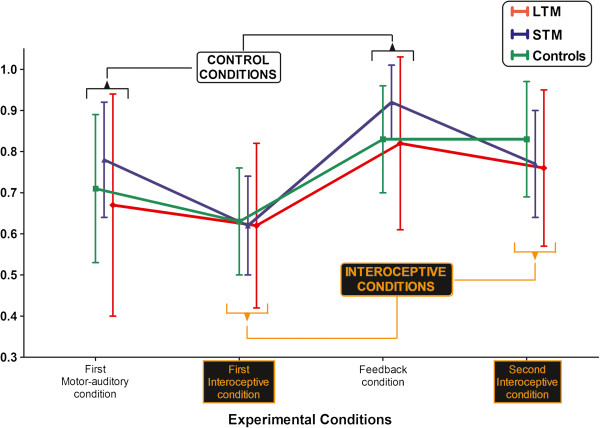
“…condition, in which they were asked to follow their own heartbeats by tapping the same key but in the absence of any external feedback (e.g. pulse) (Melloni et al., 2013; Couto et al., 2014, 2015; Canales-Johnson et al., 2015; Yoris et al., 2015; Garcı́a-Cordero et al., 2016, 2017; Salamone et…”
BackgroundSelf-citationContemplative neuroscience, self-awareness, and education
Berkovich‐Ohana, A., Jennings, P. A., & Lavy, S. (2019) · Progress in brain research · doi:10.1016/bs.pbr.2018.10.015 · Cited by 44
Lodha, S., & Gupta, R. (2022) · Journal of Cognitive Enhancement · doi:10.1007/s41465-022-00254-7 · Cited by 41
Multicentric evidence of emotional impairments in hypertensive heart disease
Yoris, A., Legaz, A., Abrevaya, S., Alarco, S., Peláez, J. L., Sanchez, R. A., García, A. M., Ibáñez, A. M., & Sedeño, L. (2020) · Scientific Reports · doi:10.1038/s41598-020-70451-x · Cited by 28
Self-citationArdi, Z., Golland, Y., Shafir, R., Sheppes, G., & Levit‐Binnun, N. (2021) · Psychosomatic Medicine · doi:10.1097/psy.0000000000000994 · Cited by 36
Tihanyi, B. T., Ferentzi, E., & Köteles, F. G. (2017) · Somatosensory & Motor Research · doi:10.1080/08990220.2017.1384720 · Cited by 25
“…with questionnaires seems to develop due to mind–body training (Rani and Rao 1994; Mehling et al. 2013; Bornemann et al. 2015), in the case of interoceptive accuracy no difference was found between practitioners and non-practitioners (Khalsa et al. 2008; Melloni et al. 2013; Otten et al. 2015).”
BackgroundMindfulness, Interoception, and Olfaction: A Network Approach
Lefranc, B., Martin‐Krumm, C., Aufauvre-Poupon, C., Berthail, B., & Trousselard, M. (2020) · Brain Sciences · doi:10.3390/brainsci10120921 · Cited by 24
Female sweet-likers have enhanced cross-modal interoceptive abilities
Iatridi, V., Quadt, L., Hayes, J. E., Garfinkel, S. N., & Yeomans, M. R. (2021) · Appetite · doi:10.1016/j.appet.2021.105290 · Cited by 25
Effects of a Single Yoga Session on Cardiac Interoceptive Accuracy and Emotional Experience
Schillings, C., Schultchen, D., & Pollatos, O. (2021) · Brain Sciences · doi:10.3390/brainsci11121572 · Cited by 22
“Similarly, meditators and nonmeditators did not differ in their IAc performance [36,41,42].”
BackgroundHeart activity perception: narrative review on the measures of the cardiac perceptual ability
Körmendi, J., & Ferentzi, E. (2023) · Biologia Futura · doi:10.1007/s42977-023-00181-4 · Cited by 26
“A relatively new version of the motor task consists of five conditions that follow each other in fixed order (Melloni et al. 2013; Sedeño et al. 2014; Couto et al. 2014).”
Verdonk, C., Trousselard, M., Luft, C. D. B., Medani, T., Billaud, J., Ramdani, C., Canini, F., Claverie, D., Jaumard‐Hakoun, A., & Vialatte, F. (2021) · Psychophysiology · doi:10.1111/psyp.13891 · Cited by 21
Silveira, S., Godara, M., Faschinger, A., & Singer, T. (2023) · Journal of Affective Disorders · doi:10.1016/j.jad.2023.08.093 · Cited by 16
Dynamical predictions of insular hubs for social cognition and their application to stroke
Limongi, R., Tomio, A., & Ibáñez, A. M. (2014) · Frontiers in Behavioral Neuroscience · doi:10.3389/fnbeh.2014.00380 · Cited by 17
“Internal body signaling has been proposed to trigger modulations of emotional processing and social cognition (Melloni et al., 2013; Couto et al., 2014; Sedeño et al., 2014; Uddin et al., 2014).”
BackgroundThe role of interoception in lifestyle factors: A systematic review
Mulder, J., Boelens, M., van der Velde, L. A., Brust, M., & Jong, J. C. K. (2025) · Neuroscience & Biobehavioral Reviews · doi:10.1016/j.neubiorev.2025.106018 · Cited by 19
Parrotta, E., Bach, P., Perrucci, M. G., Costantini, M., & Ferri, F. (2024) · Cognition · doi:10.1016/j.cognition.2024.105719 · Cited by 17
Bishop, C., Brown, T., & Yu, M. (2022) · British Journal of Occupational Therapy · doi:10.1177/03080226221128184 · Cited by 12
“One strategy that has been suggested to enhance Emotional Awareness is mindfulness meditation practice (Heeter et al., 2020; Melloni et al., 2013).”
BackgroundInfluentialCain, J. A., Brandmeyer, T., Simonian, N., Sanguinetti, J. L., Young, S., Sacchet, M. D., & Reggente, N. (2024) · PsyArXiv (OSF Preprints) · doi:10.31234/osf.io/3bzg6 · Cited by 12
Mattioni, L., Sestieri, C., Perrucci, M. G., Spada, M. M., & Ferri, F. (2024) · International Journal of Psychophysiology · doi:10.1016/j.ijpsycho.2024.112369 · Cited by 9
Ritz, T., Meuret, A. E., & Corner, S. E. (2024) · Springer eBooks · doi:10.1007/978-3-031-68521-7_12 · Cited by 11
What Can We Sense? Interoceptive Accuracy
Köteles, F. G. (2021) · Springer eBooks · doi:10.1007/978-3-030-63201-4_4 · Cited by 9
The missing pieces in the scientific study of bodily awareness
Kühle, L. (2017) · Philosophical Psychology · doi:10.1080/09515089.2017.1311999 · Cited by 6
“(Melloni et al., 2013, p. 4) If anything, these studies reveal the need to adopt other measures of interoceptive sensitivity besides heartbeat detection.”
BackgroundHadash, Y., & Bernstein, A. (2018) · MindRxiv (OSF Preprints) · doi:10.31231/osf.io/z237a · Cited by 6
Silke, C., Brady, B., Dolan, P., & Boylan, C. (2024) · Journal of Community Psychology · doi:10.1002/jcop.23106 · Cited by 11
Cognitive Processes Supporting Interoception and the Influence of Activation States
Schulz, A., & Vögele, C. (2024) · Springer eBooks · doi:10.1007/978-3-031-68521-7_7 · Cited by 12
Koncz, Á., Csala, B., & Ferentzi, E. (2023) · Biologia Futura · doi:10.1007/s42977-023-00195-y · Cited by 5
“Similar results were revealed by a study that compared long and short-term meditation practitioners and non-meditators using a motor heartbeat tracking task (Melloni et al. 2013).”
Differential Benefits of Mental Training Types for Attention, Compassion, and Theory of MindPreprint
Trautwein, F., Kanske, P., Böckler, A., & Singer, T. (2017) · PsyArXiv (OSF Preprints) · doi:10.31234/osf.io/k5dqb · Cited by 9
Minenko, I. A., Limonova, A. S., Sukmanova, A. A., Kutsenko, V. A., Nazarova, M. A., Ershova, A. I., & Drapkina, O. M. (2025) · Scientific Reports · doi:10.1038/s41598-025-08779-5 · Cited by 5
“Refs 9,62,87–91 . mSI Modified Schandry’s classic index, ratio of the total number of pressings to all recorded heartbeats in the task.”
Üniversite Öğrencilerinde Yeme Farkındalığı ve İlişkili Faktörlerin Değerlendirilmesi
Saygın, D. G., & Eskin, S. G. (2022) · Journal of Nutrition and Dietetics · doi:10.33076/2022.bdd.1529 · Cited by 4
Bodily awareness: Religious culture’s associations with interoceptive sensibility
Cappellen, P. V., & Drummond, T. M. L. (2024) · PLoS ONE · doi:10.1371/journal.pone.0309216 · Cited by 9
Schwartz, K., Ganster, F. M., Voracek, M., & Tran, U. S. (2025) · Psychosomatic Medicine · doi:10.1097/psy.0000000000001381 · Cited by 8
Women, Stress and Heart Health: Mindfulness-Based Stress Reduction and Cardiovascular Disease
Cho, K. I. (2016) · Kosin Medical Journal · doi:10.7180/kmj.2016.31.2.103 · Cited by 8
“These negative results could be partially due to the fact that awareness of heartbeat sensations is not emphasized during mindfulness/vipassana meditation and may not be the best index of the awareness supported by the practice of meditation.(32) Recently, participation in an 8-week MBSR program was shown to improve f…”
BackgroundMeditation, Sleep, and Performance
Guerriero, L. E., & O’Hara, B. F. (2019) · OBM Integrative and Complementary Medicine · doi:10.21926/obm.icm.1902031 · Cited by 7
Bornemann, B., Herbert, B. M., & Singer, T. (2017) · MindRxiv (OSF Preprints) · doi:10.31231/osf.io/7ytr9 · Cited by 4
Panzano, M. G., Borao, L., Herrera‐Mercadal, P., Campos, D., del Hoyo, Y. L., Morillo, H., & García‐Campayo, J. (2019) · Revista de Psicopatología y Psicología Clínica · doi:10.5944/rppc.24170 · Cited by 8
Interoception after frontal brain injury: A systematic review
Bodart, A., Invernizzi, S., Lefèbvre, L., & Rossignol, M. (2025) · Journal of the International Neuropsychological Society · doi:10.1017/s1355617725000098 · Cited by 3
“…beyond this accuracy condition such as a motor control condition with auditory feedback via a stethoscope held by the participants themselves or via audio recording of a sampled heartbeat, as well as a learning condition similar to the accuracy condition (Melloni et al., 2013; Yoris et al., 2018).”
Richter, F., & Zimmer, H. (2018) · Diagnostica · doi:10.1026/0012-1924/a000195 · Cited by 1
Wang, W.-L., Liu, J.-K., Sun, Y., Liu, X., Ma, Y., Gao, X.-Z., Chen, L.-M., Zhou, Z., & Zhou, H. (2024) · World Journal of Psychiatry · doi:10.5498/wjp.v14.i10.1484 · Cited by 2
Rudnicki, K., Schepers, L., Rummens, K., Joris, G., & Poels, K. (2025) · Applied Psychophysiology and Biofeedback · doi:10.1007/s10484-025-09728-8 · Cited by 2
“According to Melloni et al. (2013), meditation is a form of mental training encouraging individuals to focus on their internal experiences, such as bodily sensations, thoughts, and emotions.”
Interocepció. Narratív összefoglaló
Ferentzi, E., Tihanyi, B. T., Szemerszky, R., Dömötör, Z., Bárdos, G., & Köteles, F. G. (2018) · Mentálhigiéné és Pszichoszomatika · doi:10.1556/0406.19.2018.014 · Cited by 4
Az interocepció tudatos aspektusainak fejlődéséről és fejlesztéséről
Koncz, Á., & Köteles, F. G. (2023) · Mentálhigiéné és Pszichoszomatika · doi:10.1556/0406.2023.00021 · Cited by 1
THE REAL SECTOR OF THE ECONOMY OF THE KOMI REPUBLIC IN MODERN CONDITIONS
Gadzhiev, J. A. (2024) · Scientific Research of the SCO Countries: Synergy and Integration · doi:10.34660/inf.2023.21.91.074 · Cited by 1
Systematic review of the evidence of interoceptive awareness in performers
Pedraza-Ramirez, I. (2016) · Jyväskylä University Digital Archive (University of Jyväskylä) · Cited by 2
Richter, F., & Zimmer, H. (2020) · Zeitschrift für Neuropsychologie · doi:10.1024/1016-264x/a000286 · Cited by 2
Брак, И. В., Zinovieva, A. G., Ovchinnikov, A. A., & Klimova, I. Y. (2022) · Sibirskij medicinskij vestnik · doi:10.31549/2541-8289-2022-6-4-43-50
Consuming Your Feelings: The Mechanisms Underpinning Emotional Eating
Pink, A. E. (2019) · Cronfa (Swansea University) · doi:10.23889/suthesis.50331 · Cited by 3
Preprint: Bodily Awareness: Religious Culture’s Associations with Interoceptive SensibilityPreprint
Cappellen, P. V., & Drummond, T. M. L. (2023) · doi:10.31234/osf.io/gzsva · Cited by 1
Between mood and matter: studies on the interface between mood disorders and physical conditions
de Jong, P. J. (2018) · Research Publications (Maastricht University) · doi:10.26481/dis.20180518mj
Meditation, Exceptional Psychophysiological Control, and Parapsychology
Cardeña, E. (2019) · Oxford University Press eBooks · doi:10.1093/oxfordhb/9780198808640.013.47
Chen, C., Shih, Y., Hsu, Y., Wen, T.-K., Fang, S., Tang, D.-L., Lee, S., & Tseng, W. I. (2019) · bioRxiv (Cold Spring Harbor Laboratory) · doi:10.1101/855551
Bowins, B. E. (2021) · Elsevier eBooks · doi:10.1016/b978-0-323-85049-0.00019-2 · Cited by 1
Subjective body awareness and well-being in athletes and active exercisers
Tokola, R. (2021) · Jyväskylä University Digital Archive (University of Jyväskylä) · Cited by 1
Metadata
- Authors
- Melloni, M., Sedeño, L., Couto, B., Reynoso, M., Gelormini, C., Favaloro, R., Canales-Johnson, A., Sigman, M., Manes, F., & Ibanez, A.
- Affiliations
- Consejo Nacional de Investigaciones Científicas y Técnicas (AR)
- Favaloro University (AR)
- Australian Research Council (AU)
- Venue
- Behavioral and Brain Functions
- Published
- 2013-12
- Volume
- 9
- Issue
- 1
- Pages
- 47-47
- ISSN
- 1744-9081 (ISSN-L)
- PMC
- PMC3878404
- OpenAlex
- W2147311516
- Cited by
- 127
- References
- 26
- Citations by year
- 2025: 6 · 2024: 27 · 2023: 9 · 2022: 7 · 2021: 13 · 2020: 10 · 2019: 17 · 2018: 7 · 2017: 13 · 2016: 9 · 2015: 7 · 2014: 2
- FWCI
- 6.68
- Type
- journal article
- Language
- en
- Open access
- gold
- doi.org
- Licence
- cc-by
- Locations
- Behavioral and Brain Functions (publishedVersion, cc-by)
- PubMed Central (publishedVersion, cc-by)
- PubMed (publishedVersion)
- Repositorio Digital Universidad Torcuato Di Tella (submittedVersion, cc-by)
- Americanae (AECID Library) (submittedVersion, cc-by)
- LA Referencia (Red Federada de Repositorios Institucionales de Publicaciones Científicas) (submittedVersion, cc-by)
- Funders
- James S. McDonnell Foundation
- Fundación INECO
- Consejo Nacional de Investigaciones Científicas y Técnicas (1130920, PICT 2012)
- Comisión Nacional de Investigación Científica y Tecnológica (1130920)
- Fondo para la Investigación Científica y Tecnológica (2012-0412, 2012‐1309, PICT 2012)
- Topics
- Social Sciences › Psychology › Clinical Psychology › Mindfulness and Compassion Interventions
- Health Sciences › Medicine › Psychiatry and Mental health › Psychosomatic Disorders and Their Treatments
- Health Sciences › Medicine › Cardiology and Cardiovascular Medicine › Heart Rate Variability and Autonomic Control
- Keywords
- meditation, mindfulness, interoception, interoceptive sensitivity, cardiac interoception, social cognition, emotion recognition, empathy, theory of mind, anxiety, depression, executive function, mindfulness-based stress reduction, long-term meditators
- MeSH terms
- Adult, Affect, Anxiety, Attention, Awareness, Depression, Emotions, Empathy, Female, Heart Rate, Humans, Male, Middle Aged, Sensation, Stress, Psychological, Meditation, Executive Function, Theory of Mind, Mindfulness
About these checks
Registry, retraction, Cites and statistics results are computed, not judged, with one exception: a printed reference that no index lists is read once by a model before it counts as a citation error. Claims are extracted by a model and kept only when their quote appears verbatim in the text; each cited source is then checked, with a model’s help, for whether it says what the claim relies on. Those verdicts can be wrong — read the claim’s quote and the cited source before relying on one.
Statistics and arithmetic are recomputed, not judged.
Confidence bands are shown only for fields calibrated on our annotated test set. None is calibrated yet, so no band is shown.
What counts as a claim ›How we measure confidence ›How we check this ›
Are you an author, or do you see a problem with this page? Request a review
Data sources
Bibliographic data: Semantic Scholar, OpenAlex, Crossref.
Contains information from the Semantic Scholar Academic Graph Datasets, made available under the ODC Attribution License (ODC-BY 1.0).
Semantic Scholar’s data is described in: Kinney, R., et al. (2023). The Semantic Scholar Open Data Platform. arXiv:2301.10140.
