

The DOI matches its Crossref record; 70 of the 71 references it cites were found in a registry or an index.
Phenotypic profile of alternative activation marker CD163 is different in Alzheimer’s and Parkinson’s disease
Open accessAbstract
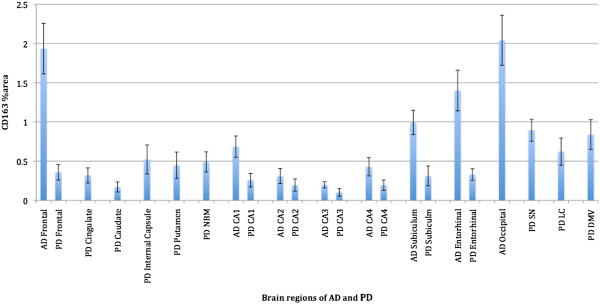
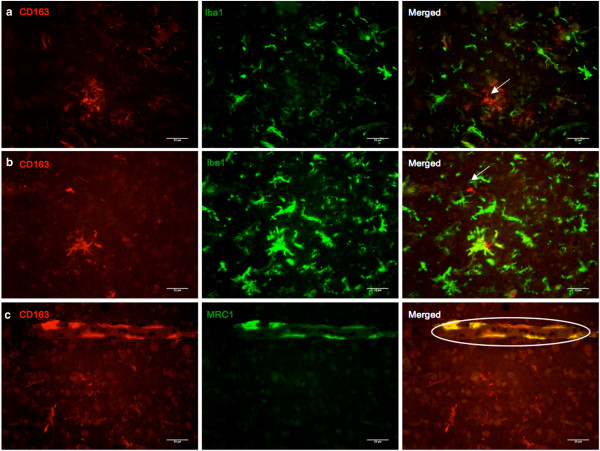
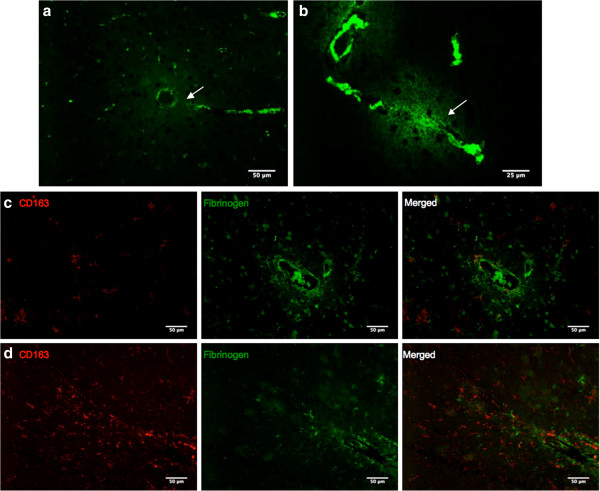
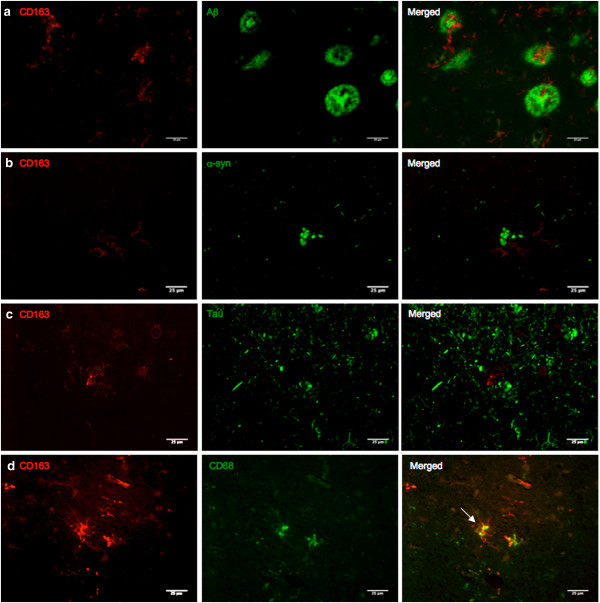
BACKGROUND: Microglial activation is a pathological feature common to both Alzheimer's and Parkinson's diseases (AD and PD). The classical activation involves release of pro-inflammatory cytokines and reactive oxygen species. This is necessary for maintenance of tissue homeostasis and host defense, but can cause bystander damage when the activation is sustained and uncontrolled. In recent years the heterogeneous nature of microglial activation states in neurodegenerative diseases has become clear and the focus has shifted to alternative activation states that promote tissue maintenance and repair. We studied the distribution of CD163, a membrane-bound scavenger receptor found on perivascular macrophages. CD163 has an immunoregulatory function, and has been found in the parenchyma in other inflammatory diseases e.g. HIV-encephalitis and multiple sclerosis. In this study, we used immunohistochemistry to compare CD163 immunoreactivity in 31 AD cases, 27 PD cases, and 16 control cases. Associations of microglia with pathological hallmarks of AD and PD were investigated using double immunofluorescence. RESULTS: Parenchymal microglia were found to be immunoreactive for CD163 in all of the AD cases, and to a lesser extent in PD cases. There was prominent staining of CD163 immunoreactive microglia in the frontal and occipital cortices of AD cases, and in the brainstem of PD cases. Many of them were associated with Aß plaques in both diseases, and double staining with CD68 demonstrates their phagocytic capability. Leakage of fibrinogen was observed around compromised blood vessels, raising the possibility these microglia might have originated from the periphery. CONCLUSIONS: Increase in microglia's CD163 immunoreactivity was more significant in AD than PD, and association of CD163 immunoreactive microglia with Aβ plaques indicate microglia's attraction towards extracellular protein pathology, i.e. extracellular aggregates of Aβ as compared to intracellular Lewy Bodies in PD. Double staining with CD163 and CD68 might point towards their natural inclination to phagocytose plaques. Fibrinogen leakage and compromise of the blood brain barrier raise the possibility that these are not resident microglia, but systemic macrophages infiltrating the brain.
Overview
The claims and statistics of this paper haven’t been checked yet.
Run the check — free, no account needed. It reads the open-access text and checks the sources it cites.
Integrity signals
Registry
Cites
Statistics
Figures
Verification
Claims the paper makes
The claims and statistics of this paper haven’t been checked yet.
Run the check — free, no account needed. It reads the open-access text and checks the sources it cites.
Claims other papers make about this one
Each is checked against this paper’s own text: does it say what the citing paper says it does?
The source backs part of the claim, not all of it — or backs it for a different population, condition or comparison.
In the citing paper
“CD163, a hub gene of MG-M4, is known to be involved in the breakdown of the blood-brain barrier.53,54”
From hdWGCNA identifies co-expression networks in high-dimensional transcriptomics data (2023) · cites this paper as [54]
Experimental — accuracy not yet measuredThe source backs part of the claim, not all of it — or backs it for a different population, condition or comparison.
In the citing paper
“CD163 is a hemoglobin-haptoglobulin scavenger receptor that is considered to be expressed exclusively on perivascular macrophages in the brain under normal conditions, as well as peripheral cells of monocyte lineage [38, 56].”
From Loss of homeostatic microglial phenotype in CSF1R-related Leukoencephalopathy (2020) · cites this paper as [38]
Experimental — accuracy not yet measuredThe cited source says what the claim attributes to it.
In the citing paper
“Like Dal Bianco et al.20 Pey et al.120 also found higher levels of CD163 staining in the hippocampus, as well as the frontal and occipital cortices.”
From Markers of microglia in post-mortem brain samples from patients with Alzheimer’s disease: a systematic review (2018) · cites this paper as [120]
The check wasn’t confident either way, so it gives no verdict — never disputed.
In the citing paper
“CD163, a hub gene of MG-M4, is known to be involved in the breakdown of the blood-brain barrier.53,54”
From hdWGCNA identifies co-expression networks in high-dimensional transcriptomics data (2023) · cites this paper as [54]
Experimental — accuracy not yet measuredIn the citing paper
“Increased expression of proteins associated with non-microglia myeloid cells, such as CD163, has been observed in the brains of PD patients.”
From Microglia in neurodegenerative diseases: mechanism and potential therapeutic targets (2023) · cites this paper as [227]
Self-check
Percentages, sums and reported differences re-computed from the paper’s own numbers.
The self-check needs the paper’s full text.
Citations
Cites
Alternative activation of macrophages
Gordon, S. (2003) · Nature Reviews Immunology · doi:10.1038/nri978 · Cited by 6,189
Diagnosis and management of dementia with Lewy bodies: Third report of the DLB consortium
McKeith, I. G., Dickson, D. W., Lowe, J., Emre, M., O'Brien, J. T., Feldman, H., Cummings, J., Duda, J. E., Lippa, C., Perry, E. K., et al. (2005) · Neurology · doi:10.1212/01.wnl.0000187889.17253.b1 · Cited by 5,069
Kettenmann, H., Hanisch, U.-K., Noda, M., & Verkhratsky, A. (2011) · Physiological Reviews · doi:10.1152/physrev.00011.2010 · Cited by 3,547
Microglia in neurodegenerative disease
Perry, V. H., Nicoll, J. A. R., & Holmes, C. (2010) · Nature Reviews Neurology · doi:10.1038/nrneurol.2010.17 · Cited by 1,543
Holmes, C., Boche, D., Wilkinson, D., Yadegarfar, G., Hopkins, V., Bayer, A., Jones, R. W., Bullock, R., Love, S., Neal, J. W., et al. (2008) · The Lancet · doi:10.1016/s0140-6736(08)61075-2 · Cited by 1,416 · cited 1×
“Much interest has been shown in Aβ and its removal from the brain via natural methods or vaccination [58]; CD163 immunoreactive microglia clusters around Aβ plaques support the idea that they might serve a similar purpose.”
BackgroundMicroglial Dysfunction and Defective β-Amyloid Clearance Pathways in Aging Alzheimer's Disease Mice
Hickman, S. E., Allison, E. K., & El Khoury, J. (2008) · The Journal of Neuroscience · doi:10.1523/jneurosci.0616-08.2008 · Cited by 1,329 · cited 2×
“via downregulation of Aβ receptors [22] and neuronal degeneration, but TNF-α is protective due to its pre-conditioning effect on metabolic excitotoxicity, Aβ toxicity and ischaemia [23].”
BackgroundSimard, A. R., Soulet, D., Gowing, G., Julien, J.-P., & Rivest, S. (2006) · Neuron · doi:10.1016/j.neuron.2006.01.022 · Cited by 1,265
Tansey, M. G., & Goldberg, M. S. (2010) · Neurobiology of Disease · doi:10.1016/j.nbd.2009.11.004 · Cited by 1,045
Macrophage activation switching: an asset for the resolution of inflammation
Porcheray, F., Viaud, S., Rimaniol, A.-C., Léone, C., Samah, B., Dereuddre-Bosquet, N., Dormont, D., & Gras, G. (2005) · Clinical and Experimental Immunology · doi:10.1111/j.1365-2249.2005.02934.x · Cited by 840
Buechler, C., Ritter, M., Orsó, E., Langmann, T., Klucken, J., & Schmitz, G. (2000) · Journal of Leukocyte Biology · doi:10.1002/jlb.67.1.97 · Cited by 704
Inflammation as a causative factor in the aetiology of Parkinson's disease
Whitton, P. S. (2007) · British Journal of Pharmacology · doi:10.1038/sj.bjp.0707167 · Cited by 641
Ito, D., Tanaka, K., Suzuki, S., Dembo, T., & Fukuuchi, Y. (2001) · Stroke · doi:10.1161/01.str.32.5.1208 · Cited by 598
Perry, V. H. (2004) · Brain Behavior and Immunity · doi:10.1016/j.bbi.2004.01.004 · Cited by 560
Koenigsknecht-Talboo, J., & Landreth, G. E. (2005) · The Journal of Neuroscience · doi:10.1523/jneurosci.1808-05.2005 · Cited by 477
Alafuzoff, I., Arzberger, T., Al‐Sarraj, S., Bodi, I., Bogdanovic, N., Braak, H., Bugiani, O., Del‐Tredici, K., Ferrer, I., Gelpi, E., et al. (2008) · Brain Pathology · doi:10.1111/j.1750-3639.2008.00147.x · Cited by 467
Assessing Activation States in Microglia
Colton, C. A., & Wilcock, D. M. (2010) · CNS & Neurological Disorders - Drug Targets · doi:10.2174/187152710791012053 · Cited by 430
Croisier, E., Moran, L. B., Dexter, D. T., Pearce, R. K., & Graeber, M. B. (2005) · Journal of Neuroinflammation · doi:10.1186/1742-2094-2-14 · Cited by 414
Self-citationHawkes, C. A., & McLaurin, J. (2009) · Proceedings of the National Academy of Sciences · doi:10.1073/pnas.0805453106 · Cited by 397
Expression profiles for macrophage alternative activation genes in AD and in mouse models of AD.
(2006) · Journal of Neuroinflammation · doi:10.1186/1742-2094-3-27 · Cited by 393
The macrophage scavenger receptor CD163 functions as an innate immune sensor for bacteria
Fabriek, B. O., van Bruggen, R., Deng, D., Ligtenberg, A. J. M., Nazmi, K., Schornagel, K., Vloet, R. P. M., Dijkstra, C. D., & van den Berg, T. K. (2008) · Blood · doi:10.1182/blood-2008-07-167064 · Cited by 387
Interleukin-1, neuroinflammation, and Alzheimer's disease
Mrak, R. E. (2001) · Neurobiology of Aging · doi:10.1016/s0197-4580(01)00287-1 · Cited by 353
Inflammation and neurodegenerative diseases
Griffin, W. S. T. (2006) · The American Journal of Clinical Nutrition · doi:10.1093/ajcn/83.2.470s · Cited by 351
Self-citationLau, S. K., Chu, P. G., & Weiss, L. M. (2004) · American Journal of Clinical Pathology · doi:10.1309/qhd6yfn81kqxuuh6 · Cited by 339
CD163: A Specific Marker of Macrophages in Paraffin-Embedded Tissue Samples
Lau, S. K., Chu, P. G., & Weiss, L. M. (2004) · American Journal of Clinical Pathology · doi:10.1309/qhd6-yfn8-1kqx-uuh6 · Cited by 326
Staging/typing of Lewy body related α-synuclein pathology: a study of the BrainNet Europe Consortium
Alafuzoff, I. I., Ince, P. G., Arzberger, T., Al‐Sarraj, S., Bell, J. E., Bódi, I., Bogdanović, N., Bugiani, O., Ferrer, I., Gelpí, E., et al. (2009) · Acta Neuropathologica · doi:10.1007/s00401-009-0523-2 · Cited by 323
Self-citationFiala, M., Liu, Q. N., Sayre, J., Pop, V., Brahmandam, V., Graves, M. C., & Vinters, H. V. (2002) · European Journal of Clinical Investigation · doi:10.1046/j.1365-2362.2002.00994.x · Cited by 307
HUMAN MONOCYTES EXPRESS CD163, WHICH IS UPREGULATED BY IL-10 AND IDENTICAL TO p155
Sulahian, T. H., Högger, P., Wahner, A. E., Wardwell, K., Goulding, N. J., Sorg, C., Droste, A., Stehling, M., Wallace, P. K., Morganelli, P. M., et al. (2000) · Cytokine · doi:10.1006/cyto.2000.0720 · Cited by 281
Long-term intracerebral inflammatory response after traumatic brain injury
Gentleman, S. M., Leclercq, P. D., Moyes, L., Graham, D. I., Smith, C., Griffin, W. S. T., & Nicoll, J. A. R. (2004) · Forensic Science International · doi:10.1016/j.forsciint.2004.06.027 · Cited by 272
Self-citationWalker, D. G., Dalsing-Hernandez, J. E., Campbell, N. A., & Lue, L. (2008) · Experimental Neurology · doi:10.1016/j.expneurol.2008.09.003 · Cited by 270
The significance of neuroinflammation in understanding Alzheimer’s disease
Eikelenboom, P., Veerhuis, R., Scheper, W., Rozemüller, A. J. M., van Gool, W. A., & Hoozemans, J. J. M. (2006) · Journal of Neural Transmission · doi:10.1007/s00702-006-0575-6 · Cited by 268
The Role of Neuroimmunomodulation in Alzheimer's Disease
Maccioni, R. B., Rojo, L. E., Fernández, J. A., & Kuljiš, R. O. (2009) · Annals of the New York Academy of Sciences · doi:10.1111/j.1749-6632.2008.03972.x · Cited by 261
Ahmed, Z., Shaw, G., Sharma, V. P., Yang, C., McGowan, E., & Dickson, D. W. (2007) · Journal of Histochemistry & Cytochemistry · doi:10.1369/jhc.6a7156.2007 · Cited by 258
Högger, P., Dreier, J., Droste, A., Buck, F., & Sorg, C. (1998) · The Journal of Immunology · doi:10.4049/jimmunol.161.4.1883 · Cited by 253
CD163: a signal receptor scavenging haptoglobin–hemoglobin complexes from plasma
Graversen, J. H., Madsen, M. M., & Moestrup, S. K. (2002) · The International Journal of Biochemistry & Cell Biology · doi:10.1016/s1357-2725(01)00144-3 · Cited by 245
Kim, W.-K., Alvarez, X., Fisher, J., Bronfin, B., Westmoreland, S., McLaurin, J., & Williams, K. (2006) · The American Journal of Pathology · doi:10.2353/ajpath.2006.050215 · Cited by 225
Regulation of CD163 on human macrophages: cross-linking of CD163 induces signaling and activation
van den Heuvel, M. M., Tensen, C. P., van As, J., van den Berg, T. K., Fluitsma, D. M., Dijkstra, C. D., Döpp, E. A., Droste, A., van Gaalen, F. A., Sorg, C., et al. (1999) · Journal of Leukocyte Biology · doi:10.1002/jlb.66.5.858 · Cited by 222
Fabriek, B. O., van Haastert, E. S., Galea, I., Polfliet, M. M. J., Döpp, E. A., van den Heuvel, M. M., van den Berg, T. K., Groot, C. J. A. D., van der Valk, P., & Dijkstra, C. D. (2005) · Glia · doi:10.1002/glia.20208 · Cited by 218
The microglial phagocytic role with specific plaque types in the Alzheimer disease brain
D’Andrea, M. R., Cole, G. M., & Ard, M. D. (2004) · Neurobiology of Aging · doi:10.1016/j.neurobiolaging.2003.12.026 · Cited by 215
Neuroinflammation in the living brain of Parkinson's disease
Ouchi, Y., Yagi, S., Yokokura, M., & Sakamoto, M. (2009) · Parkinsonism & Related Disorders · doi:10.1016/s1353-8020(09)70814-4 · Cited by 210
Fan, R., Xu, F., Previti, M. L., Davis, J., Grande, A. V., Robinson, J. K., & Nostrand, W. E. V. (2007) · Journal of Neuroscience · doi:10.1523/jneurosci.4371-06.2007 · Cited by 200
Microglia as a Potential Bridge between the Amyloid β‐Peptide and Tau
Kitazawa, M., Yamasaki, T. R., & LaFerla, F. M. (2004) · Annals of the New York Academy of Sciences · doi:10.1196/annals.1332.006 · Cited by 185
Galea, I., Palin, K., Newman, T. A., van Rooijen, N., Perry, V. H., & Boche, D. (2004) · Glia · doi:10.1002/glia.20124 · Cited by 183
Microglia Activation and Anti-inflammatory Regulation in Alzheimer’s Disease
Lue, L., Kuo, Y., Beach, T. G., & Walker, D. G. (2010) · Molecular Neurobiology · doi:10.1007/s12035-010-8106-8 · Cited by 173
Mechanisms of microglia accumulation in Alzheimer’s disease: therapeutic implications
Khoury, J. E., & Luster, A. D. (2008) · Trends in Pharmacological Sciences · doi:10.1016/j.tips.2008.08.004 · Cited by 171
Kanazawa, H., Ohsawa, K., Sasaki, Y., Kohsaka, S., & Imai, Y. (2002) · Journal of Biological Chemistry · doi:10.1074/jbc.m109218200 · Cited by 170
Modeling microglial activation in Alzheimer's disease with human postmortem microglial cultures
Lue, L. (2001) · Neurobiology of Aging · doi:10.1016/s0197-4580(01)00311-6 · Cited by 169
Lipid-Mediated Oxidative Stress and Inflammation in the Pathogenesis of Parkinson's Disease
Farooqui, T., & Farooqui, A. A. (2011) · Parkinson s Disease · doi:10.4061/2011/247467 · Cited by 156
Park, J., Paik, S. R., Jou, I., & Park, S. M. (2008) · Glia · doi:10.1002/glia.20691 · Cited by 156
Turnover of resident retinal microglia in the normal adult mouse
Xu, H., Chen, M., Mayer, E. J., Forrester, J. V., & Dick, A. D. (2007) · Glia · doi:10.1002/glia.20535 · Cited by 153 · cited 6×
“In order to prevent CD163 immunoreactive PVM from influencing the measurement of CD163 immunoreactive microglial cells in the parenchyma, all PVM were manually deselected from images.”
InfluentialUp-regulation of human monocyte CD163 upon activation of cell-surface Toll-like receptors
Weaver, L. K., Pioli, P. A., Wardwell, K., Vogel, S. N., & Guyre, P. M. (2007) · Journal of Leukocyte Biology · doi:10.1189/jlb.0706428 · Cited by 133
Zaghi, J., Goldenson, B., Inayathullah, M., Lossinsky, A. S., Masoumi, A., Avagyan, H., Mahanian, M., Bernas, M. J., Weinand, M. E., Rosenthal, M. J., et al. (2009) · Acta Neuropathologica · doi:10.1007/s00401-008-0481-0 · Cited by 117
A proposed dual role of neuromelanin in the pathogenesis of Parkinson’s disease
Zecca, L., Zucca, F. A., Albertini, A., Rizzio, E., & Fariello, R. G. (2006) · Neurology · doi:10.1212/wnl.67.7_suppl_2.s8 · Cited by 117
Borda, J. T., Alvarez, X., Mohan, M., Hasegawa, A., Bernardino, A., Jean, S., Aye, P., & Lackner, A. A. (2008) · The American Journal of Pathology · doi:10.2353/ajpath.2008.070848 · Cited by 115
Assessing the contribution of inflammation in models of Alzheimer's disease
Johnston, H. R., Boutin, H., & Allan, S. M. (2011) · Biochemical Society Transactions · doi:10.1042/bst0390886 · Cited by 114
Microglial alterations in human Alzheimer's disease following Aβ42 immunization
Zotova, E., Holmes, C., Johnston, D. A., Neal, J., Nicoll, J. A. R., & Boche, D. (2010) · Neuropathology and Applied Neurobiology · doi:10.1111/j.1365-2990.2010.01156.x · Cited by 109
Macrophages in Alzheimer’s disease: the blood-borne identity
Gate, D., Rezai-Zadeh, K., Jodry, D., Rentsendorj, A., & Town, T. (2010) · Journal of Neural Transmission · doi:10.1007/s00702-010-0422-7 · Cited by 107
Beach, T. G., Sue, L. I., Walker, D. G., Lue, L. F., Connor, D. J., Caviness, J. N., Sabbagh, M. N., & Adler, C. H. (2007) · Acta Neuropathologica · doi:10.1007/s00401-007-0250-5 · Cited by 104
Mendes-Jorge, L., Ramos, D., López‐Luppo, M., Llombart, C., Alexandre‐Pires, G., Nacher, V., Melgarejo, V., Correia, M., Navarro, M., Carretero, A., et al. (2009) · Investigative Ophthalmology & Visual Science · doi:10.1167/iovs.09-3515 · Cited by 102
CD163 Identifies a Unique Population of Ramified Microglia in HIV Encephalitis (HIVE)
Roberts, E. S., Masliah, E., & Fox, H. S. (2004) · Journal of Neuropathology & Experimental Neurology · doi:10.1093/jnen/63.12.1255 · Cited by 100
Microglial cells and Parkinson’s disease
Li, Q., & Flood, P. M. (2008) · Immunologic Research · doi:10.1007/s12026-008-8018-0 · Cited by 93
Schaer, D. J., Alayash, A. I., & Buehler, P. W. (2007) · Antioxidants and Redox Signaling · doi:10.1089/ars.2007.1576 · Cited by 88
Elevated glial brain-derived neurotrophic factor in Parkinson's diseased nigra
Knott, C., Stern, G. M., Kingsbury, A. E., Welcher, A. A., & Wilkin, G. P. (2002) · Parkinsonism & Related Disorders · doi:10.1016/s1353-8020(02)00008-1 · Cited by 68
Ritter, M., Buechler, C., Langmann, T., & Schmitz, G. (1999) · Biochemical and Biophysical Research Communications · doi:10.1006/bbrc.1999.0866 · Cited by 66
Hayes, A., Thaker, U., Iwatsubo, T., Pickering-Brown, S. M., & Mann, D. M. A. (2002) · Neuroscience Letters · doi:10.1016/s0304-3940(02)00888-1 · Cited by 65
TNF-α Preconditioning Protects Neurons via Neuron-Specific Up-Regulation of CREB-Binding Protein
Saha, R. N., Ghosh, A., Palencia, C. A., Fung, Y. K., Dudek, S. M., & Pahan, K. (2009) · The Journal of Immunology · doi:10.4049/jimmunol.0801892 · Cited by 62
Glucocorticoid-Induced Appearance of the Macrophage Subtype RM 3/1 in Peripheral Blood of Man
Zwadlo‐Klarwasser, G., Bent, S., Haubeck, H.-D., Sorg, C., & Schmutzler, W. (2009) · International Archives of Allergy and Applied Immunology · doi:10.1159/000235111 · Cited by 61
Malm, T., Magga, J. M., Kuh, G. F., Vatanen, T., Koistinaho, M., & Koıstınaho, J. (2008) · Glia · doi:10.1002/glia.20726 · Cited by 56
Wenzel, I., Roth, J., & Sorg, C. (1996) · European Journal of Immunology · doi:10.1002/eji.1830261131 · Cited by 54
TGF-β regulation of human macrophage scavenger receptor CD163 is Smad3-dependent
Pioli, P. A., Goonan, K. E., Wardwell, K., & Guyre, P. M. (2004) · Journal of Leukocyte Biology · doi:10.1189/jlb.1203617 · Cited by 44
Mannose receptor determination by an ELISA-like method
Musiani, S., & Battelli, M. G. (2003) · Journal of Biochemical and Biophysical Methods · doi:10.1016/s0165-022x(03)00019-8 · Cited by 3
Cited by
Sorted by citations
Microglia in neurodegenerative diseases: mechanism and potential therapeutic targets
Gao, C., Jiang, J., Tan, Y., & Chen, S. (2023) · Signal Transduction and Targeted Therapy · doi:10.1038/s41392-023-01588-0 · Cited by 1,616
hdWGCNA identifies co-expression networks in high-dimensional transcriptomics data
Morabito, S., Reese, F., Rahimzadeh, N., Miyoshi, E., & Swarup, V. (2023) · Cell Reports Methods · doi:10.1016/j.crmeth.2023.100498 · Cited by 773
Hopperton, K. E., Mohammad, D., Trépanier, M. O., Giuliano, V, & Bazinet, R. P. (2018) · Molecular Psychiatry · doi:10.1038/mp.2017.246 · Cited by 567
Walker, D. G., & Lue, L.-F. (2015) · Alzheimer's Research & Therapy · doi:10.1186/s13195-015-0139-9 · Cited by 562
Targeting iron metabolism in drug discovery and delivery
Crielaard, B. J., Lammers, T., & Rivella, S. (2017) · Nature Reviews Drug Discovery · doi:10.1038/nrd.2016.248 · Cited by 352
Metadata
- Authors
- Pey, P., Pearce, R. K., Kalaitzakis, M. E., Griffin, W. S. T., & Gentleman, S. M.
- Affiliations
- Imperial College London (GB)
- University of Arkansas for Medical Sciences (US)
- Corresponding author
- Pey, Peixuan
- Gentleman, Steve M
- Venue
- Acta Neuropathologica Communications
- Published
- 2014-02-14
- Volume
- 2
- Issue
- 1
- Pages
- 21-21
- ISSN
- 2051-5960 (ISSN-L)
- PMC
- PMC3940003
- OpenAlex
- W2147311470
- Cited by
- 128
- References
- 71
- Citations by year
- 2026: 7 · 2025: 12 · 2024: 10 · 2023: 18 · 2022: 14 · 2021: 11 · 2020: 16 · 2019: 11 · 2018: 8 · 2017: 9 · 2016: 7 · 2015: 5
- FWCI
- 3.64
- Type
- journal article
- Language
- en
- Open access
- gold
- doi.org
- Licence
- Locations
- Acta Neuropathologica Communications (publishedVersion, cc-by)
- Europe PMC (PubMed Central) (publishedVersion, cc-by)
- PubMed Central (publishedVersion, cc-by)
- PubMed (publishedVersion)
- Funders
- Parkinson's UK (G0909, J-1402)
- Imperial College London
- National Institutes of Health (AG12411)
- National Institute on Aging (AG 12411, P01AG012411)
- Topics
- Life Sciences › Neuroscience › Neurology › Neuroinflammation and Neurodegeneration Mechanisms
- Life Sciences › Neuroscience › Cellular and Molecular Neuroscience › Alzheimer's disease research and treatments
- Life Sciences › Neuroscience › Neurology › Neurological Disease Mechanisms and Treatments
- Keywords
- CD163, Alzheimer's disease, Parkinson's disease, amyloid plaques, Lewy bodies, CD68, blood-brain barrier, perivascular macrophages, phagocytosis, neuroinflammation
- MeSH terms
- CD68 Molecule, CD163 Antigen, Aged, Aged, 80 and over, Alzheimer Disease, Brain, Calcium-Binding Proteins, Cell Count, DNA-Binding Proteins, Female, Fibrinogen, Humans, Macrophages, Male, Membrane Glycoproteins, Microfilament Proteins, Middle Aged, Neurologic Examination, Parkinson Disease, Receptors, Cell Surface, Receptors, Immunologic, Antigens, Differentiation, Myelomonocytic, Antigens, CD, Amyloid beta-Peptides, Microglia, Plaque, Amyloid
About these checks
Registry, retraction, Cites and statistics results are computed, not judged, with one exception: a printed reference that no index lists is read once by a model before it counts as a citation error. Claims are extracted by a model and kept only when their quote appears verbatim in the text; each cited source is then checked, with a model’s help, for whether it says what the claim relies on. Those verdicts can be wrong — read the claim’s quote and the cited source before relying on one.
Statistics and arithmetic are recomputed, not judged.
Confidence bands are shown only for fields calibrated on our annotated test set. None is calibrated yet, so no band is shown.
What counts as a claim ›How we measure confidence ›How we check this ›
Are you an author, or do you see a problem with this page? Request a review
