

Social regulation of gene expression in human leukocytes
Open accessThe DOI matches its Crossref record; 70 of the 73 references it cites were found in a registry or an index.
Abstract
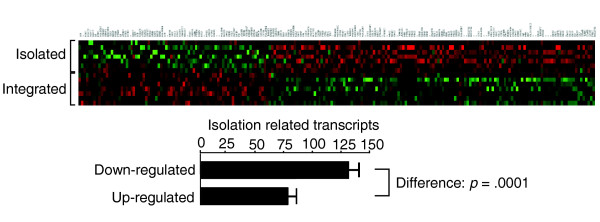
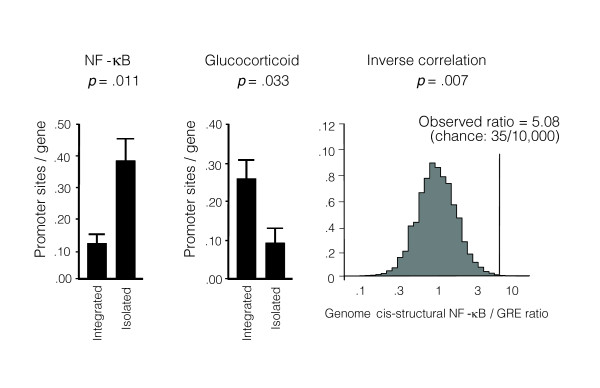
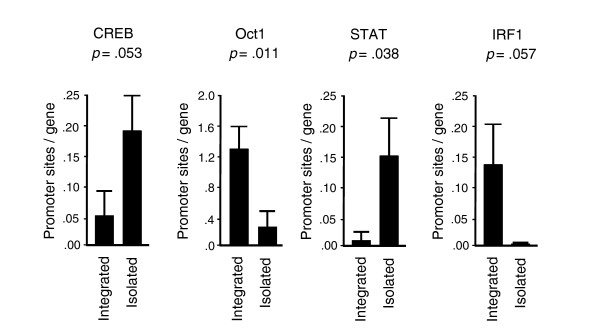
Background: Social environmental influences on human health are well established in the epidemiology literature, but their functional genomic mechanisms are unclear. The present study analyzed genome-wide transcriptional activity in people who chronically experienced high versus low levels of subjective social isolation (loneliness) to assess alterations in the activity of transcription control pathways that might contribute to increased adverse health outcomes in social isolates. Results: DNA microarray analysis identified 209 genes that were differentially expressed in circulating leukocytes from 14 high- versus low-lonely individuals, including up-regulation of genes involved in immune activation, transcription control, and cell proliferation, and down-regulation of genes supporting mature B lymphocyte function and type I interferon response. Promoter-based bioinformatic analyses showed under-expression of genes bearing anti-inflammatory glucocorticoid response elements (GREs; p = 0.032) and over-expression of genes bearing response elements for pro-inflammatory NF-κB/Rel transcription factors ( p = 0.011). This reciprocal shift in pro- and anti-inflammatory signaling was not attributable to differences in circulating cortisol levels, or to other demographic, psychological, or medical characteristics. Additional transcription control pathways showing differential activity in bioinformatic analyses included the CREB/ATF, JAK/STAT, IRF1, C/EBP, Oct, and GATA pathways. Conclusion: These data provide the first indication that human genome-wide transcriptional activity is altered in association with a social epidemiological risk factor. Impaired transcription of glucocorticoid response genes and increased activity of pro-inflammatory transcription control pathways provide a functional genomic explanation for elevated risk of inflammatory disease in individuals who experience chronically high levels of subjective social isolation.
Overview
The claims and statistics of this paper haven’t been checked yet.
Free: it reads the open-access text and checks the first 5 claims that cite a source we can check. Create a free account to check every claim.
Integrity signals
Registry
Cites
Statistics
Figures
Verification
Claims the paper makes
The claims and statistics of this paper haven’t been checked yet.
Free: it reads the open-access text and checks the first 5 claims that cite a source we can check. Create a free account to check every claim.
Claims other papers make about this one
Each is checked against this paper’s own text: does it say what the citing paper says it does?
The source backs part of the claim, not all of it — or backs it for a different population, condition or comparison.
In the citing paper
“Markers of immune activation and inflammation (e.g., pro-inflammatory cytokines and inflammatory mediators) were over-expressed in genes of the lonely relative to the socially connected group (37% of the 209 differentially expressed transcripts).”
From Loneliness matters: a theoretical and empirical review of consequences and mechanisms (2010) · cites this paper as [75]
Experimental — accuracy not yet measuredThe cited source says what the claim attributes to it.
In the citing paper
“in a genome-wide DNA microarray study, genes under-expressed by socially isolated individuals involved anti-inflammatory response elements and genes over-expressed involved proinflammatory response elements, compared to individuals who reported less social isolation”
From Close relationships, inflammation, and health (2010) · cites this paper as Cole et al., 2007
The cited source says what the claim attributes to it.
In the citing paper
“They also converge with a recent microarray profile of socially isolated individuals, which documented a similar pattern of diminished GR- and heightened NF-κB-dependent transcription (29).”
From A Functional Genomic Fingerprint of Chronic Stress in Humans: Blunted Glucocorticoid and Increased NF-κB Signaling (2008) · cites this paper as [29]
The cited source says what the claim attributes to it.
In the citing paper
“Subsequent bioinformatic analyses indicated that loneliness-associated differences in gene expression could be attributable to increased activity of the NF–κB transcription factor.”
From Loneliness matters: a theoretical and empirical review of consequences and mechanisms (2010) · cites this paper as [75]
The cited source says what the claim attributes to it.
In the citing paper
“Group differences in NF–κB/glucocorticoid receptor-mediated transcription activity were not attributable to objective indices of social isolation, nor were they explained by demographic, psychosocial (i.e., perceived stress, depression, hostility), or medical risk factors [75].”
From Loneliness matters: a theoretical and empirical review of consequences and mechanisms (2010) · cites this paper as [75]
7 more claims about this paper
Create a free account to see every claim other papers make about this one.
Self-check
Percentages, sums and reported differences re-computed from the paper’s own numbers.
The self-check needs the paper’s full text.
Citations
Cites
The CES-D Scale: A Self-Report Depression Scale for Research in the General Population
Radloff, L. S. (1977) · Applied Psychological Measurement · doi:10.1177/014662167700100306 · Cited by 53,267
Coussens, L. M., & Werb, Z. (2002) · Nature · doi:10.1038/nature01322 · Cited by 15,111
Inflammation, Atherosclerosis, and Coronary Artery Disease
Hansson, G. K. (2005) · New England Journal of Medicine · doi:10.1056/nejmra043430 · Cited by 8,773
Bolstad, B. M., Irizarry, R. A., Åstrand, M., & Speed, T. P. (2003) · Bioinformatics · doi:10.1093/bioinformatics/19.2.185 · Cited by 8,266 · cited 1×
“Robust multiarray averaging [60] was applied to quantify expression of the 22,283 assayed transcripts, and differentially expressed genes were identified as those showing ≥30% difference in mean expression levels in samples from high- versus low-lonely individuals (corresponding to a FDR of 10%) [59].”
MethodBERKMAN, L. F., & SYME, S. L. (1979) · American Journal of Epidemiology · doi:10.1093/oxfordjournals.aje.a112674 · Cited by 5,341
The Revised UCLA Loneliness Scale: concurrent and discriminant validity evidence
Russell, D., Peplau, L. A., & Cutrona, C. E. (1980) · Journal of Personality and Social Psychology · doi:10.1037/0022-3514.39.3.472 · Cited by 5,173 · cited 1×
“Social isolation Subjectively experienced social isolation was assessed by the UCLA-R Loneliness scale [53] at each yearly study visit.”
MethodAntiinflammatory Action of Glucocorticoids — New Mechanisms for Old Drugs
Rhen, T., & Cidlowski, J. A. (2005) · New England Journal of Medicine · doi:10.1056/nejmra050541 · Cited by 3,149 · cited 1×
“Cortisol activation of the glucocorticoid receptor (GR) exerts broad anti-inflammatory effects by inhibiting nuclear factor (NF)-κB/Rel transcription factors and other pro-inflammatory signaling pathways (for example, the Janus kinase-signal transducer and activator of transcription (JAK/STAT) and interferon response…”
BackgroundExpression monitoring by hybridization to high-density oligonucleotide arrays
Lockhart, D. J., Dong, H., Byrne, M. C., Follettie, M. T., Gallo, M. V., Chee, M. S., Mittmann, M., Wang, C., Kobayashi, M., Norton, H., et al. (1996) · Nature Biotechnology · doi:10.1038/nbt1296-1675 · Cited by 2,840
Uchino, B. N., Cacioppo, J. T., & Kiecolt-Glaser, J. K. (1996) · Psychological Bulletin · doi:10.1037/0033-2909.119.3.488 · Cited by 2,727 · cited 2×
“This result underscores the key role of subjective perceptual processes in transmitting the effects of social factors into physical biology via neuroendocrine alterations, and their subsequent impact on cellular gene expression [4,28,51,52].”
BackgroundSelf-citationCacioppo, J. T., Hughes, M. E., Waite, L. J., Hawkley, L. C., & Thisted, R. A. (2006) · Psychology and Aging · doi:10.1037/0882-7974.21.1.140 · Cited by 2,380 · cited 6×
“Global gene transcription profiles were assessed in circulating leukocytes from 14 individuals participating in the population-based Chicago Health Aging and Social Relations Study (CHASRS) [43].”
MethodInfluentialSelf-citation
Cited by
Items 501–600 of 741
Girella, A., Bartolomeo, M. D., Dainese, E., Buzzelli, V., Trezza, V., & D’Addario, C. (2024) · Neurochemical Research · doi:10.1007/s11064-024-04117-9 · Cited by 7
Manczak, E. M., Dougherty, B., & Chen, E. (2018) · Research on Child and Adolescent Psychopathology · doi:10.1007/s10802-018-0420-z · Cited by 7
“Importantly, the transcription of many genes are believed to be sensitive to social and emotional conditions, such that expression is increased or decreased in response to experiential input (Cole et al. 2007).”
BackgroundHemyari, C., Dolatshahi, B., Sahraian, A., Koohi‐Hosseinabadi, O., & Zomorodian, K. (2020) · Psychology Research and Behavior Management · doi:10.2147/prbm.s256781 · Cited by 9
Wahl, A.-S., Benson, G. S., Hausner, L., Schmitt, S., Knoll, A., Ferretti-Bondy, A., Hefter, D., & Froelich, L. (2021) · Geriatrics · doi:10.3390/geriatrics6010030 · Cited by 9
Integrating biobehavioral information to predict mood disorder suicide risk
Jackson, N., & Jabbi, M. (2022) · Brain Behavior & Immunity - Health · doi:10.1016/j.bbih.2022.100495 · Cited by 9
Has bioscience reconciled mind and body?
Davies, C., Redmond, C., Toole, S. O., & Coughlan, B. (2015) · Journal of Clinical Nursing · doi:10.1111/jocn.12979 · Cited by 7
“A critical discovery, is that ‘stress’ induced monocytes (mediated by the SNS) exhibit a unique pro-inflammatory ‘transcriptional fingerprint’ (Cole et al. 2007, Miller et al. 2008, Powell et al. 2013).”
BackgroundKim, J., Lee, S. G., Shin, J., Choi, Y., & Park, E. (2015) · Archives of Gerontology and Geriatrics · doi:10.1016/j.archger.2015.08.003 · Cited by 7
Castagné, R., Kelly‐Irving, M., Krogh, V., Palli, D., Panico, S., Sacerdote, C., Tumino, R., Hebels, D. G. A. J., Kleinjans, J. C. S., de Kok, T. M. C. M., et al. (2020) · Epigenomics · doi:10.2217/epi-2019-0261 · Cited by 9
“Some studies indicate that different types of adverse social conditions such as low SEP [11–14] , social isolation [15 , 16] and early-life social deprivation [17] are related to the upregulation of the expression of several genes involved in the inflammatory pathways [18] , namely the conserved…”
Individual Differences in Cerebral Perfusion as a Function of Age and Loneliness
Chen, Y., Wengler, K., He, X., & Canli, T. (2021) · Experimental Aging Research · doi:10.1080/0361073x.2021.1929748 · Cited by 6
“© 2021 Taylor & Francis Group, LLC studies of peripheral blood (Cole, Hawkley, Arevalo, & Cacioppo, 2011; Cole et al., 2007) and postmortem brain regions (Canli et al., 2017, 2018) have begun to identify the molecular signaling pathways by which loneliness may affect health.”
BackgroundBaumer, Y., Tirado, B. A., Ortiz-Whittingham, L. R., Baez, A. S., Gutierrez‐Huerta, C. A., Mendelsohn, L. G., Saurabh, A., Jacobs, J. A., Andrews, M. R., Mitchell, V. M., et al. (2025) · npj Cardiovascular Health · doi:10.1038/s44325-025-00059-5 · Cited by 6
Wang, J., Zhang, W. S., Jiang, C. Q., Zhu, F., Jin, Y. L., Thomas, G. N., Cheng, K. K., Lam, T. H., & Xu, L. (2023) · Psychiatry Research · doi:10.1016/j.psychres.2023.115110 · Cited by 7
Loneliness – Cancer of the Mind
Benjamin, D. G., & Gummanur, P. (2023) · Indian Journal of Palliative Care · doi:10.25259/ijpc_200_2022 · Cited by 10
“This finding may be attributable to impaired glucocorticoid receptor-mediated signal transduction failure of the cellular genome to ‘hear’ the anti-inflammatory signal sent by circulating glucocorticoids permits inflammatory processes to continue relatively unchecked.[29] In a study of older taiwanese adults, this rel…”
BackgroundSocial network position and the Conserved Transcriptional Response to Adversity in older Koreans
Lee, S., Cole, S. W., Choi, I., Sung, K., Kim, S., Youm, Y., & Chey, J. (2023) · Psychoneuroendocrinology · doi:10.1016/j.psyneuen.2023.106342 · Cited by 7
Self-citationCintron, M., Baumer, Y., Pang, A. P. S., Peterson, E. M. A., Ortiz-Whittingham, L. R., Jacobs, J. A., Sharda, S., Potharaju, K. A., Baez, A. S., Gutierrez‐Huerta, C. A., et al. (2025) · Brain Behavior & Immunity - Health · doi:10.1016/j.bbih.2025.100976 · Cited by 7
“A total of 5 genes selected for analysis of methylation sites were based on previous associations with loneliness and stress (Cole et al., 2007).”
InfluentialSocial isolation as a laboratory model of depression
Ünal, G. (2021) · Elsevier eBooks · doi:10.1016/b978-0-12-824289-6.00005-2 · Cited by 9
Kong, X., Han, F., Li, J., Wang, W., Sun, Y., & Wu, Y. (2023) · Aging & Mental Health · doi:10.1080/13607863.2023.2219626 · Cited by 6
Bowen, D. J., Rentscher, K. E., Wu, A. Y., Darien, G., Haile, H. G., Mandelblatt, J. S., & Kavanaugh-Lynch, M. (2021) · International Journal of Environmental Research and Public Health · doi:10.3390/ijerph18136999 · Cited by 5
Jaremka, L. M., Lebed, O., & Sunami, N. (2018) · Current Psychiatry Reports · doi:10.1007/s11920-018-0939-2 · Cited by 8
Is life satisfaction associated with the purpose in life of elderly hydrogymnastics practitioners?
de Oliveira, D. V., Ribeiro, C. C., Pico, R. E. R., Murari, M. O., Freire, G. L. M., Contreira, A. R., & Júnior, J. R. A. D. N. (2019) · Motriz Revista de Educação Física · doi:10.1590/s1980-6574201900030009 · Cited by 9
COVID-19: impatto sulla salute mentale e supporto psicosociale
Cantelmi, T., Lambiase, E., Pensavalli, M., Laselva, P., & Cecchetti, S. (2021) · MODELLI DELLA MENTE · doi:10.3280/mdm1-2020oa10908 · Cited by 9
Pathways to maternal health inequities: Structural racism, sleep, and physiological stress
Christian, L. M., Brown, R. L., Carroll, J., Thayer, J. F., Lewis, T. T., Gillespie, S. L., & Fagundes, C. P. (2024) · Brain Behavior and Immunity · doi:10.1016/j.bbi.2024.09.037 · Cited by 6
Psychoneuroimmunology in the Daily Clinic is Only Possible Within a Contextual Frame
Pruimboom, L., Rocio, F. A., & Ledesma, S. N. (2024) · Integrated science · doi:10.1007/978-3-031-73061-0_16 · Cited by 7
Combinatorial approaches for treating neuropsychiatric social impairment
Don, W., Tsheringla, S., McPartland, J. C., & Allsop, S. A. (2022) · Philosophical Transactions of the Royal Society B Biological Sciences · doi:10.1098/rstb.2021.0051 · Cited by 6
Kimble, M. M., Javanbakht, M., Chew, K. W., Stafylis, C., He, D., Ramirez, S. D., Baik, Y., Saab, S., & Klausner, J. D. (2019) · BMC Infectious Diseases · doi:10.1186/s12879-019-4223-9 · Cited by 5
Stress Management, PNI, and Disease
Antoni, M. H. (2012) · Oxford University Press eBooks · doi:10.1093/oxfordhb/9780195394399.013.0021 · Cited by 8
Integrative Neuroscience for the Behavioral Sciences: Implications for Inductive Inference
Cacioppo, J. T., & Berntson, G. G. (2009) · Wiley eBooks · doi:10.1002/9780470478509.neubb001002 · Cited by 6
Self-citationBuilding Leadership Resilience: The Core Framework
Fernandez, K. C., Clerkin, C., & Ruderman, M. N. (2020) · doi:10.35613/ccl.2020.2043 · Cited by 10
“For example, greater social support has been found to relate to greater psychological wellbeing (Thoits, 2011; Turner, 1981) and a stronger immune system (Cole et al., 2007).”
BackgroundSocial isolation: an integrated molecular web that disrupts cellular homeostasis
Qaisiya, M., Moretto, E., Battocchio, E., Pistella, A., Caso, M. G., Bellani, M., & Guarnieri, F. C. (2025) · Frontiers in Neuroscience · doi:10.3389/fnins.2025.1693696 · Cited by 185
“…transcription), with a reciprocal reduction in the transcription of anti-inflammatory 10.3389/fnins.2025.1693696 Frontiers in Neuroscience 03 frontiersin.org glucocorticoid receptor target genes in lonely older adults, independently of the objective size of their social network (Cole et al., 2007).”
InfluentialAdvancing Health Equity in Lung Cancer Screening and the Role of Humanomics
Hartley-Blossom, Z. J., Valle, A. C.-D., Muns, C. M., Udayakumar, N., Carlos, R. C., & Flores, E. J. (2023) · Thoracic surgery clinics/Thorac. surg. clin. · doi:10.1016/j.thorsurg.2023.04.007 · Cited by 5
Wang, W., Lin, F., Zhang, C., Chang, X., Wang, G., & Feng, L. (2025) · BMC Public Health · doi:10.1186/s12889-025-23675-3 · Cited by 5
“The DNA microarray analysis of lonely individuals conducted by Cole SW et al. also revealed that loneliness was associated with impaired transcription of glucocorticoid response genes and increased activity of pro-inflammatory transcription control pathways [45].”
Mechanistic Model for Yoga as a Therapeutic Modality in Cardiovascular Disease
Basu‐Ray, I. (2022) · Springer eBooks · doi:10.1007/978-981-16-6913-2_5 · Cited by 4
Predicting psychosocial intervention response from baseline gene expression
Ricon‐Becker, I., West, T. N., Fredrickson, B. L., Kaplan, D. M., Mehl, M. R., Raison, C. L., & Cole, S. W. (2024) · Brain Behavior and Immunity · doi:10.1016/j.bbi.2024.08.004 · Cited by 5
Self-citationPacheco, N. L., Hooten, N. N., Wu, S. F., Mensah‐Bonsu, M., Zhang, Y., Chitrala, K. N., De, S., Mode, N. A., Ezike, N., Moody, D. L. B., et al. (2025) · The FASEB Journal · doi:10.1096/fj.202402000r · Cited by 5
Brombo, G., Guindani, P., Pedrini, D., Squintani, G. L., Carrieri, B., Fedecostante, M., Dell’Aquila, G., Lucchini, F., Ungar, A., Mossello, E., et al. (2025) · The journal of nutrition health & aging · doi:10.1016/j.jnha.2025.100642 · Cited by 5
Computational Challenges of Personal Genomics
Bolouri, H. (2008) · Current Genomics · doi:10.2174/138920208784139564 · Cited by 4
“Metabolic status [10], smoking [11], exercise [12], and emotional state [13] have also been shown to modulate the expression of large numbers of genes by 2-fold or more.”
BackgroundHistory of Social Determinants of Health
Pantell, M. S. (2012) · Cited by 4
Expectations and Perspectives of Users with the Screening Program for Cervical Cancer
Gutiérrez-Enríquez, S. O., Gaytán-Hernández, D., Adriana, M. M. R., Gallegos-García, V., & Yolanda, T.-F. (2016) · Open Journal of Nursing · doi:10.4236/ojn.2016.68060 · Cited by 4
Jollant, F., & Olié, É. (2017) · Douleur et Analgésie · doi:10.1007/s11724-017-0505-4 · Cited by 7
Genetics, Behavior, and Behavior-Genetic Interactions in Health Risk
Strahler, J., Mueller‐Alcazar, A., & Nater, U. M. (2018) · Springer eBooks · doi:10.1007/978-0-387-93826-4_10 · Cited by 6
Guerrero-Martin, S. M., Rubin, L. H., McGee, K. M., Shirk, E. N., Queen, S. E., Li, M., Bullock, B. T., Carlson, B. W., Adams, R. J., Gama, L., et al. (2020) · bioRxiv (Cold Spring Harbor Laboratory) · doi:10.1101/2020.04.21.054130 · Cited by 4
Zhang, Y., Iob, E., & Tapia‐Muñoz, T. (2025) · Brain Behavior & Immunity - Health · doi:10.1016/j.bbih.2025.101000 · Cited by 3
“Specifically, Cole et al. (2007) found that CRP levels were twice as high amongst those with pronounced loneliness compared to participants with low levels of loneliness.”
Wnuk, H. K., Orden, K. A. V., & Wang, K. H. (2025) · Neuroscience & Biobehavioral Reviews · doi:10.1016/j.neubiorev.2025.106451 · Cited by 7
Wang, C. C. Q., Uddin, M., Wani, A. H., Graham, Z., Ratanatharathorn, A. D., Aiello, A. M., Koenen, K. C., Maggio, M., & Wildman, D. E. (2026) · Nature Mental Health · doi:10.1038/s44220-025-00581-6 · Cited by 3
“Importantly, many of these exposures have been shown to impact social and behavioral biology, including loneliness 20 , discrimination 21 and stressful life event (SLE) exposure 22 .”
Loneliness as a risk factor for chronic disease
Shah, S. (2021) · Elsevier eBooks · doi:10.1016/b978-0-12-821573-9.00009-6 · Cited by 4
Genetics, Behavioral Intervention, and Human Development
Reiss, D. (2017) · Springer eBooks · doi:10.1007/978-3-319-49227-8_2 · Cited by 3
Molecular and therapeutic bases of cancer
Fajardo-Orduña, G. R., & Chamorro-Plata, D. (2021) · Elsevier eBooks · doi:10.1016/b978-0-12-819828-5.00002-4 · Cited by 3
Psychological Stress, Immunity, and the Effects on Indigenous Microflora
Bailey, M. T. (2010) · Springer eBooks · doi:10.1007/978-1-4419-5576-0_11 · Cited by 6
Do Older People Have a Right to Be Loved?
Liao, S. M. (2022) · Oxford University Press eBooks · doi:10.1093/oso/9780198871194.003.0007 · Cited by 5
Interpersonal relationships, PNI, and health: Seeds in the 1980s, fruiting trees today
Robles, T. F. (2024) · Comprehensive Psychoneuroendocrinology · doi:10.1016/j.cpnec.2024.100247 · Cited by 3
“That study also represented the first time that indicators of transcription factor activity derived from mRNA expression were linked to any psychosocial risk factor [13].”
BackgroundLopes, M. M., Clouard, C., Vincent, A., Thomas, F., Herault, F., Louveau, I., Resmond, R., Jammes, H., & Merlot, É. (2024) · BMC Genomics · doi:10.1186/s12864-024-11116-1 · Cited by 3
Reed, D. E., Fischer, I. C., Williams, R. M., Na, P. J., Engel, C. C., & Pietrzak, R. H. (2025) · Psychiatry Research · doi:10.1016/j.psychres.2025.116440 · Cited by 4
Neuroimaging of Love in the Twenty-first Century
Cacioppo, S. (2018) · Cambridge University Press eBooks · doi:10.1017/9781108658225.005 · Cited by 8
KL, R. E. R. (2014) · Journal of Applied & Computational Mathematics · doi:10.4172/2168-9679.1000183 · Cited by 4
“These include the relaxation response [30], therapeutic hypnosis [13,15,31-33], meditation [34], the therapeutic placebo [35], social psychology [36-40] and yoga [41] to facilitate optimal states of human consciousness and cognition as well as the healing of stress related dysfunctions [42].”
BackgroundEvolutionary Biology of Human Stress
Worthman, C. M. (2015) · Elsevier eBooks · doi:10.1016/b978-0-12-802652-6.00032-3 · Cited by 7
Peters, S. (2020) · Risk, systems and decisions · doi:10.1007/978-3-030-57089-7_9 · Cited by 5
Psychoneuroimmunology of Interpersonal Relationships
Jaremka, L. M., Derry, H. M., & Kiecolt‐Glaser, J. K. (2014) · Wiley eBooks · doi:10.1002/9781118453940.ch23 · Cited by 3
Ganzel, B. L., & Morris, P. (2016) · Wiley eBooks · doi:10.1002/9781119125556.devpsy215 · Cited by 4
A healthy social life? Sociality and health indicators in wild red-fronted lemurs
Defolie, C. (2022) · eDiss (Georg-August-Universität Göttingen) · doi:10.53846/goediss-9328 · Cited by 3
Leigh, E. S. (2014) · UCL Discovery (University College London) · Cited by 4
Transcriptomics and psychotherapy: An integrative review
Ricon‐Becker, I., & Cole, S. W. (2024) · Brain Behavior & Immunity - Health · doi:10.1016/j.bbih.2024.100867 · Cited by 2
Self-citationFang, C. Y., Rao, A. D., Handorf, E. A., Deng, M., Cheung, P., & Tseng, M. (2024) · Annals of Behavioral Medicine · doi:10.1093/abm/kaae056 · Cited by 184
Heumann, J., Cole, S. W., Eisner, M., Ribeaud, D., Grünblatt, E., & Shanahan, M. J. (2025) · Brain Behavior & Immunity - Health · doi:10.1016/j.bbih.2025.101025 · Cited by 4
“1), is as follows: In an extended model, principal components from genes CD14 , CD19 , CD3D , CD4 , CD8A , FCGR3A , and NCAM1 were included to con-trol for leukocyte composition, based on prior research (Cole et al., 2007; Fredrickson et al., 2013; Li et al., 2020).”
Self-citationPsychometric analysis of the social connectedness instrument
Kelley, B. M., Fraser, B., Wells, A., & Ferdock, M. (2025) · Frontiers in Psychology · doi:10.3389/fpsyg.2025.1565267 · Cited by 6
Lin, Y., Wu, H., Chen, Y., Li, Q., & Zhang, H. (2026) · BMC Geriatrics · doi:10.1186/s12877-025-06922-5 · Cited by 4
“This discrepancy may be attributed to the differing measurement tools and methodologies used to assess SA [54].”
The Case of "Judith": A Neuropsychologist's Perspective
Webb, N. E. (2015) · Pragmatic Case Studies in Psychotherapy · doi:10.14713/pcsp.v11i1.1886 · Cited by 1
“Even without the added misery of verbal abuse, the subjective experience of loneliness may be one of the most well researched psychological risk factors for ill health and depression (Cacioppo et al., 2002; Cole et al., 1996, Cole et al., 2007).”
BackgroundSituaciones emocionales previas al diagnóstico de cáncer de mama
Sampayo, L. H., Diaz, K. S., & Arevalo, A. P. (2020) · Paradigmas Socio-Humanísticos · doi:10.26752/revistaparadigmassh.v1i2.472 · Cited by 2
Inflammation, Atherosclerosis, and Psychological Factors
Suarez, E. C. (2022) · Springer eBooks · doi:10.1007/978-0-387-85960-6_35 · Cited by 2
Developmental Behavioral Genetics
O’Connor, T. G. (2014) · Springer eBooks · doi:10.1007/978-1-4614-9608-3_13 · Cited by 1
Yin, Y., & Fan, C.-F. (2023) · Patient Preference and Adherence · doi:10.2147/ppa.s438190 · Cited by 2
“21,22 Pro-inflammatory cytokine release can affect smooth muscle function and impair the epithelial barrier of the GI tract.”
BackgroundLi, K., You, L., Zhen, J., Huang, G., Wang, T., Cai, Y., Zhang, Y., & Xu, A. (2023) · Journal of Traditional Chinese Medical Sciences · doi:10.1016/j.jtcms.2023.12.001 · Cited by 3
Social isolation: relationship with cardiovascular diseases
Lobov, G. I. (2024) · Успехи физиологических наук · doi:10.31857/s0301179824010045 · Cited by 4
Social genomics, cognition, and well‐being during the COVID‐19 pandemic
Bateman, J. R., Krishnamurthy, S., Quillen, E. E., Waugh, C. E., Kershaw, K. N., Lockhart, S. N., Hughes, T. M., Seeman, T. E., Cole, S. W., & Craft, S. (2024) · Alzheimer s & Dementia Diagnosis Assessment & Disease Monitoring · doi:10.1002/dad2.70004 · Cited by 3
Self-citationZhang, R.-D., Che, X., Zhao, Y.-Q., Zhao, C., Huang, J.-X., He, Y.-S., Ni, J., & Pan, H. (2025) · Journal of Affective Disorders · doi:10.1016/j.jad.2025.04.163 · Cited by 3
Seasonal and regional structuring of rhizosphere fungal communities in Macadamia integrifolia
Yu, N., Chen, Y., Wu, Z., Yang, T., He, X., & Hai, Y. (2025) · Frontiers in Microbiology · doi:10.3389/fmicb.2025.1634222 · Cited by 3
Stress System Regulation of Chronic Low-grade Inflammation
Rohleder, N. (2012) · Advances in Neuroimmune Biology · doi:10.3233/nib-012904 · Cited by 3
“To assess the efficiency of the GC signaling pathway, the relative number of genes regulated by glucocorticoid response elements (GRE) can be quantified, and compared with genes regulated by inflammatory or other signaling pathways [81].”
BackgroundNeuroimmunological Responses to Social Isolation
Ramírez, K. (2015) · Odovtos - International Journal of Dental Sciences · doi:10.15517/ijds.v0i0.22032 · Cited by 2
“Evaluation of adult leukocyte gene profile in perceived social isolation found a significant increase in pro-inflammatory gene expression in these cells and a decreased antiviral gene expression in these individuals (Cole et al., 2007).”
BackgroundMutagenesis Associated with DNA-Damage-Stress Response
Skopec, R. (2016) · Journal of Analytical Oncology · doi:10.6000/1927-7229.2016.05.01.4 · Cited by 2
Cognizance of the Neuroimaging Methods for Studying the Social Brain
Cacioppo, S., & Cacioppo, J. T. (2016) · Cambridge University Press eBooks · doi:10.1017/cbo9781107279353.006 · Cited by 2
Self-citationIndicative demonstration exposed in peer violence
Jevtić, B. (2017) · Godisnjak Pedagoskog fakulteta u Vranju · doi:10.5937/gufv1701153j · Cited by 2
The Importance of Psychoneuroimmunology for Social Workers
Littrell, J. L. (2018) · Families in Society The Journal of Contemporary Social Services · doi:10.1177/1044389418802515 · Cited by 3
“Lonely people (Cole et al., 2007) and caregivers of Alzheimer’s patients (Kiecolt-Glaser et al., 2003; Miller et al., 2008; von Kanel et al., 2006) exhibit elevations in blood markers of inflammation.”
BackgroundInflammatory and environmental contributions to social information processing
Venta, A. C., Bechelli, J., Bick, J. R., Brewer, T. M., Boisvert, D. L., Wells, J., Lewis, R. H., & Armstrong, T. A. (2021) · Attachment & Human Development · doi:10.1080/14616734.2021.1985540 · Cited by 4
“…sleep, physical energy and motivation) and higher-level social behavior and cognitions (sensitivity to threat or safety cues in social situations) to support wellness and recovery (Cole et al., 2007; Eisenberger et al., 2009; Inagaki et al., 2015; Moieni et al., 2015; Muscatell et al., 2016).”
BackgroundStress-related gene regulation: Do isolated and connected individuals differ?
Yang, Y. S., Wynn, J. K., Cole, S. W., & Green, M. F. (2024) · Brain Behavior and Immunity · doi:10.1016/j.bbi.2024.06.013 · Cited by 2
Self-citationKrupina, N. A., & Shirenova, S. D. (2024) · Neuroscience and Behavioral Physiology · doi:10.1007/s11055-024-01655-1 · Cited by 2
“…of transcripts of genes encoding proin fl am-matory cytokines and other in fl ammatory mediators and down-regulation of genes encoding anti-in fl ammatory mediators, i.e., a decrease in the transcriptional activity of glucocorticoid receptors (GR) in the circulating leukocyte pool [28, 29].”
Gilbertson‐White, S., Shahnazi, A. F., & Cherwin, C. H. (2019) · The Permanente Journal · doi:10.7812/tpp/18-120 · Cited by 2
Loneliness and its Relationship with Diabetes Mellitus
Agarwal, S. K. (2022) · East African Scholars Journal of Medical Sciences · doi:10.36349/easms.2022.v05i04.002 · Cited by 1
Wainman, B. M. (2010) · Office of Education Research; Faculty of Education · Cited by 5
Genetic Studies of Salivary Cortisol Profiles and their Influence on Chronic Disease Risk Factors.
Payne, E. K. (2013) · Deep Blue (University of Michigan) · Cited by 4
Social Relationships and Health in Older Adulthood
Robles, T. F., & Menkin, J. A. (2015) · Wiley eBooks · doi:10.1002/9781118900772.etrds0310 · Cited by 2
Psychoneuroimmunology: Mechanisms, Individual Differences, and Interventions
Stowell, J. R., Robles, T. F., & Kane, H. S. (2012) · Wiley eBooks · doi:10.1002/9781118133880.hop209004 · Cited by 4
Social Neuroscience of the Twenty-First Century
Necka, E. A., Cacioppo, S., & Cacioppo, J. T. (2015) · Elsevier eBooks · doi:10.1016/b978-0-08-097086-8.56020-6 · Cited by 3
“…et al., 2007), and altered gene expression including the underexpression of genes bearing anti-inflammatory glucocorticoid response elements (GREs) and overexpression of genes bearing response elements for proinflammatory nuclear factor kB/Rel transcription factors (Cole et al., 2007, 2011).”
BackgroundSelf-citationPositive social relations, loneliness, and immune system gene regulation
Lee, S., Chey, J., Choi, I., Youm, Y., & Cole, S. W. (2025) · Annals of the New York Academy of Sciences · doi:10.1111/nyas.15372 · Cited by 1
“14,20,21 Such changes in transcription factor activity modulate CTRA gene expression in immune cells and thereby affect disease resistance and immune responses.”
InfluentialSelf-citationLiving arrangements and lonely life expectancy: a multistate life table based on Markov chains
Yu, Q., & Wu, J. (2025) · Population Health Metrics · doi:10.1186/s12963-025-00383-z · Cited by 1
“Loneliness not only exacerbates mental and emotional vulnerabilities but also compromises physical function and overall health [11, 12, 14, 49].”
Positive Emotions: Key Scientific Contributions and the Stories Behind Them
Fredrickson, B. L. (2025) · doi:10.1093/9780197754825.001.0001 · Cited by 3
Henley, E., Liphart, H. A., Morris, K. J., Awoyinka, I., Irwin, M. R., Costanzo, E. S., Winston, D., D’Souza, A., Stolley, M. R., Dhakal, B., et al. (2025) · Contemporary Clinical Trials Communications · doi:10.1016/j.conctc.2025.101540 · Cited by 2
“The goal was to recruit a sample size of 20 participants (10 participants per arm); this was based on previous functional genomics studies that successfully evaluated inflammatory biomarkers and psychosocial correlates in similar sample sizes [34 – 36].”
Self-citationRodrigues, M., Bather, J. R., & Cuevas, A. G. (2025) · Brain Behavior and Immunity · doi:10.1016/j.bbi.2025.106116 · Cited by 1
“…can modulate key immunological pathways, including those involved in inflammation, cellular immunity, and anti-viral defense (Cole et al., 2015; Cole et al., 2007; Leschak & Eisenberger, 2019) by altering transcriptional programs in circulating leukocytes (e. g., monocytes, natural killer…”
Li, S., Ma, X., Jiang, Y., Guo, H., Zhong, P., Fang, L., Li, H., & Zhang, B. (2026) · Translational Psychiatry · doi:10.1038/s41398-026-03895-w · Cited by 1
Friendship and Flourishing: An Integrative Theory
Fowers, B. J. (2026) · doi:10.1093/9780197506028.001.0001 · Cited by 2
Zhao, Y., Zhang, D., Gao, P., Fu, Y., Ge, Y., Chi, H., Guo, Z., Yu, H., Feng, J., Tan, L., et al. (2026) · Nature Communications · doi:10.1038/s41467-026-72529-y · Cited by 7
“…hyperactivation 71 , and reduced lymphocyte sensitivity to glucocorticoids 72 , potentially leading to heightened oxidative stress 71 , increased peripheral and central in fl ammation 25,73 , and decreased anti-in fl ammatory responses 74,75 , culminating in brain pathology 76 .”
Social Isolation and Limb Preservation: The Case for the Podiatric Connection Model (PCM)
Evensen, A. C., & Moore, J. L. (2026) · Journal of the American Podiatric Medical Association · doi:10.3390/japma116030031 · Cited by 1
“Social isolation activates conserved transcriptional responses associated with threat vigilance, characterized by the upregulation of pro-inflammatory genes and downregulation of antiviral pathways [4].”
Childhood obesity and food insecurity: scoping review - 2020 to 2023
Ferreira, A. P. R., da Silva, E. N. X., Molina, M. D. C., & de Assis, S. G. (2026) · Ciência & Saúde Coletiva · doi:10.1590/1413-81232026314.22732024 · Cited by 1
Metadata
- Authors
- Cole, S. W., Hawkley, L. C., Arevalo, J. M., Sung, C. Y., Rose, R. M., & Cacioppo, J. T.
- Affiliations
- University of California, Los Angeles (US)
- University of Chicago (US)
- John D. and Catherine T. MacArthur Foundation (US)
- Corresponding author
- Cole, Steve W
- Venue
- Genome Biology
- Published
- 2007-09-13
- Volume
- 8
- Issue
- 9
- Pages
- R189-R189
- ISSN
- 1465-6906 (ISSN-L)
- 1474-760X
- PMC
- PMC2375027
- OpenAlex
- W2170607802
- Cited by
- 745
- References
- 73
- Citations by year
- 2026: 41 · 2025: 46 · 2024: 34 · 2023: 46 · 2022: 40 · 2021: 42 · 2020: 45 · 2019: 40 · 2018: 42 · 2017: 35 · 2016: 51 · 2015: 45 · 2014: 43 · 2013: 39 · 2012: 44
- FWCI
- 9.56
- Type
- journal article
- Language
- en
- Open access
- gold
- doi.org
- Licence
- cc-by
- creativecommons.org/licenses/by/2.0/ (tdm)
- creativecommons.org/licenses/by/2.0/ (vor)
- Locations
- Genome biology (publishedVersion, cc-by)
- PubMed Central (publishedVersion, cc-by)
- PubMed (publishedVersion)
- eScholarship (California Digital Library) (submittedVersion)
- eScholarship (California Digital Library) (submittedVersion, cc-by)
- Funders
- John D. and Catherine T. MacArthur Foundation
- John Templeton Foundation
- National Institutes of Health
- National Institute on Aging (P01 AG19811)
- National Cancer Institute (R01CA116778)
- National Institute of Allergy and Infectious Diseases (R01 AI52737, R01AI052737)
- National Center for Research Resources (P20RR020645)
- Topics
- Life Sciences › Neuroscience › Behavioral Neuroscience › Stress Responses and Cortisol
- Social Sciences › Health › Health disparities and outcomes
- Life Sciences › Biochemistry, Genetics and Molecular Biology › Molecular Biology › Genomics and Chromatin Dynamics
- Keywords
- social isolation, loneliness, gene expression, leukocytes, transcriptional regulation, glucocorticoid response element, pro-inflammatory signaling, anti-inflammatory signaling, type I interferon response, B cell function, JAK/STAT signaling, C/EBP, GATA, social determinants of health
- MeSH terms
- Aged, C-Reactive Protein, Female, Gene Expression Regulation, Glucocorticoids, Humans, Interpersonal Relations, Leukocytes, Male, Middle Aged, Models, Biological, Promoter Regions, Genetic, Signal Transduction, Genome, Human, Computational Biology
About these checks
Registry, retraction, Cites and statistics results are computed, not judged, with one exception: a printed reference that no index lists is read once by a model before it counts as a citation error. Claims are extracted by a model and kept only when their quote appears verbatim in the text; each cited source is then checked, with a model’s help, for whether it says what the claim relies on. Those verdicts can be wrong — read the claim’s quote and the cited source before relying on one.
Statistics and arithmetic are recomputed, not judged.
Confidence bands are shown only for fields calibrated on our annotated test set. None is calibrated yet, so no band is shown.
What counts as a claim ›How we measure confidence ›How we check this ›
Are you an author, or do you see a problem with this page? Request a review
Data sources
Bibliographic data: Semantic Scholar, OpenAlex, Crossref.
Contains information from the Semantic Scholar Academic Graph Datasets, made available under the ODC Attribution License (ODC-BY 1.0).
Semantic Scholar’s data is described in: Kinney, R., et al. (2023). The Semantic Scholar Open Data Platform. arXiv:2301.10140.
