

Social regulation of gene expression in human leukocytes
Open accessThe DOI matches its Crossref record; 70 of the 73 references it cites were found in a registry or an index.
Abstract
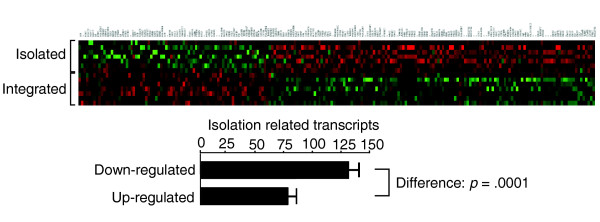
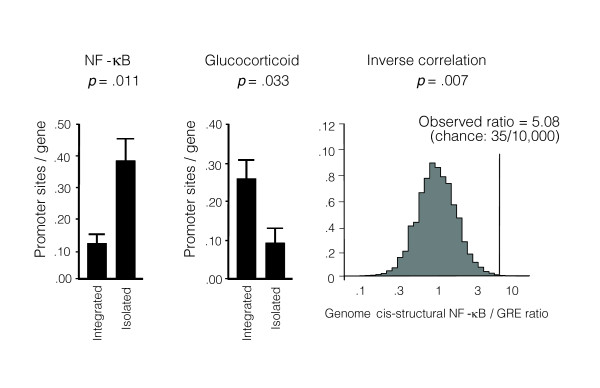
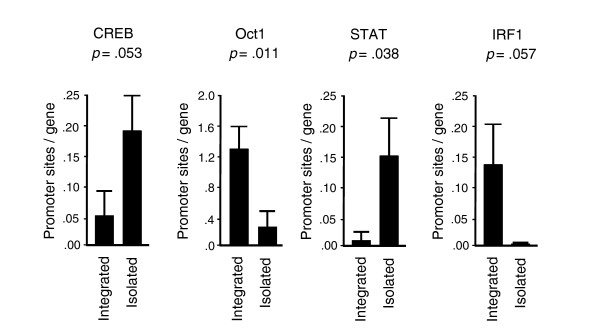
Background: Social environmental influences on human health are well established in the epidemiology literature, but their functional genomic mechanisms are unclear. The present study analyzed genome-wide transcriptional activity in people who chronically experienced high versus low levels of subjective social isolation (loneliness) to assess alterations in the activity of transcription control pathways that might contribute to increased adverse health outcomes in social isolates. Results: DNA microarray analysis identified 209 genes that were differentially expressed in circulating leukocytes from 14 high- versus low-lonely individuals, including up-regulation of genes involved in immune activation, transcription control, and cell proliferation, and down-regulation of genes supporting mature B lymphocyte function and type I interferon response. Promoter-based bioinformatic analyses showed under-expression of genes bearing anti-inflammatory glucocorticoid response elements (GREs; p = 0.032) and over-expression of genes bearing response elements for pro-inflammatory NF-κB/Rel transcription factors ( p = 0.011). This reciprocal shift in pro- and anti-inflammatory signaling was not attributable to differences in circulating cortisol levels, or to other demographic, psychological, or medical characteristics. Additional transcription control pathways showing differential activity in bioinformatic analyses included the CREB/ATF, JAK/STAT, IRF1, C/EBP, Oct, and GATA pathways. Conclusion: These data provide the first indication that human genome-wide transcriptional activity is altered in association with a social epidemiological risk factor. Impaired transcription of glucocorticoid response genes and increased activity of pro-inflammatory transcription control pathways provide a functional genomic explanation for elevated risk of inflammatory disease in individuals who experience chronically high levels of subjective social isolation.
Overview
The claims and statistics of this paper haven’t been checked yet.
Free: it reads the open-access text and checks the first 5 claims that cite a source we can check. Create a free account to check every claim.
Integrity signals
Registry
Cites
Statistics
Figures
Verification
Claims the paper makes
The claims and statistics of this paper haven’t been checked yet.
Free: it reads the open-access text and checks the first 5 claims that cite a source we can check. Create a free account to check every claim.
Claims other papers make about this one
Each is checked against this paper’s own text: does it say what the citing paper says it does?
The source backs part of the claim, not all of it — or backs it for a different population, condition or comparison.
In the citing paper
“Markers of immune activation and inflammation (e.g., pro-inflammatory cytokines and inflammatory mediators) were over-expressed in genes of the lonely relative to the socially connected group (37% of the 209 differentially expressed transcripts).”
From Loneliness matters: a theoretical and empirical review of consequences and mechanisms (2010) · cites this paper as [75]
Experimental — accuracy not yet measuredThe cited source says what the claim attributes to it.
In the citing paper
“in a genome-wide DNA microarray study, genes under-expressed by socially isolated individuals involved anti-inflammatory response elements and genes over-expressed involved proinflammatory response elements, compared to individuals who reported less social isolation”
From Close relationships, inflammation, and health (2010) · cites this paper as Cole et al., 2007
The cited source says what the claim attributes to it.
In the citing paper
“They also converge with a recent microarray profile of socially isolated individuals, which documented a similar pattern of diminished GR- and heightened NF-κB-dependent transcription (29).”
From A Functional Genomic Fingerprint of Chronic Stress in Humans: Blunted Glucocorticoid and Increased NF-κB Signaling (2008) · cites this paper as [29]
The cited source says what the claim attributes to it.
In the citing paper
“Subsequent bioinformatic analyses indicated that loneliness-associated differences in gene expression could be attributable to increased activity of the NF–κB transcription factor.”
From Loneliness matters: a theoretical and empirical review of consequences and mechanisms (2010) · cites this paper as [75]
The cited source says what the claim attributes to it.
In the citing paper
“Group differences in NF–κB/glucocorticoid receptor-mediated transcription activity were not attributable to objective indices of social isolation, nor were they explained by demographic, psychosocial (i.e., perceived stress, depression, hostility), or medical risk factors [75].”
From Loneliness matters: a theoretical and empirical review of consequences and mechanisms (2010) · cites this paper as [75]
7 more claims about this paper
Create a free account to see every claim other papers make about this one.
Self-check
Percentages, sums and reported differences re-computed from the paper’s own numbers.
The self-check needs the paper’s full text.
Citations
Cites
The CES-D Scale: A Self-Report Depression Scale for Research in the General Population
Radloff, L. S. (1977) · Applied Psychological Measurement · doi:10.1177/014662167700100306 · Cited by 53,267
Coussens, L. M., & Werb, Z. (2002) · Nature · doi:10.1038/nature01322 · Cited by 15,111
Inflammation, Atherosclerosis, and Coronary Artery Disease
Hansson, G. K. (2005) · New England Journal of Medicine · doi:10.1056/nejmra043430 · Cited by 8,773
Bolstad, B. M., Irizarry, R. A., Åstrand, M., & Speed, T. P. (2003) · Bioinformatics · doi:10.1093/bioinformatics/19.2.185 · Cited by 8,266 · cited 1×
“Robust multiarray averaging [60] was applied to quantify expression of the 22,283 assayed transcripts, and differentially expressed genes were identified as those showing ≥30% difference in mean expression levels in samples from high- versus low-lonely individuals (corresponding to a FDR of 10%) [59].”
MethodBERKMAN, L. F., & SYME, S. L. (1979) · American Journal of Epidemiology · doi:10.1093/oxfordjournals.aje.a112674 · Cited by 5,341
The Revised UCLA Loneliness Scale: concurrent and discriminant validity evidence
Russell, D., Peplau, L. A., & Cutrona, C. E. (1980) · Journal of Personality and Social Psychology · doi:10.1037/0022-3514.39.3.472 · Cited by 5,173 · cited 1×
“Social isolation Subjectively experienced social isolation was assessed by the UCLA-R Loneliness scale [53] at each yearly study visit.”
MethodAntiinflammatory Action of Glucocorticoids — New Mechanisms for Old Drugs
Rhen, T., & Cidlowski, J. A. (2005) · New England Journal of Medicine · doi:10.1056/nejmra050541 · Cited by 3,149 · cited 1×
“Cortisol activation of the glucocorticoid receptor (GR) exerts broad anti-inflammatory effects by inhibiting nuclear factor (NF)-κB/Rel transcription factors and other pro-inflammatory signaling pathways (for example, the Janus kinase-signal transducer and activator of transcription (JAK/STAT) and interferon response…”
BackgroundExpression monitoring by hybridization to high-density oligonucleotide arrays
Lockhart, D. J., Dong, H., Byrne, M. C., Follettie, M. T., Gallo, M. V., Chee, M. S., Mittmann, M., Wang, C., Kobayashi, M., Norton, H., et al. (1996) · Nature Biotechnology · doi:10.1038/nbt1296-1675 · Cited by 2,840
Uchino, B. N., Cacioppo, J. T., & Kiecolt-Glaser, J. K. (1996) · Psychological Bulletin · doi:10.1037/0033-2909.119.3.488 · Cited by 2,727 · cited 2×
“This result underscores the key role of subjective perceptual processes in transmitting the effects of social factors into physical biology via neuroendocrine alterations, and their subsequent impact on cellular gene expression [4,28,51,52].”
BackgroundSelf-citationCacioppo, J. T., Hughes, M. E., Waite, L. J., Hawkley, L. C., & Thisted, R. A. (2006) · Psychology and Aging · doi:10.1037/0882-7974.21.1.140 · Cited by 2,380 · cited 6×
“Global gene transcription profiles were assessed in circulating leukocytes from 14 individuals participating in the population-based Chicago Health Aging and Social Relations Study (CHASRS) [43].”
MethodInfluentialSelf-citation
Cited by
Items 301–400 of 741
Powell, V. D., Abedini, N. C., Gałecki, A. T., Kabeto, M. U., Kumar, N., & Silveira, M. J. (2021) · Gerontology and Geriatric Medicine · doi:10.1177/2333721421997620 · Cited by 42
“Indeed, lonely individuals have been found to have widespread genomic markers of immune activation and pro-inflammatory signaling along with reduction in mature B lymphocyte function and reduced innate immune response to viruses (Cole et al., 2007).”
BackgroundSurgical History and the Risk of Endometriosis:A Hospital-Based Case-Control Study
Liu, X., Long, Q., & Guo, S. (2016) · Reproductive Sciences · doi:10.1177/1933719116632921 · Cited by 44
Mieczkowski, J., Tyburczy, M. E., Dąbrowski, M., & Pokarowski, P. (2010) · BMC Bioinformatics · doi:10.1186/1471-2105-11-104 · Cited by 40
“(cid:129) AgeWT - Age difference (young/old) among wild-type mice.”
BackgroundMethodInfluentialDas, A. (2018) · Social Science & Medicine · doi:10.1016/j.socscimed.2018.10.021 · Cited by 39
Can social support alleviate inflammation associated with childhood adversities?
Runsten, S., Korkeila, K., Koskenvuo, M., Rautava, P. T., Vainio, O., & Korkeila, J. A. (2013) · Nordic Journal of Psychiatry · doi:10.3109/08039488.2013.786133 · Cited by 41
Chen, N., Chan, C. K., Khan, F. U., Makhijani, P., Valentino, T. R., Winer, S., Luk, C. T., & Winer, D. A. (2026) · Ageing Research Reviews · doi:10.1016/j.arr.2026.103036 · Cited by 42
Divorce and Death: A Case Study for Health Psychology
Sbarra, D. A., Hasselmo, K., & Sawyer, W. N. (2012) · Social and Personality Psychology Compass · doi:10.1111/spc3.12002 · Cited by 41
“…and immune activations in response to stress can promote vascular remodeling, initiate atherosclerotic plaque growth, and alter gene expression in a manner that contributes to disease pathogenesis (Cole, 2009; Cole et al., 2007; Libby, 2002; Miller, et al., 2009; Miller, Cohen, & Ritchey, 2002).”
BackgroundPervasive Effects of Aging on Gene Expression in Wild Wolves
Charruau, P., Johnston, R. A., Stahler, D. R., Lea, A. J., Snyder‐Mackler, N., Smith, D. W., vonHoldt, B. M., Cole, S. W., Tung, J., & Wayne, R. K. (2016) · Molecular Biology and Evolution · doi:10.1093/molbev/msw072 · Cited by 34
“2015), social stressors (Weaver et al. 2006; Cole et al. 2007; McGowan et al. 2009; Cole et al. 2011, 2012; Tung et al. 2012; Murphy et al. 2013; Powell et al. 2013), and infectious disease status (Whitney et al.”
BackgroundSelf-citationA multispecies approach for understanding neuroimmune mechanisms of stress
Deak, T., Kudinova, A. Y., Lovelock, D. F., Gibb, B. E., & Hennessy, M. B. (2017) · Dialogues in Clinical Neuroscience · doi:10.31887/dcns.2017.19.1/tdeak · Cited by 37
Boyce, W. T., & Hertzman, C. (2017) · Springer eBooks · doi:10.1007/978-3-319-47143-3_4 · Cited by 43
“Other human research has documented: • Altered DNA methylation of the insulin-like growth factor gene (IGF2) in individuals exposed prenatally to the Dutch Famine of 1944–1945 (Heijmans et al. 2008) • Increased NR3C1 methylation at an NGFI-A binding site in newborns exposed to mothers’ depressed mood in the third trim…”
BackgroundInfluentialTraumagenics: At the intersect of childhood trauma, immunity and psychosis
Chase, K. A., Melbourne, J. K., Rosen, C., McCarthy‐Jones, S., Jones, N., Feiner, B. M., & Sharma, R. P. (2018) · Psychiatry Research · doi:10.1016/j.psychres.2018.12.097 · Cited by 38
Distinct gene regulatory signatures of dominance rank and social bond strength in wild baboons
Anderson, J. A., Lea, A. J., Voyles, T., Akinyi, M. Y., Nyakundi, R. K., Ochola, L. B., Alfred, M. O., Nyundo, F., Zhang, Y., Campos, F. A., et al. (2022) · Philosophical Transactions of the Royal Society B Biological Sciences · doi:10.1098/rstb.2020.0441 · Cited by 33
Hegde, S., Ji, H., Oliver, D., Patel, N. S., Poupore, N. S., Shtutman, M. S., & Kelly, M. P. (2016) · Neuroscience · doi:10.1016/j.neuroscience.2016.08.019 · Cited by 35
“Consistent with this idea, the RNAseq experiment shows that PDE11A KO mice exhibit a significant reduction relative to PDE11A WT and HT mice in insulin-like growth factor binding protein 3 (IGFBP3), elevated expression of which is associated with chronic loneliness in humans (Cole et al., 2007).”
MethodDifferential transcriptome expression in human nucleus accumbens as a function of loneliness
Canli, T., Wen, R., Wang, X., Mikhailik, A., Yu, L., Fleischman, D. A., Wilson, R. S., & Bennett, D. A. (2016) · Molecular Psychiatry · doi:10.1038/mp.2016.186 · Cited by 34
“The molecular-genetic mechanisms underlying some of these associations have begun to be examined at the level of the transcriptome (22), in which genes responsive to glucocorticoids and genes within pro-inflammatory pathways were differentially expressed.”
Leech, T., Evison, S. E. F., Armitage, S. A. O., Sait, S. M., & Bretman, A. J. (2019) · Journal of Evolutionary Biology · doi:10.1111/jeb.13509 · Cited by 39
Social Determinants of Health in Cardio-Oncology
Baah, F. O., Sharda, S., Davidow, K. A., Jackson, S., Kernizan, D., Jacobs, J. A., Baumer, Y., Schultz, C. L., Baker-Smith, C. M., & Powell‐Wiley, T. M. (2024) · JACC CardioOncology · doi:10.1016/j.jaccao.2024.02.009 · Cited by 41
Goel, N., Hernandez, A. E., & Cole, S. W. (2024) · Journal of Clinical Oncology · doi:10.1200/jco.23.02780 · Cited by 36
Self-citationWell-Being, Aging, and Immunity
Friedman, E. (2012) · The Oxford Handbook of Psychoneuroimmunology · doi:10.1093/oxfordhb/9780195394399.013.0003 · Cited by 32
Smith, R. S., Weihs, K. L., Alkozei, A., Killgore, W. D. S., & Lane, R. D. (2018) · Psychosomatic Medicine · doi:10.1097/psy.0000000000000661 · Cited by 39
Mood, stress and longevity: convergence on ANK3
Rangaraju, S., Levey, D. F., Nho, K. T., Jain, N., Andrews, K. D., Le-Niculescu, H., Salomon, D. R., Saykin, A. J., Petrascheck, M., & Niculescu, A. B. (2016) · Molecular Psychiatry · doi:10.1038/mp.2016.65 · Cited by 36
Childhood Adversity and Adult Physical Health
Ehrlich, K. B., Miller, G. E., & Chen, E. (2016) · Wiley eBooks · doi:10.1002/9781119125556.devpsy401 · Cited by 35
Strahler, J., Rohleder, N., & Wolf, J. M. (2015) · Brain, Behavior, and Immunity · doi:10.1016/j.bbi.2014.07.014 · Cited by 31
“…stress is prospectively associated with increased concentrations of inflammatory biomarkers in human blood, such as interleukin-6 (IL-6; KiecoltGlaser et al., 2003), C-reactive protein (CRP; Rohleder et al., 2009), and expression of pro-inflammatory genes (Cole et al., 2007; Miller et al., 2008).”
BackgroundPadin, A. C., Hébert, J. R., Woody, A., Wilson, S. J., Shivappa, N., Belury, M. A., Malarkey, W. B., Sheridan, J. F., & Kiecolt‐Glaser, J. K. (2019) · Brain Behavior and Immunity · doi:10.1016/j.bbi.2019.07.031 · Cited by 38
McCormack, C. A., Lauriola, V., Feng, T., Lee, S., Spann, M. N., Mitchell, A., Champagne, F. A., & Monk, C. E. (2020) · Brain Behavior and Immunity · doi:10.1016/j.bbi.2020.09.023 · Cited by 34
“Inflammatory processes have been identified as a key mechanism linking social support (or lack thereof) to physical health (Uchino, 2006; Kiecolt-Glaser et al., 2010; Cole et al., 2007; Miller et al., 2009).”
BackgroundSocial environment influences the relationship between genotype and gene expression in wild baboons
Runcie, D. E., Wiedmann, R. T., Archie, E. A., Altmann, J., Wray, G. A., Alberts, S. C., & Tung, J. (2013) · Philosophical Transactions of the Royal Society B Biological Sciences · doi:10.1098/rstb.2012.0345 · Cited by 36
“We chose gene expression levels, because they represent accessible quantitative traits that can be readily measured at multiple loci, are responsive to social environmental variation [11,38], and are influenced by GEIs.”
BackgroundBiology, Development, and Human Systems
Lickliter, R. E., & Honeycutt, H. G. (2015) · Wiley eBooks · doi:10.1002/9781118963418.childpsy105 · Cited by 33
Hanisch, L. J., Coyne, J. C., & Palmer, S. C. (2010) · Cancer · doi:10.1002/cncr.25238 · Cited by 32
Social Regulation of Gene Expression in the Immune System
Cole, S. W. (2012) · The Oxford Handbook of Psychoneuroimmunology · doi:10.1093/oxfordhb/9780195394399.013.0014 · Cited by 30
Self-citationGelaye, B., Foster, S. L., Bhasin, M., Tawakol, A. A., & Fricchione, G. L. (2020) · Brain Behavior & Immunity - Health · doi:10.1016/j.bbih.2020.100158 · Cited by 34
“known to increase risk of MetS and inflammatory disease (Cole et al., 2007).”
BackgroundNass, B. Y. S., Dibbets, P., & Markus, C. R. (2021) · Stress and Health · doi:10.1002/smi.3080 · Cited by 37
Zhou, W., Li, Y., Ning, Y., Gong, S., Song, N., Zhu, B., Wang, J., Zhao, S., Shi, Y., & Ding, X. (2021) · Frontiers in Medicine · doi:10.3389/fmed.2021.782624 · Cited by 37
“For example, socially isolated individuals have higher expressions of genes related to pro-inflammatory cytokine signaling and enhanced immune function in inflammatory-related diseases (44, 45).”
BackgroundThe Integrality of Situated Caring in Nursing and the Environment
Jarrin, O. F. (2012) · Advances in Nursing Science · doi:10.1097/ans.0b013e3182433b89 · Cited by 35
Cruces, J., Venero, C., Pereda-Pérez, I., & la Fuente, M. D. (2014) · Journal of Neuroimmunology · doi:10.1016/j.jneuroim.2014.09.011 · Cited by 38
“In addition, chronic psychological stress leads to the establishment of a maintained low-grade inflammation state (Miller et al., 2002; Cole et al., 2007), which may cause the adverse health outcomes observed in chronically-stressed individuals.”
BackgroundDabiri, S., Mwendwa, D. T., & Campbell, A. L. (2023) · Brain Behavior and Immunity · doi:10.1016/j.bbi.2023.11.034 · Cited by 36
Maranville, J., Baxter, S. S., Torres, J., & Rienzo, A. D. (2011) · The Pharmacogenomics Journal · doi:10.1038/tpj.2011.55 · Cited by 30
Molecular Genetics, Aging, and Well-being
Shanahan, M. J., & Hofer, S. M. (2010) · Elsevier eBooks · doi:10.1016/b978-0-12-380880-6.00010-1 · Cited by 33
Impact of acute psychosocial stress on peripheral blood gene expression pathways in healthy men☆
Nater, U. M., Whistler, T., Lonergan, W., Mletzko, T., Vernon, S. D., & Heim, C. (2009) · Biological Psychology · doi:10.1016/j.biopsycho.2009.06.009 · Cited by 29
“One examined chronic isolation and showed it was associated with specific signaling pathways involved in immune regulation and biological stress responses (Cole et al., 2007).”
BackgroundJutagir, D. R., Blomberg, B. B., Carver, C. S., Lechner, S. C., Timpano, K. R., Bouchard, L. C., Gudenkauf, L. M., Jacobs, J. M., Diaz, A., Lutgendorf, S. K., et al. (2017) · Breast Cancer Research and Treatment · doi:10.1007/s10549-017-4316-3 · Cited by 30
“These findings are consistent with the prior literature demonstrating upregulation of pro-inflammatory genes in socially isolated individuals [25].”
MethodResultSelf-citationLoneliness, epigenetic age acceleration, and chronic health conditions.
Freilich, C. D., Markon, K. E., Cole, S. W., & Krueger, R. F. (2024) · Psychology and Aging · doi:10.1037/pag0000822 · Cited by 34
“…studies have linked loneliness to elevated activity of proin fl ammatory transcription factors and reduced activity of antiviral transcription factors (Cole et al., 2007, 2010; Heidt et al., 2014; Powell et al., 2013), suggesting that loneliness may impact health through gene regulatory…”
Self-citationPangrazzi, L., & Meryk, A. (2024) · Biology · doi:10.3390/biology14010017 · Cited by 41
“Studies by Cole et al. found that individuals with strong social ties had lower levels of pro-inflammatory gene expression and increased antiviral gene expression compared to socially isolated individuals [167,168].”
Liu, G., Nath, T., Linneweber, G. A., Claeys, A., Guo, Z., Li, J., Bengochea, M., Backer, S. D., Weyn, B., Sneyders, M., et al. (2018) · PLoS Computational Biology · doi:10.1371/journal.pcbi.1006410 · Cited by 37
Knight, J. M., Rizzo, J. D., Wang, T., He, N., Logan, B. R., Spellman, S. R., Lee, S. J., Verneris, M. R., Arevalo, J. M. G., & Cole, S. W. (2019) · JNCI Cancer Spectrum · doi:10.1093/jncics/pkz073 · Cited by 32
“/ 79 (30) /þ 96 (37) þ/ 34 (13) þ/þ 51 (20) Missing 1 (<1)”
BackgroundSelf-citationRueggeberg, R., Wrosch, C., Miller, G. E., & McDade, T. W. (2012) · Psychosomatic Medicine · doi:10.1097/psy.0b013e3182732dc6 · Cited by 28
“Indeed, evidence of glucocorticoid resistance has emerged in functional genomic studies of lonely individuals (18).”
BackgroundAdditive effects of obesity and loneliness on C-reactive protein
Pavela, G., Kim, Y.-I., & Salvy, S. (2018) · PLoS ONE · doi:10.1371/journal.pone.0206092 · Cited by 30
Brown, K., Roux, A. V. D., Smith, J. A., Needham, B. L., Mukherjee, B., Ware, E. B., Liu, Y., Cole, S. W., Seeman, T. E., & Kardia, S. L. R. (2020) · Psychoneuroendocrinology · doi:10.1016/j.psyneuen.2020.104654 · Cited by 29
Self-citationMcDade, T. W., & Koning, S. M. (2020) · Social Science & Medicine · doi:10.1016/j.socscimed.2020.113592 · Cited by 27
Epigenetic patterns associated with the immune dysregulation that accompanies psychosocial distress
Mathews, H. L., Konley, T., Kosik, K. L., Krukowski, K., Eddy, J. L., Albuquerque, K., & Janusek, L. W. (2010) · Brain Behavior and Immunity · doi:10.1016/j.bbi.2010.12.002 · Cited by 31
“…of genes regulated by the glucocorticoid receptor (GR) and NFkB in the PBMC of individuals experiencing prolonged chronic stressors or social isolation, with significant modification of glucocorticoid response element (GRE) mediated transcriptional activity (Miller et al., 2008; Cole et al., 2007).”
BackgroundMaternal stress and early-onset colorectal cancer
Zhang, Q., Berger, F. G., Love, B. L., Banister, C. E., Murphy, E. A., & Hofseth, L. J. (2018) · Medical Hypotheses · doi:10.1016/j.mehy.2018.09.035 · Cited by 29
Balter, L. J. T., Raymond, J. E., Aldred, S., Drayson, M. T., Zanten, J. V., Higgs, S., & Bosch, J. A. (2019) · Brain Behavior and Immunity · doi:10.1016/j.bbi.2019.08.196 · Cited by 35
Hagiwara, N., Alderson, C. J., & Mezuk, B. R. (2016) · Ethnicity & Disease · doi:10.18865/ed.26.3.453 · Cited by 31
Hearing loss and dementia in older adults: A narrative review
Huang, A., & Lin, F. R. (2023) · Journal of the Chinese Medical Association · doi:10.1097/jcma.0000000000001042 · Cited by 32
“5 72 Risk factors for cognitive decline and dementia are multifactorial in etiology.”
Anthropogenic Sound Exposure-Induced Stress in Captive Dolphins and Implications for Cetacean Health
Yang, W., Chen, C.-F., Chuah, Y.-C., Zhuang, C.-R., Chen, I.-H., Mooney, T. A., Stott, J., Blanchard, M. T., Jen, I.-F., & Chou, L. (2021) · Frontiers in Marine Science · doi:10.3389/fmars.2021.606736 · Cited by 31
“A similar phenomenon has been reported that the shift in pro- and anti-inflammatory signaling was not regarded as being caused by differences in circulating cortisol concentrations in a genes and social behavior study (Cole et al., 2007).”
BackgroundEx vivo stimulation of whole blood as a means to determine glucocorticoid sensitivity
Webster-Marketon, J., Burnsides, Corry, Alexander, Balint, Cosmar, & Philips (2012) · Journal of Inflammation Research · doi:10.2147/jir.s33569 · Cited by 4
“38 A few studies have investigated the effect of the diurnal cortisol cycle on these assays but with conflicting results.”
Nes, R. B., Røysamb, E., Harris, J. R., Czajkowski, N., & Tambs, K. (2010) · Twin Research and Human Genetics · doi:10.1375/twin.13.4.312 · Cited by 26
“A recent study has also evidenced that social-environmental risk factors are linked to global alterations in human gene transcription, providing a functional genomic explanation for increased levels of inflammatory disease in chronically lonely individuals (Cole et al., 2007).”
BackgroundAssociations of Personality Traits With Chronic Low-Grade Inflammation in a Swiss Community Sample
Wagner, E.-Y. N., Ajdacic‐Gross, V., Strippoli, M. F., Gholam‐Rezaee, M., Glaus, J., Vandeleur, C. L., Castelao, E., Vollenweider, P., Preisig, M., & von Känel, R. (2019) · Frontiers in Psychiatry · doi:10.3389/fpsyt.2019.00819 · Cited by 34
“This assumption is supported by functional genetic studies, which found an association between higher levels of Introversion with genes that carry an increased vulnerability to infections (13, 14), and by a study, in which inflammatory genes were overexpressed in individuals with higher Loneliness scores (15).”
ResultBroaden-and-Build Theory of Positive Emotions
Isgett, S. F., & Fredrickson, B. L. (2015) · Elsevier eBooks · doi:10.1016/b978-0-08-097086-8.26086-8 · Cited by 36
Stressed-Out Oral Immunity: A Gateway From Socioeconomic Adversity to Periodontal Disease
Gomaa, N., Glogauer, M., Nicolau, B., Tenenbaum, H., Siddiqi, A., Fine, N., & Quiñonez, C. (2020) · Psychosomatic Medicine · doi:10.1097/psy.0000000000000774 · Cited by 25
“These findings are consistent with previous work in this area showing that adverse social and socioeconomic exposures relate to immune system changes that can generally make individuals more prone to disease (30,51,78,79).”
BackgroundResultWhy may allopregnanolone help alleviate loneliness?
Cacioppo, S., & Cacioppo, J. T. (2015) · Medical Hypotheses · doi:10.1016/j.mehy.2015.09.004 · Cited by 33
“In addition, loneliness is a risk factor for recurrent stroke [15], obesity [18], increased vascular resistance [16], elevated blood pressure [16], an under-expression of genes bearing anti-inflammatory glucocorticoid response elements and an upregulation of pro-inflammatory gene transcripts [20-21], abnormal ratios o…”
BackgroundSelf-citationKuczynski, A. M., Kanter, J. W., & Robinaugh, D. J. (2019) · Quality of Life Research · doi:10.1007/s11136-019-02298-3 · Cited by 32
Ponsi, G., Monachesi, B., Panasiti, V., Aglioti, S. M., & Panasiti, M. S. (2018) · Journal of Neurophysiology · doi:10.1152/jn.00555.2018 · Cited by 28
Lynch, M. E., Arpawong, T. E., & Beam, C. R. (2023) · The Journals of Gerontology Series B · doi:10.1093/geronb/gbad128 · Cited by 24
The Developmental Systems Approach and the Analysis of Behavior
Moore, D. S. (2016) · The Behavior Analyst · doi:10.1007/s40614-016-0068-3 · Cited by 28
Social genomics of healthy and disordered internet gaming
Snodgrass, J. G., Dengah, H. J. F., Lacy, M. G., Else, R. J., Polzer, E. R., Arevalo, J. M. G., & Cole, S. W. (2018) · American Journal of Human Biology · doi:10.1002/ajhb.23146 · Cited by 27
“, 2016), and in a range of adverse environmental conditions ranging from social isolation (Cole et al., 2007; Cole, Capitanio, et al., 2015; Cole, Levine, et al., 2015) to depression and anxiety (Dantzer, O’Connor, Freund, Johnson, & Kelley, 2008), low social status (Powell et al.”
BackgroundResultSelf-citationvon Känel, R., Weilenmann, S., & Spiller, T. R. (2021) · International Journal of Environmental Research and Public Health · doi:10.3390/ijerph18052408 · Cited by 27
“Finally, loneliness is a fundamental biological stressor, which might activate pro-inflammatory mechanisms [28], thereby inducing chronic sickness behavior of which depressive mood is a characteristic feature.”
BackgroundBae, S., Lee, S., Lee, S., Jung, S., Makino, K., Park, H., & Shimada, H. (2018) · Archives of Gerontology and Geriatrics · doi:10.1016/j.archger.2018.05.025 · Cited by 27
Neurogenetics and Epigenetics of Loneliness
Bowirrat, A., Elman, I., Dennen, C. A., Gondré-Lewis, M. C., Cadet, J. L., Khalsa, J., Baron, D., Soni, D., Gold, M. S., McLaughlin, T., et al. (2023) · Psychology Research and Behavior Management · doi:10.2147/prbm.s423802 · Cited by 23
“151 Studies focusing on candidate genes and gene expression have identified genes associated with neurotransmitters 115 and the immune system, 152,153 which are likely to be related to loneliness.”
BackgroundBroadening Defense Mechanisms: Literature Review and Discussion
Young, G. C. (2021) · Springer eBooks · doi:10.1007/978-3-030-82540-9_11 · Cited by 23
The genomic impact of kindness to self vs. others: A randomized controlled trial
Regan, A., Fritz, M. M., Walsh, L. C., Lyubomirsky, S., & Cole, S. W. (2022) · Brain Behavior and Immunity · doi:10.1016/j.bbi.2022.07.159 · Cited by 30
“, the sympathetic nervous system and hypothalamus-pituitary-adrenal axis), both of which may inhibit disease-promoting biological processes such as inflammation, metabolic dysregulation, and cell senescence (Adamo, 2014; Cole et al., 2007; Eisenberger & Cole, 2012; Leschak & Eisenberger, 2019; Miller et al., 2009).”
BackgroundSelf-citationGenetic and environmental causes of variation in perceived loneliness in young people
Waaktaar, T., & Torgersen, S. (2012) · American Journal of Medical Genetics Part B: Neuropsychiatric Genetics · doi:10.1002/ajmg.b.32064 · Cited by 23
“Interestingly, it seems that theperception of being lonely, which does not necessarily coincide with actual social isolation, is what predicts other problems [de Jong-Gierveld, 1987;Cole et al., 2007;Bernardonet al., 2011;Cacioppo et al., 2011].”
BackgroundPavot, W., & Diener, E. (2011) · Wiley eBooks · doi:10.1002/9781444343120.ch27 · Cited by 30
Thinking about Biology and Culture: Can the Natural and Human Sciences Be Integrated?
Keller, E. F. (2016) · The Sociological Review · doi:10.1002/2059-7932.12011 · Cited by 30
Xiao, C., Beitler, J. J., Higgins, K. A., Wommack, E. C., Saba, N. F., Shin, D. M., Bruner, D. W., Miller, A. H., & Cole, S. W. (2018) · Brain Behavior and Immunity · doi:10.1016/j.bbi.2018.09.013 · Cited by 27
“Earlier studies on social adversity, such as loneliness and experiencing cancer diagnosis, have shown similar down-regulation of genes involved in innate antiviral responses, particularly type I interferons (Cole et al., 2007).”
Self-citationAssociation of social network structure and physical function in patients with multiple sclerosis
Levin, S. N., Riley, C., Dhand, A., White, C. C., Venkatesh, S., Boehm, B. A., Nassif, C., Socia, L., Onomichi, K. B., Leavitt, V. M., et al. (2020) · Neurology · doi:10.1212/wnl.0000000000010460 · Cited by 21
“Social isolation may be associated with the expression of immunerelated genes and may have a proinflammatory effect.(7) The potential biological effect of isolation provides a compelling rationale to investigate the link between the social environment, neuroinflammation, and disability.”
BackgroundThe Type I interferon antiviral gene program is impaired by lockdown and preserved by caregiving
Cole, S. W., Cacioppo, J. T., Cacioppo, S., Bone, K. J., Rosso, L. A. D., Spinner, A., Arevalo, J. M. G., Dizon, T., & Capitanio, J. P. (2021) · Proceedings of the National Academy of Sciences · doi:10.1073/pnas.2105803118 · Cited by 24
Self-citationEmerging perspectives in social neuroscience and neuroeconomics of aging
Nielsen, L., & Mather, M. (2011) · Social Cognitive and Affective Neuroscience · doi:10.1093/scan/nsr019 · Cited by 24
Stanton, S. C. E., Zilioli, S., Briskin, J. L., Imami, L., Tobin, E. T., Wildman, D. E., Mair-Meijers, H. E., Luca, F., Kane, H. S., & Slatcher, R. B. (2017) · Social Psychological and Personality Science · doi:10.1177/1948550616687125 · Cited by 22
“…begun to uncover the molecular mechanisms underlying the links between social relationships and health, paying specific attention to the social correlates of health-relevant gene expression and the downstream effects of gene expression on health outcomes (Cole et al., 2007; Slavich & Cole, 2013).”
A review of Tunisian medicinal plants with anticancer activity
Wannes, W. A., Tounsi, M. S., & Marzouk, B. (2017) · Journal of Complementary and Integrative Medicine · doi:10.1515/jcim-2017-0052 · Cited by 23
“majorana essential oil, have previously been reported to have potent cytotoxic activity against MCF-7, MDA-MB-468 and UACC-257 cell lines [199] by enhancing the penetration of other bioactive components and then increasing the permeability of plasma membrane, thus increasing the overall essential oil cytotoxicity [198…”
BackgroundRentscher, K. E., Carroll, J. E., Polsky, L. R., & Lamkin, D. M. (2022) · Brain, Behavior, & Immunity - Health · doi:10.1016/j.bbih.2022.100461 · Cited by 21
Littrell, J. L. (2012) · Frontiers in Psychology · doi:10.3389/fpsyg.2012.00297 · Cited by 25
“In examining the leukocytes from individuals who reported loneliness, Cole et al. (2007, 2011) found increased transcriptional activity of Nuclear FactorκB (NF-κB), a marker of inflammatory activation.”
BackgroundSimic, I., Adžić, M., Marić, N. P., Savić, D., Djordjevic, J., Mihaljevic, M. M., Mitić, M., Pavlović, Z., Soldatović, I., Krstic–Demonacos, M., et al. (2013) · Psychiatry Research · doi:10.1016/j.psychres.2013.02.002 · Cited by 22
“Our findings concerning relations of PBMC nuclear pGR-S226 with negative affective states are in accordance with the evidence of other authors that the aforementioned symptomatology was associated with increased expression of pro-inflammatory genes in leucocytes, proposed to be partly mediated by reduced GR function (…”
BackgroundResultEl reto de la soledad en la vejez
Lezaun, J. Y., Sarasola, A. C., Chamorro, S. H., Hernandis, S. P., Canals, S. R. I., & Talavera, C. S. (2018) · ZERBITZUAN · doi:10.5569/1134-7147.66.05 · Cited by 62
Shiau, S., Bender, A. A., O’Halloran, J. A., Sundermann, E. E., Aggarwal, J., Althoff, K. N., Baker, J. V., Deeks, S. G., Fried, L. P., Karpiak, S. E., et al. (2020) · AIDS Research and Human Retroviruses · doi:10.1089/aid.2020.0128 · Cited by 24
“It is now apparent that chronic higher than usual levels of cortisol mediate the transcriptional response of glucocorticoid receptor pathways.(92) Clinically, these conserved transcriptional responses to adversity result in a mixed picture of excess inflammation and immunosuppression that moderate the association betw…”
Gao, Q., Bone, J. K., Finn, S., & Fancourt, D. E. (2024) · Brain Behavior and Immunity · doi:10.1016/j.bbi.2024.03.045 · Cited by 23
“Chronic loneliness has been proposed to upregulate gene transcription of pro-inflammatory control pathways (Cole et al., 2007), while social engagement may downregulate biological pathways for inflammatory processes (Uchino et al., 2018).”
Shalev, I., Hastings, W. J., Etzel, L. C., Israel, S., Russell, M. A., Hendrick, K. A., Zinobile, M., & Siegel, S. R. (2020) · PLoS ONE · doi:10.1371/journal.pone.0221310 · Cited by 26
The Long-Term Public Health Impact of Social Distancing on Brain Health: Topical Review
Kumar, A., & Salinas, J. (2021) · International Journal of Environmental Research and Public Health · doi:10.3390/ijerph18147307 · Cited by 25
“From the literature included in our qualitative review, social isolation and loneliness have been associated with serum markers of chronic inflammation, such as the neutrophilto-lymphocyte ratio, the concentration of high-sensitivity C-reactive protein (CRP) [20], and circulating leukocytes [21].”
BackgroundO’Brien, J. R., Loi, E. C., Byrne, M. L., Zalewski, M., & Casement, M. D. (2021) · Child Psychiatry & Human Development · doi:10.1007/s10578-021-01224-4 · Cited by 26
“…and adults, stressors such as low socioeconomic status, social isolation, and chronic stress are associated with increased levels of proinflammatory profiles such as elevated levels of C-reactive protein (CRP), fibrinogen, interleukin-6 (IL-6), and specific gene expression patterns [15, 16, 17].”
BackgroundKornej, J., Ko, D., Lin, H., Murabito, J. M., Benjamin, E. J., Trinquart, L., & Preis, S. R. (2022) · Scientific Reports · doi:10.1038/s41598-022-07850-9 · Cited by 23
Wang, J., Zhang, W. S., Jiang, C. Q., Zhu, F., Jin, Y. L., Cheng, K. K., Lam, T. H., & Xu, L. (2022) · BMC Medicine · doi:10.1186/s12916-022-02368-3 · Cited by 24
“Furthermore, another study found that gene expression differed between socially isolated and non-isolated individuals [67].”
BackgroundThe immunomodulatory effects of social isolation in mice are linked to temperature control
Hamilton, A., Rizzo, R., Brod, S., Lab), M. O. (., Perretti, M., Cooper, D., & D’Acquisto, F. (2022) · Brain Behavior and Immunity · doi:10.1016/j.bbi.2022.02.022 · Cited by 25
Potashkin, J., Santiago, J., & Quinn, J. P. (2023) · International Journal of Molecular Sciences · doi:10.3390/ijms24065909 · Cited by 25
“For example, a blood transcriptomic analysis from subjects who experienced chronically high levels of social isolation identified the upregulation of genes involved in immune activation and downregulation of genes related to B lymphocyte function and type I interferon response [5].”
BackgroundSanderson, S. C., Meena Kumari, B., Brunner, E. J., Miller, M. A., Rumley, A., Lowe, G. D. O., Marmot, M. G., & Humphries, S. E. (2008) · Atherosclerosis · doi:10.1016/j.atherosclerosis.2008.09.019 · Cited by 21
Robles, T. F., Repetti, R. L., Reynolds, B. M., Chung, P. J., Arevalo, J. M. G., & Cole, S. W. (2017) · Development and Psychopathology · doi:10.1017/s0954579417000591 · Cited by 18
“…including childhood (Chen et al., 2009), adolescence (Miller & Chen, 2010), adulthood (Miller, Chen, et al., 2009; Miller et al., 2008, 2014), and old age (Cole, Capitanio, et al., 2015; Cole et al., 2007; Cole, Levine, et al., 2015; O’Connor, SchultzeFlorey, Irwin, Arevalo, & Cole, 2014).”
BackgroundInfluentialSelf-citationAssociations Between Loneliness, Epigenetic Aging, and Multimorbidity Through Older Adulthood
Freilich, C. D., Markon, K. E., Mann, F. D., Cole, S. W., & Krueger, R. F. (2024) · The Journals of Gerontology Series B · doi:10.1093/geronb/gbae169 · Cited by 25
Self-citationGuerrero-Martin, S. M., Rubin, L. H., McGee, K. M., Shirk, E. N., Queen, S. E., Li, M., Bullock, B. T., Carlson, B., Adams, R. J., Gama, L., et al. (2021) · The Journal of Infectious Diseases · doi:10.1093/infdis/jiab252 · Cited by 24
Scatà, C., Carandina, A., Torre, A. D., Arosio, B., Bellocchi, C., Rodrigues, G. D., Furlan, L., Tobaldini, E., & Montano, N. (2023) · Life · doi:10.3390/life13061229 · Cited by 22
“It is of interest to note that in old persons, isolation and confinement also play a crucial role in deviating the trajectories of aging from a good trajectory (longevity) to a bad one (burden by diseases) [96], with high levels of loneliness associated with increased proinflammatory response and altered antiviral gen…”
BackgroundFreeman, J. A., Bauldry, S., Volpe, V. V., Shanahan, M. J., & Shanahan, L. (2016) · Psychosomatic Medicine · doi:10.1097/psy.0000000000000309 · Cited by 22
“In humans, threats to social status and low social dominance rankings are associated with inabilities in maintaining homeostatic hypothalamic-pituitary-adrenal (HPA) axis and immune activation (7, 9, 18-24).”
BackgroundDaily hassles, loneliness, and diurnal salivary cortisol in emerging adults
Lai, J. C. L., Lee, D. Y. H., Leung, M. O. Y., & Lam, Y. W. (2019) · Hormones and Behavior · doi:10.1016/j.yhbeh.2019.07.006 · Cited by 207
Duarte, M., Pedrosa, S. S., Khusial, P. R., & Madureira, A. R. (2024) · Mechanisms of Ageing and Development · doi:10.1016/j.mad.2024.111956 · Cited by 24
“…more stress from loneliness and care-giving had fewer glucocorticoid receptors, decreased glucocorticoid receptor activity, increased NF-к B transcription factor activity, and increased levels of CRP, IL-1RA, and IL-6 expression (Cole et al., 2007; Miller et al., 2008; Miller et al., 2014).”
Lindsay, E. K., Marsland, A. L., Cole, S. W., Dutcher, J. M., Greco, C. M., Wright, A. G. C., Brown, K. W., & Creswell, J. D. (2023) · Psychosomatic Medicine · doi:10.1097/psy.0000000000001264 · Cited by 27
Self-citationContrasting mechanisms by which social isolation and restraint impair healing in male mice
Pyter, L. M., Yang, L., McKenzie, C., da Rocha, J. M., Carter, C. S., Cheng, B., & Engeland, C. G. (2014) · Stress · doi:10.3109/10253890.2014.910761 · Cited by 19
“In humans, perceived social isolation (i.e. loneliness) is associated with a pro-inflammatory phenotype (Cole et al., 2007), increased blood pressure (Hawkley et al., 2010), and poor stroke outcomes (BodenAlbala et al., 2005).”
Background
Metadata
- Authors
- Cole, S. W., Hawkley, L. C., Arevalo, J. M., Sung, C. Y., Rose, R. M., & Cacioppo, J. T.
- Affiliations
- University of California, Los Angeles (US)
- University of Chicago (US)
- John D. and Catherine T. MacArthur Foundation (US)
- Corresponding author
- Cole, Steve W
- Venue
- Genome Biology
- Published
- 2007-09-13
- Volume
- 8
- Issue
- 9
- Pages
- R189-R189
- ISSN
- 1465-6906 (ISSN-L)
- 1474-760X
- PMC
- PMC2375027
- OpenAlex
- W2170607802
- Cited by
- 745
- References
- 73
- Citations by year
- 2026: 41 · 2025: 46 · 2024: 34 · 2023: 46 · 2022: 40 · 2021: 42 · 2020: 45 · 2019: 40 · 2018: 42 · 2017: 35 · 2016: 51 · 2015: 45 · 2014: 43 · 2013: 39 · 2012: 44
- FWCI
- 9.56
- Type
- journal article
- Language
- en
- Open access
- gold
- doi.org
- Licence
- cc-by
- creativecommons.org/licenses/by/2.0/ (tdm)
- creativecommons.org/licenses/by/2.0/ (vor)
- Locations
- Genome biology (publishedVersion, cc-by)
- PubMed Central (publishedVersion, cc-by)
- PubMed (publishedVersion)
- eScholarship (California Digital Library) (submittedVersion)
- eScholarship (California Digital Library) (submittedVersion, cc-by)
- Funders
- John D. and Catherine T. MacArthur Foundation
- John Templeton Foundation
- National Institutes of Health
- National Institute on Aging (P01 AG19811)
- National Cancer Institute (R01CA116778)
- National Institute of Allergy and Infectious Diseases (R01 AI52737, R01AI052737)
- National Center for Research Resources (P20RR020645)
- Topics
- Life Sciences › Neuroscience › Behavioral Neuroscience › Stress Responses and Cortisol
- Social Sciences › Health › Health disparities and outcomes
- Life Sciences › Biochemistry, Genetics and Molecular Biology › Molecular Biology › Genomics and Chromatin Dynamics
- Keywords
- social isolation, loneliness, gene expression, leukocytes, transcriptional regulation, glucocorticoid response element, pro-inflammatory signaling, anti-inflammatory signaling, type I interferon response, B cell function, JAK/STAT signaling, C/EBP, GATA, social determinants of health
- MeSH terms
- Aged, C-Reactive Protein, Female, Gene Expression Regulation, Glucocorticoids, Humans, Interpersonal Relations, Leukocytes, Male, Middle Aged, Models, Biological, Promoter Regions, Genetic, Signal Transduction, Genome, Human, Computational Biology
About these checks
Registry, retraction, Cites and statistics results are computed, not judged, with one exception: a printed reference that no index lists is read once by a model before it counts as a citation error. Claims are extracted by a model and kept only when their quote appears verbatim in the text; each cited source is then checked, with a model’s help, for whether it says what the claim relies on. Those verdicts can be wrong — read the claim’s quote and the cited source before relying on one.
Statistics and arithmetic are recomputed, not judged.
Confidence bands are shown only for fields calibrated on our annotated test set. None is calibrated yet, so no band is shown.
What counts as a claim ›How we measure confidence ›How we check this ›
Are you an author, or do you see a problem with this page? Request a review
Data sources
Bibliographic data: Semantic Scholar, OpenAlex, Crossref.
Contains information from the Semantic Scholar Academic Graph Datasets, made available under the ODC Attribution License (ODC-BY 1.0).
Semantic Scholar’s data is described in: Kinney, R., et al. (2023). The Semantic Scholar Open Data Platform. arXiv:2301.10140.
