

Social regulation of gene expression in human leukocytes
Open accessThe DOI matches its Crossref record; 70 of the 73 references it cites were found in a registry or an index.
Abstract
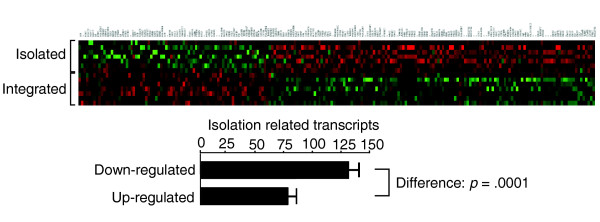
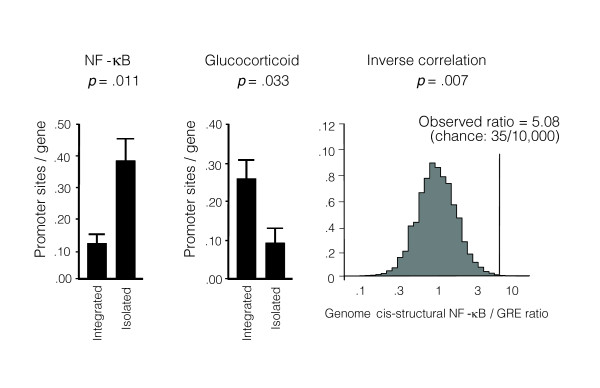
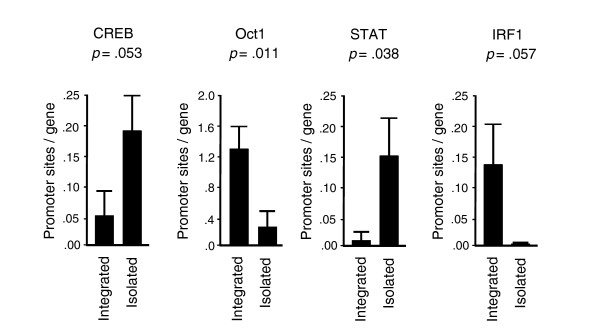
Background: Social environmental influences on human health are well established in the epidemiology literature, but their functional genomic mechanisms are unclear. The present study analyzed genome-wide transcriptional activity in people who chronically experienced high versus low levels of subjective social isolation (loneliness) to assess alterations in the activity of transcription control pathways that might contribute to increased adverse health outcomes in social isolates. Results: DNA microarray analysis identified 209 genes that were differentially expressed in circulating leukocytes from 14 high- versus low-lonely individuals, including up-regulation of genes involved in immune activation, transcription control, and cell proliferation, and down-regulation of genes supporting mature B lymphocyte function and type I interferon response. Promoter-based bioinformatic analyses showed under-expression of genes bearing anti-inflammatory glucocorticoid response elements (GREs; p = 0.032) and over-expression of genes bearing response elements for pro-inflammatory NF-κB/Rel transcription factors ( p = 0.011). This reciprocal shift in pro- and anti-inflammatory signaling was not attributable to differences in circulating cortisol levels, or to other demographic, psychological, or medical characteristics. Additional transcription control pathways showing differential activity in bioinformatic analyses included the CREB/ATF, JAK/STAT, IRF1, C/EBP, Oct, and GATA pathways. Conclusion: These data provide the first indication that human genome-wide transcriptional activity is altered in association with a social epidemiological risk factor. Impaired transcription of glucocorticoid response genes and increased activity of pro-inflammatory transcription control pathways provide a functional genomic explanation for elevated risk of inflammatory disease in individuals who experience chronically high levels of subjective social isolation.
Overview
The claims and statistics of this paper haven’t been checked yet.
Free: it reads the open-access text and checks the first 5 claims that cite a source we can check. Create a free account to check every claim.
Integrity signals
Registry
Cites
Statistics
Figures
Verification
Claims the paper makes
The claims and statistics of this paper haven’t been checked yet.
Free: it reads the open-access text and checks the first 5 claims that cite a source we can check. Create a free account to check every claim.
Claims other papers make about this one
Each is checked against this paper’s own text: does it say what the citing paper says it does?
The source backs part of the claim, not all of it — or backs it for a different population, condition or comparison.
In the citing paper
“Markers of immune activation and inflammation (e.g., pro-inflammatory cytokines and inflammatory mediators) were over-expressed in genes of the lonely relative to the socially connected group (37% of the 209 differentially expressed transcripts).”
From Loneliness matters: a theoretical and empirical review of consequences and mechanisms (2010) · cites this paper as [75]
Experimental — accuracy not yet measuredThe cited source says what the claim attributes to it.
In the citing paper
“in a genome-wide DNA microarray study, genes under-expressed by socially isolated individuals involved anti-inflammatory response elements and genes over-expressed involved proinflammatory response elements, compared to individuals who reported less social isolation”
From Close relationships, inflammation, and health (2010) · cites this paper as Cole et al., 2007
The cited source says what the claim attributes to it.
In the citing paper
“They also converge with a recent microarray profile of socially isolated individuals, which documented a similar pattern of diminished GR- and heightened NF-κB-dependent transcription (29).”
From A Functional Genomic Fingerprint of Chronic Stress in Humans: Blunted Glucocorticoid and Increased NF-κB Signaling (2008) · cites this paper as [29]
The cited source says what the claim attributes to it.
In the citing paper
“Subsequent bioinformatic analyses indicated that loneliness-associated differences in gene expression could be attributable to increased activity of the NF–κB transcription factor.”
From Loneliness matters: a theoretical and empirical review of consequences and mechanisms (2010) · cites this paper as [75]
The cited source says what the claim attributes to it.
In the citing paper
“Group differences in NF–κB/glucocorticoid receptor-mediated transcription activity were not attributable to objective indices of social isolation, nor were they explained by demographic, psychosocial (i.e., perceived stress, depression, hostility), or medical risk factors [75].”
From Loneliness matters: a theoretical and empirical review of consequences and mechanisms (2010) · cites this paper as [75]
7 more claims about this paper
Create a free account to see every claim other papers make about this one.
Self-check
Percentages, sums and reported differences re-computed from the paper’s own numbers.
The self-check needs the paper’s full text.
Citations
Cites
The CES-D Scale: A Self-Report Depression Scale for Research in the General Population
Radloff, L. S. (1977) · Applied Psychological Measurement · doi:10.1177/014662167700100306 · Cited by 53,267
Coussens, L. M., & Werb, Z. (2002) · Nature · doi:10.1038/nature01322 · Cited by 15,111
Inflammation, Atherosclerosis, and Coronary Artery Disease
Hansson, G. K. (2005) · New England Journal of Medicine · doi:10.1056/nejmra043430 · Cited by 8,773
Bolstad, B. M., Irizarry, R. A., Åstrand, M., & Speed, T. P. (2003) · Bioinformatics · doi:10.1093/bioinformatics/19.2.185 · Cited by 8,266 · cited 1×
“Robust multiarray averaging [60] was applied to quantify expression of the 22,283 assayed transcripts, and differentially expressed genes were identified as those showing ≥30% difference in mean expression levels in samples from high- versus low-lonely individuals (corresponding to a FDR of 10%) [59].”
MethodBERKMAN, L. F., & SYME, S. L. (1979) · American Journal of Epidemiology · doi:10.1093/oxfordjournals.aje.a112674 · Cited by 5,341
The Revised UCLA Loneliness Scale: concurrent and discriminant validity evidence
Russell, D., Peplau, L. A., & Cutrona, C. E. (1980) · Journal of Personality and Social Psychology · doi:10.1037/0022-3514.39.3.472 · Cited by 5,173 · cited 1×
“Social isolation Subjectively experienced social isolation was assessed by the UCLA-R Loneliness scale [53] at each yearly study visit.”
MethodAntiinflammatory Action of Glucocorticoids — New Mechanisms for Old Drugs
Rhen, T., & Cidlowski, J. A. (2005) · New England Journal of Medicine · doi:10.1056/nejmra050541 · Cited by 3,149 · cited 1×
“Cortisol activation of the glucocorticoid receptor (GR) exerts broad anti-inflammatory effects by inhibiting nuclear factor (NF)-κB/Rel transcription factors and other pro-inflammatory signaling pathways (for example, the Janus kinase-signal transducer and activator of transcription (JAK/STAT) and interferon response…”
BackgroundExpression monitoring by hybridization to high-density oligonucleotide arrays
Lockhart, D. J., Dong, H., Byrne, M. C., Follettie, M. T., Gallo, M. V., Chee, M. S., Mittmann, M., Wang, C., Kobayashi, M., Norton, H., et al. (1996) · Nature Biotechnology · doi:10.1038/nbt1296-1675 · Cited by 2,840
Uchino, B. N., Cacioppo, J. T., & Kiecolt-Glaser, J. K. (1996) · Psychological Bulletin · doi:10.1037/0033-2909.119.3.488 · Cited by 2,727 · cited 2×
“This result underscores the key role of subjective perceptual processes in transmitting the effects of social factors into physical biology via neuroendocrine alterations, and their subsequent impact on cellular gene expression [4,28,51,52].”
BackgroundSelf-citationCacioppo, J. T., Hughes, M. E., Waite, L. J., Hawkley, L. C., & Thisted, R. A. (2006) · Psychology and Aging · doi:10.1037/0882-7974.21.1.140 · Cited by 2,380 · cited 6×
“Global gene transcription profiles were assessed in circulating leukocytes from 14 individuals participating in the population-based Chicago Health Aging and Social Relations Study (CHASRS) [43].”
MethodInfluentialSelf-citationSTEROID RECEPTOR REGULATED TRANSCRIPTION OF SPECIFIC GENES AND GENE NETWORKS
Yamamoto, K. R. (1985) · Annual Review of Genetics · doi:10.1146/annurev.ge.19.120185.001233 · Cited by 1,872 · cited 1×
“This adrenal glucocorticoid can regulate a wide variety of physiological processes via nuclear hormone receptor-mediated control of gene transcription [31].”
BackgroundTwenty years of research on cytokine-induced sickness behavior
Dantzer, R., & Kelley, K. W. (2007) · Brain, Behavior, and Immunity · doi:10.1016/j.bbi.2006.09.006 · Cited by 1,420
Chronic stress promotes tumor growth and angiogenesis in a mouse model of ovarian carcinoma
Thaker, P. H., Han, L. Y., Kamat, A. A., Arevalo, J. M., Takahashi, R., Lu, C., Jennings, N. B., Armaiz-Pena, G., Bankson, J. A., Ravoori, M., et al. (2006) · Nature Medicine · doi:10.1038/nm1447 · Cited by 1,320 · cited 2×
“This study's identification of a plausible neuroendocrine mediator of transcriptional alteration (GR signaling), which is known to relate to social phenotype in humans [27-30] and is causally impacted by experimental social isolation in animal models [11-14], is consistent with social influences on gene expression.”
BackgroundResultSelf-citation(1995) · Cited by 1,270
GOstat: find statistically overrepresented Gene Ontologies within a group of genes
Beißbarth, T., & Speed, T. P. (2004) · Bioinformatics · doi:10.1093/bioinformatics/bth088 · Cited by 1,257
Sapolsky, R. M. (1994) · W.H. Freeman eBooks · Cited by 1,253
Social Ties and Susceptibility to the Common Cold
Cohen, S. (1997) · JAMA: The Journal of the American Medical Association · doi:10.1001/jama.1997.03540480040036 · Cited by 1,238
Social Ties and Susceptibility to the Common Cold
Heeler, R. M. (1997) · JAMA: The Journal of the American Medical Association · doi:10.1001/jama.1997.03550150035019 · Cited by 1,236
Loneliness and health: potential mechanisms
Cacioppo, J. T., Hawkley, L. C., Crawford, L. E., Ernst, J. M., Burleson, M. H., Kowalewski, R. B., Malarkey, W. B., Van Cauter, E., & Berntson, G. G. (2002) · Psychosomatic Medicine · doi:10.1097/00006842-200205000-00005 · Cited by 1,149 · cited 1×
“Few epidemiological studies have clearly distinguished between objective and subjective social isolation, but among those that have, some evidence supports a significant contribution from each aspect [1,5,7-10].”
BackgroundSelf-citationSocial ties and health: The benefits of social integration
Seeman, T. E. (1996) · Annals of Epidemiology · doi:10.1016/s1047-2797(96)00095-6 · Cited by 1,137
(2000) · doi:10.1093/oso/9780195083316.001.0001 · Cited by 1,069
TRANSFAC: a database on transcription factors and their DNA binding sites
Wingender, E. (1996) · Nucleic Acids Research · doi:10.1093/nar/24.1.238 · Cited by 1,054 · cited 1×
“Primary analyses compared the prevalence of vertebrate V$GR_Q6 and V$CREL_01 TFBMs from the TRANSFAC database [64] in promoters of genes over-expressed in highversus low-lonely individuals.”
BackgroundThe influence of bio-behavioural factors on tumour biology: pathways and mechanisms
Antoni, M. H., Lutgendorf, S. K., Cole, S. W., Dhabhar, F. S., Sephton, S. E., McDonald, P. G., Stefanek, M., & Sood, A. K. (2006) · Nature Reviews Cancer · doi:10.1038/nrc1820 · Cited by 981 · cited 2×
“These candidate 'social signal transduction pathways' provide a mechanistic basis for understanding social epidemiology in terms of molecular interactions between the human genome and the external socio-environmental stimuli that regulate cellular gene expression [26,48,49].”
BackgroundSelf-citationSocial Isolation and Health, with an Emphasis on Underlying Mechanisms
Cacioppo, J. T., & Hawkley, L. C. (2003) · Perspectives in Biology and Medicine · doi:10.1353/pbm.2003.0049 · Cited by 887
Self-citationSleep Deprivation and Activation of Morning Levels of Cellular and Genomic Markers of Inflammation
Irwin, M. R. (2006) · Archives of Internal Medicine · doi:10.1001/archinte.166.16.1756 · Cited by 850 · cited 1×
“Bioinformatic analyses of differentially expressing promoters [41,42] test the specific hypotheses that immune cells from high-lonely individuals show in vivo, under basal physiological conditions: 1.”
BackgroundPathogenesis of human immunodeficiency virus infection
Levy, J. A. (1993) · Microbiological Reviews · doi:10.1128/mr.57.1.183-289.1993 · Cited by 839
The Cook-Medley hostility scale: item content and ability to predict survival.
Barefoot, J. C., Dodge, K. A., Peterson, B. L., Dahlstrom, W. G., & Williams, R. B. (1989) · Psychosomatic Medicine · doi:10.1097/00006842-198901000-00005 · Cited by 825
Social networks, social support, and survival after breast cancer diagnosis
Kroenke, C. H., Kubzansky, L. D., Schernhammer, E. S., Holmes, M. D., & Kawachi, I. (2006) · Journal of Clinical Oncology · doi:10.1200/jco.2005.04.2846 · Cited by 792 · cited 2×
“People who are socially isolated have increased risk of all-cause mortality [1,2], and several specific infectious, neoplastic, and cardiovascular diseases [3-6].”
BackgroundDay-to-day dynamics of experience–cortisol associations in a population-based sample of older adults
Adam, E. K., Hawkley, L. C., Kudielka, B. M., & Cacioppo, J. T. (2006) · Proceedings of the National Academy of Sciences · doi:10.1073/pnas.0605053103 · Cited by 782 · cited 3×
“No experimental studies have analyzed the transcriptional impact of chronic social isolation in humans, but data from observational studies suggest that subjective social isolation (loneliness) is associated with increased circulating levels of the stress hormone cortisol [27-30].”
BackgroundResultSelf-citationIndividuality and variation in gene expression patterns in human blood
Whitney, A. R., Diehn, M., Popper, S. J., Alizadeh, A. A., Boldrick, J. C., Relman, D. A., & Brown, P. O. (2003) · Proceedings of the National Academy of Sciences · doi:10.1073/pnas.252784499 · Cited by 778 · cited 2×
“Medical and behavioral confounders To determine whether loneliness-related alterations in the expression of NF-κB- and GRE-responsive genes might stem from variations in the prevalence of distinct leukocyte subsets within the mononuclear cell RNA pool [45-47], analyses of covariance (ANCOVA) were employed to adjust ge…”
BackgroundMethodMiller, G. E., Cohen, S., & Ritchey, A. K. (2002) · Health Psychology · doi:10.1037/0278-6133.21.6.531 · Cited by 769 · cited 2×
“This hypothesis is consistent with previous indications of receptor-mediated glucocorticoid insensitivity during behavioral stress [38,40], and with recently identified molecular mechanisms of GR transcriptional inhibition [37].”
BackgroundResultSocial Isolation and Health, with an Emphasis on Underlying Mechanisms
Cacioppo, J. T., & Hawkley, L. C. (2003) · Perspectives in biology and medicine · doi:10.1353/pbm.2003.0063 · Cited by 624 · cited 7×
“There is controversy in the social epidemiology literature about whether the health risks of social isolation stem mainly from an objective lack of social contact (for example, diminishing physical, cognitive, or economic assistance) or from the subjective experience of social isolation (leading to perceptions of thre…”
BackgroundMethodResultInfluentialSelf-citationPace, T. W. W., Hu, F., & Miller, A. H. (2007) · Brain, Behavior, and Immunity · doi:10.1016/j.bbi.2006.08.009 · Cited by 621 · cited 4×
“This hypothesis is consistent with previous indications of receptor-mediated glucocorticoid insensitivity during behavioral stress [38,40], and with recently identified molecular mechanisms of GR transcriptional inhibition [37].”
BackgroundResultInfluentialSteptoe, A., Owen, N., Kunz-Ebrecht, S. R., & Brydon, L. (2004) · Psychoneuroendocrinology · doi:10.1016/s0306-4530(03)00086-6 · Cited by 620 · cited 3×
“No experimental studies have analyzed the transcriptional impact of chronic social isolation in humans, but data from observational studies suggest that subjective social isolation (loneliness) is associated with increased circulating levels of the stress hormone cortisol [27-30].”
BackgroundResultLoneliness, social network size, and immune response to influenza vaccination in college freshmen
Pressman, S. D., Cohen, S., Miller, G. E., Barkin, A., Rabin, B. S., & Treanor, J. J. (2005) · Health Psychology · doi:10.1037/0278-6133.24.3.297 · Cited by 608 · cited 4×
“No experimental studies have analyzed the transcriptional impact of chronic social isolation in humans, but data from observational studies suggest that subjective social isolation (loneliness) is associated with increased circulating levels of the stress hormone cortisol [27-30].”
BackgroundResultInfluential(1986) · CERN Document Server (European Organization for Nuclear Research) · Cited by 583
Stress, loneliness, and changes in herpesvirus latency
Glaser, R., Kiecolt-Glaser, J. K., Speicher, C. E., & Holliday, J. E. (1985) · Journal of Behavioral Medicine · doi:10.1007/bf00870312 · Cited by 500 · cited 1×
“Experimental manipulation of social contact in animals can activate neuroendocrine signaling pathways [11-14], which have the potential to regulate gene expression in both pathogens (viruses, bacteria, tumors) and host immune responses [4,14-26].”
BackgroundCohen, S., Kamarck, T., & Mermelstein, R. (2014) · PsycTESTS Dataset · doi:10.1037/t02889-000 · Cited by 498
Lonely traits and concomitant physiological processes: the MacArthur social neuroscience studies
Cacioppo, J. T., Ernst, J. M., Burleson, M. H., McClintock, M. K., Malarkey, W. B., Hawkley, L. C., Kowalewski, R. B., Paulsen, A., Hobson, J. A., Hugdahl, K., et al. (2000) · International Journal of Psychophysiology · doi:10.1016/s0167-8760(99)00049-5 · Cited by 492 · cited 8×
“There is controversy in the social epidemiology literature about whether the health risks of social isolation stem mainly from an objective lack of social contact (for example, diminishing physical, cognitive, or economic assistance) or from the subjective experience of social isolation (leading to perceptions of thre…”
BackgroundMethodResultInfluentialSelf-citationLoneliness is a unique predictor of age-related differences in systolic blood pressure.
Hawkley, L. C., Masi, C. M., Berry, J. D., & Cacioppo, J. T. (2006) · Psychology and Aging · doi:10.1037/0882-7974.21.1.152 · Cited by 488 · cited 1×
“Few epidemiological studies have clearly distinguished between objective and subjective social isolation, but among those that have, some evidence supports a significant contribution from each aspect [1,5,7-10].”
BackgroundSelf-citationRelationships as Regulators: A Psychobiologic Perspective on Bereavement*
Hofer, M. A. (1984) · Psychosomatic Medicine · doi:10.1097/00006842-198405000-00001 · Cited by 476 · cited 2×
“This study's identification of a plausible neuroendocrine mediator of transcriptional alteration (GR signaling), which is known to relate to social phenotype in humans [27-30] and is causally impacted by experimental social isolation in animal models [11-14], is consistent with social influences on gene expression.”
BackgroundResultWhy Zebras Don't Get Ulcers: An Updated Guide to Stress, Stress Related Diseases, and Coping
Sapolsky, R. M. (1998) · Medical Entomology and Zoology · Cited by 445
Socially Isolated Children 20 Years Later: Risk of Cardiovascular Disease
Caspi, A., Harrington, H., Moffitt, T. E., Milne, B. J., & Poulton, R. (2006) · Archives of Pediatrics & Adolescent Medicine · doi:10.1001/archpedi.160.8.805 · Cited by 414 · cited 3×
“Few epidemiological studies have clearly distinguished between objective and subjective social isolation, but among those that have, some evidence supports a significant contribution from each aspect [1,5,7-10].”
BackgroundGENES, BEHAVIOR, AND THE SOCIAL ENVIRONMENT: MOVING BEYOND THE NATURE/NURTURE DEBATE
Hernandez, L. M., & Blazer, D. G. (2006) · doi:10.13016/tt5y-fgvl · Cited by 351
Measuring Stress: A Guide for Health and Social Scientists
(1995) · doi:10.1093/oso/9780195086416.001.0001 · Cited by 346
Cell-type specific gene expression profiles of leukocytes in human peripheral blood
Palmer, C., Diehn, M., Alizadeh, A. A., & Brown, P. O. (2006) · BMC Genomics · doi:10.1186/1471-2164-7-115 · Cited by 331 · cited 2×
“Medical and behavioral confounders To determine whether loneliness-related alterations in the expression of NF-κB- and GRE-responsive genes might stem from variations in the prevalence of distinct leukocyte subsets within the mononuclear cell RNA pool [45-47], analyses of covariance (ANCOVA) were employed to adjust ge…”
BackgroundMethodSocial stress induces glucocorticoid resistance in macrophages
Stark, J. L., Avitsur, R., Padgett, D. A., Campbell, K. A., Beck, F. M., & Sheridan, J. F. (2001) · American Journal of Physiology-Regulatory, Integrative and Comparative Physiology · doi:10.1152/ajpregu.2001.280.6.r1799 · Cited by 295 · cited 2×
“This hypothesis is consistent with previous indications of receptor-mediated glucocorticoid insensitivity during behavioral stress [38,40], and with recently identified molecular mechanisms of GR transcriptional inhibition [37].”
BackgroundResultBeyond ANOVA, Basics of Applied Statistics
Amster, S. J. (1987) · Technometrics · doi:10.1080/00401706.1987.10488261 · Cited by 289
High-Sensitivity Enzyme Immunoassay for C-Reactive Protein in Dried Blood Spots
McDade, T. W., Burhop, J., & Dohnal, J. (2004) · Clinical Chemistry · doi:10.1373/clinchem.2003.029488 · Cited by 272 · cited 1×
“Blood spot samples obtained during study years 2, 3, and 4 were analyzed using a high-sensitivity enzyme immunoassay [66], and longitudinal observations on each participant were analyzed using a mixed effect linear model (SAS PROC MIXED) in a Year (2, 3, and 4, treated as a repeated measure) × Loneliness (high versus…”
MethodSocial Connections and Risk for Cancer: Prospective Evidence from the Alameda County Study
Reynolds, P., & Kaplan, G. A. (1990) · Behavioral Medicine · doi:10.1080/08964289.1990.9934597 · Cited by 261 · cited 1×
“Few epidemiological studies have clearly distinguished between objective and subjective social isolation, but among those that have, some evidence supports a significant contribution from each aspect [1,5,7-10].”
BackgroundChronic Stress and Susceptibility to Skin Cancer
Saul, A. N., Oberyszyn, T. M., Daugherty, C., Kusewitt, D., Jones, S., Jewell, S., Malarkey, W. B., Lehman, A., Lemeshow, S., & Dhabhar, F. S. (2005) · JNCI: Journal of the National Cancer Institute · doi:10.1093/jnci/dji401 · Cited by 245 · cited 1×
“Experimental manipulation of social contact in animals can activate neuroendocrine signaling pathways [11-14], which have the potential to regulate gene expression in both pathogens (viruses, bacteria, tumors) and host immune responses [4,14-26].”
BackgroundMiller, G. E., & Chen, E. (2006) · Proceedings of the National Academy of Sciences · doi:10.1073/pnas.0506312103 · Cited by 199
Capitanio, J. P., Mendoza, S. P., Lerche, N. W., & Mason, W. A. (1998) · Proceedings of the National Academy of Sciences · doi:10.1073/pnas.95.8.4714 · Cited by 189 · cited 2×
“These leukocyte transcriptional dynamics are consistent with clinical data indicating a complex pattern of host resistance alterations in social isolates, including increased risk of inflammation-mediated disease [1,2], accompanied by decreased resistance to viral infection [3,4,16,25] and impaired humoral immune resp…”
BackgroundExpression-based monitoring of transcription factor activity: the TELiS database
Cole, S. W., Yan, W., Galic, Z., Arevalo, J., & Zack, J. A. (2005) · Bioinformatics · doi:10.1093/bioinformatics/bti038 · Cited by 185 · cited 6×
“Following hypothesis-driven analyses of NF-κB/Rel and GR activity, additional exploratory analyses analyzed the prevalence of 190 other vertebrate TFBMs in the TELiS database [41], including parametric variations of promoter length and motif match stringency to evaluate the sensitivity of results to analytical paramet…”
BackgroundMethodInfluentialSelf-citationSloan, E. K., Capitanio, J. P., Tarara, R. P., Mendoza, S. P., Mason, W. A., & Cole, S. W. (2007) · The Journal of Neuroscience · doi:10.1523/jneurosci.1247-07.2007 · Cited by 169 · cited 2×
“These leukocyte transcriptional dynamics are consistent with clinical data indicating a complex pattern of host resistance alterations in social isolates, including increased risk of inflammation-mediated disease [1,2], accompanied by decreased resistance to viral infection [3,4,16,25] and impaired humoral immune resp…”
BackgroundSelf-citationSocial ties and susceptibility to the common cold
Cohen, S. (1997) · JAMA · doi:10.1001/jama.277.24.1940 · Cited by 149
Stress‐Induced Neuroendocrine Modulation of Viral Pathogenesis and Immunitya
SHERIDAN, J. F., DOBBS, C., JUNG, J., CHU, X., KONSTANTINOS, A., PADGETT, D., & GLASER, R. (1998) · Annals of the New York Academy of Sciences · doi:10.1111/j.1749-6632.1998.tb09618.x · Cited by 147
Stress and the transformation of lymphocytes by Epstein-Barr virus
Kiecolt‐Glaser, J. K., Speicher, C. E., Holliday, J. E., & Glaser, R. (1984) · Journal of Behavioral Medicine · doi:10.1007/bf00845344 · Cited by 146 · cited 1×
“Experimental manipulation of social contact in animals can activate neuroendocrine signaling pathways [11-14], which have the potential to regulate gene expression in both pathogens (viruses, bacteria, tumors) and host immune responses [4,14-26].”
BackgroundPsychological risk factors for HIV pathogenesis: mediation by the autonomic nervous system
Cole, S. W., Kemeny, M. E., Fahey, J. L., Zack, J. A., & Naliboff, B. D. (2003) · Biological Psychiatry · doi:10.1016/s0006-3223(02)01888-7 · Cited by 131 · cited 5×
“Experimental manipulation of social contact in animals can activate neuroendocrine signaling pathways [11-14], which have the potential to regulate gene expression in both pathogens (viruses, bacteria, tumors) and host immune responses [4,14-26].”
BackgroundInfluentialSelf-citationImpaired response to HAART in HIV-infected individuals with high autonomic nervous system activity
Cole, S. W., Naliboff, B. D., Kemeny, M. E., Griswold, M. P., Fahey, J. L., & Zack, J. A. (2001) · Proceedings of the National Academy of Sciences · doi:10.1073/pnas.221134198 · Cited by 129
Self-citationLevine, S., & Mody, T. (2003) · Neuroscience & Biobehavioral Reviews · doi:10.1016/s0149-7634(03)00011-3 · Cited by 107 · cited 2×
“This study's identification of a plausible neuroendocrine mediator of transcriptional alteration (GR signaling), which is known to relate to social phenotype in humans [27-30] and is causally impacted by experimental social isolation in animal models [11-14], is consistent with social influences on gene expression.”
BackgroundResultControlling false-negative errors in microarray differential expression analysis: a PRIM approach
Cole, S. W., Galic, Z., & Zack, J. A. (2003) · Bioinformatics · doi:10.1093/bioinformatics/btg242 · Cited by 107 · cited 2×
“DNA Microarray Core as previously described [41,59].”
MethodSelf-citationSoler‐Vila, H., Kasl, S. V., & Jones, B. A. (2003) · Cancer · doi:10.1002/cncr.11670 · Cited by 95
McClintock, M. K., Conzen, S. D., Gehlert, S., Masi, C., & Olopade, F. (2005) · The Journals of Gerontology Series B: Psychological Sciences and Social Sciences · doi:10.1093/geronb/60.special_issue_1.32 · Cited by 88
Cacioppo, J. T., Kiecolt‐Glaser, J. K., Malarkey, W. B., Laskowski, B. F., Rozlog, L. A., Poehlmann, K. M., Burleson, M. H., & Glaser, R. (2002) · Hormones and Behavior · doi:10.1006/hbeh.2002.1801 · Cited by 86 · cited 1×
“Experimental manipulation of social contact in animals can activate neuroendocrine signaling pathways [11-14], which have the potential to regulate gene expression in both pathogens (viruses, bacteria, tumors) and host immune responses [4,14-26].”
BackgroundSelf-citationCollado-Hidalgo, A., Sung, C., & Cole, S. (2006) · Brain, Behavior, and Immunity · doi:10.1016/j.bbi.2006.01.005 · Cited by 69 · cited 2×
“ISGF12 was assayed using published primer sequences and reaction conditions [ 33 ].”
BackgroundMethodSelf-citationInfant temperament predicts life span in female rats that develop spontaneous tumors
Cavigelli, S. A., Yee, J. R., & McClintock, M. K. (2006) · Hormones and Behavior · doi:10.1016/j.yhbeh.2006.06.001 · Cited by 61 · cited 1×
“Experimental manipulation of social contact in animals can activate neuroendocrine signaling pathways [11-14], which have the potential to regulate gene expression in both pathogens (viruses, bacteria, tumors) and host immune responses [4,14-26].”
BackgroundSocial Effects and Circadian Rhythms in Squirrel Monkey Pituitary--Adrenal Activity
Lyons, D. M., Ha, C. M. G., & Levine, S. (1995) · Hormones and Behavior · doi:10.1006/hbeh.1995.1013 · Cited by 52 · cited 2×
“This study's identification of a plausible neuroendocrine mediator of transcriptional alteration (GR signaling), which is known to relate to social phenotype in humans [27-30] and is causally impacted by experimental social isolation in animal models [11-14], is consistent with social influences on gene expression.”
BackgroundResultRichlin, V. A., Arevalo, J. M. G., Zack, J. A., & Cole, S. W. (2003) · Brain Behavior and Immunity · doi:10.1016/j.bbi.2003.08.001 · Cited by 51
Self-citationEffects of social isolation stress on immune response and survival time of mouse with liver cancer
Liu, H., & Wang, Z. (2005) · World Journal of Gastroenterology · doi:10.3748/wjg.v11.i37.5902 · Cited by 41 · cited 1×
“Experimental manipulation of social contact in animals can activate neuroendocrine signaling pathways [11-14], which have the potential to regulate gene expression in both pathogens (viruses, bacteria, tumors) and host immune responses [4,14-26].”
Background
Cited by
Loneliness matters: a theoretical and empirical review of consequences and mechanisms
Hawkley, L. C., & Cacioppo, J. T. (2010) · Annals of Behavioral Medicine · doi:10.1007/s12160-010-9210-8 · Cited by 4,782
“, perceived stress, depression, hostility), or medical risk factors [75].”
InfluentialSelf-citationSocial isolation, loneliness, and all-cause mortality in older men and women
Steptoe, A., Shankar, A., Demakakos, P., & Wardle, J. (2013) · Proceedings of the National Academy of Sciences · doi:10.1073/pnas.1219686110 · Cited by 2,503
“Loneliness itself has been linked with increased risk of cardiovascular disease and mortality (15–18), elevated blood pressure and cortisol (19–21), heightened inflammatory responses to stress (22, 23), and modifications in transcriptional pathways linked with glucocorticoid and inflammatory processes (24).”
BackgroundSlavich, G. M., & Irwin, M. R. (2014) · Psychological Bulletin · doi:10.1037/a0035302 · Cited by 2,206
“…types of social adversity, including being socially isolated or low in social status, or experiencing high levels of chronic interpersonal stress (e.g., Chen et al., 2009; S. W. Cole et al., 2007, 2011; G. E. Miller et al., 2008; G. E. Miller, Rohleder, & Cole, 2009; see also Tung et al., 2012).”
BackgroundPerceived social isolation and cognition
Cacioppo, J. T., & Hawkley, L. C. (2009) · Trends in Cognitive Sciences · doi:10.1016/j.tics.2009.06.005 · Cited by 2,144
Self-citationA Meta-Analysis of Interventions to Reduce Loneliness
Masi, C. M., Chen, H.-Y., Hawkley, L. C., & Cacioppo, J. T. (2011) · Personality and Social Psychology Review · doi:10.1177/1088868310377394 · Cited by 1,995
“…2006), diminished immunity (Kiecolt-Glaser et al., 1984; Pressman et al., 2005), underexpression of genes bearing anti-inflammatory glucocorticoid response elements (Cole et al., 2007), and abnormal ratios of circulating white blood cells (e.g., neutrophils, lymphocytes, and monocytes; Cole, 2008).”
BackgroundSelf-citation
Metadata
- Authors
- Cole, S. W., Hawkley, L. C., Arevalo, J. M., Sung, C. Y., Rose, R. M., & Cacioppo, J. T.
- Affiliations
- University of California, Los Angeles (US)
- University of Chicago (US)
- John D. and Catherine T. MacArthur Foundation (US)
- Corresponding author
- Cole, Steve W
- Venue
- Genome Biology
- Published
- 2007-09-13
- Volume
- 8
- Issue
- 9
- Pages
- R189-R189
- ISSN
- 1465-6906 (ISSN-L)
- 1474-760X
- PMC
- PMC2375027
- OpenAlex
- W2170607802
- Cited by
- 745
- References
- 73
- Citations by year
- 2026: 41 · 2025: 46 · 2024: 34 · 2023: 46 · 2022: 40 · 2021: 42 · 2020: 45 · 2019: 40 · 2018: 42 · 2017: 35 · 2016: 51 · 2015: 45 · 2014: 43 · 2013: 39 · 2012: 44
- FWCI
- 9.56
- Type
- journal article
- Language
- en
- Open access
- gold
- doi.org
- Licence
- cc-by
- creativecommons.org/licenses/by/2.0/ (tdm)
- creativecommons.org/licenses/by/2.0/ (vor)
- Locations
- Genome biology (publishedVersion, cc-by)
- PubMed Central (publishedVersion, cc-by)
- PubMed (publishedVersion)
- eScholarship (California Digital Library) (submittedVersion)
- eScholarship (California Digital Library) (submittedVersion, cc-by)
- Funders
- John D. and Catherine T. MacArthur Foundation
- John Templeton Foundation
- National Institutes of Health
- National Institute on Aging (P01 AG19811)
- National Cancer Institute (R01CA116778)
- National Institute of Allergy and Infectious Diseases (R01 AI52737, R01AI052737)
- National Center for Research Resources (P20RR020645)
- Topics
- Life Sciences › Neuroscience › Behavioral Neuroscience › Stress Responses and Cortisol
- Social Sciences › Health › Health disparities and outcomes
- Life Sciences › Biochemistry, Genetics and Molecular Biology › Molecular Biology › Genomics and Chromatin Dynamics
- Keywords
- social isolation, loneliness, gene expression, leukocytes, transcriptional regulation, glucocorticoid response element, pro-inflammatory signaling, anti-inflammatory signaling, type I interferon response, B cell function, JAK/STAT signaling, C/EBP, GATA, social determinants of health
- MeSH terms
- Aged, C-Reactive Protein, Female, Gene Expression Regulation, Glucocorticoids, Humans, Interpersonal Relations, Leukocytes, Male, Middle Aged, Models, Biological, Promoter Regions, Genetic, Signal Transduction, Genome, Human, Computational Biology
About these checks
Registry, retraction, Cites and statistics results are computed, not judged, with one exception: a printed reference that no index lists is read once by a model before it counts as a citation error. Claims are extracted by a model and kept only when their quote appears verbatim in the text; each cited source is then checked, with a model’s help, for whether it says what the claim relies on. Those verdicts can be wrong — read the claim’s quote and the cited source before relying on one.
Statistics and arithmetic are recomputed, not judged.
Confidence bands are shown only for fields calibrated on our annotated test set. None is calibrated yet, so no band is shown.
What counts as a claim ›How we measure confidence ›How we check this ›
Are you an author, or do you see a problem with this page? Request a review
Data sources
Bibliographic data: Semantic Scholar, OpenAlex, Crossref.
Contains information from the Semantic Scholar Academic Graph Datasets, made available under the ODC Attribution License (ODC-BY 1.0).
Semantic Scholar’s data is described in: Kinney, R., et al. (2023). The Semantic Scholar Open Data Platform. arXiv:2301.10140.
