

Social regulation of gene expression in human leukocytes
Open accessThe DOI matches its Crossref record; 70 of the 73 references it cites were found in a registry or an index.
Abstract
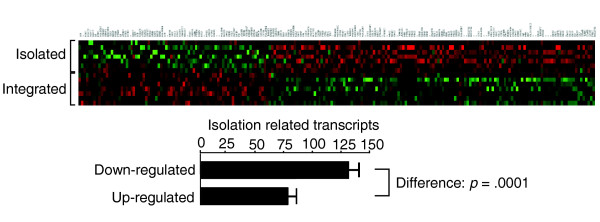
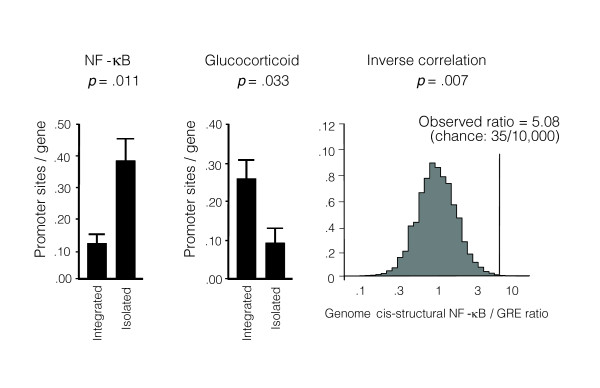
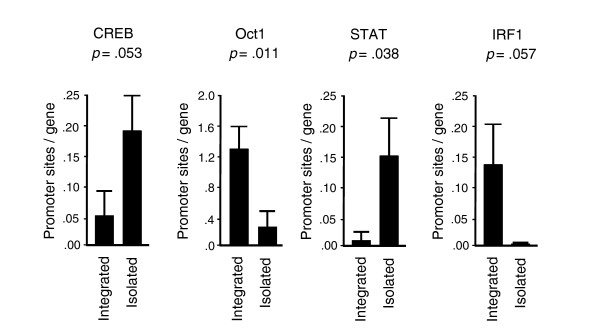
Background: Social environmental influences on human health are well established in the epidemiology literature, but their functional genomic mechanisms are unclear. The present study analyzed genome-wide transcriptional activity in people who chronically experienced high versus low levels of subjective social isolation (loneliness) to assess alterations in the activity of transcription control pathways that might contribute to increased adverse health outcomes in social isolates. Results: DNA microarray analysis identified 209 genes that were differentially expressed in circulating leukocytes from 14 high- versus low-lonely individuals, including up-regulation of genes involved in immune activation, transcription control, and cell proliferation, and down-regulation of genes supporting mature B lymphocyte function and type I interferon response. Promoter-based bioinformatic analyses showed under-expression of genes bearing anti-inflammatory glucocorticoid response elements (GREs; p = 0.032) and over-expression of genes bearing response elements for pro-inflammatory NF-κB/Rel transcription factors ( p = 0.011). This reciprocal shift in pro- and anti-inflammatory signaling was not attributable to differences in circulating cortisol levels, or to other demographic, psychological, or medical characteristics. Additional transcription control pathways showing differential activity in bioinformatic analyses included the CREB/ATF, JAK/STAT, IRF1, C/EBP, Oct, and GATA pathways. Conclusion: These data provide the first indication that human genome-wide transcriptional activity is altered in association with a social epidemiological risk factor. Impaired transcription of glucocorticoid response genes and increased activity of pro-inflammatory transcription control pathways provide a functional genomic explanation for elevated risk of inflammatory disease in individuals who experience chronically high levels of subjective social isolation.
Overview
The claims and statistics of this paper haven’t been checked yet.
Free: it reads the open-access text and checks the first 5 claims that cite a source we can check. Create a free account to check every claim.
Integrity signals
Registry
Cites
Statistics
Figures
Verification
Claims the paper makes
The claims and statistics of this paper haven’t been checked yet.
Free: it reads the open-access text and checks the first 5 claims that cite a source we can check. Create a free account to check every claim.
Claims other papers make about this one
Each is checked against this paper’s own text: does it say what the citing paper says it does?
The source backs part of the claim, not all of it — or backs it for a different population, condition or comparison.
In the citing paper
“Markers of immune activation and inflammation (e.g., pro-inflammatory cytokines and inflammatory mediators) were over-expressed in genes of the lonely relative to the socially connected group (37% of the 209 differentially expressed transcripts).”
From Loneliness matters: a theoretical and empirical review of consequences and mechanisms (2010) · cites this paper as [75]
Experimental — accuracy not yet measuredThe cited source says what the claim attributes to it.
In the citing paper
“in a genome-wide DNA microarray study, genes under-expressed by socially isolated individuals involved anti-inflammatory response elements and genes over-expressed involved proinflammatory response elements, compared to individuals who reported less social isolation”
From Close relationships, inflammation, and health (2010) · cites this paper as Cole et al., 2007
The cited source says what the claim attributes to it.
In the citing paper
“They also converge with a recent microarray profile of socially isolated individuals, which documented a similar pattern of diminished GR- and heightened NF-κB-dependent transcription (29).”
From A Functional Genomic Fingerprint of Chronic Stress in Humans: Blunted Glucocorticoid and Increased NF-κB Signaling (2008) · cites this paper as [29]
The cited source says what the claim attributes to it.
In the citing paper
“Subsequent bioinformatic analyses indicated that loneliness-associated differences in gene expression could be attributable to increased activity of the NF–κB transcription factor.”
From Loneliness matters: a theoretical and empirical review of consequences and mechanisms (2010) · cites this paper as [75]
The cited source says what the claim attributes to it.
In the citing paper
“Group differences in NF–κB/glucocorticoid receptor-mediated transcription activity were not attributable to objective indices of social isolation, nor were they explained by demographic, psychosocial (i.e., perceived stress, depression, hostility), or medical risk factors [75].”
From Loneliness matters: a theoretical and empirical review of consequences and mechanisms (2010) · cites this paper as [75]
7 more claims about this paper
Create a free account to see every claim other papers make about this one.
Self-check
Percentages, sums and reported differences re-computed from the paper’s own numbers.
The self-check needs the paper’s full text.
Citations
Cites
The CES-D Scale: A Self-Report Depression Scale for Research in the General Population
Radloff, L. S. (1977) · Applied Psychological Measurement · doi:10.1177/014662167700100306 · Cited by 53,267
Coussens, L. M., & Werb, Z. (2002) · Nature · doi:10.1038/nature01322 · Cited by 15,111
Inflammation, Atherosclerosis, and Coronary Artery Disease
Hansson, G. K. (2005) · New England Journal of Medicine · doi:10.1056/nejmra043430 · Cited by 8,773
Bolstad, B. M., Irizarry, R. A., Åstrand, M., & Speed, T. P. (2003) · Bioinformatics · doi:10.1093/bioinformatics/19.2.185 · Cited by 8,266 · cited 1×
“Robust multiarray averaging [60] was applied to quantify expression of the 22,283 assayed transcripts, and differentially expressed genes were identified as those showing ≥30% difference in mean expression levels in samples from high- versus low-lonely individuals (corresponding to a FDR of 10%) [59].”
MethodBERKMAN, L. F., & SYME, S. L. (1979) · American Journal of Epidemiology · doi:10.1093/oxfordjournals.aje.a112674 · Cited by 5,341
The Revised UCLA Loneliness Scale: concurrent and discriminant validity evidence
Russell, D., Peplau, L. A., & Cutrona, C. E. (1980) · Journal of Personality and Social Psychology · doi:10.1037/0022-3514.39.3.472 · Cited by 5,173 · cited 1×
“Social isolation Subjectively experienced social isolation was assessed by the UCLA-R Loneliness scale [53] at each yearly study visit.”
MethodAntiinflammatory Action of Glucocorticoids — New Mechanisms for Old Drugs
Rhen, T., & Cidlowski, J. A. (2005) · New England Journal of Medicine · doi:10.1056/nejmra050541 · Cited by 3,149 · cited 1×
“Cortisol activation of the glucocorticoid receptor (GR) exerts broad anti-inflammatory effects by inhibiting nuclear factor (NF)-κB/Rel transcription factors and other pro-inflammatory signaling pathways (for example, the Janus kinase-signal transducer and activator of transcription (JAK/STAT) and interferon response…”
BackgroundExpression monitoring by hybridization to high-density oligonucleotide arrays
Lockhart, D. J., Dong, H., Byrne, M. C., Follettie, M. T., Gallo, M. V., Chee, M. S., Mittmann, M., Wang, C., Kobayashi, M., Norton, H., et al. (1996) · Nature Biotechnology · doi:10.1038/nbt1296-1675 · Cited by 2,840
Uchino, B. N., Cacioppo, J. T., & Kiecolt-Glaser, J. K. (1996) · Psychological Bulletin · doi:10.1037/0033-2909.119.3.488 · Cited by 2,727 · cited 2×
“This result underscores the key role of subjective perceptual processes in transmitting the effects of social factors into physical biology via neuroendocrine alterations, and their subsequent impact on cellular gene expression [4,28,51,52].”
BackgroundSelf-citationCacioppo, J. T., Hughes, M. E., Waite, L. J., Hawkley, L. C., & Thisted, R. A. (2006) · Psychology and Aging · doi:10.1037/0882-7974.21.1.140 · Cited by 2,380 · cited 6×
“Global gene transcription profiles were assessed in circulating leukocytes from 14 individuals participating in the population-based Chicago Health Aging and Social Relations Study (CHASRS) [43].”
MethodInfluentialSelf-citation
Cited by
Items 101–200 of 741
VanderWeele, T. J., Hawkley, L. C., Thisted, R. A., & Cacioppo, J. T. (2011) · Journal of Consulting and Clinical Psychology · doi:10.1037/a0022610 · Cited by 178
“…both statistically (e.g., Bell, 1985; Cacioppo, Hawkley, et al., 2006; Cacioppo, Hughes, et al., 2006; Rook, 1987; Russell, 1996; Weeks, Michela, Paplau, & Bragg, 1980) and functionally (e.g., Adam et al., 2006; Cacioppo, Hawkley, & Thisted, 2010; Cole et al., 2007; Hawkley et al., 2006).”
Self-citationSocial influences on clinical outcomes of patients with ovarian cancer
Lutgendorf, S. K., De Geest, K., Bender, D., Ahmed, A., Goodheart, M. J., Dahmoush, L., Zimmerman, M. B., Penedo, F. J., Lucci, J. A., Ganjei-Azar, P., et al. (2012) · Journal of Clinical Oncology · doi:10.1200/jco.2011.39.4411 · Cited by 177
“Moreover, social isolation has been linked to inflammatory leukocyte gene expression profiles and related upstream transcription control pathways in other populations.(45-47) Glucocorticoids, secreted as the end product of the hypothalamic pituitary adrenal axis, a second stress response system, directly mediate proce…”
BackgroundSelf-citationFriedler, B., Crapser, J., & McCullough, L. (2015) · Acta Neuropathologica · doi:10.1007/s00401-014-1377-9 · Cited by 174
“[19] analyzed differences in the adult leukocyte gene profile attributable to loneliness and found significant increases in leukocyte pro-inflammatory gene expression and significant decreases in antiviral gene expression in chronically lonely individuals.”
BackgroundAre social isolation and loneliness associated with cognitive decline in ageing?
Cardona, M., & Andrés, P. (2023) · Frontiers in Aging Neuroscience · doi:10.3389/fnagi.2023.1075563 · Cited by 170
“Finally, Cole and collaborators have shown that loneliness is associated with higher pro-inflammatory gene expression (Cole et al., 2007), indicating an upregulation of inflammatory signaling that can be a precursor for higher systemic inflammation (Irwin and Cole, 2011; Ligthart et al.”
BackgroundRaison, C. L., Lowry, C. A., & Rook, G. A. W. (2010) · Archives of General Psychiatry · doi:10.1001/archgenpsychiatry.2010.161 · Cited by 169
Stress-induced biological aging: A review and guide for research priorities
Polsky, L. R., Rentscher, K. E., & Carroll, J. E. (2022) · Brain, Behavior, and Immunity · doi:10.1016/j.bbi.2022.05.016 · Cited by 165
Bower, J. E., Ganz, P. A., Irwin, M. R., Arevalo, J. M. G., & Cole, S. W. (2011) · Brain, Behavior, and Immunity · doi:10.1016/j.bbi.2010.09.010 · Cited by 167
“Consistent with previous studies linking GR desensitization to increased NF-jB activity (Cole et al., 2007; Miller et al., 2008a, Miller et al., 2009), we found a marked diminution of GR-mediated transcriptional activity in leukocytes from fatigued breast cancer survivors.”
Self-citationMind the fish: zebrafish as a model in cognitive social neuroscience
Oliveira, R. F. (2013) · Frontiers in Neural Circuits · doi:10.3389/fncir.2013.00131 · Cited by 166
“Researchers from a more Biomedical or Human Psychology background have been mainly focused on human social behavior and on translational research (e.g., Cole et al., 2007; Norman et al., 2012).”
BackgroundMiller, G. E., Murphy, M. L. M., Cashman, R., Ma, R., Ma, J., Arevalo, J. M. G., Kobor, M. S., & Cole, S. W. (2014) · Brain Behavior and Immunity · doi:10.1016/j.bbi.2014.05.016 · Cited by 166
“According to this hypothesis, chronic stress weakens the usual regulatory constraints on monocyte pro-inflammatory activity via diminution of cortisol-mediated signaling through GR (Cole et al., 2007; Miller et al., 2008, 2009b; Miller, 2008).”
Self-citationThe role of oxidative stress in cardiovascular disease caused by social isolation and loneliness
Li, H., & Xia, N. (2020) · Redox Biology · doi:10.1016/j.redox.2020.101585 · Cited by 158
“The CTRA is characterized by up-regulation of proinflammatory genes and down-regulation of antiviral immunity-related genes resulting in enhanced inflammation and an impaired antiviral response [32,69,70].”
BackgroundEvidence-based treatment research: advances, limitations, and next steps
Kazdin, A. E. (2011) · American Psychologist · doi:10.1037/a0024975 · Cited by 155
Social regulation of leukocyte homeostasis: the role of glucocorticoid sensitivity
Cole, S. W. (2008) · Brain, Behavior, and Immunity · doi:10.1016/j.bbi.2008.02.006 · Cited by 156
Self-citationHealth and the Economy in the United States from 1750 to the Present
Costa, D. L. (2015) · Journal of Economic Literature · doi:10.1257/jel.53.3.503 · Cited by 213
“18 In contrast, Goldman and Smith (2005) find no educational gradient in hypertension. drive inflammation, the first response of the immune system (Cole et al. 2007).”
BackgroundTransforming Research Strategies for Understanding and Preventing Obesity
Huang, T. T. ‐., & Glass, T. A. (2008) · JAMA · doi:10.1001/jama.300.15.1811 · Cited by 173
“Another study recently showed that social isolation can impair the transcription of glucocorticoid response genes and increase proinflammatory activity in humans, possibly playing a role in obesity and obesityrelated metabolic outcomes.(7) Elsewhere, in the field of neuroscience, automatic brain responses to the rewar…”
Gasteiger, N., Loveys, K., Law, M., & Broadbent, E. (2021) · Clinical Interventions in Aging · doi:10.2147/cia.s282709 · Cited by 153
“12 Chronic loneliness has also been associated with poorer antibody responses to an influenza vaccine 13 and the Epstein-Barr virus.”
Rohleder, N., Wolf, J. M., & Wolf, O. T. (2010) · Neuroscience & Biobehavioral Reviews · doi:10.1016/j.neubiorev.2009.12.003 · Cited by 150
“To assess the efficiency of the glucocorticoid signaling pathway, the relative number of genes being regulated by glucocorticoid response elements (GRE) can be quantified, and compared with genes regulated by inflammatory or other signaling pathways (Cole et al., 2007).”
BackgroundMethodNeuroinflammation in suicide: Toward a comprehensive model
Courtet, P., Giner, L., Seneque, M., Guillaume, S., Olie, E., & Ducasse, D. (2016) · The World Journal of Biological Psychiatry · doi:10.3109/15622975.2015.1054879 · Cited by 146
“Loneliness and social isolation (Baumeister and Leary 1995) were also associated with activating infl ammatory pathways (Cacioppo et al. 2002; Cacioppo and Hawkley 2003; Cole et al. 2007; Hackett et al. 2012).”
BackgroundCochlear Implantation in Older Adults
Lin, F. R., Chien, W. W., Li, L., Clarrett, D. M., Niparko, J. K., & Francis, H. W. (2012) · Medicine · doi:10.1097/md.0b013e31826b145a · Cited by 168
The neural circuitry of social homeostasis: Consequences of acute versus chronic social isolation
Lee, C. R., Chen, A., & Tye, K. M. (2021) · Cell · doi:10.1016/j.cell.2021.02.028 · Cited by 158
Nelson, S. K., Fritz, M. M., Lyubomirsky, S., & Cole, S. W. (2017) · Psychoneuroendocrinology · doi:10.1016/j.psyneuen.2017.03.025 · Cited by 160
Self-citationTranscriptional Control of Monocyte Gene Expression in Post-Traumatic Stress Disorder
O’Donovan, A., Sun, B., Cole, S., Rempel, H., Lenoci, M., Pulliam, L., & Neylan, T. (2011) · Disease Markers · doi:10.1155/2011/560572 · Cited by 141
Self-citationBuchman, A. S., Boyle, P. A., Wilson, R. S., James, B. D., Leurgans, S. E., Arnold, S. E., & Bennett, D. A. (2010) · BMC Geriatrics · doi:10.1186/1471-2318-10-77 · Cited by 141
“Finally, recent work suggests that loneliness is associated with alteration in human genome-wide transcriptional activity that might account for increased inflammatory diseases in loneliness [44,45].”
BackgroundMatthews, T., Danese, A., Wertz, J., Ambler, A., Kelly, M., Diver, A., Caspi, A., Moffitt, T. E., & Arseneault, L. (2015) · Journal of the American Academy of Child & Adolescent Psychiatry · doi:10.1016/j.jaac.2014.12.008 · Cited by 139
Keller, E. F. (2011) · Biological Theory · doi:10.1007/s13752-012-0014-x · Cited by 139
Kemeny, M. E. (2009) · Brain, Behavior, and Immunity · doi:10.1016/j.bbi.2008.08.008 · Cited by 138
Williams, J. B., Pang, D., Delgado, B., Kocherginsky, M., Tretiakova, M., Krausz, T., Pan, D., He, J., McClintock, M. K., & Conzen, S. D. (2009) · Cancer Prevention Research · doi:10.1158/1940-6207.capr-08-0238 · Cited by 137
“mammary glands because the social environment has been previously linked to significant gene expression changes in various tissues, including the central nervous system of mice (22) and the peripheral blood lymphocytes of humans (23).”
BackgroundJaremka, L. M., Lindgren, M. E., & Kiecolt-Glaser, J. K. (2013) · Depression and Anxiety · doi:10.1002/da.22078 · Cited by 137
“[60–62] A preliminary mindfulness-based stress intervention concurrently reduced loneliness and downregulated proinflammatory gene transcription.”
BackgroundPace, T. W. W., Negi, L. T., Dodson‐Lavelle, B., Silva, B. O.-D., Reddy, S. D., Cole, S. P., Danese, A., Craighead, L. W., & Raison, C. L. (2012) · Psychoneuroendocrinology · doi:10.1016/j.psyneuen.2012.05.019 · Cited by 150
“However, given that both interpersonal conflict/social isolation and stress exposure/perception have been associated with increased inflammation (Black, 2003; Cole et al., 2007; Kiecolt-Glaser et al., 2005), it is possible that practicing CBCT attenuates inflammation by reducing these aversive states.”
Self-citationBrain-body interactions underlying the association of loneliness with mental and physical health
Quadt, L., Esposito, G., Critchley, H. D., & Garfinkel, S. N. (2020) · Neuroscience & Biobehavioral Reviews · doi:10.1016/j.neubiorev.2020.06.015 · Cited by 137
Rohleder, N. (2012) · Psychoneuroendocrinology · doi:10.1016/j.psyneuen.2011.12.015 · Cited by 136
Social neuroscience: challenges and opportunities in the study of complex behavior
Cacioppo, J. T., & Decety, J. (2011) · Annals of the New York Academy of Sciences · doi:10.1111/j.1749-6632.2010.05858.x · Cited by 136
Self-citationThe neuroimmunology of social-stress-induced sensitization
Biltz, R. G., Sawicki, C. M., Sheridan, J. F., & Godbout, J. P. (2022) · Nature Immunology · doi:10.1038/s41590-022-01321-z · Cited by 132
Leschak, C. J., & Eisenberger, N. I. (2019) · Psychosomatic Medicine · doi:10.1097/psy.0000000000000685 · Cited by 129
Biobehavioral Influences on Cancer Progression
Costanzo, E. S., Sood, A. K., & Lutgendorf, S. K. (2011) · Immunology and Allergy Clinics of North America · doi:10.1016/j.iac.2010.09.001 · Cited by 126
Social isolation: A conceptual and measurement proposal
Zavaleta, D., Samuel, K., & Mills, C. (2014) · University of Oxford · doi:10.35648/20.500.12413/11781/ii029 · Cited by 127
“29 See, for example, Cassidy and Asher (1992); Cole et al. (2007); Eisenberger, Lieberman and Williams (2003); Gustafsson et al. (2012); Hawkley and Cacioppo (2010); MacDonald and Leary (2005); Stranahan, Khalil and Gould (2006); Westerlund et al. (2012); and Wilson et al.”
InfluentialElevating the perspective on human stress genomics
Cole, S. W. (2010) · Psychoneuroendocrinology · doi:10.1016/j.psyneuen.2010.06.008 · Cited by 123
Self-citationHajlaoui, H., Mighri, H., Aouni, M., Gharsallah, N., & Kadri, A. (2016) · Microbial Pathogenesis · doi:10.1016/j.micpath.2016.03.003 · Cited by 141
“Some components, such as β-Caryophyllene, 446 have previously been reported to have potent cytoto xic activity against MCF-7, MDA-MB447 468, and UACC-257 cell lines [70] by enhancing the p netration of other bioactive 448 components and then increasing the permeability of plasma-membrane, thereby increasing the 449 ov…”
BackgroundThe embodied mind: A review on functional genomic and neurological correlates of mind-body therapies
Muehsam, D. J., Lutgendorf, S. K., Mills, P. J., Rickhi, B., Chevalier, G., Bat, N., Chopra, D., & Gurfein, B. T. (2016) · Neuroscience & Biobehavioral Reviews · doi:10.1016/j.neubiorev.2016.12.027 · Cited by 145
Nersesian, P. V., Han, H.-R., Yenokyan, G., Blumenthal, R. S., Nolan, M. T., Hladek, M. D., & Szanton, S. L. (2018) · Social Science & Medicine · doi:10.1016/j.socscimed.2018.04.007 · Cited by 120
Kadota, K., Nakai, Y., & Shimizu, K. (2008) · Algorithms for Molecular Biology · doi:10.1186/1748-7188-3-8 · Cited by 139
“For example, we defined 16 probesets (corresponding to 15 genes) of 20 candidates as DEGs in Dataset 9 [48] because the remaining four probesets (or genes) showed incompatible expression patterns between RT-PCR and the microarray.”
InfluentialDifferential impact of transient and chronic loneliness on health status. A longitudinal study
Martín-María, N., Caballero, F. F., Miret, M., Tyrovolas, S., Haro, J. M., Ayuso-Mateos, J. L., & Chatterji, S. (2020) · Psychology & Health · doi:10.1080/08870446.2019.1632312 · Cited by 115
“Cole et al. (2007) found a genomic explanation for the high risk of inflammatory disorder in people suffering from chronic loneliness, involving a hampered transcription of glucocorticoid regulation.”
BackgroundChildhood and later life stressors and increased inflammatory gene expression at older ages
Levine, M. E., Cole, S. W., Weir, D. R., & Crimmins, E. M. (2015) · Social Science & Medicine · doi:10.1016/j.socscimed.2015.01.030 · Cited by 106
Self-citationSocial isolation alters neuroinflammatory response to stroke
Karelina, K., Norman, G. J., Zhang, N., Morris, J. S., Peng, H., & DeVries, A. C. (2009) · Proceedings of the National Academy of Sciences · doi:10.1073/pnas.0810737106 · Cited by 112
“Importantly, emerging evidence indicates a relationship between the social environment and systemic inflammation (16, 17), and in otherwise healthy humans, low social integration is associated with increased CRP concentrations (18, 19).”
BackgroundHennessy, M. B., Deak, T., & Schiml, P. A. (2014) · Brain, Behavior, and Immunity · doi:10.1016/j.bbi.2013.10.021 · Cited by 110
“The lonely individuals also had circulating levels of the inflammatory marker C-reactive protein that were double those of low-loneliness controls (Cole et al., 2007).”
BackgroundFrasure‐Smith, N., Lespérance, F., Irwin, M. R., Talajic, M. R., & Pollock, B. G. (2009) · Brain Behavior and Immunity · doi:10.1016/j.bbi.2009.07.005 · Cited by 124
“The down-regulation of glucocorticoid receptors has also been found to induce chronic activation of inflammatory signaling (Cole et al., 2007; Miller et al., 2008).”
BackgroundIndividual vulnerability to addiction
Swendsen, J., & Le Moal, M. (2011) · Annals of the New York Academy of Sciences · doi:10.1111/j.1749-6632.2010.05894.x · Cited by 108
Affective immunology: where emotions and the immune response converge
D’Acquisto, F. (2017) · Dialogues in Clinical Neuroscience · doi:10.31887/dcns.2017.19.1/fdacquisto · Cited by 120
Walker, E., Ploubidis, G., & Fancourt, D. (2019) · Brain, Behavior, and Immunity · doi:10.1016/j.bbi.2019.08.189 · Cited by 104
“Social stressors such as social disengagement can lead to upregulation of pro-inflammatory response genes to protect against physical vulnerability (Cole et al., 2007), and this may be detected as higher levels of a range of inflammatory markers including interleukin6 (IL-6), interleukin-1 receptor alpha (IL-1Ra), fib…”
BackgroundMatthews, T., Rasmussen, L. J. H., Ambler, A. P., Danese, A., Eugen‐Olsen, J., Fancourt, D. E., Fisher, H. L., Iversen, K. K., Schultz, M., Sugden, K., et al. (2023) · Brain Behavior and Immunity · doi:10.1016/j.bbi.2023.11.022 · Cited by 124
“Consistent with this, individuals high in feelings of loneliness exhibit a pattern of pro-inflammatory changes in gene expression (Cole et al., 2007).”
BackgroundSchwaiger, M., Grinberg, M., Moser, D., Zang, J. C. S., Heinrichs, M., Hengstler, J. G., Rahnenführer, J., Cole, S. W., & Kumsta, R. (2016) · Neuropsychopharmacology · doi:10.1038/npp.2016.57 · Cited by 112
Self-citationGoossens, L., van Roekel, E., Verhagen, M., Cacioppo, J. T., Cacioppo, S., Maes, M., & Boomsma, D. I. (2015) · Perspectives on Psychological Science · doi:10.1177/1745691614564878 · Cited by 103
“A first small-scale study on older adults, which compared six lonely individuals to eight nonlonely individuals, found upregulated expression in 78 genes and downregulated expression in 131 genes (Cole et al., 2007).”
BackgroundSelf-citationChronic Stress, Social Isolation, and Perceived Loneliness in Dementia Caregivers
Kovaleva, M., Spangler, S., Clevenger, C., & Hepburn, K. (2018) · Journal of Psychosocial Nursing and Mental Health Services · doi:10.3928/02793695-20180329-04 · Cited by 97
Breast cancer and social environment: getting by with a little help from our friends
Hinzey, A., Gaudier-Diaz, M. M., Lustberg, M. B., & DeVries, A. C. (2016) · Breast Cancer Research · doi:10.1186/s13058-016-0700-x · Cited by 99
“receptor activation) gene expression [48].”
Genome-Wide Association Study of Loneliness Demonstrates a Role for Common Variation
Gao, J., Davis, L. K., Hart, A. B., Sanchez‐Roige, S., Han, L., Cacioppo, J. T., & Palmer, A. A. (2016) · Neuropsychopharmacology · doi:10.1038/npp.2016.197 · Cited by 117
“…et al, 2004), altered gene expression indicative of decreased inflammatory control and increased glucocorticoid insensitivity (Cole et al, 2011; Cole et al, 2007), increased inflammation, elevated vascular resistance and blood pressure (Hackett et al, 2012; Hawkley et al, 2006; Hawkley et al,…”
BackgroundSelf-citationLe-Niculescu, H., Balaraman, Y., Patel, S. D., Ayalew, M., Gupta, J., Kuczenski, R., Shekhar, A., Schork, N., Geyer, M. A., & Niculescu, A. B. (2011) · Translational Psychiatry · doi:10.1038/tp.2011.9 · Cited by 96
Familial Resemblance for Loneliness
Distel, M. A., Rebollo-Mesa, I., Abdellaoui, A., Derom, C. A., Willemsen, G., Cacioppo, J. T., & Boomsma, D. I. (2010) · Behavior Genetics · doi:10.1007/s10519-010-9341-5 · Cited by 94
Self-citationC-Reactive Protein as a Peripheral Biomarker in Schizophrenia. An Updated Systematic Review
Fond, G. B., Lançon, C., Auquier, P., & Boyer, L. (2018) · Frontiers in Psychiatry · doi:10.3389/fpsyt.2018.00392 · Cited by 106
“It should be underlined that increased CRP has been associated with social withdrawal in the general population, social withdrawal being one the prodromal symptoms of schizophrenia in adolescents (67, 68).”
BackgroundMurphy, M. L. M., Slavich, G. M., Rohleder, N., & Miller, G. E. (2013) · Clinical Psychological Science · doi:10.1177/2167702612455743 · Cited by 92
“Finally, a large body of work has shown that loneliness and social isolation, both of which are possible outcomes of social rejection, are associated with the activation of inflammatory pathways (Cacioppo & Hawkley, 2003; Cacioppo, Hawkey, & Berntson, 2003; Cacioppo et al., 2002; Cole et al., 2007).”
BackgroundSocial Isolation Changes and Long-Term Outcomes Among Older Adults
Lyu, C., Siu, K., Xu, I., Osman, I., & Zhong, J. (2024) · JAMA Network Open · doi:10.1001/jamanetworkopen.2024.24519 · Cited by 121
Social isolation and its relationship to multidimensional poverty
Samuel, K., Alkire, S., Zavaleta, D., Mills, C., & Hammock, J. C. (2017) · Oxford Development Studies · doi:10.1080/13600818.2017.1311852 · Cited by 109
“The experience of social isolation can also alter genetic activity in the immune system in a manner linked to increased stress responses and adverse health outcomes in individuals identified as experiencing high levels of loneliness (Cole et al., 2007).”
BackgroundRole of Income and Family Influence on Child Outcomes
Heckman, J. J. (2008) · Annals of the New York Academy of Sciences · doi:10.1196/annals.1425.031 · Cited by 90
Genetic Contributions to Loneliness and Their Relevance to the Evolutionary Theory of Loneliness
Spithoven, A. W. M., Cacioppo, S., Goossens, L., & Cacioppo, J. T. (2019) · Perspectives on Psychological Science · doi:10.1177/1745691618812684 · Cited by 90
Self-citationAntoni, M. H., Bouchard, L. C., Jacobs, J. M., Lechner, S. C., Jutagir, D. R., Gudenkauf, L. M., Carver, C. S., Lutgendorf, S., Cole, S. W., Lippman, M., et al. (2016) · Psychoneuroendocrinology · doi:10.1016/j.psyneuen.2016.09.012 · Cited by 89
Self-citationHatala, A. R. (2012) · Open Journal of Medical Psychology · doi:10.4236/ojmp.2012.14009 · Cited by 133
Haldar, R., Shaashua, L., Lavon, H., Lyons, Y. A., Zmora, O., Sharon, E., Birnbaum, Y., Allweis, T., Sood, A. K., Barshack, I., et al. (2018) · Brain, Behavior, and Immunity · doi:10.1016/j.bbi.2018.05.014 · Cited by 87
Self-citationCalhoun, C. D., Helms, S. W., Heilbron, N., Rudolph, K. D., Hastings, P. D., & Prinstein, M. J. (2014) · Development and Psychopathology · doi:10.1017/s0954579414000261 · Cited by 87
“…with the types of social rejection cues that activate socioaffective circuitry in functional magnetic resonance imaging studies (see Eisenberger, 2011, for a review) and with pro-inflammatory responses in research on epigenetic expression (Cole et al., 2007; Miller, Maletic, & Raison, 2009).”
Chen, E., McLean, K. C., & Miller, G. E. (2015) · Psychosomatic Medicine · doi:10.1097/psy.0000000000000157 · Cited by 87
“For example, adverse social environments increase the expression of proinflammatory transcripts in adults in part through glucocorticoid resistance (20,49,50), whereas other factors such as maternal warmth achieve the same”
BackgroundNot so lonely at the top: The relationship between power and loneliness
Waytz, A. G., Chou, E. Y., Magee, J. C., & Galinsky, A. D. (2015) · Organizational Behavior and Human Decision Processes · doi:10.1016/j.obhdp.2015.06.002 · Cited by 97
Rush, G., O’Donovan, A., Nagle, L., Conway, C., McCrohan, A., O’Farrelly, C., Lucey, J. V., & Malone, K. M. (2016) · Journal of Affective Disorders · doi:10.1016/j.jad.2016.06.035 · Cited by 86
Knight, J. M., Rizzo, J. D., Logan, B. R., Wang, T., Arevalo, J. M. G., Ma, J., & Cole, S. W. (2016) · Clinical Cancer Research · doi:10.1158/1078-0432.ccr-15-1344 · Cited by 86
“25 Bu þ Cy other 7 (18) 5 (13) Cy þ TBI other 28 (72) 26 (67) TBI other 0 (0) 4 (10)”
BackgroundInfluentialSelf-citationCarroll, J. E., Diez Roux, A. V., Fitzpatrick, A. L., & Seeman, T. (2013) · Psychosomatic Medicine · doi:10.1097/psy.0b013e31828233bf · Cited by 85
“Low social support may also confer risk through contributing to elevated feelings of social isolation and loneliness, which has biological consequences that parallel chronic stressor exposure (5,57).”
BackgroundRelationships and Health: The Critical Role of Affective Science
Sbarra, D. A., & Coan, J. A. (2018) · Emotion Review · doi:10.1177/1754073917696584 · Cited by 85
“For example, studies confirm gene expression differences between lonely and socially embedded adults, with the lonely evidencing a relatively greater upregulation of genes associated with inflammatory signaling (Cole et al., 2007).”
BackgroundBailey, M. T., Kinsey, S. G., Padgett, D. A., Sheridan, J. F., & Leblebicioglu, B. (2009) · Physiology & Behavior · doi:10.1016/j.physbeh.2009.06.013 · Cited by 84
“Human studies using gene chip analyses of peripheral blood leukocytes have found an underrepresentation of genes that are activated by glucocorticoids, and an overrepresentation of genes regulated by NF-kB, which are normally repressed by glucocorticoids [63,64].”
BackgroundParental support and cytokine activity in childhood asthma: The role of glucocorticoid sensitivity
Miller, G. E., Gaudin, A., Zysk, E., & Chen, E. (2009) · Journal of Allergy and Clinical Immunology · doi:10.1016/j.jaci.2008.12.019 · Cited by 89
Well-being and immune response: a multi-system perspective
Lasselin, J., Alvarez‐Salas, E., & Grigoleit, J. (2016) · Current Opinion in Pharmacology · doi:10.1016/j.coph.2016.05.003 · Cited by 101
Social environmental effects on gene regulation
Tung, J., & Gilad, Y. (2013) · Cellular and Molecular Life Sciences · doi:10.1007/s00018-013-1357-6 · Cited by 89
“Similarly, both the GO category “I-kappaB kinase/NFkappaB cascade” and a set of genes regulated by NFkB transcription factor binding (based on TRANSFAC annotation) are also overrepresented [47, 50, 77].”
BackgroundMethodInfluentialRentscher, K. E., Zhou, X., Small, B. J., Cohen, H. J., Dilawari, A. A., Patel, S. K., Bethea, T. N., Dyk, K. V., Nakamura, Z. M., Ahn, J., et al. (2021) · Cancer · doi:10.1002/cncr.33687 · Cited by 95
Population differences in proinflammatory biology: Japanese have healthier profiles than Americans
Coe, C. L., Love, G. D., Karasawa, M., Kawakami, N., Kitayama, S., Markus, H. R., Tracy, R. P., & Ryff, C. D. (2011) · Brain, Behavior, and Immunity · doi:10.1016/j.bbi.2010.11.013 · Cited by 82
“…attainment and income (Alley et al., 2006; Koster et al., 2006; Morozink et al., 2010; Petersen et al., 2008), to social integration and alienation (Cole et al., 2007) and to many emotional and stress-related processes (Cole et al., 2010; Kiecolt-Glaser et al., 2003; Stewart et al., 2009;…”
Walsh, C. P., Bovbjerg, D. H., & Marsland, A. L. (2021) · Neuroscience & Biobehavioral Reviews · doi:10.1016/j.neubiorev.2021.06.013 · Cited by 98
Catalán, N., Villasante, A., Wacyk, J. M., Ramírez, C., & Romero, J. (2017) · Probiotics and Antimicrobial Proteins · doi:10.1007/s12602-017-9366-7 · Cited by 102
“The 16S rRNA gene sequences were compared with those available in the public Ribosomal Database Project II [9] (http://rdp.”
MethodFriedman, E. M. (2011) · Annals of the New York Academy of Sciences · doi:10.1111/j.1749-6632.2011.06040.x · Cited by 79
The interpersonally sensitive disposition and health: An integrative review.
Marin, T. J., & Miller, G. E. (2013) · Psychological Bulletin · doi:10.1037/a0030800 · Cited by 79
Loneliness: An Immunometabolic Syndrome
Pourriyahi, H., Yazdanpanah, N., Saghazadeh, A., & Rezaei, N. (2021) · International Journal of Environmental Research and Public Health · doi:10.3390/ijerph182212162 · Cited by 280
“However, this reciprocal alteration in the dynamic between pro- and anti-inflammatory gene regulation was not correlated to plasma cortisol levels [42], which reflects the fact that multiple pathways influence this phenomenon.”
BackgroundInfluentialEdwards, K. M., Bosch, J. A., Engeland, C. G., Cacioppo, J. T., & Marucha, P. T. (2010) · Brain Behavior and Immunity · doi:10.1016/j.bbi.2010.03.011 · Cited by 82
Self-citationWeigelt, K., Carvalho, L. A., Drexhage, R. C., Wijkhuijs, A., Wit, H. D., van Beveren, N. J. M., Birkenhäger, T. K., Bergink, V., & Drexhage, H. A. (2011) · Brain, Behavior, and Immunity · doi:10.1016/j.bbi.2011.03.006 · Cited by 69
“Interestingly, increased expression of EGR3 and pro-inflammatory molecules such as IL-1B and COX2 co-appeared in human leukocytes from individuals that experienced social isolation for at least 3 years (Cole et al., 2007).”
Moieni, M., Irwin, M. R., Jevtic, I., Breen, E. C., Cho, H. J., Arevalo, J. M. G., Ma, J., Cole, S. W., & Eisenberger, N. I. (2015) · Psychoneuroendocrinology · doi:10.1016/j.psyneuen.2015.08.020 · Cited by 75
“For example, ndividuals who report feeling chronically lonely and distant from thers, compared to individuals who report feeling more socially onnected to others, exhibit up-regulation of genes involved in nflammation (Cole et al., 2007; Creswell et al., 2012).”
Self-citationNiculescu, A. B., Le-Niculescu, H., Roseberry, K., Wang, S., Hart, J., Kaur, A., Robertson, H., Jones, T., Strasburger, A., Williams, A., et al. (2020) · Molecular Psychiatry · doi:10.1038/s41380-019-0602-2 · Cited by 75
“isolation in humans [19], and in brain in studies of chronic variable stress in mice by Nestler and colleagues [20].”
BackgroundShen, C., Zhang, R., Yu, J., Sahakian, B. J., Cheng, W., & Feng, J. (2025) · Nature Human Behaviour · doi:10.1038/s41562-024-02078-1 · Cited by 94
“Another macaque study discovered that social isolation induced CTRA activation and the antiviral gene expression was impeded by enhancing prosocial engagement 50 .”
Original Research: Loneliness and Quality of Life in Chronically Ill Rural Older Adults
Theeke, L. A., & Mallow, J. (2013) · AJN, American Journal of Nursing · doi:10.1097/01.naj.0000434169.53750.14 · Cited by 75
Cacioppo, J. T., & Cacioppo, S. (2012) · European Journal of Developmental Psychology · doi:10.1080/17405629.2012.690510 · Cited by 73
“Coney ( 2011 ) found that a higher proportion of face-to-face contacts with confidants predicted lower levels of loneliness, whereas a higher proportion of contacts with confidants through social networking sites predicted higher levels of loneliness.”
Self-citationCole, S. W., Mendoza, S. P., & Capitanio, J. P. (2009) · Psychosomatic Medicine · doi:10.1097/psy.0b013e3181aa95a9 · Cited by 74
“Findings from this study’s in vivo hematological probe of glucocorticoid sensitivity are consistent with data from human observational studies (30) and analyses of genome-wide transcriptional profiling of circulating leukocytes (15,31) in suggesting that stressful social conditions can alter basal immunoregulatory rel…”
BackgroundResultInfluentialSelf-citationSocial instability and immunity in rhesus monkeys: the role of the sympathetic nervous system
Capitanio, J. P., & Cole, S. W. (2015) · Philosophical Transactions of the Royal Society B: Biological Sciences · doi:10.1098/rstb.2014.0104 · Cited by 74
Self-citationBidirectional longitudinal associations between loneliness and pain, and the role of inflammation
Loeffler, A., & Steptoe, A. (2020) · Pain · doi:10.1097/j.pain.0000000000002082 · Cited by 93
“Loneliness is associated with proinflammatory gene expression, with heightened inflammatory responses to stress, and with raised IL-6 concentration.(8,17,33) Not all lonely people express heightened inflammation, but the combination seems relevant to future pain experience.”
BackgroundSocial ties and health: a social neuroscience perspective
Eisenberger, N. I. (2013) · Current Opinion in Neurobiology · doi:10.1016/j.conb.2013.01.006 · Cited by 74
Doyle, D. M., & Molix, L. A. (2014) · Journal of Behavioral Medicine · doi:10.1007/s10865-014-9563-8 · Cited by 87
“Chronic inflammation has also been found to be associated with social withdrawal and loneliness across several cross-sectional studies (e.g., Cole et al., 2007; Ford et al., 2006; Friedman et al., 2005).”
BackgroundDiamond, L. M., Dehlin, A. J., & Alley, J. C. (2021) · Psychoneuroendocrinology · doi:10.1016/j.psyneuen.2021.105215 · Cited by 90
Social neuroscience: The social brain, oxytocin, and health
Norman, G. J., Hawkley, L. C., Cole, S. W., Berntson, G. G., & Cacioppo, J. T. (2012) · Social Neuroscience · doi:10.1080/17470919.2011.568702 · Cited by 72
“, loneliness) influences physiological systems, including neuroendocrine, immunological, and cardiovascular processes, associated with health (Cole et al., 2007; Hawkley et al., 2010b; Norman et al., 2010a).”
BackgroundSelf-citationHäfner, S., Emeny, R. T., Lacruz, M. E., Baumert, J., Herder, C., Koenig, W., Thorand, B., & Ladwig, K. H. (2011) · Brain, Behavior, and Immunity · doi:10.1016/j.bbi.2011.06.017 · Cited by 72
“Lonely people might exhibit increased activity for several genes encoding signaling molecules that promote inflammation and decreased activity for genes that have anti-inflammatory effects (Cole et al., 2007).”
BackgroundSocial neuroscience and its potential contribution to psychiatry
Cacioppo, J. T., Cacioppo, S., Dulawa, S. C., & Palmer, A. A. (2014) · World Psychiatry · doi:10.1002/wps.20118 · Cited by 82
“For instance, important advances have also been made showing: a) how gene regulation changes complex cognitive functions, including learning and memory, and then causes several developmental and mental disorders effecting language and social functioning (17,18); b) a role for epigenetic mechanisms in long-term memory…”
Self-citationWork, meaning, and gene regulation: Findings from a Japanese information technology firm
Kitayama, S., Akutsu, S., Uchida, Y., & Cole, S. W. (2016) · Psychoneuroendocrinology · doi:10.1016/j.psyneuen.2016.07.004 · Cited by 73
Self-citation
Metadata
- Authors
- Cole, S. W., Hawkley, L. C., Arevalo, J. M., Sung, C. Y., Rose, R. M., & Cacioppo, J. T.
- Affiliations
- University of California, Los Angeles (US)
- University of Chicago (US)
- John D. and Catherine T. MacArthur Foundation (US)
- Corresponding author
- Cole, Steve W
- Venue
- Genome Biology
- Published
- 2007-09-13
- Volume
- 8
- Issue
- 9
- Pages
- R189-R189
- ISSN
- 1465-6906 (ISSN-L)
- 1474-760X
- PMC
- PMC2375027
- OpenAlex
- W2170607802
- Cited by
- 745
- References
- 73
- Citations by year
- 2026: 41 · 2025: 46 · 2024: 34 · 2023: 46 · 2022: 40 · 2021: 42 · 2020: 45 · 2019: 40 · 2018: 42 · 2017: 35 · 2016: 51 · 2015: 45 · 2014: 43 · 2013: 39 · 2012: 44
- FWCI
- 9.56
- Type
- journal article
- Language
- en
- Open access
- gold
- doi.org
- Licence
- cc-by
- creativecommons.org/licenses/by/2.0/ (tdm)
- creativecommons.org/licenses/by/2.0/ (vor)
- Locations
- Genome biology (publishedVersion, cc-by)
- PubMed Central (publishedVersion, cc-by)
- PubMed (publishedVersion)
- eScholarship (California Digital Library) (submittedVersion)
- eScholarship (California Digital Library) (submittedVersion, cc-by)
- Funders
- John D. and Catherine T. MacArthur Foundation
- John Templeton Foundation
- National Institutes of Health
- National Institute on Aging (P01 AG19811)
- National Cancer Institute (R01CA116778)
- National Institute of Allergy and Infectious Diseases (R01 AI52737, R01AI052737)
- National Center for Research Resources (P20RR020645)
- Topics
- Life Sciences › Neuroscience › Behavioral Neuroscience › Stress Responses and Cortisol
- Social Sciences › Health › Health disparities and outcomes
- Life Sciences › Biochemistry, Genetics and Molecular Biology › Molecular Biology › Genomics and Chromatin Dynamics
- Keywords
- social isolation, loneliness, gene expression, leukocytes, transcriptional regulation, glucocorticoid response element, pro-inflammatory signaling, anti-inflammatory signaling, type I interferon response, B cell function, JAK/STAT signaling, C/EBP, GATA, social determinants of health
- MeSH terms
- Aged, C-Reactive Protein, Female, Gene Expression Regulation, Glucocorticoids, Humans, Interpersonal Relations, Leukocytes, Male, Middle Aged, Models, Biological, Promoter Regions, Genetic, Signal Transduction, Genome, Human, Computational Biology
About these checks
Registry, retraction, Cites and statistics results are computed, not judged, with one exception: a printed reference that no index lists is read once by a model before it counts as a citation error. Claims are extracted by a model and kept only when their quote appears verbatim in the text; each cited source is then checked, with a model’s help, for whether it says what the claim relies on. Those verdicts can be wrong — read the claim’s quote and the cited source before relying on one.
Statistics and arithmetic are recomputed, not judged.
Confidence bands are shown only for fields calibrated on our annotated test set. None is calibrated yet, so no band is shown.
What counts as a claim ›How we measure confidence ›How we check this ›
Are you an author, or do you see a problem with this page? Request a review
Data sources
Bibliographic data: Semantic Scholar, OpenAlex, Crossref.
Contains information from the Semantic Scholar Academic Graph Datasets, made available under the ODC Attribution License (ODC-BY 1.0).
Semantic Scholar’s data is described in: Kinney, R., et al. (2023). The Semantic Scholar Open Data Platform. arXiv:2301.10140.
