

Social regulation of gene expression in human leukocytes
Open accessThe DOI matches its Crossref record; 70 of the 73 references it cites were found in a registry or an index.
Abstract
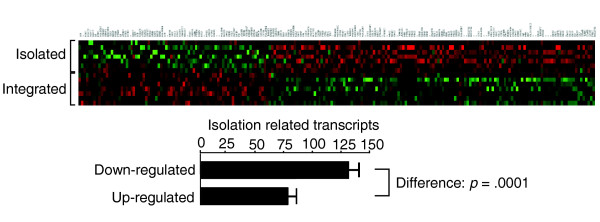
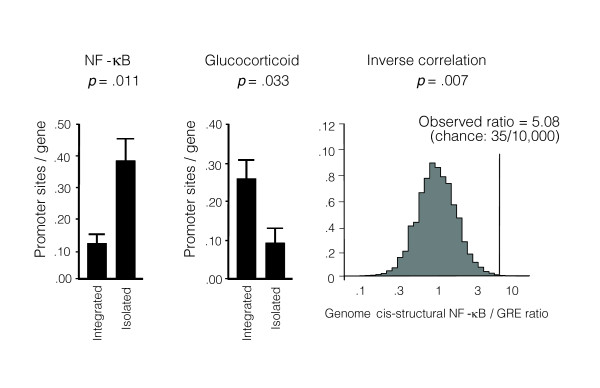
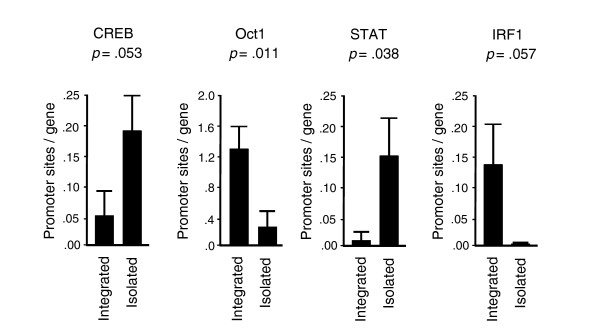
Background: Social environmental influences on human health are well established in the epidemiology literature, but their functional genomic mechanisms are unclear. The present study analyzed genome-wide transcriptional activity in people who chronically experienced high versus low levels of subjective social isolation (loneliness) to assess alterations in the activity of transcription control pathways that might contribute to increased adverse health outcomes in social isolates. Results: DNA microarray analysis identified 209 genes that were differentially expressed in circulating leukocytes from 14 high- versus low-lonely individuals, including up-regulation of genes involved in immune activation, transcription control, and cell proliferation, and down-regulation of genes supporting mature B lymphocyte function and type I interferon response. Promoter-based bioinformatic analyses showed under-expression of genes bearing anti-inflammatory glucocorticoid response elements (GREs; p = 0.032) and over-expression of genes bearing response elements for pro-inflammatory NF-κB/Rel transcription factors ( p = 0.011). This reciprocal shift in pro- and anti-inflammatory signaling was not attributable to differences in circulating cortisol levels, or to other demographic, psychological, or medical characteristics. Additional transcription control pathways showing differential activity in bioinformatic analyses included the CREB/ATF, JAK/STAT, IRF1, C/EBP, Oct, and GATA pathways. Conclusion: These data provide the first indication that human genome-wide transcriptional activity is altered in association with a social epidemiological risk factor. Impaired transcription of glucocorticoid response genes and increased activity of pro-inflammatory transcription control pathways provide a functional genomic explanation for elevated risk of inflammatory disease in individuals who experience chronically high levels of subjective social isolation.
Overview
The claims and statistics of this paper haven’t been checked yet.
Free: it reads the open-access text and checks the first 5 claims that cite a source we can check. Create a free account to check every claim.
Integrity signals
Registry
Cites
Statistics
Figures
Verification
Claims the paper makes
The claims and statistics of this paper haven’t been checked yet.
Free: it reads the open-access text and checks the first 5 claims that cite a source we can check. Create a free account to check every claim.
Claims other papers make about this one
Each is checked against this paper’s own text: does it say what the citing paper says it does?
The source backs part of the claim, not all of it — or backs it for a different population, condition or comparison.
In the citing paper
“Markers of immune activation and inflammation (e.g., pro-inflammatory cytokines and inflammatory mediators) were over-expressed in genes of the lonely relative to the socially connected group (37% of the 209 differentially expressed transcripts).”
From Loneliness matters: a theoretical and empirical review of consequences and mechanisms (2010) · cites this paper as [75]
Experimental — accuracy not yet measuredThe cited source says what the claim attributes to it.
In the citing paper
“in a genome-wide DNA microarray study, genes under-expressed by socially isolated individuals involved anti-inflammatory response elements and genes over-expressed involved proinflammatory response elements, compared to individuals who reported less social isolation”
From Close relationships, inflammation, and health (2010) · cites this paper as Cole et al., 2007
The cited source says what the claim attributes to it.
In the citing paper
“They also converge with a recent microarray profile of socially isolated individuals, which documented a similar pattern of diminished GR- and heightened NF-κB-dependent transcription (29).”
From A Functional Genomic Fingerprint of Chronic Stress in Humans: Blunted Glucocorticoid and Increased NF-κB Signaling (2008) · cites this paper as [29]
The cited source says what the claim attributes to it.
In the citing paper
“Subsequent bioinformatic analyses indicated that loneliness-associated differences in gene expression could be attributable to increased activity of the NF–κB transcription factor.”
From Loneliness matters: a theoretical and empirical review of consequences and mechanisms (2010) · cites this paper as [75]
The cited source says what the claim attributes to it.
In the citing paper
“Group differences in NF–κB/glucocorticoid receptor-mediated transcription activity were not attributable to objective indices of social isolation, nor were they explained by demographic, psychosocial (i.e., perceived stress, depression, hostility), or medical risk factors [75].”
From Loneliness matters: a theoretical and empirical review of consequences and mechanisms (2010) · cites this paper as [75]
7 more claims about this paper
Create a free account to see every claim other papers make about this one.
Self-check
Percentages, sums and reported differences re-computed from the paper’s own numbers.
The self-check needs the paper’s full text.
Citations
Cites
The CES-D Scale: A Self-Report Depression Scale for Research in the General Population
Radloff, L. S. (1977) · Applied Psychological Measurement · doi:10.1177/014662167700100306 · Cited by 53,267
Coussens, L. M., & Werb, Z. (2002) · Nature · doi:10.1038/nature01322 · Cited by 15,111
Inflammation, Atherosclerosis, and Coronary Artery Disease
Hansson, G. K. (2005) · New England Journal of Medicine · doi:10.1056/nejmra043430 · Cited by 8,773
Bolstad, B. M., Irizarry, R. A., Åstrand, M., & Speed, T. P. (2003) · Bioinformatics · doi:10.1093/bioinformatics/19.2.185 · Cited by 8,266 · cited 1×
“Robust multiarray averaging [60] was applied to quantify expression of the 22,283 assayed transcripts, and differentially expressed genes were identified as those showing ≥30% difference in mean expression levels in samples from high- versus low-lonely individuals (corresponding to a FDR of 10%) [59].”
MethodBERKMAN, L. F., & SYME, S. L. (1979) · American Journal of Epidemiology · doi:10.1093/oxfordjournals.aje.a112674 · Cited by 5,341
The Revised UCLA Loneliness Scale: concurrent and discriminant validity evidence
Russell, D., Peplau, L. A., & Cutrona, C. E. (1980) · Journal of Personality and Social Psychology · doi:10.1037/0022-3514.39.3.472 · Cited by 5,173 · cited 1×
“Social isolation Subjectively experienced social isolation was assessed by the UCLA-R Loneliness scale [53] at each yearly study visit.”
MethodAntiinflammatory Action of Glucocorticoids — New Mechanisms for Old Drugs
Rhen, T., & Cidlowski, J. A. (2005) · New England Journal of Medicine · doi:10.1056/nejmra050541 · Cited by 3,149 · cited 1×
“Cortisol activation of the glucocorticoid receptor (GR) exerts broad anti-inflammatory effects by inhibiting nuclear factor (NF)-κB/Rel transcription factors and other pro-inflammatory signaling pathways (for example, the Janus kinase-signal transducer and activator of transcription (JAK/STAT) and interferon response…”
BackgroundExpression monitoring by hybridization to high-density oligonucleotide arrays
Lockhart, D. J., Dong, H., Byrne, M. C., Follettie, M. T., Gallo, M. V., Chee, M. S., Mittmann, M., Wang, C., Kobayashi, M., Norton, H., et al. (1996) · Nature Biotechnology · doi:10.1038/nbt1296-1675 · Cited by 2,840
Uchino, B. N., Cacioppo, J. T., & Kiecolt-Glaser, J. K. (1996) · Psychological Bulletin · doi:10.1037/0033-2909.119.3.488 · Cited by 2,727 · cited 2×
“This result underscores the key role of subjective perceptual processes in transmitting the effects of social factors into physical biology via neuroendocrine alterations, and their subsequent impact on cellular gene expression [4,28,51,52].”
BackgroundSelf-citationCacioppo, J. T., Hughes, M. E., Waite, L. J., Hawkley, L. C., & Thisted, R. A. (2006) · Psychology and Aging · doi:10.1037/0882-7974.21.1.140 · Cited by 2,380 · cited 6×
“Global gene transcription profiles were assessed in circulating leukocytes from 14 individuals participating in the population-based Chicago Health Aging and Social Relations Study (CHASRS) [43].”
MethodInfluentialSelf-citation
Cited by
Items 201–300 of 741
Lea, A. J., Akinyi, M. Y., Nyakundi, R., Mareri, P., Nyundo, F., Kariuki, T., Alberts, S. C., Archie, E. A., & Tung, J. (2018) · Proceedings of the National Academy of Sciences · doi:10.1073/pnas.1811967115 · Cited by 70
“These results were surprising, given that work in captive female macaques (15, 16) and humans (38, 39) has consistently associated low, not high, social status with proinflammatory gene expression thought to be the result of chronic inflammation.”
Resultdos Santos, R. M. (2020) · Brain Behavior & Immunity - Health · doi:10.1016/j.bbih.2020.100103 · Cited by 82
A biopsychosocial framework for understanding sexual and gender minority health: A call for action
Christian, L. M., Cole, S. W., McDade, T. W., Pachankis, J. E., Morgan, E., Strahm, A. M., & Dush, C. M. K. (2021) · Neuroscience & Biobehavioral Reviews · doi:10.1016/j.neubiorev.2021.06.004 · Cited by 84
“2; Cole et al., 2007).”
BackgroundSelf-citationThe Association Between Loneliness and Inflammation: Findings From an Older Adult Sample
Bogart, K. V., Engeland, C. G., Sliwinski, M. J., Harrington, K., Knight, E. L., Zhaoyang, R., Scott, S., & Graham‐Engeland, J. E. (2022) · Frontiers in Behavioral Neuroscience · doi:10.3389/fnbeh.2021.801746 · Cited by 86
Kaushal, N., Nair, D., Gozal, D., & Ramesh, V. (2012) · Brain Research · doi:10.1016/j.brainres.2012.03.019 · Cited by 67
“…sleep and social isolation are frequent occurrences in humans, and have been both responsible for increased frequency and severity of multiple neurological and social disorders, suggesting the presence of interactive or cooperative mechanisms between them (Berkman et al., 2004; Cole et al., 2007).”
Biosocial Influences on the Family: A Decade Review
D'Onofrio, B. M., & Lahey, B. B. (2010) · Journal of Marriage and Family · doi:10.1111/j.1741-3737.2010.00729.x · Cited by 67
“For example, cortisol (a stress hormone) can serve as a transcription factor (Cole et al., 2007) and the experience of harsh parenting is associated with elevated levels of cortisol in children (Gunnar & Quevedo, 2007).”
BackgroundLinnenbringer, E. L., Gehlert, S. J., & Geronimus, A. T. (2017) · AIMS Public Health · doi:10.3934/publichealth.2017.5.526 · Cited by 70
“A recent report provides evidence that individuals with high self-reported levels of social isolation express genes that lead to over-activation of genes involved in the inflammatory response system, and under-activation of glucocorticoid response elements that are critical to the anti-inflammatory response system [85…”
Bouchard, L. C., Antoni, M. H., Blomberg, B. B., Stagl, J. M., Gudenkauf, L. M., Jutagir, D. R., Diaz, A., Lechner, S., Glück, S., Derhagopian, R. P., et al. (2016) · Psychosomatic Medicine · doi:10.1097/psy.0000000000000261 · Cited by 66
“, Gene Ontology) and Transcript Origin Analysis—a bioinformatics analysis (36,37)— suggested that this pattern of gene expression reflects up-regulation of nuclear factor-κ B–mediated pathways in myeloid cell lines (monocytes and plasmocytoid dendritic cells) (15).”
BackgroundTartter, M., Hammen, C., Bower, J. E., Brennan, P. A., & Cole, S. (2015) · Brain, Behavior, and Immunity · doi:10.1016/j.bbi.2015.01.003 · Cited by 66
“No previous empirical work has examined a gene-environment interaction at this locus, but the finding is in line with the pathogen host defense theory (PATHOS-D), which posits that pro-inflammatory genotypes enhance depression risk (Raison and Miller, 2012).”
BackgroundMethodInfluentialSelf-citationVingeliene, S., Hiyoshi, A., Lentjes, M. A. H., Fall, K., & Montgomery, S. (2019) · Psychoneuroendocrinology · doi:10.1016/j.psyneuen.2019.104421 · Cited by 79
Loneliness as a risk factor for frailty transition among older Chinese people
Sha, S., Xu, Y., & Chen, L. (2020) · BMC Geriatrics · doi:10.1186/s12877-020-01714-5 · Cited by 76
Bisogno, A., Scarpa, A., Girolamo, S. D., Luca, P. D., Cassandro, C., Viola, P., Ricciardiello, F., Greco, A., VINCENTIIS, M. D., Ralli, M., et al. (2021) · Life · doi:10.3390/life11101102 · Cited by 84
“Social isolation also promotes negative biological mechanisms, such as increased transcription of pro-inflammatory genes and, therefore, an increase in the general inflammatory status, which is a major risk factor for damage even to cerebral functions [71,72].”
BackgroundNF-κB contributes to the detrimental effects of social isolation after experimental stroke
Venna, V. R., Weston, G., Benashski, S. E., Tarabishy, S., Liu, F., Li, J., Conti, L. H., & McCullough, L. D. (2012) · Acta Neuropathologica · doi:10.1007/s00401-012-0990-8 · Cited by 65
“Interestingly, microarray analyses of peripheral blood monocytes have shown a heightened expression of gene transcripts with response elements for NF-jB [37] in lonely versus non-lonely individuals, consistent with the concept that increased inflammation contributes to the negative impact of SI [5].”
BackgroundHearing loss and cognitive decline in older adults: questions and answers
Adults, F. T. P. I. T. W. O. H. L. A. C. D. I. O., Bernabei, R., Bonuccelli, U., Maggi, S., Marengoni, A., Martini, A., Memo, M., Pecorelli, S., Peracino, A. P., Quaranta, N. A. A., et al. (2014) · Aging Clinical and Experimental Research · doi:10.1007/s40520-014-0266-3 · Cited by 74
“increased inflammation [22, 23]; (b) poorer health behavioral pathways: smoking, adherence to medical treatment, diet, exercise, and (c) psychological pathways: self-esteem, self-efficacy, coping, sense of well-being.”
Towards precision medicine for stress disorders: diagnostic biomarkers and targeted drugs
Le-Niculescu, H., Roseberry, K., Levey, D. F., Rogers, J., Kosary, K., Prabha, S., Jones, T., Judd, S., McCormick, M. A., Wessel, A. R., et al. (2020) · Molecular Psychiatry · doi:10.1038/s41380-019-0370-z · Cited by 62
“Importantly, NKTR, increased in expression in blood in High Stress states in our studies, was also reported increased in expression in blood in studies of social isolation in humans [18] and in brain in studies of chronic variable stress in mice by Nestler and colleagues [12].”
BackgroundLahey, B. B., Rathouz, P. J., Lee, S. S., Chronis-Tuscano, A., Pelham, W. E., Waldman, I. D., & Cook, E. H. (2011) · Journal of Abnormal Psychology · doi:10.1037/a0021133 · Cited by 63
“Because stress hormones, such as cortisol, moderate gene expression and are strongly influenced by the social environment (Cole et al., 2007), the social environment can regulate gene expression.”
BackgroundTowards a Truly Developmental Epigenetics
Lickliter, R., & Witherington, D. C. (2017) · Human Development · doi:10.1159/000477996 · Cited by 63
“The work of Cole and colleagues [Cole, 2014; Cole et al., 2007; Slavich & Cole, 2013] illustrates this key insight by providing evidence of the rich interplay between biological and social levels of analysis.”
BackgroundThe Effect of Psychological Stress and Social Isolation on Neuroimmunoendocrine Communication
Cruces, J., Venero, C., Pereda-Pérez, I., & la Fuente, M. D. (2014) · Current Pharmaceutical Design · doi:10.2174/1381612820666140130205822 · Cited by 77
Walsh, K., Basu, A., Werner, E., Lee, S., Feng, T., Osborne, L. M., Rainford, A., Gilchrist, M., & Monk, C. (2016) · Psychosomatic Medicine · doi:10.1097/psy.0000000000000344 · Cited by 61
“In addition, abuse can lead to glucocorticoid receptor desensitization, resulting in complex alterations in typical regulatory dynamics [58].”
BackgroundLoneliness and psychotic experiences in a general population sample
Narita, Z. C., Stickley, A., & DeVylder, J. (2020) · Schizophrenia Research · doi:10.1016/j.schres.2020.01.018 · Cited by 68
Behavioral and Transcriptomic Fingerprints of an Enriched Environment in Horses (Equus caballus)
Lansade, L., Valenchon, M., Foury, A., Neveux, C., Cole, S. W., Layé, S., Cardinaud, B., Lévy, F., & Moisan, M. (2014) · PLoS ONE · doi:10.1371/journal.pone.0114384 · Cited by 73
“Overrepresentation of the CREB transcription factors in chronically isolated versus socially integrated people has been observed previously [45].”
Self-citationSurgery accelerates the development of endometriosis in mice
Long, Q., Liu, X., & Guo, S. (2016) · American Journal of Obstetrics and Gynecology · doi:10.1016/j.ajog.2016.02.055 · Cited by 69
Miller, G. E., Borders, A. E., Crockett, A. H., Ross, K. M., Qadir, S., Keenan-Devlin, L., Leigh, A. K., Ham, P., Ma, J., Arevalo, J. M. G., et al. (2017) · Brain, Behavior, and Immunity · doi:10.1016/j.bbi.2017.04.014 · Cited by 62
“…activity of NF-jB, a pivotal proinflammatory transcription factor, which has shown upregulation in previous studies of disadvantage and adversity more generally (Cole, 2014; Chen et al., 2009; Powell et al., 2013; Miller et al., 2009; Cole et al., 2011; Miller et al., 2014b; Cole et al., 2007).”
Self-citationOptimism and the conserved transcriptional response to adversity.
Uchida, Y., Kitayama, S., Akutsu, S., Park, J., & Cole, S. W. (2018) · Health Psychology · doi:10.1037/hea0000675 · Cited by 65
“…has been observed in a variety of adverse life circumstances, such as social isolation, low socioeconomic status, bereavement, and chronic stress (Cole et al., 2007; Levine, Crimmins, Weir, & Cole, 2017; O’Connor, Schultze-Florey, Irwin, This article was published Online First September 17, 2018.”
Self-citationMuehsam, D. J., & Ventura, C. (2014) · Global Advances in Health and Medicine · doi:10.7453/gahmj.2014.008 · Cited by 77
Natural disaster and immunological aging in a nonhuman primate
Watowich, M. M., Chiou, K. L., Montague, M. J., Simons, N. D., Horvath, J. E., Ruiz-Lambides, A. V., Martínez, M. I., Higham, J. P., Brent, L. J. N., Platt, M. L., et al. (2022) · Proceedings of the National Academy of Sciences · doi:10.1073/pnas.2121663119 · Cited by 59
Neural reflex regulation of systemic inflammation: potential new targets for sepsis therapy
Fernandez, R., Nardocci, G., Navarro, C., Reyes, E. P., Acuña-Castillo, C., & Cortes, P. P. (2014) · Frontiers in Physiology · doi:10.3389/fphys.2014.00489 · Cited by 60
Hirose, Y., Yamamoto, Y., Yoshikai, Y., & Murosaki, S. (2013) · Journal of Nutritional Science · doi:10.1017/jns.2013.35 · Cited by 59
The effect of listening to music on human transcriptome
Kanduri, C., Raijas, P., Ahvenainen, M., Philips, A. K., Ukkola‐Vuoti, L., Lähdesmäki, H. J., & Järvelä, I. E. (2015) · PeerJ · doi:10.7717/peerj.830 · Cited by 68
Potier, F., Degryse, J., & de Saint‐Hubert, M. (2017) · Aging Clinical and Experimental Research · doi:10.1007/s40520-017-0765-0 · Cited by 64
“He found an overexpression of genes involved in the pro-inflammatory response among people who chronically experienced subjective social isolation [58].”
BackgroundOxytocin administration prevents cellular aging caused by social isolation
Stevenson, J. R., McMahon, E. K., Boner, W., & Haussmann, M. F. (2019) · Psychoneuroendocrinology · doi:10.1016/j.psyneuen.2019.01.006 · Cited by 59
“While social isolation, HPA-axis activation, telomere degradation, and anhedonia have been linked to inflammatory factors (Chrousos, 1995; Franceschi et al., 2000; McDade et al., 2006; Cole et al., 2007; Biesmans et al., 2016), Stevenson et al.”
Human social genomics: Concepts, mechanisms, and implications for health
Slavich, G. M., Mengelkoch, S., & Cole, S. W. (2023) · Lifestyle Medicine · doi:10.1002/lim2.75 · Cited by 72
“24 These shifts in immune response gene expression were linked to increased activity of the transcription factors, NF-κ B and AP-1, which upregulate inflammation; decreased activity of interferon response factors, which promote innate antiviral resistance; and decreased activity of the…”
BackgroundInfluentialSelf-citationThe effect of music performance on the transcriptome of professional musicians
Kanduri, C., Kuusi, T., Ahvenainen, M., Philips, A. K., Lähdesmäki, H. J., & Järvelä, I. E. (2015) · Scientific Reports · doi:10.1038/srep09506 · Cited by 68
Breaking the vicious cycle: The interplay between loneliness, metabolic illness, and mental health
Ahmed, M., Cerda, I. H., & Maloof, M. (2023) · Frontiers in Psychiatry · doi:10.3389/fpsyt.2023.1134865 · Cited by 69
“DNA microarray analyses of circulating leukocytes from lonely individuals revealed an overexpression of NF-κB/Rel-driven genes involved in immune activation and cell proliferation, and an under-expression of anti-inflammatory glucocorticoid response elements, relative to socially connected controls (43).”
BackgroundNeuroendocrine Regulation of Tumor-Associated Immune Cells
Colón-Echevarria, C. B., Lamboy-Caraballo, R., Aquino-Acevedo, A. N., & Armaiz-Peña, G. N. (2019) · Frontiers in Oncology · doi:10.3389/fonc.2019.01077 · Cited by 63
“Moreover, inadequate inflammatory control, impaired transcription of glucocorticoid response genes, and leukocytes with increased activity in pro-inflammatory transcription were seen in socially isolated adults (74).”
BackgroundSuarez, E. C., Sundy, J. S., & Erkanli, A. (2014) · Brain Behavior and Immunity · doi:10.1016/j.bbi.2014.09.008 · Cited by 62
Yan, Y., Dong, J., Liu, Y.-Q., Zhang, J., Song, M., He, Y. L., & Wang, W. (2015) · Stress · doi:10.3109/10253890.2014.999233 · Cited by 65
“…expression were identified in leukocyte RNA from adults using differential gene expression analysis on microarrays, gene ontology analysis and transcription factor binding motif analyses as biomarkers of exposure to chronic psychosocial stressors (Cole et al., 2007; Miller et al., 2009).”
MethodMcDade, T. W., M. Ross, K., L. Fried, R., Arevalo, J. M. G., Ma, J., Miller, G. E., & Cole, S. W. (2016) · Biodemography and Social Biology · doi:10.1080/19485565.2016.1185600 · Cited by 55
“…changes in gene expression, such as increased activity of the pro-inflammatory transcription factor, nuclear factor kappa B (NF-κB), and decreased activity of interferon response factors (IRFs) (Cole et al. 2007, 2011; Fredrickson et al. 2013; Miller et al. 2008, 2009a, 2014; Powell et al. 2013).”
Self-citationAllele-specific gene expression in a wild nonhuman primate population
Tung, J., Akinyi, M. Y., Mutura, S., Altmann, J., Wray, G. A., & Alberts, S. C. (2011) · Molecular Ecology · doi:10.1111/j.1365-294x.2010.04970.x · Cited by 55
“For example, social environment may be particularly important in shaping the expression of genes regulated by glucocorticoids (Cole et al. 2007; Miller et al. 2009).”
Subjective social status and inflammatory gene expression.
Murray, D. R., Haselton, M. G., Fales, M. R., & Cole, S. W. (2019) · Health Psychology · doi:10.1037/hea0000705 · Cited by 60
“…these results do suggest that perceived low social status has transcriptional correlates similar to those previously observed for other forms of chronic adversity including low objective SES, social isolation, and chronic stress (Chen et al., 2009; Cole et al., 2007; Miller et al., 2008, 2014).”
Self-citationMontoliu, T., Hidalgo, V., & Salvador, A. (2019) · Psychoneuroendocrinology · doi:10.1016/j.psyneuen.2019.05.024 · Cited by 68
Holuka, C., Merz, M. P., Fernandes, S. B., Charalambous, E. G., Seal, S. V., Grova, N., & Turner, J. D. (2020) · International Journal of Molecular Sciences · doi:10.3390/ijms21145094 · Cited by 59
Feinstein, D. L., & Church, D. (2010) · Review of General Psychology · doi:10.1037/a0021252 · Cited by 67
“Other studies have found that depressed people have increased inflammation and impaired cell repair function (Cole et al., 2007).”
Psychosocial factors and hematopoietic stem cell transplantation: Potential biobehavioral pathways
Knight, J. M., Lyness, J. M., Sahler, O. J. Z., Liesveld, J. L., & Moynihan, J. A. (2013) · Psychoneuroendocrinology · doi:10.1016/j.psyneuen.2013.06.016 · Cited by 62
“Altered genome wide expression of transcription factors consistent with stress physiology is observed in both socially isolated adults as well as adults reared in unfavorable socioeconomic conditions (Cole et al., 2007; Miller et al., 2009).”
BackgroundAge, the Life Course, and the Sociological Imagination
Dannefer, D. (2010) · Elsevier eBooks · doi:10.1016/b978-0-12-380880-6.00001-0 · Cited by 66
Natural language indicators of differential gene regulation in the human immune system
Mehl, M. R., Raison, C. L., Pace, T. W. W., Arevalo, J. M. G., & Cole, S. W. (2017) · Proceedings of the National Academy of Sciences · doi:10.1073/pnas.1707373114 · Cited by 54
“Consistent with previous research (9, 10, 29, 37), loneliness was associated with up-regulation of the CTRA.”
BackgroundResultSelf-citationPredicting loneliness with polygenic scores of social, psychological and psychiatric traits
Abdellaoui, A., Nivard, M. G., Hottenga, J. ‐., Fedko, I., Verweij, K. J. H., Baselmans, B. M. L., Ehli, E. A., Davies, G. E., Bartels, M., Boomsma, D. I., et al. (2018) · Genes, Brain and Behavior · doi:10.1111/gbb.12472 · Cited by 52
Self-citationSleep Disturbance and Older Adults' Inflammatory Responses to Acute Stress
Heffner, K. L., Ng, H. M., Suhr, J. A., France, C. R., Marshall, G. D., Pigeon, W. R., & Moynihan, J. A. (2012) · The American Journal of Geriatric Psychiatry · doi:10.1097/jgp.0b013e31824361de · Cited by 52
“both sleep (7) and elevated inflammatory markers (9, 26) would help explain associations between poor sleep and IL-6 responses in older adults.”
BackgroundMacCormack, J. K., & Lindquist, K. A. (2016) · Emotion Review · doi:10.1177/1754073916639664 · Cited by 63
“…across a wide range of disorders (see Iwata, Ota, & Duman, 2013) as well as in response to tissue trauma, chemotherapy, surgery, and social stressors (Brydon, Edwards, Mohamed-Ali, & Steptoe, 2004; Cole et al., 2012; Cole et al., 2007; O’Conner, Schultze-Florey, Irwin, Arevalo, & Cole, 2014).”
BackgroundCastagné, R., Kelly‐Irving, M., Campanella, G., Guida, F., Krogh, V., Palli, D., Panico, S., Sacerdote, C., Tumino, R., Kleinjans, J. C. S., et al. (2016) · Scientific Reports · doi:10.1038/srep38705 · Cited by 53
Knight, J. M., Rizzo, J. D., Hari, P., Pasquini, M. C., Giles, K. E., D’Souza, A., Logan, B. R., Hamadani, M., Chhabra, S., Dhakal, B., et al. (2020) · Blood Advances · doi:10.1182/bloodadvances.2019000765 · Cited by 57
Self-citationLong-term impact of social isolation and molecular underpinnings
Arzate-Mejía, R. G., Lottenbach, Z., Schindler, V., Jawaid, A., & Mansuy, I. M. (2020) · Frontiers in Genetics · doi:10.3389/fgene.2020.589621 · Cited by 51
Reisinger, M. W., Moss, M., & Clark, B. J. (2018) · BMJ Open · doi:10.1136/bmjopen-2017-018139 · Cited by 59
“Uninsured 643 (9) 418 (7) 224 (17) <0.”
Depressive Symptoms, Social Support, and Risk of Adult Asthma in a Population-Based Cohort Study
Loerbroks, A., Apfelbacher, C., Bosch, J. A., & Stürmer, T. (2010) · Psychosomatic Medicine · doi:10.1097/psy.0b013e3181d2f0f1 · Cited by 55
“For example, microarray analysis found genome-wide transcriptional alterations in leukocytes of socially isolated individuals indicative of enhanced inflammatory activity (43).”
BackgroundRestorative Biological Processes and Health
Robles, T. F., & Carroll, J. E. (2011) · Social and Personality Psychology Compass · doi:10.1111/j.1751-9004.2011.00368.x · Cited by 50
“Indeed, second messenger pathways are becoming increasingly studied in biobehavioral research (Bierhaus et al., 2003; Cole et al., 2007; Pace, Hu, & Miller, 2007).”
BackgroundLazarus, S. A., & Cheavens, J. S. (2017) · Personality Disorders Theory Research and Treatment · doi:10.1037/per0000201 · Cited by 62
Sha, S., Pan, Y., Xu, Y., & Chen, L. (2022) · BMC Geriatrics · doi:10.1186/s12877-022-03044-0 · Cited by 56
Response and habituation of pro- and anti-inflammatory gene expression to repeated acute stress
McInnis, C. M., Wang, D., Gianferante, D., Hanlin, L., Chen, X., Thoma, M. V., & Rohleder, N. (2015) · Brain, Behavior, and Immunity · doi:10.1016/j.bbi.2015.02.006 · Cited by 49
Expression Profiles of Loneliness-associated Genes for Survival Prediction in Cancer Patients
You, L.-F., Yeh, J., & Su, M.-C. (2014) · Asian Pacific Journal of Cancer Prevention · doi:10.7314/apjcp.2014.15.1.185 · Cited by 48
“The characteristics of psychological participants of high lonely and low lonely groups were listed in Table 1 (Cole et al., 2007).”
BackgroundInfluentialWhy are behavioral and immune traits linked?
Lopes, P. C. (2016) · Hormones and Behavior · doi:10.1016/j.yhbeh.2016.09.008 · Cited by 52
“Using a functional genomics approach, Cole et al. (2007) found a relationship between loneliness and overexpression of pro-inflammatory genes.”
The impact of environmental enrichment on the murine inflammatory immune response
Brod, S., Gobbetti, T., Gittens, B. R., Lab), M. O. (., Perretti, M., & D’Acquisto, F. (2017) · JCI Insight · doi:10.1172/jci.insight.90723 · Cited by 51
“While the growing availability of clinical and epidemiological data provides us with a broad picture of the incidence and outcomes of this cross-talk (11, 12),”
BackgroundWhat Are the Brain Mechanisms on Which Psychological Processes Are Based?
Cacioppo, J. T., & Decety, J. (2009) · Perspectives on Psychological Science · doi:10.1111/j.1745-6924.2009.01094.x · Cited by 58
“This realization led to the second view, in which networks of genes and multiple environmental factors (including social environmental factors; see Cole et al., 2007; Ruan & Wu, 2008) impact neuroendocrine and brain development and function, which in turn influences psychological and behavioral processes (see Fig. 1,…”
BackgroundSelf-citationSmoking, physical activity and healthy aging in India
Cramm, J. M., & Lee, J. (2014) · BMC Public Health · doi:10.1186/1471-2458-14-526 · Cited by 48
Gomez-Bernal, F., Madva, E. N., Puckett, J. A., Amonoo, H. L., Millstein, R. A., & Huffman, J. C. (2018) · Psychosomatics · doi:10.1016/j.psym.2018.12.007 · Cited by 55
Divergent gene expression responses to Complicated Grief and Non-complicated Grief
O’Connor, M.-F., Schultze-Florey, C. R., Irwin, M. R., Arevalo, J. M. G., & Cole, S. W. (2014) · Brain, Behavior, and Immunity · doi:10.1016/j.bbi.2013.12.017 · Cited by 46
“…subjected to genome-wide transcriptional profiling using Illumina Human HT-12 v3 Expression BeadChips (Illumina Inc., San Diego, CA), following the manufacturer’s standard protocol in the UCLA Southern California Genotyping Consortium Core Laboratory, described previously (Cole et al., 2007, 2010).”
Self-citationAspler, A. L., Bolshin, C., Vernon, S. D., & Broderick, G. (2008) · Behavioral and Brain Functions · doi:10.1186/1744-9081-4-44 · Cited by 47
Lardone, A., Sorrentino, P., Giancamilli, F., Palombi, T., Simper, T. N., Mandolesi, L., Lucidi, F., Chirico, A., & Galli, F. (2020) · PeerJ · doi:10.7717/peerj.10611 · Cited by 53
“, 2017), inflammatory diseases (Cole et al., 2007), depressive symptoms (Jose & Lim, 2014), diminished executive control (Cacioppo et al.”
BackgroundFelger, J. C., Haroon, E., Woolwine, B. J., Raison, C. L., & Miller, A. H. (2016) · Physiology & Behavior · doi:10.1016/j.physbeh.2015.12.013 · Cited by 42
“well as other populations experiencing significant psychosocial stress [5,8,31].”
BackgroundMellon, S. H., Wolkowitz, O. M., Schonemann, M. D., Epel, E. S., Rosser, R., Burke, H. B., Mahan, L., Reus, V. I., Stamatiou, D., Liew, C. C., et al. (2016) · Translational Psychiatry · doi:10.1038/tp.2016.79 · Cited by 46
Self-citationPrestroke Living Situation and Depression Contribute to Initial Stroke Severity and Stroke Recovery
Aron, A. W., Staff, I., Fortunato, G., & McCullough, L. D. (2014) · Journal of Stroke and Cerebrovascular Diseases · doi:10.1016/j.jstrokecerebrovasdis.2014.09.024 · Cited by 47
“Anti-inflammatory glucocorticoid response elements (GRE) were found to be under-expressed in lonely individuals, whereas over-expression of genes bearing response elements for the pro-inflammatory NK-κB/Rel transcription factor were seen[39].”
BackgroundLoneliness and vascular biomarkers: the Dublin Healthy Ageing Study
O'Luanaigh, C., O'Connell, H., Chin, A. V., Hamilton, F., Coen, R., Walsh, C., Walsh, J. B., Coakley, D., Molloy, A., Scott, J., et al. (2012) · International Journal of Geriatric Psychiatry · doi:10.1002/gps.2695 · Cited by 45
“Consistent with the model of chronic stress and loneliness as pro-inflammatory states is the fact that impaired transcription of glucocorticoid response genes and increased activity of pro-inflammatory transcription control pathways have been found in individuals who experienced loneliness (Cole et al., 2007).”
BackgroundInfluentialLoneliness, Depression, and Inflammation: Evidence from the Multi-Ethnic Study of Atherosclerosis
Mezuk, B., Choi, M., DeSantis, A. S., Rapp, S. R., Diez Roux, A. V., & Seeman, T. (2016) · PLOS ONE · doi:10.1371/journal.pone.0158056 · Cited by 44
“Also, recent studies examining expression of immune-related genes in leukocytes suggest that loneliness is associated with upregulation of pro-inflammatory genes [37], and these types of measures may be more sensitive indices of the biological correlates of psychological states like loneliness [38].”
BackgroundNorman, G. J., Zhang, N., Morris, J. S., Karelina, K., Berntson, G. G., & DeVries, A. C. (2010) · Proceedings of the National Academy of Sciences · doi:10.1073/pnas.1007583107 · Cited by 43
“Previous reports have demonstrated the ability of social behavior to modulate immune function (23, 30, 31) and inflammatory responses to cerebral ischemia (23, 24, 29).”
BackgroundSchibli, K., Wong, K., Hedayati, N., & D’Angiulli, A. (2017) · Annals of the New York Academy of Sciences · doi:10.1111/nyas.13369 · Cited by 60
The Biology of Social Adversity Applied to Oral Health
Gomaa, N. A., Tenenbaum, H. C., Glogauer, M., & Quiñonez, C. (2019) · Journal of Dental Research · doi:10.1177/0022034519876559 · Cited by 56
“…glucocorticoid inhibition of proinflammatory cytokine responses, and the disruption of leukocyte distributional sensitivity to glucocorticoids (Bauer et al. 2000; Stark et al. 2001; Miller et al. 2002; Miller and Chen 2006; Cole et al. 2007; Cole 2008; Miller et al. 2008; Yurtsever et al. 2019).”
BackgroundPsychological Stress, Immunity, and the Effects on Indigenous Microflora
Bailey, M. T. (2016) · Advances in experimental medicine and biology · doi:10.1007/978-3-319-20215-0_11 · Cited by 44
“Human studies employing gene chip technology corroborate findings from murine studies, and have found an underrepresentation of genes containing a glucocorticoid response element and an overrepresentation of genes controlled by the transcription factor NF-kB (which controls the transcriptional expression of inflammato…”
ResultDavidson, S. K., Dowrick, C. F., & Gunn, J. M. (2016) · Journal of Affective Disorders · doi:10.1016/j.jad.2015.12.025 · Cited by 50
“epidemiology studies are supported by a genomic study which found that perceived, but not objective, social isolation was associated with altered gene expression (Cole et al., 2007).”
BackgroundNervous system regulation of the cancer genome
Cole, S. W. (2013) · Brain, Behavior, and Immunity · doi:10.1016/j.bbi.2012.11.008 · Cited by 41
“Several studies have also linked chronic stress to reduced (not increased) expression of GR target genes despite the presence of stable or increasing levels of glucocorticoid hormones (Cole et al., 2007; Miller et al., 2008b, 2009b; O’Donovan et al., 2011).”
InfluentialSelf-citationPsychosocial stress and cancer risk: a narrative review
Mohan, A., Huybrechts, I., & Michels, N. (2022) · European Journal of Cancer Prevention · doi:10.1097/cej.0000000000000752 · Cited by 48
“However, chronic stressful social conditions induce a stable or increasing level of glucocorticoids with an increased inflammation rate (Dickerson and Kemeny, 2004; Cole et al., 2007).”
BackgroundGalhardo, L., & Oliveira, R. F. (2013) · Hormones and Behavior · doi:10.1016/j.yhbeh.2013.10.010 · Cited by 45
“However, individual differences in the perception of social isolation are present in humans and modulate the above-mentioned impact of social isolation on biological function (e.g. Cacioppo et al., 2009; Cole et al., 2007).”
BackgroundPopulation Disparities in Mental Health: Insights From Cultural Neuroscience
Chiao, J. Y., & Blizinsky, K. D. (2013) · American Journal of Public Health · doi:10.2105/ajph.2013.301440 · Cited by 47
PsychoBehavioroimmunology: Connecting the Behavioral Immune System to Its Physiological Foundations
Murray, D. R., Prokosch, M. L., & Airington, Z. (2019) · Frontiers in Psychology · doi:10.3389/fpsyg.2019.00200 · Cited by 44
Cole, S. W., Arevalo, J. M. G., Manu, K., Telzer, E. H., Kiang, L., Bower, J. E., Irwin, M. R., & Fuligni, A. J. (2011) · Developmental Psychology · doi:10.1037/a0023871 · Cited by 41
“In addition to further studies clarifying the molecular basis for age-dependent antagonistic pleiotropy at the IL6 174 locus, additional studies will also be required to determine whether that polymorphism interacts in an age-dependent manner with other types of socioenvironmental adversity previously linked to chroni…”
BackgroundSelf-citationFalling in love is associated with immune system gene regulation
Murray, D. R., Haselton, M. G., Fales, M. R., & Cole, S. W. (2018) · Psychoneuroendocrinology · doi:10.1016/j.psyneuen.2018.09.043 · Cited by 44
“Analyses also assessed changes in expression of a 53-gene contrast score representing the CTRA profile of up-regulated pro-inflammatory genes (19 transcripts) and down-regulated Type I interferon response genes (31 transcripts) and antibody-related genes (3 transcripts) as previously described (Cole et al., 2007).”
BackgroundMethodSelf-citationXie, T., Yang, J. P., Simoni, J. M., Shiu, C. A., Chen, W., Zhao, H., & Lu, H. (2017) · Journal of Clinical Psychology in Medical Settings · doi:10.1007/s10880-017-9513-z · Cited by 43
“Furthermore, while previous research has documented the negative impact of social isolation among multiple populations (Cacioppo et al., 2003; Cole et al., 2007), no research we could locate examines differences between consequences caused by isolation that is initiated by other people versus isolation that is initiat…”
Loneliness and biological responses to acute stress in people with Type 2 diabetes
Hackett, R. A., Poole, L., Hunt, E., Panagi, L., & Steptoe, A. (2019) · Psychophysiology · doi:10.1111/psyp.13341 · Cited by 43
“Some studies have found increased circulating C‐reactive protein (CRP) levels (Cole et al., 2007; Nersesian et al., 2018), whereas others have found no association (McDade, Hawkley, & Cacioppo, 2006; Mezuk et al.”
BackgroundLoneliness and Functional Decline in Aging: A Systematic Review
Pollak, C., Verghese, J., & Blumen, H. M. (2023) · Research in Gerontological Nursing · doi:10.3928/19404921-20230503-02 · Cited by 62
Social isolation and loneliness: Undervalued risk factors for disease states and mortality
Kanbay, M., Tanrıöver, C., Çöpür, S., Peltek, İ. B., Mutlu, A., Mallamaci, F., & Zoccali, C. (2023) · European Journal of Clinical Investigation · doi:10.1111/eci.14032 · Cited by 56
Male infants and birth complications are associated with increased incidence of postnatal depression
Myers, S., & Johns, S. E. (2018) · Social Science & Medicine · doi:10.1016/j.socscimed.2018.10.008 · Cited by 43
Scharf, I., Stoldt, M., Libbrecht, R., Höpfner, A. L., Jongepier, E., Kever, M., & Foitzik, S. (2021) · Molecular Ecology · doi:10.1111/mec.15902 · Cited by 47
“While some genes involved in immune system functioning are downregulated with social isolation in humans, other genes are upregulated (Cole et al., 2007).”
BackgroundSprehn, G. C., Chambers, J. E., Saykin, A. J., Konski, A. A., & Johnstone, P. A. S. (2009) · Cancer · doi:10.1002/cncr.24547 · Cited by 50
“Recent work identifying specific profiles of gene expression in immune cells in individuals who experience chronically high levels of loneliness may help to provide a mechanistic understanding of these complex relationships.(22) Other possible factors reducing survival in those who are separated may include the previo…”
BackgroundHealth, wartime stress, and unit cohesion: Evidence from Union Army veterans
Costa, D. L., & Kahn, M. E. (2010) · Demography · doi:10.1353/dem.0.0095 · Cited by 43
“…immune response (Cohen et al. 1992; Thomas, Goodwin, and Goodwin 1985) and neuroendocrine functioning (Seeman et al. 1994); feelings of social isolation may even be linked to alterations in the activity of genes that drive infl ammation, the fi rst response of the immune system (Cole et al. 2007).”
BackgroundHow Does Psychosocial Behavior Contribute to Cognitive Health in Old Age?
Wilson, R., & Bennett, D. A. (2017) · Brain Sciences · doi:10.3390/brainsci7060056 · Cited by 40
“Loneliness has been associated with the expression of inflammatory genes in peripheral leukocytes [97].”
BackgroundFlentje, A., Kober, K. M., Carrico, A. W., Neilands, T. B., Flowers, E., Heck, N. C., & Aouizerat, B. E. (2018) · Brain Behavior and Immunity · doi:10.1016/j.bbi.2018.03.016 · Cited by 43
Sanz, J., Maurizio, P. L., Snyder-Mackler, N., Simons, N. D., Voyles, T., Kohn, J., Michopoulos, V., Wilson, M., Tung, J., & Barreiro, L. B. (2020) · Proceedings of the National Academy of Sciences · doi:10.1073/pnas.1820846116 · Cited by 37
Longitudinal analyses indicate bidirectional associations between loneliness and health
Phillips, D., Finkel, D., Petkus, A. J., Muñoz, E., Pahlen, S., Johnson, W., Reynolds, C. A., & Pedersen, N. L. (2022) · Aging & Mental Health · doi:10.1080/13607863.2022.2087210 · Cited by 42
“Indeed, loneliness correlates with higher cortisol levels indicative of hypothalamic-pituitary-adrenal (HPA) axis dysregulation, heightened inflammation, worse immune function, and an altered pattern of gene expression in blood leukocytes characterized by increased expression of pro-inflammatory genes and reduced expr…”
BackgroundOpportunities and challenges of big data for the social sciences: The case of genomic data
Liu, H., & Guo, G. (2016) · Social Science Research · doi:10.1016/j.ssresearch.2016.04.016 · Cited by 44
Canli, T., Yu, L., Yu, X., Zhao, H., Fleischman, D. A., Wilson, R. S., Jager, P. L. D., & Bennett, D. A. (2018) · Translational Psychiatry · doi:10.1038/s41398-017-0086-2 · Cited by 40
Knight, J. M., Kerswill, S. A., Hari, P., Cole, S. W., Logan, B. R., D’Souza, A., Shah, N. N., Horowitz, M. M., Stolley, M. R., Sloan, E. K., et al. (2018) · BMC Cancer · doi:10.1186/s12885-018-4509-0 · Cited by 40
“The current sample size estimate of 25 (12–13 per arm) was chosen based on previous studies with similar or smaller sample sizes that have evaluated gene expression as a function of psychosocial factors and yielded hundreds of differentially expressed genes that generate statistically significant results in higher-ord…”
BackgroundMethodSelf-citationBlack, D. S., Irwin, M. R., Olmstead, R. E., Ji, E., Breen, E. C., & Motivala, S. J. (2014) · Psychotherapy and Psychosomatics · doi:10.1159/000359956 · Cited by 40
Metadata
- Authors
- Cole, S. W., Hawkley, L. C., Arevalo, J. M., Sung, C. Y., Rose, R. M., & Cacioppo, J. T.
- Affiliations
- University of California, Los Angeles (US)
- University of Chicago (US)
- John D. and Catherine T. MacArthur Foundation (US)
- Corresponding author
- Cole, Steve W
- Venue
- Genome Biology
- Published
- 2007-09-13
- Volume
- 8
- Issue
- 9
- Pages
- R189-R189
- ISSN
- 1465-6906 (ISSN-L)
- 1474-760X
- PMC
- PMC2375027
- OpenAlex
- W2170607802
- Cited by
- 745
- References
- 73
- Citations by year
- 2026: 41 · 2025: 46 · 2024: 34 · 2023: 46 · 2022: 40 · 2021: 42 · 2020: 45 · 2019: 40 · 2018: 42 · 2017: 35 · 2016: 51 · 2015: 45 · 2014: 43 · 2013: 39 · 2012: 44
- FWCI
- 9.56
- Type
- journal article
- Language
- en
- Open access
- gold
- doi.org
- Licence
- cc-by
- creativecommons.org/licenses/by/2.0/ (tdm)
- creativecommons.org/licenses/by/2.0/ (vor)
- Locations
- Genome biology (publishedVersion, cc-by)
- PubMed Central (publishedVersion, cc-by)
- PubMed (publishedVersion)
- eScholarship (California Digital Library) (submittedVersion)
- eScholarship (California Digital Library) (submittedVersion, cc-by)
- Funders
- John D. and Catherine T. MacArthur Foundation
- John Templeton Foundation
- National Institutes of Health
- National Institute on Aging (P01 AG19811)
- National Cancer Institute (R01CA116778)
- National Institute of Allergy and Infectious Diseases (R01 AI52737, R01AI052737)
- National Center for Research Resources (P20RR020645)
- Topics
- Life Sciences › Neuroscience › Behavioral Neuroscience › Stress Responses and Cortisol
- Social Sciences › Health › Health disparities and outcomes
- Life Sciences › Biochemistry, Genetics and Molecular Biology › Molecular Biology › Genomics and Chromatin Dynamics
- Keywords
- social isolation, loneliness, gene expression, leukocytes, transcriptional regulation, glucocorticoid response element, pro-inflammatory signaling, anti-inflammatory signaling, type I interferon response, B cell function, JAK/STAT signaling, C/EBP, GATA, social determinants of health
- MeSH terms
- Aged, C-Reactive Protein, Female, Gene Expression Regulation, Glucocorticoids, Humans, Interpersonal Relations, Leukocytes, Male, Middle Aged, Models, Biological, Promoter Regions, Genetic, Signal Transduction, Genome, Human, Computational Biology
About these checks
Registry, retraction, Cites and statistics results are computed, not judged, with one exception: a printed reference that no index lists is read once by a model before it counts as a citation error. Claims are extracted by a model and kept only when their quote appears verbatim in the text; each cited source is then checked, with a model’s help, for whether it says what the claim relies on. Those verdicts can be wrong — read the claim’s quote and the cited source before relying on one.
Statistics and arithmetic are recomputed, not judged.
Confidence bands are shown only for fields calibrated on our annotated test set. None is calibrated yet, so no band is shown.
What counts as a claim ›How we measure confidence ›How we check this ›
Are you an author, or do you see a problem with this page? Request a review
Data sources
Bibliographic data: Semantic Scholar, OpenAlex, Crossref.
Contains information from the Semantic Scholar Academic Graph Datasets, made available under the ODC Attribution License (ODC-BY 1.0).
Semantic Scholar’s data is described in: Kinney, R., et al. (2023). The Semantic Scholar Open Data Platform. arXiv:2301.10140.
