

Social regulation of gene expression in human leukocytes
Open accessThe DOI matches its Crossref record; 70 of the 73 references it cites were found in a registry or an index.
Abstract
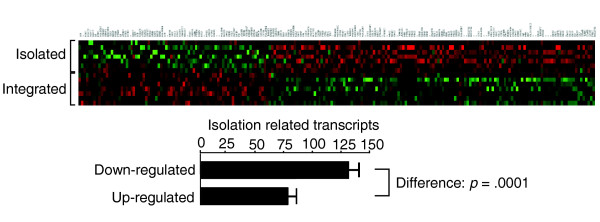
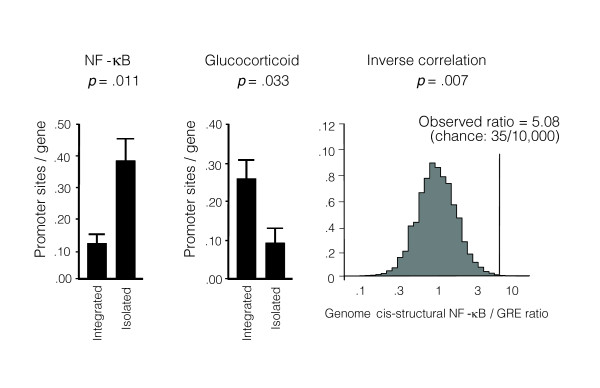
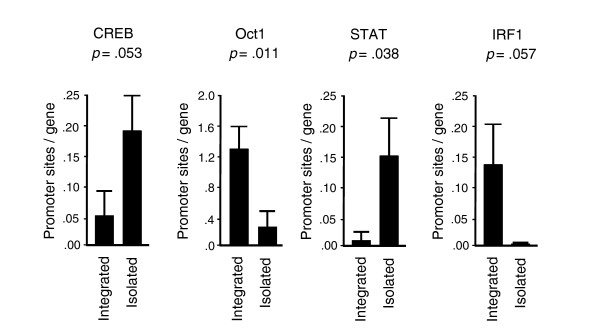
Background: Social environmental influences on human health are well established in the epidemiology literature, but their functional genomic mechanisms are unclear. The present study analyzed genome-wide transcriptional activity in people who chronically experienced high versus low levels of subjective social isolation (loneliness) to assess alterations in the activity of transcription control pathways that might contribute to increased adverse health outcomes in social isolates. Results: DNA microarray analysis identified 209 genes that were differentially expressed in circulating leukocytes from 14 high- versus low-lonely individuals, including up-regulation of genes involved in immune activation, transcription control, and cell proliferation, and down-regulation of genes supporting mature B lymphocyte function and type I interferon response. Promoter-based bioinformatic analyses showed under-expression of genes bearing anti-inflammatory glucocorticoid response elements (GREs; p = 0.032) and over-expression of genes bearing response elements for pro-inflammatory NF-κB/Rel transcription factors ( p = 0.011). This reciprocal shift in pro- and anti-inflammatory signaling was not attributable to differences in circulating cortisol levels, or to other demographic, psychological, or medical characteristics. Additional transcription control pathways showing differential activity in bioinformatic analyses included the CREB/ATF, JAK/STAT, IRF1, C/EBP, Oct, and GATA pathways. Conclusion: These data provide the first indication that human genome-wide transcriptional activity is altered in association with a social epidemiological risk factor. Impaired transcription of glucocorticoid response genes and increased activity of pro-inflammatory transcription control pathways provide a functional genomic explanation for elevated risk of inflammatory disease in individuals who experience chronically high levels of subjective social isolation.
Overview
The claims and statistics of this paper haven’t been checked yet.
Free: it reads the open-access text and checks the first 5 claims that cite a source we can check. Create a free account to check every claim.
Integrity signals
Registry
Cites
Statistics
Figures
Verification
Claims the paper makes
The claims and statistics of this paper haven’t been checked yet.
Free: it reads the open-access text and checks the first 5 claims that cite a source we can check. Create a free account to check every claim.
Claims other papers make about this one
Each is checked against this paper’s own text: does it say what the citing paper says it does?
The source backs part of the claim, not all of it — or backs it for a different population, condition or comparison.
In the citing paper
“Markers of immune activation and inflammation (e.g., pro-inflammatory cytokines and inflammatory mediators) were over-expressed in genes of the lonely relative to the socially connected group (37% of the 209 differentially expressed transcripts).”
From Loneliness matters: a theoretical and empirical review of consequences and mechanisms (2010) · cites this paper as [75]
Experimental — accuracy not yet measuredThe cited source says what the claim attributes to it.
In the citing paper
“in a genome-wide DNA microarray study, genes under-expressed by socially isolated individuals involved anti-inflammatory response elements and genes over-expressed involved proinflammatory response elements, compared to individuals who reported less social isolation”
From Close relationships, inflammation, and health (2010) · cites this paper as Cole et al., 2007
The cited source says what the claim attributes to it.
In the citing paper
“They also converge with a recent microarray profile of socially isolated individuals, which documented a similar pattern of diminished GR- and heightened NF-κB-dependent transcription (29).”
From A Functional Genomic Fingerprint of Chronic Stress in Humans: Blunted Glucocorticoid and Increased NF-κB Signaling (2008) · cites this paper as [29]
The cited source says what the claim attributes to it.
In the citing paper
“Subsequent bioinformatic analyses indicated that loneliness-associated differences in gene expression could be attributable to increased activity of the NF–κB transcription factor.”
From Loneliness matters: a theoretical and empirical review of consequences and mechanisms (2010) · cites this paper as [75]
The cited source says what the claim attributes to it.
In the citing paper
“Group differences in NF–κB/glucocorticoid receptor-mediated transcription activity were not attributable to objective indices of social isolation, nor were they explained by demographic, psychosocial (i.e., perceived stress, depression, hostility), or medical risk factors [75].”
From Loneliness matters: a theoretical and empirical review of consequences and mechanisms (2010) · cites this paper as [75]
7 more claims about this paper
Create a free account to see every claim other papers make about this one.
Self-check
Percentages, sums and reported differences re-computed from the paper’s own numbers.
The self-check needs the paper’s full text.
Citations
Cites
The CES-D Scale: A Self-Report Depression Scale for Research in the General Population
Radloff, L. S. (1977) · Applied Psychological Measurement · doi:10.1177/014662167700100306 · Cited by 53,267
Coussens, L. M., & Werb, Z. (2002) · Nature · doi:10.1038/nature01322 · Cited by 15,111
Inflammation, Atherosclerosis, and Coronary Artery Disease
Hansson, G. K. (2005) · New England Journal of Medicine · doi:10.1056/nejmra043430 · Cited by 8,773
Bolstad, B. M., Irizarry, R. A., Åstrand, M., & Speed, T. P. (2003) · Bioinformatics · doi:10.1093/bioinformatics/19.2.185 · Cited by 8,266 · cited 1×
“Robust multiarray averaging [60] was applied to quantify expression of the 22,283 assayed transcripts, and differentially expressed genes were identified as those showing ≥30% difference in mean expression levels in samples from high- versus low-lonely individuals (corresponding to a FDR of 10%) [59].”
MethodBERKMAN, L. F., & SYME, S. L. (1979) · American Journal of Epidemiology · doi:10.1093/oxfordjournals.aje.a112674 · Cited by 5,341
The Revised UCLA Loneliness Scale: concurrent and discriminant validity evidence
Russell, D., Peplau, L. A., & Cutrona, C. E. (1980) · Journal of Personality and Social Psychology · doi:10.1037/0022-3514.39.3.472 · Cited by 5,173 · cited 1×
“Social isolation Subjectively experienced social isolation was assessed by the UCLA-R Loneliness scale [53] at each yearly study visit.”
MethodAntiinflammatory Action of Glucocorticoids — New Mechanisms for Old Drugs
Rhen, T., & Cidlowski, J. A. (2005) · New England Journal of Medicine · doi:10.1056/nejmra050541 · Cited by 3,149 · cited 1×
“Cortisol activation of the glucocorticoid receptor (GR) exerts broad anti-inflammatory effects by inhibiting nuclear factor (NF)-κB/Rel transcription factors and other pro-inflammatory signaling pathways (for example, the Janus kinase-signal transducer and activator of transcription (JAK/STAT) and interferon response…”
BackgroundExpression monitoring by hybridization to high-density oligonucleotide arrays
Lockhart, D. J., Dong, H., Byrne, M. C., Follettie, M. T., Gallo, M. V., Chee, M. S., Mittmann, M., Wang, C., Kobayashi, M., Norton, H., et al. (1996) · Nature Biotechnology · doi:10.1038/nbt1296-1675 · Cited by 2,840
Uchino, B. N., Cacioppo, J. T., & Kiecolt-Glaser, J. K. (1996) · Psychological Bulletin · doi:10.1037/0033-2909.119.3.488 · Cited by 2,727 · cited 2×
“This result underscores the key role of subjective perceptual processes in transmitting the effects of social factors into physical biology via neuroendocrine alterations, and their subsequent impact on cellular gene expression [4,28,51,52].”
BackgroundSelf-citationCacioppo, J. T., Hughes, M. E., Waite, L. J., Hawkley, L. C., & Thisted, R. A. (2006) · Psychology and Aging · doi:10.1037/0882-7974.21.1.140 · Cited by 2,380 · cited 6×
“Global gene transcription profiles were assessed in circulating leukocytes from 14 individuals participating in the population-based Chicago Health Aging and Social Relations Study (CHASRS) [43].”
MethodInfluentialSelf-citation
Cited by
Loneliness matters: a theoretical and empirical review of consequences and mechanisms
Hawkley, L. C., & Cacioppo, J. T. (2010) · Annals of Behavioral Medicine · doi:10.1007/s12160-010-9210-8 · Cited by 4,782
“, perceived stress, depression, hostility), or medical risk factors [75].”
InfluentialSelf-citationSocial isolation, loneliness, and all-cause mortality in older men and women
Steptoe, A., Shankar, A., Demakakos, P., & Wardle, J. (2013) · Proceedings of the National Academy of Sciences · doi:10.1073/pnas.1219686110 · Cited by 2,503
“Loneliness itself has been linked with increased risk of cardiovascular disease and mortality (15–18), elevated blood pressure and cortisol (19–21), heightened inflammatory responses to stress (22, 23), and modifications in transcriptional pathways linked with glucocorticoid and inflammatory processes (24).”
BackgroundSlavich, G. M., & Irwin, M. R. (2014) · Psychological Bulletin · doi:10.1037/a0035302 · Cited by 2,206
“…types of social adversity, including being socially isolated or low in social status, or experiencing high levels of chronic interpersonal stress (e.g., Chen et al., 2009; S. W. Cole et al., 2007, 2011; G. E. Miller et al., 2008; G. E. Miller, Rohleder, & Cole, 2009; see also Tung et al., 2012).”
BackgroundPerceived social isolation and cognition
Cacioppo, J. T., & Hawkley, L. C. (2009) · Trends in Cognitive Sciences · doi:10.1016/j.tics.2009.06.005 · Cited by 2,144
Self-citationA Meta-Analysis of Interventions to Reduce Loneliness
Masi, C. M., Chen, H.-Y., Hawkley, L. C., & Cacioppo, J. T. (2011) · Personality and Social Psychology Review · doi:10.1177/1088868310377394 · Cited by 1,995
“…2006), diminished immunity (Kiecolt-Glaser et al., 1984; Pressman et al., 2005), underexpression of genes bearing anti-inflammatory glucocorticoid response elements (Cole et al., 2007), and abnormal ratios of circulating white blood cells (e.g., neutrophils, lymphocytes, and monocytes; Cole, 2008).”
BackgroundSelf-citationPositive Emotions Broaden and Build
Fredrickson, B. L. (2013) · Advances in Experimental Social Psychology · doi:10.1016/b978-0-12-407236-7.00001-2 · Cited by 1,907
“…linked the increased expression of proinflammatory cytokine genes to various circumstances replete with chronic negative affect such as loneliness (Cole et al., 2007), social stress (Miller et al., 2008; Miller, Rohleder, & Cole, 2009), low socioeconomic status (Chen et al., 2009), and general…”
BackgroundCacioppo, J. T., Hawkley, L. C., & Thisted, R. A. (2010) · Psychology and Aging · doi:10.1037/a0017216 · Cited by 1,757
“…and depressive symptoms have found them to be distinct conditions statistically (e.g., Bell, 1985; Cacioppo, Hawkley, et al., 2006; Cacioppo, Hughes, et al., 2006; Rook, 1987; Russell, 1996; Weeks et al., 1980) and functionally (e.g., Adam et al., 2006; Cole et al., 2007; Hawkley et al., 2006).”
BackgroundSelf-citationMiller, G. E., Chen, E., & Parker, K. J. (2011) · Psychological Bulletin · doi:10.1037/a0024768 · Cited by 1,785
Cancer-related fatigue—mechanisms, risk factors, and treatments
Bower, J. E. (2014) · Nature Reviews Clinical Oncology · doi:10.1038/nrclinonc.2014.127 · Cited by 1,666
Loneliness, health, and mortality in old age: A national longitudinal study
Luo, Y., Hawkley, L. C., Waite, L. J., & Cacioppo, J. T. (2012) · Social Science & Medicine · doi:10.1016/j.socscimed.2011.11.028 · Cited by 1,232
“…et al., 2003), increases SBP (Hawkley, Thisted et al., 2010), alters hypothalamic pituitary adrenocortical activity (Adam et al., 2006), diminishes sleep salubrity (Hawkley, Preacher et al., 2010), alters gene transcription (Cole et al., 2007, 2011), and diminishes immunity (Pressman et al., 2005).”
Self-citationEmotional experience improves with age: Evidence based on over 10 years of experience sampling
Carstensen, L. L., Turan, B., Scheibe, S., Ram, N., Ersner-Hershfield, H., Samanez-Larkin, G. R., Brooks, K. P., & Nesselroade, J. R. (2011) · Psychology and Aging · doi:10.1037/a0021285 · Cited by 1,223
“That is, negative emotional states activate biological systems that influence immune resistance, disease progression, and even gene expression (Cole et al., 2007).”
BackgroundLoneliness: clinical import and interventions
Cacioppo, S., Grippo, A. J., London, S., Goossens, L., & Cacioppo, J. T. (2015) · Perspectives on Psychological Science · doi:10.1177/1745691615570616 · Cited by 1,206
“…2005), an underexpression of genes bearing anti-inflammatory glucocorticoid response elements and an upregulation of pro-inflammatory gene transcripts (Cole et al., 2007, 2011), abnormal ratios of circulating white blood cells (e.g., neutrophils, lymphocytes, and monocytes; Cole, 2008), and…”
BackgroundSelf-citationA mega-analysis of genome-wide association studies for major depressive disorder
Major Depressive Disorder Working Group of the Psychiatric GWAS Consortium, Ripke, S., Wray, N. R., Lewis, C. M., Hamilton, S. P., Weissman, M. M., Breen, G., Byrne, E. M., Blackwood, D. H. R., Boomsma, D. I., et al. (2013) · Molecular Psychiatry · doi:10.1038/mp.2012.21 · Cited by 1,120
Loneliness, social isolation, and behavioral and biological health indicators in older adults.
Shankar, A., McMunn, A., Banks, J., & Steptoe, A. (2011) · Health Psychology · doi:10.1037/a0022826 · Cited by 1,100
“A recent genome-wide study indicated that genes associated with the anti-inflammatory glucocorticoid receptor pathway were underexpressed, while the proinflammatory NF- B/Rel transcription pathway was overexpressed among lonely when compared with nonlonely participants (Cole et al., 2007).”
BackgroundSocial relationships and health: The toxic effects of perceived social isolation
Cacioppo, J. T., & Cacioppo, S. (2014) · Social and Personality Psychology Compass · doi:10.1111/spc3.12087 · Cited by 1,057
“…Ernst, et al., 2000;Hawkley, Thisted, & Cacioppo, 2009); altered gene expression, for instance, increasing inflammatory biology to deal with assaults (Cole et al., 2007, 2011); and the decreased salubriousness of sleep, the consequence of the brain’s high alert state (Cacioppo, Hawkley, Berntson,…”
BackgroundSelf-citationHECKMAN, J. J. (2008) · Economic Inquiry · doi:10.1111/j.1465-7295.2008.00163.x · Cited by 956
Eisenberger, N. I. (2012) · Nature Reviews Neuroscience · doi:10.1038/nrn3231 · Cited by 1,016
Haroon, E., Raison, C. L., & Miller, A. H. (2012) · Neuropsychopharmacology · doi:10.1038/npp.2011.205 · Cited by 1,000
“Of note, similar microarray data have been found in lonely vs non-lonely individuals, consistent with the notion that increased inflammation may be a mediator of the negative impact of social isolation on both mental and physical health (Cole et al, 2007).”
BackgroundThe neuroendocrinology of social isolation
Cacioppo, J. T., Cacioppo, S., Capitanio, J. P., & Cole, S. W. (2015) · Annual Review of Psychology · doi:10.1146/annurev-psych-010814-015240 · Cited by 977
“Such observations suggest that nonhuman primate models may provide an ethologically valid context for analyzing the effects of perceived social isolation and may play an important role in identifying the most appropriate small rodent models for mechanistic investigations.”
BackgroundResultInfluentialSelf-citationStress and Health: A Review of Psychobiological Processes
O'Connor, D. B., Thayer, J. F., & Vedhara, K. (2021) · Annual Review of Psychology · doi:10.1146/annurev-psych-062520-122331 · Cited by 948
“This exploration started just over a decade ago with a small study which focused not on stress, but its co-conspirator social isolation (Cole et al., 2007).”
BackgroundInfluentialReciprocal regulation of the neural and innate immune systems
Irwin, M. R., & Cole, S. W. (2011) · Nature Reviews Immunology · doi:10.1038/nri3042 · Cited by 910
“Collectively, these studies of neuro–immune regulation have provided new insights into the mechanistic relationships between the cellular and microbial microenvironment in which immune responses have traditionally been analysed and the broader macroenvironment of the host body and its surrounding social and physical e…”
BackgroundSelf-citationAlone in the crowd: The structure and spread of loneliness in a large social network.
Cacioppo, J. T., Fowler, J. H., & Christakis, N. A. (2009) · Journal of Personality and Social Psychology · doi:10.1037/a0016076 · Cited by 846
Self-citationMiller, G. E., Chen, E., Fok, A. K., Walker, H., Lim, A., Nicholls, E. F., Cole, S., & Kobor, M. S. (2009) · Proceedings of the National Academy of Sciences · doi:10.1073/pnas.0902971106 · Cited by 822
Self-citationDonovan, N. J., & Blazer, D. (2020) · The American Journal of Geriatric Psychiatry · doi:10.1016/j.jagp.2020.08.005 · Cited by 739
Hawkley, L. C., Thisted, R. A., Masi, C. M., & Cacioppo, J. T. (2010) · Psychology and Aging · doi:10.1037/a0017805 · Cited by 726
“…2004), underexpression of genes bearing anti-inflammatory glucocorticoid response elements (GREs), overexpression of genes bearing response elements for proinflammatory NF-#B/Rel transcription factors (Cole et al., 2007), and altered immunity (Kiecolt-Glaser et al., 1984; Pressman et al., 2005).”
BackgroundSelf-citationSocial isolation: a predictor of mortality comparable to traditional clinical risk factors
Pantell, M., Rehkopf, D., Jutte, D., Syme, S. L., Balmes, J., & Adler, N. (2013) · American Journal of Public Health · doi:10.2105/ajph.2013.301261 · Cited by 696
Hearing loss and cognition in the Baltimore Longitudinal Study of Aging.
Lin, F. R., Ferrucci, L., Metter, E. J., An, Y., Zonderman, A. B., & Resnick, S. M. (2011) · Neuropsychology · doi:10.1037/a0024238 · Cited by 696
“…direct pathophysiologic effects of altered gene expression profiles and increased inflammation in lonely individuals (Cole, Hawkley, Arevalo, & Cacioppo; Cole et al., 2007) or through psychosocial pathways of social support and influence (Berkman, Glass, Brissette, & Seeman, 2000; Uchino, 2006).”
BackgroundToward a neurology of loneliness
Cacioppo, S., Capitanio, J. P., & Cacioppo, J. T. (2014) · Psychological Bulletin · doi:10.1037/a0037618 · Cited by 623
Self-citationCreswell, J. D., Irwin, M. R., Burklund, L. J., Lieberman, M. D., Arevalo, J. M. G., Ma, J., Breen, E. C., & Cole, S. W. (2012) · Brain, Behavior, and Immunity · doi:10.1016/j.bbi.2012.07.006 · Cited by 607
“…whether these samples showed the same associations previously observed between individual differences in loneliness and (1) bioinformatic indications of increased pro-inflammatory NF-jB transcription factor activity, and (2) increased monocyte-mediated gene expression (Cole et al., 2007, 2011).”
BackgroundMethodResultInfluentialSelf-citationLoneliness, social support networks, mood and wellbeing in community‐dwelling elderly
Golden, J., Conroy, R. M., Bruce, I., Denihan, A., Greene, E., Kirby, M., & Lawlor, B. A. (2009) · International Journal of Geriatric Psychiatry · doi:10.1002/gps.2181 · Cited by 610
“Few epidemiological studies have clearly distinguished between objective and subjective social isolation, but among those that have, some evidence supports a significant adverse effect of each on health (Cacioppo and Hawkley, 2003; Cacioppo et al., 2006; Cole et al., 2007).”
BackgroundMiller, G., Chen, E., & Cole, S. W. (2009) · Annual Review of Psychology · doi:10.1146/annurev.psych.60.110707.163551 · Cited by 591
“…have increased, cells can reduce the density or activity of their GRs and MRs. Receptors that are downregulated or desensitized will pass on fewer of cortisol’s signals to the nucleus of the cell, where the gene expression routines that govern cellular behavior are carried out (Cole et al. 2007).”
BackgroundResultInfluentialSelf-citationEvolutionary mechanisms for loneliness
Cacioppo, J. T., Cacioppo, S., & Boomsma, D. I. (2014) · Cognition and Emotion · doi:10.1080/02699931.2013.837379 · Cited by 576
“…& Leary, 1995), but these phenotypes are functionally (e.g., Adam, Hawkley, Kudielka, & Cacioppo, 2006; Cacioppo, Hawkley, & Thisted, 2010; Cole et al., 2007; Cole, Hawkley, Arevalo, & Cacioppo, 2011; Hawkley, Masi, Berry, & Cacioppo, 2006) and stochastically (e.g., Cacioppo et al., 2006)…”
Self-citationEisenberger, N. I., & Cole, S. W. (2012) · Nature Neuroscience · doi:10.1038/nn.3086 · Cited by 590
Self-citationPowell, N. D., Sloan, E. K., Bailey, M. T., Arevalo, J. M. G., Miller, G. E., Chen, E., Kobor, M. S., Reader, B. F., Sheridan, J. F., & Cole, S. W. (2013) · Proceedings of the National Academy of Sciences · doi:10.1073/pnas.1310655110 · Cited by 588
“A a variety of adverse life circumstances, such as social isolation (1, 2), imminent bereavement (3), low socioeconomic status (SES) (4, 5), early life social deprivation (6), late-life social adversity (7), traumatic stress (8), diagnosis with a lifethreatening illness (9), and experimentally imposed social stress (7…”
BackgroundSelf-citationSocio‐economic differentials in peripheral biology: Cumulative allostatic load
Seeman, T., Epel, E., Gruenewald, T., Karlamangla, A., & McEwen, B. S. (2010) · Annals of the New York Academy of Sciences · doi:10.1111/j.1749-6632.2009.05341.x · Cited by 579
Miller, G. E., Chen, E., Sze, J., Marin, T., Arevalo, J. M. G., Doll, R., Ma, R., & Cole, S. W. (2008) · Biological Psychiatry · doi:10.1016/j.biopsych.2008.03.017 · Cited by 552
Self-citationCacioppo, J. T., Hawkley, L. C., Norman, G. J., & Berntson, G. G. (2011) · Annals of the New York Academy of Sciences · doi:10.1111/j.1749-6632.2011.06028.x · Cited by 554
Self-citationThe Emerging Field of Human Social Genomics
Slavich, G. M., & Cole, S. W. (2013) · Clinical Psychological Science · doi:10.1177/2167702613478594 · Cited by 523
“How do physicochemical or microbial factors interact with human social systems to regulate metagenomic systems (Gibson, 2008), and are these influences transmitted through different networks or signal transduction pathways than social threat–related influences? Objective and subjective network characteristics regulate…”
BackgroundInfluentialSelf-citationAssociation of hearing impairment with brain volume changes in older adults
Lin, F. R., Ferrucci, L., An, Y., Goh, J. O., Doshi, J., Metter, E. J., Davatzikos, C., Kraut, M. A., & Resnick, S. M. (2014) · NeuroImage · doi:10.1016/j.neuroimage.2013.12.059 · Cited by 530
A functional genomic perspective on human well-being
Fredrickson, B. L., Grewen, K. M., Coffey, K. A., Algoe, S. B., Firestine, A. M., Arevalo, J. M. G., Ma, J., & Cole, S. W. (2013) · Proceedings of the National Academy of Sciences · doi:10.1073/pnas.1305419110 · Cited by 512
“To ensure that results were not confounded by individual differences in the prevalence of specific leukocyte subtypes within the PBMC pool (63), analyses also controlled for the prevalence of transcripts marking T lymphocyte subsets (CD3D, CD3E, CD4, CD8A), B lymphocytes (CD19), natural killer cells (CD16/ FCGR3A, CD5…”
BackgroundSelf-citationWang, F., Gao, Y., Han, Z., Yu, Y., Long, Z., Jiang, X., Wu, Y., Pei, B., Cao, Y., Ye, J., et al. (2023) · Nature Human Behaviour · doi:10.1038/s41562-023-01617-6 · Cited by 507
Loneliness, Social Isolation, and Cardiovascular Health
Xia, N., & Li, H. (2018) · Antioxidants & Redox Signaling · doi:10.1089/ars.2017.7312 · Cited by 493
Perceived social isolation, evolutionary fitness and health outcomes: a lifespan approach
Hawkley, L. C., & Capitanio, J. P. (2015) · Philosophical Transactions of the Royal Society B: Biological Sciences · doi:10.1098/rstb.2014.0114 · Cited by 468
Self-citationLoneliness in the Modern Age: An Evolutionary Theory of Loneliness (ETL)
Cacioppo, J. T., & Cacioppo, S. (2018) · Advances in Experimental Social Psychology · doi:10.1016/bs.aesp.2018.03.003 · Cited by 481
Self-citationClose relationships, inflammation, and health
Kiecolt-Glaser, J. K., Gouin, J.-P., & Hantsoo, L. (2010) · Neuroscience & Biobehavioral Reviews · doi:10.1016/j.neubiorev.2009.09.003 · Cited by 480
“Furthermore, in a genome-wide DNA microarray study, genes under-expressed by socially isolated individuals involved anti-inflammatory response elements and genes overexpressed involved proinflammatory response elements, compared to individuals who reported less social isolation (Cole et al., 2007).”
BackgroundBu, F., Steptoe, A., & Fancourt, D. (2020) · Social Science & Medicine · doi:10.1016/j.socscimed.2020.113521 · Cited by 462
“2 inflammation and impaired immune regulation (Cole et al., 2007; Hackett et al., 2012; Walker et al., 2019), which are in turn associated with chronic stress, depression and cardiovascular risk factors (Dowlati et al.”
BackgroundLim, M. H., Eres, R., & Vasan, S. (2020) · Social Psychiatry and Psychiatric Epidemiology · doi:10.1007/s00127-020-01889-7 · Cited by 438
Cole, S. W. (2014) · PLoS Genetics · doi:10.1371/journal.pgen.1004601 · Cited by 415
“50% difference in average expression levels relative to those observed in socially integrated people [14,15].”
BackgroundSelf-citationEisenberger, N. I., Inagaki, T. K., Mashal, N. M., & Irwin, M. R. (2010) · Brain, Behavior, and Immunity · doi:10.1016/j.bbi.2009.12.009 · Cited by 413
“One study found that the leukocytes of socially isolated older adults (defined by feelings of loneliness) evidenced activation of inflammatory response genes along with increased activity of the nuclear factor (NF) jB pathway, a critical signal for the inflammatory cascade (Cole et al., 2007).”
Affective science and health: The importance of emotion and emotion regulation.
DeSteno, D., Gross, J. J., & Kubzansky, L. (2013) · Health Psychology · doi:10.1037/a0030259 · Cited by 409
Lonely young adults in modern Britain: findings from an epidemiological cohort study
Matthews, T., Danese, A., Caspi, A., Fisher, H. L., Goldman-Mellor, S., Kepa, A., Moffitt, T. E., Odgers, C. L., & Arseneault, L. (2019) · Psychological Medicine · doi:10.1017/s0033291718000788 · Cited by 381
Socioeconomic Status and Health: Mediating and Moderating Factors
Chen, E., & Miller, G. E. (2013) · Annual Review of Clinical Psychology · doi:10.1146/annurev-clinpsy-050212-185634 · Cited by 402
In Sickness and in Health: The Co-Regulation of Inflammation and Social Behavior
Eisenberger, N. I., Moieni, M., Inagaki, T. K., Muscatell, K. A., & Irwin, M. R. (2017) · Neuropsychopharmacology · doi:10.1038/npp.2016.141 · Cited by 396
“…of predation, wounding, and infection—recent theories have suggested that the immune system may respond to various forms of social disconnection by upregulating proinflammatory response genes to prepare the body for these more vulnerable situations (Cole et al, 2007; Eisenberger and Cole, 2012).”
BackgroundAllostasis and the human brain: Integrating models of stress from the social and life sciences.
Ganzel, B. L., Morris, P. A., & Wethington, E. (2010) · Psychological Review · doi:10.1037/a0017773 · Cited by 376
“In short, there is evidence to suggest that phenotypic variation in response to environmental influences can be experienced in an ongoing manner by one generation (Cole et al., 2007) and then passed on to the subsequent generation (Harper, 2005; Pray, 2006; Weaver et al., 2004).”
Bower, J. E., & Lamkin, D. M. (2013) · Brain, Behavior, and Immunity · doi:10.1016/j.bbi.2012.06.011 · Cited by 372
“to increased NF-jB activity in non-cancer populations (Cole et al., 2007; Miller et al., 2009; Miller et al., 2008b).”
BackgroundThe relationship between minority stress and biological outcomes: a systematic review
Flentje, A., Heck, N. C., Brennan, J. M., & Meyer, I. H. (2020) · Journal of Behavioral Medicine · doi:10.1007/s10865-019-00120-6 · Cited by 368
Black sheep get the blues: a psychobiological model of social rejection and depression
Slavich, G. M., O’Donovan, A., Epel, E. S., & Kemeny, M. E. (2010) · Neuroscience & Biobehavioral Reviews · doi:10.1016/j.neubiorev.2010.01.003 · Cited by 362
“Finally, there is evidence that aspects of social rejection, specifically social isolation (Cole et al., 2007) and interpersonal stress (Miller et al.”
Chen, E., Miller, G. E., Kobor, M. S., & Cole, S. W. (2011) · Molecular Psychiatry · doi:10.1038/mp.2010.53 · Cited by 340
Self-citationSmith, K. J., Gavey, S., RIddell, N. E., Kontari, P., & Victor, C. (2020) · Neuroscience & Biobehavioral Reviews · doi:10.1016/j.neubiorev.2020.02.002 · Cited by 327
Anti-Inflammatory Treatments for Chronic Diseases: A Review
Laveti, D., Kumar, M., Hemalatha, R., Sistla, R., Naidu, V., Talla, V., Verma, V., Kaur, N., & Nagpal, R. (2013) · Inflammation & Allergy-Drug Targets · doi:10.2174/18715281113129990053 · Cited by 325
“On examining the leukocytes, an increased activity of NF- has been found among individuals who reported loneliness [93, 94].”
BackgroundWomen, Loneliness, and Incident Coronary Heart Disease
Thurston, R. C., & Kubzansky, L. D. (2009) · Psychosomatic Medicine · doi:10.1097/psy.0b013e3181b40efc · Cited by 323
“These associations are often independent of depression and/or objective social indicators (6,8,11,13,14).”
BackgroundLoneliness predicts pain, depression, and fatigue: Understanding the role of immune dysregulation
Jaremka, L. M., Fagundes, C. P., Glaser, R., Bennett, J. M., Malarkey, W. B., & Kiecolt-Glaser, J. K. (2013) · Psychoneuroendocrinology · doi:10.1016/j.psyneuen.2012.11.016 · Cited by 316
“In addition, proinflammatory genes were over-expressed and anti-inflammatory genes were under-expressed in lonelier individuals compared with less lonely individuals (Cole et al., 2007).”
BackgroundCole, S. W., Capitanio, J. P., Chun, K., Arevalo, J. M. G., Ma, J., & Cacioppo, J. T. (2015) · Proceedings of the National Academy of Sciences · doi:10.1073/pnas.1514249112 · Cited by 310
“Consistent with previous analyses of high-PSI humans (11, 22) and socially stressed mice (7, 23–26), circulating immune cells from high-PSI macaques also showed reduced glucocorticoid receptor (GR) functional activity, including blunted neutrophil redistribution response to endogenous diurnal variation in cortisol lev…”
ResultSelf-citationCole, S. W., Hawkley, L. C., Arevalo, J. M. G., & Cacioppo, J. T. (2011) · Proceedings of the National Academy of Sciences · doi:10.1073/pnas.1014218108 · Cited by 306
“Briefly, genome-wide transcriptional profiling was carried out in peripheral blood mononuclear cells (PBMCs) isolated by standard Ficoll density gradient centrifugation of 10 mL of whole blood from 14 participants in the Chicago Health, Aging, and Social Relations Study (CHASRS), 6 of whom had consistently scored in t…”
BackgroundMethodInfluentialSelf-citationLife Stress and Health: A Review of Conceptual Issues and Recent Findings
Slavich, G. M. (2016) · Teaching of Psychology · doi:10.1177/0098628316662768 · Cited by 300
Heckman, J. (2008) · National Bureau of Economic Research · doi:10.3386/w14064 · Cited by 191
The Effects of Mind-Body Therapies on the Immune System: Meta-Analysis
Morgan, N., Irwin, M. R., Chung, M., & Wang, C. (2014) · PLoS ONE · doi:10.1371/journal.pone.0100903 · Cited by 294
“Finally, social stressors that act in the long-term also lead to increased expression of pro-inflammatory immune response genes despite the presence of stable or elevated glucocorticoid levels [32,75,96– 98].”
BackgroundThe conserved transcriptional response to adversity
Cole, S. W. (2019) · Current Opinion in Behavioral Sciences · doi:10.1016/j.cobeha.2019.01.008 · Cited by 294
“Bioinformatic analyses of transcription factor activity repeatedly indicated up-regulated activity of SNS-responsive signaling pathways (e.g., the CREB family of transcription factors) and pro-inflammatory factors (e.g., NF-κB and AP-1), and down-regulated activity of interferon response factors (IRFs) and, more varia…”
BackgroundInfluentialSelf-citationInterplay between the gut-brain axis, obesity and cognitive function
Agustí, A., García-Pardo, M. P., López-Almela, I., Campillo, I., Maes, M., Romaní-Pérez, M., & Sanz, Y. (2018) · Frontiers in Neuroscience · doi:10.3389/fnins.2018.00155 · Cited by 294
“, 2006) and upregulating the transcription of pro-inflammatory cytokines (Cole et al., 2007).”
BackgroundGene-Environment Interaction in Psychological Traits and Disorders
Dick, D. M. (2011) · Annual Review of Clinical Psychology · doi:10.1146/annurev-clinpsy-032210-104518 · Cited by 290
“F or p er so na l u se o nl y. older adults who differed in the extent to which they felt socially connected to others (Cole et al. 2007).”
BackgroundNeural mechanisms of social homeostasis
Matthews, G. A., & Tye, K. M. (2019) · Annals of the New York Academy of Sciences · doi:10.1111/nyas.14016 · Cited by 273
Loneliness and stress-related inflammatory and neuroendocrine responses in older men and women
Hackett, R. A., Hamer, M., Endrighi, R., Brydon, L., & Steptoe, A. (2012) · Psychoneuroendocrinology · doi:10.1016/j.psyneuen.2012.03.016 · Cited by 272
“Cole et al. (2007) analysed genome-wide transcriptional activity, and identified 209 transcriptions representing 144 genes that were differentially expressed in lonely compared to non-lonely individuals.”
BackgroundSocial environment is associated with gene regulatory variation in the rhesus macaque immune system
Tung, J., Barreiro, L. B., Johnson, Z. P., Hansen, K. D., Michopoulos, V., Toufexis, D., Michelini, K., Wilson, M. E., & Gilad, Y. (2012) · Proceedings of the National Academy of Sciences · doi:10.1073/pnas.1202734109 · Cited by 277
“The gene regulatory role of NR3C1 has previously been linked to other social environmental responses via transcription factor motif analysis (16, 17), and could be further investigated using chromatin immunoprecipitation approaches.”
BackgroundThe major health implications of social connection
Holt-Lunstad, J. (2021) · Current Directions in Psychological Science · doi:10.1177/0963721421999630 · Cited by 273
Cultural Neuroscience: Biology of the Mind in Cultural Contexts
Kim, H. S., & Sasaki, J. Y. (2014) · Annual Review of Psychology · doi:10.1146/annurev-psych-010213-115040 · Cited by 268
“Studies have shown how environmental input triggers changes in gene expression (Cole et al. 2007) and implicates physiological responses (Rodrigues et al. 2009) and brain reactivity (Pezawas et al. 2005) that may explain psychological and biological outcomes.”
BackgroundNeuronal regulation of immunity: why, how and where?
Schiller, M., Ben-Shaanan, T. L., & Rolls, A. (2021) · Nature Reviews Immunology · doi:10.1038/s41577-020-0387-1 · Cited by 264
Social psychophysiology and embodiment
Blascovich, J., & Mendes, W. B. (2010) · Handbook of Social Psychology · doi:10.1002/9780470561119.socpsy001006 · Cited by 274
Effects of social isolation on glucocorticoid regulation in social mammals
Hawkley, L. C., Cole, S. W., Capitanio, J. P., Norman, G. J., & Cacioppo, J. T. (2012) · Hormones and Behavior · doi:10.1016/j.yhbeh.2012.05.011 · Cited by 262
“…indication of activated NF-κB transcription factor) and downregulation of anti-inflammatorymarkers (e.g., bioinformatic indications of reduced transcriptional activity of the glucocorticoid receptor) in lonely relative to socially connected middle and older-age adults (Cole et al., 2007, 2011).”
Self-citationComputational identification of gene–social environment interaction at the human IL6 locus
Cole, S. W., Arevalo, J. M. G., Takahashi, R., Sloan, E. K., Lutgendorf, S. K., Sood, A. K., Sheridan, J. F., & Seeman, T. E. (2010) · Proceedings of the National Academy of Sciences · doi:10.1073/pnas.0911515107 · Cited by 256
Self-citationThe Neurobiology of Social Distance
Bzdok, D., & Dunbar, R. I. M. (2020) · Trends in Cognitive Sciences · doi:10.1016/j.tics.2020.05.016 · Cited by 258
Loneliness Promotes Inflammation During Acute Stress
Jaremka, L. M., Fagundes, C. P., Peng, J., Bennett, J. M., Glaser, R., Malarkey, W. B., & Kiecolt-Glaser, J. K. (2013) · Psychological Science · doi:10.1177/0956797612464059 · Cited by 255
“In addition, lonelier individuals exhibited more up-regulation of proinflammatory genes and down-regulation of antiinflammatory genes compared with people who were less lonely (Cole et al., 2007).”
BackgroundBlack, D. S., Cole, S. W., Irwin, M. R., Breen, E., St. Cyr, N. M., Nazarian, N., Khalsa, D. S., & Lavretsky, H. (2013) · Psychoneuroendocrinology · doi:10.1016/j.psyneuen.2012.06.011 · Cited by 249
“…(Cole et al., 2007), imminent bereavement (Miller et al., 2008), posttraumatic stress disorder (O’Donovan et al., 2011), chronic loneliness (Cole et al., 2007, 2011), social threat (Cole et al., 2010), and low socioeconomic status (SES) (Miller et al., 2009; Chen et al., 2009, 2010) are…”
BackgroundInfluentialSelf-citationCognitive-Behavioral Stress Management Reverses Anxiety-Related Leukocyte Transcriptional Dynamics
Antoni, M. H., Lutgendorf, S. K., Blomberg, B., Carver, C. S., Lechner, S., Diaz, A., Stagl, J., Arevalo, J. M. G., & Cole, S. W. (2012) · Biological Psychiatry · doi:10.1016/j.biopsych.2011.10.007 · Cited by 251
“007 f the glucocorticoid receptor (GR) (6,7,11), which would otherwise”
BackgroundMethodInfluentialSelf-citationLoneliness Across Phylogeny and a Call for Comparative Studies and Animal Models
Cacioppo, J. T., Cacioppo, S., Cole, S. W., Capitanio, J. P., Goossens, L., & Boomsma, D. I. (2015) · Perspectives on Psychological Science · doi:10.1177/1745691614564876 · Cited by 241
“…associated with larger morning rises in cortisol (e.g., Adam, Hawkley, Kudielka, & Cacioppo, 2006), higher circulating glucocorticoid levels (e.g., Doane & Adam, 2010), and decreased glucocorticoid receptor sensitivity (Cole, 2008; Cole et al., 2007), indicating higher levels of HPA activation.”
InfluentialSelf-citationLoneliness, eudaimonia, and the human conserved transcriptional response to adversity
Cole, S. W., Levine, M. E., Arevalo, J. M. G., Ma, J., Weir, D. R., & Crimmins, E. M. (2015) · Psychoneuroendocrinology · doi:10.1016/j.psyneuen.2015.07.001 · Cited by 238
“These results show an unanticipated relationship between two previously distinct research literatures identifying loneliness as a psychological risk factor for CTRA up-regulation (Cole et al., 2011; Cole et al., 2007; Creswell et al., 2012) and eudiamonic well-being as a psychological resilience factor for CTRA down-r…”
BackgroundResultSelf-citationHost Factors and Cancer Progression: Biobehavioral Signaling Pathways and Interventions
Lutgendorf, S. K., Sood, A. K., & Antoni, M. H. (2010) · Journal of Clinical Oncology · doi:10.1200/jco.2009.26.9357 · Cited by 237
“glucocorticoid response genes and increased activity of proinflammatory transcription control pathways.(40) Social isolation has been related”
BackgroundSocial regulation of human gene expression: mechanisms and implications for public health
Cole, S. W. (2013) · American Journal of Public Health · doi:10.2105/ajph.2012.301183 · Cited by 225
“Adapted from Cole et al. 20 FIGURE 2—Social regulation of gene expression in human immune cells.”
BackgroundMethodInfluentialSelf-citationGene expression in major depressive disorder
Jansen, R., Penninx, B. W. J. H., Madar, V, Xia, K., Milaneschi, Y., Hottenga, J. J., Hammerschlag, A. R., Beekman, A., van der Wee, N., Smit, J. H., et al. (2016) · Molecular Psychiatry · doi:10.1038/mp.2015.57 · Cited by 224
Buric, I., Farias, M., Jong, J., Mee, C., & Brazil, I. A. (2017) · Frontiers in Immunology · doi:10.3389/fimmu.2017.00670 · Cited by 226
“They were interested in NF-κB because previous studies found that genes targeted with this transcription factor are more expressed in people who are lonely (46), which promotes inflammation.”
MethodDepression, social support, and beta-adrenergic transcription control in human ovarian cancer
Lutgendorf, S. K., DeGeest, K., Sung, C. Y., Arevalo, J. M., Penedo, F., Lucci, J., Goodheart, M., Lubaroff, D., Farley, D. M., Sood, A. K., et al. (2009) · Brain, Behavior, and Immunity · doi:10.1016/j.bbi.2008.04.155 · Cited by 215
“To confirm the statistical significance of differential TFBM distributions, we carried out randomization tests as previously described (Cole et al., 2003, 2007).”
Self-citationGeiger, P. J., Boggero, I. A., Brake, C. A., Caldera, C. A., Combs, H. L., Peters, J. R., & Baer, R. A. (2016) · Mindfulness · doi:10.1007/s12671-015-0444-1 · Cited by 205
“(2012) also found that MBSR-completers exhibited lower proinflammatory NF-κB gene expression (which has been previously linked to loneliness in older adults; Cole et al., 2007), and Gallegos et al.”
BackgroundEisenberger, N. I. (2013) · Psychosomatic Medicine · doi:10.1097/psy.0b013e31829de2e7 · Cited by 211
Kuhlman, K. R., Chiang, J. J., Horn, S., & Bower, J. E. (2017) · Neuroscience & Biobehavioral Reviews · doi:10.1016/j.neubiorev.2017.05.020 · Cited by 208
Transcriptional modulation of the developing immune system by early life social adversity
Cole, S. W., Conti, G., Arevalo, J. M. G., Ruggiero, A. M., Heckman, J. J., & Suomi, S. J. (2012) · Proceedings of the National Academy of Sciences · doi:10.1073/pnas.1218253109 · Cited by 207
“Genome-wide transcriptional profiling and bioinformatic analyses were carried out essentially as described in previous studies (27, 30, 57), using Affymetrix Rhesus Genome Arrays.”
BackgroundMethodSelf-citationHermes, G. L., Delgado, B., Tretiakova, M., Cavigelli, S. A., Krausz, T., Conzen, S. D., & McClintock, M. K. (2009) · Proceedings of the National Academy of Sciences · doi:10.1073/pnas.0910753106 · Cited by 207
Social Pain and Physical Pain: Shared Paths To Resilience
Sturgeon, J. A., & Zautra, A. J. (2016) · Pain Management · doi:10.2217/pmt.15.56 · Cited by 199
Miller, G. E., Rohleder, N., & Cole, S. W. (2009) · Psychosomatic Medicine · doi:10.1097/psy.0b013e318190d7de · Cited by 197
Self-citationOn the reciprocal association between loneliness and subjective well-being
VanderWeele, T. J., Hawkley, L. C., & Cacioppo, J. T. (2012) · American Journal of Epidemiology · doi:10.1093/aje/kws173 · Cited by 187
Self-citationSocial Regulation of Human Gene Expression
Cole, S. W. (2009) · Current Directions in Psychological Science · doi:10.1111/j.1467-8721.2009.01623.x · Cited by 191
Self-citationMostafavi, S., Battle, A., Zhu, X., Potash, J. B., Weissman, M. M., Shi, J., Beckman, K., Haudenschild, C., McCormick, C., Mei, R., et al. (2014) · Molecular Psychiatry · doi:10.1038/mp.2013.161 · Cited by 187
“Interestingly, a recent study of subjective social isolation reported dysregulation of pro- and anti-inflammatory genes, including down-regulation of interferon I signaling pathway in lonely individuals (51, 52); we note that the impact of other unmeasured factors that modulate the interferon response (for example, ag…”
Background
Metadata
- Authors
- Cole, S. W., Hawkley, L. C., Arevalo, J. M., Sung, C. Y., Rose, R. M., & Cacioppo, J. T.
- Affiliations
- University of California, Los Angeles (US)
- University of Chicago (US)
- John D. and Catherine T. MacArthur Foundation (US)
- Corresponding author
- Cole, Steve W
- Venue
- Genome Biology
- Published
- 2007-09-13
- Volume
- 8
- Issue
- 9
- Pages
- R189-R189
- ISSN
- 1465-6906 (ISSN-L)
- 1474-760X
- PMC
- PMC2375027
- OpenAlex
- W2170607802
- Cited by
- 745
- References
- 73
- Citations by year
- 2026: 41 · 2025: 46 · 2024: 34 · 2023: 46 · 2022: 40 · 2021: 42 · 2020: 45 · 2019: 40 · 2018: 42 · 2017: 35 · 2016: 51 · 2015: 45 · 2014: 43 · 2013: 39 · 2012: 44
- FWCI
- 9.56
- Type
- journal article
- Language
- en
- Open access
- gold
- doi.org
- Licence
- cc-by
- creativecommons.org/licenses/by/2.0/ (tdm)
- creativecommons.org/licenses/by/2.0/ (vor)
- Locations
- Genome biology (publishedVersion, cc-by)
- PubMed Central (publishedVersion, cc-by)
- PubMed (publishedVersion)
- eScholarship (California Digital Library) (submittedVersion)
- eScholarship (California Digital Library) (submittedVersion, cc-by)
- Funders
- John D. and Catherine T. MacArthur Foundation
- John Templeton Foundation
- National Institutes of Health
- National Institute on Aging (P01 AG19811)
- National Cancer Institute (R01CA116778)
- National Institute of Allergy and Infectious Diseases (R01 AI52737, R01AI052737)
- National Center for Research Resources (P20RR020645)
- Topics
- Life Sciences › Neuroscience › Behavioral Neuroscience › Stress Responses and Cortisol
- Social Sciences › Health › Health disparities and outcomes
- Life Sciences › Biochemistry, Genetics and Molecular Biology › Molecular Biology › Genomics and Chromatin Dynamics
- Keywords
- social isolation, loneliness, gene expression, leukocytes, transcriptional regulation, glucocorticoid response element, pro-inflammatory signaling, anti-inflammatory signaling, type I interferon response, B cell function, JAK/STAT signaling, C/EBP, GATA, social determinants of health
- MeSH terms
- Aged, C-Reactive Protein, Female, Gene Expression Regulation, Glucocorticoids, Humans, Interpersonal Relations, Leukocytes, Male, Middle Aged, Models, Biological, Promoter Regions, Genetic, Signal Transduction, Genome, Human, Computational Biology
About these checks
Registry, retraction, Cites and statistics results are computed, not judged, with one exception: a printed reference that no index lists is read once by a model before it counts as a citation error. Claims are extracted by a model and kept only when their quote appears verbatim in the text; each cited source is then checked, with a model’s help, for whether it says what the claim relies on. Those verdicts can be wrong — read the claim’s quote and the cited source before relying on one.
Statistics and arithmetic are recomputed, not judged.
Confidence bands are shown only for fields calibrated on our annotated test set. None is calibrated yet, so no band is shown.
What counts as a claim ›How we measure confidence ›How we check this ›
Are you an author, or do you see a problem with this page? Request a review
Data sources
Bibliographic data: Semantic Scholar, OpenAlex, Crossref.
Contains information from the Semantic Scholar Academic Graph Datasets, made available under the ODC Attribution License (ODC-BY 1.0).
Semantic Scholar’s data is described in: Kinney, R., et al. (2023). The Semantic Scholar Open Data Platform. arXiv:2301.10140.
