

Social regulation of gene expression in human leukocytes
Open accessThe DOI matches its Crossref record; 70 of the 73 references it cites were found in a registry or an index.
Abstract
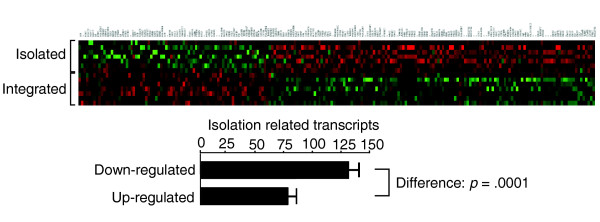
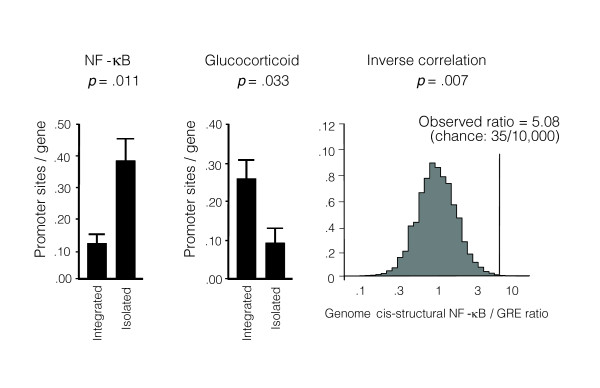
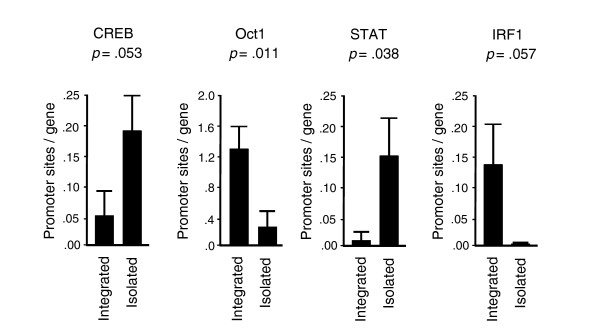
Background: Social environmental influences on human health are well established in the epidemiology literature, but their functional genomic mechanisms are unclear. The present study analyzed genome-wide transcriptional activity in people who chronically experienced high versus low levels of subjective social isolation (loneliness) to assess alterations in the activity of transcription control pathways that might contribute to increased adverse health outcomes in social isolates. Results: DNA microarray analysis identified 209 genes that were differentially expressed in circulating leukocytes from 14 high- versus low-lonely individuals, including up-regulation of genes involved in immune activation, transcription control, and cell proliferation, and down-regulation of genes supporting mature B lymphocyte function and type I interferon response. Promoter-based bioinformatic analyses showed under-expression of genes bearing anti-inflammatory glucocorticoid response elements (GREs; p = 0.032) and over-expression of genes bearing response elements for pro-inflammatory NF-κB/Rel transcription factors ( p = 0.011). This reciprocal shift in pro- and anti-inflammatory signaling was not attributable to differences in circulating cortisol levels, or to other demographic, psychological, or medical characteristics. Additional transcription control pathways showing differential activity in bioinformatic analyses included the CREB/ATF, JAK/STAT, IRF1, C/EBP, Oct, and GATA pathways. Conclusion: These data provide the first indication that human genome-wide transcriptional activity is altered in association with a social epidemiological risk factor. Impaired transcription of glucocorticoid response genes and increased activity of pro-inflammatory transcription control pathways provide a functional genomic explanation for elevated risk of inflammatory disease in individuals who experience chronically high levels of subjective social isolation.
Overview
The claims and statistics of this paper haven’t been checked yet.
Free: it reads the open-access text and checks the first 5 claims that cite a source we can check. Create a free account to check every claim.
Integrity signals
Registry
Cites
Statistics
Figures
Verification
Claims the paper makes
The claims and statistics of this paper haven’t been checked yet.
Free: it reads the open-access text and checks the first 5 claims that cite a source we can check. Create a free account to check every claim.
Claims other papers make about this one
Each is checked against this paper’s own text: does it say what the citing paper says it does?
The source backs part of the claim, not all of it — or backs it for a different population, condition or comparison.
In the citing paper
“Markers of immune activation and inflammation (e.g., pro-inflammatory cytokines and inflammatory mediators) were over-expressed in genes of the lonely relative to the socially connected group (37% of the 209 differentially expressed transcripts).”
From Loneliness matters: a theoretical and empirical review of consequences and mechanisms (2010) · cites this paper as [75]
Experimental — accuracy not yet measuredThe cited source says what the claim attributes to it.
In the citing paper
“in a genome-wide DNA microarray study, genes under-expressed by socially isolated individuals involved anti-inflammatory response elements and genes over-expressed involved proinflammatory response elements, compared to individuals who reported less social isolation”
From Close relationships, inflammation, and health (2010) · cites this paper as Cole et al., 2007
The cited source says what the claim attributes to it.
In the citing paper
“They also converge with a recent microarray profile of socially isolated individuals, which documented a similar pattern of diminished GR- and heightened NF-κB-dependent transcription (29).”
From A Functional Genomic Fingerprint of Chronic Stress in Humans: Blunted Glucocorticoid and Increased NF-κB Signaling (2008) · cites this paper as [29]
The cited source says what the claim attributes to it.
In the citing paper
“Subsequent bioinformatic analyses indicated that loneliness-associated differences in gene expression could be attributable to increased activity of the NF–κB transcription factor.”
From Loneliness matters: a theoretical and empirical review of consequences and mechanisms (2010) · cites this paper as [75]
The cited source says what the claim attributes to it.
In the citing paper
“Group differences in NF–κB/glucocorticoid receptor-mediated transcription activity were not attributable to objective indices of social isolation, nor were they explained by demographic, psychosocial (i.e., perceived stress, depression, hostility), or medical risk factors [75].”
From Loneliness matters: a theoretical and empirical review of consequences and mechanisms (2010) · cites this paper as [75]
7 more claims about this paper
Create a free account to see every claim other papers make about this one.
Self-check
Percentages, sums and reported differences re-computed from the paper’s own numbers.
The self-check needs the paper’s full text.
Citations
Cites
The CES-D Scale: A Self-Report Depression Scale for Research in the General Population
Radloff, L. S. (1977) · Applied Psychological Measurement · doi:10.1177/014662167700100306 · Cited by 53,267
Coussens, L. M., & Werb, Z. (2002) · Nature · doi:10.1038/nature01322 · Cited by 15,111
Inflammation, Atherosclerosis, and Coronary Artery Disease
Hansson, G. K. (2005) · New England Journal of Medicine · doi:10.1056/nejmra043430 · Cited by 8,773
Bolstad, B. M., Irizarry, R. A., Åstrand, M., & Speed, T. P. (2003) · Bioinformatics · doi:10.1093/bioinformatics/19.2.185 · Cited by 8,266 · cited 1×
“Robust multiarray averaging [60] was applied to quantify expression of the 22,283 assayed transcripts, and differentially expressed genes were identified as those showing ≥30% difference in mean expression levels in samples from high- versus low-lonely individuals (corresponding to a FDR of 10%) [59].”
MethodBERKMAN, L. F., & SYME, S. L. (1979) · American Journal of Epidemiology · doi:10.1093/oxfordjournals.aje.a112674 · Cited by 5,341
The Revised UCLA Loneliness Scale: concurrent and discriminant validity evidence
Russell, D., Peplau, L. A., & Cutrona, C. E. (1980) · Journal of Personality and Social Psychology · doi:10.1037/0022-3514.39.3.472 · Cited by 5,173 · cited 1×
“Social isolation Subjectively experienced social isolation was assessed by the UCLA-R Loneliness scale [53] at each yearly study visit.”
MethodAntiinflammatory Action of Glucocorticoids — New Mechanisms for Old Drugs
Rhen, T., & Cidlowski, J. A. (2005) · New England Journal of Medicine · doi:10.1056/nejmra050541 · Cited by 3,149 · cited 1×
“Cortisol activation of the glucocorticoid receptor (GR) exerts broad anti-inflammatory effects by inhibiting nuclear factor (NF)-κB/Rel transcription factors and other pro-inflammatory signaling pathways (for example, the Janus kinase-signal transducer and activator of transcription (JAK/STAT) and interferon response…”
BackgroundExpression monitoring by hybridization to high-density oligonucleotide arrays
Lockhart, D. J., Dong, H., Byrne, M. C., Follettie, M. T., Gallo, M. V., Chee, M. S., Mittmann, M., Wang, C., Kobayashi, M., Norton, H., et al. (1996) · Nature Biotechnology · doi:10.1038/nbt1296-1675 · Cited by 2,840
Uchino, B. N., Cacioppo, J. T., & Kiecolt-Glaser, J. K. (1996) · Psychological Bulletin · doi:10.1037/0033-2909.119.3.488 · Cited by 2,727 · cited 2×
“This result underscores the key role of subjective perceptual processes in transmitting the effects of social factors into physical biology via neuroendocrine alterations, and their subsequent impact on cellular gene expression [4,28,51,52].”
BackgroundSelf-citationCacioppo, J. T., Hughes, M. E., Waite, L. J., Hawkley, L. C., & Thisted, R. A. (2006) · Psychology and Aging · doi:10.1037/0882-7974.21.1.140 · Cited by 2,380 · cited 6×
“Global gene transcription profiles were assessed in circulating leukocytes from 14 individuals participating in the population-based Chicago Health Aging and Social Relations Study (CHASRS) [43].”
MethodInfluentialSelf-citation
Cited by
Items 401–500 of 741
Persistent social networks: Civil war veterans who fought together co-locate in later life
Costa, D. L., Kahn, M. E., Roudiez, C., & Wilson, S. E. (2017) · Regional Science and Urban Economics · doi:10.1016/j.regsciurbeco.2017.09.005 · Cited by 18
The impact of social-emotional context in chronic cancer pain: patient-caregiver reverberations
Laurentis, M. D., Botto, R., Bovero, A., Riccardo, T., & Ieraci, V. (2018) · Supportive Care in Cancer · doi:10.1007/s00520-018-4530-5 · Cited by 23
Lindsay, E. K., Creswell, J. D., Stern, H. J., Greco, C. M., Dutcher, J. M., Lipitz, S. R., Walsh, C. P., Wright, A. G. C., Brown, K. W., & Marsland, A. L. (2021) · Psychosomatic Medicine · doi:10.1097/psy.0000000000000928 · Cited by 24
“Converging evidence shows that GCR develops in response to chronic social stress, including chronic loneliness (7,9) and caregiving stress (13,36–39), as well as to ongoing synthetic GC treatment (e.”
BackgroundReply to Coyne: Genomic analyses are unthwarted
Cole, S. W., & Fredrickson, B. L. (2013) · Proceedings of the National Academy of Sciences · doi:10.1073/pnas.1316887110 · Cited by 17
Self-citationLoneliness in monkeys: neuroimmune mechanisms
Capitanio, J. P., Cacioppo, S., & Cole, S. W. (2019) · Current Opinion in Behavioral Sciences · doi:10.1016/j.cobeha.2019.01.013 · Cited by 24
“The first such study [24] examined the transcriptome in 8 low-lonely and 6 high-lonely individuals that had scored consistently on the UCLA Loneliness Scale over a three-year period.”
BackgroundSelf-citationOkabe‐Miyamoto, K., Walsh, L. C., Ozer, D. J., & Lyubomirsky, S. (2024) · PLoS ONE · doi:10.1371/journal.pone.0286408 · Cited by 24
Tu, L., Li, Y., Ren, X., Jiang, M., Han, L., & Zheng, X. (2024) · BMC Psychiatry · doi:10.1186/s12888-024-05958-y · Cited by 19
“There is a significant correlation between frailty and sarcopenia, with the majority of frail older people experiencing sarcopenia [26].”
BackgroundExpression of socially sensitive genes: The multi-ethnic study of atherosclerosis
Brown, K., Roux, A. V. D., Smith, J. A., Needham, B. L., Mukherjee, B., Ware, E. B., Liu, Y., Cole, S. W., Seeman, T. E., & Kardia, S. L. R. (2019) · PLoS ONE · doi:10.1371/journal.pone.0214061 · Cited by 21
Self-citationSteel, R. P., BISHOP, N. C., & Taylor, I. M. (2021) · Perspectives on Psychological Science · doi:10.1177/1745691620958008 · Cited by 19
“Psychosocial states may trigger protective biological processes because of the enhanced risk of virus in social groups relative to more isolated states (Cole et al., 2007).”
BackgroundEarly adversity and the regulation of gene expression: implications for prenatal health
Gillespie, S. L., Cole, S. W., & Christian, L. M. (2019) · Current Opinion in Behavioral Sciences · doi:10.1016/j.cobeha.2019.02.005 · Cited by 19
Self-citationHow does loneliness “get under the skin” to become biologically embedded?
Freilich, C. D. (2023) · Biodemography and Social Biology · doi:10.1080/19485565.2023.2260742 · Cited by 20
“Cole et al. (2007) studied RNA expression profiles in chronically lonely versus socially connected adults in order understand the transcriptional pathways underlying glucocorticoid resistance, and, more broadly, social environmental influences on gene expression.”
BackgroundD’Acquisto, F., Rattazzi, L., & Piras, G. (2014) · Biochemical Pharmacology · doi:10.1016/j.bcp.2014.07.016 · Cited by 20
“The upregulated genes were largely those involved in the inflammatory response, whereas many of the downregulated genes had antiviral roles [40].”
BackgroundBehavior genetics: Past, present, future
Jaffee, S. R., Price, T. S., & Reyes, T. M. (2013) · Development and Psychopathology · doi:10.1017/s0954579413000588 · Cited by 20
“For example, elderly adults who report feeling socially isolated are characterized by upregulation of genes involved in the inflammation response and downregulation of genes involved in responses to viral infections and in the production of antibodies (Cole et al., 2007).”
BackgroundBen-Shaanan, T. L., Schiller, M., & Rolls, A. (2016) · Brain Behavior and Immunity · doi:10.1016/j.bbi.2016.11.024 · Cited by 18
Ojagbemi, A., Bello, T., & Gureje, O. (2020) · International Journal of Geriatric Psychiatry · doi:10.1002/gps.5451 · Cited by 21
Sol, K., Sharifian, N., Manly, J. J., Brickman, A. M., & Zahodne, L. B. (2021) · Archives of Clinical Neuropsychology · doi:10.1093/arclin/acab001 · Cited by 16
“However, our finding that Black participants reported lower loneliness than White participants contrasts with the findings from a previous study that found that more Blacks reported loneliness compared to Whites (Cole et al., 2007).”
BackgroundResultTraumatic brain injury and neuro-endocrine disruption: Medical and psychosocial rehabilitation
Webb, N. E., Little, B., Loupee-Wilson, S., & Power, E. (2014) · Neurorehabilitation · doi:10.3233/nre-141074 · Cited by 19
“Given these data, it seems a stretch to argue that these complaints are isolated to litigious humans (Andersen et al., 1995; Cole et al., 2007; Boyce, Sokolowski, & Robinson, 2012; O’Donovan et al., 2011, 2012).”
Psychological Stress – Cellular and Molecular Mechanisms
Feodorova, Y. N., & Sarafian, V. S. (2012) · Folia Medica · doi:10.2478/v10153-011-0091-9 · Cited by 21
Shame, Humiliation and Social Isolation: Missing Dimensions of Poverty and Suffering Analysis
Mills, C., & Zavaleta, D. (2015) · Social indicators research series · doi:10.1007/978-94-017-9670-5_19 · Cited by 25
Loneliness and Health Indicators in Middle-Aged and Older Females and Males
Crespo-Sanmiguel, I., Zapater‐Fajarí, M., Garrido‐Chaves, R., Hidalgo, V., & Salvador, A. (2022) · Frontiers in Behavioral Neuroscience · doi:10.3389/fnbeh.2022.809733 · Cited by 19
Goel, N., Hernandez, A. E., Antoni, M. H., Kesmodel, S. B., Pinheiro, P. S., Kobetz, E. N., Merchant, N. B., & Cole, S. W. (2024) · Annals of Surgery · doi:10.1097/sla.0000000000006283 · Cited by 19
Self-citationImpact of Epigenetics, Diet, and Nutrition-Related Pathologies on Wound Healing
Hajj, J. P., Sizemore, B., & Singh, K. (2024) · International Journal of Molecular Sciences · doi:10.3390/ijms251910474 · Cited by 28
“Prolonged social isolation [74] Upregulation of pro-inflammatory mechanisms; disruption of wound healing stages [64,72] Childhood adversity [75] Heightened pro-inflammatory processes, altered leukocyte gene expression; disruption of wound healing process [64,73] Financial Status Lower…”
BackgroundThe Impact of Social and Physical Peer Victimization on Systemic Inflammation in Adolescents
Araña, A. A., Boyd, E. Q., Guarneri-White, M. E., Iyer‐Eimerbrink, P. A., Dougall, A. L., & Jensen‐Campbell, L. A. (2018) · Merrill-palmer Quarterly · doi:10.13110/merrpalmquar1982.64.1.0012 · Cited by 19
“Dysregulation in either direction (e.g., hypercortisolism or hypocortisolism) can result in an increase in cytokine production (e.g., Cole et al., 2007; Eisenberger & Cole, 2012; Fries, Hesse, Hellhammer, & Hellhammer, 2005).”
BackgroundEdelmann, S., Wiegand, A., Hentrich, T., Pasche, S., Schulze-Hentrich, J. M., Munk, M. H. J., Fallgatter, A. J., Kreifelts, B., & Nieratschker, V. (2023) · Frontiers in Psychiatry · doi:10.3389/fpsyt.2023.1125553 · Cited by 18
“Moreover, the expression of genes involved in immune response as well as transcriptional regulation and cell proliferation has been shown to be sensitive to social regulation [more precisely, the level of loneliness, (26)].”
BackgroundSocial isolation, health dynamics, and mortality: evidence across 21 European countries
Fawaz, Y., & Mira, P. (2023) · Journal of Population Economics · doi:10.1007/s00148-023-00956-y · Cited by 21
“This has been found by Cole et al. (2007) amongst a sample of 230 Americans aged 50–67, which explains why lonely people suffer from chronic inflammation in spite of their high levels of cortisol and are 12 Often referred to by the acronym OCEAN, these are openness to experience (vs. closedness),…”
Yang, Z., Liu, C., Li, H., Zhao, H., Jian, J., Chen, H., Wei, H., Niu, J., & Luo, B. (2025) · Social Science & Medicine · doi:10.1016/j.socscimed.2025.117701 · Cited by 20
The Gene–Culture Interaction Framework and Implications for Health
Sasaki, J. Y., Leclair, J., West, A. L., & Kim, H. S. (2016) · Oxford University Press eBooks · doi:10.1093/oxfordhb/9780199357376.013.20 · Cited by 16
“Stress and social isolation, for instance, have long been associated with poorer immune system functioning (Seeman, 1996), and a study examining white blood cells provided evidence linking social to biological factors at the level of gene expression (Cole et al., 2007).”
BackgroundSnodgrass, J. G., Bendeck, S., Zhao, K. X., Sagstetter, S. I., Lacy, M. G., Nixon, C., Branstrator, J. R., Arevalo, J. M. G., & Cole, S. W. (2022) · Psychoneuroendocrinology · doi:10.1016/j.psyneuen.2022.105885 · Cited by 17
Self-citationThe Role of Social and Interpersonal Factors in Placebo Analgesia
Necka, E. A., & Atlas, L. Y. (2018) · International review of neurobiology · doi:10.1016/bs.irn.2018.01.006 · Cited by 17
COVID-19 PANDEMIC AND THE MENTAL HEALTH OF ELDERLY
Aki, Ö. E. (2020) · The Turkish Journal of Geriatrics · doi:10.31086/tjgeri.2020.165 · Cited by 19
Sol, K., Brauer, S. G., & Antonucci, T. C. (2022) · The Journals of Gerontology Series B · doi:10.1093/geronb/gbac200 · Cited by 19
Psychosocial stressors and breast cancer gene expression in the Black Women’s Health Study
Barnard, M. E., Wang, X., Petrick, J. L., Zirpoli, G., Jones, D., Johnson, W. E., & Palmer, J. R. (2023) · Breast Cancer Research and Treatment · doi:10.1007/s10549-023-07182-w · Cited by 17
“Pre-clinical [17, 18], clinical [19], and epidemiologic [20–24] studies indicate that stress affects gene expression.”
Kelechi, T. J., Muise‐Helmericks, R. C., Theeke, L. A., Cole, S. W., Madisetti, M., Mueller, M., & Prentice, M. A. (2021) · BMC Geriatrics · doi:10.1186/s12877-021-02060-w · Cited by 15
Self-citationMascaro, J. S., Wallace, A., Hyman, B., Haack, C. I., Hill, C. C., Moore, M. A., Lund, M. B., Nehl, E. J., Bergquist, S. H., & Cole, S. W. (2022) · International Journal of Environmental Research and Public Health · doi:10.3390/ijerph19042255 · Cited by 18
Self-citationSocial environment as a modulator of immunosenescence
Garrido, A., de Toda, I. M., Cerro, E. D., Félix, J., Ceprián, N., González-Sánchez, M., & la Fuente, M. D. (2022) · Expert Reviews in Molecular Medicine · doi:10.1017/erm.2022.24 · Cited by 14
Zang, J. C. S., May, C., Hellwig, B., Moser, D., Hengstler, J. G., Cole, S. W., Heinrichs, M., Rahnenführer, J., Marcus, K., & Kumsta, R. (2023) · Translational Psychiatry · doi:10.1038/s41398-023-02320-w · Cited by 13
“Enhanced expression of pro-inflammatory immune response genes in leukocytes has been reported for people experiencing loneliness and chronic isolation [26] and among these immune cells, monocytes were identified as transcriptionally most sensitive to subjective social isolation [27], traumatic stress [28] or chronic s…”
BackgroundSelf-citationSystems biology and modeling in neuroblastoma: practicalities and perspectives
Logan, J. A., Kelly, M. E., Ayers, D., Shipillis, N., Baier, G., & Day, P. J. (2010) · Expert Review of Molecular Diagnostics · doi:10.1586/erm.10.4 · Cited by 14
Dengah, H. J. F., Snodgrass, J. G., Else, R. J., & Polzer, E. R. (2017) · Computers in Human Behavior · doi:10.1016/j.chb.2017.11.004 · Cited by 19
“Recent studies even suggest that social networks, or rather the absence of significant alters, may alter the expressed genome (mRNA transcription) of leukocytes in individuals (Cole et al. 2007).”
BackgroundCaputo, V., Pacilli, M. G., Arisi, I., Mazza, T., Brandi, R., Traversa, A., Casasanta, G., Pisa, E., Sonnessa, M., Healey, B., et al. (2020) · Translational Psychiatry · doi:10.1038/s41398-020-00869-4 · Cited by 14
Loneliness at the bench: Is the PhD experience as emotionally taxing as it is mentally challenging?
Brown, P. (2013) · EMBO Reports · doi:10.1038/embor.2013.35 · Cited by 16
“These results support evidence that one’s “subjective perception of isolation and not one’s objective number of social contacts” [9,12] predict the health-compromising effects of loneliness.”
ResultNoback, M. N., Zhang, G., White, N., Barrow, J. C., & Carr, G. V. (2020) · Neuroscience Letters · doi:10.1016/j.neulet.2020.135423 · Cited by 13
Prather, H., & Cheng, J. (2023) · HSS Journal® The Musculoskeletal Journal of Hospital for Special Surgery · doi:10.1177/15563316231193753 · Cited by 17
“Impairment in the transcription of the glucocorticoid response genes and increased proinflammatory transcription pathways may further explain the increased risk of chronic systemic inflammation in people who experience chronic social isolation [12].”
BackgroundTaylor, M. R., Cole, S. W., Strom, J. M., Brazauskas, R., Baker, K. S., Phelan, R., Buchbinder, D. K., Hamilton, B. K., Schoemans, H. M., Shaw, B. E., et al. (2023) · Blood Advances · doi:10.1182/bloodadvances.2023010746 · Cited by 14
“33 Conversely, higher perceived social support has been linked to better quality of life and lower psychological distress after HCT. 18 We lack a complete understanding of the underlying mechanisms linking social support and biology, but it is plausible that a dysregulated immune response plays an…”
BackgroundSelf-citationBird, C. M., Webb, E. K., Cole, S. W., Tomas, C. W., Knight, J. M., Timmer‐Murillo, S. C., Larson, C. L., deRoon‐Cassini, T. A., & Torres, L. (2023) · Brain Behavior and Immunity · doi:10.1016/j.bbi.2023.12.009 · Cited by 14
“Chronic stressors associated with social isolation or loneliness (Cole et al., 2007), as well as lower socioeconomic status (SES) in childhood (Chen et al., 2011, Miller et al., 2009), have also been implicated in shifting CTRA expression.”
Self-citationThe health consequences of loneliness
Rokach, A., & Patel, K. (2024) · Environment and Social Psychology · doi:10.54517/esp.v9i6.2150 · Cited by 24
“…loneliness was associated with inflammatory disorder involving a hampered transcription of glucocorticoid regulation, and with impairment of the executive functioning which may lead to the person engaging in unhealthy behaviors contributing to higher rates of morbidity and mortality [79,99] .”
BackgroundLoneliness in Posttraumatic Stress Disorder: A Neglected Factor in Accelerated Aging?
Palmer, B. W., Hussain, M., & Lohr, J. B. (2022) · Journal of Ageing and Longevity · doi:10.3390/jal2040027 · Cited by 18
Geographical, Environmental and Pathophysiological Influences on the Human Blood Transcriptome
Tabassum, R., Nath, A. P., Preininger, M. K., & Gibson, G. C. (2013) · Current Genetic Medicine Reports · doi:10.1007/s40142-013-0028-0 · Cited by 15
Rohleder, N. (2011) · Expert Review of Endocrinology & Metabolism · doi:10.1586/eem.11.8 · Cited by 17
Threats to Belonging Threaten Health: Policy Implications for Improving Physical Well-Being
Jaremka, L. M., & Sunami, N. (2017) · Policy Insights from the Behavioral and Brain Sciences · doi:10.1177/2372732217747005 · Cited by 13
“In addition, lonelier people exhibited upregulation of genes that promote inflammation relative to those more socially connected (Cole et al., 2007).”
BackgroundTheodore, D., Goodwin, R. D., Zhang, Y., Schneider, N. D., & Gordon, R. J. (2019) · Open Forum Infectious Diseases · doi:10.1093/ofid/ofz083 · Cited by 12
A genetic screen for Drosophila social isolation mutants and analysis of sex pistol
Eddison, M. (2021) · Scientific Reports · doi:10.1038/s41598-021-96871-x · Cited by 13
Zhang, J., Yang, J., Han, D., Zhao, X., Ma, J., Ban, B., Zhu, X., Yang, Y., Cao, D., & Qiu, X. (2018) · Scientific Reports · doi:10.1038/s41598-018-31530-2 · Cited by 11
Fang, C. Y., Egleston, B. L., Byrne, C., Bohr, G. S., Pathak, H. B., Godwin, A. K., Siu, P. T., & Tseng, M. (2019) · Cancer Causes & Control · doi:10.1007/s10552-019-01206-x · Cited by 12
Gao, Q., Steptoe, A., & Fancourt, D. E. (2025) · Nature Mental Health · doi:10.1038/s44220-025-00436-0 · Cited by 19
“For example, as a persistent psychological stressor, chronic loneliness may result in allostatic overload 17–19 and long-term stress system overactivation 20 , as well as dysregulated inflammatory processes 21,22 and upregulated gene transcription of pro-inflammatory control pathways 23 .”
Loneliness, Depression, and Genetics in the Elderly: Prognostic Factors of a Worse Health Condition?
Delgado‐Losada, M. L., Bouhaben, J., Arroyo‐Pardo, E., Aparicio, A., & López-Parra, A. M. (2022) · International Journal of Environmental Research and Public Health · doi:10.3390/ijerph192315456 · Cited by 17
“It is also associated with an increased hypothalamic pituitary adrenocortical activity [20], a diminished immunity [21,22], an underexpression of genes bearing anti-inflammatory glucocorticoid response elements and an upregulation of proinflammatory gene transcripts [23,24], abnormal ratios of circulating white blood…”
BackgroundÖğretmenlerin Okulda Yalnızlıklarının Kariyer Evrelerine Göre İncelenmesi
Bakioğlu, A., & Korumaz, M. (2015) · Eğitim Bilimleri Dergisi · doi:10.15285/ebd.61715 · Cited by 18
Stress, Negative Emotions, and Inflammation
Gouin, J., Hantsoo, L. V., & Kiecolt‐Glaser, J. K. (2011) · Oxford University Press eBooks · doi:10.1093/oxfordhb/9780195342161.013.0054 · Cited by 17
The application of protein microarray assays in psychoneuroimmunology
Ayling, K., Bowden, T., Tighe, P. J., Todd, I., Dilnot, E. M., Negm, O. H., Fairclough, L. C., & Vedhara, K. (2016) · Brain Behavior and Immunity · doi:10.1016/j.bbi.2016.09.013 · Cited by 13
“The notable exception to this is research on gene expression (e.g., Carroll et al., 2016; Cole et al., 2007; Miller et al., 2014; Vedhara et al., 2015) where the multiplex abilities of DNA microarrays (which were the pre-cursor to protein microarrays) have long been established as a valuable…”
Relationship between proximity and physiological stress levels in hunter-gatherers: The Hadza
Fedurek, P., Lacroix, L., Aktipis, A., Cronk, L., Makambi, J. E., Mabulla, I. A., Lehmann, J., & Berbesque, J. C. (2022) · Hormones and Behavior · doi:10.1016/j.yhbeh.2022.105294 · Cited by 11
Overview of Pain Management in Older Persons
Deane, G., & Smith, H. S. (2008) · Clinics in Geriatric Medicine · doi:10.1016/j.cger.2007.12.004 · Cited by 13
Chronic psychosocial stressors and salivary biomarkers in emerging adults
Bergen, A. W., Mallick, A., Nishita, D., Wei, X., Michel, M., Wacholder, A. C., David, S. P., Swan, G. E., Reid, M. W., Simons, A. D., et al. (2011) · Psychoneuroendocrinology · doi:10.1016/j.psyneuen.2011.11.010 · Cited by 15
“We interrogated the same database to identify the prevalence of AREs in differentially expressed genes in previously published studies of genome-wide gene expression of response to chronic stressors (Cole et al., 2007; Miller et al., 2008, 2009), and compared the mean prevalence in these studies to the genome-wide ave…”
BackgroundResultInfluentialCrimmins, E. M., & Vasunilashorn, S. M. (2015) · Elsevier eBooks · doi:10.1016/b978-0-12-417235-7.00003-2 · Cited by 12
Ghazal, L. V., Cole, S. W., Salsman, J. M., Wagner, L. I., Duan, F., Gareen, I. F., Lux, L., Parsons, S. K., Cheung, C. K., Loeb, D. M., et al. (2022) · JCO Precision Oncology · doi:10.1200/po.21.00462 · Cited by 11
Self-citationThe interplay of age, period, and cohort effects on obesity and metabolic diseases in later life
Kelley, J. A., & Thorpe, R. J. (2021) · Elsevier eBooks · doi:10.1016/b978-0-12-815970-5.00011-5 · Cited by 11
Zeng, X., Jiang, Y., Liu, Z., Yang, H., Song, H., Li, C., & Fu, P. (2025) · Journal of the American Heart Association · doi:10.1161/jaha.124.038951 · Cited by 11
“Other possible explanations include underexpression of genes to exacerbate inflammation, 37 oxidative stress, 38 increased blood pressure, 39 and higher vascular resistance.”
Genes, cognition, and social behavior: Next steps for foundations and researchers
Lupia, A. (2011) · Politics and the Life Sciences · doi:10.1017/s0730938400014052 · Cited by 10
Altered immunoemotional regulatory system in COVID-19: From the origins to opportunities
Pourriyahi, H., Saghazadeh, A., & Rezaei, N. (2021) · Journal of Neuroimmunology · doi:10.1016/j.jneuroim.2021.577578 · Cited by 13
Ricon‐Becker, I., Fogel, E., Cole, S. W., Haldar, R., Lev‐Ari, S., & Gidron, Y. (2021) · Comprehensive Psychoneuroendocrinology · doi:10.1016/j.cpnec.2021.100057 · Cited by 12
“Adverse social-environmental conditions, such as social isolation and low socioeconomic status, have been associated with differential expression of gene transcripts in leukocytes and malignant tissues [15, 16,17].”
BackgroundSelf-citationJohar, H., Atasoy, S., Beutel, M. E., Brähler, E., Schomerus, G., Binder, H., Peters, A., Zöller, D., Fleischer, T., Otten, D., et al. (2023) · International Journal of Mental Health and Addiction · doi:10.1007/s11469-023-01121-y · Cited by 18
“…through impaired cardio-metabolic health (Hawkley & Cacioppo, 2003), elevated blood pressure and cortisol, heightened inflammatory responses to stress (Steptoe et al., 2004), and modifications in transcriptional pathways linked with glucocorticoid and inflammatory processes (Cole et al., 2007).”
The role of glucocorticoid receptor phosphorylation in the model of negative affective states
Jovicic, M. J., Marić, N. P., Soldatović, I., Lukić, I., Petrović, S. A., Mihaljevic, M. M., Pavlović, Z., Mitić, M., & Adžić, M. (2015) · The World Journal of Biological Psychiatry · doi:10.3109/15622975.2014.1000375 · Cited by 9
“Besides this, alterations in lymphocyte GR function, especially via its phosphorylation (Avenant et al. 2010), could have an effect on infl ammatory signalling, that is also involved in chronic stress and NA (Cole et al. 2007; Miller et al. 2008; Antoni et al. 2012).”
BackgroundSocial regulation of the lymph node transcriptome in rhesus macaques (Macaca mulatta)
Chun, K., Capitanio, J. P., Lamkin, D. M., Sloan, E. K., Arevalo, J. M. G., & Cole, S. W. (2016) · Psychoneuroendocrinology · doi:10.1016/j.psyneuen.2016.10.029 · Cited by 12
Self-citationUp-regulation of IGF-1 in the frontal cortex of piglets exposed to an environmentally enriched arena
Brown, S. M., Peters, R., & Lawrence, A. B. (2017) · Physiology & Behavior · doi:10.1016/j.physbeh.2017.02.030 · Cited by 12
Intergenerational resource sharing and mortality in a global perspective
Vogt, T. C., Kluge, F. A., & Lee, R. D. (2020) · Proceedings of the National Academy of Sciences · doi:10.1073/pnas.1920978117 · Cited by 12
Jaremka, L. M., Kane, H. S., Sunami, N., Lebed, O., & Austin, K. A. (2020) · Personal Relationships · doi:10.1111/pere.12338 · Cited by 11
“People experiencing chronic stress also have an upregulation of proinflammatory genes and a downregulation of antiinflammatory genes (Cole et al., 2007).”
BackgroundZenga, J., Awan, M. J., Frei, A. C., Petrie, E., Sharma, G. P., Shreenivas, A. V., Shukla, M., & Himburg, H. A. (2022) · Head & Neck · doi:10.1002/hed.27028 · Cited by 10
Relational Processes in Social Anxiety Disorder
Alden, L. E., Regambal, M. J., & Plasencia, L. (2014) · Wiley eBooks · doi:10.1002/9781118653920.ch8 · Cited by 19
Taylor, S. E. (2008) · Psychology and Health · doi:10.1080/08870440701747477 · Cited by 13
“In a recent study, for example, Steve Cole, Sheldon Cohen, and colleagues (Cole et al., 2007) showed that people who experience subjective social isolation (loneliness) have impaired transcription involving glucocorticoid response genes and increased activity of pro-inflammatory transcription control pathways.”
BackgroundImmunology: The pursuit of happiness
Marchant, J. (2013) · Nature · doi:10.1038/503458a · Cited by 10
Affective reactivity to daily stressors and immune cell gene expression in the MIDUS study
Apsley, A. T., Lee, S. A., Bhat, A. C., Rush, J., Almeida, D. M., Cole, S. W., & Shalev, I. (2023) · Brain Behavior and Immunity · doi:10.1016/j.bbi.2023.09.025 · Cited by 13
Self-citationLoneliness and Its Predictors in Rare Versus Common Chronic Illnesses
Nicoloro‐SantaBarbara, J. M., & Lobel, M. (2023) · International Journal of Behavioral Medicine · doi:10.1007/s12529-023-10231-9 · Cited by 9
“Although often unrecognized [4], loneliness is associated with an increased risk of substantial negative mental and physical health outcomes such as depression [5, 6], cancer progression [7–9], cognitive decline [10], cardiovascular disease and stroke [11], and lower immune function [12–17].”
Garcia, M. A., Li, X., Allen, P. A., Delahanty, D. L., Eppelheimer, M. S., Houston, J. R., Johnson, D. M., Loth, F., Maleki, J., Vorster, S. J., et al. (2021) · The Cerebellum · doi:10.1007/s12311-021-01251-w · Cited by 10
Gonda, X., Serafini, G., & Döme, P. (2023) · Journal of Personalized Medicine · doi:10.3390/jpm13071078 · Cited by 9
“For instance, negative effects triggered by social rejection show an association between increased inflammatory response [102], and several studies have also demonstrated a link between social isolation and the activation of inflammatory processes [103–105], paralleled by an increase in the expression of genes encodin…”
BackgroundPerceived Social Isolation within Personal and Evolutionary Timescales
Hawkley, L. C., Cacioppo, J. T., & Correll, J. (2013) · Oxford University Press eBooks · doi:10.1093/oxfordhb/9780195398700.013.0017 · Cited by 12
Self-citationAs we said, loneliness (not living alone) explains individual differences in sleep quality: Reply.
Hawkley, L. C., Preacher, K. J., & Cacioppo, J. T. (2011) · Health Psychology · doi:10.1037/a0022366 · Cited by 10
“…se that drives the prospective effects we’ve observed to date, including increases in blood pressure, increases in depressive symptoms, greater increases in morning cortisol, and alterations in gene transcription (Adam et al., 2006; Cacioppo et al., 2010; Cole et al., 2007; Hawkley et al., 2010).”
BackgroundSelf-citationTheeke, L. A., Mallow, J. A., Moore, J., McBurney, A., VanGilder, R. L., Barr, T. L., Theeke, E., Rellick, S. L., & Petrone, A. B. (2016) · Open Journal of Nursing · doi:10.4236/ojn.2016.68066 · Cited by 10
“5 on the UCLA loneliness scale (scale range 20 – 80) [8].”
BackgroundUnderstanding Heritability: What it is and What it is Not
Johnson, W., Penke, L., & Spinath, F. M. (2011) · European Journal of Personality · doi:10.1002/per.835 · Cited by 11
Acculturation in Context and Brain Health in Older Latino Adults: A Diffusion Tensor Imaging Study
Fleischman, D. A., Arfanakis, K., Zhang, S., Leurgans, S. E., Barnes, L. L., Bennett, D. A., Márquez, D. X., & Lamar, M. (2023) · Journal of Alzheimer s Disease · doi:10.3233/jad-230491 · Cited by 9
Exon Array Biomarkers for the Differential Diagnosis of Schizophrenia and Bipolar Disorder
Vawter, M. P., Philibert, R. A., Rollins, B. L., Ruppel, P. L., & OSBORN, T. W. (2017) · Complex Psychiatry · doi:10.1159/000485800 · Cited by 9
Bulgakova, S. V., Romanchuk, N., & Станиславовна, П. О. (2020) · Bulletin of Science and Practice · doi:10.33619/2414-2948/61/15 · Cited by 8
Schneider, V., Norris, T., Nugawela, M. D., Dalrymple, E., Hargreaves, D. S., Käll, A., McOwat, K., Shafran, R., Stephenson, T. J., Xu, L., et al. (2023) · Psychology Research and Behavior Management · doi:10.2147/prbm.s421165 · Cited by 10
Krupina, N. A., & Shirenova, S. D. (2023) · Успехи физиологических наук · doi:10.31857/s0301179823040045 · Cited by 11
Behavioral Genetic Approaches and Family Theory
Moore, G. A., & Neiderhiser, J. M. (2014) · Journal of Family Theory & Review · doi:10.1111/jftr.12028 · Cited by 11
“…work has found that older adults who reported feeling lonely showed different levels of gene expression in specific groups of genes related to immune system functioning, which suggests that perception of social support can modulate gene activity that supports physical health (Cole et al., 2007).”
BackgroundZhou, M., Zhong, H., Hu, J.-L., & Tang, D. (2015) · Acta Botanica Gallica · doi:10.1080/12538078.2014.999117 · Cited by 8
Einsamkeit – erblich, ansteckend, tödlich
Spitzer, M. (2016) · Nervenheilkunde · doi:10.1055/s-0037-1616442 · Cited by 13
“Auch wenn dabei die Einsamkeit nur „gefühlt“ sein mag (13, 38), die Auswirkungen dieses Gefühls sind real: Sie zeigen sich einer großen Zahl von Studien zufolge in einer deutlichen Steigerung von Morbidität und Mortalität.”
BackgroundThorpe, R. J., & Kelley, J. A. (2019) · Anthrozoös · doi:10.1080/08927936.2019.1569904 · Cited by 8
Cardiovascular and immunological implications of social distancing in the context of COVID-19
D’Acquisto, F., & Hamilton, A. (2020) · Cardiovascular Research · doi:10.1093/cvr/cvaa167 · Cited by 10
“Does social distancing affect the immune system? Studies in socially isolated mice, primates, and other species have shown an up-regulation of antimicrobial inflammatory response and a parallel down-regulation of antiviral genes as well as higher overall levels of inflammation.(10,11) Of note, high levels of inflammat…”
BackgroundCentral Nervous System Influences in Asthma
Kline, J. N., & Rose, R. M. (2013) · Advances in experimental medicine and biology · doi:10.1007/978-1-4614-8603-9_19 · Cited by 9
Self-citationChapman, B. P. (2013) · American Journal of Epidemiology · doi:10.1093/aje/kwt169 · Cited by 9
“Might quantitative trait loci associated with conscientiousness also be involved in the pathogenesis of some chronic diseases? Moreover, new work on the social regulation of gene expression implicates stress-response physiology linked to personality phenotype (4).”
BackgroundShame, Humiliation and Social Isolation: Missing Dimensions of Poverty and Suffering Analysis
Mills, C., Zavaleta, D., & Samuel, K. (2014) · University of Oxford · doi:10.35648/20.500.12413/11781/ii037 · Cited by 14
Milani, A., Misurelli, E., Bottaccioli, A. G., Bottaccioli, F., Lacapra, S., Ciccarelli, C., Magon, G., & Mazzocco, K. (2023) · Journal of Advanced Nursing · doi:10.1111/jan.15858 · Cited by 10
Metadata
- Authors
- Cole, S. W., Hawkley, L. C., Arevalo, J. M., Sung, C. Y., Rose, R. M., & Cacioppo, J. T.
- Affiliations
- University of California, Los Angeles (US)
- University of Chicago (US)
- John D. and Catherine T. MacArthur Foundation (US)
- Corresponding author
- Cole, Steve W
- Venue
- Genome Biology
- Published
- 2007-09-13
- Volume
- 8
- Issue
- 9
- Pages
- R189-R189
- ISSN
- 1465-6906 (ISSN-L)
- 1474-760X
- PMC
- PMC2375027
- OpenAlex
- W2170607802
- Cited by
- 745
- References
- 73
- Citations by year
- 2026: 41 · 2025: 46 · 2024: 34 · 2023: 46 · 2022: 40 · 2021: 42 · 2020: 45 · 2019: 40 · 2018: 42 · 2017: 35 · 2016: 51 · 2015: 45 · 2014: 43 · 2013: 39 · 2012: 44
- FWCI
- 9.56
- Type
- journal article
- Language
- en
- Open access
- gold
- doi.org
- Licence
- cc-by
- creativecommons.org/licenses/by/2.0/ (tdm)
- creativecommons.org/licenses/by/2.0/ (vor)
- Locations
- Genome biology (publishedVersion, cc-by)
- PubMed Central (publishedVersion, cc-by)
- PubMed (publishedVersion)
- eScholarship (California Digital Library) (submittedVersion)
- eScholarship (California Digital Library) (submittedVersion, cc-by)
- Funders
- John D. and Catherine T. MacArthur Foundation
- John Templeton Foundation
- National Institutes of Health
- National Institute on Aging (P01 AG19811)
- National Cancer Institute (R01CA116778)
- National Institute of Allergy and Infectious Diseases (R01 AI52737, R01AI052737)
- National Center for Research Resources (P20RR020645)
- Topics
- Life Sciences › Neuroscience › Behavioral Neuroscience › Stress Responses and Cortisol
- Social Sciences › Health › Health disparities and outcomes
- Life Sciences › Biochemistry, Genetics and Molecular Biology › Molecular Biology › Genomics and Chromatin Dynamics
- Keywords
- social isolation, loneliness, gene expression, leukocytes, transcriptional regulation, glucocorticoid response element, pro-inflammatory signaling, anti-inflammatory signaling, type I interferon response, B cell function, JAK/STAT signaling, C/EBP, GATA, social determinants of health
- MeSH terms
- Aged, C-Reactive Protein, Female, Gene Expression Regulation, Glucocorticoids, Humans, Interpersonal Relations, Leukocytes, Male, Middle Aged, Models, Biological, Promoter Regions, Genetic, Signal Transduction, Genome, Human, Computational Biology
About these checks
Registry, retraction, Cites and statistics results are computed, not judged, with one exception: a printed reference that no index lists is read once by a model before it counts as a citation error. Claims are extracted by a model and kept only when their quote appears verbatim in the text; each cited source is then checked, with a model’s help, for whether it says what the claim relies on. Those verdicts can be wrong — read the claim’s quote and the cited source before relying on one.
Statistics and arithmetic are recomputed, not judged.
Confidence bands are shown only for fields calibrated on our annotated test set. None is calibrated yet, so no band is shown.
What counts as a claim ›How we measure confidence ›How we check this ›
Are you an author, or do you see a problem with this page? Request a review
Data sources
Bibliographic data: Semantic Scholar, OpenAlex, Crossref.
Contains information from the Semantic Scholar Academic Graph Datasets, made available under the ODC Attribution License (ODC-BY 1.0).
Semantic Scholar’s data is described in: Kinney, R., et al. (2023). The Semantic Scholar Open Data Platform. arXiv:2301.10140.
