

Analyzing and minimizing PCR amplification bias in Illumina sequencing libraries
Open accessThe DOI matches its Crossref record; 22 of the 22 references it cites were found in a registry or an index.
Abstract
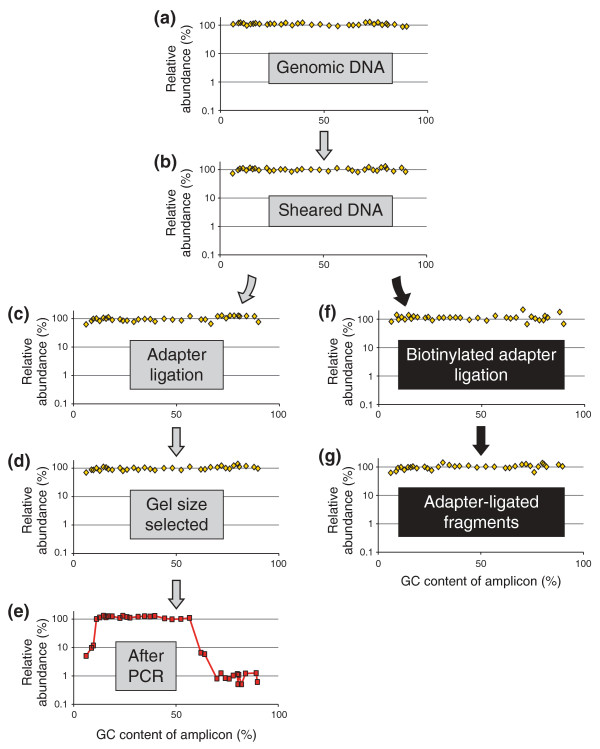
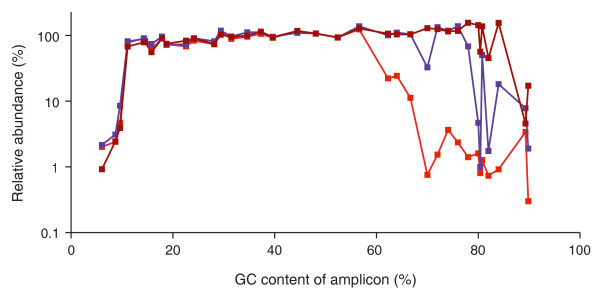
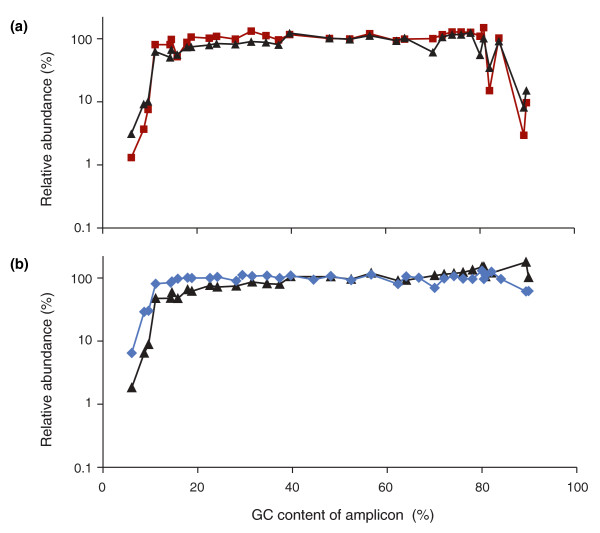
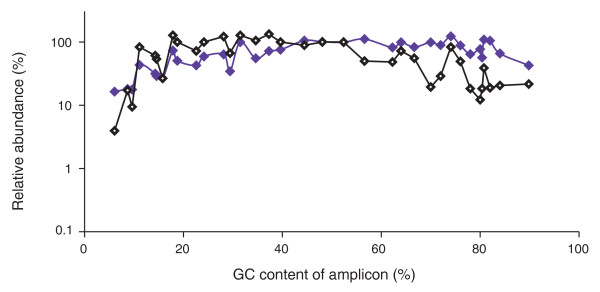
Despite the ever-increasing output of Illumina sequencing data, loci with extreme base compositions are often under-represented or absent. To evaluate sources of base-composition bias, we traced genomic sequences ranging from 6% to 90% GC through the process by quantitative PCR. We identified PCR during library preparation as a principal source of bias and optimized the conditions. Our improved protocol significantly reduces amplification bias and minimizes the previously severe effects of PCR instrument and temperature ramp rate.
Overview
The claims and statistics of this paper haven’t been checked yet.
Free: it reads the open-access text and checks the first 5 claims that cite a source we can check. Create a free account to check every claim.
Integrity signals
Registry
Cites
Statistics
Figures
Verification
Claims the paper makes
The claims and statistics of this paper haven’t been checked yet.
Free: it reads the open-access text and checks the first 5 claims that cite a source we can check. Create a free account to check every claim.
Claims other papers make about this one
Each is checked against this paper’s own text: does it say what the citing paper says it does?
The source backs part of the claim, not all of it — or backs it for a different population, condition or comparison.
In the citing paper
“This RT bias can also affect the observed GC content (Supplementary Figs. 7–11) and base-frequency data11,33, 34”
From Multi-platform assessment of transcriptome profiling using RNA-seq in the ABRF next-generation sequencing study (2014) · cites this paper as [34]
Experimental — accuracy not yet measuredThe cited source says what the claim attributes to it.
In the citing paper
“A GC content bias is often observed in high-throughput sequencing data, with fragments of certain GC content under-represented, and can be partially attributed to PCR amplification during library preparation20.”
From Modeling of RNA-seq fragment sequence bias reduces systematic errors in transcript abundance estimation (2016) · cites this paper as [20]
The cited source says what the claim attributes to it.
In the citing paper
“GC content of individual sequences were previously found to affect PCR amplification efficiency in biological DNA15–17.”
From Quantifying Molecular Bias in DNA Data Storage (2019) · cites this paper as [17]
The cited source says what the claim attributes to it.
In the citing paper
“Although previous studies observed PCR bias in genomic biological sample amplification15–17, it remained unclear whether such bias is significant in DNA data storage.”
From Quantifying Molecular Bias in DNA Data Storage (2019) · cites this paper as [17]
Self-check
Percentages, sums and reported differences re-computed from the paper’s own numbers.
The self-check needs the paper’s full text.
Citations
Cites
Fast and accurate short read alignment with Burrows-Wheeler transform
Li, H., & Durbin, R. (2009) · Bioinformatics · doi:10.1093/bioinformatics/btp324 · Cited by 58,607
Genome sequencing in microfabricated high-density picolitre reactors
Margulies, M., Egholm, M., Altman, W. E., Attiya, S., Bader, J. S., Bemben, L. A., Berka, J., Braverman, M. S., Chen, Y.-J., Chen, Z., et al. (2005) · Nature · doi:10.1038/nature03959 · Cited by 7,693
Genome sequence of the human malaria parasite Plasmodium falciparum
Gardner, M. J., Hall, N., Fung, E., White, O., Berriman, M., Hyman, R. W., Carlton, J. M., Pain, A., Nelson, K. E., Bowman, S., et al. (2002) · Nature · doi:10.1038/nature01097 · Cited by 4,407
Real-Time DNA Sequencing from Single Polymerase Molecules
Eid, J., Fehr, A., Gray, J., Luong, K., Lyle, J., Otto, G., Peluso, P., Rank, D., Baybayan, P., Bettman, B., et al. (2009) · Science · doi:10.1126/science.1162986 · Cited by 3,732
Accurate whole human genome sequencing using reversible terminator chemistry
Bentley, D. R., Balasubramanian, S., Swerdlow, H. P., Smith, G. P., Milton, J., Brown, C. G., Hall, K. P., Evers, D. J., Barnes, C. L., Bignell, H. R., et al. (2008) · Nature · doi:10.1038/nature07517 · Cited by 3,684
Self-citationGenome sequence, comparative analysis and haplotype structure of the domestic dog
members, B. S. P., Lindblad-Toh, K., Wade, C. M., Mikkelsen, T. S., Karlsson, E. K., Jaffe, D. B., Kamal, M., Clamp, M., Chang, J. L., Kulbokas, E. J., et al. (2005) · Nature · doi:10.1038/nature04338 · Cited by 2,568 · cited 1×
“Cloning bias hindered efforts to sequence the AT-rich genomes of Dictyostelium [12] and Plasmodium [13] and excluded the GC-rich first exons of about 10% of protein-coding genes in the dog (K Lindblad-Toh, personal communication) from an otherwise high-quality reference genome assembly [14].”
BackgroundSelf-citationThe genome of the social amoeba Dictyostelium discoideum
Eichinger, L., Pachebat, J. A., Glöckner, G., Rajandream, M.-A., Sucgang, R., Berriman, M., Song, J., Olsen, R., Szafranski, K., Xu, Q., et al. (2005) · Nature · doi:10.1038/nature03481 · Cited by 1,351 · cited 2×
“Cloning bias hindered efforts to sequence the AT-rich genomes of Dictyostelium [12] and Plasmodium [13] and excluded the GC-rich first exons of about 10% of protein-coding genes in the dog (K Lindblad-Toh, personal communication) from an otherwise high-quality reference genome assembly [14].”
BackgroundHuman Genome Sequencing Using Unchained Base Reads on Self-Assembling DNA Nanoarrays
Drmanac, R., Sparks, A. B., Callow, M. J., Halpern, A. L., Burns, N. L., Kermani, B. G., Carnevali, P., Nazarenko, I., Nilsen, G. B., Yeung, G., et al. (2010) · Science · doi:10.1126/science.1181498 · Cited by 1,212 · cited 1×
“New genome sequencing technologies [1-3,15-17] no longer rely on cloning in a microbial host.”
BackgroundSubstantial biases in ultra-short read data sets from high-throughput DNA sequencing
Dohm, J. C., Lottaz, C., Borodina, T., & Himmelbauer, H. (2008) · Nucleic Acids Research · doi:10.1093/nar/gkn425 · Cited by 1,088 · cited 1×
“The Illumina sequencing platform [1], like other massively parallel sequencing platforms [2,3], continues to produce ever-increasing amounts of data, yet suffers from under-representation and reduced quality at loci with extreme base compositions that are recalcitrant to the technology [1,4-6].”
MethodA large genome center's improvements to the Illumina sequencing system
Quail, M. A., Kozarewa, I., Smith, F., Scally, A., Stephens, P. J., Durbin, R., Swerdlow, H., & Turner, D. J. (2008) · Nature Methods · doi:10.1038/nmeth.1270 · Cited by 727
Cited by
Microbiome definition re-visited: old concepts and new challenges
Berg, G., Rybakova, D., Fischer, D., Cernava, T., Vergès, M.-C. C., Charles, T., Chen, X., Cocolin, L., Eversole, K., Corral, G. H., et al. (2020) · Microbiome · doi:10.1186/s40168-020-00875-0 · Cited by 2,275
“A well-known example in DNA processing is the selective amplification induced by primer selection and PCR or the large number of unknown reads when metagenomes are analyzed [152, 157, 158].”
BackgroundSmith, T., Heger, A., & Sudbery, I. (2017) · Genome Research · doi:10.1101/gr.209601.116 · Cited by 2,143
CNVkit: Genome-Wide Copy Number Detection and Visualization from Targeted DNA Sequencing
Talevich, E., Shain, A. H., Botton, T., & Bastian, B. C. (2016) · PLOS Computational Biology · doi:10.1371/journal.pcbi.1004873 · Cited by 2,094
Sequencing depth and coverage: key considerations in genomic analyses
Sims, D., Sudbery, I., Ilott, N. E., Heger, A., & Ponting, C. P. (2014) · Nature Reviews Genetics · doi:10.1038/nrg3642 · Cited by 1,393
Next-generation transcriptome assembly
Martin, J. A., & Wang, Z. (2011) · Nature Reviews Genetics · doi:10.1038/nrg3068 · Cited by 1,253
Long-read human genome sequencing and its applications
Logsdon, G. A., Vollger, M. R., & Eichler, E. E. (2020) · Nature Reviews Genetics · doi:10.1038/s41576-020-0236-x · Cited by 1,235
Architectural protein subclasses shape 3D organization of genomes during lineage commitment
Phillips-Cremins, J. E., Sauria, M. E. G., Sanyal, A., Gerasimova, T. I., Lajoie, B. R., Bell, J. S. K., Ong, C.-T., Hookway, T. A., Guo, C., Sun, Y., et al. (2013) · Cell · doi:10.1016/j.cell.2013.04.053 · Cited by 1,187
Contamination in Low Microbial Biomass Microbiome Studies: Issues and Recommendations
Eisenhofer, R., Minich, J. J., Marotz, C., Cooper, A., Knight, R., & Weyrich, L. S. (2019) · Trends in Microbiology · doi:10.1016/j.tim.2018.11.003 · Cited by 1,146
SEQC/MAQC-III Consortium (2014) · Nature Biotechnology · doi:10.1038/nbt.2957 · Cited by 983
Anchored multiplex PCR for targeted next-generation sequencing
Zheng, Z., Liebers, M., Zhelyazkova, B., Cao, Y., Panditi, D., Lynch, K. D., Chen, J., Robinson, H. E., Shim, H. S., Chmielecki, J., et al. (2014) · Nature Medicine · doi:10.1038/nm.3729 · Cited by 915
Summarizing and correcting the GC content bias in high-throughput sequencing
Benjamini, Y., & Speed, T. P. (2012) · Nucleic Acids Research · doi:10.1093/nar/gks001 · Cited by 913
Characterizing and measuring bias in sequence data
Ross, M. G., Russ, C., Costello, M., Hollinger, A., Lennon, N. J., Hegarty, R., Nusbaum, C., & Jaffe, D. B. (2013) · Genome Biology · doi:10.1186/gb-2013-14-5-r51 · Cited by 909
Self-citationSystematic improvement of amplicon marker gene methods for increased accuracy in microbiome studies
Gohl, D. M., Vangay, P., Garbe, J., MacLean, A., Hauge, A., Becker, A., Gould, T. J., Clayton, J. B., Johnson, T. J., Hunter, R., et al. (2016) · Nature Biotechnology · doi:10.1038/nbt.3601 · Cited by 819
HiCUP: pipeline for mapping and processing Hi-C data
Wingett, S. W., Ewels, P., Furlan-Magaril, M., Nagano, T., Schoenfelder, S., Fraser, P., & Andrews, S. (2015) · F1000Research · doi:10.12688/f1000research.7334.1 · Cited by 763
Goodrich, J. K., Di Rienzi, S. C., Poole, A. C., Koren, O., Walters, W. A., Caporaso, J. G., Knight, R., & Ley, R. E. (2014) · Cell · doi:10.1016/j.cell.2014.06.037 · Cited by 714
Poretsky, R., Rodriguez-R, L. M., Luo, C., Tsementzi, D., & Konstantinidis, K. T. (2014) · PLoS ONE · doi:10.1371/journal.pone.0093827 · Cited by 684
Library construction for next-generation sequencing: Overviews and challenges
Head, S. R., Komori, H. K., LaMere, S. A., Whisenant, T., Van Nieuwerburgh, F., Salomon, D. R., & Ordoukhanian, P. (2014) · BioTechniques · doi:10.2144/000114133 · Cited by 669
Optimizing illumina next-generation sequencing library preparation for extremely at-biased genomes
Oyola, S. O., Otto, T. D., Gu, Y., Maslen, G., Manske, M., Campino, S., Turner, D. J., MacInnis, B., Kwiatkowski, D. P., Swerdlow, H. P., et al. (2012) · BMC Genomics · doi:10.1186/1471-2164-13-1 · Cited by 653
Minoche, A. E., Dohm, J. C., & Himmelbauer, H. (2011) · Genome Biology · doi:10.1186/gb-2011-12-11-r112 · Cited by 629
Statistics or biology: the zero-inflation controversy about scRNA-seq data
Jiang, R., Sun, T., Song, D., & Li, J. J. (2022) · Genome Biology · doi:10.1186/s13059-022-02601-5 · Cited by 614
Yaffe, E., & Tanay, A. (2011) · Nature Genetics · doi:10.1038/ng.947 · Cited by 610
Removing technical variability in RNA-seq data using conditional quantile normalization
Hansen, K. D., Irizarry, R. A., & WU, Z. (2012) · Biostatistics · doi:10.1093/biostatistics/kxr054 · Cited by 607
Benchmarking Metagenomics Tools for Taxonomic Classification
Ye, S. H., Siddle, K. J., Park, D. J., & Sabeti, P. C. (2019) · Cell · doi:10.1016/j.cell.2019.07.010 · Cited by 593
Tedersoo, L., Anslan, S., Bahram, M., Põlme, S., Riit, T., Liiv, I., Kõljalg, U., Kisand, V., Nilsson, H., Hildebrand, F., et al. (2015) · MycoKeys · doi:10.3897/mycokeys.10.4852 · Cited by 583
Assessing the performance of the Oxford Nanopore Technologies MinION
Laver, T., Harrison, J., O’Neill, P. A., Moore, K., Farbos, A., Paszkiewicz, K., & Studholme, D. J. (2015) · Biomolecular Detection and Quantification · doi:10.1016/j.bdq.2015.02.001 · Cited by 572
Discovery and Statistical Genotyping of Copy-Number Variation from Whole-Exome Sequencing Depth
Fromer, M., Moran, J. L., Chambert, K., Banks, E., Bergen, S. E., Ruderfer, D. M., Handsaker, R. E., McCarroll, S. A., O’Donovan, M. C., Owen, M. J., et al. (2012) · The American Journal of Human Genetics · doi:10.1016/j.ajhg.2012.08.005 · Cited by 563
Performance comparison of exome DNA sequencing technologies
Clark, M. J., Chen, R., Lam, H. Y. K., Karczewski, K. J., Chen, R., Euskirchen, G., Butte, A. J., & Snyder, M. (2011) · Nature Biotechnology · doi:10.1038/nbt.1975 · Cited by 511
proovread : large-scale high-accuracy PacBio correction through iterative short read consensus
Hackl, T., Hedrich, R., Schultz, J., & Förster, F. (2014) · Bioinformatics · doi:10.1093/bioinformatics/btu392 · Cited by 510
Assemblathon 1: A competitive assessment of de novo short read assembly methods
Earl, D., Bradnam, K., St. John, J., Darling, A., Lin, D., Fass, J., Yu, H. O. K., Buffalo, V., Zerbino, D. R., Diekhans, M., et al. (2011) · Genome Research · doi:10.1101/gr.126599.111 · Cited by 507
Self-citationComparative analysis of RNA sequencing methods for degraded or low-input samples
Adiconis, X., Borges-Rivera, D., Satija, R., DeLuca, D. S., Busby, M. A., Berlin, A. M., Sivachenko, A., Thompson, D. A., Wysoker, A., Fennell, T., et al. (2013) · Nature Methods · doi:10.1038/nmeth.2483 · Cited by 503
Self-citationUnderstanding nucleosome dynamics and their links to gene expression and DNA replication
Lai, W. K. M., & Pugh, B. F. (2017) · Nature Reviews Molecular Cell Biology · doi:10.1038/nrm.2017.47 · Cited by 495
Boroviak, T., Loos, R., Bertone, P., Smith, A., & Nichols, J. (2014) · Nature Cell Biology · doi:10.1038/ncb2965 · Cited by 441
Guo, J., Peng, Y., Ni, B.-J., Han, X., Fan, L., & Yuan, Z. (2015) · Microbial Cell Factories · doi:10.1186/s12934-015-0218-4 · Cited by 439
Boroviak, T., Loos, R., Lombard, P., Okahara, J., Behr, R., Sasaki, E., Nichols, J., Smith, A., & Bertone, P. (2015) · Developmental Cell · doi:10.1016/j.devcel.2015.10.011 · Cited by 439
Glenn, T. C., Nilsen, R. A., Kieran, T. J., Sanders, J. G., Bayona-Vásquez, N. J., Finger, J. W., Pierson, T. W., Bentley, K. E., Hoffberg, S. L., Louha, S., et al. (2019) · PeerJ · doi:10.7717/peerj.7755 · Cited by 425
Clavijo, B. J., Venturini, L., Schudoma, C., Accinelli, G. G., Kaithakottil, G., Wright, J., Borrill, P., Kettleborough, G., Heavens, D., Chapman, H., et al. (2017) · Genome Research · doi:10.1101/gr.217117.116 · Cited by 413
Library preparation methods for next-generation sequencing: Tone down the bias
van Dijk, E. L., Jaszczyszyn, Y., & Thermes, C. (2014) · Experimental Cell Research · doi:10.1016/j.yexcr.2014.01.008 · Cited by 411
Rare variant discovery by deep whole-genome sequencing of 1,070 Japanese individuals
Nagasaki, M., Yasuda, J., Katsuoka, F., Nariai, N., Kojima, K., Kawai, Y., Yamaguchi-Kabata, Y., Yokozawa, J., Danjoh, I., Saito, S., et al. (2015) · Nature Communications · doi:10.1038/ncomms9018 · Cited by 400
PCR inhibition in qPCR, dPCR and MPS—mechanisms and solutions
Sidstedt, M., Rådström, P., & Hedman, J. (2020) · Analytical and Bioanalytical Chemistry · doi:10.1007/s00216-020-02490-2 · Cited by 397
Fuentes‐Pardo, A. P., & Ruzzante, D. E. (2017) · Molecular Ecology · doi:10.1111/mec.14264 · Cited by 394
Duan, F., Duitama, J., Al Seesi, S., Ayres, C. M., Corcelli, S. A., Pawashe, A. P., Blanchard, T., McMahon, D., Sidney, J., Sette, A., et al. (2014) · Journal of Experimental Medicine · doi:10.1084/jem.20141308 · Cited by 378
CONTRA: copy number analysis for targeted resequencing
Li, J., Lupat, R., Amarasinghe, K. C., Thompson, E. R., Doyle, M. A., Ryland, G. L., Tothill, R. W., Halgamuge, S. K., Campbell, I. G., & Gorringe, K. L. (2012) · Bioinformatics · doi:10.1093/bioinformatics/bts146 · Cited by 358
Nearing, J. T., Douglas, G. M., Comeau, A. M., & Langille, M. G. I. (2018) · PeerJ · doi:10.7717/peerj.5364 · Cited by 355
Translation of 5′ leaders is pervasive in genes resistant to eIF2 repression
Andreev, D. E., O'Connor, P. B., Fahey, C., Kenny, E. M., Terenin, I. M., Dmitriev, S. E., Cormican, P., Morris, D. W., Shatsky, I. N., & Baranov, P. V. (2015) · eLife · doi:10.7554/elife.03971 · Cited by 348
Special features of RAD Sequencing data: implications for genotyping
Davey, J. W., Cezard, T., Fuentes‐Utrilla, P., Eland, C., Gharbi, K., & Blaxter, M. L. (2013) · Molecular Ecology · doi:10.1111/mec.12084 · Cited by 343
Logares, R., Sunagawa, S., Salazar, G., Cornejo‐Castillo, F. M., Ferrera, I., Sarmento, H., Hingamp, P., Ogata, H., de Vargas, C., Lima‐Mendez, G., et al. (2014) · Environmental Microbiology · doi:10.1111/1462-2920.12250 · Cited by 342
Single‐tube library preparation for degraded DNA
Carøe, C., Gopalakrishnan, S., Vinner, L., Mak, S. S. T., Sinding, M. H. S., Samaniego, J. A., Wales, N., Sicheritz‐Pontén, T., & Gilbert, M. T. P. (2018) · Methods in Ecology and Evolution · doi:10.1111/2041-210x.12871 · Cited by 333
Beckers, B., Op De Beeck, M., Thijs, S., Truyens, S., Weyens, N., Boerjan, W., & Vangronsveld, J. (2016) · Frontiers in Microbiology · doi:10.3389/fmicb.2016.00650 · Cited by 322
Bennett, G. M., & Moran, N. A. (2013) · Genome Biology and Evolution · doi:10.1093/gbe/evt118 · Cited by 321
Dabney, J., & Meyer, M. (2012) · BioTechniques · doi:10.2144/000113809 · Cited by 316
Olova, N., Krueger, F., Andrews, S., Oxley, D., Berrens, R. V., Branco, M. R., & Reik, W. (2018) · Genome Biology · doi:10.1186/s13059-018-1408-2 · Cited by 313
Estimating and mitigating amplification bias in qualitative and quantitative arthropod metabarcoding
Krehenwinkel, H., Wolf, M., Lim, J. Y., Rominger, A. J., Simison, W. B., & Gillespie, R. G. (2017) · Scientific Reports · doi:10.1038/s41598-017-17333-x · Cited by 307
The expanding scope of DNA sequencing
Shendure, J., & Aiden, E. L. (2012) · Nature Biotechnology · doi:10.1038/nbt.2421 · Cited by 303
The role of replicates for error mitigation in next-generation sequencing
Robasky, K., Lewis, N. E., & Church, G. M. (2014) · Nature Reviews Genetics · doi:10.1038/nrg3655 · Cited by 302
Sources of PCR-induced distortions in high-throughput sequencing data sets
Kebschull, J. M., & Zador, A. M. (2015) · Nucleic Acids Research · doi:10.1093/nar/gkv717 · Cited by 299
PRICE: Software for the Targeted Assembly of Components of (Meta) Genomic Sequence Data
Ruby, J. G., Bellare, P., & DeRisi, J. L. (2013) · G3 Genes|Genomes|Genetics · doi:10.1534/g3.113.005967 · Cited by 290
Effects of GC Bias in Next-Generation-Sequencing Data on De Novo Genome Assembly
Chen, Y.-C., Liu, T., Yu, C.-H., Chiang, T.-Y., & Hwang, C.-C. (2013) · PLoS ONE · doi:10.1371/journal.pone.0062856 · Cited by 285
“New experimental designs, e.g., amplification-free Illumina sequencing [13] and optimized PCR protocols [15,16], have been proposed to reduce GC bias.”
BackgroundMethodInfluentialBioinformatics and Computational Tools for Next-Generation Sequencing Analysis in Clinical Genetics
Pereira, R., Oliveira, J., & Sousa, M. (2020) · Journal of Clinical Medicine · doi:10.3390/jcm9010132 · Cited by 279
Shiroguchi, K., Jia, T. Z., Sims, P. A., & Xie, X. S. (2012) · Proceedings of the National Academy of Sciences · doi:10.1073/pnas.1118018109 · Cited by 276
“For example, one could ligate barcoded adapters directly to RNA (23, 4), reducing the bias that occurs during reverse transcription.”
BackgroundMethodNon-biological synthetic spike-in controls and the AMPtk software pipeline improve mycobiome data
Palmer, J. M., Jusino, M. A., Banik, M. T., & Lindner, D. L. (2018) · PeerJ · doi:10.7717/peerj.4925 · Cited by 275
Li, Z., Chen, Y., Mu, D., Yuan, J., Shi, Y., Zhang, H., Gan, J., Li, N., Hu, X., Liu, B., et al. (2012) · Briefings in Functional Genomics · doi:10.1093/bfgp/elr035 · Cited by 274
RNA-Seq and human complex diseases: recent accomplishments and future perspectives
Costa, V., Aprile, M., Esposito, R., & Ciccodicola, A. (2013) · European Journal of Human Genetics · doi:10.1038/ejhg.2012.129 · Cited by 269
Combining 16S rRNA gene variable regions enables high-resolution microbial community profiling
(2017) · doi:10.1186/s40168-017-0396-x · Cited by 266
Soneson, C., Yao, Y., Bratus-Neuenschwander, A., Patrignani, A., Robinson, M. D., & Hussain, S. (2019) · Nature Communications · doi:10.1038/s41467-019-11272-z · Cited by 265
Shining a Light on Dark Sequencing: Characterising Errors in Ion Torrent PGM Data
Bragg, L. M., Stone, G., Butler, M. K., Hugenholtz, P., & Tyson, G. W. (2013) · PLoS Computational Biology · doi:10.1371/journal.pcbi.1003031 · Cited by 261
Efficient and robust RNA-seq process for cultured bacteria and complex community transcriptomes
Giannoukos, G., Ciulla, D. M., Huang, K., Haas, B. J., Izard, J., Levin, J. Z., Livny, J., Earl, A. M., Gevers, D., Ward, D. V., et al. (2012) · Genome Biology · doi:10.1186/gb-2012-13-3-r23 · Cited by 260
Self-citationSequence Capture versus Restriction Site Associated DNA Sequencing for Shallow Systematics
Harvey, M. G., Smith, B. T., Glenn, T. C., Faircloth, B. C., & Brumfield, R. T. (2016) · Systematic Biology · doi:10.1093/sysbio/syw036 · Cited by 255
Analysis of plant microbe interactions in the era of next generation sequencing technologies
Knief, C. (2014) · Frontiers in Plant Science · doi:10.3389/fpls.2014.00216 · Cited by 253
Reproducibility of high-throughput mRNA and small RNA sequencing across laboratories
The GEUVADIS Consortium, 't Hoen, P. A. C., Friedländer, M. R., Almlöf, J., Sammeth, M., Pulyakhina, I., Anvar, S. Y., Laros, J. F. J., Buermans, H. P. J., Karlberg, O., et al. (2013) · Nature Biotechnology · doi:10.1038/nbt.2702 · Cited by 250
Issues and current standards of controls in microbiome research
Hornung, B. V. H., Zwittink, R. D., & Kuijper, E. J. (2019) · FEMS Microbiology Ecology · doi:10.1093/femsec/fiz045 · Cited by 248
Minimizing polymerase biases in metabarcoding
Nichols, R. V., Vollmers, C., Newsom, L. A., Wang, Y., Heintzman, P. D., Leighton, M., Green, R. E., & Shapiro, B. (2018) · Molecular Ecology Resources · doi:10.1111/1755-0998.12895 · Cited by 247
Li, S., Tighe, S. W., Nicolet, C. M., Grove, D., Levy, S., Farmerie, W., Viale, A., Wright, C., Schweitzer, P. A., Gao, Y., et al. (2014) · Nature Biotechnology · doi:10.1038/nbt.2972 · Cited by 240
Teo, S. M., Pawitan, Y., Ku, C. S., Chia, K. S., & Salim, A. (2012) · Bioinformatics · doi:10.1093/bioinformatics/bts535 · Cited by 240
Shell, S. S., Wang, J., Lapierre, P., Mir, M., Chase, M. R., Pyle, M. M., Gawande, R., Ahmad, R., Sarracino, D. A., Ioerger, T. R., et al. (2015) · PLOS Genetics · doi:10.1371/journal.pgen.1005641 · Cited by 238
“Reaction volumes were set to 100 μL on the thermal cycler to increase ramp time [59].”
MethodMeasuring differential gene expression with RNA-seq: challenges and strategies for data analysis
Finotello, F., & Di Camillo, B. (2015) · Briefings in Functional Genomics · doi:10.1093/bfgp/elu035 · Cited by 238
Niedelman, W., Gold, D. A., Rosowski, E. E., Sprokholt, J. K., Lim, D., Farid Arenas, A., Melo, M. B., Spooner, E., Yaffe, M. B., & Saeij, J. P. J. (2012) · PLoS Pathogens · doi:10.1371/journal.ppat.1002784 · Cited by 238
Recent insights into the tick microbiome gained through next-generation sequencing
Greay, T. L., Gofton, A. W., Paparini, A., Ryan, U. M., Oskam, C. L., & Irwin, P. J. (2018) · Parasites & Vectors · doi:10.1186/s13071-017-2550-5 · Cited by 226
Quantitative analysis of tRNA abundance and modifications by nanopore RNA sequencing
Lucas, M. C., Pryszcz, L. P., Medina, R., Milenkovic, I., Camacho, N., Marchand, V., Motorin, Y., Ribas de Pouplana, L., & Novoa, E. M. (2024) · Nature Biotechnology · doi:10.1038/s41587-023-01743-6 · Cited by 226
From Benchtop to Desktop: Important Considerations when Designing Amplicon Sequencing Workflows
Murray, D. C., Coghlan, M. L., & Bunce, M. (2015) · PLOS ONE · doi:10.1371/journal.pone.0124671 · Cited by 224
Chen, L., Reeve, J., Zhang, L., Huang, S., Wang, X., & Chen, J. (2018) · PeerJ · doi:10.7717/peerj.4600 · Cited by 223
Non-random fragmentation patterns in circulating cell-free DNA reflect epigenetic regulation
Ivanov, M., Baranova, A., Butler, T., Spellman, P., & Mileyko, V. (2015) · BMC Genomics · doi:10.1186/1471-2164-16-s13-s1 · Cited by 221
DNA-based techniques for authentication of processed food and food supplements
Lo, Y.-T., & Shaw, P.-C. (2018) · Food Chemistry · doi:10.1016/j.foodchem.2017.08.022 · Cited by 218
Evaluation of TagSeq, a reliable low‐cost alternative for RNA seq
Lohman, B. K., Weber, J. N., & Bolnick, D. I. (2016) · Molecular Ecology Resources · doi:10.1111/1755-0998.12529 · Cited by 217
Variant detection sensitivity and biases in whole genome and exome sequencing
Meynert, A. M., Ansari, M., FitzPatrick, D. R., & Taylor, M. S. (2014) · BMC Bioinformatics · doi:10.1186/1471-2105-15-247 · Cited by 216
Macas, J., Novák, P., Pellicer, J., Čížková, J., Koblížková, A., Neumann, P., Fuková, I., Doležel, J., Kelly, L. J., & Leitch, I. J. (2015) · PLOS ONE · doi:10.1371/journal.pone.0143424 · Cited by 213
Accurate and comprehensive sequencing of personal genomes
Ajay, S. S., Parker, S. C. J., Ozel Abaan, H., Fuentes Fajardo, K. V., & Margulies, E. H. (2011) · Genome Research · doi:10.1101/gr.123638.111 · Cited by 211
Finished bacterial genomes from shotgun sequence data
Ribeiro, F. J., Przybylski, D., Yin, S., Sharpe, T., Gnerre, S., Abouelleil, A., Berlin, A. M., Montmayeur, A., Shea, T. P., Walker, B. J., et al. (2012) · Genome Research · doi:10.1101/gr.141515.112 · Cited by 211
Self-citationPuritz, J. B., Matz, M. V., Toonen, R. J., Weber, J. N., Bolnick, D. I., & Bird, C. E. (2014) · Molecular Ecology · doi:10.1111/mec.12965 · Cited by 210
“The majority of PCR artefacts are introduced during library enrichment on the laboratory bench as opposed to cluster generation or sequencing by synthesis in the Illumina sequencer (Aird et al. 2011); therefore, the impact of PCR artefacts on RAD genotyping can most effectively be controlled in library preparation.”
BackgroundInfluentialNext-Generation Sequencing — An Overview of the History, Tools, and “Omic” Applications
Kulski, J. K. (2016) · Next Generation Sequencing - Advances, Applications and Challenges · doi:10.5772/61964 · Cited by 208
“A problem with preparing sequencing libraries by PCR amplification is that PCR introduces GC bias, a major source of unwanted variation and errors in the sequencing coverage [63].”
BackgroundBiases in small RNA deep sequencing data
Raabe, C. A., Tang, T.-H., Brosius, J., & Rozhdestvensky, T. S. (2014) · Nucleic Acids Research · doi:10.1093/nar/gkt1021 · Cited by 207
pIRS: Profile-based Illumina pair-end reads simulator
Hu, X., Yuan, J., Shi, Y., Lu, J., Liu, B., Li, Z., Chen, Y., Mu, D., Zhang, H., Li, N., et al. (2012) · Bioinformatics · doi:10.1093/bioinformatics/bts187 · Cited by 198
Optimal enzymes for amplifying sequencing libraries
Quail, M. A., Otto, T. D., Gu, Y., Harris, S. R., Skelly, T. F., McQuillan, J. A., Swerdlow, H. P., & Oyola, S. O. (2012) · Nature Methods · doi:10.1038/nmeth.1814 · Cited by 196
Library preparation for next generation sequencing: A review of automation strategies
Hess, J. F., Kohl, T. A., Kotrová, M., Rönsch, K., Paprotka, T., Mohr, V., Hutzenlaub, T., Brüggemann, M., Zengerle, R., Niemann, S., et al. (2020) · Biotechnology Advances · doi:10.1016/j.biotechadv.2020.107537 · Cited by 196
The present and future of de novo whole-genome assembly
Sohn, J.-I., & Nam, J.-W. (2016) · Briefings in Bioinformatics · doi:10.1093/bib/bbw096 · Cited by 196
Genome Reduction and Co-evolution between the Primary and Secondary Bacterial Symbionts of Psyllids
Sloan, D. B., & Moran, N. A. (2012) · Molecular Biology and Evolution · doi:10.1093/molbev/mss180 · Cited by 192
A comparison of tools for the simulation of genomic next-generation sequencing data
Escalona, M., Rocha, S., & Posada, D. (2016) · Nature Reviews Genetics · doi:10.1038/nrg.2016.57 · Cited by 189
Amplification Biases and Consistent Recovery of Loci in a Double-Digest RAD-seq Protocol
DaCosta, J. M., & Sorenson, M. D. (2014) · PLoS ONE · doi:10.1371/journal.pone.0106713 · Cited by 187
“Note that PCR ramp time is another factor that may have a significant impact on amplification biases [29].”
BackgroundGoldstein, S., Beka, L., Graf, J., & Klassen, J. L. (2019) · BMC Genomics · doi:10.1186/s12864-018-5381-7 · Cited by 187
Love, M. I., Hogenesch, J. B., & Irizarry, R. A. (2016) · Nature Biotechnology · doi:10.1038/nbt.3682 · Cited by 186
Clark, S. C., Egan, R., Frazier, P. I., & Wang, Z. (2013) · Bioinformatics · doi:10.1093/bioinformatics/bts723 · Cited by 186
Metadata
- Authors
- Aird, D., Ross, M. G., Chen, W.-S., Danielsson, M., Fennell, T., Russ, C., Jaffe, D. B., Nusbaum, C., & Gnirke, A.
- Affiliations
- Broad Institute (US)
- Corresponding author
- Gnirke, Andreas
- Venue
- Genome Biology
- Published
- 2011-02-21
- Volume
- 12
- Issue
- 2
- Pages
- R18-R18
- ISSN
- 1465-6906 (ISSN-L)
- 1474-760X
- PMC
- PMC3188800
- OpenAlex
- W2160444236
- Cited by
- 1,174
- References
- 22
- Citations by year
- 2026: 56 · 2025: 70 · 2024: 55 · 2023: 51 · 2022: 69 · 2021: 110 · 2020: 88 · 2019: 81 · 2018: 89 · 2017: 82 · 2016: 81 · 2015: 82 · 2014: 103 · 2013: 73 · 2012: 51
- FWCI
- 33.42
- Type
- journal article
- Language
- en
- Open access
- gold
- doi.org
- Licence
- cc-by
- creativecommons.org/licenses/by/2.0/ (tdm)
- creativecommons.org/licenses/by/2.0/ (vor)
- Locations
- Genome biology (publishedVersion, cc-by)
- Europe PMC (PubMed Central) (publishedVersion, cc-by)
- PubMed Central (publishedVersion, cc-by)
- PubMed (publishedVersion)
- Funders
- Broad Institute
- U.S. Public Health Service (HHSN27220090018C)
- National Human Genome Research Institute (U54HG003067, HG03067, HG03067-05, R01HG003474)
- National Institute of Allergy and Infectious Diseases
- Topics
- Life Sciences › Biochemistry, Genetics and Molecular Biology › Molecular Biology › Genomics and Phylogenetic Studies
- Life Sciences › Biochemistry, Genetics and Molecular Biology › Molecular Biology › Molecular Biology Techniques and Applications
- Life Sciences › Biochemistry, Genetics and Molecular Biology › Molecular Biology › DNA and Nucleic Acid Chemistry
- Keywords
- PCR bias, base composition bias, GC content, library preparation, real-time PCR, temperature ramp rate, bias mitigation
- MeSH terms
- Base Composition, Escherichia coli, Humans, Nucleic Acid Denaturation, Plasmodium falciparum, Temperature, Genomic Library, Genome, Human, Artifacts, Sequence Analysis, DNA, Genomics, Genetic Loci, Real-Time Polymerase Chain Reaction
About these checks
Registry, retraction, Cites and statistics results are computed, not judged, with one exception: a printed reference that no index lists is read once by a model before it counts as a citation error. Claims are extracted by a model and kept only when their quote appears verbatim in the text; each cited source is then checked, with a model’s help, for whether it says what the claim relies on. Those verdicts can be wrong — read the claim’s quote and the cited source before relying on one.
Statistics and arithmetic are recomputed, not judged.
Confidence bands are shown only for fields calibrated on our annotated test set. None is calibrated yet, so no band is shown.
What counts as a claim ›How we measure confidence ›How we check this ›
Are you an author, or do you see a problem with this page? Request a review
Data sources
Bibliographic data: Semantic Scholar, OpenAlex, Crossref.
Contains information from the Semantic Scholar Academic Graph Datasets, made available under the ODC Attribution License (ODC-BY 1.0).
Semantic Scholar’s data is described in: Kinney, R., et al. (2023). The Semantic Scholar Open Data Platform. arXiv:2301.10140.
