

Composition of the adult digestive tract bacterial microbiome based on seven mouth surfaces, tonsils, throat and stool samples
Open accessThe DOI matches its Crossref record; 104 of the 104 references it cites were found in a registry or an index.
Abstract
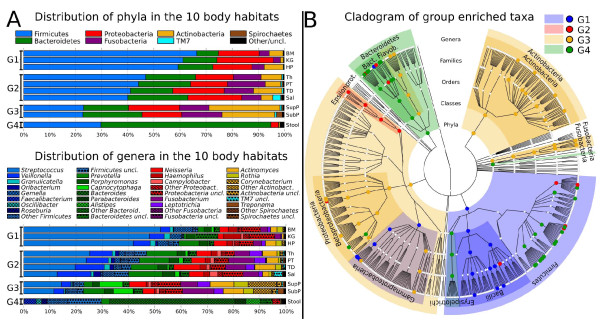
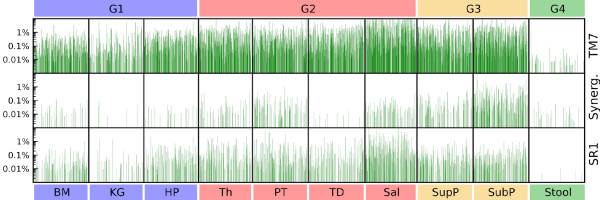
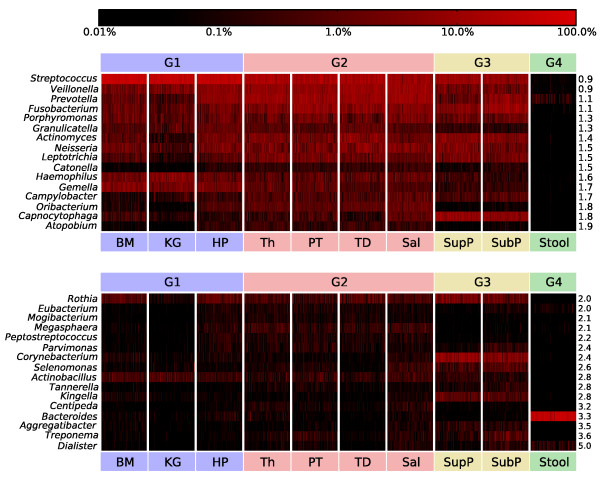
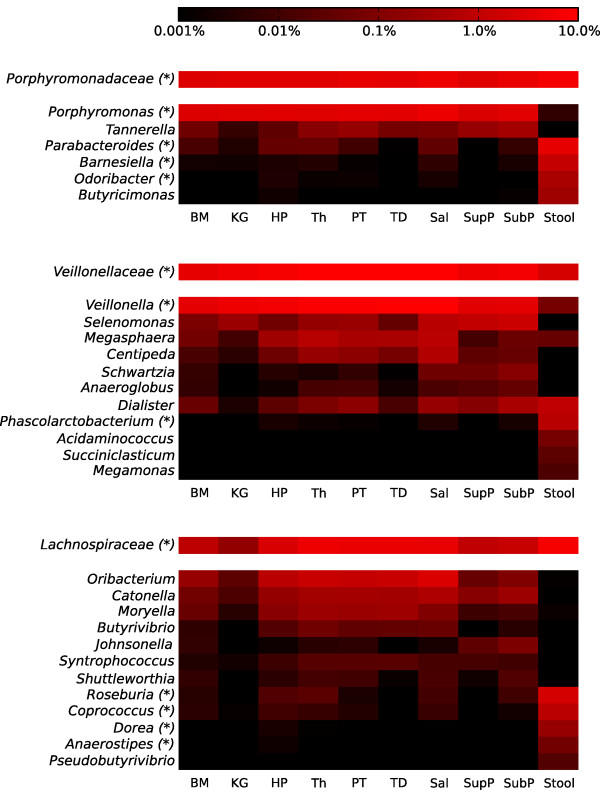
Background: To understand the relationship between our bacterial microbiome and health, it is essential to define the microbiome in the absence of disease. The digestive tract includes diverse habitats and hosts the human body's greatest bacterial density. We describe the bacterial community composition of ten digestive tract sites from more than 200 normal adults enrolled in the Human Microbiome Project, and metagenomically determined metabolic potentials of four representative sites. Results: The microbiota of these diverse habitats formed four groups based on similar community compositions: buccal mucosa, keratinized gingiva, hard palate; saliva, tongue, tonsils, throat; sub- and supra-gingival plaques; and stool. Phyla initially identified from environmental samples were detected throughout this population, primarily TM7, SR1, and Synergistetes. Genera with pathogenic members were well-represented among this disease-free cohort. Tooth-associated communities were distinct, but not entirely dissimilar, from other oral surfaces. The Porphyromonadaceae, Veillonellaceae and Lachnospiraceae families were common to all sites, but the distributions of their genera varied significantly. Most metabolic processes were distributed widely throughout the digestive tract microbiota, with variations in metagenomic abundance between body habitats. These included shifts in sugar transporter types between the supragingival plaque, other oral surfaces, and stool; hydrogen and hydrogen sulfide production were also differentially distributed. Conclusions: The microbiomes of ten digestive tract sites separated into four types based on composition. A core set of metabolic pathways was present across these diverse digestive tract habitats. These data provide a critical baseline for future studies investigating local and systemic diseases affecting human health.
Overview
The claims and statistics of this paper haven’t been checked yet.
Free: it reads the open-access text and checks the first 5 claims that cite a source we can check. Create a free account to check every claim.
Integrity signals
Registry
Cites
Statistics
Figures
Verification
Claims the paper makes
The claims and statistics of this paper haven’t been checked yet.
Free: it reads the open-access text and checks the first 5 claims that cite a source we can check. Create a free account to check every claim.
Claims other papers make about this one
Each is checked against this paper’s own text: does it say what the citing paper says it does?
The source backs part of the claim, not all of it — or backs it for a different population, condition or comparison.
In the citing paper
“The oropharynx, which is lined with a non-keratinized stratified squamous epithelium, has more diverse bacterial communities than the nasopharynx41, which are characterized by streptococcal species, Neisseria spp., Rothia spp. and anaerobes, including Veillonella spp., Prevotella spp. and Leptotrichia spp.39,41,51,52.”
From The microbiota of the respiratory tract: gatekeeper to respiratory health (2017) · cites this paper as [51]
Experimental — accuracy not yet measuredThe source backs part of the claim, not all of it — or backs it for a different population, condition or comparison.
In the citing paper
“Up to 80% of oral bacteria are dominated by about 200 species in the Phyla Firmicutes (esp. Streptococcus, Veillonella, Granulicatella, Gemella spp.) and Proteobacteria (esp. Neisseria, Haemophilus spp.), with contributions from Bacteroidetes, Actinobacteria and Fusobacteria totaling upwards of 95% of all identified oral microbiota (Figure 2)[171–177].”
From Enterosalivary nitrate metabolism and the microbiome: Intersection of microbial metabolism, nitric oxide and diet in cardiac and pulmonary vascular health (2017) · cites this paper as [173]
Experimental — accuracy not yet measuredThe cited source says what the claim attributes to it.
In the citing paper
“Further diversity exists between the varied micro-ecologies of the mouth[174,178], such as the tooth surface, gingiva, hard and soft palate, and even regionally on the tongue (Figure 2)[173,176,179].”
From Enterosalivary nitrate metabolism and the microbiome: Intersection of microbial metabolism, nitric oxide and diet in cardiac and pulmonary vascular health (2017) · cites this paper as [173]
In the citing paper
“Ecological conditions vary immensely along both the length of the GI tract as well as in cross-section from lumen to the mucosal brush-border[173,267,308,309].”
From Enterosalivary nitrate metabolism and the microbiome: Intersection of microbial metabolism, nitric oxide and diet in cardiac and pulmonary vascular health (2017) · cites this paper as [173]
Self-check
Percentages, sums and reported differences re-computed from the paper’s own numbers.
The self-check needs the paper’s full text.
Citations
Cites
Schloss, P. D., Westcott, S. L., Ryabin, T., Hall, J. R., Hartmann, M., Hollister, E. B., Lesniewski, R. A., Oakley, B. B., Parks, D. H., Robinson, C. J., et al. (2009) · Applied and Environmental Microbiology · doi:10.1128/aem.01541-09 · Cited by 19,549
Metagenomic biomarker discovery and explanation
Segata, N., Izard, J., Waldron, L., Gevers, D., Miropolsky, L., Garrett, W. S., & Huttenhower, C. (2011) · Genome Biology · doi:10.1186/gb-2011-12-6-r60 · Cited by 16,192 · cited 11×
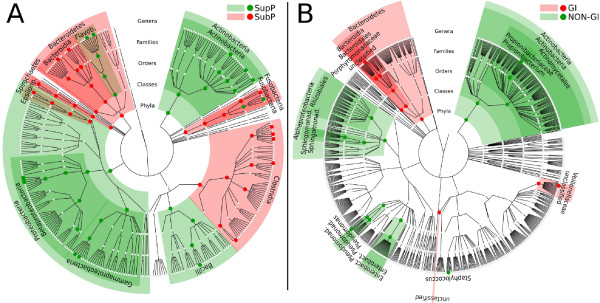
“Clades showing a statistically significant difference (by LEfSe) specifically between oral and stool samples are indiocated with asterisks.”
MethodInfluentialSelf-citationSIMPSON, E. H. (1949) · Nature · doi:10.1038/163688a0 · Cited by 14,164
Structure, function and diversity of the healthy human microbiome
The Human Microbiome Project Consortium (2012) · Nature · doi:10.1038/nature11234 · Cited by 11,726
Self-citationAn Ordination of the Upland Forest Communities of Southern Wisconsin
Bray, J. R., & Curtis, J. T. (1957) · Ecological Monographs · doi:10.2307/1942268 · Cited by 11,716 · cited 2×
“For assessing bacterial community structure similarities between different samples and body sites, we compared the relative abundances of every pair of samples in our dataset using the Bray-Curtis measure of beta diversity [31].”
MethodA human gut microbial gene catalogue established by metagenomic sequencing
MetaHIT Consortium, Qin, J., Li, R., Raes, J., Arumugam, M., Burgdorf, K. S., Manichanh, C., Nielsen, T., Pons, N., Levenez, F., et al. (2010) · Nature · doi:10.1038/nature08821 · Cited by 11,624 · cited 1×
“Previous studies of the healthy adult digestive tract microbiota have typically included less than 20 individuals [11-21] and the studies with over 100 individuals have most often focused on a single body site [22-26].”
BackgroundHuman gut microbes associated with obesity
Ley, R. E., Turnbaugh, P. J., Klein, S., & Gordon, J. I. (2006) · Nature · doi:10.1038/4441022a · Cited by 8,785 · cited 20×
“For example, using endoscopic biopsies from just two subjects, Wang et al. [77] reported 49% of 16S rRNA gene clones were from the Firmicutes and 27.7% were from Bacteroidetes.”
ResultInfluentialDiversity of the Human Intestinal Microbial Flora
Eckburg, P. B., Bik, E. M., Bernstein, C. N., Purdom, E., Dethlefsen, L., Sargent, M., Gill, S. R., Nelson, K. E., & Relman, D. A. (2005) · Science · doi:10.1126/science.1110591 · Cited by 7,913
A core gut microbiome in obese and lean twins
Turnbaugh, P. J., Hamady, M., Yatsunenko, T., Cantarel, B. L., Duncan, A., Ley, R. E., Sogin, M. L., Jones, W. J., Roe, B. A., Affourtit, J. P., et al. (2009) · Nature · doi:10.1038/nature07540 · Cited by 7,823 · cited 2×
“In a study of stool from 154 adult women (twins and their mothers), Firmicutes had a mean relative abundance of >60% using several different methods to assess the 16S rRNA gene content of stool [24].”
BackgroundMethodEnterotypes of the human gut microbiome
MetaHIT Consortium (additional members), Arumugam, M., Raes, J., Pelletier, E., Le Paslier, D., Yamada, T., Mende, D. R., Fernandes, G. R., Tap, J., Bruls, T., et al. (2011) · Nature · doi:10.1038/nature09944 · Cited by 7,548 · cited 2×
“By surveying the HMP population, these results can be further integrated into other currently ongoing studies of the cohort’s core microbiome [9] or enterotype structure [25], if any.”
BackgroundResult
Research works printed but not linked: 1
- NIH Human Microbiome Project - Core Microbiome Sampling Protocol A (HMP-A). http://www.ncbi.nlm.nih.gov/projects/gap/cgi-bin/study.cgi?study_id=phs000228.v3.p1
Cited by
Items 401–500 of 1,000
Wirth, R., Maróti, G., Mihók, R., Simon-Fiala, D., Antal, M. Á., Pap, B., Demcsák, A., Minárovits, J., & Kovács, K. L. (2020) · Journal of Oral Microbiology · doi:10.1080/20002297.2020.1773067 · Cited by 40
“tract of adults, contributing to the microbial community of tongue dorsum, tonsils and saliva [86].”
BackgroundPseudomonas aeruginosa and Other Pseudomonas Species
D’Agata, E. M. C. (2015) · Elsevier eBooks · doi:10.1016/b978-1-4557-4801-3.00221-6 · Cited by 48
The Oral Microbiome and Systemic Health: Bridging the Gap Between Dentistry and Medicine
Nayak, S. C., Latha, P. B., Kandanattu, B., Pympallil, U., Kumar, A., & Banga, H. K. (2025) · Cureus · doi:10.7759/cureus.78918 · Cited by 53
“Oral microbiome composition is site-specific with different microbial communities present in different sites such as teeth, gingival sulcus, tongue dorsum, inner cheeks, hard and soft palate, and tonsillar crypts [12].”
Li, Y., Li, Z., Zhang, Y., Zhou, G., Ren, R., Zhao, H., Zhang, N., Li, J., Peng, L., & Yang, Y. (2021) · Microbial Pathogenesis · doi:10.1016/j.micpath.2021.104964 · Cited by 41
Salivary Biomarkers in Lung Cancer
Skallevold, H. E., Vallenari, E. M., & Sapkota, D. (2021) · Mediators of Inflammation · doi:10.1155/2021/6019791 · Cited by 43
“When secreted, saliva is initially sterile [73] but is quickly contaminated by bacteria shed from the surfaces of tonsils, tongue, throat, and other oral surfaces [74, 75].”
DeClercq, V., Nearing, J. T., & Langille, M. G. I. (2021) · PLoS ONE · doi:10.1371/journal.pone.0261032 · Cited by 40
“Using this approach Statin use was also found to be associated with the relative abundance of several taxa (Bacteroides, Bacillus, Catonella, Johnsonella, Neisseria, Stenotrophomonas; S3B Fig), There were no statistical differences in those taking PPI (FDR q>0.1) after controlling for the covariates sex, age, and BMI.”
BackgroundInfluentialHuman circulating bacteria and dysbiosis in non-infectious diseases
Goraya, M. U., Li, R., Mannan, A., Gu, L., Deng, H., & Wang, G. (2022) · Frontiers in Cellular and Infection Microbiology · doi:10.3389/fcimb.2022.932702 · Cited by 38
“However, it varies among individuals due to certain factors such as diet, age, geographical location, use of antibiotics, and polluted drinking water (Arumugamet al., 2011; Segata et al., 2012; Brownet al., 2013).”
BackgroundDifferentiation of salivary bacterial profiles of subjects with periodontitis and dental caries
Belstrøm, D., Fiehn, N.-E., Nielsen, C. H., Klepac-Ceraj, V., Paster, B. J., Twetman, S., & Holmstrup, P. (2015) · Journal of Oral Microbiology · doi:10.3402/jom.v7.27429 · Cited by 37
“T he bacterial profile of saliva in oral health has been investigated (1, 2), and has been shown to be most closely associated with the bacterial profile of the throat, the tonsils, and the dorsum of the tongue (3).”
BackgroundThe unseen world: environmental microbial sequencing and identification methods for ecologists
Zimmerman, N. B., Izard, J., Klatt, C. G., Zhou, J. Z., & Aronson, E. L. (2014) · Frontiers in Ecology and the Environment · doi:10.1890/130055 · Cited by 37
“The circular cladogram (Figure 3, reprinted from Segata et al. 2012) is based on the Ribosomal Database Project (RDP) Taxonomy (Cole et al. 2009) and shows taxa differentially represented between the supragingival (above the gum line; in red [SupP]) and the subgingival (below the gum line; in green…”
BackgroundSelf-citationConcordance of HOMIM and HOMI NGS technologies in the microbiome analysis of clinical samples
Mougeot, J.-L., Stevens, C. B., Cotton, S. L., Morton, D. S., Krishnan, K., Brennan, M. T., Lockhart, P. B., Paster, B. J., & Mougeot, F. K. B. (2016) · Journal of Oral Microbiology · doi:10.3402/jom.v8.30379 · Cited by 37
“*Actinomyces Alloprevotella Anaeroglobus Atopobium Bacteroidales [G–2] Campylobacter Capnocytophaga Corynebacterium Desulfobulbus Dialister Eubacterium [11] [G–1] Eubacterium [11] [G–3] Eubacterium [11] [G–5] Eubacterium [11] [G–6] Eubacterium [11] [G–7] Filifactor Fretibacterium *Fusobacterium Gemella Lachnonaerobacu…”
BackgroundDiversity of key players in the microbial ecosystems of the human body
Jordán, F., Lauria, M., Scotti, M., Nguyen, T.-P., Praveen, P., Morine, M., & Priami, C. (2015) · Scientific Reports · doi:10.1038/srep15920 · Cited by 35
Characterization and comparison of bacterial communities in benign vocal fold lesions
Hanshew, A. S., Jetté, M. E., & Thibeault, S. L. (2014) · Microbiome · doi:10.1186/2049-2618-2-43 · Cited by 38
“However, many of the common and dominant genera found in the saliva and throat samples were also found in these 13 samples, including Actinomyces, Prevotella, Fusobacterium, Leptotrichia, Neisseria, Haemophilus, Gemella, Granulicatella, Oribacterium, Veillonella, unclassified Prevotellaceae, and unclassified Lachnospi…”
BackgroundMethodInfluentialKorsch, M., Marten, S., Walther, W., Vital, M., Pieper, D. H., & Dötsch, A. (2018) · Clinical Implant Dentistry and Related Research · doi:10.1111/cid.12650 · Cited by 40
Olteanu, G., Pană, M.-A., Busnatu, Ș., Lupuliasa, D., Neacșu, S. M., Mititelu, M., Musuc, A. M., Ioniță-Mîndrican, C.-B., & Boroghină, S. C. (2024) · International Journal of Molecular Sciences · doi:10.3390/ijms25105561 · Cited by 39
Correlation between gut microbiota dysbiosis, metabolic syndrome and breast cancer
Abdelqader, E. M., Mahmoud, W. S., Gebreel, H. M., Kamel, M. M., & Abu‐Elghait, M. (2025) · Scientific Reports · doi:10.1038/s41598-025-89801-8 · Cited by 38
Sun, J. G., Huang, T., Chen, C., Cao, T.-T., Cheng, K., Liao, X.-P., & Liu, Y.-H. (2017) · Scientific Reports · doi:10.1038/s41598-017-04672-y · Cited by 39
Vanlancker, E., Vanhoecke, B. W. A., Sieprath, T., Bourgeois, J., Beterams, A., Moerloose, B. D., Vos, W. H. D., & de Wiele, T. V. (2018) · Experimental Biology and Medicine · doi:10.1177/1535370217753842 · Cited by 36
Development of the Tonsil Microbiome in Pigs and Effects of Stress on the Microbiome
Cortes, L. C. P., LeVeque, R. M., Funk, J. A., Marsh, T. L., & Mulks, M. H. (2018) · Frontiers in Veterinary Science · doi:10.3389/fvets.2018.00220 · Cited by 37
“Similarly, other studies identifying the human microbiome have recognized members of families Streptococcaceae, Prevotellaceae, and Fusobacteriaceae as abundant in the tonsillar microbiome of healthy humans (10, 17, 49).”
BackgroundThe Microbiome as a Potential Target for Therapeutic Manipulation in Pancreatic Cancer
Rahman, R. A., Lamarca, Á., Hubner, R. A., Valle, J. W., & McNamara, M. G. (2021) · Cancers · doi:10.3390/cancers13153779 · Cited by 36
“The human gut microbiota is divided into many different phyla and comprises four main phyla: Firmicutes, Bacteriodetes, Actinobacteria, and Proteobacteria [63,64].”
BackgroundSaboo, K., Petrakov, N. V., Shamsaddini, A., Fagan, A., Gavis, E. A., Sikaroodi, M., McGeorge, S., Gillevet, P. M., Iyer, R. K., & Bajaj, J. S. (2021) · Journal of Hepatology · doi:10.1016/j.jhep.2021.11.011 · Cited by 39
Kim, Y., Jeong, J.-U., Mun, S., Yun, K., Han, K., & Jeong, S. (2022) · Journal of Periodontal & Implant Science · doi:10.5051/jpis.2200680034 · Cited by 36
“At the phylum level, Firmicutes, Proteobacteria, Bacteroidetes, Actinobacteria and Fusobacteria phyla generally exhibited high relative frequencies; in particular, the sub-gingival and saliva samples within the case group showed more similar microbial compositions to each other than to the supra-gingival sample.”
BackgroundApplication of Fluorescence In Situ Hybridization (FISH) in Oral Microbial Detection
Gu, J., Wang, H., Zhang, M., Xiong, Y., Yang, L., Ren, B., & Huang, R. (2022) · Pathogens · doi:10.3390/pathogens11121450 · Cited by 40
“The spatial organization of microorganisms in the oral cavity is formed by dynamic equilibrium flow and adhesion, abscission, and colonization, as well as the interaction between microorganisms and host [7,8], which makes oral microbiota an important biological model of the human microbiome [9].”
BackgroundSantiago, G. L. D. S., Brusselle, G., Dauwe, K., Deschaght, P., Verhofstede, C., Vaneechoutte, D., Deschepper, E., Jordens, P., Joos, G., & Vaneechoutte, M. (2017) · BMC Microbiology · doi:10.1186/s12866-017-1022-6 · Cited by 37
“[40] showed that the microbiomes of saliva, tongue, tonsils, and throat (back wall of oropharynx) formed a group distinct from that of the microbiomes of the buccal mucosa/keratinized gingiva/hard palate group, the sub- and supra-gingival plaque group and the stool.”
BackgroundLi, H., Li, T., Berasategui, A., Rui, J., Zhang, X., Li, C., Xiao, Z., & Li, X. (2017) · FEMS Microbiology Ecology · doi:10.1093/femsec/fix149 · Cited by 40
Costa, C. F. F. A., Correia-de-Sá, T., Araújo, R., Barbosa, F., Burnet, P. W. J., Ferreira‐Gomes, J., & Sampaio‐Maia, B. (2024) · Frontiers in Microbiology · doi:10.3389/fmicb.2024.1475159 · Cited by 39
Potential Elimination of Human Gut Resistome by Exploiting the Benefits of Functional Foods
Tsigalou, C., Konstantinidis, T., Stavropoulou, E., Bezirtzoglou, E. E., & Tsakris, A. (2020) · Frontiers in Microbiology · doi:10.3389/fmicb.2020.00050 · Cited by 34
Unique Gut Microbiome Signatures Depict Diet-Versus Genetically Induced Obesity in Mice
Nagpal, R., Mishra, S. P., & Yadav, H. (2020) · International Journal of Molecular Sciences · doi:10.3390/ijms21103434 · Cited by 38
Minárovits, J. (2020) · Anaerobe · doi:10.1016/j.anaerobe.2020.102300 · Cited by 36
The intratumoral microbiota: From microniches to single cells
Bullman, S. (2023) · Cell · doi:10.1016/j.cell.2023.03.012 · Cited by 35
Porphyromonas gingivalis, a bridge between oral health and immune evasion in gastric cancer
Muñoz‐Medel, M., Pinto, M. P., Goralsky, L., Cáceres, M., Villarroel‐Espíndola, F., Manque, P., Pinto, A., García‐Bloj, B., de Mayo, T., Godoy, J. A., et al. (2024) · Frontiers in Oncology · doi:10.3389/fonc.2024.1403089 · Cited by 38
Effect of anthocyanins on metabolic syndrome through interacting with gut microbiota
Du, L., Ding, X., Tian, Y., Chen, J., & Li, W. (2024) · Pharmacological Research · doi:10.1016/j.phrs.2024.107511 · Cited by 36
Effects of green tea on miRNA and microbiome of oral epithelium
Adami, G. R., Tangney, C., Tang, J. L., Zhou, Y., Ghaffari, S., Naqib, A. D., Sinha, S. K., Green, S. J., & SCHWARTZ, J. L. (2018) · Scientific Reports · doi:10.1038/s41598-018-22994-3 · Cited by 38
Oral Microbiome Analysis in Prospective Genome Cohort Studies of the Tohoku Medical Megabank Project
Saito, S., Aoki, Y., Tamahara, T., Goto, M., Matsui, H., Kawashima, J., Danjoh, I., Hozawa, A., Kuriyama, S., Suzuki, Y., et al. (2021) · Frontiers in Cellular and Infection Microbiology · doi:10.3389/fcimb.2020.604596 · Cited by 36
“Recently, the integrated Human Microbiome Project (iHMP) explored the temporal dynamics of the microbiome and host by a multiomics approach and described the interrelationship between microbiota and diseases, including diabetes (Zhou et al., 2019) and inflammatory bowel disease (Lloyd-Price et al., 2019), and preterm…”
ResultCasu, C., Mosaico, G., Natoli, V., Scarano, A., Lorusso, F., & Inchingolo, F. (2021) · Hygiene · doi:10.3390/hygiene1020006 · Cited by 40
“Although aspirated saliva contains microorganisms that colonize various oral sites, the bacterial composition indicates that the dominant source is the tongue microbiota [36,41,55].”
BackgroundMicrobiome and Cancers of the Esophagus: A Review
Yano, Y., Etemadi, A., & Abnet, C. C. (2021) · Microorganisms · doi:10.3390/microorganisms9081764 · Cited by 34
Esvap, E., & Ülgen, K. Ö. (2021) · ACS Synthetic Biology · doi:10.1021/acssynbio.1c00140 · Cited by 39
Saliva microbiome changes in thyroid cancer and thyroid nodules patients
Jiao, J., Zheng, Y., Zhang, Q., Xia, D., Zhang, L., & Ma, N. (2022) · Frontiers in Cellular and Infection Microbiology · doi:10.3389/fcimb.2022.989188 · Cited by 34
“16% in the fecal sample, which has the potential to explain the above opposite results (Segata et al., 2012).”
ResultSpirito, F. D., Amato, A., Romano, A., Dipalma, G., Xhajanka, E., Baroni, A., Serpico, R., Inchingolo, F., & Contaldo, M. (2022) · Applied Sciences · doi:10.3390/app12189135 · Cited by 41
Composition of Microbial Oral Biofilms during Maturation in Young Healthy Adults
Langfeldt, D., Neulinger, S. C., Heuer, W., Staufenbiel, I., Künzel, S., Baines, J. F., Eberhard, J., & Schmitz, R. A. (2014) · PLoS ONE · doi:10.1371/journal.pone.0087449 · Cited by 40
“The consistency of our 16S rDNA profiles of oral biofilms is comparable to the keratinized gingiva baseline at the phylum level in healthy subjects as reported by the Human Microbiome Project [46].”
MethodFrom Mouth to Model: Combining in vivo and in vitro Oral Biofilm Growth
Klug, B., Santigli, E., Westendorf, C., Tangl, S., Wimmer, G., & Grube, M. (2016) · Frontiers in Microbiology · doi:10.3389/fmicb.2016.01448 · Cited by 40
“Moreover, our knowledge about natural co-occurrence patterns and patterns of mutual exclusion is still incomplete (Human Microbiome Project Consortium, 2012; Segata et al., 2012).”
BackgroundInfluentialHigh-throughput DNA sequencing of microbiota at interproximal sites
Carda‐Diéguez, M., Bravo, L. A., Morata, I. M., Vicente, A., & Mira, Á. (2019) · Journal of Oral Microbiology · doi:10.1080/20002297.2019.1687397 · Cited by 35
“logical conditions that can be found in the different regions in the mouth makes the oral microbiota diverse and niche-specific [3,4].”
BackgroundZhong, Y., Xue, M., Sun, H., Valencak, T. G., Guan, L. L., & Liu, J. (2020) · Microorganisms · doi:10.3390/microorganisms8122042 · Cited by 35
“Although remaining to be cultivated [38], the family Absconditabacteriales was reported to exist in termites [39] and mammalian digestive tracts [40], and also in the healthy human oral microbiome with low abundances generally but several-fold increases in patients with oral diseases [41].”
BackgroundKlingenberg, H., Aßhauer, K. P., Lingner, T., & Meinicke, P. (2013) · Bioinformatics · doi:10.1093/bioinformatics/btt077 · Cited by 33
Helicobacter pylori in oral cavity: current knowledge
Costa, L. C. M. C., Ferriani, M. D. G. C., Vale, F. F., Marques, A. T., Rasmussen, L. T., Chen, T., & Pinheiro, M. D. B. (2024) · Clinical and Experimental Medicine · doi:10.1007/s10238-024-01474-1 · Cited by 34
Diversity and functional analysis of salivary microflora of Indian Antarctic expeditionaries
Bhushan, B., Yadav, A. P., Singh, S. B., & Ganju, L. (2019) · Journal of Oral Microbiology · doi:10.1080/20002297.2019.1581513 · Cited by 32
Oba, P. M., Carroll, M. Q., Alexander, C., Valentine, H., Somrak, A. J., Keating, S. C. J., Sage, A. M., & Swanson, K. S. (2021) · Animal Microbiome · doi:10.1186/s42523-021-00100-9 · Cited by 34
Belstrøm, D., Holmstrup, P., Fiehn, N., Rosing, K., Bardow, A., Paster, B. J., & Pedersen, A. M. L. (2016) · Oral Diseases · doi:10.1111/odi.12452 · Cited by 32
“In oral health, the salivary microbiota is believed to comprise bacteria detached from oral surfaces constantly being in direct contact with saliva (Segata et al, 2012), and in oral disease, spillover of bacteria from local oral lesions may result in alteration of the patients’ salivary bacterial…”
BackgroundGontang, E. A., Aylward, F. O., Carlos, C., del Rio, T. G., Chovatia, M., Fern, A., Lo, C., Malfatti, S., Tringe, S. G., Currie, C. R., et al. (2017) · PLoS ONE · doi:10.1371/journal.pone.0177189 · Cited by 32
Yuan, L., Chen, Q., Zhu, X. Y., Lai, L. M., Zhao, R., & Liu, Y. (2024) · BMC Microbiology · doi:10.1186/s12866-024-03236-1 · Cited by 31
“Empirical antimicrobial treatment before being diagnosed with Chlamydia psittaci infection is usually ineffective [30].”
BackgroundVesty, A., Gear, K., Boutell, S., Taylor, M. W., Douglas, R. G., & Biswas, K. (2020) · Scientific Reports · doi:10.1038/s41598-020-70024-y · Cited by 31
Heidrich, V., Bruno, J. S., Knebel, F. H., de Molla, V. C., Miranda‐Silva, W., Asprino, P. F., Tucunduva, L. T. C. D. M., Rocha, V., Novis, Y. A. S., Arrais‐Rodrigues, C., et al. (2021) · Frontiers in Immunology · doi:10.3389/fimmu.2021.692225 · Cited by 34
Barchi, A., Massimino, L., Mandarino, F. V., Vespa, E., Sinagra, E., Almolla, O., Passaretti, S. M., Fasulo, E., Parigi, T. L., Cagliani, S., et al. (2024) · Computational and Structural Biotechnology Journal · doi:10.1016/j.csbj.2023.12.026 · Cited by 33
“…ratio, found in BE patients, was proposed to be responsible for fermentable oligo-, di-, monosaccharides, and polyols (FODMAPS) fermentation and Short-Chain Fatty Acid (SCFA) production with decreased LES tone and decreased gastric motility mediated by neuropeptide PYY [63](75)(53).”
Lazarević, V., Gaïa, N., Emonet, S., Girard, M., Renzi, G., Després, L., Wozniak, H., Marcos, J. Y., Veyrieras, J., Chatellier, S., et al. (2014) · Frontiers in Cellular and Infection Microbiology · doi:10.3389/fcimb.2014.00065 · Cited by 34
“Saliva samples: SAL_192 (Segata et al., 2012), SAL_10 (Ling et al., 2013), SAL_18 (from children, before antibiotic treatment) (Lazarevic et al., 2013b), SAL_18AB (from children, at the end of the antibiotic treatment) (Lazarevic et al., 2013b), SAL_5 (three time points for each subject) (Lazarevic et al., 2010), SAL_…”
BackgroundInfluentialOral microbiota in youth with perinatally acquired HIV infection
Study, F. T. P. H. C., Starr, J. R., Huang, Y., Lee, K. H., Murphy, C. M., Moscicki, A., Shiboski, C. H., Ryder, M. I., Yao, T., Faller, L. L., et al. (2018) · Microbiome · doi:10.1186/s40168-018-0484-6 · Cited by 33
“For example, subgingival plaque contained Streptococcus anginosus, Streptococcus intermedius, species of Tannerella, and species of Treponema, all known to be found in healthy individuals [35, 36].”
Li, C. P. I., Fan, Y., & Chen, X. (2026) · npj Biofilms and Microbiomes · doi:10.1038/s41522-026-00912-0 · Cited by 34
“Metagenomic pro fi ling has revealed that approximately 45% of gut bacterial species share phylogenetic overlap with oral taxa 16 , and fecal samples from healthy individuals often harbor oral commensals such as Streptococcus , Veillonella , Actinomyces , and Prevotella 2,3 .”
The oral microbiome of patients undergoing treatment for severe aplastic anemia: a pilot study
Ames, N. J., Barb, J. J., Ranucci, A., Kim, H., Mudra, S. E., Cashion, A. K., Townsley, D. M., Childs, R. W., Paster, B. J., Faller, L. L., et al. (2019) · Annals of Hematology · doi:10.1007/s00277-019-03599-w · Cited by 31
Chronic nail biting, orthodontic treatment and Enterobacteriaceae in the oral cavity
Chinnasamy, A., Ramalingam, K., Chopra, P., Gopinath, V., Bishnoi, G., & Chawla, G. (2019) · Journal of Clinical and Experimental Dentistry · doi:10.4317/jced.56059 · Cited by 30
“(24) stated The Human Microbiome Project established 45% overlap between oral and stool bacteria.”
BackgroundMontemurro, N., Perrini, P., Marani, W., Chaurasia, B. K., Corsalini, M., Scarano, A., & Rapone, B. (2021) · Applied Sciences · doi:10.3390/app11083316 · Cited by 36
Adler, C. J., Cao, K. L., Hughes, T. E., Kumar, P., & Austin, C. E. (2021) · BioEssays · doi:10.1002/bies.202000314 · Cited by 33
Belstrøm, D., Constancias, F., Markvart, M., Sikora, M., Sørensen, C. E., & Givskov, M. (2021) · Frontiers in Cellular and Infection Microbiology · doi:10.3389/fcimb.2021.752664 · Cited by 31
S ynergistetes cluster A in saliva is associated with periodontitis
Belibasakis, G. N., Öztürk, V. Ö., Emingil, G., & Bostancı, N. (2013) · Journal of Periodontal Research · doi:10.1111/jre.12061 · Cited by 30
“The presence of Synergistetes has been confirmed in saliva of patients with periodontitis (2,16).”
BackgroundSohrabi, M., NAIR, R. G., Samaranayake, L. P., Zhang, L., Zulfiker, A. H. M., Ahmetagic, A., Good, D. M., & Wei, M. Q. (2016) · Journal of Microbiological Methods · doi:10.1016/j.mimet.2016.01.013 · Cited by 31
Vidal, P., Fernández, S. C., Fito, E. C., Carbajo, L. D. R., Fernández‐Ugidos, P., López-Ciudad, V. J., Olmo, J. N.-D., Rodríguez-Vázquez, A., & Varela, A. I. T. (2025) · Antibiotics · doi:10.3390/antibiotics14020178 · Cited by 33
“It is not part of the normal microbiota in healthy humans [2,3]; however, under conditions of high exposure pressure, such as in an Intensive Care Unit (ICU), colonization can occur in as little as 3–5 days [3].”
Davis, E. M. (2016) · Journal of Veterinary Dentistry · doi:10.1177/0898756416657239 · Cited by 31
“Putative pathogenic genera including Porphyromonas, Treponema, and Tannerella were prevalent, but found in low abundance, and were detected in 95% of the 242 disease-free individuals.(35) Each individual was found to have a unique oral microbiome composed of a diverse bacterial community that differed markedly between…”
BackgroundInfluentialCompositional Shift of Oral Microbiota Following Surgical Resection of Tongue Cancer
Kageyama, S., Nagao, Y., Ma, J., Asakawa, M., Yoshida, R., Takeshita, T., Hirosue, A., Yamashita, Y., & Nakayama, H. (2020) · Frontiers in Cellular and Infection Microbiology · doi:10.3389/fcimb.2020.600884 · Cited by 32
“Among them, tongue microbiota is thought of a major source of salivary microbiota as the bacterial composition in saliva resembles that on tongue dorsum (Mager et al., 2003; Segata et al., 2012; Kageyama et al., 2017).”
BackgroundYuan, H., Qiu, J., Zhang, T., Wu, X.-H., Zhou, J., & Park, S. (2021) · Archives of Oral Biology · doi:10.1016/j.archoralbio.2021.105198 · Cited by 30
Liu, Y., He, W., Yang, J., He, Y., Wang, Z., & Li, K. (2021) · BMC Gastroenterology · doi:10.1186/s12876-021-02035-6 · Cited by 29
“One limitation of our study is that we only considered stool examination, while the distribution of bacteria on the intestinal mucosa biopsy was different from that of faecal bacteria [53].”
BackgroundInteraction and toxicity of ingested nanoparticles on the intestinal barrier
Stalder, T., Zaiter, T., Basset, W. E., Cornu, R., Martin, H., Diab‐Assaf, M., & Béduneau, A. (2022) · Toxicology · doi:10.1016/j.tox.2022.153353 · Cited by 32
Unlocking the Complex Flavors of Dysgeusia after Hematopoietic Cell Transplantation
Scordo, M., Shah, G. L., Peled, J. U., Preston, E. V., Buchan, M. L., Epstein, J. B., Barasch, A., & Giralt, S. (2017) · Transplantation and Cellular Therapy · doi:10.1016/j.bbmt.2017.10.022 · Cited by 30
Nasopharyngeal microbiota in children is associated with severe asthma exacerbations
van Beveren, G. J., Piters, W. A. A. D. S., Boeschoten, S. A., Louman, S., Chu, M. L. J. N., Arp, K., Fraaij, P. L. A., de Hoog, M., Buysse, C., van Houten, M. A., et al. (2024) · Journal of Allergy and Clinical Immunology · doi:10.1016/j.jaci.2024.02.020 · Cited by 30
Impaired oral health: a required companion of bacterial aspiration pneumonia
Ashford, J. R. (2024) · Frontiers in Rehabilitation Sciences · doi:10.3389/fresc.2024.1337920 · Cited by 33
Gut and oral microbiota in gynecological cancers: interaction, mechanism, and therapeutic value
Wu, J., Li, J., Yan, M., & Xiang, Z. (2024) · npj Biofilms and Microbiomes · doi:10.1038/s41522-024-00577-7 · Cited by 30
“Typically, the taxa associated with environmental communities are part of the natural microbiome of healthy humans, and although pathogenic genera are widely present in the normal human microbiome, their abundance is comparatively lower 57 .”
BackgroundDysbiosis of Oral Microbiome: A Key Player in Oral Carcinogenesis? A Critical Review
Devaraja, K., & Aggarwal, S. (2025) · Biomedicines · doi:10.3390/biomedicines13020448 · Cited by 29
“The oral cavity has been identified as having several distinct habitats for microbial communities, such as the buccal mucosa, gingiva, hard palate, tongue, tonsils, subgingi-val/supragingival plaque, and saliva [30,59,60].”
Kim, S., Thapa, I., Zhang, L., & Ali, H. (2019) · BMC Genomics · doi:10.1186/s12864-019-6288-7 · Cited by 28
Omori, M., Kato‐Kogoe, N., Sakaguchi, S., Fukui, N., Yamamoto, K., Nakajima, Y., Inoue, K., Nakano, H., Motooka, D., Nakano, T., et al. (2020) · Clinical Oral Investigations · doi:10.1007/s00784-020-03592-y · Cited by 34
Dental chews positively shift the oral microbiota of adult dogs
Oba, P. M., Carroll, M. Q., Alexander, C., Somrak, A. J., Keating, S. C. J., Sage, A. M., & Swanson, K. S. (2021) · Journal of Animal Science · doi:10.1093/jas/skab100 · Cited by 29
Guo, S., Wu, G., Liu, W., Fan, Y., Song, W., Wu, J., Gao, D., Gu, X. J., Jing, S., Shen, Q., et al. (2022) · Bioscience Reports · doi:10.1042/bsr20210694 · Cited by 31
The microbiota and radiotherapy for head and neck cancer: What should clinical oncologists know?
Ferreira, M. R., Pastò, A., Ng, T., Patel, V., Urbano, T. G., Sears, C. L., & Wade, W. G. (2022) · Cancer Treatment Reviews · doi:10.1016/j.ctrv.2022.102442 · Cited by 29
Wei, Y., Shi, M. Q., Nie, Y., Wang, C., Sun, F., Jiang, W., Hu, W., & Wu, X. (2022) · Frontiers in Microbiology · doi:10.3389/fmicb.2022.959416 · Cited by 30
Negruț, R. L., Coțe, A., & Maghiar, A. M. (2023) · Microorganisms · doi:10.3390/microorganisms11061586 · Cited by 32
“The quantity of saliva produced per day by an adult is on average over 1000 mL of saliva and almost all of it enters the gastrointestinal tract, this being inoculated daily by approximately 1011 bacteria from the oral cavity, many of them proven to be detected also in the fecal microbiota of approximately 45% tested i…”
BackgroundMicrobiome changes in esophageal cancer: implications for pathogenesis and prognosis
Li, Y., Wei, B., Xue, X., Li, H., & Li, J. (2023) · Cancer Biology and Medicine · doi:10.20892/j.issn.2095-3941.2023.0177 · Cited by 31
“It is estimated that approximately one bacterial cell per day flows from the mouth to the stomach 25 , and the microbial composition over-laps between the mouth, pharynx, esophagus, and gut 14,23 .”
BackgroundMicrobial Symphony: Navigating the Intricacies of the Human Oral Microbiome and Its Impact on Health
Bhandary, R., Venugopalan, G., Ramesh, A., Tartaglia, G., Singhal, I., & Khijmatgar, S. (2024) · Microorganisms · doi:10.3390/microorganisms12030571 · Cited by 33
“…in the oral cavity of healthy individuals in contemporary human populations, accounting for roughly 3.1% ± 5.7% of the microbial diversity observed in saliva samples and 0.6% ± 1.2% of the bacterial population in dental plaque samples within a cohort of 200 persons who were deemed healthy [55].”
BackgroundInfluentialThe oral microbiome and cancer.
Kerr, A. R. (2015) · PubMed · Cited by 28
Fernández, C. E., Aspiras, M., Dodds, M. W. J., González‐Cabezas, C., & Rickard, A. H. (2016) · Journal of Applied Microbiology · doi:10.1111/jam.13376 · Cited by 33
“…Society for Applied Microbiology802 Our findings support previous reports indicating that the community composition of oral biofilms is site specific (Segata et al. 2012; Simon-Soro et al. 2013b) and that each type of inoculum develops taxonomically unique communities that exhibit some similarity…”
ResultMiyauchi, E., Yamazaki, K., Tsuboi, Y., Nakajima, T. E., Ono, S., Mizuno, K., Takahashi, N., Imamura, K., Morita, H., Miura, N., et al. (2025) · Journal of Oral Microbiology · doi:10.1080/20002297.2025.2499284 · Cited by 27
“The oral microbiota is the second most dense and has comparable diversity to the gut microbiota, with distinct compositions depending on the anatomical location of the oral cavity [48].”
Oku, S., Takeshita, T., Futatsuki, T., Kageyama, S., Asakawa, M., Mori, Y., Miyamoto, T., Hata, J., Ninomiya, T., Kashiwazaki, H., et al. (2020) · PLoS Pathogens · doi:10.1371/journal.ppat.1008348 · Cited by 28
Zhao, F., Dong, T., Yuan, K.-Y., Wang, N., Xia, F., Liu, D., Wang, Z., Ma, R., Lu, Y., & Huang, Z. (2020) · Frontiers in Cellular and Infection Microbiology · doi:10.3389/fcimb.2020.581888 · Cited by 32
“Due to the anatomical position, about 10(11) bacteria are swallowed from the oral cavity to the stomach every day (Segata et al., 2012), cultivation and sequencing techniques have also substantiated the association between the oral and gut microbiomes: Arimatsu et al.”
BackgroundInfluentialBach, L., Ram, A., Ijaz, U. Z., Evans, T. J., & Lindström, J. (2021) · Frontiers in Microbiology · doi:10.3389/fmicb.2020.573969 · Cited by 30
“The taxa found in high abundances, Firmicutes (specifically of the genus Streptococcus), as well as the Bacteroidetes, Proteobacteria, and Actinobacteria, have also been reported in other oral niches (Aas et al., 2005; Zaura et al., 2009; Dewhirst et al., 2010; Griffen et al., 2011; Segata et al., 2012; Belstrøm et al…”
BackgroundImpact of sleep on the microbiome of oral biofilms
Sotozono, M., Kuriki, N., Asahi, Y., Noiri, Y., Hayashi, M., Motooka, D., Nakamura, S., Yamaguchi, M., Iida, T., & Ebisu, S. (2021) · PLoS ONE · doi:10.1371/journal.pone.0259850 · Cited by 32
“investigated the bacterial composition of 10 sites in the digestive tracts of healthy subjects, including seven oral sites, and showed that the microbiomes of the 10 sites divided into four groups [40]; the microbial composition was similar between the tongue dorsum and saliva.”
BackgroundFeasibility of oral microbiome profiles associated with oral squamous cell carcinoma
Hashimoto, K., Shimizu, D., Ueda, S., Miyabe, S., Oh‐iwa, I., Nagao, T., Shimozato, K., & Nomoto, S. (2022) · Journal of Oral Microbiology · doi:10.1080/20002297.2022.2105574 · Cited by 28
Nath, S., Pulikkotil, S. J., Weyrich, L. S., Zilm, P. S., Kapellas, K., Ketagoda, K., & Jamieson, L. (2022) · Microorganisms · doi:10.3390/microorganisms10081582 · Cited by 32
A Characterization of the Oral Microbiome in Allogeneic Stem Cell Transplant Patients
Ames, N. J., Sulima, P., Ngo, T. D., Barb, J. J., Munson, P. J., Paster, B. J., & Hart, T. C. (2012) · PLoS ONE · doi:10.1371/journal.pone.0047628 · Cited by 27
“This plaque biofilm represents an entire body of research and has been described in numerous studies as not only related to major dental pathologies, caries and periodontitis but also linked to health and pulmonary infection [2–6].”
BackgroundIs parotid saliva sterile on entry to the oral cavity?
Schrøder, S. A., Bardow, A., Eickhardt, S. R., Johansen, H. K., & Homøe, P. (2017) · Acta Oto-Laryngologica · doi:10.1080/00016489.2016.1272002 · Cited by 27
“Different bacterial species occur at different spots in the mouth, such as the enamel surface, the dorsum of the tongue, and the tonsillar crypts [4].”
BackgroundThe oral microbiome in oral lichen planus during a 1‐year randomized clinical trial
Kragelund, C., & Keller, M. K. (2018) · Oral Diseases · doi:10.1111/odi.12961 · Cited by 27
Asokan, S., Vadhana, V., Priya, P. G., & Vijayasankari, V. (2019) · Journal of Indian Society of Pedodontics and Preventive Dentistry · doi:10.4103/jisppd.jisppd_244_19 · Cited by 27
“Dental caries has been found to significantly affect the systemic health and quality of life of individuals.[12] Lack of oral hygiene allows an increase in virulent microbial colonization of the oral biofilm.”
BackgroundChoi, D. H., Park, J., Choi, J. K., Lee, K. E., Lee, W. H., Yang, J., Lee, J., Park, Y. J., Oh, C., Won, H.-R., et al. (2020) · Experimental & Molecular Medicine · doi:10.1038/s12276-020-00487-6 · Cited by 29
Defining Metaniches in the Oral Cavity According to Their Microbial Composition and Cytokine Profile
Seidel, C. L., Gerlach, R. G., Wiedemann, P., Weider, M., Rodrian, G., Hader, M., Frey, B., Gaipl, U. S., Bözec, A., Cieplik, F., et al. (2020) · International Journal of Molecular Sciences · doi:10.3390/ijms21218218 · Cited by 34
“Compared to metaniches P-GCF and C-U, samples from branch S-T-HP showed higher proportions of the subsequent genera: Prevotella, Neisseria, Veillonella, Porphyromonas, Granulicatella, and Alloprevotella.”
ResultInfluentialHandsley‐Davis, M., Skelly, E., Johnson, N. W., Kapellas, K., Lalloo, R., Kroon, J., & Weyrich, L. S. (2021) · Frontiers in Oral Health · doi:10.3389/froh.2021.641328 · Cited by 26
“Saliva samples, especially after a period of chewing wax, which would dislodge much adherent biofilm [61], give an overview of oral microbiota [51, 55, 60, 62] and can be related to overall caries experience and activity of the individual child.”
BackgroundMicrobiomic differences at cancer-prone oral mucosa sites with marijuana usage
Newman, T., Krishnan, L. P., Lee, J., & Adami, G. R. (2019) · Scientific Reports · doi:10.1038/s41598-019-48768-z · Cited by 27
Microbiomes in supragingival biofilms and saliva of adolescents with gingivitis and gingival health
Wirth, R., Maróti, G., Lipták, L., Mester, M., Ayoubi, A. A., Pap, B., Madléna, M., Minárovits, J., & Kovács, K. L. (2021) · Oral Diseases · doi:10.1111/odi.13883 · Cited by 28
Metadata
- Authors
- Segata, N., Haake, S. K., Mannon, P., Lemon, K. P., Waldron, L., Gevers, D., Huttenhower, C., & Izard, J.
- Affiliations
- Harvard University (US)
- University of California, Los Angeles (US)
- University of Alabama at Birmingham (US)
- Boston Children's Hospital (US)
- Broad Institute (US)
- Corresponding author
- Izard, Jacques
- ORCID
- Venue
- Genome Biology
- Published
- 2012-06-14
- Volume
- 13
- Issue
- 6
- Pages
- R42-R42
- ISSN
- 1465-6906 (ISSN-L)
- 1474-760X
- PMC
- PMC3446314
- OpenAlex
- W2170196186
- Cited by
- 1,076
- References
- 104
- Citations by year
- 2026: 57 · 2025: 77 · 2024: 108 · 2023: 85 · 2022: 103 · 2021: 123 · 2020: 120 · 2019: 64 · 2018: 61 · 2017: 66 · 2016: 52 · 2015: 51 · 2014: 59 · 2013: 40 · 2012: 9
- FWCI
- 20.46
- Type
- journal article
- Language
- en
- Open access
- gold
- doi.org
- Licence
- cc-by
- creativecommons.org/licenses/by/2.0/ (tdm)
- creativecommons.org/licenses/by/2.0/ (vor)
- Locations
- Genome biology (publishedVersion, cc-by)
- PubMed Central (publishedVersion, cc-by)
- PubMed (publishedVersion)
- Institutional Research Information System (Università degli Studi di Trento) (submittedVersion, cc-by)
- CUNY Academic Works (City University of New York) (submittedVersion, cc-by)
- Digital Access to Scholarship at Harvard (DASH) (Harvard University) (submittedVersion, cc-by)
- Lincoln (University of Nebraska) (submittedVersion)
- eScholarship (California Digital Library) (submittedVersion)
- Funders
- National Science Foundation (1053486)
- National Institutes of Health (DBI-1053486)
- National Human Genome Research Institute (HG005969, U54HG004969, R01HG005969, HG004969)
- National Cancer Institute (R21CA139193, CA139193)
- National Institute of Dental and Craniofacial Research (DE020298, P30DE020751, R01DE021574, DE021574, RC1DE020298, DE020751)
- Army Research Office (W911NF-11-1-0473, W911NF, W911NF-11)
- Topics
- Life Sciences › Biochemistry, Genetics and Molecular Biology › Molecular Biology › Gut microbiota and health
- Health Sciences › Dentistry › Periodontics › Oral microbiology and periodontitis research
- Physical Sciences › Environmental Science › Ecology › Microbial Community Ecology and Physiology
- Keywords
- human gut microbiome, oral microbiota, buccal mucosa, gingival plaque, tongue microbiota, tonsil, saliva, stool microbiome, Porphyromonadaceae, Veillonellaceae, Lachnospiraceae, hydrogen sulfide production, sugar transporters, core metabolic pathways, healthy adults
- MeSH terms
- Adolescent, Adult, Feces, Female, Humans, Male, Mouth, Pharynx, Phylogeny, RNA, Ribosomal, 16S, Saliva, Palatine Tonsil, Bacterial Typing Techniques, Genes, rRNA, Actinobacteria, Bacteroidetes, Veillonellaceae, Metagenome, Young Adult, Biota
About these checks
Registry, retraction, Cites and statistics results are computed, not judged, with one exception: a printed reference that no index lists is read once by a model before it counts as a citation error. Claims are extracted by a model and kept only when their quote appears verbatim in the text; each cited source is then checked, with a model’s help, for whether it says what the claim relies on. Those verdicts can be wrong — read the claim’s quote and the cited source before relying on one.
Statistics and arithmetic are recomputed, not judged.
Confidence bands are shown only for fields calibrated on our annotated test set. None is calibrated yet, so no band is shown.
What counts as a claim ›How we measure confidence ›How we check this ›
Are you an author, or do you see a problem with this page? Request a review
Data sources
Bibliographic data: Semantic Scholar, OpenAlex, Crossref.
Contains information from the Semantic Scholar Academic Graph Datasets, made available under the ODC Attribution License (ODC-BY 1.0).
Semantic Scholar’s data is described in: Kinney, R., et al. (2023). The Semantic Scholar Open Data Platform. arXiv:2301.10140.
