

Composition of the adult digestive tract bacterial microbiome based on seven mouth surfaces, tonsils, throat and stool samples
Open accessThe DOI matches its Crossref record; 104 of the 104 references it cites were found in a registry or an index.
Abstract
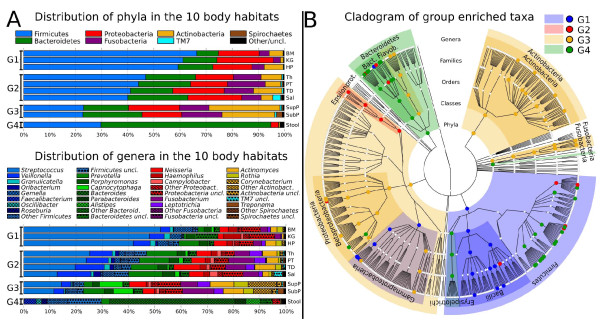
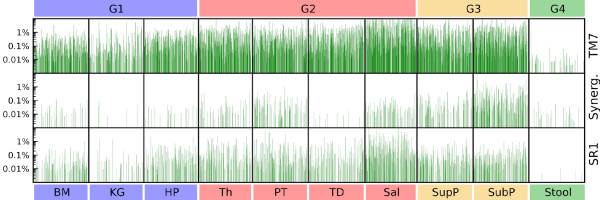
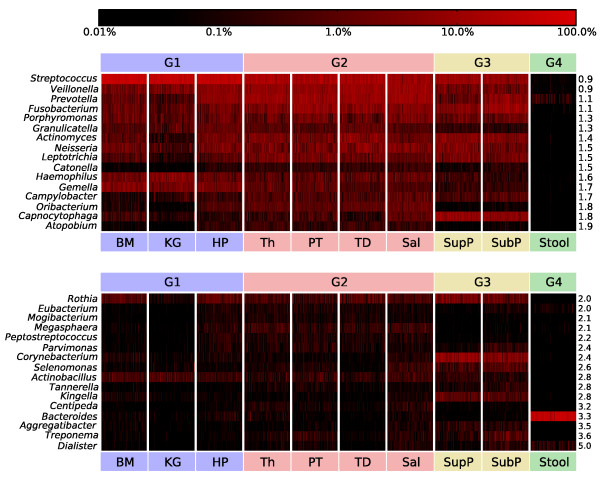
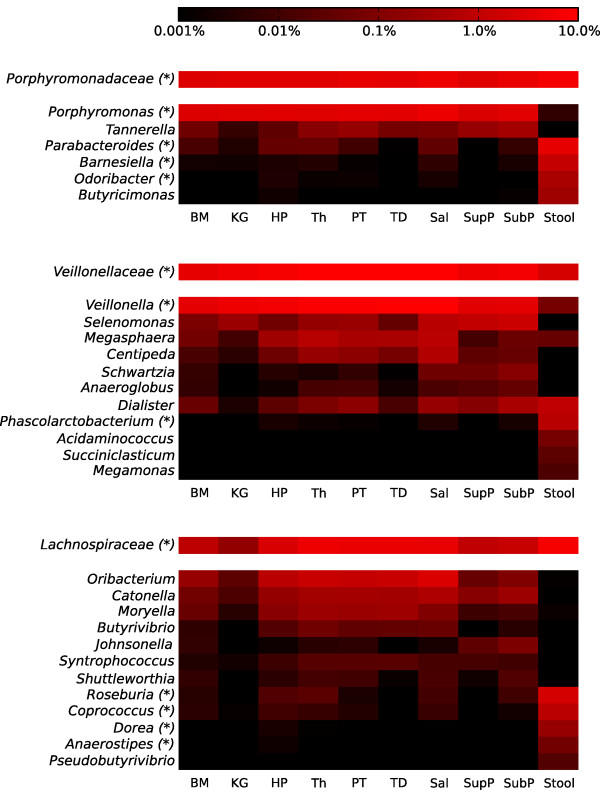
Background: To understand the relationship between our bacterial microbiome and health, it is essential to define the microbiome in the absence of disease. The digestive tract includes diverse habitats and hosts the human body's greatest bacterial density. We describe the bacterial community composition of ten digestive tract sites from more than 200 normal adults enrolled in the Human Microbiome Project, and metagenomically determined metabolic potentials of four representative sites. Results: The microbiota of these diverse habitats formed four groups based on similar community compositions: buccal mucosa, keratinized gingiva, hard palate; saliva, tongue, tonsils, throat; sub- and supra-gingival plaques; and stool. Phyla initially identified from environmental samples were detected throughout this population, primarily TM7, SR1, and Synergistetes. Genera with pathogenic members were well-represented among this disease-free cohort. Tooth-associated communities were distinct, but not entirely dissimilar, from other oral surfaces. The Porphyromonadaceae, Veillonellaceae and Lachnospiraceae families were common to all sites, but the distributions of their genera varied significantly. Most metabolic processes were distributed widely throughout the digestive tract microbiota, with variations in metagenomic abundance between body habitats. These included shifts in sugar transporter types between the supragingival plaque, other oral surfaces, and stool; hydrogen and hydrogen sulfide production were also differentially distributed. Conclusions: The microbiomes of ten digestive tract sites separated into four types based on composition. A core set of metabolic pathways was present across these diverse digestive tract habitats. These data provide a critical baseline for future studies investigating local and systemic diseases affecting human health.
Overview
The claims and statistics of this paper haven’t been checked yet.
Free: it reads the open-access text and checks the first 5 claims that cite a source we can check. Create a free account to check every claim.
Integrity signals
Registry
Cites
Statistics
Figures
Verification
Claims the paper makes
The claims and statistics of this paper haven’t been checked yet.
Free: it reads the open-access text and checks the first 5 claims that cite a source we can check. Create a free account to check every claim.
Claims other papers make about this one
Each is checked against this paper’s own text: does it say what the citing paper says it does?
The source backs part of the claim, not all of it — or backs it for a different population, condition or comparison.
In the citing paper
“The oropharynx, which is lined with a non-keratinized stratified squamous epithelium, has more diverse bacterial communities than the nasopharynx41, which are characterized by streptococcal species, Neisseria spp., Rothia spp. and anaerobes, including Veillonella spp., Prevotella spp. and Leptotrichia spp.39,41,51,52.”
From The microbiota of the respiratory tract: gatekeeper to respiratory health (2017) · cites this paper as [51]
Experimental — accuracy not yet measuredThe source backs part of the claim, not all of it — or backs it for a different population, condition or comparison.
In the citing paper
“Up to 80% of oral bacteria are dominated by about 200 species in the Phyla Firmicutes (esp. Streptococcus, Veillonella, Granulicatella, Gemella spp.) and Proteobacteria (esp. Neisseria, Haemophilus spp.), with contributions from Bacteroidetes, Actinobacteria and Fusobacteria totaling upwards of 95% of all identified oral microbiota (Figure 2)[171–177].”
From Enterosalivary nitrate metabolism and the microbiome: Intersection of microbial metabolism, nitric oxide and diet in cardiac and pulmonary vascular health (2017) · cites this paper as [173]
Experimental — accuracy not yet measuredThe cited source says what the claim attributes to it.
In the citing paper
“Further diversity exists between the varied micro-ecologies of the mouth[174,178], such as the tooth surface, gingiva, hard and soft palate, and even regionally on the tongue (Figure 2)[173,176,179].”
From Enterosalivary nitrate metabolism and the microbiome: Intersection of microbial metabolism, nitric oxide and diet in cardiac and pulmonary vascular health (2017) · cites this paper as [173]
In the citing paper
“Ecological conditions vary immensely along both the length of the GI tract as well as in cross-section from lumen to the mucosal brush-border[173,267,308,309].”
From Enterosalivary nitrate metabolism and the microbiome: Intersection of microbial metabolism, nitric oxide and diet in cardiac and pulmonary vascular health (2017) · cites this paper as [173]
Self-check
Percentages, sums and reported differences re-computed from the paper’s own numbers.
The self-check needs the paper’s full text.
Citations
Cites
Schloss, P. D., Westcott, S. L., Ryabin, T., Hall, J. R., Hartmann, M., Hollister, E. B., Lesniewski, R. A., Oakley, B. B., Parks, D. H., Robinson, C. J., et al. (2009) · Applied and Environmental Microbiology · doi:10.1128/aem.01541-09 · Cited by 19,549
Metagenomic biomarker discovery and explanation
Segata, N., Izard, J., Waldron, L., Gevers, D., Miropolsky, L., Garrett, W. S., & Huttenhower, C. (2011) · Genome Biology · doi:10.1186/gb-2011-12-6-r60 · Cited by 16,192 · cited 11×
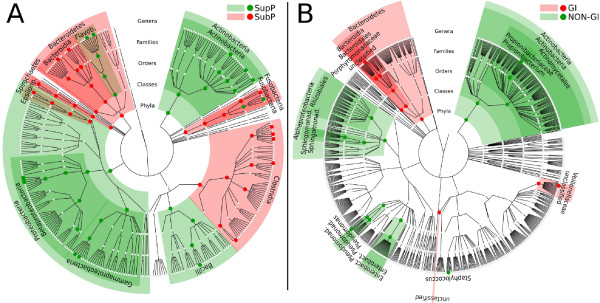
“Clades showing a statistically significant difference (by LEfSe) specifically between oral and stool samples are indiocated with asterisks.”
MethodInfluentialSelf-citationSIMPSON, E. H. (1949) · Nature · doi:10.1038/163688a0 · Cited by 14,164
Structure, function and diversity of the healthy human microbiome
The Human Microbiome Project Consortium (2012) · Nature · doi:10.1038/nature11234 · Cited by 11,726
Self-citationAn Ordination of the Upland Forest Communities of Southern Wisconsin
Bray, J. R., & Curtis, J. T. (1957) · Ecological Monographs · doi:10.2307/1942268 · Cited by 11,716 · cited 2×
“For assessing bacterial community structure similarities between different samples and body sites, we compared the relative abundances of every pair of samples in our dataset using the Bray-Curtis measure of beta diversity [31].”
MethodA human gut microbial gene catalogue established by metagenomic sequencing
MetaHIT Consortium, Qin, J., Li, R., Raes, J., Arumugam, M., Burgdorf, K. S., Manichanh, C., Nielsen, T., Pons, N., Levenez, F., et al. (2010) · Nature · doi:10.1038/nature08821 · Cited by 11,624 · cited 1×
“Previous studies of the healthy adult digestive tract microbiota have typically included less than 20 individuals [11-21] and the studies with over 100 individuals have most often focused on a single body site [22-26].”
BackgroundHuman gut microbes associated with obesity
Ley, R. E., Turnbaugh, P. J., Klein, S., & Gordon, J. I. (2006) · Nature · doi:10.1038/4441022a · Cited by 8,785 · cited 20×
“For example, using endoscopic biopsies from just two subjects, Wang et al. [77] reported 49% of 16S rRNA gene clones were from the Firmicutes and 27.7% were from Bacteroidetes.”
ResultInfluentialDiversity of the Human Intestinal Microbial Flora
Eckburg, P. B., Bik, E. M., Bernstein, C. N., Purdom, E., Dethlefsen, L., Sargent, M., Gill, S. R., Nelson, K. E., & Relman, D. A. (2005) · Science · doi:10.1126/science.1110591 · Cited by 7,913
A core gut microbiome in obese and lean twins
Turnbaugh, P. J., Hamady, M., Yatsunenko, T., Cantarel, B. L., Duncan, A., Ley, R. E., Sogin, M. L., Jones, W. J., Roe, B. A., Affourtit, J. P., et al. (2009) · Nature · doi:10.1038/nature07540 · Cited by 7,823 · cited 2×
“In a study of stool from 154 adult women (twins and their mothers), Firmicutes had a mean relative abundance of >60% using several different methods to assess the 16S rRNA gene content of stool [24].”
BackgroundMethodEnterotypes of the human gut microbiome
MetaHIT Consortium (additional members), Arumugam, M., Raes, J., Pelletier, E., Le Paslier, D., Yamada, T., Mende, D. R., Fernandes, G. R., Tap, J., Bruls, T., et al. (2011) · Nature · doi:10.1038/nature09944 · Cited by 7,548 · cited 2×
“By surveying the HMP population, these results can be further integrated into other currently ongoing studies of the cohort’s core microbiome [9] or enterotype structure [25], if any.”
BackgroundResult
Research works printed but not linked: 1
- NIH Human Microbiome Project - Core Microbiome Sampling Protocol A (HMP-A). http://www.ncbi.nlm.nih.gov/projects/gap/cgi-bin/study.cgi?study_id=phs000228.v3.p1
Cited by
Items 701–800 of 1,000
Heidrich, V., Knebel, F. H., Bruno, J. S., de Molla, V. C., Miranda‐Silva, W., Asprino, P. F., Tucunduva, L. T. C. D. M., Rocha, V., Novis, Y. A. S., Fregnani, E. R., et al. (2023) · Microbiology Spectrum · doi:10.1128/spectrum.02910-23 · Cited by 10
“Differences in moisture, topography, and tissue type (shedding vs non-shedding), among others, make each oral site home to distinct bacterial communities (1, 3) with main compositional differences existing between mucosa-associated and teeth-associated microbiota (4).”
BackgroundSalivary microbiomes: a potent evidence in forensic investigations
Yadav, S. K., Kumari, P., Sinha, A., Tripathi, V. S., & Saran, V. (2024) · Forensic Science Medicine and Pathology · doi:10.1007/s12024-023-00759-3 · Cited by 10
Yoshiba, S., Nakagawa, H., Kuwata, H., Nabuchi, A., Yaso, A., & Shirota, T. (2023) · Clinical Oral Investigations · doi:10.1007/s00784-023-05053-8 · Cited by 10
“compared the bacterial composition of specimens from different parts of the oral cavity of healthy individuals and identified the following parts where oral bacterial communities formed: (1) tooth surface (supragingival plaque and subgingival plaque), (2) dorsum of the tongue (classified into the pharynx, palatine ton…”
Larios‐Serrato, V., Meza, B., González-Torres, C., Gaytán-Cervantes, J., González-Ibarra, J., Santacruz-Tinoco, C. E., Hernández, Y. M. A., Martínez-Miguel, B., Cortazar, A. C., Sarquiz-Martínez, B., et al. (2023) · mSystems · doi:10.1128/msystems.01062-22 · Cited by 10
“In this study we used saliva as a surrogate of the oral microbiota (14).”
BackgroundMethodHuxley, R., Woodward, M., & Clifton, P. M. (2012) · Current Nutrition Reports · doi:10.1007/s13668-012-0030-2 · Cited by 14
“Obesity is clearly linked to colorectal cancer [5•], and this link may be via the postulated differences in Bacteroides and Firmicutes between lean and obese subjects [35].”
BackgroundShafer, C. M., Tseng, A., Allard, P., & McEvoy, M. M. (2021) · Journal of Biological Chemistry · doi:10.1016/j.jbc.2021.101060 · Cited by 9
“Despite the ubiquitous expression of microbial Cu-resistance genes across the digestive tract (23), the developmental timing and early localization of this activity may serve to inform the subsequent host responses to excess metal.”
BackgroundLi, M., Shao, D., Zhou, J., Gu, J., Qin, J., Li, X., Hao, C., & Wei, W. (2022) · Microbiology Spectrum · doi:10.1128/spectrum.00645-21 · Cited by 9
“The microbial characteristics in each GI site are closely related to the anatomical structure, and the microbial compositions overlap in the descending GI tract (15, 21, 22).”
BackgroundSociodemographic patterning in the oral microbiome of a diverse sample of New YorkersPreprint
Renson, A., Jones, H. E., Beghini, F., Segata, N., Zolnik, C. P., Usyk, M., Moody, T. U., Thorpe, L. E., Burk, R. D., Waldron, L., et al. (2017) · bioRxiv (Cold Spring Harbor Laboratory) · doi:10.1101/189225 · Cited by 9
“80% white, n=60 racial minority members) sampled at 9 distinct oral sites,(32, 33) nonetheless found numerous differentially abundant taxa by ethnicity, com-”
Self-citationThe human oral phageome is highly diverse and rich in jumbo phagesPreprint
Carr, V. R., Shkoporov, A. N., Gómez-Cabrero, D., Mullany, P. P., Hill, C., & Moyes, D. L. (2020) · bioRxiv (Cold Spring Harbor Laboratory) · doi:10.1101/2020.07.06.186817 · Cited by 9
Pereira-Flores, E., Medema, M. H., Buttigieg, P. L., Meinicke, P., Glöckner, F. O., & Fernández-Guerra, A. (2021) · bioRxiv (Cold Spring Harbor Laboratory) · doi:10.1101/2021.01.20.427441 · Cited by 9
Neumann, C., Mohammadzadeh, R., Woh, P. Y., Kobal, T., Pausan, M.-R., Shinde, T., Haid, V., Mertelj, P., Weiss, E., Kolovetsiou-Kreiner, V., et al. (2024) · mSystems · doi:10.1128/msystems.01071-24 · Cited by 10
“These include biofilms, dental pockets, subgingival crevices, and crypts of the tonsils (7).”
Lee, Y. T., Akan, A., Önel, D. B., Medawar, E., Jensen, D. E. A., Villringer, A., & Witte, A. V. (2025) · Obesity Reviews · doi:10.1111/obr.70037 · Cited by 8
Çelik, M. N., Dazıroğlu, M. E. Ç., Atabılen, B., Nanì, M. F., Romano, B., Ağagündüz, D., & Capasso, R. (2026) · Food Research International · doi:10.1016/j.foodres.2026.118945 · Cited by 11
Bernardoni, B. L., D’Agostino, I., Motta, C. L., & Angeli, A. (2024) · Expert Opinion on Therapeutic Patents · doi:10.1080/13543776.2024.2349739 · Cited by 8
“To characterize the microbiome, the National Institutes of Health (NIH) funded the Human Microbiome Project (HMP), which provided an unprecedented survey of the human oral biome [4].”
BackgroundRahayu, E. S., Yoga, W. K., Komalasari, H., Mariyatun, M., Yuda, W. A., Manurung, N. E. P., Hasan, P. N., Suharman, S., Pamungkaningtyas, F. H., Nurfiana, D. A., et al. (2024) · International Journal of Food Science · doi:10.1155/2024/9493797 · Cited by 9
“Actinobacteria and Proteobacteria are two major phyla found in human gut microbiome [30].”
BackgroundZhang, M., Cui, Y., Mei, X., Li, L., Wang, H., Li, Y., & Wu, Y. (2024) · Veterinary Sciences · doi:10.3390/vetsci11080351 · Cited by 8
“…sites within the human oral cavity harbor three types of bacterial communities, with significant differences observed between the microbial communities in subgingival and supragingival regions compared to other sites (hard palate, keratinized gingiva, buccal mucosa, tongue, and saliva) [17].”
BackgroundGem, H., Ebadi, M., Sebastian, G., Abasaeed, R., Lloid, M. E., Minot, S. S., Dean, D. R., & Rashidi, A. (2024) · npj Biofilms and Microbiomes · doi:10.1038/s41522-024-00611-8 · Cited by 8
“This is consistentwithpreviousanalysesthatsuggestthatthegenus Oribacterium is a member of the microbiota of throat, palatine tonsils, tongue dorsum, and saliva 29 .”
Characterization of the SOS meta-regulon in the human gut microbiome
Cornish, J. P., Sanchez-Alberola, N., O’Neill, P. K., O'Keefe, R., Gheba, J., & Erill, I. (2014) · Bioinformatics · doi:10.1093/bioinformatics/btt753 · Cited by 9
“Received on September 3, 2013; revised on December 2, 2013; accepted on December 22, 2013”
BackgroundUnderstanding the role of gut microbiota in the pathogenesis of schizophrenia
Ghorbani, M., Rajandas, H., Parimannan, S., Joseph, G. B. S., Tew, M. M., Ramly, S. S., Rasat, M. A. M., & Lee, S. Y. (2020) · Psychiatric Genetics · doi:10.1097/ypg.0000000000000270 · Cited by 8
“In fact, 45% of the subjects in the Human Microbiome Project have a similar bacterial composition in their oral cavity and stool (Segata et al., 2012).”
BackgroundKim, M.-J., Bose, S., Shin, N., Park, S., Kwon, O., Song, E., Nam, Y., Koo, B., Nam, D., Lee, J., et al. (2021) · Journal of Personalized Medicine · doi:10.3390/jpm11050325 · Cited by 8
“Oral microbiota represent one of the most predominant microbial populations in the human body [35,36].”
BackgroundPreliminary analysis of mucosal and salivary bacterial communities in oral lichen planus
Du, G., Deng, Y., Pan, L., Han, X., Tang, G., & Yu, S. (2023) · Oral Diseases · doi:10.1111/odi.14493 · Cited by 8
Oh, S., Lee, H., & Park, K. U. (2023) · Frontiers in Cellular and Infection Microbiology · doi:10.3389/fcimb.2023.1257816 · Cited by 9
The role of the human microbiome in otolaryngology–head and neck surgery: A contemporary review
Hong, P., Liu, C. M., Nordstrom, L., & Lalwani, A. K. (2013) · The Laryngoscope · doi:10.1002/lary.24490 · Cited by 9
“An analysis of HMP samples collected from seven dental surfaces and the tonsils, throat, and stool defined three distinct bacterial communities in the oral cavity and oropharynx: the buccal mucosa, gingivae, and hard palate had similar microbiota, whereas the saliva, tongue and throat (tonsil), and supra- and subgingi…”
MethodYokoi, A., Ekuni, D., Hata, H., Yamane, M., Maruyama, T., Yamanaka, R., & Morita, M. (2019) · Journal of Applied Oral Science · doi:10.1590/1678-7757-2018-0635 · Cited by 8
Microbiomes of commercially-available pine nuts and sesame seeds
Fay, M. L., Salazar, J. K., Ramachandran, P., & Stewart, D. S. (2021) · PLoS ONE · doi:10.1371/journal.pone.0252605 · Cited by 8
“Species of Porphyromonas are commensal and found in the oral microbiome of animals, most notably humans [58].”
BackgroundComparison of Microbiome in Stimulated Saliva in Edentulous and Dentate Subjects
Adami, G. R., Ang, M. J., & Kim, E. M. (2021) · Methods in molecular biology · doi:10.1007/978-1-0716-1518-8_5 · Cited by 8
New Preventive Strategy against Oral Biofilm Formation in Caries-Active Children: An In Vitro Study
Parga, A., Balboa, S., Otero‐Casal, P., & Otero, A. (2023) · Antibiotics · doi:10.3390/antibiotics12081263 · Cited by 8
“[29], with reported relative abundances of 15–30% for the genus Streptococcus in supragingival plaque samples.”
BackgroundManagement of candidemia in patients withClostridium difficileinfection
Falcone, M., Venditti, M., Sanguinetti, M., & Posteraro, B. (2016) · Expert Review of Anti-infective Therapy · doi:10.1080/14787210.2016.1197118 · Cited by 8
“response, acid secretion, intestinal mobility, and drug taking [16].”
BackgroundDiet type and the oral microbiome
Betancur, D., Jara, E. L., Lima, C. A., & Victoriano, M. (2026) · Frontiers in Nutrition · doi:10.3389/fnut.2025.1691952 · Cited by 8
Distinct microbiome of tongue coating and gut in type 2 diabetes with yellow tongue coating
Wang, Y., Li, J., Hu, H., Wu, Y., Chen, S., Feng, X., Wang, T., Wang, Y., Wu, S., & Luo, H. (2023) · Heliyon · doi:10.1016/j.heliyon.2023.e22615 · Cited by 7
Zheng, Q., Zhang, Y., Li, J., Pei, S., Liu, J., Lu, F. F., Zhang, L., Liu, X., Luo, B., Ruan, Y., et al. (2024) · Frontiers in Microbiology · doi:10.3389/fmicb.2024.1502812 · Cited by 7
COMPUTATIONAL APPROACHES TO STUDY MICROBES AND MICROBIOMES
Greene, C. S., Foster, J. A., Stanton, B. A., Hogan, D. A., & Bromberg, Y. (2015) · Pacific Symposium on Biocomputing (PSB) · doi:10.1142/9789814749411_0051 · Cited by 7
Microbiome and Gastroesophageal Disease: Pathogenesis and Implications for Therapy
D’Souza, S. M., Cundra, L. B., Yoo, B. S., Parekh Parth, J., & Johnson, D. A. (2020) · Annals of Clinical Gastroenterology and Hepatology · doi:10.29328/journal.acgh.1001018 · Cited by 8
“There is considerable overlap between periodontal and esophageal flora, with a similar high Firmicutes/Bacteroidetes ratio [54].”
Erden, T., & Camcı, H. (2023) · Journal of Orofacial Orthopedics / Fortschritte der Kieferorthopädie · doi:10.1007/s00056-023-00470-6 · Cited by 8
“Saliva composition has been implicated as a potential biomarker of oral health status [32].”
Inferring diet, disease and antibiotic resistance from ancient human oral microbiomes
Dahlquist-Axe, G., Standeven, F. J., Speller, C., Tedder, A., & Meehan, C. J. (2024) · Microbial Genomics · doi:10.1099/mgen.0.001251 · Cited by 9
“%) of individuals in the Human Microbiome Project [83], oral bacterial translocation to the rest of the body, particularly to the gut, is thought to be a common occurrence [84].”
BackgroundMetabolomics survey of uropathogenic bacteria in human urine
Chan, C. C. Y., Groves, R. A., Rydzak, T., & Lewis, I. A. (2024) · Frontiers in Microbiology · doi:10.3389/fmicb.2024.1507561 · Cited by 7
“This suggests that selective forces are at play, and one contributing factor may be nutritional selection.”
Saliva microbiota differs between children with low and high sedentary screen times
Engberg, E., Raju, S. C., Figueiredo, R. A. D. O., Weiderpass, E., Rounge, T. B., & Viljakainen, H. T. (2021) · Human Microbiome Journal · doi:10.1016/j.humic.2021.100080 · Cited by 10
“Moreover, the gut microbiome is influenced by the oral microbiota given the continuity of the gastrointestinal tract [6].”
BackgroundDependency of hydration and growth conditions on the mechanical properties of oral biofilms
Pattem, J. K., Davrandi, M., Aguayo, S. D., Ślak, B., Maev, R. G., Allan, E., Spratt, D. A., & Bozec, L. (2021) · Scientific Reports · doi:10.1038/s41598-021-95701-4 · Cited by 8
Increasing Reproducibility in Oral Microbiome Research
Gopinath, D., & Menon, R. K. (2021) · Methods in molecular biology · doi:10.1007/978-1-0716-1518-8_1 · Cited by 8
Examining the Composition of the Oral Microbiota as a Tool to Identify Responders to Dietary Changes
Vach, K., Al‐Ahmad, A., Anderson, A. C., Woelber, J. P., Karygianni, L., Wittmer, A., & Hellwig, E. (2022) · Nutrients · doi:10.3390/nu14245389 · Cited by 8
“[4,5] show that the oral microflora of healthy persons mainly contain aerobes and obligate anaerobes of the genera Streptococcus, Veillionella, Actinomyces, Neisseria, Candida spp.”
BackgroundSteps in Metagenomics: Let’s Avoid Garbage in and Garbage Out
Izard, J. (2014) · Elsevier eBooks · doi:10.1016/b978-0-12-410472-3.00001-4 · Cited by 8
Self-citationLee, Y., Hong, Y., Kim, B., Lee, D., Kim, S., & Rhyu, I. (2020) · Journal of Periodontal & Implant Science · doi:10.5051/jpis.2002420121 · Cited by 7
“This finding implies that measurements of salivary microbiota could be influenced by bacteria from the tongue, tonsils, and pharynx, as well as from subgingival plaque [13].”
BackgroundLee, R., Park, J., Park, Y., Kim, K., Ha, J., & Lee, J. (2025) · Journal Of Clinical Periodontology · doi:10.1111/jcpe.70050 · Cited by 7
“Saliva and oral rinse samples primarily represent planktonic or loosely attached microbial communities derived from mucosal surfaces, tongue and supragingival plaque (Caselli et al. 2020; Segata et al. 2012).”
Torozan, D. A., Laczny, C. C., Roomp, K., Wilmes, P., Fleckenstein, J., & Schneider, J. G. (2025) · Cancer Medicine · doi:10.1002/cam4.70589 · Cited by 6
Hesami, Z., Atashrooz, M., Sardarzehi, R., Looha, M. A., Khorsand, B., & Houri, H. (2025) · Journal of Translational Medicine · doi:10.1186/s12967-025-06759-x · Cited by 10
Bachtiar, B. M., Theodorea, C. F., Tahapary, D. L., Astrella, C., Natalina, & Bachtiar, E. W. (2021) · F1000Research · doi:10.12688/f1000research.28216.1 · Cited by 6
Linking the bacterial microbiome between gut and habitat soil of Tibetan macaque (Macaca thibetana)
Xu, X., Xia, Y., & Sun, B. (2022) · Ecology and Evolution · doi:10.1002/ece3.9227 · Cited by 6
“LEfSe (linear discriminant analysis effect size) was used with default options to determine genera enriched in each study group (Segata et al., 2012).”
MethodOropharyngeal, proximal colonic, and vaginal microbiomes of healthy Korean native black pig gilts
Bugenyi, A. W., Lee, M.-R., Choi, Y., Song, K., Lee, H., Son, Y., Lee, D., Lee, S., Son, Y.-J., & Heo, J.-Y. (2023) · BMC Microbiology · doi:10.1186/s12866-022-02743-3 · Cited by 8
Food intervention strategy for oral microbiome: A review
Zhang, Y., Wang, B., Bai, J., Wei, L., Chen, X., Song, J., Liu, Y., Suo, H., & Wang, C. (2024) · Trends in Food Science & Technology · doi:10.1016/j.tifs.2024.104514 · Cited by 6
Garcia, M. T., Namba, A. M., do Carmo, P. H. F., Pedroso, L. L. C., de Lima, P. M. N., Gonçale, J. C., & Junqueira, J. C. (2024) · Biofouling · doi:10.1080/08927014.2024.2371817 · Cited by 7
“Meanwhile, Lactobacillus are commonly absent in this population (Segata et al. 2012), suggesting that microcosm biofilms used in this study accurately represented the biodiversity of the oral cavity among different patients.”
Cui, X., Yin, L., Zhang, Y., Jiang, X., Li, L., & Bi, X. (2024) · BMC Oral Health · doi:10.1186/s12903-024-05000-3 · Cited by 8
“The salivary microbiota comprises a diverse array of bacteria shed from oral surfaces, including the throat, tongue, and tonsils, which serve as the main sources [12].”
BackgroundImportance of Interkingdom Interactions Among Oral Microbiome Towards Caries Development – A Review
Balakrishnan, K., Sivanesan, D., Mohan, G., Gunthe, S. S., & Verma, R. S. (2021) · Journal of Immunological Sciences · doi:10.29245/2578-3009/2021/2.1211 · Cited by 6
Ma, Y., Wang, H., & Li, C. (2021) · The Journal of Microbiology · doi:10.1007/s12275-021-1113-9 · Cited by 6
Tamarelle, J., Creze, M. M., Savathdy, V., Phonekeo, S., Wallenborn, J. T., Siengsounthone, L., Fink, G., Odermatt, P., Kounnavong, S., Sayasone, S., et al. (2023) · Frontiers in Nutrition · doi:10.3389/fnut.2023.1111478 · Cited by 8
“, using the Dada2 package (56) and the Silva Reference Database (57) for amplicon sequences, the KneadData Tool for pre-cleaning of the shotgun metagenomics data, HUMAnN (58) for inferring gene and pathway abundance and MetaPhlAn (59, 60) and PhyloPhlAn (61) for abundance of specific bacterial species and strains.”
MethodIdentification of habit specific bacteria in human saliva through Next-Generation Sequencing
Yadav, S. K., Tripathi, V. S., & Saran, V. (2023) · Forensic Science International · doi:10.1016/j.forsciint.2023.111871 · Cited by 7
Ju, H., Ahn, Y., Ok, S., Jeong, S., Na, H. S., & Chung, J. (2024) · Journal of Dental Sciences · doi:10.1016/j.jds.2024.05.022 · Cited by 6
“14 Furthermore, according to Segata et al., 15 Genome Biology found that oral and gut bacteria overlapped in almost half (45”
Correlation of periodontal pathogens in concurrent endodontic-periodontal diseases
Lačević, A., Foschi, F., Pojskić, L., Pojskić, N., Bajroviç, K., & Izard, J. (2015) · Oral Biology and Dentistry · doi:10.7243/2053-5775-3-5 · Cited by 6
Self-citationIshaq, S. L., Yeoman, C. J., & Whitney, T. R. (2017) · Journal of Animal Science · doi:10.2527/jas2017.1731 · Cited by 6
A Massively Parallel Sequence Similarity Search for Metagenomic Sequencing Data
Kakuta, M., Suzuki, S., Izawa, K., Ishida, T., & Akiyama, Y. (2017) · International Journal of Molecular Sciences · doi:10.3390/ijms18102124 · Cited by 6
“Sci. 2017 , 18 , 2124 5 of 11 Relationships among metagenomic samples were summarized using principal component analysis (PCA). each sample and the results of the workflow to compare Orthologous gene groups with relative abundances of less than 0.0001 in all samples were excluded in advance.…”
MethodResultInfluentialWolff, R. J. (2020) · SSRN Electronic Journal · doi:10.2139/ssrn.3565981 · Cited by 8
Lin, G., Kageyama, S., Maeda, A., Sakamoto, E., Ma, J., Asakawa, M., Furuta, M., Yamashita, Y., & Takeshita, T. (2024) · Frontiers in Cellular and Infection Microbiology · doi:10.3389/fcimb.2024.1358684 · Cited by 5
Zecha, J. A. E. M., Raber‐Durlacher, J. E., Brandt, B. W., Buijs, M. J., Zaura, E., de Lange, J., Smeele, L. E., & Laheij, A. M. G. A. (2024) · Frontiers in Oral Health · doi:10.3389/froh.2024.1461463 · Cited by 6
Ziuzia-Januszewska, L., Zygało, J., & Brożek-Mądry, E. (2024) · Polski Przegląd Otorynolaryngologiczny · doi:10.5604/01.3001.0054.9116 · Cited by 5
da Silva, C. J. F., da Silva, C. V. F., Cardoso, A. M., & Santos, E. D. O. (2025) · Archives of Oral Biology · doi:10.1016/j.archoralbio.2025.106251 · Cited by 5
The increasing burden of early-onset pancreatic and biliary tract cancers: a review of risk factors
Boilève, A., Brügel, M., Rémond, M., Valéry, M., Ducreux, M. P., Turpin, A., & Smolenschi, C. (2025) · ESMO Gastrointestinal Oncology · doi:10.1016/j.esmogo.2025.100204 · Cited by 5
“65 When the balance of these microbial communities is disturbed ― a state known as dysbiosis ― it can contribute to carcinogenesis through multiple mechanisms.”
Weber, C., Wind, D., Petzsch, P., Supprian, T., Dilthey, A., Christl, J., & Finzer, P. (2026) · Alzheimer s Research & Therapy · doi:10.1186/s13195-025-01941-1 · Cited by 5
“Several distinct habitats exist in the oral cavity, including, but not limited to, buccal mucosa, sub-and supragingival plaques and saliva [36].”
Li, M., McGhee, E. M., Shinno, L., Lee, K., & Lin, Y. (2021) · American Journal Of Pathology · doi:10.1016/j.ajpath.2021.06.005 · Cited by 5
The Role of Periodontopathogens and Oral Microbiome in the Progression of Oral Cancer. A Review
Beltran, J. F., Viafara-García, S. M., Labrador, A. P., & Basterrechea, J. (2021) · The Open Dentistry Journal · doi:10.2174/1874210602115010367 · Cited by 5
Salivary Biomarkers in Diagnosis of Dental caries - A Review Article
Sandhya, R. (2021) · International Journal of Dentistry and Oral Science · doi:10.19070/2377-8075-21000764 · Cited by 5
“…spp., Streptococcus sanguis group, Streptococcus salivarius, Actinomyces spp. and Candida albicans), diversity of salivary microbiomes, inorganic and organic constituents (electrolytes, immunoglobulins, other proteins and peptides) and some functional properties [4](sugar clearance rate, etc).”
Intestinal Microbiomics in Physiological and Pathological Conditions
Ionescu, R. F., Cozma, E. C., Enache, R. M., Creţoiu, S. M., Iancu, M., Mandea, M., Profir, M., Roşu, O. A., & Gașpar, B. S. (2024) · IntechOpen eBooks · doi:10.5772/intechopen.110642 · Cited by 5
Microbiome Composition in Microscopic Colitis: A Systematic Review
Garczyk, A., Mardas, M., & Stelmach-Mardas, M. (2023) · International Journal of Molecular Sciences · doi:10.3390/ijms24087026 · Cited by 6
“Importantly, the presence of Akkermansia was observed in the healthy population [27].”
BackgroundInfluentialMicrobiota, Gut Health, and Laryngopharyngeal Reflux Disease
Lee, J. G. (2024) · Otolaryngologic Clinics of North America · doi:10.1016/j.otc.2024.09.006 · Cited by 5
Kamińska, M., Dudzinska, N. A. M., Yucel‐Lindberg, T., Söder, B., Narayanan, A., Potempa, J., & Mydel, P. M. (2025) · Journal of Oral Microbiology · doi:10.1080/20002297.2025.2479903 · Cited by 5
“In contrast to the previous reports, we have not seen statistically important increase in the abundance of Bacteroidetes and Firmicutes in periodontitis [31,32].”
Yue, Y., Mao, Y., Read, T. D., Fedirko, V., Satten, G. A., Chen, X., Zhan, X., & Hu, Y. (2025) · Journal of the American Statistical Association · doi:10.1080/01621459.2025.2516205 · Cited by 6
“While these is less consensus, the SMS data can be classified into taxonomies using tools such as MetaPhlAn (Segata et al. 2012; Truong et al. 2015; Beghini et al. 2021), Kraken (Wood and Salzberg 2014; Wood, Lu, and Langmead 2019), or more recently, Woltka (Zhu et al. 2022).”
Calenge, F., Martin, C., Floc'H, N. L., Phocas, F., Morgavi, D., Rogel-Gaillard, C., & Quéré, P. (2014) · INRAE Productions Animales · doi:10.20870/productions-animales.2014.27.3.3068 · Cited by 11
Manna, L., Rizzi, E., Bafile, E., Macchi, C., Ruscica, M., Salini, R., Rossi, E., Panebianco, C., Pazienza, V., & Federici, F. (2020) · Beneficial Microbes · doi:10.3920/bm2020.0008 · Cited by 5
Altered composition of the oral microbiome in integrin beta 6-deficient mouse
Uehara, O., Bi, J., Zhuang, D., Koivisto, L., Abiko, Y., Häkkinen, L., & Larjava, H. (2022) · Journal of Oral Microbiology · doi:10.1080/20002297.2022.2122283 · Cited by 6
“Although site-specific microbiomes exist in different parts of oral cavity and saliva, they also share similarities [30].”
BackgroundKarbalaiee, M., Chiti, H., Mousavi, S. N., & Afshar, D. (2022) · Obesity Medicine · doi:10.1016/j.obmed.2022.100461 · Cited by 5
Pro-Inflammatory Oral Microbiota in Juvenile Spondyloarthritis: A Pilot Study
Stoll, M. L., Wang, J., Kau, C. H., Pierce, M. K., Morrow, C. D., & Geurs, N. C. (2022) · Children · doi:10.3390/children9111764 · Cited by 6
“Because different oral habitats have different associated bacteria in health [10], we studied two different habitats: the saliva and the sub-gingiva.”
BackgroundMethodResultInfluentialMaru, M., Teklemariam, Z., & Ayana, D. A. (2023) · PLoS ONE · doi:10.1371/journal.pone.0278829 · Cited by 5
“However around 50% of dental caries-causing bacteria are there, which are not cultivable on artificial media like Prevotella, Peptostreptococcus, Bacteroidetes phylum, Fusobacterium, Capnocytophaga, Selenomonas, and Veillonella but it is possible to detect them using molecular techniques like 16S rRNA gene sequencing…”
MethodBeyond the effects of HIV infection and integrase inhibitors-based therapies on oral bacteriome
Villoslada-Blanco, P., Pérez‐Matute, P., Recio‐Fernández, E., Íñiguez, M., Blanco-Navarrete, P., Metola, L., Ibarra, V., Machado‐Alba, J. E., de Toro, M., & Oteo, J. A. (2023) · Scientific Reports · doi:10.1038/s41598-023-41434-5 · Cited by 7
Tao, L., Chiarelli, M. P., Pavlova, S. I., SCHWARTZ, J. L., DeFrancesco, J. V., Salameh, B., Naqib, A., Green, S. J., & Adami, G. R. (2024) · PeerJ · doi:10.7717/peerj.16626 · Cited by 5
“These surfaces also are coated with bacteria, though the exact makeup of the population depends on the site ( Segata et al., 2012 ; Thomas et al., 2014 ; Yu et al., 2017 ).”
Recruiting Human Microbiome Shotgun Data to Site-Specific Reference Genomes
Xie, G. G., Lo, C., Scholz, M. B., & Chain, P. S. G. (2014) · PLoS ONE · doi:10.1371/journal.pone.0084963 · Cited by 5
“These results adhere to the idea that some selective pressure for particular community membership may be exerted on distinct niche environments due to possible interactions with host cell type, saliva chemistry, and other exogenous factors (such as oxygen availability and nutrient deposition) [26].”
BackgroundCoryneBase: Corynebacterium Genomic Resources and Analysis Tools at Your Fingertips
Heydari, H., Siow, C. C., Tan, M. F., Jakubovics, N. S., Wee, W. Y., Mutha, N. V. R., Wong, G. J., Ang, M. Y., Yazdi, A. H., & Choo, S. W. (2014) · PLoS ONE · doi:10.1371/journal.pone.0086318 · Cited by 5
“usually considered commensals in these locations [1,2].”
Subgingival Distribution of Microorganisms
Könönen, E., & Gürsoy, M. (2014) · Current Oral Health Reports · doi:10.1007/s40496-014-0033-8 · Cited by 5
“[2], 347 species/ phylotypes were found in subgingival samples from 31 subjects (11 subjects with ‘refractory periodontitis’, nine with periodontitis, two with HIV-associated periodontitis, four with necrotizing ulcerative gingivitis, and five periodontally healthy subjects). The majority of the findings represented u…”
BackgroundInfluentialExploring Human Bacterial Diversity Toward Prevention of Infectious Disease and Health Promotion
Yousuf, B., & Mishra, A. (2018) · Elsevier eBooks · doi:10.1016/b978-0-12-814849-5.00029-0 · Cited by 7
The microbiocenosis of the palatal tonsils in the practically healthy people
Borisova, O. Y., Gurov, A. V., Торникеевна, Г. Н., Efimov, B. A., Kafarskaya, L. I., Ss, A., & Борисова, А. Б. (2018) · Russian Bulletin of Otorhinolaryngology · doi:10.17116/otorino20188305131 · Cited by 5
“Проведенные с помощью технологий секвенирования геномов бактерий в последние годы исследования показали, что в ротоглотке имеются пять филотипов микроорганизмов — Firmicutes, Bacteroidetes, Proteobacteria, Actinobacteria и Fusobacteria [5, 9, 10].”
Hooshmand, B., Khatib, R., Hamza, A., Snower, D. P., & Alcantara, A. L. (2019) · GERMS · doi:10.18683/germs.2019.1164 · Cited by 5
Minimal Associations between Short-Term Dietary Intake and Salivary Microbiome Composition
Kim, J., Lee, M., Baldwin-Hunter, B. L., Solfisburg, Q. S., Lightdale, C. J., Korem, T., Hur, C., & Abrams, J. A. (2021) · Microorganisms · doi:10.3390/microorganisms9081739 · Cited by 5
“The esophageal microbiome is broadly similar to the oral microbiome, with an abundance of anaerobes and a high Firmicutes to Bacteroidetes ratio [1,2].”
BackgroundMicrobiota de la piel: el ecosistema cutáneo
Patiño-Pacheco, L. A., & Morales, C. A. (2013) · Revista de la Asociación Colombiana de Dermatología y Cirugía Dermatológica · doi:10.29176/2590843x.261 · Cited by 17
Zhu, J., Ning, Q., Wang, T., Liu, Z. Y., Yu, L. F., Liu, H., & Zou, W. (2025) · Food Chemistry · doi:10.1016/j.foodchem.2025.147541 · Cited by 4
Xie, Y., Artacho, A., Yu, X., Bi, M., Li, H., Li, Y., Roccuzzo, A., Mira, A., Rosier, B. T., & Tonetti, M. S. (2026) · Journal Of Clinical Periodontology · doi:10.1111/jcpe.70101 · Cited by 4
Beta-lactamases in anaerobic, intestinal bacteria: a narrative review
Dutkiewicz, M., Sóki, J., & Ruppé, É. (2026) · Anaerobe · doi:10.1016/j.anaerobe.2026.103024 · Cited by 4
Nee, G. W., Agrawal, K. R., Dalan, R., Kasahara, K., Darren, L. Y. X., Ali, Y., & Wong, H. S. (2026) · Diabetes Research and Clinical Practice · doi:10.1016/j.diabres.2026.113232 · Cited by 4
Ansari, S., Purohit, K. J., Shelke, A. B., Shah, M., Nkhoma, I. A., Navale, A. M., & Wakchaure, R. S. (2026) · Antonie van Leeuwenhoek · doi:10.1007/s10482-026-02296-9 · Cited by 4
Danielsen, A. K., Massarenti, L., Minculescu, L., Jensen, P. Ø., Hansen, P. R., Holmstrup, P., Damgaard, C., & Nielsen, C. H. (2024) · Journal of Periodontal Research · doi:10.1111/jre.13317 · Cited by 5
Cosi, V., Jung, J., Popella, L., Ponath, F., Ghosh, C., Barquist, L., & Vogel, J. (2025) · mBio · doi:10.1128/mbio.00524-25 · Cited by 4
Gut and oral microbial profile associations to oral cancer
Nayyar, J., Bedu-Ferrari, C., Patangia, D. V., Hurley, E., Feeley, L., Ross, R. P., Stanton, C., & Brady, P. (2025) · Journal of Dentistry · doi:10.1016/j.jdent.2025.105848 · Cited by 5
He, J., Liu, Y., Liu, H., Liu, H., Xu, M., Wei, X., & Chen, M. (2025) · Journal of Dentistry · doi:10.1016/j.jdent.2025.106125 · Cited by 6
Wade, W. G. (2016) · Wiley eBooks · doi:10.1002/9781118982907.ch4 · Cited by 4
Metadata
- Authors
- Segata, N., Haake, S. K., Mannon, P., Lemon, K. P., Waldron, L., Gevers, D., Huttenhower, C., & Izard, J.
- Affiliations
- Harvard University (US)
- University of California, Los Angeles (US)
- University of Alabama at Birmingham (US)
- Boston Children's Hospital (US)
- Broad Institute (US)
- Corresponding author
- Izard, Jacques
- ORCID
- Venue
- Genome Biology
- Published
- 2012-06-14
- Volume
- 13
- Issue
- 6
- Pages
- R42-R42
- ISSN
- 1465-6906 (ISSN-L)
- 1474-760X
- PMC
- PMC3446314
- OpenAlex
- W2170196186
- Cited by
- 1,076
- References
- 104
- Citations by year
- 2026: 57 · 2025: 77 · 2024: 108 · 2023: 85 · 2022: 103 · 2021: 123 · 2020: 120 · 2019: 64 · 2018: 61 · 2017: 66 · 2016: 52 · 2015: 51 · 2014: 59 · 2013: 40 · 2012: 9
- FWCI
- 20.46
- Type
- journal article
- Language
- en
- Open access
- gold
- doi.org
- Licence
- cc-by
- creativecommons.org/licenses/by/2.0/ (tdm)
- creativecommons.org/licenses/by/2.0/ (vor)
- Locations
- Genome biology (publishedVersion, cc-by)
- PubMed Central (publishedVersion, cc-by)
- PubMed (publishedVersion)
- Institutional Research Information System (Università degli Studi di Trento) (submittedVersion, cc-by)
- CUNY Academic Works (City University of New York) (submittedVersion, cc-by)
- Digital Access to Scholarship at Harvard (DASH) (Harvard University) (submittedVersion, cc-by)
- Lincoln (University of Nebraska) (submittedVersion)
- eScholarship (California Digital Library) (submittedVersion)
- Funders
- National Science Foundation (1053486)
- National Institutes of Health (DBI-1053486)
- National Human Genome Research Institute (HG005969, U54HG004969, R01HG005969, HG004969)
- National Cancer Institute (R21CA139193, CA139193)
- National Institute of Dental and Craniofacial Research (DE020298, P30DE020751, R01DE021574, DE021574, RC1DE020298, DE020751)
- Army Research Office (W911NF-11-1-0473, W911NF, W911NF-11)
- Topics
- Life Sciences › Biochemistry, Genetics and Molecular Biology › Molecular Biology › Gut microbiota and health
- Health Sciences › Dentistry › Periodontics › Oral microbiology and periodontitis research
- Physical Sciences › Environmental Science › Ecology › Microbial Community Ecology and Physiology
- Keywords
- human gut microbiome, oral microbiota, buccal mucosa, gingival plaque, tongue microbiota, tonsil, saliva, stool microbiome, Porphyromonadaceae, Veillonellaceae, Lachnospiraceae, hydrogen sulfide production, sugar transporters, core metabolic pathways, healthy adults
- MeSH terms
- Adolescent, Adult, Feces, Female, Humans, Male, Mouth, Pharynx, Phylogeny, RNA, Ribosomal, 16S, Saliva, Palatine Tonsil, Bacterial Typing Techniques, Genes, rRNA, Actinobacteria, Bacteroidetes, Veillonellaceae, Metagenome, Young Adult, Biota
About these checks
Registry, retraction, Cites and statistics results are computed, not judged, with one exception: a printed reference that no index lists is read once by a model before it counts as a citation error. Claims are extracted by a model and kept only when their quote appears verbatim in the text; each cited source is then checked, with a model’s help, for whether it says what the claim relies on. Those verdicts can be wrong — read the claim’s quote and the cited source before relying on one.
Statistics and arithmetic are recomputed, not judged.
Confidence bands are shown only for fields calibrated on our annotated test set. None is calibrated yet, so no band is shown.
What counts as a claim ›How we measure confidence ›How we check this ›
Are you an author, or do you see a problem with this page? Request a review
Data sources
Bibliographic data: Semantic Scholar, OpenAlex, Crossref.
Contains information from the Semantic Scholar Academic Graph Datasets, made available under the ODC Attribution License (ODC-BY 1.0).
Semantic Scholar’s data is described in: Kinney, R., et al. (2023). The Semantic Scholar Open Data Platform. arXiv:2301.10140.
