

Composition of the adult digestive tract bacterial microbiome based on seven mouth surfaces, tonsils, throat and stool samples
Open accessThe DOI matches its Crossref record; 104 of the 104 references it cites were found in a registry or an index.
Abstract
Background: To understand the relationship between our bacterial microbiome and health, it is essential to define the microbiome in the absence of disease. The digestive tract includes diverse habitats and hosts the human body's greatest bacterial density. We describe the bacterial community composition of ten digestive tract sites from more than 200 normal adults enrolled in the Human Microbiome Project, and metagenomically determined metabolic potentials of four representative sites. Results: The microbiota of these diverse habitats formed four groups based on similar community compositions: buccal mucosa, keratinized gingiva, hard palate; saliva, tongue, tonsils, throat; sub- and supra-gingival plaques; and stool. Phyla initially identified from environmental samples were detected throughout this population, primarily TM7, SR1, and Synergistetes. Genera with pathogenic members were well-represented among this disease-free cohort. Tooth-associated communities were distinct, but not entirely dissimilar, from other oral surfaces. The Porphyromonadaceae, Veillonellaceae and Lachnospiraceae families were common to all sites, but the distributions of their genera varied significantly. Most metabolic processes were distributed widely throughout the digestive tract microbiota, with variations in metagenomic abundance between body habitats. These included shifts in sugar transporter types between the supragingival plaque, other oral surfaces, and stool; hydrogen and hydrogen sulfide production were also differentially distributed. Conclusions: The microbiomes of ten digestive tract sites separated into four types based on composition. A core set of metabolic pathways was present across these diverse digestive tract habitats. These data provide a critical baseline for future studies investigating local and systemic diseases affecting human health.
Overview
The claims and statistics of this paper haven’t been checked yet.
Free: it reads the open-access text and checks the first 5 claims that cite a source we can check. Create a free account to check every claim.
Integrity signals
Registry
Cites
Statistics
Figures
Verification
Claims the paper makes
The claims and statistics of this paper haven’t been checked yet.
Free: it reads the open-access text and checks the first 5 claims that cite a source we can check. Create a free account to check every claim.
Claims other papers make about this one
Each is checked against this paper’s own text: does it say what the citing paper says it does?
The source backs part of the claim, not all of it — or backs it for a different population, condition or comparison.
In the citing paper
“The oropharynx, which is lined with a non-keratinized stratified squamous epithelium, has more diverse bacterial communities than the nasopharynx41, which are characterized by streptococcal species, Neisseria spp., Rothia spp. and anaerobes, including Veillonella spp., Prevotella spp. and Leptotrichia spp.39,41,51,52.”
From The microbiota of the respiratory tract: gatekeeper to respiratory health (2017) · cites this paper as [51]
Experimental — accuracy not yet measuredThe source backs part of the claim, not all of it — or backs it for a different population, condition or comparison.
In the citing paper
“Up to 80% of oral bacteria are dominated by about 200 species in the Phyla Firmicutes (esp. Streptococcus, Veillonella, Granulicatella, Gemella spp.) and Proteobacteria (esp. Neisseria, Haemophilus spp.), with contributions from Bacteroidetes, Actinobacteria and Fusobacteria totaling upwards of 95% of all identified oral microbiota (Figure 2)[171–177].”
From Enterosalivary nitrate metabolism and the microbiome: Intersection of microbial metabolism, nitric oxide and diet in cardiac and pulmonary vascular health (2017) · cites this paper as [173]
Experimental — accuracy not yet measuredThe cited source says what the claim attributes to it.
In the citing paper
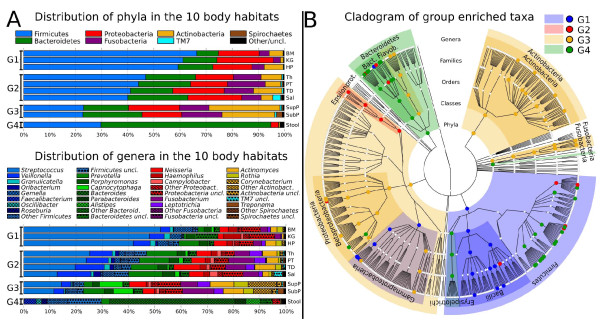
“Further diversity exists between the varied micro-ecologies of the mouth[174,178], such as the tooth surface, gingiva, hard and soft palate, and even regionally on the tongue (Figure 2)[173,176,179].”
From Enterosalivary nitrate metabolism and the microbiome: Intersection of microbial metabolism, nitric oxide and diet in cardiac and pulmonary vascular health (2017) · cites this paper as [173]
In the citing paper
“Ecological conditions vary immensely along both the length of the GI tract as well as in cross-section from lumen to the mucosal brush-border[173,267,308,309].”
From Enterosalivary nitrate metabolism and the microbiome: Intersection of microbial metabolism, nitric oxide and diet in cardiac and pulmonary vascular health (2017) · cites this paper as [173]
Self-check
Percentages, sums and reported differences re-computed from the paper’s own numbers.
The self-check needs the paper’s full text.
Citations
Cites
Schloss, P. D., Westcott, S. L., Ryabin, T., Hall, J. R., Hartmann, M., Hollister, E. B., Lesniewski, R. A., Oakley, B. B., Parks, D. H., Robinson, C. J., et al. (2009) · Applied and Environmental Microbiology · doi:10.1128/aem.01541-09 · Cited by 19,549
Metagenomic biomarker discovery and explanation
Segata, N., Izard, J., Waldron, L., Gevers, D., Miropolsky, L., Garrett, W. S., & Huttenhower, C. (2011) · Genome Biology · doi:10.1186/gb-2011-12-6-r60 · Cited by 16,192 · cited 11×
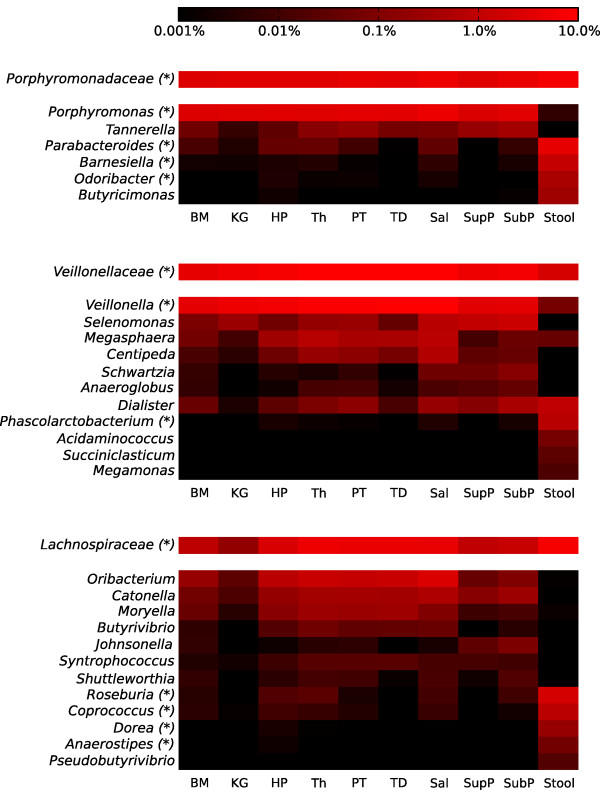
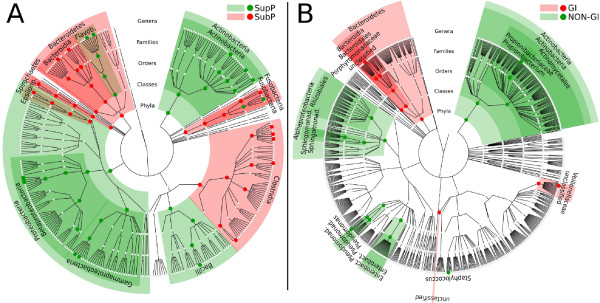
“Clades showing a statistically significant difference (by LEfSe) specifically between oral and stool samples are indiocated with asterisks.”
MethodInfluentialSelf-citationSIMPSON, E. H. (1949) · Nature · doi:10.1038/163688a0 · Cited by 14,164
Structure, function and diversity of the healthy human microbiome
The Human Microbiome Project Consortium (2012) · Nature · doi:10.1038/nature11234 · Cited by 11,726
Self-citationAn Ordination of the Upland Forest Communities of Southern Wisconsin
Bray, J. R., & Curtis, J. T. (1957) · Ecological Monographs · doi:10.2307/1942268 · Cited by 11,716 · cited 2×
“For assessing bacterial community structure similarities between different samples and body sites, we compared the relative abundances of every pair of samples in our dataset using the Bray-Curtis measure of beta diversity [31].”
MethodA human gut microbial gene catalogue established by metagenomic sequencing
MetaHIT Consortium, Qin, J., Li, R., Raes, J., Arumugam, M., Burgdorf, K. S., Manichanh, C., Nielsen, T., Pons, N., Levenez, F., et al. (2010) · Nature · doi:10.1038/nature08821 · Cited by 11,624 · cited 1×
“Previous studies of the healthy adult digestive tract microbiota have typically included less than 20 individuals [11-21] and the studies with over 100 individuals have most often focused on a single body site [22-26].”
BackgroundHuman gut microbes associated with obesity
Ley, R. E., Turnbaugh, P. J., Klein, S., & Gordon, J. I. (2006) · Nature · doi:10.1038/4441022a · Cited by 8,785 · cited 20×
“For example, using endoscopic biopsies from just two subjects, Wang et al. [77] reported 49% of 16S rRNA gene clones were from the Firmicutes and 27.7% were from Bacteroidetes.”
ResultInfluentialDiversity of the Human Intestinal Microbial Flora
Eckburg, P. B., Bik, E. M., Bernstein, C. N., Purdom, E., Dethlefsen, L., Sargent, M., Gill, S. R., Nelson, K. E., & Relman, D. A. (2005) · Science · doi:10.1126/science.1110591 · Cited by 7,913
A core gut microbiome in obese and lean twins
Turnbaugh, P. J., Hamady, M., Yatsunenko, T., Cantarel, B. L., Duncan, A., Ley, R. E., Sogin, M. L., Jones, W. J., Roe, B. A., Affourtit, J. P., et al. (2009) · Nature · doi:10.1038/nature07540 · Cited by 7,823 · cited 2×
“In a study of stool from 154 adult women (twins and their mothers), Firmicutes had a mean relative abundance of >60% using several different methods to assess the 16S rRNA gene content of stool [24].”
BackgroundMethodEnterotypes of the human gut microbiome
MetaHIT Consortium (additional members), Arumugam, M., Raes, J., Pelletier, E., Le Paslier, D., Yamada, T., Mende, D. R., Fernandes, G. R., Tap, J., Bruls, T., et al. (2011) · Nature · doi:10.1038/nature09944 · Cited by 7,548 · cited 2×
“By surveying the HMP population, these results can be further integrated into other currently ongoing studies of the cohort’s core microbiome [9] or enterotype structure [25], if any.”
BackgroundResult
Research works printed but not linked: 1
- NIH Human Microbiome Project - Core Microbiome Sampling Protocol A (HMP-A). http://www.ncbi.nlm.nih.gov/projects/gap/cgi-bin/study.cgi?study_id=phs000228.v3.p1
Cited by
Items 201–300 of 1,000
Microbial Signatures Associated with Oropharyngeal and Oral Squamous Cell Carcinomas
Banerjee, S., Tian, T., Wei, Z., Peck, K. N., Shih, N., Chalian, A. A., O’Malley, B. W., Weinstein, G. S., Feldman, M. D., Alwine, J., et al. (2017) · Scientific Reports · doi:10.1038/s41598-017-03466-6 · Cited by 83
Strain/species identification in metagenomes using genome-specific markers
Tu, Q., He, Z., & Zhou, J. (2014) · Nucleic Acids Research · doi:10.1093/nar/gku138 · Cited by 84
“This was also evidenced by previous studies that microbes from oral sites, such as tongue, tonsils, throat, saliva and gingival plaques, contribute to the colonization in the airways for their important overlap between the upper segments of the digestive and respiratory segments (34).”
ResultUnderstanding Caries From the Oral Microbiome Perspective
Tanner, A. C. R., Kressirer, C. A., & Faller, L. L. (2016) · Journal of the California Dental Association · doi:10.1080/19424396.2016.12221036 · Cited by 116
Utter, D. R., Borisy, G. G., Eren, A. M., Cavanaugh, C. M., & Welch, J. L. M. (2020) · Genome biology · doi:10.1186/s13059-020-02200-2 · Cited by 95
“parainfluenzae into discrete habitat-resolved subpopulations, we applied the same method of analysis to a genus, Rothia, that is composed of multiple habitat-specialized species [31, 36].”
InfluentialMalan‐Müller, S., Valles‐Colomer, M., Foxx, C. L., Vieira‐Silva, S., van den Heuvel, L. L., Raes, J., Seedat, S., Lowry, C. A., & Hemmings, S. M. J. (2021) · European Neuropsychopharmacology · doi:10.1016/j.euroneuro.2021.11.009 · Cited by 87
Bioinformatic approaches for functional annotation and pathway inference in metagenomics data
Filippo, C. D., Ramazzotti, M., Fontana, P., & Cavalieri, D. (2012) · Briefings in Bioinformatics · doi:10.1093/bib/bbs070 · Cited by 95
“[97] introduced an innovative analysis of the HMP metagenomic shotgun sequencing of a subset of the available body habitats (adult digestive tract).”
BackgroundCamanocha, A., & Dewhirst, F. E. (2014) · Journal of Oral Microbiology · doi:10.3402/jom.v6.25468 · Cited by 93
“SR1 clones were seen at multiple human sites including the oral cavity in the Human Microbiome Project (21).”
BackgroundRole of oral and gut microbiome in nitric oxide-mediated colon motility
Walker, M. Y., Pratap, S., Southerland, J. H., Farmer-Dixon, C. M., Lakshmyya, K., & Gangula, P. R. (2018) · Nitric Oxide · doi:10.1016/j.niox.2017.06.003 · Cited by 81
Dysbiosis of oral buccal mucosa microbiota in patients with oral lichen planus
He, Y., Gong, D., Shi, C., Shao, F., Shi, J., & Fei, J. (2017) · Oral Diseases · doi:10.1111/odi.12657 · Cited by 82
“Segata, Nicola (Segata et al, 2012) and other HMP members explored the microbiota of 18 body sites (including buccal mucosal surface) in over 200 individuals by sequencing amplifications of V1–V3 and the V3–V5 16S rRNA hypervariable regions as part of the NIH Common Fund Human Microbiome Project.”
MethodMicrobial Similarity and Preference for Specific Sites in Healthy Oral Cavity and Esophagus
Dong, L., Yin, J., Zhao, J., Ma, S., Wang, H., Wang, M., Chen, W., & Wei, W. (2018) · Frontiers in Microbiology · doi:10.3389/fmicb.2018.01603 · Cited by 94
“These divergences could be explained by either selective passage of bacteria from the oropharynx or the selective retention of particular oral bacteria by the esophagus (Segata et al., 2012).”
InfluentialMadhusudhan, N., Pausan, M. R., Halwachs, B., Durdević, M., Windisch, M., Kehrmann, J., Patra, V., Wolf, P., Boukamp, P., Moissl-Eichinger, C., et al. (2020) · Cancers · doi:10.3390/cancers12030541 · Cited by 74
“Notably, skin harbors a different microbiota composition than the oral or GI mucosa; thus, cutaneous and mucosal SCC development and the involvement of the resident microbiota might greatly differ [58].”
BackgroundContaldo, M., Fusco, A., Stiuso, P., Lama, S., Gravina, A. G., Itro, A., Federico, A., Itro, A., Dipalma, G., Inchingolo, F., et al. (2021) · Microorganisms · doi:10.3390/microorganisms9051064 · Cited by 89
“tonsils, throat (posterior wall of the oropharynx) and in the saliva; and Group 3 comprises those in sub‐ and supra‐gingival plaque [34,35] (Figure 1).”
BackgroundThe canine oral microbiome: variation in bacterial populations across different niches
Ruparell, A., Inui, T., Staunton, R. H., Wallis, C. V., Deusch, O., & Holcombe, L. J. (2020) · BMC Microbiology · doi:10.1186/s12866-020-1704-3 · Cited by 89
The Human Microbiome and Understanding the 16S rRNA Gene in Translational Nursing Science
Ames, N. J., Ranucci, A., Moriyama, B., & Wallen, G. R. (2017) · Nursing Research · doi:10.1097/nnr.0000000000000212 · Cited by 71
“The type and abundance of organisms in the plaque microbiota vary greatly between samples collected above (supragingival) or below (subgingival) the gum line (Segata et al., 2012).”
BackgroundCurrent Insights in Microbiome Shifts in Sjogren’s Syndrome and Possible Therapeutic Interventions
Tsigalou, C., Stavropoulou, E., & Bezirtzoglou, E. (2018) · Frontiers in Immunology · doi:10.3389/fimmu.2018.01106 · Cited by 86
“Most of the microbes belong to four major phyla: Firmicutes, Bacteroidetes, Actinobacteria, and Proteobacteria (30–32) and actually Bacteroidetes along with Firmicutes represent more than 90% of the whole in the gut (31, 32).”
BackgroundVogtmann, E., Han, Y., Caporaso, J. G., Bokulich, N., Mohamadkhani, A., Moayyedkazemi, A., Hua, X., Kamangar, F., Wan, Y., Suman, S., et al. (2020) · Cancer Medicine · doi:10.1002/cam4.2660 · Cited by 73
Comparative analysis of bacterial profiles in unstimulated and stimulated saliva samples
Belstrøm, D., Holmstrup, P., Bardow, A., Kokaras, A. S., Fiehn, N., & Paster, B. J. (2016) · Journal of Oral Microbiology · doi:10.3402/jom.v8.30112 · Cited by 85
“Using molecular methods, the salivary microbiota in oral health has been characterized (8, 9) and has been shown to be mostly comparable with the microbiota of the throat, the tonsils, and the dorsum of the tongue (8).”
MethodHamamoto, Y., Ouhara, K., Munenaga, S., Shoji, M., Ozawa, T., Hisatsune, J., Kado, I., Kajiya, M., Matsuda, S., Kawai, T., et al. (2020) · Arthritis Research & Therapy · doi:10.1186/s13075-020-02348-z · Cited by 84
The Sporobiota of the Human Gut
Egan, M., Dempsey, E. M., Ryan, C. A., Ross, R. P., & Stanton, C. (2021) · Gut Microbes · doi:10.1080/19490976.2020.1863134 · Cited by 90
“Members of the Lachnospiraceae family can be found throughout the digestive tract of humans, for example, in one study, the Coprococcus genus was found in both the oral cavity and stool of over 45% of the individuals tested.(61) In a study of over 150 individuals in Michigan, OTUs belonging to the Lachnospiraceae fami…”
BackgroundOral Versus Gastrointestinal Mucosal Immune Niches in Homeostasis and Allostasis
Suárez, L. J., Arboleda, S., Angelov, N., & Arce, R. M. (2021) · Frontiers in Immunology · doi:10.3389/fimmu.2021.705206 · Cited by 83
Fusobacterium nucleatum – Friend or foe?
Stokowa‐Sołtys, K., Wojtkowiak, K., & Jagiełło, K. (2021) · Journal of Inorganic Biochemistry · doi:10.1016/j.jinorgbio.2021.111586 · Cited by 84
Salivary microbial profiles in relation to age, periodontal, and systemic diseases
Lira-Junior, R., Åkerman, S., Klinge, B., Boström, E. A., & Gustafsson, A. (2018) · PLOS ONE · doi:10.1371/journal.pone.0189374 · Cited by 78
Li, Y., Tan, X., Zhao, X., Xu, Z., Dai, W., Duan, W., Huang, S., Zhang, E., Liu, J., Zhang, S., et al. (2020) · Oral Oncology · doi:10.1016/j.oraloncology.2020.104710 · Cited by 83
Oral health in asthmatic patients: a review: Asthma and its therapy may impact on oral health
Gani, F., Caminati, M., Bellavia, F., Baroso, A., Faccioni, P., Pancera, P., Batani, V., & Senna, G. (2020) · Clinical and Molecular Allergy · doi:10.1186/s12948-020-00137-2 · Cited by 77
Profiling the salivary microbiome of the qatari population
Murugesan, S., Al Ahmad, S. F., Singh, P., Saadaoui, M., Kumar, M., & Al Khodor, S. (2020) · Journal of Translational Medicine · doi:10.1186/s12967-020-02291-2 · Cited by 77
Oral, Tongue-Coating Microbiota, and Metabolic Disorders: A Novel Area of Interactive Research
Li, Y., Cui, J., Liu, Y., Chen, K., Huang, L., & Liu, Y. (2021) · Frontiers in Cardiovascular Medicine · doi:10.3389/fcvm.2021.730203 · Cited by 89
“Some can undergo microbiota displacement from the oral to the gut (37) or otherwise interact with each other.”
BackgroundThe oral microbiome in autoimmune diseases: friend or foe?
Huang, X., Huang, X., Huang, Y., Zheng, J., Ye, L., Mai, Z., Zhao, X., Cui, L., & Huang, S. (2023) · Journal of Translational Medicine · doi:10.1186/s12967-023-03995-x · Cited by 83
Xu, W., Chen, D., Wang, N., Zhang, T., Zhou, R., Huan, T., Lu, Y., Su, X., Xie, Q., Li, L., et al. (2014) · Analytical Chemistry · doi:10.1021/ac503619q · Cited by 77
Sociodemographic variation in the oral microbiome
Renson, A., Jones, H. E., Beghini, F., Segata, N., Zolnik, C. P., Usyk, M., Moody, T. U., Thorpe, L., Burk, R., Waldron, L., et al. (2019) · Annals of Epidemiology · doi:10.1016/j.annepidem.2019.03.006 · Cited by 75
Self-citationThe Increasing Importance of the Oral Microbiome in Periodontal Health and Disease
Siddiqui, R., Badran, Z., Boghossian, A., Alharbi, A. M., Alfahemi, H. H., & Khan, N. A. (2023) · Future Science OA · doi:10.2144/fsoa-2023-0062 · Cited by 103
“Additionally, bacteria within the gut and oral cavity are found to overlap, in fact according to a study conducted 45% of bacteria found within the oral cavity is found in stool samples [15,16,58,59].”
BackgroundDressed to impress: impact of environmental adaptation on the Candida albicans cell wall
Hall, R. A. (2015) · Molecular Microbiology · doi:10.1111/mmi.13020 · Cited by 73
“The microbiota of the oral mucosa is comprised of Firmicutes, Bacteriodetes and Protobacteria, with lower numbers of Fusobacteria and Actinobacteria (Segata et al., 2012).”
BackgroundAltered Bacterial Profiles in Saliva from Adults with Caries Lesions: A Case-Cohort Study
Belstrøm, D., Fiehn, N.-E., Nielsen, C. H., Holmstrup, P., Kirkby, N., Klepac-Ceraj, V., Paster, B. J., & Twetman, S. (2014) · Caries Research · doi:10.1159/000357502 · Cited by 73
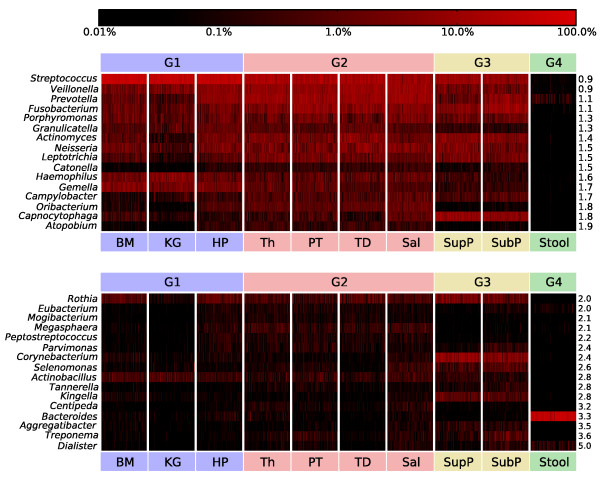
“The genera Streptococcus and Veillonella constituted the predominant bacterial profile, which was in accordance with earlier findings from saliva of adults [Nasidze et al., 2009; Segata et al., 2012] and from Dutch [Crielaard et al., 2011] but not Chinese children [Luo et al., 2012].”
ResultBacterial diversity and functional analysis of severe early childhood caries and recurrence in India
Kalpana, B., Prabhu, P., Bhat, A. H., Senthilkumar, A., Arun, R. P., Asokan, S., Gunthe, S. S., & Verma, R. S. (2020) · Scientific Reports · doi:10.1038/s41598-020-78057-z · Cited by 81
Schamarek, I., Anders, L., Chakaroun, R., Kovacs, P. L., & Rohde‐Zimmermann, K. (2023) · Nutrition Journal · doi:10.1186/s12937-023-00856-7 · Cited by 77
“(2012) reporting that oral cavity and gut bacteria overlapped in nearly half of the subjects in the Human Microbiome Project [85].”
BackgroundOral microbiota and autism spectrum disorder (ASD)
Olsen, I., & Hicks, S. D. (2019) · Journal of Oral Microbiology · doi:10.1080/20002297.2019.1702806 · Cited by 80
“Oral bacteria and stool bacteria overlapped in almost half (45%) of the subjects in the Human Microbiome Project [25].”
BackgroundOverview on Osteoporosis, Periodontitis and Oral Dysbiosis: The Emerging Role of Oral Microbiota
Contaldo, M., Itro, A., Lajolo, C., Gioco, G., Inchingolo, F., & Serpico, R. (2020) · Applied Sciences · doi:10.3390/app10176000 · Cited by 84
“quality in three different ecological niches/intraoral habitats, classified as: Group 1, buccal mucosa, keratinized gingiva, and hard palate; Group 2, saliva, tongue, tonsils, and throat (back wall of oropharynx); and Group 3, sub- and supra-gingival plaque [56,57].”
BackgroundHo, H.-E., Chun, Y., Jeong, S., Jumreornvong, O., Sicherer, S. H., & Bunyavanich, S. (2021) · Journal of Allergy and Clinical Immunology · doi:10.1016/j.jaci.2021.03.028 · Cited by 70
The Role of Gut Microbiota and Metabolites in Obesity-Associated Chronic Gastrointestinal Disorders
Islam, M. R., Arthur, S., Haynes, J., Butts, M. R., Nepal, N., & Sundaram, U. (2022) · Nutrients · doi:10.3390/nu14030624 · Cited by 77
“A higher abundance of Proteobacteria and Verrucomicrobia was found in CRC subjects, which was also observed in obese subjects.”
BackgroundInfluentialOral Microbiome Studies: Potential Diagnostic and Therapeutic Implications
Mira, A. (2018) · Advances in Dental Research · doi:10.1177/0022034517737024 · Cited by 72
Kageyama, S., Takeshita, T., Furuta, M., Tomioka, M., Asakawa, M., Suma, S., Takeuchi, K., Shibata, Y., Iwasa, Y., & Yamashita, Y. (2018) · The Journals of Gerontology Series A · doi:10.1093/gerona/glx205 · Cited by 73
Old age and other factors associated with salivary microbiome variation
SCHWARTZ, J. L., Peña, N., Kawar, N. I., Zhang, A., Callahan, N. F., Robles, S. J., Griebel, A., & Adami, G. R. (2021) · BMC Oral Health · doi:10.1186/s12903-021-01828-1 · Cited by 73
“Many niches in the oral cavity contribute to the saliva microbiome [43] and apparently many factors contribute to the identity of taxa in the salivary microbiome.”
BackgroundFunctional profiling of the gut microbiome in disease-associated inflammation
Börnigen, D., Morgan, X. C., Franzosa, E. A., Ren, B., Xavier, R. J., Garrett, W. S., & Huttenhower, C. (2013) · Genome Medicine · doi:10.1186/gm469 · Cited by 67
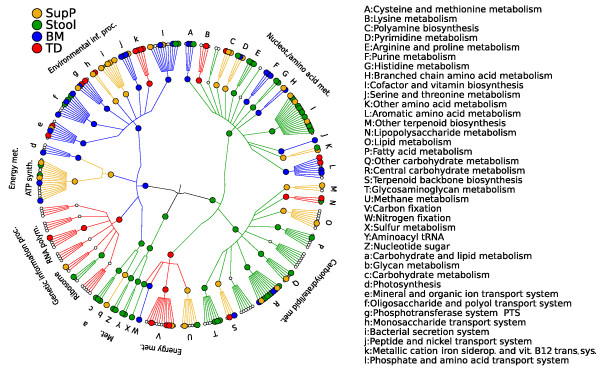
“Maintaining community function in health A companion project within the HMP characterized the function and composition of the digestive tract sites assayed by the project, comprising ten distinct body habitats (in the mouth, oropharynx and colon [84]).”
BackgroundSelf-citationBarrett's esophagus is associated with a distinct oral microbiome
Snider, E. J., Compres, G., Freedberg, D. E., Giddins, M. J., Khiabanian, H., Lightdale, C. J., Nobel, Y. R., Toussaint, N. C., Uhlemann, A.-C., & Abrams, J. A. (2018) · Clinical and Translational Gastroenterology · doi:10.1038/s41424-018-0005-8 · Cited by 72
Bacterial biofilm composition in healthy subjects with and without caries experience.
Schoilew, K., Ueffing, H., Dalpke, A. H., Wolff, B., Frese, C., Wolff, D., & Boutin, S. (2019) · Journal of Oral Microbiology · doi:10.1080/20002297.2019.1633194 · Cited by 81
Jiang, Y., Song, B., Brandt, B. W., Cheng, L., Zhou, X., Exterkate, R. A. M., Crielaard, W., & Deng, D. (2021) · Frontiers in Cellular and Infection Microbiology · doi:10.3389/fcimb.2021.727732 · Cited by 76
“Differential microbial profiles of saliva and subgingival plaque have been demonstrated by several studies (Segata et al., 2012; Simón-Soro et al., 2013).”
Revealing oral microbiota composition and functionality associated with heavy cigarette smoking
Bataineh, M. T. A., Dash, N. R., Elkhazendar, M., Alnusairat, D. M. H., Darwish, I. M. I., Al‐Hajjaj, M. S., & Hamid, Q. A. (2020) · Journal of Translational Medicine · doi:10.1186/s12967-020-02579-3 · Cited by 79
No evidence for colonization of oral bacteria in the distal gut in healthy adults
Rashidi, A., Ebadi, M., Weisdorf, D. J., Costalonga, M., & Staley, C. M. (2021) · Proceedings of the National Academy of Sciences · doi:10.1073/pnas.2114152118 · Cited by 83
“The extent of colonization of oral bacteria in the distal gut has been debated, with some studies suggesting a substantial overlap between the two niches (2, 3), while others finding minimal overlap (4–6).”
BackgroundKunath, B. J., Hickl, O., Queirós, P., Martin‐Gallausiaux, C., Lebrun, L., Halder, R., Laczny, C. C., Schmidt, T., Hayward, M. R., Becher, D., et al. (2022) · Microbiome · doi:10.1186/s40168-022-01435-4 · Cited by 73
“Despite the limited number of shared taxa between the oral cavity and the lower gut [38] due to the gastric bactericidal barrier, intestinal motility or bile and pancreatic secretions [39], a recent study has shown that the oral community type was predictive of the community recovered from stool [40].”
BackgroundAmes, N. J., Barb, J. J., Schuebel, K. E., Mudra, S. E., Meeks, B., Tuason, R. T. S., Brooks, A. T., Kazmi, N., Yang, S. B., Ratteree, K., et al. (2020) · Gut Microbes · doi:10.1080/19490976.2020.1758010 · Cited by 75
Kigerl, K. A., Zane, K., Adams, K., Sullivan, M. B., & Popovich, P. G. (2019) · Experimental Neurology · doi:10.1016/j.expneurol.2019.113085 · Cited by 72
“The same tools have also revealed associations between the gut microbiota and other ‘ecosystems’ found in humans such as the oral cavity (Olsen and Yamazaki, 2019; Segata et al., 2012).”
BackgroundRelvas, M., Regueira‐Iglesias, A., Balsa‐Castro, C., Salazar, F., Pacheco, J. J., Cabral, C. T., de Henriques, C. V., & Tomás, I. (2021) · Scientific Reports · doi:10.1038/s41598-020-79875-x · Cited by 92
Nitrate-rich diet alters the composition of the oral microbiota in periodontal recall patients
Jockel‐Schneider, Y., Schlagenhauf, U., Stölzel, P., Goßner, S., Carle, R., Ehmke, B., Prior, K., & Hagenfeld, D. (2021) · Journal of Periodontology · doi:10.1002/jper.20-0778 · Cited by 55
Type IV pili trigger episymbiotic association of Saccharibacteria with its bacterial host
Xie, B., Wang, J., Nie, Y., Tian, J., Wang, Z., Chen, D., Hu, B., Wu, X., & Du, W. (2022) · Proceedings of the National Academy of Sciences · doi:10.1073/pnas.2215990119 · Cited by 74
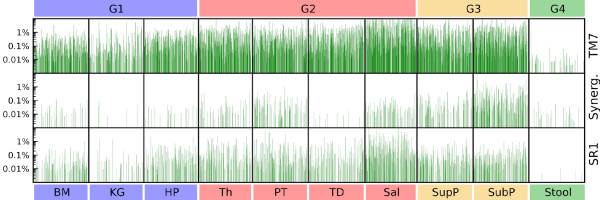
“Specifically, TM7 is a ubiquitous CPR group widely discovered in soils, sediments, wastewater, mammals, and humans (the gastrointestinal tract and oral cavity) (1, 3, 24, 25).”
BackgroundOral microbiome in human health and diseases
Tian, S., Ding, T., & Li, H. (2024) · mLife · doi:10.1002/mlf2.12136 · Cited by 77
“The genera of the top fi ve bacterial species at each site are listed 11 .”
BackgroundAdams, R. I., Amend, A. S., Taylor, J. W., & Bruns, T. D. (2013) · Microbial Ecology · doi:10.1007/s00248-013-0266-4 · Cited by 68
“directed toward understanding the presence and role of microbes in terrestrial [4] and marine [5] environments, including where the microbes associate with “macrobes” such as plants [6], insects [7], and humans [8].”
BackgroundDiaz, P. I., Hong, B.-Y., Frias-Lopez, J., Dupuy, A. K., Angeloni, M., Abusleme, L., Terzi, E., Ioannidou, E., Strausbaugh, L. D., & Dongari-Bagtzoglou, A. (2013) · Clinical and Vaccine Immunology · doi:10.1128/cvi.00734-12 · Cited by 66
“(40) reported that Streptococcus, Veillonella, and Prevotella are the most abundant genera in saliva, in agreement with our results.”
ResultPorphyromonas gingivalis in saliva associates with chronic and aggressive periodontitis
Damgaard, C., Danielsen, A. K., Enevold, C., Massarenti, L., Nielsen, C. H., Holmstrup, P., & Belstrøm, D. (2019) · Journal of Oral Microbiology · doi:10.1080/20002297.2019.1653123 · Cited by 74
“In oral health, the salivary microbiota is closely related to microbiotas found on the tongue and the oral mucosa [5].”
BackgroundOral Bacterial and Fungal Microbiome Impacts Colorectal Carcinogenesis
Klimesova, K., Jiraskova Zakostelska, Z., & Tlaskalova-Hogenova, H. (2018) · Frontiers in Microbiology · doi:10.3389/fmicb.2018.00774 · Cited by 67
“The lower part of the digestive tract gets “inoculated” every day by about 1011 bacteria from the oral cavity and microbial species detected in the oral and fecal microbiota overlap in about 45% of tested individuals (Socransky and Haffajee, 2002; Segata et al., 2012).”
BackgroundThe composition of the perinatal intestinal microbiota in horse
Husso, A., Jalanka, J., Alipour, M. J., Huhti, P., Kareskoski, M., Pessa‐Morikawa, T., Iivanainen, A., & Niku, M. (2020) · Scientific Reports · doi:10.1038/s41598-019-57003-8 · Cited by 72
Chen, L., Xu, X., Wu, X., Cao, H., Li, X., Hou, Z., Wang, B., Liu, J., Ji, X., Zhang, P., et al. (2022) · Frontiers in Cellular and Infection Microbiology · doi:10.3389/fcimb.2022.942460 · Cited by 69
“The oral and gut microbiomes are well segregated due to the presence of an oral–gut barrier, represented by their physical distance and the presence of gastric acid and bile (Tennant et al., 2008; Segata et al., 2012; Ridlon et al., 2014).”
BackgroundUnraveling the Impact of Gut and Oral Microbiome on Gut Health in Inflammatory Bowel Diseases
Elzayat, H., Mesto, G., & Al-Marzooq, F. I. (2023) · Nutrients · doi:10.3390/nu15153377 · Cited by 76
“This is not surprising, as shown in the Human Microbiome Project, whereby oral and stool microbiota overlapped in approximately half of the subjects [49].”
ResultBalcom, I. N., Driscoll, H. E., Vincent, J. J., & Leduc, M. (2016) · F1000Research · doi:10.12688/f1000research.9157.1 · Cited by 68
“Bacteroidia, which is also abundant in human feces 58 , was not detected colonizing the immersed plant root surfaces.”
BackgroundExtracellular DNA in oral microbial biofilms
Jakubovics, N. S., & Grant Burgess, J. (2015) · Microbes and Infection · doi:10.1016/j.micinf.2015.03.015 · Cited by 66
“For example, in the oral cavity there are marked differences in the diversity of microorganisms present on gums, cheeks, tongue, palate or teeth [3,4].”
BackgroundBengoa, A. A., Dardis, C., Gagliarini, N., Garrote, G. L., & Abraham, A. G. (2020) · Frontiers in Microbiology · doi:10.3389/fmicb.2020.583254 · Cited by 71
An Altered Skin and Gut Microbiota Are Involved in the Modulation of Itch in Atopic Dermatitis
Moniaga, C. S., Tominaga, M., & Takamori, K. (2022) · Cells · doi:10.3390/cells11233930 · Cited by 72
Inflammasome Involvement in Alzheimer’s Disease
Olsen, I., & Singhrao, S. K. (2016) · Journal of Alzheimer's Disease · doi:10.3233/jad-160197 · Cited by 66
Fusobacterial liver abscess: a case report and review of the literature
Jayasimhan, D., Wu, L., & Huggan, P. J. (2017) · BMC Infectious Diseases · doi:10.1186/s12879-017-2548-9 · Cited by 66
“Neither organism is a component of the healthy colonic flora nor do they form a major component of the healthy vaginal micro-biome [1, 12, 13].”
BackgroundIncreasing Dietary Fiber Intake Is Associated with a Distinct Esophageal Microbiome
Nobel, Y. R., Snider, E. J., Compres, G., Freedberg, D. E., Khiabanian, H., Lightdale, C. J., Toussaint, N. C., & Abrams, J. A. (2018) · Clinical and Translational Gastroenterology · doi:10.1038/s41424-018-0067-7 · Cited by 71
Porphyromonas gingivalis, a Long-Range Pathogen: Systemic Impact and Therapeutic Implications
Mulhall, H., Huck, O., & Amar, S. (2020) · Microorganisms · doi:10.3390/microorganisms8060869 · Cited by 78
A Revolutionizing Approach to Autism Spectrum Disorder Using the Microbiome
Johnson, D., Letchumanan, V., Thurairajasingam, S., & Lee, L. (2020) · Nutrients · doi:10.3390/nu12071983 · Cited by 77
“It was also found that oral bacteria resemble 45% of the stool bacteria in the Human Microbiome Project, suggesting a possible interaction between the gut and the oral microbiome [82].”
BackgroundPeriodontitis associates with species-specific gene expression of the oral microbiota
Belstrøm, D., Constancias, F., Drautz‐Moses, D. I., Schuster, S. C., Veleba, M., Mahé, F., & Givskov, M. (2021) · npj Biofilms and Microbiomes · doi:10.1038/s41522-021-00247-y · Cited by 73
Nasal Microbiota, Olfactory Health, Neurological Disorders and Aging—A Review
Thangaleela, S., Sivamaruthi, B. S., Kesika, P., Bharathi, M., & Chaiyasut, C. (2022) · Microorganisms · doi:10.3390/microorganisms10071405 · Cited by 67
“The microbes can reside on every surface of the human body [3], such as the oropharynx, nasopharynx, respiratory system [4], digestive tract [5], urinary system, genital organs [6], and the skin [7].”
BackgroundHigh-Resolution Detection of Translocation of Oral Bacteria to the Gut
Kageyama, S., Sakata, S., Ma, J., Asakawa, M., Takeshita, T., Furuta, M., Ninomiya, T., & Yamashita, Y. (2023) · Journal of Dental Research · doi:10.1177/00220345231160747 · Cited by 69
“The human intestine is home to numerous microbes that form a diverse and unique microbial community (Human Microbiome Project Consortium 2012; Segata et al. 2012), which is involved in the maintenance of host physiologic homeostasis by contributing to host metabolism and immunity (Round and Mazmanian 2009; Nicholson e…”
BackgroundInfluentialCurrent progresses and challenges for microbiome research in human health: a perspective
Filardo, S., Pietro, M. D., & Sessa, R. (2024) · Frontiers in Cellular and Infection Microbiology · doi:10.3389/fcimb.2024.1377012 · Cited by 72
The Microbiota, the Immune System and the Allograft
Alegre, M.-L., Mannon, R. B., & Mannon, P. (2014) · American Journal of Transplantation · doi:10.1111/ajt.12760 · Cited by 69
“In this healthy population, the prevalence of known gut pathobionts was very low (5), and while there were significant associations of specific body site microbiota with ethnicity, there were modest to low associations with gender, age and BMI.”
BackgroundSelf-citationThe oral microbiome in human immunodeficiency virus (HIV)-positive individuals
Kistler, J. O., Arirachakaran, P., Poovorawan, Y., Dahlén, G., & Wade, W. G. (2015) · Journal of Medical Microbiology · doi:10.1099/jmm.0.000128 · Cited by 65
“The hard, non-shedding tooth surfaces on which plaque forms provide a distinct microbial habitat to the shedding mucosal surfaces of the mouth and is thus associated with a differing microbial community structure (Mager et al., 2003; Segata et al., 2012).”
BackgroundMethodResultInfluentialMetatranscriptomic analyses of the oral microbiome
Duran‐Pinedo, A. E. (2021) · Periodontology 2000 · doi:10.1111/prd.12350 · Cited by 50
Shi, W., Tian, J., Xu, H., Zhou, Q., & Qin, M. (2018) · PLoS ONE · doi:10.1371/journal.pone.0200337 · Cited by 70
Kawamoto, D., Borges, R., Ribeiro, R. A., de Souza, R. F., Amado, P. P. P., Saraiva, L. M., Horliana, A. C. R. T., Faveri, M., & Mayer, M. P. A. (2021) · Frontiers in Oral Health · doi:10.3389/froh.2021.722495 · Cited by 73
“They may comprise host susceptibility, such as seen in rheumatoid arthritis [17], or maybe due to the translocation of oral organisms to the gut, leading, under certain circumstances, to gut dysbiosis and contributing to systemic inflammation [69, 70].”
BackgroundMicrobial diagnostics in periodontal diseases
Manoil, D., Parga, A., Bostancı, N., & Belibasakis, G. N. (2024) · Periodontology 2000 · doi:10.1111/prd.12571 · Cited by 75
Laiola, M., Filippis, F. D., Vitaglione, P., & Ercolini, D. (2020) · Applied and Environmental Microbiology · doi:10.1128/aem.00777-20 · Cited by 69
“tion, the oral microbiota composition varies among different oral sites (11); therefore,”
BackgroundResultZhou, S., Luo, R., Gong, G., Wang, Y., Gesang, Z., Wang, K., Xu, Z., & Suolang, S. (2020) · Frontiers in Microbiology · doi:10.3389/fmicb.2020.595066 · Cited by 70
Microbiome of Saliva and Plaque in Children According to Age and Dental Caries Experience
Lee, E., Park, S., Um, S., Kim, S., Lee, J., Jang, J., Jeong, H., Shin, J., Kang, J., Lee, S., et al. (2021) · Diagnostics · doi:10.3390/diagnostics11081324 · Cited by 69
Oil pulling and importance of traditional medicine in oral health maintenance.
Naseem, M., Khiyani, M. F., Nauman, H., Zafar, M. S., Shah, A. H., & Khalil, H. S. (2017) · PubMed Central · Cited by 139
Reconstructing the Genomic Content of Microbiome Taxa through Shotgun Metagenomic Deconvolution
Carr, R., Shen-Orr, S. S., & Borenstein, E. (2013) · PLoS Computational Biology · doi:10.1371/journal.pcbi.1003292 · Cited by 59
“If the abundances of both genomic elements and taxa are known, such correlations can be used to associate genomic elements with the various taxa composing the microbial community [47,48].”
BackgroundEvaluation of the impact of dental prophylaxis on the oral microbiota of dogs
Flancman, R., Singh, A., & Weese, J. S. (2018) · PLoS ONE · doi:10.1371/journal.pone.0199676 · Cited by 61
Naud, S., Ibrahim, A., Valles, C., Maatouk, M., Bittar, F., Alou, M. T., & Raoult, D. (2022) · Clinical Microbiology Reviews · doi:10.1128/cmr.00140-21 · Cited by 64
The microbiota: a key regulator of health, productivity, and reproductive success in mammals
Khan, I. M., Nassar, N., Chang, H., Khan, S., Cheng, M., Wang, Z., & Xiang, X. (2024) · Frontiers in Microbiology · doi:10.3389/fmicb.2024.1480811 · Cited by 68
Sugrue, I., O’Connor, P. M., Hill, C., Stanton, C., & Ross, R. P. (2019) · Journal of Bacteriology · doi:10.1128/jb.00529-19 · Cited by 71
“6), as the amino acid motifs (C-X[5-12]-C-X[3]-C-X[9-10]-C-X[4-5]-C-X-C) 291 are conserved [5] The structure of laterosporulin10 has been determined to be architecturally 292 similar in structure to human α-defensin though its disulphide connectivity is homologous to 293 that of β-defensins (Fig.”
Oral microbiome variations related to ageing: possible implications beyond oral health
Kazarina, A., Kuzmicka, J., Bortkevica, S., Zayakin, P., Ķimsis, J., Igumnova, V., Sadovska, D., Freimane, L., Kivrāne, A., Namiņa, A., et al. (2023) · Archives of Microbiology · doi:10.1007/s00203-023-03464-5 · Cited by 65
The short-term impact of probiotic consumption on the oral cavity microbiome
Dassi, E., Ferretti, P., Covello, G., HTM-CMB-2015, Speccher, A., Migazzi, A., Bosco, B., Bodike, R., Zarbo, C., Ballabio, C., et al. (2018) · Scientific Reports · doi:10.1038/s41598-018-28491-x · Cited by 68
Self-citationInterplay of Human Gut Microbiome in Health and Wellness
Singhvi, N., Gupta, V., Gaur, M., Sharma, V., Puri, A., Singh, Y. P., Dubey, G. P., & Lal, R. (2019) · Indian Journal of Microbiology · doi:10.1007/s12088-019-00825-x · Cited by 66
The Clinical Potential of Oral Microbiota as a Screening Tool for Oral Squamous Cell Carcinomas
Zhou, X., Yu, H., Peng, X., Li, B., Han, Q., Ren, B., Li, M., Li, L., Li, Y., Cheng, G., et al. (2021) · Frontiers in Cellular and Infection Microbiology · doi:10.3389/fcimb.2021.728933 · Cited by 69
“The sample collection protocol conformed to the Manual of Procedure for Human Microbiome Project Core Microbiome Sampling Protocol A HMP Protocol #07-001 (McInnes and Cutting, 2010; Segata et al., 2012; Sturød et al., 2020).”
MethodZhang, C., Hu, A., Li, J., Zhang, F., Zhong, P., Li, Y., & Li, Y. (2022) · Frontiers in Cellular and Infection Microbiology · doi:10.3389/fcimb.2022.830684 · Cited by 65
A preliminary study of the oral microbiota in Chinese patients with Sjögren’s syndrome
Li, M., Zou, Y., Jiang, Q., Jiang, L., Yu, Q., Ding, X., & Yu, Y. (2016) · Archives of Oral Biology · doi:10.1016/j.archoralbio.2016.06.016 · Cited by 62
Presti, R. M., Handley, S. A., Droit, L., Ghannoum, M. A., Jacobson, M. Z., Shiboski, C. H., Webster-Cyriaque, J. Y., Brown, T., Yin, M. T., & Overton, E. T. (2018) · AIDS · doi:10.1097/qad.0000000000001811 · Cited by 60
“found in the nares, skin and gastrointestinal tract [8].”
The human microbiome in sickness and in health
Requena, T., & Velasco, M. (2020) · Revista Clínica Española (English Edition) · doi:10.1016/j.rceng.2019.07.018 · Cited by 63
Fusobacterium is enriched in oral cancer and promotes induction of programmed death-ligand 1 (PD-L1)
Michikawa, C., Gopalakrishnan, V., Harrandah, A. M., Karpinets, T. V., Garg, R. R., Chu, R. A., Park, Y. P., Chukkapallia, S. S., Yadlapalli, N., Erikson, K., et al. (2022) · Neoplasia · doi:10.1016/j.neo.2022.100813 · Cited by 63
The Microbiota, Chemical Symbiosis, and Human Disease
Redinbo, M. R. (2014) · Journal of Molecular Biology · doi:10.1016/j.jmb.2014.09.011 · Cited by 59
Wei, Y., Shi, M. Q., Zhen, M., Wang, C., Hu, W., Nie, Y., & Wu, X. (2019) · Frontiers in Cellular and Infection Microbiology · doi:10.3389/fcimb.2019.00053 · Cited by 58
Metadata
- Authors
- Segata, N., Haake, S. K., Mannon, P., Lemon, K. P., Waldron, L., Gevers, D., Huttenhower, C., & Izard, J.
- Affiliations
- Harvard University (US)
- University of California, Los Angeles (US)
- University of Alabama at Birmingham (US)
- Boston Children's Hospital (US)
- Broad Institute (US)
- Corresponding author
- Izard, Jacques
- ORCID
- Venue
- Genome Biology
- Published
- 2012-06-14
- Volume
- 13
- Issue
- 6
- Pages
- R42-R42
- ISSN
- 1465-6906 (ISSN-L)
- 1474-760X
- PMC
- PMC3446314
- OpenAlex
- W2170196186
- Cited by
- 1,076
- References
- 104
- Citations by year
- 2026: 57 · 2025: 77 · 2024: 108 · 2023: 85 · 2022: 103 · 2021: 123 · 2020: 120 · 2019: 64 · 2018: 61 · 2017: 66 · 2016: 52 · 2015: 51 · 2014: 59 · 2013: 40 · 2012: 9
- FWCI
- 20.46
- Type
- journal article
- Language
- en
- Open access
- gold
- doi.org
- Licence
- cc-by
- creativecommons.org/licenses/by/2.0/ (tdm)
- creativecommons.org/licenses/by/2.0/ (vor)
- Locations
- Genome biology (publishedVersion, cc-by)
- PubMed Central (publishedVersion, cc-by)
- PubMed (publishedVersion)
- Institutional Research Information System (Università degli Studi di Trento) (submittedVersion, cc-by)
- CUNY Academic Works (City University of New York) (submittedVersion, cc-by)
- Digital Access to Scholarship at Harvard (DASH) (Harvard University) (submittedVersion, cc-by)
- Lincoln (University of Nebraska) (submittedVersion)
- eScholarship (California Digital Library) (submittedVersion)
- Funders
- National Science Foundation (1053486)
- National Institutes of Health (DBI-1053486)
- National Human Genome Research Institute (HG005969, U54HG004969, R01HG005969, HG004969)
- National Cancer Institute (R21CA139193, CA139193)
- National Institute of Dental and Craniofacial Research (DE020298, P30DE020751, R01DE021574, DE021574, RC1DE020298, DE020751)
- Army Research Office (W911NF-11-1-0473, W911NF, W911NF-11)
- Topics
- Life Sciences › Biochemistry, Genetics and Molecular Biology › Molecular Biology › Gut microbiota and health
- Health Sciences › Dentistry › Periodontics › Oral microbiology and periodontitis research
- Physical Sciences › Environmental Science › Ecology › Microbial Community Ecology and Physiology
- Keywords
- human gut microbiome, oral microbiota, buccal mucosa, gingival plaque, tongue microbiota, tonsil, saliva, stool microbiome, Porphyromonadaceae, Veillonellaceae, Lachnospiraceae, hydrogen sulfide production, sugar transporters, core metabolic pathways, healthy adults
- MeSH terms
- Adolescent, Adult, Feces, Female, Humans, Male, Mouth, Pharynx, Phylogeny, RNA, Ribosomal, 16S, Saliva, Palatine Tonsil, Bacterial Typing Techniques, Genes, rRNA, Actinobacteria, Bacteroidetes, Veillonellaceae, Metagenome, Young Adult, Biota
About these checks
Registry, retraction, Cites and statistics results are computed, not judged, with one exception: a printed reference that no index lists is read once by a model before it counts as a citation error. Claims are extracted by a model and kept only when their quote appears verbatim in the text; each cited source is then checked, with a model’s help, for whether it says what the claim relies on. Those verdicts can be wrong — read the claim’s quote and the cited source before relying on one.
Statistics and arithmetic are recomputed, not judged.
Confidence bands are shown only for fields calibrated on our annotated test set. None is calibrated yet, so no band is shown.
What counts as a claim ›How we measure confidence ›How we check this ›
Are you an author, or do you see a problem with this page? Request a review
Data sources
Bibliographic data: Semantic Scholar, OpenAlex, Crossref.
Contains information from the Semantic Scholar Academic Graph Datasets, made available under the ODC Attribution License (ODC-BY 1.0).
Semantic Scholar’s data is described in: Kinney, R., et al. (2023). The Semantic Scholar Open Data Platform. arXiv:2301.10140.
