

Composition of the adult digestive tract bacterial microbiome based on seven mouth surfaces, tonsils, throat and stool samples
Open accessThe DOI matches its Crossref record; 104 of the 104 references it cites were found in a registry or an index.
Abstract
Background: To understand the relationship between our bacterial microbiome and health, it is essential to define the microbiome in the absence of disease. The digestive tract includes diverse habitats and hosts the human body's greatest bacterial density. We describe the bacterial community composition of ten digestive tract sites from more than 200 normal adults enrolled in the Human Microbiome Project, and metagenomically determined metabolic potentials of four representative sites. Results: The microbiota of these diverse habitats formed four groups based on similar community compositions: buccal mucosa, keratinized gingiva, hard palate; saliva, tongue, tonsils, throat; sub- and supra-gingival plaques; and stool. Phyla initially identified from environmental samples were detected throughout this population, primarily TM7, SR1, and Synergistetes. Genera with pathogenic members were well-represented among this disease-free cohort. Tooth-associated communities were distinct, but not entirely dissimilar, from other oral surfaces. The Porphyromonadaceae, Veillonellaceae and Lachnospiraceae families were common to all sites, but the distributions of their genera varied significantly. Most metabolic processes were distributed widely throughout the digestive tract microbiota, with variations in metagenomic abundance between body habitats. These included shifts in sugar transporter types between the supragingival plaque, other oral surfaces, and stool; hydrogen and hydrogen sulfide production were also differentially distributed. Conclusions: The microbiomes of ten digestive tract sites separated into four types based on composition. A core set of metabolic pathways was present across these diverse digestive tract habitats. These data provide a critical baseline for future studies investigating local and systemic diseases affecting human health.
Overview
The claims and statistics of this paper haven’t been checked yet.
Free: it reads the open-access text and checks the first 5 claims that cite a source we can check. Create a free account to check every claim.
Integrity signals
Registry
Cites
Statistics
Figures
Verification
Claims the paper makes
The claims and statistics of this paper haven’t been checked yet.
Free: it reads the open-access text and checks the first 5 claims that cite a source we can check. Create a free account to check every claim.
Claims other papers make about this one
Each is checked against this paper’s own text: does it say what the citing paper says it does?
The source backs part of the claim, not all of it — or backs it for a different population, condition or comparison.
In the citing paper
“The oropharynx, which is lined with a non-keratinized stratified squamous epithelium, has more diverse bacterial communities than the nasopharynx41, which are characterized by streptococcal species, Neisseria spp., Rothia spp. and anaerobes, including Veillonella spp., Prevotella spp. and Leptotrichia spp.39,41,51,52.”
From The microbiota of the respiratory tract: gatekeeper to respiratory health (2017) · cites this paper as [51]
Experimental — accuracy not yet measuredThe source backs part of the claim, not all of it — or backs it for a different population, condition or comparison.
In the citing paper
“Up to 80% of oral bacteria are dominated by about 200 species in the Phyla Firmicutes (esp. Streptococcus, Veillonella, Granulicatella, Gemella spp.) and Proteobacteria (esp. Neisseria, Haemophilus spp.), with contributions from Bacteroidetes, Actinobacteria and Fusobacteria totaling upwards of 95% of all identified oral microbiota (Figure 2)[171–177].”
From Enterosalivary nitrate metabolism and the microbiome: Intersection of microbial metabolism, nitric oxide and diet in cardiac and pulmonary vascular health (2017) · cites this paper as [173]
Experimental — accuracy not yet measuredThe cited source says what the claim attributes to it.
In the citing paper
“Further diversity exists between the varied micro-ecologies of the mouth[174,178], such as the tooth surface, gingiva, hard and soft palate, and even regionally on the tongue (Figure 2)[173,176,179].”
From Enterosalivary nitrate metabolism and the microbiome: Intersection of microbial metabolism, nitric oxide and diet in cardiac and pulmonary vascular health (2017) · cites this paper as [173]
In the citing paper
“Ecological conditions vary immensely along both the length of the GI tract as well as in cross-section from lumen to the mucosal brush-border[173,267,308,309].”
From Enterosalivary nitrate metabolism and the microbiome: Intersection of microbial metabolism, nitric oxide and diet in cardiac and pulmonary vascular health (2017) · cites this paper as [173]
Self-check
Percentages, sums and reported differences re-computed from the paper’s own numbers.
The self-check needs the paper’s full text.
Citations
Cites
Schloss, P. D., Westcott, S. L., Ryabin, T., Hall, J. R., Hartmann, M., Hollister, E. B., Lesniewski, R. A., Oakley, B. B., Parks, D. H., Robinson, C. J., et al. (2009) · Applied and Environmental Microbiology · doi:10.1128/aem.01541-09 · Cited by 19,549
Metagenomic biomarker discovery and explanation
Segata, N., Izard, J., Waldron, L., Gevers, D., Miropolsky, L., Garrett, W. S., & Huttenhower, C. (2011) · Genome Biology · doi:10.1186/gb-2011-12-6-r60 · Cited by 16,192 · cited 11×
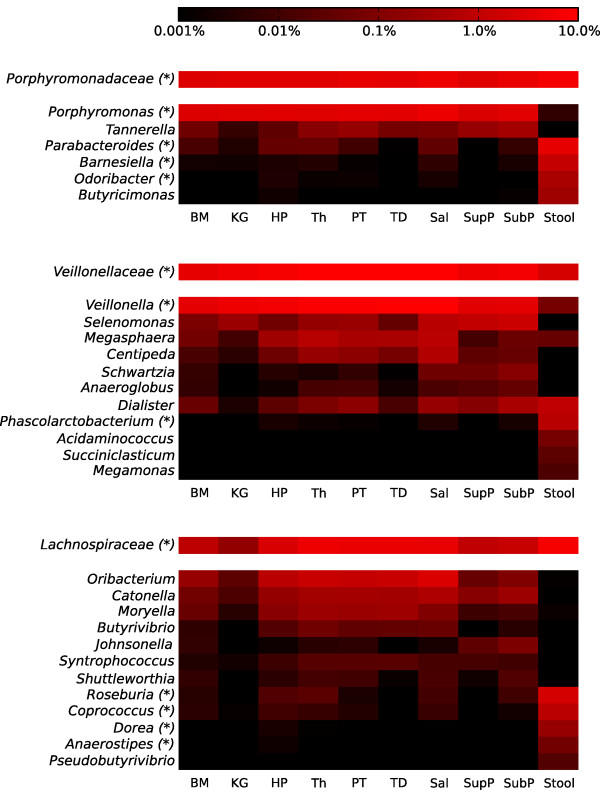
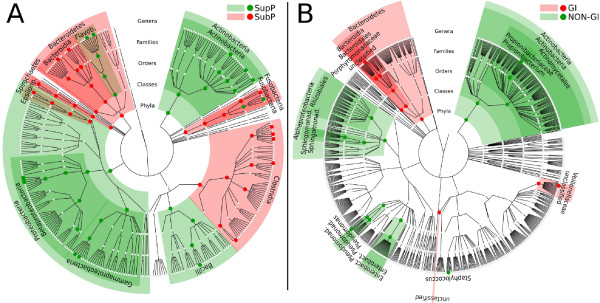
“Clades showing a statistically significant difference (by LEfSe) specifically between oral and stool samples are indiocated with asterisks.”
MethodInfluentialSelf-citationSIMPSON, E. H. (1949) · Nature · doi:10.1038/163688a0 · Cited by 14,164
Structure, function and diversity of the healthy human microbiome
The Human Microbiome Project Consortium (2012) · Nature · doi:10.1038/nature11234 · Cited by 11,726
Self-citationAn Ordination of the Upland Forest Communities of Southern Wisconsin
Bray, J. R., & Curtis, J. T. (1957) · Ecological Monographs · doi:10.2307/1942268 · Cited by 11,716 · cited 2×
“For assessing bacterial community structure similarities between different samples and body sites, we compared the relative abundances of every pair of samples in our dataset using the Bray-Curtis measure of beta diversity [31].”
MethodA human gut microbial gene catalogue established by metagenomic sequencing
MetaHIT Consortium, Qin, J., Li, R., Raes, J., Arumugam, M., Burgdorf, K. S., Manichanh, C., Nielsen, T., Pons, N., Levenez, F., et al. (2010) · Nature · doi:10.1038/nature08821 · Cited by 11,624 · cited 1×
“Previous studies of the healthy adult digestive tract microbiota have typically included less than 20 individuals [11-21] and the studies with over 100 individuals have most often focused on a single body site [22-26].”
BackgroundHuman gut microbes associated with obesity
Ley, R. E., Turnbaugh, P. J., Klein, S., & Gordon, J. I. (2006) · Nature · doi:10.1038/4441022a · Cited by 8,785 · cited 20×
“For example, using endoscopic biopsies from just two subjects, Wang et al. [77] reported 49% of 16S rRNA gene clones were from the Firmicutes and 27.7% were from Bacteroidetes.”
ResultInfluentialDiversity of the Human Intestinal Microbial Flora
Eckburg, P. B., Bik, E. M., Bernstein, C. N., Purdom, E., Dethlefsen, L., Sargent, M., Gill, S. R., Nelson, K. E., & Relman, D. A. (2005) · Science · doi:10.1126/science.1110591 · Cited by 7,913
A core gut microbiome in obese and lean twins
Turnbaugh, P. J., Hamady, M., Yatsunenko, T., Cantarel, B. L., Duncan, A., Ley, R. E., Sogin, M. L., Jones, W. J., Roe, B. A., Affourtit, J. P., et al. (2009) · Nature · doi:10.1038/nature07540 · Cited by 7,823 · cited 2×
“In a study of stool from 154 adult women (twins and their mothers), Firmicutes had a mean relative abundance of >60% using several different methods to assess the 16S rRNA gene content of stool [24].”
BackgroundMethodEnterotypes of the human gut microbiome
MetaHIT Consortium (additional members), Arumugam, M., Raes, J., Pelletier, E., Le Paslier, D., Yamada, T., Mende, D. R., Fernandes, G. R., Tap, J., Bruls, T., et al. (2011) · Nature · doi:10.1038/nature09944 · Cited by 7,548 · cited 2×
“By surveying the HMP population, these results can be further integrated into other currently ongoing studies of the cohort’s core microbiome [9] or enterotype structure [25], if any.”
BackgroundResult
Research works printed but not linked: 1
- NIH Human Microbiome Project - Core Microbiome Sampling Protocol A (HMP-A). http://www.ncbi.nlm.nih.gov/projects/gap/cgi-bin/study.cgi?study_id=phs000228.v3.p1
Cited by
Items 301–400 of 1,000
López, C. D., Vidaki, A., Ralf, A., González, D. M., Radjabzadeh, D., Kraaij, R., Uitterlinden, A. G., Haas, C., Lao, Ó., & Kayser, M. (2019) · Forensic Science International Genetics · doi:10.1016/j.fsigen.2019.03.015 · Cited by 61
Jones, C. M. A., Connors, J., Dunn, K. A., Bielawski, J. P., Comeau, A., Langille, M. G. I., & Limbergen, J. V. (2020) · Inflammatory Bowel Diseases · doi:10.1093/ibd/izaa001 · Cited by 62
Kelsen, J. R., Bittinger, K. L., Pauly‐Hubbard, H., Posivak, L., Grunberg, S., Baldassano, R. N., Lewis, J. D., Wu, G. D., & Bushman, F. D. (2015) · Inflammatory Bowel Diseases · doi:10.1097/mib.0000000000000557 · Cited by 62
“Capnocytophaga, a facultative anaerobic Gram-negative bacillus, is part of the commensal oral flora, but is enriched in subgingival plaque relative to other oral surfaces.(23) It is an opportunistic pathogen, and is associated with periodontal disease, particularly in immunocompromised patients.”
BackgroundGut microbiota short-chain fatty acids and their impact on the host thyroid function and diseases
Mendoza-León, M. J., Mangalam, A. K., Regaldiz, A., González-Madrid, E., Rangel-Ramírez, M. A., Álvarez-Mardones, O., Vallejos, O. P., Méndez, C., Bueno, S. M., Melo-González, F., et al. (2023) · Frontiers in Endocrinology · doi:10.3389/fendo.2023.1192216 · Cited by 63
The human laryngeal microbiome: effects of cigarette smoke and reflux
Jetté, M. E., Dill‐McFarland, K. A., Hanshew, A. S., Suen, G., & Thibeault, S. L. (2016) · Scientific Reports · doi:10.1038/srep35882 · Cited by 61
Oral Microbiome and Cancer Therapy-Induced Oral Mucositis
Mougeot, J.-L., Stevens, C. B., Morton, D. S., Brennan, M. T., & Mougeot, F. B. (2019) · JNCI Monographs · doi:10.1093/jncimonographs/lgz002 · Cited by 81
Jumas‐Bilak, E., & Marchandin, H. (2014) · Springer eBooks · doi:10.1007/978-3-642-38954-2_384 · Cited by 57
Schreurs, M. P. H., van Steenwijk, P. J. D. V., Romano, A., Dieleman, S., & Werner, H. M. J. (2021) · Journal of Clinical Medicine · doi:10.3390/jcm10132916 · Cited by 62
Oral microbiome composition changes in mouse models of colitis
Rautava, J., Pinnell, L. J., Vong, L., Akseer, N., Assa, A., & Sherman, P. M. (2014) · Journal of Gastroenterology and Hepatology · doi:10.1111/jgh.12713 · Cited by 61
Phylogenetic approaches to microbial community classification
Ning, J., & Beiko, R. G. (2015) · Microbiome · doi:10.1186/s40168-015-0114-5 · Cited by 62
“Studies culturing the microbial communities in hard plaque detected taxonomic differences between these two sites [12]; one key observation was that aerobic bacteria were more abundant in the supragingival than the subgingival plaque [54].”
BackgroundComposition and Comparison of the Ocular Surface Microbiome in Infants and Older Children
Cavuoto, K. M., Banerjee, S., Miller, D., & Galor, A. (2018) · Translational Vision Science & Technology · doi:10.1167/tvst.7.6.16 · Cited by 56
“have been found to be in the highest abundance in the gingiva, buccal mucosa, and hard palate, whereas the tonsils and throat contain the highest abundance of Prevotella.(40) The study has several limitations.”
BackgroundLaryngotracheal Microbiota in Adult Laryngotracheal Stenosis
Hillel, A. T., Tang, S. S., Carlos, C., Skarlupka, J. H., Gowda, M., Yin, L. X., Motz, K., Currie, C. R., Suen, G., & Thibeault, S. L. (2019) · mSphere · doi:10.1128/mspheredirect.00211-19 · Cited by 60
“Current literature on the microbiota of the upper and lower respiratory tract supports the idea of a unified airway model due to a continuous mucosal lining and shared secretions along the airway (18, 39–41).”
Salivary bacterial shifts in oral leukoplakia resemble the dysbiotic oral cancer bacteriome
Gopinath, D., Menon, R. K., Wie, C. C., Banerjee, M., Panda, S., Mandal, D. P., Behera, P. K., Roychoudhury, S., Kheur, S. M., Botelho, M. G., et al. (2020) · Journal of Oral Microbiology · doi:10.1080/20002297.2020.1857998 · Cited by 56
“The majority of discriminant bacteria from the WMF of healthy controls relative to diseased groups belonged to the genus Streptococcus; which is predictable as members of this genus account for the majority of bacterial species in the oral cavity of healthy individuals [23].”
BackgroundMukherjee, S., Chopra, A., Karmakar, S., & Bhat, G. S. (2024) · Critical Reviews in Microbiology · doi:10.1080/1040841x.2024.2339260 · Cited by 57
“…maintaining gut barrier function and immune homeostasis (Ballard and Shiner 1974, Bykov et al., 2006, Adibrad et al. 2012; Moutsopoulos et al. 2012; Segata et al., 2012; castañoRodríguez et al., 2017). th-17 cells are also known as major mediators of gut dysfunction. inflamed periodontal tissue is…”
Microbial source tracking in impaired watersheds using PhyloChip and machine-learning classification
Dubinsky, E. A., Butkus, S. R., & Andersen, G. L. (2016) · Water Research · doi:10.1016/j.watres.2016.08.035 · Cited by 55
The Role of the Gut Microbiota in Sustained Weight Loss Following Roux-en-Y Gastric Bypass Surgery
Fouladi, F., Brooks, A. E., Fodor, A. A., Carroll, I. M., Bulik‐Sullivan, E. C., Tsilimigras, M. C. B., Sioda, M., & Steffen, K. J. (2019) · Obesity Surgery · doi:10.1007/s11695-018-03653-y · Cited by 57
Bostancı, N., Krog, M. C., Hugerth, L. W., Bashir, Z., Fransson, E., Boulund, F., Belibasakis, G. N., Wannerberger, K., Engstrand, L. G., Nielsen, H. S., et al. (2021) · Frontiers in Cellular and Infection Microbiology · doi:10.3389/fcimb.2021.625229 · Cited by 62
The impact of aging-induced gut microbiome dysbiosis on dendritic cells and lung diseases
Malik, J. A., Zafar, M. A., Lamba, T., Nanda, S., Khan, M. A., & Agrewala, J. N. (2023) · Gut Microbes · doi:10.1080/19490976.2023.2290643 · Cited by 55
“The Human Microbiome Project data revealed that 45% of the microbiome population from stools overlaps with the oral cavity 117 .”
BackgroundImmune-directed support of rich microbial communities in the gut has ancient roots
Dishaw, L. J., Cannon, J. P., Litman, G. W., & Parker, W. (2014) · Developmental & Comparative Immunology · doi:10.1016/j.dci.2014.06.011 · Cited by 57
“This complexity is enhanced by the presence of distinctly differentiated compartments within the gut tube, each with potentially distinct and permanent commensal communities (Faust et al., 2012; Koren et al., 2013; Segata et al., 2012).”
BackgroundProbing the diversity of healthy oral microbiome with bioinformatics approaches
Moon, J.-H., & Lee, J.-H. (2016) · BMB Reports · doi:10.5483/bmbrep.2016.49.12.164 · Cited by 53
“major scientific reports (9, 10), several companion papers analyzed the HMP oral datasets (7, 11-13), revealing great variability of the oral microbiome among and within healthy”
BackgroundCorncob structures in dental plaque reveal microhabitat taxon specificity
Morillo-López, V., Sjaarda, A., Islam, I., Borisy, G. G., & Welch, J. L. M. (2022) · Microbiome · doi:10.1186/s40168-022-01323-x · Cited by 53
Oral Microbiota as Novel Biomarkers for Colorectal Cancer Screening
Rezasoltani, S., Aghdaei, H. A., Jasemi, S., Gazouli, M., Dovrolis, N., Sadeghi, A., Schlüter, H., Zali, M. R., Sechi, L. A., & Feizabadi, M. M. (2022) · Cancers · doi:10.3390/cancers15010192 · Cited by 56
Pyrosequencing of supra- and subgingival biofilms from inflamed peri-implant and periodontal sites
Schaumann, S., Staufenbiel, I., Scherer, R., Schilhabel, M., Winkel, A., Stumpp, S. N., Eberhard, J., & Stiesch, M. (2014) · BMC Oral Health · doi:10.1186/1472-6831-14-157 · Cited by 54
“Species belonging to the genus Rothia have been repeatedly described as members of oral communities [25-27], and have been associated with periodontal health [28,29].”
BackgroundHuman diseases, immunity and the oral microbiota—Insights gained from metagenomic studies
Idris, A., Hasnain, S. Z., Huat, L. Z., & Koh, D. S. Q. (2016) · Oral Science International · doi:10.1016/s1348-8643(16)30024-6 · Cited by 58
Gut microbiota characterisation in obese patients before and after bariatric surgery
Campisciano, G., Palmisano, S., Cason, C., Giuricin, M., Silvestri, M., Guerra, M., Macor, D., De Manzini, N., Crocé, L. S., & Comar, M. (2018) · Beneficial Microbes · doi:10.3920/bm2017.0152 · Cited by 53
Diet Influences the Oral Microbiota of Infants during the First Six Months of Life
Oba, P. M., Holscher, H. D., Mathai, R. A., Kim, J., & Swanson, K. S. (2020) · Nutrients · doi:10.3390/nu12113400 · Cited by 60
Sigurdardottir, S. L., Thorleifsdottir, R. H., Valdimarsson, H., & Johnston, A. W. B. (2013) · Clinical & Experimental Immunology · doi:10.1111/cei.12153 · Cited by 55
Rudney, J. D., Jagtap, P. D., Reilly, C., Chen, R., Markowski, T. W., Higgins, L., Johnson, J. E., & Griffin, T. J. (2015) · Microbiome · doi:10.1186/s40168-015-0136-z · Cited by 67
“The Human Microbiome project generated comprehensive metagenomic data for a wide variety of body sites in healthy subjects, including supragingival plaque [20].”
Wang, J., Ye, F., Cheng, X., Zhang, X., Liu, F., Liu, G., Ni, M., Qiao, S., Zhou, W., & Zhang, Y. (2016) · Journal of Alzheimer's Disease · doi:10.3233/jad-160138 · Cited by 52
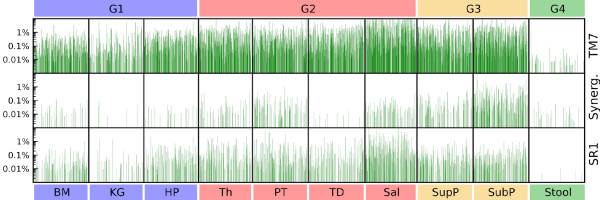
“The phylum TM7, usually identified as an environmental taxon [56], was detected in 11 samples with ≥0.”
Impact of Oral Hygiene Discontinuation on Supragingival and Salivary Microbiomes
Belstrøm, D., Sembler-Møller, M. L., Grande, M. A., Kirkby, N., Cotton, S. L., Paster, B. J., Twetman, S., & Holmstrup, P. (2018) · JDR Clinical & Translational Research · doi:10.1177/2380084417723625 · Cited by 48
“In oral health, the core salivary microbiota is closely related to microbiotas found on the tongue and the throat, and it differs from supragingival plaque, especially in terms of higher relative abundance of Firmicutes (Segata et al. 2012).”
BackgroundRabe, A., Salazar, M. G., Michalik, S., Fuchs, S., Welk, A., Kocher, T., & Völker, U. (2019) · Journal of Oral Microbiology · doi:10.1080/20002297.2019.1654786 · Cited by 58
“reduced and significant differences at genus level between both microbiomes were revealed [80,82].”
BackgroundMicrobiota-derived short chain fatty acids: Their role and mechanisms in viral infections
Feng, C., Jin, C., Liu, K., & Yang, Z. (2023) · Biomedicine & Pharmacotherapy · doi:10.1016/j.biopha.2023.114414 · Cited by 54
Guo, X., Dai, S., Lou, J.-D., Ma, X.-X., Hu, X., Tu, L.-P., Cui, J., Lu, H., Jiang, T., & Xu, J.-T. (2023) · Frontiers in Endocrinology · doi:10.3389/fendo.2023.1119201 · Cited by 56
“More than 45% of the subject’s oral cavity and feces had a similar microbiota distribution in the Human Microbiome Project (17).”
BackgroundSobstyl, A., Chałupnik, A., Mertowska, P., & Grywalska, E. (2023) · International Journal of Molecular Sciences · doi:10.3390/ijms241310920 · Cited by 53
“been identified at various sites in the oral cavity, particularly between the mucosa and teeth and between saliva and teeth [204].”
BackgroundWang, Z., Kaplan, R. M., Burk, R. D., & Qi, Q. (2024) · International Journal of Molecular Sciences · doi:10.3390/ijms252212337 · Cited by 59
“It is estimated that approximately 45% of the microbial species may overlap between these two ecosystems [69].”
Oral Microbiome Profile of the US Population
Chaturvedi, A. K., Vogtmann, E., Shi, J., Yano, Y., Blaser, M. J., Bokulich, N. A., Caporaso, J. G., Gillison, M. L., Graubard, B. I., Hua, X., et al. (2025) · JAMA Network Open · doi:10.1001/jamanetworkopen.2025.8283 · Cited by 53
Gu, X., Song, L., Li, L., Liu, T., Zhang, M.-M., Li, Z., Wang, P., Li, M., & Zuo, X. (2020) · Frontiers in Microbiology · doi:10.3389/fmicb.2020.01281 · Cited by 58
Zeng, H., Chan, Y., Gao, W., Leung, W. K., & Watt, R. M. (2021) · Microbiology Spectrum · doi:10.1128/spectrum.00701-21 · Cited by 53
Oral microbiota alteration associated with oral cancer and areca chewing
Zhong, X., Lu, Q., Zhang, Q., He, Y., Wei, W., & Wang, Y. (2020) · Oral Diseases · doi:10.1111/odi.13545 · Cited by 53
The role of sugar-rich diet and salivary proteins in dental plaque formation and oral health
Benahmed, A. G., Gasmi, A., Dadar, M., Arshad, M., & Bjørklund, G. (2021) · Journal of Oral Biosciences · doi:10.1016/j.job.2021.01.007 · Cited by 56
Potential role of gastrointestinal microbiota composition in prostate cancer risk
Amirian, E. S., Petrosino, J. F., Ajami, N. J., Liu, Y., Mims, M. P., & Scheurer, M. E. (2013) · Infectious Agents and Cancer · doi:10.1186/1750-9378-8-42 · Cited by 49
“tract [67-70].”
Hiremath, G., Shilts, M. H., Boone, H. H., Correa, H., Acra, S., Tovchigrechko, A., Rajagopala, S. V., & Das, S. R. (2019) · Clinical and Translational Gastroenterology · doi:10.14309/ctg.0000000000000039 · Cited by 49
“This is consistent with our current understanding that the esophageal microbiome can be broadly similar to the oral microbiome because both contain an abundance of anaerobes and a high ratio of Firmicutes and Bacteroidetes, and that the oral microbiome can shape the esophageal microbiome through migration of oral bact…”
BackgroundChanges in oral microbial profiles associated with oral squamous cell carcinoma vs leukoplakia
Hashimoto, K., Shimizu, D., Hirabayashi, S., Ueda, S., Miyabe, S., Oh‐iwa, I., Nagao, T., Shimozato, K., & Nomoto, S. (2019) · Journal of Investigative and Clinical Dentistry · doi:10.1111/jicd.12445 · Cited by 54
Microbioma humano en la salud y la enfermedad
Requena, T., & Velasco, M. (2019) · Revista Clínica Española · doi:10.1016/j.rce.2019.07.004 · Cited by 54
Hamid, M. A., Pammer, L. M., Oberparleiter, S., Günther, M., Amann, A., Gruber, R., Mair, A., Nocera, F. I., Ormanns, S., Zimmer, K., et al. (2025) · npj Precision Oncology · doi:10.1038/s41698-025-00892-y · Cited by 50
“Fn , a common constituent of the oral microbiome linked to periodontitis 99 but not typically found in the healthy colon, selectively colonizes CRC tumor tissue 100 – 103 , with multiple studies suggesting the oral cavity as its source 104,105 .”
Bacterial protein toxins in human cancers
Rosadi, F., Fiorentini, C., & Fabbri, A. (2016) · Pathogens and Disease · doi:10.1093/femspd/ftv105 · Cited by 46
Beta‐diversity metrics of the upper digestive tract microbiome are associated with body mass index
Lin, S., Freedman, N. D., Shi, J., Gail, M. H., Vogtmann, E., Yu, G., Klepac‐Ceraj, V., Paster, B. J., Dye, B. A., Wang, G., et al. (2015) · Obesity · doi:10.1002/oby.21020 · Cited by 48
“between the relatively stable microbiome (16) at oral sites with”
BackgroundThe saliva microbiome of Pan and Homo
Li, J., Nasidze, I., Quinque, D., Li, M., Horz, H., André, C., Garriga, R. M., Halbwax, M., Fischer, A., & Stoneking, M. (2013) · BMC Microbiology · doi:10.1186/1471-2180-13-204 · Cited by 55
“Since saliva is not considered to have its own microbiota but rather reflects the microbiome colonizing the tongue, tonsils, throat, hard and soft palate, buccal surfaces and gingivae [27], correlations between bacterial taxa might mirror interdependencies and interactions occurring at”
BackgroundRespiratory microbiota and lower respiratory tract disease
Lanaspa, M., Bassat, Q., Medeiros, M. M., & Muñoz‐Almagro, C. (2017) · Expert Review of Anti-infective Therapy · doi:10.1080/14787210.2017.1349609 · Cited by 54
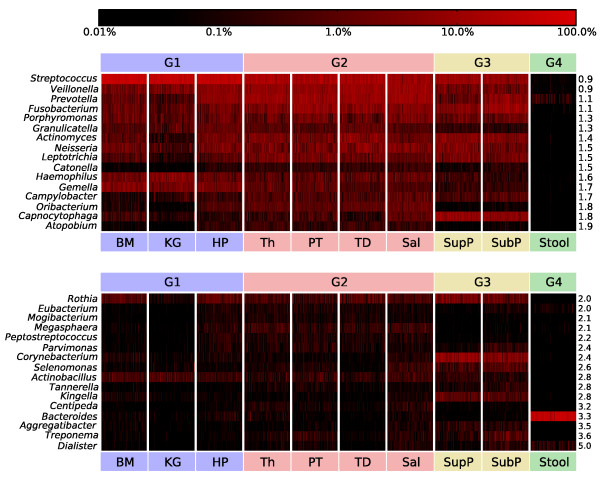
“Common genera described in healthy adults include Streptococcus (both commensal and potentially pathogenic such as S. pneumoniae and S. pyogenes), Haemophilus, Neisseria, Prevotella, Veillonella and Leptotrichia [26,27].”
Hansen, T. H., Thomassen, M. T., Madsen, M. L., Kern, T., Bak, E. G., Kashani, A., Allin, K. H., Hansen, T. F., & Pedersen, O. B. (2018) · Scientific Reports · doi:10.1038/s41598-018-34761-5 · Cited by 52
Study of gut microbiome in Egyptian patients with autoimmune thyroid diseases
El‐Zawawy, H. T., Ahmed, S. M., El-Attar, E., Shaaban, A. N., Roshdy, Y. S., & Header, D. (2021) · International Journal of Clinical Practice · doi:10.1111/ijcp.14038 · Cited by 51
Bellando-Randone, S., Russo, E., Venerito, V., Matucci‐Cerinic, M., Iannone, F., Tangaro, S., & Amedei, A. (2021) · Journal of Personalized Medicine · doi:10.3390/jpm11070625 · Cited by 50
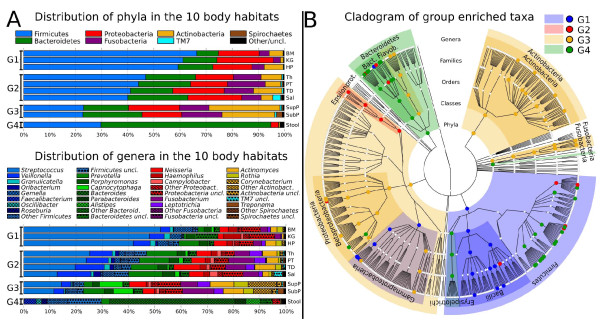
“Multiple reports on the composition of the microflora within the oral niches show higher levels of the genus Corynebacterium in gingival plaques [7] and higher levels of the phylum Firmicutes in buccal mucosa and saliva [8].”
BackgroundLi, Y., Cao, H., Fei, B., Gao, Q., Yi, W., Han, W., Bao, C., Xu, J., Zhao, W. K., & Zhang, F. (2022) · Frontiers in Cell and Developmental Biology · doi:10.3389/fcell.2022.916961 · Cited by 50
“Data from the HumanMicrobiome Project showed an obvious overlap between the fecal and oral microbiomes, with approximately 45% of taxonomic similarities (Segata et al., 2012).”
BackgroundZhou, W., Tao, W., Wang, M., Liu, W., Xing, J., & Yang, Y. (2022) · Food Chemistry · doi:10.1016/j.foodchem.2022.134211 · Cited by 48
The oropharyngeal microbiome is altered in individuals with schizophrenia and mania
Yolken, R. H., Prandovszky, E., Severance, E. G., Hatfield, G. S., & Dickerson, F. (2020) · Schizophrenia Research · doi:10.1016/j.schres.2020.03.010 · Cited by 48
Oral-Gut Microbiome Axis in the Pathogenesis of Cancer Treatment-Induced Oral Mucositis
Al-Qadami, G. H., Sebille, Y. Z. A. V., Bowen, J. M., & Wardill, H. R. (2022) · Frontiers in Oral Health · doi:10.3389/froh.2022.881949 · Cited by 51
“Different bacterial populations are found in different oral cavity sites with a distinctive microbial community found in saliva, oral mucosa, and dental plaque [28, 29].”
BackgroundHuman Microbiome as an Immunoregulatory Axis: Mechanisms, Dysbiosis, and Therapeutic Modulation
Cortes, M., Olate, P., Rodríguez, R., Díaz, R., Martínez, A., Hernández, G., Sepúlveda, N., Paz, E. A., & Quiñones, J. (2025) · Microorganisms · doi:10.3390/microorganisms13092147 · Cited by 55
“Dysbiosis, such as that induced by antibiotic use, may promote the growth of bacteria like Klebsiella oxytoca , leading to anxiety and colitis in animal models through neuroinflammation and increased intestinal permeability [158,159].”
Dynamics of tongue microbial communities with single-nucleotide resolution using oligotyping
Mark Welch, J. L., Utter, D. R., Rossetti, B. J., Mark Welch, D. B., Eren, A. M., & Borisy, G. G. (2014) · Frontiers in Microbiology · doi:10.3389/fmicb.2014.00568 · Cited by 48
“Analysis of the HMP data confirmed the finding of broad differences in the microbiome of the tongue dorsum as compared to plaque and to the surfaces of the gums, cheek and hard palate (Segata et al., 2012).”
BackgroundResultOelsner, K. T., Guo, Y. P., To, S. B., Non, A. L., & Barkin, S. L. (2017) · BMC Genomics · doi:10.1186/s12864-016-3473-9 · Cited by 47
“Additionally, saliva is part of the gastrointestinal tract, and therefore, an important tissue to examine in obesity research [30].”
BackgroundRzeznik, M., Triba, M. N., Lévy, P., Jungo, S., Botosoa, E. P., Duchemann, B., Moyec, L. L., Bernaudin, J., Savarin, P., & Guez, D. (2017) · PLoS ONE · doi:10.1371/journal.pone.0182767 · Cited by 51
Konkol, Y. M., Keskitalo, A., Vuorikoski, H., Pietilä, S., Elo, L. L., Munukka, E., Bernoulli, J., & Tuomela, J. M. (2018) · British Journal of Urology · doi:10.1111/bju.14553 · Cited by 52
Response of the human gut and saliva microbiome to urbanization in Cameroon
Lokmer, A., Aflalo, S., Amougou, N., Lafosse, S., Froment, A., Tabe, F. E., Poyet, M., Groussin, M., Said-Mohamed, R., & Ségurel, L. (2020) · Scientific Reports · doi:10.1038/s41598-020-59849-9 · Cited by 46
Chung, M., Zhao, N., Meier, R. L., Koestler, D. C., Wu, G. G., del Castillo, E., Paster, B. J., Charpentier, K. P., Izard, J., Kelsey, K. T., et al. (2021) · Journal of Oral Microbiology · doi:10.1080/20002297.2021.1887680 · Cited by 47
“Our results expand the original finding of the Human Microbiome Project of oral biogeography in healthy subjects [34].”
Self-citationContaldo, M., Lucchese, A., Romano, A., della Vella, F., Stasio, D. D., Serpico, R., & Petruzzi, M. (2021) · International Journal of Molecular Sciences · doi:10.3390/ijms22179251 · Cited by 53
“[48] in the pioneering work on normal oral microbiota composition in healthy subjects.”
BackgroundMethodCorrelation between caries activity and salivary microbiota in preschool children
Lin, X., Wang, Y., Ma, Z., Xie, M., Liu, Z., Cheng, J., Tian, Y., & Shi, H. (2023) · Frontiers in Cellular and Infection Microbiology · doi:10.3389/fcimb.2023.1141474 · Cited by 45
“Moreover, saliva, as an easily available, relatively stable and cheap biological fluid, has long been a biomarker of health and disease (Giannobile et al., 2011; Segata et al., 2012).”
BackgroundCharacterisation of the human oral microbiome
Wade, W. G. (2013) · Journal of Oral Biosciences · doi:10.1016/j.job.2013.06.001 · Cited by 55
“Within the mouth, different habitats are colonised by characteristic consortia of organisms and can be broadly divided into three groups which are colonised by similar communities: the gingiva and hard palate; tongue and throat; and dental plaque, both supra- and sub-gingival [21,22].”
BackgroundSchmiedová, L., Pechmanová, H., Vinkler, M., Svobodová, J., Velová, H., Těšičký, M., Martin, J., & Kreisinger, J. (2017) · PLoS ONE · doi:10.1371/journal.pone.0179945 · Cited by 53
Low levels of salivary metals, oral microbiome composition and dental decay
Davis, E., Bakulski, K. M., Goodrich, J. M., Peterson, K. E., Marazita, M. L., & Foxman, B. (2020) · Scientific Reports · doi:10.1038/s41598-020-71495-9 · Cited by 44
High-Level Acquisition of Maternal Oral Bacteria in Formula-Fed Infant Oral Microbiota
Kageyama, S., Furuta, M., Takeshita, T., Ma, J., Asakawa, M., & Yamashita, Y. (2022) · mBio · doi:10.1128/mbio.03452-21 · Cited by 51
Comparative analysis of oral treponemes associated with periodontal health and disease
You, M., Mo, S., Leung, W. K., & Watt, R. M. (2013) · BMC Infectious Diseases · doi:10.1186/1471-2334-13-174 · Cited by 49
“This is consistent with data obtained from previous analyses of supra- and subgingival plaque samples from ‘healthy’ individuals, using next-generation DNA sequencing approaches [54,55].”
Fernández‐Calleja, J. M. S., Konstanti, P., Swarts, H. J. M., Bouwman, L. M. S., Garcia‐Campayo, V., Billecke, N., Oosting, A., Smidt, H., Keijer, J., & van Schothorst, E. M. (2018) · Scientific Reports · doi:10.1038/s41598-018-33619-0 · Cited by 48
Poor oral hygiene is associated with the detection of obligate anaerobes in pneumonia
Hata, R., Noguchi, S., Kawanami, T., Yamasaki, K., Akata, K., Ikegami, H., Fukuda, K., Hirashima, S., Miyawaki, A., Fujino, Y., et al. (2019) · Journal of Periodontology · doi:10.1002/jper.19-0043 · Cited by 45
Oral–Gut Microbiome Axis in Gastrointestinal Disease and Cancer
Park, S.-Y., Hwang, B.-O., Lim, M., Ok, S. H., Lee, S., Chun, K., Park, K.-K., Hu, Y., Chung, W., & Song, N. (2021) · Cancers · doi:10.3390/cancers13071748 · Cited by 85
Duran-Pinedo, A. E., Baker, V. D., & Frias‐Lopez, J. (2014) · Infection and Immunity · doi:10.1128/iai.01976-14 · Cited by 48
“Oral pathogens have been frequently identified in healthy oral samples, although in most cases at low levels (25).”
BackgroundOropharyngeal microbiome evaluation highlights Neisseria abundance in active celiac patients
Iaffaldano, L., Granata, I., Pagliuca, C., Esposito, M. V., Casaburi, G., Salerno, G., Colicchio, R., Piccirillo, M., Ciacci, C., Blanco, G. D. V., et al. (2018) · Scientific Reports · doi:10.1038/s41598-018-29443-1 · Cited by 46
Proton Pump Inhibitors and Oral–Gut Microbiota: From Mechanism to Clinical Significance
Zhang, X., Li, Q., Xia, S., He, Y., Liu, Y., Yang, J., & Xiao, X. (2024) · Biomedicines · doi:10.3390/biomedicines12102271 · Cited by 46
“Of those, Streptococcus, Prevotella, and Rothia are the predominant genera [20].”
BackgroundComparison of Oral Collection Methods for Studies of Microbiota
Vogtmann, E., Chen, J., Kibriya, M. G., Amir, A., Shi, J., Chen, Y., Islam, T., Eunes, M., Ahmed, A., Naher, J., et al. (2018) · Cancer Epidemiology Biomarkers & Prevention · doi:10.1158/1055-9965.epi-18-0312 · Cited by 46
“Data from the Human Microbiome Project (HMP) gave evidence for distinct community types within the oral cavity (27); however an oral wash specimen was not included in the HMP.”
BackgroundOropharyngeal Microbiome in Obstructive Sleep Apnea: Decreased Diversity and Abundance
Yang, W., Shao, L., Heizhati, M., Wu, T., Yao, X., Wang, Y., Wang, L., & Li, N. (2019) · Journal of Clinical Sleep Medicine · doi:10.5664/jcsm.8084 · Cited by 47
Potential Roles of the Free Salivary Microbiome Dysbiosis in Periodontal Diseases
Diao, J., Yuan, C., Tong, P., Ma, Z., Sun, X., & Zheng, S. (2021) · Frontiers in Cellular and Infection Microbiology · doi:10.3389/fcimb.2021.711282 · Cited by 49
“This is consistent with previous studies showing that the salivary microbiome primarily consists of bacteria shed from the surface of the mouth, especially from the tongue and throat (Segata et al., 2012; Krishnan et al., 2016).”
Goldberg, B., Mongodin, E. F., Jones, C., Chung, M. T. M., Fraser, C. M., Tate, A. R., & Zeichner, S. L. (2015) · PLoS ONE · doi:10.1371/journal.pone.0131615 · Cited by 44
“These studies have found a certain degree of overlap between bacterial species in healthy adult volunteers, leading to the proposal of a common ‘core’ oral microbiota [4, 7, 15].”
BackgroundOral‐gut bacterial profiles discriminate between periodontal health and diseases
Lourenço, T. G. B., de Oliveira, A. M., Chen, T., & Colombo, A. P. V. (2022) · Journal of Periodontal Research · doi:10.1111/jre.13059 · Cited by 66
Exploiting the interactions between plant proteins and gut microbiota to promote intestinal health
Jia, J., Dell’Olio, A., Izquierdo-Sandoval, D., Capuano, E., Liu, X., Duan, X., & Rubert, J. (2024) · Trends in Food Science & Technology · doi:10.1016/j.tifs.2024.104749 · Cited by 43
Acquisition and adaptation of the airway microbiota in the early life of cystic fibrosis patients
Boutin, S., & Dalpke, A. H. (2017) · Molecular and Cellular Pediatrics · doi:10.1186/s40348-016-0067-1 · Cited by 47
“The throat microbiota in CF is dominated by few genera including Streptococcus, Veillonella, and Prevotella which are also dominant genera in healthy adults [10, 14, 20, 49].”
BackgroundProfiling microorganisms in whole saliva of children with and without dental caries
Vieira, A. R., Hiller, N. L., Powell, E., Kim, L. H., Spirk, T., Modesto, A. M., & Kreft, R. (2019) · Clinical and Experimental Dental Research · doi:10.1002/cre2.206 · Cited by 47
“Characterization of the oral cavity identified at least three communities: (a) the buccal mucosa, keratinized gingiva, and hard palate; (b) the saliva and tongue; and (c) the sub and supragingival plaques (Segata et al., 2012).”
BackgroundKörtvélyessy, G., Tarjányi, T., Baráth, Z., Minárovits, J., & Tóth, Z. (2021) · Anaerobe · doi:10.1016/j.anaerobe.2021.102404 · Cited by 44
Development and pyrosequencing analysis of an in-vitro oral biofilm model
Kistler, J. O., Pesaro, M., & Wade, W. G. (2015) · BMC Microbiology · doi:10.1186/s12866-015-0364-1 · Cited by 49
“This is not surprising because the bacterial composition of saliva is known to differ to that of dental plaque [32].”
Zhou, J., Jiang, N., Wang, S., Hu, X., Jiao, K., He, X., Li, Z., & Wang, J. (2016) · PLOS ONE · doi:10.1371/journal.pone.0147039 · Cited by 41
“Saliva is an easily acquired, relatively stable, inexpensively accessible biological fluid that has been thoroughly analyzed for biomarkers of health and disease for a long period [34, 39, 40].”
BackgroundThe oral microbiome and oral and upper gastrointestinal diseases
Liu, S., Wang, S., Zhang, N., & Li, P. (2024) · Journal of Oral Microbiology · doi:10.1080/20002297.2024.2355823 · Cited by 44
“This may be caused by oral micro-organisms migrating to the distal esophagus and shaping a stable microenvironment [213,214].”
BackgroundDassi, E., Ballarini, A., Covello, G., Quattrone, A., Jousson, O., Sanctis, V. D., Bertorelli, R., Denti, M. A., & Segata, N. (2014) · Journal of Biotechnology · doi:10.1016/j.jbiotec.2014.03.024 · Cited by 41
Self-citationMei, L., Li, X., Wang, J., Cheng, C., Zhang, T., Han, X., Song, Y., Wang, Z., & Wang, S. (2020) · Frontiers in Cellular and Infection Microbiology · doi:10.3389/fcimb.2020.00124 · Cited by 43
Kato‐Kogoe, N., Sakaguchi, S., Kamiya, K., Omori, M., Gu, Y., Ito, Y., Nakamura, S., Nakano, T., Tamaki, J., Ueno, T., et al. (2021) · Journal of Atherosclerosis and Thrombosis · doi:10.5551/jat.60608 · Cited by 42
Changes in Distribution of Dental Biofilm after Insertion of Fixed Orthodontic Appliances
Kozak, U., Lasota, A., & Chałas, R. (2021) · Journal of Clinical Medicine · doi:10.3390/jcm10235638 · Cited by 41
Polymicrobial Biofilm Studies: from Basic Science to Biofilm Control
Willems, H. M. E., Xu, Z., & Peters, B. M. (2016) · Current Oral Health Reports · doi:10.1007/s40496-016-0078-y · Cited by 50
Modeling gut-brain interactions in zebrafish
de Abreu, M. S., Giacomini, A. C. V. V., Sysoev, M., Demin, K. A., Alekseeva, P. A., Spagnoli, S., & Kalueff, A. V. (2019) · Brain Research Bulletin · doi:10.1016/j.brainresbull.2019.03.003 · Cited by 44
Lindstedt, K., Buczek, D. J., Pedersen, T., Hjerde, E., Raffelsberger, N., Suzuki, Y., Brisse, S., Holt, K. E., Samuelsen, Ø., & Sundsfjord, A. (2022) · Gut Microbes · doi:10.1080/19490976.2022.2118500 · Cited by 42
“This was considerably higher than previously reported mean of ≤ 2% relative abundance for Enterobacterales within gut microbiomes from healthy adults.(34,35) As expected, Enterobacterales abundance increased to almost complete domination of metagenomes following SCAI sweep enrichment, (mean 95.”
BackgroundResultInfluentialDevelopment of an oral mucosa model to study host-microbiome interactions during wound healing
Ryck, T. D., Grootaert, C., Jaspaert, L., Kerckhof, F., Gele, M. V., Schrijver, J. M. D., den Abbeele, P. V., Swift, S., Bracke, M., de Wiele, T. V., et al. (2014) · Applied Microbiology and Biotechnology · doi:10.1007/s00253-014-5841-1 · Cited by 51
“Furthermore, we showed that the microbiota present in the reconstituted biofilm was dominated by the genera Firmicutes and Proteobacteria (Segata et al. 2012), similarly to what is found in the mouth.”
BackgroundInfluentialEngel, M., Endesfelder, D., Schloter-Hai, B., Kublik, S., Granitsiotis, M. S., Boschetto, P., Stendardo, M., Barta, I., Döme, B., Deleuze, J., et al. (2017) · PLoS ONE · doi:10.1371/journal.pone.0180859 · Cited by 45
The Vaginal Microbiome: III. The Vaginal Microbiome in Various Urogenital Disorders
Seta, F. D., Hoffmann, R., Campisciano, G., Comar, M., Verstraelen, H., Vieira‐Baptista, P., Ventolini, G., & Lev‐Sagie, A. (2021) · Journal of Lower Genital Tract Disease · doi:10.1097/lgt.0000000000000645 · Cited by 49
Deciphering mechanisms and implications of bacterial translocation in human health and disease
Jin, S., Wetzel, D., & Schirmer, M. (2022) · Current Opinion in Microbiology · doi:10.1016/j.mib.2022.102147 · Cited by 39
Tasting the differences: Microbiota analysis of different insect-based novel food
Frigerio, J., Agostinetto, G., Galimberti, A., Mattia, F. D., Labra, M., & Bruno, A. (2020) · Food Research International · doi:10.1016/j.foodres.2020.109426 · Cited by 40
Metadata
- Authors
- Segata, N., Haake, S. K., Mannon, P., Lemon, K. P., Waldron, L., Gevers, D., Huttenhower, C., & Izard, J.
- Affiliations
- Harvard University (US)
- University of California, Los Angeles (US)
- University of Alabama at Birmingham (US)
- Boston Children's Hospital (US)
- Broad Institute (US)
- Corresponding author
- Izard, Jacques
- ORCID
- Venue
- Genome Biology
- Published
- 2012-06-14
- Volume
- 13
- Issue
- 6
- Pages
- R42-R42
- ISSN
- 1465-6906 (ISSN-L)
- 1474-760X
- PMC
- PMC3446314
- OpenAlex
- W2170196186
- Cited by
- 1,076
- References
- 104
- Citations by year
- 2026: 57 · 2025: 77 · 2024: 108 · 2023: 85 · 2022: 103 · 2021: 123 · 2020: 120 · 2019: 64 · 2018: 61 · 2017: 66 · 2016: 52 · 2015: 51 · 2014: 59 · 2013: 40 · 2012: 9
- FWCI
- 20.46
- Type
- journal article
- Language
- en
- Open access
- gold
- doi.org
- Licence
- cc-by
- creativecommons.org/licenses/by/2.0/ (tdm)
- creativecommons.org/licenses/by/2.0/ (vor)
- Locations
- Genome biology (publishedVersion, cc-by)
- PubMed Central (publishedVersion, cc-by)
- PubMed (publishedVersion)
- Institutional Research Information System (Università degli Studi di Trento) (submittedVersion, cc-by)
- CUNY Academic Works (City University of New York) (submittedVersion, cc-by)
- Digital Access to Scholarship at Harvard (DASH) (Harvard University) (submittedVersion, cc-by)
- Lincoln (University of Nebraska) (submittedVersion)
- eScholarship (California Digital Library) (submittedVersion)
- Funders
- National Science Foundation (1053486)
- National Institutes of Health (DBI-1053486)
- National Human Genome Research Institute (HG005969, U54HG004969, R01HG005969, HG004969)
- National Cancer Institute (R21CA139193, CA139193)
- National Institute of Dental and Craniofacial Research (DE020298, P30DE020751, R01DE021574, DE021574, RC1DE020298, DE020751)
- Army Research Office (W911NF-11-1-0473, W911NF, W911NF-11)
- Topics
- Life Sciences › Biochemistry, Genetics and Molecular Biology › Molecular Biology › Gut microbiota and health
- Health Sciences › Dentistry › Periodontics › Oral microbiology and periodontitis research
- Physical Sciences › Environmental Science › Ecology › Microbial Community Ecology and Physiology
- Keywords
- human gut microbiome, oral microbiota, buccal mucosa, gingival plaque, tongue microbiota, tonsil, saliva, stool microbiome, Porphyromonadaceae, Veillonellaceae, Lachnospiraceae, hydrogen sulfide production, sugar transporters, core metabolic pathways, healthy adults
- MeSH terms
- Adolescent, Adult, Feces, Female, Humans, Male, Mouth, Pharynx, Phylogeny, RNA, Ribosomal, 16S, Saliva, Palatine Tonsil, Bacterial Typing Techniques, Genes, rRNA, Actinobacteria, Bacteroidetes, Veillonellaceae, Metagenome, Young Adult, Biota
About these checks
Registry, retraction, Cites and statistics results are computed, not judged, with one exception: a printed reference that no index lists is read once by a model before it counts as a citation error. Claims are extracted by a model and kept only when their quote appears verbatim in the text; each cited source is then checked, with a model’s help, for whether it says what the claim relies on. Those verdicts can be wrong — read the claim’s quote and the cited source before relying on one.
Statistics and arithmetic are recomputed, not judged.
Confidence bands are shown only for fields calibrated on our annotated test set. None is calibrated yet, so no band is shown.
What counts as a claim ›How we measure confidence ›How we check this ›
Are you an author, or do you see a problem with this page? Request a review
Data sources
Bibliographic data: Semantic Scholar, OpenAlex, Crossref.
Contains information from the Semantic Scholar Academic Graph Datasets, made available under the ODC Attribution License (ODC-BY 1.0).
Semantic Scholar’s data is described in: Kinney, R., et al. (2023). The Semantic Scholar Open Data Platform. arXiv:2301.10140.
