

Composition of the adult digestive tract bacterial microbiome based on seven mouth surfaces, tonsils, throat and stool samples
Open accessThe DOI matches its Crossref record; 104 of the 104 references it cites were found in a registry or an index.
Abstract
Background: To understand the relationship between our bacterial microbiome and health, it is essential to define the microbiome in the absence of disease. The digestive tract includes diverse habitats and hosts the human body's greatest bacterial density. We describe the bacterial community composition of ten digestive tract sites from more than 200 normal adults enrolled in the Human Microbiome Project, and metagenomically determined metabolic potentials of four representative sites. Results: The microbiota of these diverse habitats formed four groups based on similar community compositions: buccal mucosa, keratinized gingiva, hard palate; saliva, tongue, tonsils, throat; sub- and supra-gingival plaques; and stool. Phyla initially identified from environmental samples were detected throughout this population, primarily TM7, SR1, and Synergistetes. Genera with pathogenic members were well-represented among this disease-free cohort. Tooth-associated communities were distinct, but not entirely dissimilar, from other oral surfaces. The Porphyromonadaceae, Veillonellaceae and Lachnospiraceae families were common to all sites, but the distributions of their genera varied significantly. Most metabolic processes were distributed widely throughout the digestive tract microbiota, with variations in metagenomic abundance between body habitats. These included shifts in sugar transporter types between the supragingival plaque, other oral surfaces, and stool; hydrogen and hydrogen sulfide production were also differentially distributed. Conclusions: The microbiomes of ten digestive tract sites separated into four types based on composition. A core set of metabolic pathways was present across these diverse digestive tract habitats. These data provide a critical baseline for future studies investigating local and systemic diseases affecting human health.
Overview
The claims and statistics of this paper haven’t been checked yet.
Free: it reads the open-access text and checks the first 5 claims that cite a source we can check. Create a free account to check every claim.
Integrity signals
Registry
Cites
Statistics
Figures
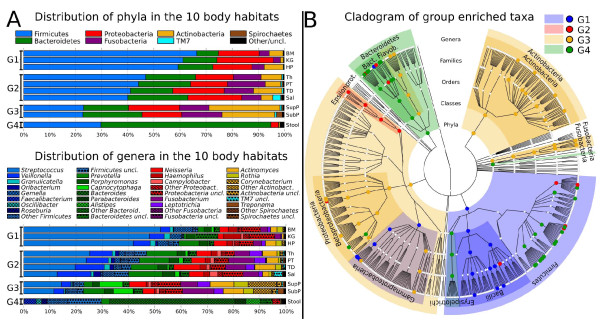
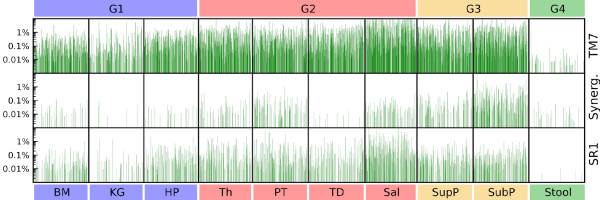
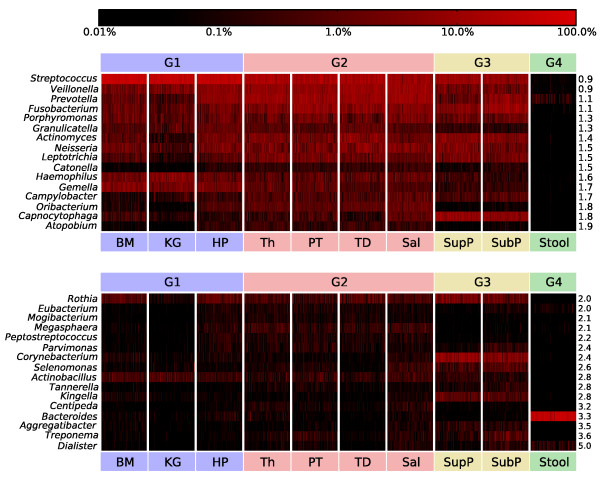
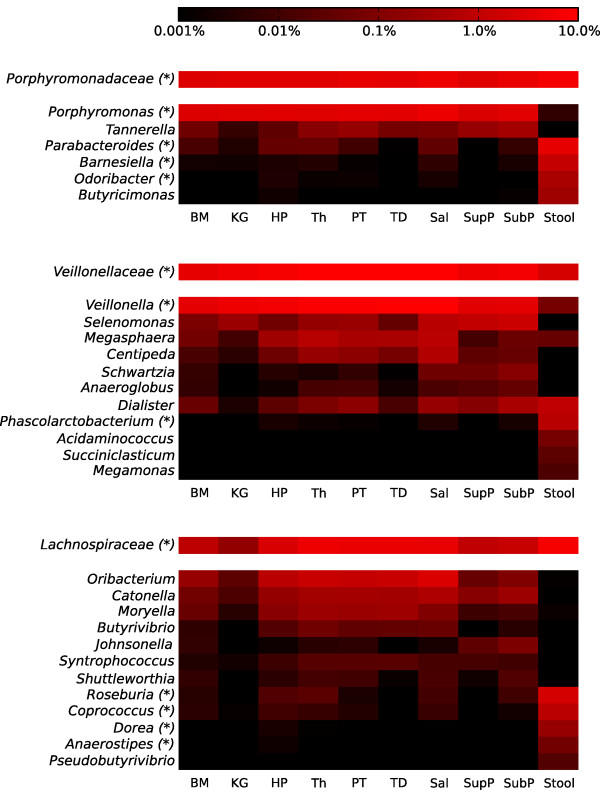
Verification
Claims the paper makes
The claims and statistics of this paper haven’t been checked yet.
Free: it reads the open-access text and checks the first 5 claims that cite a source we can check. Create a free account to check every claim.
Claims other papers make about this one
Each is checked against this paper’s own text: does it say what the citing paper says it does?
The source backs part of the claim, not all of it — or backs it for a different population, condition or comparison.
In the citing paper
“The oropharynx, which is lined with a non-keratinized stratified squamous epithelium, has more diverse bacterial communities than the nasopharynx41, which are characterized by streptococcal species, Neisseria spp., Rothia spp. and anaerobes, including Veillonella spp., Prevotella spp. and Leptotrichia spp.39,41,51,52.”
From The microbiota of the respiratory tract: gatekeeper to respiratory health (2017) · cites this paper as [51]
Experimental — accuracy not yet measuredThe source backs part of the claim, not all of it — or backs it for a different population, condition or comparison.
In the citing paper
“Up to 80% of oral bacteria are dominated by about 200 species in the Phyla Firmicutes (esp. Streptococcus, Veillonella, Granulicatella, Gemella spp.) and Proteobacteria (esp. Neisseria, Haemophilus spp.), with contributions from Bacteroidetes, Actinobacteria and Fusobacteria totaling upwards of 95% of all identified oral microbiota (Figure 2)[171–177].”
From Enterosalivary nitrate metabolism and the microbiome: Intersection of microbial metabolism, nitric oxide and diet in cardiac and pulmonary vascular health (2017) · cites this paper as [173]
Experimental — accuracy not yet measuredThe cited source says what the claim attributes to it.
In the citing paper
“Further diversity exists between the varied micro-ecologies of the mouth[174,178], such as the tooth surface, gingiva, hard and soft palate, and even regionally on the tongue (Figure 2)[173,176,179].”
From Enterosalivary nitrate metabolism and the microbiome: Intersection of microbial metabolism, nitric oxide and diet in cardiac and pulmonary vascular health (2017) · cites this paper as [173]
In the citing paper
“Ecological conditions vary immensely along both the length of the GI tract as well as in cross-section from lumen to the mucosal brush-border[173,267,308,309].”
From Enterosalivary nitrate metabolism and the microbiome: Intersection of microbial metabolism, nitric oxide and diet in cardiac and pulmonary vascular health (2017) · cites this paper as [173]
Self-check
Percentages, sums and reported differences re-computed from the paper’s own numbers.
The self-check needs the paper’s full text.
Citations
Cites
Schloss, P. D., Westcott, S. L., Ryabin, T., Hall, J. R., Hartmann, M., Hollister, E. B., Lesniewski, R. A., Oakley, B. B., Parks, D. H., Robinson, C. J., et al. (2009) · Applied and Environmental Microbiology · doi:10.1128/aem.01541-09 · Cited by 19,549
Metagenomic biomarker discovery and explanation
Segata, N., Izard, J., Waldron, L., Gevers, D., Miropolsky, L., Garrett, W. S., & Huttenhower, C. (2011) · Genome Biology · doi:10.1186/gb-2011-12-6-r60 · Cited by 16,192 · cited 11×
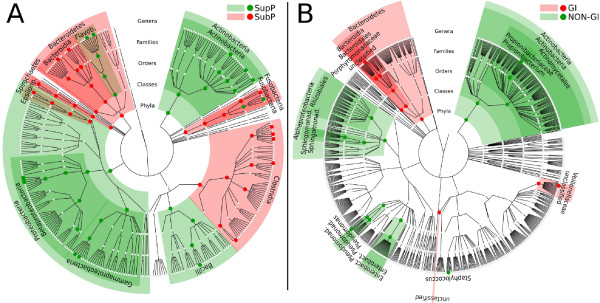
“Clades showing a statistically significant difference (by LEfSe) specifically between oral and stool samples are indiocated with asterisks.”
MethodInfluentialSelf-citationSIMPSON, E. H. (1949) · Nature · doi:10.1038/163688a0 · Cited by 14,164
Structure, function and diversity of the healthy human microbiome
The Human Microbiome Project Consortium (2012) · Nature · doi:10.1038/nature11234 · Cited by 11,726
Self-citationAn Ordination of the Upland Forest Communities of Southern Wisconsin
Bray, J. R., & Curtis, J. T. (1957) · Ecological Monographs · doi:10.2307/1942268 · Cited by 11,716 · cited 2×
“For assessing bacterial community structure similarities between different samples and body sites, we compared the relative abundances of every pair of samples in our dataset using the Bray-Curtis measure of beta diversity [31].”
MethodA human gut microbial gene catalogue established by metagenomic sequencing
MetaHIT Consortium, Qin, J., Li, R., Raes, J., Arumugam, M., Burgdorf, K. S., Manichanh, C., Nielsen, T., Pons, N., Levenez, F., et al. (2010) · Nature · doi:10.1038/nature08821 · Cited by 11,624 · cited 1×
“Previous studies of the healthy adult digestive tract microbiota have typically included less than 20 individuals [11-21] and the studies with over 100 individuals have most often focused on a single body site [22-26].”
BackgroundHuman gut microbes associated with obesity
Ley, R. E., Turnbaugh, P. J., Klein, S., & Gordon, J. I. (2006) · Nature · doi:10.1038/4441022a · Cited by 8,785 · cited 20×
“For example, using endoscopic biopsies from just two subjects, Wang et al. [77] reported 49% of 16S rRNA gene clones were from the Firmicutes and 27.7% were from Bacteroidetes.”
ResultInfluentialDiversity of the Human Intestinal Microbial Flora
Eckburg, P. B., Bik, E. M., Bernstein, C. N., Purdom, E., Dethlefsen, L., Sargent, M., Gill, S. R., Nelson, K. E., & Relman, D. A. (2005) · Science · doi:10.1126/science.1110591 · Cited by 7,913
A core gut microbiome in obese and lean twins
Turnbaugh, P. J., Hamady, M., Yatsunenko, T., Cantarel, B. L., Duncan, A., Ley, R. E., Sogin, M. L., Jones, W. J., Roe, B. A., Affourtit, J. P., et al. (2009) · Nature · doi:10.1038/nature07540 · Cited by 7,823 · cited 2×
“In a study of stool from 154 adult women (twins and their mothers), Firmicutes had a mean relative abundance of >60% using several different methods to assess the 16S rRNA gene content of stool [24].”
BackgroundMethodEnterotypes of the human gut microbiome
MetaHIT Consortium (additional members), Arumugam, M., Raes, J., Pelletier, E., Le Paslier, D., Yamada, T., Mende, D. R., Fernandes, G. R., Tap, J., Bruls, T., et al. (2011) · Nature · doi:10.1038/nature09944 · Cited by 7,548 · cited 2×
“By surveying the HMP population, these results can be further integrated into other currently ongoing studies of the cohort’s core microbiome [9] or enterotype structure [25], if any.”
BackgroundResult
Research works printed but not linked: 1
- NIH Human Microbiome Project - Core Microbiome Sampling Protocol A (HMP-A). http://www.ncbi.nlm.nih.gov/projects/gap/cgi-bin/study.cgi?study_id=phs000228.v3.p1
Cited by
Structure, function and diversity of the healthy human microbiome
The Human Microbiome Project Consortium (2012) · Nature · doi:10.1038/nature11234 · Cited by 11,726
Self-citationPredictive functional profiling of microbial communities using 16S rRNA marker gene sequences
Langille, M. G. I., Zaneveld, J., Caporaso, J. G., McDonald, D., Knights, D., Reyes, J. A., Clemente, J. C., Burkepile, D. E., Vega Thurber, R. L., Knight, R., et al. (2013) · Nature Biotechnology · doi:10.1038/nbt.2676 · Cited by 9,116
“Previous culture-based studies had detected higher frequencies of aerobic bacteria in the supragingival plaque relative to subgingival plaque 38 , and an analysis of HMP 16S rRNA sequences detected taxonomic differences between these two sites 39 .”
ResultSelf-citationMicrobiota in health and diseases
Hou, K., Wu, Z.-X., Chen, X.-Y., Wang, J.-Q., Zhang, D., Xiao, C., Zhu, D., Koya, J. B., Wei, L., Li, J., et al. (2022) · Signal Transduction and Targeted Therapy · doi:10.1038/s41392-022-00974-4 · Cited by 3,171
“The oral cavity can be further divided into multiple habitats of microbiota, including saliva, tongue, tooth surfaces, gums, buccal mucosa, palate, and subgingival/supragingival plaque, which may exhibit substantial and rapid changes in composition and activity, owing to the factors such as changes in pH, gene mutatio…”
BackgroundWaste Not, Want Not: Why Rarefying Microbiome Data Is Inadmissible
McMurdie, P. J., & Holmes, S. (2014) · PLoS Computational Biology · doi:10.1371/journal.pcbi.1003531 · Cited by 2,921
“…of “rarefying to even sampling depth” as a standard normalization procedure appears to explain why rarefied counts are also used in studies that attempt to detect differential abundance of OTUs between prede-fined classes of samples [33–37], in addition to studies that use proportions directly [38].”
Kostic, A. D., Chun, E., Robertson, L., Glickman, J. N., Gallini, C. A., Michaud, M., Clancy, T. E., Chung, D. C., Lochhead, P., Hold, G. L., et al. (2013) · Cell Host & Microbe · doi:10.1016/j.chom.2013.07.007 · Cited by 2,718
“Our results demonstrate that Fusobacterium spp., rare gut microbiome constituents in the healthy human population (Segata et al., 2012), are found at increased abundance in the stool of patients with adenomas and colorectal cancer, and are enriched in adenomas and adenocarcinomas relative to…”
BackgroundResultDifferential abundance analysis for microbial marker-gene surveys
Paulson, J. N., Stine, O. C., Bravo, H. C., & Pop, M. (2013) · Nature Methods · doi:10.1038/nmeth.2658 · Cited by 2,428
The gut microbiota and host health: a new clinical frontier
Marchesi, J. R., Adams, D. H., Fava, F., Hermes, G. D. A., Hirschfield, G. M., Hold, G., Quraishi, M. N., Kinross, J., Smidt, H., Tuohy, K. M., et al. (2016) · Gut · doi:10.1136/gutjnl-2015-309990 · Cited by 2,302
Pasolli, E., Asnicar, F., Manara, S., Zolfo, M., Karcher, N., Armanini, F., Beghini, F., Manghi, P., Tett, A., Ghensi, P., et al. (2019) · Cell · doi:10.1016/j.cell.2019.01.001 · Cited by 1,591
Self-citationMicrobial co-occurrence relationships in the human microbiome
Faust, K., Sathirapongsasuti, J. F., Izard, J., Segata, N., Gevers, D., Raes, J., & Huttenhower, C. (2012) · PLoS Computational Biology · doi:10.1371/journal.pcbi.1002606 · Cited by 1,527
Self-citationThe microbiota of the respiratory tract: gatekeeper to respiratory health
Man, W. H., de Steenhuijsen Piters, W. A. A., & Bogaert, D. (2017) · Nature Reviews Microbiology · doi:10.1038/nrmicro.2017.14 · Cited by 1,384
Proton pump inhibitors affect the gut microbiome
Imhann, F., Bonder, M. J., Vich Vila, A., Fu, J., Mujagic, Z., Vork, L., Tigchelaar, E. F., Jankipersadsing, S. A., Cenit, M. C., Harmsen, H. J. M., et al. (2016) · Gut · doi:10.1136/gutjnl-2015-310376 · Cited by 1,371
The oral microbiome in health and disease
Wade, W. G. (2013) · Pharmacological Research · doi:10.1016/j.phrs.2012.11.006 · Cited by 1,347
Fernandes, A. D., Reid, J. N., Macklaim, J. M., McMurrough, T. A., Edgell, D. R., & Gloor, G. B. (2014) · Microbiome · doi:10.1186/2049-2618-2-15 · Cited by 1,329
“, who observed that these genera differentiate these body sites [42].”
BackgroundMethodResultInfluentialPerez-Muñoz, M. E., Arrieta, M.-C., Ramer-Tait, A. E., & Walter, J. (2017) · Microbiome · doi:10.1186/s40168-017-0268-4 · Cited by 1,096
Biogeography of a human oral microbiome at the micron scale
Mark Welch, J. L., Rossetti, B. J., Rieken, C. W., Dewhirst, F. E., & Borisy, G. G. (2016) · Proceedings of the National Academy of Sciences · doi:10.1073/pnas.1522149113 · Cited by 968
“Bioinformatic analysis suggests that the genus Fusobacterium as a whole is substantially more abundant in subgingival than in supragingival plaque (20).”
BackgroundFusobacterium nucleatum: a commensal-turned pathogen
Han, Y. W. (2015) · Current Opinion in Microbiology · doi:10.1016/j.mib.2014.11.013 · Cited by 827
Actinobacteria: A relevant minority for the maintenance of gut homeostasis
Binda, C., Lopetuso, L. R., Rizzatti, G., Gibiino, G., Cennamo, V., & Gasbarrini, A. (2018) · Digestive and Liver Disease · doi:10.1016/j.dld.2018.02.012 · Cited by 815
Compact graphical representation of phylogenetic data and metadata with GraPhlAn
Asnicar, F., Weingart, G., Tickle, T. L., Huttenhower, C., & Segata, N. (2015) · PeerJ · doi:10.7717/peerj.1029 · Cited by 817
Self-citationArchaea and fungi of the human gut microbiome: correlations with diet and bacterial residents
Hoffmann, C., Dollive, S., Grunberg, S., Chen, J., Li, H., Wu, G. D., Lewis, J. D., & Bushman, F. D. (2013) · PLoS ONE · doi:10.1371/journal.pone.0066019 · Cited by 808
Prevotella Diversity, Niches and Interactions with the Human Host
Tett, A., Pasolli, E., Masetti, G., Ercolini, D., & Segata, N. (2021) · Nature Reviews Microbiology · doi:10.1038/s41579-021-00559-y · Cited by 748
Self-citationRelating the metatranscriptome and metagenome of the human gut
Franzosa, E. A., Morgan, X. C., Segata, N., Waldron, L., Reyes, J., Earl, A. M., Giannoukos, G., Boylan, M. R., Ciulla, D., Gevers, D., et al. (2014) · Proceedings of the National Academy of Sciences · doi:10.1073/pnas.1319284111 · Cited by 704
“Although the oral and gut environments are anatomically linked, the degree of exchange between their resident microbiota is not completely understood (21).”
BackgroundSelf-citationSalivary Biomarkers: Toward Future Clinical and Diagnostic Utilities
Yoshizawa, J. M., Schafer, C. A., Schafer, J. J., Farrell, J. J., Paster, B. J., & Wong, D. T. W. (2013) · Clinical Microbiology Reviews · doi:10.1128/cmr.00021-13 · Cited by 656
“Interestingly, studies have shown that salivary bacteria, including those shed from dental caries, may be surrogate indicators of disease useful in patient diagnosis, monitoring, and overall health evaluation (34, 35).”
BackgroundThe composition of the gut microbiota shapes the colon mucus barrier
Jakobsson, H. E., Rodríguez‐Piñeiro, A. M., Schütte, A., Ermund, A., Boysen, P., Bemark, M., Sommer, F., Bäckhed, F., Hansson, G. C., & Johansson, M. E. (2015) · The EMBO Reports · doi:10.15252/embr.201439263 · Cited by 700
“The TM7 phylum is also found in human stool samples at low levels [47] and proposed to play a role in intestinal inflammation [48].”
The oral microbiome: diversity, biogeography and human health
Baker, J. L., Mark Welch, J. L., Kauffman, K. M., McLean, J. S., & He, X. (2024) · Nature Reviews Microbiology · doi:10.1038/s41579-023-00963-6 · Cited by 661
“The microbiotas of dental plaque, the tongue dorsum and the keratinized gingiva are the most distinctive from one another 8,88 .”
The oral microbiota in colorectal cancer is distinctive and predictive
Flemer, B., Warren, R. D., Barrett, M. P., Cisek, K., Das, A., Jeffery, I. B., Hurley, E., O‘Riordain, M., Shanahan, F., & O‘Toole, P. W. (2018) · Gut · doi:10.1136/gutjnl-2017-314814 · Cited by 646
Extensive transmission of microbes along the gastrointestinal tract
Schmidt, T. S., Hayward, M. R., Coelho, L. P., Li, S. S., Costea, P. I., Voigt, A. Y., Wirbel, J., Maistrenko, O. M., Alves, R. J., Bergsten, E., et al. (2019) · eLife · doi:10.7554/elife.42693 · Cited by 596
Cigarette smoking and the oral microbiome in a large study of American adults
Wu, J., Peters, B. A., Dominianni, C., Zhang, Y., Pei, Z., Yang, L., Ma, Y., Purdue, M. P., Jacobs, E. J., Gapstur, S. M., et al. (2016) · The ISME Journal · doi:10.1038/ismej.2016.37 · Cited by 572
“In the current study we have employed Scope mouthwash samples to study the microbiome, which are likely most comparable with studies using saliva or other types of mouthwash samples, and less comparable with plaque samples (Segata et al., 2012).”
BackgroundMethodHollister, E. B., Gao, C., & Versalovic, J. (2014) · Gastroenterology · doi:10.1053/j.gastro.2014.01.052 · Cited by 527
He, X., McLean, J. S., Edlund, A., Yooseph, S., Hall, A. P., Liu, S.-Y., Dorrestein, P. C., Esquenazi, E., Hunter, R. C., Cheng, G., et al. (2015) · Proceedings of the National Academy of Sciences · doi:10.1073/pnas.1419038112 · Cited by 548
Host–microbiota interactions in immune-mediated diseases
Ruff, W. E., Greiling, T. M., & Kriegel, M. A. (2020) · Nature Reviews Microbiology · doi:10.1038/s41579-020-0367-2 · Cited by 487
BugBase predicts organism-level microbiome phenotypes
Ward, T., Larson, J., Meulemans, J., Hillmann, B., Lynch, J., Sidiropoulos, D., Spear, J. R., Caporaso, G., Blekhman, R., Knight, R., et al. (2017) · bioRxiv (Cold Spring Harbor Laboratory) · doi:10.1101/133462 · Cited by 479
“Previous studies have shown distinct differences in the distribution of taxa within the stool and oral cavity, including an overall higher proportion of Firmicutes and Bacteroidetes in stool than in the oral cavity, and a higher proportion of Actinobacteria in plaque than on the tongue dorsum [17].”
BackgroundResultThe Human Oral Microbiome in Health and Disease: From Sequences to Ecosystems
Willis, J. R., & Gabaldón, T. (2020) · Microorganisms · doi:10.3390/microorganisms8020308 · Cited by 468
“The two plaques, for instance, form on the non-shedding surfaces of teeth where they produce biofilms, within which oxygen is limited, resulting in greater abundances of obligate anaerobic organisms in the subgingival plaque and of facultative anaerobic organisms in the supragingival plaque [8].”
BackgroundInfluentialChapter 12: Human Microbiome Analysis
Morgan, X. C., & Huttenhower, C. (2012) · PLoS Computational Biology · doi:10.1371/journal.pcbi.1002808 · Cited by 496
“Corynebacterium [116]), the oral cavity (dominated by Streptococcus) several hundred taxa (with remarkable diversity even among saliva, tongue, teeth, and other substrates [117,118]) and the gut over 500 taxa with densities over 10(11) cells/g [2,119].”
BackgroundSelf-citationA distinct Fusobacterium nucleatum clade dominates the colorectal cancer niche
Zepeda-Rivera, M., Minot, S. S., Bouzek, H., Wu, H., Blanco-Míguez, A., Manghi, P., Jones, D. S., LaCourse, K. D., Wu, Y., McMahon, E. F., et al. (2024) · Nature · doi:10.1038/s41586-024-07182-w · Cited by 451
Self-citationThe Oral Microbiota May Have Influence on Oral Cancer
Zhang, L., Liu, Y., Zheng, H. J., & Zhang, C. P. (2020) · Frontiers in Cellular and Infection Microbiology · doi:10.3389/fcimb.2019.00476 · Cited by 406
“As a part of the digestive tract, oral cavity includes diverse microorganisms (Segata et al., 2012), and oral microbiota is a complex microbial community (Lamont et al.”
BackgroundThe oral microbiota is modified by systemic diseases.
Graves, D. T., Corrêa, J. D., & Silva, T. A. (2019) · Journal of Dental Research · doi:10.1177/0022034518805739 · Cited by 423
Cervical Microbiome and Cytokine Profile at Various Stages of Cervical Cancer: A Pilot Study
Audirac-Chalifour, A., Torres-Poveda, K., Bahena-Román, M., Téllez-Sosa, J., Martínez-Barnetche, J., Cortina-Ceballos, B., López-Estrada, G., Delgado-Romero, K., Burguete-García, A. I., Cantú, D., et al. (2016) · PLOS ONE · doi:10.1371/journal.pone.0153274 · Cited by 400
Michaud, D. S., Izard, J., Wilhelm-Benartzi, C. S., You, D.-H., Grote, V. A., Tjønneland, A., Dahm, C. C., Overvad, K., Jenab, M., Fedirko, V., et al. (2013) · Gut · doi:10.1136/gutjnl-2012-303006 · Cited by 406
Self-citationCaselli, E., Fabbri, C., D’Accolti, M., Soffritti, I., Bassi, C., Mazzacane, S., & Franchi, M. (2020) · BMC Microbiology · doi:10.1186/s12866-020-01801-y · Cited by 391
“healthy core microbiome, although other reports evidenced a significant subject-to-subject variation [21].”
BackgroundThomas, S., Izard, J., Walsh, E., Batich, K., Chongsathidkiet, P., Clarke, G., Sela, D. A., Muller, A. J., Mullin, J. M., Albert, K., et al. (2017) · Cancer Research · doi:10.1158/0008-5472.can-16-2929 · Cited by 367
“However, it is already clear that organisms known to be environmental are also associated with health and that at least 30 prokaryotic phyla and 950 genera are associated with the human microbiome (27, 28).”
BackgroundSelf-citationThe commensal lifestyle of Staphylococcus aureus and its interactions with the nasal microbiota
Krismer, B., Weidenmaier, C., Zipperer, A., & Peschel, A. (2017) · Nature Reviews Microbiology · doi:10.1038/nrmicro.2017.104 · Cited by 375
Human microbiomes and their roles in dysbiosis, common diseases, and novel therapeutic approaches
Belizário, J. E., & Napolitano, M. (2015) · Frontiers in Microbiology · doi:10.3389/fmicb.2015.01050 · Cited by 372
“The designing and production of pharmaceuticals based on our own body’s microbiome is an emerging field and is rapidly growing to be fully explored in the near future.”
BackgroundMethodInfluentialDental biofilm infections – an update
Larsen, T., & Fiehn, N. (2017) · APMIS · doi:10.1111/apm.12688 · Cited by 365
“These bacteria are also present in saliva and may originate from the depth of the tongue papillae or crypts of the tonsils (7).”
BackgroundCompartmentalized and systemic control of tissue immunity by commensals
Belkaid, Y., & Naik, S. (2013) · Nature Immunology · doi:10.1038/ni.2604 · Cited by 382
The oral–gut microbiome axis in health and disease
Kunath, B. J., De Rudder, C., Laczny, C. C., Letellier, E., & Wilmes, P. (2024) · Nature Reviews Microbiology · doi:10.1038/s41579-024-01075-5 · Cited by 316
“Regardless of the connection and the constant transfer of microorganisms between the oral cavity and the gut, the microbiomes of both sites are distinct, with a small proportion of the microorganisms found in the gut originating in the mouth 179 .”
Ecology of the Oral Microbiome: Beyond Bacteria
Baker, J. L., Bor, B., Agnello, M., Shi, W., & He, X. (2017) · Trends in Microbiology · doi:10.1016/j.tim.2016.12.012 · Cited by 362
“The human microbiome project established that three CPR phyla, Gracilibacteria (GN02), Absconditabacteria (SR1) and Saccharibacteria (TM7), are frequently detected in multiple human body sites, including the oral cavity [41, 42].”
BackgroundA practical guide to the oral microbiome and its relation to health and disease
Krishnan, K., Chen, T., & Paster, B. (2017) · Oral Diseases · doi:10.1111/odi.12509 · Cited by 347
“…typically colonize the tongue or tooth surfaces, Simonsiella colonizes only the hard palate, Streptococcus salivarius mainly colonizes the tongue and treponemes are typically restricted to the subgingival crevice (Aas et al., 2005, Kazor et al., 2003, Mager et al., 2003, Segata et al., 2012).”
BackgroundMethodOligotyping analysis of the human oral microbiome
Eren, A. M., Borisy, G. G., Huse, S. M., & Mark Welch, J. L. (2014) · Proceedings of the National Academy of Sciences · doi:10.1073/pnas.1409644111 · Cited by 347
“Briefly, during the qualityfiltering step, the HMP Consortium removed sequencing reads that contained one or more ambiguous base calls, as well as the ones with homopolymer regions of 8 or more bases.”
BackgroundMethodInfluentialThe intestinal microbiome of fish under starvation
Xia, J. H., Lin, G., Fu, G. H., Wan, Z. Y., Lee, M., Wang, L., Liu, X. J., & Yue, G. H. (2014) · BMC Genomics · doi:10.1186/1471-2164-15-266 · Cited by 324
“However, as studies on gut microbiomes have largely been performed on humans and land animals [16-21], not much is known on gut microbiomes and their changes under changing environmental conditions in organisms living in aquatic habitats.”
BackgroundCan oral bacteria affect the microbiome of the gut?
Olsen, I., & Yamazaki, K. (2019) · Journal of Oral Microbiology · doi:10.1080/20002297.2019.1586422 · Cited by 328
“[2] in Genome Biology found that oral cavity and stool bacteria over-”
BackgroundCommunity-wide transcriptome of the oral microbiome in subjects with and without periodontitis
Duran-Pinedo, A. E., Chen, T., Teles, R., Starr, J. R., Wang, X., Krishnan, K., & Frias-Lopez, J. (2014) · The ISME Journal · doi:10.1038/ismej.2014.23 · Cited by 327
“Two recent studies have reported a higher number of these organisms in oral samples (Liu et al., 2012; Segata et al., 2012) contradicting previous studies that had shown high prevalence but with very low abundances (Brinig et al., 2003; Podar et al., 2007), probably due to an improvement in…”
BackgroundResultSeasonal Variation in Human Gut Microbiome Composition
Davenport, E. R., Mizrahi-Man, O., Michelini, K., Barreiro, L. B., Ober, C., & Gilad, Y. (2014) · PLoS ONE · doi:10.1371/journal.pone.0090731 · Cited by 314
“The human gut microbiome varies greatly in content across individuals, both within and between populations [1,2], and is believed to be influenced by many factors such as method of delivery at birth [3,4], antibiotic usage [5,6], and disease status [7– 9].”
BackgroundOral Lactobacilli and Dental Caries: A Model for Niche Adaptation in Humans
Caufield, P. W., Schön, C. N., Saraithong, P., Li, Y., & Argimón, S. (2015) · Journal of Dental Research · doi:10.1177/0022034515576052 · Cited by 286
“A recent survey of healthy adults 18 to 40 y old and free of untreated caries showed a stark absence of lactobacilli in oral and stool samples (Segata et al. 2012).”
BackgroundThe oral microbiome and human health
Yamashita, Y., & Takeshita, T. (2017) · Journal of Oral Science · doi:10.2334/josnusd.16-0856 · Cited by 305
“Furthermore, the bacterial composition of saliva includes bacteria detached from various niches in the oral cavity and resembles that of the tongue coating (8,9,12,13).”
BackgroundThe role of the local microbial ecosystem in respiratory health and disease
de Steenhuijsen Piters, W. A. A., Sanders, E. A. M., & Bogaert, D. (2015) · Philosophical Transactions of the Royal Society B: Biological Sciences · doi:10.1098/rstb.2014.0294 · Cited by 283
Role of microbial communities in the pathogenesis of periodontal diseases and caries
Mira, A., Simon‐Soro, A., & Curtis, M. A. (2017) · Journal of Clinical Periodontology · doi:10.1111/jcpe.12671 · Cited by 279
“…identified as a causative agent ( Aberg et al. 2015) and other bacteria potentially involved in this disease are being examined (Clerehugh & Tugnait 2001, Oh et al. 2002, Shaddox et al. 2012, K€on€onen & M€uller 2014) and compared to the classical disease complexes in adult forms of the disease.”
ResultSchirmer, M., Denson, L., Vlamakis, H., Franzosa, E. A., Thomas, S., Gotman, N. M., Rufo, P., Baker, S. S., Sauer, C., Markowitz, J., et al. (2018) · Cell Host & Microbe · doi:10.1016/j.chom.2018.09.009 · Cited by 293
“parvula, Haemophilus parainfluenzae, Megasphaera) represent bacteria typical of the oral cavity (de Vries et al., 2008; Nallabelli et al., 2016; Segata et al., 2012).”
BackgroundSelf-citationHuman gut microbiome aging clock based on taxonomic profiling and deep learning
Galkin, F., Mamoshina, P., Aliper, A., Lane, E., Moskalev, V., Gladyshev, V. N., & Zhavoronkov, A. (2020) · iScience · doi:10.1016/j.isci.2020.101199 · Cited by 292
Gastrointestinal biofilms in health and disease
Motta, J.-P., Wallace, J. L., Buret, A. G., Deraison, C., & Vergnolle, N. (2021) · Nature Reviews Gastroenterology & Hepatology · doi:10.1038/s41575-020-00397-y · Cited by 270
Microbial Geography of the Oral Cavity
Simón-Soro, Á., Tomás, I., Cabrera-Rubio, R., Catalan, M. D., Nyvad, B., & Mira, A. (2013) · Journal of Dental Research · doi:10.1177/0022034513488119 · Cited by 280
“…oral cavity and from precise and well-characterized disease sites (Nyvad et al., 2013); however, few studies have been published that apply specific sampling for accurate characterization of the different oral microniches (Haffajee et al., 2009; Zaura et al., 2009; HMP, 2012; Segata et al., 2012).”
BackgroundAn integrative view of microbiome-host interactions in inflammatory bowel diseases
Wlodarska, M., Kostic, A. D., & Xavier, R. J. (2015) · Cell Host & Microbe · doi:10.1016/j.chom.2015.04.008 · Cited by 287
“H2S is a metabolite produced by microbial H2 utilization, which at high concentrations can inhibit SCFA production and at low concentrations is involved in regulating host inflammatory responses (Segata et al., 2012).”
BackgroundMarine mammals harbor unique microbiotas shaped by and yet distinct from the sea
Bik, E. M., Costello, E. K., Switzer, A. D., Callahan, B. J., Holmes, S. P., Wells, R. S., Carlin, K. P., Jensen, E. D., Venn-Watson, S., & Relman, D. A. (2016) · Nature Communications · doi:10.1038/ncomms10516 · Cited by 279
Biogeography of the Oral Microbiome: The Site-Specialist Hypothesis
Mark Welch, J. L., Dewhirst, F. E., & Borisy, G. G. (2019) · Annual Review of Microbiology · doi:10.1146/annurev-micro-090817-062503 · Cited by 284
“(81), for example, the oral sites could be clearly differentiated, in a statistically robust way, based purely on the relative proportions of common genera.”
BackgroundInfluentialBacterial diversity in saliva and oral health-related conditions: the Hisayama Study
Takeshita, T., Kageyama, S., Furuta, M., Tsuboi, H., Takeuchi, K., Shibata, Y., Shimazaki, Y., Akifusa, S., Ninomiya, T., Kiyohara, Y., et al. (2016) · Scientific Reports · doi:10.1038/srep22164 · Cited by 284
Oral Microbiome Geography: Micron-Scale Habitat and Niche
Mark Welch, J. L., Ramírez-Puebla, S. T., & Borisy, G. G. (2020) · Cell Host & Microbe · doi:10.1016/j.chom.2020.07.009 · Cited by 262
“Additional diversity of oral habitats may exist that is not fully reflected in these nine site categories, as evidenced by the high abundance in saliva of microbes that were not abundant at any of the other sampled sites, suggesting additional unique micro-habitats elsewhere in the mouth (Segata et al., 2012; Eren et…”
BackgroundInfluentialSharma, N., 1 Department of Microbiology, G. C., Bhatia, S., Singh Sodhi, A., Batra, N., & 2 Department of Biotechnology, G. C. (2018) · AIMS Microbiology · doi:10.3934/microbiol.2018.1.42 · Cited by 253
“These are the gingival and hard palate, tongue and throat and dental plaque [119,127].”
BackgroundWarinner, C., Speller, C., & Collins, M. J. (2015) · Philosophical Transactions of the Royal Society B: Biological Sciences · doi:10.1098/rstb.2013.0376 · Cited by 253
Castro-Nallar, E., Bendall, M. L., Pérez-Losada, M., Sabuncyan, S., Severance, E. G., Dickerson, F. B., Schroeder, J. R., Yolken, R. H., & Crandall, K. A. (2015) · PeerJ · doi:10.7717/peerj.1140 · Cited by 268
“…and digestive tracts such as in 371 gingiva, oral cavity, and stool (M00239, M00276, M00200, M0028, M0029), reinforcing the 372 notion that oral and gut microbial communities share features and are associated (Meehan 373 & Beiko 2012; Sczesnak et al. 2011; Seekatz et al. 2014; Segata et al. 2012).”
BackgroundOral microbiome: a review of its impact on oral and systemic health
Rajasekaran, J. J., Krishnamurthy, H. K., Bosco, J., Jayaraman, V., Krishna, K., Wang, T., & Bei, K. (2024) · Microorganisms · doi:10.3390/microorganisms12091797 · Cited by 272
“These communities are typically separated by barriers such as the oral–gut barrier, physical distance, and chemical obstacles like gastric acid and bile [69].”
BackgroundThe microbiome, immunity, and schizophrenia and bipolar disorder.
Dickerson, F., Severance, E., & Yolken, R. (2017) · Brain, Behavior, and Immunity · doi:10.1016/j.bbi.2016.12.010 · Cited by 268
Oral–Gut Microbiome Axis in Gastrointestinal Disease and Cancer
Park, S.-Y., Hwang, B.-O., Lim, M., Ok, S.-H., Lee, S.-K., Chun, K.-S., Park, K.-K., Hu, Y., Chung, W.-Y., & Song, N.-Y. (2021) · Cancers · doi:10.3390/cancers13092124 · Cited by 232
Systematic review: human gut dysbiosis induced by non-antibiotic prescription medications
Le Bastard, Q., Al‐Ghalith, G. A., Grégoire, M., Chapelet, G., Javaudin, F., Dailly, E., Batard, E., Knights, D., & Montassier, E. (2018) · Alimentary Pharmacology & Therapeutics · doi:10.1111/apt.14451 · Cited by 263
“relations between PPI use and microbial families in the mouth, throat, skin and nose.(35,88) However, since hypochlorhydria induced by PPIs is restricted to the stomach and the proximal duodenum,”
Proton pump inhibitors and dysbiosis: current knowledge and aspects to be clarified
Bruno, G., Zaccari, P., Rocco, G., Scalese, G., Panetta, C., Porowska, B., Pontone, S., & Severi, C. (2019) · World Journal of Gastroenterology · doi:10.3748/wjg.v25.i22.2706 · Cited by 258
Oral Bacteria and Intestinal Dysbiosis in Colorectal Cancer
Koliarakis, I., Messaritakis, I., Nikolouzakis, T. K., Hamilos, G., Souglakos, J., & Tsiaoussis, J. (2019) · International Journal of Molecular Sciences · doi:10.3390/ijms20174146 · Cited by 242
“[102] in the Human Microbiome Project reported a significant overlap between the fecal and oral microbiota, with almost 45% similarity in bacterial taxa.”
BackgroundFan, X., Peters, B. A., Jacobs, E. J., Gapstur, S. M., Purdue, M. P., Freedman, N. D., Alekseyenko, A. V., Wu, J., Yang, L., Pei, Z., et al. (2018) · Microbiome · doi:10.1186/s40168-018-0448-x · Cited by 240
Wernimont, S. M., Radosevich, J., Jackson, M. I., Ephraim, E., Badri, D. V., MacLeay, J. M., Jewell, D. E., & Suchodolski, J. S. (2020) · Frontiers in Microbiology · doi:10.3389/fmicb.2020.01266 · Cited by 207
“Even within a single anatomical region, evidence in humans and dogs suggests there may be distinct subpopulations that vary with the terrain and topography of the region, as well pH, oxygen, and nutrient gradients (Suchodolski et al., 2008; Segata et al., 2012; Wlodarska et al., 2015; Hoffmann et al., 2016; Honneffer…”
BackgroundTemporal Stability and Composition of the Ocular Surface Microbiome
Ozkan, J., Nielsen, S., Diez-Vives, C., Coroneo, M., Thomas, T., & Willcox, M. (2017) · Scientific Reports · doi:10.1038/s41598-017-10494-9 · Cited by 242
Shaiber, A., Willis, A. D., Delmont, T. O., Roux, S., Chen, L.-X., Schmid, A. C., Yousef, M., Watson, A. R., Lolans, K., Esen, Ö. C., et al. (2020) · Genome Biology · doi:10.1186/s13059-020-02195-w · Cited by 227
Saccharibacteria (TM7) in the Human Oral Microbiome
Bor, B., Bedree, J. K., Shi, W., McLean, J. S., & He, X. (2019) · Journal of Dental Research · doi:10.1177/0022034519831671 · Cited by 233
The salivary microbiota in health and disease
Belstrøm, D. (2020) · Journal of Oral Microbiology · doi:10.1080/20002297.2020.1723975 · Cited by 221
Dysbiosis of upper respiratory tract microbiota in elderly pneumonia patients
de Steenhuijsen Piters, W. A. A., Huijskens, E. G. W., Wyllie, A. L., Biesbroek, G., van den Bergh, M. R., Veenhoven, R. H., Wang, X., Trzciński, K., Bonten, M. J., Rossen, J. W. A., et al. (2016) · The ISME Journal · doi:10.1038/ismej.2015.99 · Cited by 235
“Nevertheless, oropharyngeal microbiota profiles in our young adult cohort largely resembled those observed in the Human Metagen-ome Project (Segata et al. , 2012).”
The composition of the perinatal intestinal microbiota in cattle
Alipour, M. J., Jalanka, J., Pessa-Morikawa, T., Kokkonen, T., Satokari, R., Hynönen, U., Iivanainen, A., & Niku, M. (2018) · Scientific Reports · doi:10.1038/s41598-018-28733-y · Cited by 216
The 5300-year-old Helicobacter pylori genome of the Iceman
Maixner, F., Krause-Kyora, B., Turaev, D., Herbig, A., Hoopmann, M. R., Hallows, J. L., Kusebauch, U., Vigl, E. E., Malfertheiner, P., Megraud, F., et al. (2016) · Science · doi:10.1126/science.aad2545 · Cited by 231
Hall, M. W., Singh, N., Ng, K. F., Lam, D. K., Goldberg, M. B., Tenenbaum, H. C., Neufeld, J. D., G. Beiko, R., & Senadheera, D. B. (2017) · npj Biofilms and Microbiomes · doi:10.1038/s41522-016-0011-0 · Cited by 226
Belibasakis, G. N., Belstrøm, D., Eick, S., Gursoy, U. K., Johansson, A., & Könönen, E. (2023) · Periodontology 2000 · doi:10.1111/prd.12473 · Cited by 167
Epidemiologic studies of the human microbiome and cancer
Vogtmann, E., & Goedert, J. J. (2016) · British Journal of Cancer · doi:10.1038/bjc.2015.465 · Cited by 211
“Taxa in the phylum Bacteroidetes predominated in faeces, whereas taxa in the phylum Firmicutes predominated in saliva and oropharyngeal swabs (Segata et al, 2012).”
BackgroundWang, X., Jia, Y., Wen, L., Mu, W., Wu, X., Liu, T., Liu, X., Fang, J., Luan, Y., Chen, P., et al. (2021) · Cancer Research · doi:10.1158/0008-5472.can-20-3827 · Cited by 194
“The lower part of the digestive tract is “inoculated” every day by more than 1,000 bacterial species from the oral cavity, and one study reported that the microbial species detected in the oral and fecal microbiota overlap in approximately 45%of tested individuals (2).”
BackgroundBioadhesion in the oral cavity and approaches for biofilm management by surface modifications
Sterzenbach, T., Helbig, R., Hannig, C., & Hannig, M. (2020) · Clinical Oral Investigations · doi:10.1007/s00784-020-03646-1 · Cited by 212
Kim, H. S., Whon, T. W., Sung, H., Jeong, Y.-S., Jung, E. S., Shin, N.-R., Hyun, D.-W., Kim, P. S., Lee, J.-Y., Lee, C. H., et al. (2021) · Nature Communications · doi:10.1038/s41467-020-20389-5 · Cited by 203
Hypothesis testing and statistical analysis of microbiome
Xia, Y., & Sun, J. (2017) · Genes & Diseases · doi:10.1016/j.gendis.2017.06.001 · Cited by 190
Resilience of the oral microbiome
Wade, W. G. (2021) · Periodontology 2000 · doi:10.1111/prd.12365 · Cited by 205
The role of oral bacteria in inflammatory bowel disease
Read, E., Curtis, M. A., & Neves, J. F. (2021) · Nature Reviews Gastroenterology & Hepatology · doi:10.1038/s41575-021-00488-4 · Cited by 193
Oral microbiota: A new view of body health
Lu, M., Xuan, S., & Wang, Z. (2019) · Food Science and Human Wellness · doi:10.1016/j.fshw.2018.12.001 · Cited by 204
del Castillo, E., Meier, R., Chung, M., Koestler, D. C., Chen, T., Paster, B. J., Charpentier, K. P., Kelsey, K. T., Izard, J., & Michaud, D. S. (2019) · Cancer Epidemiology, Biomarkers & Prevention · doi:10.1158/1055-9965.epi-18-0542 · Cited by 199
Self-citationBacterial microbiota of the upper respiratory tract and childhood asthma
Depner, M., Ege, M. J., Cox, M. J., Dwyer, S., Walker, A. W., Birzele, L. T., Genuneit, J., Horak, E., Braun-Fahrländer, C., Danielewicz, H., et al. (2017) · Journal of Allergy and Clinical Immunology · doi:10.1016/j.jaci.2016.05.050 · Cited by 198
Bourgeois, D., Inquimbert, C., Ottolenghi, L., & Carrouel, F. (2019) · Microorganisms · doi:10.3390/microorganisms7100424 · Cited by 190
“intestine have similarities in 45% of subjects with PD [39].”
BackgroundHsu, T., Joice, R., Vallarino, J., Abu-Ali, G., Hartmann, E. M., Shafquat, A., DuLong, C., Baranowski, C., Gevers, D., Green, J. L., et al. (2016) · mSystems · doi:10.1128/msystems.00018-16 · Cited by 188
Self-citationThe Airway Microbiome at Birth
Lal, C. V., Travers, C., Aghai, Z. H., Eipers, P., Jilling, T., Halloran, B., Carlo, W. A., Keeley, J., Rezonzew, G., Kumar, R., et al. (2016) · Scientific Reports · doi:10.1038/srep31023 · Cited by 192
Cooper, P., Walker, A. W., Reyes, J., Chico, M., Salter, S. J., Vaca, M., & Parkhill, J. (2013) · PLoS ONE · doi:10.1371/journal.pone.0076573 · Cited by 197
“data generated by the Human Microbiome Project [43].”
MethodOral microbiome and pregnancy: A bidirectional relationship
Saadaoui, M., Singh, P., & Khodor, S. A. (2021) · Journal of Reproductive Immunology · doi:10.1016/j.jri.2021.103293 · Cited by 227
Metadata
- Authors
- Segata, N., Haake, S. K., Mannon, P., Lemon, K. P., Waldron, L., Gevers, D., Huttenhower, C., & Izard, J.
- Affiliations
- Harvard University (US)
- University of California, Los Angeles (US)
- University of Alabama at Birmingham (US)
- Boston Children's Hospital (US)
- Broad Institute (US)
- Corresponding author
- Izard, Jacques
- ORCID
- Venue
- Genome Biology
- Published
- 2012-06-14
- Volume
- 13
- Issue
- 6
- Pages
- R42-R42
- ISSN
- 1465-6906 (ISSN-L)
- 1474-760X
- PMC
- PMC3446314
- OpenAlex
- W2170196186
- Cited by
- 1,076
- References
- 104
- Citations by year
- 2026: 57 · 2025: 77 · 2024: 108 · 2023: 85 · 2022: 103 · 2021: 123 · 2020: 120 · 2019: 64 · 2018: 61 · 2017: 66 · 2016: 52 · 2015: 51 · 2014: 59 · 2013: 40 · 2012: 9
- FWCI
- 20.46
- Type
- journal article
- Language
- en
- Open access
- gold
- doi.org
- Licence
- cc-by
- creativecommons.org/licenses/by/2.0/ (tdm)
- creativecommons.org/licenses/by/2.0/ (vor)
- Locations
- Genome biology (publishedVersion, cc-by)
- PubMed Central (publishedVersion, cc-by)
- PubMed (publishedVersion)
- Institutional Research Information System (Università degli Studi di Trento) (submittedVersion, cc-by)
- CUNY Academic Works (City University of New York) (submittedVersion, cc-by)
- Digital Access to Scholarship at Harvard (DASH) (Harvard University) (submittedVersion, cc-by)
- Lincoln (University of Nebraska) (submittedVersion)
- eScholarship (California Digital Library) (submittedVersion)
- Funders
- National Science Foundation (1053486)
- National Institutes of Health (DBI-1053486)
- National Human Genome Research Institute (HG005969, U54HG004969, R01HG005969, HG004969)
- National Cancer Institute (R21CA139193, CA139193)
- National Institute of Dental and Craniofacial Research (DE020298, P30DE020751, R01DE021574, DE021574, RC1DE020298, DE020751)
- Army Research Office (W911NF-11-1-0473, W911NF, W911NF-11)
- Topics
- Life Sciences › Biochemistry, Genetics and Molecular Biology › Molecular Biology › Gut microbiota and health
- Health Sciences › Dentistry › Periodontics › Oral microbiology and periodontitis research
- Physical Sciences › Environmental Science › Ecology › Microbial Community Ecology and Physiology
- Keywords
- human gut microbiome, oral microbiota, buccal mucosa, gingival plaque, tongue microbiota, tonsil, saliva, stool microbiome, Porphyromonadaceae, Veillonellaceae, Lachnospiraceae, hydrogen sulfide production, sugar transporters, core metabolic pathways, healthy adults
- MeSH terms
- Adolescent, Adult, Feces, Female, Humans, Male, Mouth, Pharynx, Phylogeny, RNA, Ribosomal, 16S, Saliva, Palatine Tonsil, Bacterial Typing Techniques, Genes, rRNA, Actinobacteria, Bacteroidetes, Veillonellaceae, Metagenome, Young Adult, Biota
About these checks
Registry, retraction, Cites and statistics results are computed, not judged, with one exception: a printed reference that no index lists is read once by a model before it counts as a citation error. Claims are extracted by a model and kept only when their quote appears verbatim in the text; each cited source is then checked, with a model’s help, for whether it says what the claim relies on. Those verdicts can be wrong — read the claim’s quote and the cited source before relying on one.
Statistics and arithmetic are recomputed, not judged.
Confidence bands are shown only for fields calibrated on our annotated test set. None is calibrated yet, so no band is shown.
What counts as a claim ›How we measure confidence ›How we check this ›
Are you an author, or do you see a problem with this page? Request a review
Data sources
Bibliographic data: Semantic Scholar, OpenAlex, Crossref.
Contains information from the Semantic Scholar Academic Graph Datasets, made available under the ODC Attribution License (ODC-BY 1.0).
Semantic Scholar’s data is described in: Kinney, R., et al. (2023). The Semantic Scholar Open Data Platform. arXiv:2301.10140.
