

Chronic cocaine-regulated epigenomic changes in mouse nucleus accumbens
Open accessThe DOI matches its Crossref record; 80 of the 80 references it cites were found in a registry or an index.
Abstract
Background: Increasing evidence supports a role for altered gene expression in mediating the lasting effects of cocaine on the brain, and recent work has demonstrated the involvement of chromatin modifications in these alterations. However, all such studies to date have been restricted by their reliance on microarray technologies that have intrinsic limitations. Results: We use next generation sequencing methods, RNA-seq and ChIP-seq for RNA polymerase II and several histone methylation marks, to obtain a more complete view of cocaine-induced changes in gene expression and associated adaptations in numerous modes of chromatin regulation in the mouse nucleus accumbens, a key brain reward region. We demonstrate an unexpectedly large number of pre-mRNA splicing alterations in response to repeated cocaine treatment. In addition, we identify combinations of chromatin changes, or signatures, that correlate with cocaine-dependent regulation of gene expression, including those involving pre-mRNA alternative splicing. Through bioinformatic prediction and biological validation, we identify one particular splicing factor, A2BP1(Rbfox1/Fox-1), which is enriched at genes that display certain chromatin signatures and contributes to drug-induced behavioral abnormalities. Together, this delineation of the cocaine-induced epigenome in the nucleus accumbens reveals several novel modes of regulation by which cocaine alters the brain. Conclusions: We establish combinatorial chromatin and transcriptional profiles in mouse nucleus accumbens after repeated cocaine treatment. These results serve as an important resource for the field and provide a template for the analysis of other systems to reveal new transcriptional and epigenetic mechanisms of neuronal regulation.
Overview
The claims and statistics of this paper haven’t been checked yet.
Free: it reads the open-access text and checks the first 5 claims that cite a source we can check. Create a free account to check every claim.
Integrity signals
Registry
Cites
Statistics
Figures
Verification
Claims the paper makes
The claims and statistics of this paper haven’t been checked yet.
Free: it reads the open-access text and checks the first 5 claims that cite a source we can check. Create a free account to check every claim.
Claims other papers make about this one
Each is checked against this paper’s own text: does it say what the citing paper says it does?
The source backs part of the claim, not all of it — or backs it for a different population, condition or comparison.
In the citing paper
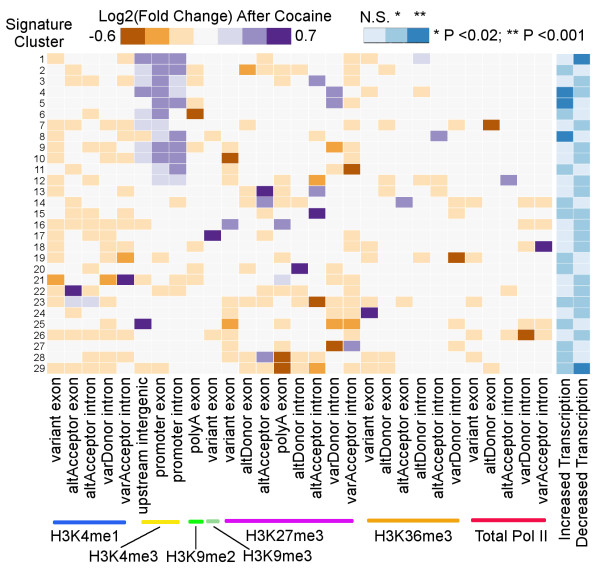
“Next-generation sequencing methods have shown that repeated cocaine exposure leads to histone modifications that act in a combinational fashion to create chromatin signatures that strikingly alter pre-mRNA splicing, an effect that is necessary for the expression of cocaine-induced conditioned place preference.143”
From Neurobiology of addiction: a neurocircuitry analysis (2016) · cites this paper as [143]
Experimental — accuracy not yet measured
Self-check
Percentages, sums and reported differences re-computed from the paper’s own numbers.
The self-check needs the paper’s full text.
Citations
Cites
Controlling the False Discovery Rate: A Practical and Powerful Approach to Multiple Testing
Benjamini, Y., & Hochberg, Y. (1995) · Journal of the Royal Statistical Society Series B: Statistical Methodology · doi:10.1111/j.2517-6161.1995.tb02031.x · Cited by 109,482
Systematic and integrative analysis of large gene lists using DAVID bioinformatics resources
Huang, D. W., Sherman, B. T., & Lempicki, R. A. (2009) · Nature Protocols · doi:10.1038/nprot.2008.211 · Cited by 35,890
Model-based Analysis of ChIP-Seq (MACS)
Zhang, Y., Liu, T., Meyer, C. A., Eeckhoute, J., Johnson, D. S., Bernstein, B. E., Nusbaum, C., Myers, R. M., Brown, M., Li, W., et al. (2008) · Genome Biology · doi:10.1186/gb-2008-9-9-r137 · Cited by 18,386
Self-citationAn integrated encyclopedia of DNA elements in the human genome
The ENCODE Project Consortium (2012) · Nature · doi:10.1038/nature11247 · Cited by 18,072 · cited 1×
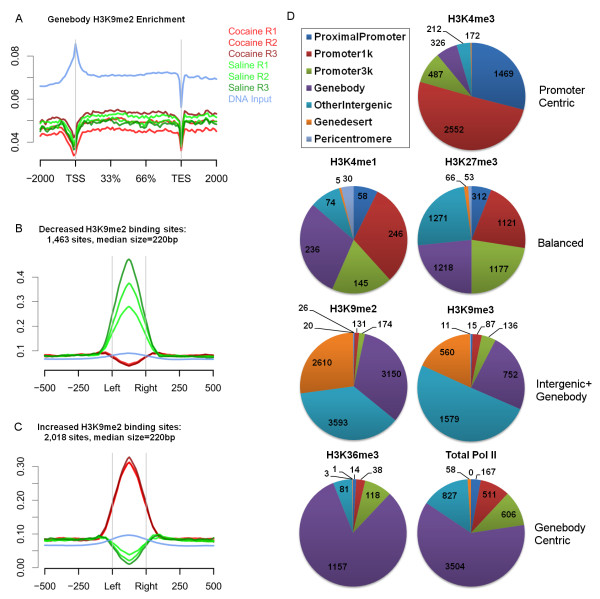
“These histone modifications were selected to cover enhancer (H3K4me1), promoter (H3K4me3, H3K27me3), gene body (H3K36me3), and intergenic (H3K9me2, H3K9me3) regions [20,21].”
BackgroundTrapnell, C., Williams, B. A., Pertea, G., Mortazavi, A., Kwan, G., van Baren, M. J., Salzberg, S. L., Wold, B. J., & Pachter, L. (2010) · Nature Biotechnology · doi:10.1038/nbt.1621 · Cited by 15,556
Huang, D. W., Sherman, B. T., & Lempicki, R. A. (2009) · Nucleic Acids Research · doi:10.1093/nar/gkn923 · Cited by 14,108
RNA-Seq: a revolutionary tool for transcriptomics
Wang, Z., Gerstein, M., & Snyder, M. (2009) · Nature Reviews Genetics · doi:10.1038/nrg2484 · Cited by 13,174 · cited 2×
“Third, genome-wide characterizations of gene expression in brain have to date relied mainly on microarrays, as opposed to RNA-seq, which provides unprecedented advantages such as more precise measurement of levels of transcripts and their splicing isoforms [16].”
BackgroundTrapnell, C., Roberts, A., Goff, L., Pertea, G., Kim, D., Kelley, D. R., Pimentel, H., Salzberg, S. L., Rinn, J. L., & Pachter, L. (2012) · Nature Protocols · doi:10.1038/nprot.2012.016 · Cited by 12,116
TopHat: discovering splice junctions with RNA-Seq
Trapnell, C., Pachter, L., & Salzberg, S. L. (2009) · Bioinformatics · doi:10.1093/bioinformatics/btp120 · Cited by 11,617
MEME SUITE: tools for motif discovery and searching
Bailey, T. L., Boden, M., Buske, F. A., Frith, M., Grant, C. E., Clementi, L., Ren, J., Li, W. W., & Noble, W. S. (2009) · Nucleic Acids Research · doi:10.1093/nar/gkp335 · Cited by 10,648 · cited 3×
“The motifs found by MEME [42] were first combined using the Bayesian motif clustering [79] method and then matched with known motifs.”
MethodJenuwein, T., & Allis, C. D. (2001) · Science · doi:10.1126/science.1063127 · Cited by 9,756 · cited 1×
“Second, recent evidence indicates that net levels of gene transcription result from the complex interplay of large numbers of chromatin modifications, which act in concert in ways that remain incompletely understood [14,15].”
BackgroundHigh-Resolution Profiling of Histone Methylations in the Human Genome
Barski, A., Cuddapah, S., Cui, K., Roh, T.-Y., Schones, D. E., Wang, Z., Wei, G., Chepelev, I., & Zhao, K. (2007) · Cell · doi:10.1016/j.cell.2007.05.009 · Cited by 6,845 · cited 2×
“The enrichment patterns for the seven marks from our study are highly similar with those generated in cell culture studies [21,31], indicating that the ChIPseq data are of good quality and that in vivo brain histone modifications share similar gross distribution patterns with other tissues.”
BackgroundResultFIMO: scanning for occurrences of a given motif
Grant, C. E., Bailey, T. L., & Noble, W. S. (2011) · Bioinformatics · doi:10.1093/bioinformatics/btr064 · Cited by 4,247
Genome-wide maps of chromatin state in pluripotent and lineage-committed cells
Mikkelsen, T. S., Ku, M., Jaffe, D. B., Issac, B., Lieberman, E., Giannoukos, G., Alvarez, P., Brockman, W., Kim, T.-K., Koche, R. P., et al. (2007) · Nature · doi:10.1038/nature06008 · Cited by 4,129 · cited 1×
“The enrichment patterns for the seven marks from our study are highly similar with those generated in cell culture studies [21,31], indicating that the ChIPseq data are of good quality and that in vivo brain histone modifications share similar gross distribution patterns with other tissues.”
ResultStrong association of de novo copy number mutations with autism
Sebat, J., Lakshmi, B., Malhotra, D., Troge, J., Lese-Martin, C., Walsh, T., Yamrom, B., Yoon, S., Krasnitz, A., Kendall, J., et al. (2007) · Science · doi:10.1126/science.1138659 · Cited by 2,795 · cited 1×
“Mutations in the human A2BP1 gene have since been associated with several other neurological syndromes, including mental retardation, epilepsy, and autism spectrum disorders [54-57].”
BackgroundEnrichment Map: A Network-Based Method for Gene-Set Enrichment Visualization and Interpretation
Merico, D., Isserlin, R., Stueker, O., Emili, A., & Bader, G. D. (2010) · PLoS ONE · doi:10.1371/journal.pone.0013984 · Cited by 2,235 · cited 2×
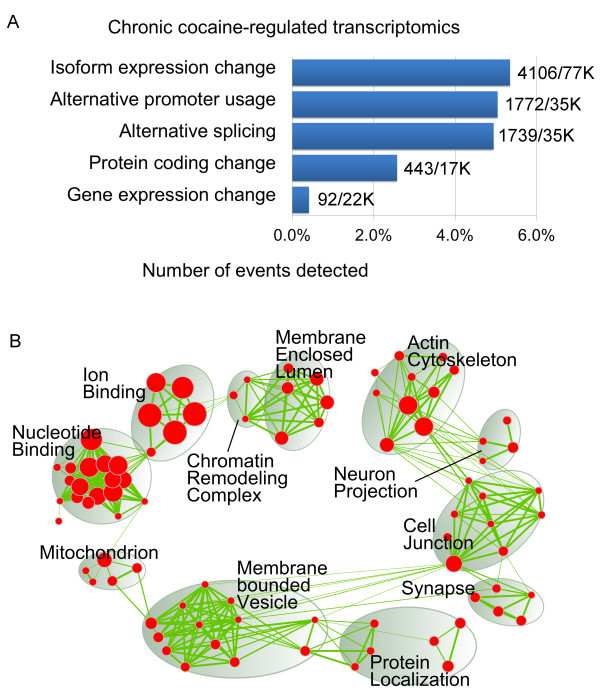
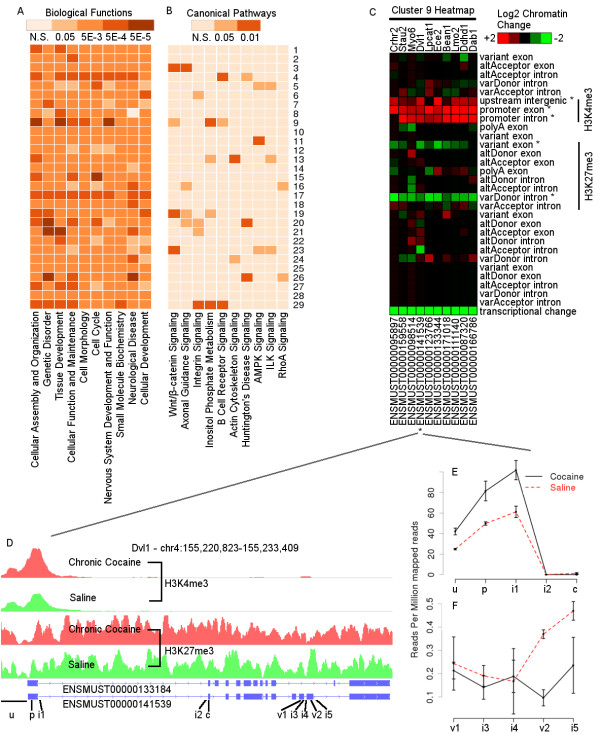
“(B) Gene Ontology (GO) enrichment for differentially spliced genes is illustrated as an enrichment map [26]: each node represents an”
BackgroundMethodChIP–seq: advantages and challenges of a maturing technology
Park, P. J. (2009) · Nature Reviews Genetics · doi:10.1038/nrg2641 · Cited by 2,217 · cited 3×
“We used ChIP-seq (ChIP followed by next-generation sequencing), which offers several advantages over ChIP-chip [19], to characterize numerous chromatin modifications within this brain region in response to repeated cocaine administration.”
MethodTranscriptomic Analysis of Autistic Brain Reveals Convergent Molecular Pathology
Voineagu, I., Wang, X., Johnston, P., Lowe, J. K., Tian, Y., Horvath, S., Mill, J., Cantor, R. M., Blencowe, B. J., & Geschwind, D. H. (2011) · Nature · doi:10.1038/nature10110 · Cited by 1,874 · cited 2×
“Similar implication of A2BP1 targets in neural transmission, neuronal development, and maturation genes has been demonstrated in autism spectrum disorder and human neural stem cell studies [61,69].”
BackgroundMolecular basis of long-term plasticity underlying addiction
Nestler, E. J. (2001) · Nature Reviews Neuroscience · doi:10.1038/35053570 · Cited by 1,859
Self-citationDetecting differential usage of exons from RNA-seq data
Anders, S., Reyes, A., & Huber, W. (2012) · Genome Research · doi:10.1101/gr.133744.111 · Cited by 1,545 · cited 1×
“Some programs achieve this goal by looking at the read counts of individual exons [39,40].”
BackgroundAnalysis and design of RNA sequencing experiments for identifying isoform regulation
Katz, Y., Wang, E. T., Airoldi, E. M., & Burge, C. B. (2010) · Nature Methods · doi:10.1038/nmeth.1528 · Cited by 1,353
Charting histone modifications and the functional organization of mammalian genomes
Zhou, V. W., Goren, A., & Bernstein, B. E. (2011) · Nature Reviews Genetics · doi:10.1038/nrg2905 · Cited by 1,147 · cited 2×
“Second, recent evidence indicates that net levels of gene transcription result from the complex interplay of large numbers of chromatin modifications, which act in concert in ways that remain incompletely understood [14,15].”
BackgroundRegulation of Alternative Splicing by Histone Modifications
Luco, R. F., Pan, Q., Tominaga, K., Blencowe, B. J., Pereira-Smith, O. M., & Misteli, T. (2010) · Science · doi:10.1126/science.1184208 · Cited by 1,109
Transcriptional and epigenetic mechanisms of addiction
Robison, A. J., & Nestler, E. J. (2011) · Nature Reviews Neuroscience · doi:10.1038/nrn3111 · Cited by 993 · cited 2×
“The lasting behavioral abnormalities induced by chronic cocaine treatment have been attributed, in part, to epigenomic changes involving post-translational modifications to histone tails [2,29].”
BackgroundSelf-citationRNA-SeQC: RNA-seq metrics for quality control and process optimization
DeLuca, D. S., Levin, J. Z., Sivachenko, A., Fennell, T., Nazaire, M.-D., Williams, C., Reich, M., Winckler, W., & Getz, G. (2012) · Bioinformatics · doi:10.1093/bioinformatics/bts196 · Cited by 899
Shen, L., Shao, N., Liu, X., & Nestler, E. (2014) · BMC Genomics · doi:10.1186/1471-2164-15-284 · Cited by 887
Self-citationEpigenetics in Alternative Pre-mRNA Splicing
Luco, R. F., Allo, M., Schor, I. E., Kornblihtt, A. R., & Misteli, T. (2011) · Cell · doi:10.1016/j.cell.2010.11.056 · Cited by 796
Chromatin Remodeling Is a Key Mechanism Underlying Cocaine-Induced Plasticity in Striatum
Kumar, A., Choi, K.-H., Renthal, W., Tsankova, N. M., Theobald, D. E. H., Truong, H.-T., Russo, S. J., LaPlant, Q., Sasaki, T. S., Whistler, K. N., et al. (2005) · Neuron · doi:10.1016/j.neuron.2005.09.023 · Cited by 764
Self-citationEssential Role of the Histone Methyltransferase G9a in Cocaine-Induced Plasticity
Maze, I., Covington, H. E., Dietz, D. M., LaPlant, Q., Renthal, W., Russo, S. J., Mechanic, M., Mouzon, E., Neve, R. L., Haggarty, S. J., et al. (2010) · Science · doi:10.1126/science.1179438 · Cited by 665
Self-citationDnmt3a regulates emotional behavior and spine plasticity in the nucleus accumbens
LaPlant, Q., Vialou, V., Covington, H. E., Dumitriu, D., Feng, J., Warren, B. L., Maze, I., Dietz, D. M., Watts, E. L., Iñiguez, S. D., et al. (2010) · Nature Neuroscience · doi:10.1038/nn.2619 · Cited by 612 · cited 2×
“Mouse locomotor activity was tested as previously described [8].”
BackgroundMethodSelf-citationHistone Deacetylase 5 Epigenetically Controls Behavioral Adaptations to Chronic Emotional Stimuli
Renthal, W., Maze, I., Krishnan, V., Covington, H. E., Xiao, G., Kumar, A., Russo, S. J., Graham, A., Tsankova, N., Kippin, T. E., et al. (2007) · Neuron · doi:10.1016/j.neuron.2007.09.032 · Cited by 599 · cited 1×
“Drugs of abuse such as cocaine have been shown to alter the expression levels of several histone- and DNA-modifying enzymes within key brain reward regions, such as the nucleus accumbens (NAc) [7-10].”
BackgroundSelf-citationSims, R. J., Millhouse, S., Chen, C.-F., Lewis, B. A., Erdjument-Bromage, H., Tempst, P., Manley, J. L., & Reinberg, D. (2007) · Molecular Cell · doi:10.1016/j.molcel.2007.11.010 · Cited by 581
DNA methylation and memory formation
Day, J. J., & Sweatt, J. D. (2010) · Nature Neuroscience · doi:10.1038/nn.2666 · Cited by 486
ΔFosB in brain reward circuits mediates resilience to stress and antidepressant responses
Vialou, V., Robison, A. J., LaPlant, Q. C., Covington, H. E., Dietz, D. M., Ohnishi, Y. N., Mouzon, E., Rush, A. J., Watts, E. L., Wallace, D. L., et al. (2010) · Nature Neuroscience · doi:10.1038/nn.2551 · Cited by 479
Self-citationRNA-MEDIATED NEUROMUSCULAR DISORDERS
Ranum, L. P. W., & Cooper, T. A. (2006) · Annual Review of Neuroscience · doi:10.1146/annurev.neuro.29.051605.113014 · Cited by 477
Epigenetic mechanisms of drug addiction
Nestler, E. J. (2014) · Neuropharmacology · doi:10.1016/j.neuropharm.2013.04.004 · Cited by 454
Self-citationBiased Chromatin Signatures around Polyadenylation Sites and Exons
Spies, N., Nielsen, C. B., Padgett, R. A., & Burge, C. B. (2009) · Molecular Cell · doi:10.1016/j.molcel.2009.10.008 · Cited by 446
Genome-wide Analysis of Chromatin Regulation by Cocaine Reveals a Role for Sirtuins
Renthal, W., Kumar, A., Xiao, G., Wilkinson, M., Covington, H. E., Maze, I., Sikder, D., Robison, A. J., LaPlant, Q., Dietz, D. M., et al. (2009) · Neuron · doi:10.1016/j.neuron.2009.03.026 · Cited by 409
Self-citationShen, L., Shao, N.-Y., Liu, X., Maze, I., Feng, J., & Nestler, E. J. (2013) · PLoS ONE · doi:10.1371/journal.pone.0065598 · Cited by 403
Self-citationBiased chromatin signatures around polyadenylation sites and exons
Nielsen, C. B., Padgett, R. A., Spies, N., & Burge, C. B. (2009) · DSpace@MIT (Massachusetts Institute of Technology) · Cited by 390
Neuronal regulation of alternative pre-mRNA splicing
Li, Q., Lee, J.-A., & Black, D. L. (2007) · Nature Reviews Neuroscience · doi:10.1038/nrn2237 · Cited by 376 · cited 2×
“Alternative pre-mRNA splicing is a major source of protein diversity in higher eukaryotes, a process particularly important for genes expressed in the brain [18,63,64].”
BackgroundThe Role of Histone Acetylation in Memory Formation and Cognitive Impairments
Peixoto, L., & Abel, T. (2013) · Neuropsychopharmacology · doi:10.1038/npp.2012.86 · Cited by 338
The splicing regulator Rbfox1 (A2BP1) controls neuronal excitation in the mammalian brain
Gehman, L. T., Stoilov, P., Maguire, J., Damianov, A., Lin, C.-H., Shiue, L., Ares, M., Mody, I., & Black, D. L. (2011) · Nature Genetics · doi:10.1038/ng.841 · Cited by 331 · cited 4×
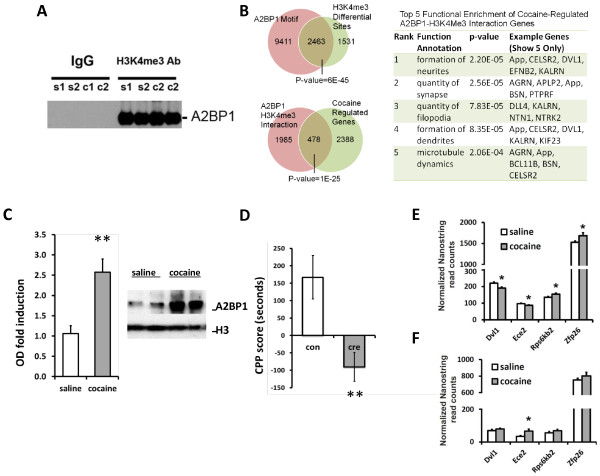
“Adult floxed A2bp1 (A2bp1) mice [58] were injected intra-NAc with an adeno-associated virus (AAV) vector expressing Cre-GFP or GFP alone.”
BackgroundMethodInfluentialNucleosomes are well positioned in exons and carry characteristic histone modifications
Andersson, R., Enroth, S., Rada-Iglesias, A., Wadelius, C., & Komorowski, J. (2009) · Genome Research · doi:10.1101/gr.092353.109 · Cited by 325 · cited 1×
“Previous studies have also demonstrated that some histone marks can act as beacons in exon definition [34,35] or play important roles in recruiting splicing factors to pre-mRNAs [36,37].”
BackgroundFujii, R., Okabe, S., Urushido, T., Inoue, K., Yoshimura, A., Tachibana, T., Nishikawa, T., Hicks, G. G., & Takumi, T. (2005) · Current Biology · doi:10.1016/j.cub.2005.01.058 · Cited by 322
Davis, S., Bozon, B., & Laroche, S. (2003) · Behavioural Brain Research · doi:10.1016/s0166-4328(02)00421-7 · Cited by 281
Histone H3 lysine 9 trimethylation and HP1γ favor inclusion of alternative exons
Saint-André, V., Batsché, E., Rachez, C., & Muchardt, C. (2011) · Nature Structural & Molecular Biology · doi:10.1038/nsmb.1995 · Cited by 278 · cited 1×
“For example, the repressive mark H3K9me3 has recently been found to facilitate the inclusion of variant exons of several genes via a mechanism that involves decreased RNA pol II elongation rate [38].”
BackgroundSchor, I. E., Rascovan, N., Pelisch, F., Alló, M., & Kornblihtt, A. R. (2009) · Proceedings of the National Academy of Sciences · doi:10.1073/pnas.0810666106 · Cited by 270
Splicing Regulation in Neurologic Disease
Licatalosi, D. D., & Darnell, R. B. (2006) · Neuron · doi:10.1016/j.neuron.2006.09.017 · Cited by 255
TLS facilitates transport of mRNA encoding an actin-stabilizing protein to dendritic spines
Fujii, R., & Takumi, T. (2005) · Journal of Cell Science · doi:10.1242/jcs.02692 · Cited by 247
The epigenetic landscape of addiction
Maze, I., & Nestler, E. J. (2011) · Annals of the New York Academy of Sciences · doi:10.1111/j.1749-6632.2010.05893.x · Cited by 223
Self-citationA novel protein with RNA-binding motifs interacts with ataxin-2
Shibata, H. (2000) · Human Molecular Genetics · doi:10.1093/hmg/9.9.1303 · Cited by 221
RBFOX1 regulates both splicing and transcriptional networks in human neuronal development
Fogel, B. L., Wexler, E., Wahnich, A., Friedrich, T., Vijayendran, C., Gao, F., Parikshak, N., Konopka, G., & Geschwind, D. H. (2012) · Human Molecular Genetics · doi:10.1093/hmg/dds240 · Cited by 216 · cited 2×
“Similar implication of A2BP1 targets in neural transmission, neuronal development, and maturation genes has been demonstrated in autism spectrum disorder and human neural stem cell studies [61,69].”
BackgroundCytogenetic and molecular characterization of A2BP1/FOX1 as a candidate gene for autism
Martin, C. L., Duvall, J. A., Ilkin, Y., Simon, J. S., Arreaza, M. G., Wilkes, K., Alvarez‐Retuerto, A., Whichello, A., Powell, C. M., Rao, K., et al. (2007) · American Journal of Medical Genetics Part B: Neuropsychiatric Genetics · doi:10.1002/ajmg.b.30530 · Cited by 198 · cited 1×
“Mutations in the human A2BP1 gene have since been associated with several other neurological syndromes, including mental retardation, epilepsy, and autism spectrum disorders [54-57].”
BackgroundFox-1 family of RNA-binding proteins
Kuroyanagi, H. (2009) · Cellular and Molecular Life Sciences · doi:10.1007/s00018-009-0120-5 · Cited by 187 · cited 3×
“Through bioinformatic prediction and biological validation, we identify one particular splicing factor, A2BP1(Rbfox1/Fox-1), which is enriched at genes that display certain chromatin signatures and contributes to drug-induced behavioral abnormalities.”
BackgroundBarnby, G., Abbott, A., Sykes, N., Morris, A., Weeks, D. E., Mott, R., Lamb, J., Bailey, A. J., & Monaco, A. P. (2005) · The American Journal of Human Genetics · doi:10.1086/430454 · Cited by 179
Malvaez, M., Sanchis-Segura, C., Vo, D., Lattal, K. M., & Wood, M. A. (2010) · Biological Psychiatry · doi:10.1016/j.biopsych.2009.07.032 · Cited by 172
Class I HDAC inhibition blocks cocaine-induced plasticity by targeted changes in histone methylation
Kennedy, P. J., Feng, J., Robison, A. J., Maze, I., Badimon, A., Mouzon, E., Chaudhury, D., Damez-Werno, D. M., Haggarty, S. J., Han, M.-H., et al. (2013) · Nature Neuroscience · doi:10.1038/nn.3354 · Cited by 170
Self-citationMoyer, R. A., Wang, D., Papp, A. C., Smith, R. M., Duque, L., Mash, D. C., & Sadée, W. (2010) · Neuropsychopharmacology · doi:10.1038/npp.2010.208 · Cited by 164
Chasin, L. A. (2007) · Advances in experimental medicine and biology · doi:10.1007/978-0-387-77374-2_6 · Cited by 161
Lee, J.-A., Tang, Z.-Z., & Black, D. L. (2009) · Genes & Development · doi:10.1101/gad.1837009 · Cited by 158
Bhalla, K., Phillips, H. A., Crawford, J., McKenzie, O. L. D., Mulley, J. C., Eyre, H., Gardner, A. E., Kremmidiotis, G., & Callen, D. F. (2004) · Journal of Human Genetics · doi:10.1007/s10038-004-0145-4 · Cited by 146 · cited 1×
“Mutations in the human A2BP1 gene have since been associated with several other neurological syndromes, including mental retardation, epilepsy, and autism spectrum disorders [54-57].”
BackgroundDivision and apoptosis of E2f-deficient retinal progenitors
Chen, D., Pacal, M., Wenzel, P., Knoepfler, P. S., Leone, G., & Bremner, R. (2009) · Nature · doi:10.1038/nature08544 · Cited by 144 · cited 2×
“The E2F family proteins have been implicated in neurogenesis [49] and are known to interact with SIRT1 [50], a histone deacetylase that has been implicated in cocaine regulation [13,51].”
BackgroundEmerging roles for zic genes in early development
Merzdorf, C. S. (2007) · Developmental Dynamics · doi:10.1002/dvdy.21098 · Cited by 140
Essential Role of SIRT1 Signaling in the Nucleus Accumbens in Cocaine and Morphine Action
Ferguson, D., Koo, J. W., Feng, J., Heller, E., Rabkin, J., Heshmati, M., Renthal, W., Neve, R., Liu, X., Shao, N., et al. (2013) · The Journal of Neuroscience · doi:10.1523/jneurosci.1284-13.2013 · Cited by 139
Self-citationYano, M., Okano, H. J., & Okano, H. (2005) · Journal of Biological Chemistry · doi:10.1074/jbc.m411119200 · Cited by 130
Hishimoto, A., Liu, Q.-R., Drgon, T., Pletnikova, O., Walther, D., Zhu, X.-G., Troncoso, J. C., & Uhl, G. R. (2007) · Human Molecular Genetics · doi:10.1093/hmg/ddm247 · Cited by 115
A Nuclear Function of Hu Proteins as Neuron-specific Alternative RNA Processing Regulators
Zhu, H., Hasman, R. A., Barron, V. A., Luo, G., & Lou, H. (2006) · Molecular Biology of the Cell · doi:10.1091/mbc.e06-02-0099 · Cited by 114 · cited 1×
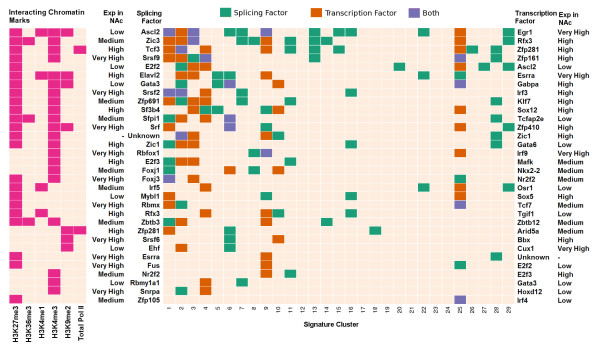
“Numerous splicing factors identified here have been reported to have functions in neuronal differentiation, neurological diseases, or synaptic plasticity, such as ELAVL2 [43,44], ZIC1 [45], A2BP1 (official gene symbol Rbfox1) [46], and FUS [47,48].”
BackgroundEpigenetic mechanisms of drug addiction
Feng, J., & Nestler, E. J. (2013) · Current Opinion in Neurobiology · doi:10.1016/j.conb.2013.01.001 · Cited by 113
Self-citationLi, X., & Buxbaum, J. N. (2011) · Molecular Neurodegeneration · doi:10.1186/1750-1326-6-79 · Cited by 99
Transcriptome signature of the adult mouse choroid plexus
Marques, F., Sousa, J. C., Coppola, G., Gao, F., Puga, R., Brentani, H., Geschwind, D. H., Sousa, N., Correia-Neves, M., & Palha, J. A. (2011) · Fluids and Barriers of the CNS · doi:10.1186/2045-8118-8-10 · Cited by 94
Unique Requirement for Rb/E2F3 in Neuronal Migration: Evidence for Cell Cycle-Independent Functions
McClellan, K. A., Ruzhynsky, V. A., Douda, D. N., Vanderluit, J. L., Ferguson, K. L., Chen, D., Bremner, R., Park, D. S., Leone, G., & Slack, R. S. (2007) · Molecular and Cellular Biology · doi:10.1128/mcb.02100-06 · Cited by 88 · cited 1×
“The E2F family proteins have been implicated in neurogenesis [49] and are known to interact with SIRT1 [50], a histone deacetylase that has been implicated in cocaine regulation [13,51].”
BackgroundHomeodomain Protein Otp and Activity-Dependent Splicing Modulate Neuronal Adaptation to Stress
Amir-Zilberstein, L., Blechman, J., Sztainberg, Y., Norton, W. H. J., Reuveny, A., Borodovsky, N., Tahor, M., Bonkowsky, J. L., Bally-Cuif, L., Chen, A., et al. (2012) · Neuron · doi:10.1016/j.neuron.2011.11.019 · Cited by 78
Molecular, Cellular, and Structural Mechanisms of Cocaine Addiction: A Key Role for MicroRNAs
Jonkman, S., & Kenny, P. J. (2012) · Neuropsychopharmacology · doi:10.1038/npp.2012.120 · Cited by 69
Hovatta, I., Zapala, M. A., Broide, R. S., Schadt, E. E., Libiger, O., Schork, N. J., Lockhart, D. J., & Barlow, C. (2007) · Genome Biology · doi:10.1186/gb-2007-8-2-r25 · Cited by 59
Kalrn promoter usage and isoform expression respond to chronic cocaine exposure
Mains, R. E., Kiraly, D. D., Eipper-Mains, J. E., Ma, X., & Eipper, B. A. (2011) · BMC Neuroscience · doi:10.1186/1471-2202-12-20 · Cited by 42
Ohnishi, Y. N., Ohnishi, Y. H., Hokama, M., Nomaru, H., Yamazaki, K., Tominaga, Y., Sakumi, K., Nestler, E. J., & Nakabeppu, Y. (2011) · Biological Psychiatry · doi:10.1016/j.biopsych.2011.04.021 · Cited by 40
Self-citationBayesian Clustering of Transcription Factor Binding Motifs
Jensen, S. T., & Liu, J. S. (2008) · Journal of the American Statistical Association · doi:10.1198/016214507000000365 · Cited by 35
Protein kinase WNK3 regulates the neuronal splicing factor Fox-1
Lee, A.-Y., Chen, W., Stippec, S., Self, J., Yang, F., Ding, X., Chen, S., Juang, Y.-C. A., & Cobb, M. H. (2012) · Proceedings of the National Academy of Sciences · doi:10.1073/pnas.1215406109 · Cited by 27
Bowyer, J. F., Patterson, T. A., Saini, U. T., Hanig, J. P., Thomas, M., Camacho, L., George, N. I., & Chen, J. J. (2013) · BMC Genomics · doi:10.1186/1471-2164-14-147 · Cited by 25
Cited by
Neurobiology of addiction: a neurocircuitry analysis
Koob, G. F., & Volkow, N. D. (2016) · The Lancet Psychiatry · doi:10.1016/s2215-0366(16)00104-8 · Cited by 3,698
Synaptic, transcriptional and chromatin genes disrupted in autism
Study, T. D., De Rubeis, S., Autism, H. M. C. F., UK10K Consortium, The Autism Sequencing Consortium, He, X., Goldberg, A. P., Poultney, C. S., Samocha, K., Ercument Cicek, A., et al. (2014) · Nature · doi:10.1038/nature13772 · Cited by 2,746
“The list of genes that are targets of both RBFOX1 and H3K4me3 was extracted from Feng et al, Table S9(30) (a total of 478 genes). Human orthologues of mouse synaptosome (152) and PSD (1080) genes were extracted from the Genes2Cognition database (http://www.”
Hodes, G. E., Pfau, M. L., Purushothaman, I., Ahn, H. F., Golden, S. A., Christoffel, D. J., Magida, J., Brancato, A., Takahashi, A., Flanigan, M. E., et al. (2015) · The Journal of Neuroscience · doi:10.1523/jneurosci.1392-15.2015 · Cited by 395
“Library construction was performed following a previously published protocol (Feng et al., 2014).”
MethodSelf-citationThe Molecular Basis of Drug Addiction: Linking Epigenetic to Synaptic and Circuit Mechanisms
Nestler, E. J., & Lüscher, C. (2019) · Neuron · doi:10.1016/j.neuron.2019.01.016 · Cited by 334
Self-citationβ-catenin mediates stress resilience through Dicer1/microRNA regulation
Dias, C., Feng, J., Sun, H., Shao, N. Y., Mazei-Robison, M. S., Damez-Werno, D., Scobie, K., Bagot, R., LaBonté, B., Ribeiro, E., et al. (2014) · Nature · doi:10.1038/nature13976 · Cited by 240
Self-citation
Metadata
- Authors
- Feng, J., Wilkinson, M., Liu, X., Purushothaman, I., Ferguson, D., Vialou, V., Maze, I., Shao, N., Kennedy, P., Koo, J., Dias, C., Laitman, B., Stockman, V., LaPlant, Q., Cahill, M. E., Nestler, E. J., & Shen, L.
- Affiliations
- Icahn School of Medicine at Mount Sinai (US)
- Corresponding author
- Nestler, Eric J
- Shen, Li
- ORCID
- Venue
- Genome Biology
- Published
- 2014-04-22
- Volume
- 15
- Issue
- 4
- Pages
- R65-R65
- ISSN
- 1465-6906 (ISSN-L)
- 1474-760X
- PMC
- PMC4073058
- OpenAlex
- W2100226042
- Semantic Scholar
- a3c0adc638e832200e3927f11575e844a73a45c1
- Cited by
- 198
- References
- 80
- Citations by year
- 2026: 7 · 2025: 15 · 2024: 17 · 2023: 19 · 2022: 12 · 2021: 25 · 2020: 9 · 2019: 17 · 2018: 13 · 2017: 23 · 2016: 22 · 2015: 10 · 2014: 9
- FWCI
- 8.74
- Type
- journal article
- Language
- en
- Update notices
- erratum (2015-10-14)
- Open access
- gold
- doi.org
- Licence
- cc-by
- creativecommons.org/licenses/by/2.0/ (tdm)
- creativecommons.org/licenses/by/2.0/ (vor)
- Locations
- Genome biology (publishedVersion, cc-by)
- PubMed Central (publishedVersion, cc-by)
- PubMed (publishedVersion)
- Funders
- National Institute of Mental Health (R00MH094405)
- National Institute on Drug Abuse (DA 008227, P01DA008227)
- Topics
- Life Sciences › Biochemistry, Genetics and Molecular Biology › Molecular Biology › Genomics and Chromatin Dynamics
- Life Sciences › Neuroscience › Cellular and Molecular Neuroscience › Neurotransmitter Receptor Influence on Behavior
- Life Sciences › Biochemistry, Genetics and Molecular Biology › Molecular Biology › Epigenetics and DNA Methylation
- Keywords
- cocaine, nucleus accumbens, epigenetics, chromatin modification, histone methylation, RNA polymerase II, pre-mRNA splicing, alternative splicing, A2BP1, RBFOX1, drug addiction, gene expression regulation, chromatin signatures
- MeSH terms
- RNA Splicing Factors, Animals, Cocaine, Histones, Male, Mice, Inbred C57BL, Nucleus Accumbens, RNA, Messenger, RNA-Binding Proteins, Alternative Splicing, Cocaine-Related Disorders, Chromatin Assembly and Disassembly, Epigenesis, Genetic, Mice
About these checks
Registry, retraction, Cites and statistics results are computed, not judged, with one exception: a printed reference that no index lists is read once by a model before it counts as a citation error. Claims are extracted by a model and kept only when their quote appears verbatim in the text; each cited source is then checked, with a model’s help, for whether it says what the claim relies on. Those verdicts can be wrong — read the claim’s quote and the cited source before relying on one.
Statistics and arithmetic are recomputed, not judged.
Confidence bands are shown only for fields calibrated on our annotated test set. None is calibrated yet, so no band is shown.
What counts as a claim ›How we measure confidence ›How we check this ›
Are you an author, or do you see a problem with this page? Request a review
Data sources
Bibliographic data: Semantic Scholar, OpenAlex, Crossref.
Contains information from the Semantic Scholar Academic Graph Datasets, made available under the ODC Attribution License (ODC-BY 1.0).
Semantic Scholar’s data is described in: Kinney, R., et al. (2023). The Semantic Scholar Open Data Platform. arXiv:2301.10140.
