

New genomic data and analyses challenge the traditional vision of animal epithelium evolution
Open accessPublished version of a preprint
The DOI matches its Crossref record; 93 of the 93 references it cites were found in a registry or an index.
Abstract
BACKGROUND: The emergence of epithelia was the foundation of metazoan expansion. Epithelial tissues are a hallmark of metazoans deeply rooted in the evolution of their complex developmental morphogenesis processes. However, studies on the epithelial features of non-bilaterians are still sparse and it remains unclear whether the last common metazoan ancestor possessed a fully functional epithelial toolkit or if it was acquired later during metazoan evolution. RESULTS: To investigate the early evolution of animal epithelia, we sequenced the genome and transcriptomes of two new sponge species to characterize epithelial markers such as the E-cadherin complex and the polarity complexes for all classes (Calcarea, Demospongiae, Hexactinellida, Homoscleromorpha) of sponges (phylum Porifera) and compare them with their homologues in Placozoa and in Ctenophora. We found that Placozoa and most sponges possess orthologues of all essential genes encoding proteins characteristic of bilaterian epithelial cells, as well as their conserved interaction domains. In stark contrast, we found that ctenophores lack several major polarity complex components such as the Crumbs complex and Scribble. Furthermore, the E-cadherin ctenophore orthologue exhibits a divergent cytoplasmic domain making it unlikely to interact with its canonical cytoplasmic partners. CONCLUSIONS: These unexpected findings challenge the current evolutionary paradigm on the emergence of epithelia. Altogether, our results raise doubt on the homology of protein complexes and structures involved in cell polarity and adhesive-type junctions between Ctenophora and Bilateria epithelia.
Overview
The claims and statistics of this paper haven’t been checked yet.
Free: it reads the open-access text and checks the first 5 claims that cite a source we can check. Create a free account to check every claim.
Integrity signals
Registry
Cites
Statistics
Figures
Verification
Claims the paper makes
The claims and statistics of this paper haven’t been checked yet.
Free: it reads the open-access text and checks the first 5 claims that cite a source we can check. Create a free account to check every claim.
Claims other papers make about this one
Each is checked against this paper’s own text: does it say what the citing paper says it does?
The source backs part of the claim, not all of it — or backs it for a different population, condition or comparison.
In the citing paper
“Under the ctenophore-sister scenario, these are most parsimoniously interpreted as arising on the myriazoan stem after the divergence of ctenophores1,5,59, and include genes associated, in bilaterians and cnidarians, with neuronal function1,5,59, development58 and cell adhesion60.”
From Ancient gene linkages support ctenophores as sister to other animals (2023) · cites this paper as [60]
Experimental — accuracy not yet measuredThe source backs part of the claim, not all of it — or backs it for a different population, condition or comparison.
In the citing paper
“Sponges have long been considered to lack epithelia, but recent studies have revealed the presence of some typical epithelial components (cell polarity and cell junction genes), and a capacity to seal their internal space from the environment (Adams et al. 2010; Belahbib et al. 2018; Fahey and Degnan 2010; Leys and Hill 2012; Leys et al. 2009; Riesgo et al. 2014).”
From A non-bilaterian perspective on the development and evolution of animal digestive systems (2019) · cites this paper as Belahbib et al. 2018
Experimental — accuracy not yet measured
Self-check
Percentages, sums and reported differences re-computed from the paper’s own numbers.
The self-check needs the paper’s full text.
Citations
Cites
Basic local alignment search tool
Altschul, S. F., Gish, W., Miller, W., Myers, E. W., & Lipman, D. J. (1990) · Journal of Molecular Biology · doi:10.1006/jmbi.1990.9999 · Cited by 98,669 · cited 7×
“D. melanogaster, M. musculus and A. queenslandica Epithelial cadherin, Crumbs, PAR and Scribble complexes retrieved from NCBI database were used to perform reciprocal besthits with BLAST 2.3.0 run locally using an E-value cutoff of 10-5.”
MethodInfluentialFast gapped-read alignment with Bowtie 2
Langmead, B., & Salzberg, S. L. (2012) · Nature Methods · doi:10.1038/nmeth.1923 · Cited by 56,400 · cited 3×
“Following the mapping of the individual reads to the final genome and transcriptome assembly using Bowtie2 73, the coverage values were found to be 98, ensuring a near 100% completeness of the predicted gene content.”
MethodInfluentialMUSCLE: multiple sequence alignment with high accuracy and high throughput
Edgar, R. C. (2004) · Nucleic Acids Research · doi:10.1093/nar/gkh340 · Cited by 44,662
Cutadapt removes adapter sequences from high-throughput sequencing reads
Martin, M. (2011) · EMBnet.journal · doi:10.14806/ej.17.1.200 · Cited by 33,889
MrBayes 3: Bayesian phylogenetic inference under mixed models
Ronquist, F., & Huelsenbeck, J. P. (2003) · Bioinformatics · doi:10.1093/bioinformatics/btg180 · Cited by 29,077
SPAdes: A New Genome Assembly Algorithm and Its Applications to Single-Cell Sequencing
Bankevich, A., Nurk, S., Antipov, D., Gurevich, A. A., Dvorkin, M., Kulikov, A. S., Lesin, V. M., Nikolenko, S. I., Pham, S., Prjibelski, A. D., et al. (2012) · Journal of Computational Biology · doi:10.1089/cmb.2012.0021 · Cited by 25,987 · cited 2×
“Mapped Illumina reads and corrected PacBio reads where then assembled together with SPAdes 75.”
MethodGuindon, S., Dufayard, J.-F., Lefort, V., Anisimova, M., Hordijk, W., & Gascuel, O. (2010) · Systematic Biology · doi:10.1093/sysbio/syq010 · Cited by 18,376
MAFFT: a novel method for rapid multiple sequence alignment based on fast Fourier transform
Katoh, K. (2002) · Nucleic Acids Research · doi:10.1093/nar/gkf436 · Cited by 17,027
Kim, D., Pertea, G., Trapnell, C., Pimentel, H., Kelley, R., & Salzberg, S. L. (2013) · Genome Biology · doi:10.1186/gb-2013-14-4-r36 · Cited by 12,668 · cited 2×
“A transcriptomic dataset was mapped with Tophat 70to all contigs longer than 1kb to identify potential Eukaryotic sequences.”
MethodJalview Version 2—a multiple sequence alignment editor and analysis workbench
Waterhouse, A. M., Procter, J. B., Martin, D. M. A., Clamp, M., & Barton, G. J. (2009) · Bioinformatics · doi:10.1093/bioinformatics/btp033 · Cited by 11,399
InterProScan 5: genome-scale protein function classification
Jones, P., Binns, D., Chang, H.-Y., Fraser, M., Li, W., McAnulla, C., McWilliam, H., Maslen, J., Mitchell, A., Nuka, G., et al. (2014) · Bioinformatics · doi:10.1093/bioinformatics/btu031 · Cited by 9,301 · cited 1×
“uk/ interpro/) [84] and SMART (http://smart.”
Walker, B. J., Abeel, T., Shea, T., Priest, M., Abouelliel, A., Sakthikumar, S., Cuomo, C. A., Zeng, Q., Wortman, J., Young, S. K., et al. (2014) · PLoS ONE · doi:10.1371/journal.pone.0112963 · Cited by 9,197 · cited 2×
“Finally, a super scaffolding and polishing step was achieved using Sspace 77, Pilon 78and GapFiller.”
MethodCanu: scalable and accurate long-read assembly via adaptive k -mer weighting and repeat separation
Koren, S., Walenz, B. P., Berlin, K., Miller, J. R., Bergman, N. H., & Phillippy, A. M. (2017) · Genome Research · doi:10.1101/gr.215087.116 · Cited by 7,304 · cited 1×
“These long reads were filtered based on their length and quality with Pacific Biosciences (PacBio) tools (SMRT Portal) then self-corrected with canu [74].”
MethodThe Pfam protein families database: towards a more sustainable future
Finn, R. D., Coggill, P., Eberhardt, R. Y., Eddy, S. R., Mistry, J., Mitchell, A. L., Potter, S. C., Punta, M., Qureshi, M., Sangrador-Vegas, A., et al. (2016) · Nucleic Acids Research · doi:10.1093/nar/gkv1344 · Cited by 5,975 · cited 1×
“org/) run locally [83], InterProScan v52 (http://www.”
Gouy, M., Guindon, S., & Gascuel, O. (2010) · Molecular Biology and Evolution · doi:10.1093/molbev/msp259 · Cited by 5,782 · cited 1×
“2 [88]) depending on the level of conservation of the proteins.”
BackgroundCAP3: A DNA Sequence Assembly Program
Huang, X., & Madan, A. (1999) · Genome Research · doi:10.1101/gr.9.9.868 · Cited by 5,261 · cited 1×
“Remaining reads were assembled using a pipeline including IDBA-UD ([66], Platanus [67], GapFiller [68] and cap3 [69].”
MethodPrediction of complete gene structures in human genomic DNA
Burge, C., & Karlin, S. (1997) · Journal of Molecular Biology · doi:10.1006/jmbi.1997.0951 · Cited by 4,228
SMART, a simple modular architecture research tool: Identification of signaling domains
Schultz, J., Milpetz, F., Bork, P., & Ponting, C. P. (1998) · Proceedings of the National Academy of Sciences · doi:10.1073/pnas.95.11.5857 · Cited by 3,599
ProtTest: selection of best-fit models of protein evolution
Abascal, F., Zardoya, R., & Posada, D. (2005) · Bioinformatics · doi:10.1093/bioinformatics/bti263 · Cited by 3,063
Peng, Y., Leung, H. C. M., Yiu, S. M., & Chin, F. Y. L. (2012) · Bioinformatics · doi:10.1093/bioinformatics/bts174 · Cited by 2,989 · cited 2×
“Remaining reads were assembled using a pipeline including IDBA-UD (66, Platanus 67, GapFiller 68 and cap3 69.”
MethodScaffolding pre-assembled contigs using SSPACE.
Boetzer, M., Henkel, C. V., Jansen, H. J., Butler, D., & Pirovano, W. (2011) · Bioinformatics · doi:10.1093/bioinformatics/btq683 · Cited by 2,337
Ab initio gene identification in metagenomic sequences
Zhu, W., Lomsadze, A., & Borodovsky, M. (2010) · Nucleic Acids Research · doi:10.1093/nar/gkq275 · Cited by 1,819 · cited 2×
“number of contigs longer than 1 kb was low enough to rapidly identify Eukaryotic sequences using MetaGenemark [76] and BLAST through a homebrew web server.”
MethodAUGUSTUS: a web server for gene prediction in eukaryotes that allows user-defined constraints
Stanke, M., & Morgenstern, B. (2005) · Nucleic Acids Research · doi:10.1093/nar/gki458 · Cited by 1,592 · cited 1×
“de/augustus/) [81] run locally and FgeneSH web server (http://www.”
BackgroundGeneMark.hmm: new solutions for gene finding
Lukashin, A. (1998) · Nucleic Acids Research · doi:10.1093/nar/26.4.1107 · Cited by 1,538
BRAKER1: Unsupervised RNA-Seq-Based Genome Annotation with GeneMark-ET and AUGUSTUS
Hoff, K. J., Lange, S., Lomsadze, A., Borodovsky, M., & Stanke, M. (2016) · Bioinformatics · doi:10.1093/bioinformatics/btv661 · Cited by 1,153 · cited 3×
“The result was passed to Braker [71] to predict genes.”
BackgroundInfluentialToward almost closed genomes with GapFiller
Boetzer, M., & Pirovano, W. (2012) · Genome Biology · doi:10.1186/gb-2012-13-6-r56 · Cited by 1,134 · cited 3×
“Finally, a super scaffolding and polishing step was achieved using Sspace 77, Pilon 78and GapFiller.”
MethodThe Amphimedon queenslandica genome and the evolution of animal complexity
Srivastava, M., Simakov, O., Chapman, J., Fahey, B., Gauthier, M. E. A., Mitros, T., Richards, G. S., Conaco, C., Dacre, M., Hellsten, U., et al. (2010) · Nature · doi:10.1038/nature09201 · Cited by 1,049
Animal evolution: interrelationships of the living phyla
(2012) · Choice Reviews Online · doi:10.5860/choice.50-1469 · Cited by 1,039
Efficient de novo assembly of highly heterozygous genomes from whole-genome shotgun short reads
Kajitani, R., Toshimoto, K., Noguchi, H., Toyoda, A., Ogura, Y., Okuno, M., Yabana, M., Harada, M., Nagayasu, E., Maruyama, H., et al. (2014) · Genome Research · doi:10.1101/gr.170720.113 · Cited by 1,017 · cited 2×
“Remaining reads were assembled using a pipeline including IDBA-UD (66, Platanus 67, GapFiller 68 and cap3 69.”
MethodAutomatic annotation of eukaryotic genes, pseudogenes and promoters
Solovyev, V., Kosarev, P., Seledsov, I., & Vorobyev, D. (2006) · Genome Biology · doi:10.1186/gb-2006-7-s1-s10 · Cited by 920
The Trichoplax genome and the nature of placozoans
Srivastava, M., Begovic, E., Chapman, J., Putnam, N. H., Hellsten, U., Kawashima, T., Kuo, A., Mitros, T., Salamov, A., Carpenter, M. L., et al. (2008) · Nature · doi:10.1038/nature07191 · Cited by 889
Huber, A. H., & Weis, W. I. (2001) · Cell · doi:10.1016/s0092-8674(01)00330-0 · Cited by 777 · cited 1×
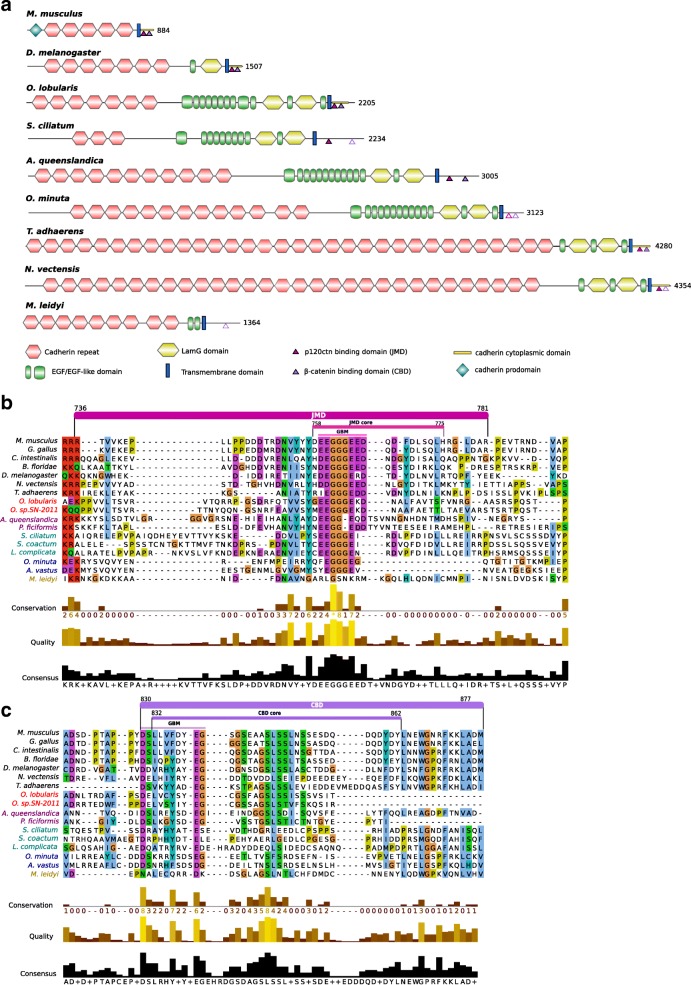
“1c), the interaction was shown to require a GBM of about 10 amino acids (DXXXXфXXEG where ф is an aromatic residue) [42, 45, 46].”
BackgroundC-Cadherin Ectodomain Structure and Implications for Cell Adhesion Mechanisms
Boggon, T. J., Murray, J., Chappuis-Flament, S., Wong, E., Gumbiner, B. M., & Shapiro, L. (2002) · Science · doi:10.1126/science.1071559 · Cited by 669
Simion, P., Philippe, H., Baurain, D., Jager, M., Richter, D. J., Di Franco, A., Roure, B., Satoh, N., Quéinnec, É., Ereskovsky, A., et al. (2017) · Current Biology · doi:10.1016/j.cub.2017.02.031 · Cited by 518 · cited 1×
“The alternative hypothesis favors Porifera as the sister group of other metazoans [34, 61] in agreement with more traditional interpretations.”
Assémat, E., Bazellières, E., Pallesi-Pocachard, E., Le Bivic, A., & Massey-Harroche, D. (2008) · Biochimica et Biophysica Acta (BBA) - Biomembranes · doi:10.1016/j.bbamem.2007.08.029 · Cited by 470 · cited 3×
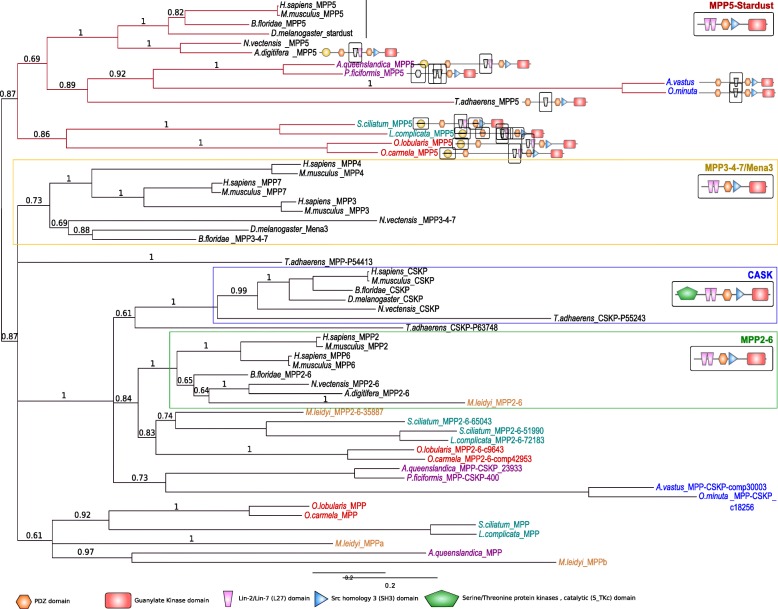
“Sdt encodes a membrane-associated guanylate kinase (MAGUK) protein containing two L27 domains, a single PDZ domain, a SH3 motif, a hook domain and a GUK domain [37].”
BackgroundInfluentialStructure and Biochemistry of Cadherins and Catenins
Shapiro, L., & Weis, W. I. (2009) · Cold Spring Harbor Perspectives in Biology · doi:10.1101/cshperspect.a003053 · Cited by 462
Ishiyama, N., Lee, S.-H., Liu, S., Li, G.-Y., Smith, M. J., Reichardt, L. F., & Ikura, M. (2010) · Cell · doi:10.1016/j.cell.2010.01.017 · Cited by 357 · cited 3×
“1c), the interaction was shown to require a GBM of about 10 amino acids (DXXXXфXXEG where ф is an aromatic residue) [42, 45, 46].”
BackgroundGenomic data do not support comb jellies as the sister group to all other animals
Pisani, D., Pett, W., Dohrmann, M., Feuda, R., Rota-Stabelli, O., Philippe, H., Lartillot, N., & Wörheide, G. (2015) · Proceedings of the National Academy of Sciences · doi:10.1073/pnas.1518127112 · Cited by 319 · cited 1×
“The alternative hypothesis favors Porifera as the sister group of other metazoans [34, 61] in agreement with more traditional interpretations.”
Lemmers, C., Michel, D., Lane-Guermonprez, L., Delgrossi, M.-H., Médina, E., Arsanto, J.-P., & Le Bivic, A. (2004) · Molecular Biology of the Cell · doi:10.1091/mbc.e03-04-0235 · Cited by 295 · cited 12×
“It is a class II PDZ-binding motif (PBM), which interacts with stardust (MPP5) [57] and Par6 [58].”
BackgroundInfluentialDrosophila Stardust is a partner of Crumbs in the control of epithelial cell polarity
Bachmann, A., Schneider, M., Theilenberg, E., Grawe, F., & Knust, E. (2001) · Nature · doi:10.1038/414638a · Cited by 279 · cited 11×
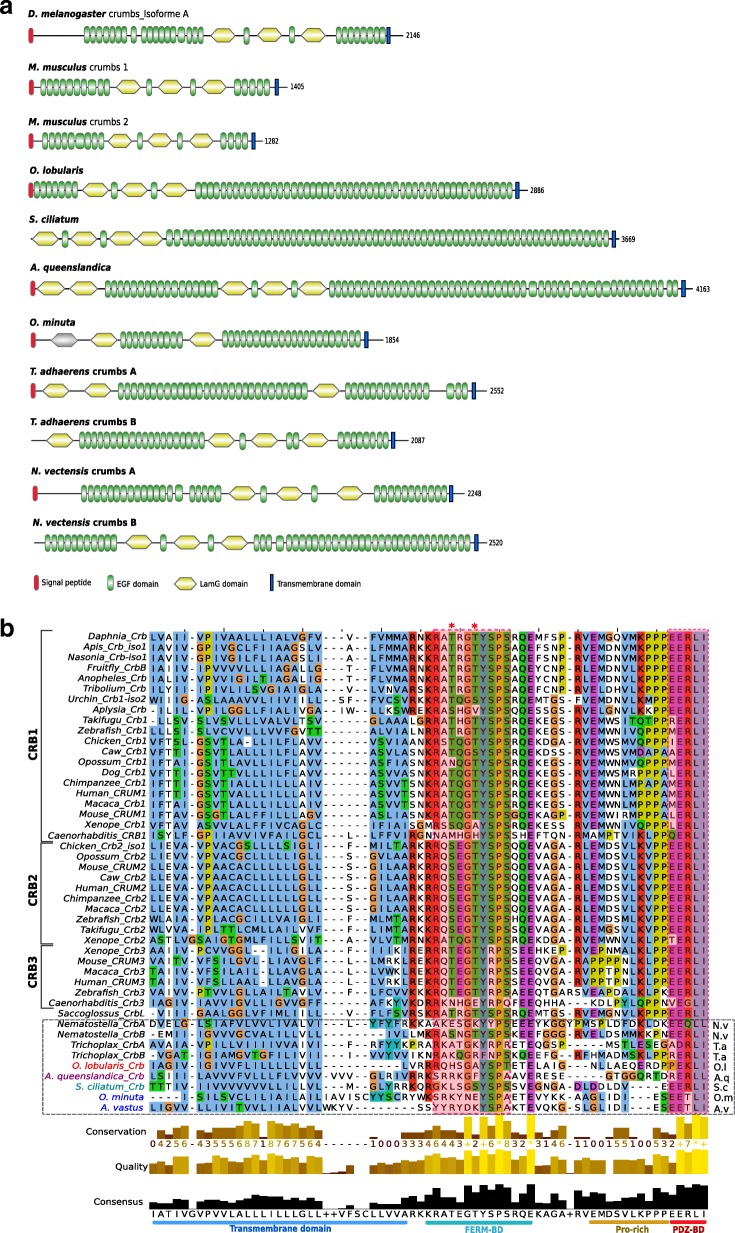
“The PDZ-BD domain (interacting with MPP5) is well-conserved in non bilaterians except in glass sponges.”
BackgroundInfluentialRiesgo, A., Farrar, N., Windsor, P. J., Giribet, G., & Leys, S. P. (2014) · Molecular Biology and Evolution · doi:10.1093/molbev/msu057 · Cited by 266 · cited 5×
“Lgl, characterized by short WD40 repeats and specific phosphorylation sites, is not present in Choanozoa [24] but was identified in all Porifera and Placozoa in agreement with previous studies [23, 24] and in Ctenophora (Additional file 1: Table S1), suggesting that it appeared in the last common metazoan ancestor.”
BackgroundResultInfluentialSmith, C. L., Varoqueaux, F., Kittelmann, M., Azzam, R. N., Cooper, B., Winters, C. A., Eitel, M., Fasshauer, D., & Reese, T. S. (2014) · Current Biology · doi:10.1016/j.cub.2014.05.046 · Cited by 254
Structural and functional diversity of cadherin at the adherens junction
Oda, H., & Takeichi, M. (2011) · Journal of Cell Biology · doi:10.1083/jcb.201008173 · Cited by 238 · cited 2×
“Despite the diversity of epithelial structures among animals, apico-basal cell polarity and AJs are believed to be present in all extant animal phyla [3, 5, 6, 8, 15, 19].”
BackgroundDiverse evolutionary paths to cell adhesion
Abedin, M., & King, N. (2010) · Trends in Cell Biology · doi:10.1016/j.tcb.2010.08.002 · Cited by 237 · cited 1×
“Despite the diversity of epithelial structures among animals, apico-basal cell polarity and AJs are believed to be present in all extant animal phyla [3, 5, 6, 8, 15, 19].”
BackgroundThe Crumbs complex: from epithelial-cell polarity to retinal degeneration
Bulgakova, N. A., & Knust, E. (2009) · Journal of Cell Science · doi:10.1242/jcs.023648 · Cited by 233 · cited 1×
“These motifs are the signature of Crumbs proteins and are essential for their morphogenetic function [54, 55].”
BackgroundType IV collagen in sponges, the missing link in basement membrane ubiquity*
Boute, N., Exposito, J., Boury‐Esnault, N., Vacelet, J., Noro, N., Miyazaki, K., Yoshizato, K., & Garrone, R. (1996) · Biology of the Cell · doi:10.1016/s0248-4900(97)86829-3 · Cited by 229 · cited 1×
“For example, the basal lamina is absent from all but one sponge classes [11, 12], in placozoa [13] and in several ctenophoran species [14].”
BackgroundThe hidden biology of sponges and ctenophores
Dunn, C. W., Leys, S. P., & Haddock, S. H. D. (2015) · Trends in Ecology & Evolution · doi:10.1016/j.tree.2015.03.003 · Cited by 212 · cited 1×
“Interestingly, the epithelial features of Ctenophora are very different [14, 26, 27, 63, 64] leading to incongruent interpretations of authors concerning the presence or not of bona fide AJs.”
BackgroundOrigin of metazoan cadherin diversity and the antiquity of the classical cadherin/β-catenin complex
Nichols, S. A., Roberts, B. W., Richter, D. J., Fairclough, S. R., & King, N. (2012) · Proceedings of the National Academy of Sciences · doi:10.1073/pnas.1120685109 · Cited by 193 · cited 3×
“1c), the interaction was shown to require a GBM of about 10 amino acids (DXXXXфXXEG where ф is an aromatic residue) [42, 45, 46].”
BackgroundCollagen IV and basement membrane at the evolutionary dawn of metazoan tissues
Fidler, A. L., Darris, C. E., Chetyrkin, S. V., Pedchenko, V. K., Boudko, S. P., Brown, K. L., Gray Jerome, W., Hudson, J. K., Rokas, A., & Hudson, B. G. (2017) · eLife · doi:10.7554/elife.24176 · Cited by 192 · cited 4×
“Interestingly, the epithelial features of Ctenophora are very different [14, 26, 27, 63, 64] leading to incongruent interpretations of authors concerning the presence or not of bona fide AJs.”
BackgroundMethodInfluentialEpithelium--The Primary Building Block for Metazoan Complexity
Tyler, S. (2003) · Integrative and Comparative Biology · doi:10.1093/icb/43.1.55 · Cited by 187 · cited 2×
“Despite the diversity of epithelial structures among animals, apico-basal cell polarity and AJs are believed to be present in all extant animal phyla [3, 5, 6, 8, 15, 19].”
BackgroundThe choice of model organisms in evo–devo
Jenner, R. A., & Wills, M. A. (2007) · Nature Reviews Genetics · doi:10.1038/nrg2062 · Cited by 181 · cited 1×
“including Cnidaria and Ctenophora [7– 9], yet a lack of molecular evidence prevents evolutionary interpretations of epithelial structures [4, 9, 10].”
BackgroundHorikoshi, Y., Suzuki, A., Yamanaka, T., Sasaki, K., Mizuno, K., Sawada, H., Yonemura, S., & Ohno, S. (2009) · Journal of Cell Science · doi:10.1242/jcs.043174 · Cited by 176 · cited 6×
“In addition, there are increasing evidences that the formation of this complex is regulated by phosphorylation, mainly on serine S980 in the aPKC-binding region of Par3 50.”
BackgroundInfluentialBorowiec, M. L., Lee, E. K., Chiu, J. C., & Plachetzki, D. C. (2015) · doi:10.1101/013946 · Cited by 172 · cited 2×
“quired independently in Ctenophora and Parahoxozoa [60].”
Independent origins of neurons and synapses: insights from ctenophores
Moroz, L. L., & Kohn, A. B. (2016) · Philosophical Transactions of the Royal Society B: Biological Sciences · doi:10.1098/rstb.2015.0041 · Cited by 171
The Par3/Par6/aPKC complex and epithelial cell polarity
Chen, J., & Zhang, M. (2013) · Experimental Cell Research · doi:10.1016/j.yexcr.2013.03.021 · Cited by 169
The Protein 4.1 family: Hub proteins in animals for organizing membrane proteins
Baines, A. J., Lu, H., & Bennett, P. M. (2013) · Biochimica et Biophysica Acta (BBA) - Biomembranes · doi:10.1016/j.bbamem.2013.05.030 · Cited by 157 · cited 1×
“The membrane proximal motif RxxxGxYxPS or FERM-binding motif (FBM) is required for the interaction with proteins of the ERM (Ezrin-Radixin-Moesin) family that associates with the actin cytoskeleton [56] (Fig.”
BackgroundThe evolutionary‐developmental origins of multicellularity
Niklas, K. J. (2014) · American Journal of Botany · doi:10.3732/ajb.1300314 · Cited by 155 · cited 1×
“Multicellular organisms evolved from unicellular ancestors several times during the evolution of life [1, 2] resulting in an extensive morphological diversity.”
BackgroundThe Scribble–Dlg–Lgl polarity module in development and cancer: from flies to man
Elsum, I., Yates, L., Humbert, P. O., & Richardson, H. E. (2012) · Essays in Biochemistry · doi:10.1042/bse0530141 · Cited by 145 · cited 12×
“In ctenophores, Dlg orthologous genes were found without GUK domain.”
BackgroundInfluentialElements of a ‘nervous system’ in sponges
Leys, S. P. (2015) · Journal of Experimental Biology · doi:10.1242/jeb.110817 · Cited by 138
Albertson, R., Chabu, C., Sheehan, A., & Doe, C. Q. (2004) · Journal of Cell Science · doi:10.1242/jcs.01525 · Cited by 135 · cited 1×
“The PDZ domain of Scribble was also shown to be important for its recruitment to the junctional complex and plasma membrane [53] and for the correct localization of Dlg [40] in Drosophila.”
BackgroundConvergent evolution of neural systems in ctenophores
Moroz, L. L. (2015) · Journal of Experimental Biology · doi:10.1242/jeb.110692 · Cited by 134
The Physiology and Molecular Biology of Sponge Tissues
Leys, S. P., & Hill, A. (2012) · Advances in Marine Biology · doi:10.1016/b978-0-12-394283-8.00001-1 · Cited by 128
Epithelia and integration in sponges
Leys, S. P., Nichols, S. A., & Adams, E. D. M. (2009) · Integrative and Comparative Biology · doi:10.1093/icb/icp038 · Cited by 120
New Insights into the Evolution of Metazoan Cadherins
Hulpiau, P., & van Roy, F. (2011) · Molecular Biology and Evolution · doi:10.1093/molbev/msq233 · Cited by 115
Origin of animal epithelia: insights from the sponge genome
Fahey, B., & Degnan, B. M. (2010) · Evolution & Development · doi:10.1111/j.1525-142x.2010.00445.x · Cited by 109 · cited 5×
“Lgl, characterized by short WD40 repeats and specific phosphorylation sites, is not present in Choanozoa [24] but was identified in all Porifera and Placozoa in agreement with previous studies [23, 24] and in Ctenophora (Additional file 1: Table S1), suggesting that it appeared in the last common metazoan ancestor.”
BackgroundInfluentialEpithelia, an Evolutionary Novelty of Metazoans
Leys, S. P., & Riesgo, A. (2012) · Journal of Experimental Zoology Part B: Molecular and Developmental Evolution · doi:10.1002/jez.b.21442 · Cited by 107 · cited 1×
“including Cnidaria and Ctenophora [7– 9], yet a lack of molecular evidence prevents evolutionary interpretations of epithelial structures [4, 9, 10].”
BackgroundDrosophila α-Catenin and E-cadherin Bind to Distinct Regions of Drosophila Armadillo
Pai, L.-M., Kirkpatrick, C., Blanton, J., Oda, H., Takeichi, M., & Peifer, M. (1996) · Journal of Biological Chemistry · doi:10.1074/jbc.271.50.32411 · Cited by 99 · cited 1×
“In addition, in the β-catenin of sponges, placozoans and ctenophores, most of the crucial αcatenin-binding residues [47, 48] are conserved (Add-”
BackgroundEreskovsky, A. V., Borchiellini, C., Gazave, E., Ivanisevic, J., Lapébie, P., Perez, T., Renard, E., & Vacelet, J. (2009) · BioEssays · doi:10.1002/bies.080058 · Cited by 95
Self-citationGanot, P., Zoccola, D., Tambutté, É., Voolstra, C. R., Aranda, M., Allemand, D., & Tambutté, S. (2014) · Molecular Biology and Evolution · doi:10.1093/molbev/msu265 · Cited by 95 · cited 3×
“Since Dlg predates the emergence of metazoans (Dlg homologs have been reported in Choanoflagellata, Filasterea and Ichthyosporea)23,36,51 the absence of this key domain is probably due to secondary lost.”
BackgroundMolecular Recognition in Dimerization between PB1 Domains
Noda, Y., Kohjima, M., Izaki, T., Ota, K., Yoshinaga, S., Inagaki, F., Ito, T., & Sumimoto, H. (2003) · Journal of Biological Chemistry · doi:10.1074/jbc.m306330200 · Cited by 93 · cited 1×
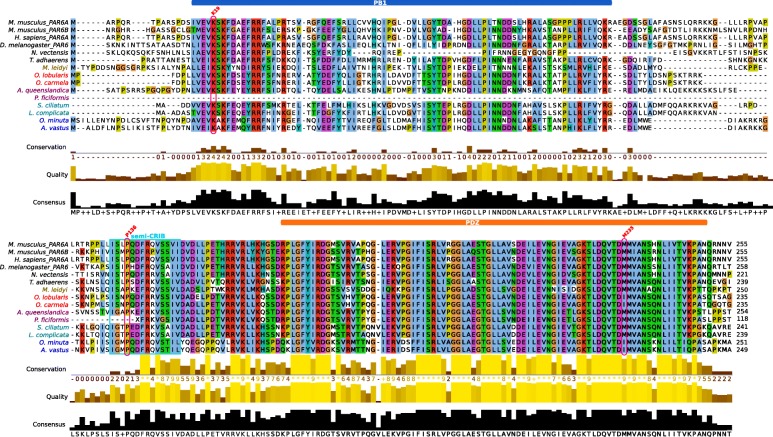
“2) interacts with aPKC through its PB1 domain and, in mouse Par6, lysine K19 is essential for this interaction [49].”
BackgroundPolarity Protein Complex Scribble/Lgl/Dlg And Epithelial Cell Barriers
Su, W.-H., Mruk, D. D., Wong, E. W. P., Lui, W., & Cheng, C. Y. (2013) · Advances in experimental medicine and biology · doi:10.1007/978-1-4614-4711-5_7 · Cited by 92 · cited 1×
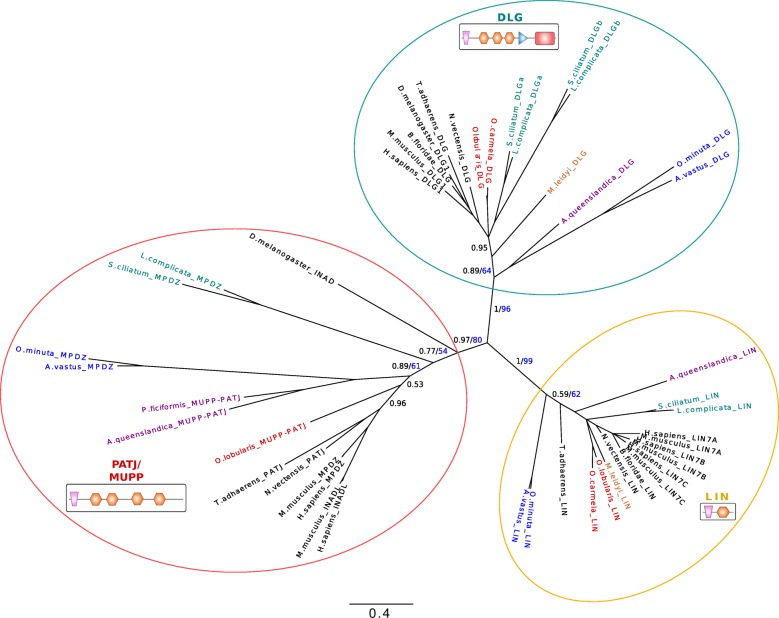
“Scribble is a LAP [LRR (leucine-rich repeats) and PDZ (PSD-95/Discslarge/ZO-1) domain] protein containing 16 LRRs and either one or four PDZ domains [40, 52].”
BackgroundCell-Cell Adhesion in the Cnidaria: Insights Into the Evolution of Tissue Morphogenesis
Magie, C. R., & Martindale, M. Q. (2008) · The Biological Bulletin · doi:10.2307/25470665 · Cited by 91 · cited 1×
“Interestingly, the epithelial features of Ctenophora are very different [14, 26, 27, 63, 64] leading to incongruent interpretations of authors concerning the presence or not of bona fide AJs.”
BackgroundLosing Complexity: The Role of Simplification in Macroevolution
O’Malley, M. A., Wideman, J. G., & Ruiz‐Trillo, I. (2016) · Trends in Ecology & Evolution · doi:10.1016/j.tree.2016.04.004 · Cited by 89
Complexities of Crumbs Function and Regulation in Tissue Morphogenesis
Pocha, S. M., & Knust, E. (2013) · Current Biology · doi:10.1016/j.cub.2013.03.001 · Cited by 77 · cited 1×
“These motifs are the signature of Crumbs proteins and are essential for their morphogenetic function [54, 55].”
BackgroundThe Evolutionary Origin of Epithelial Cell–Cell Adhesion Mechanisms
(2013) · Current Topics in Membranes · doi:10.1016/b978-0-12-417027-8.00008-8 · Cited by 76 · cited 4×
“Despite the diversity of epithelial structures among animals, apico-basal cell polarity and AJs are believed to be present in all extant animal phyla [3, 5, 6, 8, 15, 19].”
BackgroundInfluentialAdams, E. D. M., Goss, G. G., & Leys, S. P. (2010) · PLoS ONE · doi:10.1371/journal.pone.0015040 · Cited by 74 · cited 1×
“Despite the diversity of epithelial structures among animals, apico-basal cell polarity and AJs are believed to be present in all extant animal phyla [3, 5, 6, 8, 15, 19].”
BackgroundAnimal Evolution: Interrelationships of the Living Phyla
Nielsen, C. (2011) · doi:10.1093/acprof:oso/9780199606023.001.0001 · Cited by 74
Where is my mind? How sponges and placozoans may have lost neural cell types
Ryan, J. F., & Chiodin, M. (2015) · Philosophical Transactions of the Royal Society B: Biological Sciences · doi:10.1098/rstb.2015.0059 · Cited by 73
Crumbs proteins in epithelial morphogenesis
Bazellières, E., Assémat, E., Arsanto, J.-P., Bivic, A. L., & Massey‐Harroche, D. (2009) · Frontiers in bioscience · doi:10.2741/3368 · Cited by 67
Parfrey, L. W., & Lahr, D. J. G. (2013) · BioEssays · doi:10.1002/bies.201200143 · Cited by 65
Telford, M. J., Moroz, L. L., & Halanych, K. M. (2016) · Nature · doi:10.1038/529286a · Cited by 65
Wei, Z., Li, Y., Ye, F., & Zhang, M. (2015) · Journal of Biological Chemistry · doi:10.1074/jbc.m115.643791 · Cited by 64 · cited 1×
“Another feature of the FBM in bilaterians is the presence of two phosphorylation sites recognized by aPKC (TxGTYx), which regulates the binding to Moesin, an ERM protein [59].”
BackgroundRingrose, J. H., van den Toorn, H., Eitel, M., Post, H., Neerincx, P. B. T., Schierwater, B., Altelaar, M. A. F., & Heck, A. J. R. (2013) · Nature Communications · doi:10.1038/ncomms2424 · Cited by 64 · cited 1×
“For example, the basal lamina is absent from all but one sponge classes [11, 12], in placozoa [13] and in several ctenophoran species [14].”
BackgroundAdherens Junctions Modulate Diffusion between Epithelial Cells in Trichoplax adhaerens
Smith, C. L., & Reese, T. S. (2016) · The Biological Bulletin · doi:10.1086/691069 · Cited by 50
Pre-metazoan origins and evolution of the cadherin adhesome
Murray, P. S., & Zaidel-Bar, R. (2014) · Biology Open · doi:10.1242/bio.20149761 · Cited by 44 · cited 6×
“Since Dlg predates the emergence of metazoans (Dlg homologs have been reported in Choanoflagellata, Filasterea and Ichthyosporea)23,36,51 the absence of this key domain is probably due to secondary lost.”
BackgroundInfluentialEvo-devo of non-bilaterian animals
Lanna, E. (2015) · Genetics and Molecular Biology · doi:10.1590/s1415-475738320150005 · Cited by 43 · cited 1×
“including Cnidaria and Ctenophora [7– 9], yet a lack of molecular evidence prevents evolutionary interpretations of epithelial structures [4, 9, 10].”
BackgroundWhelan, N. V., Kocot, K. M., & Halanych, K. M. (2015) · Integrative and Comparative Biology · doi:10.1093/icb/icv037 · Cited by 43 · cited 1×
“One hypothesis favors ctenophores as a sister group of all other metazoans [35, 62], proposing that complex traits such as neurons and muscles might have been ac-”
BackgroundBivic, A. L. (2013) · American Journal of Physiology-Cell Physiology · doi:10.1152/ajpcell.00272.2013 · Cited by 41
Sponges as models to study emergence of complex animals
Adamska, M. (2016) · Current Opinion in Genetics & Development · doi:10.1016/j.gde.2016.05.026 · Cited by 40
Halanych, K. M., Whelan, N. V., Kocot, K. M., Kohn, A. B., & Moroz, L. L. (2016) · Proceedings of the National Academy of Sciences · doi:10.1073/pnas.1525332113 · Cited by 38
Clarke, D. N., Miller, P. W., Lowe, C. J., Weis, W. I., & Nelson, W. J. (2016) · Molecular Biology and Evolution · doi:10.1093/molbev/msw084 · Cited by 31 · cited 2×
“Cadherin and catenin families are present outside of metazoans, but the C-terminal catenin-binding motifs that define classical E-cadherins are a metazoan novelty [5, 36, 44].”
BackgroundCtenophores: an evolutionary-developmental perspective
Jager, M., & Manuel, M. (2016) · Current Opinion in Genetics & Development · doi:10.1016/j.gde.2016.05.020 · Cited by 27 · cited 1×
“Interestingly, the epithelial features of Ctenophora are very different [14, 26, 27, 63, 64] leading to incongruent interpretations of authors concerning the presence or not of bona fide AJs.”
BackgroundParallel Duplication and Partial Subfunctionalization of -Catenin/Armadillo during Insect Evolution
Bao, R., Fischer, T. D., Bolognesi, R., Brown, S. J., & Friedrich, M. (2011) · Molecular Biology and Evolution · doi:10.1093/molbev/msr219 · Cited by 23 · cited 2×
“In sponges and placozoans, β-catenin residues that were identified as essential for Ecadherin interaction [47] are highly conserved except for the R386 and N387 residues (respectively replaced by L and T) in two hexactinellids and a more anecdotic change: A656 - > S in placozoans.”
Background
Cited by
Ancient gene linkages support ctenophores as sister to other animals
Schultz, D. T., Haddock, S. H. D., Bredeson, J. V., Green, R. E., Simakov, O., & Rokhsar, D. S. (2023) · Nature · doi:10.1038/s41586-023-05936-6 · Cited by 362
The origin of animals: an ancestral reconstruction of the unicellular-to-multicellular transition
Ros-Rocher, N., Pérez-Posada, A., Leger, M. M., & Ruiz-Trillo, I. (2021) · Open Biology · doi:10.1098/rsob.200359 · Cited by 163
“Other components related to adherens junctions and cell polarity functions are fairly well conserved in sponges [105,136,155] with some homologues missing in ctenophores [156].”
BackgroundThe origin and evolution of Wnt signalling
Holzem, M., Boutros, M., & Holstein, T. W. (2024) · Nature Reviews Genetics · doi:10.1038/s41576-024-00699-w · Cited by 121
“Morphologically, Ctenophora have different modes of epithelial organization to other Metazoa, which would fit with the lack of PCP pathway non-canonical Wnt signalling in Ctenophora, given its involvement in cellular orientation and polarity 108,113,117 (Fig.”
A non-bilaterian perspective on the development and evolution of animal digestive systems
Steinmetz, P. R. H. (2019) · Cell and Tissue Research · doi:10.1007/s00441-019-03075-x · Cited by 67
“…have revealed the presence of some typical epithelial components (cell polarity and cell junction genes), and a capacity to seal their internal space from the environment (Adams et al. 2010; Belahbib et al. 2018; Fahey and Degnan 2010; Leys and Hill 2012; Leys et al. 2009; Riesgo et al. 2014).”
BackgroundThe primitive streak and cellular principles of building an amniote body through gastrulation
Sheng, G., Martinez-Arias, A., & Sutherland, A. E. (2021) · Science · doi:10.1126/science.abg1727 · Cited by 72
“Nevertheless, comparative genomics and molecular phylogeny studies have shown that most of the genes involved in epithelial organization are present in sponge genomes (15, 16), as are someof the genes involved in germlayer formation in Bilateria (the protostomes and deuterostomes, including all vertebrate species) (14…”
Metadata
- Authors
- Belahbib, H., Renard, E., Santini, S., Jourda, C., Claverie, J.-M., Borchiellini, C., & Le Bivic, A.
- Affiliations
- Aix-Marseille Université (FR)
- Centre de Coopération Internationale en Recherche Agronomique pour le Développement (FR)
- Corresponding author
- Claverie, Jean-Michel
- Borchiellini, Carole
- ORCID
- Venue
- BMC Genomics
- Published
- 2018-05-24
- Volume
- 19
- Issue
- 1
- Pages
- 393-393
- ISSN
- 1471-2164 (ISSN-L)
- PMC
- PMC5968619
- OpenAlex
- W2782376870
- Cited by
- 71
- References
- 93
- Citations by year
- 2026: 1 · 2025: 4 · 2024: 10 · 2023: 9 · 2022: 7 · 2021: 17 · 2020: 7 · 2019: 14 · 2018: 2
- FWCI
- 7.36
- Type
- journal article
- Language
- en
- Open access
- gold
- doi.org
- Licence
- cc-by
- creativecommons.org/licenses/by/4.0/ (tdm)
- Locations
- BMC Genomics (publishedVersion, cc-by)
- bioRxiv (Cold Spring Harbor Laboratory) (acceptedVersion)
- Europe PMC (PubMed Central) (publishedVersion, other-oa)
- PubMed Central (publishedVersion, cc-by)
- PubMed (publishedVersion)
- HAL AMU (submittedVersion, cc-by)
- HAL (submittedVersion)
- HAL (submittedVersion, other-oa)
- Agritrop (Cirad) (submittedVersion)
- DOAJ (DOAJ: Directory of Open Access Journals) (submittedVersion, cc-by-sa)
- Funders
- A*MIDEX
- Aix-Marseille Université
- CNRS
- Topics
- Life Sciences › Agricultural and Biological Sciences › Animal Science and Zoology › Marine Invertebrate Physiology and Ecology
- Life Sciences › Biochemistry, Genetics and Molecular Biology › Molecular Biology › Developmental Biology and Gene Regulation
- Life Sciences › Biochemistry, Genetics and Molecular Biology › Biotechnology › Marine Sponges and Natural Products
- Keywords
- sponges, Placozoa, Ctenophora, E-cadherin, Crumbs complex, Scribble, metazoan origin
- MeSH terms
- Protein Domains, Amino Acid Sequence, Animals, Epithelium, Porifera, Cadherins, Evolution, Molecular, Adherens Junctions, Genomics, Ctenophora
About these checks
Registry, retraction, Cites and statistics results are computed, not judged, with one exception: a printed reference that no index lists is read once by a model before it counts as a citation error. Claims are extracted by a model and kept only when their quote appears verbatim in the text; each cited source is then checked, with a model’s help, for whether it says what the claim relies on. Those verdicts can be wrong — read the claim’s quote and the cited source before relying on one.
Statistics and arithmetic are recomputed, not judged.
Confidence bands are shown only for fields calibrated on our annotated test set. None is calibrated yet, so no band is shown.
What counts as a claim ›How we measure confidence ›How we check this ›
Are you an author, or do you see a problem with this page? Request a review
Data sources
Bibliographic data: Semantic Scholar, OpenAlex, Crossref.
Contains information from the Semantic Scholar Academic Graph Datasets, made available under the ODC Attribution License (ODC-BY 1.0).
Semantic Scholar’s data is described in: Kinney, R., et al. (2023). The Semantic Scholar Open Data Platform. arXiv:2301.10140.
