

The DOI matches its Crossref record; 31 of the 32 references it cites were found in a registry or an index.
Ranking treatments in frequentist network meta-analysis works without resampling methods
Open accessAbstract
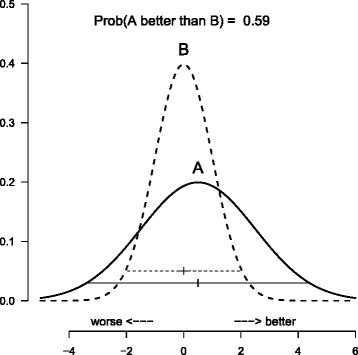
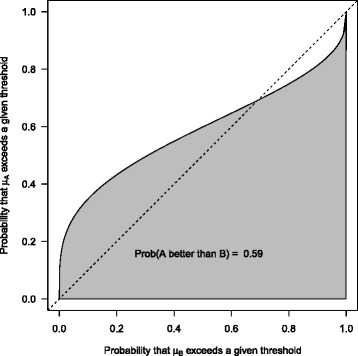
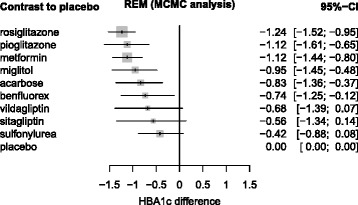
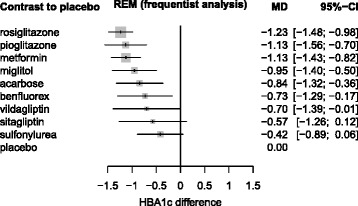
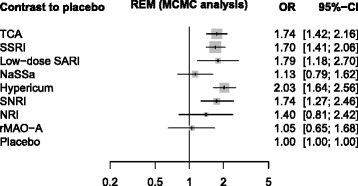
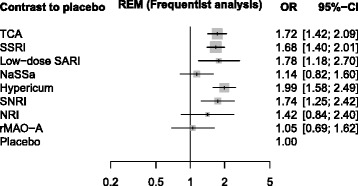
BACKGROUND: Network meta-analysis is used to compare three or more treatments for the same condition. Within a Bayesian framework, for each treatment the probability of being best, or, more general, the probability that it has a certain rank can be derived from the posterior distributions of all treatments. The treatments can then be ranked by the surface under the cumulative ranking curve (SUCRA). For comparing treatments in a network meta-analysis, we propose a frequentist analogue to SUCRA which we call P-score that works without resampling. METHODS: P-scores are based solely on the point estimates and standard errors of the frequentist network meta-analysis estimates under normality assumption and can easily be calculated as means of one-sided p-values. They measure the mean extent of certainty that a treatment is better than the competing treatments. RESULTS: Using case studies of network meta-analysis in diabetes and depression, we demonstrate that the numerical values of SUCRA and P-Score are nearly identical. CONCLUSIONS: Ranking treatments in frequentist network meta-analysis works without resampling. Like the SUCRA values, P-scores induce a ranking of all treatments that mostly follows that of the point estimates, but takes precision into account. However, neither SUCRA nor P-score offer a major advantage compared to looking at credible or confidence intervals.
Overview
The claims and statistics of this paper haven’t been checked yet.
Run the check — free, no account needed. It reads the open-access text and checks the sources it cites.
Integrity signals
Registry
Cites
Statistics
Figures
Verification
Claims the paper makes
The claims and statistics of this paper haven’t been checked yet.
Run the check — free, no account needed. It reads the open-access text and checks the sources it cites.
Claims other papers make about this one
Each is checked against this paper’s own text: does it say what the citing paper says it does?
The source backs part of the claim, not all of it — or backs it for a different population, condition or comparison.
In the citing paper
“This approach is often misleading, as it considers only the point estimate of effect and not the associated precision or certainty of evidence and ignores absolute differences between treatment alternatives.[56][57][58]”
From Management of chronic pain secondary to temporomandibular disorders: a systematic review and network meta-analysis of randomised trials (2023) · cites this paper as [57]
Experimental — accuracy not yet measured
Self-check
Percentages, sums and reported differences re-computed from the paper’s own numbers.
The self-check needs the paper’s full text.
Citations
Cites
R: A Language and Environment for Statistical Computing
R Core Team (2000) · doi:10.32614/r.manuals · Cited by 355,893
Statistical significance for genomewide studies
Storey, J. D., & Tibshirani, R. (2003) · Proceedings of the National Academy of Sciences · doi:10.1073/pnas.1530509100 · Cited by 9,692
Salanti, G., Ades, A. E., & Ioannidis, J. P. A. (2011) · Journal of Clinical Epidemiology · doi:10.1016/j.jclinepi.2010.03.016 · Cited by 3,766
Graphical tools for network meta-analysis in STATA
Chaimani, A., Higgins, J. P. T., Mavridis, D., Spyridonos, P., & Salanti, G. (2013) · PLoS ONE · doi:10.1371/journal.pone.0076654 · Cited by 2,473
Salanti, G. (2012) · Research Synthesis Methods · doi:10.1002/jrsm.1037 · Cited by 1,729
Cipriani, A., Furukawa, T. A., Salanti, G., Geddes, J. R., Higgins, J. P., Churchill, R., Watanabe, N., Nakagawa, A., Omori, I. M., McGuire, H., et al. (2009) · The Lancet · doi:10.1016/s0140-6736(09)60046-5 · Cited by 1,654
Dias, S., Sutton, A. J., Ades, A. E., & Welton, N. J. (2013) · Medical Decision Making · doi:10.1177/0272989x12458724 · Cited by 1,207
White, I. R., Barrett, J. K., Jackson, D., & Higgins, J. P. T. (2012) · Research Synthesis Methods · doi:10.1002/jrsm.1045 · Cited by 1,114
Jansen, J. P., Fleurence, R., Devine, B., Itzler, R. F., Barrett, A., Hawkins, N., Lee, K., Boersma, C., Annemans, L., & Cappelleri, J. C. (2011) · Value in Health · doi:10.1016/j.jval.2011.04.002 · Cited by 1,029
Hoaglin, D. C., Hawkins, N., Jansen, J. P., Scott, D. A., Itzler, R. F., Cappelleri, J. C., Boersma, C., Thompson, D., Larholt, K. M., Díaz, M., et al. (2011) · Value in Health · doi:10.1016/j.jval.2011.01.011 · Cited by 769
Cited by
Sorted by citations
Items 201–300 of 1,003
Held, S., Speer, K., Rappelt, L., Wicker, P. V., & Donath, L. (2022) · Frontiers in Physiology · doi:10.3389/fphys.2022.926972 · Cited by 51
“P-scores range from 0 to 100%, with 0 or 1 being the theoretically worst and best treatment, respectively, (Rücker and Schwarzer, 2015).”
BackgroundMethodInfluentialIftikhar, I. H., Alghothani, L., & Trotti, L. M. (2017) · European Journal of Neurology · doi:10.1111/ene.13449 · Cited by 54
“Forest plots, also called CI plots, were drawn in the active graphics window in R [11].”
MethodSridharan, K., & Sivaramakrishnan, G. (2017) · British Journal of Clinical Pharmacology · doi:10.1111/bcp.13470 · Cited by 52
Eusebi, L. H., Black, C. J., Howden, C. W., & Ford, A. C. (2019) · BMJ · doi:10.1136/bmj.l6483 · Cited by 54
Fountain, D. M., Bryant, A., Barone, D. G., Waqar, M., Hart, M. G., Bulbeck, H., Kernohan, A., Watts, C., & Jenkinson, M. D. (2021) · Cochrane Database of Systematic Reviews · doi:10.1002/14651858.cd013630.pub2 · Cited by 56
“Rücker 2015 Rücker G, Schwarzer G. Ranking treatments in frequentist network meta-analysis works without resampling methods.”
MethodHenry, J. H., Amoo, M., Kissner, M. P., Deane, T., Zilani, G., Crockett, M. T., & Javadpour, M. (2022) · Neurosurgery · doi:10.1227/neu.0000000000002144 · Cited by 54
Chen, R., Guo, Y., Kuang, Y., & Zhang, Q. (2024) · International Journal of Nursing Studies · doi:10.1016/j.ijnurstu.2024.104698 · Cited by 52
Cuffe, M. S., Staudacher, H. M., Aziz, I., Adame, E. C., Krieger‐Grübel, C., Madrid, A. M., Ohlsson, B., Black, C. J., & Ford, A. C. (2025) · The Lancet. Gastroenterology & hepatology · doi:10.1016/s2468-1253(25)00054-8 · Cited by 62
Continuously updated network meta-analysis and statistical monitoring for timely decision-making
Nikolakopoulou, A., Mavridis, D., Egger, M., & Salanti, G. (2016) · Statistical Methods in Medical Research · doi:10.1177/0962280216659896 · Cited by 49
“Probabilities for each treatment being at each possible rank can be obtained and the surface under the cumulative ranking probabilities (SUCRAs) and their equivalent P-scores or mean ranks can be illustrated in graphs.(54,55) As these measures are based on the estimated summary effects at each update, Nikolakopoulou e…”
BackgroundKamarajah, S. K., Bundred, J., Singh, P., Pasquali, S., & Griffiths, E. A. (2020) · BJS Open · doi:10.1002/bjs5.50298 · Cited by 51
Gnanenthiran, S. R., Borghi, C., Burger, D. E., Caramelli, B., Charchar, F. J., Chirinos, J. A., Cohen, J. B., Crémer, A., Tanna, G. L. D., Duvignaud, A., et al. (2022) · Journal of the American Heart Association · doi:10.1161/jaha.122.026143 · Cited by 49
“We reported resulting rankograms and P scores 31 : these allow rank treatments on a continuous scale (with a 0– 1 range, the higher the better) and are the frequentist analog of the surface under the cumulative ranking curve.”
Ramadanov, N., Jóźwiak, K., Hauptmann, M., Lazaru, P., Marinova-Kichikova, P., Dimitrov, D., & Becker, R. (2023) · Journal of Orthopaedic Surgery and Research · doi:10.1186/s13018-023-04114-8 · Cited by 55
“In addition, we ranked the operations based on the cumulative probabilities for the highest to the lowest priority operations using the surface under the cumulative ranking curve (SUCRA) values obtained with 1000 simulations [22].”
MethodKishan, A. U., Wang, X., Sun, Y., Romero, T., Michalski, J. M., Ma, T. M., Feng, F. Y.-C., Sandler, H. M., Bolla, M., Maingon, P., et al. (2022) · European Urology · doi:10.1016/j.eururo.2022.04.003 · Cited by 48
Kunze, K. N., Bovonratwet, P., Polce, E. M., Paul, K., & Sculco, P. K. (2022) · JAAOS Global Research and Reviews · doi:10.5435/jaaosglobal-d-21-00200 · Cited by 48
Aziz, M., Haghbin, H., Sayeh, W., Alfatlawi, H., Gangwani, M. K., Sohail, A. H., Zahdeh, T., Weissman, S. I., Kamal, F., Lee‐Smith, W., et al. (2022) · Journal of Clinical Gastroenterology · doi:10.1097/mcg.0000000000001813 · Cited by 48
“For procedural times, that is, WT and CIT, the higher P-score denote lower time to achieve these [10].”
BackgroundPuledda, F., Younis, S., Huessler, E., Haghdoost, F., Martinez, M. L., Goadsby, P. J., & Tassorelli, C. (2023) · Cephalalgia · doi:10.1177/03331024231151419 · Cited by 48
“All treatments were ranked based on primary and secondary outcomes with P scores, a frequentist analogue to the Surface Under the Cumulative RAnking curve (SUCRA) with a similar interpretation (21).”
MethodKiesswetter, E., Stadelmaier, J., Πετροπούλου, Μ., Morze, J., Grummich, K., Roux, I., Lay, R., Himmelsbach, L., Kussmann, M., Roeger, C., et al. (2023) · Advances in Nutrition · doi:10.1016/j.advnut.2023.03.004 · Cited by 49
“Interventions were ranked using P scores, a frequentist version of the surface under the cumulative ranking curve [37].”
MethodSalahuddin, N. H., Schütz, A., Pitschel‐Walz, G., Mayer, S. F., Chaimani, A., Siafis, S., Priller, J., Leucht, S., & Bighelli, I. (2024) · The Lancet Psychiatry · doi:10.1016/s2215-0366(24)00136-6 · Cited by 48
Rhim, H. C., Kim, M. S., Choi, S.-I., & Tenforde, A. S. (2020) · Orthopaedic Journal of Sports Medicine · doi:10.1177/2325967120930567 · Cited by 51
“The rank of effect estimation for each therapy was calculated by use of the surface-under-the–cumulative ranking (SUCRA) curve of P rank score of R software.(55)”
MethodStuart, B., Maund, E., Wilcox, C., Sridharan, K., Sivaramakrishnan, G., Regas, C., Newell, D., Soulsby, I., Tang, K. F., Finlay, A. Y., et al. (2021) · British Journal of Dermatology · doi:10.1111/bjd.20080 · Cited by 48
Rücker, G., Schmitz, S., & Schwarzer, G. (2020) · Biometrical Journal · doi:10.1002/bimj.201900339 · Cited by 47
“P-scores are mean ranks, scaled such that 1 is best and 0 is worst and thus corresponding to the Bayesian “surface under the cumulative ranking curve” (SUCRA) values (Salanti, Ades, & Ioannidis, 2011).”
MethodInfluentialSelf-citationKang, D. H., Cho, K. S., Ham, W. S., Lee, H., Kwon, J. K., Choi, Y. D., & Lee, J. Y. (2016) · PLoS ONE · doi:10.1371/journal.pone.0158661 · Cited by 48
“572) and high-frequency SWL (P-score 0) in terms of the success rate [31].”
Glossary for systematic reviews and meta‐analyses
Nagendrababu, V., Dilokthornsakul, P., Jinatongthai, P., Veettil, S. K., Pulikkotil, S. J., Duncan, H. F., & Dummer, P. M. H. (2019) · International Endodontic Journal · doi:10.1111/iej.13217 · Cited by 47
Leshem, R., Bar‐Oz, B., Diav‐Citrin, O., Gbaly, S., Soliman, J., Renoux, C., & Matok, I. (2021) · Current Neuropharmacology · doi:10.2174/1570159x19666210303121059 · Cited by 54
Armstrong, A. W., Soliman, A. M., Betts, K. A., Wang, Y., Gao, Y., Stakias, V., & Puig, L. (2021) · Dermatology and Therapy · doi:10.1007/s13555-021-00647-0 · Cited by 47
“While the efficacy and safety of each treatment can be compared numerically using the posterior median for the proportion and the SUCRA value, neither measure can provide a formal statistical comparison between each pair of treatments.”
MethodInfluentialThe maximum phonation time as marker for voice treatment efficacy: A network meta‐analysis
Latoszek, B. B. V., Watts, C. R., Schwan, K., & Hetjens, S. (2022) · Clinical Otolaryngology · doi:10.1111/coa.14019 · Cited by 46
“to the area under the Bayesian cumulative ranking curve, without the need for resampling methods.(26) It is an easy analytic method based on frequentist point estimates and their standard errors.”
MethodMartínez‐Vizcaíno, V., Cavero‐Redondo, I., Reina‐Gutiérrez, S., Gracia‐Marco, L., Gil-Cosano, J. J., Bizzozero‐Peroni, B., Rodríguez‐Artalejo, F., & Ubago‐Guisado, E. (2023) · Journal of sport and health science/Journal of Sport and Health Science · doi:10.1016/j.jshs.2023.01.002 · Cited by 51
Duan, L., Zhang, S., Yan, Q., & Hu, X. (2025) · Psycho-Oncology · doi:10.1002/pon.70078 · Cited by 47
Samy, A., Raslan, A. N., Talaat, B., Lithy, A. E., Sharkawy, M. E., Sharaf, M. F., Hussein, A. H., Amin, A. H., Ibrahim, A., El-Sherbiny, W., et al. (2019) · Fertility and Sterility · doi:10.1016/j.fertnstert.2019.09.016 · Cited by 46
Buonerba, C., Dolce, P., Iaccarino, S., Scafuri, L., Verde, A., Costabile, F., Pagliuca, M., Morra, R. P., Riccio, V., Ribera, D., et al. (2020) · Cancers · doi:10.3390/cancers12020408 · Cited by 46
“On the basis of a frequentist treatment ranking method, we computed the P-scores, which measure the extent of certainty that one treatment is better than another treatment, averaged over all competing treatments [13].”
MethodMortada, H. H., AlNojaidi, T. F., AlRabah, R., Almohammadi, Y., AlKhashan, R., & Aljaaly, H. A. (2022) · The Breast Journal · doi:10.1155/2022/7857158 · Cited by 48
“(is type of analysis has been used as an alternative to SUCRA scoring which has been used in the Bayesian network models [52].”
MethodXiang, Y., Cipriani, A., Teng, T., Del Giovane, C., Zhang, Y., Weisz, J. R., Li, X., Cuijpers, P., Liu, X., Barth, J., et al. (2021) · Evidence-Based Mental Health · doi:10.1136/ebmental-2021-300346 · Cited by 47
“26 To determine whether the results were affected by study characteristics, we did a meta-regression for each outcome according to the following variables: publication year, mean age, the percentage of female patients, sample size, number of treatment sessions, treatment duration, follow-up…”
Bergman, H., Walker, D., Nikolakopoulou, A., Soares‐Weiser, K., & Adams, C. E. (2017) · Health Technology Assessment · doi:10.3310/hta21430 · Cited by 45
“Relative ranking of treatments Table 11 shows the p-scores of the treatments involved in the outcomes ‘no clinical improvement of TD symptoms’ and ‘total discontinuation rates’ (networks of Figures 14 and 17), which are frequent analogues of SUCRAs.(171,172) Neuroleptic withdrawal (placebo) Switch to FGA (any)”
BackgroundMethodJung, A., Eschke, R.-C., Struss, J., Taucher, W. K., & Luedtke, K. (2022) · Cephalalgia · doi:10.1177/03331024221082073 · Cited by 45
“The ranking of treatments was assessed using the P-score, which is a frequentist analogue to the SUCRA-value of the Bayesian approach (20).”
BackgroundMethodOlsen, U., Lindberg, M. F., Rose, C. J., Denison, E., Gay, C., Aamodt, A., Brox, J. I., Skare, Ø., Furnes, O. N., Lee, K. A., et al. (2022) · JAMA Network Open · doi:10.1001/jamanetworkopen.2022.19636 · Cited by 46
Reina‐Varona, Á., Madroñero‐Miguel, B., Fierro‐Marrero, J., Paris‐Alemany, A., & Touche, R. L. (2024) · Headache The Journal of Head and Face Pain · doi:10.1111/head.14696 · Cited by 52
Gagelmann, N., Ljungman, P. T., Styczyński, J., & Kröger, N. M. (2018) · Transplantation and Cellular Therapy · doi:10.1016/j.bbmt.2018.05.017 · Cited by 45
Hurley, E. T., Colasanti, C. A., Anil, U., Luthringer, T. A., Alaia, M. J., Campbell, K. A., Jazrawi, L. M., & Strauss, E. J. (2020) · The American Journal of Sports Medicine · doi:10.1177/0363546520975435 · Cited by 45
Evaluation of Long-term Clearance Rates of Interventions for Actinic Keratosis
Steeb, T., Wessely, A., Petzold, A., Brinker, T. J., Schmitz, L., Leiter, U., Garbe, C., Schöffski, O., Berking, C., & Heppt, M. V. (2021) · JAMA Dermatology · doi:10.1001/jamadermatol.2021.2779 · Cited by 45
Network Meta-Analysis Techniques for Synthesizing Prevention Science Evidence
Seitidis, G., Nikolakopoulos, S., Hennessy, E., Tanner‐Smith, E. E., & Mavridis, D. (2021) · Prevention Science · doi:10.1007/s11121-021-01289-6 · Cited by 45
“An alternate approach that is recommended for ranking is the use of P -scores, which measure the mean extent of certainty that a treatment is better than the competing treatments (Rücker & Schwarzer, 2015).”
Lewis, S. R., Macey, R., Lewis, J., Stokes, J. R., Gill, J. R., Cook, J. A., Eardley, W., Parker, M. J., & Griffin, X. L. (2022) · Cochrane Database of Systematic Reviews · doi:10.1002/14651858.cd013405.pub2 · Cited by 46
Samy, A., Taher, A. M., Sileem, S., Abdelhakim, A. M., Fathi, M. M., Haggag, H. M., Ashour, K., Ahmed, S. A., Shareef, M. A., AlAmodi, A. A., et al. (2020) · Journal of Gynecology Obstetrics and Human Reproduction · doi:10.1016/j.jogoh.2020.101798 · Cited by 44
Avgerinos, I., Manolopoulos, A., Michailidis, T., Kitsios, K., Liakos, A., Karagiannis, T., Dimitrakopoulos, K., Matthews, D. R., Τσάπας, Α., & Bekiari, E. (2020) · Diabetes Obesity and Metabolism · doi:10.1111/dom.14291 · Cited by 44
“We ranked treatments by means of P-scores, a frequentist analogue of the Surface Under the Cumulative Ranking curve (SUCRA).(16) We evaluated consistency both locally, using the back-”
MethodCanellas, J. V. D. S., Drugos, L., Ritto, F., Fischer, R. G., & Medeiros, P. J. D. (2021) · British Journal of Oral and Maxillofacial Surgery · doi:10.1016/j.bjoms.2021.02.009 · Cited by 44
Ismaila, A., Haeussler, K., Czira, A., Youn, J.-H., Malmenäs, M., Risebrough, N. A., Agarwal, J., Nassim, M., Sharma, R. K., Compton, C. H., et al. (2022) · Advances in Therapy · doi:10.1007/s12325-022-02231-0 · Cited by 44
“In the current NMA, we used a frequentist approach as described by Rücker and colleagues [40].”
MethodResultInfluentialKuno, T., Watanabe, A., Shoji, S., Fujisaki, T., Ueyama, H. A., Takagi, H., Deharo, P., Cuisset, T., Bangalore, S., Mehran, R., et al. (2023) · Circulation Cardiovascular Interventions · doi:10.1161/circinterventions.123.013242 · Cited by 44
Christidis, N., Al‐Moraissi, E. A., Barjandi, G., Svedenlöf, J., Jasim, H., Christidis, M., & Collin, M. (2023) · Drugs · doi:10.1007/s40265-023-01971-9 · Cited by 44
“Statistical models used in this NMA were according to multiple published statistics and assumptions [44–48].”
Software and package applicating for network meta‐analysis: A usage‐based comparative study
Xu, C., Niu, Y., Wu, J., Gu, H.-Y., & Zhang, C. (2017) · Journal of Evidence-Based Medicine · doi:10.1111/jebm.12264 · Cited by 43
Chierici, A. P., Chevalier, N., & Iannelli, A. (2022) · International Journal of Surgery · doi:10.1016/j.ijsu.2022.106677 · Cited by 47
Common bile duct stones management: A network meta-analysis
Mohseni, S., Bass, G. A., Forssten, M. P., Martínez-Casas, I., Martin, M. J., Davis, K. A., Haut, E. R., Sugrue, M., Kurihara, H., Sarani, B., et al. (2022) · The Journal of Trauma: Injury, Infection, and Critical Care · doi:10.1097/ta.0000000000003755 · Cited by 43
“The rank probability was calculated according to the method suggested by Rücker et al.(13) The statistical analyses were completed in R 4.”
MethodInfluentialCASSAI, A. D., Sella, N., Geraldini, F., Tulgar, S., Ahişkalıoğlu, A., Dost, B., Manfrin, S., Karapınar, Y. E., Paganini, G., Beldağlı, M., et al. (2022) · Korean Journal of Anesthesiology · doi:10.4097/kja.22366 · Cited by 43
“The methods were ranked based on the frequentist analog of the surface under the cumulative ranking curve [17].”
MethodPan, B., Ge, L., Lai, H., Hou, L., Tian, C., Wang, Q., Yang, K., Lü, Y., Zhu, H., Li, M., et al. (2023) · Drugs · doi:10.1007/s40265-023-01859-8 · Cited by 44
“These scores measured the extent of certainty that one treatment was better than another, averaged over all competing treatments [31].”
BackgroundSurgical treatment for long head of the biceps tendinopathy: a network meta-analysis
Anil, U., Hurley, E. T., Kingery, M. T., Pauzenberger, L., Mullett, H., & Strauss, E. J. (2020) · Journal of Shoulder and Elbow Surgery · doi:10.1016/j.jse.2019.10.021 · Cited by 43
Kong, X., Song, N., Chen, L., & Li, Y. (2024) · BMC Oral Health · doi:10.1186/s12903-024-04919-x · Cited by 62
“A higher SUCRA value corresponds to a higher ranking compared with other treatments [37, 38].”
BackgroundBaker, J. J., Öberg, S., Andresen, K., Klausen, T. W., & Rosenberg, J. (2017) · British journal of surgery · doi:10.1002/bjs.10720 · Cited by 42
Schwingshackl, L., Nitschke, K., Zähringer, J., Bischoff, K., Lohner, S., Torbahn, G., Schlesinger, S., Schmucker, C. M., & Meerpohl, J. J. (2020) · Advances in Nutrition · doi:10.1093/advances/nmaa056 · Cited by 46
“Random-effects NMA was performed for 4 outcomes [body weight (BW), waist circumference (WC), fat mass (FM), and EI], and surface under the cumulative ranking curve (SUCRA) was estimated using a frequentist approach (P-score: value is between 0 and 1).”
MethodFluid loading therapy to prevent spinal hypotension in women undergoing elective caesarean section
Rijs, K., Mercier, F. J., Lucas, D. N., Rossaint, R., Klimek, M., & Heesen, M. A. (2020) · European Journal of Anaesthesiology · doi:10.1097/eja.0000000000001371 · Cited by 42
Korang, S. K., Juul, S., Nielsen, E. E., Feinberg, J. B., Siddiqui, F., Ong, G., Klingenberg, S. L., Veroniki, A. A., Bu, F.-L., Thabane, L., et al. (2020) · Systematic Reviews · doi:10.1186/s13643-020-01516-1 · Cited by 44
Hou, L., Li, X., Yan, P., Li, Y., Wu, Y., Yang, Q., Shi, X., Ge, L., & Yang, K. (2021) · Breastfeeding Medicine · doi:10.1089/bfm.2020.0364 · Cited by 45
“31 We additionally performed a sensitivity analysis to compare the robustness of results using different statistical models (random versus fixed-effects).”
Predictive P-score for treatment ranking in Bayesian network meta-analysis
Rosenberger, K. J., Duan, R., Chen, Y., & Lin, L. (2021) · BMC Medical Research Methodology · doi:10.1186/s12874-021-01397-5 · Cited by 41
“Pk = (K − Rk)/(K − 1) ; this corresponds to the findings by Rücker and Schwarzer [14].”
BackgroundMethodResultInfluentialŚladowska, K., Kawalec, P., Holko, P., & Osiecka, O. (2022) · Neurological Sciences · doi:10.1007/s10072-022-06197-3 · Cited by 45
Ludyga, S., Held, S., Rappelt, L., Donath, L., & Klatt, S. (2022) · European Journal of Sport Science · doi:10.1080/17461391.2022.2099765 · Cited by 43
“A ranking of intervention effectiveness was conducted based on P-scores (Rücker & Schwarzer, 2015), which are analogous to surface under cumulative ranking values in Bayesian NMA (Mbuagbaw et al., 2017).”
BackgroundMethodWei, D., Chen, Y., Shen, Y., Xie, B., & Song, X. (2023) · Frontiers in Immunology · doi:10.3389/fimmu.2023.1152513 · Cited by 41
“SUCRA values range from 0 to 100, and the closer it is to 100, the better the intervention (11).”
BackgroundRogdaki, M., McCutcheon, R. A., D'Ambrosio, E., Mancini, V., Watson, C. J., Fanshawe, J. B., Carr, R., Telesia, L., Martini, M. G., Philip, A., et al. (2024) · The Lancet Child & Adolescent Health · doi:10.1016/s2352-4642(24)00098-1 · Cited by 41
Systematic review with network meta-analysis
Zhang, X., & Liang, H. (2019) · Medicine · doi:10.1097/md.0000000000016360 · Cited by 43
“To obtain a better interpretation of ORs, the probability of every intervention was calculated in order to find the most effective methods based on a Bayesian approach that employs probability values summarized as the surface under the cumulative ranking curve (SUCRA), the significance or difference in the larger the…”
Marotta, N., Demeco, A., Indino, A., de Scorpio, G., Moggio, L., & Ammendolia, A. (2020) · Disability and Rehabilitation · doi:10.1080/09638288.2020.1768301 · Cited by 44
“NMA is used to compare three or more treatments for the same condition [24], to assess the relative effectiveness of two treatments when they have not been compared directly in a randomised trial but have each been compared to the similar control group [25].”
MethodAldin, A., Besiroglu, B., Adams, A., Monsef, I., Piechotta, V., Tomlinson, E., Hornbach, C., Dressen, N., Goldkuhle, M., Maisch, P., et al. (2023) · Cochrane Database of Systematic Reviews · doi:10.1002/14651858.cd013798.pub2 · Cited by 40
Gao, Y., Liu, M., Yao, L., Yang, Z., Chen, Y., Niu, M., Sun, Y., Ji, C., Hou, L., Sun, F., et al. (2022) · Journal of Evidence-Based Medicine · doi:10.1111/jebm.12485 · Cited by 43
Lee, S. F., Kennedy, S. K. F., Caini, S., Wong, H. C. Y., Yip, P. L., Poortmans, P. M., Meattini, I., Kaidar‐Person, O., Recht, A., Hijal, T., et al. (2024) · BMJ · doi:10.1136/bmj-2023-079089 · Cited by 40
“29 All P values were two tailed, and we considered P values of 0.05 to be statistically significant.”
InfluentialAkter, S., Rahman, M. M., Rouyard, T., Aktar, S., Nsashiyi, R. S., & Nakamura, R. (2024) · Nature Human Behaviour · doi:10.1038/s41562-024-02002-7 · Cited by 49
You, W., Liu, M., Miao, J., Liao, Y., Song, Y.-B., Cai, D.-K., Gao, Y., & Peng, H. (2018) · Journal of Cancer · doi:10.7150/jca.22361 · Cited by 40
“A P-score, proposed by Rücker and Schwarzer [4] as a frequentist analog to surface under the cumulative ranking curve [5, 6] would be 0% for the worst treatment.”
MethodA generalized pairwise modelling framework for network meta-analysis
Doi, S. A. R., & Barendregt, J. J. (2018) · International Journal of Evidence-Based Healthcare · doi:10.1097/xeb.0000000000000140 · Cited by 40
Mavridis, D., Porcher, R., Nikolakopoulou, A., Salanti, G., & Ravaud, P. (2019) · Biometrical Journal · doi:10.1002/bimj.201900026 · Cited by 39
“Rücker and Schwarzer (2015) developed a measure called P-scores, which is equivalent to SUCRA but is not simulation-based and can be computed analytically.”
BackgroundInfluentialSayed, A. M., Morsy, S., Tawfik, G. M., Naveed, S., Duc, N. T. M., Hieu, T. H., Ali, Z. A., Shinkar, A., Doheim, M. F., Hashan, M. R., et al. (2020) · General Hospital Psychiatry · doi:10.1016/j.genhosppsych.2020.02.001 · Cited by 40
Tsai, S., Ding, Y., Shih, M., & Tu, Y. (2020) · Journal Of Clinical Periodontology · doi:10.1111/jcpe.13338 · Cited by 40
Phinyo, P., Koompawichit, P., Nochaiwong, S., Tovanabutra, N., Chiewchanvit, S., & Chuamanochan, M. (2020) · The Journal of Allergy and Clinical Immunology In Practice · doi:10.1016/j.jaip.2020.08.055 · Cited by 41
Gaitán‐Duarte, H., Álvarez, C., Rincón, C., González, N. Y., Cortés, J. A., Villar, J. C., Bravo-Ojeda, J. S., García-Peña, Á. A., Jaimes, W. A., Rodríguez, V., et al. (2021) · EClinicalMedicine · doi:10.1016/j.eclinm.2021.101242 · Cited by 42
Noninvasive respiratory support after extubation: a systematic review and network meta-analysis
Boscolo, A., Pettenuzzo, T., Sella, N., Zatta, M., Salvagno, M., Tassone, M., Pretto, C., Peralta, A., Muraro, L., Zarantonello, F., et al. (2023) · European Respiratory Review · doi:10.1183/16000617.0196-2022 · Cited by 39
“SUCRA represents the overall ranking of each treatment for the specified outcome and ranges from 0 (minimum) to 1 (maximum) [38, 39].”
Conservative Treatments in the Management of Acute Painful Vertebral Compression Fractures
Alimy, A., Anastasilakis, A. D., CAREY, J. J., D’Oronzo, S., Naciu, A. M., Paccou, J., Yavropoulou, M. P., Lems, W. F., & Rolvien, T. (2024) · JAMA Network Open · doi:10.1001/jamanetworkopen.2024.32041 · Cited by 45
Efficacy and safety of intranasal medications for allergic rhinitis: Network meta‐analysis
Sousa‐Pinto, B., Vieira, R. J., Bognanni, A., Gil‐Mata, S., Ferreira‐da‐Silva, R., Ferreira, A., Cardoso‐Fernandes, A., Ferreira‐Cardoso, H., Marques‐Cruz, M., Duarte, V. H., et al. (2024) · Allergy · doi:10.1111/all.16384 · Cited by 39
“12 We assessed transitivity (assumption that the different sets of included RCTs are similar in all important variables except the comparison of interventions being made) 3 by checking for consistency of patient and study characteristics across the studies.”
Nelson, A. D., Black, C. J., Houghton, L. A., Lugo‐Fagundo, N. S., Lacy, B. E., & Ford, A. C. (2021) · Alimentary Pharmacology & Therapeutics · doi:10.1111/apt.16437 · Cited by 39
Lewis, S. R., Macey, R., Stokes, J., Cook, J. A., Eardley, W. G., & Griffin, X. L. (2022) · Cochrane Database of Systematic Reviews · doi:10.1002/14651858.cd013404.pub2 · Cited by 42
Geraldini, F., CASSAI, A. D., Diana, P., Correale, C., Boscolo, A., Zampirollo, S., Disarò, L., Carere, A., Cacco, N., Navalesi, P., et al. (2022) · Neurocritical Care · doi:10.1007/s12028-022-01493-4 · Cited by 39
Jung, Y. S., Park, C. H., Park, J. H., Nam, E., & Lee, H. L. (2017) · Helicobacter · doi:10.1111/hel.12389 · Cited by 39
Guo, G., Pan, C., Guo, W., Bai, S., Nie, H., Feng, Y., Li, G., Deng, H. X., Ma, Y., Zhu, S., et al. (2020) · Journal of NeuroInterventional Surgery · doi:10.1136/neurintsurg-2019-015362 · Cited by 39
Multiple treatment comparison in narcolepsy: a network meta-analysis
Lehert, P., & Falissard, B. (2018) · SLEEP · doi:10.1093/sleep/zsy185 · Cited by 38
“Thus, the ranking of P scores minimizes the gamma risk [23].”
BackgroundMethodInfluentialMori, K., Pradère, B., Moschini, M., Mostafaei, H., Laukhtina, E., Schuettfort, V. M., Motlagh, R. S., Soria, F., Teoh, J. Y., Egawa, S., et al. (2021) · European Journal of Cancer · doi:10.1016/j.ejca.2021.03.049 · Cited by 37
Hoang, N.-T.-T., Chen, S., & Chou, L. (2021) · International Journal of Environmental Research and Public Health · doi:10.3390/ijerph18158063 · Cited by 38
“The P-score of each treatment showed its ranking among the others; the most effective P-score is 1 and the worst is 0, and a higher score indicates a better effect [26].”
BackgroundKobeissi, H., Ghozy, S. A., Turfe, B., Bilgin, C., Kadirvel, R., Kallmes, D. F., Brinjikji, W., & Rabinstein, A. A. (2023) · Frontiers in Neurology · doi:10.3389/fneur.2023.1102463 · Cited by 38
“Treatments ranking was based on P-scores, which are the frequentist approach analog to surface under the cumulative ranking (SUCRA) (18).”
MethodKuno, T., Fujisaki, T., Shoji, S., Sahashi, Y., Tsugawa, Y., Iwagami, M., Takagi, H., Briasoulis, Α., Deharo, P., Cuisset, T., et al. (2022) · Circulation Cardiovascular Interventions · doi:10.1161/circinterventions.122.011990 · Cited by 37
Methods for Indirect Treatment Comparison: Results from a Systematic Literature Review
Macabeo, B., Quenéchdu, A., Aballéa, S., François, C., Boyer, L., & Laramée, P. (2024) · Journal of Market Access & Health Policy · doi:10.3390/jmahp12020006 · Cited by 37
“MAICs and STCs are also population-adjusted methods, designed for pairwise comparisons only, which can be of particular use in situations where heterogeneity exists across the trials within the network, as well as for incomplete evidence networks.”
MethodLi, Z., Lin, C., Cai, X., Lv, F., Yang, W., & Ji, L. (2024) · Alzheimer s Research & Therapy · doi:10.1186/s13195-024-01645-y · Cited by 44
“Moreover, the probability of being the best intervention was generated with the P-score and surface under the cumulative ranking curve (SUCRA) method [40, 41].”
Schwingshackl, L., Schwarzer, G., Rücker, G., & Meerpohl, J. J. (2019) · Advances in Nutrition · doi:10.1093/advances/nmz036 · Cited by 37
“SUCRA values can also be obtained in a frequentist framework, either through the use of resampling methods (80) or an analytic approach (P score), with corresponding interpretation and identical rankings (94).”
Self-citationPiechotta, V., Jakob, T., Langer, P. H., Monsef, I., Scheid, C., Estcourt, L. J., Ocheni, S., Theurich, S., Kuhr, K., Scheckel, B., et al. (2019) · Cochrane Database of Systematic Reviews · doi:10.1002/14651858.cd013487 · Cited by 35
Kuno, T., Ueyama, H. A., Fujisaki, T., Briasouli, A. A., Takagi, H., & Briasoulis, Α. (2020) · The American Journal of Cardiology · doi:10.1016/j.amjcard.2020.01.009 · Cited by 38
Comparative Efficacy of Bronchiolitis Interventions in Acute Care: A Network Meta-analysis
Elliott, S. A., Gaudet, L., Fernandes, R. M., Vandermeer, B., Freedman, S. B., Johnson, D. W., Plint, A. C., Klassen, T. P., Allain, D., & Hartling, L. (2021) · PEDIATRICS · doi:10.1542/peds.2020-040816 · Cited by 37
Jo, Y., Park, S., Oh, C., Pak, Y., Jeong, K., Yun, S., Noh, C., Chung, W., Kim, Y. H., Ko, Y., et al. (2021) · Korean Journal of Anesthesiology · doi:10.4097/kja.21330 · Cited by 37
“To rank the analgesic interventions in order, we reported the P score, which measures the level of certainty that an intervention is better than the competing interventions [22].”
BackgroundJuanJuan, W., Peng, P., Chen, P., Zeng, L., Pan, Q., Wei, W., & He, J. (2017) · Oncotarget · doi:10.18632/oncotarget.21633 · Cited by 36
“The P-scores that were based solely on the point estimates and standard errors of the network estimates were calculated to rank all probiotic regimens and the higher P-score value was correspond to better result for respective probiotic regimen [22].”
BackgroundDavey, M. S., Hurley, E. T., Anil, U., Moses, A. R., Thompson, K. A., Alaia, M. J., Strauss, E. J., & Campbell, K. A. (2021) · Arthroscopy The Journal of Arthroscopic and Related Surgery · doi:10.1016/j.arthro.2021.01.023 · Cited by 36
A systematic review and network meta‐analysis of interventions for subjective cognitive decline
Roheger, M., Hennersdorf, X.-S., Riemann, S., Flöel, A., & Meinzer, M. (2021) · Alzheimer s & Dementia Translational Research & Clinical Interventions · doi:10.1002/trc2.12180 · Cited by 35
Metadata
- Authors
- Rücker, G., & Schwarzer, G.
- Affiliations
- University of Freiburg (DE)
- Corresponding author
- Rücker, Gerta
- Venue
- BMC Medical Research Methodology
- Published
- 2015-07-31
- Volume
- 15
- Issue
- 1
- Pages
- 58-58
- ISSN
- 1471-2288 (ISSN-L)
- PMC
- PMC4521472
- OpenAlex
- W2111999709
- Cited by
- 1,732
- References
- 32
- Citations by year
- 2026: 249 · 2025: 253 · 2024: 267 · 2023: 229 · 2022: 226 · 2021: 191 · 2020: 148 · 2019: 76 · 2018: 52 · 2017: 32 · 2016: 8 · 2015: 1
- FWCI
- 28.58
- Type
- journal article
- Language
- en
- Open access
- gold
- doi.org
- Licence
- Locations
- BMC Medical Research Methodology (publishedVersion, other-oa)
- PubMed Central (publishedVersion, cc-by)
- PubMed (publishedVersion)
- FreiDok plus (Universitätsbibliothek Freiburg) (submittedVersion)
- Funders
- Deutsche Forschungsgemeinschaft (RU1747/1-1)
- Topics
- Social Sciences › Decision Sciences › Statistics, Probability and Uncertainty › Meta-analysis and systematic reviews
- Physical Sciences › Mathematics › Statistics and Probability › Statistical Methods in Clinical Trials
- Social Sciences › Sociology and Political Science › Delphi Technique in Research
- Keywords
- treatment ranking, P-score, surface under the cumulative ranking curve, confidence intervals, diabetes mellitus, depression
- MeSH terms
- Algorithms, Bayes Theorem, Biometry, Data Interpretation, Statistical, Humans, Review Literature as Topic, Meta-Analysis as Topic, Reproducibility of Results, Biomedical Research
About these checks
Registry, retraction, Cites and statistics results are computed, not judged, with one exception: a printed reference that no index lists is read once by a model before it counts as a citation error. Claims are extracted by a model and kept only when their quote appears verbatim in the text; each cited source is then checked, with a model’s help, for whether it says what the claim relies on. Those verdicts can be wrong — read the claim’s quote and the cited source before relying on one.
Statistics and arithmetic are recomputed, not judged.
Confidence bands are shown only for fields calibrated on our annotated test set. None is calibrated yet, so no band is shown.
What counts as a claim ›How we measure confidence ›How we check this ›
Are you an author, or do you see a problem with this page? Request a review
