

The DOI matches its Crossref record; 31 of the 32 references it cites were found in a registry or an index.
Ranking treatments in frequentist network meta-analysis works without resampling methods
Open accessAbstract
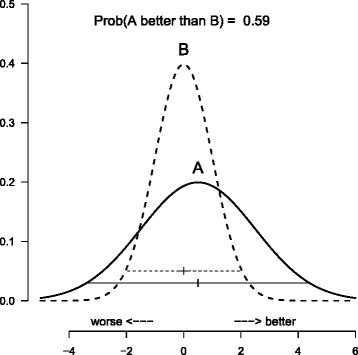
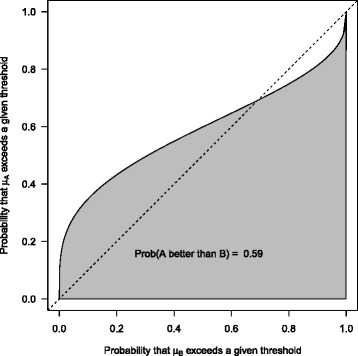
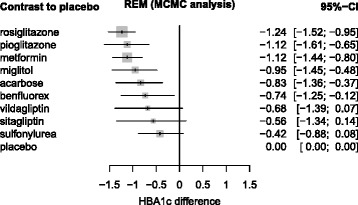
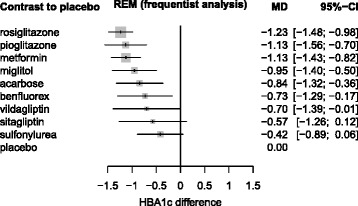
BACKGROUND: Network meta-analysis is used to compare three or more treatments for the same condition. Within a Bayesian framework, for each treatment the probability of being best, or, more general, the probability that it has a certain rank can be derived from the posterior distributions of all treatments. The treatments can then be ranked by the surface under the cumulative ranking curve (SUCRA). For comparing treatments in a network meta-analysis, we propose a frequentist analogue to SUCRA which we call P-score that works without resampling. METHODS: P-scores are based solely on the point estimates and standard errors of the frequentist network meta-analysis estimates under normality assumption and can easily be calculated as means of one-sided p-values. They measure the mean extent of certainty that a treatment is better than the competing treatments. RESULTS: Using case studies of network meta-analysis in diabetes and depression, we demonstrate that the numerical values of SUCRA and P-Score are nearly identical. CONCLUSIONS: Ranking treatments in frequentist network meta-analysis works without resampling. Like the SUCRA values, P-scores induce a ranking of all treatments that mostly follows that of the point estimates, but takes precision into account. However, neither SUCRA nor P-score offer a major advantage compared to looking at credible or confidence intervals.
Overview
The claims and statistics of this paper haven’t been checked yet.
Run the check — free, no account needed. It reads the open-access text and checks the sources it cites.
Integrity signals
Registry
Cites
Statistics
Figures
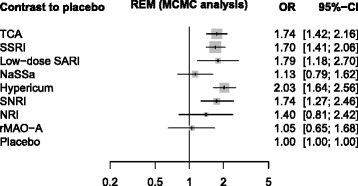
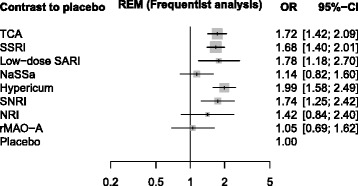
Verification
Claims the paper makes
The claims and statistics of this paper haven’t been checked yet.
Run the check — free, no account needed. It reads the open-access text and checks the sources it cites.
Claims other papers make about this one
Each is checked against this paper’s own text: does it say what the citing paper says it does?
The source backs part of the claim, not all of it — or backs it for a different population, condition or comparison.
In the citing paper
“This approach is often misleading, as it considers only the point estimate of effect and not the associated precision or certainty of evidence and ignores absolute differences between treatment alternatives.[56][57][58]”
From Management of chronic pain secondary to temporomandibular disorders: a systematic review and network meta-analysis of randomised trials (2023) · cites this paper as [57]
Experimental — accuracy not yet measured
Self-check
Percentages, sums and reported differences re-computed from the paper’s own numbers.
The self-check needs the paper’s full text.
Citations
Cites
R: A Language and Environment for Statistical Computing
R Core Team (2000) · doi:10.32614/r.manuals · Cited by 355,893
Statistical significance for genomewide studies
Storey, J. D., & Tibshirani, R. (2003) · Proceedings of the National Academy of Sciences · doi:10.1073/pnas.1530509100 · Cited by 9,692
Salanti, G., Ades, A. E., & Ioannidis, J. P. A. (2011) · Journal of Clinical Epidemiology · doi:10.1016/j.jclinepi.2010.03.016 · Cited by 3,766
Graphical tools for network meta-analysis in STATA
Chaimani, A., Higgins, J. P. T., Mavridis, D., Spyridonos, P., & Salanti, G. (2013) · PLoS ONE · doi:10.1371/journal.pone.0076654 · Cited by 2,473
Salanti, G. (2012) · Research Synthesis Methods · doi:10.1002/jrsm.1037 · Cited by 1,729
Cipriani, A., Furukawa, T. A., Salanti, G., Geddes, J. R., Higgins, J. P., Churchill, R., Watanabe, N., Nakagawa, A., Omori, I. M., McGuire, H., et al. (2009) · The Lancet · doi:10.1016/s0140-6736(09)60046-5 · Cited by 1,654
Dias, S., Sutton, A. J., Ades, A. E., & Welton, N. J. (2013) · Medical Decision Making · doi:10.1177/0272989x12458724 · Cited by 1,207
White, I. R., Barrett, J. K., Jackson, D., & Higgins, J. P. T. (2012) · Research Synthesis Methods · doi:10.1002/jrsm.1045 · Cited by 1,114
Jansen, J. P., Fleurence, R., Devine, B., Itzler, R. F., Barrett, A., Hawkins, N., Lee, K., Boersma, C., Annemans, L., & Cappelleri, J. C. (2011) · Value in Health · doi:10.1016/j.jval.2011.04.002 · Cited by 1,029
Hoaglin, D. C., Hawkins, N., Jansen, J. P., Scott, D. A., Itzler, R. F., Cappelleri, J. C., Boersma, C., Thompson, D., Larholt, K. M., Díaz, M., et al. (2011) · Value in Health · doi:10.1016/j.jval.2011.01.011 · Cited by 769
Cited by
Sorted by citations
Items 401–500 of 1,003
Hung, T.-Y., Bai, G.-H., Tsai, M.-C., & Lin, Y. (2022) · Anesthesia & Analgesia · doi:10.1213/ane.0000000000006341 · Cited by 26
Hussain, N., Brull, R., Vannabouathong, C., Robinson, C., Zhou, S., D'Souza, R. S., Sawyer, T. R., Terkawi, A. S., & Abdallah, F. W. (2023) · Anesthesiology · doi:10.1097/aln.0000000000004667 · Cited by 26
Manz, K. M., Fenchel, K., Eilers, A., Morgan, J., Wittling, K., & Dempke, W. C. M. (2019) · Advances in Therapy · doi:10.1007/s12325-019-01167-2 · Cited by 27
Jurak, I., Delaš, K., Erjavec, L., Stare, J., & Locatelli, I. (2023) · Journal of Clinical Medicine · doi:10.3390/jcm12237489 · Cited by 27
“The non-independence of these multi-arm studies was addressed by reweighting all comparisons within each study.”
MethodVita, G., Nöhles, V. B., Ostuzzi, G., Barbui, C., Tedeschi, F., Heuer, F. H., Keller, A., DelBello, M. P., Welge, J. A., Blom, T. J., et al. (2024) · Journal of the American Academy of Child & Adolescent Psychiatry · doi:10.1016/j.jaac.2024.07.920 · Cited by 29
Yang, Z.-S., Lai, H., Jhou, H., Chan, W.-H., & Chen, P. (2024) · Journal of Clinical Anesthesia · doi:10.1016/j.jclinane.2024.111657 · Cited by 25
Nim, C. G., Aspinall, S. L., Cook, C. E., Corrêa, L. A., Donaldson, M. B., Downie, A., Harsted, S., Hansen, S., Jenkins, H. J., McNaughton, D., et al. (2025) · Journal of Orthopaedic and Sports Physical Therapy · doi:10.2519/jospt.2025.12707 · Cited by 28
Farhat, L. C., Lannes, A., Giovane, C. D., Parlatini, V., Garcia‐Argibay, M., Ostinelli, E. G., Tomlinson, A., Chang, Z., Larsson, H., Fava, C., et al. (2025) · The Lancet Psychiatry · doi:10.1016/s2215-0366(25)00062-8 · Cited by 26
Han, Y., Zhi, W., Xu, F., Zhang, C., Huang, X., & Luo, J. (2021) · World Journal of Gastroenterology · doi:10.3748/wjg.v27.i19.2415 · Cited by 25
Chen, J., Lee, T. H., Tu, Y., Kuo, G. C., Yang, H., Yen, C., Fan, P., & Chang, C. (2021) · Nephrology Dialysis Transplantation · doi:10.1093/ndt/gfab290 · Cited by 25
“In the frequentist standard network meta-analysis , P-score, ranging between 0 and 1, was used to rank treatments compared within a network meta-analysis for a particular outcome (treatment effects on RLS severity, sleep quality and treatment-related adverse events) [19].”
MethodLi, Y., Cao, Z., Guo, J., Li, Q., Zhu, W., Kuang, Y., & Chen, X. '. (2022) · Annals of Medicine · doi:10.1080/07853890.2021.2022187 · Cited by 28
“Therefore, also SUCRA results should be interpreted cautiously [15].”
BackgroundMethodPreventing persistent postsurgical pain: A systematic review and component network meta‐analysis
Allen, C., Walker, A. M., Premji, Z., Beauchemin‐Turcotte, M., Wong, J., Soh, S., Hawboldt, G. S., Shinkaruk, K., & Archer, D. P. (2022) · European Journal of Pain · doi:10.1002/ejp.1915 · Cited by 27
“Ranking of outcomes (possible only with the standard NMA model) was by P- scores (Rücker & Schwarzer, 2015), which are presented without confidence intervals (Veroniki et al., 2018).”
MethodChen, Y.-Y., Li, J., Chen, M., Yue, L., She, T., & Zheng, H. (2019) · Journal of Neurology · doi:10.1007/s00415-019-09510-x · Cited by 27
Kuno, T., Takagi, H., Ando, T., Kodaira, M., Numasawa, Y., Fox, J., & Bangalore, S. (2020) · Catheterization and Cardiovascular Interventions · doi:10.1002/ccd.29236 · Cited by 25
“The treatments were ranked using the P-score, which was considered 100% when a treatment was certain to be the best and 0% when a treatment was certain to be the worst.(20) As a sensitivity analysis, we analyzed studies, which investigated only emergent PCI for AMI.”
MethodSoe, K. K., Krikeerati, T., Pheerapanyawaranun, C., Niyomnaitham, S., Phinyo, P., & Thongngarm, T. (2023) · Frontiers in Pharmacology · doi:10.3389/fphar.2023.1184552 · Cited by 25
“A random-effects NMA was performed using a frequentist approach to estimate the comparative efficacy among all available treatments (Lu and Ades, 2004; Rucker and Schwarzer, 2015).”
MethodMahardawi, B., Jiaranuchart, S., Arunjaroensuk, S., Tompkins, K. A., Somboonsavatdee, A., & Pimkhaokham, A. (2023) · Scientific Reports · doi:10.1038/s41598-023-39023-7 · Cited by 25
Vinod, P., Thatikonda, N. S., Malo, P. K., Bhaskarapillai, B., Arumugham, S. S., & Reddy, Y. C. J. (2024) · Asian Journal of Psychiatry · doi:10.1016/j.ajp.2024.103962 · Cited by 24
Walters, G. W. M., Yeo, J. L., Bilak, J. M., Pepper, C., Gulsin, G. S., Freeman, S. C., Gray, L. J., McCann, G. P., & Brady, E. M. (2024) · Journal of Cardiac Failure · doi:10.1016/j.cardfail.2024.01.015 · Cited by 26
Yoosuf, B. T., Panda, A. K., Muhammed Favas, K. T., Bharti, S. K., Devana, S. K., & Bansal, D. (2024) · Scientific Reports · doi:10.1038/s41598-024-61977-5 · Cited by 25
“Higher p-scores tend to indicate a higher probability of being the most effective treatment 21 .”
BackgroundRomadlon, D. S., Tu, Y., Chen, Y., Hasan, F., Kurniawan, R., & Chiu, H. (2024) · Diabetes/Metabolism Research and Reviews · doi:10.1002/dmrr.3840 · Cited by 29
“League tables were used to capture the mean differences across all intervention combinations, and treatment success was evaluated using a p score (range: 0–1) [36].”
Chen, H., Zhang, J., Li, S., Zhang, H., & Wei, L. (2025) · Journal of Clinical Nursing · doi:10.1111/jocn.17582 · Cited by 24
Daly, C., Mbuagbaw, L. C. E., Thabane, L., Straus, S. E., & Hamid, J. S. (2020) · BMC Medical Research Methodology · doi:10.1186/s12874-020-01128-2 · Cited by 24
“The posterior mean rank is a scaled transformation of SUCRA, and the P-score is its frequentist equivalent [13].”
BackgroundInfluentialLaukhtina, E., Abufaraj, M. M., Al-Ani, A. T., Ali, M. R., Mori, K., Moschini, M., Quhal, F., Motlagh, R. S., Pradère, B., Schuettfort, V. M., et al. (2021) · European Urology Focus · doi:10.1016/j.euf.2021.03.016 · Cited by 24
Weibel, S., Pace, N. L., Schaefer, M. S., Raj, D., Schlesinger, T., Meybohm, P., Kienbaum, P., Eberhart, L. H. J., & Kranke, P. (2021) · Journal of Evidence-Based Medicine · doi:10.1111/jebm.12429 · Cited by 24
“The 585 included RCTs comprising 97 516 randomized participants were mostly of small size with a median (IQR [range]) number of 100 (70-160 [20-5199]) participants, published between 1965 and 2017 (with 71% from 2000 onward), and primarily conducted in Asia (51%), Europe (25%), andNorthAmerica (16%).”
BackgroundSoftware to Conduct a Meta-Analysis and Network Meta-Analysis
Daly, C., & Soobiah, C. (2021) · Methods in molecular biology · doi:10.1007/978-1-0716-1566-9_14 · Cited by 22
Chang, C.-L., Chen, C.-H., Yang, S. S.-D., & Chang, S.-J. (2021) · Journal of Robotic Surgery · doi:10.1007/s11701-021-01329-x · Cited by 24
“Treatment ranking was calculated by netrank function using probability scores (P-scores) which has been shown to be equivalent to the SUCRA score [12].”
MethodXu, Z., Sun, W. J., Zhang, D., Chung, V. C., & Wong, S. Y. S. (2021) · Aging & Mental Health · doi:10.1080/13607863.2021.1998356 · Cited by 24
“The surface under the cumulative ranking curve (SUCRA) was used to summarize the hierarchy of interventions (Rucker & Schwarzer, 2015; Salanti et al., 2011).”
MethodYin, Z., Wang, F., Sun, M., Zhao, L., & Liang, F. (2022) · Evidence-based Complementary and Alternative Medicine · doi:10.1155/2022/3178154 · Cited by 25
“Finally, the node-splitting method was also used to assess the local inconsistency [33].”
MethodPatron-client relationships shape value chains in an Indonesian island-based fisheries system
Roberts, N., Mengge, B., Utina, M. R., Muhatar, F., Anugerah, Icwardanhi, A., Zulkifli, R. M., & Humphries, A. T. (2022) · Marine Policy · doi:10.1016/j.marpol.2022.105142 · Cited by 24
Moist dressings in the treatment of pressure injuries: A network meta-analysis
Geng, J., Cai, Y., Lu, H., Zhang, R., Tian, J., & Zhang, J. (2023) · Journal of Tissue Viability · doi:10.1016/j.jtv.2023.03.003 · Cited by 24
Bardideh, E., Ghorbani, M., Shafaee, H., Saeedi, P., & Younessian, F. (2023) · European Journal of Orthodontics · doi:10.1093/ejo/cjad033 · Cited by 24
Cohen, H., Mahajna, G., Ben‐Shushan, T., Matok, I., & Eyal, S. (2023) · Epilepsia · doi:10.1111/epi.17822 · Cited by 24
FILIPPO, O. D., Piroli, F., Bruno, F., Bocchino, P. P., Saglietto, A., Franchin, L., Angelini, F., Gallone, G., Rizzello, G., Ahmad, M., et al. (2024) · BMJ Evidence-Based Medicine · doi:10.1136/bmjebm-2023-112476 · Cited by 26
“20 However, due to the inherent multicriteria nature of our study, with bleeding and ischaemic events representing competing risks, a global treatment hierarchy question was neither formulated nor sought.”
BackgroundHurley, E. T., Bloom, D. A., Hoberman, A. R., Anil, U., Gonzalez-Lomas, G. P., Strauss, E. J., & Alaia, M. J. (2021) · Knee Surgery Sports Traumatology Arthroscopy · doi:10.1007/s00167-020-06416-4 · Cited by 24
Fong, K. Y., Zhao, J. J., Tan, E., Syn, N. L. X., Sultana, R., Zhuang, K. D., Chua, J. M. E., Ming, E., Patel, A., Irani, F. G., et al. (2021) · European Journal of Vascular and Endovascular Surgery · doi:10.1016/j.ejvs.2021.06.006 · Cited by 24
Xian‐Yu, C., Xu, J., Ma, Y.-T., Deng, N., Tao, Y., Li, H., Gao, T., Yang, J.-Y., & Zhang, C. (2023) · Annals of Medicine · doi:10.1080/07853890.2023.2246996 · Cited by 23
“the surface under the cumulative ranking curve (sUcRa) was employed for providing summary statistics of the cumulative ranking of all priming fluids [21].”
MethodSeok, J., Kim, G., & Kim, J. U. (2024) · Scientific Reports · doi:10.1038/s41598-024-58232-2 · Cited by 24
“Heterogeneity between studies was assessed using Q statistics and I 2 , which describe the proportion of total variability in effect estimates across studies attributable to heterogeneity rather than sampling error 58,59 .”
BackgroundMethodResultInfluentialThakur, E. R., Khasawneh, M., Moayyedi, P., Black, C. J., & Ford, A. C. (2025) · The Lancet. Gastroenterology & hepatology · doi:10.1016/s2468-1253(25)00238-9 · Cited by 25
Park, S., Nam, C. M., Kim, S., Mun, J. E., Rha, S. Y., & Chung, H. C. (2020) · European Journal of Cancer · doi:10.1016/j.ejca.2020.10.030 · Cited by 25
Pharmacologic Cardioversion in Patients with Paroxysmal Atrial Fibrillation: A Network Meta-Analysis
Tsiachris, D., Doundoulakis, I., Pagkalidou, E., Kordalis, A., Deftereos, S. G., Gatzoulis, K. A., Tsioufis, K. P., & Stefanadis, C. (2021) · Cardiovascular Drugs and Therapy · doi:10.1007/s10557-020-07127-1 · Cited by 26
Ni, M., Wang, H., Wang, M., Zhou, W., Zhang, J., Wu, J., Zhang, D., Jing, Z., Liu, X., Wu, Z., et al. (2021) · Frontiers in Pharmacology · doi:10.3389/fphar.2020.631170 · Cited by 21
Ranka, S., Lahan, S., Chhatriwalla, A. K., Allen, K. B., Chiang, M. C. S., O'Neill, B. P., Verma, S., Wang, D. D., Lee, J., Frisoli, T., et al. (2021) · Cardiovascular revascularization medicine · doi:10.1016/j.carrev.2021.11.040 · Cited by 23
Li, J., Zhou, X., & Wang, Q. (2022) · Applied Psychology Health and Well-Being · doi:10.1111/aphw.12375 · Cited by 27
Pennisi, G., Celsa, C., Enea, M., Vaccaro, M., Marco, V. D., Ciccioli, C., Infantino, G., Mantia, C. L., Parisi, S., Vernuccio, F., et al. (2022) · Nutrition Metabolism and Cardiovascular Diseases · doi:10.1016/j.numecd.2022.07.001 · Cited by 23
Fang, Y., Yue, B.-W., Ma, H., & Yuan, Y.-P. (2022) · Medicine · doi:10.1097/md.0000000000029310 · Cited by 25
“The rank of effect estimation for each treatment was investigated using the surface under the cumulative rank curve of the P rank score of STATA.”
MethodInterventions for Glaucoma Medication Adherence Improvement
Ha, A., Jang, M., Shim, S. R., Kim, C. Y., Chang, I. B., & Kim, Y. K. (2022) · Ophthalmology · doi:10.1016/j.ophtha.2022.06.025 · Cited by 25
Fong, K. Y., Zhao, J. J., Sultana, R., Lee, J. J. X., Lee, S. Y., Chan, S. L., Yau, T. C. C., Tai, D. W. M., Sundar, R., & Too, C. W. (2022) · Liver Cancer · doi:10.1159/000526639 · Cited by 23
Barberio, B., Visaggi, P., Savarino, E. V., de Bortoli, N., Black, C. J., & Ford, A. C. (2022) · Neurogastroenterology & Motility · doi:10.1111/nmo.14469 · Cited by 22
Kolawole, O., Siri-anusornsak, W., Petchkongkaew, A., Meneely, J. P., & Elliott, C. T. (2022) · Toxins · doi:10.3390/toxins14100707 · Cited by 29
“Frequentists define and interpret an event’s probability in terms of how often it is expected to occur if repeated [49].”
BackgroundHussain, N., Brull, R., Vannabouathong, C., Speer, J., Lagnese, C. M., McCartney, C. J. L., & Abdallah, F. W. (2022) · Anaesthesia · doi:10.1111/anae.15873 · Cited by 23
“Using this score, treatments are ranked on a continuous 0–1 scale (0, 0%probability of being best; 1, 100%probability of being best) [19, 25].”
MethodYunusa, I. U., Rashid, N., Seyedin, R., Paratane, D., & Rajagopalan, K. (2023) · Journal of Geriatric Psychiatry and Neurology · doi:10.1177/08919887231154933 · Cited by 25
“Although ranking by SUCRA utilizes the point estimates and 95% CIs to estimate treatment ranks via bootstrapping, it does not take into account statistical significance and therefore should be interpreted cautiously.(90,91) Due to the lack of consistency in the doses of AAPs used across the included studies and compar…”
MethodMiura, T., Takahashi, T., Watanabe, J., Kataoka, Y., Ae, R., Saito, H., Takeshita, K., & Miyakoshi, N. (2023) · BMC Musculoskeletal Disorders · doi:10.1186/s12891-023-06448-0 · Cited by 23
“The P-score would be 100% when a specific treatment is the best and 0% when it is the worst [36].”
BackgroundZhang, D., Wu, J., Duan, X., Wang, K., Ni, M., Liu, S., Zhang, X., Zhang, B., & Zhao, Y. (2019) · Integrative Cancer Therapies · doi:10.1177/1534735419827098 · Cited by 23
“sponds to a higher ranking for CRC compared with other treatments.(27,28) On the other hand, based on the theory of”
BackgroundSrisurapanont, M., Suradom, C., Suttajit, S., Kongsaengdao, S., & Maneeton, B. (2024) · General Hospital Psychiatry · doi:10.1016/j.genhosppsych.2024.02.008 · Cited by 25
Turrini, G., Purgato, M., Cadorin, C., Bartucz, M. B., Cristofalo, D., Gastaldon, C., Nosè, M., Ostuzzi, G., Papola, D., Prina, E., et al. (2024) · The Lancet Regional Health - Europe · doi:10.1016/j.lanepe.2024.101152 · Cited by 31
“36 When there was missing or unclear information, we asked trial authors to supply data, by sending an initial email, followed by three additional reminders in case of no response.”
Matsukawa, A., Litterio, G., Cormio, A., Miszczyk, M., Parizi, M. K., Fazekas, T., Tsuboi, I., Mancon, S., Schulz, R. J., Laukhtina, E., et al. (2025) · Cancers · doi:10.3390/cancers17020205 · Cited by 22
“Treatment rankings for each outcome were determined based on the P-score [14].”
The impact of covariance priors on arm‐based Bayesian network meta‐analyses with binary outcomes
Wang, Z., Lin, L., Hodges, J. S., & Chu, H. (2020) · Statistics in Medicine · doi:10.1002/sim.8580 · Cited by 22
Shao, P., Bui, A., Romero, T., Jia, H. M., & Leung, F. W. (2020) · Digestive Diseases and Sciences · doi:10.1007/s10620-020-06324-0 · Cited by 22
Chu, S.-F., Liou, T., Chen, H., Huang, S., & Liao, C. (2021) · Nutrients · doi:10.3390/nu13061992 · Cited by 59
“For evaluation of relative efficacy, we calculated the ranking probabilities of each treatment on the basis of effect sizes by using the frequentist treatment ranking method [54]; and a P-score which has been shown to be equivalent to the surface under the cumulative ranking curve score within a Bayesian framework was…”
MethodLin, S., Shi, Q., Ge, Z., Liu, Y., Cao, Y., Yang, Y., Zhao, Z., Bi, Y., Hou, Y., Wang, S., et al. (2021) · Frontiers in Pharmacology · doi:10.3389/fphar.2021.659707 · Cited by 22
Sun, Y., Zhang, X., & Wang, Z. (2021) · Journal of the American Medical Directors Association · doi:10.1016/j.jamda.2021.11.015 · Cited by 22
Zubizarreta‐Macho, Á., Tosin, R., Tosin, F., Bohórquez, P. V., Marín, L. S. H., Álvarez, J. M., & Montero, S. H. (2022) · Journal of Clinical Medicine · doi:10.3390/jcm11041062 · Cited by 22
“Direct comparisons were performed using a NETWORK graph, and treatments were ranked on a scale of 0 to 1 using a P-score measuring the degree of certainty and indicating whether one treatment was superior to another [20].”
MethodMori, K., Quhal, F., Yanagisawa, T., Katayama, S., Pradère, B., Laukhtina, E., Rajwa, P., Mostafaei, H., Motlagh, R. S., Kimura, T., et al. (2022) · International Immunopharmacology · doi:10.1016/j.intimp.2022.108720 · Cited by 22
BSG 2024 IBD guidelines protocol (standard operating procedures)
Gordon, M. A., Darie, A.-M., Sinopoulou, V., Verma, A. M., Kok, K. B., Patel, K., Limdi, J. K., Arebi, N., Smith, P. J., Din, S., et al. (2023) · BMJ Open Gastroenterology · doi:10.1136/bmjgast-2022-001067 · Cited by 22
Chen, A. C.-Y., Lu, Y., Hsieh, C., Chen, Y., Chang, K.-C., & Chang, D. (2023) · Advances in Wound Care · doi:10.1089/wound.2023.0024 · Cited by 22
Single-Shot Regional Anesthesia for Bariatric Surgery: a Systematic Review and Network Meta-Analysis
CASSAI, A. D., Paganini, G., Pettenuzzo, T., Zarantonello, F., Boscolo, A., Tulgar, S., Carron, M., Munari, M., & Navalesi, P. (2023) · Obesity Surgery · doi:10.1007/s11695-023-06737-6 · Cited by 22
“A ranking among methods was performed based on the frequentist analogue of the surface under the cumulative ranking curve [11].”
MethodBarry, G. S., Sehmbi, H., Retter, S., Bailey, J. G., Tablante, R., & Uppal, V. (2023) · British Journal of Anaesthesia · doi:10.1016/j.bja.2023.08.024 · Cited by 22
Tsukamoto, S., Tanaka, S., Yamada, T., Uneda, K., Azushima, K., Kinguchi, S., Wakui, H., & Tamura, K. (2023) · Diabetes Obesity and Metabolism · doi:10.1111/dom.15312 · Cited by 23
Zhu, Y., Liu, K., Zhu, H., & Wu, H. (2023) · Therapeutic Advances in Gastroenterology · doi:10.1177/17562848231207200 · Cited by 22
“22 Owing to a lack of a ‘head-to-head’ comparison between PC and NC, we performed an indirect comparison using fixed-effects meta-regression models for frequency network meta-analysis to yield HRs of OS and PFS of PC and NC. 23 Considering that NC was the control and PC was the experimental cohort, we converted the co…”
MethodAyesh, H., Beran, A., Suhail, S., Ayesh, S. K., & Niswender, K. D. (2024) · Biomedicines · doi:10.3390/biomedicines12102328 · Cited by 23
“P-scores were used to rank treatments based on their estimated effect sizes, with higher P-scores associated with better outcomes [15].”
MethodSridharan, K., Sivaramakrishnan, G., Sequeira, R. P., & Elamin, A. (2018) · Postgraduate Medical Journal · doi:10.1136/postgradmedj-2018-135967 · Cited by 22
Abbas, A. M., Samy, A., Ali, A. E.-N. A. E.-G., Khodry, M. M., Ahmed, M. A., El-Rasheedy, M. I., Abdallah, K. M., Mohammed, A.-E., Abdelbaky, W. H., Raslan, O. K., et al. (2019) · Fertility and Sterility · doi:10.1016/j.fertnstert.2019.03.028 · Cited by 24
Degree irregularity and rank probability bias in network meta‐analysis
Davies, A. L., & Galla, T. (2020) · Research Synthesis Methods · doi:10.1002/jrsm.1454 · Cited by 4
“Therefore, it is less likely to have extreme values of treat-ment effect and thus has a higher probability of being ranked second or third.”
BackgroundMethodInfluentialFeng, X., Zhao, L., Chen, Y., Wang, Z., Lu, H., & Wang, C. (2023) · Frontiers in Physiology · doi:10.3389/fphys.2023.1223037 · Cited by 26
“The P-scores ranged from 0 to 1, with a higher score suggesting a greater improvement in aerobic capacity (Rücker and Schwarzer, 2015).”
BackgroundRisk of Venous Thromboembolism by Cancer Type: A Network Meta-Analysis
Betts, M. B., Liu, X., Junqueira, D. R., Fahrbach, K. R., Neupane, B., Ronnebaum, S. M., & Dhamane, A. D. (2024) · Seminars in Thrombosis and Hemostasis · doi:10.1055/s-0044-1779672 · Cited by 21
“35 The SUCRA allows for ranking cancers by VTE risk and accounts for variability in the estimates.”
BackgroundWu, J., Wu, J., Tang, B., Zhang, Z., Wei, F., Yu, D., Li, L., Zhao, Y., Wang, B., Wu, W., et al. (2024) · Frontiers in Public Health · doi:10.3389/fpubh.2024.1373691 · Cited by 28
“The higher the P-score, the better the effect of the intervention strategies (57).”
BackgroundIVUS, OCT, or Angiography as Guidance for PCI in Complex Coronary Artery Lesions
Carvalho, P. E. P., Antunes, V., de Pontes, V. B., Gomes, W. F., Gonçalves, B. P. A., Caixeta, A. M., Strepkos, D., Alexandrou, M., Mutlu, D., Gibson, C. M., et al. (2026) · JACC: Cardiovascular Interventions · doi:10.1016/j.jcin.2025.11.021 · Cited by 21
Dimou, C., Antza, C., Akrivos, E., Doundoulakis, I., Stabouli, S., Haidich, A., & Kotsis, V. (2018) · Journal of Human Hypertension · doi:10.1038/s41371-018-0138-y · Cited by 21
“For each outcome, p scores were used to rank the treatments on a continuous 0–1 scale and so it was determined which treatment was the best, the second best, etc [15].”
MethodJung, S. H., Yoon, J. H., Choi, H. S., Nam, S., Kim, K. O., Kim, D. H., Kim, J., Sohn, W., Hyun, Y. S., Park, C. H., et al. (2020) · Endoscopy · doi:10.1055/a-1149-1862 · Cited by 21
“The P score of each eradication regimen can be interpreted as the mean extent of certainty that a certain regimen was better than another [19].”
BackgroundMethodPark, C. H., Park, S. W., Jung, J. H., Jung, E. S., Kim, J. H., & Park, D. H. (2021) · Journal of Personalized Medicine · doi:10.3390/jpm11020086 · Cited by 21
“Moreover, each stent type was ranked according to P-scores, which were based solely on the point estimates and standard errors of network estimates [18].”
Gómez‐Creutzberg, C., Lagisz, M., Nakagawa, S., Brockerhoff, E. G., & Tylianakis, J. M. (2021) · Biological reviews/Biological reviews of the Cambridge Philosophical Society · doi:10.1111/brv.12734 · Cited by 20
Laukhtina, E., Quhal, F., Mori, K., Motlagh, R. S., Pradère, B., Schuettfort, V. M., Mostafaei, H., Katayama, S., Grossmann, N. C., Rajwa, P., et al. (2021) · Urologic Oncology Seminars and Original Investigations · doi:10.1016/j.urolonc.2021.07.022 · Cited by 21
Antihypertensive Drug Use and the Risk of Depression: A Systematic Review and Network Meta-analysis
Li, Y., Fan, Y., Sun, Y., Alolga, R. N., Xiao, P., & Ma, G. (2021) · Frontiers in Pharmacology · doi:10.3389/fphar.2021.777987 · Cited by 21
“Treatments were ranked using P-score which were based solely on the point estimates and standard errors of the network estimates (Rücker and Schwarzer, 2015).”
MethodLópez, P., Newton, R. U., Taaffe, D. R., Singh, F., Lyons‐Wall, P., Buffart, L. M., Tang, C., Hayne, D., & Galvao, D. A. (2021) · Medicine & Science in Sports & Exercise · doi:10.1249/mss.0000000000002843 · Cited by 22
“, ranking of treatments) for the outcomes was provided using the P score method (27) and expressed as a percentage.”
MethodChen, J., Lee, T. H., Kuo, G. C., Huang, Y., Chen, P.-R., Chen, S., Yang, H., Hsu, H., Hsiao, C.-C., Yang, C., et al. (2022) · Frontiers in Cardiovascular Medicine · doi:10.3389/fcvm.2022.960581 · Cited by 21
Liu, S., Zhang, K., & Hu, X. (2022) · Frontiers in Pharmacology · doi:10.3389/fphar.2022.1004259 · Cited by 20
“A higher SUCRA value corresponds to a higher ranking for CRC compared with other treatments (Rücker and Schwarzer, 2015; Trinquart et al., 2016).”
BackgroundSinz, S., Warschkow, R., Tarantino, I., & Steffen, T. (2023) · Journal of Gastrointestinal Surgery · doi:10.1007/s11605-023-05702-z · Cited by 21
Schubert, A., Seneviratne, V., Stolz, J., Wiesmann, T., Wulf, H., Eberhart, L. H. J., & Dinges, H. (2023) · European Journal of Anaesthesiology · doi:10.1097/eja.0000000000001860 · Cited by 21
A Meta-analysis Comparing Toothbrush Technologies on Gingivitis and Plaque
Zou, Y., Grender, J. M., Adam, R., & Levin, L. (2023) · International Dental Journal · doi:10.1016/j.identj.2023.06.009 · Cited by 21
“P scores were calculated as averaged 1-sided P values and used to rank the treatments 25 ; larger P scores indicate greater certainty that a given treatment has better antiplaque efficacy.”
MethodShahinfar, H., Jayedi, A., Torabynasab, K., Payandeh, N., Martami, F., Moosavi, H., Bazshahi, E., & Shab‐Bidar, S. (2023) · Pharmacological Research · doi:10.1016/j.phrs.2023.106944 · Cited by 22
Jung, A., Carvalho, G. F., Szikszay, T. M., Pawlowsky, V., Gabler, T., & Luedtke, K. (2023) · Physical Therapy · doi:10.1093/ptj/pzad154 · Cited by 21
Kim, H., Choi, C. U., Rhew, K., Park, J., Lim, Y., Kim, M. G., & Kim, K. (2024) · Atherosclerosis · doi:10.1016/j.atherosclerosis.2024.117490 · Cited by 21
Hypothesis testing in Bayesian network meta-analysis
Uhlmann, L., Jensen, K., & Kieser, M. (2018) · BMC Medical Research Methodology · doi:10.1186/s12874-018-0574-y · Cited by 21
“Furthermore, while we apply the index for a test procedure, Rücker and Schwarzer use their approach to rank treatment arms.”
MethodBotta, C., Martino, E. A., Conticello, C., Mendicino, F., Vigna, E., Romano, A., Palumbo, G. A., Cerchione, C., Martinelli, G., Morabito, F., et al. (2021) · Frontiers in Oncology · doi:10.3389/fonc.2021.643490 · Cited by 21
“Additionally, while patients’ characteristics are very similar between the studies included in the NMA, small or unknown differences, such as the distribution of patients according to treatment line, could impact the final results: e.g., theCASTORtrial (10) includes,within the lena-exposedgroup, about 50% of patients…”
BackgroundMethodInfluentialThe impact of angiogenesis inhibitors on survival of patients with small cell lung cancer
Shi, X., Dong, X., Young, S., Chen, A. M., Liu, X., Zheng, Z., Huang, K., Lu, D., Feng, S., Morahan, G., et al. (2019) · Cancer Medicine · doi:10.1002/cam4.2462 · Cited by 20
Moroni, F., Baldetti, L., Kabali, C., Briguori, C., Maioli, M., Toso, A., Brilakis, E. S., Gurm, H. S., Bagur, R., & Azzalini, L. (2021) · Journal of the American Heart Association · doi:10.1161/jaha.121.021342 · Cited by 20
Bálint, A., Tornyos, D., Abdallaoui, O. E. A. E., Kupó, P., & Komócsi, A. (2021) · Stroke · doi:10.1161/strokeaha.120.032670 · Cited by 21
Saglietto, A., Ballatore, A., Gaïta, F., Scaglione, M., Ponti, R. D., Ferrari, G. M. D., & Anselmino, M. (2021) · European Heart Journal - Quality of Care and Clinical Outcomes · doi:10.1093/ehjqcco/qcab066 · Cited by 20
Diet Therapeutics Interventions for Obesity: A Systematic Review and Network Meta-Analysis
Morsali, M., Poorolajal, J., Shahbazi, F., Vahidinia, A., & Doosti‐Irani, A. (2021) · Journal of Research in Health Sciences · doi:10.34172/jrhs.2021.63 · Cited by 22
Kwon, M., Cheong, M. J., Leem, J., & Kim, T. (2021) · Healthcare · doi:10.3390/healthcare9111502 · Cited by 22
“The P-score is nearly identical to the numerical values of SUCRA in the Bayesian model NMA [33].”
Method
Metadata
- Authors
- Rücker, G., & Schwarzer, G.
- Affiliations
- University of Freiburg (DE)
- Corresponding author
- Rücker, Gerta
- Venue
- BMC Medical Research Methodology
- Published
- 2015-07-31
- Volume
- 15
- Issue
- 1
- Pages
- 58-58
- ISSN
- 1471-2288 (ISSN-L)
- PMC
- PMC4521472
- OpenAlex
- W2111999709
- Cited by
- 1,732
- References
- 32
- Citations by year
- 2026: 249 · 2025: 253 · 2024: 267 · 2023: 229 · 2022: 226 · 2021: 191 · 2020: 148 · 2019: 76 · 2018: 52 · 2017: 32 · 2016: 8 · 2015: 1
- FWCI
- 28.58
- Type
- journal article
- Language
- en
- Open access
- gold
- doi.org
- Licence
- Locations
- BMC Medical Research Methodology (publishedVersion, other-oa)
- PubMed Central (publishedVersion, cc-by)
- PubMed (publishedVersion)
- FreiDok plus (Universitätsbibliothek Freiburg) (submittedVersion)
- Funders
- Deutsche Forschungsgemeinschaft (RU1747/1-1)
- Topics
- Social Sciences › Decision Sciences › Statistics, Probability and Uncertainty › Meta-analysis and systematic reviews
- Physical Sciences › Mathematics › Statistics and Probability › Statistical Methods in Clinical Trials
- Social Sciences › Sociology and Political Science › Delphi Technique in Research
- Keywords
- treatment ranking, P-score, surface under the cumulative ranking curve, confidence intervals, diabetes mellitus, depression
- MeSH terms
- Algorithms, Bayes Theorem, Biometry, Data Interpretation, Statistical, Humans, Review Literature as Topic, Meta-Analysis as Topic, Reproducibility of Results, Biomedical Research
About these checks
Registry, retraction, Cites and statistics results are computed, not judged, with one exception: a printed reference that no index lists is read once by a model before it counts as a citation error. Claims are extracted by a model and kept only when their quote appears verbatim in the text; each cited source is then checked, with a model’s help, for whether it says what the claim relies on. Those verdicts can be wrong — read the claim’s quote and the cited source before relying on one.
Statistics and arithmetic are recomputed, not judged.
Confidence bands are shown only for fields calibrated on our annotated test set. None is calibrated yet, so no band is shown.
What counts as a claim ›How we measure confidence ›How we check this ›
Are you an author, or do you see a problem with this page? Request a review
