

The DOI matches its Crossref record; 31 of the 32 references it cites were found in a registry or an index.
Ranking treatments in frequentist network meta-analysis works without resampling methods
Open accessAbstract
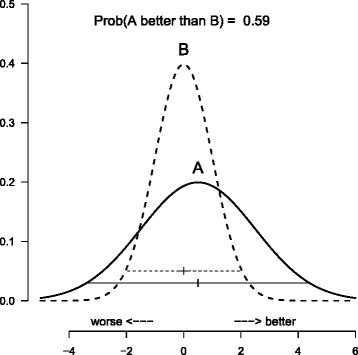
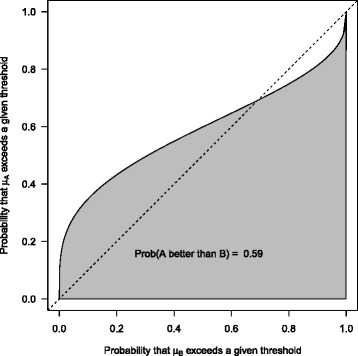
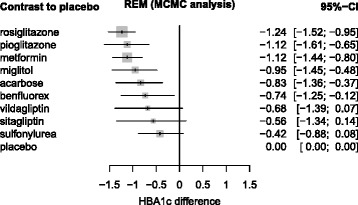
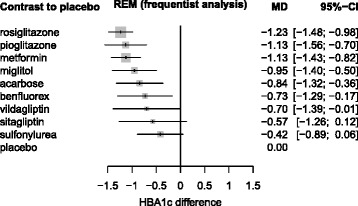
BACKGROUND: Network meta-analysis is used to compare three or more treatments for the same condition. Within a Bayesian framework, for each treatment the probability of being best, or, more general, the probability that it has a certain rank can be derived from the posterior distributions of all treatments. The treatments can then be ranked by the surface under the cumulative ranking curve (SUCRA). For comparing treatments in a network meta-analysis, we propose a frequentist analogue to SUCRA which we call P-score that works without resampling. METHODS: P-scores are based solely on the point estimates and standard errors of the frequentist network meta-analysis estimates under normality assumption and can easily be calculated as means of one-sided p-values. They measure the mean extent of certainty that a treatment is better than the competing treatments. RESULTS: Using case studies of network meta-analysis in diabetes and depression, we demonstrate that the numerical values of SUCRA and P-Score are nearly identical. CONCLUSIONS: Ranking treatments in frequentist network meta-analysis works without resampling. Like the SUCRA values, P-scores induce a ranking of all treatments that mostly follows that of the point estimates, but takes precision into account. However, neither SUCRA nor P-score offer a major advantage compared to looking at credible or confidence intervals.
Overview
The claims and statistics of this paper haven’t been checked yet.
Run the check — free, no account needed. It reads the open-access text and checks the sources it cites.
Integrity signals
Registry
Cites
Statistics
Figures
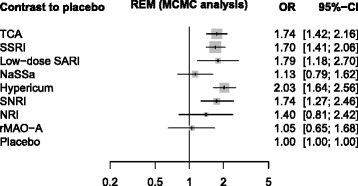
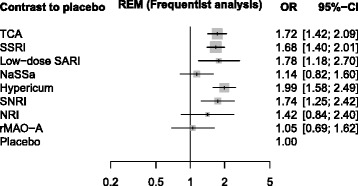
Verification
Claims the paper makes
The claims and statistics of this paper haven’t been checked yet.
Run the check — free, no account needed. It reads the open-access text and checks the sources it cites.
Claims other papers make about this one
Each is checked against this paper’s own text: does it say what the citing paper says it does?
The source backs part of the claim, not all of it — or backs it for a different population, condition or comparison.
In the citing paper
“This approach is often misleading, as it considers only the point estimate of effect and not the associated precision or certainty of evidence and ignores absolute differences between treatment alternatives.[56][57][58]”
From Management of chronic pain secondary to temporomandibular disorders: a systematic review and network meta-analysis of randomised trials (2023) · cites this paper as [57]
Experimental — accuracy not yet measured
Self-check
Percentages, sums and reported differences re-computed from the paper’s own numbers.
The self-check needs the paper’s full text.
Citations
Cites
R: A Language and Environment for Statistical Computing
R Core Team (2000) · doi:10.32614/r.manuals · Cited by 355,893
Statistical significance for genomewide studies
Storey, J. D., & Tibshirani, R. (2003) · Proceedings of the National Academy of Sciences · doi:10.1073/pnas.1530509100 · Cited by 9,692
Salanti, G., Ades, A. E., & Ioannidis, J. P. A. (2011) · Journal of Clinical Epidemiology · doi:10.1016/j.jclinepi.2010.03.016 · Cited by 3,766
Graphical tools for network meta-analysis in STATA
Chaimani, A., Higgins, J. P. T., Mavridis, D., Spyridonos, P., & Salanti, G. (2013) · PLoS ONE · doi:10.1371/journal.pone.0076654 · Cited by 2,473
Salanti, G. (2012) · Research Synthesis Methods · doi:10.1002/jrsm.1037 · Cited by 1,729
Cipriani, A., Furukawa, T. A., Salanti, G., Geddes, J. R., Higgins, J. P., Churchill, R., Watanabe, N., Nakagawa, A., Omori, I. M., McGuire, H., et al. (2009) · The Lancet · doi:10.1016/s0140-6736(09)60046-5 · Cited by 1,654
Dias, S., Sutton, A. J., Ades, A. E., & Welton, N. J. (2013) · Medical Decision Making · doi:10.1177/0272989x12458724 · Cited by 1,207
White, I. R., Barrett, J. K., Jackson, D., & Higgins, J. P. T. (2012) · Research Synthesis Methods · doi:10.1002/jrsm.1045 · Cited by 1,114
Jansen, J. P., Fleurence, R., Devine, B., Itzler, R. F., Barrett, A., Hawkins, N., Lee, K., Boersma, C., Annemans, L., & Cappelleri, J. C. (2011) · Value in Health · doi:10.1016/j.jval.2011.04.002 · Cited by 1,029
Hoaglin, D. C., Hawkins, N., Jansen, J. P., Scott, D. A., Itzler, R. F., Cappelleri, J. C., Boersma, C., Thompson, D., Larholt, K. M., Díaz, M., et al. (2011) · Value in Health · doi:10.1016/j.jval.2011.01.011 · Cited by 769
Cited by
Sorted by citations
Items 701–800 of 1,003
Attachaipanich, T., Aungsusiripong, A., Piriyakhuntorn, P., Hantrakool, S., Rattarittamrong, E., Rattanathammethee, T., Tantiworawit, A., Norasetthada, L., & Chai‐Adisaksopha, C. (2023) · Frontiers in Medicine · doi:10.3389/fmed.2023.1196800 · Cited by 13
“equivalent to a Surface under the Cumulative Ranking (SUCRA) score (10).”
MethodAthanasiou, A., Veroniki, A. A., Efthimiou, O., Kalliala, I. E. J., Naci, H., Bowden, S. J., Paraskevaidi, M., Martin‐Hirsch, P. L., Bennett, P. R., Paraskevaidis, E. A., et al. (2019) · BMJ Open · doi:10.1136/bmjopen-2018-028009 · Cited by 12
Ghamry, N. K., Samy, A., Abdelhakim, A. M., Elgebaly, A. S., Ibrahim, S. A.-S., Ahmed, A. A., Abdelbaky, W. H., Abdallah, K. M., Badawy, M. A. M., Mohammed, A. H., et al. (2020) · Journal of obstetrics and gynaecology research · doi:10.1111/jog.14221 · Cited by 12
“The score interpretation is comparable to that of the Surface Under the Cumulative Ranking curve.(20,21) I(2) statistic was used to quantify heterogeneity among included studies, with I(2) < 50% indicating no heterogeneity and I(2) ≥ 50% indicating significant heterogeneity.”
MethodFragility index of network meta-analysis with application to smoking cessation data
Xing, A., Chu, H., & Lin, L. (2020) · Journal of Clinical Epidemiology · doi:10.1016/j.jclinepi.2020.07.003 · Cited by 12
“Furthermore, clinicians are frequently interested in treatment ranking [57], which can be quantified by a measure called P-score for each treatment [58].”
BackgroundLiao, C., Huang, Y.-Y., Chen, H., Liou, T., Lin, C.-L., & Huang, S. (2022) · Biomedicines · doi:10.3390/biomedicines10020306 · Cited by 12
“P score was used to rank the probabilities of effect estimation for each treatment [74].”
MethodGong, E. J., Park, C. H., Jung, D. H., Kang, S. H., Lee, J. Y., Lim, H. K., & Kim, D. (2022) · Journal of Personalized Medicine · doi:10.3390/jpm12040621 · Cited by 12
“In addition, each treatment for GERD was ranked according to the P-scores, which were based solely on the point estimates and standard errors of the network estimates [25].”
BackgroundMethodFountain, D. M., Jenkinson, M. D., Bryant, A., Vale, L. D., Bulbeck, H., Hart, M. G., & Barone, D. G. (2020) · Cochrane Database of Systematic Reviews · doi:10.1002/14651858.cd013630 · Cited by 12
Daelemans, S., Deseck, V., Levy, E. I., & Vandenplas, Y. (2022) · European Journal of Pediatrics · doi:10.1007/s00431-022-04523-7 · Cited by 12
Jeong, J. H., Shim, S. R., Han, S., Hwang, I., & Ihm, C. (2024) · Frontiers in Microbiology · doi:10.3389/fmicb.2024.1506127 · Cited by 11
Yang, Q., Wang, J., & Guan, D. (2025) · BMC Sports Science Medicine and Rehabilitation · doi:10.1186/s13102-025-01191-6 · Cited by 14
Wilkie, L., Fisher, Z., Geidel, A., Goodall, I., Kamil, S., Wyn-Davies, E., & Kemp, A. H. (2026) · Nature Human Behaviour · doi:10.1038/s41562-025-02369-1 · Cited by 18
“Treatments were ranked using P scores, these range from 0 to 1 and can be interpreted as an average degree of certainty for a treatment to be better than the other treatments in the network 74 .”
Elsheikh, R., Makram, A. M., Toth, L., Hirschmann, M. T., & Adam, M. (2026) · Archives of Orthopaedic and Trauma Surgery · doi:10.1007/s00402-026-06225-3 · Cited by 11
“Relative treatment rankings were derived using P-scores (0–1 scale, higher indicating better performance) [24 , 25 ].”
Lee, H.-S., Shim, S. R., Kim, J. H., & Ko, M. (2022) · Physiotherapy Research International · doi:10.1002/pri.1935 · Cited by 11
Yang, X., Shi, L., Ran, D., Li, M., Qin, C., & An, Z. (2022) · Annals of Translational Medicine · doi:10.21037/atm-22-5583 · Cited by 11
“Second, the node-splitting method was used to verify whether the results of the direct comparison are consistent with that of the indirect comparison (44).”
Fang, C., Tu, Y., Chang, S., Kuo, C., Fang, C., & Chou, F. (2023) · Nursing in Critical Care · doi:10.1111/nicc.12883 · Cited by 13
Cho, M., Choi, C.-Y., Choi, Y. J., & Rhie, S. J. (2023) · Scientific Reports · doi:10.1038/s41598-023-32266-4 · Cited by 12
Zavras, A. G., Federico, V. P., Butler, A. J., Nolte, M. T., Dandu, N., Phillips, F. M., & Colman, M. W. (2023) · Global Spine Journal · doi:10.1177/21925682231172982 · Cited by 11
Rhee, T. G., Shim, S. R., Popp, J. H., Trikalinos, T. A., Rosenheck, R. A., Kellner, C. H., Seiner, S. J., Espinoza, R. T., Forester, B. P., & McIntyre, R. S. (2023) · Molecular Psychiatry · doi:10.1038/s41380-023-02366-8 · Cited by 12
“Overall, 22 RCTs [ 39 – 60] were”
Hesapçıoğlu, S. T., Kaşak, M., Aburşu, H., Kafalı, S., Ceylan, M. F., & Akyol, M. (2024) · Journal of Affective Disorders · doi:10.1016/j.jad.2024.01.067 · Cited by 11
Abdollahi, S., Soltani, S., Ramezani‐Jolfaie, N., Mohammadi, M., Sherafatmanesh, S., Lorzadeh, E., & Salehi‐Abargouei, A. (2024) · BMC Nutrition · doi:10.1186/s40795-024-00907-0 · Cited by 11
“However, it should be noted that this weight reduction was only significant when compared to saturated fats and no other control oils, as indicated by further subgroup analysis [14].”
MethodResultEstevinho, M. M., Sousa‐Pinto, B., Moreira, P. L., Solitano, V., Mesquita, P., Costa, C., Peyrin‐Biroulet, L., Danese, S., Jairath, V., & Magro, F. (2024) · Alimentary Pharmacology & Therapeutics · doi:10.1111/apt.18315 · Cited by 11
“…on point estimates and standard errors from the network estimates and measures the mean extent of certainty that one intervention is superior to another, averaged over all competing therapies, with higher scores indicating a greater probability of the intervention being ranked as best [32].”
Hinojosa-Gonzalez, D. E., Saffati, G., Rendon, D. O., La, T. M., Kronstedt, S., Muthigi, A., & Khera, M. (2024) · The Journal of Sexual Medicine · doi:10.1093/jsxmed/qdae131 · Cited by 11
Gkiourtzis, Ν., Stoimeni, A., Glava, A., Chantavaridou, S., Michou, P., Cheirakis, K., Lalayiannis, A. D., Hulton, S. A., & Tramma, D. (2024) · PEDIATRICS · doi:10.1542/peds.2024-066758 · Cited by 11
Zhang, Q., Duan, J., Zhang, Y., Yang, L., & Li, D. (2025) · Systematic Reviews · doi:10.1186/s13643-025-02767-6 · Cited by 11
“P scores were computed to rank the interventions, comprehensively considering effect estimates and precision [13].”
Liao, Q., Pan, H., Guo, Y., Lan, Y., Huang, Z., & Wu, P. (2025) · PLoS ONE · doi:10.1371/journal.pone.0319400 · Cited by 11
“It serves a similar function to Bayesian SUCRA and produces comparable numerical values [26].”
Khalilizad, M., Emadian, S. T., & Abadi, M. M. A. (2025) · Journal of Orthopaedic Surgery and Research · doi:10.1186/s13018-025-05650-1 · Cited by 11
“P-scores (ranging from 0 to 1) were used to rank interventions, with higher scores indicating a greater likelihood of a treatment being the most effective [16].”
Gao, K., Tao, J., Liang, G., Gong, C., Wang, L., & Wang, Y. (2025) · Journal of Orthopaedic Surgery and Research · doi:10.1186/s13018-025-05682-7 · Cited by 11
“However, a higher rank does not always mean a clinically significant effect, as the actual treatment impact is what matters most [42].”
Liu, X., Chen, J., He, Y., Meng, X., Li, K., He, C., & Liu, S. (2016) · OncoTargets and Therapy · doi:10.2147/ott.s123680 · Cited by 11
Shi, L., Zhang, X., Li, J., & Bai, X. (2017) · Digestive Diseases · doi:10.1159/000484082 · Cited by 11
Zhang, D., Lyu, J.-T., Zhang, B., Zhang, X., Jiang, H., & Lin, Z. (2020) · BMC Complementary Medicine and Therapies · doi:10.1186/s12906-020-03004-4 · Cited by 11
Ranasinha, S., Hill, B., Teede, H. J., Enticott, J., Wang, R., & Harrison, C. L. (2021) · Obesity Reviews · doi:10.1111/obr.13406 · Cited by 13
“0).(12,13) To investigate the efficacy of multiple BCTs on optimizing GWG within interventions, individual intervention components effectively 2 of 10 RANASINHA ET AL.”
BackgroundComparison Between Different Approaches Applied in Pediatric Adenoidectomy: A Network Meta-Analysis
Sun, Y.-L., Yuan, B., & Kong, F. (2022) · Annals of Otology Rhinology & Laryngology · doi:10.1177/00034894221081612 · Cited by 11
Yokoyama, Y., Kuno, T., Morita, S. X., Slipczuk, L. N., Takagi, H., Briasoulis, Α., Latib, A., Bangalore, S., & Heffron, S. P. (2022) · Journal of Cardiology · doi:10.1016/j.jjcc.2022.07.008 · Cited by 11
Sakata, T., Kuno, T., Fujisaki, T., Yokoyama, Y., Misumida, N., Sugiura, T., & Latib, A. (2022) · Cardiovascular revascularization medicine · doi:10.1016/j.carrev.2022.08.011 · Cited by 11
Comparative effectiveness of different acupuncture therapies for neck pain
Jo, H.-R., Noh, E.-J., Oh, S.-H., Choi, S.-K., Sung, W.-S., Choi, S.-J., Kim, D., Hong, S.-U., & Kim, E. (2022) · Medicine · doi:10.1097/md.0000000000029656 · Cited by 11
“The P score denotes the probability that 1 intervention is more effective than the others.[20] The network meta-analysis for pain intensity demonstrated the following ranking of P scores for the interventions: FA (P = .”
BackgroundMethodSystemic Antibiotics as an Adjunct to Subgingival Debridement: A Network Meta-Analysis
Anuwar, A. H. K., Saub, R., Safii, S. H., Ab‐Murat, N., Taib, M. S. M., Mamikutty, R., & Ng, C. (2022) · Antibiotics · doi:10.3390/antibiotics11121716 · Cited by 12
“All treatments were ranked based on their P-score, with treatments with higher P-scores ranking better than the other competing treatments [44].”
BackgroundYang, J., Kong, J., Li, B., Ji, Z., Liu, A., Chen, J., Liu, M., Fan, Y., Peng, L., Song, J., et al. (2023) · Journal of Infection · doi:10.1016/j.jinf.2023.02.019 · Cited by 11
Held, S., Rappelt, L., & Donath, L. (2023) · Sports Medicine · doi:10.1007/s40279-023-01827-y · Cited by 15
“The P-score represents the means of one-sided P-values under the normality assumption in a frequentist NMA [33].”
BackgroundMethodResultInfluentialIshisaka, Y., Watanabe, A., Fujisaki, T., Iwagami, M., So, M., Steiger, D. J., Aoi, S., Secemsky, E. A., Wiley, J., & Kuno, T. (2023) · Catheterization and Cardiovascular Interventions · doi:10.1002/ccd.30745 · Cited by 11
“In addition, the procedures were ranked using the p‐scores of 0−1, which was considered 1 when a procedure was certain to be the best and 0 when a procedure was certain to be the worst.(8) Publication bias was assessed using funnel plots and Egger's test.”
MethodSridharan, K., & Sivaramakrishnan, G. (2018) · Journal of Orthopaedics · doi:10.1016/j.jor.2018.01.051 · Cited by 11
“Step plot was used to compare treatment arms and a cumulative rankogram was generated based on the surface under cumulative ranking curve (SUCRA).(19) Under Bayesian approach, SUCRA estimates the probability of a treatment being the best.”
MethodNon-vitamin K oral anticoagulants in nonvalvular atrial fibrillation: a network meta-analysis
Antza, C., Doundoulakis, I., Akrivos, E., Economou, F. I., Vazakidis, P., Haidich, A., & Kotsis, V. (2019) · Scandinavian Cardiovascular Journal · doi:10.1080/14017431.2019.1594353 · Cited by 11
“For each outcome, P-scores allow ranking the treatments on a continuous 0–1 scale and so, it was determined which treatment was the best, the second best, etc [18].”
BackgroundUeyama, H. A., Kuno, T., Takagi, H., Alvarez, P. A., Asleh, R., & Briasoulis, Α. (2020) · Heart Failure Reviews · doi:10.1007/s10741-020-09967-3 · Cited by 11
Yokoyama, Y., Fukuhara, S., Mori, M., Noguchi, M., Takagi, H., Briasoulis, Α., & Kuno, T. (2021) · Journal of Cardiac Surgery · doi:10.1111/jocs.15850 · Cited by 11
Qin, D., Tao, Q.-F., Huang, S.-L., Chen, M., & Zheng, H. (2022) · Frontiers in Pharmacology · doi:10.3389/fphar.2022.757969 · Cited by 10
Veroniki, A. A., Seitidis, G., Stewart, L. A., Clarke, M. J., Smith, C. T., Mavridis, D., Yu, C. H. Y., Moja, L., Straus, S. E., & Tricco, A. C. (2022) · BMJ Open · doi:10.1136/bmjopen-2021-058034 · Cited by 10
A variance shrinkage method improves arm-based Bayesian network meta-analysis
Wang, Z., Lin, L., Hodges, J. S., MacLehose, R. F., & Chu, H. (2020) · Statistical Methods in Medical Research · doi:10.1177/0962280220945731 · Cited by 10
“Comparing equations (1) and (7), the difference is on Level I (within study); because shrinkage is applied to dt; t 1⁄4 1; .”
Adulkasem, N., Phinyo, P., Tangadulrat, P., Wongcharoenwatana, J., Ariyawatkul, T., Chotigavanichaya, C., Kaewpornsawan, K., & Eamsobhana, P. (2022) · International Orthopaedics · doi:10.1007/s00264-022-05352-x · Cited by 10
Fernández‐Castilla, B., & Noortgate, W. V. D. (2022) · Behavior Research Methods · doi:10.3758/s13428-022-01905-5 · Cited by 11
“In NMA it is also common to rank treatments according to their average effectiveness using procedures such as SUCRA [surface under the cumulative ranking curve] (Salanti et al., 2011) or P-scores (Rücker & Schwarzer, 2015).”
MethodInfluentialŞener, H., Sevim, D. G., Evereklioğlu, C., Uludag, M. T., Sener, A. B. G., Polat, O. A., Arda, H., & Horozoğlu, F. (2023) · Seminars in Ophthalmology · doi:10.1080/08820538.2023.2223292 · Cited by 10
“38 In this analysis comparing the IOP lowering effect of surgical procedures in PAC and/or PACG patients, phaco+GSL and phaco+GSL+GS were better than phaco alone.”
ResultKim, H. I., An, J., Han, S., & Shim, J. H. (2023) · Clinical and Molecular Hepatology · doi:10.3350/cmh.2023.0131 · Cited by 10
Tsiogkas, S. G., Grammatikopoulou, M. G., Kontouli, K., Minopoulou, I., Goulis, D. D., Zafiriou, E., Bogdanos, D. P., & Patsatsi, A. (2023) · Expert Review of Clinical Immunology · doi:10.1080/1744666x.2023.2272049 · Cited by 10
“A higher P-score (value range 0–1) translated into best ranking (treatment hierarchy) [33].”
BackgroundMethodDost, B., CASSAI, A. D., Balzani, E., Geraldini, F., Tulgar, S., Ahişkalıoğlu, A., Karapınar, Y. E., Beldağlı, M., Navalesi, P., & Kaya, C. (2023) · BMC Anesthesiology · doi:10.1186/s12871-023-02369-6 · Cited by 10
“We ranked all treatments in terms of their ability to reduce 24-hour morphine consumption, from 0 to 1, using the surface under cumulative ranking (SUCRA) curve [20].”
MethodProsty, C. J., Katergi, K., Sorin, M., Rjeily, M. B., Butler‐Laporte, G., McDonald, E. G., & Lee, T. C. (2024) · Clinical Microbiology and Infection · doi:10.1016/j.cmi.2024.03.037 · Cited by 10
Zheng, Y., Han, Y., Chen, J., Huang, J., Zhu, C., Lin, L., & Su, H. (2024) · Indian Journal of Dermatology Venereology and Leprology · doi:10.25259/ijdvl_775_2023 · Cited by 10
Wong, N. Z. H., Yap, D. W. T., Ng, S. L., Ng, J. Y. N., James, J. J., & Kow, A. W. C. (2024) · Frontiers in Surgery · doi:10.3389/fsurg.2024.1369169 · Cited by 10
“Treatments were ranked using the P -score provided by the netmeta package (19 – 21).”
MethodSaito, T., Kuno, T., Aikawa, T., Ueyama, H. A., Kampaktsis, P. Ν., Kolte, D. S., Misumida, N., Takagi, H., Ahmad, Y., Kaneko, T., et al. (2024) · Clinical Research in Cardiology · doi:10.1007/s00392-024-02579-z · Cited by 11
Sumsuzzman, D. M., Khan, Z. A., Jung, J. H., Hong, Y., Yang, W., Park, K., Choi, H. J., Jeong, O. C., Kim, S. J., & Hong, Y. (2024) · Journal of Clinical Medicine · doi:10.3390/jcm13237444 · Cited by 10
“We presented the interval plot results and league tables for all interventions against placebo and esti-J mated mean rank and relative treatment rankings using SUCRA values [24]. comprehensive ability of treatments to reduce overall pain and adverse events [25].”
Sun, Y., Huang, H., Cai, G., Gu, J., Leung, G. K. L., Gao, Y., Wong, S. Y. S., Wong, E. L., Mak, W. W. S., Kwok, T. C. Y., et al. (2025) · Journal of the American Medical Directors Association · doi:10.1016/j.jamda.2024.105441 · Cited by 12
Hao, J., He, Z., Huang, B., Li, Y., Remis, A., Yao, Z., Tang, Y., Sun, Y., & Wu, K. (2025) · European Spine Journal · doi:10.1007/s00586-025-08812-1 · Cited by 10
“We used P -scores to rank the effects of biophysical agents on neck pain intensity [21].”
Cheng, Y., Huang, W., Chen, W.-Y., Huang, Y., Kuo, P., & Tu, Y. (2025) · Psychological Medicine · doi:10.1017/s0033291725000996 · Cited by 10
“…on their p scores, which range between 0 and 1. p scores, derived from the point estimates and standard errors of relative treatment effects, indicate the level of certainty that one treatment is superior to another treatment, averaged across all competing treatments (Rücker and Schwarzer, 2015).”
Yu, D., Zhao, J., & Zhao, K. (2025) · Journal of Orthopaedic Surgery and Research · doi:10.1186/s13018-025-06026-1 · Cited by 10
“The enhanced secretion of IGF-1 can promotes collagen production and extracellular matrix production promoting tendon and cartilage healing [41].”
Buonaiuto, R., Fordellone, M., Caltavituro, A., Cataldo, M. L., Criscitiello, C., Dieci, M. V., Lambertini, M., Botticelli, A., Giuliano, M., Giordano, A., et al. (2025) · EClinicalMedicine · doi:10.1016/j.eclinm.2025.103535 · Cited by 12
“36 Although formal testing for inconsistency was not feasible due to the star-shaped structure of the network, the assumption of transitivity was assessed by examining the distribution of potential effect modifiers across studies.”
Lv, S., Yu, J., & Xu, X. (2018) · American Journal of Reproductive Immunology · doi:10.1111/aji.12856 · Cited by 10
Steeb, T., Heppt, M. V., Becker, L., Kohl, C., French, L. E., & Berking, C. (2019) · Systematic Reviews · doi:10.1186/s13643-019-1156-8 · Cited by 10
Laukhtina, E., Mori, K., Mostafaei, H., Merseburger, A. S., Nyírády, P., Moschini, M., Quhal, F., Pradère, B., Motlagh, R. S., Enikeev, D. V., et al. (2021) · Seminars in Oncology · doi:10.1053/j.seminoncol.2021.09.005 · Cited by 10
Answering complex hierarchy questions in network meta-analysis
Papakonstantinou, T., Salanti, G., Mavridis, D., Rücker, G., Schwarzer, G., & Nikolakopoulou, A. (2022) · BMC Medical Research Methodology · doi:10.1186/s12874-021-01488-3 · Cited by 9
Self-citationPark, D. Y., An, S., Attanasio, S., Jolly, N., Malhotra, S., Doukky, R., Samsky, M. D., Sen, S., Ahmad, T., Nanna, M. G., et al. (2022) · The American Journal of Cardiology · doi:10.1016/j.amjcard.2022.10.026 · Cited by 10
Sreenivasan, J., Malik, A. H., Khan, M. S., Lloji, A., Hooda, U., Aronow, W. S., Lanier, G. M., Pan, S., Greene, S. J., Murad, M. H., et al. (2022) · Cardiology in Review · doi:10.1097/crd.0000000000000484 · Cited by 10
“18 The P scores measure the ranking of an intervention as being better than the others, averaged over all competing interventions.”
BackgroundNicolopoulos, K., Moshi, M. R., Stringer, D., Ma, N., Jenal, M., & Vreugdenburg, T. D. (2023) · Archives of Osteoporosis · doi:10.1007/s11657-023-01211-3 · Cited by 11
“Notes: P-score: the extent of certainty that a treatment is superior to its comparators (closest score to 1 being the “best”) [25].”
InfluentialWang, T., Zhang, L., Cai, M., & Tian, Z. (2023) · Life Sciences · doi:10.1016/j.lfs.2023.121511 · Cited by 11
Dou, M., Liang, H., Liu, Y., Zhang, Q., Li, R., Chen, S., & Shi, B. (2023) · Journal of Cancer Research and Clinical Oncology · doi:10.1007/s00432-023-04658-6 · Cited by 10
“The P-score was applied as the counter-part of the SUCRA to assess the relative efficacy as ranked in the frequentist model (Rücker and Schwarzer 2015).”
MethodRegional analgesia techniques for lumbar spine surgery: a frequentist network meta-analysis
Hong, B., Baek, S.-J., Kang, H., Oh, C., Jo, Y., Lee, S., & Park, S. (2023) · International Journal of Surgery · doi:10.1097/js9.0000000000000270 · Cited by 10
Antibiotic Prophylaxis in Reduction Mammaplasty: A Network Meta-Analysis
Seretis, K. G., Bounas, N., & Papaspyrou, F. (2023) · Aesthetic Plastic Surgery · doi:10.1007/s00266-023-03313-2 · Cited by 10
“The probability of the most efficient intervention was estimated and ranked using the P-Score, which measures the certainty that one treatment is better than the other, averaged over all competing treatments, and the closer the P-Score is to 1, the better the therapeutic effect of the intervention may be [12].”
MethodZhu, Y., Liu, K., Zhu, H., Cao, H., & Zhou, Y. (2023) · Therapeutic Advances in Medical Oncology · doi:10.1177/17588359231206147 · Cited by 10
“25,26 The primary efficacy analyses were focused on comparing serplulimab plus chemotherapy with all other treatments and comparing all treatments with chemotherapy alone.”
MethodKirkland, S. W., Visser, L., Meyer, J., Junqueira, D. R., Campbell, S., Villa‐Roel, C., Friedman, B. W., Essel, N. O. M., & Rowe, B. H. (2024) · Headache The Journal of Head and Face Pain · doi:10.1111/head.14704 · Cited by 9
Kamarajah, S. K., Bundred, J., Alessandri, G., Robinson, S. M., Wilson, C. H., French, J., & Pandanaboyana, S. (2020) · World Journal of Surgery · doi:10.1007/s00268-020-05459-5 · Cited by 10
The ANiMALIA investigators, Wewege, M. A., Bagg, M. K., Jones, M. D., & McAuley, J. H. (2020) · Systematic Reviews · doi:10.1186/s13643-020-01506-3 · Cited by 10
“We will rank the effect of all interventions on pain intensity and safety using P-scores, a method for estimating treatment rankings that does not require resampling methods [71].”
MethodChan, S.-K., Choi, C., & Lee, V. H.-F. (2022) · JTO Clinical and Research Reports · doi:10.1016/j.jtocrr.2022.100322 · Cited by 10
“Although regimens in this study were usefully ranked with respect to OS, PFS, and grade greater than or equal to 3 AEs, they were primarily calculated using point estimates, which in this study were HRs and ORs.(51) Therefore, to accurately and”
MethodInfluentialFeng, F., Zhang, T., Yin, F., Liu, C., Zhuang, J., Qi, L., Wang, X., Li, J., Wang, L., Tian, J., et al. (2019) · OncoTargets and Therapy · doi:10.2147/ott.s187739 · Cited by 10
“The SUCRA value would be 100%, indicating that the regimen is always the best, and 0%, indicating that the regimen is always the worst.(25) As there is a loop in three arms, the node-splitting method was used to evaluate the inconsistency between direct and indirect comparisons.”
MethodNetwork meta-analysis as a tool in clinical practice guidelines
Antoniou, S. A., Mavridis, D., Tsokani, S., Morales‐Conde, S., Ortenzi, M., Vettoretto, N., Carrano, F. M., Preda, S. D., & Arulampalam, T. (2022) · Surgical Endoscopy · doi:10.1007/s00464-022-09772-z · Cited by 11
altmeta: Alternative Meta-Analysis Methods
Lin, L., & Chu, H. (2016) · doi:10.32614/cran.package.altmeta · Cited by 10
Yang, F.-A., Lee, T.-H., Huang, S., Liou, T., Escorpizo, R. S., & Chen, H. (2022) · Clinical Rehabilitation · doi:10.1177/02692155221137698 · Cited by 9
“The P score is used to measure the extent of certainty that a treatment is better than other treatments, averaged over all competing treatments.(29) The P score is measured on a scale from 0 (worst) to 1 (best).”
MethodPharmaceutical administration for severe hypertension during pregnancy: Network meta-analysis
Deng, N., Xian‐Yu, C., Han, R.-Z., Huang, C.-Y., Ma, Y.-T., Li, H., Gao, T., Liu, X., & Zhang, C. (2023) · Frontiers in Pharmacology · doi:10.3389/fphar.2022.1092501 · Cited by 9
“By definition, SUCRA values reflected the efficacy of an intervention and, thus, a rank plot with larger SUCRA scores implied more effective interventions (Rücker and Schwarzer, 2015).”
BackgroundWalsh, G. S., Delextrat, A. A., & Bibbey, A. (2023) · Maturitas · doi:10.1016/j.maturitas.2023.107790 · Cited by 9
“Exercise interventions were ranked according to P-score, the mean probability that a treatment with a larger P-score is more effective than treatments with lower P-scores [27].”
MethodRomadlon, D. S., Tu, Y., Chen, Y., Hasan, F., & Chiu, H. (2023) · Diabetes Obesity and Metabolism · doi:10.1111/dom.15227 · Cited by 9
“hierarchy was determined based on P score between 0 and 1, with higher values indicating superior treatment.(29) We assessed global inconsistencies by using the design-by-treatment interaction test and local inconsistencies by adopting the node-splitting inconsistency test.”
MethodDharnipragada, R., Denduluri, L. S., Naik, A., Bertogliat, M. J., Awad, M., Ikramuddin, S. S., & Park, M. C. (2023) · Parkinsonism & Related Disorders · doi:10.1016/j.parkreldis.2023.105809 · Cited by 9
Chen, J., Jin, Z., Luo, B., Wang, Y.-Q., Li, R., Zhu, H., & Teng, G. (2023) · Journal of Clinical and Translational Hepatology · doi:10.14218/jcth.2023.00188 · Cited by 9
“17, 21, and 25).”
Hu, L., Deng, X., Wei, B., Wang, J., & Hou, D. (2023) · Journal of Orthopaedic Surgery and Research · doi:10.1186/s13018-023-04463-4 · Cited by 9
“The interventions were ranked using the surface under the cumulative ranking (SUCRA), ranging from 0 to 1 with higher scores indicating better outcomes, and the most frequent analog of the SUCRA curve was determined [34–36].”
MethodHe, L., Li, Y., Jin, J., Cheng, M., Bai, Y., & Xu, J. (2024) · BMC Nephrology · doi:10.1186/s12882-024-03460-x · Cited by 9
“We used STATA software (Version 17) to perform a multivariate network meta-analysis within a frequentist framework [24] according to current PRISMA NMA guidelines.”
MethodHaghbin, H., Zakirkhodjaev, N., Fatima, R., Kamal, F., & Aziz, M. (2024) · Journal of Clinical Medicine · doi:10.3390/jcm13051298 · Cited by 9
“The treatment groups were then ranked using P-score, with higher values denoting decreased recurrence and/or adverse events [24].”
MethodHsieh, P., Yang, T., Kang, E. Y.-N., Lee, P., Luo, J., Huang, Y., Hou, M., & Huang, S. (2024) · Journal of Internal Medicine · doi:10.1111/joim.13782 · Cited by 9
“In summarizing the network meta-analysis findings, both p -best value and p -score were calculated [29, 30]. p - best involves determining probabilities for parameter distribution, with each treatment i prioritized based on expected effect size, and gives a proportion p ( i = 1) to show a specific…”
Weninger, V., Agócs, G., Kovács, N., Váncsa, S., Hergár, L., Baek, C. J., Hegyi, P., Holnapy, G., & Skaliczki, G. (2024) · Arthroscopy The Journal of Arthroscopic and Related Surgery · doi:10.1016/j.arthro.2024.03.035 · Cited by 9
Zhang, S., Zhou, L., Yi, L., Chen, X., Zhang, Y., Li, J., Zhang, Y., & Hu, X. (2024) · Journal of Nursing Scholarship · doi:10.1111/jnu.12974 · Cited by 10
Huang, M., Yang, J., Wang, Y., & Wu, J. (2024) · Frontiers in Physiology · doi:10.3389/fphys.2024.1428723 · Cited by 12
“A higher SUCRA value indicates a higher probability that a speci fi c intervention will be the most effective (Rücker and Schwarzer, 2015).”
Laperrousaz, B., Levast, B., Fontaine, M., Nancey, S., Déchelotte, P., Dore, J. M., & Lehert, P. (2024) · BMC Gastroenterology · doi:10.1186/s12876-024-03487-2 · Cited by 10
“Treatment ranking by P-scores measured the extent of certainty that any one treatment was better than another, averaged over all competing treatments [15].”
BackgroundLuca, B. D., Canozzi, A., Mosconi, C., Gastaldon, C., Papola, D., Metelli, A., Tedeschi, F., Amaddeo, F., Purgato, M., Solmi, M., et al. (2025) · The British Journal of Psychiatry · doi:10.1192/bjp.2025.18 · Cited by 12
“40 If a comparison included ten studiesormore,weassessedpublicationbiasbyvisuallyinspectingthe funnelplot,testedthemforasymmetrywiththeEgger ’ sregressiontest and investigated possible reasons for funnel plot asymmetry.”
Huang, K., Zhang, G., Gains, H., He, R., Jiao, Y., Jia, Y., & Chen, L. (2025) · Journal of the American Medical Directors Association · doi:10.1016/j.jamda.2025.105583 · Cited by 15
Zhou, J., Jiang, W., Wang, J., & Dou, J. (2025) · Journal of Psychiatric Research · doi:10.1016/j.jpsychires.2025.05.028 · Cited by 9
Wei, M., He, S., Zhang, X., Meng, D., Yang, G., & Wang, Z. (2025) · BMC Geriatrics · doi:10.1186/s12877-025-06529-w · Cited by 9
“We chose the Bayesian model over the frequentist model for network meta-analysis because it allows us to incorporate prior information and uncertainty, and to obtain posterior distributions and probabilities for each pairwise comparison in the network [50].”
Efficacy and Safety of Oral Antihistamines for Allergic Rhinitis: Network Meta-Analysis
Vieira, R. J., Gil‐Mata, S., Ferreira, A., Serra, P. R., Bognanni, A., Duarte, V. H., Viegas, H., Pereira, A. M., Ferreira‐da‐Silva, R., Ferreira‐Cardoso, H., et al. (2026) · The Journal of Allergy and Clinical Immunology In Practice · doi:10.1016/j.jaip.2025.12.034 · Cited by 9
Metadata
- Authors
- Rücker, G., & Schwarzer, G.
- Affiliations
- University of Freiburg (DE)
- Corresponding author
- Rücker, Gerta
- Venue
- BMC Medical Research Methodology
- Published
- 2015-07-31
- Volume
- 15
- Issue
- 1
- Pages
- 58-58
- ISSN
- 1471-2288 (ISSN-L)
- PMC
- PMC4521472
- OpenAlex
- W2111999709
- Cited by
- 1,732
- References
- 32
- Citations by year
- 2026: 249 · 2025: 253 · 2024: 267 · 2023: 229 · 2022: 226 · 2021: 191 · 2020: 148 · 2019: 76 · 2018: 52 · 2017: 32 · 2016: 8 · 2015: 1
- FWCI
- 28.58
- Type
- journal article
- Language
- en
- Open access
- gold
- doi.org
- Licence
- Locations
- BMC Medical Research Methodology (publishedVersion, other-oa)
- PubMed Central (publishedVersion, cc-by)
- PubMed (publishedVersion)
- FreiDok plus (Universitätsbibliothek Freiburg) (submittedVersion)
- Funders
- Deutsche Forschungsgemeinschaft (RU1747/1-1)
- Topics
- Social Sciences › Decision Sciences › Statistics, Probability and Uncertainty › Meta-analysis and systematic reviews
- Physical Sciences › Mathematics › Statistics and Probability › Statistical Methods in Clinical Trials
- Social Sciences › Sociology and Political Science › Delphi Technique in Research
- Keywords
- treatment ranking, P-score, surface under the cumulative ranking curve, confidence intervals, diabetes mellitus, depression
- MeSH terms
- Algorithms, Bayes Theorem, Biometry, Data Interpretation, Statistical, Humans, Review Literature as Topic, Meta-Analysis as Topic, Reproducibility of Results, Biomedical Research
About these checks
Registry, retraction, Cites and statistics results are computed, not judged, with one exception: a printed reference that no index lists is read once by a model before it counts as a citation error. Claims are extracted by a model and kept only when their quote appears verbatim in the text; each cited source is then checked, with a model’s help, for whether it says what the claim relies on. Those verdicts can be wrong — read the claim’s quote and the cited source before relying on one.
Statistics and arithmetic are recomputed, not judged.
Confidence bands are shown only for fields calibrated on our annotated test set. None is calibrated yet, so no band is shown.
What counts as a claim ›How we measure confidence ›How we check this ›
Are you an author, or do you see a problem with this page? Request a review
