

The DOI matches its Crossref record; 31 of the 32 references it cites were found in a registry or an index.
Ranking treatments in frequentist network meta-analysis works without resampling methods
Open accessAbstract
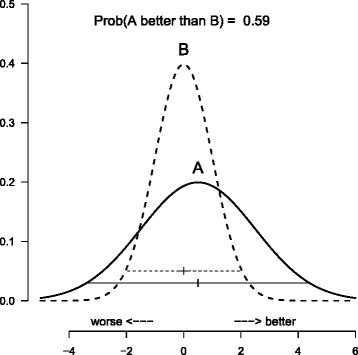
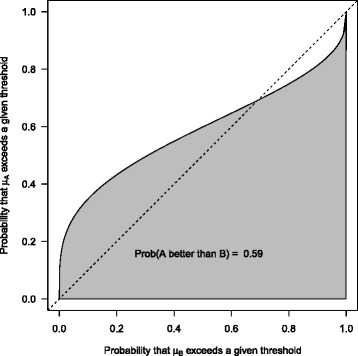
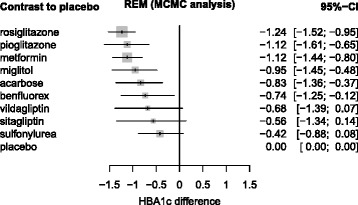
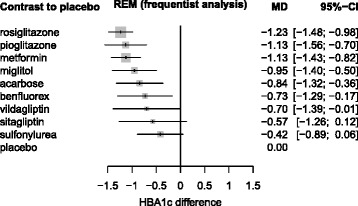
BACKGROUND: Network meta-analysis is used to compare three or more treatments for the same condition. Within a Bayesian framework, for each treatment the probability of being best, or, more general, the probability that it has a certain rank can be derived from the posterior distributions of all treatments. The treatments can then be ranked by the surface under the cumulative ranking curve (SUCRA). For comparing treatments in a network meta-analysis, we propose a frequentist analogue to SUCRA which we call P-score that works without resampling. METHODS: P-scores are based solely on the point estimates and standard errors of the frequentist network meta-analysis estimates under normality assumption and can easily be calculated as means of one-sided p-values. They measure the mean extent of certainty that a treatment is better than the competing treatments. RESULTS: Using case studies of network meta-analysis in diabetes and depression, we demonstrate that the numerical values of SUCRA and P-Score are nearly identical. CONCLUSIONS: Ranking treatments in frequentist network meta-analysis works without resampling. Like the SUCRA values, P-scores induce a ranking of all treatments that mostly follows that of the point estimates, but takes precision into account. However, neither SUCRA nor P-score offer a major advantage compared to looking at credible or confidence intervals.
Overview
The claims and statistics of this paper haven’t been checked yet.
Run the check — free, no account needed. It reads the open-access text and checks the sources it cites.
Integrity signals
Registry
Cites
Statistics
Figures
Verification
Claims the paper makes
The claims and statistics of this paper haven’t been checked yet.
Run the check — free, no account needed. It reads the open-access text and checks the sources it cites.
Claims other papers make about this one
Each is checked against this paper’s own text: does it say what the citing paper says it does?
The source backs part of the claim, not all of it — or backs it for a different population, condition or comparison.
In the citing paper
“This approach is often misleading, as it considers only the point estimate of effect and not the associated precision or certainty of evidence and ignores absolute differences between treatment alternatives.[56][57][58]”
From Management of chronic pain secondary to temporomandibular disorders: a systematic review and network meta-analysis of randomised trials (2023) · cites this paper as [57]
Experimental — accuracy not yet measured
Self-check
Percentages, sums and reported differences re-computed from the paper’s own numbers.
The self-check needs the paper’s full text.
Citations
Cites
R: A Language and Environment for Statistical Computing
R Core Team (2000) · doi:10.32614/r.manuals · Cited by 355,893
Statistical significance for genomewide studies
Storey, J. D., & Tibshirani, R. (2003) · Proceedings of the National Academy of Sciences · doi:10.1073/pnas.1530509100 · Cited by 9,692
Salanti, G., Ades, A. E., & Ioannidis, J. P. A. (2011) · Journal of Clinical Epidemiology · doi:10.1016/j.jclinepi.2010.03.016 · Cited by 3,766
Graphical tools for network meta-analysis in STATA
Chaimani, A., Higgins, J. P. T., Mavridis, D., Spyridonos, P., & Salanti, G. (2013) · PLoS ONE · doi:10.1371/journal.pone.0076654 · Cited by 2,473
Salanti, G. (2012) · Research Synthesis Methods · doi:10.1002/jrsm.1037 · Cited by 1,729
Cipriani, A., Furukawa, T. A., Salanti, G., Geddes, J. R., Higgins, J. P., Churchill, R., Watanabe, N., Nakagawa, A., Omori, I. M., McGuire, H., et al. (2009) · The Lancet · doi:10.1016/s0140-6736(09)60046-5 · Cited by 1,654
Dias, S., Sutton, A. J., Ades, A. E., & Welton, N. J. (2013) · Medical Decision Making · doi:10.1177/0272989x12458724 · Cited by 1,207
White, I. R., Barrett, J. K., Jackson, D., & Higgins, J. P. T. (2012) · Research Synthesis Methods · doi:10.1002/jrsm.1045 · Cited by 1,114
Jansen, J. P., Fleurence, R., Devine, B., Itzler, R. F., Barrett, A., Hawkins, N., Lee, K., Boersma, C., Annemans, L., & Cappelleri, J. C. (2011) · Value in Health · doi:10.1016/j.jval.2011.04.002 · Cited by 1,029
Hoaglin, D. C., Hawkins, N., Jansen, J. P., Scott, D. A., Itzler, R. F., Cappelleri, J. C., Boersma, C., Thompson, D., Larholt, K. M., Díaz, M., et al. (2011) · Value in Health · doi:10.1016/j.jval.2011.01.011 · Cited by 769
Cited by
Sorted by citations
Items 301–400 of 1,003
Tenberg, S., Mueller, S., Vogt, L., Roth, C., Happ, K., Scherer, M., Behringer, M., & Niederer, D. (2023) · Stroke · doi:10.1161/strokeaha.123.043110 · Cited by 35
Skoetz, N., Haque, M., Weigl, A., Kuhr, K., Monsef, I., Becker, I., & Jordan, K. (2017) · Cochrane Database of Systematic Reviews · doi:10.1002/14651858.cd012775 · Cited by 35
Su, Y.-J., Fu, J., Du, J., & Wu, B. Y. (2020) · Therapeutic Advances in Medical Oncology · doi:10.1177/1758835920950199 · Cited by 35
Exercise based reduction of falls in communitydwelling older adults: a network meta-analysis
Wiedenmann, T., Held, S., Rappelt, L., Grauduszus, M., Spickermann, S., & Donath, L. (2023) · European Review of Aging and Physical Activity · doi:10.1186/s11556-023-00311-w · Cited by 34
Herranz‐Gómez, A., Cuenca‐Martínez, F., Suso‐Martí, L., Varangot‐Reille, C., Prades-Monfort, M., Calatayud, J., & Casaña, J. (2023) · Archives of Physical Medicine and Rehabilitation · doi:10.1016/j.apmr.2023.01.008 · Cited by 42
Luo, G., Zhang, J., Song, Z.-Y., Wang, Y., Wang, X., Qu, H., Wang, F., Liu, C., & Gao, F. (2023) · Frontiers in Aging Neuroscience · doi:10.3389/fnagi.2023.1131744 · Cited by 34
“The rank probabilities of each treatment were calculated using the p-score, which values ranged from 0 to 1, where larger values indicated better treatment efficacy (Rücker and Schwarzer, 2015).”
MethodPark, M., Kim, H., Kim, M. G., Kim, K., & Choi, K. M. (2023) · Clinical and Molecular Hepatology · doi:10.3350/cmh.2022.0330 · Cited by 35
Ahuja, D., Murad, M. H., Ma, C., Jairath, V., & Singh, S. (2023) · The American Journal of Gastroenterology · doi:10.14309/ajg.0000000000002263 · Cited by 34
“We used the P score, which is a value between 0 and 1, for all advanced therapies vs placebo or each other, to rank them (15).”
MethodCASSAI, A. D., Pettenuzzo, T., Busetto, V., Legnaro, C., Pretto, C., Rotondi, A., Boscolo, A., Sella, N., Munari, M., & Navalesi, P. (2024) · Journal of Anesthesia Analgesia and Critical Care · doi:10.1186/s44158-024-00166-2 · Cited by 34
“To rank comparators, we conducted a ranking analysis using the frequentist analogue of the surface under the cumulative ranking curve (SUCRA) [16].”
Chen, X., Zheng, J., Yin, L., Li, Y., & Liu, H. (2024) · Journal of Orthopaedic Surgery and Research · doi:10.1186/s13018-024-04846-1 · Cited by 34
“However, it is essential to note that treat-ment effects are most significant, as a favorable rank does not necessarily imply a substantial or clinically significant effect [30].”
BackgroundDoosti‐Irani, A., Mansournia, M. A., Rahimiforoushani, A., Haddad, P., & Holakouie‐Naieni, K. (2017) · PLoS ONE · doi:10.1371/journal.pone.0184784 · Cited by 36
Guerra, B., Haile, S. R., Lamprecht, B., Ramírez, A. S., Martínez‐Camblor, P., Kaiser, B., Alfageme, I., Almagro, P., Casanova, C., Esteban, C., et al. (2018) · BMC Medicine · doi:10.1186/s12916-018-1013-y · Cited by 35
“ADO: Age, dyspnea, airflow obstruction; AUC: Area under the curve; B-AE-D: Body mass index, acute exacerbations, dyspnea; BODE: Body mass index, airflow obstruction, dyspnea and severe exacerbations; BODEx: Body mass index, airflow obstruction, dyspnea, severe acute exacerbation of COPD; COPD: Chronic obstructive pulm…”
MethodVickers, A. D., Winfree, K. B., Carter, G. C., Kiiskinen, U., Jen, M., Stull, D. E., Kaye, J. A., & Carbone, D. P. (2019) · BMC Cancer · doi:10.1186/s12885-019-5569-5 · Cited by 34
Kamarajah, S. K., Wilson, C. H., Bundred, J., Lin, A., Sen, G., Hammond, J. S., French, J., Manas, D., & White, S. A. (2019) · HPB · doi:10.1016/j.hpb.2019.09.014 · Cited by 35
Bartoletti, M., Pelizzari, G., Gerratana, L., Bortot, L., Lombardi, D., Nicoloso, M. S., Scalone, S., Giorda, G., Baldassarre, G., Sorio, R., et al. (2020) · International Journal of Molecular Sciences · doi:10.3390/ijms21113805 · Cited by 34
Chen, W., Tsai, S. H. L., Goyal, A., Fu, T., Lin, T., & Bydon, M. (2020) · European Spine Journal · doi:10.1007/s00586-020-06636-9 · Cited by 34
Brin, T. A., Chow, A. H. Y., Carter, C., Oremus, M., Bobier, W. R., & Thompson, B. S. (2021) · BMJ Open Ophthalmology · doi:10.1136/bmjophth-2020-000657 · Cited by 34
Chang, P., Chen, K.-H., Jhou, H., Chen, P., Huang, C., Lee, C., & Chang, T. (2021) · Scientific Reports · doi:10.1038/s41598-021-94716-1 · Cited by 34
Thach, T. Q., Mostafa, E. M., Tawfik, G. M., Soliman, M., Mahabir, S., Mahabir, R., Dong, V., Ravikulan, R., Alhijazeen, S., Farrag, D. A., et al. (2021) · Journal of Breath Research · doi:10.1088/1752-7163/ac1ea5 · Cited by 34
“Recently, Nanda et al 2020 and Wang et al 2020 also observed unsubstantial improvements when incorporating hand hygiene [21, 22].”
Kalthoff, A. M., Sanda, M., Tate, P., Evanson, K. W., Pederson, J. M., Paranjape, G. S., Patel, P. D., Sheffels, E., Miller, R., & Gupta, A. (2021) · Arthroscopy The Journal of Arthroscopic and Related Surgery · doi:10.1016/j.arthro.2021.11.054 · Cited by 33
Kato, A., Horita, N., Namkoong, H., Nomura, E., Masuhara, N., Kaneko, T., Mizuki, N., & Takeuchi, M. (2022) · Scientific Reports · doi:10.1038/s41598-022-21423-w · Cited by 33
López, P., Rech, A., Πετροπούλου, Μ., Newton, R. U., Taaffe, D. R., Galvao, D. A., Turella, D. J. P., Freitas, S. R., & Radaelli, R. (2022) · The Journals of Gerontology Series A · doi:10.1093/gerona/glac230 · Cited by 37
Georgiopoulos, G. A., Figliozzi, S., Pateras, K., Nicoli, F., Bampatsias, D., Beltrami, M., Finocchiaro, G., Chiribiri, A., Masci, P. G., & Olivotto, I. (2022) · JACC Heart Failure · doi:10.1016/j.jchf.2022.08.022 · Cited by 33
Levast, B., Fontaine, M., Nancey, S., Déchelotte, P., Dore, J. M., & Lehert, P. (2023) · Clinical and Translational Gastroenterology · doi:10.14309/ctg.0000000000000568 · Cited by 33
Comparing Anticoagulation Strategies for Venous Thromboembolism Associated With Active Cancer
Fujisaki, T., Sueta, D., Yamamoto, E., Buckley, C. W., Correia, G. S. D. C., Aronson, J. H., de Lara, P. T., Fujisue, K., Usuku, H., Matsushita, K., et al. (2024) · JACC CardioOncology · doi:10.1016/j.jaccao.2023.10.009 · Cited by 33
Improving Diabetic Wound-Healing Outcomes With Topical Growth Factor Therapies
Wong, A. Y. W., Hooi, N. M. F., Yeo, B. S. Y., Sultana, R., Bee, Y. M., Lee, A. R. Y. B., & Tay, S. M. (2024) · The Journal of Clinical Endocrinology & Metabolism · doi:10.1210/clinem/dgae128 · Cited by 33
Tian, S., Liang, Z., Qui, F., Yu, Y., Wang, C., Zhang, M., & Wang, X. (2024) · Journal of Psychiatric Research · doi:10.1016/j.jpsychires.2024.06.031 · Cited by 35
Mai, V., Bertoletti, L., Cucherat, M., Mainbourg, S., Grangé, C., Provencher, S., & Lega, J. (2019) · PLoS ONE · doi:10.1371/journal.pone.0214134 · Cited by 34
Yu, J., Ren, L., Su, M., Yang, Y., & Lv, F. (2020) · PLoS ONE · doi:10.1371/journal.pone.0237174 · Cited by 33
“Ranking followed probability score (P score) calculation[21, 22] from the surface under the cumulative ranking curve (SUCRA) method.”
MethodVeroniki, A. A., Ashoor, H. M., Rios, P. D. L., Seitidis, G., Stewart, L. A., Clarke, M. J., Smith, C. T., Mavridis, D., Hemmelgarn, B. R., Holroyd-Leduc, J. M., et al. (2022) · BMJ Open · doi:10.1136/bmjopen-2021-053012 · Cited by 33
Wade, R. G., Burr, N. E., McCauley, G., Bourke, G., & Efthimiou, O. (2021) · White Rose Research Online (University of Leeds, The University of Sheffield, University of York) · doi:10.7892/boris.145978 · Cited by 33
Yang, A., Pechlivanoglou, P., & Aoyama, K. (2022) · Journal of Anesthesia · doi:10.1007/s00540-022-03072-5 · Cited by 32
Willems, L. H., Maas, D. P. M. S. M., Kramers, K., Reijnen, M. M. P. J., Riksen, N. P., Cate, H. T., van der Vijver-Coppen, R. J., de Borst, G. J., Mees, B., Zeebregts, C. J., et al. (2022) · Drugs · doi:10.1007/s40265-022-01756-6 · Cited by 37
“The numerical p score values are nearly identical to the surface under the cumulative ranking curve [23].”
MethodMinakata, D., Fujiwara, S., Yokoyama, D., Noguchi, A., Aoe, S., Oyama, T., Koyama, S., Murahashi, R., Nakashima, H., Hyodo, K., et al. (2023) · British Journal of Haematology · doi:10.1111/bjh.18654 · Cited by 35
Kuno, T., Ueyama, H. A., Takagi, H., Ando, T., Numasawa, Y., Briasoulis, Α., Fox, J., & Bangalore, S. (2019) · The American Journal of Cardiology · doi:10.1016/j.amjcard.2019.11.022 · Cited by 32
Mahardawi, B., Jiaranuchart, S., Arunjaroensuk, S., Dhanesuan, K., Mattheos, N., & Pimkhaokham, A. (2024) · Clinical Oral Implants Research · doi:10.1111/clr.14357 · Cited by 32
Stahl‐Pehe, A., Mashhadi, N. S., Wirth, M., Schlesinger, S., Kuß, O., Holl, R. W., Bächle, C., Warz, K.-D., Bürger-Büsing, J., Spörkel, O., et al. (2025) · EClinicalMedicine · doi:10.1016/j.eclinm.2025.103190 · Cited by 38
“22 Statistical evaluations and graph creation were performed via the network and network graph packages in Stata/SE, version 17.0 (StataCorp LLC).”
InfluentialZheng, H., Chen, Q., Chen, M., Wu, X., She, T., Li, J., Huang, D., Yue, L., & Fang, J. (2018) · Neurogastroenterology & Motility · doi:10.1111/nmo.13441 · Cited by 33
Efficacy and Safety of Antibiotics for Treatment of Scrub Typhus
Yang, J., Luo, L., Chen, T., Li, L., Xu, X., Zhang, Y., Cao, W., Yue, P., Bao, F., & Liu, A. (2020) · JAMA Network Open · doi:10.1001/jamanetworkopen.2020.14487 · Cited by 32
Bahji, A., Bach, P., Danilewitz, M., Crockford, D. N., el‐Guebaly, N., Devoe, D. J. A., & Saitz, R. (2022) · Addiction · doi:10.1111/add.15853 · Cited by 36
Zhang, K., Wang, L., Zhang, Z.-H., Zhang, D., Lin, X., Meng, T., & Qi, F. (2022) · Journal of Pain Research · doi:10.2147/jpr.s384215 · Cited by 32
“We ranked the efficacy outcomes of various treatments with reference to the P-score, which is similar to the surface under the cumulative ranking curve (SUCRA).(32) P-score ranges from 0 to 1, and interventions with high P-score have better overall efficacy than those with low P-score.”
MethodGrant, S., Azhar, G., Han, E., Booth, M., Motala, A., Larkin, J., & Hempel, S. (2021) · PLOS Medicine · doi:10.1371/journal.pmed.1003822 · Cited by 31
“For each outcome and time point, we ranked interventions in order of effectiveness using p scores—a frequentist measure of the extent of certainty that an intervention is better than another intervention averaged over all competing interventions [41,42].”
MethodGuo, K., Zhou, L., Shang, X., Yang, C., Fenfen, E., Wang, Y., Xu, M., Wu, Y., Li, Y., Li, M., et al. (2022) · Drug and Alcohol Dependence · doi:10.1016/j.drugalcdep.2022.109672 · Cited by 34
Nees, M. A., & Liebman, E. (2023) · Auditory Perception & Cognition · doi:10.1080/25742442.2023.2219201 · Cited by 33
Phinyo, P., Krikeerati, T., Vichara-Anont, I., & Thongngarm, T. (2023) · The Journal of Allergy and Clinical Immunology In Practice · doi:10.1016/j.jaip.2023.11.007 · Cited by 32
Sobieraj, D. M., Baker, W. L., Smith, E., Sasiela, K., Trexler, S. E., Kim, O., & Coleman, C. I. (2018) · Clinical and Applied Thrombosis/Hemostasis · doi:10.1177/1076029618800792 · Cited by 31
“The ranking of treatments for each outcome was performed using the P score (the probability that one treatment is better than the others), with higher values corresponding to a higher ranking.(12) The rankings for recurrent VTE, major bleeding, and all-cause mortality were combined in an Haase diagram, which illustrat…”
MethodKuno, T., Takagi, H., Sugiyama, T., Ando, T., Miyashita, S., Valentin, N., Shimada, Y. J., Kodaira, M., Numasawa, Y., Kanei, Y., et al. (2019) · Catheterization and Cardiovascular Interventions · doi:10.1002/ccd.28498 · Cited by 31
“was considered 100% when a treatment was certain to be the best and 0% when a treatment was certain to be the worst.(17) As sensitivity analyses, we conducted analyses (a) excluding the largest study (N = 16,694, 81.”
MethodUsing Normalized Entropy to Measure Uncertainty of Rankings for Network Meta-analyses
Wu, Y., Shih, M., & Tu, Y. (2021) · Medical Decision Making · doi:10.1177/0272989x21999023 · Cited by 31
“The bimodal distribution of ranking probabilities is uncommon; however, it may be seen when 2 treatments have similar effect sizes but one has a much wider CI, thereby yielding a greater distribution of ranking probabilities.(20) However, because the bimodal distribution is considered the most uncertain scenario, the…”
BackgroundVillacampa, G. J., Matikas, A., Oliveira, M., Prat, A., Pascual, T., & Papakonstantinou, A. (2023) · European Journal of Cancer · doi:10.1016/j.ejca.2023.03.042 · Cited by 32
Huang, C., Chang, I.-J., Bolick, N. L., Hsu, W., Su, C., Hsieh, T., Huang, I.-H., & Lee, C. (2023) · The Annals of Family Medicine · doi:10.1370/afm.2995 · Cited by 31
Ricci, C., Alberici, L., Serbassi, F., Caraceni, P., Domenicali, M., Ingaldi, C., Grego, D. G., Mazzucchelli, C., & Casadei, R. (2023) · Annals of Surgical Oncology · doi:10.1245/s10434-023-14632-8 · Cited by 37
“21,22 The variety of interventions was considered among the best if p -score was ≥0.66; when p -score was 0.65 to 0.33, the combination was judged inferior to the best/better than the worst; when p -score was <0.33, the combination was considered among the worst.”
MethodInfluentialCai, W., Tong, R., Sun, Y., Yao, Y., & Zhang, J. (2024) · Frontiers in Pharmacology · doi:10.3389/fphar.2024.1387585 · Cited by 30
Radaelli, R., Rech, A., Molinari, T., Markarian, A. M., Πετροπούλου, Μ., Granacher, U., Hortobágyi, T., & López, P. (2024) · Sports Medicine · doi:10.1007/s40279-024-02123-z · Cited by 37
“Intervention effects were ranked according to P -scores [49].”
Yang, H., An, T., Zhao, Y., Shi, X., Wang, B., & Zhang, Q. (2025) · Annals of Medicine · doi:10.1080/07853890.2025.2455536 · Cited by 30
“Given that P-score took precision into account [25] and sUcRa were unstable based on simulations, we preferentially ranked interventions with P-score like another study [26] and also compared the potential differences between sUcRa and P-score. the key characteristics of included Rcts were…”
Pharmacologic Treatment of Heart Failure With Reduced Ejection Fraction
van Essen, B. J., Ceelen, D. C. H., Ouwerkerk, W., Teng, T. K., Tharshana, G. N., Hew, F. M., Butler, J., Zannad, F. M., Lam, C. S. P., Ezekowitz, J. A., et al. (2025) · Journal of the American College of Cardiology · doi:10.1016/j.jacc.2025.08.054 · Cited by 35
Uhlig, A., Uhlig, J., Trojan, L., Hinterthaner, M., von Hammerstein-Equord, A. F., & Strauß, A. (2019) · BMC Urology · doi:10.1186/s12894-019-0544-7 · Cited by 31
Progress and challenges of network meta‐analysis
Tian, J., Gao, Y., Zhang, J., Yang, Z., Dong, S., Zhang, T., Sun, F., Wu, S., Wu, J., Wang, J., et al. (2021) · Journal of Evidence-Based Medicine · doi:10.1111/jebm.12443 · Cited by 29
Zur, M., Peselev, T., Yanko, S., Rotshild, V., & Matok, I. (2023) · Antiviral Research · doi:10.1016/j.antiviral.2023.105768 · Cited by 30
Blommestein, H. M., van Beurden-Tan, C. H. Y., Franken, M. G., Groot, C. A. U., Sonneveld, P., & Zweegman, S. (2019) · Haematologica · doi:10.3324/haematol.2018.206912 · Cited by 30
“MP} NMSG MP 74 179 14 32 42 NCT00218855 (11-18) Beksac 2010 Treatment 122 MPT 69 60 n/r 0.”
Hurley, E. T., Gianakos, A. L., Anil, U., Strauss, E. J., & Gonzalez-Lomas, G. P. (2019) · The Knee · doi:10.1016/j.knee.2019.01.015 · Cited by 30
Lampit, A., Gavelin, H. M., Sabatés, J., Launder, N. H., Hallock, H., Finke, C., Krohn, S., & Peeters, G. M. E. E. (2020) · medRxiv · doi:10.1101/2020.10.07.20208306 · Cited by 33
“Ranking of treatments were estimated using P-scores, representing the extent of certainty that an intervention is more effective than another intervention 19 .”
MethodZhou, L., Deng, X., Xu, M., Wu, Y., Shang, X., Fenfen, E., Wang, Y., Liang, S., Yang, K., & Li, X. (2023) · International Journal of Behavioral Nutrition and Physical Activity · doi:10.1186/s12966-023-01467-5 · Cited by 33
“SUCRA is an index that can be used as a reference to evaluate the relative position of each treatment and account for inconsistencies between studies [32, 33].”
MethodIntegrating Evidence to Guide Use of Biologics and Small Molecules for Inflammatory Bowel Diseases
Dulai, P. S., Singh, S., Jairath, V., Wong, E. C. L., & Narula, N. (2023) · Gastroenterology · doi:10.1053/j.gastro.2023.10.033 · Cited by 32
Vuyyuru, S. K., Nguyen, T. M., Murad, M. H., Narula, N., Bessissow, T., Zou, G., McCurdy, J. D., Peyrin‐Biroulet, L., Danese, S., Ma, C., et al. (2024) · Clinical Gastroenterology and Hepatology · doi:10.1016/j.cgh.2023.12.023 · Cited by 29
Schettini, F., Nucera, S., Pascual, T., Martínez‐Sáez, O., Sánchez-Bayona, R., Conte, B., Buono, G., Lambertini, M., Punie, K., Cejalvo, J. M., et al. (2024) · Cancer Treatment Reviews · doi:10.1016/j.ctrv.2024.102865 · Cited by 29
Deng, J., Heybati, K., Ramaraju, H. B., Zhou, F., Rayner, D. G., & Heybati, S. (2022) · Infection · doi:10.1007/s15010-022-01825-8 · Cited by 29
“A P score of 1 indicates that the treatment is certain to be the most effective/safest treatment in the network, while a P score of 0 indicates that the treatment is certain to be the least effective/safe in the network [25].”
BackgroundMarkar, S. R., Andreou, A., Bonavina, L., Flórez, I. D., Huo, B., Kontouli, K., Low, D. E., Mavridis, D., Maynard, N., Moss, A., et al. (2022) · United European Gastroenterology Journal · doi:10.1002/ueg2.12318 · Cited by 28
“We ranked all the available treatments in each outcome, from best to worst, using P‐ scores.(33) A value close to 1 means that the intervention is very efficacious, whereas a value close to 0 means the opposite.”
MethodWang, Z., Zhou, Z., Zhang, L., Li, X., Li, M., Pan, Y., Jiao, T., Shi, X., Liu, Q., Wang, C., et al. (2023) · European journal of medical research · doi:10.1186/s40001-022-00968-6 · Cited by 29
“The larger the percentage is, it means that the intervention has the highest probability and possibility of becoming the most preferred option, and a value of 0 indicates that the intervention may be completely ineffective [23, 24].”
BackgroundBallesio, A., Zagaria, A., Vacca, M., Pariante, C. M., & Lombardo, C. (2023) · Brain Behavior and Immunity · doi:10.1016/j.bbi.2023.05.006 · Cited by 30
“A hierarchy of competing interventions on the basis of their efficacy was established using P-scores, which are considered a frequentist equivalent to the Bayesian network surface under the cumulative ranking curves (SUCRA; Rücker and Schwarzer, 2015).”
Head-to-head drug comparisons in multiple sclerosis
Tur, C., Kalinčík, T., Oh, J., Sormani, M. P., Tintoré, M., Butzkueven, H., & Montalbán, X. (2019) · Neurology · doi:10.1212/wnl.0000000000008319 · Cited by 29
Kudiarasu, C., López, P., Galvao, D. A., Newton, R. U., Taaffe, D. R., Mansell, L., Fleay, B., Saunders, C. M., Fox‐Harding, C., & Singh, F. (2023) · Cancer · doi:10.1002/cncr.35043 · Cited by 33
“49 Comparisons were made when more than one study was included for each comparator and were considered statistically significant when the 95% CI did not include the value of zero.”
BackgroundPépin, J., Lehert, P., Messaoud, R. B., Joyeux-faure, M., Caussé, C., Asin, J., Barbé, F., Bonsignore, M., Randerath, W., Verbraecken, J., et al. (2024) · EClinicalMedicine · doi:10.1016/j.eclinm.2024.102843 · Cited by 28
“51 Pi is de fi ned as the mean of all 1 – Pj (Pj = one-sided p value of accepting the alternative hypothesis that ti > tj).”
BackgroundBednárik, D. S., Földvári-Nagy, K. C., Simon, V., Rancz, A., Gede, N., Veres, D. S., Paraskevopoulos, P., Schnabel, T., Erőss, B. M., Hegyi, P., et al. (2025) · The Lancet Regional Health - Europe · doi:10.1016/j.lanepe.2024.101151 · Cited by 30
“P-scores 23 were calculated to indicate which treatments were more or less likely to have the most signi fi cant bene fi ts or negligible adverse effects; the score ranged from 0 to 1, representing the theoretically worst and best treatments, respectively, compared to the other treatments.”
Which are the best Chinese herbal injections combined with XELOX regimen for gastric cancer?
Zhang, D., Wu, J., Wang, K., Duan, X., Liu, S., & Zhang, B. (2018) · Medicine · doi:10.1097/md.0000000000010127 · Cited by 28
Jung, J. M., Jung, C. J., Lee, W. J., Won, C. H., Lee, M. W., Choi, J. H., & Chang, S. E. (2019) · British Journal of Dermatology · doi:10.1111/bjd.18638 · Cited by 28
Agreement between ranking metrics in network meta-analysis: an empirical study
Chiocchia, V., Nikolakopoulou, A., Papakonstantinou, T., Egger, M., & Salanti, G. (2020) · BMJ Open · doi:10.1136/bmjopen-2020-037744 · Cited by 30
A Markov chain approach for ranking treatments in network meta‐analysis
Chaimani, A., Porcher, R., Sbidian, É., & Mavridis, D. (2020) · Statistics in Medicine · doi:10.1002/sim.8784 · Cited by 27
Hurley, E. T., Maye, A. B., Thompson, K. A., Anil, U., Ferati, S. R., Virk, M. S., Strauss, E. J., Alaia, M. J., & Campbell, K. A. (2020) · The American Journal of Sports Medicine · doi:10.1177/0363546520971757 · Cited by 28
“The P-score represents the probability that the nerve block is the ideal block for optimal pain control, and it provides a method for ranking the possible options.(81) However, the optimal method of comparing treatments should be to look at the odds ratio and confidence interval.”
MethodInfluentialXiao, M. X., Cohen, S., Cheung, E. V., Freehill, M. T., & Abrams, G. D. (2021) · Journal of Shoulder and Elbow Surgery · doi:10.1016/j.jse.2021.06.008 · Cited by 28
Methods of Weaning From Mechanical Ventilation in Adult: A Network Meta-Analysis
Jhou, H., Chen, P., Ou‐Yang, L., Lin, C. S., Tang, S.-E., & Lee, C. (2021) · Frontiers in Medicine · doi:10.3389/fmed.2021.752984 · Cited by 28
“Higher P-score scores correspond to a greater weaning success rate, lower proportion requiring reintubation and lower mortality (26).”
BackgroundGuo, K., Wang, S., Shang, X., Fenfen, E., Hou, L., Li, J., Li, Y., Yang, K., & Li, X. (2022) · Addictive Behaviors · doi:10.1016/j.addbeh.2022.107329 · Cited by 32
Zhu, Y., Liu, K., Ding, D., Wang, K., Liu, X., & Tan, X. (2022) · Frontiers in Pharmacology · doi:10.3389/fphar.2022.858207 · Cited by 28
Zhang, Y., Ren, R., Vitiello, M. V., Yang, L., Zhang, H., Shi, Y., Sanford, L. D., & Tang, X. (2022) · Neuroscience & Biobehavioral Reviews · doi:10.1016/j.neubiorev.2022.104717 · Cited by 34
Qian, Y., Fu, X., Zhang, H., Yang, Y., & Wang, G. (2023) · BMC Geriatrics · doi:10.1186/s12877-023-04239-9 · Cited by 71
“We used P-scores to rank exercise types on the basis of the degree of improvement in each balance outcome categories [31].”
MethodEAES, SAGES, and ESCP rapid guideline: bowel preparation for minimally invasive colorectal resection
Antoniou, S. A., Huo, B., Tzanis, A. Α., Koutsiouroumpa, O., Mavridis, D., Balla, A., Doré, S., Kaiser, A. M., Koraki, E., Massey, L. H., et al. (2023) · Surgical Endoscopy · doi:10.1007/s00464-023-10477-0 · Cited by 28
Zhang, D., Ni, M., Wu, J., Liu, S., Meng, Z., Tian, J., Zhang, X., & Zhang, B. (2019) · Frontiers in Pharmacology · doi:10.3389/fphar.2018.01470 · Cited by 31
“The SUCRA value ranged from 0 to 100%, with a larger SUCRA value indicating a better treatment option (Rücker and Schwarzer, 2015; Trinquart et al., 2016).”
BackgroundA Practical Guide for Application of Network Meta-Analysis in Evidence Synthesis
Antoniou, S. A., Koelemay, M. J. W., Antoniou, G. A., & Mavridis, D. (2018) · European Journal of Vascular and Endovascular Surgery · doi:10.1016/j.ejvs.2018.10.023 · Cited by 27
Furukawa, Y., Sakata, M., Furukawa, T. A., Efthimiou, O., & Perlis, M. (2024) · Psychiatry and Clinical Neurosciences · doi:10.1111/pcn.13730 · Cited by 27
Kim, E. H., Park, S. W., Nam, E., Lee, J. G., & Park, C. H. (2018) · Surgical Endoscopy · doi:10.1007/s00464-018-6409-4 · Cited by 27
Kamarajah, S. K., Bundred, J., Alrawashdeh, W., Manas, D., & White, S. A. (2019) · HPB · doi:10.1016/j.hpb.2019.12.001 · Cited by 27
Fong, K. M., Au, S. Y., & Ng, G. W. Y. (2021) · Scientific Reports · doi:10.1038/s41598-021-95386-9 · Cited by 29
Secondary Prophylaxis of Gastric Variceal Bleeding: A Systematic Review and Network Meta‐Analysis
Osman, K. T., Nayfeh, T., Abdelfattah, A. M., Alabdallah, K., Hasan, B., Firwana, M., Alabaji, H., Elkhabiry, L., Mousa, J., Prokop, L. J., et al. (2021) · Liver Transplantation · doi:10.1002/lt.26383 · Cited by 27
Srisurapanont, M., Suttajit, S., Kosachunhanun, N., Likhitsathian, S., Suradom, C., & Maneeton, B. (2022) · Neuroscience & Biobehavioral Reviews · doi:10.1016/j.neubiorev.2022.104731 · Cited by 31
Pamporis, K., Karakasis, P., Sagris, Μ., Zarifis, I., Bougioukas, K. I., Pagkalidou, E., Milaras, N., Samaras, A., Theofilis, P., Fragakis, N., et al. (2024) · Current Problems in Cardiology · doi:10.1016/j.cpcardiol.2024.102615 · Cited by 28
Tesfamariam, Y. M., Jakob, T., Wöckel, A., Adams, A., Weigl, A., Monsef, I., Kuhr, K., & Skoetz, N. (2019) · Critical Reviews in Oncology/Hematology · doi:10.1016/j.critrevonc.2019.02.004 · Cited by 27
Jeong, H. S., Lee, Y. W., Rhee, T. G., & Shim, S. R. (2025) · Psychiatry Research · doi:10.1016/j.psychres.2025.116426 · Cited by 26
Barberio, B., Black, C. J., Savarino, E. V., & Ford, A. C. (2020) · Journal of Crohn s and Colitis · doi:10.1093/ecco-jcc/jjaa226 · Cited by 26
Li, Y., Zhang, B., Guo, J., Cao, Z., & Shen, M. (2022) · Journal of Dermatological Treatment · doi:10.1080/09546634.2022.2080170 · Cited by 26
Ji, M., Sun, Y., Zhou, J., Li, X., Wei, H., & Wang, Z. (2022) · Journal of Affective Disorders · doi:10.1016/j.jad.2022.11.089 · Cited by 26
Nury, E., Stadelmaier, J., Morze, J., Nagavci, B., Grummich, K., Schwarzer, G., HOFFMANN, G. E., Angele, C. M., Steinacker, J. M., Wendt, J., et al. (2022) · BMJ Medicine · doi:10.1136/bmjmed-2022-000346 · Cited by 34
Self-citation
Metadata
- Authors
- Rücker, G., & Schwarzer, G.
- Affiliations
- University of Freiburg (DE)
- Corresponding author
- Rücker, Gerta
- Venue
- BMC Medical Research Methodology
- Published
- 2015-07-31
- Volume
- 15
- Issue
- 1
- Pages
- 58-58
- ISSN
- 1471-2288 (ISSN-L)
- PMC
- PMC4521472
- OpenAlex
- W2111999709
- Cited by
- 1,732
- References
- 32
- Citations by year
- 2026: 249 · 2025: 253 · 2024: 267 · 2023: 229 · 2022: 226 · 2021: 191 · 2020: 148 · 2019: 76 · 2018: 52 · 2017: 32 · 2016: 8 · 2015: 1
- FWCI
- 28.58
- Type
- journal article
- Language
- en
- Open access
- gold
- doi.org
- Licence
- Locations
- BMC Medical Research Methodology (publishedVersion, other-oa)
- PubMed Central (publishedVersion, cc-by)
- PubMed (publishedVersion)
- FreiDok plus (Universitätsbibliothek Freiburg) (submittedVersion)
- Funders
- Deutsche Forschungsgemeinschaft (RU1747/1-1)
- Topics
- Social Sciences › Decision Sciences › Statistics, Probability and Uncertainty › Meta-analysis and systematic reviews
- Physical Sciences › Mathematics › Statistics and Probability › Statistical Methods in Clinical Trials
- Social Sciences › Sociology and Political Science › Delphi Technique in Research
- Keywords
- treatment ranking, P-score, surface under the cumulative ranking curve, confidence intervals, diabetes mellitus, depression
- MeSH terms
- Algorithms, Bayes Theorem, Biometry, Data Interpretation, Statistical, Humans, Review Literature as Topic, Meta-Analysis as Topic, Reproducibility of Results, Biomedical Research
About these checks
Registry, retraction, Cites and statistics results are computed, not judged, with one exception: a printed reference that no index lists is read once by a model before it counts as a citation error. Claims are extracted by a model and kept only when their quote appears verbatim in the text; each cited source is then checked, with a model’s help, for whether it says what the claim relies on. Those verdicts can be wrong — read the claim’s quote and the cited source before relying on one.
Statistics and arithmetic are recomputed, not judged.
Confidence bands are shown only for fields calibrated on our annotated test set. None is calibrated yet, so no band is shown.
What counts as a claim ›How we measure confidence ›How we check this ›
Are you an author, or do you see a problem with this page? Request a review
