

The DOI matches its Crossref record; 48 of the 49 references it cites were found in a registry or an index.
DeepSurv: personalized treatment recommender system using a Cox proportional hazards deep neural network
Open accessAbstract
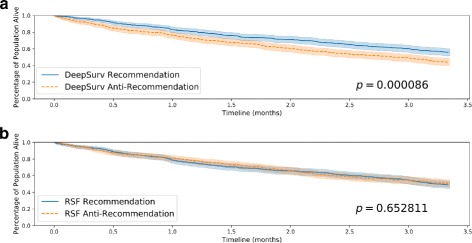
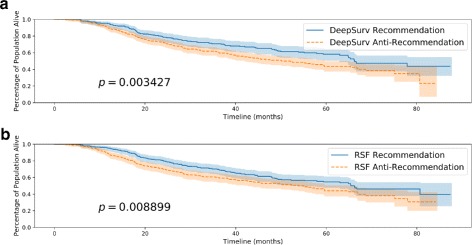
BACKGROUND: Medical practitioners use survival models to explore and understand the relationships between patients' covariates (e.g. clinical and genetic features) and the effectiveness of various treatment options. Standard survival models like the linear Cox proportional hazards model require extensive feature engineering or prior medical knowledge to model treatment interaction at an individual level. While nonlinear survival methods, such as neural networks and survival forests, can inherently model these high-level interaction terms, they have yet to be shown as effective treatment recommender systems. METHODS: We introduce DeepSurv, a Cox proportional hazards deep neural network and state-of-the-art survival method for modeling interactions between a patient's covariates and treatment effectiveness in order to provide personalized treatment recommendations. RESULTS: We perform a number of experiments training DeepSurv on simulated and real survival data. We demonstrate that DeepSurv performs as well as or better than other state-of-the-art survival models and validate that DeepSurv successfully models increasingly complex relationships between a patient's covariates and their risk of failure. We then show how DeepSurv models the relationship between a patient's features and effectiveness of different treatment options to show how DeepSurv can be used to provide individual treatment recommendations. Finally, we train DeepSurv on real clinical studies to demonstrate how it's personalized treatment recommendations would increase the survival time of a set of patients. CONCLUSIONS: The predictive and modeling capabilities of DeepSurv will enable medical researchers to use deep neural networks as a tool in their exploration, understanding, and prediction of the effects of a patient's characteristics on their risk of failure.
Overview
The claims and statistics of this paper haven’t been checked yet.
Run the check — free, no account needed. It reads the open-access text and checks the sources it cites.
Integrity signals
Registry
Cites
Statistics
Figures
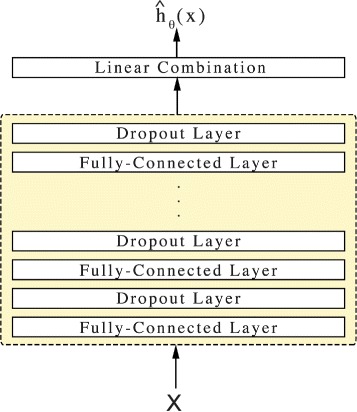
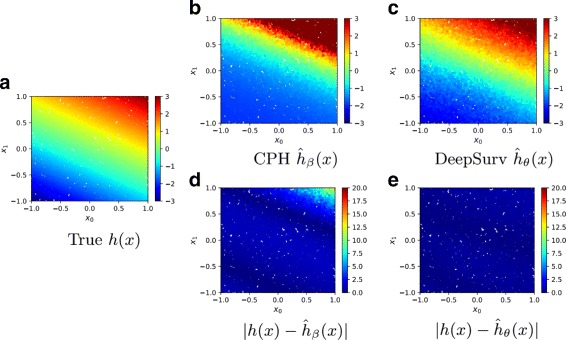
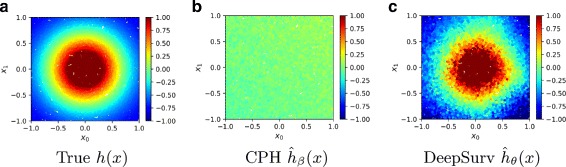
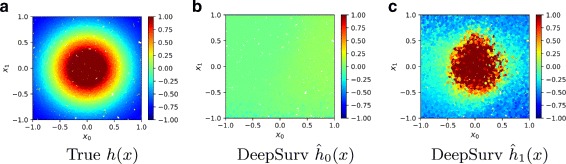
Verification
Claims the paper makes
The claims and statistics of this paper haven’t been checked yet.
Run the check — free, no account needed. It reads the open-access text and checks the sources it cites.
Self-check
Percentages, sums and reported differences re-computed from the paper’s own numbers.
The self-check needs the paper’s full text.
Citations
Cites
Adam: A Method for Stochastic Optimization
Kingma, D. P., & Ba, J. (2014) · arXiv · doi:10.48550/arxiv.1412.6980 · Cited by 98,946 · cited 1×
“more than one hidden layer) and apply modern techniques such as weight decay regularization, Rectified Linear Units (ReLU) [17] with batch normalization [18], Scaled Exponential Linear Units (SELU) [19], dropout [20], gradient descent optimization algorithms (Stochastic Gradient Descent and Adaptive Moment Estimation…”
MethodAn Introduction to the Bootstrap
Efron, B., & Tibshirani, R. J. (1994) · doi:10.1201/9780429246593 · Cited by 40,500
(2014) · Cited by 33,419
Batch Normalization: Accelerating Deep Network Training by Reducing Internal Covariate Shift
Ioffe, S., & Szegedy, C. (2015) · arXiv · doi:10.48550/arxiv.1502.03167 · Cited by 27,818
Regression Models and Life-Tables
Cox, D. R. (1992) · Springer Series in Statistics · doi:10.1007/978-1-4612-4380-9_37 · Cited by 26,297 · cited 1×
“iables in outcomes such as death or cancer recurrence and subsequently inform patients of their treatment options [1, 2, 3, 4]. One standard survival model is the Cox proportional hazards model (CPH) [5]. The CPH arXiv:1606.00931v3 [stat.ML] 9 Aug 2017 is a semiparametric model that calculates the effects of observed…”
MethodAn Introduction to the Bootstrap
Efron, B., & Tibshirani, R. J. (1993) · doi:10.1007/978-1-4899-4541-9 · Cited by 21,230
(2010) · International Conference on Machine Learning · Cited by 13,995
Modeling Survival Data: Extending the Cox Model
Therneau, T. M., & Grambsch, P. M. (2000) · Statistics for Biology and Health · doi:10.1007/978-1-4757-3294-8 · Cited by 8,674
(2012) · Cited by 8,009
The genomic and transcriptomic architecture of 2,000 breast tumours reveals novel subgroups
METABRIC Group, Curtis, C., Shah, S. P., Chin, S.-F., Turashvili, G., Rueda, O. M., Dunning, M. J., Speed, D., Lynch, A. G., Samarajiwa, S., et al. (2012) · Nature · doi:10.1038/nature10983 · Cited by 6,097 · cited 1×
“First, we simulate clinical treatment data by including an additional covariate to the simulated data from Section 4.1.2.”
MethodInfluential
Cited by
Sorted by citations
Items 501–600 of 1,000
Adam, N. R., & Wieder, R. (2024) · Cancers · doi:10.3390/cancers16203527 · Cited by 13
“The first successful attempt to extend the Cox regression model with neural networks (NNs) was proposed in [39], where the patient’s covariates are input to the network, and the single node out of the network uses a linear activation function to estimate the log-risk function in the Cox model.”
MethodTv, V., Chavan, D., Malhotra, P., Vig, L., & Shroff, G. M. (2019) · International Journal of Prognostics and Health Management · doi:10.36001/ijphm.2019.v10i4.2612 · Cited by 17
Barros, M., Moitinho, A., & Couto, F. M. (2019) · IEEE Access · doi:10.1109/access.2019.2958002 · Cited by 13
Survival neural networks for time-to-event prediction in longitudinal study
Zhang, J., Chen, L., Ye, Y., Guo, G., Chen, R., Vanasse, A., & Wang, S. (2020) · Knowledge and Information Systems · doi:10.1007/s10115-020-01472-1 · Cited by 14
Xu, H. F., & Yan, R. (2020) · Journal of Intelligent & Fuzzy Systems · doi:10.3233/jifs-189062 · Cited by 13
RetractedA Deep Learning-Based Reliability Model for Complex Survival Data
Aminisharifabad, M., Yang, Q., & Wu, X. (2021) · IEEE Transactions on Reliability · doi:10.1109/tr.2020.3045144 · Cited by 13
Modeling Recidivism through Bayesian Regression Models and Deep Neural Networks
de la Cruz, R., Padilla, O., Valle, M. A., & Ruz, G. A. (2021) · Mathematics · doi:10.3390/math9060639 · Cited by 13
Bounding information leakage in machine learning
Grosso, G. D., Pichler, G., Catuscia Palamidessi, A., & Piantanida, P. (2023) · Neurocomputing · doi:10.1016/j.neucom.2023.02.058 · Cited by 15
Thedinga, K., & Herwig, R. (2021) · iScience · doi:10.1016/j.isci.2021.103617 · Cited by 14
Kawaguchi, Y., Shimada, Y., Murakami, K., Omori, T., Kudo, Y., Makino, Y., Maehara, S., Hagiwara, M., Kakihana, M., Yamada, T., et al. (2022) · Lung Cancer · doi:10.1016/j.lungcan.2022.06.007 · Cited by 13
Bao, L., Wang, Y.-T., Zhuang, J., Liu, A., Dong, Y.-J., Chu, B., Chen, X., Lu, M., Shi, L., Gao, S., et al. (2022) · Frontiers in Oncology · doi:10.3389/fonc.2022.922039 · Cited by 13
Fair and Interpretable Models for Survival Analysis
Rahman, M. M., & Purushotham, S. (2022) · ACM SIGKDD Conference on Knowledge Discovery and Data Mining (KDD) · doi:10.1145/3534678.3539259 · Cited by 13
Li, Y., Brendel, M., Wu, N., Ge, W., Zhang, H., Rietschel, P., Quek, R. G. W., Pouliot, J., Wang, F., & Harnett, J. (2022) · Scientific Reports · doi:10.1038/s41598-022-20061-6 · Cited by 16
Zhao, Z., Li, W., Liu, P., Zhang, A., Sun, J., & Xu, L. X. (2023) · IEEE Journal of Biomedical and Health Informatics · doi:10.1109/jbhi.2023.3260776 · Cited by 13
Real-time Mortality Prediction Using MIMIC-IV ICU Data Via Boosted Nonparametric Hazards
Nowroozilarki, Z., Pakbin, A., Royalty, J., Lee, D., & Mortazavi, B. J. (2021) · IEEE-EMBS International Conference on Biomedical and Health Informatics (BHI ...) · doi:10.1109/bhi50953.2021.9508537 · Cited by 18
Kang, Y., Wu, W.-H., Xu, Y., & Liu, N. (2025) · Reliability Engineering & System Safety · doi:10.1016/j.ress.2025.111294 · Cited by 12
Wang, B., Liu, J., Zhang, X., Lin, J., Li, S., Wang, Z., Cao, Z., Dong, W., Liu, T., Ramli, H. R., et al. (2025) · Radiation Oncology · doi:10.1186/s13014-025-02695-8 · Cited by 12
“3 [31, 32].”
Lee, J., Jang, J. H., Eum, H., Jang, H. W., Kim, M., Park, S., Park, C. K., Choi, S. H., Ahn, S. S., Han, Y., et al. (2025) · npj Digital Medicine · doi:10.1038/s41746-025-02018-x · Cited by 15
Leveraging multi-modal foundation models for analysing spatial multi-omic and histopathology data
Liu, T., Huang, T., Ding, T., Wu, H., Humphrey, P., Perincheri, S., Schalper, K., Ying, R., Xu, H., Zou, J., et al. (2026) · Nature Biomedical Engineering · doi:10.1038/s41551-025-01602-6 · Cited by 24
“…demonstrate that using gene expression profiles and embed-dings from GPFM can improve model performance in survival prediction, we selected DeepSurv 33 as a baseline model and considered three different input types: only using gene expression (gene), only using image embeddings (image), and using…”
Ding, P. A., Yang, S., Meng, L. J., Chen, S., Li, S. P., Guo, H. H., Yang, J. X., Ma, S., Yang, Y. H., Gao, K. X., et al. (2026) · Annals of Oncology · doi:10.1016/j.annonc.2026.07.004 · Cited by 13
A review of h-likelihood for survival analysis
Ha, I. D., & Lee, Y. (2021) · Japanese Journal of Statistics and Data Science · doi:10.1007/s42081-021-00125-z · Cited by 12
A neural-network-based proportional hazard model for IoT signal fusion and failure prediction
Wen, Y., Guo, X., Son, J., & Wu, J. (2022) · IISE Transactions · doi:10.1080/24725854.2022.2030881 · Cited by 12
Li, S., Li, W., Ma, T., Fu, S., Gao, X., Qin, N., Wu, Y., Zhang, X., Wang, J., Pan, Y., et al. (2022) · Frontiers in Immunology · doi:10.3389/fimmu.2022.1024707 · Cited by 13
Oh, E., & Lee, H. (2023) · Cancer Medicine · doi:10.1002/cam4.5864 · Cited by 13
Interpretable deep learning survival predictive tool for small cell lung cancer
Zhang, D., Lu, B., Liang, B., Li, B., Wang, Z., Gu, M., Jia, W., & Pan, Y. (2023) · Frontiers in Oncology · doi:10.3389/fonc.2023.1162181 · Cited by 12
Qi, S.-A., Kumar, N., Verma, R., Xu, J., Shen‐Tu, G., & Greiner, R. (2023) · IEEE Transactions on Biomedical Engineering · doi:10.1109/tbme.2023.3287514 · Cited by 12
Li, X., Lu, Y., Liu, L., Wang, D., Zhao, Y., Mei, N., Geng, D., Ma, X., Zheng, W., Duan, S., et al. (2023) · European Radiology · doi:10.1007/s00330-023-09955-9 · Cited by 14
GNN-surv: Discrete-Time Survival Prediction Using Graph Neural Networks
Kim, S. Y. (2023) · Bioengineering · doi:10.3390/bioengineering10091046 · Cited by 12
Zhang, D., Luan, J., Liu, B., Yang, A., Lv, K., Hu, P., Han, X., Yu, H., Shmuel, A., Ma, G., et al. (2023) · Frontiers in Medicine · doi:10.3389/fmed.2023.1271687 · Cited by 12
Zhou, L., Wang, N., Zhu, Z., Gao, H., Lu, N., Su, H., & Wang, X. (2023) · Neurocomputing · doi:10.1016/j.neucom.2023.127168 · Cited by 12
Deep Survival Analysis With Latent Clustering and Contrastive Learning
Cui, C., Tang, Y., & Zhang, W. (2024) · IEEE Journal of Biomedical and Health Informatics · doi:10.1109/jbhi.2024.3362850 · Cited by 13
Heterogeneous treatment effect estimation for observational data using model-based forests
Dandl, S., Bender, A., & Hothorn, T. (2024) · Statistical Methods in Medical Research · doi:10.1177/09622802231224628 · Cited by 12
Peng, J., Peng, L., Zhou, Z., Han, X., Xu, H., Lu, L., & Lv, W. (2024) · Biomedical Signal Processing and Control · doi:10.1016/j.bspc.2024.106137 · Cited by 12
Ali, H. K. I. E., Mohamed, M., Molnar, M. Z., Fülöp, T., Burke, B., Shroff, A., Shroff, S., Briggs, D., & Krishnan, N. S. (2024) · ASAIO Journal · doi:10.1097/mat.0000000000002190 · Cited by 12
Live-Donor Kidney Transplant Outcome Prediction (L-TOP) using artificial intelligence
Ali, H., Mohammed, M., Molnar, M. Z., Fülöp, T., Burke, B., Shroff, S., Shroff, A., Briggs, D., & Krishnan, N. S. (2024) · Nephrology Dialysis Transplantation · doi:10.1093/ndt/gfae088 · Cited by 12
MSFN: a multi-omics stacked fusion network for breast cancer survival prediction
Zhang, G., Ma, C., Yan, C., Luo, H., Wang, J., Liang, W., & Luo, J. (2024) · Frontiers in Genetics · doi:10.3389/fgene.2024.1378809 · Cited by 12
DeepOmicsSurv: a deep learning-based model for survival prediction of oral cancer
Deepali, D., Goel, N., & Khandnor, P. (2025) · Discover Oncology · doi:10.1007/s12672-025-02346-0 · Cited by 12
“DeepSurv can capture interactions between patient characteristics and treatment strategies, facilitating the development of a treatment recommender system [15].”
Deep learning enabled prediction of 5-year survival in pediatric genitourinary rhabdomyosarcoma
Bhambhvani, H. P., Zamora, A., Velaer, K. N., Greenberg, D. R., & Sheth, K. R. (2020) · Surgical Oncology · doi:10.1016/j.suronc.2020.11.002 · Cited by 13
Hurley, N. C., Spatz, E. S., Krumholz, H. M., Jafari, R., & Mortazavi, B. J. (2020) · ACM Transactions on Computing for Healthcare · doi:10.1145/3417958 · Cited by 13
Using Explainable Machine Learning to Explore the Impact of Synoptic Reporting on Prostate Cancer
Janssen, F. M., Aben, K. K. H., Heesterman, B. L., Voorham, Q. J. M., Seegers, P. A., & Moncada‐Torres, A. (2022) · Algorithms · doi:10.3390/a15020049 · Cited by 12
Multi-task Deep Learning for Joint Tumor Segmentation and Outcome Prediction in Head and Neck Cancer
Meng, M., Peng, Y., Bi, L., & Kim, J. (2022) · Lecture notes in computer science · doi:10.1007/978-3-030-98253-9_15 · Cited by 12
Cuthbert, A. R., Giles, L. C., Glonek, G. F. V., Ellett, L. M. K., & Pratt, N. L. (2022) · BMC Medical Research Methodology · doi:10.1186/s12874-022-01644-3 · Cited by 12
Tao, R., Yu, X., Lu, J., Wang, Y., Lu, W., Zhang, Z., Li, H., & Zhou, J. (2023) · Physical and Engineering Sciences in Medicine · doi:10.1007/s13246-023-01254-3 · Cited by 12
Individual Fairness with Group Awareness Under Uncertainty
Wang, Z., Dzuong, J., Yuan, X., Chen, Z., Wu, Y., Yao, X., & Zhang, W. (2024) · Lecture notes in computer science · doi:10.1007/978-3-031-70362-1_6 · Cited by 13
Yang, B., Liu, C., Wu, R., Zhong, J., Li, A., Ma, L., Zhong, J., Yin, S., Zhou, C., Ge, Y., et al. (2022) · Frontiers in Oncology · doi:10.3389/fonc.2022.895014 · Cited by 16
Wissel, D., Rowson, D., & Boeva, V. (2021) · bioRxiv (Cold Spring Harbor Laboratory) · doi:10.1101/2021.09.16.460589 · Cited by 13
Johnson, P. M., Umapathy, L., Gigax, B., Rossi, J. A. K., Tong, A. Y., Bruno, M. T., Sodickson, D. K., Nayan, M., & Chandarana, H. (2025) · Journal of Magnetic Resonance Imaging · doi:10.1002/jmri.70189 · Cited by 11
CenTime: Event-conditional modelling of censoring in survival analysis
Shahin, A. H., Zhao, A., Whitehead, A. C., Alexander, D. C., Jacob, J., & Barber, D. (2023) · Medical Image Analysis · doi:10.1016/j.media.2023.103016 · Cited by 11
Pan, H., Wang, J., Shi, W., Xu, Z., & Zhu, E. (2024) · Journal of Cancer Research and Clinical Oncology · doi:10.1007/s00432-023-05602-4 · Cited by 11
Grau-Escolano, J., Bassolas, A., & Vicens, J. (2024) · EPJ Data Science · doi:10.1140/epjds/s13688-024-00486-x · Cited by 11
Yang, B., Liang, X., Xu, S., Wong, M. S., & Ma, W. (2024) · Engineering Applications of Artificial Intelligence · doi:10.1016/j.engappai.2024.108876 · Cited by 12
Cao, P., Dun, Y., Xiang, X., Wang, D., Cheng, W., Yan, L., & Li, H. (2024) · Medicine · doi:10.1097/md.0000000000039582 · Cited by 11
“[22] Finally, a log-rank test was used to check the differences between the 2 groups in survival probability.”
MethodResultInfluentialLeveraging the variational Bayes autoencoder for survival analysis
Apellániz, P. A., Parras, J., & Zazo, S. (2024) · Scientific Reports · doi:10.1038/s41598-024-76047-z · Cited by 11
Cao, S., Yu, S., Huang, L., Seery, S., Xia, Y., Zhao, Y., Si, Z., Zhang, X., Zhu, J.-Q., Lang, R., et al. (2025) · Scientific Reports · doi:10.1038/s41598-025-91728-z · Cited by 11
“DeepSurv is a robust DL network which has been used to develop and validate a number of predictive models 18,23 .”
Kim, J. (2025) · Mathematics · doi:10.3390/math13101659 · Cited by 12
Improving lung cancer diagnosis and survival prediction with deep learning and CT imaging
Wang, X., Sharpnack, J., & Lee, T. C. M. (2025) · PLoS ONE · doi:10.1371/journal.pone.0323174 · Cited by 16
“Katzman et al. [18], for the first time, developed the DeepSurv model to study the non-linear relationship between survival hazards and clinical features.”
Abuhantash, F., Welsch, R. E., Finkelstein, S. N., & Shehhi, A. A. (2025) · Scientific Reports · doi:10.1038/s41598-025-14406-0 · Cited by 14
Interpretable Machine Learning for Survival Analysis
Langbein, S., Krzyziński, M., Spytek, M., Baniecki, H., Biecek, P., & Wright, M. N. (2025) · Biometrical Journal · doi:10.1002/bimj.70089 · Cited by 24
Kirchler, M., Ferro, M., Lorenzini, V., van de Water, R. P., FinnGen, Ganna, A., Lippert, C., & Ganna, A. (2026) · npj Digital Medicine · doi:10.1038/s41746-026-02363-5 · Cited by 18
Doan, L. M. T., Angione, C., & Occhipinti, A. (2022) · Methods in molecular biology · doi:10.1007/978-1-0716-2617-7_16 · Cited by 11
Zhao, Z., Feng, Q., Zhang, Y., & Ning, Z. (2022) · Briefings in Bioinformatics · doi:10.1093/bib/bbac489 · Cited by 12
A Deep Survival Learning Approach for Cardiovascular Risk Estimation in Patients With Sleep Apnea
Blanchard, M., Feuilloy, M., Sabil, A., Gervès‐Pinquié, C., Gagnadoux, F., & Girault, J. (2022) · IEEE Access · doi:10.1109/access.2022.3231743 · Cited by 11
Liang, Y., Wang, Z., Peng, Y., Dai, Z., Lai, C., Qiu, Y., Yao, Y., Shi, Y. K., Shang, J., & Huang, X. (2023) · Frontiers in Oncology · doi:10.3389/fonc.2023.1169102 · Cited by 11
Luo, L., Tan, Y., Zhao, S., Yang, M., Che, Y., Li, K., Liu, J., Luo, H., Jiang, W., Li, Y., et al. (2023) · BMC Cancer · doi:10.1186/s12885-023-10990-4 · Cited by 11
Zhu, E., Zhang, L., Wang, J., Hu, C., Jing, Q., Shi, W., Xu, Z., Ai, P., Dai, Z., Shan, D., et al. (2024) · Cancer Innovation · doi:10.1002/cai2.119 · Cited by 11
Multivariate Arrival Times with Recurrent Neural Networks for Personalized Demand Forecasting
Chen, T., Keng, B., & Moreno, J. (2018) · IEEE ... International Conference on Data Mining workshops · doi:10.1109/icdmw.2018.00121 · Cited by 12
Fuzzy Deep Neural Network for Classification of Overlapped Data
Dabare, R., Wong, K. W., Shiratuddin, M. F., & Koutsakis, P. (2019) · Lecture notes in computer science · doi:10.1007/978-3-030-36708-4_52 · Cited by 11
Prognosis and Treatment of Non–Small Cell Lung Cancer in the Age of Deep Learning
Howard, F. M., & Pearson, A. T. (2020) · JAMA Network Open · doi:10.1001/jamanetworkopen.2020.6368 · Cited by 11
Sato, M., Tateishi, R., Moriyama, M., Fukumoto, T., Yamada, T., Nakagomi, R., Kinoshita, M. N., Nakatsuka, T., Minami, T., Uchino, K., et al. (2022) · Gastro Hep Advances · doi:10.1016/j.gastha.2021.09.003 · Cited by 11
Regularizing the Deepsurv Network Using Projection Loss for Medical Risk Assessment
Thammasorn, P., Schaub, S. K., Hippe, D. S., Spraker, M. B., Peeken, J. C., Wootton, L. S., Kinahan, P. E., Combs, S. E., Chaovalitwongse, W. A., & Nyflot, M. J. (2022) · IEEE Access · doi:10.1109/access.2022.3142032 · Cited by 11
An Application-oriented Review of Deep Learning in Recommender Systems
Shokeen, J., & Rana, C. (2019) · International Journal of Intelligent Systems and Applications · doi:10.5815/ijisa.2019.05.06 · Cited by 11
Jiang, C., Wang, K., Yan, L., Yao, H., Shi, H., & Lin, R. (2023) · Cancer Medicine · doi:10.1002/cam4.5949 · Cited by 11
Wright, M. N., Kusumastuti, S., Mortensen, L. H., Westendorp, R. G. J., & Gerds, T. A. (2021) · Journal of the Royal Statistical Society Series A (Statistics in Society) · doi:10.1111/rssa.12644 · Cited by 11
Deep multi-modal fusion network with gated unit for breast cancer survival prediction
Yuan, H., & Xu, H. (2024) · Computer Methods in Biomechanics and Biomedical Engineering · doi:10.1080/10255842.2023.2211188 · Cited by 10
SurvBoard: standardized benchmarking for multi-omics cancer survival models
Wissel, D., Janakarajan, N., Grover, A., Toniato, E., Martínez, M. R., & Boeva, V. (2025) · Briefings in Bioinformatics · doi:10.1093/bib/bbaf521 · Cited by 22
Trașcă, D.-M., Pluta, I. D., Carmen, S., Văruţ, R.-M., Singer, C. E., Radivojević, K., & Stoica, G. A. (2025) · Pharmaceutics · doi:10.3390/pharmaceutics17121564 · Cited by 11
“[128,129] Improved Clinical Efficiency and Quality of Life Intelligent DBS optimization reduces clinician workload, resource use, and patient side effects, improving quality of life and clinical efficiency.”
Wang, N., Lin, J., Li, W. J., Lyu, Y., Jiang, Y., Ni, Z., Huang, Q., Chen, H., Yan, Q., & Huang, C. (2025) · npj Digital Medicine · doi:10.1038/s41746-025-02236-3 · Cited by 10
“Relative to a strong deep learning baseline, DeepSurv ( C = 0.726, IBS = 0.188) 25 , HydraMamba delivered a substantial gain in discrimination ( + 0.106) and an ≈ 14% reduction in IBS , with markedly better calibration (slope 1.01 vs. 1.14”
InfluentialAI and Machine Learning for Proteomics-Driven Drug Discovery: Methods, Tools, and Best Practices
Basak, S. (2026) · Current Issues in Molecular Biology · doi:10.3390/cimb48050532 · Cited by 10
“Neural network extensions, including DeepSurv and DeepHit, generalize hazard modeling to deep architectures [34,35].”
Joo, M. S., Pyo, K., Chung, J.-M., & Cho, B. C. (2023) · Frontiers in Bioengineering and Biotechnology · doi:10.3389/fbioe.2023.1081950 · Cited by 10
Zhang, H., Jiang, X., Yu, Q., Yu, H., & Xu, C. (2023) · Journal of Cancer Research and Clinical Oncology · doi:10.1007/s00432-023-04842-8 · Cited by 12
Kar, İ., Kocaman, G., İbrahimov, F., Enön, S., Coşgun, E., & Elhan, A. H. (2023) · Cancer Medicine · doi:10.1002/cam4.6479 · Cited by 11
Theis, M., Block, W., Luetkens, J. A., Attenberger, U. I., Nowak, S., & Sprinkart, A. M. (2023) · European Journal of Radiology · doi:10.1016/j.ejrad.2023.111150 · Cited by 10
The predictive value of modified-DeepSurv in overall survivals of patients with lung cancer
Lei, J., Xu, X., Xu, J., Liu, J., Wang, Y., Wu, C., Zhang, R., Zhang, Z., & Jiang, T. (2023) · iScience · doi:10.1016/j.isci.2023.108200 · Cited by 10
GRU-D-Weibull: A novel real-time individualized endpoint prediction
Ruan, X., Wang, L., Thongprayoon, C., Cheungpasitporn, W., & Liu, H. (2023) · Artificial Intelligence in Medicine · doi:10.1016/j.artmed.2023.102696 · Cited by 10
Attention-based Deep Learning Approaches in Brain Tumor Image Analysis: A Mini Review
Saraei, M., & Liu, S. (2023) · Frontiers in Health Informatics · doi:10.30699/fhi.v12i0.493 · Cited by 11
Cai, H., Liao, Y., Zhu, L., Wang, Z., & Song, J. (2023) · IEEE Journal of Biomedical and Health Informatics · doi:10.1109/jbhi.2023.3332640 · Cited by 11
Cottin, A., Zulian, M., Pécuchet, N., Guilloux, A., & Katsahian, S. (2023) · Artificial Intelligence in Medicine · doi:10.1016/j.artmed.2023.102741 · Cited by 10
Liu, R., Stone, T. A. D., Raje, P., Mather, R. V., Mercado, L. A. S. C., Bharadwaj, K. M., Johnson, J. J., Higuchi, M., Nipp, R. D., Kunitake, H., et al. (2024) · British Journal of Anaesthesia · doi:10.1016/j.bja.2023.11.039 · Cited by 10
Zheng, X., Liu, K., Shen, N., Gao, Y., Zhu, C., Li, C., Rong, C., Li, S., Qian, B., Li, J., et al. (2024) · Radiotherapy and Oncology · doi:10.1016/j.radonc.2024.110221 · Cited by 10
A Red Teaming Framework for Securing AI in Maritime Autonomous Systems
Walter, M. J., Barrett, A., & Tam, K. (2024) · Applied Artificial Intelligence · doi:10.1080/08839514.2024.2395750 · Cited by 16
GastricAITool: A Clinical Decision Support Tool for the Diagnosis and Prognosis of Gastric Cancer
Aznar-Gimeno, R., García-González, M. A., Sierra, R. M., Carrera‐Lasfuentes, P., Rodrigálvarez-Chamarro, M. D. L. V., González-Muñoz, C., Meléndez-Estrada, E., Lanas, Á., & Alonso, R. D. H. (2024) · Biomedicines · doi:10.3390/biomedicines12092162 · Cited by 11
“…were explored: Cox Proportional Hazards regression [36] (with and without regularization, Lasso, and Ridge), Random Survival Forest (RSF) [37], Survival Support Vector Machine (SSVM) [38], Survival XGBoost, and a DL-based model, the Cox proportional hazards deep neural network (DeepSurv, [39]).”
MethodJoint Modeling of Longitudinal and Survival Data
Wang, J.-L., & Zhong, Q. (2024) · Annual Review of Statistics and Its Application · doi:10.1146/annurev-statistics-112723-034334 · Cited by 10
Segmentation-Guided Deep Learning for Glioma Survival Risk Prediction with Multimodal MRI
Cheng, J., Kuang, H., Yang, S., Yue, H., Liu, J., & Wang, J. (2025) · Big Data Mining and Analytics · doi:10.26599/bdma.2024.9020083 · Cited by 10
Mastrantoni, L., Garufi, G., Giordano, G., Maliziola, N., Monte, E. D., Arcuri, G., Frescura, V., Rotondi, A., Orlandi, A., Carbognin, L., et al. (2025) · npj Breast Cancer · doi:10.1038/s41523-025-00727-w · Cited by 11
Survival Prediction in Lung Cancer through Multi-Modal Representation Learning
Farooq, A., Mishra, D., & Chaudhury, S. (2025) · IEEE Winter Conference on Applications of Computer Vision · doi:10.1109/wacv61041.2025.00384 · Cited by 10
Julkunen, H., & Rousu, J. (2025) · Nature Communications · doi:10.1038/s41467-025-61891-y · Cited by 10
“A complete list of the included variables is provided in Supplementary Data 10.”
InfluentialCombining Remotely Sensed Imagery with Survival Models for Outage Risk Estimation of the Power Grid
Jain, A., Shah, T., Yousefhussien, M., & Pandey, A. (2021) · IEEE/CVF Conference on Computer Vision and Pattern Recognition Workshops (CVPRW) · doi:10.1109/cvprw53098.2021.00131 · Cited by 10
PET-Based Deep-Learning Model for Predicting Prognosis of Patients With Non-Small Cell Lung Cancer
Oh, S., Im, J., Kang, S., Oh, I., & Kim, M.-S. (2021) · IEEE Access · doi:10.1109/access.2021.3115486 · Cited by 13
Chen, S., Zhang, M., Wang, J., Xu, M., Hu, W., Wee, L., Dekker, A. L. A. J., Sheng, W., & Zhang, Z. (2022) · Frontiers in Oncology · doi:10.3389/fonc.2022.833978 · Cited by 10
L0-Regularized Learning for High-Dimensional Additive Hazards Regression
Zheng, Z., Zhang, J., & Li, Y. (2022) · INFORMS journal on computing · doi:10.1287/ijoc.2022.1208 · Cited by 10
Metadata
- Authors
- Katzman, J. L., Shaham, U., Cloninger, A., Bates, J., Jiang, T., & Kluger, Y.
- Affiliations
- Yale University (US)
- Yale New Haven Hospital (US)
- Yale Cancer Center (US)
- Corresponding author
- Kluger, Yuval
- Venue
- BMC Medical Research Methodology
- Published
- 2018-02-26
- Volume
- 18
- Issue
- 1
- Pages
- 24-24
- ISSN
- 1471-2288 (ISSN-L)
- PMC
- PMC5828433
- OpenAlex
- W2753919178
- Cited by
- 1,995
- References
- 49
- Citations by year
- 2026: 376 · 2025: 386 · 2024: 321 · 2023: 301 · 2022: 238 · 2021: 206 · 2020: 94 · 2019: 54 · 2018: 18
- FWCI
- 52.41
- Type
- journal article
- Language
- en
- Open access
- gold
- doi.org
- Locations
- BMC Medical Research Methodology (publishedVersion, cc-by)
- PubMed Central (publishedVersion, cc-by)
- PubMed (publishedVersion)
- arXiv (Cornell University) (submittedVersion)
- DOAJ (DOAJ: Directory of Open Access Journals) (submittedVersion, cc-by-sa)
- arXiv (Cornell University)
- Funders
- National Human Genome Research Institute (1R01HG008383-01A1)
- Directorate for Mathematical and Physical Sciences (DMS-1402254)
- Topics
- Physical Sciences › Computer Science › Artificial Intelligence › Machine Learning in Healthcare
- Physical Sciences › Mathematics › Statistics and Probability › Statistical Methods and Inference
- Physical Sciences › Computer Science › Information Systems › Recommender Systems and Techniques
- Keywords
- DeepSurv, Cox proportional hazards model, deep neural network, survival analysis, personalized treatment recommendations, treatment effectiveness, clinical trials
- MeSH terms
- Algorithms, Humans, Proportional Hazards Models, Neural Networks, Computer, Outcome Assessment, Health Care, Kaplan-Meier Estimate, Precision Medicine
About these checks
Registry, retraction, Cites and statistics results are computed, not judged, with one exception: a printed reference that no index lists is read once by a model before it counts as a citation error. Claims are extracted by a model and kept only when their quote appears verbatim in the text; each cited source is then checked, with a model’s help, for whether it says what the claim relies on. Those verdicts can be wrong — read the claim’s quote and the cited source before relying on one.
Statistics and arithmetic are recomputed, not judged.
Confidence bands are shown only for fields calibrated on our annotated test set. None is calibrated yet, so no band is shown.
What counts as a claim ›How we measure confidence ›How we check this ›
Are you an author, or do you see a problem with this page? Request a review
