

The DOI matches its Crossref record; 48 of the 49 references it cites were found in a registry or an index.
DeepSurv: personalized treatment recommender system using a Cox proportional hazards deep neural network
Open accessAbstract
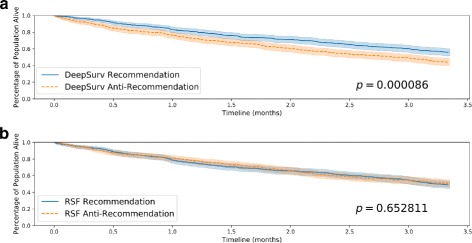
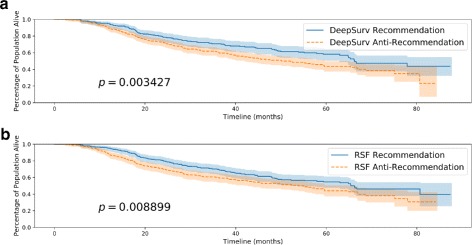
BACKGROUND: Medical practitioners use survival models to explore and understand the relationships between patients' covariates (e.g. clinical and genetic features) and the effectiveness of various treatment options. Standard survival models like the linear Cox proportional hazards model require extensive feature engineering or prior medical knowledge to model treatment interaction at an individual level. While nonlinear survival methods, such as neural networks and survival forests, can inherently model these high-level interaction terms, they have yet to be shown as effective treatment recommender systems. METHODS: We introduce DeepSurv, a Cox proportional hazards deep neural network and state-of-the-art survival method for modeling interactions between a patient's covariates and treatment effectiveness in order to provide personalized treatment recommendations. RESULTS: We perform a number of experiments training DeepSurv on simulated and real survival data. We demonstrate that DeepSurv performs as well as or better than other state-of-the-art survival models and validate that DeepSurv successfully models increasingly complex relationships between a patient's covariates and their risk of failure. We then show how DeepSurv models the relationship between a patient's features and effectiveness of different treatment options to show how DeepSurv can be used to provide individual treatment recommendations. Finally, we train DeepSurv on real clinical studies to demonstrate how it's personalized treatment recommendations would increase the survival time of a set of patients. CONCLUSIONS: The predictive and modeling capabilities of DeepSurv will enable medical researchers to use deep neural networks as a tool in their exploration, understanding, and prediction of the effects of a patient's characteristics on their risk of failure.
Overview
The claims and statistics of this paper haven’t been checked yet.
Run the check — free, no account needed. It reads the open-access text and checks the sources it cites.
Integrity signals
Registry
Cites
Statistics
Figures
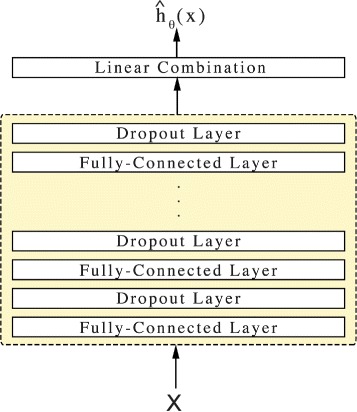
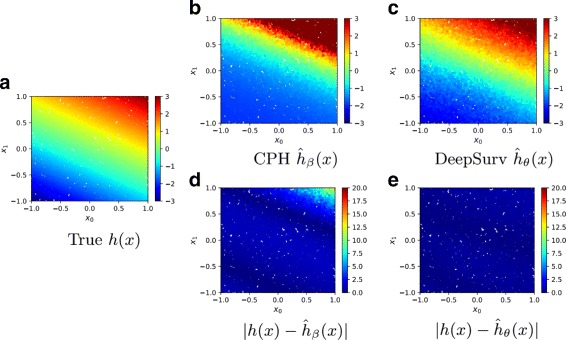
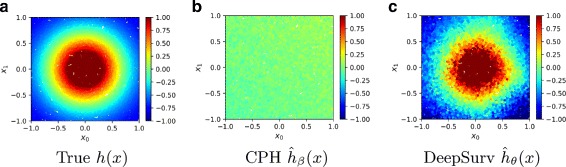
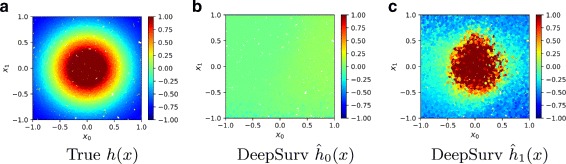
Verification
Claims the paper makes
The claims and statistics of this paper haven’t been checked yet.
Run the check — free, no account needed. It reads the open-access text and checks the sources it cites.
Self-check
Percentages, sums and reported differences re-computed from the paper’s own numbers.
The self-check needs the paper’s full text.
Citations
Cites
Adam: A Method for Stochastic Optimization
Kingma, D. P., & Ba, J. (2014) · arXiv · doi:10.48550/arxiv.1412.6980 · Cited by 98,946 · cited 1×
“more than one hidden layer) and apply modern techniques such as weight decay regularization, Rectified Linear Units (ReLU) [17] with batch normalization [18], Scaled Exponential Linear Units (SELU) [19], dropout [20], gradient descent optimization algorithms (Stochastic Gradient Descent and Adaptive Moment Estimation…”
MethodAn Introduction to the Bootstrap
Efron, B., & Tibshirani, R. J. (1994) · doi:10.1201/9780429246593 · Cited by 40,500
(2014) · Cited by 33,419
Batch Normalization: Accelerating Deep Network Training by Reducing Internal Covariate Shift
Ioffe, S., & Szegedy, C. (2015) · arXiv · doi:10.48550/arxiv.1502.03167 · Cited by 27,818
Regression Models and Life-Tables
Cox, D. R. (1992) · Springer Series in Statistics · doi:10.1007/978-1-4612-4380-9_37 · Cited by 26,297 · cited 1×
“iables in outcomes such as death or cancer recurrence and subsequently inform patients of their treatment options [1, 2, 3, 4]. One standard survival model is the Cox proportional hazards model (CPH) [5]. The CPH arXiv:1606.00931v3 [stat.ML] 9 Aug 2017 is a semiparametric model that calculates the effects of observed…”
MethodAn Introduction to the Bootstrap
Efron, B., & Tibshirani, R. J. (1993) · doi:10.1007/978-1-4899-4541-9 · Cited by 21,230
(2010) · International Conference on Machine Learning · Cited by 13,995
Modeling Survival Data: Extending the Cox Model
Therneau, T. M., & Grambsch, P. M. (2000) · Statistics for Biology and Health · doi:10.1007/978-1-4757-3294-8 · Cited by 8,674
(2012) · Cited by 8,009
The genomic and transcriptomic architecture of 2,000 breast tumours reveals novel subgroups
METABRIC Group, Curtis, C., Shah, S. P., Chin, S.-F., Turashvili, G., Rueda, O. M., Dunning, M. J., Speed, D., Lynch, A. G., Samarajiwa, S., et al. (2012) · Nature · doi:10.1038/nature10983 · Cited by 6,097 · cited 1×
“First, we simulate clinical treatment data by including an additional covariate to the simulated data from Section 4.1.2.”
MethodInfluential
Cited by
Sorted by citations
Items 801–900 of 1,000
Wang, L., Du, L., Li, Q., Li, F., Wang, B., Zhao, Y., Meng, Q., Li, W., Pan, J., Xia, J., et al. (2022) · Frontiers in Neurology · doi:10.3389/fneur.2022.947974 · Cited by 6
Cunha, M. T., Borges, A. P. D. S., Jardim, V. C., Fujita, A., & de Castro, G. (2022) · Cancer Medicine · doi:10.1002/cam4.5254 · Cited by 6
Development of Predictive Models for Survival among Women with Breast Cancer in Malaysia
Kadir, M. N. N. A., Yaacob, N. M., Yusof, S. N., Hadi, I. S. A., Musa, K. I., Isa, S. A. M., Bahtiar, B., Adam, F., Yahya, M. M., & Hairon, S. M. (2022) · International Journal of Environmental Research and Public Health · doi:10.3390/ijerph192215335 · Cited by 6
$$\mathrm {M^{2}F}$$: A Multi-modal and Multi-task Fusion Network for Glioma Diagnosis and Prognosis
Lu, Z., Lu, M., & Xia, Y. (2022) · Lecture notes in computer science · doi:10.1007/978-3-031-18814-5_1 · Cited by 6
Liu, J., Ge, R., Wan, P., Zhu, Q., Zhang, D., & Shao, W. (2023) · Lecture notes in computer science · doi:10.1007/978-3-031-34048-2_12 · Cited by 6
An Explainable Coarse-to-Fine Survival Analysis Method on Multi-Center Whole Slide Images
Wang, H., Jiang, D., Zhang, H., Wang, Y., Yang, L., Kerr, D. J., & Zhang, Y. (2023) · IEEE Transactions on Artificial Intelligence · doi:10.1109/tai.2023.3285855 · Cited by 6
Leveraging deep survival models to predict quality of care risk in diverse hospital readmissions
Tran, N. Q., Goel, G., Pudota, N., Suesserman, M., Helms, J., Lasaga, D., Olson, D., Bowen, E., & Bhattacharya, S. (2023) · Scientific Reports · doi:10.1038/s41598-023-37477-3 · Cited by 6
Methodology for Good Machine Learning with Multi‐Omics Data
Coroller, T. P., Sahiner, B., Amatya, A. K., Gossmann, A., Karagiannis, K., Moloney, C., Samala, R. K., Santana-Quintero, L. V., Solovieff, N., Wang, C., et al. (2023) · Clinical Pharmacology & Therapeutics · doi:10.1002/cpt.3105 · Cited by 8
Sun, H., Li, P., Gao, L., Yang, J., Yu, L., Buchman, A. S., Bennett, D. A., Westover, M. B., & Hu, K. (2024) · Journal of Alzheimer s Disease · doi:10.3233/jad-230928 · Cited by 6
Liang, B., Li, Z., Wang, Y., & Chen, F. (2018) · ACM International Conference on Information and Knowledge Management (CIKM) · doi:10.1145/3269206.3269321 · Cited by 7
Statistical optimization of supply chain financial credit based on deep learning and fuzzy algorithm
Hu, Z. (2020) · Journal of Intelligent & Fuzzy Systems · doi:10.3233/jifs-179796 · Cited by 6
Learned Deep Radiomics for Survival Analysis with Attention
Morvan, L., Nanni, C., Michaud, A.-V., Jamet, B., Bailly, C., Bodet‐Milin, C., Chauvie, S., Touzeau, C., Moreau, P., Zamagni, E., et al. (2020) · Lecture notes in computer science · doi:10.1007/978-3-030-59354-4_4 · Cited by 6
Assessing the contribution of tumor mutational phenotypes to cancer progression risk
Tao, Y., Rajaraman, A., Cui, X., Cui, Z., Chen, H., Zhao, Y., Eaton, J., Kim, H., Ma, J., & Schwartz, R. S. (2021) · PLoS Computational Biology · doi:10.1371/journal.pcbi.1008777 · Cited by 6
A Hierarchical Approach to Multi-Event Survival Analysis
Tjandra, D., He, Y., & Wiens, J. (2021) · Proceedings of the AAAI Conference on Artificial Intelligence · doi:10.1609/aaai.v35i1.16138 · Cited by 6
Sudha, C. J., & Sneha, Y. S. (2021) · Smart innovation, systems and technologies · doi:10.1007/978-981-16-4177-0_9 · Cited by 6
Neural Survival Clustering: Non-parametric mixture of neural networks for survival clustering.
Jeanselme, V., Tom, B. D. M., & Barrett, J. (2022) · PubMed · doi:10.17863/cam.83437 · Cited by 6
Deep survival forests for extremely high censored data
Cheng, X., Wang, S., Wang, H., & Ng, S. (2022) · Applied Intelligence · doi:10.1007/s10489-022-03846-0 · Cited by 6
A deep attention LSTM embedded aggregation network for multiple histopathological images
Kim, S., & Lee, E. (2023) · PLoS ONE · doi:10.1371/journal.pone.0287301 · Cited by 6
Disease-Atlas: Navigating Disease Trajectories with Deep LearningPreprint
Lim, B., & van der Schaar, M. (2018) · arXiv (Cornell University) · doi:10.48550/arxiv.1803.10254 · Cited by 12
Dietrich, E., Fuhlert, P., Ernst, A., Sauter, G., Lennartz, M., Stiehl, H. S., Zimmermann, M., & Bonn, S. (2021) · arXiv (Cornell University) · doi:10.48550/arxiv.2111.13439 · Cited by 7
Computational prediction of therapeutic response and cancer outcomesPreprint
Griffiths, M., Kubeyev, A., Laurie, J., Giorni, A., da Silva, L. A. Z., Sivasubramaniam, P., Foster, M. T., Biankin, A. V., & Asghar, U. S. (2024) · medRxiv · doi:10.1101/2024.01.17.24301444 · Cited by 5
Ross, H. J., Peikari, M., Vishram‐Nielsen, J. K. K., Fan, C. S., Hearn, J., Walker, M., Crowdy, E., Alba, A. C., & Manlhiot, C. (2024) · European Heart Journal - Digital Health · doi:10.1093/ehjdh/ztae005 · Cited by 5
Mohammadyari, P., Sega, F. V. D., Fortini, F., Minghini, G., Rizzo, P., Cimaglia, P., Mikus, E., Tremoli, E., Campo, G. C., Calore, E., et al. (2024) · Scientific Reports · doi:10.1038/s41598-024-61685-0 · Cited by 5
“DeepSurv is a non-linear Cox proportional hazards method based on a neural network 20,38,39 whose implementation is provided in the PySurvival-0.”
BackgroundMethodInfluentialBi, S., Zhu, J., Huang, L., Feng, W., Peng, L., Leng, L., Wang, Y., Shan, P., Kong, W., & Zhu, S. (2024) · International Journal of Molecular Sciences · doi:10.3390/ijms25136849 · Cited by 5
“These machine learning models offer several advantages over traditional statistical models such as the Cox proportional hazards model, particularly in capturing nonlinear relationships, handling high-dimensional data, and exhibiting robustness to missing data [30,31].”
BackgroundChen, Y., Calabrese, R., & Martín-Barragán, B. (2024) · Risk Analysis · doi:10.1111/risa.17679 · Cited by 5
“…models in survival analysis can be categorized into two main types: models based on ensemble trees (Bai et al., 2022; Frydman & Matuszyk, 2022; Ishwaran et al., 2008; Moradian et al., 2022) and models based on deep neural networks (Blumenstock et al., 2022; Katzman et al., 2018; Lee et al., 2018).”
Explainable transformer-based deep survival analysis in childhood acute lymphoblastic leukemia
Cui, Y., Dong, W., Li, Y., Janitz, A. E., Pokala, H. R., & Zhu, R. (2025) · Computers in Biology and Medicine · doi:10.1016/j.compbiomed.2025.110118 · Cited by 5
Lin, W., Shu, D., Geng, N., Zhang, D., Feng, C., & Chen, S. (2025) · Journal of Cranio-Maxillofacial Surgery · doi:10.1016/j.jcms.2025.05.005 · Cited by 5
Explainable Machine Learning Models for Glioma Subtype Classification and Survival Prediction
Vershinina, O., Turubanova, V. D., Krivonosov, M., Trukhanov, A., & Ivanchenko, M. (2025) · Cancers · doi:10.3390/cancers17162614 · Cited by 5
Cox proportional hazards model with Bayesian neural network for survival prediction
Faghiri, F., & Kohansal, A. (2025) · Scientific Reports · doi:10.1038/s41598-025-16993-4 · Cited by 7
M 3 Surv : Fusing Multi-slide and Multi-omics for Memory-augmented robust Survival prediction
Qu, M., Yang, G., Di, D., Gao, Y., Song, Y., & Fan, L. (2025) · Medical Image Analysis · doi:10.1016/j.media.2025.103846 · Cited by 7
Birolo, G., Rossi, I., Sartori, F., Rollo, C., Fariselli, P., & Sanavia, T. (2025) · Computers in Biology and Medicine · doi:10.1016/j.compbiomed.2025.111176 · Cited by 5
“The first has been DeepSurv [12], a straightforward deep learning extension of CoxPH allowing non-linearity while preserving the PH assumption and the Cox loss.”
Predictability & explainability of survival analysis in churn prediction
Kimitei, S., Agiro, D., Ni, S., & Ni, H. (2025) · Journal of Marketing Analytics · doi:10.1057/s41270-025-00450-2 · Cited by 8
Zhang, K., Dong, S., Shi, P., Hu, D., Gao, G., Yang, J., Gan, T., & Rao, N. (2026) · Computerized Medical Imaging and Graphics · doi:10.1016/j.compmedimag.2026.102699 · Cited by 6
CoFormerSurv: Collaborative transformer for multi-omics survival analysis
Wen, G., & Li, L. (2026) · PLoS Computational Biology · doi:10.1371/journal.pcbi.1013875 · Cited by 5
“…method in multi-omics survival analysis, we conducted comprehensive comparisons with existing state-of-the-art methods, including single-omics approaches (RSF [5], DeepSurv [9], Deep-Hit [11], and AGGSurv [21]) and multi-omics approaches (HFBSurv [23], SurvCNN [33], GCGCN [24], and FGCNSurv [26]).”
Reproducibility and Environmental Efficiency of Metabolomics Cancer Modeling
Jean-Quartier, C., Tscheppe, N., Millonig, S., Klambauer, L., Holzinger, A., Stryeck, S., & Jeanquartier, F. (2026) · Applied Sciences · doi:10.3390/app16020588 · Cited by 5
Xiao, Y., Yang, S., He, M., Chen, L., Wu, Y., & Zhong, L. (2026) · npj Digital Medicine · doi:10.1038/s41746-025-02295-6 · Cited by 6
Toward next-generation machine learning and deep learning for spatial omics
Zirem, Y., Fournier, I., & Salzet, M. (2026) · Briefings in Bioinformatics · doi:10.1093/bib/bbag131 · Cited by 5
“Applications centered on biomarker discovery, diagnosis, or prognosis often require transparent predictors, including random forests [32], gradient boosting [33], interpretable deep survival models [57], and explainability tools such as SHAP, LIME, or saliency maps [55, 56].”
Minhas, F., Toss, M. S., Wahab, N. U., Rakha, E. A., & Rajpoot, N. (2021) · Communications in computer and information science · doi:10.1007/978-3-030-93733-1_27 · Cited by 5
Disentangling Whether from When in a Neural Mixture Cure Model for Failure Time Data.
Engelhard, M., & Henao, R. (2022) · PubMed · Cited by 5
Multi-event survival analysis through dynamic multi-modal learning for ICU mortality prediction
Yin, Y., & Chou, C.-A. (2023) · Computer Methods and Programs in Biomedicine · doi:10.1016/j.cmpb.2023.107545 · Cited by 5
Dong, H., Yao, J., Tang, Y., Yuan, M., Xia, Y., Zhou, J. P., Lu, H., Zhou, J., Dong, B., Lü, L., et al. (2023) · Lecture notes in computer science · doi:10.1007/978-3-031-43904-9_24 · Cited by 5
Zeng, J., Li, K., Cao, F., & Zheng, Y. (2024) · Scientific Reports · doi:10.1038/s41598-024-56701-2 · Cited by 5
Survival Analysis of Superficial Bladder Cancer patients using DeepSurv and Cox models
Supriya, K., & Anitha, A. (2024) · International Conference on Emerging Trends in Information Technology and Engineering (ICETITE) · doi:10.1109/ic-etite58242.2024.10493319 · Cited by 5
Prediction of ovarian cancer prognosis using statistical radiomic features of ultrasound images
Zuo, R., Li, X., Hu, J., Wang, W., Lü, B., Zhang, H., Cheng, X., Lu, W., Qin, J., Liu, P., et al. (2024) · Physics in Medicine and Biology · doi:10.1088/1361-6560/ad4a02 · Cited by 5
Chen, Y., Tong, L., & Zhao, J. (2024) · Future Generation Computer Systems · doi:10.1016/j.future.2024.07.023 · Cited by 5
Lee, K., Lee, J., Choi, G. H., Yun, J., Kang, J., Choi, J., Kim, K. M., & Kim, N. (2024) · Journal of Imaging Informatics in Medicine · doi:10.1007/s10278-024-01227-2 · Cited by 5
Weighted Expectile Regression Neural Networks for Right Censored Data
Zhang, F., Chen, X., Liu, P., & Fan, C. (2024) · Statistics in Medicine · doi:10.1002/sim.10221 · Cited by 5
Agnostic-Specific Modality Learning for Cancer Survival Prediction From Multiple Data
Liu, H., Shi, Y., Xu, Y., Li, A., & Wang, M. (2024) · IEEE Journal of Biomedical and Health Informatics · doi:10.1109/jbhi.2024.3481310 · Cited by 6
“In this study, we compare the proposed ASML framework withexistingmultimodallearningmethods,includingtraditional machine-learningapproachessuchasLasso-Cox[35],RSF[36], andEn-Cox[9],aswellasdeep-learningapproachessuchas MDNNMD[5],DeepSurv[37],GPDBN[15],andPathomic Fusion[14].”
Brumm, S., Linstead, E. J., Chen, J., Balakrishnan, N., & Wen, Y. (2024) · Quality and Reliability Engineering International · doi:10.1002/qre.3673 · Cited by 5
Wang, Y., Gupta, A., Tushar, F. I., Riley, B. A., Wang, A. J., Tailor, T. D., Tantum, S. L., Liu, J., Bashir, M. R., Lo, J. Y.-C., et al. (2024) · Artificial Intelligence in Medicine · doi:10.1016/j.artmed.2024.103055 · Cited by 5
“Over the past decades, a series of time-to-event models have evolved [10–13 , 26– 28 ].”
InfluentialCheng, L. (2024) · International Journal of High Speed Electronics and Systems · doi:10.1142/s0129156425402542 · Cited by 5
TDMFS: Tucker decomposition multimodal fusion model for pan-cancer survival prediction
Chen, J., Liu, P., Chen, C., Su, Y., Zuo, E., Li, M., Wang, J., Yan, Z., Chen, X., Chen, C., et al. (2025) · Artificial Intelligence in Medicine · doi:10.1016/j.artmed.2025.103099 · Cited by 6
Zhong, Z., Zhang, H., Fayad, F. H., Lancaster, A. C., Sollee, J., Kulkarni, S., Lin, C. T., Li, J., Gao, X., Collins, S., et al. (2025) · Journal of Thoracic Imaging · doi:10.1097/rti.0000000000000831 · Cited by 5
Prompt-guided orthogonal multimodal fusion for cancer survival prediction
Huang, L., Guo, S., Bai, T., Zhao, R., & Tao, K. (2025) · Information Sciences · doi:10.1016/j.ins.2025.122242 · Cited by 5
Prognostic Survival Analysis for AD Diagnosis and Progression Using MRI Data: An AI-Based Approach
Deenadayalan, T., & Shantharajah, S. P. (2025) · IEEE Access · doi:10.1109/access.2025.3564611 · Cited by 5
Kim, J. (2025) · Axioms · doi:10.3390/axioms14060458 · Cited by 6
“Recent advancements in survival modeling include DeepSurv, a deep neural network version of the Cox model that learns complex interactions between covariates and treat-ment [10].”
Advancements in deep learning for image-guided tumor ablation therapies: a comprehensive review
Zhao, Z., Hu, Y., Xu, L. X., & Sun, J. (2025) · Progress in Biomedical Engineering · doi:10.1088/2516-1091/adfeab · Cited by 7
“The Faraggi-Simon network [209] and DeepSurv (DS) [210] replace linear operations with nonlinear ones using neural networks.”
Application of machine learning and image target recognition in English learning task
Zhan, W., & Chen, Y. (2020) · Journal of Intelligent & Fuzzy Systems · doi:10.3233/jifs-189032 · Cited by 5
Quality of care in long-term care institutions: A scoping review of literature
Vieira, B. L. D. C., Martins, A. C., Ferreira, R. C., & Vargas, A. M. D. (2021) · Research Society and Development · doi:10.33448/rsd-v10i8.17117 · Cited by 5
Wang, S., Dong, D., Li, H., Feng, C., Wang, Y., & Tian, J. (2021) · Annual International Conference of the IEEE Engineering in Medicine and Biology Society (EMBC) · doi:10.1109/embc46164.2021.9631004 · Cited by 5
Yang, G., He, Y., Lv, Y., Chen, Y., Coatrieux, J.-L., Sun, X., Wang, Q., Wei, Y., Li, S., & Zhu, Y. (2023) · IEEE Journal of Biomedical and Health Informatics · doi:10.1109/jbhi.2023.3247492 · Cited by 5
Hatano, Y., Ishihara, T., Hirokawa, S., & Onodera, O. (2023) · Neurology Genetics · doi:10.1212/nxg.0000000000200075 · Cited by 5
REFINED-CNN framework for survival prediction with high-dimensional features
Bazgir, O., & Lu, J. J.-Q. (2023) · iScience · doi:10.1016/j.isci.2023.107627 · Cited by 5
On the Reliability of Machine Learning Models for Survival Analysis When Cure Is a Possibility
Ezquerro, A., Cancela, B., & López‐Cheda, A. (2023) · Mathematics · doi:10.3390/math11194150 · Cited by 5
Deep Learning for the Prediction of the Survival of Midline Diffuse Glioma with an H3K27M Alteration
Huang, B., Chen, T., Zhang, Y., Mao, Q., Ju, Y., Liu, Y., Wang, X., Li, Q., Lei, Y., & Ren, Y. (2023) · Brain Sciences · doi:10.3390/brainsci13101483 · Cited by 5
Mitigating Membership Inference in Deep Survival Analyses with Differential Privacy
Fan, L., & Bonomi, L. (2023) · IEEE International Conference on Healthcare Informatics (ICHI) · doi:10.1109/ichi57859.2023.00022 · Cited by 5
Efficient Training of Probabilistic Neural Networks for Survival Analysis
Lillelund, C. M., Magris, M., & Pedersen, C. F. (2024) · IEEE Journal of Biomedical and Health Informatics · doi:10.1109/jbhi.2024.3417369 · Cited by 5
Robust survival model for the prediction of Li-ion battery lifetime reliability and risk functions
Ibraheem, R., Cannings, T. I., Sell, T., & dos Reis, G. (2024) · Energy and AI · doi:10.1016/j.egyai.2024.100465 · Cited by 5
Adaptive transformer modelling of density function for nonparametric survival analysis
Zhang, X., Mehta, D., Hu, Y., Zhu, C., Darby, D., Yu, Z., Merlo, D., Gresle, M. M., van der Walt, A., Butzkueven, H., et al. (2025) · Machine Learning · doi:10.1007/s10994-024-06686-w · Cited by 5
“DeepSurv shows comparable ranking performance on two real-world datasets.”
InfluentialA Multi-task Kernel Learning Algorithm for Survival Analysis
Meng, Z., Xu, J., Li, Z., Wang, Y., Chen, F., & Wang, Z. (2021) · Lecture notes in computer science · doi:10.1007/978-3-030-75768-7_24 · Cited by 5
Zhong, Q., Li, Z., Wang, W., Zhang, L., & He, K. (2021) · Science China Life Sciences · doi:10.1007/s11427-021-1987-5 · Cited by 5
Gelfond, J., Hernandez, B. S., Goros, M. W., Ibrahim, J. G., Chen, M., Sun, W., Leach, R. J., Kattan, M. W., Thompson, I. M., Ankerst, D. P., et al. (2022) · BMC Urology · doi:10.1186/s12894-022-00986-w · Cited by 5
Duan, J., He, W., Xu, S., Zhong, Z., & Huang, L. (2022) · Sensors · doi:10.3390/s22155620 · Cited by 5
Wu, X., Peng, C., Nelson, P. T., & Cheng, Q. S. (2022) · Alzheimer s & Dementia Translational Research & Clinical Interventions · doi:10.1002/trc2.12363 · Cited by 6
Spatio-temporally smoothed deep survival neural network
Li, Y., Liang, D., Ma, S., & Ma, C. (2022) · Journal of Biomedical Informatics · doi:10.1016/j.jbi.2022.104255 · Cited by 5
Wang, D., Pan, B., Huang, J., Chen, Q., Cui, S., Lang, R., & Lyu, S. (2023) · Frontiers in Oncology · doi:10.3389/fonc.2023.1106029 · Cited by 6
Using Geographic Location-Based Public Health Features in Survival Analysis
Seidi, N., Tripathy, A., & Das, S. K. (2023) · IEEE/ACM Conference on Connected Health: Applications, Systems and Engineering Technologies · doi:10.1145/3580252.3586972 · Cited by 5
Optimizing adjuvant treatment options for patients with glioblastoma
Zhu, E., Wang, J., Shi, W., Qi, J., Ai, P., Shan, D., & Ai, Z. (2024) · Frontiers in Neurology · doi:10.3389/fneur.2024.1326591 · Cited by 5
Artificial intelligence methods for predictive image-based grading of human cancers
Fernández, G., Madduri, A. S., Marami, B., Prastawa, M. W., Scott, R., Zeineh, J., & Donovan, M. J. (2020) · Elsevier eBooks · doi:10.1016/b978-0-323-67538-3.00009-9 · Cited by 5
Stratified neural networks in a time-to-event setting
Kuruc, F., Binder, H., & Hess, M. (2021) · Briefings in Bioinformatics · doi:10.1093/bib/bbab392 · Cited by 5
BigSurvSGD: Big Survival Data Analysis via Stochastic Gradient DescentPreprint
Tarkhan, A., & Simon, N. (2020) · arXiv (Cornell University) · doi:10.48550/arxiv.2003.00116 · Cited by 5
Deep Learning for Quantile Regression: DeepQuantreg.Preprint
Jia, Y., & Jeong, J. (2020) · arXiv (Cornell University) · Cited by 5
Identifying Cross-Cancer Similar Patients via a Semi-Supervised Deep Clustering ApproachPreprint
Ay, D., & Taştan, Ö. (2020) · bioRxiv (Cold Spring Harbor Laboratory) · doi:10.1101/2020.11.07.372672 · Cited by 5
A Foundation Model for Intensive Care: Unlocking Generalization across Tasks and Domains at ScalePreprint
Burger, M., Chopard, D., Lichtner, G., Londschien, M., Sergeev, F., Fuchs, M., Yèche, H., Kuznetsova, R., Faltys, M., Gerdes, E., et al. (2025) · medRxiv · doi:10.1101/2025.07.25.25331635 · Cited by 8
“Subsequent studies proposed modeling the hazard function directly with neural networks 70;71 , and later work 72 extended this by discarding the proportional hazards assumption.”
Craig, E., Zhong, C., & Tibshirani, R. J. (2025) · The International Journal of Biostatistics · doi:10.1515/ijb-2022-0055 · Cited by 6
Zhao, X., Naghibzadeh, M., Sun, Y., Rahmani, A., Lilly, L., Selzner, N., Tsien, C. D., Jaeckel, E., Vyas, M. P., Krishnan, R. G., et al. (2025) · Transplantation Direct · doi:10.1097/txd.0000000000001774 · Cited by 4
“19 Like RSF, it also makes no assumption on hazard function.”
Affinito, G., Moccia, M., Lanzillo, R., Marrie, R. A., Chataway, J., Morra, V. B., & Palladino, R. (2025) · Multiple Sclerosis Journal · doi:10.1177/13524585251347513 · Cited by 4
“18 The Adam optimizer iteratively adjusted model parameters over multiple epochs, with early stopping applied when validation loss plateaued to prevent overfitting.”
Unsupervised Clustering Successfully Predicts Prognosis in NSCLC Brain Metastasis Cohorts
Uysal, E., Durak, G., Sedef, A. K., Bağcı, U., Berber, T., Gürdal, N., & Yıldırım, B. A. (2025) · Diagnostics · doi:10.3390/diagnostics15141747 · Cited by 4
“They stated that DeepSurv (a deep learning algorithm structured similarly to the Cox regression model and available for public use) and random forest models trained with 27 covariates outperformed the Cox regression model [36].”
VMRA-MaR: An Asymmetry-Aware Temporal Framework for Longitudinal Breast Cancer Risk Prediction
Sun, Z., Thrun, S., & Kampffmeyer, M. (2025) · Lecture notes in computer science · doi:10.1007/978-3-032-05182-0_64 · Cited by 5
Li, Q., Wang, S., Safari, M., Hu, X. Y., Qiu, R. L. J., Roper, J. R., Lin, M., Lin, J. Y., Torres, M. A., & Yang, X. (2025) · Physics in Medicine and Biology · doi:10.1088/1361-6560/ae0be6 · Cited by 5
Artificial intelligence in oncology: global experience and future prospects
Иванович, К. Д., & Lamotkin, A. I. (2025) · FARMAKOEKONOMIKA Modern Pharmacoeconomics and Pharmacoepidemiology · doi:10.17749/2070-4909/farmakoekonomika.2025.302 · Cited by 4
Yan, H., Gao, Z., & Khishe, M. (2025) · Ain Shams Engineering Journal · doi:10.1016/j.asej.2025.103846 · Cited by 4
Liu, T., Lü, L., Wang, Y., Krentz, A. J., & Ćurčin, V. (2025) · JMIR Medical Informatics · doi:10.2196/76659 · Cited by 6
Luo, H., Huang, J., Zhou, T., Wu, E., & Ding, W. (2025) · IEEE Transactions on Fuzzy Systems · doi:10.1109/tfuzz.2025.3609687 · Cited by 5
“Furthermore, Many studies have been able to determine cancer prognostic factors from genomic data and have demonstrated strong performance in survival prediction [8], [9].”
A comparative analysis of data-driven models for breast cancer survival prediction
Takele, K., & Chen, D.-G. (2026) · Scientific Reports · doi:10.1038/s41598-026-40565-9 · Cited by 4
“DeepSurv was developed by 20 as an extension of the CPH model to handle its limitations.”
A cancer-type-aware framework for robust multimodal survival prediction under missing modalities
Song, Y., Zhan, Z., Xie, F., Wang, N., Peng, Y., Zhang, R., & Lin, M. (2026) · Briefings in Bioinformatics · doi:10.1093/bib/bbag124 · Cited by 4
“3) demonstrate that the framework maintains performance within established ranges for computational prognostic models [40, 41] with minimal degradation (typically 7”
Risk Prediction in Cardio-Oncology: Conceptual and Methodological Considerations
Sen, J., Amir, E., Austin, P. C., Marwick, T. H., McIntosh, C., Thavendiranathan, P., & Abdel-Qadir, H. M. (2026) · JACC CardioOncology · doi:10.1016/j.jaccao.2026.01.006 · Cited by 5
Regression Models for Lifetime Data: An Overview
Caroni, C. (2022) · Stats · doi:10.3390/stats5040078 · Cited by 4
Wang, J., Dai, G., Ren, X., Shi, R., Luo, R., Liu, J., Deng, K., & Song, J. (2024) · iRadiology · doi:10.1002/ird3.56 · Cited by 4
TripleSurv: Triplet Time-Adaptive Coordinate Learning Approach for Survival Analysis
Zhang, L., Zhong, L., Yang, F., Tang, L., Dong, D., Hui, H., & Tian, J. (2024) · IEEE Transactions on Knowledge and Data Engineering · doi:10.1109/tkde.2024.3450910 · Cited by 4
Metadata
- Authors
- Katzman, J. L., Shaham, U., Cloninger, A., Bates, J., Jiang, T., & Kluger, Y.
- Affiliations
- Yale University (US)
- Yale New Haven Hospital (US)
- Yale Cancer Center (US)
- Corresponding author
- Kluger, Yuval
- Venue
- BMC Medical Research Methodology
- Published
- 2018-02-26
- Volume
- 18
- Issue
- 1
- Pages
- 24-24
- ISSN
- 1471-2288 (ISSN-L)
- PMC
- PMC5828433
- OpenAlex
- W2753919178
- Cited by
- 1,995
- References
- 49
- Citations by year
- 2026: 376 · 2025: 386 · 2024: 321 · 2023: 301 · 2022: 238 · 2021: 206 · 2020: 94 · 2019: 54 · 2018: 18
- FWCI
- 52.41
- Type
- journal article
- Language
- en
- Open access
- gold
- doi.org
- Locations
- BMC Medical Research Methodology (publishedVersion, cc-by)
- PubMed Central (publishedVersion, cc-by)
- PubMed (publishedVersion)
- arXiv (Cornell University) (submittedVersion)
- DOAJ (DOAJ: Directory of Open Access Journals) (submittedVersion, cc-by-sa)
- arXiv (Cornell University)
- Funders
- National Human Genome Research Institute (1R01HG008383-01A1)
- Directorate for Mathematical and Physical Sciences (DMS-1402254)
- Topics
- Physical Sciences › Computer Science › Artificial Intelligence › Machine Learning in Healthcare
- Physical Sciences › Mathematics › Statistics and Probability › Statistical Methods and Inference
- Physical Sciences › Computer Science › Information Systems › Recommender Systems and Techniques
- Keywords
- DeepSurv, Cox proportional hazards model, deep neural network, survival analysis, personalized treatment recommendations, treatment effectiveness, clinical trials
- MeSH terms
- Algorithms, Humans, Proportional Hazards Models, Neural Networks, Computer, Outcome Assessment, Health Care, Kaplan-Meier Estimate, Precision Medicine
About these checks
Registry, retraction, Cites and statistics results are computed, not judged, with one exception: a printed reference that no index lists is read once by a model before it counts as a citation error. Claims are extracted by a model and kept only when their quote appears verbatim in the text; each cited source is then checked, with a model’s help, for whether it says what the claim relies on. Those verdicts can be wrong — read the claim’s quote and the cited source before relying on one.
Statistics and arithmetic are recomputed, not judged.
Confidence bands are shown only for fields calibrated on our annotated test set. None is calibrated yet, so no band is shown.
What counts as a claim ›How we measure confidence ›How we check this ›
Are you an author, or do you see a problem with this page? Request a review
