

The DOI matches its Crossref record; 48 of the 49 references it cites were found in a registry or an index.
DeepSurv: personalized treatment recommender system using a Cox proportional hazards deep neural network
Open accessAbstract
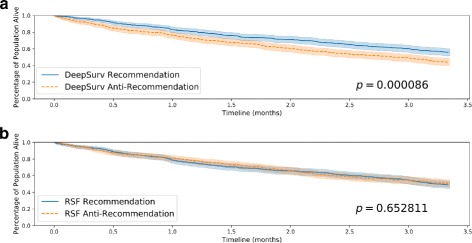
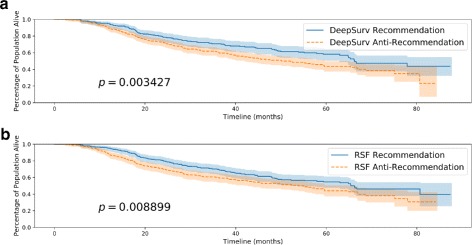
BACKGROUND: Medical practitioners use survival models to explore and understand the relationships between patients' covariates (e.g. clinical and genetic features) and the effectiveness of various treatment options. Standard survival models like the linear Cox proportional hazards model require extensive feature engineering or prior medical knowledge to model treatment interaction at an individual level. While nonlinear survival methods, such as neural networks and survival forests, can inherently model these high-level interaction terms, they have yet to be shown as effective treatment recommender systems. METHODS: We introduce DeepSurv, a Cox proportional hazards deep neural network and state-of-the-art survival method for modeling interactions between a patient's covariates and treatment effectiveness in order to provide personalized treatment recommendations. RESULTS: We perform a number of experiments training DeepSurv on simulated and real survival data. We demonstrate that DeepSurv performs as well as or better than other state-of-the-art survival models and validate that DeepSurv successfully models increasingly complex relationships between a patient's covariates and their risk of failure. We then show how DeepSurv models the relationship between a patient's features and effectiveness of different treatment options to show how DeepSurv can be used to provide individual treatment recommendations. Finally, we train DeepSurv on real clinical studies to demonstrate how it's personalized treatment recommendations would increase the survival time of a set of patients. CONCLUSIONS: The predictive and modeling capabilities of DeepSurv will enable medical researchers to use deep neural networks as a tool in their exploration, understanding, and prediction of the effects of a patient's characteristics on their risk of failure.
Overview
The claims and statistics of this paper haven’t been checked yet.
Run the check — free, no account needed. It reads the open-access text and checks the sources it cites.
Integrity signals
Registry
Cites
Statistics
Figures
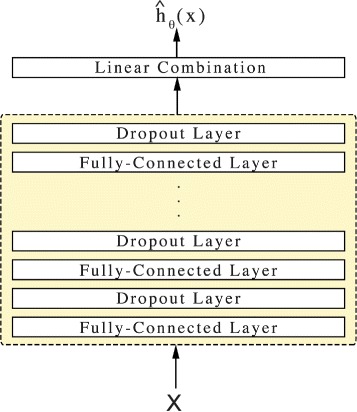
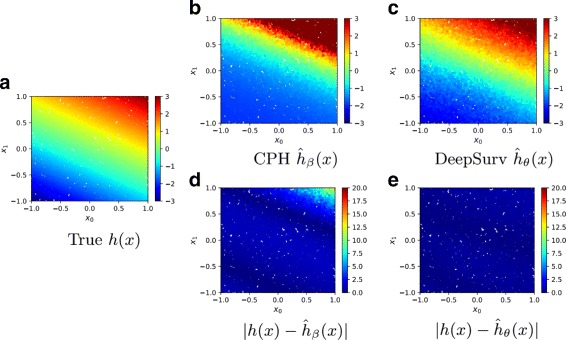
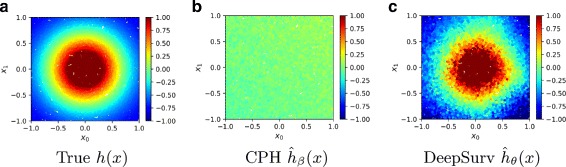
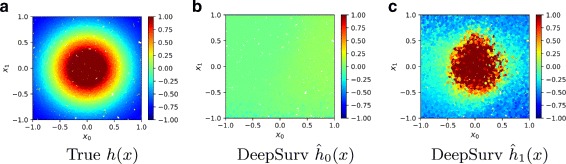
Verification
Claims the paper makes
The claims and statistics of this paper haven’t been checked yet.
Run the check — free, no account needed. It reads the open-access text and checks the sources it cites.
Self-check
Percentages, sums and reported differences re-computed from the paper’s own numbers.
The self-check needs the paper’s full text.
Citations
Cites
Adam: A Method for Stochastic Optimization
Kingma, D. P., & Ba, J. (2014) · arXiv · doi:10.48550/arxiv.1412.6980 · Cited by 98,946 · cited 1×
“more than one hidden layer) and apply modern techniques such as weight decay regularization, Rectified Linear Units (ReLU) [17] with batch normalization [18], Scaled Exponential Linear Units (SELU) [19], dropout [20], gradient descent optimization algorithms (Stochastic Gradient Descent and Adaptive Moment Estimation…”
MethodAn Introduction to the Bootstrap
Efron, B., & Tibshirani, R. J. (1994) · doi:10.1201/9780429246593 · Cited by 40,500
(2014) · Cited by 33,419
Batch Normalization: Accelerating Deep Network Training by Reducing Internal Covariate Shift
Ioffe, S., & Szegedy, C. (2015) · arXiv · doi:10.48550/arxiv.1502.03167 · Cited by 27,818
Regression Models and Life-Tables
Cox, D. R. (1992) · Springer Series in Statistics · doi:10.1007/978-1-4612-4380-9_37 · Cited by 26,297 · cited 1×
“iables in outcomes such as death or cancer recurrence and subsequently inform patients of their treatment options [1, 2, 3, 4]. One standard survival model is the Cox proportional hazards model (CPH) [5]. The CPH arXiv:1606.00931v3 [stat.ML] 9 Aug 2017 is a semiparametric model that calculates the effects of observed…”
MethodAn Introduction to the Bootstrap
Efron, B., & Tibshirani, R. J. (1993) · doi:10.1007/978-1-4899-4541-9 · Cited by 21,230
(2010) · International Conference on Machine Learning · Cited by 13,995
Modeling Survival Data: Extending the Cox Model
Therneau, T. M., & Grambsch, P. M. (2000) · Statistics for Biology and Health · doi:10.1007/978-1-4757-3294-8 · Cited by 8,674
(2012) · Cited by 8,009
The genomic and transcriptomic architecture of 2,000 breast tumours reveals novel subgroups
METABRIC Group, Curtis, C., Shah, S. P., Chin, S.-F., Turashvili, G., Rueda, O. M., Dunning, M. J., Speed, D., Lynch, A. G., Samarajiwa, S., et al. (2012) · Nature · doi:10.1038/nature10983 · Cited by 6,097 · cited 1×
“First, we simulate clinical treatment data by including an additional covariate to the simulated data from Section 4.1.2.”
MethodInfluential
Cited by
Sorted by citations
Items 401–500 of 1,000
Elforaici, M. E. A., Montagnon, E., Romero, F., Le, W., Azzi, F., Trudel, D., Nguyen, B., Turcotte, S., Tang, A., & Kadoury, S. (2024) · Medical Image Analysis · doi:10.1016/j.media.2024.103346 · Cited by 19
Large Language Model-Informed ECG Dual Attention Network for Heart Failure Risk Prediction
Chen, C., Li, L., Beetz, M., Banerjee, A., Gupta, R., & Grau, V. (2025) · IEEE Transactions on Big Data · doi:10.1109/tbdata.2025.3536922 · Cited by 20
Herp, J., Pedersen, N. L., & Nadimi, E. S. (2019) · Energies · doi:10.3390/en13010083 · Cited by 17
A Novel Tensor-Based Temporal Multi-Task Survival Analysis Model
Wang, P., Shi, T., & Reddy, C. K. A. (2020) · IEEE Transactions on Knowledge and Data Engineering · doi:10.1109/tkde.2020.2967700 · Cited by 17
Owens, A. R., McInerney, C. E., Prise, K. M., McArt, D. G., & Jurek, A. (2021) · BMC Bioinformatics · doi:10.1186/s12859-021-04454-4 · Cited by 17
Meng, X., Wang, X., Zhang, X., Zhang, C., Zhang, Z., Zhang, K., & Wang, S. (2022) · Cells · doi:10.3390/cells11091421 · Cited by 18
Ali, H. K. I. E., Shroff, A., Fülöp, T., Molnar, M. Z., Sharif, A., Burke, B., Shroff, S., Briggs, D., & Krishnan, N. S. (2025) · Renal Failure · doi:10.1080/0886022x.2024.2431147 · Cited by 16
Li, Z., Chen, W., Zhong, H., & Liang, C. (2025) · Briefings in Bioinformatics · doi:10.1093/bib/bbaf124 · Cited by 16
“The single-omics methods comprise RSF [41],En-cox [14],DeepHit [42], and DeepSurv [43], while the multi-omics methods include HFBSurv [24], CAMR [28], CustOmics [44], and FGCNSurv [27].”
MGCM: Multi-modal graph convolutional mamba for cancer survival prediction
Cui, J., Li, Y., Shen, D. G., & Wang, Y. (2025) · Pattern Recognition · doi:10.1016/j.patcog.2025.111991 · Cited by 20
Calibration and Uncertainty in Neural Time-to-Event Modeling
Chapfuwa, P., Tao, C., Li, C., Khan, I., Chandross, K. J., Pencina, M. J., Carin, L., & Henao, R. (2020) · IEEE Transactions on Neural Networks and Learning Systems · doi:10.1109/tnnls.2020.3029631 · Cited by 16
Prognostic Value of Transfer Learning Based Features in Resectable Pancreatic Ductal Adenocarcinoma
Zhang, Y., Lobo-Mueller, E. M., Karanicolas, P. J., Gallinger, S., Haider, M. A., & Khalvati, F. (2020) · Frontiers in Artificial Intelligence · doi:10.3389/frai.2020.550890 · Cited by 16
A Literature Review of Recommendation Systems
Bhareti, K., Perera, S., Jamal, S., Pallege, M. H., Akash, V., & Wiieweera, S. (2020) · International Conference for Innovation in Technology (INOCON) · doi:10.1109/inocon50539.2020.9298450 · Cited by 19
Kim, C. W., Cha, J. M., & Kwak, M. S. (2021) · Cancers · doi:10.3390/cancers13133280 · Cited by 16
Kalakoti, Y., Yadav, S., & Sundar, D. (2021) · Cancers · doi:10.3390/cancers13133106 · Cited by 17
Liang, J., He, T., Li, H., Guo, X., & Zhang, Z. (2022) · Journal of Translational Medicine · doi:10.1186/s12967-022-03491-8 · Cited by 16
Islam, M. Z., Naqvi, R. A., Haider, A., & Kim, H. S. (2023) · Engineering Applications of Artificial Intelligence · doi:10.1016/j.engappai.2023.106276 · Cited by 16
Predicting Glaucoma Progression to Surgery with Artificial Intelligence Survival Models
Tao, S., Ravindranath, R., & Wang, S. Y. (2023) · Ophthalmology Science · doi:10.1016/j.xops.2023.100336 · Cited by 16
Archetti, A., Ieva, F., & Matteucci, M. (2023) · Future Generation Computer Systems · doi:10.1016/j.future.2023.07.036 · Cited by 16
Individual Fairness Under Uncertainty
Zhang, W., Wang, Z., Kim, J.-Y., Cheng, C., Oommen, T., Ravikumar, P., & Weiss, J. (2023) · Frontiers in artificial intelligence and applications · doi:10.3233/faia230621 · Cited by 21
Zhu, E., Shi, W., Chen, Z., Wang, J., Ai, P., Wang, X., Min, Z., Xu, Z., Xu, L., Sun, X., et al. (2023) · Cancer Medicine · doi:10.1002/cam4.6666 · Cited by 16
Liu, H., Zhang, Y., Zhu, A., Sun, Z., & Luo, J. (2024) · Computers in Biology and Medicine · doi:10.1016/j.compbiomed.2024.107997 · Cited by 19
Li, Z., Lan, L., Zhou, Y., Li, R., Chavin, K. D., Xu, H., Li, L., Shih, D. J. H., & Zheng, W. J. (2024) · Journal of Biomedical Informatics · doi:10.1016/j.jbi.2024.104626 · Cited by 18
Qi, H., Hu, Y., Fan, R., & Deng, L. (2024) · IEEE Journal of Biomedical and Health Informatics · doi:10.1109/jbhi.2024.3397955 · Cited by 17
“In 2018, Katzman et al. [13] proposed DeepSurv model, which combined deep neural network and Cox model, the new model was superior to the classical Cox model in terms of C-index.”
MethodInfluentialCrombé, A., Lucchesi, C., Bertolo, F., Kind, M., Ceruso, M. S., Toulmonde, M., Chaire, V., Michot, A., Coindre, J., Perret, R. E., et al. (2024) · npj Precision Oncology · doi:10.1038/s41698-024-00616-8 · Cited by 16
“For instance, the DeepSurv model required datasets with more than 1500 observations for its training 25 .”
Interpretable deep clustering survival machines for Alzheimer’s disease subtype discovery
Hou, B., Wen, Z., Bao, J., Zhang, R., Tong, B., Yang, S., Wen, J., Cui, Y., Moore, J. H., Saykin, A. J., et al. (2024) · Medical Image Analysis · doi:10.1016/j.media.2024.103231 · Cited by 18
Norman, J. S., Mehta, N. J., Kim, W. R., Liang, J. W., Biggins, S. W., Asrani, S. K., Heimbach, J. K., Charu, V., & Kwong, A. J. (2024) · Gastroenterology · doi:10.1053/j.gastro.2024.11.015 · Cited by 16
CRESA: A Deep Learning Approach to Competing Risks, Recurrent Event Survival Analysis
Gupta, G., Sunder, V., Prasad, R., & Shroff, G. M. (2019) · Lecture notes in computer science · doi:10.1007/978-3-030-16145-3_9 · Cited by 19
Xu, X. (2020) · PLoS ONE · doi:10.1371/journal.pone.0239635 · Cited by 16
RetractedArtificial Intelligence for Prognostic Scores in Oncology: a Benchmarking Study
Loureiro, H., Becker, T., Bauer‐Mehren, A., Ahmidi, N., & Weberpals, J. G. (2021) · Frontiers in Artificial Intelligence · doi:10.3389/frai.2021.625573 · Cited by 16
DNNSurv: Deep Neural Networks for Survival Analysis Using Pseudo ValuesPreprint
Zhao, L., & Feng, D. (2019) · arXiv (Cornell University) · doi:10.48550/arxiv.1908.02337 · Cited by 16
Matsumoto, T., Walston, S. L., Walston, M., Kabata, D., Miki, Y., Shiba, M., & Ueda, D. (2022) · Journal of Digital Imaging · doi:10.1007/s10278-022-00691-y · Cited by 15
Montagnon, E., Cerny, M., Hamilton, V., Derennes, T., Ilinca, A. P., Elforaici, M. E. A., Jabbour, G., Rafie, E., Wu, A., Romero, F. P., et al. (2024) · PLoS ONE · doi:10.1371/journal.pone.0307815 · Cited by 15
Wang, R., Liu, Q., You, W., Wang, H., & Chen, Y. (2024) · Briefings in Bioinformatics · doi:10.1093/bib/bbae686 · Cited by 16
Cross-modal alignment and contrastive learning for enhanced cancer survival prediction
Li, T., Zhou, X., Xue, J., Zeng, L., Zhu, Q., Wang, R., Yu, H., & Xia, J. (2025) · Computer Methods and Programs in Biomedicine · doi:10.1016/j.cmpb.2025.108633 · Cited by 15
Uyar, B., Savchyn, T., Nilchi, A. N., Sarıgün, A., Wurmus, R., Shaik, M. M., Grüning, B. A., Franke, V., & Akalin, A. (2025) · Nature Communications · doi:10.1038/s41467-025-63688-5 · Cited by 20
“For survival modeling, a supervisor MLP with Cox Proportional Hazards loss function is used to guide the network to learn patient-speci fi criskscores based on the input overallsurvivalendpoints as has been demonstrated previously 22 .”
A deep learning framework for 3D brain tumor segmentation and survival prediction
Yeafi, A., Islam, M., & Yusuf, M. S. U. (2025) · Healthcare Analytics · doi:10.1016/j.health.2025.100418 · Cited by 15
Jolasun, Y., Song, K., Zheng, Y., Wang, J., Fonseca, G. J., Eidelman, D. H., & Ding, J. (2025) · Nature Communications · doi:10.1038/s41467-025-66162-4 · Cited by 17
Discovery of predictive biomarkers for cancer therapy through computational approaches
Wang, X., Nguyen, J., Nader, K. M., Miihkinen, M., Wall, P., Singhal, A., Bedard, P. L., Ideker, T., Aittokallio, T. A., & Haibe‐Kains, B. (2026) · Nature Reviews Clinical Oncology · doi:10.1038/s41571-025-01109-8 · Cited by 24
Deep-CSA: Deep Contrastive Learning for Dynamic Survival Analysis With Competing Risks
Hong, C., Fan, Y., & Huang, Z. (2022) · IEEE Journal of Biomedical and Health Informatics · doi:10.1109/jbhi.2022.3161145 · Cited by 15
Development of a Deep Learning Model for Malignant Small Bowel Tumors Survival: A SEER-Based Study
Yin, M., Lin, J., Liu, L., Gao, J., Xu, W., Yu, C., Qu, S., Liu, X., Qian, L., Xu, C., et al. (2022) · Diagnostics · doi:10.3390/diagnostics12051247 · Cited by 15
Artificial Intelligence-Based Prognostic Model for Urologic Cancers: A SEER-Based Study
Eminağa, O., Shkolyar, E., Breil, B., Semjonow, A., Boegemann, M., Xing, L., Tınay, İ., & Liao, J. C. (2022) · Cancers · doi:10.3390/cancers14133135 · Cited by 17
Kopper, P., Wiegrebe, S., Bischl, B., Bender, A., & Rügamer, D. (2022) · Lecture notes in computer science · doi:10.1007/978-3-031-05936-0_20 · Cited by 15
Li, W., Lin, S., He, Y., Wang, J., & Pan, Y. (2023) · Archives of Medical Science · doi:10.5114/aoms/156477 · Cited by 15
Park, J. I., Bozkurt, S., Park, J. W., & Lee, S. (2023) · BMJ Health & Care Informatics · doi:10.1136/bmjhci-2022-100666 · Cited by 17
Al-Tashi, Q., Saad, M. B., Sheshadri, A., Wu, C. C., Chang, J. Y., Al‐Lazikani, B., Sidey-Gibbons, C. J., Vokes, N. I., Zhang, J. J., Lee, J. J., et al. (2023) · Patterns · doi:10.1016/j.patter.2023.100777 · Cited by 14
Neural networks for scalar input and functional output
Wu, S., Beaulac, C., & Cao, J. (2023) · Statistics and Computing · doi:10.1007/s11222-023-10287-3 · Cited by 15
Sparse and Hierarchical Transformer for Survival Analysis on Whole Slide Images
Yan, R., Lv, Z., Yang, Z., Lin, S., Zheng, C.-H., & Zhang, F. (2023) · IEEE Journal of Biomedical and Health Informatics · doi:10.1109/jbhi.2023.3307584 · Cited by 16
He, M., Chen, Z., Liu, S., Chen, Y., Zhang, H., Zhang, L., Zhao, J., Yang, J., Zhang, X., Shen, L., et al. (2024) · Insights into Imaging · doi:10.1186/s13244-024-01639-2 · Cited by 17
Deep learning model for predicting postoperative survival of patients with gastric cancer
Zeng, J., Song, D., Li, K., Cao, F., & Zheng, Y. (2024) · Frontiers in Oncology · doi:10.3389/fonc.2024.1329983 · Cited by 15
Wang, S.-C., Shao, M., Fu, Y., Zhao, R., Xing, Y., Zhang, L., & Yang, X. (2024) · Scientific Reports · doi:10.1038/s41598-024-63531-9 · Cited by 15
Gross, B., Dauvin, A., Cabeli, V., Kmetzsch, V., Khoury, J. E., Dissez, G., Ouardini, K., Grouard, S., Davi, A., Loeb, R., et al. (2024) · Scientific Reports · doi:10.1038/s41598-024-67023-8 · Cited by 16
HitBoost: Survival Analysis via a Multi-Output Gradient Boosting Decision Tree Method
Liu, P., Fu, B., & Yang, S. X. (2019) · IEEE Access · doi:10.1109/access.2019.2913428 · Cited by 15
Yan, K. K., Wang, X., Lam, W., Vardhanabhuti, V., Lee, A. W. M., & Pang, H. (2020) · Computers in Biology and Medicine · doi:10.1016/j.compbiomed.2020.103959 · Cited by 15
X-CAL: Explicit Calibration for Survival Analysis
Goldstein, M., Han, X., Puli, A., Perotte, A., & Ranganath, R. (2021) · PubMed · doi:10.48550/arxiv.2101.05346 · Cited by 17
Treatment Effect Estimation Under Additive Hazards Models With High-Dimensional Confounding
Hou, J., Bradić, J., & Xu, R. (2021) · Journal of the American Statistical Association · doi:10.1080/01621459.2021.1930546 · Cited by 15
Attention-Based Deep Recurrent Model for Survival Prediction
Sun, Z., Dong, W., Shi, J., He, K., & Huang, Z. (2021) · ACM Transactions on Computing for Healthcare · doi:10.1145/3466782 · Cited by 15
Kantidakis, G., Biganzoli, E. M., Putter, H., & Fiocco, M. F. (2021) · Computational and Mathematical Methods in Medicine · doi:10.1155/2021/2160322 · Cited by 15
Son, Y., Han, K., Lee, Y., Yu, J., Im, Y., & Shin, S.-Y. (2021) · PLoS ONE · doi:10.1371/journal.pone.0260681 · Cited by 15
Azher, Z., Vaickus, L. J., Salas, L. A., Christensen, B. C., & Levy, J. (2022) · ACM Symposium on Applied Computing · doi:10.1145/3477314.3507032 · Cited by 15
Rivail, A., Vogl, W., Riedl, S., Grechenig, C., Coulibaly, L. M., Reiter, G. S., Guymer, R. H., Wu, Z., Schmidt-Erfurth, U. M., & Bogunović, H. (2023) · Biomedical Optics Express · doi:10.1364/boe.487206 · Cited by 15
Lee, S. H., Geng, H., Arnold, J., Caruana, R. A., Yong Fan, A., Rosen, M. A., Apte, A., Deasy, J. O., Bradley, J. D., & Xiao, Y. (2023) · International Journal of Radiation Oncology*Biology*Physics · doi:10.1016/j.ijrobp.2023.06.009 · Cited by 15
Hu, M., Babiskin, A. H., Wittayanukorn, S., Schick, A., Rosenberg, M., Gong, X., Kim, M., Zhang, L., Lionberger, R. A., & Zhao, L. Y. (2019) · Clinical Pharmacology & Therapeutics · doi:10.1002/cpt.1479 · Cited by 15
Kipkogei, E., Arango-Argoty, G., Kagiampakis, I., Patra, A., & Jacob, E. (2021) · medRxiv · doi:10.1101/2021.10.11.21264761 · Cited by 17
MMOSurv: meta-learning for few-shot survival analysis with multi-omics data
Wen, G., & Li, L. (2024) · Bioinformatics · doi:10.1093/bioinformatics/btae684 · Cited by 14
Lindén, T., Hanses, F., Domingo‐Fernándéz, D., DeLong, L. N., Kodamullil, A. T., Schneider, J., Vehreschild, M. J. G. T., Lanznaster, J., Ruethrich, M. M., Borgmann, S., et al. (2021) · Artificial Intelligence in the Life Sciences · doi:10.1016/j.ailsci.2021.100020 · Cited by 17
Learning Generative RNN-ODE for Collaborative Time-Series and Event Sequence Forecasting
Li, L., Yan, J., Zhang, Y., Zhang, J., Bao, J., Jin, Y., & Yang, X. (2022) · IEEE Transactions on Knowledge and Data Engineering · doi:10.1109/tkde.2022.3185115 · Cited by 14
Jin, L., Zhao, Q., Fu, S., Cao, F., Hou, B., & Ma, J. (2023) · Frontiers in Oncology · doi:10.3389/fonc.2023.1092478 · Cited by 15
Survival analysis of breast cancer patients using machine learning models
Evangeline, K. C., Kirubha, S. P. A., & Precious, J. G. (2023) · Multimedia Tools and Applications · doi:10.1007/s11042-023-14989-8 · Cited by 15
Lai, B., Fu, J., Zhang, Q., Deng, N., Jiang, Q., & Peng, J. (2023) · International Journal of Oncology · doi:10.3892/ijo.2023.5555 · Cited by 16
Deep learning for risk-based stratification of cognitively impaired individuals
Romano, M. F., Zhou, X., Balachandra, A. R., Jadick, M. F., Qiu, S., Nijhawan, D. A., Joshi, P. S., Mohammad, S., Lee, P. H., Smith, M. J., et al. (2023) · iScience · doi:10.1016/j.isci.2023.107522 · Cited by 13
Eminağa, O., Fred Saad, C., Tian, Z., Wolffgang, U., Karakiewicz, P. I., Ouellet, V., Azzi, F., Spieker, T., Helmke, B. M., Graefen, M., et al. (2024) · npj Imaging · doi:10.1038/s44303-023-00005-z · Cited by 17
Meng, X. (2024) · Scientific Reports · doi:10.1038/s41598-024-57240-6 · Cited by 15
A study on patent term prediction by survival time analysis using neural hazard model
Marusaki, K., Nakai, K., Kataoka, S., Kawano, S., Hentona, A., Sakumoto, T., Yamamoto, Y., Mori, K., & Nonaka, H. (2024) · Technological Forecasting and Social Change · doi:10.1016/j.techfore.2024.123390 · Cited by 14
Ali, H. K. I. E., Shroff, A., Soliman, K., Molnar, M. Z., Sharif, A., Burke, B., Shroff, S., Briggs, D., & Krishnan, N. S. (2024) · Renal Failure · doi:10.1080/0886022x.2024.2373273 · Cited by 14
“We opted not to use Cox regression or neural network models with the UKTR data due to their inability to handle missing data without imputation techniques [17,18,21–25].”
Development of PDAC diagnosis and prognosis evaluation models based on machine learning
Xiao, Y., Sun, S., Zheng, N., Zhao, J., Li, X., Xu, J., Li, H., Du, C., Zeng, L., Zhang, J., et al. (2025) · BMC Cancer · doi:10.1186/s12885-025-13929-z · Cited by 14
Image Recommendation Algorithm Combined with Deep Neural Network Designed for Social Networks
Shaohui, D., Chen, Z., Wu, H., Tang, Y., & Li, Y. (2021) · Complexity · doi:10.1155/2021/5196190 · Cited by 14
Oei, R. W., Lyu, Y., Ye, L., Kong, F., Du, C., Zhai, R., Xu, T., Shen, C., He, X., Kong, L., et al. (2021) · Journal of Personalized Medicine · doi:10.3390/jpm11080787 · Cited by 15
Yu, H., Ma, S. J., Farrugia, M. K., Iovoli, A. J., Wooten, K. E., Gupta, V., McSpadden, R. P., Kuriakose, M. A., Markiewicz, M. R., Chan, J. M., et al. (2021) · Cancers · doi:10.3390/cancers13184559 · Cited by 14
Xu, X., & Prasanna, P. (2022) · IEEE International Symposium on Biomedical Imaging (ISBI) · doi:10.1109/isbi52829.2022.9761515 · Cited by 17
Risk-aware survival time prediction from whole slide pathological images
Xu, Z., Lim, S., Shin, H.-K., Uhm, K.-H., Lu, Y., Jung, S., & Ko, S.-J. (2022) · Scientific Reports · doi:10.1038/s41598-022-26096-z · Cited by 14
Dao, D.-P., Yang, H.-J., Ho, N.-H., Pant, S., Kim, S.-H., Lee, G.-S., Oh, I., & Kang, S. (2022) · Proceedings - International Conference on Pattern Recognition/Proceedings/International Conference on Pattern Recognition · doi:10.1109/icpr56361.2022.9956406 · Cited by 14
Time-Dependent Survival Neural Network for Remaining Useful Life Prediction
Zhang, J., Wang, S., Chen, L., Guo, G., Chen, R., & Vanasse, A. (2019) · Lecture notes in computer science · doi:10.1007/978-3-030-16148-4_34 · Cited by 14
Vo, T.-H., Lee, G.-S., Yang, H.-J., Oh, I., Kim, S.-H., & Kang, S. (2021) · Electronics · doi:10.3390/electronics10121396 · Cited by 14
Cui, J., Xu, Y., Zheng, H., Wu, X., Zhou, J., Liu, Y., & Wang, Y. (2025) · IEEE Transactions on Radiation and Plasma Medical Sciences · doi:10.1109/trpms.2025.3539739 · Cited by 13
“To assess the effectiveness and advancement of the proposed method, we compare our HMT model with several state-of-the-art survival prediction approaches, including DeepSurv [53], MultiSurv [24], DeepMTLR [52], MultiTransSP [51], DeepMTS [16], TMSS [13], and XSurv [10].”
Mabizela, S. E., & Bruce, J. C. (2022) · BMC Medical Education · doi:10.1186/s12909-022-03274-1 · Cited by 13
Survival Analysis of High-Dimensional Data With Graph Convolutional Networks and Geometric Graphs
Ling, Y., Liu, Z., & Xue, J. (2022) · IEEE Transactions on Neural Networks and Learning Systems · doi:10.1109/tnnls.2022.3190321 · Cited by 13
A novel dynamic Bayesian network approach for data mining and survival data analysis
Sheidaei, A., Foroushani, A. R., Gohari, K., & Zeraati, H. (2022) · BMC Medical Informatics and Decision Making · doi:10.1186/s12911-022-02000-7 · Cited by 13
Application of LSTM Neural Network Technology Embedded in English Intelligent Translation
Yi-fang, Y. (2022) · Computational Intelligence and Neuroscience · doi:10.1155/2022/1085577 · Cited by 12
RetractedFairness with censorship and group constraints
Zhang, W., & Weiss, J. C. (2023) · Knowledge and Information Systems · doi:10.1007/s10115-023-01842-5 · Cited by 13
Nakajo, M., Nagano, H., Jinguji, M., Kamimura, Y., Masuda, K., Takumi, K., Tani, A., Hirahara, D., Kariya, K., Yamashita, M., et al. (2023) · British Journal of Radiology · doi:10.1259/bjr.20220772 · Cited by 18
Ho, N.-H., Jeong, Y.-H., & Kim, J. (2023) · Scientific Reports · doi:10.1038/s41598-023-37500-7 · Cited by 13
Ai, D., Cui, C., Tang, Y., Wang, Y., Zhang, N., Zhang, C., Zhen, Y., Li, G., Huang, K., Liu, G., et al. (2023) · Thrombosis Research · doi:10.1016/j.thromres.2023.10.012 · Cited by 13
Bayesian parametric models for survival prediction in medical applications
Paolucci, I., Lin, Y., Silva, J. A. M., Brock, K. K., & Odisio, B. C. (2023) · BMC Medical Research Methodology · doi:10.1186/s12874-023-02059-4 · Cited by 13
Zou, Y., Yue, M., Jia, L., Wang, Y., Chen, H., Zhang, A., Xia, X., Liu, W., Yu, R., Yang, S., et al. (2023) · BMC Cancer · doi:10.1186/s12885-023-11628-1 · Cited by 13
Breaking Barriers: AI’s Influence on Pathology and Oncology in Resource-Scarce Medical Systems
Vigdorovits, A., Köteles, M. M., Olteanu, G., & Pop, O. L. (2023) · Cancers · doi:10.3390/cancers15235692 · Cited by 13
A review on statistical and machine learning competing risks methods
Monterrubio‐Gómez, K., Constantine‐Cooke, N., & Vallejos, C. A. (2024) · Biometrical Journal · doi:10.1002/bimj.202300060 · Cited by 13
Enhancing Survival Analysis Model Selection through XAI(t) in Healthcare
Berloco, F., Marvulli, P. M., Suglia, V., Colucci, S., Pagano, G., Palazzo, L., Aliani, M., Castellana, G., Guido, P., D’Addio, G., et al. (2024) · Applied Sciences · doi:10.3390/app14146084 · Cited by 13
Moharrami, M., Zavareh, P. A., Watson, E. E., Singhal, S., Johnson, A. E. W., Hosni, A., Quiñonez, C., & Glogauer, M. (2024) · PLoS ONE · doi:10.1371/journal.pone.0307531 · Cited by 15
“It has the capacity to model complex non-linear relationships between a patient’s covariates and the hazard function [90].”
BackgroundZhang, Y., Kreif, N., Gc, V. S., & Manca, A. (2024) · Medical Decision Making · doi:10.1177/0272989x241263356 · Cited by 16
“…individualized treatment effect estimator for survival analysis (SurvITE) 35 estimates treatment-specific hazard and survival functions but does not 64 models interactions between a patient’s covariates and treatment using a neural network and produces confidence intervals for the predicted…”
BackgroundButner, J. D., Dogra, P., Chung, C. D., Koay, E. J., Welsh, J. W., Hong, D. S., Vittorio Cristini, C., & Wang, Z. (2024) · npj Systems Biology and Applications · doi:10.1038/s41540-024-00415-8 · Cited by 13
“…multiple methods have been demonstrated tomake time toevent predictions, including continuous methods suchas Cox proportional hazards 37 or DeepSurv 38 , and also based on discrete methods including logistic hazards 37,65 , probability mass function (PMF) 37 , and PMF w/competing risk (DeepHit) 66…”
BackgroundMethodInfluential
Metadata
- Authors
- Katzman, J. L., Shaham, U., Cloninger, A., Bates, J., Jiang, T., & Kluger, Y.
- Affiliations
- Yale University (US)
- Yale New Haven Hospital (US)
- Yale Cancer Center (US)
- Corresponding author
- Kluger, Yuval
- Venue
- BMC Medical Research Methodology
- Published
- 2018-02-26
- Volume
- 18
- Issue
- 1
- Pages
- 24-24
- ISSN
- 1471-2288 (ISSN-L)
- PMC
- PMC5828433
- OpenAlex
- W2753919178
- Cited by
- 1,995
- References
- 49
- Citations by year
- 2026: 376 · 2025: 386 · 2024: 321 · 2023: 301 · 2022: 238 · 2021: 206 · 2020: 94 · 2019: 54 · 2018: 18
- FWCI
- 52.41
- Type
- journal article
- Language
- en
- Open access
- gold
- doi.org
- Locations
- BMC Medical Research Methodology (publishedVersion, cc-by)
- PubMed Central (publishedVersion, cc-by)
- PubMed (publishedVersion)
- arXiv (Cornell University) (submittedVersion)
- DOAJ (DOAJ: Directory of Open Access Journals) (submittedVersion, cc-by-sa)
- arXiv (Cornell University)
- Funders
- National Human Genome Research Institute (1R01HG008383-01A1)
- Directorate for Mathematical and Physical Sciences (DMS-1402254)
- Topics
- Physical Sciences › Computer Science › Artificial Intelligence › Machine Learning in Healthcare
- Physical Sciences › Mathematics › Statistics and Probability › Statistical Methods and Inference
- Physical Sciences › Computer Science › Information Systems › Recommender Systems and Techniques
- Keywords
- DeepSurv, Cox proportional hazards model, deep neural network, survival analysis, personalized treatment recommendations, treatment effectiveness, clinical trials
- MeSH terms
- Algorithms, Humans, Proportional Hazards Models, Neural Networks, Computer, Outcome Assessment, Health Care, Kaplan-Meier Estimate, Precision Medicine
About these checks
Registry, retraction, Cites and statistics results are computed, not judged, with one exception: a printed reference that no index lists is read once by a model before it counts as a citation error. Claims are extracted by a model and kept only when their quote appears verbatim in the text; each cited source is then checked, with a model’s help, for whether it says what the claim relies on. Those verdicts can be wrong — read the claim’s quote and the cited source before relying on one.
Statistics and arithmetic are recomputed, not judged.
Confidence bands are shown only for fields calibrated on our annotated test set. None is calibrated yet, so no band is shown.
What counts as a claim ›How we measure confidence ›How we check this ›
Are you an author, or do you see a problem with this page? Request a review
