

The DOI matches its Crossref record; 48 of the 49 references it cites were found in a registry or an index.
DeepSurv: personalized treatment recommender system using a Cox proportional hazards deep neural network
Open accessAbstract
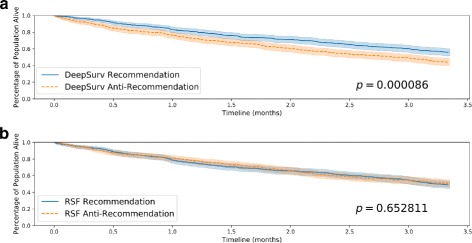
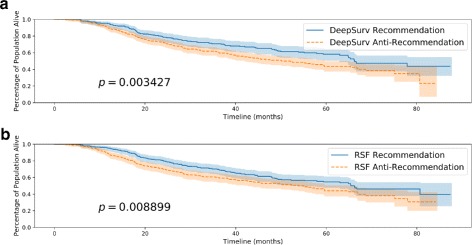
BACKGROUND: Medical practitioners use survival models to explore and understand the relationships between patients' covariates (e.g. clinical and genetic features) and the effectiveness of various treatment options. Standard survival models like the linear Cox proportional hazards model require extensive feature engineering or prior medical knowledge to model treatment interaction at an individual level. While nonlinear survival methods, such as neural networks and survival forests, can inherently model these high-level interaction terms, they have yet to be shown as effective treatment recommender systems. METHODS: We introduce DeepSurv, a Cox proportional hazards deep neural network and state-of-the-art survival method for modeling interactions between a patient's covariates and treatment effectiveness in order to provide personalized treatment recommendations. RESULTS: We perform a number of experiments training DeepSurv on simulated and real survival data. We demonstrate that DeepSurv performs as well as or better than other state-of-the-art survival models and validate that DeepSurv successfully models increasingly complex relationships between a patient's covariates and their risk of failure. We then show how DeepSurv models the relationship between a patient's features and effectiveness of different treatment options to show how DeepSurv can be used to provide individual treatment recommendations. Finally, we train DeepSurv on real clinical studies to demonstrate how it's personalized treatment recommendations would increase the survival time of a set of patients. CONCLUSIONS: The predictive and modeling capabilities of DeepSurv will enable medical researchers to use deep neural networks as a tool in their exploration, understanding, and prediction of the effects of a patient's characteristics on their risk of failure.
Overview
The claims and statistics of this paper haven’t been checked yet.
Run the check — free, no account needed. It reads the open-access text and checks the sources it cites.
Integrity signals
Registry
Cites
Statistics
Figures
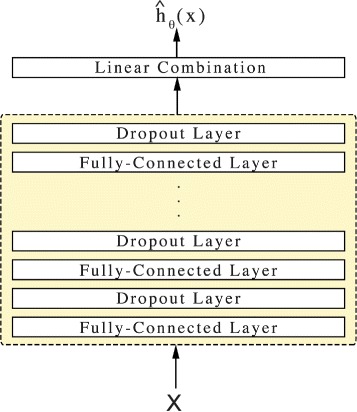
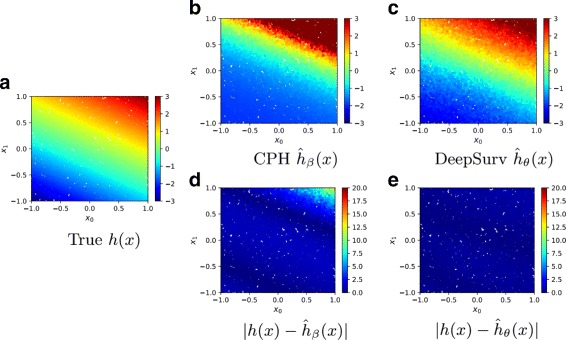
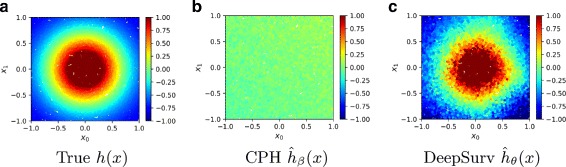
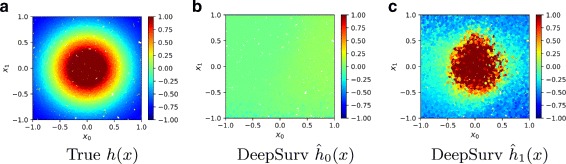
Verification
Claims the paper makes
The claims and statistics of this paper haven’t been checked yet.
Run the check — free, no account needed. It reads the open-access text and checks the sources it cites.
Self-check
Percentages, sums and reported differences re-computed from the paper’s own numbers.
The self-check needs the paper’s full text.
Citations
Cites
Adam: A Method for Stochastic Optimization
Kingma, D. P., & Ba, J. (2014) · arXiv · doi:10.48550/arxiv.1412.6980 · Cited by 98,946 · cited 1×
“more than one hidden layer) and apply modern techniques such as weight decay regularization, Rectified Linear Units (ReLU) [17] with batch normalization [18], Scaled Exponential Linear Units (SELU) [19], dropout [20], gradient descent optimization algorithms (Stochastic Gradient Descent and Adaptive Moment Estimation…”
MethodAn Introduction to the Bootstrap
Efron, B., & Tibshirani, R. J. (1994) · doi:10.1201/9780429246593 · Cited by 40,500
(2014) · Cited by 33,419
Batch Normalization: Accelerating Deep Network Training by Reducing Internal Covariate Shift
Ioffe, S., & Szegedy, C. (2015) · arXiv · doi:10.48550/arxiv.1502.03167 · Cited by 27,818
Regression Models and Life-Tables
Cox, D. R. (1992) · Springer Series in Statistics · doi:10.1007/978-1-4612-4380-9_37 · Cited by 26,297 · cited 1×
“iables in outcomes such as death or cancer recurrence and subsequently inform patients of their treatment options [1, 2, 3, 4]. One standard survival model is the Cox proportional hazards model (CPH) [5]. The CPH arXiv:1606.00931v3 [stat.ML] 9 Aug 2017 is a semiparametric model that calculates the effects of observed…”
MethodAn Introduction to the Bootstrap
Efron, B., & Tibshirani, R. J. (1993) · doi:10.1007/978-1-4899-4541-9 · Cited by 21,230
(2010) · International Conference on Machine Learning · Cited by 13,995
Modeling Survival Data: Extending the Cox Model
Therneau, T. M., & Grambsch, P. M. (2000) · Statistics for Biology and Health · doi:10.1007/978-1-4757-3294-8 · Cited by 8,674
(2012) · Cited by 8,009
The genomic and transcriptomic architecture of 2,000 breast tumours reveals novel subgroups
METABRIC Group, Curtis, C., Shah, S. P., Chin, S.-F., Turashvili, G., Rueda, O. M., Dunning, M. J., Speed, D., Lynch, A. G., Samarajiwa, S., et al. (2012) · Nature · doi:10.1038/nature10983 · Cited by 6,097 · cited 1×
“First, we simulate clinical treatment data by including an additional covariate to the simulated data from Section 4.1.2.”
MethodInfluential
Cited by
Sorted by citations
Items 201–300 of 1,000
Liu, K., Xia, W., Qiang, M., Chen, X., Liu, J., Guo, X., & Lv, X. (2019) · Cancer Medicine · doi:10.1002/cam4.2802 · Cited by 34
Pan-Cancer Prognosis Prediction Using Multimodal Deep Learning
Silva, L. A. V., & Rohr, K. (2020) · IEEE International Symposium on Biomedical Imaging (ISBI) · doi:10.1109/isbi45749.2020.9098665 · Cited by 35
Multi-task Deep Segmentation and Radiomics for Automatic Prognosis in Head and Neck Cancer
Andrearczyk, V., Fontaine, P., Oreiller, V., Castelli, J., Jreige, M., Prior, J. O., & Depeursinge, A. (2021) · Lecture notes in computer science · doi:10.1007/978-3-030-87602-9_14 · Cited by 35
Longitudinal Fairness with Censorship
Zhang, W., & Weiss, J. C. (2022) · Proceedings of the AAAI Conference on Artificial Intelligence · doi:10.1609/aaai.v36i11.21484 · Cited by 37
Tavazzi, E., Longato, E., Vettoretti, M., Aidos, H., Trescato, I., Roversi, C., Martins, A. S., Castanho, E. N., Branco, R., Soares, D. F., et al. (2023) · Artificial Intelligence in Medicine · doi:10.1016/j.artmed.2023.102588 · Cited by 34
Enhancing Breast Cancer Risk Prediction by Incorporating Prior Images
Lee, H., Kim, J., Park, E.-K., Kim, M., Kim, T., & Kooi, T. (2023) · Lecture notes in computer science · doi:10.1007/978-3-031-43904-9_38 · Cited by 38
Schön, F., Kieslich, A., Nebelung, H., Riediger, C., Hoffmann, R., Zwanenburg, A., Löck, S., & Kühn, J. (2024) · Scientific Reports · doi:10.1038/s41598-023-50451-3 · Cited by 34
Adekunle, A. A., Fofana, I., Picher, P., Rodriguez-Celis, E. M., Arroyo-Fernàndez, O. H., & Zemouri, R. M. (2025) · Applied Soft Computing · doi:10.1016/j.asoc.2025.114015 · Cited by 34
Multi-transSP: Multimodal Transformer for Survival Prediction of Nasopharyngeal Carcinoma Patients
Zheng, H., Lin, Z., Zhou, Q., Peng, X., Xiao, J., Zu, C., Jiao, Z., & Wang, Y. (2022) · Lecture notes in computer science · doi:10.1007/978-3-031-16449-1_23 · Cited by 34
(2025) · doi:10.1038/s41467-025-57181-2 · Cited by 34
“We evaluated the Clinical Transformer against common methods like other neural network-based methods 24 – 28 , CoxPH, TMB as risk score, and random survival forest, using fi ve independent datasets (Table 2).”
Variational Bayes survival analysis for unemployment modelling
Boškoski, P., Perne, M., Rameša, M., & Boshkoska, B. M. (2021) · Knowledge-Based Systems · doi:10.1016/j.knosys.2021.107335 · Cited by 33
Towards an AI-Based Objective Prognostic Model for Quantifying Wound Healing
Gupta, R., Goldstone, L., Eisen, S., Ramachandram, D., Cassata, A., Fraser, R. D. J., Ramírez-GarcíaLuna, J. L., Bartlett, R. H., & Allport, J. (2023) · IEEE Journal of Biomedical and Health Informatics · doi:10.1109/jbhi.2023.3251901 · Cited by 33
Kolk, M. Z. H., Ruipérez-Campillo, S., Alvarez-Florez, L., Deb, B., Bekkers, E. J., Allaart, C. P., van der Lingen, A. C. J., Clopton, P., Išgum, I., Wilde, A. A. M., et al. (2023) · EBioMedicine · doi:10.1016/j.ebiom.2023.104937 · Cited by 41
Liao, C.-Y., Chen, Y., Wu, Y., Chao, H., Chiu, H., Wang, T., Chen, J.-R., Shiao, T., & Lu, C. (2024) · Cancer Imaging · doi:10.1186/s40644-024-00779-4 · Cited by 35
“This model employed a multilayer perceptron network to embed nonlinear properties into the hazard function, improving the survival prediction [30, 31].”
MethodCoxKAN: Kolmogorov-Arnold networks for interpretable, high-performance survival analysis
Knottenbelt, W. J., McGough, W., Wray, R., Zhang, W. Z., Liu, J., Machado, I. P., Gao, Z., & Crispin‐Ortuzar, M. (2025) · Bioinformatics · doi:10.1093/bioinformatics/btaf413 · Cited by 61
“…Kogalur 2007, Ishwaran et al. 2008) and Bayesian models utilizing Gaussian processes (Fernandez et al. 2016, Vaswani et al. 2017) to dependent logistic regression (Yu et al. 2011), and extend to powerful deep learning models like “DeepSurv” (Katzman et al. 2018), and “Cox-nnet” (Ching et al. 2018).”
InfluentialFeng, J., Zhang, H., & Li, F. (2021) · BMC Bioinformatics · doi:10.1186/s12859-020-03850-6 · Cited by 33
Nakhli, R., Moghadam, P. A., Mi, H., Farahani, H., Baras, A. S., Gilks, C. B., & Bashashati, A. (2023) · IEEE Computer Society Conference on Computer Vision and Pattern Recognition/Proceedings - IEEE Computer Society Conference on Computer Vision and Pattern Recognition/Proceedings · doi:10.1109/cvpr52729.2023.01111 · Cited by 34
Artificial Intelligence, Sensors and Vital Health Signs: A Review
Junaid, S. B., Imam, A. A., Shuaibu, A. N., Basri, S. B., Kumar, G., Surakat, Y. A., Balogun, A. O., Abdulkarim, M., Garba, A., Sahalu, Y., et al. (2022) · Applied Sciences · doi:10.3390/app122211475 · Cited by 47
Yu, Y., Ren, W., He, Z., Chen, Y., Tan, Y., Mao, L., Ouyang, W., Lu, N., Ouyang, J., Chen, K., et al. (2023) · Breast Cancer Research · doi:10.1186/s13058-023-01688-3 · Cited by 32
Bayesian Inference of Lymph Node Ratio Estimation and Survival Prognosis for Breast Cancer Patients
Teng, J., Abdygametova, A., Du, J., Ma, B., Zhou, R., Shyr, Y., & Ye, F. (2019) · IEEE Journal of Biomedical and Health Informatics · doi:10.1109/jbhi.2019.2943401 · Cited by 32
Deep Learning Based-Recommendation System
Ong, K., Haw, S.-C., & Ng, K.-W. (2019) · International Conference on Computational Intelligence and Intelligent Systems (CIIS) · doi:10.1145/3372422.3372444 · Cited by 32
Artificial Intelligence for Response Evaluation With PET/CT
Wei, L., & Naqa, I. E. (2020) · Seminars in Nuclear Medicine · doi:10.1053/j.semnuclmed.2020.10.003 · Cited by 32
Hathaway, Q. A., Yanamala, N. V. K., Budoff, M. J., Sengupta, P. P., & Zeb, I. (2021) · Computers in Biology and Medicine · doi:10.1016/j.compbiomed.2021.104983 · Cited by 32
Benning, L., Peintner, A., & Peintner, L. (2022) · Cancers · doi:10.3390/cancers14030623 · Cited by 34
Jobczyk, M. W., Stawiski, K., Kaszkowiak, M., Rajwa, P., Różański, W., Soria, F., Shariat, S. F., & Fendler, W. M. (2021) · European Urology Oncology · doi:10.1016/j.euo.2021.05.006 · Cited by 33
Methodologic Issues Specific to Prediction Model Development and Evaluation
Jin, Y., & Kattan, M. W. (2023) · CHEST Journal · doi:10.1016/j.chest.2023.06.038 · Cited by 31
Alabdallah, A., Ohlsson, M., Pashami, S., & Rognvaldsson, T. S. (2024) · Artificial Intelligence in Medicine · doi:10.1016/j.artmed.2024.102781 · Cited by 32
A Dynamic Bayesian Model for Breast Cancer Survival Prediction
Teng, J., Zhang, H., Liu, W., Shu, X., & Ye, F. (2022) · IEEE Journal of Biomedical and Health Informatics · doi:10.1109/jbhi.2022.3202937 · Cited by 31
Andonovikj, V., Boškoski, P., Džeroski, S., & Boshkoska, B. M. (2023) · Expert Systems with Applications · doi:10.1016/j.eswa.2023.121246 · Cited by 31
Germer, S., Rudolph, C., Labohm, L., Katalinic, A., Rath, N. B., Rausch, K., Holleczek, B., & Heinz Handels, A. (2024) · International Journal of Medical Informatics · doi:10.1016/j.ijmedinf.2024.105607 · Cited by 31
Le, V. H., Minh, T. N. T., Kha, Q. H., & Le, N. Q. K. (2025) · Journal of Medical Systems · doi:10.1007/s10916-025-02156-5 · Cited by 31
“Real-time modifications to the hyper-parameters, such as input standardization, the activation function for Rectified Linear Units (ReLU), the Adaptive Moment Estimate (Adam) optimizer, and learn - ing rate schedule, were required throughout the training process [30 ].”
Zhang, Z., He, T., Huang, L., Ouyang, Y., Li, J., Huang, Y., Wang, P., & Ding, J. (2019) · Journal of Translational Medicine · doi:10.1186/s12967-019-02151-8 · Cited by 31
Yanagawa, M., Niioka, H., Kusumoto, M., Awai, K., Tsubamoto, M., Satoh, Y., Miyata, T., Yoshida, Y., Kikuchi, N., Hata, A., et al. (2020) · European Radiology · doi:10.1007/s00330-020-07339-x · Cited by 32
Paquette, F.-X., Ghassemi, A., Bukhtiyarova, O., Cissé, M., Gagnon, N., Vecchia, A. D., Rabearivelo, H. A., & Loudiyi, Y. (2022) · JMIR Medical Informatics · doi:10.2196/34554 · Cited by 31
Pieszko, K., Shanbhag, A. D., Singh, A., Hauser, M. T., Miller, R. J. H., Liang, J. X., Motwani, M., Kwieciński, J., Sharir, T., Einstein, A. J., et al. (2023) · npj Digital Medicine · doi:10.1038/s41746-023-00806-x · Cited by 32
Hou, J., Zhang, R., Xie, Y., Li, C., & Qin, W. (2025) · npj Digital Medicine · doi:10.1038/s41746-025-02257-y · Cited by 38
“To determine the optimal number of synonymous sentences, we conducted experiments to compare the survival prediction performance of the MLP model with clinical embeddings as input when N t = 1,3,5,10,20.”
A hybrid CNN-RNN approach for survival analysis in a Lung Cancer Screening study
Lu, Y., Aslani, S., Zhao, A., Shahin, A. H., Barber, D., Emberton, M., Alexander, D. C., & Jacob, J. (2023) · Heliyon · doi:10.1016/j.heliyon.2023.e18695 · Cited by 30
A Risk Stratification Model for Lung Cancer Based on Gene Coexpression Network and Deep Learning
Choi, H., & Na, K. J. (2018) · BioMed Research International · doi:10.1155/2018/2914280 · Cited by 30
Huang, Y., Chen, H., Zeng, Y., Liu, Z., Ma, H., & Liu, J. (2021) · Frontiers in Oncology · doi:10.3389/fonc.2020.593741 · Cited by 32
Distant metastasis time to event analysis with CNNs in independent head and neck cancer cohorts
Lombardo, E., Kurz, C., Marschner, S. N., Avanzo, M., Gagliardi, V., Fanetti, G., Franchin, G., Stancanello, J., Corradini, S., Niyazi, M., et al. (2021) · Scientific Reports · doi:10.1038/s41598-021-85671-y · Cited by 32
SurvNAM: The machine learning survival model explanation
Utkin, L. V., Satyukov, E. D., & Konstantinov, A. V. (2021) · Neural Networks · doi:10.1016/j.neunet.2021.12.015 · Cited by 35
Deep learning for quantile regression under right censoring: DeepQuantreg
Jia, Y., & Jeong, J. (2021) · Computational Statistics & Data Analysis · doi:10.1016/j.csda.2021.107323 · Cited by 35
Moradmand, H., Aghamiri, S. M. R., Ghaderi, R., & Emami, H. (2021) · Cancer Medicine · doi:10.1002/cam4.4230 · Cited by 31
Kim, Y., Park, J. Y., Hwang, E. J., Lee, S. M., & Park, C. M. (2021) · Journal of Thoracic Disease · doi:10.21037/jtd-21-1342 · Cited by 31
Verboven, L., Calders, T., Callens, S. F. J., Black, J. M., Maartens, G., Dooley, K. E., Potgieter, S. T., Warren, R. M., Laukens, K., & Rie, A. V. (2022) · BMC Medical Informatics and Decision Making · doi:10.1186/s12911-022-01790-0 · Cited by 30
Early COPD Risk Decision for Adults Aged From 40 to 79 Years Based on Lung Radiomics Features
Yang, Y., Li, W., Guo, Y., Liu, Y., Li, Q., Yang, K. G., Wang, S., Zeng, N., Duan, W., Chen, Z., et al. (2022) · Frontiers in Medicine · doi:10.3389/fmed.2022.845286 · Cited by 30
Deep learning for survival analysis in breast cancer with whole slide image data
Liu, H., & Kurç, T. (2022) · Bioinformatics · doi:10.1093/bioinformatics/btac381 · Cited by 30
Joint models for longitudinal and discrete survival data in credit scoring
Medina-Olivares, V., Calabrese, R., Crook, J. N., & Lindgren, F. (2022) · European Journal of Operational Research · doi:10.1016/j.ejor.2022.10.022 · Cited by 30
Lu, C., Liao, C.-Y., Chao, H., Chiu, H., Wang, T., Lee, Y., Chen, J.-R., Shiao, T., Chen, Y., & Wu, Y. (2023) · Cancer Imaging · doi:10.1186/s40644-023-00522-5 · Cited by 30
Gutierrez-Pachas, D. A., Garcia-Zanabria, G., Cuadros-Vargas, E., Cámara-Chávez, G., & Gomez-Nieto, E. (2023) · Education Sciences · doi:10.3390/educsci13020154 · Cited by 30
Mondol, R. K., Millar, E. K. A., Sowmya, A., & Meijering, E. (2024) · IEEE Journal of Biomedical and Health Informatics · doi:10.1109/jbhi.2024.3418341 · Cited by 29
Liu, X., Sangers, T. E., Nijsten, T. E. C., Kayser, M., Pardo, L. M., Wolvius, E. B., Roshchupkin, G. V., & Wakkee, M. (2024) · EClinicalMedicine · doi:10.1016/j.eclinm.2024.102550 · Cited by 29
Holste, G., Lin, M., Zhou, R., Wang, F., Liu, L., Yan, Q., Tassel, S. H. V., Kovacs, K. D., Chew, E. Y., Lu, Z., et al. (2024) · npj Digital Medicine · doi:10.1038/s41746-024-01207-4 · Cited by 34
“Since methods like DeepSurv 22 and Cox-nnet 23 popularized the use of deep neural networks for survival analysis, there have been many recent applications of deep learning to survival analysis from medical imaging data 17 – 21 .”
A Wide and Deep Neural Network for Survival Analysis from Anatomical Shape and Tabular Clinical Data
Pölsterl, S., Sarasua, I., Gutiérrez-Becker, B., & Wachinger, C. (2020) · Communications in computer and information science · doi:10.1007/978-3-030-43823-4_37 · Cited by 30
He, B., Zhong, Y., Zhu, Y., Deng, J., Fang, M., She, Y., Wang, T., Yang, Y., Sun, X., Belluomini, L., et al. (2022) · Translational Lung Cancer Research · doi:10.21037/tlcr-22-244 · Cited by 29
BITES: balanced individual treatment effect for survival data
Schrod, S., Schäfer, A., Solbrig, S., Lohmayer, R., Gronwald, W., Oefner, P. J., Beißbarth, T., Spang, R., Zacharias, H. U., & Altenbuchinger, M. (2022) · Bioinformatics · doi:10.1093/bioinformatics/btac221 · Cited by 33
Fu, X., Patrick, E., Yang, J. Y. H., Feng, D. D., & Kim, J. (2023) · Computers in Biology and Medicine · doi:10.1016/j.compbiomed.2023.106576 · Cited by 28
Differential privacy preservation in regression analysis based on relevance
Gong, M., Pan, K., & Xie, Y. (2019) · Knowledge-Based Systems · doi:10.1016/j.knosys.2019.02.028 · Cited by 29
Counterfactual Phenotyping with Censored Time-to-Events
Nagpal, C., Goswami, M., Dufendach, K., & Dubrawski, A. W. (2022) · ACM SIGKDD Conference on Knowledge Discovery and Data Mining (KDD) · doi:10.1145/3534678.3539110 · Cited by 28
Wei, T., Yuan, X., Gao, R., Johnston, L. J., Zhou, J. N., Wang, Y., Kong, W., Xie, Y., Zhang, Y., Xu, D., et al. (2022) · Cancer Science · doi:10.1111/cas.15592 · Cited by 30
Artificial Intelligence at the Service of Precision Medicine
Abbaoui, W., Retal, S., Kharmoum, N., & Ziti, S. (2023) · Lecture notes in networks and systems · doi:10.1007/978-3-031-35248-5_9 · Cited by 29
AFEI: adaptive optimized vertical federated learning for heterogeneous multi-omics data integration
Wang, Q., He, M., Guo, L.-Y., & Chai, H. (2023) · Briefings in Bioinformatics · doi:10.1093/bib/bbad269 · Cited by 28
Huang, Y., Bazzazzadehgan, S., Li, J., Arabshomali, A., Li, M., Bhattacharya, K., & Bentley, J. P. (2025) · BMC Medical Research Methodology · doi:10.1186/s12874-025-02694-z · Cited by 31
Chen, H., Li, C., Zheng, L., Lu, W., Li, Y., & Wei, Q. (2021) · Cancer Medicine · doi:10.1002/cam4.3838 · Cited by 28
Zhan, Z., Jing, Z., He, B., Hosseini, N., Westerhoff, M. A., Choi, E.-Y. K., & Garmire, L. X. (2021) · NAR Genomics and Bioinformatics · doi:10.1093/nargab/lqab015 · Cited by 26
Sim, R., Chong, C. W., Loganadan, N. K., Adam, N. L., Hussein, Z. B., & Lee, S. W. H. (2022) · Clinical Kidney Journal · doi:10.1093/ckj/sfac252 · Cited by 29
Deep learning-based personalised outcome prediction after acute ischaemic stroke
Kim, D.-Y., Choi, K., Kim, J., Hong, J., Choi, S., Park, M., & Cho, K.-H. (2023) · Journal of Neurology Neurosurgery & Psychiatry · doi:10.1136/jnnp-2022-330230 · Cited by 28
Xu, L., Cai, L., Zhu, Z., & Chen, G. (2023) · BMC Endocrine Disorders · doi:10.1186/s12902-023-01368-5 · Cited by 28
A deep neural network approach to predicting clinical outcomes of neuroblastoma patients
Tranchevent, L.-C., Azuaje, F. J., & Rajapakse, J. C. (2019) · BMC Medical Genomics · doi:10.1186/s12920-019-0628-y · Cited by 29
Deep learning for liver cancer histopathology image analysis: A comprehensive survey
Jiang, H., Yin, Y., Zhang, J., Deng, W., & Li, C. (2024) · Engineering Applications of Artificial Intelligence · doi:10.1016/j.engappai.2024.108436 · Cited by 29
Zhan, Y., Hao, Y., Wang, X., & Guo, D. (2025) · Critical Reviews in Oncology/Hematology · doi:10.1016/j.critrevonc.2025.104682 · Cited by 28
Oh, S., Kang, S., Oh, I., & Kim, M.-S. (2023) · BMC Bioinformatics · doi:10.1186/s12859-023-05160-z · Cited by 27
A multi-view co-training network for semi-supervised medical image-based prognostic prediction
Li, H., Wang, S., Liu, B., Fang, M., Cao, R., He, B., Liu, S., Hu, C. Y., Dong, D., Wang, X., et al. (2023) · Neural Networks · doi:10.1016/j.neunet.2023.04.030 · Cited by 27
HONeYBEE: enabling scalable multimodal AI in oncology through foundation model-driven embeddings
Tripathi, A. G., Waqas, A., Schabath, M. B., Yılmaz, Y., & Rasool, G. (2025) · npj Digital Medicine · doi:10.1038/s41746-025-02003-4 · Cited by 37
“For each cancer type, we trained three widely usedsurvivalmodels:Coxproportionalhazards(CoxPH),RandomSurvival Forests(RSF),andDeepSurv 28 .”
Deep learning for survival outcomes
Steingrimsson, J. A., & Morrison, S. (2020) · Statistics in Medicine · doi:10.1002/sim.8542 · Cited by 30
Cancer survival prognosis with Deep Bayesian Perturbation Cox Network
Zhang, Z., Chai, H., Wang, Y., Pan, Z., & Yang, Y. (2021) · Computers in Biology and Medicine · doi:10.1016/j.compbiomed.2021.105012 · Cited by 26
Kim, H.-S., Park, T., Jang, J., & Lee, S. (2022) · Genomics & Informatics · doi:10.5808/gi.22036 · Cited by 26
Dhillon, A., Singh, A., & Bhalla, V. K. (2023) · Applied Soft Computing · doi:10.1016/j.asoc.2023.110649 · Cited by 26
Systematic comparison of multi-omics survival models reveals a widespread lack of noise resistance
Wissel, D., Rowson, D., & Boeva, V. (2023) · Cell Reports Methods · doi:10.1016/j.crmeth.2023.100461 · Cited by 30
Aghajanian, S., Mohammadifard, F., Mohammadi, I., Firouzabadi, S. R., Bagheri, A. B., Ghaffary, E. M., & Mirmosayyeb, O. (2025) · Alzheimer s Research & Therapy · doi:10.1186/s13195-025-01827-2 · Cited by 25
“The latter approach, often referred to as “DeepSurv” models, has been underexplored in the context of time-series data prior to this work [39].”
Protecting patient privacy in survival analyses
Bonomi, L., Jiang, X., & Lucila Ohno-machado, A. (2019) · Journal of the American Medical Informatics Association · doi:10.1093/jamia/ocz195 · Cited by 25
Deep Semisupervised Multitask Learning Model and Its Interpretability for Survival Analysis
Chi, S., Tian, Y., Wang, F., Wang, Y., Chen, M., & Li, J. (2021) · IEEE Journal of Biomedical and Health Informatics · doi:10.1109/jbhi.2021.3064696 · Cited by 27
Equitable Allocation of Healthcare Resources with Fair Survival Models
Keya, K. N., Islam, R., Pan, S., Stockwell, I., & Foulds, J. R. (2021) · Society for Industrial and Applied Mathematics eBooks · doi:10.1137/1.9781611976700.22 · Cited by 25
Chai, H., Xia, L., Zhang, L., Yang, J., Zhang, Z., Qian, X., Yang, Y., & Pan, W. (2021) · Frontiers in Oncology · doi:10.3389/fonc.2021.692774 · Cited by 25
Machine learning-based prediction of 1-year mortality for acute coronary syndrome✰
Hadanny, A., Shouval, R., Wu, J., Gale, C. P., Unger, R., Zahger, D., Gottlieb, S., Matetzky, S., Goldenberg, I., Beigel, R., et al. (2021) · Journal of Cardiology · doi:10.1016/j.jjcc.2021.11.006 · Cited by 25
Fair Decision-making Under Uncertainty
Zhang, W., & Weiss, J. C. (2021) · Proceedings · doi:10.1109/icdm51629.2021.00100 · Cited by 29
EOCSA: Predicting prognosis of Epithelial ovarian cancer with whole slide histopathological images
Liu, T., Su, R., Sun, C., Li, X., & Wei, L. (2022) · Expert Systems with Applications · doi:10.1016/j.eswa.2022.117643 · Cited by 28
Zhao, S., Yan, C., Lv, H., Yang, J., You, C., Li, Z., Ma, D., Xiao, Y., Hu, J., Yang, W., et al. (2022) · Fundamental Research · doi:10.1016/j.fmre.2022.06.008 · Cited by 25
Prognostic risk stratification of gliomas using deep learning in digital pathology images
Chunduru, P., Phillips, J. J., & Molinaro, A. M. (2022) · Neuro-Oncology Advances · doi:10.1093/noajnl/vdac111 · Cited by 25
Wang, T., Chao, H., Chiu, H., Lu, C., Liao, C.-Y., Lee, Y., Chen, J.-R., Shiao, T., Chen, Y., & Wu, Y. (2023) · Translational Oncology · doi:10.1016/j.tranon.2023.101826 · Cited by 24
D’Amico, S., Dall’Olio, L., Rollo, C., Alonso, P., Prada-Luengo, I., Dall’Olio, D., Sala, C., Sauta, E., Asti, G., Lanino, L., et al. (2024) · JCO Clinical Cancer Informatics · doi:10.1200/cci.24.00008 · Cited by 28
Yao, J., Shi, Y., Lü, L., Xiao, J. Z., & Zhang, L. (2020) · Lecture notes in computer science · doi:10.1007/978-3-030-59713-9_27 · Cited by 25
Microbiome-transcriptome-histology triad enhances survival risk stratification in multiple cancers
He, B., Ma, Y., Wang, K., Bing, P., Ji, L., Tian, G., Liu, H., He, P., & Yang, J. (2025) · Computational Biology and Chemistry · doi:10.1016/j.compbiolchem.2025.108703 · Cited by 24
Machine learning approach to dynamic risk modeling of mortality in COVID-19: a UK Biobank study
Dabbah, M. A., Reed, A. B., Booth, A., Yassaee, A., Despotović, A., Klasmer, B., Binning, E., Aral, M., Plans, D., Morelli, D., et al. (2021) · Scientific Reports · doi:10.1038/s41598-021-95136-x · Cited by 23
Zhang, L., Dong, D., Zhong, L., Li, C., Hu, C. Y., Yang, X., Liu, Z., Wang, R., Zhou, J., & Tian, J. (2021) · IEEE Journal of Biomedical and Health Informatics · doi:10.1109/jbhi.2021.3087634 · Cited by 24
Wu, M., Zhu, C., Yang, J., Cheng, S., Yang, X., Gu, S., Xu, S., Wu, Y., Shen, W., Huang, S., et al. (2023) · Frontiers in Genetics · doi:10.3389/fgene.2022.1069673 · Cited by 24
CoxNAM: An interpretable deep survival analysis model
Xu, L., & Guo, C. (2023) · Expert Systems with Applications · doi:10.1016/j.eswa.2023.120218 · Cited by 24
Counterfactual Explanation of Machine Learning Survival Models
Kovalev, M. S., Utkin, L. V., Coolen, F. P. A., & Konstantinov, A. V. (2021) · Informatica · doi:10.15388/21-infor468 · Cited by 26
PathML: A unified framework for whole-slide image analysis with deep learningPreprint
Berman, A. G., Orchard, W. R., Gehrung, M., & Markowetz, F. M. (2021) · medRxiv · doi:10.1101/2021.07.07.21260138 · Cited by 26
Clinical prediction models using machine learning in oncology: challenges and recommendations
Collins, G. S., Chester-Jones, M., Gerry, S., Ma, J., Matos, J., Sehjal, J., Tsegaye, B., & Dhiman, P. (2025) · BMJ Oncology · doi:10.1136/bmjonc-2025-000914 · Cited by 27
Metadata
- Authors
- Katzman, J. L., Shaham, U., Cloninger, A., Bates, J., Jiang, T., & Kluger, Y.
- Affiliations
- Yale University (US)
- Yale New Haven Hospital (US)
- Yale Cancer Center (US)
- Corresponding author
- Kluger, Yuval
- Venue
- BMC Medical Research Methodology
- Published
- 2018-02-26
- Volume
- 18
- Issue
- 1
- Pages
- 24-24
- ISSN
- 1471-2288 (ISSN-L)
- PMC
- PMC5828433
- OpenAlex
- W2753919178
- Cited by
- 1,995
- References
- 49
- Citations by year
- 2026: 376 · 2025: 386 · 2024: 321 · 2023: 301 · 2022: 238 · 2021: 206 · 2020: 94 · 2019: 54 · 2018: 18
- FWCI
- 52.41
- Type
- journal article
- Language
- en
- Open access
- gold
- doi.org
- Locations
- BMC Medical Research Methodology (publishedVersion, cc-by)
- PubMed Central (publishedVersion, cc-by)
- PubMed (publishedVersion)
- arXiv (Cornell University) (submittedVersion)
- DOAJ (DOAJ: Directory of Open Access Journals) (submittedVersion, cc-by-sa)
- arXiv (Cornell University)
- Funders
- National Human Genome Research Institute (1R01HG008383-01A1)
- Directorate for Mathematical and Physical Sciences (DMS-1402254)
- Topics
- Physical Sciences › Computer Science › Artificial Intelligence › Machine Learning in Healthcare
- Physical Sciences › Mathematics › Statistics and Probability › Statistical Methods and Inference
- Physical Sciences › Computer Science › Information Systems › Recommender Systems and Techniques
- Keywords
- DeepSurv, Cox proportional hazards model, deep neural network, survival analysis, personalized treatment recommendations, treatment effectiveness, clinical trials
- MeSH terms
- Algorithms, Humans, Proportional Hazards Models, Neural Networks, Computer, Outcome Assessment, Health Care, Kaplan-Meier Estimate, Precision Medicine
About these checks
Registry, retraction, Cites and statistics results are computed, not judged, with one exception: a printed reference that no index lists is read once by a model before it counts as a citation error. Claims are extracted by a model and kept only when their quote appears verbatim in the text; each cited source is then checked, with a model’s help, for whether it says what the claim relies on. Those verdicts can be wrong — read the claim’s quote and the cited source before relying on one.
Statistics and arithmetic are recomputed, not judged.
Confidence bands are shown only for fields calibrated on our annotated test set. None is calibrated yet, so no band is shown.
What counts as a claim ›How we measure confidence ›How we check this ›
Are you an author, or do you see a problem with this page? Request a review
