

The Effects of Stress on Cognitive Aging, Physiology and Emotion (ESCAPE) Project
Open accessThe DOI matches its Crossref record; 93 of the 97 references it cites were found in a registry or an index.
Abstract
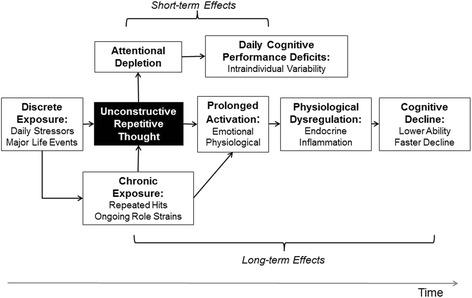
BACKGROUND: Despite evidence that psychological stress is an important risk factor for age-related cognitive loss, little research has directly evaluated psychological and physiological mediators of the relationship between stressful experiences and cognitive function. A key objective of the ESCAPE (Effects of Stress on Cognitive Aging, Physiology, and Emotion) project is to evaluate whether engaging in stress-related unconstructive repetitive thought (URT) is a pathway through which stressful experiences negatively affect cognitive health over the short- and long-term. Over the short-term, we hypothesize that engaging in URT will deplete attentional resources and result in worse cognitive performance in daily life. Over the long-term, we expect that the effects of chronic stress, from repeated exposure to stressors and regular engagement in URT, will be apparent in dysregulated hypothalamic-pituitary-adrenal (HPA) axis function and inflammation. Over time, stress-related physiological dysregulation will result in accelerated cognitive decline. METHODS/DESIGN: This study utilizes a prospective longitudinal measurement-burst design. A systematic probability sample of participants aged 25 to 65 is recruited from residents of the Bronx, NY. Consenting participants complete a baseline assessment and follow-up waves at 9, 18, and 27 months post-baseline. At each wave, participants complete a 14 day measurement burst of brief surveys and cognitive assessments delivered via study smartphones during daily life. Participants provide saliva samples four times each day for five days during the measurement burst and fasting blood samples at the end of each burst from which cortisol and dehydroepiandrosterone sulfate (DHEAS), circulating inflammatory markers, and stimulated inflammatory responses to lipopolysaccharide in whole blood are determined. DISCUSSION: This study takes a multi-pronged approach to assessing stress (i.e., early adversity, chronic strains, major events, daily hassles), psychological mediators (e.g., URT), biological mechanisms (i.e., HPA function, inflammation) and outcomes across different time-scales (i.e., momentary cognitive performance, cognitive decline across years). The systematic probability sample is locally representative and can be compared with national norms on key markers of health and well-being. The findings will improve our understanding of how environmental, psychological, and physiological stress-related influences accumulate to affect cognitive health and identify potential targets (e.g., URT, inflammation) for prevention and intervention promoting cognitive health.
Overview
The claims and statistics of this paper haven’t been checked yet.
Free: it reads the open-access text and checks the first 5 claims that cite a source we can check. Create a free account to check every claim.
Integrity signals
Registry
Cites
Statistics
Figures
Verification
Claims the paper makes
The claims and statistics of this paper haven’t been checked yet.
Free: it reads the open-access text and checks the first 5 claims that cite a source we can check. Create a free account to check every claim.
Claims other papers make about this one
Each is checked against this paper’s own text: does it say what the citing paper says it does?
In the citing paper
“Experiences of acute and chronic stress lead to hypersecretion of stress hormones in the hypothalamic-pituitary-adrenal (HPA) axis, and have adverse consequences for brain health.45,46”
From Why the cognitive ‘fountain of youth’ may be upstream: pathways to dementia risk and resilience through social connectedness (2022) · cites this paper as [46]
In the citing paper
“In humans, stress is associated with memory impairment and faster rates of cognitive decline among those with early stage ADRD.38,46,47”
From Why the cognitive ‘fountain of youth’ may be upstream: pathways to dementia risk and resilience through social connectedness (2022) · cites this paper as [46]
Self-check
Percentages, sums and reported differences re-computed from the paper’s own numbers.
The self-check needs the paper’s full text.
Citations
Cites
A Global Measure of Perceived Stress
Cohen, S., Kamarck, T., & Mermelstein, R. (1983) · Journal of Health and Social Behavior · doi:10.2307/2136404 · Cited by 32,807 · cited 1×
“Subjective Perceived stressfulness of life over last month Perceived Stress Scale [73]”
BackgroundDevelopment and validation of brief measures of positive and negative affect: The PANAS scales.
Watson, D., Clark, L. A., & Tellegen, A. (1988) · Journal of Personality and Social Psychology · doi:10.1037/0022-3514.54.6.1063 · Cited by 32,433
The satisfaction with life scale
Diener, E., Emmons, R. A., Larsen, R. J., & Griffin, S. (1985) · Journal of Personality Assessment · doi:10.1207/s15327752jpa4901_13 · Cited by 31,768 · cited 1×
“Subjective Physical functioning, medical history, medication use, anxiety, depression, mood over last month, life satisfaction PROMIS Physical Function Short Form-A, PROMIS Emotional Distress – Anxiety – Short Form 7-A, PROMIS Depression Short From 8-A, Positive and Negative Affect Schedule, Satisfaction with Life Sca…”
MethodFrom inflammation to sickness and depression: when the immune system subjugates the brain
Dantzer, R., O'Connor, J. C., Freund, G. G., Johnson, R. W., & Kelley, K. W. (2008) · Nature Reviews Neuroscience · doi:10.1038/nrn2297 · Cited by 7,395 · cited 1×
“Daily stress has also been associated with short-term increases in inflammation as well as in negative mood; both inflammation and negative mood are associated with fatigue and may further explain reductions in attentional resources that can occur with acute stress [13].”
BackgroundOptimism, coping, and health: Assessment and implications of generalized outcome expectancies.
Scheier, M. F., & Carver, C. S. (1985) · Health Psychology · doi:10.1037/0278-6133.4.3.219 · Cited by 6,690
Individual differences in working memory and reading
Daneman, M., & Carpenter, P. A. (1980) · Journal of Verbal Learning and Verbal Behavior · doi:10.1016/s0022-5371(80)90312-6 · Cited by 6,336 · cited 1×
“Three standardized tasks were used to measure WM in the lab: counting span, operation span [42, 43], and the backwards letter-span task [44].”
MethodStress, adaptation, and disease. Allostasis and allostatic load
McEWEN, B. S. (1998) · Annals of the New York Academy of Sciences · doi:10.1111/j.1749-6632.1998.tb09546.x · Cited by 5,092
2016 Alzheimer's disease facts and figures
Alzheimer's Association (2016) · Alzheimer's & Dementia · doi:10.1016/j.jalz.2016.03.001 · Cited by 5,069
Racial Differences in Physical and Mental Health: Socio-economic Status, Stress and Discrimination
Williams, D. R., Yu, Y., Jackson, J. S., & Anderson, N. B. (1997) · Journal of Health Psychology · doi:10.1177/135910539700200305 · Cited by 4,786
Stress and emotion: a new synthesis
(1999) · Choice Reviews Online · doi:10.5860/choice.37-1229 · Cited by 3,662
The interaction of TIGIT with PVR and PVRL2 inhibits human NK cell cytotoxicity
Stanietsky, N., Simic, H., Arapovic, J., Toporik, A., Levy, O., Novik, A., Levine, Z., Beiman, M., Dassa, L., Achdout, H., et al. (2009) · Proceedings of the National Academy of Sciences · doi:10.1073/pnas.0903474106 · Cited by 3,524
The international personality item pool and the future of public-domain personality measures
Goldberg, L. R., Johnson, J. A., Eber, H. W., Hogan, R., Ashton, M. C., Cloninger, C. R., & Gough, H. G. (2006) · Journal of Research in Personality · doi:10.1016/j.jrp.2005.08.007 · Cited by 3,185 · cited 2×
“Protective Conscientiousness, social support, positive events, optimism, adult temperament, mindfulness IPIP Conscientiousness subscale, PROMIS Emotional, Informational, and Instrumental Social Support – Short Forms-6a, Pleasant Events Schedule, Life Orientation Test, Adult Temperament Questionnaire, Five Facet Mindfu…”
BackgroundMethodCella, D., Yount, S., Rothrock, N., Gershon, R., Cook, K., Reeve, B., Ader, D., Fries, J. F., Bruce, B., & Rose, M. (2007) · Medical Care · doi:10.1097/01.mlr.0000258615.42478.55 · Cited by 3,118
Accelerated telomere shortening in response to life stress
Epel, E. S., Blackburn, E. H., Lin, J., Dhabhar, F. S., Adler, N. E., Morrow, J. D., & Cawthon, R. M. (2004) · Proceedings of the National Academy of Sciences · doi:10.1073/pnas.0407162101 · Cited by 3,002
The Impact of Event Scale: Revised
Weiss, D. S. (2007) · International and Cultural Psychology Series · doi:10.1007/978-0-387-70990-1_10 · Cited by 2,996
Alzheimer disease in the United States (2010–2050) estimated using the 2010 census
Hebert, L. E., Weuve, J., Scherr, P. A., & Evans, D. A. (2013) · Neurology · doi:10.1212/wnl.0b013e31828726f5 · Cited by 2,642 · cited 1×
“7 million have a diagnosis of Alzheimer’s dementia [2].”
BackgroundMiller, G. E., Chen, E., & Zhou, E. S. (2007) · Psychological Bulletin · doi:10.1037/0033-2909.133.1.25 · Cited by 2,467 · cited 1×
“The CAR is of particular importance to the ESCAPE study because it can be used to identify a blunted CAR, which is a signature of chronic stress [48].”
BackgroundConstructive and unconstructive repetitive thought
Watkins, E. R. (2008) · Psychological Bulletin · doi:10.1037/0033-2909.134.2.163 · Cited by 2,421 · cited 1×
“In this model, URT subsumes related constructs such as rumination, worry, perseverative cognition, and cognitive interference [29].”
Assessing psychological trauma and PTSD
(1997) · Choice Reviews Online · doi:10.5860/choice.34-5966 · Cited by 2,330
The Neuroendocrinology of Stress and Aging: The Glucocorticoid Cascade Hypothesis
Sapolsky, R. M., Krey, L. C., & McEwen, B. S. (2002) · Science of Aging Knowledge Environment · doi:10.1126/sageke.2002.38.cp21 · Cited by 2,299
The neuroendocrinology of stress and aging: The glucocorticoid cascade hypothesis
SAPOLSKY, R. M., KREY, L. C., & McEWEN, B. S. (1986) · Endocrine Reviews · doi:10.1210/edrv-7-3-284 · Cited by 2,298 · cited 1×
“, allostatic load; [17, 18]), that results in both dysregulated endocrine function and pro-inflammatory effects [19–22] which can impair the neural structure and function underlying cognitive performance [23–25].”
BackgroundMiller, G. E., Chen, E., & Parker, K. J. (2011) · Psychological Bulletin · doi:10.1037/a0024768 · Cited by 1,785 · cited 1×
“Some studies have shown that chronic stress is related to dysregulated HPA-axis function and elevated systemic inflammation [19, 20, 66].”
BackgroundBauer, D. J., Preacher, K. J., & Gil, K. M. (2006) · Psychological Methods · doi:10.1037/1082-989x.11.2.142 · Cited by 1,704 · cited 1×
“After establishing the lagged effect of daily stressors on working memory, we will then follow multi-level mediation procedures described in Bauer and colleagues [59] to test whether daily URT significantly mediates this relationship.”
MethodCortisol levels during human aging predict hippocampal atrophy and memory deficits
Lupien, S. J., de Leon, M., de Santi, S., Convit, A., Tarshish, C., Nair, N. P. V., Thakur, M., McEwen, B. S., Hauger, R. L., & Meaney, M. J. (1998) · Nature Neuroscience · doi:10.1038/271 · Cited by 1,653 · cited 1×
“Other studies have shown that HPA-axis dysregulation is linked with poorer cognitive function [23, 67, 68] and still others have identified a relationship between systemic inflammation and cognitive outcomes [69, 70].”
BackgroundTrapnell, P. D., & Campbell, J. D. (1999) · Journal of Personality and Social Psychology · doi:10.1037/0022-3514.76.2.284 · Cited by 1,646 · cited 2×
“Dispositional Tendency to ruminate or reflect Rumination-Reflection Questionnaire [38]; White Bear Suppression Inventory [37]”
BackgroundThe Use of Psychological Testing for Treatment Planning and Outcome Assessment
Maruish, M. E., & Leahy, R. L. (2000) · Journal of Cognitive Psychotherapy · doi:10.1891/0889-8391.14.2.205 · Cited by 1,634
The Raven's Progressive Matrices: Change and Stability over Culture and Time
Raven, J. (2000) · Cognitive Psychology · doi:10.1006/cogp.1999.0735 · Cited by 1,560
The Evolution of the Cognitive Model of Depression and Its Neurobiological Correlates
Beck, A. T. (2008) · American Journal of Psychiatry · doi:10.1176/appi.ajp.2008.08050721 · Cited by 1,537 · cited 1×
“First, dispositional URT describes tendencies for some individuals to engage in recurrent negative thoughts more than others, both in general [37, 38] as well as in response to specific sources of major life stress [39].”
BackgroundThe Use of Psychological Testing for Treatment Planning and Outcomes Assessment
(2004) · doi:10.4324/9781410610614 · Cited by 1,503
Allostatic load as a marker of cumulative biological risk: MacArthur studies of successful aging
Seeman, T. E., McEwen, B. S., Rowe, J. W., & Singer, B. H. (2001) · Proceedings of the National Academy of Sciences · doi:10.1073/pnas.081072698 · Cited by 1,385 · cited 1×
“, allostatic load; [17, 18]), that results in both dysregulated endocrine function and pro-inflammatory effects [19–22] which can impair the neural structure and function underlying cognitive performance [23–25].”
BackgroundThe Epidemiology of Social Stress
Turner, R. J., Wheaton, B., & Lloyd, D. A. (1995) · American Sociological Review · doi:10.2307/2096348 · Cited by 1,362 · cited 3×
“, bereavement, abuse) Lifetime Adversity and Recent Life Event subscales of WCS [70]”
BackgroundMethodChronic stress and age-related increases in the proinflammatory cytokine IL-6.
Kiecolt-Glaser, J. K., Preacher, K. J., MacCallum, R. C., Atkinson, C., Malarkey, W. B., & Glaser, R. (2003) · Proceedings of the National Academy of Sciences · doi:10.1073/pnas.1531903100 · Cited by 1,267 · cited 1×
“, allostatic load; [17, 18]), that results in both dysregulated endocrine function and pro-inflammatory effects [19–22] which can impair the neural structure and function underlying cognitive performance [23–25].”
BackgroundWegner, D. M., & Zanakos, S. (1994) · Journal of Personality · doi:10.1111/j.1467-6494.1994.tb00311.x · Cited by 1,245 · cited 2×
“Dispositional Tendency to ruminate or reflect Rumination-Reflection Questionnaire [38]; White Bear Suppression Inventory [37]”
BackgroundA Self-Administering Scale for Measuring Intellectual Impairment and Deterioration
Shipley, W. C. (1940) · The Journal of Psychology · doi:10.1080/00223980.1940.9917704 · Cited by 1,211 · cited 1×
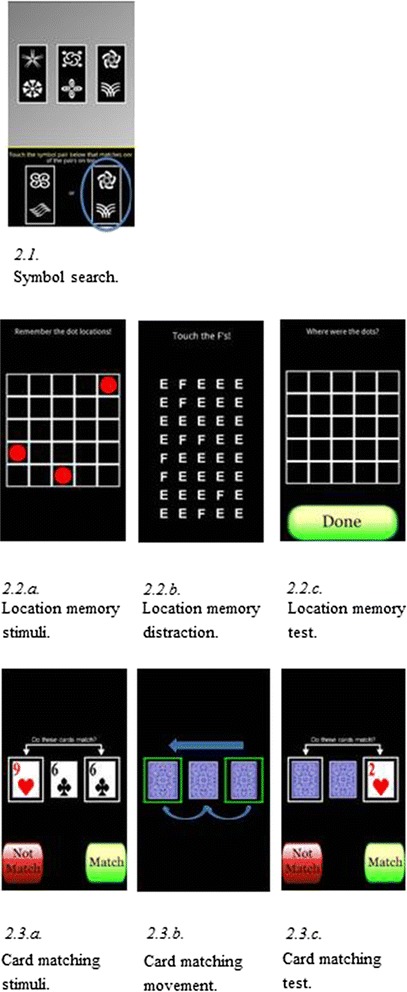
“Lab-based cognitive assessments included fluid intelligence and crystallized intelligence, assessed by the Raven’s Progressive Matrices [40], and the WRAT/Vocabulary [41], in addition to working memory, episodic memory, and processing speed.”
MethodConway, A. R. A., Cowan, N., Bunting, M. F., Therriault, D. J., & Minkoff, S. R. B. (2002) · Intelligence · doi:10.1016/s0160-2896(01)00096-4 · Cited by 1,108
Bohlmeijer, E., ten Klooster, P. M., Fledderus, M., Veehof, M., & Baer, R. (2011) · Assessment · doi:10.1177/1073191111408231 · Cited by 990 · cited 1×
“Protective Conscientiousness, social support, positive events, optimism, adult temperament, mindfulness IPIP Conscientiousness subscale, PROMIS Emotional, Informational, and Instrumental Social Support – Short Forms-6a, Pleasant Events Schedule, Life Orientation Test, Adult Temperament Questionnaire, Five Facet Mindfu…”
Background2011 Alzheimer's disease facts and figures
Alzheimer's Association (2011) · Alzheimer's & Dementia · doi:10.1016/j.jalz.2011.02.004 · Cited by 908
Application of random-effects pattern-mixture models for missing data in longitudinal studies.
Hedeker, D., & Gibbons, R. D. (1997) · Psychological Methods · doi:10.1037/1082-989x.2.1.64 · Cited by 907 · cited 1×
“, [63]) to assess possible effects of informative attrition on study conclusions.”
BackgroundPerkowski, R., & Perkowski, A. (2000) · Cited by 891
Socioeconomic Status and Chronic Stress: Does Stress Account for SES Effects on Health?
BAUM, A., GAROFALO, J. P., & YALI, A. M. (1999) · Annals of the New York Academy of Sciences · doi:10.1111/j.1749-6632.1999.tb08111.x · Cited by 860 · cited 1×
“, caregiving, dangerous neighborhood; [35, 36]), many of which do not have clear onset or endings.”
BackgroundDeveloping a model for adult temperament
Evans, D. E., & Rothbart, M. K. (2007) · Journal of Research in Personality · doi:10.1016/j.jrp.2006.11.002 · Cited by 807 · cited 1×
“Protective Conscientiousness, social support, positive events, optimism, adult temperament, mindfulness IPIP Conscientiousness subscale, PROMIS Emotional, Informational, and Instrumental Social Support – Short Forms-6a, Pleasant Events Schedule, Life Orientation Test, Adult Temperament Questionnaire, Five Facet Mindfu…”
BackgroundAssessing the Measurement Properties of Neighborhood Scales: From Psychometrics to Ecometrics
Mujahid, M. S., Diez Roux, A. V., Morenoff, J. D., & Raghunathan, T. (2007) · American Journal of Epidemiology · doi:10.1093/aje/kwm040 · Cited by 772 · cited 1×
“Stress Chronic Role and environmental stress, neighborhood security, discrimination Wheaton Chronic Stress (WCS) Scale, Lifetime Discrimination Scale, Neighborhood Safety and Violence Scale [70–72]”
BackgroundInflammatory markers and cognition in well-functioning African-American and white elders
Yaffe, K., Lindquist, K., Penninx, B. W., Simonsick, E. M., Pahor, M., Kritchevsky, S., Launer, L., Kuller, L., Rubin, S., & Harris, T. (2003) · Neurology · doi:10.1212/01.wnl.0000073620.42047.d7 · Cited by 706
Stress and the inflammatory response: A review of neurogenic inflammation
Black, P. H. (2002) · Brain, Behavior, and Immunity · doi:10.1016/s0889-1591(02)00021-1 · Cited by 688 · cited 1×
“Some studies have shown that chronic stress is related to dysregulated HPA-axis function and elevated systemic inflammation [19, 20, 66].”
BackgroundThe Handbook of Life‐Span Development
(2010) · Wiley eBooks · doi:10.1002/9780470880166 · Cited by 618
Schmiedek (2010) · Frontiers in Aging Neuroscience · doi:10.3389/fnagi.2010.00027 · Cited by 605 · cited 1×
“Episodic memory was measured using the Auditory Verbal Learning Test (AVLT) [45] and a word-number paired associates learning task [46].”
MethodThe Daily Inventory of Stressful Events: An Interview-Based Approach for Measuring Daily Stressors
Almeida, D. M., Wethington, E., & Kessler, R. C. (2002) · Assessment · doi:10.1177/1073191102091006 · Cited by 596 · cited 1×
“, arguments, deadlines, illness) Adapted from Daily Inventory of Stressful Experiences [74]”
MethodSelf-citationExpanding stress theory: prolonged activation and perseverative cognition
Brosschot, J. F., Pieper, S., & Thayer, J. F. (2005) · Psychoneuroendocrinology · doi:10.1016/j.psyneuen.2005.04.008 · Cited by 532 · cited 1×
“Stress theorists have hypothesized that unconstructive repetitive thinking, which encompasses a range of related concepts such as worry and rumination, plays an important role in conveying the effects of stress on somatic and mental health [26, 27].”
BackgroundPeople are variables too: Multilevel structural equations modeling.
Mehta, P. D., & Neale, M. C. (2005) · Psychological Methods · doi:10.1037/1082-989x.10.3.259 · Cited by 467 · cited 1×
“Second, we will use structural MLM [60] to examine whether components of daily stress (e.”
MethodThe wear-and-tear of daily stressors on mental health
Charles, S. T., Piazza, J. R., Mogle, J., Sliwinski, M. J., & Almeida, D. M. (2013) · Psychological Science · doi:10.1177/0956797612462222 · Cited by 459 · cited 1×
“Psychological stress is an important risk factor in this regard, because it relates to a broad range of aging-related health outcomes [4–8] and because it represents a target for prevention and intervention strategies.”
BackgroundSelf-citationRuminative self-focus and negative affect: An experience sampling study.
Moberly, N. J., & Watkins, E. R. (2008) · Journal of Abnormal Psychology · doi:10.1037/0021-843x.117.2.314 · Cited by 432 · cited 1×
“Stressful experiences increase the likelihood of engaging in URT, and in turn, recurrent thinking about problematic situations and events can amplify, extend, and reactivate emotional and physiological components of the acute stress response, even after cessation of the eliciting stressor [14, 30].”
BackgroundRam, N., & Gerstorf, D. (2009) · Psychology and Aging · doi:10.1037/a0017915 · Cited by 415 · cited 1×
“, months, years; see [34]).”
Self-citationA Multidimensional Structure for Repetitive Thought: What's on Your Mind, and How, and How Much?
Segerstrom, S. C., Stanton, A. L., Alden, L. E., & Shortridge, B. E. (2003) · Journal of Personality and Social Psychology · doi:10.1037/0022-3514.85.5.909 · Cited by 414 · cited 1×
“Repetitive thought refers to the process of “thinking attentively, repetitively or frequently about one’s self and one’s world” [28].”
BackgroundAllostasis and Allostatic Load
McEwen, B. S., & Wingfield, J. C. (2007) · Encyclopedia of Stress · doi:10.1016/b978-012373947-6.00025-8 · Cited by 374
Spielberger, C. D., Sydeman, S. J., Owen, A. E., & Marsh, B. (1999) · Cited by 362
Measurement‐Burst Designs for Social Health Research
Sliwinski, M. J. (2008) · Social and Personality Psychology Compass · doi:10.1111/j.1751-9004.2007.00043.x · Cited by 333
Self-citationStress, age, and immune function: toward a lifespan approach
Graham, J. E., Christian, L. M., & Kiecolt-Glaser, J. K. (2006) · Journal of Behavioral Medicine · doi:10.1007/s10865-006-9057-4 · Cited by 329
Self-citationThe Role of Peripheral Inflammatory Markers in Dementia and Alzheimer's Disease: A Meta-Analysis
Koyama, A., O'Brien, J., Weuve, J., Blacker, D., Metti, A. L., & Yaffe, K. (2013) · The Journals of Gerontology Series A: Biological Sciences and Medical Sciences · doi:10.1093/gerona/gls187 · Cited by 322 · cited 1×
“Other studies have shown that HPA-axis dysregulation is linked with poorer cognitive function [23, 67, 68] and still others have identified a relationship between systemic inflammation and cognitive outcomes [69, 70].”
BackgroundThe pleasant events schedule: Studies on reliability, validity, and scale intercorrelation.
MacPhillamy, D. J., & Lewinsohn, P. M. (1982) · Journal of Consulting and Clinical Psychology · doi:10.1037//0022-006x.50.3.363 · Cited by 307 · cited 1×
“Protective Conscientiousness, social support, positive events, optimism, adult temperament, mindfulness IPIP Conscientiousness subscale, PROMIS Emotional, Informational, and Instrumental Social Support – Short Forms-6a, Pleasant Events Schedule, Life Orientation Test, Adult Temperament Questionnaire, Five Facet Mindfu…”
BackgroundIntraindividual coupling of daily stress and cognition.
Sliwinski, M. J., Smyth, J. M., Hofer, S. M., & Stawski, R. S. (2006) · Psychology and Aging · doi:10.1037/0882-7974.21.3.545 · Cited by 306 · cited 2×
“For example, measures of daily stress are related to poorer cognitive performance [9], and high levels of URT are associated with lower cognitive performance [e.”
BackgroundSelf-citationPiazza, J. R., Charles, S. T., Sliwinski, M. J., Mogle, J., & Almeida, D. M. (2013) · Annals of Behavioral Medicine · doi:10.1007/s12160-012-9423-0 · Cited by 305 · cited 1×
“Psychological stress is an important risk factor in this regard, because it relates to a broad range of aging-related health outcomes [4–8] and because it represents a target for prevention and intervention strategies.”
BackgroundSelf-citationAssociations of Salivary Cortisol With Cognitive Function in the Baltimore Memory Study
Lee, B. K., Glass, T. A., McAtee, M. J., Wand, G. S., Bandeen-Roche, K., Bolla, K. I., & Schwartz, B. S. (2007) · Archives of General Psychiatry · doi:10.1001/archpsyc.64.7.810 · Cited by 272 · cited 1×
“Other studies have shown that HPA-axis dysregulation is linked with poorer cognitive function [23, 67, 68] and still others have identified a relationship between systemic inflammation and cognitive outcomes [69, 70].”
BackgroundThe reliability and stability of verbal working memory measures
Waters, G. S., & Caplan, D. (2003) · Behavior Research Methods, Instruments, & Computers · doi:10.3758/bf03195534 · Cited by 257 · cited 1×
“Three standardized tasks were used to measure WM in the lab: counting span, operation span [42, 43], and the backwards letter-span task [44].”
MethodThe warp and the woof of the developmental fabric.
Nesselroade, J. R. (1991) · Cited by 254
Incidence of dementia and cognitive impairment, not dementia in the united states
Plassman, B. L., Langa, K. M., McCammon, R. J., Fisher, G. G., Potter, G. G., Burke, J. R., Steffens, D. C., Foster, N. L., Giordani, B., Unverzagt, F. W., et al. (2011) · Annals of Neurology · doi:10.1002/ana.22362 · Cited by 251 · cited 1×
“4 million US adults over the age of 70 have cognitive impairment without dementia [1]; another 4.”
BackgroundSliwinski, M. J., Almeida, D. M., Smyth, J., & Stawski, R. S. (2009) · Psychology and Aging · doi:10.1037/a0017925 · Cited by 241 · cited 1×
“Sliwinski and colleagues provide a detailed description and example of this analytic approach in a study that examined long-term intraindividual changes in daily stress and negative affect [62].”
BackgroundSelf-citationPerceived Stress and Change in Cognitive Function Among Adults 65 Years and Older
Aggarwal, N. T., Wilson, R. S., Beck, T. L., Rajan, K. B., Mendes de Leon, C. F., Evans, D. A., & Everson-Rose, S. A. (2014) · Psychosomatic Medicine · doi:10.1097/psy.0000000000000016 · Cited by 229 · cited 1×
“Over the long-term, chronic life stress has been consistently associated with poorer cognitive function [8, 14], accelerated cognitive decline [5, 15], and increased incidence of dementia [16].”
BackgroundVerhaeghen, P., & Basak, C. (2005) · The Quarterly Journal of Experimental Psychology Section A · doi:10.1080/02724980443000241 · Cited by 212
C-reactive protein in rheumatology: biology and genetics
Rhodes, B., Fürnrohr, B. G., & Vyse, T. J. (2011) · Nature Reviews Rheumatology · doi:10.1038/nrrheum.2011.37 · Cited by 207 · cited 1×
“We also determined circulating plasma levels of C-reactive protein (CRP), which has widespread use clinically as a well-validated and sensitive marker of systemic inflammation [57].”
BackgroundBollen, K. A., Rabe‐Hesketh, S., & Skrondal, A. (2009) · The Oxford Handbook of Political Methodology · doi:10.1093/oxfordhb/9780199286546.003.0018 · Cited by 174
The Role of Stress Factors during Aging of the Immune System
Bauer, M. E., Jeckel, C. M. M., & Luz, C. (2009) · Annals of the New York Academy of Sciences · doi:10.1111/j.1749-6632.2008.03966.x · Cited by 164 · cited 1×
“Further, DHEAS declines with age and reductions in the DHEAS/cortisol ratio may explain why the deleterious consequences of HPA axis activation increase with age [52–56].”
BackgroundChen, E., Miller, G. E., Lachman, M. E., Gruenewald, T. L., & Seeman, T. E. (2012) · Psychosomatic Medicine · doi:10.1097/psy.0b013e31824206fd · Cited by 156 · cited 1×
“, allostatic load; [17, 18]), that results in both dysregulated endocrine function and pro-inflammatory effects [19–22] which can impair the neural structure and function underlying cognitive performance [23–25].”
BackgroundDistress proneness and cognitive decline in a population of older persons
Wilson, R. S., Bennett, D. A., de Leon, C. F. M., Bienias, J. L., Morris, M. C., & Evans, D. A. (2004) · Psychoneuroendocrinology · doi:10.1016/j.psyneuen.2004.04.005 · Cited by 150 · cited 1×
“Over the long-term, chronic life stress has been consistently associated with poorer cognitive function [8, 14], accelerated cognitive decline [5, 15], and increased incidence of dementia [16].”
BackgroundChronic Distress, Age-Related Neuropathology, and Late-Life Dementia
Wilson, R. S., Arnold, S. E., Schneider, J. A., Li, Y., & Bennett, D. A. (2007) · Psychosomatic Medicine · doi:10.1097/01.psy.0000250264.25017.21 · Cited by 146
Psychophysiological Mediators of Caregiver Stress and Differential Cognitive Decline.
Vitaliano, P. P., Echeverria, D., Yi, J., Phillips, P. E. M., Young, H., & Siegler, I. C. (2005) · Psychology and Aging · doi:10.1037/0882-7974.20.3.402 · Cited by 143
Stress-related cognitive interference predicts cognitive function in old age.
Stawski, R. S., Sliwinski, M. J., & Smyth, J. M. (2006) · Psychology and Aging · doi:10.1037/0882-7974.21.3.535 · Cited by 140 · cited 1×
“Research supports these patterns - in the short-term, minor daily stressors can produce transient effects on cognition by reducing the amount of attentional resources available for information processing [9, 10].”
BackgroundSelf-citationRey Auditory Verbal Learning Test
Rey, A. (1958) · PsycTESTS Dataset · doi:10.1037/t27193-000 · Cited by 119
Stress and Disease: A Structural and Functional Analysis
Smyth, J., Zawadzki, M., & Gerin, W. (2013) · Social and Personality Psychology Compass · doi:10.1111/spc3.12020 · Cited by 111
Self-citationStress and dementia: the role of the hypothalamic-pituitary-adrenal axis
Magri, F., Cravello, L., Barili, L., Sarra, S., Cinchetti, W., Salmoiraghi, F., Micale, G., & Ferrari, E. (2006) · Aging Clinical and Experimental Research · doi:10.1007/bf03327435 · Cited by 110 · cited 1×
“As a low DHEAS/cortisol ratio has been linked with a range of clinical outcomes, including cognitive impairment and senile dementia [51], the ESCAPE study will evaluate the effects of stress on this ratio and its role in explaining the impact of stress on cognition.”
BackgroundLong‐Term Systemic Inflammation and Cognitive Impairment in a Population‐Based Cohort
Wichmann, M. A., Cruickshanks, K. J., Carlsson, C. M., Chappell, R., Fischer, M. E., Klein, B. E. K., Klein, R., Tsai, M. Y., & Schubert, C. R. (2014) · Journal of the American Geriatrics Society · doi:10.1111/jgs.12994 · Cited by 104 · cited 1×
“Other studies have shown that HPA-axis dysregulation is linked with poorer cognitive function [23, 67, 68] and still others have identified a relationship between systemic inflammation and cognitive outcomes [69, 70].”
Background[Study of the stress response: role of anxiety, cortisol and DHEAs].
Boudaréne, M., Legros, J., & Timsit-Berthier, M. (2002) · PubMed · Cited by 99
Indicators of Job Strain at Midlife and Cognitive Functioning in Advanced Old Age
Andel, R., Crowe, M. G., Kåreholt, I., Wastesson, J. W., & Parker, M. G. (2011) · The Journals of Gerontology Series B · doi:10.1093/geronb/gbq105 · Cited by 94 · cited 1×
“Over the long-term, chronic life stress has been consistently associated with poorer cognitive function [8, 14], accelerated cognitive decline [5, 15], and increased incidence of dementia [16].”
BackgroundNeuroendocrine Effects of Stress on Immunity in the Elderly: Implications for Inflammatory Disease
Heffner, K. L. (2011) · Immunology and Allergy Clinics of North America · doi:10.1016/j.iac.2010.09.005 · Cited by 77 · cited 1×
“DHEAS is an adrenal hormone that both suppresses cortisol production and antagonizes its immunosuppressive (anti-inflammatory) effects [49, 50].”
BackgroundHair cortisol and cognitive performance in healthy older people
Pulopulos, M. M., Hidalgo, V., Almela, M., Puig‐Pérez, S., Villada, C., & Salvador, A. (2014) · Psychoneuroendocrinology · doi:10.1016/j.psyneuen.2014.03.002 · Cited by 74 · cited 1×
“Some studies have shown that chronic stress is related to dysregulated HPA-axis function and elevated systemic inflammation [19, 20, 66].”
BackgroundMorrison, M. F., Redei, E., TenHave, T., Parmelee, P., Boyce, A. A., Sinha, P. S., & Katz, I. R. (2000) · Biological Psychiatry · doi:10.1016/s0006-3223(99)00099-2 · Cited by 71 · cited 1×
“Further, DHEAS declines with age and reductions in the DHEAS/cortisol ratio may explain why the deleterious consequences of HPA axis activation increase with age [52–56].”
BackgroundRavaglia, G., Forti, P., Maioli, F., Sacchetti, L., Nativio, V., Scali, C. R., Mariani, E., Zanardi, V., Stefanini, A., & Macini, P. L. (2002) · Experimental Gerontology · doi:10.1016/s0531-5565(01)00232-7 · Cited by 67 · cited 1×
“Further, DHEAS declines with age and reductions in the DHEAS/cortisol ratio may explain why the deleterious consequences of HPA axis activation increase with age [52–56].”
Backgroundde Bruin, V. M. S., Vieira, M. C. M., Rocha, M. N. M., & Viana, G. S. B. (2002) · Brain and Cognition · doi:10.1016/s0278-2626(02)00519-5 · Cited by 64 · cited 1×
“Further, DHEAS declines with age and reductions in the DHEAS/cortisol ratio may explain why the deleterious consequences of HPA axis activation increase with age [52–56].”
BackgroundHandbook of Life-Span Development
Fingerman, K. L. (2010) · Cited by 59
Bollen, K. A. (2005) · Wiley eBooks · doi:10.1002/0470011815.b2a13089 · Cited by 55
Rey Auditory Verbal Learning Test
Poreh, A. (2010) · The Corsini Encyclopedia of Psychology · doi:10.1002/9780470479216.corpsy0796 · Cited by 48
Korten, N. C. M., Sliwinski, M. J., Comijs, H. C., & Smyth, J. M. (2014) · Applied Cognitive Psychology · doi:10.1002/acp.3043 · Cited by 29
Self-citationRelationships between age, dehydro-epiandrosterone sulphate and plasma glucose in healthy men
Thomas, N., Morris, H. A., Scopacasa, F., Wishart, J. M., & Need, A. G. (1999) · Age and Ageing · doi:10.1093/ageing/28.2.217 · Cited by 20 · cited 1×
“Further, DHEAS declines with age and reductions in the DHEAS/cortisol ratio may explain why the deleterious consequences of HPA axis activation increase with age [52–56].”
Background(2015) · Psychosomatic Medicine · doi:10.1097/psy.0000000000000180 · Cited by 10
Research works printed but not linked: 2
- Kahneman D Attention & Effort 1973 Englewood Cliffs Prentice-Hall
- Snijders T Bosker R Multilevel Modeling: An Introduction to Basic and Advanced Multilevel Modeling 1999 London Sage
Cited by
Subjective Cognitive Decline in Preclinical Alzheimer's Disease
Rabin, L. A., Smart, C. M., & Amariglio, R. E. (2017) · Annual Review of Clinical Psychology · doi:10.1146/annurev-clinpsy-032816-045136 · Cited by 590
Rabin, L. A., Paolillo, E., & Barr, W. B. (2016) · Archives of Clinical Neuropsychology · doi:10.1093/arclin/acw007 · Cited by 448
Reliability and Validity of Ambulatory Cognitive Assessments
Sliwinski, M. J., Mogle, J. A., Hyun, J., Munoz, E., Smyth, J. M., & Lipton, R. B. (2018) · Assessment · doi:10.1177/1073191116643164 · Cited by 357
“…Effects of Stress on Cognitive Aging, Physiology and Emotion project is a prospective measurement burst study (Nesselroade, 1991; Sliwinski, 2008) that tracks variability and change in daily experiences of stress and cognitive function across four 14-day EMA measurement bursts (Scott et al., 2015).”
BackgroundSelf-citationEvaluation of Pressing Issues in Ecological Momentary Assessment
Stone, A. A., Schneider, S., & Smyth, J. M. (2023) · Annual Review of Clinical Psychology · doi:10.1146/annurev-clinpsy-080921-083128 · Cited by 200
“Additionally, some studies implement formal run-in periods (e.g., Clauw et al. 2008, Scott et al. 2015) wherein participants complete momentary reports for several days and only those participants demonstrating good compliance are retained for ongoing research (a process that results in presumably…”
Self-citationAdrenal Aging and Its Implications on Stress Responsiveness in Humans
Yiallouris, A., Tsioutis, C., Agapidaki, E., Zafeiri, M., Agouridis, A. P., Ntourakis, D., & Johnson, E. O. (2019) · Frontiers in Endocrinology · doi:10.3389/fendo.2019.00054 · Cited by 186
“Stress is a risk factor that affects the physical, mental and social health of individuals through lifespan (95, 96).”
Background
Metadata
- Authors
- Scott, S. B., Graham-Engeland, J. E., Engeland, C. G., Smyth, J. M., Almeida, D. M., Katz, M. J., Lipton, R. B., Mogle, J. A., Munoz, E., Ram, N., & Sliwinski, M. J.
- Affiliations
- University of South Florida (US)
- Pennsylvania State University (US)
- Albert Einstein College of Medicine (US)
- Corresponding author
- Sliwinski, Martin J.
- ORCID
- Venue
- BMC Psychiatry
- Published
- 2015-07-03
- Volume
- 15
- Issue
- 1
- Pages
- 146-146
- ISSN
- 1471-244X (ISSN-L)
- PMC
- PMC4490700
- OpenAlex
- W2159289539
- Cited by
- 197
- References
- 97
- Citations by year
- 2026: 11 · 2025: 23 · 2024: 21 · 2023: 19 · 2022: 26 · 2021: 29 · 2020: 23 · 2019: 15 · 2018: 14 · 2017: 8 · 2016: 7 · 2015: 1
- FWCI
- 5.20
- Type
- journal article
- Language
- en
- Open access
- gold
- doi.org
- Locations
- BMC Psychiatry (publishedVersion, cc-by)
- Europe PMC (PubMed Central) (publishedVersion, cc-by)
- PubMed Central (publishedVersion, cc-by)
- PubMed (publishedVersion)
- Funders
- Georgia Clinical and Translational Science Alliance
- National Institutes of Health (UL1TR001425, UL1TR001073, UL1TR000077, AG03949)
- National Institute on Aging (P01AG03949, P01AG003949, R01AG042595, R01AG039409)
- National Center for Advancing Translational Sciences (CTSA 1UL1TR001073)
- Topics
- Life Sciences › Neuroscience › Behavioral Neuroscience › Stress Responses and Cortisol
- Social Sciences › Psychology › Developmental and Educational Psychology › Aging and Gerontology Research
- Health Sciences › Medicine › Psychiatry and Mental health › Dementia and Cognitive Impairment Research
- Keywords
- psychological stress, cognitive aging, chronic stress, hypothalamic-pituitary-adrenal axis, cortisol, dehydroepiandrosterone sulfate, inflammation, lipopolysaccharide response, cognitive decline, attentional resources, daily hassles, childhood adversity, major life events, cognitive health
- MeSH terms
- Cognitive Aging, Cognition, Cognition Disorders, Emotions, Female, Humans, Hydrocortisone, Hypothalamo-Hypophyseal System, Male, Pituitary-Adrenal System, Prospective Studies, Research Design, Stress, Psychological, Outcome Assessment, Health Care
About these checks
Registry, retraction, Cites and statistics results are computed, not judged, with one exception: a printed reference that no index lists is read once by a model before it counts as a citation error. Claims are extracted by a model and kept only when their quote appears verbatim in the text; each cited source is then checked, with a model’s help, for whether it says what the claim relies on. Those verdicts can be wrong — read the claim’s quote and the cited source before relying on one.
Statistics and arithmetic are recomputed, not judged.
Confidence bands are shown only for fields calibrated on our annotated test set. None is calibrated yet, so no band is shown.
What counts as a claim ›How we measure confidence ›How we check this ›
Are you an author, or do you see a problem with this page? Request a review
Data sources
Bibliographic data: Semantic Scholar, OpenAlex, Crossref.
Contains information from the Semantic Scholar Academic Graph Datasets, made available under the ODC Attribution License (ODC-BY 1.0).
Semantic Scholar’s data is described in: Kinney, R., et al. (2023). The Semantic Scholar Open Data Platform. arXiv:2301.10140.
