

No prescription? No problem: drivers of non-prescribed sale of antibiotics among community drug retail outlets in low and middle income countries: a systematic review of qualitative studies
Open accessThe DOI matches its Crossref record; 67 of the 67 references it cites were found in a registry or an index; 115 of the 170 sources its claims cite were checked for support.
Abstract
This systematic review synthesized qualitative evidence on drivers of non-prescribed sale of antibiotics among community drug retail outlets in LMICs.
Overview
CoChat Summary
## TL;DR
This systematic review synthesized 12 qualitative studies from 9 LMICs to explain why community drug retail outlets dispense antibiotics without prescriptions. It found four main drivers: business/profit pressures, customer demand, weak or absent enforcement, and staff’s poor knowledge or attitudes.
## Key findings
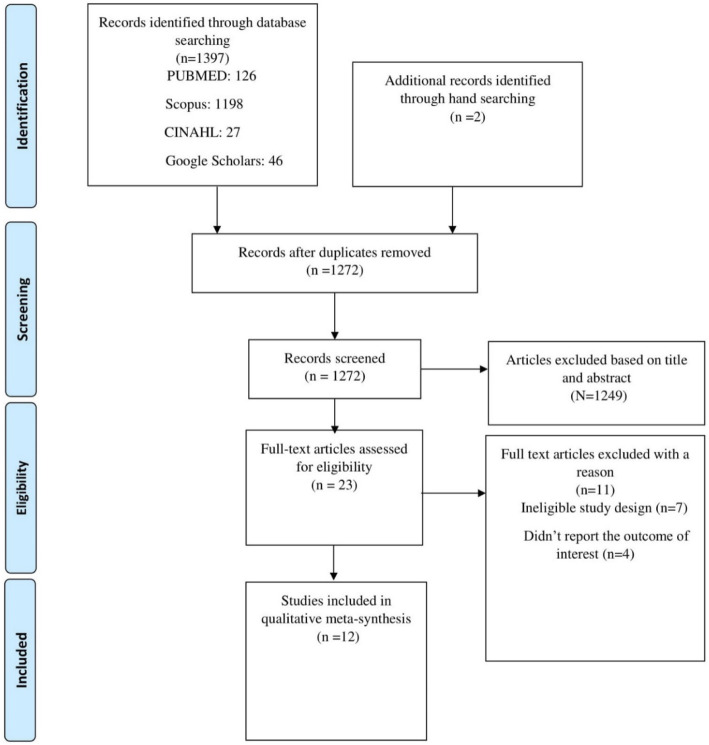
- Of 23 full texts reviewed, 12 studies met inclusion criteria; together they covered 442 respondents across nine LMICs.
- The review identified four recurring analytical themes behind non-prescribed antibiotic sales:
1) business orientation/tension between professionalism and commercialism,
2) customers’ demand pressure and expectation,
3) absence of or lax enforcement of regulations, and
4) staff’s lack of knowledge and poor attitudes about antibiotics and scope of practice.
- Nearly all included studies (10 of 12) met 7 or more of 10 Joanna Briggs Institute quality criteria, but all lacked clarity on researcher reflexivity or interview-question details.
- The authors state that CDRO staff were often pressured by owners, incentives, and competition; customers sought antibiotics because of cost, convenience, prior experience, or poor access to care; and weak regulation enabled practices such as bypassing laws and using fake or inappropriate prescriptions.
## Methods
- Systematic review of qualitative studies on drivers of non-prescribed antibiotic sales in community drug retail outlets in LMICs, registered on PROSPERO (CRD42020203302) and reported using ENTREQ.
- Searched PubMed, CINAHL, Scopus, and Google Scholar plus reference/citation lists; English-language studies published up to the second week of May 2020 were eligible.
- Two reviewers independently screened titles/abstracts/full texts, assessed quality with the JBI Critical Appraisal Checklist for qualitative studies, and synthesized data using inductive and deductive thematic analysis in NVivo 12.
## Limitations
- The paper states it may have missed articles not indexed in the included databases or published in languages other than English.
- The authors note a lack of published studies from many LMICs; they also say most included studies were from urban or administrative towns, so the findings may not represent rural settings.
- Evident from the text: the review is based on qualitative studies only, so the findings describe perceived drivers rather than measured causal effects.
Model-written summary. Check it against the paper before relying on it.
Integrity signals
Registry
Cites
Statistics
Figures
Verification
Claims the paper makes
39 Valid · 3 Not valid · 26 Not checked · 42 Own results and interpretations
Some cited sources support this claim and some don’t — read each source’s verdict below.
In the paper
“Some CDRO staff lacked knowledge and awareness on the impact that imprudent use of antibiotics has on the development of AMR [40, 44, 46]”
§ No prescription? No problem: drivers of non-prescribed sale of antibiotics among community drug retail outlets in low and middle income countries: a systematic review of qualitative studies > Results > Theme 4: CDRO staff’s lack of knowledge and poor attitudes about antibiotic use and scope of practice regrading provision
What the sources say
- Disputedcites [40] Gebretekle GB Serbessa MK Exploration of over the counter sales of antibiotics in community pharmacies of Addis Ababa, Ethiopia: pharmacy professional’s perspective Antimicrob Resist Infect Control 2016 5 2 10.1186/s13756-016-0101-z 26835006 PMC4734870 sourceExperimental — accuracy not yet measured
In Results > Weak regulatory mechanism (page unavailable), the paper says all five respondents attributed nonprescription antibiotic sales to weak enforcement, not to professionals’ lack of knowledge or awareness of the consequences of misuse. One respondent suggested professionals were less aware of the problem’s burden, but that does not establish the claimed lack of knowledge about antibiotic misuse and the development of AMR. (LLM, conf=0.87)
Checked by a reasoning model — may be wrong.
- Supportedcites [44] Kotwani A Wattal C Joshi PC Holloway K Irrational use of antibiotics and role of the pharmacist: an insight from a qualitative study in New Delhi, India J Clin Pharm Ther 2012 37 3 308 312 10.1111/j.1365-2710.2011.01293.x 21883328 source
The section ‘Suggestions by pharmacists for intervention strategies for rational use of antibiotics’ states that many pharmacists were unaware of rational antibiotic use and factors leading to antibiotic resistance. The Discussion likewise says pharmacists attributed poor prescribing partly to their lack of awareness of rational use and antimicrobial resistance. (LLM, conf=0.91)
- Not matchedcites [46] Bahnassi A A qualitative analysis of pharmacists' attitudes and practices regarding the sale of antibiotics without prescription in Syria J Taibah Uni Med Sci 2015 10 2 227 233
Its entry has no title and year that we can search by.
plain- Asserted: passes — The authors put it forward as true.
- Checkable: passes — It can be checked against evidence.
- Load-bearing: passes — The paper’s conclusions depend on it.
- Based: passes — The paper gives a reason why it holds.
- Disputed
Some cited sources support this claim and some don’t — read each source’s verdict below.
In the paper
“CDRO staffs’ poor knowledge about the consequences of antibiotics misuse and/or the importance of rational antibiotic use were among the stated reasons for non-prescription antibiotic provisions.”
§ No prescription? No problem: drivers of non-prescribed sale of antibiotics among community drug retail outlets in low and middle income countries: a systematic review of qualitative studies > Results > Theme 4: CDRO staff’s lack of knowledge and poor attitudes about antibiotic use and scope of practice regrading provision
What the sources say
- Disputedcites [40] Gebretekle GB Serbessa MK Exploration of over the counter sales of antibiotics in community pharmacies of Addis Ababa, Ethiopia: pharmacy professional’s perspective Antimicrob Resist Infect Control 2016 5 2 10.1186/s13756-016-0101-z 26835006 PMC4734870 sourceExperimental — accuracy not yet measured
In Results > Weak regulatory mechanism, all five respondents said non-prescription dispensing was not due to professionals’ lack of knowledge about its consequences; they identified weak regulatory enforcement instead. The Discussions mention poor knowledge of rational antibiotic use as a reason reported by another study, not as a finding of this study. (LLM, conf=0.90)
Checked by a reasoning model — may be wrong.
- Supportedcites [44] Kotwani A Wattal C Joshi PC Holloway K Irrational use of antibiotics and role of the pharmacist: an insight from a qualitative study in New Delhi, India J Clin Pharm Ther 2012 37 3 308 312 10.1111/j.1365-2710.2011.01293.x 21883328 source
The Discussion (page unavailable) says pharmacists attributed their poor prescribing to their own lack of awareness of rational antibiotic use and antimicrobial resistance. The Self-medication section (page unavailable) reports that private retail pharmacists sold prescription-only antibiotics without prescriptions, supporting the claim about non-prescription provision. (LLM, conf=0.91)
- Not matchedcites [46] Bahnassi A A qualitative analysis of pharmacists' attitudes and practices regarding the sale of antibiotics without prescription in Syria J Taibah Uni Med Sci 2015 10 2 227 233
Its entry has no title and year that we can search by.
plainstates a cause- Asserted: passes — The authors put it forward as true.
- Checkable: passes — It can be checked against evidence.
- Load-bearing: passes — The paper’s conclusions depend on it.
- Based: passes — The paper gives a reason why it holds.
- Disputed
The cited sources support only part of this claim — read each source’s verdict below.
In the paper
“Among the different channels from which patients in LMICs can access antibiotics, CDROs have been identified to be a predominant source of antibiotics for the wider population [19–22].”
§ No prescription? No problem: drivers of non-prescribed sale of antibiotics among community drug retail outlets in low and middle income countries: a systematic review of qualitative studies > Background
What the sources say
- Partly supportedcites [19] Ayalew MB Self-medication practice in Ethiopia: a systematic review Pat Pref Adher 2017 11 401 413 10.2147/PPA.S131496 PMC5338978 28280312 sourceExperimental — accuracy not yet measured
The Results section ('Drugs used in self-medication, where they are obtained, and who suggested their use'; page not provided) reports that drug-retail outlets supplied 66.6% of drugs used for self-medication in the Ethiopian studies reviewed. It also identifies antimicrobials as a commonly used class, but does not establish that these outlets are the predominant source of antibiotics for the wider population across LMICs. (LLM, conf=0.87)
- Partly supportedcites [20] Ocan M Obuku EA Bwanga F Akena D Richard S Ogwal-Okeng J Obua C Household antimicrobial self-medication: a systematic review and meta-analysis of the burden, risk factors and outcomes in developing countries BMC Public Health 2015 15 1 742 10.1186/s12889-015-2109-3 26231758 PMC4522083 sourceExperimental — accuracy not yet measured
The Results section, “Source of medicines, information and benefits of antibiotic self-medication” (page not provided), identifies pharmacies and drug shops as sources of antimicrobials used in self-medication; pharmacies appeared in 21 of 34 studies. This supports retail outlets as an important source, but the review concerns self-medication and reports the proportion of studies identifying each source, not whether these outlets predominate for antibiotics across the wider LMIC population. (LLM, conf=0.86)
- Partly supportedcites [21] Nepal G, Bhatta S. Self-medication with Antibiotics in WHO Southeast Asian Region: A Systematic Review. Cureus. 2018; 10(4): e2428. doi: 10.7759/cureus.2428. PMID: 29876150; PMCID: PMC5988199. PMC5988199 29876150 sourceExperimental — accuracy not yet measured
The Review (page not provided) says pharmacies were the main source of antibiotics used for self-medication, followed by friends and family. That supports retail outlets as a predominant source in the studies reviewed, but the paper concerns self-medication in the WHO Southeast Asian Region, not all antibiotic access among the wider population across LMICs. (LLM, conf=0.86)
- Partly supportedcites [22] Godman B, Haque M, McKimm J, Abu Bakar M, Sneddon J, Wale J, Campbell S, Martin AP, Hoxha I, Abilova V, Anand Paramadhas BD, Mpinda-Joseph P, Matome M, de Lemos LLP, Sefah I, Kurdi A, Opanga S, Jakupi A, Saleem Z, Hassali MA, Kibuule D, Fadare J, Bochenek T, Rothe C, Furst J, Markovic-Pekovic V, Bojanić L, Schellack N, Meyer JC, Matsebula Z, Phuong TNT, Thanh BN, Jan S, Kalungia A, Mtapuri-Zinyowera S, Sartelli M, Hill R Ongoing strategies to improve the management of upper respiratory tract infections and reduce inappropriate antibiotic use particularly among lower and middle-income countries sourceExperimental — accuracy not yet measured
Section 3.4.3 (page unavailable) says community pharmacists are often the first professionals patients consult for upper respiratory tract infections and notes substantial antibiotic self-purchasing in a number of LMICs. It does not establish that community drug retail outlets predominate over other antibiotic sources for the wider population across LMICs. (LLM, conf=0.83)
plain- Asserted: passes — The authors put it forward as true.
- Checkable: passes — It can be checked against evidence.
- Load-bearing: passes — The paper’s conclusions depend on it.
- Based: passes — The paper gives a reason why it holds.
- Partly supported
The cited sources support only part of this claim — read each source’s verdict below.
In the paper
“Since CDROs are run on a profit basis and are not subsidised by governments, strategies and activities that are in place are built on raising sales and increasing profit margins, and this includes continuous provision of antibiotics, which are the best-selling group of drugs in these countries, with or without a prescription [39, 40].”
§ No prescription? No problem: drivers of non-prescribed sale of antibiotics among community drug retail outlets in low and middle income countries: a systematic review of qualitative studies > Results > Theme 1: the business orientation of CDROs and tension between professionalism and commercialism
What the sources say
- Could not verifycites [39] Dillip A Embrey M Shekalaghe E Ross-Degnan D Vialle-Valentin C Kimatta S Liana J Rutta E Valimba R Chalker J What motivates antibiotic dispensing in accredited drug dispensing outlets in Tanzania? A qualitative study Antimicrob Resist Infect Control 2015 4 1 30 10.1186/s13756-015-0073-4 26199723 PMC4509560 sourceExperimental — accuracy not yet measured
The Results sections on business reasons and ADDO owners’ perceived roles discuss profit motives and changes in antibiotic sales, but neither compares antibiotic sales with sales of other drug groups. Searches for “best-selling” and “most sold” found no passage establishing that antibiotics are the best-selling group in the countries claimed. The supplied copy has no page numbers for these sections. (LLM, conf=0.76)
- Partly supportedcites [40] Gebretekle GB Serbessa MK Exploration of over the counter sales of antibiotics in community pharmacies of Addis Ababa, Ethiopia: pharmacy professional’s perspective Antimicrob Resist Infect Control 2016 5 2 10.1186/s13756-016-0101-z 26835006 PMC4734870 sourceExperimental — accuracy not yet measured
The Results section (‘Antibiotics frequently sold without prescription’; page unavailable) reports frequent nonprescription sales of antibiotics in Addis Ababa. It identifies the most commonly sold antibiotics, but does not compare antibiotics with other drug groups or establish that they are the best-selling group in the countries cited. (LLM, conf=0.83)
plain- Asserted: passes — The authors put it forward as true.
- Checkable: passes — It can be checked against evidence.
- Load-bearing: unclear — It is unclear whether the paper’s conclusions depend on it.
- Based: passes — The paper gives a reason why it holds.
- Could not verify
Every source the paper cites for this claim was checked and supports it.
In the paper
“In most LMICs, patients can easily obtain antibiotics without prescription from their families, relatives and/or nearby community drug retail outlets (CDROs) [18].”
§ No prescription? No problem: drivers of non-prescribed sale of antibiotics among community drug retail outlets in low and middle income countries: a systematic review of qualitative studies > Background
What the sources say
- Supportedcites [18] Aslam A, Gajdács M, Zin CS et al. Evidence of the Practice of Self-Medication with Antibiotics among the Lay Public in Low- and Middle-Income Countries: A Scoping Review. Antibiotics (Basel). 2020; 9: 597. doi: 10.3390/antibiotics9090597. PMID: 32932630; PMCID: PMC7558641. PMC7558641 32932630 source
The Introduction says people obtain antibiotics without prescriptions from community pharmacies or from relatives and friends. Section 3.6 identifies pharmacies, drug retailers, relatives and friends as common sources, while Main Findings describes easy nonprescription access as prevalent in LMICs. Page numbers are not provided in our copy. (LLM, conf=0.91)
plain- Asserted: passes — The authors put it forward as true.
- Checkable: passes — It can be checked against evidence.
- Load-bearing: passes — The paper’s conclusions depend on it.
- Based: passes — The paper gives a reason why it holds.
- Supported
48 more claims · 16 with their cited sources checked
Create a free account to see all 110 claims and to verify the 1 reference still open.
- It may state two separate claims as one. 34
- Probably not a substantial claim. 34
- The quote only partly states this claim. 1
Citations
Cites
Methods for the thematic synthesis of qualitative research in systematic reviews
Thomas, J., & Harden, A. (2008) · BMC Medical Research Methodology · doi:10.1186/1471-2288-8-45 · Cited by 9,312
Antibiotic resistance-the need for global solutions
Laxminarayan, R., Duse, A., Wattal, C., Zaidi, A. K. M., Wertheim, H. F. L., Sumpradit, N., Vlieghe, E., Hara, G. L., Gould, I. M., Goossens, H., et al. (2013) · The Lancet Infectious Diseases · doi:10.1016/s1473-3099(13)70318-9 · Cited by 4,439
Enhancing transparency in reporting the synthesis of qualitative research: ENTREQ
Tong, A., Flemming, K., McInnes, E., Oliver, S., & Craig, J. (2012) · BMC Medical Research Methodology · doi:10.1186/1471-2288-12-181 · Cited by 3,569 · cited 1×
“Methods The current review was performed in accordance with the ‘enhancing transparency in reporting the synthesis of qualitative research’ (ENTREQ) guideline [35], and the study protocol was registered on PROSPERO (CRD42020203302).”
MethodAntimicrobial resistance: a global multifaceted phenomenon
Prestinaci, F., Pezzotti, P., & Pantosti, A. (2015) · Pathogens and Global Health · doi:10.1179/2047773215y.0000000030 · Cited by 3,296 · cited 1×
“The causes for the development of AMR are complex and multifaceted, and the overuse/misuse are among the key contributors [15].”
BackgroundGlobal increase and geographic convergence in antibiotic consumption between 2000 and 2015
Klein, E. Y., Van Boeckel, T. P., Martinez, E. M., Pant, S., Gandra, S., Levin, S. A., Goossens, H., & Laxminarayan, R. (2018) · Proceedings of the National Academy of Sciences · doi:10.1073/pnas.1717295115 · Cited by 3,232
Lockwood, C., Munn, Z., & Porritt, K. (2015) · International Journal of Evidence-Based Healthcare · doi:10.1097/xeb.0000000000000062 · Cited by 2,456 · cited 1×
“We used the Joanna Briggs Institute’s (JBI) Critical Appraisal Checklist for qualitative studies to assess the quality of included studies [37].”
MethodLlor, C., & Bjerrum, L. (2014) · Therapeutic Advances in Drug Safety · doi:10.1177/2042098614554919 · Cited by 2,079
The threat of antimicrobial resistance in developing countries: causes and control strategies
Ayukekbong, J. A., Ntemgwa, M., & Atabe, A. N. (2017) · Antimicrobial Resistance & Infection Control · doi:10.1186/s13756-017-0208-x · Cited by 1,315 · cited 4×
“For clients with low economic status who cannot afford to pay for physician consultations and associated diagnostic investigations, direct purchase of antibiotics from CDROs is a cheaper option as there is no consultation fees and are often open to negotiate drug options based on the customers’ financial capacity [6,…”
BackgroundInfluentialFounou, R. C., Founou, L. L., & Essack, S. Y. (2017) · PLOS ONE · doi:10.1371/journal.pone.0189621 · Cited by 710
The multifaceted roles of antibiotics and antibiotic resistance in nature
Sengupta, S., Chattopadhyay, M. K., & Grossart, H.-P. (2013) · Frontiers in Microbiology · doi:10.3389/fmicb.2013.00047 · Cited by 629 · cited 1×
“The surge in consumption was reported to be primarily linked with the increase in the use of antibiotics across low and middle income countries (LMICs) [1, 2].”
BackgroundOcan, M., Obuku, E. A., Bwanga, F., Akena, D., Richard, S., Ogwal-Okeng, J., & Obua, C. (2015) · BMC Public Health · doi:10.1186/s12889-015-2109-3 · Cited by 504
Antimicrobial resistance in developing countries and responsible risk factors
Byarugaba, D. K. (2004) · International Journal of Antimicrobial Agents · doi:10.1016/j.ijantimicag.2004.02.015 · Cited by 409 · cited 11×
“It is reported that the highest toll of AMR [12, 13] and its worst impact occurs in the developing world [14], attributed to the relatively poor healthcare system coupled with the weak economy [4].”
BackgroundInfluentialThe impact of health insurance in Africa and Asia: a systematic review
Spaan, E., Mathijssen, J., Tromp, N., McBain, F., ten Have, A., & Baltussen, R. (2012) · Bulletin of the World Health Organization · doi:10.2471/blt.12.102301 · Cited by 332 · cited 5×
“Asian Anthropol.”
BackgroundInfluentialSelf-medication with Antibiotics in WHO Southeast Asian Region: A Systematic Review
Nepal, G., & Bhatta, S. (2018) · Cureus · doi:10.7759/cureus.2428 · Cited by 272
Antibiotic sales in rural and urban pharmacies in northern Vietnam: an observational study
Nga, D. T. T., Chuc, N. T. K., Hoa, N. P., Hoa, N. Q., Nguyen, N. T. T., Loan, H. T., Toan, T. K., Phuc, H. D., Horby, P., Van Yen, N., et al. (2014) · BMC Pharmacology and Toxicology · doi:10.1186/2050-6511-15-6 · Cited by 228 · cited 8×
“assuming some types of antibiotics are permitted to be sold as OTC medicines) [48].”
BackgroundInfluentialKotwani, A., Wattal, C., Joshi, P. C., & Holloway, K. (2012) · Journal of Clinical Pharmacy and Therapeutics · doi:10.1111/j.1365-2710.2011.01293.x · Cited by 192 · cited 13×
“It is reported that the highest toll of AMR [12, 13] and its worst impact occurs in the developing world [14], attributed to the relatively poor healthcare system coupled with the weak economy [4].”
BackgroundInfluentialChallenges of drug resistance in the developing world
Laxminarayan, R., & Heymann, D. L. (2012) · BMJ · doi:10.1136/bmj.e1567 · Cited by 191 · cited 1×
“The consumption rate of antibiotics reported to continuously increase in LMICs [1, 4], partly driven by economic growth and prosperity [5].”
BackgroundSelf-medication practice in Ethiopia: a systematic review
Ayalew, M. B. (2017) · Patient Preference and Adherence · doi:10.2147/ppa.s131496 · Cited by 182
Belachew, S. A., Hall, L., & Selvey, L. A. (2021) · Antimicrobial Resistance & Infection Control · doi:10.1186/s13756-020-00880-w · Cited by 176 · cited 1×
“as an input to set the data sources and search strategy [36], we did an electronic search of the following databases: PubMed, CINAHL, Scopus, and Google Scholar for qualitative studies that explored the reasons why antibiotics are sold without a valid prescription at CDROs.”
MethodSelf-citationSakeena, M. H. F., Bennett, A. A., & McLachlan, A. J. (2018) · Antimicrobial Resistance & Infection Control · doi:10.1186/s13756-018-0351-z · Cited by 174 · cited 1×
“If pharmacists trained properly regarding prudent antibiotic use, they can be part of the solution to overcome the global challenge of antibiotic resistance (ABR) and emphasised that training can enhance CDROstaffs’ active involvement in antibiotic stewardship practices [68].”
BackgroundGodman, B., Haque, M., McKimm, J., Abu Bakar, M., Sneddon, J., Wale, J., Campbell, S., Martin, A. P., Hoxha, I., Abilova, V., et al. (2020) · Current Medical Research and Opinion · doi:10.1080/03007995.2019.1700947 · Cited by 171
Okereke, M., Ukor, N. A., Adebisi, Y. A., Ogunkola, I. O., Favour Iyagbaye, E., Adiela Owhor, G., & Lucero‐Prisno, D. E. (2021) · The International Journal of Health Planning and Management · doi:10.1002/hpm.3067 · Cited by 167 · cited 1×
“Although improvements in access to health care have been reported in LMICs, significant portion of their community have limited access [52].”
BackgroundSakeena, M. H. F., Bennett, A. A., & McLachlan, A. J. (2018) · International Journal of Antimicrobial Agents · doi:10.1016/j.ijantimicag.2018.09.022 · Cited by 157 · cited 3×
“For clients with low economic status who cannot afford to pay for physician consultations and associated diagnostic investigations, direct purchase of antibiotics from CDROs is a cheaper option as there is no consultation fees and are often open to negotiate drug options based on the customers’ financial capacity [6,…”
BackgroundBank, W. (2017) · World Bank, Washington, DC eBooks · doi:10.1596/26707 · Cited by 152
Aslam, A., Gajdács, M., Zin, C. S., Ab Rahman, N. S., Ahmed, S. I., Zafar, M. Z., & Jamshed, S. (2020) · Antibiotics · doi:10.3390/antibiotics9090597 · Cited by 142
Antibiotic resistance: what, why, where, when and how?
Sabtu, N., Enoch, D. A., & Brown, N. M. (2015) · British Medical Bulletin · doi:10.1093/bmb/ldv041 · Cited by 138
Jacobs, T. G., Robertson, J., van den Ham, H. A., Iwamoto, K., Bak Pedersen, H., & Mantel-Teeuwisse, A. K. (2019) · BMC Health Services Research · doi:10.1186/s12913-019-4359-8 · Cited by 136 · cited 1×
“In addition, an article assessing the impact of law enforcement in reducing non-prescribed supply of antibiotics concluded that comprehensive multifaceted interventions would be the most likely effective approaches in addressing over the counter provision of antibiotics [74].”
BackgroundImpact of Over-the-Counter Restrictions on Antibiotic Consumption in Brazil and Mexico
Santa-Ana-Tellez, Y., Mantel-Teeuwisse, A. K., Dreser, A., Leufkens, H. G. M., & Wirtz, V. J. (2013) · PLoS ONE · doi:10.1371/journal.pone.0075550 · Cited by 135
Elong Ekambi, G.-A., Okalla Ebongue, C., Penda, I. C., Nnanga Nga, E., Mpondo Mpondo, E., & Eboumbou Moukoko, C. E. (2019) · PLOS ONE · doi:10.1371/journal.pone.0212875 · Cited by 128
Horumpende, P. G., Sonda, T. B., van Zwetselaar, M., Antony, M. L., Tenu, F. F., Mwanziva, C. E., Shao, E. R., Mshana, S. E., Mmbaga, B. T., & Chilongola, J. O. (2018) · PLOS ONE · doi:10.1371/journal.pone.0207465 · Cited by 124
Antibacterial resistance in sub‐Saharan Africa: an underestimated emergency
Kariuki, S., & Dougan, G. (2014) · Annals of the New York Academy of Sciences · doi:10.1111/nyas.12380 · Cited by 121 · cited 11×
“It is reported that the highest toll of AMR [12, 13] and its worst impact occurs in the developing world [14], attributed to the relatively poor healthcare system coupled with the weak economy [4].”
BackgroundInfluentialIrrational use of antibiotics in the Moshi Municipality Northern Tanzania: a cross sectional study
Mboya, E. A., Sanga, L. A., & Ngocho, J. S. (2018) · Pan African Medical Journal · doi:10.11604/pamj.2018.31.165.15991 · Cited by 117
Barker, A. K., Brown, K., Ahsan, M., Sengupta, S., & Safdar, N. (2017) · BMJ Open · doi:10.1136/bmjopen-2016-013190 · Cited by 114 · cited 2×
“also lacked the necessary knowledge or competency for pharmacy practice as there are several untrained employees or non-pharmacy professionals working parttime at the CDROs [43].”
BackgroundChang, J., Xu, S., Zhu, S., Li, Z., Yu, J., Zhang, Y., Zu, J., Fang, Y., & Ross-Degnan, D. (2019) · The Lancet Infectious Diseases · doi:10.1016/s1473-3099(19)30324-x · Cited by 108
Antibiotic use following a Korean national policy to prohibit medication dispensing by physicians
Park, S., Soumerai, S. B., Adams, A. S., Finkelstein, J. A., Jang, S., & Ross-Degnan, D. (2005) · Health Policy and Planning · doi:10.1093/heapol/czi033 · Cited by 107
Gebretekle, G. B., & Serbessa, M. K. (2016) · Antimicrobial Resistance & Infection Control · doi:10.1186/s13756-016-0101-z · Cited by 102 · cited 16×
“(2016) [40] Ethiopia In depth-interview 5 Pharmacist/ Pharmacy assistant/druggist To explore reasons for OTC sales of antibiotics”
BackgroundInfluentialAlrasheedy, A. A., Alsalloum, M. A., Almuqbil, F. A., Almuzaini, M. A., Aba Alkhayl, B. S., Albishri, A. S., Alharbi, F. F., Alharbi, S. R., Alodhayb, A. K., Alfadl, A. A., et al. (2020) · Expert Review of Anti-infective Therapy · doi:10.1080/14787210.2020.1705156 · Cited by 102
Do they work? Regulating for-profit providers in Zimbabwe
Hongoro, C. (2000) · Health Policy and Planning · doi:10.1093/heapol/15.4.368 · Cited by 98
Pharmaceutical Prices in the 21st Century
(2015) · doi:10.1007/978-3-319-12169-7 · Cited by 81 · cited 2×
“To mitigate this, prohibiting the offer of sales commission to CDRO workers have been suggested as one strategy in addition to the legislative measures [51].”
BackgroundSaleem, Z., Hassali, M. A., Hashmi, F. K., Godman, B., & Saleem, F. (2019) · Family Medicine and Community Health · doi:10.1136/fmch-2019-000138 · Cited by 77 · cited 5×
“At the end of the month, I get a good incentive based on the sale” (pharmacist) [45].”
BackgroundInfluentialWirtz, V. J., Herrera‐Patino, J. J., Santa‐Ana‐Tellez, Y., Dreser, A., Elseviers, M., & Vander Stichele, R. H. (2013) · Tropical Medicine & International Health · doi:10.1111/tmi.12096 · Cited by 76
Nyazema, N., Viberg, N., Khoza, S., Vyas, S., Kumaranayake, L., Tomson, G., & Lundborg, C. S. (2007) · Journal of Antimicrobial Chemotherapy · doi:10.1093/jac/dkm013 · Cited by 75
Mbonye, A. K., Buregyeya, E., Rutebemberwa, E., Clarke, S. E., Lal, S., Hansen, K. S., Magnussen, P., & LaRussa, P. (2016) · BMJ Open · doi:10.1136/bmjopen-2015-010632 · Cited by 75
Hoxha, I., Malaj, A., Kraja, B., Bino, S., Oluka, M., Marković-Peković, V., & Godman, B. (2018) · Journal of Global Antimicrobial Resistance · doi:10.1016/j.jgar.2018.01.019 · Cited by 73 · cited 1×
“Indeed, the current review noted that pharmacy staff knowledge to antibiotics use or dispensing has been variable, in addition, other study conducted in Albania also witnessed variable knowledge of community pharmacy staff towards antibiotics, with merely 13% declaring antibiotics as infective against viruses [70].”
ResultSuleman, S., Woliyi, A., Woldemichael, K., Tushune, K., Duchateau, L., Degroote, A., Vancauwenberghe, R., Bracke, N., & De Spiegeleer, B. (2016) · Ethiopian Journal of Health Sciences · doi:10.4314/ejhs.v26i3.9 · Cited by 72 · cited 1×
“For similar reason, in Ethiopia, many CDROs have been also taking advantage of the regulatory gaps and lack of legal repercussion to receive medicines from illegal market across borders [60].”
BackgroundDeterminants of antibiotic dispensing without prescription: a systematic review
Servia-Dopazo, M., & Figueiras, A. (2018) · Journal of Antimicrobial Chemotherapy · doi:10.1093/jac/dky319 · Cited by 67 · cited 2×
“In addition, the current review and the previous one [34] will complement each other in generating complete evidence around the topic as the previous one focuses more on quantitative studies.”
BackgroundIrrational use and non-prescription sale of antibiotics in Nigeria: A need for change
Faculty of Health, S. A. S., Akinyandenu, O., Akinyandenu, A., & Department of Pharmacology, C. O. M. (2014) · Journal of Scientific and Innovative Research · doi:10.31254/jsir.2014.3222 · Cited by 65 · cited 2×
“In this regard, small-scale business loans with very low interest rates offered to pharmacists to facilitate setting up pharmacies were found to improve pharmacy practice [50].”
BackgroundKandeel, A., Palms, D. L., Afifi, S., Kandeel, Y., Etman, A., Hicks, L. A., & Talaat, M. (2019) · BMC Public Health · doi:10.1186/s12889-019-6779-0 · Cited by 64 · cited 1×
“For example, a pre-and post-intervention study in Egypt revealed that antibiotic use awareness campaign significantly improved the caregivers or patients’ knowledge and attitude towards antibiotics use; after the educational intervention, the caregivers/adults were less likely to put pressure on doctors or pharmacists…”
BackgroundDillip, A., Embrey, M., Shekalaghe, E., Ross-Degnan, D., Vialle-Valentin, C., Kimatta, S., Liana, J., Rutta, E., Valimba, R., & Chalker, J. (2015) · Antimicrobial Resistance and Infection Control · doi:10.1186/s13756-015-0073-4 · Cited by 61 · cited 9×
“(2015) [39] Tanzania In depth-interview 84 Dispensers-owner and only dispenser To explore the motivations for antibiotic dispensing”
BackgroundInfluentialAssessing the impact of national antibiotic campaigns in Europe
Filippini, M., Ortiz, L. G. G., & Masiero, G. (2013) · The European Journal of Health Economics · doi:10.1007/s10198-012-0404-9 · Cited by 55
Erku, D. A., & Aberra, S. Y. (2018) · Antimicrobial Resistance & Infection Control · doi:10.1186/s13756-018-0389-y · Cited by 55
Self-citationAsghar, S., Atif, M., Mushtaq, I., Malik, I., Hayat, K., & Babar, Z.-U.-D. (2020) · Research in Social and Administrative Pharmacy · doi:10.1016/j.sapharm.2019.09.003 · Cited by 53 · cited 5×
“As seniors are also not professionals so lack of professionalism results in inappropriate dispensing of medicines” (pharmacy worker) [42].”
BackgroundInfluentialBahnassi, A. (2015) · Journal of Taibah University Medical Sciences · doi:10.1016/j.jtumed.2014.09.001 · Cited by 50 · cited 22×
“It is reported that the highest toll of AMR [12, 13] and its worst impact occurs in the developing world [14], attributed to the relatively poor healthcare system coupled with the weak economy [4].”
BackgroundInfluentialSalim, A. M. A., & Elgizoli, B. (2017) · International Journal of Pharmacy Practice · doi:10.1111/ijpp.12317 · Cited by 49 · cited 6×
““It is a part of our role as pharmacists to diagnose minor infections and to dispense antibiotics accordingly” (pharmacist) [41]”
BackgroundInfluentialImplications of non-prescription antibiotic sales in China
Kalungia, A., & Godman, B. (2019) · The Lancet Infectious Diseases · doi:10.1016/s1473-3099(19)30408-6 · Cited by 47 · cited 2×
“In general, multi-sectoral and concerted approach is needed to promote judicious use of antibiotic which may include enforcement of laws prohibiting the non-prescribed supply of antibiotics, CDRO staff training, public education, and also development of strong pharmacy practice surveillance system [16, 71].”
BackgroundSTI management in Tanzanian private drugstores: practices and roles of drug sellers
Viberg, N., Mujinja, P. G. M., Kalala, W., Kumaranayake, L., Vyas, S., Tomson, G. B., & Lundborg, C. S. (2009) · Sexually Transmitted Infections · doi:10.1136/sti.2008.032888 · Cited by 42
Koji, E. M., Gebretekle, G. B., & Tekle, T. A. (2019) · Antimicrobial Resistance & Infection Control · doi:10.1186/s13756-019-0571-x · Cited by 41
Wang, X., Xuan, Z., Storella, T. H., & Zhou, X. (2020) · Social Science & Medicine · doi:10.1016/j.socscimed.2020.113035 · Cited by 40 · cited 6×
“In one study, CDRO staff mentioned that they provided antibiotics with other products like Traditional Chinese Medicine with a primary intention of promoting and selling the Traditional Chinese Medicine products that are believed to earn more profit than antibiotics [49].”
BackgroundInfluentialGebrekirstos, N. H., Workneh, B. D., Gebregiorgis, Y. S., Misgina, K. H., Weldehaweria, N. B., Weldu, M. G., & Belay, H. S. (2017) · Antimicrobial Resistance & Infection Control · doi:10.1186/s13756-017-0227-7 · Cited by 38
Mengistu, G., Gietnet, K., Amare, F., Sisay, M., Hagos, B., & Misganaw, D. (2019) · Clinical Medicine Insights Pediatrics · doi:10.1177/1179556519855380 · Cited by 31
Wafula, F. (2013) · Pharmaceutical Regulatory Affairs Open Access · doi:10.4172/2167-7689.1000106 · Cited by 15
Sale of Antibiotics without Prescriptions in Alexandria, Egypt
Kotb, M., & ElBagoury, M. (2018) · Journal of Pure and Applied Microbiology · doi:10.22207/jpam.12.1.34 · Cited by 15 · cited 1×
“(2018) [47] Egypt In depth-interview 25 Pharmacist To explore the underlying causes of the sales of antibiotics without prescriptions”
BackgroundUsing Technology to Enhance Antimicrobial Stewardship Impact in the Acute Care Setting
Cowman, K., Chen, V., Guo, Y., & Nori, P. (2020) · Current Treatment Options in Infectious Diseases · doi:10.1007/s40506-020-00218-5 · Cited by 10 · cited 1×
“regards, a study revealed the importance of incorporating technology enhancements, smartphone applications and social media platforms to maximise the antimicrobial stewardship practices as it has been partly implicated to facilitate antimicrobial utilisation and antimicrobial resistance data reports [69].”
Background(Re)making quality in China’s dairy industry
Tracy, M. (2018) · Asian Anthropology · doi:10.1080/1683478x.2018.1518122 · Cited by 8 · cited 1×
“In China, for instance, increases in Food and Drug Administration scope of practice [58, 59] contributed to the shortage of experts and increased workload of Food and Drug Administration officials, which in turn compromised the enforcement of policies regulating antibiotics supply.”
BackgroundMonitoring misuse of the WHO name and emblem in medicine promotion in India
Thawani, V., & Gharpure, K. (2009) · Indian Journal of Medical Ethics · doi:10.20529/ijme.2009.003 · Cited by 6 · cited 1×
“revealed that local pharmaceutical companies and multinational subsidiaries were inappropriately using the standing of the WHO to promote their products in an effort to enhance the drug acceptability, sale and reputation [57].”
Lueddemann, T., Chang, D., Sahin, S., & Lueth, T. C. (2016) · 2016 IEEE Symposium on Product Compliance Engineering (ISPCE) · doi:10.1109/ispce.2016.7492842 · Cited by 2 · cited 1×
“In China, for instance, increases in Food and Drug Administration scope of practice [58, 59] contributed to the shortage of experts and increased workload of Food and Drug Administration officials, which in turn compromised the enforcement of policies regulating antibiotics supply.”
Background(2015) · PubMed Central
Research works printed but not linked: 2
- O’Neill J. Review on AMR. Antimicrobial resistance: tackling a crisis for the health and wealth of nations 2014.
- Alebachew A Waddington C Improving health system efficiency 2015 Ethiopia Human resources for health reforms, World Health Organization
Cited by
Sono, T. M., Yeika, E., Cook, A., Kalungia, A., Opanga, S. A., Acolatse, J. E. E., Sefah, I. A., Jelić, A. G., Campbell, S., Lorenzetti, G., et al. (2023) · Expert Review of Anti-infective Therapy · doi:10.1080/14787210.2023.2259106 · Cited by 95
Li, J., Zhou, P., Wang, J., Li, H., Xu, H., Meng, Y., Ye, F., Tan, Y., Gong, Y., & Yin, X. (2023) · The Lancet Infectious Diseases · doi:10.1016/s1473-3099(23)00130-5 · Cited by 120
Alshammari, M. K., Ramadan, M., Haif, H., Abdullah, B., Mubarak, J., Ahmad, W., Mari, S., Hassan, S., Eid, R., Hasan, M. Y., et al. (2023) · Antibiotics · doi:10.3390/antibiotics12101504 · Cited by 63
“…and proper diagnostic tools can contribute to antibiotic overuse, as precautionary measures or inaccurate diagnoses might prompt unnecessary antibiotic prescriptions [28 – 30]. overuse, as precautionary measures or inaccurate diagnoses might prompt unnecessary antibiotic prescriptions [28–30].”
BackgroundRetractedPhuong, T. N. T., Thang, D. X., Nguyen, H. A., Nguyen, C. T. T., Meyer, J. C., Godman, B., Skosana, P., & Nguyen, B. T. (2022) · Antibiotics · doi:10.3390/antibiotics11081091 · Cited by 51
“Similar reasons are seen across countries, especially where there are high co-payments for physician visits and where time and expense are factors in the decision to see a physician [11,15,44].”
BackgroundInfluentialMokwele, R. N., Schellack, N., Bronkhorst, E., Brink, A. J., Schweickerdt, L., & Godman, B. (2022) · JAC-Antimicrobial Resistance · doi:10.1093/jacamr/dlab196 · Cited by 50
Metadata
- Authors
- Belachew, S. A., Hall, L., Erku, D. A., & Selvey, L. A.
- Affiliations
- The University of Queensland (AU)
- Griffith University (AU)
- Corresponding author
- Belachew, Sewunet Admasu
- Venue
- BMC Public Health
- Published
- 2021-06-03
- Volume
- 21
- Issue
- 1
- Pages
- 1056-1056
- ISSN
- 1471-2458 (ISSN-L)
- PMC
- PMC8173982
- OpenAlex
- W3164665662
- Semantic Scholar
- 5d79b72e6b98191ab0eb7c9b63a3369907360780
- Cited by
- 73
- References
- 67
- Citations by year
- 2026: 14 · 2025: 17 · 2024: 15 · 2023: 17 · 2022: 8 · 2021: 2
- FWCI
- 1.16
- Type
- journal article
- Language
- en
- Open access
- gold
- doi.org
- Licence
- cc-by
- creativecommons.org/licenses/by/4.0 (tdm)
- creativecommons.org/licenses/by/4.0 (vor)
- Locations
- BMC Public Health (publishedVersion, cc-by)
- PubMed Central (publishedVersion, cc-by)
- PubMed (publishedVersion)
- DOAJ (DOAJ: Directory of Open Access Journals) (submittedVersion, cc-by-sa)
- Griffith Research Online (submittedVersion, cc-by)
- Funders
- University of Queensland
- Topics
- Health Sciences › Medicine › Infectious Diseases › Antibiotic Use and Resistance
- Health Sciences › Nursing › Issues, ethics and legal aspects › Pharmaceutical industry and healthcare
- Health Sciences › Health Professions › Pharmacy › Pharmacy and Medical Practices
- Keywords
- antibiotic misuse, antimicrobial resistance, antibiotic stewardship, regulatory enforcement, pharmacist knowledge and attitudes, low- and middle-income countries
- MeSH terms
- Anti-Bacterial Agents, Developing Countries, Nonprescription Drugs, Humans, Qualitative Research, Prescriptions
About these checks
Registry, retraction, Cites and statistics results are computed, not judged, with one exception: a printed reference that no index lists is read once by a model before it counts as a citation error. Claims are extracted by a model and kept only when their quote appears verbatim in the text; each cited source is then checked, with a model’s help, for whether it says what the claim relies on. Those verdicts can be wrong — read the claim’s quote and the cited source before relying on one.
The claim verdicts this report counts are experimental: their accuracy is not yet measured.
A language model drew the claims from the paper on 2026-10-11, under version 3 of the claim definition (model deepseek-v4.1-flash, prompt extract-v3).
A second model labelled each claim on 2026-10-11 (model jev-1.13-20260917, definition revision gold-guideline-v0.2).
Cited sources are checked with a language model’s help (gpt-6-sol).
Statistics and arithmetic are recomputed, not judged.
Confidence bands are shown only for fields calibrated on our annotated test set. None is calibrated yet, so no band is shown.
What counts as a claim ›How we measure confidence ›How we check this ›
Are you an author, or do you see a problem with this page? Request a review
Data sources
Bibliographic data: Semantic Scholar, OpenAlex, Crossref.
Contains information from the Semantic Scholar Academic Graph Datasets, made available under the ODC Attribution License (ODC-BY 1.0).
Semantic Scholar’s data is described in: Kinney, R., et al. (2023). The Semantic Scholar Open Data Platform. arXiv:2301.10140.
