

ROS signaling under metabolic stress: cross-talk between AMPK and AKT pathway
Open accessThe DOI matches its Crossref record; 125 of the 125 references it cites were found in a registry or an index.
Abstract
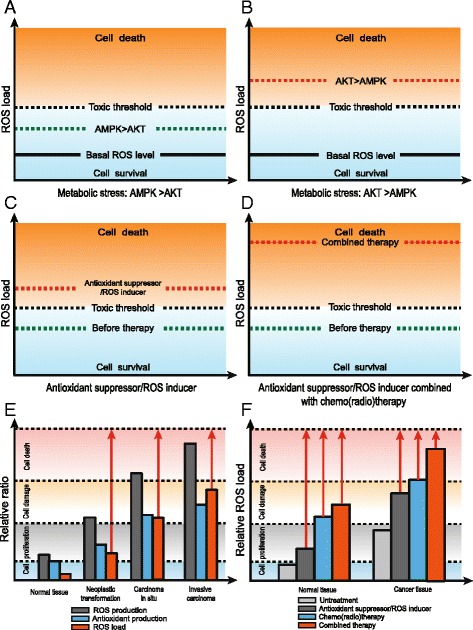
Cancer cells are frequently confronted with metabolic stress in tumor microenvironments due to their rapid growth and limited nutrient supply. Metabolic stress induces cell death through ROS-induced apoptosis. However, cancer cells can adapt to it by altering the metabolic pathways. AMPK and AKT are two primary effectors in response to metabolic stress: AMPK acts as an energy-sensing factor which rewires metabolism and maintains redox balance. AKT broadly promotes energy production in the nutrient abundance milieu, but the role of AKT under metabolic stress is in dispute. Recent studies show that AMPK and AKT display antagonistic roles under metabolic stress. Metabolic stress-induced ROS signaling lies in the hub between metabolic reprogramming and redox homeostasis. Here, we highlight the cross-talk between AMPK and AKT and their regulation on ROS production and elimination, which summarizes the mechanism of cancer cell adaptability under ROS stress and suggests potential options for cancer therapeutics.
Overview
The claims and statistics of this paper haven’t been checked yet.
Free: it reads the open-access text and checks the first 5 claims that cite a source we can check. Create a free account to check every claim.
Integrity signals
Registry
Cites
Statistics
Figures
Verification
Claims the paper makes
The claims and statistics of this paper haven’t been checked yet.
Free: it reads the open-access text and checks the first 5 claims that cite a source we can check. Create a free account to check every claim.
Claims other papers make about this one
Each is checked against this paper’s own text: does it say what the citing paper says it does?
The source backs part of the claim, not all of it — or backs it for a different population, condition or comparison.
In the citing paper
“Thus, by inhibiting PGAM5, AMPK suppresses necrosis, reduces ROS accumulation, and mitigates oxidative stress.385,387”
From Glucagon-like peptide-1 receptor: mechanisms and advances in therapy (2024) · cites this paper as [385]
Experimental — accuracy not yet measuredThe check wasn’t confident either way, so it gives no verdict — never disputed.
In the citing paper
“Importantly, the activation of AMPK reduces the expression of phosphoglycerate mutase 5 (PGAM5), which plays a promotive role in cell necrosis by contributing to mitochondrial dysfunction and the production of reactive oxygen species (ROS).385–387”
From Glucagon-like peptide-1 receptor: mechanisms and advances in therapy (2024) · cites this paper as [385]
Experimental — accuracy not yet measured
Self-check
Percentages, sums and reported differences re-computed from the paper’s own numbers.
The self-check needs the paper’s full text.
Citations
Cites
1 retracted
Zhang, S., Yang, C., Yang, Z., Zhang, D., Ma, X., Mills, G. B., & Liu, Z. (2015) · Europe PMC (PubMed Central) · Cited by 38
Self-citationRetractedAKT/PKB signaling: navigating downstream
Manning, B. D., & Cantley, L. C. (2007) · Cell · doi:10.1016/j.cell.2007.06.009 · Cited by 6,115 · cited 2×
“By activating mTORC1, AKT promotes oxygen consumption and increases ROS production under glucose deprivation [54, 62], rendering cancer cells closer to the death threshold of ROS.”
The emerging hallmarks of cancer metabolism
Pavlova, N. N., & Thompson, C. B. (2016) · Cell Metabolism · doi:10.1016/j.cmet.2015.12.006 · Cited by 5,926 · cited 9×
“Further, B Chaube et al. found that AMPK could enhance mitochondrial biogenesis and OXPHOS by activating p38/PGC1α pathway [53].”
InfluentialHydroperoxide metabolism in mammalian organs.
Chance, B., Sies, H., & Boveris, A. (1979) · Physiological Reviews · doi:10.1152/physrev.1979.59.3.527 · Cited by 5,827 · cited 1×
“It is estimated that ROS produced by mitochondria are about 1–2% of the total rate of oxygen consumption in normal cells [17].”
Targeting cancer cells by ROS-mediated mechanisms: a radical therapeutic approach?
Trachootham, D., Alexandre, J., & Huang, P. (2009) · Nature Reviews Drug Discovery · doi:10.1038/nrd2803 · Cited by 5,452 · cited 1×
“Even though cancer cells exhibit an enhanced antioxidant system, they still maintain higher ROS levels than normal cells [20, 109].”
Mitochondrial Reactive Oxygen Species (ROS) and ROS-Induced ROS Release
Zorov, D. B., Juhaszova, M., & Sollott, S. J. (2014) · Physiological Reviews · doi:10.1152/physrev.00026.2013 · Cited by 5,383 · cited 1×
“ROS are byproducts of biological reactions of energy generation, and are mainly produced in the mitochondria through the oxidative metabolism [15, 16].”
The Warburg Effect: How Does it Benefit Cancer Cells?
Liberti, M. V., & Locasale, J. W. (2016) · Trends in Biochemical Sciences · doi:10.1016/j.tibs.2015.12.001 · Cited by 5,150 · cited 1×
“Although this mode of energy production is less efficient than mitochondrial respiration per unit of glucose, the rate of glycolysis is 10–100 times faster [25].”
AMPK: a nutrient and energy sensor that maintains energy homeostasis
Hardie, D. G., Ross, F. A., & Hawley, S. A. (2012) · Nature Reviews Molecular Cell Biology · doi:10.1038/nrm3311 · Cited by 4,602 · cited 1×
“It is also regulated by its upstream LKB1, CaMMK or other factors like ADP or Ca [49].”
Reactive oxygen species (ROS) homeostasis and redox regulation in cellular signaling
Ray, P. D., Huang, B.-W., & Tsuji, Y. (2012) · Cellular Signalling · doi:10.1016/j.cellsig.2012.01.008 · Cited by 4,373 · cited 1×
“ROS are byproducts of biological reactions of energy generation, and are mainly produced in the mitochondria through the oxidative metabolism [15, 16].”
Modulation of oxidative stress as an anticancer strategy
Gorrini, C., Harris, I. S., & Mak, T. W. (2013) · Nature Reviews Drug Discovery · doi:10.1038/nrd4002 · Cited by 3,579 · cited 5×
“Glucose deficiency is one of the main factors leading to ROS stress in tumors, either in the stage of tumor initiation or progression [18].”
Influential
Cited by
Items 201–300 of 769
Sun, Y., Li, Q., Huang, Y., Yang, Z., Li, G., Sun, X., Gu, X., Qiao, Y., Wu, Q., Xie, T., et al. (2024) · Chinese Medicine · doi:10.1186/s13020-024-00982-2 · Cited by 38
“In addition, within cells, a series of regulatory mechanisms are involved in redox processes, such as the Keap1/Nrf2 transcription factor, NF-κB signalling, the MAPK pathway, PI3K-Akt cascades, and the AMPK-mTOR axis [6, 7].”
BackgroundLee, Y., Kwon, I., Jang, Y., Song, W., Cosío-Lima, L., & Roltsch, M. H. (2017) · The Journal of Physiological Sciences · doi:10.1007/s12576-017-0555-7 · Cited by 39
Dico, A. L., Valtorta, S., Ottobrini, L., & Moresco, R. M. (2019) · Frontiers in Oncology · doi:10.3389/fonc.2019.00463 · Cited by 37
“Recent evidence suggested that AMPK and AKT display antagonistic roles under metabolic stress (24), such as in a hypoxic condition.”
BackgroundGoetting, I., Jendrossek, V., & Matschke, J. (2020) · International Journal of Molecular Sciences · doi:10.3390/ijms21228563 · Cited by 40
“Consequently, cells have also evolved a cellular response to ROS to counteract ROS-mediated damage cellular by activation of antioxidant systems [17,18].”
BackgroundInfluentialTrimetazidine Attenuates Heart Failure by Improving Myocardial Metabolism via AMPK
Shu, H., Hang, W., Peng, Y., Nie, J., Wu, L., Zhang, W., Wang, D. W., & Zhou, N. (2021) · Frontiers in Pharmacology · doi:10.3389/fphar.2021.707399 · Cited by 37
“AMPK and Akt are the two main modulators in energy metabolism (Zhao et al., 2017).”
BackgroundTargeting redox regulation and autophagy systems in cancer stem cells
Khan, S. U., Rayees, S., Sharma, P., & Malik, F. A. (2022) · Clinical and Experimental Medicine · doi:10.1007/s10238-022-00955-5 · Cited by 37
“On the other side, ROS accumulation at a higher concentration leads to cellular toxicity and cell death [11, 12, 13, 15].”
BackgroundSchistosoma japonicum infection causes a reprogramming of glycolipid metabolism in the liver
Xu, Z., Chang, H., Ni, Y., Li, C., Chen, L., Hou, M., & Ji, M. (2019) · Parasites & Vectors · doi:10.1186/s13071-019-3621-6 · Cited by 36
Harnessing Antioxidants in Cancer Therapy: Opportunities, Challenges, and Future Directions
Liu, Y., Wu, G., Feng, L., Li, J., Xia, Y., Guo, W., & Zhao, K. (2025) · Antioxidants · doi:10.3390/antiox14060674 · Cited by 37
“ROS account for approximately 1–2% of the overall oxygen consumption in healthy cells [10].”
Self-citationAquilano, K., Sciarretta, F., Turchi, R., Li, B.-H., Rosina, M., Ceci, V., Guidobaldi, G., Arena, S., DˈAmbrosio, C., Audano, M., et al. (2020) · Redox Biology · doi:10.1016/j.redox.2020.101633 · Cited by 36
Chen, L., Holder, R., Porter, C., & Shah, Z. I. (2021) · PLoS ONE · doi:10.1371/journal.pone.0252816 · Cited by 44
“Conversely, there are conflicting studies suggesting AMPKα may facilitate FOXO3a nuclear localization [33].”
BackgroundFernando, W., Cruickshank, B. M., Arun, R. P., MacLean, M. R., Cahill, H. F., Morales-Quintanilla, F., Dean, C. A., Wasson, M. D., Dahn, M. L., Coyle, K. M., et al. (2024) · Oncogene · doi:10.1038/s41388-024-03156-4 · Cited by 34
“ROS can also upregulate various kinases, including energy-sensing AMP-protein kinase (AMPK), phosphatidylinositol 3-kinase (PI3K), and protein kinase B (PKB, also known as AKT), which induce expression, and activation, of key enzymes in the glycolysis pathway [84 – 87].”
Lee, N., Meng, R. Y., Rah, S., Jin, H., Ray, N., Kim, S., Park, B. H., & Kim, S. M. (2020) · International Journal of Molecular Sciences · doi:10.3390/ijms21249409 · Cited by 35
“By stimulating oxidative metabolism, Akt also promotes mitochondrial oxygen consumption and contributes to ROS accumulation [63,64].”
BackgroundQu, Y., Ji, H., Song, W., Peng, S., Zhan, S., Wei, L., Chen, M., Zhang, D., & Liu, S. (2022) · Food & Function · doi:10.1039/d1fo03320d · Cited by 34
Au-Yeung, K. K. W., Shang, Y., Wijerathne, C. U. B., Hewage, S. M., Siow, Y. L., & Karmin, O. (2023) · Antioxidants · doi:10.3390/antiox12040883 · Cited by 36
“AMPK is activated by the phosphorylation of Thr-172 on the AMPKα catalytic subunit [14] but may also be regulated by oxidative stress [15].”
BackgroundThe FOXO signaling axis displays conjoined functions in redox homeostasis and stemness
Soh, R., Hardy, A., & Nieden, N. I. Z. (2021) · Free Radical Biology and Medicine · doi:10.1016/j.freeradbiomed.2021.04.022 · Cited by 34
The effect of lactoferrin in aging: role and potential
Li, B., Zhang, B., Liu, X., Zheng, Y., Han, K., Liu, H., Wu, C., Li, J., Fan, S., Peng, W., et al. (2022) · Food & Function · doi:10.1039/d1fo02750f · Cited by 35
Hung, T., Wu, C., & Chen, S. (2021) · Frontiers in Medicine · doi:10.3389/fmed.2021.788969 · Cited by 34
Zheng, L., Fang, S., Chen, A., Chen, W., Qiao, E., Chen, M., Shu, G., Zhang, D., Kong, C., Weng, Q., et al. (2022) · Pharmacological Research · doi:10.1016/j.phrs.2022.106140 · Cited by 33
Biofunctional properties and plant physiology of Kaempferia spp.: Status and trends
Hashiguchi, A., Thawtar, M. S., Duangsodsri, T., Kusano, M., & Watanabe, K. (2022) · Journal of Functional Foods · doi:10.1016/j.jff.2022.105029 · Cited by 37
The role of tumor metabolism in modulating T-Cell activity and in optimizing immunotherapy
Ganjoo, S., Gupta, P., Corbali, H. I., Nanez, S., Riad, T. S., Duong, L. K., Barsoumian, H. B., Masrorpour, F., Jiang, H., Welsh, J. W., et al. (2023) · Frontiers in Immunology · doi:10.3389/fimmu.2023.1172931 · Cited by 35
Khlifi, R., Lahmar, A., Dhaouefi, Z., Kalboussi, Z., Maâtouk, M., Kilani, S., Ghédira, K., & Ghédira, L. C. (2019) · Regulatory Toxicology and Pharmacology · doi:10.1016/j.yrtph.2019.104404 · Cited by 32
How Far Are We from Prescribing Fasting as Anticancer Medicine?
Deligiorgi, M. V., Liapi, C. A., & Trafalis, D. T. (2020) · International Journal of Molecular Sciences · doi:10.3390/ijms21239175 · Cited by 34
“Consequently, protein synthesis is decreased, reducing ROS production, while autophagy is increased, yielding resistance of cells to ROS [80].”
BackgroundLou, Q., Zhang, M., Zhang, K., Liu, X., Zhang, Z., Zhang, X., Yang, Y., & Gao, Y. (2022) · The Science of The Total Environment · doi:10.1016/j.scitotenv.2022.155691 · Cited by 39
Yang, C., Liu, J., Tong, B. C., Wang, Z., Zhu, Z., Su, C.-F., Sreenivasmurthy, S. G., Wu, J.-X., Iyaswamy, A., Krishnamoorthi, S., et al. (2021) · Acta Pharmacologica Sinica · doi:10.1038/s41401-021-00711-7 · Cited by 35
Palanivel, V., Gupta, V., Mirshahvaladi, S., Sharma, S., Gupta, V. B., Chitranshi, N., Mirzaei, M., Graham, S. L., & Basavarajappa, D. K. (2022) · Cells · doi:10.3390/cells11223665 · Cited by 33
A Systematic Review Exploring the Anticancer Activity and Mechanisms of Glucomannan
Li, J., Sun, F., Zhou, H., Yang, J., Huang, C., & Fan, H. (2019) · Frontiers in Pharmacology · doi:10.3389/fphar.2019.00930 · Cited by 33
Antioxidant genes in cancer and metabolic diseases: Focusing on Nrf2, Sestrin, and heme oxygenase 1
Shrestha, J., Limbu, K. R., Chhetri, R. B., Paudel, K. R., Hansbro, P. M., Oh, Y. S., Baek, D. J., Ki, S. H., & Park, E. (2024) · International Journal of Biological Sciences · doi:10.7150/ijbs.98846 · Cited by 31
“The AMPK-mammalian target of the rapamycin (mTOR) pathway is an intracellular energy regulatory signaling pathway that sensitively induces a response in accordance with the redox status [127].”
BackgroundThe Role of Olive Oil in Cardiometabolic Risk
Salvo, A., & Tuttolomondo, A. (2025) · Metabolites · doi:10.3390/metabo15030190 · Cited by 32
“Additionally, HT was shown to mediate the downregulation of IL-6 transcription [73,74], additionally, OLE interferes with LPS-induced Toll-like receptor 4 (TLR4) dimerization, thereby alleviating inflammation by disrupting the TLR4-MyD88-NF-κ B/MAPK signaling axis [75] in an in vivo model of…”
Follicular metabolic dysfunction, oocyte aneuploidy and ovarian aging: a review
Wu, D., Liu, C., & Ding, L. (2025) · Journal of Ovarian Research · doi:10.1186/s13048-025-01633-2 · Cited by 37
“Cells, including oocytes, require proper ROS to activate intracellular signalling pathways [54].”
Fu, Y., Zhang, J., Qin, R., Ren, Y., Zhou, T., Han, B., & Liu, B. (2025) · Pharmacological Reviews · doi:10.1016/j.pharmr.2025.100053 · Cited by 35
Zhang, Y., Wang, M., Meng, F., Yang, M. G., Chen, Y., Guo, X., Wang, W., Zhu, Y., Guo, Y., Feng, C., et al. (2022) · Cell Death Discovery · doi:10.1038/s41420-022-01039-9 · Cited by 31
“rapamycin (mTOR) pathway is a well-known downstream signal transduction pathway of ROS [21], we explored the effects of SFI003 on this pathway and found that the activities of Akt (p-Akt) and mTOR (p-mTOR) were inhibited by SFI003 in HCT-116 and SW480 cells (Fig.”
Du, L.-X., Wu, Y., Jia, Q., Li, J., Li, Y., Ma, H., Fan, Z., Guo, X., Li, L., Peng, Y., et al. (2023) · Cellular and Molecular Neurobiology · doi:10.1007/s10571-023-01370-4 · Cited by 36
Insights into the Role of microRNAs in Colorectal Cancer (CRC) Metabolism
Hon, K. W., Abidin, S. A. Z., Othman, I., & Naidu, R. (2020) · Cancers · doi:10.3390/cancers12092462 · Cited by 34
Lee, W., Lee, C. H., Lee, J., Jeong, Y., Park, J.-H., Nam, I.-J., Lee, D. S., Lee, H. M., Lee, J., Yun, N., et al. (2021) · Journal of Ethnopharmacology · doi:10.1016/j.jep.2021.113795 · Cited by 30
“This Nrf2-induced anti-oxidative stress enzyme scavenges excessive ROS and inhibit inordinate inflammatory responses (Xu et al., 2020; Zhao et al., 2017).”
BackgroundDietary Control of Inflammation and Resolution
Sears, B., & Saha, A. K. (2021) · Frontiers in Nutrition · doi:10.3389/fnut.2021.709435 · Cited by 35
“If the PI3K/AKT pathway is too active, this will inhibit the activity of AMPK (166, 167).”
BackgroundCurcumin attenuates isoniazid‐induced hepatotoxicity by upregulating the SIRT1/PGC‐1α/NRF1 pathway
Li, Y., Luo, W.-W., Cheng, X., Xiang, H., He, B., Zhang, Q., & Wen-xing, P. (2022) · Journal of Applied Toxicology · doi:10.1002/jat.4288 · Cited by 32
Chen, C., Zhai, E., Liu, Y., Qian, Y., Zhao, R., Ma, Y., Liu, J., Huang, Z. L., Chen, J., & Cai, S. (2022) · Cancer Cell International · doi:10.1186/s12935-023-03129-9 · Cited by 30
“However, excessive ROS accumulation, failure of proper scavenging mechanisms, or lack of antioxidants can lead to severe damage to biomolecules, which can trigger cell death, including cancer cells [11, 12, 14].”
BackgroundSelf-citationRedox Regulation of Autophagy in Cancer: Mechanism, Prevention and Therapy
He, J., Dong, L., Luo, L., & Wang, K. (2022) · Life · doi:10.3390/life13010098 · Cited by 31
“In tumor cells, activated AMPK is thought to maintain redox homeostasis, at least in part, by regulating the initiation of autophagy, thus being closely related to tumor progression [75].”
BackgroundStimuli-responsive cancer nanomedicines inhibit glycolysis and impair redox homeostasis
Meng, X., Wang, L., Zhao, N., Zhao, D., Shen, Y., Yao, Y., Jing, W., Man, S., Dai, Y., & Zhao, Y. (2023) · Acta Biomaterialia · doi:10.1016/j.actbio.2023.06.016 · Cited by 30
Self-citationWu, Z., Davis, J. R. J., & Zhu, Y. (2020) · BioMed Research International · doi:10.1155/2020/8979270 · Cited by 29
Oxidative stress is two‐sided in the treatment of acute myeloid leukemia
Fan, C., Yang, X., Yan, L., & Shi, Z. (2024) · Cancer Medicine · doi:10.1002/cam4.6806 · Cited by 32
“57 The PI3K pathway plays an essential role in regulating the autophagic response of cells to changes in ROS levels.”
BackgroundHuang, J., Yang, J., Yang, Y., Lu, X., Xu, J., Lu, S., Pan, H., Zhou, W., Li, W., & Chen, S. (2025) · Advanced Science · doi:10.1002/advs.202415227 · Cited by 36
Dihydroartemisinin Triggers Ferroptosis in Multidrug-Resistant Leukemia Cells
Zhang, X., Ai, Z., Zhang, Z., Dong, R., Wang, L., Jin, S., & Wei, H. (2022) · DNA and Cell Biology · doi:10.1089/dna.2021.1145 · Cited by 29
“…of many energy-and nutrient-related signaling pathways involving in the AKT/ mTOR pathway (Zhang et al. , 2009, 2014; Hasanain et al. , 2015; Zhao et al. , 2017; Venza et al. , 2021) and that the hyperactive AKT/mTOR pathway contributes to the drug resistance of MDR K562/ADM leukemia cells,…”
Violet phosphorene nanosheets and cold atmospheric plasma for synergetic cancer therapy
Qi, M., Zhao, X., Zhao, X., Zhang, H., Li, Z., Zhang, X., Fan, R., Li, Q., Zhang, J., & Xu, D. (2023) · Chemical Engineering Journal · doi:10.1016/j.cej.2023.145884 · Cited by 29
Suman, I., Šimić, L., Jurešić, G. Č., Buljević, S., Klepac, D., & Domitrović, R. (2024) · Cell Death Discovery · doi:10.1038/s41420-024-01872-0 · Cited by 29
“%) in Dulbecco ’ s phosphate-buffered saline (DPBS) (TRY-1B, Capricorn Scienti fi c, Ebsdorfergrund, Germany), counted and cultured until 80% con fl uence.”
Defenses against Pro-oxidant Forces - Maintenance of Cellular and Genomic Integrity and Longevity
Murray, D. L., Mirzayans, R., & McBride, W. H. (2018) · Radiation Research · doi:10.1667/rr15101.1 · Cited by 30
Marcucci, F., & Rumio, C. (2018) · Frontiers in Pharmacology · doi:10.3389/fphar.2018.00714 · Cited by 28
“AKT then phosphorylates the tuberous sclerosis complex 2, a guanosine triphosphatase (GTPase)-activating protein that leads to the accumulation of the activated, GTP-bound form of Ras homolog enriched in brain (Rheb) which, in turn, activates mTORC1 (Zoncu et al., 2011). mTOR, however, also responds to amino acids (le…”
BackgroundInfluentialDu, Y.-H., Yang, R., Wang, Q., Wang, L., Liang, L., Zhu, L., Sun, Y., & Cai, M. (2021) · Frontiers in Neurology · doi:10.3389/fneur.2021.670220 · Cited by 32
Bagheri, P., Hoang, K., Fung, A. A., Hussain, S., & Shi, L. (2021) · Frontiers in Molecular Biosciences · doi:10.3389/fmolb.2021.779702 · Cited by 28
Autophagy as a Therapeutic Target of Natural Products Enhancing Embryo Implantation
Park, H., Cho, M., Do, Y., Park, J.-K., Bae, S., Joo, J., & Ha, K. (2021) · Pharmaceuticals · doi:10.3390/ph15010053 · Cited by 29
“In addition, other stress conditions such as reactive oxygen species (ROS), which accumulate during glucose and amino acid deprivation, can also activate AMPK through activation of LKB1 or direct S-glutathionylation of cysteine residues on AMPK [42,46].”
BackgroundLiu, Z., Huang, M., Hong, Y., Wang, S., Xu, Y., Zhong, C., Zhang, J., Zhuang, Z., Shan, S., & Ren, T. (2022) · International Journal of Biological Sciences · doi:10.7150/ijbs.69989 · Cited by 28
“These findings indicate that cancer cells may be more sensitive to agents that induce further ROS accumulation compared to normal cells [52], which provide a specific therapeutic window for tumor targeting.”
BackgroundCurrent state of knowledge of triclosan (TCS)-dependent reactive oxygen species (ROS) production
Kosińska, K., & Szychowski, K. A. (2024) · Environmental Research · doi:10.1016/j.envres.2024.118532 · Cited by 26
Developmental and molecular response of bovine embryos to reduced nutrients in vitro
Herrick, J. R., Rajput, S. K., Pasquariello, R., Ermisch, A. F., Santiquet, N. W., Schoolcraft, W. B., & Krisher, R. L. (2020) · Reproduction and Fertility · doi:10.1530/raf-20-0033 · Cited by 27
Li, D., Hu, Z., Qian, H., Guo, Y., Chong, Y., Xu, J., & Qin, L. (2021) · Journal of Agricultural and Food Chemistry · doi:10.1021/acs.jafc.1c06813 · Cited by 26
Kumar, M., & Bansal, N. (2018) · Biomedicine & Pharmacotherapy · doi:10.1016/j.biopha.2018.02.089 · Cited by 27
Bertucci, A., Pierron, F., Gourvès, P.-Y., Klopp, C., Lagarde, G., Pereto, C., Dufour, V., Gonzalez, P., Coynel, A., Budzinski, H., et al. (2018) · Ecotoxicology and Environmental Safety · doi:10.1016/j.ecoenv.2018.08.090 · Cited by 28
Tumor-Associated Macrophages: New Horizons for Pituitary Adenoma Researches
Han, C., Lin, S., Lu, X., Li, X., & Wu, Z. B. (2021) · Frontiers in Endocrinology · doi:10.3389/fendo.2021.785050 · Cited by 28
Lee, M.-Y., Wu, M., Cherng, S., Chiu, L., Yang, T., & Sheu, G. (2018) · Cancer Management and Research · doi:10.2147/cmar.s155582 · Cited by 29
“27 However, under the situation of imbalance in redox status, depending on the magnitude of ROS encountered, high levels of ROS can induce apoptosis.”
Liu, P., Chen, T., Tan, F., Tian, J., Zheng, L., Deng, Y., Chen, J., & Chi, X. (2020) · Bioscience Reports · doi:10.1042/bsr20191994 · Cited by 25
“that intracellular ROS can activate many signaling pathways and induce cell death [14, 15].”
Backgroundde Carvalho, A. T., Paes, M. M., Cunha, M. S., Brandão, G. C., Mapeli, A. M., Rescia, V. C., Oesterreich, S. A., & Boas, G. R. V. (2020) · Molecules · doi:10.3390/molecules25173879 · Cited by 29
Protection of zero-valent iron nanoparticles against sepsis and septic heart failure
Wang, D., Wang, C., Liang, Z., Lei, W., Deng, C., Liu, X., Jiang, S., Zhu, Y., Zhang, S., Yang, W., et al. (2022) · Journal of Nanobiotechnology · doi:10.1186/s12951-022-01589-1 · Cited by 25
“Previous reports proposed that AMPK activity responds to redox changes by ROS acting on redox-sensitive cysteine residues of the AMPK α subunit [43, 44].”
BackgroundSelf-citationInvolvement of redox signalling in tumour cell dormancy and metastasis
Puente-Cobacho, B., Varela‐López, A., Quiles, J. L., & Ramírez, L. V. (2023) · Cancer and Metastasis Reviews · doi:10.1007/s10555-022-10077-9 · Cited by 28
Tsai, M., Chen, C.-C., Tseng, T., Chang, Y., Lin, Y.-J., Tsai, I.-N., Wang, C., & Wang, C. (2023) · Nutrients · doi:10.3390/nu15183972 · Cited by 25
“AMPK and Akt proteins are pivotal in the apoptotic pathway, underscoring their relevance in cancer treatment [27,28].”
BackgroundJovanović-Tucović, M., Harhaji-Trajkovic, L. M., Dulović, M., Tovilović-Kovačević, G., Zogovic, N. S., Jeremić, M., Mandić, M., Kostić, V., Trajković, V., & Marković, I. (2019) · European Journal of Pharmacology · doi:10.1016/j.ejphar.2019.172677 · Cited by 29
Hu, Y., Xu, W., Hu, S., Lian, L., Zhu, J. K., Ren, A., Shi, L., & Zhao, M. (2019) · Free Radical Biology and Medicine · doi:10.1016/j.freeradbiomed.2019.12.041 · Cited by 25
Kaur, H., & Moreau, R. F. (2020) · Cellular Signalling · doi:10.1016/j.cellsig.2020.109842 · Cited by 26
Salanci, Š., Vilková, M., Martínez, L., Mirossay, L., Michalková, R., & Mojžíš, J. (2024) · International Journal of Molecular Sciences · doi:10.3390/ijms25147541 · Cited by 24
Nusrat, S., Din, R. U., Tariq, M. A., & Yang, H. (2025) · Aging and Disease · doi:10.14336/ad.2025.0370 · Cited by 32
“Metabolic stressors like ROS and nutrient-sensing pathway disruptions e.g., mTOR, AMPK not only induce osteocyte senescence but also impair epigenetic modifiers such as DNMTs and TET enzymes, which rely on metabolites like α -ketoglutarate and NAD+ [84] .”
Kondo, S., Adachi, S.-I., Yoshizawa, F., & Yagasaki, K. (2021) · Current Issues in Molecular Biology · doi:10.3390/cimb43030092 · Cited by 24
“Since a crosstalk between the Akt and AMPK pathways cannot be excluded [37,38], it would also be worth investigating Akt phosphorylation after Compound C treatment and perform a p-AMPK western blot after blocking Akt by LY294002.”
MethodLi, J., Sun, Q., Qiu, X., Zhang, J., Zheng, Y., Luo, L., & Tan, X. (2021) · Current Eye Research · doi:10.1080/02713683.2021.2009516 · Cited by 25
“mTOR can be inhibited by AMPK and activated by AKT,(34) while AMPK and AKT can phosphorylate and inhibit each other.(35) Thus, we measured the phosphorylation levels of AKT and mTOR in anterior capsule LECs from DC patients and SRA 01/04 to investigate the activity of AMPK pathway under HG condition.”
Li, J., Wu, K., Zhong, Y., Kuang, J., Huang, N., Guo, X., Du, H., Guo, C., Li, R., Zhu, X., et al. (2022) · Journal of Ethnopharmacology · doi:10.1016/j.jep.2022.115892 · Cited by 24
Simultaneous suppression of PKM2 and PHGDH elicits synergistic anti-cancer effect in NSCLC
Wang, K., Lu, H., Wang, X., Liu, Q., Hu, J., Liu, Y., Jin, M., & Kong, D. (2023) · Frontiers in Pharmacology · doi:10.3389/fphar.2023.1200538 · Cited by 27
“AMPK suppresses protein translation and cellular growth through inhibition of the mTOR which stimulates protein synthesis, cell survival, growth, and proliferation (Sanli et al., 2014). mTOR is frequently activated in human cancer, and activated mTORC1 phosphorylates and activates downstream effectors p70S6K and the e…”
BackgroundInfluentialSelf-citationThe bridge between cell survival and cell death: reactive oxygen species-mediated cellular stress
Acar, N. V., & Özgül, R. K. (2023) · EXCLI journal · doi:10.17179/excli2023-6221 · Cited by 33
Lou, X., Chen, H., Chen, S., Ji, H., He, T., Chen, H., Zhu, R., Le, Y., Sang, A., & Yu, Y. (2024) · The FASEB Journal · doi:10.1096/fj.202400656r · Cited by 24
“47 The body's primary sources of ROS are mitochondria and NOX, and both mtROS and NOX contribute to NETosis.”
BackgroundToward an Integrated Understanding of Retrograde Control of Photosynthesis
Dietz, K., Wesemann, C., Wegener, M., & Seidel, T. (2018) · Antioxidants and Redox Signaling · doi:10.1089/ars.2018.7519 · Cited by 28
“The dependency of TOR signaling on functional oxidative metabolism is further confirmed by the conserved susceptibility to hypoxia and metabolic stress (1, 28, 178) (Fig.”
Chen, S., Yang, B., Xu, Y., Rong, Y., & Qiu, Y. (2018) · Molecular Medicine Reports · doi:10.3892/mmr.2018.8774 · Cited by 27
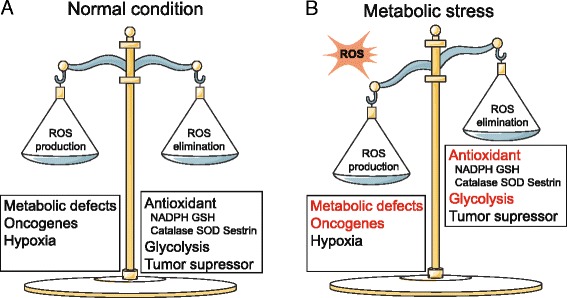
“The balance between ROS production and elimination is vital to cell survival through maintaining the cellular redox homeostasis (29).”
RetractedGlorieux, C., Enriquez-Lara, C., & Calderón, P. B. (2024) · Biochemical Pharmacology · doi:10.1016/j.bcp.2024.116729 · Cited by 23
Qin, X., Liang, D., Hu, M., Lv, Z., Duan, Z., Liu, X., & Tang, L. (2021) · Biology of Reproduction · doi:10.1093/biolre/ioab040 · Cited by 23
“The pathological accumulation of ROS results in the damages to the DNA, protein, and lipid in the cells and leads to metabolic stress [7].”
BackgroundJiang, W., Song, J., Zhang, S., Ye, Y., Wang, J., & Zhang, Y. (2021) · Cell Transplantation · doi:10.1177/09636897211033275 · Cited by 24
Self-citationRole of AMPK in Regulation of Oxaliplatin-Resistant Human Colorectal Cancer
Park, S. Y., Chung, Y. S., Park, S. Y., & Kim, S. H. (2022) · Biomedicines · doi:10.3390/biomedicines10112690 · Cited by 30
“Several studies have reported that the association between AMPK and Akt is bidirectional, and AMPK can induce the phosphorylation of Akt and enhance its activity [18,46].”
BackgroundRossi, T., Zamponi, R., Chirico, M., Pisanu, M. E., Iorio, E., Torricelli, F., Gugnoni, M., Ciarrocchi, A., & Pistoni, M. (2023) · Journal of Experimental & Clinical Cancer Research · doi:10.1186/s13046-022-02571-3 · Cited by 23
“Given the pivotal role of ATGL in lipid metabolism and glycolysis as a strategy for rapid ATP synthesis with less ROS in cancer cells [35], a possible contribution of ATGL downregulation to the switch from mitochondrial metabolism to a glycolytic phenotype was investigated.”
BackgroundMetformin: A Potential Treatment for Acne, Hidradenitis Suppurativa and Rosacea
Cho, M., Woo, Y. R., Cho, S. H., Lee, J. D., & Kim, H. S. (2023) · Acta Dermato Venereologica · doi:10.2340/actadv.v103.18392 · Cited by 23
“In response to oxidative stress, AMPK facilitates antioxidant production by activating FoxO and inhibiting mTOR signalling (96).”
InfluentialZhang, X., Zhang, M., Zhang, Z., & Zhou, S. (2024) · Experimental Cell Research · doi:10.1016/j.yexcr.2024.114034 · Cited by 23
Kumar, M., & Bansal, N. (2018) · Naunyn-Schmiedeberg s Archives of Pharmacology · doi:10.1007/s00210-018-1524-2 · Cited by 23
“Correspondingly, aberration in PI3-kinase activity disrupts the mitochondrial aerobic respiration that accentuates ROS production (Zhao et al. 2017).”
Abad‐Jiménez, Z., López‐Domènech, S., Pelechá-Salvador, M., Perea‐Galera, L., Rovira‐Llopis, S., Bañuls, C., Blas‐García, A., Apostolova, N., Morillas, C., Víctor, V. M., et al. (2024) · Free Radical Biology and Medicine · doi:10.1016/j.freeradbiomed.2024.10.295 · Cited by 23
Hadinata, E., Harbuwono, D. S., Soegondo, S., Prajitno, J. H., Mudjanarko, S. W., Taslim, N. A., Hasyyati, E. Y., Frediansyah, A., Surya, R., Cahyono, M. B. A., et al. (2025) · Diabetology & Metabolic Syndrome · doi:10.1186/s13098-025-01981-5 · Cited by 22
“In the screening for bioactivity by using coral tissues with associated microbes, some metabolites could lead to oxidative and metabolic signaling pathways to regulate oxidative and metabolic abnormalities [84], such as ROS production or glucose homeostasis [85].”
Atwood, D. J., Pokhrel, D., Brown, C. N., Holditch, S. J., Bachu, D. M., Thorburn, A. M., Hopp, K., & Edelstein, C. L. (2020) · Cellular Signalling · doi:10.1016/j.cellsig.2020.109730 · Cited by 24
O’Neill, E. J., Moore, J., Song, J. S., & Tsiani, E. (2021) · Life · doi:10.3390/life12010052 · Cited by 23
Tian, Y., Xie, Y., Yuan, J., Gao, J., Xiao, Z., Wu, Y., & Chen, H. (2022) · Frontiers in Immunology · doi:10.3389/fimmu.2022.878186 · Cited by 22
LTBP2 Knockdown Promotes Ferroptosis in Gastric Cancer Cells through p62‐Keap1‐Nrf2 Pathway
Wang, T., Zhou, Z., Wang, C., Qin, Y., Wu, L., Hu, B.-L., Jin, Q., Wei, W., & Huang, M. (2022) · BioMed Research International · doi:10.1155/2022/6532253 · Cited by 23
Liu, M., Zheng, X., Sun, C., Zhou, Q., Liu, B., & Xu, P. (2022) · Antioxidants · doi:10.3390/antiox11112260 · Cited by 23
Ding, X., Zhu, X., Xu, D., Li, S., Yang, Q., Feng, X., Wei, Y.-G., Li, H., Yang, L., Zhang, Y.-J., et al. (2023) · Cell Death and Disease · doi:10.1038/s41419-023-06043-0 · Cited by 22
“However, different levels of ROS have different effects on cells [31].”
BackgroundLuo, D., He, F., Liu, J., Dong, X., Fang, M., Liang, Y., Chen, M., Gui, X., Wang, W., Zeng, L., et al. (2024) · Biomedicine & Pharmacotherapy · doi:10.1016/j.biopha.2024.116614 · Cited by 24
Cellular senescence: from homeostasis to pathological implications and therapeutic strategies
Li, C., Yuan, Y., Jia, Y., Zhou, Q., Wang, Q., & Jiang, X. (2025) · Frontiers in Immunology · doi:10.3389/fimmu.2025.1534263 · Cited by 29
Gastric cancer cells escape metabolic stress via the DLC3/MACC1 axis
Li, L., Liu, Y., Pan, C., Zhang, J., Zhao, Y., Shao, R., Huang, Z., Su, Y., Shi, M., Bin, J., et al. (2019) · Theranostics · doi:10.7150/thno.29538 · Cited by 22
“This suggests that glycolysis is a protective metabolic route against anoikis [32].”
BackgroundSelf-citationCheng, Z., Yu, S., He, W., Li, J., Xu, T., Xue, J., Shi, P., Chen, S., Li, Y., Hong, S., et al. (2021) · Frontiers in Oncology · doi:10.3389/fonc.2021.668424 · Cited by 24
Self-citationAbkenari, S. A., Safdarian, L., Amidi, F., Hosseini, A., Aryanpour, R., Salahi, E., & Sobhani, A. (2021) · Molecular Reproduction and Development · doi:10.1002/mrd.23537 · Cited by 24
“Notably, the low quality of oocyte in the mice model of PCOS with excess androgen has been previously associated with epigenetic changes (Zhao et al., 2017).”
BackgroundFacts, Dogmas, and Unknowns About Mitochondrial Reactive Oxygen Species in Cancer
Junco, M., Ventura, C., Valtierra, F. X. S., & Maldonado, E. N. (2024) · Antioxidants · doi:10.3390/antiox13121563 · Cited by 22
“This regulation promotes the survival of tumor cells during stress conditions by maintaining ATP homeostasis and providing NADPH [321,322].”
Xiao, X., Hu, M., Gao, L. P., Yuan, H., Chong, B., Liu, Y., Zhang, R., Gong, Y., Du, D., Zhang, Y., et al. (2025) · Signal Transduction and Targeted Therapy · doi:10.1038/s41392-024-02094-7 · Cited by 25
Self-citationTang, J., Cheng, Y., Chuang, Y.-T., Yang, K., Chang, F., Liu, W., & Chang, H. (2022) · Cells · doi:10.3390/cells11060961 · Cited by 24
Metadata
- Authors
- Zhao, Y., Hu, X., Liu, Y., Dong, S., Wen, Z., He, W., Zhang, S., Huang, Q., & Shi, M.
- Affiliations
- Nanfang Hospital (CN)
- Corresponding author
- Shi, Min
- Venue
- Molecular Cancer
- Published
- 2017-04-13
- Volume
- 16
- Issue
- 1
- Pages
- 79-79
- ISSN
- 1476-4598 (ISSN-L)
- PMC
- PMC5390360
- OpenAlex
- W2607120474
- Cited by
- 735
- References
- 124
- Citations by year
- 2026: 71 · 2025: 99 · 2024: 102 · 2023: 98 · 2022: 124 · 2021: 80 · 2020: 70 · 2019: 43 · 2018: 41 · 2017: 7
- FWCI
- 4.12
- Type
- journal article
- Language
- en
- Open access
- gold
- doi.org
- Licence
- cc-by
- Locations
- Molecular Cancer (publishedVersion, cc-by)
- PubMed Central (publishedVersion, cc-by)
- PubMed (publishedVersion)
- DOAJ (DOAJ: Directory of Open Access Journals) (submittedVersion, cc-by-sa)
- Funders
- National Natural Science Foundation of China (81472317)
- The Special Foundation for National Clinical Specialties of China(to The Department of Oncology, Nanfang Hosptial)
- CSCO Merck Serono Oncology Research Fund (Y-MX2014-048)
- Topics
- Life Sciences › Biochemistry, Genetics and Molecular Biology › Molecular Biology › Metabolism, Diabetes, and Cancer
- Life Sciences › Biochemistry, Genetics and Molecular Biology › Cancer Research › Cancer, Hypoxia, and Metabolism
- Life Sciences › Biochemistry, Genetics and Molecular Biology › Molecular Biology › Redox biology and oxidative stress
- Keywords
- reactive oxygen species signaling, metabolic stress, AMPK, Akt, cancer metabolism, metabolic reprogramming, redox homeostasis, tumor microenvironment, cancer cell adaptation, cancer therapeutics
- MeSH terms
- Animals, Energy Metabolism, Homeostasis, Humans, Neoplasms, Oxidation-Reduction, Phosphorylation, Protein Binding, Stress, Physiological, Signal Transduction, Reactive Oxygen Species, Disease Progression, Proto-Oncogene Proteins c-akt, AMP-Activated Protein Kinases
About these checks
Registry, retraction, Cites and statistics results are computed, not judged, with one exception: a printed reference that no index lists is read once by a model before it counts as a citation error. Claims are extracted by a model and kept only when their quote appears verbatim in the text; each cited source is then checked, with a model’s help, for whether it says what the claim relies on. Those verdicts can be wrong — read the claim’s quote and the cited source before relying on one.
Statistics and arithmetic are recomputed, not judged.
Confidence bands are shown only for fields calibrated on our annotated test set. None is calibrated yet, so no band is shown.
What counts as a claim ›How we measure confidence ›How we check this ›
Are you an author, or do you see a problem with this page? Request a review
Data sources
Bibliographic data: Semantic Scholar, OpenAlex, Crossref.
Contains information from the Semantic Scholar Academic Graph Datasets, made available under the ODC Attribution License (ODC-BY 1.0).
Semantic Scholar’s data is described in: Kinney, R., et al. (2023). The Semantic Scholar Open Data Platform. arXiv:2301.10140.
