

ROS signaling under metabolic stress: cross-talk between AMPK and AKT pathway
Open accessThe DOI matches its Crossref record; 125 of the 125 references it cites were found in a registry or an index.
Abstract
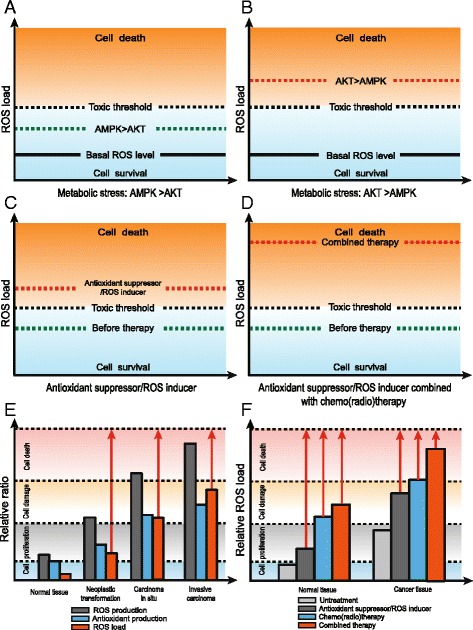
Cancer cells are frequently confronted with metabolic stress in tumor microenvironments due to their rapid growth and limited nutrient supply. Metabolic stress induces cell death through ROS-induced apoptosis. However, cancer cells can adapt to it by altering the metabolic pathways. AMPK and AKT are two primary effectors in response to metabolic stress: AMPK acts as an energy-sensing factor which rewires metabolism and maintains redox balance. AKT broadly promotes energy production in the nutrient abundance milieu, but the role of AKT under metabolic stress is in dispute. Recent studies show that AMPK and AKT display antagonistic roles under metabolic stress. Metabolic stress-induced ROS signaling lies in the hub between metabolic reprogramming and redox homeostasis. Here, we highlight the cross-talk between AMPK and AKT and their regulation on ROS production and elimination, which summarizes the mechanism of cancer cell adaptability under ROS stress and suggests potential options for cancer therapeutics.
Overview
The claims and statistics of this paper haven’t been checked yet.
Free: it reads the open-access text and checks the first 5 claims that cite a source we can check. Create a free account to check every claim.
Integrity signals
Registry
Cites
Statistics
Figures
Verification
Claims the paper makes
The claims and statistics of this paper haven’t been checked yet.
Free: it reads the open-access text and checks the first 5 claims that cite a source we can check. Create a free account to check every claim.
Claims other papers make about this one
Each is checked against this paper’s own text: does it say what the citing paper says it does?
The source backs part of the claim, not all of it — or backs it for a different population, condition or comparison.
In the citing paper
“Thus, by inhibiting PGAM5, AMPK suppresses necrosis, reduces ROS accumulation, and mitigates oxidative stress.385,387”
From Glucagon-like peptide-1 receptor: mechanisms and advances in therapy (2024) · cites this paper as [385]
Experimental — accuracy not yet measuredThe check wasn’t confident either way, so it gives no verdict — never disputed.
In the citing paper
“Importantly, the activation of AMPK reduces the expression of phosphoglycerate mutase 5 (PGAM5), which plays a promotive role in cell necrosis by contributing to mitochondrial dysfunction and the production of reactive oxygen species (ROS).385–387”
From Glucagon-like peptide-1 receptor: mechanisms and advances in therapy (2024) · cites this paper as [385]
Experimental — accuracy not yet measured
Self-check
Percentages, sums and reported differences re-computed from the paper’s own numbers.
The self-check needs the paper’s full text.
Citations
Cites
1 retracted
Zhang, S., Yang, C., Yang, Z., Zhang, D., Ma, X., Mills, G. B., & Liu, Z. (2015) · Europe PMC (PubMed Central) · Cited by 38
Self-citationRetractedAKT/PKB signaling: navigating downstream
Manning, B. D., & Cantley, L. C. (2007) · Cell · doi:10.1016/j.cell.2007.06.009 · Cited by 6,115 · cited 2×
“By activating mTORC1, AKT promotes oxygen consumption and increases ROS production under glucose deprivation [54, 62], rendering cancer cells closer to the death threshold of ROS.”
The emerging hallmarks of cancer metabolism
Pavlova, N. N., & Thompson, C. B. (2016) · Cell Metabolism · doi:10.1016/j.cmet.2015.12.006 · Cited by 5,926 · cited 9×
“Further, B Chaube et al. found that AMPK could enhance mitochondrial biogenesis and OXPHOS by activating p38/PGC1α pathway [53].”
InfluentialHydroperoxide metabolism in mammalian organs.
Chance, B., Sies, H., & Boveris, A. (1979) · Physiological Reviews · doi:10.1152/physrev.1979.59.3.527 · Cited by 5,827 · cited 1×
“It is estimated that ROS produced by mitochondria are about 1–2% of the total rate of oxygen consumption in normal cells [17].”
Targeting cancer cells by ROS-mediated mechanisms: a radical therapeutic approach?
Trachootham, D., Alexandre, J., & Huang, P. (2009) · Nature Reviews Drug Discovery · doi:10.1038/nrd2803 · Cited by 5,452 · cited 1×
“Even though cancer cells exhibit an enhanced antioxidant system, they still maintain higher ROS levels than normal cells [20, 109].”
Mitochondrial Reactive Oxygen Species (ROS) and ROS-Induced ROS Release
Zorov, D. B., Juhaszova, M., & Sollott, S. J. (2014) · Physiological Reviews · doi:10.1152/physrev.00026.2013 · Cited by 5,383 · cited 1×
“ROS are byproducts of biological reactions of energy generation, and are mainly produced in the mitochondria through the oxidative metabolism [15, 16].”
The Warburg Effect: How Does it Benefit Cancer Cells?
Liberti, M. V., & Locasale, J. W. (2016) · Trends in Biochemical Sciences · doi:10.1016/j.tibs.2015.12.001 · Cited by 5,150 · cited 1×
“Although this mode of energy production is less efficient than mitochondrial respiration per unit of glucose, the rate of glycolysis is 10–100 times faster [25].”
AMPK: a nutrient and energy sensor that maintains energy homeostasis
Hardie, D. G., Ross, F. A., & Hawley, S. A. (2012) · Nature Reviews Molecular Cell Biology · doi:10.1038/nrm3311 · Cited by 4,602 · cited 1×
“It is also regulated by its upstream LKB1, CaMMK or other factors like ADP or Ca [49].”
Reactive oxygen species (ROS) homeostasis and redox regulation in cellular signaling
Ray, P. D., Huang, B.-W., & Tsuji, Y. (2012) · Cellular Signalling · doi:10.1016/j.cellsig.2012.01.008 · Cited by 4,373 · cited 1×
“ROS are byproducts of biological reactions of energy generation, and are mainly produced in the mitochondria through the oxidative metabolism [15, 16].”
Modulation of oxidative stress as an anticancer strategy
Gorrini, C., Harris, I. S., & Mak, T. W. (2013) · Nature Reviews Drug Discovery · doi:10.1038/nrd4002 · Cited by 3,579 · cited 5×
“Glucose deficiency is one of the main factors leading to ROS stress in tumors, either in the stage of tumor initiation or progression [18].”
Influential
Cited by
NRF2 and the Hallmarks of Cancer
Rojo de la Vega, M., Chapman, E., & Zhang, D. D. (2018) · Cancer Cell · doi:10.1016/j.ccell.2018.03.022 · Cited by 1,672
Hypoxic microenvironment in cancer: molecular mechanisms and therapeutic interventions
Chen, Z., Han, F., Du, Y., Shi, H., & Zhou, W. (2023) · Signal Transduction and Targeted Therapy · doi:10.1038/s41392-023-01332-8 · Cited by 1,612
Antioxidant Activities of Quercetin and Its Complexes for Medicinal Application
Xu, D., Hu, M.-J., Wang, Y.-Q., & Cui, Y.-L. (2019) · Molecules · doi:10.3390/molecules24061123 · Cited by 1,299
Glucagon-like peptide-1 receptor: mechanisms and advances in therapy
Zheng, Z., Zong, Y., Ma, Y., Tian, Y., Pang, Y., Zhang, C., & Gao, J. (2024) · Signal Transduction and Targeted Therapy · doi:10.1038/s41392-024-01931-z · Cited by 1,036
“383,384 385 – 387 Thus, by inhibiting PGAM5, AMPK suppresses necrosis, reduces ROS accumulation, and mitigates oxidative stress.”
BackgroundMechanisms and Functions of Long Non-Coding RNAs at Multiple Regulatory Levels
Zhang, X., Wang, W., Zhu, W., Dong, J., Cheng, Y., Yin, Z., & Shen, F. (2019) · International Journal of Molecular Sciences · doi:10.3390/ijms20225573 · Cited by 870
“AMPK plays an important role in regulating mRNA stability, especially under stress conditions [98].”
BackgroundSkeletal muscle: A review of molecular structure and function, in health and disease
Mukund, K., & Subramaniam, S. (2020) · WIREs Systems Biology and Medicine · doi:10.1002/wsbm.1462 · Cited by 664
Fundamentals of redox regulation in biology
Sies, H., Mailloux, R. J., & Jakob, U. (2024) · Nature Reviews Molecular Cell Biology · doi:10.1038/s41580-024-00730-2 · Cited by 502
ROS: Basic Concepts, Sources, Cellular Signaling, and its Implications in Aging Pathways
de Almeida, A. J. P. O., de Oliveira, J. C. P. L., da Silva Pontes, L. V., de Souza Júnior, J. F., Gonçalves, T. A. F., Dantas, S. H., de Almeida Feitosa, M. S., Silva, A. O., & de Medeiros, I. A. (2022) · Oxidative Medicine and Cellular Longevity · doi:10.1155/2022/1225578 · Cited by 474
Betaine in Inflammation: Mechanistic Aspects and Applications
Zhao, G., He, F., Wu, C., Li, P., Li, N., Deng, J., Zhu, G., Ren, W., & Peng, Y. (2018) · Frontiers in Immunology · doi:10.3389/fimmu.2018.01070 · Cited by 476
“Activated AMPK can inhibit fatty acid synthesis and promote fatty acid oxidation via regulating the expression of these genes (100).”
BackgroundThe Role of Reactive Oxygen Species in Arsenic Toxicity
Hu, Y., Li, J., Lou, B., Wu, R., Wang, G., Lu, C., Wang, H., Pi, J., & Xu, Y. (2020) · Biomolecules · doi:10.3390/biom10020240 · Cited by 413
Zhu, X., Chen, Z., Shen, W., Huang, G., Sedivy, J. M., Wang, H., & Ju, Z. (2021) · Signal Transduction and Targeted Therapy · doi:10.1038/s41392-021-00646-9 · Cited by 393
Qi, W., Qi, W., Xiong, D., & Long, M. (2022) · Molecules · doi:10.3390/molecules27196545 · Cited by 365
Short Overview of ROS as Cell Function Regulators and Their Implications in Therapy Concepts
Milkovic, L., Cipak Gasparovic, A., Cindric, M., Mouthuy, P.-A., & Zarkovic, N. (2019) · Cells · doi:10.3390/cells8080793 · Cited by 330
“The main role of AMPK is metabolic reprogramming in favor of catabolism while suppressing anabolism to promote cell survival [76].”
BackgroundThe role of oxidative stress in ovarian aging: a review
Yan, F., Zhao, Q., Li, Y., Zheng, Z., Kong, X., Shu, C., Liu, Y., & Shi, Y. (2022) · Journal of Ovarian Research · doi:10.1186/s13048-022-01032-x · Cited by 289
Self-citationThe role of lipid metabolic reprogramming in tumor microenvironment
Yang, K., Wang, X., Song, C., He, Z., Wang, R., Xu, Y., Jiang, G., Wan, Y., Mei, J., & Mao, W. (2023) · Theranostics · doi:10.7150/thno.82920 · Cited by 270
“A certain level of ROS and LPO act as secondary messengers to activate related transcription factors and participate in the regulation of signaling pathways, such as PI3k/Akt, RTK/Ras, VEGF, NF-κB, and COX-2, to promote tumor inflammation and immune response [212].”
He, W., Liang, B., Wang, C., Li, S., Zhao, Y., Huang, Q., Liu, Z., Yao, Z., Wu, Q., Liao, W., et al. (2019) · Oncogene · doi:10.1038/s41388-019-0747-0 · Cited by 304
Self-citationGao, Y., Zhang, W., Zeng, L.-Q., Bai, H., Li, J., Zhou, J., Zhou, G.-Y., Fang, C.-W., Wang, F., & Qin, X.-J. (2020) · Redox Biology · doi:10.1016/j.redox.2020.101635 · Cited by 291
The Upstream Pathway of mTOR-Mediated Autophagy in Liver Diseases
Wang, H., Liu, Y., Wang, D., Xu, Y., Dong, R., Yang, Y., Lv, Q., Chen, X., & Zhang, Z. (2019) · Cells · doi:10.3390/cells8121597 · Cited by 279
“Furthermore, inhibition of AMPK phosphorylation increases mTOR activity and abrogates GSK3β-mediated autophagy against liver ischemia-reperfusion injury.”
BackgroundInfluentialSelf-citationFerroptosis and Its Potential Role in Human Diseases
Han, C., Liu, Y., Dai, R., Ismail, N., Su, W., & Li, B. (2020) · Frontiers in Pharmacology · doi:10.3389/fphar.2020.00239 · Cited by 273
Self-citationCysteine dioxygenase 1 mediates erastin-induced ferroptosis in human gastric cancer cells
Hao, S., Yu, J., He, W., Huang, Q., Zhao, Y., Liang, B., Zhang, S., Wen, Z., Dong, S., Rao, J., et al. (2017) · Neoplasia · doi:10.1016/j.neo.2017.10.005 · Cited by 276
“Abbreviati peroxidase malondiald Address al Southern M E-mail: nf 1Funding: (grant num Province (g ons: CDO1, cysteine dioxygenase 1; GC, gastric cancer; GPX4, glutathione 4; GSH, glutathione; L-ROS, lipid reactive oxygen species; MDA, ehyde; ROS, reactive oxygen species; Xc, glutamate/cystine antiporter l corresponde…”
BackgroundInfluentialSelf-citationRiegger, J., Schoppa, A., Ruths, L., Haffner-Luntzer, M., & Ignatius, A. (2023) · Cellular & Molecular Biology Letters · doi:10.1186/s11658-023-00489-y · Cited by 235
Redox-manipulating nanocarriers for anticancer drug delivery: a systematic review
Meng, X., Shen, Y., Zhao, H., Lu, X., Wang, Z., & Zhao, Y. (2024) · Journal of Nanobiotechnology · doi:10.1186/s12951-024-02859-w · Cited by 209
“However, cancer cells can adapt to it by changing metabolic pathways [114].”
BackgroundSelf-citationNatural medicines for the treatment of fatigue: Bioactive components, pharmacology, and mechanisms
Luo, C., Xu, X., Wei, X., Feng, W., Huang, H., Liu, H., Xu, R., Lin, J., Han, L., & Zhang, D. (2019) · Pharmacological Research · doi:10.1016/j.phrs.2019.104409 · Cited by 230
AMPK–mTOR Signaling and Cellular Adaptations in Hypoxia
Chun, Y., & Kim, J. (2021) · International Journal of Molecular Sciences · doi:10.3390/ijms22189765 · Cited by 218
Zhao, Y., Liu, Y., Lin, L., Huang, Q., He, W., Zhang, S., Dong, S., Wen, Z., Rao, J., Liao, W., et al. (2018) · Molecular Cancer · doi:10.1186/s12943-018-0820-2 · Cited by 230
“AMPK plays important roles in modulating mRNA stability, especially under conditions of stress [5].”
BackgroundSelf-citationCardamonin inhibits breast cancer growth by repressing HIF-1α-dependent metabolic reprogramming
Jin, J., Qiu, S., Wang, P., Liang, X., Huang, F., Wu, H., Zhang, B., Zhang, W., Tian, X., Xu, R., et al. (2019) · Journal of Experimental & Clinical Cancer Research · doi:10.1186/s13046-019-1351-4 · Cited by 225
“Compared with mitochondrial OXPHOS, aerobic glycolysis generates less ROS, while promotes glutaminolysis and enhances pentose phosphate pathway (PPP) metabolism to facilitate the biosynthetic process [10, 11].”
BackgroundKim, D. H., Kim, W. D., Kim, S. K., Moon, D. H., & Lee, S. J. (2020) · Cell Death & Disease · doi:10.1038/s41419-020-2618-6 · Cited by 209
Kumar, M., & Bansal, N. (2022) · Molecular Neurobiology · doi:10.1007/s12035-021-02611-7 · Cited by 202
Keerthana, C. K., Rayginia, T. P., Shifana, S. C., Anto, N. P., Kalimuthu, K., Isakov, N., & Anto, R. J. (2023) · Frontiers in Immunology · doi:10.3389/fimmu.2023.1114582 · Cited by 188
Oxidative stress in cancer: from tumor and microenvironment remodeling to therapeutic frontiers
Liang, X., Weng, J., You, Z., Wang, Y., Wen, J., Xia, Z., Huang, S., Luo, P., & Cheng, Q. (2025) · Molecular Cancer · doi:10.1186/s12943-025-02375-x · Cited by 220
Oxidative stress in alcohol-related liver disease
Tan, H. K., Yates, E., Lilly, K., & Dhanda, A. D. (2020) · World Journal of Hepatology · doi:10.4254/wjh.v12.i7.332 · Cited by 187
Disorders of cancer metabolism: The therapeutic potential of cannabinoids
Sun, D., Li, X., Nie, S., Liu, J., & Wang, S. (2023) · Biomedicine & Pharmacotherapy · doi:10.1016/j.biopha.2022.113993 · Cited by 182
Sun, J., Zhou, C., Zhao, Y., Zhang, X., Chen, W., Zhou, Q., Hu, B., Gao, D., Raatz, L., Wang, Z., et al. (2021) · Redox Biology · doi:10.1016/j.redox.2021.101942 · Cited by 189
Self-citationTargeting Tumor Metabolism: A New Challenge to Improve Immunotherapy
Kouidhi, S., Ben Ayed, F., & Benammar Elgaaied, A. (2018) · Frontiers in Immunology · doi:10.3389/fimmu.2018.00353 · Cited by 196
“However, AMPK activation on another side helps cancer cells accommodation to metabolic stresses, which raises their survival (152).”
BackgroundMetal Compounds against Neglected Tropical Diseases
Ong, Y. C., Roy, S., Andrews, P. C., & Gasser, G. (2019) · Chemical Reviews · doi:10.1021/acs.chemrev.8b00338 · Cited by 177
Liu, W., Zhao, Y., Wang, G., Feng, S., Ge, X., Ye, W., Wang, Z., Zhu, Y., Cai, W., Bai, J., et al. (2022) · Redox Biology · doi:10.1016/j.redox.2022.102344 · Cited by 174
Self-citationExercise training improves motor skill learning via selective activation of mTOR
Chen, K., Zheng, Y., Wei, J.-A., Ouyang, H., Huang, X., Zhang, F., Lai, C. S. W., Ren, C., So, K.-F., & Zhang, L. (2019) · Science Advances · doi:10.1126/sciadv.aaw1888 · Cited by 162
“This feedback model of exercise activation of mTOR supports its roles under metabolic stress of brain tissues, similar to those in peripheral organs (54).”
ResultTargeting AMPK Signaling as a Neuroprotective Strategy in Parkinson’s Disease
Curry, D. W., Stutz, B., Andrews, Z. B., & Elsworth, J. D. (2018) · Journal of Parkinson's Disease · doi:10.3233/jpd-171296 · Cited by 159
Yan, D., Adeshakin, A. O., Xu, M., Afolabi, L. O., Zhang, G., Chen, Y. H., & Wan, X. (2019) · Frontiers in Immunology · doi:10.3389/fimmu.2019.01399 · Cited by 170
“Oxidative stress and upregulation of HIF-1α were reported as triggers of AMPK activation in osteosarcoma cells (80, 81).”
BackgroundInsights into Manganese Superoxide Dismutase and Human Diseases
Liu, M., Sun, X., Chen, B., Dai, R., Xi, Z., & Xu, H. (2022) · International Journal of Molecular Sciences · doi:10.3390/ijms232415893 · Cited by 167
Interplay Between Mitochondrial Peroxiredoxins and ROS in Cancer Development and Progression
Ismail, T., Kim, Y., Lee, H., Lee, D., & Lee, H. (2019) · International Journal of Molecular Sciences · doi:10.3390/ijms20184407 · Cited by 163
Ren, Y., Wang, R., Weng, S., Xu, H., Zhang, Y., Chen, S., Liu, S., Ba, Y., Zhou, Z., Luo, P., et al. (2023) · Molecular Cancer · doi:10.1186/s12943-023-01831-w · Cited by 156
“Changes in protein quality control systems, signal transduction pathways, and gene expression levels that affect cancer cell proliferation, migration, invasion, and apoptosis result from this [45–48].”
BackgroundThe Role of Exosomal microRNAs and Oxidative Stress in Neurodegenerative Diseases
Wang, X., Zhou, Y., Gao, Q., Ping, D., Wang, Y., Wu, W., Lin, X., Fang, Y., Zhang, J., & Shao, A. (2020) · Oxidative Medicine and Cellular Longevity · doi:10.1155/2020/3232869 · Cited by 144
Mutant p53-Associated Molecular Mechanisms of ROS Regulation in Cancer Cells
Cordani, M., Butera, G., Pacchiana, R., Masetto, F., Mullappilly, N., Riganti, C., & Donadelli, M. (2020) · Biomolecules · doi:10.3390/biom10030361 · Cited by 150
Oxidative stress in cardiac hypertrophy: From molecular mechanisms to novel therapeutic targets
Ramachandra, C. J. A., Cong, S., Chan, X., Yap, E. P., Fan, Y., & Hausenloy, D. J. (2021) · Free Radical Biology and Medicine · doi:10.1016/j.freeradbiomed.2021.02.040 · Cited by 147
The Role of Oxidative Stress in Tumorigenesis and Progression
Li, K., Deng, Z., Lei, C., Ding, X., Li, J., & Wang, C. (2024) · Cells · doi:10.3390/cells13050441 · Cited by 153
“…HIF-1a has a comprehensive e ff ect in cancer [215]. of stressors, and some key factors Metabolic stress can trigger ROS signaling via the AMPK and AKT pathways [216], and AMPK is closely correlated to carcinogenesis and cancer drug resistance [217]. transport chain, are carried out in mitochondria.”
BackgroundReactive oxygen species (ROS) in cancer: from mechanism to therapeutic implications
Akter, S., Madhuvilakku, R., Kar, A. K., Nila, I. S., Liu, P., Inuzuka, H., Wei, W., & Hong, Y. (2026) · Signal Transduction and Targeted Therapy · doi:10.1038/s41392-026-02583-x · Cited by 168
Oxidative Stress and Cancer Therapy: Controlling Cancer Cells Using Reactive Oxygen Species
Ju, S., Singh, M. K., Han, S., Ranbhise, J. S., Ha, J., Choe, W., Yoon, K., Yeo, S. G., Kim, S. S., & Kang, I. (2024) · International Journal of Molecular Sciences · doi:10.3390/ijms252212387 · Cited by 148
“In response, AMPK, a critical cellular energy sensor, becomes activated to support cell survival under low-energy conditions [239].”
Dai, W., Xu, Y., Mo, S., Li, Q., Yu, J., Wang, R., Ma, Y., Ni, Y., Xiang, W., Han, L., et al. (2020) · Signal Transduction and Targeted Therapy · doi:10.1038/s41392-020-00220-9 · Cited by 149
“Hence, we recruited another cohort (cohort 2) containing 269 cases with CRC. Notably, we collected paired CRC tumour and non-tumour tissues from 126 cases, while we only obtained CRC tumour tissues from the remaining 143 cases.”
BackgroundInfluentialInsulin Resistance Exacerbates Alzheimer Disease via Multiple Mechanisms
Wei, Z., Koya, J., & Reznik, S. E. (2021) · Frontiers in Neuroscience · doi:10.3389/fnins.2021.687157 · Cited by 115
Activation of AMPK under Hypoxia: Many Roads Leading to Rome
Dengler, F. (2020) · International Journal of Molecular Sciences · doi:10.3390/ijms21072428 · Cited by 133
“The involvement of AMPK in cellular redox homeostasis has been reviewed extensively elsewhere [77].”
BackgroundThe Role of Resveratrol in Mammalian Reproduction
Pasquariello, R., Verdile, N., Brevini, T. A. L., Gandolfi, F., Boiti, C., Zerani, M., & Maranesi, M. (2020) · Molecules · doi:10.3390/molecules25194554 · Cited by 137
Abd-Ellatef, G. E. F., Gazzano, E., Chirio, D., Hamed, A. R., Belisario, D. C., Zuddas, C., Peira, E., Rolando, B., Kopecka, J., Marie, M. A. S., et al. (2020) · Pharmaceutics · doi:10.3390/pharmaceutics12020096 · Cited by 136
“Since ROS activates the Akt/IKK-α/β/NF-kB axis [44,45], we hypothesized that the”
BackgroundFan, G., Xie, T., Li, L., Tang, L., Han, X., & Shi, Y. (2024) · npj Precision Oncology · doi:10.1038/s41698-024-00564-3 · Cited by 131
“Reactive oxygen species resulting from glutathione depletion hindered CSC self-renewal, promoting differentiation and rendering differentiated cancer cells susceptible to apoptosis 38,39 .”
BackgroundLv, T., Fan, X., He, C., Zhu, S., Xiong, X., Yan, W., Liu, M., Xu, H., Shi, R., & He, Q. (2024) · Redox Biology · doi:10.1016/j.redox.2024.103159 · Cited by 129
“ROS signaling de-activates AMPK pathway [35,36].”
Lin, S., Zhang, Q., Li, S., Zhang, T., Wang, L., Qin, X., Zhang, M., Shi, S., & Cai, X. (2020) · ACS Applied Materials & Interfaces · doi:10.1021/acsami.0c00874 · Cited by 124
Role of AMPK/mTOR, mitochondria, and ROS in the pathogenesis of endometriosis
Assaf, L., Eid, A. A., & Nassif, J. (2022) · Life Sciences · doi:10.1016/j.lfs.2022.120805 · Cited by 123
Metabolic networks in ferroptosis (Review)
Hao, S., Liang, B., Huang, Q., Dong, S., Wu, Z., He, W., & Shi, M. (2018) · Oncology Letters · doi:10.3892/ol.2018.8066 · Cited by 146
“Consequently, NRF2 functions as a negative regulator of ferroptosis in liver cancer cells, participates in NADPH production and subsequently affects GSH function, which is essential for the initiation of ferroptosis.”
InfluentialSelf-citationTan, Y., Lin, K., Zhao, Y., Wu, Q., Chen, D., Wang, J., Liang, Y., Li, J., Hu, J., Wang, H., et al. (2018) · Theranostics · doi:10.7150/thno.28219 · Cited by 115
“However, tumor cells under ECM detachment are confronted with decreased glucose uptake, lower glycolysis rate, and increased ROS overload [27].”
BackgroundSelf-citationChen, Y., Wang, Y., Yang, S. C., Yu, M., Jiang, T.-F., & Lv, Z. (2019) · Marine Drugs · doi:10.3390/md18010001 · Cited by 116
“AMPK and Akt are the two primary effectors in response to glucose metabolism [28].”
BackgroundZhou, T., Yang, X., Chen, Z., Yang, Y., Wang, X., Cao, X., Chen, C., Chen, H., Tian, H., Qin, A., et al. (2022) · Advanced Science · doi:10.1002/advs.202105466 · Cited by 116
Li, J., Chen, L., Qin, Q., Wang, D., Zhao, J., Gao, H., Yuan, X., Zhang, J., Zou, Y., Mao, Z., et al. (2021) · Neurobiology of Disease · doi:10.1016/j.nbd.2021.105605 · Cited by 113
Zheng, C., Yu, X., Liang, Y., Zhu, Y., He, Y., Liao, L., Wang, D.-K., Yang, Y., Yin, X., Li, A., et al. (2021) · Acta Pharmaceutica Sinica B · doi:10.1016/j.apsb.2021.09.007 · Cited by 106
PGAM1 Inhibition Promotes HCC Ferroptosis and Synergizes with Anti‐PD‐1 Immunotherapy
Zheng, Y.-M., Wang, Y., Zhou, L., Wan, J., Jiang, L., Song, D., Wei, C., Gao, C., Shi, G., Zhou, J., et al. (2023) · Advanced Science · doi:10.1002/advs.202301928 · Cited by 117
Zhou, T., Yan, Y., Zhao, C., Xu, Y., Wang, Q., & Xu, N. (2019) · Redox Report · doi:10.1080/13510002.2019.1658376 · Cited by 104
“It has been found that AMPK mediates metabolic reprograming and redox state [12].”
BackgroundShiau, J., Chuang, Y.-T., Cheng, Y., Tang, J., Hou, M., Yen, C., & Chang, H. (2022) · Antioxidants · doi:10.3390/antiox11050911 · Cited by 114
“Growth factor activates AKT to enhance ROS generation, leading to uncontrolled cancer cell proliferation [84].”
BackgroundAlzheimer’s Disease and Cancer: When Two Monsters Cannot Be Together
Majd, S., Power, J., & Majd, Z. (2019) · Frontiers in Neuroscience · doi:10.3389/fnins.2019.00155 · Cited by 104
“The repetitive metabolic stress is a shared phenomenon for both AD and cancer (Moreira et al., 2010; Morgen and Frolich, 2015; Sun et al., 2016; Zhao et al., 2017), which could trigger PI3K/Akt/mTOR activation, cell cycle re-entry and autophagy inhibition, the other three shared features between AD and cancer.”
BackgroundYun, H. J., Li, M., Guo, D. S., Jeon, S. M., Park, S. H., Lim, J. S., Lee, S. B., Liu, R. R., Du, L., Kim, S., et al. (2023) · Journal of Experimental & Clinical Cancer Research · doi:10.1186/s13046-023-02927-3 · Cited by 106
Qin, Z., Xiang, C., Zhong, F., Liu, Y., Dong, Q., Li, K., Shi, W., Ding, C., Qin, L., & He, F. (2019) · Journal of Experimental & Clinical Cancer Research · doi:10.1186/s13046-019-1131-1 · Cited by 102
Self-citationROS homeostasis in cell fate, pathophysiology, and therapeutic interventions
Chen, Y.-S., Tian, H., Rong, D., Wang, L., Chen, S., Zeng, J., Xu, H., Mei, J., Wang, L.-Y., Liou, Y., et al. (2025) · Molecular Biomedicine · doi:10.1186/s43556-025-00338-8 · Cited by 112
“Conversely, H 2 O 2 /•O ₂ ⁻ can exert an opposite effect through the AMPK pathway, inhibiting gluconeogenesis while promoting glucose uptake and utilization [177, 178].”
Shiau, J., Chuang, Y.-T., Tang, J., Yang, K., Chang, F., Hou, M., Yen, C., & Chang, H. (2022) · Antioxidants · doi:10.3390/antiox11091845 · Cited by 106
Unraveling the triad of hypoxia, cancer cell stemness, and drug resistance
Shang, T., Jia, Z., Li, J., Cao, H., Xu, H., Cong, L., Ma, D., Wang, X., & Liu, J. (2025) · Journal of Hematology & Oncology · doi:10.1186/s13045-025-01684-4 · Cited by 100
Zhu, Z., Li, R., Fan, X., Lv, Y., Zheng, Y., Hoque, S. A. M., Wu, D., & Zeng, W. (2019) · Oxidative Medicine and Cellular Longevity · doi:10.1155/2019/5921503 · Cited by 97
Shiiba, I., Ito, N., Oshio, H., Ishikawa, Y., Nagao, T., Shimura, H., Oh, K.-W., Takasaki, E., Yamaguchi, F., Konagaya, R., et al. (2025) · Nature Communications · doi:10.1038/s41467-025-56666-4 · Cited by 97
“In addition to PERK, mitochondrial ROS have been shown to activate several protein kinases, including JNK, p38 MAPK, PKC δ , Akt, and AMPK 55 – 57 .”
Emerging Role of Hepatic Ketogenesis in Fatty Liver Disease
Mooli, R. G. R., & Ramakrishnan, S. K. (2022) · Frontiers in Physiology · doi:10.3389/fphys.2022.946474 · Cited by 94
Metformin alleviates inflammation through suppressing FASN-dependent palmitoylation of Akt
Xiong, W., Sun, K., Zhu, Y., Zhang, X., Zhou, Y., & Zou, X. (2021) · Cell Death and Disease · doi:10.1038/s41419-021-04235-0 · Cited by 94
“Therefore, we preliminarily detected the phosphorylation levels of AMPK in macrophages.”
BackgroundInfluentialMetformin Repurposing for Parkinson Disease Therapy: Opportunities and Challenges
Agostini, F., Masato, A., Bubacco, L., & Bisaglia, M. (2021) · International Journal of Molecular Sciences · doi:10.3390/ijms23010398 · Cited by 95
“However, it is worthwhile to report that Akt and AMPK have also been reported to exhibit antagonistic activity in the ROS regulation, modulating different molecular pathways [58].”
BackgroundAMPK: The key to ischemia‐reperfusion injury
Cai, J., Chen, X., Liu, X., Li, Z., Shi, A., Tang, X., Xia, P., Zhang, J., & Yu, P. (2022) · Journal of Cellular Physiology · doi:10.1002/jcp.30875 · Cited by 93
Ripening-induced chemical modifications of papaya pectin inhibit cancer cell proliferation
do Prado, S. B. R., Ferreira, G. F., Harazono, Y., Shiga, T. M., Raz, A., Carpita, N. C., & Fabi, J. P. (2017) · Scientific Reports · doi:10.1038/s41598-017-16709-3 · Cited by 91
Variations in HPV function are associated with survival in squamous cell carcinoma
Gleber‐Netto, F. O., Rao, X., Guo, T. W., Xi, Y., Gao, M., Shen, L., Erikson, K., Kalu, N. N., Ren, S., Xu, G., et al. (2019) · JCI Insight · doi:10.1172/jci.insight.124762 · Cited by 88
The Metabolic Syndrome, a Human Disease
Alemany, M. (2024) · International Journal of Molecular Sciences · doi:10.3390/ijms25042251 · Cited by 100
A Comprehensive View on the Quercetin Impact on Colorectal Cancer
Neamțu, A.-A., Maghiar, T.-A., Alaya, A., Oláh, N.-K., Turcuș, V., Constanta, P. D., Totolici, B. D., Neamţu, C., Maghiar, A. M., & Máthé, E. (2022) · Molecules · doi:10.3390/molecules27061873 · Cited by 93
Linking ROS Levels to Autophagy: The Key Role of AMPK
Agostini, F., Bisaglia, M., & Plotegher, N. (2023) · Antioxidants · doi:10.3390/antiox12071406 · Cited by 91
“Moreover, the direct oxidation of specific amino acids of the α-subunit has also been described [16].”
BackgroundYan, Y., Li, M., Lin, J., Ji, Y., Wang, K., Yan, D., Shen, Y., Wang, W., Huang, Z., Jiang, H., et al. (2022) · Frontiers in Pharmacology · doi:10.3389/fphar.2022.947387 · Cited by 89
Hallmarks of Metabolic Reprogramming and Their Role in Viral Pathogenesis
Allen, C. N. S., Arjona, S. P., Santerre, M., & Sawaya, B. E. (2022) · Viruses · doi:10.3390/v14030602 · Cited by 86
“The SREBPs are controlled by AMP-activated protein kinase (AMPK) signaling, and in metabolic reprogramming, increased accumulation of ROS can activate AMPK, thus increasing the transcription of SREBPs, resulting in increased lipid and cholesterol synthesis (Figure 3C) [87,88].”
BackgroundChen, B., Song, Y., Zhan, Y., Zhou, S., Ke, J., Ao, W., Zhang, Y., Liang, Q., He, M., Li, S., et al. (2022) · Cancer Letters · doi:10.1016/j.canlet.2022.215783 · Cited by 87
Jęśko, H., Stępień, A., Lukiw, W. J., & Strosznajder, R. P. (2019) · Molecular Neurobiology · doi:10.1007/s12035-018-1286-3 · Cited by 85
Dong, L., He, J., Luo, L., & Wang, K. (2023) · Pharmaceuticals · doi:10.3390/ph16010092 · Cited by 86
“ways to induce autophagy in various cancer cells, impacting cancer progression [99,100].”
BackgroundMechanisms of radiation‐induced tissue damage and response
Zhou, L., Zhu, J., Liu, Y., Zhou, P., & Gu, Y. (2024) · MedComm · doi:10.1002/mco2.725 · Cited by 93
Self-citationThe multiple roles and therapeutic potential of HSP60 in cancer
Tang, Y., Zhou, Y., Fan, S., & Wen, Q. (2022) · Biochemical Pharmacology · doi:10.1016/j.bcp.2022.115096 · Cited by 82
Deng, C., Zhang, J., Huo, Y., Xue, H., Wang, W., Zhang, J., & Wang, X. (2022) · Journal of Pineal Research · doi:10.1111/jpi.12819 · Cited by 83
Fetoni, A. R., Zorzi, V., Paciello, F., Ziraldo, G., Peres, C., Raspa, M., Scavizzi, F., Salvatore, A. M., Crispino, G., Tognola, G., et al. (2018) · Redox Biology · doi:10.1016/j.redox.2018.08.002 · Cited by 82
Dias, A. M. M., Courteau, A., Bellaye, P., Kohli, É., Oudot, A., Doulain, P., Petitot, C., WALKER, P. M., Decréau, R. A., & Collin, B. (2022) · Pharmaceutics · doi:10.3390/pharmaceutics14112388 · Cited by 83
Zhang, T., Gong, Y., Meng, H., Li, C., & Xue, L. (2020) · Clinical Epigenetics · doi:10.1186/s13148-020-00862-0 · Cited by 82
Role of Plant-Derived Active Constituents in Cancer Treatment and Their Mechanisms of Action
Khan, A. W., Farooq, M., Haseeb, M., & Choi, S. (2022) · Cells · doi:10.3390/cells11081326 · Cited by 87
“Reactive oxygen species (ROS) can activate the Akt/mTOR and AMPK signaling systems to induce cancer [8].”
BackgroundWang, Q., Sun, J., Liu, M., Zhou, Y., Zhang, L., & Li, Y. (2021) · Biomolecules · doi:10.3390/biom11121757 · Cited by 82
Nitric oxide regulation of cellular metabolism: Adaptive tuning of cellular energy
Pappas, G., Wilkinson, M. L., & Gow, A. J. (2022) · Nitric Oxide · doi:10.1016/j.niox.2022.11.006 · Cited by 81
“Post-physical activity recovery or long-term bioenergetic capacity may be increased because of NO-derived ROS, AMPK, PCG1-α , HIF-1, and NF-κ B signaling 3,175,177,185,186 .”
InfluentialHydrogen Gas in Cancer Treatment
Li, S., Liao, R., Sheng, X., Luo, X., Zhang, X., Wen, X., Zhou, J., & Peng, K. (2019) · Frontiers in Oncology · doi:10.3389/fonc.2019.00696 · Cited by 83
Kang, H., & Kim, B. (2023) · Foods · doi:10.3390/foods12050925 · Cited by 86
Choi, Y. H. (2018) · Biomedicine & Pharmacotherapy · doi:10.1016/j.biopha.2018.07.035 · Cited by 76
Metadata
- Authors
- Zhao, Y., Hu, X., Liu, Y., Dong, S., Wen, Z., He, W., Zhang, S., Huang, Q., & Shi, M.
- Affiliations
- Nanfang Hospital (CN)
- Corresponding author
- Shi, Min
- Venue
- Molecular Cancer
- Published
- 2017-04-13
- Volume
- 16
- Issue
- 1
- Pages
- 79-79
- ISSN
- 1476-4598 (ISSN-L)
- PMC
- PMC5390360
- OpenAlex
- W2607120474
- Cited by
- 735
- References
- 124
- Citations by year
- 2026: 71 · 2025: 99 · 2024: 102 · 2023: 98 · 2022: 124 · 2021: 80 · 2020: 70 · 2019: 43 · 2018: 41 · 2017: 7
- FWCI
- 4.12
- Type
- journal article
- Language
- en
- Open access
- gold
- doi.org
- Licence
- cc-by
- Locations
- Molecular Cancer (publishedVersion, cc-by)
- PubMed Central (publishedVersion, cc-by)
- PubMed (publishedVersion)
- DOAJ (DOAJ: Directory of Open Access Journals) (submittedVersion, cc-by-sa)
- Funders
- National Natural Science Foundation of China (81472317)
- The Special Foundation for National Clinical Specialties of China(to The Department of Oncology, Nanfang Hosptial)
- CSCO Merck Serono Oncology Research Fund (Y-MX2014-048)
- Topics
- Life Sciences › Biochemistry, Genetics and Molecular Biology › Molecular Biology › Metabolism, Diabetes, and Cancer
- Life Sciences › Biochemistry, Genetics and Molecular Biology › Cancer Research › Cancer, Hypoxia, and Metabolism
- Life Sciences › Biochemistry, Genetics and Molecular Biology › Molecular Biology › Redox biology and oxidative stress
- Keywords
- reactive oxygen species signaling, metabolic stress, AMPK, Akt, cancer metabolism, metabolic reprogramming, redox homeostasis, tumor microenvironment, cancer cell adaptation, cancer therapeutics
- MeSH terms
- Animals, Energy Metabolism, Homeostasis, Humans, Neoplasms, Oxidation-Reduction, Phosphorylation, Protein Binding, Stress, Physiological, Signal Transduction, Reactive Oxygen Species, Disease Progression, Proto-Oncogene Proteins c-akt, AMP-Activated Protein Kinases
About these checks
Registry, retraction, Cites and statistics results are computed, not judged, with one exception: a printed reference that no index lists is read once by a model before it counts as a citation error. Claims are extracted by a model and kept only when their quote appears verbatim in the text; each cited source is then checked, with a model’s help, for whether it says what the claim relies on. Those verdicts can be wrong — read the claim’s quote and the cited source before relying on one.
Statistics and arithmetic are recomputed, not judged.
Confidence bands are shown only for fields calibrated on our annotated test set. None is calibrated yet, so no band is shown.
What counts as a claim ›How we measure confidence ›How we check this ›
Are you an author, or do you see a problem with this page? Request a review
Data sources
Bibliographic data: Semantic Scholar, OpenAlex, Crossref.
Contains information from the Semantic Scholar Academic Graph Datasets, made available under the ODC Attribution License (ODC-BY 1.0).
Semantic Scholar’s data is described in: Kinney, R., et al. (2023). The Semantic Scholar Open Data Platform. arXiv:2301.10140.
