

ROS signaling under metabolic stress: cross-talk between AMPK and AKT pathway
Open accessThe DOI matches its Crossref record; 125 of the 125 references it cites were found in a registry or an index.
Abstract
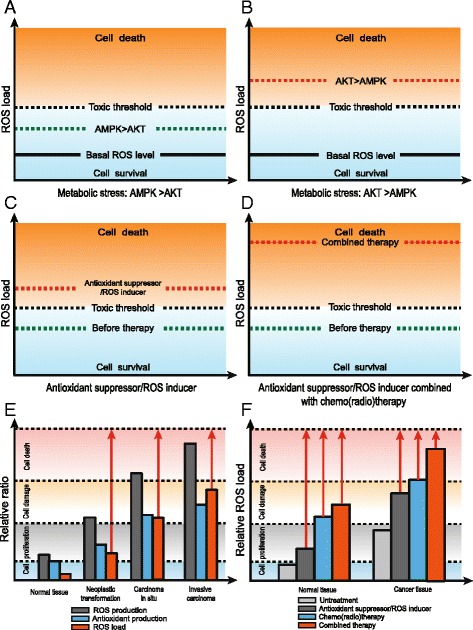
Cancer cells are frequently confronted with metabolic stress in tumor microenvironments due to their rapid growth and limited nutrient supply. Metabolic stress induces cell death through ROS-induced apoptosis. However, cancer cells can adapt to it by altering the metabolic pathways. AMPK and AKT are two primary effectors in response to metabolic stress: AMPK acts as an energy-sensing factor which rewires metabolism and maintains redox balance. AKT broadly promotes energy production in the nutrient abundance milieu, but the role of AKT under metabolic stress is in dispute. Recent studies show that AMPK and AKT display antagonistic roles under metabolic stress. Metabolic stress-induced ROS signaling lies in the hub between metabolic reprogramming and redox homeostasis. Here, we highlight the cross-talk between AMPK and AKT and their regulation on ROS production and elimination, which summarizes the mechanism of cancer cell adaptability under ROS stress and suggests potential options for cancer therapeutics.
Overview
The claims and statistics of this paper haven’t been checked yet.
Free: it reads the open-access text and checks the first 5 claims that cite a source we can check. Create a free account to check every claim.
Integrity signals
Registry
Cites
Statistics
Figures
Verification
Claims the paper makes
The claims and statistics of this paper haven’t been checked yet.
Free: it reads the open-access text and checks the first 5 claims that cite a source we can check. Create a free account to check every claim.
Claims other papers make about this one
Each is checked against this paper’s own text: does it say what the citing paper says it does?
The source backs part of the claim, not all of it — or backs it for a different population, condition or comparison.
In the citing paper
“Thus, by inhibiting PGAM5, AMPK suppresses necrosis, reduces ROS accumulation, and mitigates oxidative stress.385,387”
From Glucagon-like peptide-1 receptor: mechanisms and advances in therapy (2024) · cites this paper as [385]
Experimental — accuracy not yet measuredThe check wasn’t confident either way, so it gives no verdict — never disputed.
In the citing paper
“Importantly, the activation of AMPK reduces the expression of phosphoglycerate mutase 5 (PGAM5), which plays a promotive role in cell necrosis by contributing to mitochondrial dysfunction and the production of reactive oxygen species (ROS).385–387”
From Glucagon-like peptide-1 receptor: mechanisms and advances in therapy (2024) · cites this paper as [385]
Experimental — accuracy not yet measured
Self-check
Percentages, sums and reported differences re-computed from the paper’s own numbers.
The self-check needs the paper’s full text.
Citations
Cites
1 retracted
Zhang, S., Yang, C., Yang, Z., Zhang, D., Ma, X., Mills, G. B., & Liu, Z. (2015) · Europe PMC (PubMed Central) · Cited by 38
Self-citationRetractedAKT/PKB signaling: navigating downstream
Manning, B. D., & Cantley, L. C. (2007) · Cell · doi:10.1016/j.cell.2007.06.009 · Cited by 6,115 · cited 2×
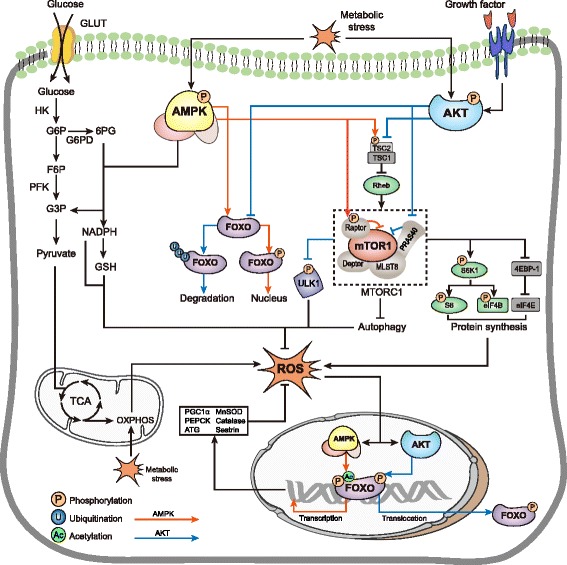
“By activating mTORC1, AKT promotes oxygen consumption and increases ROS production under glucose deprivation [54, 62], rendering cancer cells closer to the death threshold of ROS.”
The emerging hallmarks of cancer metabolism
Pavlova, N. N., & Thompson, C. B. (2016) · Cell Metabolism · doi:10.1016/j.cmet.2015.12.006 · Cited by 5,926 · cited 9×
“Further, B Chaube et al. found that AMPK could enhance mitochondrial biogenesis and OXPHOS by activating p38/PGC1α pathway [53].”
InfluentialHydroperoxide metabolism in mammalian organs.
Chance, B., Sies, H., & Boveris, A. (1979) · Physiological Reviews · doi:10.1152/physrev.1979.59.3.527 · Cited by 5,827 · cited 1×
“It is estimated that ROS produced by mitochondria are about 1–2% of the total rate of oxygen consumption in normal cells [17].”
Targeting cancer cells by ROS-mediated mechanisms: a radical therapeutic approach?
Trachootham, D., Alexandre, J., & Huang, P. (2009) · Nature Reviews Drug Discovery · doi:10.1038/nrd2803 · Cited by 5,452 · cited 1×
“Even though cancer cells exhibit an enhanced antioxidant system, they still maintain higher ROS levels than normal cells [20, 109].”
Mitochondrial Reactive Oxygen Species (ROS) and ROS-Induced ROS Release
Zorov, D. B., Juhaszova, M., & Sollott, S. J. (2014) · Physiological Reviews · doi:10.1152/physrev.00026.2013 · Cited by 5,383 · cited 1×
“ROS are byproducts of biological reactions of energy generation, and are mainly produced in the mitochondria through the oxidative metabolism [15, 16].”
The Warburg Effect: How Does it Benefit Cancer Cells?
Liberti, M. V., & Locasale, J. W. (2016) · Trends in Biochemical Sciences · doi:10.1016/j.tibs.2015.12.001 · Cited by 5,150 · cited 1×
“Although this mode of energy production is less efficient than mitochondrial respiration per unit of glucose, the rate of glycolysis is 10–100 times faster [25].”
AMPK: a nutrient and energy sensor that maintains energy homeostasis
Hardie, D. G., Ross, F. A., & Hawley, S. A. (2012) · Nature Reviews Molecular Cell Biology · doi:10.1038/nrm3311 · Cited by 4,602 · cited 1×
“It is also regulated by its upstream LKB1, CaMMK or other factors like ADP or Ca [49].”
Reactive oxygen species (ROS) homeostasis and redox regulation in cellular signaling
Ray, P. D., Huang, B.-W., & Tsuji, Y. (2012) · Cellular Signalling · doi:10.1016/j.cellsig.2012.01.008 · Cited by 4,373 · cited 1×
“ROS are byproducts of biological reactions of energy generation, and are mainly produced in the mitochondria through the oxidative metabolism [15, 16].”
Modulation of oxidative stress as an anticancer strategy
Gorrini, C., Harris, I. S., & Mak, T. W. (2013) · Nature Reviews Drug Discovery · doi:10.1038/nrd4002 · Cited by 3,579 · cited 5×
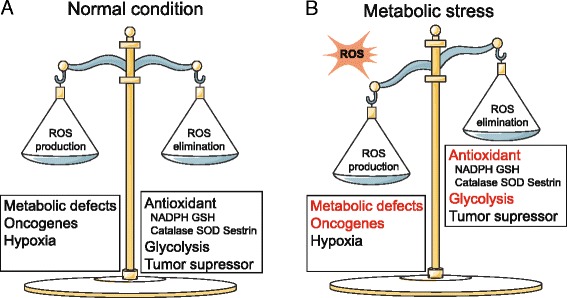
“Glucose deficiency is one of the main factors leading to ROS stress in tumors, either in the stage of tumor initiation or progression [18].”
Influential
Cited by
Items 101–200 of 769
p53: A double-edged sword in tumor ferroptosis
Ji, H., Wang, W., Li, X., Han, X., Zhang, X., Wang, J., Liu, C., Huang, L., & Gao, W. (2021) · Pharmacological Research · doi:10.1016/j.phrs.2021.106013 · Cited by 80
Ferroptosis in cardiovascular disease
Liu, G., Xie, X., Liao, W., Chen, S., Zhong, R., Qin, J., He, P., & Xie, J. (2023) · Biomedicine & Pharmacotherapy · doi:10.1016/j.biopha.2023.116057 · Cited by 82
Photothermal therapy-mediated autophagy in breast cancer treatment: Progress and trends
Kadkhoda, J., Tarighatnia, A., Tohidkia, M. R., Nader, N. D., & Aghanejad, A. (2022) · Life Sciences · doi:10.1016/j.lfs.2022.120499 · Cited by 76
Ma, J., Liu, B., Yu, D., Zuo, Y., Cai, R., Yang, J., & Cheng, J. (2019) · British Journal of Haematology · doi:10.1111/bjh.16044 · Cited by 77
“…metabolic reprogramming, which is thought to be driven by abnormalities in nutrient-sensing pathways, including AMPK, mTOR, PI3K/AKT and their crosstalk to regulate ROS, is a key feature of transformed cells, and is essential for tumour cell proliferation (Caino & Altieri, 2016; Zhao et al, 2017).”
BackgroundRole of purines in regulation of metabolic reprogramming
Tang, Z., Ye, W., Chen, H., Kuang, X., Guo, J., Xiang, M., Peng, C., Chen, X., & Liu, H. (2019) · Purinergic Signalling · doi:10.1007/s11302-019-09676-z · Cited by 79
Metabolic heterogeneity in cancer: An overview and therapeutic implications
Yu, T., Gao, W., & Liu, Y. (2020) · Biochimica et Biophysica Acta (BBA) - Reviews on Cancer · doi:10.1016/j.bbcan.2020.188421 · Cited by 77
Self-citationPrasad, A., Khatua, A., Mohanta, Y. K., Saravanan, M., Meena, R., & Ghosh, I. (2022) · Nanoscale · doi:10.1039/d2nr02150a · Cited by 74
The role of AMPK in metabolism and its influence on DNA damage repair
Szewczuk, M., Boguszewska, K., Kaźmierczak-Barańska, J., & Karwowski, B. T. (2020) · Molecular Biology Reports · doi:10.1007/s11033-020-05900-x · Cited by 72
Salete-Granado, D., Carbonell, C., Puertas-Miranda, D., Vega-Rodríguez, V.-J., Macia, M. G., Herrero, A. B., & Marcos, M. (2023) · Antioxidants · doi:10.3390/antiox12071425 · Cited by 76
“This process also increases mitochondrial generation of H2O2, facilitating further oxidative damage [174].”
Wang, Q., Wei, S., Zhou, H., Shen, G., Gan, X., Zhou, S., Qiu, J., Shi, C., & Lu, L. (2019) · Cell Death Discovery · doi:10.1038/s41420-019-0198-y · Cited by 245
Zhang, J., Ding, C., Zhang, S., & Xu, Y. (2020) · Journal of Cellular and Molecular Medicine · doi:10.1111/jcmm.15531 · Cited by 70
Self-citationPacker, M. (2020) · Journal of the American Heart Association · doi:10.1161/jaha.120.016270 · Cited by 72
The crosstalk between reactive oxygen species and noncoding RNAs: from cancer code to drug role
Zuo, J., Zhang, Z., Li, M., Yang, Y., Zheng, B., Wang, P., Huang, C., & Zhou, S. (2022) · Molecular Cancer · doi:10.1186/s12943-021-01488-3 · Cited by 70
“Metabolic stress, persistently occurs in tumor microenvironments, which implies a lack of nutrients, oxygen and growth factors because of excessive consumption via continuous proliferation and relatively insufficient angiogenesis of cancer cells [40], is a cause of ROS overload.”
BackgroundGibellini, L., Losi, L., Biasi, S. D., Nasi, M., Tartaro, D. L., Pecorini, S., Patergnani, S., Pinton, P., Gaetano, A. D., Carnevale, G., et al. (2018) · Frontiers in Oncology · doi:10.3389/fonc.2018.00254 · Cited by 72
“lonP1 impacts glycolysis in colon cancer cells As Akt/GSK-3β signaling pathway plays a critical role in regulating glucose metabolism (24), in SW480 and SW620 cells we examined whether forced LonP1 expression had effects on the expression of GLUT-1, LDHA, and G6PD.”
BackgroundInner Ear Connexin Channels: Roles in Development and Maintenance of Cochlear Function
Mammano, F. (2018) · Cold Spring Harbor Perspectives in Medicine · doi:10.1101/cshperspect.a033233 · Cited by 75
“In turn, nutrient deficiency impacts on ATP production, leading to reactive oxygen species (ROS) overload and apoptosis (Zhao et al. 2017), whereas massive loss of cytosolic ATP triggers necrosis in several cell types (Leist et al. 1997).”
BackgroundDiabetic sarcopenia: metabolic and molecular appraisal
Giha, H. A., Alamin, O. A. O., & Sater, M. S. (2022) · Acta Diabetologica · doi:10.1007/s00592-022-01883-2 · Cited by 71
“An autophagic response leading to atrophy can be initiated via mTOR phosphorylation; alternatively, AMPK activation in response to oxidative stress also inhibits protein synthesis via mTORC1 and TSC2 phosphorylation [65].”
BackgroundWu, T., Luo, G., Lian, Q., Sui, C., Tang, J. P., Zhu, Y., Zheng, B. J., Li, Z., Zhang, Y., Zhang, Y., et al. (2021) · Hepatology · doi:10.1002/hep.32088 · Cited by 66
Self-citationZhang, F., Li, R.-Z., Xu, C., Fan, X., Li, J., Meng, W.-Y., Wang, X., Liang, T.-L., Guan, X., Pan, H., et al. (2021) · Phytomedicine · doi:10.1016/j.phymed.2021.153786 · Cited by 68
Chen, K., Kortesniemi, M. K., Linderborg, K. M., & Yang, B. (2022) · Journal of Agricultural and Food Chemistry · doi:10.1021/acs.jafc.2c05879 · Cited by 67
Silva, B. R., & Silva, J. R. V. (2022) · Animal Reproduction Science · doi:10.1016/j.anireprosci.2022.107186 · Cited by 80
Jayathilaka, E. H. T. T., Nikapitiya, C., Zoysa, M. D., & Whang, I. (2022) · International Journal of Molecular Sciences · doi:10.3390/ijms232415882 · Cited by 66
“Lack of nutrients can induce metabolic stress and ultimately lead to the ROS-mediated self-destruction of fungi and bacteria [33,34].”
BackgroundNew Insights into YAP/TAZ-TEAD-Mediated Gene Regulation and Biological Processes in Cancer
Zhao, Y., Sheldon, M., Sun, Y., & Ma, L. (2023) · Cancers · doi:10.3390/cancers15235497 · Cited by 68
“In addition, YAP activation has been found to disrupt the homeostasis of reactive oxygen species (ROS), thereby impeding tumor growth in lung squamous cell carcinoma (SCC) via a ROS-mediated mechanism [252,253].”
BackgroundSelf-citationZhu, Z., Cao, C., Zhang, D., Zhang, Z., Liu, L., Wu, D., & Sun, J. (2022) · Cell Death and Disease · doi:10.1038/s41419-022-04596-0 · Cited by 66
Cheng, S., Wan, X., Yang, L., Qin, Y., Chen, S.-C., Liu, Y., Sun, Y., Qiu, Y., Huang, L., Qin, Q., et al. (2023) · Journal of Experimental & Clinical Cancer Research · doi:10.1186/s13046-023-02928-2 · Cited by 66
“Previous studies also showed that PLK1 can phosphorylate AMPKα2 (the catalytic subunit of AMPK) [28], and phosphorylated AMPKα2 stimulates a strong AMPK signaling, which leads to metabolic reprogramming [29].”
BackgroundSelf-citationMiyata, Y., Matsuo, T., Sagara, Y., Ohba, K., Ohyama, K., & Sakai, H. (2017) · International Journal of Molecular Sciences · doi:10.3390/ijms18102214 · Cited by 65
“Detailed apoptotic mechanisms induced by ROS under pathological conditions have been described in previous reviews [124,125].”
Backgrounddo Prado, S. B. R., Shiga, T. M., Harazono, Y., Hogan, V. A., Raz, A., Carpita, N. C., & Fabi, J. P. (2019) · Carbohydrate Polymers · doi:10.1016/j.carbpol.2019.02.010 · Cited by 63
“Since MCP30/10has the lesser amount of t-GalA of all the fractions, it is possible to speculate that HG is important for pAKT expression and/or AKT phosphorylation and could cause an excessive stress to cells leading to necroptosis (Buchheit, Rayavarapu, & Schafer, 2012; Zhao et al., 2017).”
BackgroundMattes, K., Vellenga, E., & Schepers, H. (2019) · Critical Reviews in Oncology/Hematology · doi:10.1016/j.critrevonc.2019.102814 · Cited by 66
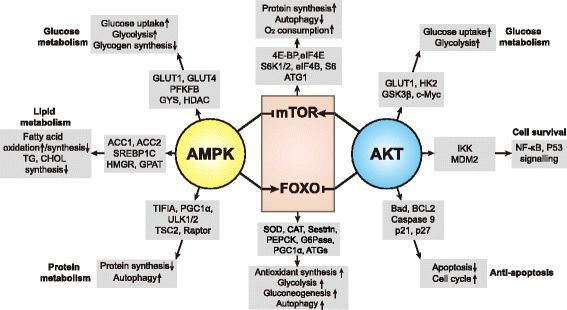
“In opposition to AMPK, the pro-proliferative AKT pathway activates mTOR (reviewed in (Zhao et al., 2017)).”
BackgroundTang, X., Li, G., Shi, L., Su, F., Qian, M., Liu, Z., Meng, Y., Sun, S., Li, J., & Liu, B. (2021) · Nature Communications · doi:10.1038/s41467-021-25274-3 · Cited by 66
Wang, S., Tao, J., Chen, H., Kandadi, M. R., Sun, M., Xu, H., Lopaschuk, G. D., Lü, Y., Zheng, J., Hu, P., et al. (2021) · Acta Pharmaceutica Sinica B · doi:10.1016/j.apsb.2021.07.006 · Cited by 66
Effects of Oleuropein and Hydroxytyrosol on Inflammatory Mediators: Consequences on Inflammaging
Pojero, F., Aiello, A., Gervasi, F., Caruso, C., Ligotti, M. E., Calabrò, A., Procopio, A., Candore, G., Accardi, G., & Allegra, M. (2022) · International Journal of Molecular Sciences · doi:10.3390/ijms24010380 · Cited by 65
“Both HT and OLE reduced TNF-α stimulated release of IL-6 in murine osteoblast-like cells with a mechanism that might be related to the suppression of TNF-α-induced phosphorylation of p44/p42 MAPK and AKT (a serine/threonine kinase involved in ROS homeostasis), with HT being also able to mediate the downregulation of I…”
BackgroundHuy, H., Song, H. Y., Kim, M. J., Kim, W. S., Kim, D. O., Byun, J., Lee, J., Park, Y., Kim, T., Yoon, S. R., et al. (2018) · Aging Cell · doi:10.1111/acel.12836 · Cited by 57
“Intracellular ROS induce AKT activation, which in turn induces premature senescence by increasing ROS levels via inhibition of the transcriptional activity of the FOXO family and by activating mTOR pathways (Dolado & Nebreda, 2008; Johnson et al., 2013; Sheu et al., 2004; Zhao et al., 2017).”
BackgroundVeirman, K. D., Menu, E., Maes, K., Beule, N. D., Smedt, E. D., Maes, A., Vlummens, P., Fostier, K., Kassambara, A., Moreaux, J., et al. (2018) · Cancer Letters · doi:10.1016/j.canlet.2018.11.002 · Cited by 64
Lipid Catabolism and ROS in Cancer: A Bidirectional Liaison
Castelli, S., Falco, P. D., Ciccarone, F., Desideri, E., & Ciriolo, M. R. (2021) · Cancers · doi:10.3390/cancers13215484 · Cited by 64
Ji, C., Hu, Y., Cheng, G., Liang, L., Gao, B., Ren, Y., Liu, J., Cao, X., Zheng, M., Li, S., et al. (2019) · International Journal of Oncology · doi:10.3892/ijo.2019.4942 · Cited by 71
“ROS can directly regulate multiple signaling pathways such as the Akt-mTOR-HIF-1α pathway, leading to changes in cell proliferation and apoptosis (39).”
BackgroundLee, T.-Y., Lu, W., Changou, C. A., Hsiung, Y.-C., Trang, N. T. T., Lee, C., Chang, T., Jayakumar, T., Hsieh, C., Yang, C., et al. (2021) · Autophagy · doi:10.1080/15548627.2021.1904495 · Cited by 58
“The data revealed that H2O2 could induce the phosphorylation and dephosphorylation of ULK1 at Ser777 and Ser757, respectively, which could be reversed by compound C, suggesting that the activation of ULK1 was regulated by AMPK and MTOR in response to H2O2 in platelets (Fig.”
BackgroundInfluentialAoki, T., Kinoshita, J., Munesue, S., Hamabe‐Horiike, T., Yamaguchi, T., Nakamura, Y., Okamoto, K., Moriyama, H., Nakamura, K., Harada, S., et al. (2022) · Annals of Surgical Oncology · doi:10.1245/s10434-022-12465-5 · Cited by 59
“However, tumor cells undergoing extracellular matrix detachment have decreased glucose uptake and lower glycolytic activity.(7) Recently, fatty acid oxidation (FAO) was found to be the preferred alternative mechanism of energy production, which was dependent on mitochondrial oxidative phosphorylation in anoikis-resist…”
BackgroundNovel use for old drugs: The emerging role of artemisinin and its derivatives in fibrosis
Wang, Y., Wang, Y., You, F., & Xue, J. (2020) · Pharmacological Research · doi:10.1016/j.phrs.2020.104829 · Cited by 60
Kucherenko, M. M., & Shcherbata, H. R. (2018) · Journal of Cell Science · doi:10.1242/jcs.202002 · Cited by 60
“The cell type and the nature and duration of stress determine whether a survival or destructive stress response pathway is chosen (Zhao et al., 2017).”
BackgroundJeon, H., Jin, Y., Myung, C., & Heo, K. (2021) · Archives of Pharmacal Research · doi:10.1007/s12272-021-01345-3 · Cited by 55
Mechanisms of NLRP3 inflammasome activation and the development of peptide inhibitors
Tao, Y., Tao, W., Chen, X.-Y., Jiang, C., Di, B., & Xu, L. (2023) · Cytokine & Growth Factor Reviews · doi:10.1016/j.cytogfr.2023.09.007 · Cited by 58
Therapeutic strategies targeting AMPK-dependent autophagy in cancer cells
Yuan, W., Fang, W., Zhang, R., Lyu, H., Xiao, S., Guo, D. S., Ali, D. W., Michalak, M., Chen, X., Zhou, C., et al. (2023) · Biochimica et Biophysica Acta (BBA) - Molecular Cell Research · doi:10.1016/j.bbamcr.2023.119537 · Cited by 57
Kung, F.-P., Lim, Y.-P., Chao, W.-Y., Zhang, Y., Yu, H.-I., Tai, T.-S., Lu, C., Chen, S., Li, Y., Zhao, P., et al. (2021) · Cancers · doi:10.3390/cancers13174266 · Cited by 54
Metformin attenuated sepsis-associated liver injury and inflammatory response in aged mice
Song, H., Zhang, X., Zhai, R., Liang, H., Song, G., Yuan, Y., Xu, Y., Yan, Y., Qiu, L., & Sun, T. (2022) · Bioengineered · doi:10.1080/21655979.2022.2036305 · Cited by 54
Yoon, B. K., Kim, H., Oh, T. G., Oh, S. K., Jo, S., Kim, M., Chun, K.-H., Hwang, N., Lee, S., Jin, S., et al. (2023) · Proceedings of the National Academy of Sciences · doi:10.1073/pnas.2217826120 · Cited by 55
“Due to limited nutrient supplies, intermediate metabolites are alternatively consumed for ATP production, putting an emphasis on ROS production rather than ROS elimination (47).”
BackgroundKim, D., Jang, J., Kwon, O., Cha, H., Youn, H.-J., Chun, K., & Surh, Y. (2020) · Antioxidants and Redox Signaling · doi:10.1089/ars.2019.7730 · Cited by 53
Zhang, Y., He, N., Zhou, X., Wang, F., Cai, H., Huang, S. H., Chen, X., Hu, Z., & Jin, X. (2021) · Aging · doi:10.18632/aging.203441 · Cited by 52
“AMPK is essential for autophagy initiation under cellular stress, including glucose starvation and ROSrelated oxidative stress [37, 38].”
BackgroundLi, Y., Zhang, Y., Qiu, Q., Wang, L., Mao, H., Hu, J., Chen, Z., Du, Y., & Liu, X. (2022) · Oxidative Medicine and Cellular Longevity · doi:10.1155/2022/2353115 · Cited by 55
Daneshmandi, S., Choi, J. E., Qi, Y., MacDonald, C. R., Pandey, M. R., Goruganthu, M., Roberts, N. T., Singh, P. K., Higashi, R. M., Lane, A. N., et al. (2024) · Nature Communications · doi:10.1038/s41467-024-47096-9 · Cited by 56
“AMPK also regulates cell apoptosis through several mechanisms involving the induction of metabolic reprograming 39,40 .”
Cabrera-Serrano, A. J., Sánchez‐Maldonado, J. M., González‐Olmedo, C., Carretero-Fernández, M., Díaz-Beltrán, L., Gutiérrez‐Bautista, J. F., García‐Verdejo, F. J., Gálvez-Montosa, F., López-López, J. A., García-Martín, P., et al. (2025) · Antioxidants · doi:10.3390/antiox14030264 · Cited by 56
Signaling Network of Forkhead Family of Transcription Factors (FOXO) in Dietary Restriction
Jiang, Y.-Z., Yan, F., Feng, Z., Lazarovici, P., & Zheng, W. (2019) · Cells · doi:10.3390/cells9010100 · Cited by 57
Jeske, R., Yuan, X., Fu, Q., Bunnell, B. A., Logan, T. M., & Li, Y. (2021) · Frontiers in Immunology · doi:10.3389/fimmu.2021.621744 · Cited by 56
Huynh, D. T. N., Jin, Y., Myung, C., & Heo, K. (2021) · Cancers · doi:10.3390/cancers13081892 · Cited by 52
“Furthermore, it has been reported that ROS accumulation promotes PTEN and activates AMPK, which is associated with the inhibition of the PI3K/Akt pathway [41,42].”
BackgroundUPP1 enhances bladder cancer progression and gemcitabine resistance through AKT
Du, W., Tu, S., Zhang, W., Zhang, Y., Liu, W., Xiong, K., Zhou, F., Li, N., Zhang, R., Yu, J., et al. (2024) · International Journal of Biological Sciences · doi:10.7150/ijbs.83774 · Cited by 54
“AKT is a major effector involved in the metabolic stress response [87].”
Lin, Y.-M., Chen, C., Hsiang, Y.-P., Hsu, Y.-C., Cheng, K., Chien, P., Pan, H., Lu, C.-C., & Chen, Y. (2018) · International Journal of Molecular Sciences · doi:10.3390/ijms19061763 · Cited by 51
“In addition to AMPK, Akt is reported as another upstream regulator of autophagy through the targeting of mTOR [20,21].”
BackgroundHuang, J., Ye, Z., Wang, J., Chen, Q., Huang, D., & Liu, H. (2020) · Biomedicine & Pharmacotherapy · doi:10.1016/j.biopha.2020.111089 · Cited by 50
Song, C., Hu, Y., Mang, Z., Zeng, Y., Chen, H.-D., Jing, D., Fan, G., Ji, S., Yu, X., Xu, X., et al. (2022) · Acta Pharmacologica Sinica · doi:10.1038/s41401-022-01006-1 · Cited by 49
“ROS participate in the regulation of autophagy through multiple signaling pathways, including the AMPK and mTOR/p70S6K pathways [33, 47, 48].”
BackgroundInsulin Resistance and Inflammation
Gusev, E., Sarapultsev, A., & Zhuravleva, Y. A. (2026) · International Journal of Molecular Sciences · doi:10.3390/ijms27031237 · Cited by 59
Çalışkan, B., Sinoplu, E., İbiş, K., Güzelcan, E. A., Çetin-Atalay, R., & Banoğlu, E. (2018) · Journal of Enzyme Inhibition and Medicinal Chemistry · doi:10.1080/14756366.2018.1504041 · Cited by 51
“…stress, dichloro-dihydro fluorescein diacetate (DCFH-DA) assay was performed on these cells, which were treated with 5m / 5o for 24h, 48h and 72h (Figure 2 Metabolic stress induces cell death through ROS-induced apoptosis and Akt is one of the primary effectors in response to metabolic stress 47 .”
LKB1 and cancer: The dual role of metabolic regulation
Li, T., & Zhu, H. (2020) · Biomedicine & Pharmacotherapy · doi:10.1016/j.biopha.2020.110872 · Cited by 52
Targeting the Inositol Pyrophosphate Biosynthetic Enzymes in Metabolic Diseases
Mukherjee, S., Haubner, J., & Chakraborty, A. (2020) · Molecules · doi:10.3390/molecules25061403 · Cited by 45
Role of Glucose Metabolism Reprogramming in the Pathogenesis of Cholangiocarcinoma
Pant, K., Richard, S., Peixoto, E., & Gradilone, S. A. (2020) · Frontiers in Medicine · doi:10.3389/fmed.2020.00113 · Cited by 47
Bai, C., Su, M., Zhang, Y., Lin, Y., Sun, Y., Li, S., Xiao, N., Xu, H., Wen, H., Zhang, M., et al. (2022) · Circulation · doi:10.1161/circulationaha.121.057178 · Cited by 45
ACSS3 regulates the metabolic homeostasis of epithelial cells and alleviates pulmonary fibrosis
Wang, L., Yuan, H., Li, W., Yan, P., Zhao, M., Li, Z., Zhao, H., Wang, S., Wan, R., Li, Y., et al. (2023) · Biochimica et Biophysica Acta (BBA) - Molecular Basis of Disease · doi:10.1016/j.bbadis.2023.166960 · Cited by 49
Recent Progress in Anti‐Tumor Nanodrugs Based on Tumor Microenvironment Redox Regulation
Yao, L., Zhu, X., Shan, Y., Zhang, L., Yao, J., & Xiong, H. (2024) · Small · doi:10.1002/smll.202310018 · Cited by 46
Immunometabolic control of hematopoiesis
Hajishengallis, G., Li, X., & Chavakis, T. (2020) · Molecular Aspects of Medicine · doi:10.1016/j.mam.2020.100923 · Cited by 48
Choi, E.-J., Oh, H.-T., Lee, S.-H., Zhang, C., Li, M., Kim, S., Park, S., Chang, T., Lee, B., Lin, S., et al. (2024) · Autophagy · doi:10.1080/15548627.2024.2374692 · Cited by 46
“Metabolic stress induces ROS [9] that activate NFE2L2 by inhibiting KEAP1 [22]; thus, metabolic stress can activate NFE2L2 via ROS.”
Integration of multiple networks and pathways identifies cancer driver genes in pan-cancer analysis
Cava, C., Bertoli, G. R., Colaprico, A., Olsen, C., Bontempi, G., & Castiglioni, I. (2018) · BMC Genomics · doi:10.1186/s12864-017-4423-x · Cited by 44
“7 Cancer driver genes and cancer hallmarks obtained from KEGG and Reactome databases [5, 58, 59] Cava et al.”
BackgroundLiu, S., Xu, A., Gao, Y., Xie, Y., Liu, Z., Sun, M., Mao, H., & Wang, X. (2021) · Journal of Nanobiotechnology · doi:10.1186/s12951-021-00832-5 · Cited by 46
Martí-Díaz, R., Montenegro, M. F., Cabezas‐Herrera, J., Goding, C. R., Rodríguez‐López, J. N., & Sánchez‐del‐Campo, L. (2020) · Cancers · doi:10.3390/cancers13010102 · Cited by 47
“Although there are reports suggesting that AKT activation can protect cells under glucose deprivation, regulation of this oncogenic pathway under glucose restriction has been shown to be sophisticated and specific to different cancer cells and backgrounds [39].”
BackgroundJeon, H., Huynh, D. T. N., Baek, N., Nguyen, T. L. L., & Heo, K. (2021) · Phytomedicine · doi:10.1016/j.phymed.2021.153549 · Cited by 44
Vilar, J. B., Christmann, M., & Tomicic, M. T. (2022) · Cancers · doi:10.3390/cancers14102416 · Cited by 49
An update on the bridging factors connecting autophagy and Nrf2 antioxidant pathway
Ning, B., Hang, S., Zhang, W., Mao, C., & Li, D. (2023) · Frontiers in Cell and Developmental Biology · doi:10.3389/fcell.2023.1232241 · Cited by 45
“ROS can activate AMP-activated protein kinase (AMPK) or inhibit protein kinase B (Zhao et al., 2017), which represses mTORC1 complex activity and enhances autophagy (Li et al.”
BackgroundChen, Z., Zhao, C., Liu, P., Huang, H., Zhang, S., & Wang, X. (2021) · CARTILAGE · doi:10.1177/19476035211038748 · Cited by 42
Self-citationLuo, M., Zheng, Y., Tang, S., Gu, L., Zhu, Y., Ying, R., Liu, Y., Ma, J., Guo, R., Gao, P., et al. (2023) · Frontiers in Pharmacology · doi:10.3389/fphar.2023.1166178 · Cited by 45
Self-citationFeng, Y., An, Q., Zhao, Z., Wu, M., Yang, C., Liang, W., Xu, X., Jiang, T., & Zhang, G. (2024) · Biomedicine & Pharmacotherapy · doi:10.1016/j.biopha.2024.116266 · Cited by 43
Autophagy: a molecular switch to regulate adipogenesis and lipolysis
Sekar, M., & Thirumurugan, K. (2022) · Molecular and Cellular Biochemistry · doi:10.1007/s11010-021-04324-w · Cited by 44
“FOXO3 phosphorylation activates the autophagy genes by SKP2/CARM1 signal [53].”
BackgroundMetabolic reprogramming: a bridge between aging and tumorigenesis
Drapela, S., Ilter, D., & Gomes, A. P. (2022) · Molecular Oncology · doi:10.1002/1878-0261.13261 · Cited by 41
TGF-β downregulation-induced cancer cell death is finely regulated by the SAPK signaling cascade
Han, Z., Kang, D., Joo, Y., Lee, J.-H., Oh, G.-H., Choi, S., Ko, S., Je, S., Choi, H. J., & Song, J. J. (2018) · Experimental & Molecular Medicine · doi:10.1038/s12276-018-0189-8 · Cited by 49
Yang, W., Li, B., Hu, Y. X., Zhang, L., & Wang, X. (2019) · Theriogenology · doi:10.1016/j.theriogenology.2019.09.031 · Cited by 43
Spatial control of AMPK signaling at subcellular compartments
Chauhan, A. S., Li, Z., & Gan, B. (2020) · Critical Reviews in Biochemistry and Molecular Biology · doi:10.1080/10409238.2020.1727840 · Cited by 41
“targets but is also involved in cross-talks with other signaling pathways including PI3K-AKT, MAPK/ERK, and mTOR signaling (Mihaylova and Shaw 2011; Hardie 2014; Zhao et al. 2017).”
BackgroundSu, Y., Zhang, W., Patro, C. P. K., Zhao, J., Mu, T., Ma, Z., Xu, J., Ban, K. H.-K., Yi, C., & Zhou, Y. (2020) · Frontiers in Cell and Developmental Biology · doi:10.3389/fcell.2020.00362 · Cited by 43
Liu, X., Chen, J., Sun, N., Li, N., Zhang, Z., Zheng, T., & Li, Z. (2020) · International Journal of Biological Macromolecules · doi:10.1016/j.ijbiomac.2020.07.060 · Cited by 42
Novel Anti-Cancer Products Targeting AMPK: Natural Herbal Medicine against Breast Cancer
Peng, B., Zhang, S.-Y., Chan, K. I., Zhong, Z., & Wang, Y. (2023) · Molecules · doi:10.3390/molecules28020740 · Cited by 43
“Phosphatidylinositol-4,5-bisphosphate 3-kinase catalytic subunit alpha (PIK3CA), encoding the p110α catalytic subunit of PI3K, as well as phosphatase and tensin homolog (PTEN), which are the suppressors of the PI3K/protein kinase B (Akt) signaling pathway, are frequently mutated in breast cancer [51,52].”
BackgroundSelf-citationFerroptosis: a new regulatory mechanism in neuropathic pain
Li, L., Guo, L., Gao, R. C., Yao, M., Qu, X., Sun, G., Fu, Q., Hu, C., & Han, G. (2023) · Frontiers in Aging Neuroscience · doi:10.3389/fnagi.2023.1206851 · Cited by 40
“It has been demonstrated that intracellular ROS can activate many signaling pathways and induce cell death (Zhao et al., 2017; Holze et al., 2018).”
BackgroundReductive stress: The key pathway in metabolic disorders induced by overnutrition
Zhang, S., Wang, N., Gao, Z., Gao, J. L., Wang, X., Xie, H., Wang, C.-Y., & Zhang, S. (2025) · Journal of Advanced Research · doi:10.1016/j.jare.2025.01.012 · Cited by 40
“Notably, ROS can activate AMPK, a crucial energy-sensing enzyme that enhances glucose and lipids uptake, mitochondrial biogenesis and function, and overall metabolic balance [203,204].”
Self-citationOxidative stress in normal hematopoietic stem cells and leukemia
Samimi, A., Kalantari, H., Zeinvand‐Lorestani, M., Shirzad, R., & Saki, N. (2018) · Apmis · doi:10.1111/apm.12822 · Cited by 44
Zhang, C., He, L., Zhu, Y., Fan, Q.-Z., Miao, D., Zhang, S., Zhao, W., & Liu, X. (2019) · Frontiers in Pharmacology · doi:10.3389/fphar.2019.01178 · Cited by 40
Self-citationYang, G., Li, Q., Peng, J., Jin, L., Zhu, X., Zheng, D., Zhang, Y., Wang, R., Song, Y., Hu, W., et al. (2021) · European Journal of Pharmacology · doi:10.1016/j.ejphar.2021.174629 · Cited by 42
Wang, F., Yuan, H., Shen, J., Li, Z., Li, J., Luo, P., Zhang, Q., Huang, W., Wang, X., Ma, J., et al. (2024) · ACS Materials Letters · doi:10.1021/acsmaterialslett.3c01627 · Cited by 40
Cyclic nucleotide phosphodiesterases: New targets in the metabolic syndrome?
Lugnier, C., Meyer, A., Talha, S., & Gény, B. (2020) · Pharmacology & Therapeutics · doi:10.1016/j.pharmthera.2020.107475 · Cited by 39
Huang, J., Feng, W., Li, S., Tang, H., Qin, S., Li, W., Gong, Y., Fang, Y., Liu, Y., Wang, S., et al. (2020) · Current Pharmaceutical Design · doi:10.2174/18734286mtew2mjg54 · Cited by 41
Self-citationLepez, A., Pirnay, T., Denanglaire, S., Pérez-Morga, D. L., Vermeersch, M., Léo, O., & Andris, F. (2020) · Scientific Reports · doi:10.1038/s41598-020-78715-2 · Cited by 42
Chen, T., Wang, Z., Zhong, J., Zhang, L., Zhang, H., Zhang, D., Xu, X., Zhong, X., Wang, J., & Li, H. (2022) · Drug Development Research · doi:10.1002/ddr.21939 · Cited by 39
“Numerous reports have demonstrated that ROS signaling pathway is the upstream signal transducers that activates the PI3K/AKT‐mediated cascades (Zhao et al., 2017).”
BackgroundBrandão, A. S., Borbinha, J., Pereira, T., Brito, P. H., Lourenço, R., Bensimon‐Brito, A., & Jacinto, A. (2022) · eLife · doi:10.7554/elife.76987 · Cited by 40
Cordani, M., Donadelli, M., Strippoli, R., Bazhin, A. V., & Sánchez‐Álvarez, M. (2019) · Oxidative Medicine and Cellular Longevity · doi:10.1155/2019/8794612 · Cited by 39
Chlorpyrifos-mediated mitochondrial calcium overload induces EPC cell apoptosis via ROS/AMPK/ULK1
Miao, Z., Miao, Z., Feng, S., & Xu, S. (2023) · Fish & Shellfish Immunology · doi:10.1016/j.fsi.2023.109053 · Cited by 38
Autophagy and oxidative stress in solid tumors: Mechanisms and therapeutic opportunities
Carretero-Fernández, M., Cabrera-Serrano, A. J., Sánchez‐Maldonado, J. M., Ruiz-Durán, L., Jiménez-Romera, F., García‐Verdejo, F. J., González‐Olmedo, C., Cardús, A., Díaz-Beltrán, L., Gutiérrez‐Bautista, J. F., et al. (2025) · Critical Reviews in Oncology/Hematology · doi:10.1016/j.critrevonc.2025.104820 · Cited by 39
“It has been demonstrated that ROS can inhibit mTOR or activate the AMPK pathways, promoting autophagy in different tumor cell types, which directly impacts tumor progression (Zhao et al., 2017).”
Targeting autophagy in liver cancer
Fazio, P. D., & Matrood, S. (2018) · Translational Gastroenterology and Hepatology · doi:10.21037/tgh.2018.06.09 · Cited by 39
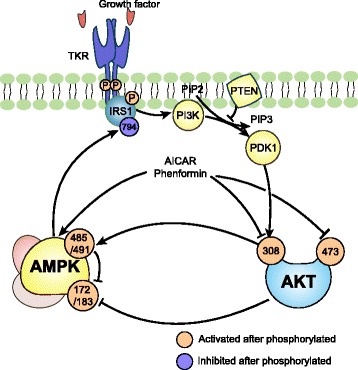
“AKT reduces AMPK phosphorylation at Thr-172, which is required for AMPK activity, by phosphorylation of AMPK at Ser-487/491 or by direct blocking of AMPK phosphorylation (41).”
BackgroundLncRNAs and CircRNAs in cancer
Yin, X., Lin, H., Lin, L., Miao, L., He, J., & Zhuo, Z. (2022) · MedComm · doi:10.1002/mco2.141 · Cited by 40
Resveratrol Improves the Frozen-Thawed Ram Sperm Quality
Zhu, Z., Zhao, H., Cui, H., Adetunji, A. O., & Min, L. (2023) · Animals · doi:10.3390/ani13243887 · Cited by 41
“AMPK is a key kinase that regulates cellular REDOX status by altering metabolic pathways under stress conditions [56].”
Background
Metadata
- Authors
- Zhao, Y., Hu, X., Liu, Y., Dong, S., Wen, Z., He, W., Zhang, S., Huang, Q., & Shi, M.
- Affiliations
- Nanfang Hospital (CN)
- Corresponding author
- Shi, Min
- Venue
- Molecular Cancer
- Published
- 2017-04-13
- Volume
- 16
- Issue
- 1
- Pages
- 79-79
- ISSN
- 1476-4598 (ISSN-L)
- PMC
- PMC5390360
- OpenAlex
- W2607120474
- Cited by
- 735
- References
- 124
- Citations by year
- 2026: 71 · 2025: 99 · 2024: 102 · 2023: 98 · 2022: 124 · 2021: 80 · 2020: 70 · 2019: 43 · 2018: 41 · 2017: 7
- FWCI
- 4.12
- Type
- journal article
- Language
- en
- Open access
- gold
- doi.org
- Licence
- cc-by
- Locations
- Molecular Cancer (publishedVersion, cc-by)
- PubMed Central (publishedVersion, cc-by)
- PubMed (publishedVersion)
- DOAJ (DOAJ: Directory of Open Access Journals) (submittedVersion, cc-by-sa)
- Funders
- National Natural Science Foundation of China (81472317)
- The Special Foundation for National Clinical Specialties of China(to The Department of Oncology, Nanfang Hosptial)
- CSCO Merck Serono Oncology Research Fund (Y-MX2014-048)
- Topics
- Life Sciences › Biochemistry, Genetics and Molecular Biology › Molecular Biology › Metabolism, Diabetes, and Cancer
- Life Sciences › Biochemistry, Genetics and Molecular Biology › Cancer Research › Cancer, Hypoxia, and Metabolism
- Life Sciences › Biochemistry, Genetics and Molecular Biology › Molecular Biology › Redox biology and oxidative stress
- Keywords
- reactive oxygen species signaling, metabolic stress, AMPK, Akt, cancer metabolism, metabolic reprogramming, redox homeostasis, tumor microenvironment, cancer cell adaptation, cancer therapeutics
- MeSH terms
- Animals, Energy Metabolism, Homeostasis, Humans, Neoplasms, Oxidation-Reduction, Phosphorylation, Protein Binding, Stress, Physiological, Signal Transduction, Reactive Oxygen Species, Disease Progression, Proto-Oncogene Proteins c-akt, AMP-Activated Protein Kinases
About these checks
Registry, retraction, Cites and statistics results are computed, not judged, with one exception: a printed reference that no index lists is read once by a model before it counts as a citation error. Claims are extracted by a model and kept only when their quote appears verbatim in the text; each cited source is then checked, with a model’s help, for whether it says what the claim relies on. Those verdicts can be wrong — read the claim’s quote and the cited source before relying on one.
Statistics and arithmetic are recomputed, not judged.
Confidence bands are shown only for fields calibrated on our annotated test set. None is calibrated yet, so no band is shown.
What counts as a claim ›How we measure confidence ›How we check this ›
Are you an author, or do you see a problem with this page? Request a review
Data sources
Bibliographic data: Semantic Scholar, OpenAlex, Crossref.
Contains information from the Semantic Scholar Academic Graph Datasets, made available under the ODC Attribution License (ODC-BY 1.0).
Semantic Scholar’s data is described in: Kinney, R., et al. (2023). The Semantic Scholar Open Data Platform. arXiv:2301.10140.
