

ROS signaling under metabolic stress: cross-talk between AMPK and AKT pathway
Open accessThe DOI matches its Crossref record; 125 of the 125 references it cites were found in a registry or an index.
Abstract
Cancer cells are frequently confronted with metabolic stress in tumor microenvironments due to their rapid growth and limited nutrient supply. Metabolic stress induces cell death through ROS-induced apoptosis. However, cancer cells can adapt to it by altering the metabolic pathways. AMPK and AKT are two primary effectors in response to metabolic stress: AMPK acts as an energy-sensing factor which rewires metabolism and maintains redox balance. AKT broadly promotes energy production in the nutrient abundance milieu, but the role of AKT under metabolic stress is in dispute. Recent studies show that AMPK and AKT display antagonistic roles under metabolic stress. Metabolic stress-induced ROS signaling lies in the hub between metabolic reprogramming and redox homeostasis. Here, we highlight the cross-talk between AMPK and AKT and their regulation on ROS production and elimination, which summarizes the mechanism of cancer cell adaptability under ROS stress and suggests potential options for cancer therapeutics.
Overview
The claims and statistics of this paper haven’t been checked yet.
Free: it reads the open-access text and checks the first 5 claims that cite a source we can check. Create a free account to check every claim.
Integrity signals
Registry
Cites
Statistics
Figures
Verification
Claims the paper makes
The claims and statistics of this paper haven’t been checked yet.
Free: it reads the open-access text and checks the first 5 claims that cite a source we can check. Create a free account to check every claim.
Claims other papers make about this one
Each is checked against this paper’s own text: does it say what the citing paper says it does?
The source backs part of the claim, not all of it — or backs it for a different population, condition or comparison.
In the citing paper
“Thus, by inhibiting PGAM5, AMPK suppresses necrosis, reduces ROS accumulation, and mitigates oxidative stress.385,387”
From Glucagon-like peptide-1 receptor: mechanisms and advances in therapy (2024) · cites this paper as [385]
Experimental — accuracy not yet measuredThe check wasn’t confident either way, so it gives no verdict — never disputed.
In the citing paper
“Importantly, the activation of AMPK reduces the expression of phosphoglycerate mutase 5 (PGAM5), which plays a promotive role in cell necrosis by contributing to mitochondrial dysfunction and the production of reactive oxygen species (ROS).385–387”
From Glucagon-like peptide-1 receptor: mechanisms and advances in therapy (2024) · cites this paper as [385]
Experimental — accuracy not yet measured
Self-check
Percentages, sums and reported differences re-computed from the paper’s own numbers.
The self-check needs the paper’s full text.
Citations
Cites
1 retracted
Zhang, S., Yang, C., Yang, Z., Zhang, D., Ma, X., Mills, G. B., & Liu, Z. (2015) · Europe PMC (PubMed Central) · Cited by 38
Self-citationRetractedAKT/PKB signaling: navigating downstream
Manning, B. D., & Cantley, L. C. (2007) · Cell · doi:10.1016/j.cell.2007.06.009 · Cited by 6,115 · cited 2×
“By activating mTORC1, AKT promotes oxygen consumption and increases ROS production under glucose deprivation [54, 62], rendering cancer cells closer to the death threshold of ROS.”
The emerging hallmarks of cancer metabolism
Pavlova, N. N., & Thompson, C. B. (2016) · Cell Metabolism · doi:10.1016/j.cmet.2015.12.006 · Cited by 5,926 · cited 9×
“Further, B Chaube et al. found that AMPK could enhance mitochondrial biogenesis and OXPHOS by activating p38/PGC1α pathway [53].”
InfluentialHydroperoxide metabolism in mammalian organs.
Chance, B., Sies, H., & Boveris, A. (1979) · Physiological Reviews · doi:10.1152/physrev.1979.59.3.527 · Cited by 5,827 · cited 1×
“It is estimated that ROS produced by mitochondria are about 1–2% of the total rate of oxygen consumption in normal cells [17].”
Targeting cancer cells by ROS-mediated mechanisms: a radical therapeutic approach?
Trachootham, D., Alexandre, J., & Huang, P. (2009) · Nature Reviews Drug Discovery · doi:10.1038/nrd2803 · Cited by 5,452 · cited 1×
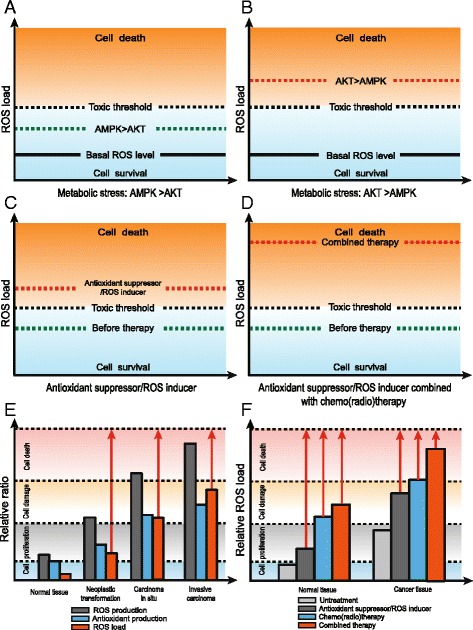
“Even though cancer cells exhibit an enhanced antioxidant system, they still maintain higher ROS levels than normal cells [20, 109].”
Mitochondrial Reactive Oxygen Species (ROS) and ROS-Induced ROS Release
Zorov, D. B., Juhaszova, M., & Sollott, S. J. (2014) · Physiological Reviews · doi:10.1152/physrev.00026.2013 · Cited by 5,383 · cited 1×
“ROS are byproducts of biological reactions of energy generation, and are mainly produced in the mitochondria through the oxidative metabolism [15, 16].”
The Warburg Effect: How Does it Benefit Cancer Cells?
Liberti, M. V., & Locasale, J. W. (2016) · Trends in Biochemical Sciences · doi:10.1016/j.tibs.2015.12.001 · Cited by 5,150 · cited 1×
“Although this mode of energy production is less efficient than mitochondrial respiration per unit of glucose, the rate of glycolysis is 10–100 times faster [25].”
AMPK: a nutrient and energy sensor that maintains energy homeostasis
Hardie, D. G., Ross, F. A., & Hawley, S. A. (2012) · Nature Reviews Molecular Cell Biology · doi:10.1038/nrm3311 · Cited by 4,602 · cited 1×
“It is also regulated by its upstream LKB1, CaMMK or other factors like ADP or Ca [49].”
Reactive oxygen species (ROS) homeostasis and redox regulation in cellular signaling
Ray, P. D., Huang, B.-W., & Tsuji, Y. (2012) · Cellular Signalling · doi:10.1016/j.cellsig.2012.01.008 · Cited by 4,373 · cited 1×
“ROS are byproducts of biological reactions of energy generation, and are mainly produced in the mitochondria through the oxidative metabolism [15, 16].”
Modulation of oxidative stress as an anticancer strategy
Gorrini, C., Harris, I. S., & Mak, T. W. (2013) · Nature Reviews Drug Discovery · doi:10.1038/nrd4002 · Cited by 3,579 · cited 5×
“Glucose deficiency is one of the main factors leading to ROS stress in tumors, either in the stage of tumor initiation or progression [18].”
InfluentialMetabolic Reprogramming: A Cancer Hallmark Even Warburg Did Not Anticipate
Ward, P. S., & Thompson, C. B. (2012) · Cancer Cell · doi:10.1016/j.ccr.2012.02.014 · Cited by 3,233 · cited 1×
“The excess carbons from glycolytic intermediates are ingredients for biosynthesis of lipids, nucleic acids and proteins, which are necessary for increased de novo synthesis of cellular building blocks [26].”
DeBerardinis, R. J., Mancuso, A., Daikhin, E., Nissim, I., Yudkoff, M., Wehrli, S., & Thompson, C. B. (2007) · Proceedings of the National Academy of Sciences · doi:10.1073/pnas.0709747104 · Cited by 2,622 · cited 1×
“Additionally, glucose deprivation stimulated the tricarboxylic acid (TCA) cycle through mitochondrial glutamine metabolism, which was a source of ATP and generated a-ketoglutarate (α-KG) for biosynthesis [43, 48].”
Association of reactive oxygen species levels and radioresistance in cancer stem cells
Diehn, M., Cho, R. W., Lobo, N. A., Kalisky, T., Dorie, M. J., Kulp, A. N., Qian, D., Lam, J. S., Ailles, L. E., Wong, M., et al. (2009) · Nature · doi:10.1038/nature07733 · Cited by 2,555 · cited 1×
“Due to enhanced antioxidant systems, these cells tend to have a lower ROS load than to their non-tumorigenic progeny [18, 104, 105].”
Oncogene-induced Nrf2 transcription promotes ROS detoxification and tumorigenesis
DeNicola, G. M., Karreth, F. A., Humpton, T. J., Gopinathan, A., Wei, C., Frese, K., Mangal, D., Yu, K. H., Yeo, C. J., Calhoun, E. S., et al. (2011) · Nature · doi:10.1038/nature10189 · Cited by 2,277
Oxidative stress and autophagy: The clash between damage and metabolic needs
Filomeni, G., De Zio, D., & Cecconi, F. (2015) · Cell Death & Differentiation · doi:10.1038/cdd.2014.150 · Cited by 2,195 · cited 2×
“This promotes the protein synthesis and ribosome biosynthesis [31, 58].”
The LKB1-AMPK pathway: metabolism and growth control in tumour suppression
Shackelford, D. B., & Shaw, R. J. (2009) · Nature Reviews Cancer · doi:10.1038/nrc2676 · Cited by 1,943 · cited 1×
“AMPK indirectly promotes FOXO acetylation by retaining class II histone deacetylase (HDAC) in the cytosol [63, 76].”
PI3K and cancer: lessons, challenges and opportunities
Fruman, D. A., & Rommel, C. (2014) · Nature Reviews Drug Discovery · doi:10.1038/nrd4204 · Cited by 1,709 · cited 1×
“AKT (also known as protein kinase B, PKB), a proto-oncogene activated in multiple cancers, acts as anti-apoptotic factor to a variety of stimuli such as radiation, hypoxia and chemotherapy [10].”
Targeting lactate-fueled respiration selectively kills hypoxic tumor cells in mice
Sonveaux, P., Végran, F., Schroeder, T., Wergin, M. C., Verrax, J., Rabbani, Z. N., De Saedeleer, C. J., Kennedy, K. M., Diepart, C., Jordan, B. F., et al. (2008) · Journal of Clinical Investigation · doi:10.1172/jci36843 · Cited by 1,624 · cited 1×
“Under metabolic stress, other intermediates like glutamine [42, 43], lactate [44, 45], fatty acids and others [7, 46] are alternatively consumed to produce ATP.”
Normalization of the Vasculature for Treatment of Cancer and Other Diseases
Goel, S., Duda, D. G., Xu, L., Munn, L. L., Boucher, Y., Fukumura, D., & Jain, R. K. (2011) · Physiological Reviews · doi:10.1152/physrev.00038.2010 · Cited by 1,605
Akt Stimulates Aerobic Glycolysis in Cancer Cells
Elstrom, R. L., Bauer, D. E., Buzzai, M., Karnauskas, R., Harris, M. H., Plas, D. R., Zhuang, H., Cinalli, R. M., Alavi, A., Rudin, C. M., et al. (2004) · Cancer Research · doi:10.1158/0008-5472.can-03-2904 · Cited by 1,454 · cited 3×
“AKT is activated in glioblastoma and Hela cells, for example [13, 14], but inhibited in ovarian cancer and leukemic T cells [12, 96].”
The pentose phosphate pathway and cancer
Patra, K. C., & Hay, N. (2014) · Trends in Biochemical Sciences · doi:10.1016/j.tibs.2014.06.005 · Cited by 1,432 · cited 10×
“AMPK also enhances the PPP and increases the NADPH production.”
InfluentialOxidative stress inhibits distant metastasis by human melanoma cells
Piskounova, E., Agathocleous, M., Murphy, M. M., Hu, Z., Huddlestun, S. E., Zhao, Z., Leitch, A. M., Johnson, T. M., DeBerardinis, R. J., & Morrison, S. J. (2015) · Nature · doi:10.1038/nature15726 · Cited by 1,269
ROS homeostasis and metabolism: a dangerous liason in cancer cells
Panieri, E., & Santoro, M. M. (2016) · Cell Death & Disease · doi:10.1038/cddis.2016.105 · Cited by 1,151 · cited 2×
“This nutrient deficiency directly reduces ATP production and leads to reactive oxygen species (ROS) overproduction [8].”
AMPK regulates NADPH homeostasis to promote tumour cell survival during energy stress
Jeon, S.-M., Chandel, N. S., & Hay, N. (2012) · Nature · doi:10.1038/nature11066 · Cited by 1,132 · cited 2×
“Under metabolic stress, other intermediates like glutamine [42, 43], lactate [44, 45], fatty acids and others [7, 46] are alternatively consumed to produce ATP.”
Reprogramming glucose metabolism in cancer: can it be exploited for cancer therapy?
Hay, N. (2016) · Nature Reviews Cancer · doi:10.1038/nrc.2016.77 · Cited by 1,115 · cited 1×
“Glucose deprivation is one of the main patterns of metabolic stress due to the dramatic reliance on glucose for energy production in cancer cells [5, 6].”
FOXOs: signalling integrators for homeostasis maintenance
Eijkelenboom, A., & Burgering, B. M. T. (2013) · Nature Reviews Molecular Cell Biology · doi:10.1038/nrm3507 · Cited by 1,080 · cited 4×
“AMPK enhances FOXO3-mediated transcriptional activity by recruiting CREB-binding protein (CBP) and p300 [63, 70, 71].”
InfluentialMaking new contacts: the mTOR network in metabolism and signalling crosstalk
Shimobayashi, M., & Hall, M. N. (2014) · Nature Reviews Molecular Cell Biology · doi:10.1038/nrm3757 · Cited by 1,053 · cited 1×
“Interestingly, AMPK phosphorylates ULK1 at Ser-317 and Ser-777 to initiate Beclin1-mediated autophagy [59].”
Antioxidant and oncogene rescue of metabolic defects caused by loss of matrix attachment
Schafer, Z. T., Grassian, A. R., Song, L., Jiang, Z., Gerhart-Hines, Z., Irie, H. Y., Gao, S., Puigserver, P., & Brugge, J. S. (2009) · Nature · doi:10.1038/nature08268 · Cited by 1,031 · cited 2×
“This entails detaching from the extracellular matrix (ECM) and becoming anchorage independent, which leads to ATP deficiency owing to reduction of glucose transport [22].”
The Role of the IGF System in Cancer Growth and Metastasis: Overview and Recent Insights
Samani, A. A., Yakar, S., LeRoith, D., & Brodt, P. (2007) · Endocrine Reviews · doi:10.1210/er.2006-0001 · Cited by 1,005 · cited 1×
“These growth factors are increased via autocrine or paracrine signals in nutrient-abundant conditions [56], indicating the role of AKT in proliferation is closely related to a well suitable growth milieu.”
Harris, I. S., Treloar, A. E., Inoue, S., Sasaki, M., Gorrini, C., Lee, K. C., Yung, K. Y., Brenner, D., Knobbe-Thomsen, C. B., Cox, M. A., et al. (2015) · Cancer Cell · doi:10.1016/j.ccell.2014.11.019 · Cited by 993 · cited 3×
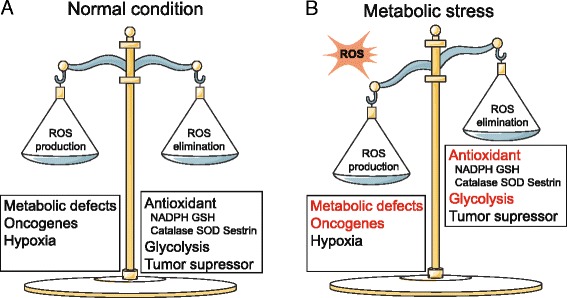
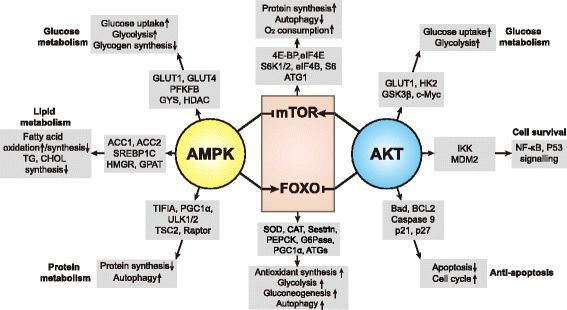
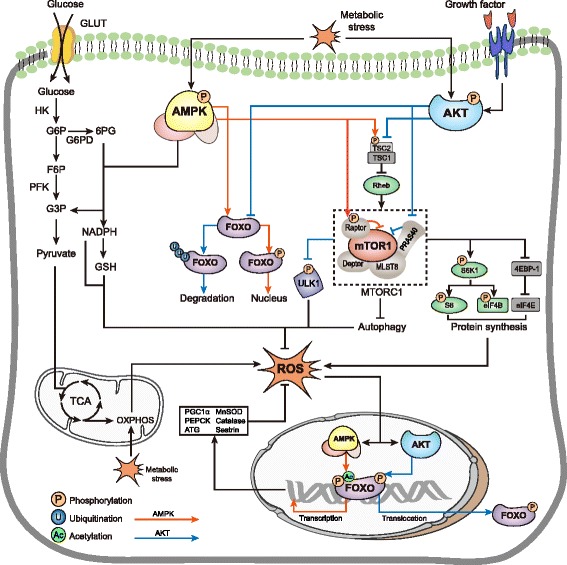
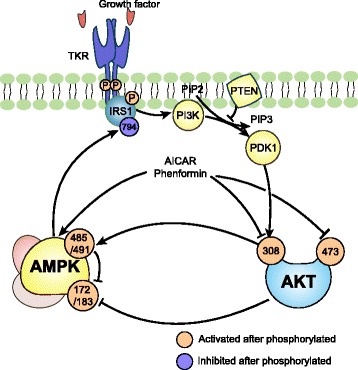
“2-DG: 2-deoxyglucose; 4E-BP: Eukaryotic translation initiation factor 4E-binding protein; 6PG: 6-phosphogluconate; ACC: Acetyl-CoA carboxylase; AICAR: 5- aminoimidazole-4-carboxamide1-β-D-ribofuranoside; AKT: Protein kinase B; ALA: α-lipoic acid; AMPK: AMP-activated protein kinase; ATG: Autophagy-related gene; AUR: Au…”
Gottlob, K., Majewski, N., Kennedy, S., Kandel, E., Robey, R. B., & Hay, N. (2001) · Genes & Development · doi:10.1101/gad.889901 · Cited by 961 · cited 1×
“Recently, some studies indicate that the ability of AKT to inhibit cell death is dependent on glucose metabolism [13, 57].”
Glucose Deprivation Contributes to the Development of KRAS Pathway Mutations in Tumor Cells
Yun, J., Rago, C., Cheong, I., Pagliarini, R., Angenendt, P., Rajagopalan, H., Schmidt, K., Willson, J. K. V., Markowitz, S., Zhou, S., et al. (2009) · Science · doi:10.1126/science.1174229 · Cited by 914 · cited 1×
“reported that colorectal cancer cells demonstrated higher expression of KRAS and GLUT1 under glucose deprivation [47].”
Positive and negative regulation of insulin signaling through IRS-1 phosphorylation
Gual, P., Le Marchand-Brustel, Y., & Tanti, J.-F. (2005) · Biochimie · doi:10.1016/j.biochi.2004.10.019 · Cited by 912
TUMOR DORMANCY IN VIVO BY PREVENTION OF NEOVASCULARIZATION
Gimbrone, M. A., Leapman, S. B., Cotran, R. S., & Folkman, J. (1972) · The Journal of Experimental Medicine · doi:10.1084/jem.136.2.261 · Cited by 903
Antioxidants Accelerate Lung Cancer Progression in Mice
Sayin, V. I., Ibrahim, M. X., Larsson, E., Nilsson, J. A., Lindahl, P., & Bergo, M. O. (2014) · Science Translational Medicine · doi:10.1126/scitranslmed.3007653 · Cited by 867
Greer, E. L., Oskoui, P. R., Banko, M. R., Maniar, J. M., Gygi, M. P., Gygi, S. P., & Brunet, A. (2007) · Journal of Biological Chemistry · doi:10.1074/jbc.m705325200 · Cited by 818 · cited 5×
“AMPK enhances FOXO3-mediated transcriptional activity by recruiting CREB-binding protein (CBP) and p300 [63, 70, 71].”
InfluentialBhaskar, P. T., & Hay, N. (2007) · Developmental Cell · doi:10.1016/j.devcel.2007.03.020 · Cited by 798 · cited 1×
“Since mTOR elicits a negative feedback loop to suppress AKT, rapamycin could lead to further AKT activation through mTOR1 inhibition [115].”
Nogueira, V., Park, Y., Chen, C.-C., Xu, P.-Z., Chen, M.-L., Tonic, I., Unterman, T., & Hay, N. (2008) · Cancer Cell · doi:10.1016/j.ccr.2008.11.003 · Cited by 780 · cited 5×
“AKT is activated in glioblastoma and Hela cells, for example [13, 14], but inhibited in ovarian cancer and leukemic T cells [12, 96].”
InfluentialRedox regulation of FoxO transcription factors
Klotz, L.-O., Sánchez-Ramos, C., Prieto-Arroyo, I., Urbánek, P., Steinbrenner, H., & Monsalve, M. (2015) · Redox Biology · doi:10.1016/j.redox.2015.06.019 · Cited by 747 · cited 1×
“Glucose deprivation-derived ROS production induces the nucleus translocation of FOXO and thereby promotes transcriptional activity of antioxidantrelated genes [63, 77].”
Vazquez, F., Lim, J.-H., Chim, H., Bhalla, K., Girnun, G., Pierce, K., Clish, C. B., Granter, S. R., Widlund, H. R., Spiegelman, B. M., et al. (2013) · Cancer Cell · doi:10.1016/j.ccr.2012.11.020 · Cited by 715 · cited 1×
“PEPCK is the key enzyme in gluconeogenesis which is enhanced in energy deprivation and promotes glucose and glutamine metabolism [65, 66]; PGC1α is a major transcription coactivator closely related to mitochondria biogenesis and OXPHOS [67], PGC1α positive cells exhibit increased ROS detoxification capacities in some…”
Metabolic determinants of cancer cell sensitivity to glucose limitation and biguanides
Birsoy, K., Possemato, R., Lorbeer, F. K., Bayraktar, E. C., Thiru, P., Yucel, B., Wang, T., Chen, W. W., Clish, C. B., & Sabatini, D. M. (2014) · Nature · doi:10.1038/nature13110 · Cited by 710 · cited 1×
“As a result, the metabolism rewires from glycolysis to OXPHOS and subsequent pro-oxidant production, primarily superoxide and hydrogen peroxide, leads to ROS overload [35, 36].”
Antioxidants can increase melanoma metastasis in mice
Le Gal, K., Ibrahim, M. X., Wiel, C., Sayin, V. I., Akula, M. K., Karlsson, C., Dalin, M. G., Akyürek, L. M., Lindahl, P., Nilsson, J., et al. (2015) · Science Translational Medicine · doi:10.1126/scitranslmed.aad3740 · Cited by 632
Schieke, S. M., Phillips, D., McCoy, J. P., Aponte, A. M., Shen, R.-F., Balaban, R. S., & Finkel, T. (2006) · Journal of Biological Chemistry · doi:10.1074/jbc.m603536200 · Cited by 623 · cited 1×
“mTOR1 activity is positively correlated with mitochondrial activity and promotes oxidative metabolism [60, 61].”
Cancer metabolism: facts, fantasy, and fiction
Zu, X. L., & Guppy, M. (2004) · Biochemical and Biophysical Research Communications · doi:10.1016/j.bbrc.2003.11.136 · Cited by 618 · cited 12×
“This indicates AMPK is not only involved in glycolytic regulation, but also participates in ATP generation from”
InfluentialThe transcriptional role of PML and the nuclear body
Zhong, S., Salomoni, P., & Pandolfi, P. P. (2000) · Nature Cell Biology · doi:10.1038/35010583 · Cited by 577 · cited 1×
“In addition, AMPK may increase nuclear FOXO acetylation and mediate localization to nuclear promyelocytic leukemia (PML) bodies, which act as transcriptional co-activators [75].”
Induction of Autophagy during Extracellular Matrix Detachment Promotes Cell Survival
Fung, C., Lock, R., Gao, S., Salas, E., & Debnath, J. (2008) · Molecular Biology of the Cell · doi:10.1091/mbc.e07-10-1092 · Cited by 558 · cited 1×
“Under ECM-detached condition, AMPK promotes survival by autophagy induction and global inhibition of protein synthesis, mitigating the ATP reduction [99, 100].”
Is Akt the “Warburg kinase”?—Akt-energy metabolism interactions and oncogenesis
Robey, R. B., & Hay, N. (2009) · Seminars in Cancer Biology · doi:10.1016/j.semcancer.2008.11.010 · Cited by 540 · cited 1×
“Moreover, by stimulating oxidative metabolism, AKT promotes mitochondria oxygen consumption and contributes to ROS accumulation [55].”
Cramer, S. L., Saha, A., Liu, J., Tadi, S., Tiziani, S., Yan, W., Triplett, K., Lamb, C., Alters, S. E., Rowlinson, S., et al. (2017) · Nature Medicine · doi:10.1038/nm.4232 · Cited by 538 · cited 1×
“A newly synthetized enzyme cysteinase could effectively lead to ROS elevation and cell death by depleting extracellular L-cysteine, which is essential for cellular GSH synthesis [118].”
HIF-Dependent Antitumorigenic Effect of Antioxidants In Vivo
Gao, P., Zhang, H., Dinavahi, R., Li, F., Xiang, Y., Raman, V., Bhujwalla, Z. M., Felsher, D. W., Cheng, L., Pevsner, J., et al. (2007) · Cancer Cell · doi:10.1016/j.ccr.2007.08.004 · Cited by 523 · cited 1×
“Further, sulphasalazine (SSA) decreases GSH levels by inhibiting the cysteine transport, reducing the growth and viability in cancer cells [116, 117].”
AMPK: positive and negative regulation, and its role in whole-body energy homeostasis
Hardie, D. G. (2015) · Current Opinion in Cell Biology · doi:10.1016/j.ceb.2014.09.004 · Cited by 485
Acetylation of Foxo1 alters its DNA-binding ability and sensitivity to phosphorylation
Matsuzaki, H., Daitoku, H., Hatta, M., Aoyama, H., Yoshimochi, K., & Fukamizu, A. (2005) · Proceedings of the National Academy of Sciences · doi:10.1073/pnas.0502738102 · Cited by 481 · cited 1×
“AMPK enhances FOXO3-mediated transcriptional activity by recruiting CREB-binding protein (CBP) and p300 [63, 70, 71].”
Stylianopoulos, T., Martin, J. D., Snuderl, M., Mpekris, F., Jain, S. R., & Jain, R. K. (2013) · Cancer Research · doi:10.1158/0008-5472.can-12-4521 · Cited by 477
Peiris-Pagès, M., Martinez-Outschoorn, U. E., Pestell, R. G., Sotgia, F., & Lisanti, M. P. (2016) · Breast Cancer Research · doi:10.1186/s13058-016-0712-6 · Cited by 465 · cited 1×
“Tumor stem cells, which are considered the seed of relapse, have superior resistance to anti-tumor agent [103].”
Anoikis Resistance: An Essential Prerequisite for Tumor Metastasis
Kim, Y.-N., Koo, K. H., Sung, J. Y., Yun, U.-J., & Kim, H. (2012) · International Journal of Cell Biology · doi:10.1155/2012/306879 · Cited by 461 · cited 1×
“Tumor cells, on the other hand, may become anoikis resistant and successfully leave their primary niche to become circulation tumor cells (CTC) and facilitate metastatic colonization [98].”
Metabolic flux and the regulation of mammalian cell growth
Locasale, J. W., & Cantley, L. C. (2011) · Cell Metabolism · doi:10.1016/j.cmet.2011.07.014 · Cited by 449 · cited 1×
“such as phosphatase and tensin homolog (PTEN), facilitating phosphoinositide 3-kinase (PI3K) and tyrosine kinase receptor (TKR) signaling, which ultimately leads to tumor progression [19].”
Burgering, B. M. T., & Medema, R. H. (2003) · Journal of Leukocyte Biology · doi:10.1189/jlb.1202629 · Cited by 446 · cited 1×
“However, AKT inhibits this process by phosphorylating the FOXO at three conserved residues and inversely translocates FOXO from nucleus to cytoplasm [78].”
Yang, C., Sudderth, J., Dang, T., Bachoo, R. G., McDonald, J. G., & DeBerardinis, R. J. (2009) · Cancer Research · doi:10.1158/0008-5472.can-09-2266 · Cited by 430 · cited 2×
“Under metabolic stress, other intermediates like glutamine [42, 43], lactate [44, 45], fatty acids and others [7, 46] are alternatively consumed to produce ATP.”
AMPK–SKP2–CARM1 signalling cascade in transcriptional regulation of autophagy
Shin, H.-J. R., Kim, H., Oh, S., Lee, J.-G., Kee, M., Ko, H.-J., Kweon, M.-N., Won, K.-J., & Baek, S. H. (2016) · Nature · doi:10.1038/nature18014 · Cited by 417 · cited 1×
“It also regulates S-phase kinase-associated protein 2/coactivatorassociated arginine methyltransferase 1 (SKP2/CARM1) signaling by FOXO3 phosphorylation to induce autophagy under glucose starvation [72].”
Role of Autophagy in Cancer: Management of Metabolic Stress
Jin, S., & White, E. (2007) · Autophagy · doi:10.4161/auto.3269 · Cited by 404
Inhibition of PI3K/mTOR Leads to Adaptive Resistance in Matrix-Attached Cancer Cells
Muranen, T., Selfors, L. M., Worster, D. T., Iwanicki, M. P., Song, L., Morales, F. C., Gao, S., Mills, G. B., & Brugge, J. S. (2012) · Cancer Cell · doi:10.1016/j.ccr.2011.12.024 · Cited by 384 · cited 1×
“It is reported that mTOR, the downstream of both AMPK and AKT, was inhibited in aniokis resistant cells [99, 101, 102].”
Tumor metabolism: cancer cells give and take lactate
Semenza, G. L. (2008) · Journal of Clinical Investigation · doi:10.1172/jci37373 · Cited by 351
Horman, S., Vertommen, D., Heath, R., Neumann, D., Mouton, V., Woods, A., Schlattner, U., Wallimann, T., Carling, D., Hue, L., et al. (2006) · Journal of Biological Chemistry · doi:10.1074/jbc.m506850200 · Cited by 344 · cited 1×
“In a rat model of ischemia perfusion, AKT phosphorylates AMPKα1/α2 at Ser-485/ 491 (equivalent to Ser-487/491 in human), while the phosphorylation of Thr-172 is reduced [80].”
Redox Homeostasis and Cellular Antioxidant Systems: Crucial Players in Cancer Growth and Therapy
Marengo, B., Nitti, M., Furfaro, A. L., Colla, R., Ciucis, C. D., Marinari, U. M., Pronzato, M. A., Traverso, N., & Domenicotti, C. (2016) · Oxidative Medicine and Cellular Longevity · doi:10.1155/2016/6235641 · Cited by 319 · cited 1×
“The ROS accumulation activates multiple pathways and exerts discrepant impacts on cancer cell survival [9].”
Therapeutic targets in cancer cell metabolism and autophagy
Cheong, H., Lu, C., Lindsten, T., & Thompson, C. B. (2012) · Nature Biotechnology · doi:10.1038/nbt.2285 · Cited by 315 · cited 1×
“It is designed to have anti-tumor activity both in vivo and in vitro, but the clinical trials fail to reach better patient outcomes after a single use of 2DG [112].”
mTOR signaling in cellular and organismal energetics
Albert, V., & Hall, M. N. (2015) · Current Opinion in Cell Biology · doi:10.1016/j.ceb.2014.12.001 · Cited by 304 · cited 1×
“This promotes the protein synthesis and ribosome biosynthesis [31, 58].”
NRF2 activation by antioxidant antidiabetic agents accelerates tumor metastasis
Wang, H., Liu, X., Long, M., Huang, Y., Zhang, L., Zhang, R., Zheng, Y., Liao, X., Wang, Y., Liao, Q., et al. (2016) · Science Translational Medicine · doi:10.1126/scitranslmed.aad6095 · Cited by 286 · cited 1×
“Some antidiabetic drugs like saxagliptin, sitagliptin and antineuropathic α-lipoic acid (ALA) also have antioxidant properties, and are reported to promote metastasis by increasing antioxidant capacity [123].”
Vincent, E. E., Sergushichev, A., Griss, T., Gingras, M.-C., Samborska, B., Ntimbane, T., Coelho, P. P., Blagih, J., Raissi, T. C., Choinière, L., et al. (2015) · Molecular Cell · doi:10.1016/j.molcel.2015.08.013 · Cited by 279 · cited 2×
“Under metabolic stress, other intermediates like glutamine [42, 43], lactate [44, 45], fatty acids and others [7, 46] are alternatively consumed to produce ATP.”
PEPCK Coordinates the Regulation of Central Carbon Metabolism to Promote Cancer Cell Growth
Montal, E. D., Dewi, R., Bhalla, K., Ou, L., Hwang, B. J., Ropell, A. E., Gordon, C., Liu, W.-J., DeBerardinis, R. J., Sudderth, J., et al. (2015) · Molecular Cell · doi:10.1016/j.molcel.2015.09.025 · Cited by 259 · cited 1×
“PEPCK is the key enzyme in gluconeogenesis which is enhanced in energy deprivation and promotes glucose and glutamine metabolism [65, 66]; PGC1α is a major transcription coactivator closely related to mitochondria biogenesis and OXPHOS [67], PGC1α positive cells exhibit increased ROS detoxification capacities in some…”
Choo, A. Y., Kim, S. G., Vander Heiden, M. G., Mahoney, S. J., Vu, H., Yoon, S.-O., Cantley, L. C., & Blenis, J. (2010) · Molecular Cell · doi:10.1016/j.molcel.2010.05.007 · Cited by 253 · cited 1×
“mTOR1 activity is positively correlated with mitochondrial activity and promotes oxidative metabolism [60, 61].”
Mitochondrial O2⋅¯ and H2O2 Mediate Glucose Deprivation-induced Stress in Human Cancer Cells
Ahmad, I. M., Aykin-Burns, N., Sim, J. E., Walsh, S. A., Higashikubo, R., Buettner, G. R., Venkataraman, S., Mackey, M. A., Flanagan, S. W., Oberley, L. W., et al. (2005) · Journal of Biological Chemistry · doi:10.1074/jbc.m411662200 · Cited by 246
The Warburg effect: Insights from the past decade
Upadhyay, M., Samal, J., Kandpal, M., Singh, O. V., & Vivekanandan, P. (2013) · Pharmacology & Therapeutics · doi:10.1016/j.pharmthera.2012.11.003 · Cited by 243 · cited 1×
“Cancer cells make prevalent use of glycolysis to produce energy even in aerobic environments, a phenomenon known as the Warburg effect [24].”
Jakobsen, S. N., Hardie, D. G., Morrice, N., & Tornqvist, H. E. (2001) · Journal of Biological Chemistry · doi:10.1074/jbc.c100483200 · Cited by 238 · cited 3×
“AMPK phosphorylates IRS1 at Ser-794 (in human, equivalent to Ser-789 in rats) and inhibits AKT signaling [88–90].”
Simons, A. L., Ahmad, I. M., Mattson, D. M., Dornfeld, K. J., & Spitz, D. R. (2007) · Cancer Research · doi:10.1158/0008-5472.can-06-3717 · Cited by 238 · cited 1×
“However, 2-DG combined with chemotherapy or radiotherapy has had better results, as it renders cancer cells more sensitive to apoptosis by further elevation of ROS [113, 114].”
Chen, Z., Odstrcil, E. A., Tu, B. P., & McKnight, S. L. (2007) · Science · doi:10.1126/science.1140958 · Cited by 233
Regulation of FOXO protein stability via ubiquitination and proteasome degradation
Huang, H., & Tindall, D. J. (2011) · Biochimica et Biophysica Acta (BBA) - Molecular Cell Research · doi:10.1016/j.bbamcr.2011.01.007 · Cited by 227 · cited 1×
“Besides, AKT also promotes the ubiquitination of FOXO and leads to its degradation [79] (Fig.”
Lee, Y. J., Galoforo, S. S., Berns, C. M., Chen, J. C., Davis, B. H., Sim, J. E., Corry, P. M., & Spitz, D. R. (1998) · Journal of Biological Chemistry · doi:10.1074/jbc.273.9.5294 · Cited by 225 · cited 1×
“Meanwhile, by using ROS scavenger N-acetylcysteine (NAC), the kinase activation could be reversed under glucose deprivation [38, 39].”
mTORC1-Dependent Metabolic Reprogramming Underlies Escape from Glycolysis Addiction in Cancer Cells
Pusapati, R. V., Daemen, A., Wilson, C., Sandoval, W., Gao, M., Haley, B., Baudy, A. R., Hatzivassiliou, G., Evangelista, M., & Settleman, J. (2016) · Cancer Cell · doi:10.1016/j.ccell.2016.02.018 · Cited by 222 · cited 2×
“found that 2-DG-induced glycolytic inhibition could be enhanced by active mTOR signaling via increased glutamine uptake and pentose phosphate flux [111], which suggested metabolic inhibition alone was not sufficient for cancer treatment.”
Phosphorylation by Akt within the ST loop of AMPK-α1 down-regulates its activation in tumour cells
Hawley, S. A., Ross, F. A., Gowans, G. J., Tibarewal, P., Leslie, N. R., & Hardie, D. G. (2014) · Biochemical Journal · doi:10.1042/bj20131344 · Cited by 215 · cited 6×
“Moreover, in specific glioblastoma and breast cancer cells characterized by hyperactivity of AKT due to loss of PTEN, AMPK is resistant to activation by AMPK activator A769662, though this effect is reversed by addition of MK2206 as an AKT inhibitor [83, 86].”
InfluentialZakikhani, M., Blouin, M.-J., Piura, E., & Pollak, M. N. (2010) · Breast Cancer Research and Treatment · doi:10.1007/s10549-010-0763-9 · Cited by 213
Glucose deprivation activates a metabolic and signaling amplification loop leading to cell death
Graham, N. A., Tahmasian, M., Kohli, B., Komisopoulou, E., Zhu, M., Vivanco, I., Teitell, M. A., Wu, H., Ribas, A., Lo, R. S., et al. (2012) · Molecular Systems Biology · doi:10.1038/msb.2012.20 · Cited by 211 · cited 4×
“Moreover, AKT is one of the factors involved in the aforementioned glucose deprivation-induced cell death via strengthening the kinase activation loop [37].”
InfluentialThe Promise and Perils of Antioxidants for Cancer Patients
Chandel, N. S., & Tuveson, D. A. (2014) · New England Journal of Medicine · doi:10.1056/nejmcibr1405701 · Cited by 207 · cited 1×
“Previous studies stress that antioxidant can decrease carcinogenesis and tumor development [119], but recent studies show that antioxidant can relieve the anoikismediated oxidative stress and promote cell survival and metastasis [120–122].”
Méndez-Lucas, A., Hyroššová, P., Novellasdemunt, L., Viñals, F., & Perales, J. C. (2014) · Journal of Biological Chemistry · doi:10.1074/jbc.m114.566927 · Cited by 199
AMPK‐mediated autophagy inhibits apoptosis in cisplatin‐treated tumour cells
Harhaji‐Trajkovic, L., Vilimanovich, U., Kravic‐Stevovic, T., Bumbasirevic, V., & Trajkovic, V. (2009) · Journal of Cellular and Molecular Medicine · doi:10.1111/j.1582-4934.2009.00663.x · Cited by 189
Glucose transport and apoptosis
Moley, K. H., & Mueckler, M. M. (2000) · APOPTOSIS · doi:10.1023/a:1009697908332 · Cited by 170 · cited 1×
“As a result, the metabolism rewires from glycolysis to OXPHOS and subsequent pro-oxidant production, primarily superoxide and hydrogen peroxide, leads to ROS overload [35, 36].”
The AMPK-FoxO3A axis as a target for cancer treatment
Chiacchiera, F., & Simone, C. (2010) · Cell Cycle · doi:10.4161/cc.9.6.11035 · Cited by 170 · cited 12×
“Further, B Chaube et al. found that AMPK could enhance mitochondrial biogenesis and OXPHOS by activating p38/PGC1α pathway [53].”
InfluentialRegulation of autophagy during ECM detachment is linked to a selective inhibition of mTORC1 by PERK
Avivar-Valderas, A., Bobrovnikova-Marjon, E., Alan Diehl, J., Bardeesy, N., Debnath, J., & Aguirre-Ghiso, J. A. (2013) · Oncogene · doi:10.1038/onc.2012.512 · Cited by 164 · cited 1×
“It is reported that mTOR, the downstream of both AMPK and AKT, was inhibited in aniokis resistant cells [99, 101, 102].”
Chaube, B., Malvi, P., Singh, S. V., Mohammad, N., Viollet, B., & Bhat, M. K. (2015) · Cell Death Discovery · doi:10.1038/cddiscovery.2015.63 · Cited by 162 · cited 1×
“found that AMPK could enhance mitochondrial biogenesis and OXPHOS by activating p38/PGC1α pathway [53].”
Switching Akt: from survival signaling to deadly response
Los, M., Maddika, S., Erb, B., & Schulze‐Osthoff, K. (2009) · BioEssays · doi:10.1002/bies.200900005 · Cited by 158 · cited 1×
“This implies dual roles of AKT in tumor growth and stress resistance [11].”
Blackburn, R., Spitz, D., Liu, X., Galoforo, S., Sim, J., Ridnour, L., Chen, J., Davis, B., Corry, P., & Lee, Y. (1999) · Free Radical Biology and Medicine · doi:10.1016/s0891-5849(98)00217-2 · Cited by 158 · cited 1×
“Meanwhile, by using ROS scavenger N-acetylcysteine (NAC), the kinase activation could be reversed under glucose deprivation [38, 39].”
Kaynar, H., Meral, M., Turhan, H., Keleş, M., Çelik, G., & Akçay, F. (2005) · Cancer Letters · doi:10.1016/j.canlet.2004.12.005 · Cited by 154 · cited 1×
“Even though cancer cells exhibit an enhanced antioxidant system, they still maintain higher ROS levels than normal cells [20, 109].”
Ng, T. L., Leprivier, G., Robertson, M. D., Chow, C., Martin, M. J., Laderoute, K. R., Davicioni, E., Triche, T. J., & Sorensen, P. H. B. (2011) · Cell Death and Differentiation · doi:10.1038/cdd.2011.119 · Cited by 150 · cited 2×
“It is reported that mTOR, the downstream of both AMPK and AKT, was inhibited in aniokis resistant cells [99, 101, 102].”
Bertrand, L., Ginion, A., Beauloye, C., Hebert, A. D., Guigas, B., Hue, L., & Vanoverschelde, J.-L. (2006) · American Journal of Physiology-Heart and Circulatory Physiology · doi:10.1152/ajpheart.01269.2005 · Cited by 145 · cited 1×
“However, there are studies indicating AMPK sensitizes AKT phosphorylation through IRS signaling [91].”
Valentine, R. J., Coughlan, K. A., Ruderman, N. B., & Saha, A. K. (2014) · Archives of Biochemistry and Biophysics · doi:10.1016/j.abb.2014.08.013 · Cited by 145
King, T. D., Song, L., & Jope, R. S. (2006) · Biochemical Pharmacology · doi:10.1016/j.bcp.2006.03.005 · Cited by 145 · cited 1×
“This blockade of AKT by AMPK agonists consequently lowers the inhibition of AKT’s downstream effector, glycogen synthase kinase-3α/β (GSK3α/β) [87].”
AMPK exerts dual regulatory effects on the PI3K pathway
Tao, R., Gong, J., Luo, X., Zang, M., Guo, W., Wen, R., & Luo, Z. (2010) · Journal of Molecular Signaling · doi:10.1186/1750-2187-5-1 · Cited by 141 · cited 3×
“AMPK phosphorylates IRS1 at Ser-794 (in human, equivalent to Ser-789 in rats) and inhibits AKT signaling [88–90].”
Tzatsos, A., & Tsichlis, P. N. (2007) · Journal of Biological Chemistry · doi:10.1074/jbc.m610101200 · Cited by 140
Miar, A., Hevia, D., Muñoz-Cimadevilla, H., Astudillo, A., Velasco, J., Sainz, R. M., & Mayo, J. C. (2015) · Free Radical Biology and Medicine · doi:10.1016/j.freeradbiomed.2015.04.001 · Cited by 130 · cited 1×
“ROS load increases with the tumor progression [23].”
Lo, M., Ling, V., Low, C., Wang, Y. Z., & Gout, P. W. (2010) · Current Oncology · doi:10.3747/co.v17i3.485 · Cited by 120 · cited 1×
“Further, sulphasalazine (SSA) decreases GSH levels by inhibiting the cysteine transport, reducing the growth and viability in cancer cells [116, 117].”
Protein kinase B activity is required for the effects of insulin on lipid metabolism in adipocytes
Berggreen, C., Gormand, A., Omar, B., Degerman, E., & Göransson, O. (2009) · American Journal of Physiology-Endocrinology and Metabolism · doi:10.1152/ajpendo.90596.2008 · Cited by 118
Chiacchiera, F., Matrone, A., Ferrari, E., Ingravallo, G., Lo Sasso, G., Murzilli, S., Petruzzelli, M., Salvatore, L., Moschetta, A., & Simone, C. (2009) · Cell Death & Differentiation · doi:10.1038/cdd.2009.36 · Cited by 117 · cited 1×
“Conversely, there are also conflicting studies that suggest that AMPK may in fact facilitate FOXO3 nuclear localization [64, 74].”
Glutathione participates in the modulation of starvation-induced autophagy in carcinoma cells
Desideri, E., Filomeni, G., & Ciriolo, M. R. (2012) · Autophagy · doi:10.4161/auto.22037 · Cited by 116 · cited 1×
“The increased NADPH and GSH not only facilitate biosynthesis, but also create reductive milieu to resist oxidative stress [29].”
Wang, F., Marshall, C. B., Yamamoto, K., Li, G.-Y., Gasmi-Seabrook, G. M. C., Okada, H., Mak, T. W., & Ikura, M. (2012) · Proceedings of the National Academy of Sciences · doi:10.1073/pnas.1119073109 · Cited by 115 · cited 1×
“AMPK enhances FOXO3-mediated transcriptional activity by recruiting CREB-binding protein (CBP) and p300 [63, 70, 71].”
Ning, J., Xi, G., & Clemmons, D. R. (2011) · Endocrinology · doi:10.1210/en.2011-0155 · Cited by 112
Priebe, A. M., Tan, L., Wahl, H. N., Kueck, A. S., He, G., Kwok, R. P. S., Opipari, A. W., & Liu, J. R. (2011) · Gynecologic Oncology · doi:10.1016/j.ygyno.2011.04.024 · Cited by 101 · cited 1×
“AKT is activated in glioblastoma and Hela cells, for example [13, 14], but inhibited in ovarian cancer and leukemic T cells [12, 96].”
Coloff, J. L., Mason, E. F., Altman, B. J., Gerriets, V. A., Liu, T., Nichols, A. N., Zhao, Y., Wofford, J. A., Jacobs, S. R., Ilkayeva, O., et al. (2011) · Journal of Biological Chemistry · doi:10.1074/jbc.m110.179101 · Cited by 100 · cited 3×
“AKT is activated in glioblastoma and Hela cells, for example [13, 14], but inhibited in ovarian cancer and leukemic T cells [12, 96].”
Self-citationKuznetsoff, J. N., Leclerc, G. J., Leclerc, G. M., & Barredo, J. C. (2011) · Molecular Cancer Therapeutics · doi:10.1158/1535-7163.mct-10-0777 · Cited by 99 · cited 4×
“AMPK phosphorylates IRS1 at Ser-794 (in human, equivalent to Ser-789 in rats) and inhibits AKT signaling [88–90].”
InfluentialSoltys, C.-L. M., Kovacic, S., & Dyck, J. R. B. (2006) · American Journal of Physiology-Heart and Circulatory Physiology · doi:10.1152/ajpheart.01206.2005 · Cited by 96 · cited 5×
“In a rat model of ischemia perfusion, AKT phosphorylates AMPKα1/α2 at Ser-485/ 491 (equivalent to Ser-487/491 in human), while the phosphorylation of Thr-172 is reduced [80].”
InfluentialZhong, D., Liu, X., Schafer-Hales, K. J., Marcus, A. I., Khuri, F. R., Sun, S., & Zhou, W. (2008) · Molecular Cancer Therapeutics · doi:10.1158/1535-7163.mct-07-0559 · Cited by 95 · cited 1×
“2DG not only activates AMPK, but also induces AKT phosphorylation [110, 111].”
Leclerc, G. M., Leclerc, G. J., Fu, G., & Barredo, J. C. (2010) · Journal of Molecular Signaling · doi:10.1186/1750-2187-5-15 · Cited by 90
Ning, J., & Clemmons, D. R. (2010) · Molecular Endocrinology · doi:10.1210/me.2009-0474 · Cited by 89
MACC1 supports human gastric cancer growth under metabolic stress by enhancing the Warburg effect
Li, L., Huang, H., Liao, W., Ma, H., Liu, J., Wang, L., Huang, N., Liao, Y., & Liao, W. (2014) · Oncogene · doi:10.1038/onc.2014.204 · Cited by 88
British Society of Breast Radiology Annual Scientific Meeting 2016
Azmil, A., Bansal, G. J., Davies, E. L., Wallis, M., Kilburn‐Toppin, F., Taylor-Phillip, S., Buckley, A., Healy, N. A., Quinn, A., O’Keeffe, S., et al. (2016) · Breast Cancer Research · doi:10.1186/s13058-016-0766-5 · Cited by 86
The current state of cancer metabolism
Cairns, R. A., & Mak, T. W. (2016) · Nature reviews. Cancer · doi:10.1038/nrc.2016.100 · Cited by 79 · cited 1×
“Glucose deprivation is one of the main patterns of metabolic stress due to the dramatic reliance on glucose for energy production in cancer cells [5, 6].”
Inhibition of p38α unveils an AMPK-FoxO3A axis linking autophagy to cancer-specific metabolism
Chiacchiera, F., & Simone, C. (2009) · Autophagy · doi:10.4161/auto.5.7.9252 · Cited by 78 · cited 10×
“Further, B Chaube et al. found that AMPK could enhance mitochondrial biogenesis and OXPHOS by activating p38/PGC1α pathway [53].”
InfluentialSite-specific activation of AKT protects cells from death induced by glucose deprivation
Gao, M., Liang, J., Lu, Y., Guo, H., German, P., Bai, S., Jonasch, E., Yang, X., Mills, G. B., & Ding, Z. (2013) · Oncogene · doi:10.1038/onc.2013.2 · Cited by 67 · cited 2×
“Interestingly, though the study of M Gao exhibited a dramatic difference in the spectrum of activated kinases between transient and prolonged glucose deprivation [40].”
AMPK promotes tolerance to Ras pathway inhibition by activating autophagy
Sanduja, S., Feng, Y., Mathis, R. A., Sokol, E. S., Reinhardt, F., Halaban, R., & Gupta, P. B. (2016) · Oncogene · doi:10.1038/onc.2016.70 · Cited by 58
MACC1 mediates acetylcholine-induced invasion and migration by human gastric cancer cells
Yang, T., He, W., Cui, F., Xia, J., Zhou, R., Wu, Z., Zhao, Y., & Shi, M. (2016) · Oncotarget · doi:10.18632/oncotarget.7634 · Cited by 52
Self-citationRegulation of O2 consumption by the PI3K and mTOR pathways contributes to tumor hypoxia
Kelly, C. J., Hussien, K., Fokas, E., Kannan, P., Shipley, R. J., Ashton, T. M., Stratford, M., Pearson, N., & Muschel, R. J. (2014) · Radiotherapy and Oncology · doi:10.1016/j.radonc.2014.02.007 · Cited by 49 · cited 1×
“By activating mTORC1, AKT promotes oxygen consumption and increases ROS production under glucose deprivation [54, 62], rendering cancer cells closer to the death threshold of ROS.”
Zhao, C., Zhang, Q., Tao, Y., Sun, S., Wang, W., & Liu, G. (2016) · Journal of bone oncology · doi:10.1016/j.jbo.2016.01.002 · Cited by 42
Martinelle, K., Doverskog, M., Jacobsson, U., Chapman, B. E., Kuchel, P. W., & Häggström, L. (1998) · Biotechnology and Bioengineering · doi:10.1002/(sici)1097-0290(19981120)60:4<408::aid-bit2>3.0.co;2-q · Cited by 40
Bhardwaj, R., Sharma, P. K., Jadon, S. P. S., & Varshney, R. K. (2012) · Tumor Biology · doi:10.1007/s13277-012-0335-1 · Cited by 21 · cited 1×
“However, 2-DG combined with chemotherapy or radiotherapy has had better results, as it renders cancer cells more sensitive to apoptosis by further elevation of ROS [113, 114].”
PGC1α drives a metabolic block on prostate cancer progression
Wallace, M., & Metallo, C. M. (2016) · Nature Cell Biology · doi:10.1038/ncb3365 · Cited by 19
Francesco, A. M. D., Toesca, A., Cenciarelli, C., Giordano, A., Gasbarrini, A., & Puglisi, M. A. (2016) · Journal of Cellular Physiology · doi:10.1002/jcp.25318 · Cited by 17 · cited 1×
“Due to enhanced antioxidant systems, these cells tend to have a lower ROS load than to their non-tumorigenic progeny [18, 104, 105].”
He, N., KIM, N., Jeong, E., Lu, Y., Mills, G. B., & Yoon, S. (2015) · International Journal of Oncology · doi:10.3892/ijo.2015.3242 · Cited by 11 · cited 1×
“When PTEN is mutated or knocked down, AKT phosphorylation is inhibited instead [97].”
Martinelle, K., Doverskog, M., Jacobsson, U., Chapman, B. E., Kuchel, P. W., & Häggström, L. (1998) · Biotechnology and Bioengineering · doi:10.1002/(sici)1097-0290(19981120)60:4<508::aid-bit13>3.0.co;2-d
Cited by
NRF2 and the Hallmarks of Cancer
Rojo de la Vega, M., Chapman, E., & Zhang, D. D. (2018) · Cancer Cell · doi:10.1016/j.ccell.2018.03.022 · Cited by 1,672
Hypoxic microenvironment in cancer: molecular mechanisms and therapeutic interventions
Chen, Z., Han, F., Du, Y., Shi, H., & Zhou, W. (2023) · Signal Transduction and Targeted Therapy · doi:10.1038/s41392-023-01332-8 · Cited by 1,612
Antioxidant Activities of Quercetin and Its Complexes for Medicinal Application
Xu, D., Hu, M.-J., Wang, Y.-Q., & Cui, Y.-L. (2019) · Molecules · doi:10.3390/molecules24061123 · Cited by 1,299
Glucagon-like peptide-1 receptor: mechanisms and advances in therapy
Zheng, Z., Zong, Y., Ma, Y., Tian, Y., Pang, Y., Zhang, C., & Gao, J. (2024) · Signal Transduction and Targeted Therapy · doi:10.1038/s41392-024-01931-z · Cited by 1,036
“383,384 385 – 387 Thus, by inhibiting PGAM5, AMPK suppresses necrosis, reduces ROS accumulation, and mitigates oxidative stress.”
BackgroundMechanisms and Functions of Long Non-Coding RNAs at Multiple Regulatory Levels
Zhang, X., Wang, W., Zhu, W., Dong, J., Cheng, Y., Yin, Z., & Shen, F. (2019) · International Journal of Molecular Sciences · doi:10.3390/ijms20225573 · Cited by 870
“AMPK plays an important role in regulating mRNA stability, especially under stress conditions [98].”
Background
Metadata
- Authors
- Zhao, Y., Hu, X., Liu, Y., Dong, S., Wen, Z., He, W., Zhang, S., Huang, Q., & Shi, M.
- Affiliations
- Nanfang Hospital (CN)
- Corresponding author
- Shi, Min
- Venue
- Molecular Cancer
- Published
- 2017-04-13
- Volume
- 16
- Issue
- 1
- Pages
- 79-79
- ISSN
- 1476-4598 (ISSN-L)
- PMC
- PMC5390360
- OpenAlex
- W2607120474
- Cited by
- 735
- References
- 124
- Citations by year
- 2026: 71 · 2025: 99 · 2024: 102 · 2023: 98 · 2022: 124 · 2021: 80 · 2020: 70 · 2019: 43 · 2018: 41 · 2017: 7
- FWCI
- 4.12
- Type
- journal article
- Language
- en
- Open access
- gold
- doi.org
- Licence
- cc-by
- Locations
- Molecular Cancer (publishedVersion, cc-by)
- PubMed Central (publishedVersion, cc-by)
- PubMed (publishedVersion)
- DOAJ (DOAJ: Directory of Open Access Journals) (submittedVersion, cc-by-sa)
- Funders
- National Natural Science Foundation of China (81472317)
- The Special Foundation for National Clinical Specialties of China(to The Department of Oncology, Nanfang Hosptial)
- CSCO Merck Serono Oncology Research Fund (Y-MX2014-048)
- Topics
- Life Sciences › Biochemistry, Genetics and Molecular Biology › Molecular Biology › Metabolism, Diabetes, and Cancer
- Life Sciences › Biochemistry, Genetics and Molecular Biology › Cancer Research › Cancer, Hypoxia, and Metabolism
- Life Sciences › Biochemistry, Genetics and Molecular Biology › Molecular Biology › Redox biology and oxidative stress
- Keywords
- reactive oxygen species signaling, metabolic stress, AMPK, Akt, cancer metabolism, metabolic reprogramming, redox homeostasis, tumor microenvironment, cancer cell adaptation, cancer therapeutics
- MeSH terms
- Animals, Energy Metabolism, Homeostasis, Humans, Neoplasms, Oxidation-Reduction, Phosphorylation, Protein Binding, Stress, Physiological, Signal Transduction, Reactive Oxygen Species, Disease Progression, Proto-Oncogene Proteins c-akt, AMP-Activated Protein Kinases
About these checks
Registry, retraction, Cites and statistics results are computed, not judged, with one exception: a printed reference that no index lists is read once by a model before it counts as a citation error. Claims are extracted by a model and kept only when their quote appears verbatim in the text; each cited source is then checked, with a model’s help, for whether it says what the claim relies on. Those verdicts can be wrong — read the claim’s quote and the cited source before relying on one.
Statistics and arithmetic are recomputed, not judged.
Confidence bands are shown only for fields calibrated on our annotated test set. None is calibrated yet, so no band is shown.
What counts as a claim ›How we measure confidence ›How we check this ›
Are you an author, or do you see a problem with this page? Request a review
Data sources
Bibliographic data: Semantic Scholar, OpenAlex, Crossref.
Contains information from the Semantic Scholar Academic Graph Datasets, made available under the ODC Attribution License (ODC-BY 1.0).
Semantic Scholar’s data is described in: Kinney, R., et al. (2023). The Semantic Scholar Open Data Platform. arXiv:2301.10140.
