

Krill oil reduces plasma triacylglycerol level and improves related lipoprotein particle concentration, fatty acid composition and redox status in healthy young adults - a pilot study
Open accessThe DOI matches its Crossref record; 55 of the 56 references it cites were found in a registry or an index.
Abstract
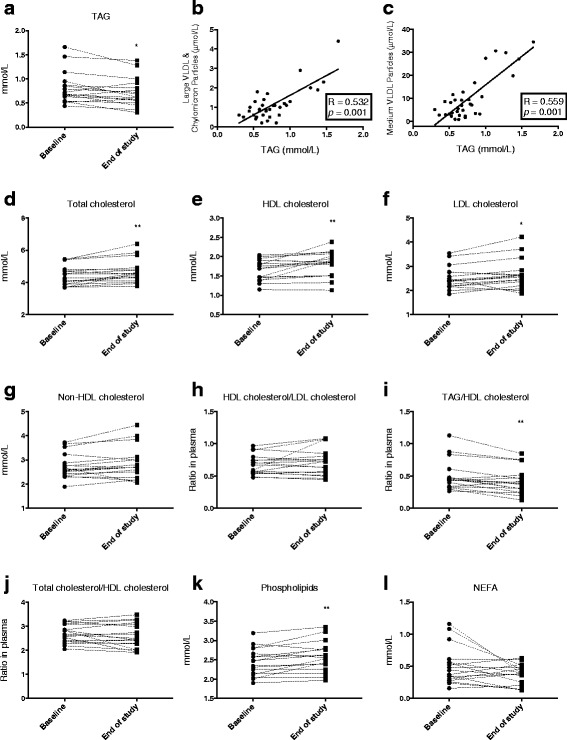
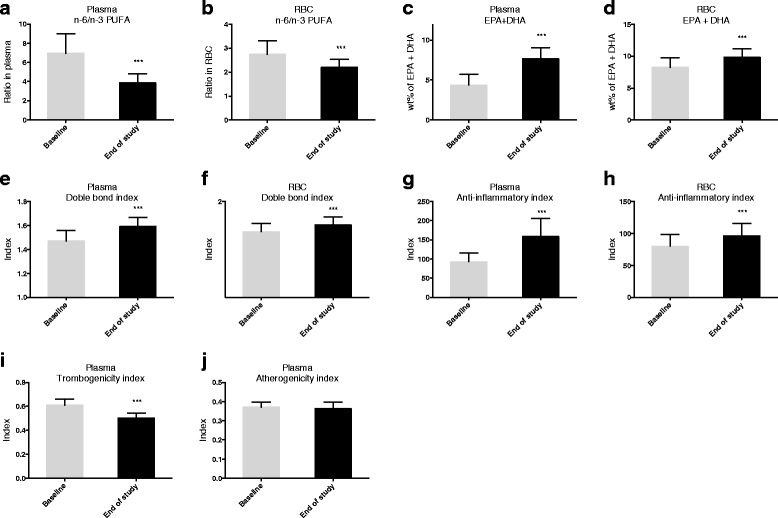
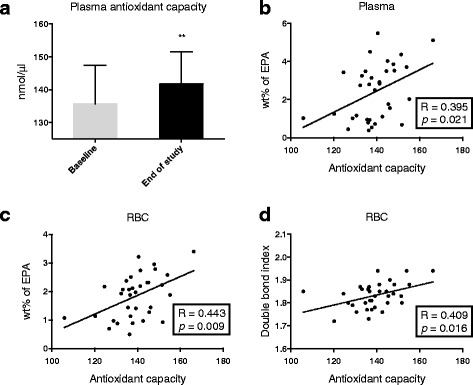
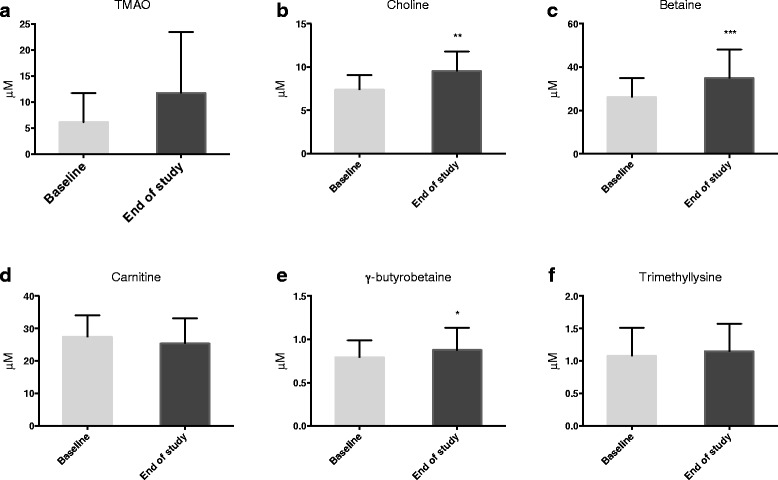
BACKGROUND: Lipid abnormalities, enhanced inflammation and oxidative stress seem to represent a vicious circle in atherogenesis, and therapeutic options directed against these processes seems like a reasonable approach in the management of atherosclerotic disorders. Krill oil (RIMFROST Sublime®) is a phospholipid-rich oil with eicosapentaenoic acid (EPA): docosahexaenoic acid (DHA) ratio of 1.8:1. In this pilot study we determined if krill oil could favourable affect plasma lipid parameters and parameters involved in the initiation and progression of atherosclerosis. METHODS: The study was conducted as a 28 days intervention study examining effect-parameters of dietary supplementation with krill oil (832.5 mg EPA and DHA per day). 17 healthy volunteers in the age group 18-36 (mean age 23 ± 4 years) participated. Plasma lipids, lipoprotein particle sizes, fatty acid composition in plasma and red blood cells (RBCs), plasma cytokines, antioxidant capacity, acylcarntines, carnitine, choline, betaine, and trimethylamine-N-oxide (TMAO) were measured before and after supplementation. RESULTS: Plasma triacylglycerol (TAG) and large very-low density lipoprotein (VLDL) & chylomicron particle concentrations decreased after 28 days of krill oil intake. A significant reduction in the TAG/HDL cholesterol resulted. Krill oil supplementation decreased n-6/n-3 polyunsaturated fatty acids (PUFA) ratio both in plasma and RBCs. This was due to increased EPA, DHA and docosapentaenoic acid (DPA) and reduced amount of arachidonic acid (AA). The increase of n-3 fatty acids and wt % of EPA and DHA in RBC was of smaller magnitude than found in plasma. Krill oil intake increased the antioxidant capacity, double bond index (DBI) and the fatty acid anti-inflammatory index. The plasma atherogenicity index remained constant whereas the thrombogenicity index decreased. Plasma choline, betaine and the carnitine precursor, γ-butyrobetaine were increased after krill oil supplementation whereas the TMAO and carnitine concentrations remained unchanged. CONCLUSION: Krill oil consumption is considered health beneficial as it decreases cardiovascular disease risk parameters through effects on plasma TAGs, lipoprotein particles, fatty acid profile, redox status and possible inflammation. Noteworthy, no adverse effects on plasma levels of TMAO and carnitine were found.
Overview
The claims and statistics of this paper haven’t been checked yet.
Free: it reads the open-access text and checks the first 5 claims that cite a source we can check. Create a free account to check every claim.
Integrity signals
Registry
Cites
Statistics
Figures
Verification
Claims the paper makes
The claims and statistics of this paper haven’t been checked yet.
Free: it reads the open-access text and checks the first 5 claims that cite a source we can check. Create a free account to check every claim.
Claims other papers make about this one
Each is checked against this paper’s own text: does it say what the citing paper says it does?
The cited source doesn’t support the claim as written.
In the citing paper
“Another randomized controlled trial with 41 overweight/obese adults undergoing an alternate-day fasting regimen showed that KO (4 g/day, SuperbaBoost™, Aker BioMarine ASA, Lysaker, Norway) for 8 weeks attenuated declines in fat-free mass (-0.2 ± 0.9 kg) and handgrip strength (-0.2 ± 0.5 kg) observed in the placebo group [308].”
From Nutritional Approaches to Enhance GLP-1 Analogue Therapy in Obesity: A Narrative Review (2025) · cites this paper as [308]
Checked by a reasoning model — may be wrong.
Experimental — accuracy not yet measured
Self-check
Percentages, sums and reported differences re-computed from the paper’s own numbers.
The self-check needs the paper’s full text.
Citations
Cites
Yusuf, S., Hawken, S., Ôunpuu, S., Dans, T., Avezum, A., Lanas, F., McQueen, M., Budaj, A., Pais, P., Varigos, J., et al. (2004) · The Lancet · doi:10.1016/s0140-6736(04)17018-9 · Cited by 12,026
Gut flora metabolism of phosphatidylcholine promotes cardiovascular disease
Wang, Z., Klipfell, E., Bennett, B. J., Koeth, R., Levison, B. S., DuGar, B., Feldstein, A. E., Britt, E. B., Fu, X., Chung, Y.-M., et al. (2011) · Nature · doi:10.1038/nature09922 · Cited by 5,597 · cited 1×
“Trimethylamine can also be generated from betaine [26].”
BackgroundIntestinal microbiota metabolism of l-carnitine, a nutrient in red meat, promotes atherosclerosis
Koeth, R. A., Wang, Z., Levison, B. S., Buffa, J. A., Org, E., Sheehy, B. T., Britt, E. B., Fu, X., Wu, Y., Li, L., et al. (2013) · Nature Medicine · doi:10.1038/nm.3145 · Cited by 4,386
Coronary heart disease: seven dietary factors
Ulbricht, T. L. V., & Southgate, D. A. T. (1991) · The Lancet · doi:10.1016/0140-6736(91)91846-m · Cited by 3,623 · cited 3×
“The atherogenicity index (AI) and the thrombogenenicity (TI) were determined according to Ulbricht and Southgate [57] equations: AI = (C12:0 + 4*C14:0 + C16:0)/(ΣMUFA + Σ(n-6 PUFA) + Σ(n-3 PUFA)).”
MethodInfluentialIntestinal microbial metabolism of phosphatidylcholine and cardiovascular risk
Tang, W. H. W., Wang, Z., Levison, B. S., Koeth, R. A., Britt, E. B., Fu, X., Wu, Y., & Hazen, S. L. (2013) · New England Journal of Medicine · doi:10.1056/nejmoa1109400 · Cited by 3,400 · cited 3×
“Effect on choline, betaine, carnitine and TMAO TMAO is a substance formed in the liver from trimethylamine generated by the gut microbiota from dietary PC, choline, betaine and carnitine [24–27].”
BackgroundInfluentialn−3 Polyunsaturated fatty acids, inflammation, and inflammatory diseases
Calder, P. C. (2006) · The American Journal of Clinical Nutrition · doi:10.1093/ajcn/83.6.1505s · Cited by 2,525 · cited 2×
“AA is a precursor for prostaglandins [16] and is considered proinflammatory.”
BackgroundHDL cholesterol, very low levels of LDL cholesterol, and cardiovascular events
Barter, P., Gotto, A. M., LaRosa, J. C., Maroni, J., Szarek, M., Grundy, S. M., Kastelein, J. J. P., Bittner, V., & Fruchart, J.-C. (2007) · New England Journal of Medicine · doi:10.1056/nejmoa064278 · Cited by 1,610
Rizos, E. C., Ntzani, E. E., Bika, E., Kostapanos, M. S., & Elisaf, M. S. (2012) · JAMA · doi:10.1001/2012.jama.11374 · Cited by 960 · cited 1×
“Indeed, EPA and DHA supplementations have been shown to consistently lower plasma TAG concentration [11, 12] although the efficacy of EPA and DHA in the prevention of CVD has been challenged in the recent meta-analyses [13–15].”
BackgroundMcQueen, M. J., Hawken, S., Wang, X., Ounpuu, S., Sniderman, A., Probstfield, J., Steyn, K., Sanderson, J. E., Hasani, M., Volkova, E., et al. (2008) · The Lancet · doi:10.1016/s0140-6736(08)61076-4 · Cited by 864 · cited 1×
“However, total cholesterol/HDL, a robust risk parameter in European populations [34], was unaltered (Fig.”
BackgroundBucher, H. C., Hengstler, P., Schindler, C., & Meier, G. (2002) · The American Journal of Medicine · doi:10.1016/s0002-9343(01)01114-7 · Cited by 823 · cited 1×
“Since 1970, regular consumption of fatty fish or fish oils has been stated to have several positive effects on CVD because of the presence of n-3 fatty acids, namely EPA (C20:5n-3) and DHA (C22:6n-3), and lately docosapentanenoic acid (DPA, C22:5n-3) has also become a focus of interest [9, 10].”
BackgroundConcentrations of Choline-Containing Compounds and Betaine in Common Foods
Zeisel, S. H., Mar, M.-H., Howe, J. C., & Holden, J. M. (2003) · The Journal of Nutrition · doi:10.1093/jn/133.5.1302 · Cited by 744
Katan, M. B., Deslypere, J. P., van Birgelen, A. P., Penders, M., & Zegwaard, M. (1997) · Journal of Lipid Research · doi:10.1016/s0022-2275(20)37132-7 · Cited by 638
von Schacky, C., Fischer, S., & Weber, P. C. (1985) · Journal of Clinical Investigation · doi:10.1172/jci112147 · Cited by 612
Miller, M., Cannon, C. P., Murphy, S. A., Qin, J., Ray, K. K., & Braunwald, E. (2008) · Journal of the American College of Cardiology · doi:10.1016/j.jacc.2007.10.038 · Cited by 610 · cited 1×
“TAG is carried in very lowdensity lipoproteins (VLDL) and chylomicrons (CMs) Human trials have shown that plasma concentrations of high LDL-cholesterol, low HDL-cholesterol and high TAG are associated with elevated CVD risk [5, 6].”
BackgroundCarnitine and Acylcarnitines: Pharmacokinetic, Pharmacological and Clinical Aspects
Reuter, S. E., & Evans, A. M. (2012) · Clinical Pharmacokinetics · doi:10.1007/bf03261931 · Cited by 493
Omega-3 fatty acids and inflammation
Mori, T. A., & Beilin, L. J. (2004) · Current Atherosclerosis Reports · doi:10.1007/s11883-004-0087-5 · Cited by 421 · cited 1×
“Most probably EPA and/or DHA do not affect CVD through a single factor, but rather due to several factors such as plasma lipid concentration [11, 12], systemic and local inflammation [16], vascular endothelial function [17, 18], and oxidative stress [17, 18].”
BackgroundCARNITINE METABOLISM AND ITS REGULATION IN MICROORGANISMS AND MAMMALS
Rebouche, C. J., & Seim, H. (1998) · Annual Review of Nutrition · doi:10.1146/annurev.nutr.18.1.39 · Cited by 362 · cited 1×
“It ́s precursors are betaine, choline and carnitine [24, 27], thus a high intake of PC and choline could potentially influence plasma levels of TMAO.”
BackgroundLong chain omega-3 fatty acids and cardiovascular disease: a systematic review
Delgado-Lista, J., Perez-Martinez, P., Lopez-Miranda, J., & Perez-Jimenez, F. (2012) · British Journal of Nutrition · doi:10.1017/s0007114512001596 · Cited by 351 · cited 1×
“Since 1970, regular consumption of fatty fish or fish oils has been stated to have several positive effects on CVD because of the presence of n-3 fatty acids, namely EPA (C20:5n-3) and DHA (C22:6n-3), and lately docosapentanenoic acid (DPA, C22:5n-3) has also become a focus of interest [9, 10].”
BackgroundCarotenoids: potential allies of cardiovascular health?
Maria, A. G., Graziano, R., & Nicolantonio, D. (2015) · Food & Nutrition Research · doi:10.3402/fnr.v59.26762 · Cited by 323 · cited 1×
“Whether the presence of astaxanthin is responsible for the oxidative protective effect observed, should be considered [54].”
BackgroundUlven, S. M., Kirkhus, B., Lamglait, A., Basu, S., Elind, E., Haider, T., Berge, K., Vik, H., & Pedersen, J. I. (2011) · Lipids · doi:10.1007/s11745-010-3490-4 · Cited by 303 · cited 1×
“Previous studies have shown similar results, both in RBC [43] and in plasma [21, 44, 45].”
ResultGrimsgaard, S., Bonaa, K., Hansen, J., & Nordøy, A. (1997) · The American Journal of Clinical Nutrition · doi:10.1093/ajcn/66.3.649 · Cited by 300 · cited 2×
“Supplementation with 4 g EPA per day for 6–7 weeks has been shown to reduce TAG by 21 % [40] and 23 % [38] in mildly hyperlipidaemic subjects, and by 12 % in healthy subjects [41].”
BackgroundBetaine: a key modulator of one-carbon metabolism and homocysteine status
Ueland, P. M., Holm, P. I., & Hustad, S. (2005) · Clinical Chemistry and Laboratory Medicine (CCLM) · doi:10.1515/cclm.2005.187 · Cited by 265 · cited 1×
“Moreover, choline can be oxidized to betaine, which is involved in the remethylation of homocysteine to methionine in the one-carbon cycle [50].”
BackgroundNestel, P., Shige, H., Pomeroy, S., Cehun, M., Abbey, M., & Raederstorff, D. (2002) · The American Journal of Clinical Nutrition · doi:10.1093/ajcn/76.2.326 · Cited by 263 · cited 1×
“Supplementation with 4 g EPA per day for 6–7 weeks has been shown to reduce TAG by 21 % [40] and 23 % [38] in mildly hyperlipidaemic subjects, and by 12 % in healthy subjects [41].”
Galeano, N. F., Al-Haideri, M., Keyserman, F., Rumsey, S. C., & Deckelbaum, R. J. (1998) · Journal of Lipid Research · doi:10.1016/s0022-2275(20)32551-7 · Cited by 228
Mori, T. A., & Woodman, R. J. (2006) · Current Opinion in Clinical Nutrition & Metabolic Care · doi:10.1097/01.mco.0000214566.67439.58 · Cited by 226 · cited 3×
“Previous studies have demonstrated n-3 PUFA supplementation to lower plasma TAG levels when ingesting 2–4 g EPA and DHA per day for 6 weeks or longer, although the effect seem to be strongest among people with an unfavourable risk profile [11, 12, 39].”
BackgroundWillumsen, N., Hexeberg, S., Skorve, J., Lundquist, M., & Berge, R. (1993) · Journal of Lipid Research · doi:10.1016/s0022-2275(20)41315-x · Cited by 201
Self-citationOmega 3 Fatty Acids and Cardiovascular Outcomes: Systematic Review and Meta-Analysis
Kotwal, S., Jun, M., Sullivan, D., Perkovic, V., & Neal, B. (2012) · Circulation: Cardiovascular Quality and Outcomes · doi:10.1161/circoutcomes.112.966168 · Cited by 201 · cited 1×
“Indeed, EPA and DHA supplementations have been shown to consistently lower plasma TAG concentration [11, 12] although the efficacy of EPA and DHA in the prevention of CVD has been challenged in the recent meta-analyses [13–15].”
BackgroundKelley, D. S., Siegel, D., Vemuri, M., & Mackey, B. E. (2007) · The American Journal of Clinical Nutrition · doi:10.1093/ajcn/86.2.324 · Cited by 179 · cited 1×
“Interestingly, the increased concentration of large HDL-and LDL particles has mainly been found with DHA, but not EPA supplementation [37, 38].”
BackgroundRamprasath, V. R., Eyal, I., Zchut, S., & Jones, P. J. (2013) · Lipids in Health and Disease · doi:10.1186/1476-511x-12-178 · Cited by 175 · cited 1×
“Previous studies have shown similar results, both in RBC [43] and in plasma [21, 44, 45].”
ResultBasic mechanisms behind the effects of n-3 fatty acids on cardiovascular disease
Massaro, M., Scoditti, E., Carluccio, M. A., & De Caterina, R. (2008) · Prostaglandins, Leukotrienes and Essential Fatty Acids · doi:10.1016/j.plefa.2008.09.009 · Cited by 144 · cited 1×
“Most probably EPA and/or DHA do not affect CVD through a single factor, but rather due to several factors such as plasma lipid concentration [11, 12], systemic and local inflammation [16], vascular endothelial function [17, 18], and oxidative stress [17, 18].”
BackgroundCalabresi, L., Villa, B., Canavesi, M., Sirtori, C. R., James, R. W., Bernini, F., & Franceschini, G. (2004) · Metabolism · doi:10.1016/j.metabol.2003.09.007 · Cited by 132
Assies, J., Mocking, R. J. T., Lok, A., Ruhé, H. G., Pouwer, F., & Schene, A. H. (2014) · Acta Psychiatrica Scandinavica · doi:10.1111/acps.12265 · Cited by 132 · cited 1×
“Effect on antioxidant status Oxidative stress is associated with decreased fatty acid unsaturation and increased lipid peroxidation [31].”
BackgroundEmberson, J. (2003) · European Heart Journal · doi:10.1016/s0195-668x(03)00471-8 · Cited by 128 · cited 1×
“Plasma lipids, especially cholesterol and triacylglycerol (TAG), are associated with risk for CVD and coronary artery disease [2–4].”
BackgroundKöhler, A., Sarkkinen, E. S., Tapola, N. S., Niskanen, T. H., & Bruheim, I. A. (2015) · Lipids in Health and Disease · doi:10.1186/s12944-015-0015-4 · Cited by 125 · cited 1×
“Furthermore, the polar structure of PLs was shown to increase the bioavailability of EPA and DHA from krill oil in comparison to fish oil [23].”
BackgroundSelf-citationNeff, L. M., Culiner, J., Cunningham-Rundles, S., Seidman, C., Meehan, D., Maturi, J., Wittkowski, K. M., Levine, B., & Breslow, J. L. (2011) · The Journal of Nutrition · doi:10.3945/jn.110.130021 · Cited by 121 · cited 2×
“Interestingly, the increased concentration of large HDL-and LDL particles has mainly been found with DHA, but not EPA supplementation [37, 38].”
BackgroundWillumsen, N., Skorve, J., Hexeberg, S., Rustan, A. C., & Berge, R. K. (1993) · Lipids · doi:10.1007/bf02535987 · Cited by 115 · cited 1×
“Studies in cultured rat hepatocytes have shown that EPA increases mitochondrial fatty acid oxidation [30], and as recently reviewed, plasma acylcarnitine levels can give an indication on mitochondrial function [33].”
BackgroundSelf-citationVigerust, N. F., Bjørndal, B., Bohov, P., Brattelid, T., Svardal, A. M., & Berge, R. K. (2012) · European Journal of Nutrition · doi:10.1007/s00394-012-0441-2 · Cited by 113
Self-citationα-Linolenic, Eicosapentaenoic and Docosahexaenoic Acids Affect Lipid Metabolism Differently in Rats
Ikeda, I., Wakamatsu, K., Inayoshi, A., Imaizumi, K., Sugano, M., & Yazawa, K. (1994) · Journal of Nutrition · doi:10.1093/jn/124.10.1898 · Cited by 106
Dietary intake and food sources of choline in European populations
Vennemann, F. B. C., Ioannidou, S., Valsta, L. M., Dumas, C., Ocké, M. C., Mensink, G., Lindtner, O., Virtanen, S. M., Tlustoš, P., D’Addezio, L., et al. (2015) · British Journal Of Nutrition · doi:10.1017/s0007114515003700 · Cited by 106 · cited 1×
“In a recent European study, the average choline intake was below the adequate intake (set by the Institute of Medicine in the USA) in most of the population groups considered [53].”
BackgroundSchacky, C. V. (2006) · Vascular Health and Risk Management · doi:10.2147/vhrm.2006.2.3.251 · Cited by 103
Berge, K., Musa-Veloso, K., Harwood, M., Hoem, N., & Burri, L. (2014) · Nutrition Research · doi:10.1016/j.nutres.2013.12.003 · Cited by 95 · cited 1×
“An increasing number of studies with krill oil demonstrate health benefits in animals as well as in humans [19–22].”
BackgroundEnns, J. E., Yeganeh, A., Zarychanski, R., Abou-Setta, A. M., Friesen, C., Zahradka, P. C., & Taylor, C. G. (2014) · BMC Cardiovascular Disorders · doi:10.1186/1471-2261-14-70 · Cited by 94 · cited 1×
“Indeed, EPA and DHA supplementations have been shown to consistently lower plasma TAG concentration [11, 12] although the efficacy of EPA and DHA in the prevention of CVD has been challenged in the recent meta-analyses [13–15].”
BackgroundHansen, J., Grimsgaard, S., Nilsen, H., Nordøy, A., & Bønaa, K. H. (1998) · Lipids · doi:10.1007/s11745-998-0188-8 · Cited by 91 · cited 1×
“In humans, supplementation of EPA gives rise to EPA and DPA, but not DHA whereas DHA supplementation gives formation of DPA and EPA [41, 42].”
BackgroundTillander, V., Bjørndal, B., Burri, L., Bohov, P., Skorve, J., Berge, R. K., & Alexson, S. E. H. (2014) · Nutrition & Metabolism · doi:10.1186/1743-7075-11-20 · Cited by 74 · cited 1×
“An increasing number of studies with krill oil demonstrate health benefits in animals as well as in humans [19–22].”
BackgroundSelf-citationUeland, T., Svardal, A. M., Øie, E., Askevold, E. T., Nymoen, S. H., Bjørndal, B., Dahl, C. P., Gullestad, L. L., Berge, R. K., & Aukrust, P. (2012) · International Journal of Cardiology · doi:10.1016/j.ijcard.2012.04.150 · Cited by 74 · cited 2×
“Effect on plasma acylcarnitine level It is reported that high serum concentrations of long-and medium plasma acylcarnitines are linked to increased risk of disease progression with CAD, especially in heart failure patients [32].”
BackgroundSelf-citationLong-Chain Acylcarnitine Induces Ca2+ Efflux from the Sarcoplasmic Reticulum
Yamada, K. A., Kanter, E. M., & Newatia, A. (2000) · Journal of Cardiovascular Pharmacology · doi:10.1097/00005344-200007000-00002 · Cited by 73 · cited 1×
“In situations of inefficient β-oxidation, intermediates such as octanoyl- and palmitoylcarnitine will be formed, which are considered toxic [47].”
BackgroundKrill Products: An Overview of Animal Studies
Burri, L., & Johnsen, L. (2015) · Nutrients · doi:10.3390/nu7053300 · Cited by 71 · cited 1×
“5-2 g/day krill oil significantly reduced plasma TAG [20].”
BackgroundPhospholipids from herring roe improve plasma lipids and glucose tolerance in healthy, young adults
Bjørndal, B., Strand, E., Gjerde, J., Bohov, P., Svardal, A., Diehl, B. W., Innis, S. M., Berger, A., & Berge, R. K. (2014) · Lipids in Health and Disease · doi:10.1186/1476-511x-13-82 · Cited by 37 · cited 1×
“We have recently found that PLs from herring roe with a DHA:EPA ratio of about 3:1 decreased plasma TAG in healthy subjects [46].”
BackgroundSelf-citationBjørndal, B., Burri, L., Wergedahl, H., Svardal, A. M., Bohov, P., & Berge, R. K. (2011) · European Journal of Nutrition · doi:10.1007/s00394-011-0254-8 · Cited by 37
Self-citationMaki, K. C., Lawless, A. L., Kelley, K. M., Dicklin, M. R., Kaden, V. N., Schild, A. L., Rains, T. M., & Marshall, J. W. (2011) · Journal of Cardiovascular Pharmacology · doi:10.1097/fjc.0b013e318210fca5 · Cited by 31 · cited 1×
“The increase in large HDL particles in response to n-3 PUFA supplementation has been demonstrated in several studies [35, 36], and may be explained by a reduced exposure to cholesterol ester transfer protein (CETP)-mediated transfer of cholesterol from HDL particles due to a lower concentration of TAG rich large VLDL…”
BackgroundStrand, E., Bjørndal, B., Nygard, O. K., Burri, L., Berge, C., Bohov, P., Christensen, B. J., Berge, K., Wergedahl, H., Viste, A., et al. (2012) · Lipids in Health and Disease · doi:10.1186/1476-511x-11-82 · Cited by 25 · cited 1×
“Total fatty acid composition in the red blood cells (RBC) and in plasma The total fatty acid composition was analysed in RBC and in EDTA-plasma, as previously described [56].”
MethodSelf-citationEgeland, G. M., Igland, J., Sulo, G., Nygard, O. K., Ebbing, M., & Tell, G. S. (2014) · European Journal of Preventive Cardiology · doi:10.1177/2047487314535681 · Cited by 25 · cited 2×
“Effect on plasma acylcarnitine level It is reported that high serum concentrations of long-and medium plasma acylcarnitines are linked to increased risk of disease progression with CAD, especially in heart failure patients [32].”
BackgroundBjørndal, B., Ramsvik, M., Lindquist, C., Nordrehaug, J., Bruheim, I., Svardal, A., Nygård, O., & Berge, R. (2015) · Marine Drugs · doi:10.3390/md13095706 · Cited by 20 · cited 1×
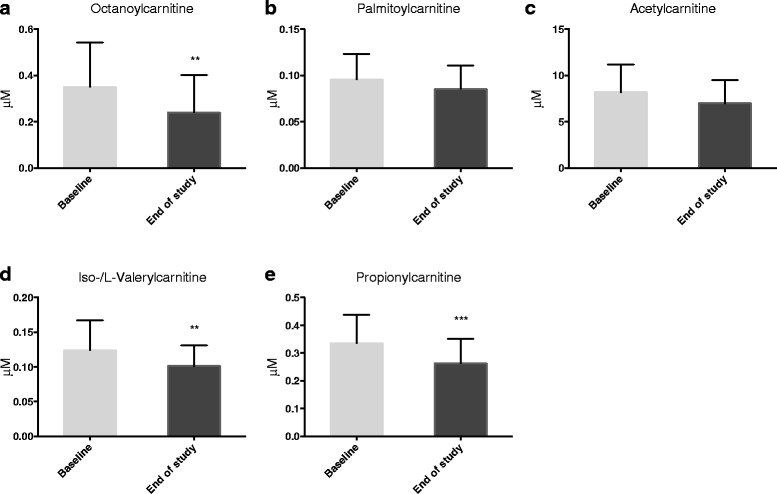
“Biochemical analysis Plasma choline, betaine, trimethyllysine (TML), butyrobetaine and trimethylamine N-oxide (TMAO), as well as L-carnitine, acetylcarnitine, proponylcarnitine, octanoylcarnitine, iso-/L-valerylcarnitine and palmitoylcarnitine, were analysed in EDTA-plasma using LC/MS/MS as previously described [58, 5…”
MethodSelf-citationBjørndal, B., Brattelid, T., Strand, E., Vigerust, N. F., Svingen, G. F. T., Svardal, A. M., Nygard, O. K., & Berge, R. K. (2013) · PLoS ONE · doi:10.1371/journal.pone.0066926 · Cited by 17 · cited 1×
“Noteworthy, this is in consistence with findings in animal studies where krill oil was shown to influence metabolic pathways, including fatty acid oxidation, lipid biosynthesis and acylcarntine turnover [48, 49].”
ResultSelf-citationFrom alga to omega; have we reached peak (fish) oil?
Clayton, P., & Ladi, S. (2015) · Journal of the Royal Society of Medicine · doi:10.1177/0141076815599673 · Cited by 12 · cited 1×
“This is an important point, as the removal of protective trace compounds in the generation of highly purified PUFAs has been reported to reduce the beneficial effect of fish oil supplements [55].”
Background
Research works printed but not linked: 3
- World Health Organization (WHO) Prevention of cardiovascular disease: guidelines for assessment and management of total cardiovascular risk 2007
- European Food Safety Authority (EFSA) Panel on Dietetic Products NaAN Scientific Opinion on the substantiation of health claims related to eicosapentaenoic acid (EPA), docosahexaenoic acid (DHA), docosapentaenoic acid (DPA) Book Scientific Opinion on the substantiation of health claims related to eicosapentaenoic acid (EPA), docosahexaenoic acid (DHA), docosapentaenoic acid (DPA) 2010
- Institute of Medicine (US) Standing Committee on the Scientific Evaluation of Dietary Reference Intakes and its Panel on Folate, Other B Vitamins, and Choline. Choline. In: Book Dietary Reference Intakes: Thiamin, Riboflavin, Niacin, Vitamin B-6, Vitamin B12, Panthothenic Acid, Biotin, and Choline. Washington (National Acedemies Press); 1998. p. 390–422. 23193625
Cited by
Health benefits of dietary marine DHA/EPA-enriched glycerophospholipids
Zhang, T.-T., Xu, J., Wang, Y.-M., & Xue, C.-H. (2019) · Progress in Lipid Research · doi:10.1016/j.plipres.2019.100997 · Cited by 339
Yang, J., Fernández-Galilea, M., Martínez-Fernández, L., González-Muniesa, P., Pérez-Chávez, A., Martínez, J. A., & Moreno-Aliaga, M. J. (2019) · Nutrients · doi:10.3390/nu11040872 · Cited by 292
“A few studies evaluated the effects of n-3 PUFA on these biomarkers and although some of these showed improved antioxidant defenses levels or total antioxidant capacity [165,167,169], others described neutral effects [179,180,182,183].”
BackgroundAhmmed, M. K., Ahmmed, F., Tian, H. (., Carne, A., & Bekhit, A. E. (2020) · Comprehensive Reviews in Food Science and Food Safety · doi:10.1111/1541-4337.12510 · Cited by 241
Trimethylamine N-Oxide (TMAO), Diet and Cardiovascular Disease
Thomas, M. S., & Fernandez, M. L. (2021) · Current Atherosclerosis Reports · doi:10.1007/s11883-021-00910-x · Cited by 181
Trimethylamine N-Oxide in Relation to Cardiometabolic Health—Cause or Effect?
Papandreou, C., Moré, M., & Bellamine, A. (2020) · Nutrients · doi:10.3390/nu12051330 · Cited by 146
“Similarly, the intake of (phosphatidylcholine-rich) krill oil did not affect TMAO concentrations [70].”
Background
Metadata
- Authors
- Berge, R. K., Ramsvik, M. S., Bohov, P., Svardal, A., Nordrehaug, J. E., Rostrup, E., Bruheim, I., & Bjørndal, B.
- Affiliations
- Haukeland University Hospital (NO)
- Rimfrost (Norway) (NO)
- University of Bergen (NO)
- Corresponding author
- Bjørndal, Bodil
- Venue
- Lipids in Health and Disease
- Published
- 2015-12
- Volume
- 14
- Issue
- 1
- Pages
- 163-163
- ISSN
- 1476-511X (ISSN-L)
- PMC
- PMC4678523
- OpenAlex
- W2219729937
- Cited by
- 51
- References
- 56
- Citations by year
- 2026: 2 · 2025: 7 · 2024: 5 · 2023: 2 · 2022: 5 · 2021: 8 · 2020: 6 · 2019: 6 · 2018: 7 · 2017: 2 · 2016: 1
- FWCI
- 3.21
- Type
- journal article
- Language
- en
- Open access
- gold
- doi.org
- Licence
- cc-by
- Locations
- Lipids in Health and Disease (publishedVersion, cc-by)
- PubMed Central (publishedVersion, cc-by)
- PubMed (publishedVersion)
- NORA - Norwegian Open Research Archives (submittedVersion, cc-by)
- Funders
- Bergens Forskningsstiftelse
- Rimfrost AS, Fosnavaag, Norway
- Topics
- Health Sciences › Nursing › Nutrition and Dietetics › Fatty Acid Research and Health
- Physical Sciences › Chemistry › Organic Chemistry › Edible Oils Quality and Analysis
- Life Sciences › Agricultural and Biological Sciences › Aquatic Science › Aquaculture Nutrition and Growth
- Keywords
- krill oil, eicosapentaenoic acid, docosahexaenoic acid, triglycerides, lipoprotein particle size, VLDL, chylomicrons, plasma fatty acid composition, red blood cell fatty acids, n-6/n-3 ratio, arachidonic acid, docosapentaenoic acid, oxidative stress, antioxidant capacity, atherogenicity index, thrombogenicity index, trimethylamine N-oxide, choline, betaine, L-carnitine
- MeSH terms
- Adolescent, Adult, Animals, Betaine, Carnitine, Choline, Chylomicrons, Dietary Fats, Unsaturated, Docosahexaenoic Acids, Erythrocytes, Fatty Acids, Unsaturated, Female, Humans, Lipoproteins, VLDL, Male, Methylamines, Particle Size, Pilot Projects, Triglycerides, Eicosapentaenoic Acid, Cytokines, Euphausiacea, Atherosclerosis
About these checks
Registry, retraction, Cites and statistics results are computed, not judged, with one exception: a printed reference that no index lists is read once by a model before it counts as a citation error. Claims are extracted by a model and kept only when their quote appears verbatim in the text; each cited source is then checked, with a model’s help, for whether it says what the claim relies on. Those verdicts can be wrong — read the claim’s quote and the cited source before relying on one.
Statistics and arithmetic are recomputed, not judged.
Confidence bands are shown only for fields calibrated on our annotated test set. None is calibrated yet, so no band is shown.
What counts as a claim ›How we measure confidence ›How we check this ›
Are you an author, or do you see a problem with this page? Request a review
Data sources
Bibliographic data: Semantic Scholar, OpenAlex, Crossref.
Contains information from the Semantic Scholar Academic Graph Datasets, made available under the ODC Attribution License (ODC-BY 1.0).
Semantic Scholar’s data is described in: Kinney, R., et al. (2023). The Semantic Scholar Open Data Platform. arXiv:2301.10140.
