

Step-up fecal microbiota transplantation strategy: a pilot study for steroid-dependent ulcerative colitis
Open accessThe DOI matches its Crossref record; 35 of the 35 references it cites were found in a registry or an index.
Abstract
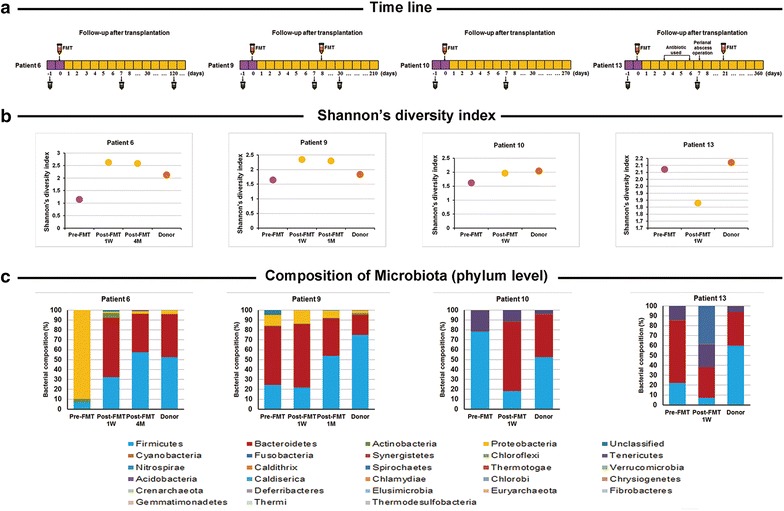
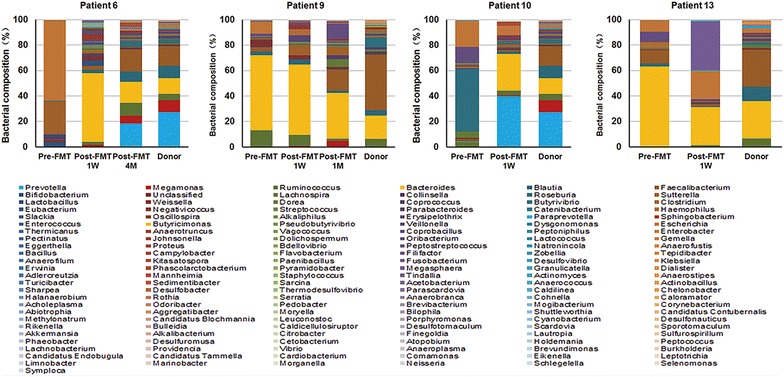
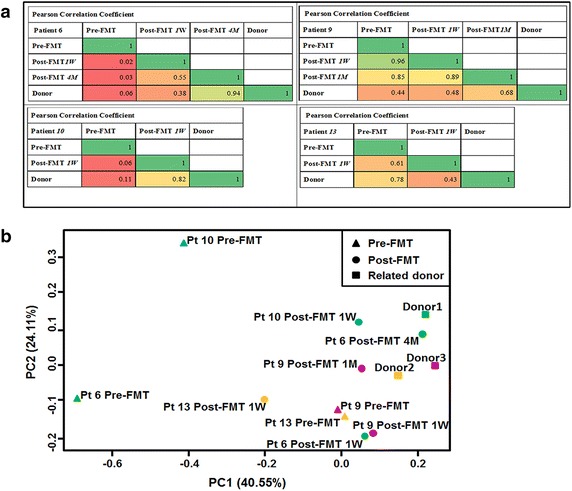
BACKGROUND: The strategy of using fecal microbiota transplantation (FMT) for refractory ulcerative colitis (UC) remains unclear if single FMT failed to induce remission. This study aimed to evaluate the efficacy and safety of a designed step-up FMT strategy for the steroid-dependent UC. METHODS: Fifteen patients with steroid-dependent UC were enrolled, and treated with step-up FMT strategy. Follow-up clinical data was collected for a minimum of 3 months. Fecal microbiota composition before and post FMT of patients and related donors were analyzed by 16S rRNA sequencing. RESULTS: Eight of fourteen (57.1 %) patients achieved clinical improvement and were able to discontinue steroids following step-up FMT. One patient was lost to follow-up. Among the 8 patients who responded, five (35.7 %) received one FMT therapy, one (7.1 %) received two FMTs, and two (14.2 %) received two FMTs plus a scheduled course of steroids. Four (28.6 %) of the 8 patients who responded maintained long-term remission during follow-up (3-18 months). Six patients (42.9 %) failed to meet the criteria of clinical improvement and maintained steroid dependence, though three experienced transient or partial improvement. Microbiota analysis showed that FMT altered the composition greatly, and a microbiota composition highly similar to that of the donor emerged in the patients with successful treatment. No severe adverse events occurred during treatment and follow-up. CONCLUSIONS: Step-up FMT strategy shows promise as a therapeutic strategy for patients with steroid-dependent UC, likely due to the successful restructuring of gut microbial composition. TRIAL REGISTRATION: ClinicalTrials.gov, Number NCT01790061.
Overview
The claims and statistics of this paper haven’t been checked yet.
Free: it reads the open-access text and checks the first 5 claims that cite a source we can check. Create a free account to check every claim.
Integrity signals
Registry
Cites
Statistics
Figures
Verification
Claims the paper makes
The claims and statistics of this paper haven’t been checked yet.
Free: it reads the open-access text and checks the first 5 claims that cite a source we can check. Create a free account to check every claim.
Claims other papers make about this one
Each is checked against this paper’s own text: does it say what the citing paper says it does?
The source backs part of the claim, not all of it — or backs it for a different population, condition or comparison.
In the citing paper
“FMT is associated with adverse reactions and side effects, including diarrhoea, fever and abdominal pain.278,279”
From The role of gut dysbiosis in Parkinson’s disease: mechanistic insights and therapeutic options (2021) · cites this paper as [278]
Experimental — accuracy not yet measuredIn the citing paper
“Therefore, modified strategies of FMT use, step-up or intensive-dosing multidonor FMT, were performed in IBD patients and indicated beneficial treatment responses.30,31”
From Fecal microbiota transplantation: Review and update (2019) · cites this paper as [31]
Self-check
Percentages, sums and reported differences re-computed from the paper’s own numbers.
The self-check needs the paper’s full text.
Citations
Cites
Duodenal Infusion of Donor Feces for Recurrent Clostridium difficile
van Nood, E., Vrieze, A., Nieuwdorp, M., Fuentes, S., Zoetendal, E. G., de Vos, W. M., Visser, C. E., Kuijper, E. J., Bartelsman, J. F. W. M., Tijssen, J. G. P., et al. (2013) · New England Journal of Medicine · doi:10.1056/nejmoa1205037 · Cited by 3,708
Satsangi, J., Silverberg, M. S., Vermeire, S., & Colombel, J.-F. (2006) · Gut · doi:10.1136/gut.2005.082909 · Cited by 3,176 · cited 1×
“All included patients, had moderate to severe (S2 and S3) UC based on the Montreal classification [19].”
MethodManichanh, C., Borruel, N., Casellas, F., & Guarner, F. (2012) · Nature Reviews Gastroenterology & Hepatology · doi:10.1038/nrgastro.2012.152 · Cited by 1,160 · cited 1×
“It remains unclear whether the dysbiosis of IBD is primarily responsible for the activation of immune system and subsequent inflammation or is a consequence of colitis caused by altered bacterial growth conditions [28, 31].”
BackgroundFaubion, W. A., Loftus, E. V., Harmsen, W. S., Zinsmeister, A. R., & Sandborn, W. J. (2001) · Gastroenterology · doi:10.1053/gast.2001.26279 · Cited by 1,144 · cited 2×
“Numerous strategies such as immunomodulators, biologic therapy and surgery [4, 7, 32, 33] are available to induce and sustain remission in steroid-dependent UC.”
BackgroundTreating Clostridium difficile infection with fecal microbiota transplantation
Bakken, J. S., Borody, T., Brandt, L. J., Brill, J. V., Demarco, D. C., Franzos, M. A., Kelly, C., Khoruts, A., Louie, T., Martinelli, L. P., et al. (2011) · Clinical Gastroenterology and Hepatology · doi:10.1016/j.cgh.2011.08.014 · Cited by 1,003 · cited 1×
“Published guidelines recommend avoidance of FMT in solid organ transplant patients [20] and specified that considerations for increased risk in patients on major immunosuppressive agents or patients with severe immunodeficiency [21].”
BackgroundIBD—what role do Proteobacteria play?
Mukhopadhya, I., Hansen, R., El-Omar, E. M., & Hold, G. L. (2012) · Nature Reviews Gastroenterology & Hepatology · doi:10.1038/nrgastro.2012.14 · Cited by 810 · cited 1×
“Dysbiosis in patients with IBD reflect a dominance of potentially pro-inflammatory pathogens over antiinflammatory commensals, which may induce a shift in the immunological balance of the intestinal mucosa toward inflammation [28–30].”
BackgroundKelly, C. R., Ihunnah, C., Fischer, M., Khoruts, A., Surawicz, C., Afzali, A., Aroniadis, O., Barto, A., Borody, T., Giovanelli, A., et al. (2014) · American Journal of Gastroenterology · doi:10.1038/ajg.2014.133 · Cited by 636 · cited 1×
“A retrospective study [22] assessed the safety of FMT for immunocompromised patients with CDI which involved HIV/AIDS, solid organ transplant, oncologic condition, immunosuppressive therapy for IBD and other medical conditions or medications.”
BackgroundShould we standardize the 1,700-year-old fecal microbiota transplantation?
Zhang, F., Luo, W., Shi, Y., Fan, Z., & Ji, G. (2012) · American Journal of Gastroenterology · doi:10.1038/ajg.2012.251 · Cited by 619
Self-citationStange, E. F., Travis, S. P. L., Vermeire, S., Reinisch, W., Geboes, K., Barakauskiene, A., Feakins, R., Fléjou, J. F., Herfarth, H., Hommes, D. W., et al. (2008) · Journal of Crohn's and Colitis · doi:10.1016/j.crohns.2007.11.001 · Cited by 555
Colman, R. J., & Rubin, D. T. (2014) · Journal of Crohn's and Colitis · doi:10.1016/j.crohns.2014.08.006 · Cited by 475 · cited 1×
“A meta-analysis [24] on the FMT in IBD had demonstrated 22 % of patients achieved clinical remission after FMT, while a systemic review [17] concluded that FMT had a success rate close to 90 % in patients with UC.”
Background
Cited by
Gut microbiota and IBD: causation or correlation?
Ni, J., Wu, G. D., Albenberg, L., & Tomov, V. T. (2017) · Nature Reviews Gastroenterology & Hepatology · doi:10.1038/nrgastro.2017.88 · Cited by 1,778
Factors affecting the composition of the gut microbiota, and its modulation
Hasan, N., & Yang, H. (2019) · PeerJ · doi:10.7717/peerj.7502 · Cited by 755
Shen, Z.-H., Zhu, C.-X., Quan, Y.-S., Yang, Z.-Y., Wu, S., Luo, W.-W., Tan, B., & Wang, X.-Y. (2018) · World Journal of Gastroenterology · doi:10.3748/wjg.v24.i1.5 · Cited by 646
Fecal microbiota transplantation: Review and update
Wang, J.-W., Kuo, C.-H., Kuo, F.-C., Wang, Y.-K., Hsu, W.-H., Yu, F.-J., Hu, H.-M., Hsu, P.-I., Wang, J.-Y., & Wu, D.-C. (2019) · Journal of the Formosan Medical Association · doi:10.1016/j.jfma.2018.08.011 · Cited by 576
Bian, X., Wu, W., Yang, L., Lv, L., Wang, Q., Li, Y., Ye, J., Fang, D., Wu, J., Jiang, X., et al. (2019) · Frontiers in Microbiology · doi:10.3389/fmicb.2019.02259 · Cited by 530
Paramsothy, S., Paramsothy, R., Rubin, D. T., Kamm, M. A., Kaakoush, N. O., Mitchell, H. M., & Castaño-Rodríguez, N. (2017) · Journal of Crohn s and Colitis · doi:10.1093/ecco-jcc/jjx063 · Cited by 436
Gut microbiota in ulcerative colitis: insights on pathogenesis and treatment
Guo, X. Y., Liu, X. J., & Hao, J. Y. (2020) · Journal of Digestive Diseases · doi:10.1111/1751-2980.12849 · Cited by 336
Microbiota transplantation: Concept, methodology and strategy for its modernization
FMT-standardization Study Group, Zhang, F., Cui, B., He, X., Nie, Y., Wu, K., & Fan, D. (2018) · Protein & Cell · doi:10.1007/s13238-018-0541-8 · Cited by 300
Self-citationThe role of gut dysbiosis in Parkinson’s disease: mechanistic insights and therapeutic options
Wang, Q., Luo, Y., Ray Chaudhuri, K., Reynolds, R., Tan, E.-K., & Pettersson, S. (2021) · Brain · doi:10.1093/brain/awab156 · Cited by 281
Zhang, T., Lu, G., Zhao, Z., Liu, Y., Shen, Q., Li, P., Chen, Y., Yin, H., Wang, H., Marcella, C., et al. (2020) · Protein & Cell · doi:10.1007/s13238-019-00684-8 · Cited by 260
Self-citationCostello, S. P., Soo, W., Bryant, R. V., Jairath, V., Hart, A. L., & Andrews, J. M. (2017) · Alimentary Pharmacology & Therapeutics · doi:10.1111/apt.14173 · Cited by 258
Microbiome as a therapeutic target in alcohol-related liver disease
Sarin, S. K., Pande, A., & Schnabl, B. (2019) · Journal of Hepatology · doi:10.1016/j.jhep.2018.10.019 · Cited by 253
Fecal microbiota transplantation cured epilepsy in a case with Crohn’s disease: The first report
He, Z., Cui, B.-T., Zhang, T., Li, P., Long, C.-Y., Ji, G.-Z., & Zhang, F.-M. (2017) · World Journal of Gastroenterology · doi:10.3748/wjg.v23.i19.3565 · Cited by 225
Self-citationA role for bacterial urease in gut dysbiosis and Crohn’s disease
Ni, J., Shen, T.-C. D., Chen, E. Z., Bittinger, K., Bailey, A., Roggiani, M., Sirota-Madi, A., Friedman, E. S., Chau, L., Lin, A., et al. (2017) · Science Translational Medicine · doi:10.1126/scitranslmed.aah6888 · Cited by 218
Narula, N., Kassam, Z., Yuan, Y., Colombel, J.-F., Ponsioen, C., Reinisch, W., & Moayyedi, P. (2017) · Inflammatory Bowel Diseases · doi:10.1097/mib.0000000000001228 · Cited by 211
Fecal microbiota transplantation to treat Parkinson's disease with constipation: A case report
Huang, H., Xu, H., Luo, Q., He, J., Li, M., Chen, H., Tang, W., Nie, Y., & Zhou, Y. (2019) · Medicine · doi:10.1097/md.0000000000016163 · Cited by 201
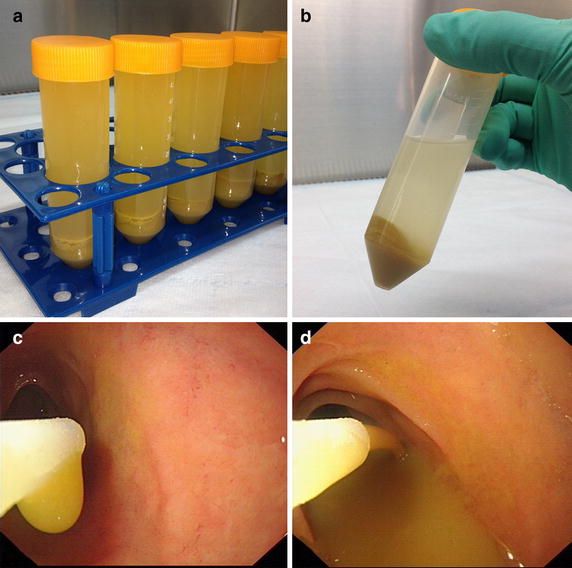
“The laboratory and clinical work flowwere implemented according to the instruction of automatic purification system (GenFMTer; FMT Medical, Nanjing, China).([10]) Then 200 ml of prepared fecal microbiota suspension was injected through the TET tube.”
MethodSelf-citationKump, P., Wurm, P., Gröchenig, H. P., Wenzl, H., Petritsch, W., Halwachs, B., Wagner, M., Stadlbauer, V., Eherer, A., Hoffmann, K. M., et al. (2018) · Alimentary Pharmacology & Therapeutics · doi:10.1111/apt.14387 · Cited by 196
Gut microbiota: A new target for T2DM prevention and treatment
Liu, L., Zhang, J., Cheng, Y., Zhu, M., Xiao, Z., Ruan, G., & Wei, Y. (2022) · Frontiers in Endocrinology · doi:10.3389/fendo.2022.958218 · Cited by 176
Diet and microbiota in inflammatory bowel disease: The gut in disharmony
Rapozo, D. C. M., Bernardazzi, C., & de Souza, H. S. P. (2017) · World Journal of Gastroenterology · doi:10.3748/wjg.v23.i12.2124 · Cited by 158
Sood, A., Mahajan, R., Singh, A., Midha, V., Mehta, V., Narang, V., Singh, T., & Singh Pannu, A. (2019) · Journal of Crohn's and Colitis · doi:10.1093/ecco-jcc/jjz060 · Cited by 149
Correlation between human gut microbiome and diseases
Madhogaria, B., Bhowmik, P., & Kundu, A. (2022) · Infectious Medicine · doi:10.1016/j.imj.2022.08.004 · Cited by 202
“In a systemic review published in 2021 reported success rates for IBD like ulcerative colitis, Chron’s disease and pouchitis and their rate of remission is 36%, 50.5%, 21.5%, respectively [66–68] .”
BackgroundInfluentialLong-Term Safety and Efficacy of Fecal Microbiota Transplant in Active Ulcerative Colitis
Ding, X. L., Li, Q., Li, P., Zhang, T., Cui, B., Ji, G., Lü, X., & Zhang, F. (2019) · Drug Safety · doi:10.1007/s40264-019-00809-2 · Cited by 145
Self-citationGoyal, A., Yeh, A., Bush, B. R., Firek, B. A., Siebold, L. M., Rogers, M. B., Kufen, A. D., & Morowitz, M. J. (2018) · Inflammatory Bowel Diseases · doi:10.1093/ibd/izx035 · Cited by 135
Qazi, T., Amaratunga, T., Barnes, E. L., Fischer, M., Kassam, Z., & Allegretti, J. R. (2017) · Gut Microbes · doi:10.1080/19490976.2017.1353848 · Cited by 139
Qi, X., Li, X., Zhao, Y., Wu, X., Chen, F., Ma, X., Zhang, F., & Wu, D. (2018) · Frontiers in Immunology · doi:10.3389/fimmu.2018.02195 · Cited by 123
Self-citationFang, H., Fu, L., & Wang, J. (2018) · BioMed Research International · doi:10.1155/2018/8941340 · Cited by 123
Fecal Microbiota Transplantation for Ulcerative Colitis: A Systematic Review and Meta-Analysis
Shi, Y., Dong, Y., Huang, W., Zhu, D., Mao, H., & Su, P. (2016) · PLOS ONE · doi:10.1371/journal.pone.0157259 · Cited by 116
“[22, 23, 34, 35, 40, 41, 45] Similarity to donors was reported in 16 of total 21 patients in 4 cohort studies in the condition of positive response to FMT, except one trial conducted by Kump et al.”
InfluentialWang, Y., Zhang, S., Borody, T. J., & Zhang, F. (2022) · Chinese Medical Journal · doi:10.1097/cm9.0000000000002339 · Cited by 120
“In2015,Cui et al([6]) proposeda step-upFMTstrategy for the steroid-dependent UC.”
BackgroundMethodInfluentialSelf-citationColonic transendoscopic enteral tubing: A novel way of transplanting fecal microbiota
Peng, Z., Xiang, J., He, Z., Zhang, T., Xu, L., Cui, B., Li, P., Huang, G., Ji, G., Nie, Y., et al. (2016) · Endoscopy International Open · doi:10.1055/s-0042-105205 · Cited by 101
“A traditional enema delivers solution only within the rectal and sigmoid colon which is way, in our previous studies of Crohn ’ s disease and ulcerative colitis, why we chose to use FMT for delivery through the mid-gut [6,7].”
Self-citationRelationship between the microbiome and ocular health
Cavuoto, K. M., Banerjee, S., & Galor, A. (2019) · The Ocular Surface · doi:10.1016/j.jtos.2019.05.006 · Cited by 100
Zhou, M., He, J., Shen, Y., Zhang, C., Wang, J., & Chen, Y. (2017) · BioMed Research International · doi:10.1155/2017/8201672 · Cited by 108
“The prevalent probiotic products used as IBD supplementary therapy have modest clinical efficiency, while the emerging fecal microbiota transplantation (FMT) seems radical but promising to recover the disturbed intestinal microbiota homeostasis at least in the short term of IBD [74, 75].”
BackgroundHe, Z., Li, P., Zhu, J., Cui, B., Xu, L., Xiang, J., Zhang, T., Long, C., Huang, G., Ji, G., et al. (2017) · Scientific Reports · doi:10.1038/s41598-017-04984-z · Cited by 92
“Failed or cannot afford biologic therapy, % (n) 56% (14)”
Self-citationCutting Edge: Probiotics and Fecal Microbiota Transplantation in Immunomodulation
Zeng, W., Shen, J., Bo, T., Peng, L., Xu, H., Nasser, M. I., Zhuang, Q., & Zhao, M. (2019) · Journal of Immunology Research · doi:10.1155/2019/1603758 · Cited by 97
“This FMT stepwise treatment strategy is suitable for refractory IBD, immune-related diseases [135], and severe or complex CDI [131], especially for patients who are not responsive to conventional therapeutic drugs.”
BackgroundSelf-citationLi, P., Zhang, T., Xiao, Y., Tian, L., Cui, B., Ji, G., Liu, Y., & Zhang, F. (2018) · Applied Microbiology and Biotechnology · doi:10.1007/s00253-018-9447-x · Cited by 98
Self-citationCrosstalk between gut microbiota and host immune system and its response to traumatic injury
Ullah, H., Arbab, S., Tian, Y., Chen, Y., Liu, C., Li, Q., & Li, K. (2024) · Frontiers in Immunology · doi:10.3389/fimmu.2024.1413485 · Cited by 112
Efficacy of faecal microbiota transplantation in Crohn’s disease: a new target treatment?
Xiang, L., Ding, X., Li, Q., Wu, X., Dai, M., Long, C., He, Z., Cui, B., & Zhang, F. (2020) · Microbial Biotechnology · doi:10.1111/1751-7915.13536 · Cited by 89
Self-citationFecal microbiota transplantation in inflammatory bowel disease: the quest for the holy grail
Pigneur, B., & Sokol, H. (2016) · Mucosal Immunology · doi:10.1038/mi.2016.67 · Cited by 97
Gut microbiota in pathophysiology, diagnosis, and therapeutics of inflammatory bowel disease
Pandey, H., Jain, D., Tang, D. W. T., Wong, S. H., & Lal, D. (2023) · Intestinal Research · doi:10.5217/ir.2023.00080 · Cited by 102
“Cui et al. 387 showed that FMT improved clinical outcomes in 57% of patients with steroid-dependent UC.”
BackgroundDai, M., Liu, Y., Chen, W., Buch, H., Shan, Y., Chang, L., Bai, Y. P., Shen, C., Zhang, X., Huo, Y., et al. (2019) · Critical Care · doi:10.1186/s13054-019-2604-5 · Cited by 83
Self-citationDesign of Primers for Evaluation of Lactic Acid Bacteria Populations in Complex Biological Samples
Hou, Q., Bai, X., Li, W., Gao, X., Zhang, F., Sun, Z., & Zhang, H. (2018) · Frontiers in Microbiology · doi:10.3389/fmicb.2018.02045 · Cited by 91
Self-citationXu, H., Huang, H., Xu, J., He, J., Zhao, C., Peng, Y., Zhao, H., Huang, W., Cao, C.-Y., Zhou, Y., et al. (2021) · Frontiers in Microbiology · doi:10.3389/fmicb.2021.658292 · Cited by 83
“The FMT procedure was repeated every other day for 2–3 treatments (Cui et al., 2015).”
BackgroundMethodSelf-citationRees, N. P., Shaheen, W., Quince, C., Tselepis, C., Horniblow, R. D., Sharma, N., Beggs, A. D., Iqbal, T. H., & Quraishi, M. N. (2022) · EBioMedicine · doi:10.1016/j.ebiom.2022.104088 · Cited by 73
Zhao, Y., Li, X., Zhou, Y., Gao, J., Jiao, Y., Zhu, B., Wu, D., & Qi, X. (2021) · Frontiers in Immunology · doi:10.3389/fimmu.2021.678476 · Cited by 72
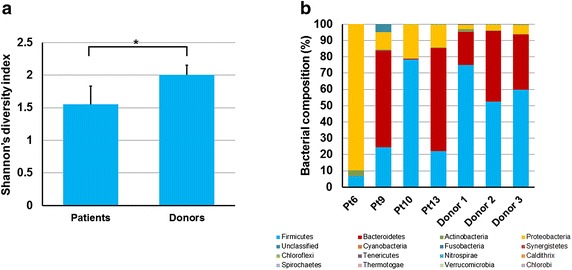
“Moreover, the Shannon diversity index was used to depict the diversity of the microbiota (online supplement methods) (3, 23).”
BackgroundMethodSelf-citationHuang, S., Hu, S., Liu, S., Tang, B., Liu, Y., Tang, L., Lei, Y., Zhong, L., Yang, S., & He, S. (2020) · Pharmacological Research · doi:10.1016/j.phrs.2021.105992 · Cited by 75
Step-up fecal microbiota transplantation (FMT) strategy
Cui, B., Li, P., Xu, L., Peng, Z., Xiang, J., He, Z., Zhang, T., Ji, G., Nie, Y., Wu, K., et al. (2016) · Gut Microbes · doi:10.1080/19490976.2016.1151608 · Cited by 71
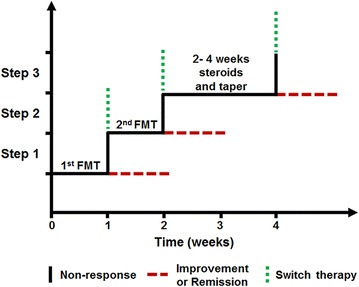
“We recently reported on the concept and efficacy of a step-up FMT strategy using a protocol of 2 FMTs followed by a course of steroid therapy.(7) We propose that the therapeutic effects of FMT along with stan-”
BackgroundMethodInfluentialSelf-citationSchierová, D., Březina, J., Mrázek, J., Fliegerova, K. O., Kvasnová, S., Bajer, L., & Drastich, P. (2020) · Cells · doi:10.3390/cells9102283 · Cited by 73
“This finding is in agreement with several studies [10,15,16,18,42], however, not all of them reported the correlation between the bacterial shift towards the healthy donor and clinical response [16].”
BackgroundResultXie, W.-R., Yang, X.-Y., Xia, H. H.-X., Wu, L.-H., & He, X.-X. (2019) · World Journal of Clinical Cases · doi:10.12998/wjcc.v7.i19.3074 · Cited by 67
Highlighting the Relevance of Gut Microbiota Manipulation in Inflammatory Bowel Disease
Pavel, F. M., Vesa, C. M., Gheorghe, G., Diaconu, C. C., Stoicescu, M., Munteanu, M. A., Babeş, E. E., Ţiţ, D. M., Toma, M. M., & BUNGAU, S. G. (2021) · Diagnostics · doi:10.3390/diagnostics11061090 · Cited by 72
“Of these, eight patients (57%) showed clinical improvement, and four patients remained in remission for a long time [142].”
BackgroundMicrobiota transplantation: Targeting cancer treatment
Wu, X., Zhang, T., Chen, X., Ji, G., & Zhang, F. (2019) · Cancer Letters · doi:10.1016/j.canlet.2019.03.010 · Cited by 67
Self-citationFecal microbiota transplant – a new frontier in inflammatory bowel disease
Sunkara, T., Rawla, P., Ofosu, A., & Gaduputi, V. V. (2018) · Journal of Inflammation Research · doi:10.2147/jir.s176190 · Cited by 72
“32 Suskind et al were the first to report that FMT might be a therapeutic option in CD. 60 Vaughn et al studied about increased intestinal microbial diversity following FMT in CD patients.”
Fecal microbiota transplantation is a rescue treatment modality for refractory ulcerative colitis
Uygun, A., Ozturk, K., Demirci, H., Oger, C., Avci, I. Y., Turker, T., & Gulsen, M. (2017) · Medicine · doi:10.1097/md.0000000000006479 · Cited by 58
“Cui et al[16] reported that step-up FMT strategy could lead to steroid-free clinical improvement or remission in patients with steroid-dependent UC.”
BackgroundA novel quick transendoscopic enteral tubing in mid-gut: technique and training with video
Long, C., Yu, Y., Cui, B., Jagessar, S. A. R., Zhang, J., Ji, G., Huang, G., & Zhang, F. (2018) · BMC Gastroenterology · doi:10.1186/s12876-018-0766-2 · Cited by 57
“FMT via colonoscopy is a classic approach, but in our previous study on ulcerativecolitis [4], those patients have difficulty to maintain the infused microbiota suspension for enough time through this way.”
BackgroundSelf-citationLi, Q., Ding, X. L., Liu, K., Marcella, C., Liu, X., Zhang, T., Liu, Y., Li, P., Xiang, L., Cui, B., et al. (2020) · Clinical and Translational Gastroenterology · doi:10.14309/ctg.0000000000000224 · Cited by 60
“The efficacy of 5-ASAs, corticosteroids, and immunosuppressants is modest for the refractory patients in the long-term treatment (9,10).”
BackgroundMethodSelf-citationFecal microbiota transplantation in alcohol related liver diseases
Shasthry, S. M. (2020) · Clinical and Molecular Hepatology · doi:10.3350/cmh.2020.0057 · Cited by 61
Sood, A., Mahajan, R., Juyal, G., Midha, V., Grewal, C. S., Mehta, V., Singh, A., Joshi, M. C., Narang, V., Kaur, K., et al. (2018) · Intestinal Research · doi:10.5217/ir.2018.00089 · Cited by 53
“The random use of 2 unrelated donors in our study may have resulted in better outcomes in our study as related donors may have similar microbiome as the recipients due to common genetic and environmental factors.(9,13,15) Also, the use of multiple donors might have increased the microbial heterogeneity, thus resulting…”
BackgroundMethodResultInfluentialFecal microbiota transplantation relieve painful diabetic neuropathy: A case report
Cai, T.-T., Ye, X.-L., Yong, H.-J., Song, B., Zheng, X.-L., Cui, B.-T., Zhang, F.-M., Lu, Y.-B., Miao, H., & Ding, D.-F. (2018) · Medicine · doi:10.1097/md.0000000000013543 · Cited by 50
“The laboratory protocol and clinical work flowwere noted in a recent report.([11]) The complete study protocol was approved by institutional ethics committees of The Second Affiliated Hospital of Nanjing Medical University ([2015]ky044) and written informed consent was obtained from the participant.”
MethodSelf-citationZhao, H. L., Chen, S. Z., Xu, H. M., Zhou, Y. L., He, J., Huang, H. L., Xu, J., & Nie, Y. Q. (2020) · Journal of Digestive Diseases · doi:10.1111/1751-2980.12933 · Cited by 48
Self-citationXu, F., Li, N., Wang, C., Xing, H., Chen, D., & Wei, Y. (2021) · BMC Gastroenterology · doi:10.1186/s12876-021-01630-x · Cited by 58
“Donors Stool donor was selected according to the criteria as follow, based on previously reported studies [16, 17].”
MethodEvolution of fecal microbiota transplantation in methodology and ethical issues
Zhang, F., Zhang, T., Zhu, H., & Borody, T. J. (2019) · Current Opinion in Pharmacology · doi:10.1016/j.coph.2019.04.004 · Cited by 48
Self-citationWang, Y., Ren, R., Sun, G., Peng, L., Tian, Y., & Yang, Y. (2020) · International Immunopharmacology · doi:10.1016/j.intimp.2020.106661 · Cited by 49
Microbe-metabolite-host axis, two-way action in the pathogenesis and treatment of human autoimmunity
Meng, X. L., Zhou, H., Shen, H., Lufumpa, E., Li, X., Guo, B., & Li, B. (2019) · Autoimmunity Reviews · doi:10.1016/j.autrev.2019.03.006 · Cited by 47
Fecal microbiota transplantation ameliorates active ulcerative colitis
Chen, H., Huang, H., Xu, H., Luo, Q., He, J., Li, Y., Zhou, Y., Nie, Y., & Zhou, Y. (2020) · Experimental and Therapeutic Medicine · doi:10.3892/etm.2020.8512 · Cited by 55
“The FMT procedure was repeated every other day for a total of 3 treatments, with each patient only receiving FMT obtained from the same donor (20).”
MethodSelf-citationThe Evolving Landscape of Fecal Microbial Transplantation
Shao, T., Hsu, R., Hacein-Bey, C., Zhang, W., Gao, L., Kurth, M. J., Zhao, H., Shuai, Z., & Leung, P. S. C. (2023) · Clinical Reviews in Allergy & Immunology · doi:10.1007/s12016-023-08958-0 · Cited by 48
Deng, Z., Mei, S., Ouyang, Z., Wang, R., Wang, L., Zou, B., Dai, J., Mao, K., Li, Q., Guo, Q., et al. (2025) · Gut Microbes · doi:10.1080/19490976.2025.2476561 · Cited by 47
“A clean FMT protocol was employed for the preparation, 33–35 which comprised microfiltration and centrifugation-enrichment methods, with repeated centrifugation and washing.”
Zhang, T., Cui, B., Li, P., He, Z., Long, C., Wei, L., Peng, Z., Ji, G., & Zhang, F. (2016) · PLOS ONE · doi:10.1371/journal.pone.0158227 · Cited by 39
“Some quantifiable laboratory assessments including CRP, ESR, leukocytes, platelets and lymphocytes subset analysis were used to evaluate the disease activity of IBD in our previous study and some other studies[7,33,34].”
MethodSelf-citationRecipe for IBD: can we use food to control inflammatory bowel disease?
Witkowski, M., Witkowski, M., Gagliani, N., & Huber, S. (2017) · Seminars in Immunopathology · doi:10.1007/s00281-017-0658-5 · Cited by 44
Niu, W., Yang, F., Fu, Z., Dong, Y., Zhang, Z., & Ju, J. (2021) · Microbial Pathogenesis · doi:10.1016/j.micpath.2021.105381 · Cited by 40
Colonic transendoscopic tube-delivered enteral therapy (with video): a prospective study
Zhang, T., Long, C., Cui, B., Buch, H., Wen, Q., Li, Q., Ding, X., Ji, G., & Zhang, F. (2020) · BMC Gastroenterology · doi:10.1186/s12876-020-01285-0 · Cited by 37
“In our earlier phase, we once performed FMT through the mid-gut under gastroscopy for IBD patients [20, 21].”
MethodSelf-citationSun, D., Li, W., Li, S., Cen, Y., Xu, Q., Li, Y., Sun, Y., Qi, Y., Lin, Y., Yang, T., et al. (2016) · Medicine · doi:10.1097/md.0000000000003765 · Cited by 45
“Since most patients with extensive UC often have a difficult time retaining the infused suspension after FMT via colonoscopy or enema, lower gastrointestinal delivery is suboptimal in this subpopulation of patients.(12) In light of these observations, our review identified some researchers who used different ways to d…”
BackgroundMethodSood, A., Singh, A., Mahajan, R., Midha, V., Mehta, V., Gupta, Y. K., Narang, V., & Kaur, K. (2019) · Journal of Gastroenterology and Hepatology · doi:10.1111/jgh.14829 · Cited by 39
Cost-effectiveness analysis of fecal microbiota transplantation for inflammatory bowel disease
Zhang, T., Xiang, J., Cui, B., He, Z., Li, P., Chen, H., Xu, L., Ji, G., Nie, Y., Wu, K., et al. (2017) · Oncotarget · doi:10.18632/oncotarget.21491 · Cited by 34
“Collectively, for IBD patients, the step-up FMT strategy involving medicine after FMT was proved to be more effective than that before FMT [10].”
BackgroundMethodSelf-citationBretto, E., Caviglia, G. P., Saracco, G. M., Bugianesi, E., & Ribaldone, D. G. (2025) · Biomedicines · doi:10.3390/biomedicines13081807 · Cited by 41
“Another randomized placebo-controlled study, conducted by Paramsothy et al., involved 81 patients with mild-to-moderate UC, with 41 patients in the study group and 40 in the control group [178].”
Fecal microbial transplant for the treatment of pediatric inflammatory bowel disease
Wang, A. Y., Popov, J., & Pai, N. (2016) · World Journal of Gastroenterology · doi:10.3748/wjg.v22.i47.10304 · Cited by 38
Chen, M., Liu, X. L., Zhang, Y. J., Nie, Y. Z., Wu, K., & Yong Quan, S. H. I. (2020) · Journal of Digestive Diseases · doi:10.1111/1751-2980.12938 · Cited by 40
“This result is similar to those in previous studies, which also found that FMT may be a promising therapeutic option for patients with steroid-dependent UC.(15,16) Meanwhile, we also found TABLE 3 Clinical outcomes in recipients of fecal microbiota transplantation”
ResultSelf-citationZhang, H., Hao, Z., Zhang, R., Jiang, T., Wang, X., Liu, J., Gao, Y., Wang, X., Su, Q., Wen, H., et al. (2024) · Phytomedicine · doi:10.1016/j.phymed.2024.155897 · Cited by 33
Fecal Microbiota Transplantation and Its Potential Therapeutic Uses in Gastrointestinal Disorders
Heath, R. D., Cockerell, C., Mankoo, R., Ibdah, J. A., & Tahan, V. (2017) · Northern Clinics of Istanbul · doi:10.14744/nci.2017.10692 · Cited by 36
“, 2015 [49] Cohort study Nasogastric infusion 30 86.”
BackgroundDingenen, L. V., Segers, C., Wouters, S., Mysara, M., Leys, N., Kumar‐Singh, S., Malhotra‐Kumar, S., & Houdt, R. V. (2023) · Frontiers in Cellular and Infection Microbiology · doi:10.3389/fcimb.2023.1298264 · Cited by 31
Clinical Review on the Utility of Fecal Microbiota Transplantation in Immunocompromised Patients
Abu‐Sbeih, H., Ali, F. S., & Wang, Y. (2019) · Current Gastroenterology Reports · doi:10.1007/s11894-019-0677-6 · Cited by 29
The practice of fecal microbiota transplantation in inflammatory bowel disease
Arora, U., Kedia, S., & Ahuja, V. (2023) · Intestinal Research · doi:10.5217/ir.2023.00085 · Cited by 35
Su, F., Luo, Y., Yu, J., Shi, J., Zhao, Y., Yan, M., Huang, H., & Tan, Y. (2021) · European journal of medical research · doi:10.1186/s40001-021-00508-8 · Cited by 25
“The unrelated donor was a 23-year-old male volunteer, who was carefully screened using our inclusion and exclusion criteria (Additional file 2: Table S1) [27].”
MethodSelf-citationCao, Y., Zhang, B., Wu, Y., Wang, Q., Wang, J., & Shen, F. (2018) · Gastroenterology Research and Practice · doi:10.1155/2018/5480961 · Cited by 33
“Five articles based on related donor [43, 45, 47, 52, 55] and two based on unrelated donor [54, 57] were available and enrolled.”
BackgroundRole of fecal microbiota transplantation in inflammatory bowel disease
D'Odorico, I., Bella, S. D., Monticelli, J., Giacobbe, D. R., Boldock, E., & Luzzati, R. (2018) · Journal of Digestive Diseases · doi:10.1111/1751-2980.12603 · Cited by 26
Zhang, F., Kamm, M. A., Wu, X., Kao, D. H., Borody, T. J., Chen, L. A., He, X., Fischer, M., Wong, S. H., Ng, S. C., et al. (2025) · Journal of Gastroenterology and Hepatology · doi:10.1111/jgh.16947 · Cited by 23
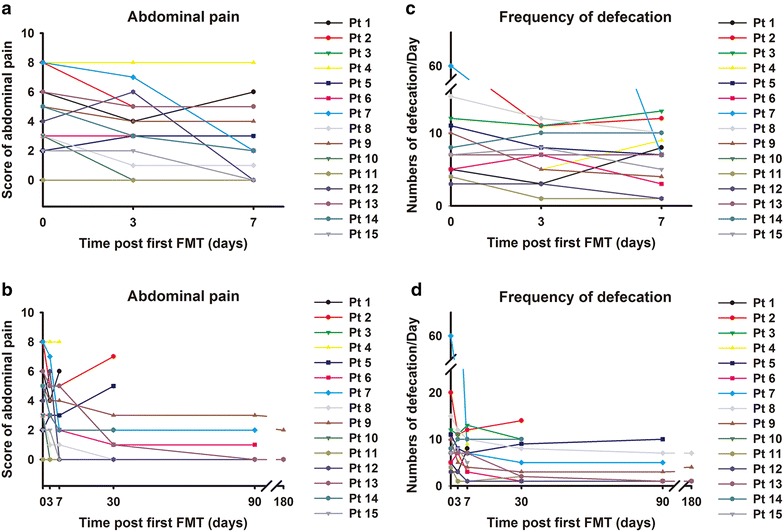
“57.1% of patients (8/14) with steroid-dependent ulcerative colitis (UC) achieved clinical improvement and were able to discontinue steroids following step-up FMT (regular steroids based on FMT) [39].”
InfluentialSelf-citationHuang, H., Xu, H., Liu, Y., Shou, D., Chen, H., Nie, Y., Li, Y., & Zhou, Y. (2022) · Frontiers in Psychiatry · doi:10.3389/fpsyt.2022.695481 · Cited by 25
Self-citationFecal virome transplantation: A promising strategy for the treatment of metabolic diseases
Zeng, C., Wan, S., Guo, M., Tan, X.-Z., Zeng, Y., Wu, Q., Xie, J.-J., Yan, P., Long, Y., Zheng, L., et al. (2024) · Biomedicine & Pharmacotherapy · doi:10.1016/j.biopha.2024.117065 · Cited by 24
Lam, W. C., Zhao, C., Ma, W. J., & Yao, L. (2019) · Gastroenterology Research and Practice · doi:10.1155/2019/1287493 · Cited by 20
“Currently, as a recommended therapy for moderate to severe UC [8, 16], steroid-dependent ulcerative colitis became a new issue with various side effects on the patients [17].”
BackgroundThe Use of Gut Microbial Modulation Strategies as Interventional Strategies for Ageing
Siddiqui, R., Mungroo, M. R., Alharbi, A. M., Alfahemi, H. H., & Khan, N. A. (2022) · Microorganisms · doi:10.3390/microorganisms10091869 · Cited by 21
Li, Q., Ding, X. L., Liu, Y., Marcella, C., Dai, M., Zhang, T., Bai, J., Xiang, L., Wen, Q., Cui, B., et al. (2021) · Frontiers in Pharmacology · doi:10.3389/fphar.2021.658087 · Cited by 18
Self-citationHot topics on fecal microbiota transplantation for the treatment of inflammatory bowel disease
Zhang, X., Ishikawa, D., Ohkusa, T., Fukuda, S., & Nagahara, A. (2022) · Frontiers in Medicine · doi:10.3389/fmed.2022.1068567 · Cited by 19
Fecal Microbiota Transplantation as a Cancer Therapeutic
Stoff, R., Wolf, Y., & Boursi, B. (2023) · The Cancer Journal · doi:10.1097/ppo.0000000000000651 · Cited by 23
O’Reilly, C., Mills, S., Rea, M. C., Lavelle, A., Ghosh, S., Hill, C., & Ross, R. P. (2023) · Microbiome Research Reports · doi:10.20517/mrr.2023.41 · Cited by 20
“In clinical trials, MSCT has proven to be safe and effective for the treatment of refractory CD [180-182] and UC [183-185] , although the long-term efficacy of MSCT must yet be verified [186] .”
BackgroundResearch Progress in Fecal Microbiota Transplantation as Treatment for Irritable Bowel Syndrome
Wang, Y., Zheng, F., Liu, S., & Luo, H. (2019) · Gastroenterology Research and Practice · doi:10.1155/2019/9759138 · Cited by 18
“[81, 82] developed a smart microbiota treatment system that standardizes the procedure of precise fecal bacterial processing, multistage filtration, repeated centrifugation, concentration, and enrichment.”
MethodWu, Z., & Wang, H. X. (2018) · SN Comprehensive Clinical Medicine · doi:10.1007/s42399-018-0033-4 · Cited by 22
“4% and multiple FMT may have better results [106].”
BackgroundSelf-citationFaecal microbiota transplantation in children : A systematic review
Lauwers, E., Sabino, J., Hoffman, I. E. A., & van Hoeve, K. (2024) · Acta Paediatrica · doi:10.1111/apa.17167 · Cited by 18
Li, Q., Zhang, T., Ding, X. L., Xiang, L., Cui, B., Buch, H., & Zhang, F. (2020) · European Journal of Gastroenterology & Hepatology · doi:10.1097/meg.0000000000001725 · Cited by 16
Self-citationDang, X., Wang, Q., Zhao, Y., Sun, L., & Yang, W. (2020) · BMC Gastroenterology · doi:10.1186/s12876-020-01548-w · Cited by 20
Self-citationKump, P. K., & Högenauer, C. (2016) · Digestive Diseases · doi:10.1159/000447379 · Cited by 14
Zhang, W., Zhang, J., Liu, T., Xing, J., Zhang, H., Wang, D., & Tang, D. (2022) · Journal of Cancer Research and Clinical Oncology · doi:10.1007/s00432-022-04081-3 · Cited by 16
From germ theory to germ therapy
Chen, C., Chen, Y., Liou, J., & Wu, M. (2019) · The Kaohsiung Journal of Medical Sciences · doi:10.1002/kjm2.12011 · Cited by 18
Chanyi, R. M., Craven, L. J., Harvey, B., Reid, G., Silverman, M., & Burton, J. P. (2017) · SAGE Open Medicine · doi:10.1177/2050312117708712 · Cited by 15
Metadata
- Authors
- Cui, B., Li, P., Xu, L., Zhao, Y., Wang, H., Peng, Z., Xu, H., Xiang, J., He, Z., Zhang, T., Nie, Y., Wu, K., Fan, D., Ji, G., & Zhang, F.
- Affiliations
- Second Affiliated Hospital of Nanjing Medical University (CN)
- Tianjin University (CN)
- Tiangong University (CN)
- Xijing Hospital (CN)
- Corresponding author
- Ji, Guozhong
- Zhang, Faming
- ORCID
- Venue
- Journal of Translational Medicine
- Published
- 2015-09-12
- Volume
- 13
- Issue
- 1
- Pages
- 298-298
- ISSN
- 1479-5876 (ISSN-L)
- PMC
- PMC4567790
- OpenAlex
- W2115861328
- Cited by
- 148
- References
- 35
- Citations by year
- 2026: 5 · 2025: 8 · 2024: 11 · 2023: 8 · 2022: 17 · 2021: 14 · 2020: 18 · 2019: 21 · 2018: 19 · 2017: 17 · 2016: 10
- FWCI
- 10.48
- Type
- journal article
- Language
- en
- Open access
- gold
- doi.org
- Licence
- cc-by
- Locations
- Journal of Translational Medicine (publishedVersion, cc-by)
- Europe PMC (PubMed Central) (publishedVersion, cc-by)
- PubMed Central (publishedVersion, cc-by)
- PubMed (publishedVersion)
- Funders
- NYU Langone Medical Center
- Government of Jiangsu Province
- National Science and Technology Major Project (2012BAI06B03)
- Topics
- Health Sciences › Medicine › Gastroenterology › Inflammatory Bowel Disease
- Life Sciences › Biochemistry, Genetics and Molecular Biology › Molecular Biology › Gut microbiota and health
- Health Sciences › Medicine › Gastroenterology › Microscopic Colitis
- Keywords
- fecal microbiota transplantation, ulcerative colitis, steroid dependence, refractory ulcerative colitis, corticosteroid withdrawal, gut microbiota composition, donor microbiota, remission maintenance, 16S rRNA gene sequencing
- MeSH terms
- Fecal Microbiota Transplantation, Adolescent, Adrenal Cortex Hormones, Adult, Child, Colitis, Ulcerative, Feces, Female, Humans, Male, Middle Aged, Pilot Projects, Prospective Studies, Specimen Handling, Treatment Outcome, Young Adult, Microbiota
About these checks
Registry, retraction, Cites and statistics results are computed, not judged, with one exception: a printed reference that no index lists is read once by a model before it counts as a citation error. Claims are extracted by a model and kept only when their quote appears verbatim in the text; each cited source is then checked, with a model’s help, for whether it says what the claim relies on. Those verdicts can be wrong — read the claim’s quote and the cited source before relying on one.
Statistics and arithmetic are recomputed, not judged.
Confidence bands are shown only for fields calibrated on our annotated test set. None is calibrated yet, so no band is shown.
What counts as a claim ›How we measure confidence ›How we check this ›
Are you an author, or do you see a problem with this page? Request a review
Data sources
Bibliographic data: Semantic Scholar, OpenAlex, Crossref.
Contains information from the Semantic Scholar Academic Graph Datasets, made available under the ODC Attribution License (ODC-BY 1.0).
Semantic Scholar’s data is described in: Kinney, R., et al. (2023). The Semantic Scholar Open Data Platform. arXiv:2301.10140.
