

A novel role of NLRP3-generated IL-1β in the acute-chronic transition of peripheral lipopolysaccharide-elicited neuroinflammation: implications for sepsis-associated neurodegeneration
Open accessThe DOI matches its Crossref record; 97 of the 97 references it cites were found in a registry or an index.
Abstract
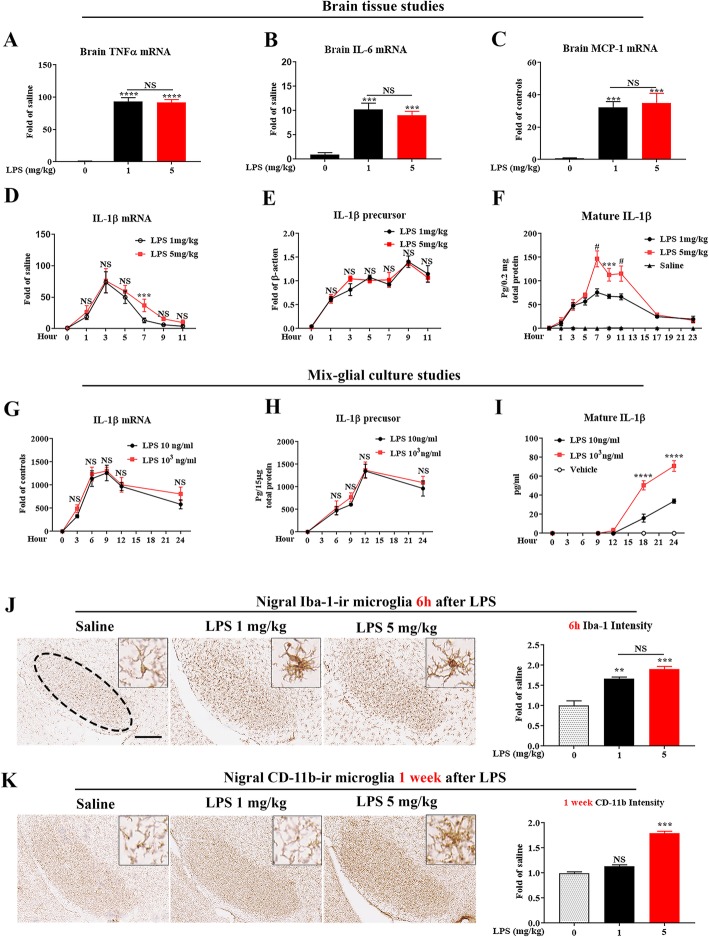
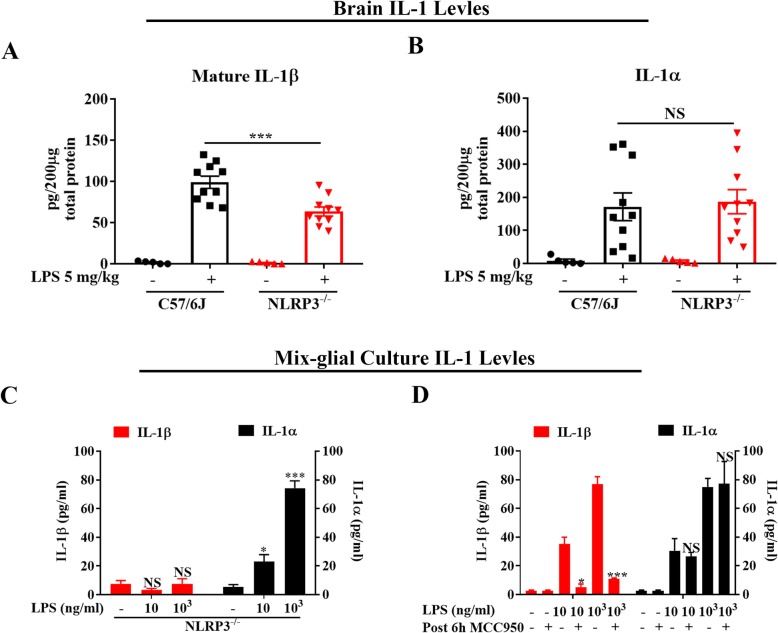
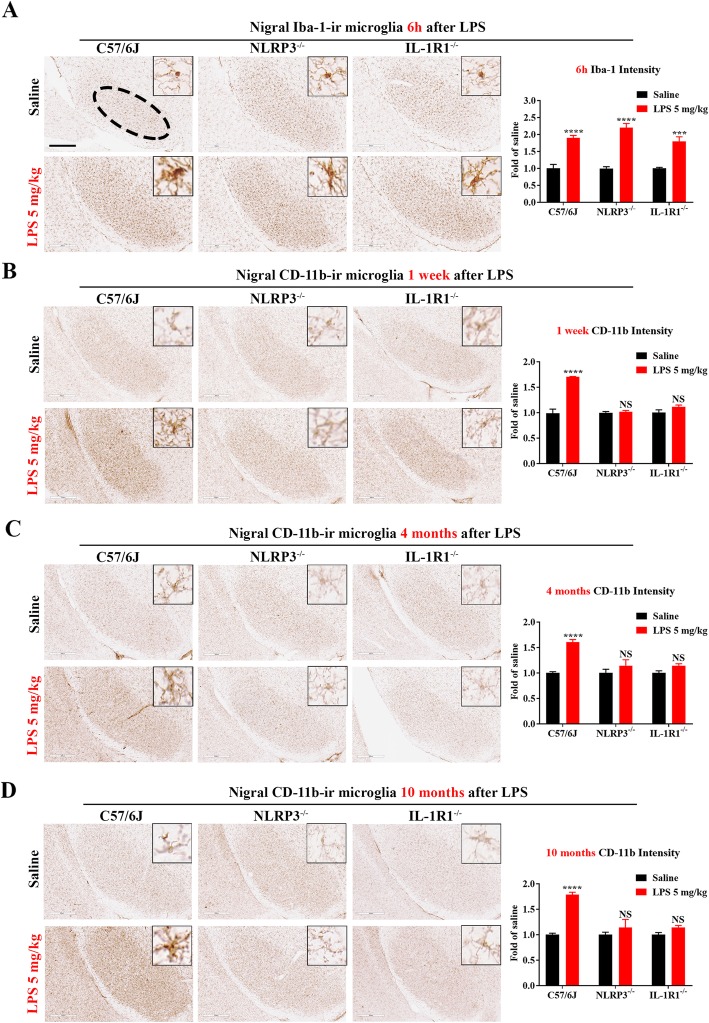
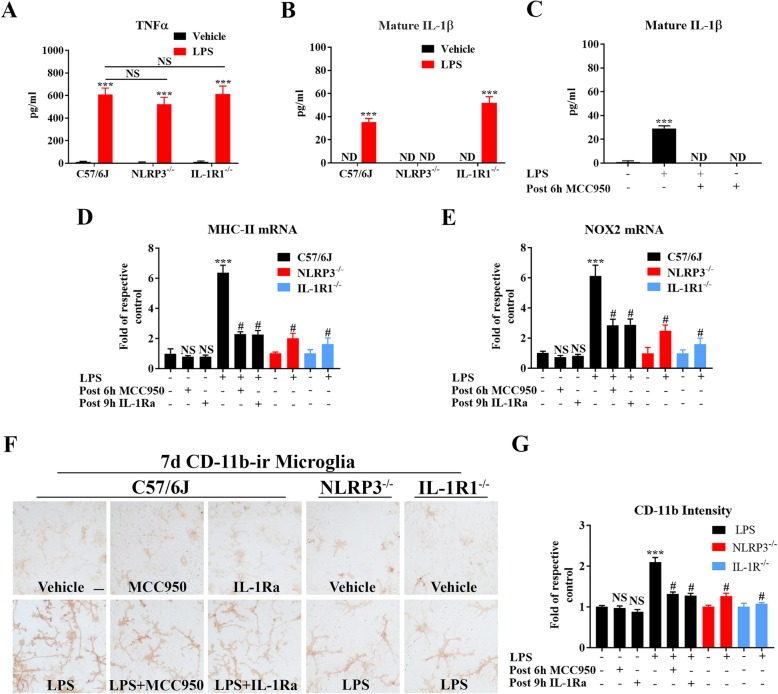
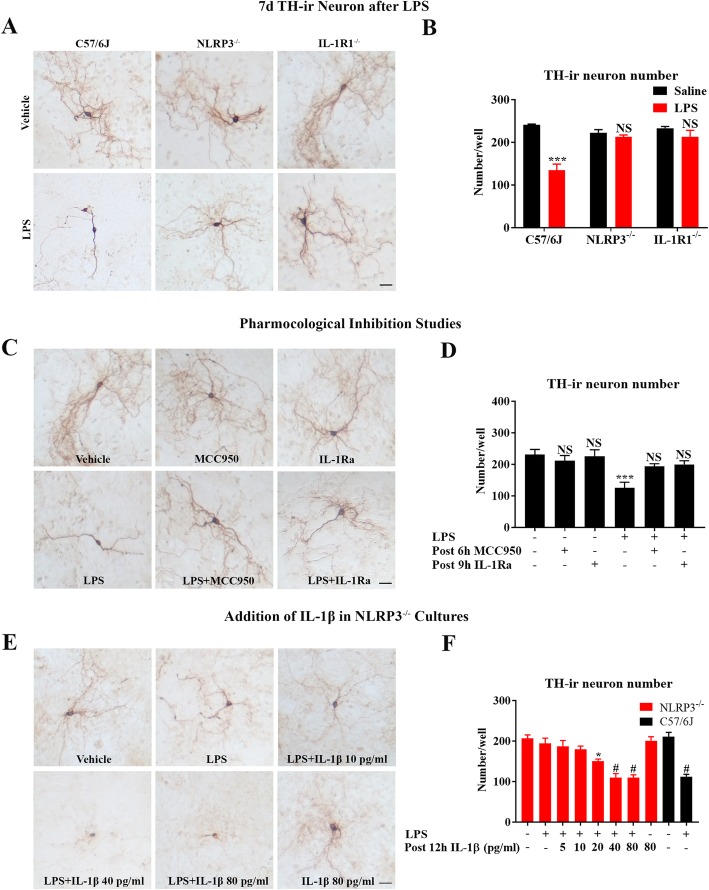
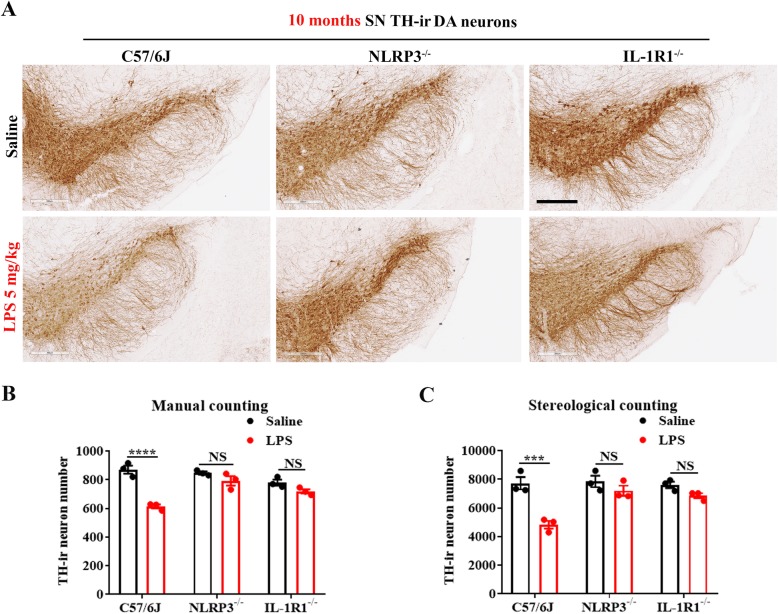
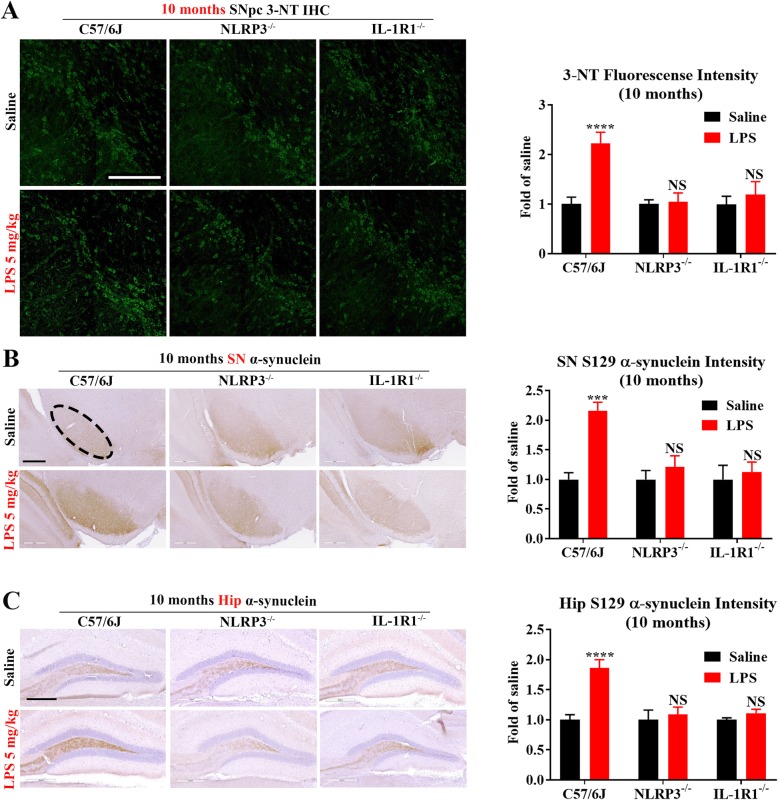
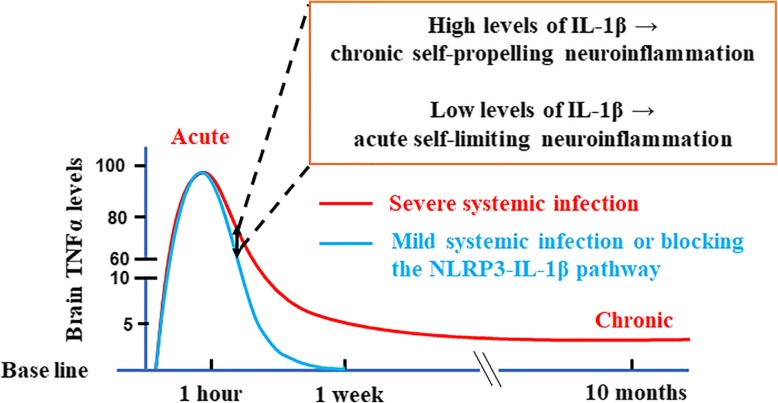
Background: Sepsis-associated acute brain inflammation, if unresolved, may cause chronic neuroinflammation and resultant neurodegenerative diseases. However, little is known how the transition from acute to chronic neuroinflammation, which is critical for the following progressive neurodegeneration, occurs in sepsis. The goal of this study was to investigate potential immune factors regulating the transition process using a widely used endotoxemia LPS mouse model. This model shows distinct acute and chronic phases of neuroinflammation and recapitulates many cardinal features of Parkinson’s disease, thus, providing a unique opportunity for studying phase transition of neuroinflammation. Methods: C57BL/6 J, NLRP3−/−, and IL-1R1−/− mice were employed. Mild and severe endotoxemia were produced by LPS ip injection at 1 or 5 mg/kg. Neuroinflammation in vitro and in vivo was assessed with proinflammatory cytokine expression by qPCR or ELISA and microglial activation by immunohistochemical analysis. Neurodegeneration was measured by manual and stereological counts of nigral dopaminergic neurons and immunohistochemical analysis of protein nitrosylation and α-synuclein phosphorylation. Results: LPS-elicited initial increases in mouse brain mRNA levels of TNFα, IL-6, IL-1β, and MCP-1, and nigral microglial activation were not dose-related. By contrast, the delayed increase in brain mature IL-1β levels was dependent on LPS doses and protracted nigral microglial activation was only observed in high dose of LPS-treated mice. LPS-elicited increase in brain mature IL-1β but not IL-1α level was NLRP3-dependent. After high dose LPS treatment, deficiency of NLRP3 or IL-1R1 did not prevent the initiation of acute neuroinflammation but abolished chronic neuroinflammation. Genetic or pharmacological inhibition of the NLRP3-IL-1β axis repressed LPS-stimulated upregulation of chronic neuroinflammatory mediators including MHC-II, NOX2, and Mac1, and protected dopaminergic neurons. Ten months after LPS-elicited severe endotoxemia, nigral persisted microglial activation, elevated nitrosylated proteins and phosphorylated α-synuclein, and significant neuronal degeneration developed in wild-type mice but not in NLRP3−/− or IL-1R1−/− mice. Conclusions: This study uncovers a novel role of the NLRP3-IL-1β signaling pathway in gauging the severity of sepsis-associated inflammation and determining whether acute neuroinflammation will resolve or transition to low grade chronic neuroinflammation. These findings also provide novel targets for developing therapy for severe systemic infection-related neurodegeneration.
Overview
The claims and statistics of this paper haven’t been checked yet.
Free: it reads the open-access text and checks the first 5 claims that cite a source we can check. Create a free account to check every claim.
Integrity signals
Registry
Cites
Statistics
Figures
Verification
Claims the paper makes
The claims and statistics of this paper haven’t been checked yet.
Free: it reads the open-access text and checks the first 5 claims that cite a source we can check. Create a free account to check every claim.
Claims other papers make about this one
Each is checked against this paper’s own text: does it say what the citing paper says it does?
The source backs part of the claim, not all of it — or backs it for a different population, condition or comparison.
In the citing paper
“In another mouse model, the peripheral injection of lipopolysaccharide (LPS) increased the expression of proinflammatory cytokines in the brain and microglia activation in the substantia nigra via the NLRP3-IL-1b signalling pathway, resulting in neurodegeneration.101”
From The role of gut dysbiosis in Parkinson’s disease: mechanistic insights and therapeutic options (2021) · cites this paper as [101]
Experimental — accuracy not yet measuredThe source backs part of the claim, not all of it — or backs it for a different population, condition or comparison.
In the citing paper
“Our study found that LPS-only injection induced αSyn accumulation in the long term (120 and 150 dpi), consistent with previous findings17,18.”
From Microglial inhibition alleviates alpha-synuclein propagation and neurodegeneration in Parkinson’s disease mouse model (2024) · cites this paper as [18]
Experimental — accuracy not yet measuredThe cited source says what the claim attributes to it.
In the citing paper
“Zhao et al. also observed a prominent increase in the immunoreactivity of pSyn (S129) in the SN and hippocampus of wild-type mice 10 months after a single intraperitoneal injection of LPS18.”
From Microglial inhibition alleviates alpha-synuclein propagation and neurodegeneration in Parkinson’s disease mouse model (2024) · cites this paper as [18]
Self-check
Percentages, sums and reported differences re-computed from the paper’s own numbers.
The self-check needs the paper’s full text.
Citations
Cites
Antiinflammatory Therapy with Canakinumab for Atherosclerotic Disease
Ridker, P. M., Everett, B. M., Thuren, T., MacFadyen, J. G., Chang, W. H., Ballantyne, C., Fonseca, F., Nicolau, J., Koenig, W., Anker, S. D., et al. (2017) · New England Journal of Medicine · doi:10.1056/nejmoa1707914 · Cited by 9,482
Molecular Mechanisms of Depression: Perspectives on New Treatment Strategies
Lang, U. E., & Borgwardt, S. (2013) · Cellular Physiology and Biochemistry · doi:10.1159/000350094 · Cited by 8,475
Mutation of the mouse klotho gene leads to a syndrome resembling ageing
Kuro-o, M., Matsumura, Y., Aizawa, H., Kawaguchi, H., Suga, T., Utsugi, T., Ohyama, Y., Kurabayashi, M., Kaname, T., Kume, E., et al. (1997) · Nature · doi:10.1038/36285 · Cited by 3,837
Mechanisms underlying inflammation in neurodegeneration
Glass, C. K., Saijo, K., Winner, B., Marchetto, M. C., & Gage, F. H. (2010) · Cell · doi:10.1016/j.cell.2010.02.016 · Cited by 3,580
Inflammasomes: mechanism of assembly, regulation and signalling
Broz, P., & Dixit, V. M. (2016) · Nature Reviews Immunology · doi:10.1038/nri.2016.58 · Cited by 3,500
Complement and microglia mediate early synapse loss in Alzheimer mouse models
Hong, S., Beja-Glasser, V. F., Nfonoyim, B. M., Frouin, A., Li, S., Ramakrishnan, S., Merry, K. M., Shi, Q., Rosenthal, A., Barres, B. A., et al. (2016) · Science · doi:10.1126/science.aad8373 · Cited by 3,343
Pyroptosis: host cell death and inflammation
Bergsbaken, T., Fink, S. L., & Cookson, B. T. (2009) · Nature Reviews Microbiology · doi:10.1038/nrmicro2070 · Cited by 3,183
A small-molecule inhibitor of the NLRP3 inflammasome for the treatment of inflammatory diseases
Coll, R. C., Robertson, A. A. B., Chae, J. J., Higgins, S. C., Muñoz-Planillo, R., Inserra, M. C., Vetter, I., Dungan, L. S., Monks, B. G., Stutz, A., et al. (2015) · Nature Medicine · doi:10.1038/nm.3806 · Cited by 2,849
Mechanism and Regulation of NLRP3 Inflammasome Activation
He, Y., Hara, H., & Núñez, G. (2016) · Trends in Biochemical Sciences · doi:10.1016/j.tibs.2016.09.002 · Cited by 2,759
Long-term cognitive impairment and functional disability among survivors of severe sepsis.
Iwashyna, T. J., Ely, E. W., Smith, D. M., & Langa, K. M. (2010) · JAMA · doi:10.1001/jama.2010.1553 · Cited by 2,582
Mechanisms and Functions of Inflammasomes
Lamkanfi, M., & Dixit, V. M. (2014) · Cell · doi:10.1016/j.cell.2014.04.007 · Cited by 2,503
Endoplasmic reticulum stress: cell life and death decisions
Xu, C. (2005) · Journal of Clinical Investigation · doi:10.1172/jci26373 · Cited by 2,255
Systemic LPS causes chronic neuroinflammation and progressive neurodegeneration
Qin, L., Wu, X., Block, M. L., Liu, Y., Breese, G. R., Hong, J., Knapp, D. J., & Crews, F. T. (2007) · Glia · doi:10.1002/glia.20467 · Cited by 2,144
Self-citationHow neuroinflammation contributes to neurodegeneration
Ransohoff, R. M. (2016) · Science · doi:10.1126/science.aag2590 · Cited by 1,967
The interleukin-1 family: back to the future
Garlanda, C., Dinarello, C. A., & Mantovani, A. (2013) · Immunity · doi:10.1016/j.immuni.2013.11.010 · Cited by 1,945
Treating inflammation by blocking interleukin-1 in a broad spectrum of diseases
Dinarello, C. A., Simon, A., & van der Meer, J. W. M. (2012) · Nature Reviews Drug Discovery · doi:10.1038/nrd3800 · Cited by 1,768
Microglia in neurodegeneration
Hickman, S., Izzy, S., Sen, P., Morsett, L., & El Khoury, J. (2018) · Nature Neuroscience · doi:10.1038/s41593-018-0242-x · Cited by 1,710
The IL-1 family: regulators of immunity
Sims, J. E., & Smith, D. E. (2010) · Nature Reviews Immunology · doi:10.1038/nri2691 · Cited by 1,418
Norelli, M., Camisa, B., Barbiera, G., Falcone, L., Purevdorj, A., Genua, M., Sanvito, F., Ponzoni, M., Doglioni, C., Cristofori, P., et al. (2018) · Nature Medicine · doi:10.1038/s41591-018-0036-4 · Cited by 1,406
CAR T cell–induced cytokine release syndrome is mediated by macrophages and abated by IL-1 blockade
Giavridis, T., van der Stegen, S. J. C., Eyquem, J., Hamieh, M., Piersigilli, A., & Sadelain, M. (2018) · Nature Medicine · doi:10.1038/s41591-018-0041-7 · Cited by 1,272
Inflammasome Complexes: Emerging Mechanisms and Effector Functions
Rathinam, V. A. K., & Fitzgerald, K. A. (2016) · Cell · doi:10.1016/j.cell.2016.03.046 · Cited by 1,101
Systemic inflammation and microglial activation: systematic review of animal experiments
Hoogland, I. C. M., Houbolt, C., van Westerloo, D. J., van Gool, W. A., & van de Beek, D. (2015) · Journal of Neuroinflammation · doi:10.1186/s12974-015-0332-6 · Cited by 957 · cited 1×
“mediators for sepsis-associated brain inflammation [75].”
Innate immune memory in the brain shapes neurological disease hallmarks
Wendeln, A.-C., Degenhardt, K., Kaurani, L., Gertig, M., Ulas, T., Jain, G., Wagner, J., Häsler, L. M., Wild, K., Skodras, A., et al. (2018) · Nature · doi:10.1038/s41586-018-0023-4 · Cited by 956
Inflammasome inhibition prevents α-synuclein pathology and dopaminergic neurodegeneration in mice
Gordon, R., Albornoz, E. A., Christie, D. C., Langley, M. R., Kumar, V., Mantovani, S., Robertson, A. A. B., Butler, M. S., Rowe, D. B., O’Neill, L. A., et al. (2018) · Science Translational Medicine · doi:10.1126/scitranslmed.aah4066 · Cited by 897 · cited 2×
“NLRP3 inflammasome was found to prevent α-synuclein pathology [84].”
Neuroinflammation Induces Neurodegeneration.
Kempuraj, D., Thangavel, R., Natteru, P., Selvakumar, G. P., Saeed, D., Zahoor, H., Zaheer, S., Iyer, S. S., & Zaheer, A. (2016) · PubMed · Cited by 891
Oxidative stress and Parkinson’s disease
Blesa, J., Trigo-Damas, I., Quiroga-Varela, A., & Jackson-Lewis, V. R. (2015) · Frontiers in Neuroanatomy · doi:10.3389/fnana.2015.00091 · Cited by 878
T cells from patients with Parkinson’s disease recognize α-synuclein peptides
Sulzer, D., Alcalay, R. N., Garretti, F., Cote, L., Kanter, E., Agin-Liebes, J., Liong, C., McMurtrey, C., Hildebrand, W. H., Mao, X., et al. (2017) · Nature · doi:10.1038/nature22815 · Cited by 866
Wang, Y., Xu, C.-F., Liu, Y.-J., Mao, Y.-F., Lv, Z., Li, S.-Y., Zhu, X.-Y., & Jiang, L. (2017) · Cellular Physiology and Biochemistry · doi:10.1159/000477112 · Cited by 825
Self-citationWhy neurodegenerative diseases are progressive: uncontrolled inflammation drives disease progression
Gao, H.-M., & Hong, J.-S. (2008) · Trends in Immunology · doi:10.1016/j.it.2008.05.002 · Cited by 821
Self-citationCytokine, Sickness Behavior, and Depression
Dantzer, R. (2009) · Immunology and Allergy Clinics of North America · doi:10.1016/j.iac.2009.02.002 · Cited by 789
Mitochondrial biology and oxidative stress in Parkinson disease pathogenesis
Henchcliffe, C., & Beal, M. F. (2008) · Nature Clinical Practice Neurology · doi:10.1038/ncpneuro0924 · Cited by 783
Does neuroinflammation fan the flame in neurodegenerative diseases?
Frank-Cannon, T. C., Alto, L. T., McAlpine, F. E., & Tansey, M. G. (2009) · Molecular Neurodegeneration · doi:10.1186/1750-1326-4-47 · Cited by 751
Abderrazak, A., Syrovets, T., Couchie, D., El Hadri, K., Friguet, B., Simmet, T., & Rouis, M. (2015) · Redox Biology · doi:10.1016/j.redox.2015.01.008 · Cited by 732
PtdIns4P on dispersed trans-Golgi network mediates NLRP3 inflammasome activation
Chen, J., & Chen, Z. J. (2018) · Nature · doi:10.1038/s41586-018-0761-3 · Cited by 692
Hopperton, K. E., Mohammad, D., Trépanier, M. O., Giuliano, V, & Bazinet, R. P. (2018) · Molecular Psychiatry · doi:10.1038/mp.2017.246 · Cited by 622
Triggering of inflammasome by aggregated α-synuclein, an inflammatory response in synucleinopathies
Codolo, G., Plotegher, N., Pozzobon, T., Brucale, M., Tessari, I., Bubacco, L., & de Bernard, M. (2013) · PLoS ONE · doi:10.1371/journal.pone.0055375 · Cited by 585 · cited 1×
“Aggregated α-synuclein, one of PD hall markers, triggers microglial NLRP3 inflammasome and the downstream effector caspase-1 to release mature IL-1β [82].”
Microglial cell dysregulation in brain aging and neurodegeneration
von Bernhardi, R., Eugenín-von Bernhardi, L., & Eugenín, J. (2015) · Frontiers in Aging Neuroscience · doi:10.3389/fnagi.2015.00124 · Cited by 556
Gasse, P., Mary, C., Guenon, I., Noulin, N., Charron, S., Schnyder-Candrian, S., Schnyder, B., Akira, S., Quesniaux, V. F. J., Lagente, V., et al. (2007) · Journal of Clinical Investigation · doi:10.1172/jci32285 · Cited by 481
Jang, H., Boltz, D., Sturm-Ramirez, K., Shepherd, K. R., Jiao, Y., Webster, R., & Smeyne, R. J. (2009) · Proceedings of the National Academy of Sciences · doi:10.1073/pnas.0900096106 · Cited by 459
Bronner, D. N., Abuaita, B. H., Chen, X., Fitzgerald, K. A., Nuñez, G., He, Y., Yin, X.-M., & O’Riordan, M. X. D. (2015) · Immunity · doi:10.1016/j.immuni.2015.08.008 · Cited by 437
Harms, A. S., Cao, S., Rowse, A. L., Thome, A. D., Li, X., Mangieri, L. R., Cron, R. Q., Shacka, J. J., Raman, C., & Standaert, D. G. (2013) · Journal of Neuroscience · doi:10.1523/jneurosci.5610-12.2013 · Cited by 406
Oueslati, A. (2016) · Journal of Parkinson’s Disease · doi:10.3233/jpd-160779 · Cited by 375
NLRP3 inflammasome is expressed and functional in mouse brain microglia but not in astrocytes
Gustin, A., Kirchmeyer, M., Koncina, E., Felten, P., Losciuto, S., Heurtaux, T., Tardivel, A., Heuschling, P., & Dostert, C. (2015) · PLoS ONE · doi:10.1371/journal.pone.0130624 · Cited by 369
Gao, H.-M., Zhou, H., Zhang, F., Wilson, B. C., Kam, W., & Hong, J.-S. (2011) · The Journal of Neuroscience · doi:10.1523/jneurosci.3732-10.2011 · Cited by 369
Self-citationAberrant Protein S-Nitrosylation in Neurodegenerative Diseases
Nakamura, T., Tu, S., Akhtar, M. W., Sunico, C. R., Okamoto, S.-I., & Lipton, S. A. (2013) · Neuron · doi:10.1016/j.neuron.2013.05.005 · Cited by 355
González, H., Elgueta, D., Montoya, A., & Pacheco, R. (2014) · Journal of Neuroimmunology · doi:10.1016/j.jneuroim.2014.07.012 · Cited by 352
Understanding brain dysfunction in sepsis
Sonneville, R., Verdonk, F., Rauturier, C., Klein, I. F., Wolff, M., Annane, D., Chretien, F., & Sharshar, T. (2013) · Annals of Intensive Care · doi:10.1186/2110-5820-3-15 · Cited by 352
Miller, L. S., O'Connell, R. M., Gutierrez, M. A., Pietras, E. M., Shahangian, A., Gross, C. E., Thirumala, A., Cheung, A. L., Cheng, G., & Modlin, R. L. (2006) · Immunity · doi:10.1016/j.immuni.2005.11.011 · Cited by 348
Quan, N., Whiteside, M., & Herkenham, M. (1998) · Neuroscience · doi:10.1016/s0306-4522(97)00350-3 · Cited by 335
Infectious causes of multiple sclerosis
Giovannoni, G., Cutter, G. R., Lunemann, J., Martin, R., Münz, C., Sriram, S., Steiner, I., Hammerschlag, M. R., & Gaydos, C. A. (2006) · The Lancet Neurology · doi:10.1016/s1474-4422(06)70577-4 · Cited by 295
Cognitive decline after sepsis.
Annane, D., & Sharshar, T. (2015) · The Lancet Respiratory Medicine · doi:10.1016/s2213-2600(14)70246-2 · Cited by 290
Microglial phenotypes in Parkinson’s disease and animal models of the disease
Joers, V., Tansey, M. G., Mulas, G., & Carta, A. R. (2017) · Progress in Neurobiology · doi:10.1016/j.pneurobio.2016.04.006 · Cited by 285
Sarkar, S., Malovic, E., Harishchandra, D. S., Ghaisas, S., Panicker, N., Charli, A., Palanisamy, B. N., Rokad, D., Jin, H., Anantharam, V., et al. (2017) · npj Parkinson's Disease · doi:10.1038/s41531-017-0032-2 · Cited by 285
Johann, S., Heitzer, M., Kanagaratnam, M., Goswami, A., Rizo, T., Weis, J., Troost, D., & Beyer, C. (2015) · Glia · doi:10.1002/glia.22891 · Cited by 277
Qin, L., Liu, Y., Hong, J., & Crews, F. T. (2013) · Glia · doi:10.1002/glia.22479 · Cited by 271
Self-citationWang, W., Nguyen, L. T. T., Burlak, C., Chegini, F., Guo, F., Chataway, T., Ju, S., Fisher, O. S., Miller, D. W., Datta, D., et al. (2016) · Proceedings of the National Academy of Sciences · doi:10.1073/pnas.1610099113 · Cited by 270
Early-Life Risk Factors for Alzheimer Disease
Borenstein, A. R., Copenhaver, C. I., & Mortimer, J. A. (2006) · Alzheimer Disease & Associated Disorders · doi:10.1097/01.wad.0000201854.62116.d7 · Cited by 257
Diverse Activators of the NLRP3 Inflammasome Promote IL-1β Secretion by Triggering Necrosis
Cullen, S. P., Kearney, C. J., Clancy, D. M., & Martin, S. J. (2015) · Cell Reports · doi:10.1016/j.celrep.2015.05.003 · Cited by 235
Ferrari, C. C., Pott Godoy, M. C., Tarelli, R., Chertoff, M., Depino, A. M., & Pitossi, F. J. (2006) · Neurobiology of Disease · doi:10.1016/j.nbd.2006.06.013 · Cited by 235 · cited 1×
“Previous reports indicate that IL-1β causes neurotoxicity per se or exacerbates pre-existing inflammatory response [80, 81].”
Nakamura, T., & Lipton, S. A. (2011) · Cell Death & Differentiation · doi:10.1038/cdd.2011.65 · Cited by 222
Weber, M. D., Frank, M. G., Tracey, K. J., Watkins, L. R., & Maier, S. F. (2015) · The Journal of Neuroscience · doi:10.1523/jneurosci.3561-14.2015 · Cited by 215
Mayer-Barber, K. D., & Yan, B. (2017) · Cellular & Molecular Immunology · doi:10.1038/cmi.2016.25 · Cited by 213
Gayle, D. A., Ling, Z., Tong, C., Landers, T., Lipton, J. W., & Carvey, P. M. (2002) · Developmental Brain Research · doi:10.1016/s0165-3806(01)00315-7 · Cited by 200
Involvement of inflammasome activation in lipopolysaccharide-induced mice depressive-like behaviors
Zhang, Y., Liu, L., Peng, Y., Liu, Y., Wu, T., Shen, X., Zhou, J., Sun, D., Huang, A., Wang, X., et al. (2014) · CNS Neuroscience & Therapeutics · doi:10.1111/cns.12170 · Cited by 200
Self-citationIL‐6 and IL‐1β in Fever: Studies Using Cytokine‐Deficient (Knockout) Mice a
KOZAK, W., KLUGER, M. J., SOSZYNSKI, D., CONN, C. A., RUDOLPH, K., LEON, L. R., & ZHENG, H. (1998) · Annals of the New York Academy of Sciences · doi:10.1111/j.1749-6632.1998.tb08310.x · Cited by 189
Martin, S. J. (2016) · The FEBS Journal · doi:10.1111/febs.13775 · Cited by 185
Infectious causes of multiple sclerosis
GILDEN, D. (2005) · The Lancet Neurology · doi:10.1016/s1474-4422(05)70023-5 · Cited by 174
Pathogen-Mediated Inhibition of Anorexia Promotes Host Survival and Transmission
Rao, S., Schieber, A. M. P., O’Connor, C. P., Leblanc, M., Michel, D., & Ayres, J. S. (2017) · Cell · doi:10.1016/j.cell.2017.01.006 · Cited by 167
The Central Theme of Parkinson’s Disease: α-Synuclein
Ozansoy, M., & Başak, A. N. (2012) · Molecular Neurobiology · doi:10.1007/s12035-012-8369-3 · Cited by 163
Zhang, W., Dallas, S., Zhang, D., Guo, J., Pang, H., Wilson, B., Miller, D. S., Chen, B., Zhang, W., McGeer, P. L., et al. (2007) · Glia · doi:10.1002/glia.20532 · Cited by 160
Self-citationThe NLRP3 Inflammasome is Involved in the Pathogenesis of Parkinson’s Disease in Rats
Mao, Z., Liu, C., Ji, S., Yang, Q., Ye, H., Han, H., & Xue, Z. (2017) · Neurochemical Research · doi:10.1007/s11064-017-2185-0 · Cited by 155
The Role of Early Life Environmental Risk Factors in Parkinson Disease: What Is the Evidence?
Logroscino, G. (2005) · Environmental Health Perspectives · doi:10.1289/ehp.7573 · Cited by 150
Lecours, C., Bordeleau, M., Cantin, L., Parent, M., Paolo, T. D., & Tremblay, M.-È. (2018) · Frontiers in Cellular Neuroscience · doi:10.3389/fncel.2018.00282 · Cited by 144
Zhu, W., Cao, F.-S., Feng, J., Chen, H.-W., Wan, J.-R., Lu, Q., & Wang, J. (2017) · Neuroscience · doi:10.1016/j.neuroscience.2016.11.037 · Cited by 134
Self-citationMicroglial complement receptor 3 regulates brain Aβ levels through secreted proteolytic activity
Czirr, E., Castello, N. A., Mosher, K. I., Castellano, J. M., Hinkson, I. V., Lucin, K. M., Baeza-Raja, B., Ryu, J. K., Li, L., Farina, S. N., et al. (2017) · Journal of Experimental Medicine · doi:10.1084/jem.20162011 · Cited by 126
Hoban, D. B., Connaughton, E., Connaughton, C., Hogan, G., Thornton, C., Mulcahy, P. J., Moloney, T. C., & Dowd, E. (2012) · Brain Behavior and Immunity · doi:10.1016/j.bbi.2012.10.001 · Cited by 125
Hu, X., Zhang, D., Pang, H., Caudle, W. M., Li, Y., Gao, H., Liu, Y., Qian, L., Wilson, B., Di Monte, D. A., et al. (2008) · The Journal of Immunology · doi:10.4049/jimmunol.181.10.7194 · Cited by 125
Self-citationQian, L., Wu, H.-M., Chen, S.-H., Zhang, D., Ali, S. F., Peterson, L., Wilson, B., Lu, R.-B., Hong, J.-S., & Flood, P. M. (2011) · The Journal of Immunology · doi:10.4049/jimmunol.1002449 · Cited by 120
Self-citationChen, S.-H., Oyarzabal, E. A., Sung, Y.-F., Chu, C.-H., Wang, Q., Chen, S.-L., Lu, R.-B., & Hong, J.-S. (2015) · Glia · doi:10.1002/glia.22738 · Cited by 115
Self-citationProduction of colony‐stimulating factor‐1 (CSF‐1) by mouse astroglia in vitro
Hao, C., Guilbert, L. J., & Fedoroff, S. (1990) · Journal of Neuroscience Research · doi:10.1002/jnr.490270310 · Cited by 114
Sato, A., Ohtaki, H., Tsumuraya, T., Song, D., Ohara, K., Asano, M., Iwakura, Y., Atsumi, T., & Shioda, S. (2012) · Journal of Neuroinflammation · doi:10.1186/1742-2094-9-65 · Cited by 113
Infectious causes of multiple sclerosis
Gilden, D. H. (2005) · The Lancet Neurology · doi:10.1016/s1474-4422(05)01017-3 · Cited by 107
Wang, Q., Qian, L., Chen, S.-H., Chu, C.-H., Wilson, B., Oyarzabal, E., Ali, S., Robinson, B., Rao, D., & Hong, J.-S. (2015) · Brain · doi:10.1093/brain/awv034 · Cited by 102
Self-citationWilliams, G. P., Schonhoff, A. M., Jurkuvenaite, A., Thome, A. D., Standaert, D. G., & Harms, A. S. (2018) · Journal of Neuroinflammation · doi:10.1186/s12974-018-1286-2 · Cited by 92
Zhang, D., Hu, X., Qian, L., Chen, S.-H., Zhou, H., Wilson, B., Miller, D. S., & Hong, J.-S. (2011) · Journal of Neuroinflammation · doi:10.1186/1742-2094-8-3 · Cited by 88
Self-citationInfectious causes of multiple sclerosis
Holmøy, T., & Vartdal, F. (2005) · The Lancet Neurology · doi:10.1016/s1474-4422(05)70054-5 · Cited by 87
Jangra, A., Sriram, C. S., & Lahkar, M. (2016) · Inflammation · doi:10.1007/s10753-016-0376-5 · Cited by 87
Endotoxin induces a delayed loss of TH-IR neurons in substantia nigra and motor behavioral deficits
Liu, Y., Qin, L., Wilson, B., Wu, X., Qian, L., Granholm, A.-C., Crews, F. T., & Hong, J.-S. (2008) · NeuroToxicology · doi:10.1016/j.neuro.2008.02.014 · Cited by 84
Self-citationGranger, J. I., Ratti, P.-L., Datta, S. C., Raymond, R. M., & Opp, M. R. (2013) · Psychoneuroendocrinology · doi:10.1016/j.psyneuen.2012.10.010 · Cited by 82
Chen, S.-H., Oyarzabal, E. A., & Hong, J.-S. (2016) · Current Opinion in Pharmacology · doi:10.1016/j.coph.2015.10.001 · Cited by 76
Self-citationParkinson's disease and the environment in early life
Martyn, C. N., & Osmond, C. (1995) · Journal of the Neurological Sciences · doi:10.1016/0022-510x(95)00148-u · Cited by 75
Song, S., Jiang, L., Oyarzabal, E. A., Wilson, B., Li, Z., Shih, Y.-Y. I., Wang, Q., & Hong, J.-S. (2019) · Molecular Neurobiology · doi:10.1007/s12035-018-1235-1 · Cited by 72
Self-citationα1-antitrypsin mitigates NLRP3-inflammasome activation in amyloid β1–42-stimulated murine astrocytes
Ebrahimi, T., Rust, M., Kaiser, S. N., Slowik, A., Beyer, C., Koczulla, A. R., Schulz, J. B., Habib, P., & Bach, J. P. (2018) · Journal of Neuroinflammation · doi:10.1186/s12974-018-1319-x · Cited by 70
Jeon, S.-A., Lee, E., Hwang, I., Han, B., Park, S., Son, S., Yang, J., Hong, S., Kim, C. H., Son, J., et al. (2017) · International Journal of Neuropsychopharmacology · doi:10.1093/ijnp/pyx065 · Cited by 62
Acute neuroinflammation provokes intracellular acidification in mouse hippocampus
Tyrtyshnaia, A. A., Lysenko, L. V., Madamba, F., Manzhulo, I., Khotimchenko, M., & Kleschevnikov, A. M. (2016) · Journal of Neuroinflammation · doi:10.1186/s12974-016-0747-8 · Cited by 56
Song, S., Wang, Q., Jiang, L., Oyarzabal, E. A., Riddick, N. V., Wilson, B. C., Moy, S. S., Shih, Y. I., & Hong, J. (2019) · Brain Behavior and Immunity · doi:10.1016/j.bbi.2019.06.034 · Cited by 49
Self-citationSi, X., Pu, J., & Zhang, B. (2017) · Journal of Movement Disorders · doi:10.14802/jmd.16061 · Cited by 27
Cited by
NLRP3 inflammasome in endothelial dysfunction
Bai, B., Yang, Y., Wang, Q., Li, M., Tian, C., Liu, Y., Aung, L. H. H., Li, P.-F., Yu, T., & Chu, X.-M. (2020) · Cell Death & Disease · doi:10.1038/s41419-020-02985-x · Cited by 491
Skrzypczak-Wiercioch, A., & Sałat, K. (2022) · Molecules · doi:10.3390/molecules27175481 · Cited by 406
Zhang, Z., Zhao, L., Zhou, X., Meng, X., & Zhou, X. (2023) · Frontiers in Immunology · doi:10.3389/fimmu.2022.1098725 · Cited by 382
The role of gut dysbiosis in Parkinson’s disease: mechanistic insights and therapeutic options
Wang, Q., Luo, Y., Ray Chaudhuri, K., Reynolds, R., Tan, E.-K., & Pettersson, S. (2021) · Brain · doi:10.1093/brain/awab156 · Cited by 281
Cerebral dysfunctions caused by sepsis during ageing
Manabe, T., & Heneka, M. T. (2022) · Nature Reviews Immunology · doi:10.1038/s41577-021-00643-7 · Cited by 191
Metadata
- Authors
- Zhao, Z., Wang, Y., Zhou, R., Li, Y., Gao, Y., Tu, D., Wilson, B., Song, S., Feng, J., Hong, J.-S., & Yakel, J. L.
- Affiliations
- National Institutes of Health (US)
- Corresponding author
- Wang, Yubao
- Feng, Jing
- Venue
- Journal of Neuroinflammation
- Published
- 2020-02-18
- Volume
- 17
- Issue
- 1
- Pages
- 64-64
- ISSN
- 1742-2094 (ISSN-L)
- PMC
- PMC7029475
- OpenAlex
- W3007921680
- Semantic Scholar
- 17dcb9cffa137a9a6642e765b919a04ed67d2b1b
- Cited by
- 109
- References
- 97
- Citations by year
- 2026: 14 · 2025: 21 · 2024: 18 · 2023: 14 · 2022: 16 · 2021: 20 · 2020: 6
- FWCI
- 5.42
- Type
- journal article
- Language
- en
- Open access
- gold
- doi.org
- Licence
- cc-by
- creativecommons.org/licenses/by/4.0/ (tdm)
- creativecommons.org/licenses/by/4.0/ (vor)
- Locations
- Journal of Neuroinflammation (publishedVersion, cc-by)
- Europe PMC (PubMed Central) (publishedVersion, cc-by)
- PubMed Central (publishedVersion, cc-by)
- PubMed (publishedVersion)
- DOAJ (DOAJ: Directory of Open Access Journals) (submittedVersion, cc-by-sa)
- Funders
- National Institute of Environmental Health Sciences (ZIA ES090082-22)
- National Natural Science Foundation of China (81970083, 81570084, 81270144, 30800507)
- Topics
- Life Sciences › Neuroscience › Neurology › Neuroinflammation and Neurodegeneration Mechanisms
- Life Sciences › Biochemistry, Genetics and Molecular Biology › Molecular Biology › Inflammasome and immune disorders
- Health Sciences › Medicine › Clinical Neurology › Parkinson's Disease Mechanisms and Treatments
- Keywords
- IL-1β, neuroinflammation, lipopolysaccharide, endotoxemia, microglial activation, dopaminergic neurons, Parkinson's disease, IL1R1, nitrosylation
- MeSH terms
- NLR Family, Pyrin Domain-Containing 3 Protein, Acute Disease, Animals, Cells, Cultured, Chronic Disease, Lipopolysaccharides, Male, Mice, Inbred C57BL, Mice, Knockout, Disease Progression, Sepsis, Inflammation Mediators, Neurodegenerative Diseases, Mice, Interleukin-1beta
About these checks
Registry, retraction, Cites and statistics results are computed, not judged, with one exception: a printed reference that no index lists is read once by a model before it counts as a citation error. Claims are extracted by a model and kept only when their quote appears verbatim in the text; each cited source is then checked, with a model’s help, for whether it says what the claim relies on. Those verdicts can be wrong — read the claim’s quote and the cited source before relying on one.
Statistics and arithmetic are recomputed, not judged.
Confidence bands are shown only for fields calibrated on our annotated test set. None is calibrated yet, so no band is shown.
What counts as a claim ›How we measure confidence ›How we check this ›
Are you an author, or do you see a problem with this page? Request a review
Data sources
Bibliographic data: Semantic Scholar, OpenAlex, Crossref.
Contains information from the Semantic Scholar Academic Graph Datasets, made available under the ODC Attribution License (ODC-BY 1.0).
Semantic Scholar’s data is described in: Kinney, R., et al. (2023). The Semantic Scholar Open Data Platform. arXiv:2301.10140.
