

A blood–brain barrier overview on structure, function, impairment, and biomarkers of integrity
Open accessThe DOI matches its Crossref record; 269 of the 269 references it cites were found in a registry or an index.
Abstract
The blood–brain barrier is playing a critical role in controlling the influx and efflux of biological substances essential for the brain’s metabolic activity as well as neuronal function. Thus, the functional and structural integrity of the BBB is pivotal to maintain the homeostasis of the brain microenvironment. The different cells and structures contributing to developing this barrier are summarized along with the different functions that BBB plays at the brain–blood interface. We also explained the role of shear stress in maintaining BBB integrity. Furthermore, we elaborated on the clinical aspects that correlate between BBB disruption and different neurological and pathological conditions. Finally, we discussed several biomarkers that can help to assess the BBB permeability and integrity in-vitro or in-vivo and briefly explain their advantages and disadvantages.
Overview
The claims and statistics of this paper haven’t been checked yet.
Free: it reads the open-access text and checks the first 5 claims that cite a source we can check. Create a free account to check every claim.
Integrity signals
Registry
Cites
Statistics
Figures
Verification
Claims the paper makes
The claims and statistics of this paper haven’t been checked yet.
Free: it reads the open-access text and checks the first 5 claims that cite a source we can check. Create a free account to check every claim.
Claims other papers make about this one
Each is checked against this paper’s own text: does it say what the citing paper says it does?
The source backs part of the claim, not all of it — or backs it for a different population, condition or comparison.
In the citing paper
“These barriers include the blood–cerebrospinal fluid (blood–CSF) barrier, the blood–retinal barrier, the blood–spinal cord barrier, and the BBB. Among these, the latter is the most extensive and exclusive [5].”
From Advances in Strategies to Transport Nanoparticles Across the Blood–Brain Barrier for Drug Delivery into the Brain for the Treatment of Alzheimer’s Disease (2026) · cites this paper as [5]
Experimental — accuracy not yet measuredThe source backs part of the claim, not all of it — or backs it for a different population, condition or comparison.
In the citing paper
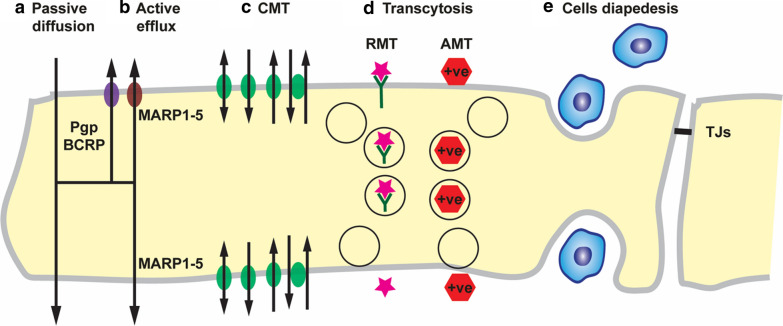
“In the adsorptive-mediated transcytosis (AMT), positively charged molecules interact with the negatively charged ECs, inducing transcytosis and their passage across the barrier.”
From Advances in Strategies to Transport Nanoparticles Across the Blood–Brain Barrier for Drug Delivery into the Brain for the Treatment of Alzheimer’s Disease (2026) · cites this paper as [5]
Experimental — accuracy not yet measuredThe cited source says what the claim attributes to it.
In the citing paper
“The BBB is a physical barrier that separates the CNS from the circulating blood and possesses unique properties for the CNS microvasculature [103].”
From Extracellular vesicles as nanotheranostic platforms for targeted neurological disorder interventions (2024) · cites this paper as [103]
The cited source says what the claim attributes to it.
In the citing paper
“Carrier-mediated transport (CMT) refers to the transport of a variety of molecules facilitated by membrane-bound proteins entitled solute carrier (SLC) transporters [5].”
The cited source says what the claim attributes to it.
In the citing paper
“On the other side, in the receptor-mediated transcytosis (RMT), specific molecules bind to their respective receptors present on the surface of these cells, triggering transcytosis, and their release to the brain environment by detaching from the receptor [5].”
1 more claim about this paper
Create a free account to see every claim other papers make about this one.
Self-check
Percentages, sums and reported differences re-computed from the paper’s own numbers.
The self-check needs the paper’s full text.
Citations
Cites
1 retracted
RETRACTED ARTICLE: Pericyte loss influences Alzheimer-like neurodegeneration in mice
Sagare, A. P., Bell, R. D., Zhao, Z., Ma, Q., Winkler, E. A., Ramanathan, A., & Zlokovic, B. V. (2013) · Nature Communications · doi:10.1038/ncomms3932 · Cited by 589 · cited 1×
“Furthermore, pericytes may display phagocyting functions helping with the removal of toxic metabolites [37].”
BackgroundRetracted(1982) · Trends in Neurosciences · doi:10.1016/0166-2236(82)90076-5 · Cited by 9,089
Astrocyte-endothelial interactions at the blood-brain barrier
Abbott, N. J., Rönnbäck, L., & Hansson, E. (2006) · Nature Reviews Neuroscience · doi:10.1038/nrn1824 · Cited by 5,595 · cited 6×
“As mentioned early, soluble factors released by many of the cell types associated with brain microvessels (including microglia and astrocytes) as well as nerve terminals adjacent to the endothelial extracellular matrix/basal lamina (such as vasoactive agents and cytokines) can modify tight junction assembly and barrie…”
BackgroundInfluentialAstrocytes: Biology and pathology
Sofroniew, M. V., & Vinters, H. V. (2010) · Acta Neuropathologica · doi:10.1007/s00401-009-0619-8 · Cited by 5,196 · cited 1×
“These latter include (1) compartmentalization of the neural parenchyma; (2) maintenance of the ionic homeostasis of the extracellular space; (3) pH regulation; (4) neurotransmitter uptake and processing by providing energy-rich substrates to the neurons; (5) mediation of signals from neurons to the vasculature [51].”
BackgroundStructure and function of the blood–brain barrier
Abbott, N. J., Patabendige, A. A. K., Dolman, D. E. M., Yusof, S. R., & Begley, D. J. (2010) · Neurobiology of Disease · doi:10.1016/j.nbd.2009.07.030 · Cited by 5,185 · cited 11×
“During embryonic angiogenesis, the differentiation of the endothelium into a functioning barrier layer begins and is maintained during adulthood by a close inductive association with other cell types within the NVU, as we mentioned early [2].”
BackgroundInfluentialHenry, M. A. (1995) · The Journal of the American Dental Association · doi:10.14219/jada.archive.1995.0108 · Cited by 3,416
Harold, D., Abraham, R., Hollingworth, P., Sims, R., Gerrish, A., Hamshere, M. L., Pahwa, J. S., Moskvina, V., Dowzell, K., Williams, A., et al. (2009) · Nature Genetics · doi:10.1038/ng.440 · Cited by 3,326
The Blood-Brain Barrier in Health and Chronic Neurodegenerative Disorders
Zlokovic, B. V. (2008) · Neuron · doi:10.1016/j.neuron.2008.01.003 · Cited by 3,280 · cited 1×
“However, specific neuroactive peptides [135], regulatory proteins, hormones, and growth factors get the use of RMT systems to cross the BBB [136].”
BackgroundGhose, A. K., Viswanadhan, V. N., & Wendoloski, J. J. (1999) · Journal of Combinatorial Chemistry · doi:10.1021/cc9800071 · Cited by 3,068 · cited 1×
“There are > 7000 drugs in the Comprehensive Medicinal Chemistry (CMC) database, and only 5% of these drugs treat the CNS [125].”
BackgroundNeurovascular pathways to neurodegeneration in Alzheimer’s disease and other disorders
Zlokovic, B. V. (2011) · Nature Reviews Neuroscience · doi:10.1038/nrn3114 · Cited by 2,969 · cited 8×
“Abbreviations BBB: Blood–brain barrier; CNS: Central nervous system; CSF: Cerebrospinal fluid; BCB: Blood–CSF barrier; ISF: Interstitial fluid; TJs: Tight junctions; P-gp: P-glycoprotein; BCRP: Breast cancer resistance protein; OATP: Organic anion transporting polypeptide; CYP 450: Cytochrome P450; BM: Basement membra…”
BackgroundInfluential
Research works printed but not linked: 1
- Benagiano V Virgintino D Maiorano E Rizzi A Palombo S Roncali L VIP-like immunoreactivity within neurons and perivascular neuronal processes of the human cerebral cortex Eur J Histochem 1996 40 1 53 56 8741100
Cited by
Items 901–1,000 of 1,004
Microvascular pathology in the spinal cord of severe spinal muscular atrophy patients
Allardyce, H., Lanz, H., Lawrence, B. D., Crawford, T. O., Sumner, C. J., & Parson, S. H. (2026) · Acta Neuropathologica Communications · doi:10.1186/s40478-026-02232-y · Cited by 7
“Damage to all components of the BSCB was associated with barrier leakage, demonstrated by the presence of extravascular fibrinogen, a large plasma glycoprotein that enters the neural parenchyma only under pathological conditions [32].”
BBB-Permeable PROTACs: Where Do We Stand?
Francisco, S., Apprato, G., Sebastiano, M. R., Ermondi, G., & Caron, G. (2026) · ACS Medicinal Chemistry Letters · doi:10.1021/acsmedchemlett.5c00768 · Cited by 7
Jin, S., Wu, X., Zhang, Y., Xu, F., Zhen, W., Sun, Y., Pan, Y., Lu, Y., Yang, Y., Sun, W., et al. (2026) · hLife · doi:10.1016/j.hlife.2026.03.001 · Cited by 7
“It can regulate the transport of nutrients and shield the CNS from blood-borne pathogens and harmful agents [149,150].”
Blood–spinal cord barrier disruption after spinal cord injury: a time-dependent mechanistic review
Jiang, Z. G., Zhang, C., Zhao, Z., & Ning, B. (2026) · Frontiers in Cellular Neuroscience · doi:10.3389/fncel.2026.1805529 · Cited by 7
Calvillo-Robledo, A., Ramírez-Farías, C., Valdez‐Urias, F., Huerta-Carreón, E. P., & Quintanar‐Stephano, A. (2023) · Frontiers in Neuroscience · doi:10.3389/fnins.2023.1138627 · Cited by 7
“The BBB is considered a highly selective barrier between the cerebral capillary blood and interstitial fluid of the CNS (Kadry et al., 2020; Schreiner et al., 2022), and helps keep harmful substances from reaching the brain as pathogens, toxins, and some drugs, as well as prevents the entry of IS components (Daneman,…”
BackgroundInterdependencies of the Neuronal, Immune and Tumor Microenvironment in Gliomas
Yuile, A., Wei, J., Mohan, A. A., Hotchkiss, K. M., & Khasraw, M. (2023) · Cancers · doi:10.3390/cancers15102856 · Cited by 9
“These tight junctions maintain strict permeability with a variety of proteins, such as claudin and occluding and adhesion molecules [87,88].”
BackgroundMesenchymal Stem Cell-Derived Exosomes: A Novel Approach to Diabetes-Associated Cognitive Impairment
Ran, Q., He, T., Lin, J. X., Wang, H., Wang, B., Chen, Z., Song, D. F., & Gong, C. (2023) · Journal of Inflammation Research · doi:10.2147/jir.s429532 · Cited by 7
“52,53 Experimental models have reported increased BBB permeability under diabetic conditions, 54 accompanied by impaired BBB integrity, primarily due to damage and inflammation in brain vascular endothelial cells.”
BackgroundAl‐Obaidi, M. M. J., & Desa, M. N. M. (2024) · Journal of Neuroscience Research · doi:10.1002/jnr.25288 · Cited by 9
“The ions of potassium (K + ), magnesium (Mg 2 + ), and calcium (Ca 2 + ) undergo regulation at the BBB and the blood–cerebrospinal fluid barrier (Bhalerao et al., 2020; Kadry et al., 2020 ).”
BackgroundMaeda, T., Shimamori, K., Kurita, H., Tokuraku, K., & Kuragano, M. (2024) · Experimental Cell Research · doi:10.1016/j.yexcr.2024.113958 · Cited by 8
Nelson, D. A., Thompson, K. J., Wang, L., Wang, Z., Eberts, P. M., Azarin, S. M., Kalari, K. R., & Kandimalla, K. K. (2024) · Journal of Alzheimer s Disease · doi:10.3233/jad-230907 · Cited by 8
“Additionally, the expression of influx and efflux transporters on the luminal versus abluminal side of the endothelium are polarized to meet the unique requirements of protecting and nourishing the cells within the brain parenchyma [10, 11].”
Liu, Y., Qin, Y., & Zhang, Y. (2024) · Cell Biology and Toxicology · doi:10.1007/s10565-024-09865-6 · Cited by 7
He, S., Zheng, L., Li, J., & Liu, S. (2024) · Molecular Neurobiology · doi:10.1007/s12035-024-04328-9 · Cited by 9
“The BBB protects the brain from harmful substances while maintaining the intracranial environment’s stability [123].”
Milenković, D., Nuthikattu, S., Norman, J., & Villablanca, A. C. (2024) · American Journal of Physiology-Heart and Circulatory Physiology · doi:10.1152/ajpheart.00251.2024 · Cited by 7
Natural products: Harnessing the power of gut microbiota for neurological health
Cheng, H., Liu, J., Zhang, D., Wu, J., Wu, J., Zhou, Y., Tan, Y., Feng, W., & Peng, C. Y. (2024) · Phytomedicine · doi:10.1016/j.phymed.2024.156019 · Cited by 7
Kim, E.-H., Baek, S. M., Choi, S., Cho, J., Tahmasebi, S., & Bae, O. (2024) · Environmental Pollution · doi:10.1016/j.envpol.2024.124921 · Cited by 7
Li, G., Ma, Y., Zhang, S., Lin, W., Yao, X. Y., Zhou, Y., Zhao, Y., Rao, Q., Qu, Y.-J., Gao, Y., et al. (2024) · Redox Biology · doi:10.1016/j.redox.2024.103415 · Cited by 8
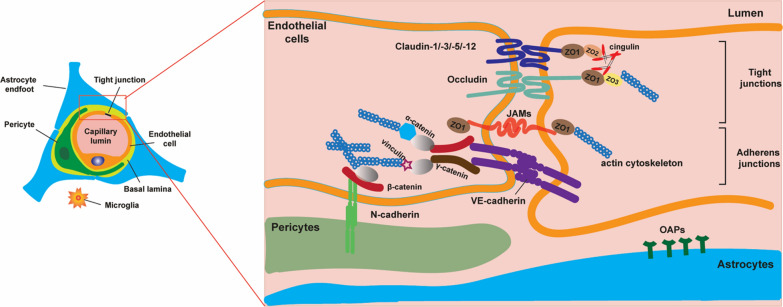
“Studies have shown that BMECs form tightly sealed barrier structures through interconnections facilitated by tight junction proteins such as zona occludens 1 (ZO-1) and Claudin5, which can effectively restrict the undesired entry of polar and toxic substances across the BBB [3,4].”
Minimally Invasive Syringe‐Injectable Hydrogel with Angiogenic Factors for Ischemic Stroke Treatment
Kim, D., Lee, J. W., Kim, Y., Choe, J., Kim, G., Ha, C. M., Kim, J. G., Song, K. H., & Yang, S. (2024) · Advanced Healthcare Materials · doi:10.1002/adhm.202403119 · Cited by 8
Therapeutic potential and limitation of condensed and hydrolyzed tannins in Parkinson's disease
Zhao, R., Jia, N., Wu, S., Wen, J., Huang, Y., Zhao, C., & Chen, W. (2025) · International Journal of Biological Macromolecules · doi:10.1016/j.ijbiomac.2025.141814 · Cited by 9
Li, M., Liu, X., Zhou, X., Meng, R., & Ji, X. (2025) · International Journal of Medical Sciences · doi:10.7150/ijms.102624 · Cited by 7
“The BBB is maintained by the tight junctions which are composed of cytoplasmic accessory protein such as ZO-1 and integral membrane protein such as Occludin[23].”
Chemokines as therapeutic targets for multiple sclerosis: a spatial and chronological perspective
Arimitsu, N. N., Witkowska, A., Ohashi, A., Miyabe, C., & Miyabe, Y. (2025) · Frontiers in Immunology · doi:10.3389/fimmu.2025.1547256 · Cited by 7
He, J., Gao, Z., Li, X., Zhao, L., Tian, X., & Gao, B. (2025) · Brain Research · doi:10.1016/j.brainres.2025.149656 · Cited by 7
Peter, S., Morifi, E., Nwamadi, M. S., Oselusi, S. O., Tantoh, A. L. A., Fonkui, T. Y., Ndinteh, D. T., & Aderibigbe, B. A. (2025) · Pharmaceutics · doi:10.3390/pharmaceutics17060722 · Cited by 7
Yu, S., Jiang, L., Song, M., Yang, T., Yuan, M., Chen, X., & Shu, H. (2025) · Frontiers in Aging Neuroscience · doi:10.3389/fnagi.2025.1599509 · Cited by 8
Cobos-Puc, L., Rodríguez-Salazar, M. D. C., Silva-Belmares, S., & Aguayo-Morales, H. (2025) · Future Pharmacology · doi:10.3390/futurepharmacol5030051 · Cited by 7
“While the BBB protects the brain from harmful substances, it also limits the entry of most therapeutics, reducing their efficacy and complicating disease management [11].”
Marichal‐Cancino, B. A., González‐Hernández, A., Alba, R. G., Medina‐Santillán, R., & Villalón, C. M. (2021) · Expert Review of Neurotherapeutics · doi:10.1080/14737175.2021.1968835 · Cited by 7
“Evidently, the penetration of molecules into the CNS involves additional mechanisms such as membrane transporters (e.g. P-glycoprotein, P-gp; ATP-binding cassette, ABC) [61], which also seem to participate in different pathologies and/or therapies, including migraine [62,63].”
BackgroundInfluentialGuntner, A. S., Bögl, T., Mlynek, F., & Buchberger, W. W. (2021) · Pharmaceutics · doi:10.3390/pharmaceutics13122141 · Cited by 7
Fattakhov, N. S., Torices, S., Becker, S., Téglás, T., Naranjo, O., & Toborek, M. J. (2022) · Journal of Visualized Experiments · doi:10.3791/64469 · Cited by 7
Tang, S., Liu, X., Nie, L., Qian, F., Chen, W., & He, L. (2023) · Frontiers in Psychiatry · doi:10.3389/fpsyt.2023.1064647 · Cited by 8
Impact of non-neuronal cells in Alzheimer’s disease from a single-nucleus profiling perspective
Vu, T.-M., Hervé, V., Ulfat, A. K., Lamontagne-Kam, D., & Brouillette, J. (2023) · Frontiers in Cellular Neuroscience · doi:10.3389/fncel.2023.1208122 · Cited by 9
Peptide-metal nanohybrids (PMN): Promising entities for combating neurological maladies
Kour, A., Panda, H. S., Singh, I. R., Kumar, A., & Panda, J. J. (2023) · Advances in Colloid and Interface Science · doi:10.1016/j.cis.2023.102954 · Cited by 7
The role of immune subtyping in glioma mRNA vaccine development
Guterres, A., Costa, M. A., & Neves, P. (2023) · Immunotherapy · doi:10.2217/imt-2023-0027 · Cited by 7
Grabarczyk, M., Ksiazek-Winiarek, D. J., Glabinski, A. R., & Szpakowski, P. (2023) · Pharmaceutics · doi:10.3390/pharmaceutics15092294 · Cited by 7
Lindland, E. S., Solheim, A. M., Andreassen, S., Bugge, R., Eikeland, R., Reiso, H., Lorentzen, Å. R., Harbo, H. F., Beyer, M. K., & Bjørnerud, A. (2023) · European Radiology Experimental · doi:10.1186/s41747-023-00365-6 · Cited by 7
“The BBB regulates movement of ions, molecules, and cells between the blood and brain [2], and even subtle changes may alter functions of the neurovascular unit and cause injury to the central nervous system [3].”
BackgroundPirollo, K. F., Moghe, M., Guan, M., Rait, A. S., Wang, A., Kim, S. S., Chang, E. H., & Harford, J. B. (2024) · International Journal of Nanomedicine · doi:10.2147/ijn.s443498 · Cited by 7
Advances in RNA therapeutics for modulation of ‘undruggable’ targets
Martinsen, E., Jinnurine, T., Subramani, S., & Rogne, M. (2024) · Progress in molecular biology and translational science · doi:10.1016/bs.pmbts.2023.12.003 · Cited by 7
Dual fluorescence images, transport pathway, and blood–brain barrier penetration of B-Met-W/O/W SE
Fang, L., Li, J., Cheng, H., Liu, H., & Zhang, C. (2024) · International Journal of Pharmaceutics · doi:10.1016/j.ijpharm.2024.123854 · Cited by 7
Hydrogel nanoparticles as new drug delivery system for CNS disorders
Khudhur, Z. O., Karimian, A., Asadi, A., & Abdolmaleki, A. (2024) · ChemistrySelect · doi:10.1002/slct.202304711 · Cited by 8
Photodynamic and Light-Response Nanomaterials Against Multidrug-Resistant Bacteria
Bera, S. (2024) · Springer eBooks · doi:10.1007/978-981-97-2023-1_14 · Cited by 9
Molecular dissection of HERV-W dependent microglial- and astroglial cell polarization
Gruchot, J., Reiche, L., Werner, L., Herrero, F., Schira‐Heinen, J., Meyer, U., & Küry, P. (2024) · Microbes and Infection · doi:10.1016/j.micinf.2024.105382 · Cited by 7
Liang, W., Luo, Y., Xu, A., Chu, J., Ji, W., Wang, L., Gu, Y., Lu, X., Hou, A., Liu, Y., et al. (2024) · Biomaterials Science · doi:10.1039/d4bm00878b · Cited by 8
“44 The physiological structure results in transport channels that normally only allow passive di ff usion of small lipophilic molecules ( 500 Da), while other large molecules have di ffi culty entering the brain and ensuring selective intracellular uptake of therapeutic drugs once they reach the…”
BackgroundGoswami, S., Исаев, Н. К., Salmin, V. V., Rana, S. V. S., Illarioshkin, S. N., & Verma, Y. (2024) · Brain Disorders · doi:10.1016/j.dscb.2024.100162 · Cited by 8
A comprehensive review on lipid-based nanoparticles via nose to brain targeting as a novel approach
Hameed, H., Faheem, S., Younas, K., Jamshaid, M., Ereej, N., Hameed, A., Munir, R., & Khokhar, R. (2024) · Journal of Microencapsulation · doi:10.1080/02652048.2024.2404414 · Cited by 8
“the main obstacle hindering medications from reaching the central nervous system to address conditions like GBM and other cNS disorders, it has been known as the blood brain barrier (BBB) (Kadry et al .”
Nicotinamide derivatives protect the blood-brain barrier against oxidative stress
Zandona, A., Szecskó, A., Žunec, S., Jovanović, I. N., Bušić, V., Gašo-Sokač, D., Deli, M. A., Katalinić, M., & Veszelka, S. (2025) · Biomedicine & Pharmacotherapy · doi:10.1016/j.biopha.2025.118018 · Cited by 9
Ngamratanapaiboon, S., & Yambangyang, P. (2021) · Drug Discoveries & Therapeutics · doi:10.5582/ddt.2021.01101 · Cited by 7
“BMVECs are the major site of blood-central nervous system (CNS) exchange and shield the brain against drugs, toxins and immune cells via paracellular, transcellular, transporter, and extracellular matrix proteins (7,8).”
BackgroundSkuja, S., Jain, N., Smirnovs, M., & Murovska, M. (2022) · Biomedicines · doi:10.3390/biomedicines10040830 · Cited by 7
“The barrier is composed of three different cell types, namely endotheliocytes, pericytes, and astrocytes, all of which interact with each other to maintain the function and integrity of the barrier [1,2].”
BackgroundPérez‐Ternero, C., Pallier, P. N., Tremoleda, J. L., Delogu, A., Fernandes, C., Michael-Titus, A. T., & Hobbs, A. J. (2022) · Frontiers in Molecular Neuroscience · doi:10.3389/fnmol.2022.991112 · Cited by 8
Pentoxifylline inhibits phosgene-induced lung injury via improving hypoxia
Zhang, X.-D., Yu, W., Liu, M.-M., Liu, R., Wu, H., Wang, Z., & Hai, C. (2022) · Drug and Chemical Toxicology · doi:10.1080/01480545.2022.2131811 · Cited by 7
Yeast‐derived vacuoles as a novel carrier with enhanced hCMEC/D3 cell monolayer penetration
Nguyen, N.-H. T., Nguyen, N., Kim, Y., & Min, J. (2022) · Biotechnology Journal · doi:10.1002/biot.202200393 · Cited by 7
“Physicochemical properties, such as size and polarity, are equally crucial for BBB permeability.[6] BBB dysfunction may contribute to the etiology of diseases such as Alzheimer’s disease (AD) and Parkinson’s disease (PD).”
BackgroundNanodelivery of antiretroviral drugs to nervous tissues
Lawal, S. K., Olojede, S. O., Faborode, O. S., Aladeyelu, O. S., Matshipi, M. N., Sulaiman, S. O., Naidu, E. C., Rennie, C. O., & Azu, O. O. (2022) · Frontiers in Pharmacology · doi:10.3389/fphar.2022.1025160 · Cited by 8
Molecular Design of Magnetic Resonance Imaging Agents Binding to Amyloid Deposits
Nikiforova, A. A., & Sedov, I. A. (2023) · International Journal of Molecular Sciences · doi:10.3390/ijms241311152 · Cited by 8
“Additional commonly mentioned empirical rules for the BBB-permeable compounds are to form no more than eight hydrogen bonds with water; not to carry a negative charge, since the surface of the brain endothelial cells forming the BBB is itself negatively charged; and not to be a high-affinity serum protein binder [102,…”
BackgroundExploiting Metabolic Defects in Glioma with Nanoparticle-Encapsulated NAMPT Inhibitors
Murray, M. A., Noronha, K. J., Wang, Y., Friedman, A. P., Paradkar, S., Suh, H., Sundaram, R. K., Brenner, C., Saltzman, W. M., & Bindra, R. S. (2024) · Molecular Cancer Therapeutics · doi:10.1158/1535-7163.mct-24-0012 · Cited by 7
“The BBB restricts uptake of more than 98% of small molecules and other therapies that are in systemic circulation (5).”
BackgroundIn-vivo thrombolytic efficacy of RGD modified protein-polymer conjugated urokinase nanogels
Liu, X., Jin, L., Zhao, L., Wang, Y., Zhang, L., Huang, Z., Jin, H., Liu, J., Liang, Z., Liu, X., et al. (2021) · Polymer Testing · doi:10.1016/j.polymertesting.2021.107392 · Cited by 7
Yin, H., Lu, Z., Deng, Y., Tian, X., & Gong, Q. (2026) · Ageing Research Reviews · doi:10.1016/j.arr.2025.102952 · Cited by 6
Microglia and Systemic Immunity
Jucá, P. M., Duque, É. D. A., Covre, L. H. H., Albernaz-Mariano, K. A., & Munhoz, C. D. (2024) · Advances in neurobiology · doi:10.1007/978-3-031-55529-9_16 · Cited by 7
Update on the roles and applications of extracellular vesicles in depression
Wu, J., Lu, J. L., Pan, M.-Z., Gu, X., Dai, L., Wang, Y., Shen, B., & Zhang, X.-B. (2025) · World Journal of Psychiatry · doi:10.5498/wjp.v15.i3.102643 · Cited by 7
Zeng, Y., Wang, F., Liu, R., liu, J., Xiong, T., Liu, G., Yin, H. R., Han, G., liu, J., Zhang, J., et al. (2025) · Translational Stroke Research · doi:10.1007/s12975-025-01341-5 · Cited by 7
“Comprised of endothelial cells, basement membrane, and astrocytic end-feet, the BBB restricts the passage of most large molecules and ions [4].”
Wang, L., Williamson, B. J., Zhang, B., Sriwastawa, A., Aziz, Y. N., Antzoulatos, E., Stephens, C., Vagal, A. S., Khatri, P., & DiFrancesco, M. W. (2025) · Scientific Reports · doi:10.1038/s41598-025-03885-w · Cited by 7
VCAM-1 in Cognitive Impairment: Mechanisms, Biomarker Potential, and Therapeutic Targeting
Guan, X., Zhu, X., Zha, L., Yu, W., Rao, X., Xiong, Y., Yu, J. M., Zhang, M., Luo, T., Huang, X., et al. (2025) · Aging and Disease · doi:10.14336/ad.2025.0675 · Cited by 10
“Consequently, BBB functional and structural integrity is essential for maintaining microenvironmental homeostasis in the brain [80].”
The Pathophysiology of Concussive Brain Injury
Shane, B. R., Hoffman, A. N., Prins, M. L., & Giza, C. C. (2025) · Clinics in Sports Medicine · doi:10.1016/j.csm.2025.06.002 · Cited by 6
Feng, T., Yao, J. J., Chen, Y., Wang, J., Zhu, Y., Lan, Z., Huo, X., Wang, Y., & Gao, J. (2025) · Brain Research Bulletin · doi:10.1016/j.brainresbull.2025.111523 · Cited by 6
Bowirrat, A., Pinhasov, A., Bowirrat, A., & Badgaiyan, R. D. (2025) · International Journal of Molecular Sciences · doi:10.3390/ijms26178253 · Cited by 8
“In addition, it expresses important transporters and efflux pumps on their surface, such as ATP binding cassette (ABC), and synthesizes relevant neurotransmitter molecules, such as nitric oxide (NO) [40].”
InfluentialRutin alleviates lipopolysaccharide-induced neuroinflammation and blood brain barrier dysfunction
Meng, Y., Liu, X., Ding, D., Wang, J., Mao, J., Kang, L., & Cao, L. (2025) · Brain Research · doi:10.1016/j.brainres.2025.149941 · Cited by 6
Mora, A., Girolamo, F., Marzullo, A., Annese, T., Giorgis, M. D., Signorelli, F., Messina, R., Ingravallo, G., Virgintino, D., Errede, M., et al. (2025) · Fluids and Barriers of the CNS · doi:10.1186/s12987-025-00707-z · Cited by 6
“These processes are tightly connected to the functional integrity of the blood–brain barrier (BBB), which is often compromised in high-grade gliomas [7].”
Structure and function of the blood–brain barrier in perioperative neurocognitive disorders
Su, Y., Chen, Y., Zheng, B., Huang, Y., Liao, Z., Zheng, X., & Gao, F. (2026) · Frontiers in Neuroscience · doi:10.3389/fnins.2025.1690354 · Cited by 6
“The BBB comprises endothelial cells, basement membranes, pericytes, tight junctions (TJs), and astrocyte peduncles and forms a selective barrier that maintains central nervous system homeostasis and prevents peripheral toxins and pathogens from entering (Kadry et al., 2020).”
Histone and non-histone (de)acetylation impact on the blood-brain barrier
Melo, M., Fortuna, A. C., Laranjinha, J. A. N., & Bicker, J. (2026) · Fluids and Barriers of the CNS · doi:10.1186/s12987-026-00763-z · Cited by 6
“This phenotype underlies a highly selective movement of sub-stances across the BBB [9–11].”
Admiraal, J., Emeh, P., Bokkers, M., Ruiter, S., Olivier, T., Queiroz, K. C. S., Burton, T. P., & Wevers, N. R. (2026) · Fluids and Barriers of the CNS · doi:10.1186/s12987-026-00765-x · Cited by 8
“Essential molecules that cannot enter the brain via diffusion, enter via active transport mechanisms, such as glucose via the GLUT-1 transporter [4, 6].”
Colpitts, K. N., & Grau, J. W. (2026) · Cells · doi:10.3390/cells15030232 · Cited by 7
“OCLN has four transmembrane domains, a long C-terminal and N-terminal, both within the intracellular region [34,60,85].”
InfluentialLiu, R., Deng, Q., Gong, L., & Yang, L. (2026) · Neuroscience Bulletin · doi:10.1007/s12264-026-01598-2 · Cited by 6
“The BBB is a specialized protective barrier of the CNS and one of the most important structures for maintaining brain health and function [18].”
InfluentialNguyen, B. B., Lowe, N. M., Kellogg, S., Huang, K., O’Toole, H. J., Hale, E. J., Shirure, V. S., Shergill, B. S., George, S. C., & Carney, R. P. (2026) · Advanced Healthcare Materials · doi:10.1002/adhm.202600019 · Cited by 6
“The BBB endothelium also expresses a variety of specialized transporters that regulate the transcellular passage of nutrients, waste, and exogenous materials [3].”
Konstantinou, G., & Warsh, J. J. (2026) · Neuroscience & Biobehavioral Reviews · doi:10.1016/j.neubiorev.2026.106658 · Cited by 7
Ferroptosis in microglial activation: a systematic review and multidata comparison
Pesämaa, I., Koutarapu, S., Zetterberg, H., & Fruhwürth, S. (2026) · Brain Communications · doi:10.1093/braincomms/fcag109 · Cited by 6
“29 29-32 TFR1 also enables the transfer of TF-bound iron across the blood brain barrier (BBB) and into the CNS. 33,34 However, under conditions such as injury, ischaemia, inflammation or ageing, non-TF-bound iron (NTBI) and ferritin may also cross the BBB via lipid raft domains enriched in the…”
Panchal, D., Solanki, D., Solanki, R., Yadav, A. K., Bhatia, D. D., & Yadav, P. K. (2026) · ACS Chemical Neuroscience · doi:10.1021/acschemneuro.6c00245 · Cited by 7
Transient Receptor Potential Channels in the Healthy and Diseased Blood–Brain Barrier
Rezzani, R., Favero, G., Gianò, M., Pinto, D., Labanca, M., Noorden, C. J. F. V., & Rinaldi, F. (2024) · Journal of Histochemistry & Cytochemistry · doi:10.1369/00221554241246032 · Cited by 6
“9,60 These markers must be metabolically inert, non-toxic at the used doses, and not bound to other molecules such as proteins in blood plasma or tissues.”
BackgroundRen, X. S., He, J., Li, S., Hu, H., Kyle, M. M., Kohsaka, S., & Zhao, L. (2024) · International Journal of Molecular Sciences · doi:10.3390/ijms25168898 · Cited by 6
“The mechanisms underlying the recruitment of monocyte-derived macrophages into the brain under pathological conditions have been extensively studied [5,6].”
BackgroundDai, R., & Sun, Y. (2024) · Life Sciences · doi:10.1016/j.lfs.2024.123318 · Cited by 6
Lukacher, A. S., O’Hara, B. A., Yuan, W., Garabian, K., Kaiserman, J., MacLure, E., Haley, S. A., & Atwood, W. J. (2025) · Microbiology Spectrum · doi:10.1128/spectrum.00282-25 · Cited by 7
“Consisting mainly of endothelial cells, pericytes, and astrocytic endfeet, the BBB maintains CNS homeostasis by tightly regulating the transit of macromolecules between the blood and the brain (37, 38).”
Zhang, Y., Guo, Z., Zhang, H., Wei, H., Wang, T., Du, S., & Li, P. (2025) · International Journal of Molecular Sciences · doi:10.3390/ijms26083861 · Cited by 7
Circadian influences on central nervous system barriers and the glymphatic system
Elliott, B. D., Kisamore, C. O., Nelson, R. J., DeVries, A. C., & Walker, W. H. (2025) · Frontiers in Physiology · doi:10.3389/fphys.2025.1622236 · Cited by 7
Kazmi, S., Farokhi-Sisakht, F., Davoody, S., Bahlakeh, G., Abbaszadeh, F., Rahbarghazi, R., Shekarchi, A. A., & Karimipour, M. (2025) · Molecular Brain · doi:10.1186/s13041-025-01201-1 · Cited by 7
“These cells lack pino-cytic activity and have several transport mechanisms that control the passage of essential molecules into the brain [66].”
Jiang, F., Wang, N., & Meng, Q. (2025) · Journal of Alzheimer s Disease · doi:10.1177/13872877251360321 · Cited by 6
“43”
Conti, M., Ferrari, V., Pierantozzi, M., Simonetta, C., Carparelli, F., D’Angelo, V., Bagetta, S., Giuliano, F. D., Mercuri, N. B., Schirinzi, T., et al. (2025) · Journal of Neural Transmission · doi:10.1007/s00702-025-03002-1 · Cited by 6
“In physiological conditions, the BBB regulates the passage of ions and molecules (Kadry et al. 2020) and forms the neurovascular unit, regulating nutrient and oxygen supply to neuronal tissue (Ladecola 2017).”
Nanoparticles as an Encouraging Therapeutic Approach to Alzheimer’s Disease
Batko, J., Antosz, K., Nowakowska, H., Błażejewska, M., Kowalik, E. M., Beszłej, J. A., & Leszek, J. (2025) · International Journal of Molecular Sciences · doi:10.3390/ijms26167725 · Cited by 10
“…(via ATP-binding cassette proteins), carrier-mediated transport (e.g., amino acids, carbohydrates, fatty acids, nucleotides, amines, vitamins), receptor-mediated transport (e.g., regulatory, proteins, hormones, growth factors, neu-roactive peptides), and absorptive-mediated transport [52,55].”
InfluentialAshique, S., Paul, D., Debnath, B., Chellappan, D. K., Das, J., Bhui, U., Ramzan, M., Sharma, N., Kumar, B., Sridhar, S. B., et al. (2025) · Nutritional Neuroscience · doi:10.1080/1028415x.2025.2560658 · Cited by 8
Molecular Signature of Neuroinflammation Induced in Cytokine-Stimulated Human Cortical Spheroids
Kleijn, K. M. A. D., Straasheijm, K. R., Zuure, W. A., & Martens, G. J. M. (2022) · Biomedicines · doi:10.3390/biomedicines10051025 · Cited by 6
Significant shifts in preclinical and clinical neurotoxicology: a review and commentary
Pressman, P., Clemens, R., & Hayes, A. W. (2022) · Toxicology Mechanisms and Methods · doi:10.1080/15376516.2022.2109228 · Cited by 8
“Kadry et al. (2020) have recently reviewed the structure, function, impairment, and biomarkers of integrity for the BBB.”
BackgroundNano-inspired smart medicines targeting brain cancer: diagnosis and treatment
Anand, R., Kumar, L., Mohan, L., & Bharadvaja, N. (2022) · JBIC Journal of Biological Inorganic Chemistry · doi:10.1007/s00775-022-01981-0 · Cited by 6
Small molecule compound K-7174 attenuates neuropsychiatric manifestations in lupus-prone mice
Fan, Y., Liu, X., Wu, J., Ni, J., Liang, J., Hou, Y., & Dou, H. (2022) · Brain Research · doi:10.1016/j.brainres.2022.148203 · Cited by 6
Interpreting the Therapeutic Efficiency of Multifunctional Hybrid Nanostructure against Glioblastoma
Ou, Z., Li, X., You, Y., Liu, D., & Wang, J. (2023) · ACS Omega · doi:10.1021/acsomega.2c08265 · Cited by 6
The Promise of Molecular Imaging: Focus on Central Nervous System Infections
Shah, S., Turner, M. L., Chen, X., Ances, B. M., Hammoud, D. A., & Tucker, E. W. (2023) · The Journal of Infectious Diseases · doi:10.1093/infdis/jiad223 · Cited by 6
Rasmussen, M., Koch, K. U., Espelund, U. S., Mohamad, N., Korshoej, A. R., Juul, N., Angleys, H., Meng, L., Østergaard, L., & Mikkelsen, I. K. (2023) · Journal of Neurosurgical Anesthesiology · doi:10.1097/ana.0000000000000948 · Cited by 6
Advances in modeling permeability and selectivity of the blood-brain barrier using microfluidics
Sun, J., & Song, S. (2024) · Microfluidics and Nanofluidics · doi:10.1007/s10404-024-02741-z · Cited by 6
“Shear stress impacts cell alignment and morphology in endothelial cells (Kadry et al. 2020).”
Chumak, T., Jullienne, A., Ek, C. J., Ardalan, M., Svedin, P., Quan, R., Salehi, A., Salari, S., Obenaus, A., Vexler, Z. S., et al. (2024) · Journal of Neuroinflammation · doi:10.1186/s12974-024-03191-8 · Cited by 6
“Endothelial cells, a major component of the BBB, ensure the delivery of oxygen and nutrients and enable crosstalk between blood and brain [4].”
BackgroundMa, H., Chen, R., Han, N., Ge, H., Li, S., Wang, Y., Yan, X., Du, C., Gao, Y., Zhang, G., et al. (2024) · Clinical Interventions in Aging · doi:10.2147/cia.s475887 · Cited by 6
Neuro-Nanocarriers: Redefining Treatment Pathways for Brain Disorders
Chauhan, A., Mori, D., Soniwala, M. M., Prajapati, B. G., & Shah, S. R. (2024) · BioNanoScience · doi:10.1007/s12668-024-01730-4 · Cited by 7
“Many therapeutic agents when enters the brain via bloodstream are restricted by blood–brain barrier [4].”
Khafaga, D. S. R., Muteeb, G., Aswa, D. W., Aatif, M., Farhan, M., & Allam, S. (2025) · SLAS DISCOVERY · doi:10.1016/j.slasd.2025.100213 · Cited by 6
Padti, A. C., Bhavi, S. M., Thokchom, B., Singh, S. R., Bhat, S. S., Harini, B. P., Sillanpää, M. E. T., & Yarajarla, R. B. (2025) · Neurochemical Research · doi:10.1007/s11064-025-04333-x · Cited by 6
“…the development and maintenance of the BBB by regulating endothelial cell function, promoting the formation of tight junctions, angiogenesis, regulation of immune cells entry into the brain, control the cerebral blood flow and contributing to the overall stability of the vascular structure [27–29].”
Dolutegravir induces endoplasmic reticulum stress at the blood–brain barrier
Huang, C., Qu, Q. R., Hoque, M. T., & Bendayan, R. (2025) · The FASEB Journal · doi:10.1096/fj.202402677rr · Cited by 7
“4 In addition to its physical characteristics, primarily attributed to TJ proteins, the BBB also exhibits highly effective biochemical barrier properties through the expression of multiple drug efflux transporters and metabolic enzymes.”
Channels and Transporters in Ischemic Brain Edema
Yu, J.-P., Zhang, B., Yang, X., Tan, Y., Zhou, Y., Li, J., Mu, X. N., Ren, Y., Zhou, L., & Yang, Q. (2025) · Journal of Inflammation Research · doi:10.2147/jir.s503231 · Cited by 6
“High levels of extracellular glutamate release after AIS can cause astrocyte swelling and brain edema, 81 primarily through the activation of mGluR5, 7 a postsynaptic receptor widely expressed in the central nervous system.”
de Jager, C., Soliman, E., & Theus, M. H. (2025) · Molecular and Cellular Neuroscience · doi:10.1016/j.mcn.2025.104003 · Cited by 6
Dawson, K. L. D., Seuberlich, T., & Pesavento, P. A. (2025) · Veterinary Pathology · doi:10.1177/03009858251334347 · Cited by 6
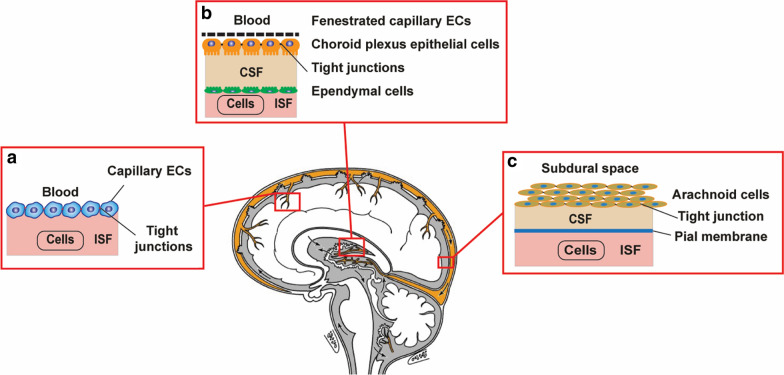
“36 In addition, the blood-CSF barrier in the choroid plexus, which is located in the ventricles of the brain, is responsible for the transcellular and paracellular transport of molecules and immune cells between the brain and the CSF.”
Metadata
- Authors
- Kadry, H., Noorani, B., & Cucullo, L.
- Affiliations
- Texas Tech University Health Sciences Center (US)
- Oakland University (US)
- Corresponding author
- Cucullo, Luca
- Venue
- Fluids and Barriers of the CNS
- Published
- 2020-11-18
- Volume
- 17
- Issue
- 1
- Pages
- 69-69
- ISSN
- 2045-8118 (ISSN-L)
- PMC
- PMC7672931
- OpenAlex
- W3104682194
- Cited by
- 1,853
- References
- 266
- Citations by year
- 2026: 342 · 2025: 491 · 2024: 480 · 2023: 299 · 2022: 176 · 2021: 63
- FWCI
- 13.39
- Type
- journal article
- Language
- en
- Open access
- gold
- doi.org
- Licence
- cc-by
- creativecommons.org/licenses/by/4.0/ (tdm)
- creativecommons.org/licenses/by/4.0/ (vor)
- Locations
- Fluids and Barriers of the CNS (publishedVersion, cc-by)
- PubMed Central (publishedVersion, cc-by)
- PubMed (publishedVersion)
- DOAJ (DOAJ: Directory of Open Access Journals) (submittedVersion, cc-by-sa)
- Funders
- National Institute on Drug Abuse (2R01-DA029121-01A1, 1R01DA049737-01)
- National Institute of Neurological Disorders and Stroke (1R01NS117906-01)
- Topics
- Life Sciences › Neuroscience › Neurology › Barrier Structure and Function Studies
- Health Sciences › Medicine › Oncology › Drug Transport and Resistance Mechanisms
- Life Sciences › Biochemistry, Genetics and Molecular Biology › Molecular Biology › Ion Transport and Channel Regulation
- Keywords
- blood-brain barrier, blood-brain barrier integrity, blood-brain barrier disruption, shear stress, blood-brain barrier permeability, brain homeostasis, neurological disorders
- MeSH terms
- Biological Transport, Blood-Brain Barrier, Brain Diseases, Humans, Biomarkers
About these checks
Registry, retraction, Cites and statistics results are computed, not judged, with one exception: a printed reference that no index lists is read once by a model before it counts as a citation error. Claims are extracted by a model and kept only when their quote appears verbatim in the text; each cited source is then checked, with a model’s help, for whether it says what the claim relies on. Those verdicts can be wrong — read the claim’s quote and the cited source before relying on one.
Statistics and arithmetic are recomputed, not judged.
Confidence bands are shown only for fields calibrated on our annotated test set. None is calibrated yet, so no band is shown.
What counts as a claim ›How we measure confidence ›How we check this ›
Are you an author, or do you see a problem with this page? Request a review
Data sources
Bibliographic data: Semantic Scholar, OpenAlex, Crossref.
Contains information from the Semantic Scholar Academic Graph Datasets, made available under the ODC Attribution License (ODC-BY 1.0).
Semantic Scholar’s data is described in: Kinney, R., et al. (2023). The Semantic Scholar Open Data Platform. arXiv:2301.10140.
