

A blood–brain barrier overview on structure, function, impairment, and biomarkers of integrity
Open accessThe DOI matches its Crossref record; 269 of the 269 references it cites were found in a registry or an index.
Abstract
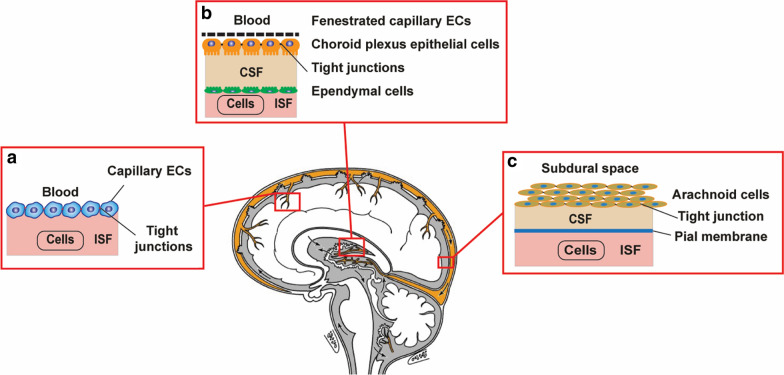
The blood–brain barrier is playing a critical role in controlling the influx and efflux of biological substances essential for the brain’s metabolic activity as well as neuronal function. Thus, the functional and structural integrity of the BBB is pivotal to maintain the homeostasis of the brain microenvironment. The different cells and structures contributing to developing this barrier are summarized along with the different functions that BBB plays at the brain–blood interface. We also explained the role of shear stress in maintaining BBB integrity. Furthermore, we elaborated on the clinical aspects that correlate between BBB disruption and different neurological and pathological conditions. Finally, we discussed several biomarkers that can help to assess the BBB permeability and integrity in-vitro or in-vivo and briefly explain their advantages and disadvantages.
Overview
The claims and statistics of this paper haven’t been checked yet.
Free: it reads the open-access text and checks the first 5 claims that cite a source we can check. Create a free account to check every claim.
Integrity signals
Registry
Cites
Statistics
Figures
Verification
Claims the paper makes
The claims and statistics of this paper haven’t been checked yet.
Free: it reads the open-access text and checks the first 5 claims that cite a source we can check. Create a free account to check every claim.
Claims other papers make about this one
Each is checked against this paper’s own text: does it say what the citing paper says it does?
The source backs part of the claim, not all of it — or backs it for a different population, condition or comparison.
In the citing paper
“These barriers include the blood–cerebrospinal fluid (blood–CSF) barrier, the blood–retinal barrier, the blood–spinal cord barrier, and the BBB. Among these, the latter is the most extensive and exclusive [5].”
From Advances in Strategies to Transport Nanoparticles Across the Blood–Brain Barrier for Drug Delivery into the Brain for the Treatment of Alzheimer’s Disease (2026) · cites this paper as [5]
Experimental — accuracy not yet measuredThe source backs part of the claim, not all of it — or backs it for a different population, condition or comparison.
In the citing paper
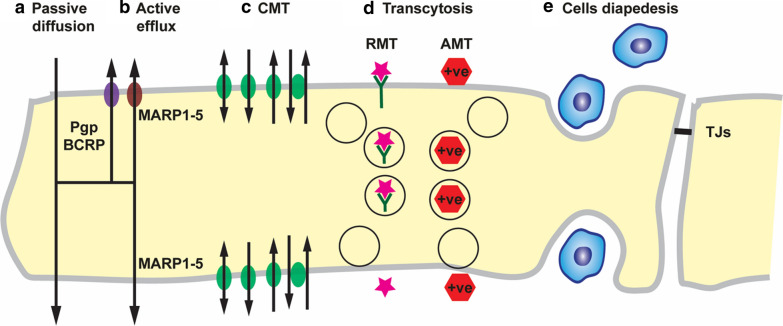
“In the adsorptive-mediated transcytosis (AMT), positively charged molecules interact with the negatively charged ECs, inducing transcytosis and their passage across the barrier.”
From Advances in Strategies to Transport Nanoparticles Across the Blood–Brain Barrier for Drug Delivery into the Brain for the Treatment of Alzheimer’s Disease (2026) · cites this paper as [5]
Experimental — accuracy not yet measuredThe cited source says what the claim attributes to it.
In the citing paper
“The BBB is a physical barrier that separates the CNS from the circulating blood and possesses unique properties for the CNS microvasculature [103].”
From Extracellular vesicles as nanotheranostic platforms for targeted neurological disorder interventions (2024) · cites this paper as [103]
The cited source says what the claim attributes to it.
In the citing paper
“Carrier-mediated transport (CMT) refers to the transport of a variety of molecules facilitated by membrane-bound proteins entitled solute carrier (SLC) transporters [5].”
The cited source says what the claim attributes to it.
In the citing paper
“On the other side, in the receptor-mediated transcytosis (RMT), specific molecules bind to their respective receptors present on the surface of these cells, triggering transcytosis, and their release to the brain environment by detaching from the receptor [5].”
1 more claim about this paper
Create a free account to see every claim other papers make about this one.
Self-check
Percentages, sums and reported differences re-computed from the paper’s own numbers.
The self-check needs the paper’s full text.
Citations
Cites
1 retracted
RETRACTED ARTICLE: Pericyte loss influences Alzheimer-like neurodegeneration in mice
Sagare, A. P., Bell, R. D., Zhao, Z., Ma, Q., Winkler, E. A., Ramanathan, A., & Zlokovic, B. V. (2013) · Nature Communications · doi:10.1038/ncomms3932 · Cited by 589 · cited 1×
“Furthermore, pericytes may display phagocyting functions helping with the removal of toxic metabolites [37].”
BackgroundRetracted(1982) · Trends in Neurosciences · doi:10.1016/0166-2236(82)90076-5 · Cited by 9,089
Astrocyte-endothelial interactions at the blood-brain barrier
Abbott, N. J., Rönnbäck, L., & Hansson, E. (2006) · Nature Reviews Neuroscience · doi:10.1038/nrn1824 · Cited by 5,595 · cited 6×
“As mentioned early, soluble factors released by many of the cell types associated with brain microvessels (including microglia and astrocytes) as well as nerve terminals adjacent to the endothelial extracellular matrix/basal lamina (such as vasoactive agents and cytokines) can modify tight junction assembly and barrie…”
BackgroundInfluentialAstrocytes: Biology and pathology
Sofroniew, M. V., & Vinters, H. V. (2010) · Acta Neuropathologica · doi:10.1007/s00401-009-0619-8 · Cited by 5,196 · cited 1×
“These latter include (1) compartmentalization of the neural parenchyma; (2) maintenance of the ionic homeostasis of the extracellular space; (3) pH regulation; (4) neurotransmitter uptake and processing by providing energy-rich substrates to the neurons; (5) mediation of signals from neurons to the vasculature [51].”
BackgroundStructure and function of the blood–brain barrier
Abbott, N. J., Patabendige, A. A. K., Dolman, D. E. M., Yusof, S. R., & Begley, D. J. (2010) · Neurobiology of Disease · doi:10.1016/j.nbd.2009.07.030 · Cited by 5,185 · cited 11×
“During embryonic angiogenesis, the differentiation of the endothelium into a functioning barrier layer begins and is maintained during adulthood by a close inductive association with other cell types within the NVU, as we mentioned early [2].”
BackgroundInfluentialHenry, M. A. (1995) · The Journal of the American Dental Association · doi:10.14219/jada.archive.1995.0108 · Cited by 3,416
Harold, D., Abraham, R., Hollingworth, P., Sims, R., Gerrish, A., Hamshere, M. L., Pahwa, J. S., Moskvina, V., Dowzell, K., Williams, A., et al. (2009) · Nature Genetics · doi:10.1038/ng.440 · Cited by 3,326
The Blood-Brain Barrier in Health and Chronic Neurodegenerative Disorders
Zlokovic, B. V. (2008) · Neuron · doi:10.1016/j.neuron.2008.01.003 · Cited by 3,280 · cited 1×
“However, specific neuroactive peptides [135], regulatory proteins, hormones, and growth factors get the use of RMT systems to cross the BBB [136].”
BackgroundGhose, A. K., Viswanadhan, V. N., & Wendoloski, J. J. (1999) · Journal of Combinatorial Chemistry · doi:10.1021/cc9800071 · Cited by 3,068 · cited 1×
“There are > 7000 drugs in the Comprehensive Medicinal Chemistry (CMC) database, and only 5% of these drugs treat the CNS [125].”
BackgroundNeurovascular pathways to neurodegeneration in Alzheimer’s disease and other disorders
Zlokovic, B. V. (2011) · Nature Reviews Neuroscience · doi:10.1038/nrn3114 · Cited by 2,969 · cited 8×
“Abbreviations BBB: Blood–brain barrier; CNS: Central nervous system; CSF: Cerebrospinal fluid; BCB: Blood–CSF barrier; ISF: Interstitial fluid; TJs: Tight junctions; P-gp: P-glycoprotein; BCRP: Breast cancer resistance protein; OATP: Organic anion transporting polypeptide; CYP 450: Cytochrome P450; BM: Basement membra…”
BackgroundInfluential
Research works printed but not linked: 1
- Benagiano V Virgintino D Maiorano E Rizzi A Palombo S Roncali L VIP-like immunoreactivity within neurons and perivascular neuronal processes of the human cerebral cortex Eur J Histochem 1996 40 1 53 56 8741100
Cited by
Items 701–800 of 1,004
Pre-diagnostic blood biomarkers for adult glioma
Andrews, L., Davies, P. A., Herbert, C. E., & Kurian, K. M. (2023) · Frontiers in Oncology · doi:10.3389/fonc.2023.1163289 · Cited by 12
Astrocytes in intracerebral hemorrhage: impact and therapeutic objectives
Dong, H., Wen, X., Zhang, B., Wu, Z., & Zou, W. (2024) · Frontiers in Molecular Neuroscience · doi:10.3389/fnmol.2024.1327472 · Cited by 13
Manna, I., Benedittis, S. D., & Porro, D. (2024) · Genes · doi:10.3390/genes15060772 · Cited by 13
“Subsequently, this phenomenon could favor a second wave of influx of largely non-antigen-specific T lymphocytes at the lesion level [43].”
BackgroundAnnadurai, N., & Kanmogne, G. D. (2024) · Cells · doi:10.3390/cells13171415 · Cited by 13
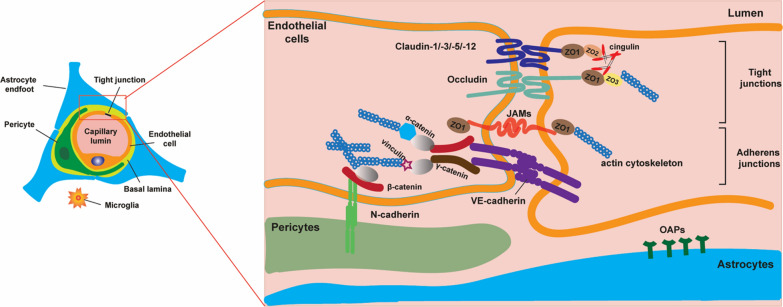
“The molecular components of the BBB responsible for its protective and barrier functions include endothelial tight junction (TJ) proteins (occludin, claudins, and zonula occludens (ZO)), adherent junction (AJ) proteins, and efflux transporters [2,3].”
BackgroundNanoparticles in CNS Therapeutics: Pioneering Drug Delivery Advancements
Nayak, U. Y., Halagali, P., Panchal, K. N., Tippavajhala, V. K., Mudgal, J., Radhakrishnan, R. A., & Manikkath, J. (2024) · Current Pharmaceutical Design · doi:10.2174/0113816128328722240828184410 · Cited by 14
Lanskikh, D., Kuziakova, O., Baklanov, I., Penkova, A. O., Doroshenko, V., Buriak, I., Zhmenia, V., & Kumeiko, V. V. (2024) · Cells · doi:10.3390/cells13242085 · Cited by 12
Wang, T., Li, M., Pei, Z., Chen, Q., Qiu-sheng, C., & Li, Z. (2025) · Tissue and Cell · doi:10.1016/j.tice.2025.102751 · Cited by 12
Li, S., Huang, Q., Yang, Q., Huang, Q., Wang, D.-X., Yang, J., Huang, S., Zhang, S.-Y., Wang, J., Xie, L., et al. (2025) · International Immunopharmacology · doi:10.1016/j.intimp.2025.114188 · Cited by 13
Shi, H., Wang, B., Shi, Z., Ma, H., Li, Y., Liu, Y., Zhao, Y., Xia, N. L., Wu, C., & Gao, Y. J. (2025) · Pharmacological Research · doi:10.1016/j.phrs.2025.107783 · Cited by 12
Narayan, S., Gupta, P. K., & Nagpal, K. (2025) · Molecular Pharmaceutics · doi:10.1021/acs.molpharmaceut.5c00062 · Cited by 13
Başar, Y., Yenigün, S., Özen, T., Demirtaş, İ., Balpınar, Ö., & Behçet, L. (2025) · European Food Research and Technology · doi:10.1007/s00217-025-04831-w · Cited by 12
“The blood-brain barrier (BBB), which separates brain cells from blood to allow the entry of specific transport molecules that are soluble in lipids and water, is necessary to protect the central nervous system (CNS), which is essen - tial for bodily functions [71, 72].”
Abdel-Maksoud, Y. T., Abdelhaseb, A. H., Abdo, A. A.-E., Kamel, A. M., Elsebay, M. T., & Attia, M. S. (2025) · World Journal of Clinical Oncology · doi:10.5306/wjco.v16.i9.108731 · Cited by 12
Li, T., Zhang, J., Song, H., Zhang, R., Fan, F., Huang, Z., Zeng, M., Peng, B., & Zhang, J. (2025) · Journal of Neuroinflammation · doi:10.1186/s12974-025-03631-z · Cited by 12
“The barrier function of the BBB originates from TJs formed by continuous, inflex-ible intercellular proteins, which greatly restrict molecular passage across the BBB, making molecular transport strictly regulated by a series of specific transporters on the BBB [122].”
Gao, T., Chu, Q., Xing, X., Liu, Y., Fu, S., & Liu, D. (2026) · International Journal of Nanomedicine · doi:10.2147/ijn.s588836 · Cited by 20
“43,44 Critically, heterogeneous ECS architecture and anisotropic diffusion patterns throughout brain regions further modulate net drug distribution.”
Cognitive resilience in ageing: determinants and interventions
Powell, A., Chan, K., Shepherd, C. E., & Brodaty, H. (2026) · The Lancet Neurology · doi:10.1016/s1474-4422(26)00027-x · Cited by 13
Meena, M., Delen, M. V., Laere, M. D., Sterkens, A., Romero, C. C., Berneman, Z. N., & Cools, N. (2021) · Membranes · doi:10.3390/membranes11090700 · Cited by 15
“…formed between endothelial cells and their low pinocytotic activity [4], these endothelial cells are in intimate contact with vascular cells (pericytes and vascular smooth muscle cells), glial cells consisting of microglia, astrocytes, and oligo-dendrocyte lineage cells, and neurons [5–7].”
Baâti, T., Chaabani, I., Salek, A., Njim, L., Selmi, M., Al‐Kattan, A., & Hosni, K. (2023) · Nanoscale Advances · doi:10.1039/d3na00253e · Cited by 12
Propofol Suppresses LPS-induced BBB Damage by Regulating miR-130a-5p/ZO-1 Axis
Gan, N., Zhou, Y., Li, J., Wang, A., & Cao, Y. (2023) · Molecular Biotechnology · doi:10.1007/s12033-023-00835-7 · Cited by 12
Drug resistance in glioblastoma: from chemo- to immunotherapy
Sharma, S., Chepurna, O. M., & Sun, T. (2023) · Cancer Drug Resistance · doi:10.20517/cdr.2023.82 · Cited by 12
Abdelmonem, M., Albert, E. L., Alhadad, M. A., & Abdullah, C. A. (2024) · Precision Nanomedicine · doi:10.33218/001c.92424 · Cited by 16
“Consequently, formulating methodologies for translocating agents across the BBB with minimal toxicological impact continues to be a formidable challenge [7].”
BackgroundBonni, S., Brindley, D. N., Chamberlain, M. D., Baghbadorani, N. D., Freywald, A., Hemmings, D. G., Hombach‐Klonisch, S., Klonisch, T. C., Raouf, A., Shemanko, C. S., et al. (2024) · Cancers · doi:10.3390/cancers16050911 · Cited by 13
“Brain microvascular ECs are a critical component of this selective barrier [113].”
BackgroundThe solute carrier SLC7A1 may act as a protein transporter at the blood-brain barrier
Kurtyka, M., Wessely, F., Bau, S. S., Ifie, E., He, L., de Wit, N. M., Pedersen, A. B. V., Keller, M., Webber, C., de Vries, H. E., et al. (2024) · European Journal of Cell Biology · doi:10.1016/j.ejcb.2024.151406 · Cited by 12
Advances in the study of polydopamine nanotechnology in central nervous system disorders
Ren, S., Xiao, X., Lv, J., Lv, S., Wang, X. T., Liu, R., & Kong, Q.-X. (2024) · Frontiers in Materials · doi:10.3389/fmats.2024.1396397 · Cited by 12
“The BBB is a specialized part of the vascular system (Kadry et al., 2020).”
Bębenek, E., Rzepka, Z., Hermanowicz, J. M., Chrobak, E., Surażyński, A., Beberok, A., & Wrześniok, D. M. (2024) · International Journal of Molecular Sciences · doi:10.3390/ijms25084517 · Cited by 12
“Compounds may enter the central nervous system when the predicted logPS value is > − 2 [31–33].”
BackgroundSahin, H., Yücel, O., Holloway, P. M., Yıldırım, E., Emik, S., Gürdağ, G., Tanrıverdi, G., & Şentürk, G. E. (2024) · Pharmaceuticals · doi:10.3390/ph17121567 · Cited by 13
Zhang, S., Gong, Y. S., Wang, H., Li, Z., Huang, Y., Fu, X., Peng, X., & Fan, T. (2021) · Journal of Cellular and Molecular Medicine · doi:10.1111/jcmm.16375 · Cited by 13
Huang, S. S., Pavenski, K., Lee, T., Jurkiewicz, M. T., Bharatha, A., Thiessen, J. D., Lawrence, K. S., Théberge, J., Mandzia, J. L., Barth, D. S., et al. (2021) · Blood Advances · doi:10.1182/bloodadvances.2021005317 · Cited by 12
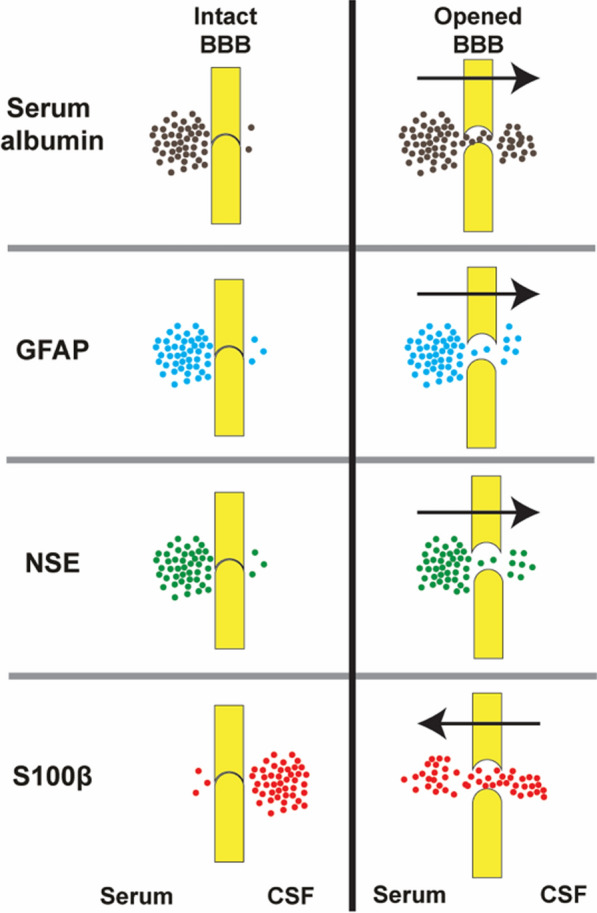
“Also, serum S100b, primarily synthesized by astrocytes, is quickly released into the circulation when the BBB is disrupted.(43) These and additional biomarkers to assess BBB permeability could be considered in future studies in iTTP.”
BackgroundSun, R., Shang, J., Yan, X., Zhao, J., Wang, W., Wang, W., Li, W., Gao, C., Wang, F., Zhang, H., et al. (2023) · Journal of Alzheimer s Disease · doi:10.3233/jad-221059 · Cited by 11
Neurotoxic effects of metals on blood brain barrier impairment and possible therapeutic approaches
Zahoor, S. M., Ishaq, S., & Ahmed, T. (2024) · Vitamins and hormones · doi:10.1016/bs.vh.2024.04.003 · Cited by 15
O’Hare, N. R., Millican, K., & Ebong, E. E. (2024) · Frontiers in Physiology · doi:10.3389/fphys.2024.1394725 · Cited by 13
Blood–brain barrier breakdown in dementia with Lewy bodies
Gan, J., Xu, Z., Chen, Z., Liu, S., Lu, H., Wang, Y., Wu, H., Shi, Z., Chen, H., & Ji, Y. (2024) · Fluids and Barriers of the CNS · doi:10.1186/s12987-024-00575-z · Cited by 13
“CNS homeostasis is subsequently maintained by regulating ion balance, facilitating nutritional transport, and preventing influx of potentially neurotoxic molecules within the circulation [12].”
BackgroundOh, J., Ha, Y., Kwon, T. W., Jo, H.-S., Moon, S., Lee, Y., Nah, S.-Y., Kim, M. S., & Cho, I. (2024) · Journal of Ginseng Research · doi:10.1016/j.jgr.2024.09.005 · Cited by 11
“The BBB plays a key role in inhibiting the influx of circulating mononuclear cells, such as macrophages and T cells, into the brain and spinal cord [48].”
Joseph, C. R. (2024) · International Journal of Molecular Sciences · doi:10.3390/ijms252111522 · Cited by 11
Mahakalakar, N., Mohariya, G., Taksande, B. G., Kotagale, N. R., Umekar, M. J., & Vinchurney, M. D. (2024) · Brain Research · doi:10.1016/j.brainres.2024.149352 · Cited by 11
Ling, L., Zhou, G., Zhang, X., Mao, B., Wan, S., & Bao, Y. (2024) · Archives of Gerontology and Geriatrics · doi:10.1016/j.archger.2024.105739 · Cited by 11
Hu, J., Li, Y., Quan, X., Han, Y., Chen, J., Yuan, M., Chen, Y., Zhou, M., Yu, E., Zhou, J., et al. (2025) · Chinese Medicine · doi:10.1186/s13020-025-01079-0 · Cited by 11
“Serving as a regulated interface between the peripheral circulation and brain parenchyma, the basic structure of BBB consists of tightly connected brain microvascular endothelial cells (BMECs) [11, 12].”
Insights into 2D and 3D cell culture models for nanoparticle-based drug delivery to glioblastoma
Dabkevičiūtė, G., & Petrikaitė, V. (2025) · Biochemical Pharmacology · doi:10.1016/j.bcp.2025.116931 · Cited by 11
Gao, J., Wang, L., Qin, M., Gao, Y., Sun, S., Hq, W., Gao, Q. F., & Yu, Y. (2025) · Neurochemical Research · doi:10.1007/s11064-025-04472-1 · Cited by 11
“The persuasive data addressed the relationship between blood-brain barrier (BBB) disturbance and subsequent damage during stroke reperfusion [6, 7 ].”
Phatale, V., Khairnar, P., Shukla, S., Puri, N., Sahane, P., & Srivastava, S. (2025) · International Journal of Pharmaceutics · doi:10.1016/j.ijpharm.2025.126077 · Cited by 11
Moiz, B., Vargas, V. A., Brandon, K. D., Sangha, G. S., Weber, C. M., Li, A., Pepper, T., Walls, M., Qin, A., Hart, S., et al. (2025) · Annals of Biomedical Engineering · doi:10.1007/s10439-025-03841-9 · Cited by 11
“Notably, BBB dysfunction, including increased permeability, has been implicated in several neurological diseases, including Alzheimer’s disease, Parkinson’s disease, stroke, and multiple sclerosis [2, 3].”
Xie, D., Tang, W., Jiang, T., Duan, H., Mo, S., Zhang, H., Zhai, X., Tian, Q., Li, Z., Liang, Y., et al. (2025) · Cell Reports · doi:10.1016/j.celrep.2025.116449 · Cited by 11
Carbon Dots for Next-Generation Cancer Theranostics: From Advanced Imaging to Targeted Therapy
Patyal, R., Warjurkar, K., & Sharma, V. (2025) · ACS Applied Bio Materials · doi:10.1021/acsabm.5c01797 · Cited by 14
Abedin, M. J., & Kastanenka, K. V. (2026) · Journal of Alzheimer s Disease · doi:10.1177/13872877251411561 · Cited by 11
“53 Structurally, the BBB consists of a layer of capillary endothelial cells interconnected by tight junctions.”
The Immune System and Depression: From Epidemiological to Clinical Evidence
Sørensen, N. V., & Benros, M. E. (2022) · Current topics in behavioral neurosciences · doi:10.1007/7854_2022_369 · Cited by 11
Redka, M., Baumgart, S., Kupczyk, D., Kosmalski, T., & Studzińska, R. (2023) · International Journal of Molecular Sciences · doi:10.3390/ijms241512230 · Cited by 11
Ulanova, M., Gloag, L., Bongers, A., Kim, C.-K., Duong, H. T. K., Kim, H. N., Gooding, J. J., Tilley, R. D., Biazik, J. M., Wen, W. X., et al. (2023) · Cells · doi:10.3390/cells12182279 · Cited by 11
“As the blood–brain barrier is composed of endothelial cells, pericytes, and astrocytes [92], the endocytosis of nanoparticles using a glial cell line, and in particular the increased internalization of the surface-modified NP-Ab, suggests that the nanoparticles in this study could be capable of…”
BackgroundLiu, M. H., Tang, Y. P., Li, Q., Song, L., Lo, H. H., Zhang, R. L., Yun, X. Y., Wang, H. M., Chan, J. T. W., Wu, J. H., et al. (2023) · Phytomedicine · doi:10.1016/j.phymed.2023.155121 · Cited by 12
Activated protein C in epilepsy pathophysiology
Zoungrana, L. I., Didik, S., Wang, H., Slotabec, L. A., & Li, J. (2023) · Frontiers in Neuroscience · doi:10.3389/fnins.2023.1251017 · Cited by 11
“…the most abundant cell of the central nervous system (CNS), and whenever endothelial cells and astrocytes interact, the endothelial cell tight junctions are amplified, decreasing the gap in the area and increasing the number of astrocytic cells as well (Persidsky et al., 2006; Kadry et al., 2020).”
BackgroundOrtiz, R. C., Knerler, S. A., Fridman, L. B., Mercado, A., Price, A. C., Rosado‐Franco, J. J., Wilkins, H. N., Flores, B. R., Orsburn, B. C., & Williams, D. W. (2024) · Fluids and Barriers of the CNS · doi:10.1186/s12987-023-00507-3 · Cited by 12
“The brain is notoriously difficult to treat as ~ 98% of all small molecule therapeutics fail to penetrate the BBB [162–166].”
BackgroundNew non‐contrast MRI of endolymphatic hydrops in Ménière's disease considering inversion time
Ishii, M., Tanaka, H., Ryuichi, A., Kanai, Y., Kato, Y., Ito, Y., Mochizuki, F., Yoneyama, M., Ishiyama, G. P., & Ishiyama, A. (2024) · Laryngoscope Investigative Otolaryngology · doi:10.1002/lio2.1314 · Cited by 11
“22 Increased vascular permeability causes extravascular leakage of albumin.”
BackgroundNeurovascular dysfunction in psychiatric disorders: Underlying mechanisms and therapeutic approaches
Sanches, E. S., Simões, D. M., Baptista, F. I., & Silva, A. P. (2024) · European Journal of Clinical Investigation · doi:10.1111/eci.14319 · Cited by 11
“The homeostasis of the central nervous system (CNS) relies on a constant and controlled supply of nutrients and clearance of the metabolic waste, 1 which is controlled by specialized barriers.”
Exploring the Relationship Between Hypertension and Cerebral Microvascular Disease
Katsi, V. K., Mavroudis, A., Liatakis, I., Konstantinos, M., & Tsioufis, K. P. (2024) · Diseases · doi:10.3390/diseases12110266 · Cited by 11
“…and spinal cord, the BBB plays a critical role, as it controls the influx and efflux of biological substances and protects cerebral parenchyma acting as an obstacle to the entry of drugs and compounds into the central nervous system contributing to the homeostasis of the brain microenvironment [20].”
Effects of cold stress on the blood-brain barrier in Plectropomus leopardus
Guo, Y., Wei, C., Ding, H., Li, P., Gao, Y., Zhong, K., Bao, Z., Qu, Z., Wang, B., & Hu, J. (2024) · BMC Genomics · doi:10.1186/s12864-024-10943-6 · Cited by 11
“These TJs involve integral membrane proteins such as claudin, polarization, and junction adhesion molecules (JAMs), and various cytoplasmic accessory proteins [38].”
BackgroundDhurandhar, Y., Tomar, S., Das, A., Singh, A. K., Prajapati, J. L., Bodakhe, S. H., & Namdeo, K. P. (2024) · ACS Chemical Neuroscience · doi:10.1021/acschemneuro.4c00338 · Cited by 11
Bioactive peptides as multipotent molecules bespoke and designed for Alzheimer's disease
Mesias, A., Borges, S., Pintado, M., & Baptista-Silva, S. (2025) · Neuropeptides · doi:10.1016/j.npep.2025.102515 · Cited by 11
Dubayle, D., Vanden‐Bossche, A., Peixoto, T., & Morel, J. (2023) · Cells · doi:10.3390/cells12050734 · Cited by 12
miR-4432 Targets FGFBP1 in Human Endothelial Cells
Avvisato, R., Mone, P., Jankauskas, S. S., Varzideh, F., Kansakar, U., Gambardella, J., Luca, A. D., Matarese, A., & Santulli, G. (2023) · Biology · doi:10.3390/biology12030459 · Cited by 11
“FGFBP1 is a key promoter of the development of the blood–brain barrier (BBB) [10], an aspect that is especially relevant considering that ECs are a major component of the BBB [11], which is crucial for maintaining neuronal and glial function [12].”
BackgroundWinkelman, M. A., & Dai, G. (2023) · Science Advances · doi:10.1126/sciadv.aaz9499 · Cited by 11
“Moreover, the low permeability of endothelial cells is an important feature of the blood-brain barrier (BBB), which separates the blood component from the brain tissue compartment ( 23 ).”
Tijms, B. M., Vromen, E. M., Mjaavatten, O., Holstege, H., Reus, L. M., van der Lee, S., Wesenhagen, K. E., Lorenzini, L., Vermunt, L., Venkatraghavan, V., et al. (2023) · doi:10.1101/2023.05.10.23289793 · Cited by 10
Shaheryar, Z. A., Khan, M. A., Hameed, H., Mushtaq, M. N., Muhammad, S., Shazly, G. A., Irfan, A., & Jardan, Y. A. B. (2023) · Biomedicines · doi:10.3390/biomedicines11123342 · Cited by 10
“A rise in the production of oxidative stress following ischemic brain injury is linked to the sudden and sustained deaths of endothelial cells in the microvasculature [12].”
BackgroundInfluentialMali, A., & Bhanwase, A. S. (2024) · BioNanoScience · doi:10.1007/s12668-024-01521-x · Cited by 10
“Less carmustine that reaches the brain in the IV route might be because of poor transport of the carmustine via the BBB that is moreover secured by tight junctions [29, 46].”
Russo, C., Valle, M. S., D’Angeli, F., Surdo, S., Giunta, S., Barbera, A. C., & Malaguarnera, L. (2024) · Nutrients · doi:10.3390/nu16142225 · Cited by 11
“The BBB begins to be operational around the eighth week of gestation, while, at the twelfth week, tight junction proteins are expressed [95].”
BackgroundBonada, M., Pittarello, M., Fazio, E. D., Gans, A., Alimonti, P., Slika, H., Legnani, F. G., Meco, F. D., & Tyler, B. (2024) · Genes · doi:10.3390/genes15081038 · Cited by 11
“…Carrier (SLC) Transporter includes up to 300 genes encoding for membrane-bound proteins that regulate CMT conveying different substances [42], including amino acids, carbohydrates, fatty acids, monocarboxylic acids, hormones, choline, vitamins, organic amines, nucleotides, and organic anions [31].”
BackgroundInfluentialYoun, K., & Jun, M. (2024) · International Journal of Molecular Sciences · doi:10.3390/ijms251910507 · Cited by 10
Wang, Z., Huang, C., Shi, Z., Liu, H., Han, X., Chen, Z., Li, S., Wang, Z., & Huang, J. S. (2025) · Colloids and Surfaces B Biointerfaces · doi:10.1016/j.colsurfb.2025.114494 · Cited by 10
Campomayor, N. B., Kim, H. J., & Kim, M. (2025) · Biomolecules & Therapeutics · doi:10.4062/biomolther.2024.224 · Cited by 11
“The increased production of free radicals results in cellular damage to ECs by promoting lipid peroxidation, protein breakdown, and DNA fragmentation (Kadry et al ., 2020; Solár et al ., 2022).”
Escudero, C., & Vatish, M. (2025) · Placenta · doi:10.1016/j.placenta.2025.04.001 · Cited by 11
Kotova, M. M., Amikishiev, S. V., Apukhtin, K. V., Galstyan, D. S., de Abreu, M. S., Stewart, A., Yang, L., & Kalueff, A. V. (2025) · Journal of Comparative Physiology B · doi:10.1007/s00360-025-01613-4 · Cited by 11
“…can also be performed by peripheral macrophages that enter the CNS by increasing the permeability of the blood–brain barrier (BBB), which itself may serve as a phenotypic marker of CNS pathology, especially relevant to neuroinflammation (Kadry et al. 2020; Puech et al. 2023; Lama et al. 2022).”
Chauhan, A., & Jain, S. (2025) · Current Pharmaceutical Design · doi:10.2174/0113816128386983250410092649 · Cited by 10
Zlotver, I., Shechtman, N., & Sosnik, A. (2025) · Journal of Colloid and Interface Science · doi:10.1016/j.jcis.2025.137702 · Cited by 10
Nanotechnology in brain cancer treatment: The role of gold nanoparticles as therapeutic enhancers
Tarantino, S., Bianco, A., Matteis, V. D., Scarpa, E., & Rinaldi, R. (2025) · Ibrain · doi:10.1002/ibra.12198 · Cited by 11
“148 For instance, TMZ, a key drug for GBM treatment, meets the molecular weight and lipophilicity criteria (194 Da), yet it achieves a tumor ‐ to ‐ blood concentration ratio of less than 20%.”
Endothelial cell Nrf2 controls neuroinflammation following a systemic insult
Zou, H., Leah, T., Huang, Z., He, X., Mameli, E., Caporali, A., Dando, O., & Qiu, J. (2025) · iScience · doi:10.1016/j.isci.2025.112630 · Cited by 11
Sun, J., Zhang, W., Wang, X., Zhao, X., & Gao, S. (2025) · Journal of Hypertension · doi:10.1097/hjh.0000000000004085 · Cited by 10
“Apart from serving as a physical barrier, it regulates the entry and exit of circulating factors between the brain parenchyma and blood flow [20,21].”
Aboulhassane, S., Sangha, V., Hoque, M. T., & Bendayan, R. (2025) · Fluids and Barriers of the CNS · doi:10.1186/s12987-025-00689-y · Cited by 11
Wang, D., Wang, J., Li, B., Yang, S., Guo, F., Zheng, B., & Wang, J. (2025) · Molecular Medicine · doi:10.1186/s10020-025-01312-4 · Cited by 10
“Its primary function is to obstruct the entry of potentially harmful substances into the brain, thereby safeguarding neural cells (Kadry et al. 2020).”
Chen, X., Lin, Z., Wang, N., Zhou, Y., Cheng, L., & Ren, B. (2025) · Journal of Advanced Research · doi:10.1016/j.jare.2025.09.055 · Cited by 11
“The blood–brain barrier displays more specialized structural features; however, its fundamental barrier architecture is similarly composed of TJs and AJs [120–123].”
Crossing the Borders: the amino acid transporter LAT1 (SLC7A5) in the Blood-Brain Barrier
Scalise, M., Scanga, R., Console, L., Galluccio, M., Marzano, F., Magrì, A., Pochini, L., & Indiveri, C. (2025) · Neurochemistry International · doi:10.1016/j.neuint.2025.106070 · Cited by 10
Le, H. T. N., Giang, V. T. T., Abioye, A. O., & Adejare, A. (2026) · Pharmaceutics · doi:10.3390/pharmaceutics18020192 · Cited by 10
“…P-glycoprotein (P-gp), breast cancer resistance protein (BCRP), and organic anion-transporting polypeptide (OATP), which may actively pump substances (including xenobiotics) out of the brain vascular endothelial cells back into the blood, resulting in decreased CNS exposure to the drug [25].”
Bertoni, G., Ristori, S., & Monti, D. (2026) · Cells · doi:10.3390/cells15080657 · Cited by 11
Sharma, H. S., Lafuente, J. V., Muresanu, D. F., Sahib, S., Tian, Z. R., Menon, P. K., Nozari, A., Buzoianu, A. D., Sjöquist, P.-O. B., Patnaik, R., et al. (2021) · Progress in brain research · doi:10.1016/bs.pbr.2021.06.005 · Cited by 10
Potential Use of Agave Genus in Neuroinflammation Management
Herrera-Ruiz, M. L., Jiménez‐Ferrer, E., González‐Cortazar, M., Zamilpa, A., Cardoso-Taketa, A., Arenas-Ocampo, M. L., Jiménez–Aparicio, A. R., & Monterrosas‐Brisson, N. (2022) · Plants · doi:10.3390/plants11172208 · Cited by 11
The brain-penetrant cell-cycle inhibitor p28 sensitizes brain metastases to DNA-damaging agents
Mander, S., Gorman, G. S., Coward, L. U., Christov, K. T., Green, A., Gupta, T. K. D., & Yamada, T. (2023) · Neuro-Oncology Advances · doi:10.1093/noajnl/vdad042 · Cited by 12
Synthesis, Anti‐Fungal Potency and In silico Studies of Novel Steroidal 1,4‐Dihydropyridines
Khan, A., Iqbal, A., Ahmedi, S., Manzoor, N., & Siddiqui, T. (2023) · Chemistry & Biodiversity · doi:10.1002/cbdv.202300096 · Cited by 11
Involvement of brain cell phenotypes in stress-vulnerability and resilience
Favoretto, C. A., Pagliusi, M., & Morais‐Silva, G. (2023) · Frontiers in Neuroscience · doi:10.3389/fnins.2023.1175514 · Cited by 10
“Additionally, there is evidence that stress disrupts the blood–brain barrier (Welcome and Mastorakis, 2020), which properly functioning is highly dependent on astrocytes (Kadry et al., 2020).”
BackgroundAlarcan, H., Vourc’h, P., Berton, L., Bretagne, I. B., Piver, É., Andres, C. R., Corcia, P., Veyrat‐Durebex, C., & Blasco, H. (2023) · International Journal of Molecular Sciences · doi:10.3390/ijms241311196 · Cited by 10
The Blood-prostate Barrier: An Obstacle to Drug Delivery into the Prostate
Mou, Y., Cao, M., & Zhang, D. (2023) · Current Drug Delivery · doi:10.2174/1567201821666230807152520 · Cited by 10
The Role of Biological Rhythms in New Drug Formulations to Cross the Brain Barriers
Mineiro, R., Albuquerque, T., Neves, A. R., Santos, C. R. A., Costa, D. R. B., & Quintela, T. (2023) · International Journal of Molecular Sciences · doi:10.3390/ijms241612541 · Cited by 12
Bor, G., & Hosta‐Rigau, L. (2023) · Advanced Therapeutics · doi:10.1002/adtp.202300161 · Cited by 11
Blood–Brain Barrier Dysfunction in Hypertensive Disorders of Pregnancy
Kaur, S., Ewing, H. T., & Warrington, J. P. (2023) · Current Hypertension Reports · doi:10.1007/s11906-023-01288-8 · Cited by 10
“For example, ischemic stroke tends to increase BBB permeability and disrupt tight junctions due to the release of proinflammatory cytokines, vascular endothelial growth factor, and nitric oxide (reviewed in [8]).”
BackgroundInfluentialHuang, F., Mao, F., Nong, W., Gong, Z., Lao, D., & Huang, W. (2023) · Molecular Neurobiology · doi:10.1007/s12035-023-03833-7 · Cited by 10
“The biological barrier forms a high impedance physical barrier, which makes it difficult for most blood derived substances and peripheral immune cells to enter through the paracellular pathway of the BBB [12].”
BackgroundChaves, J. C. S., Wasielewska, J. M., Cuní‐López, C., Rantanen, L. M., Lee, S., Koıstınaho, J., White, A. R., & Oikari, L. E. (2023) · Neurotherapeutics · doi:10.1016/j.neurot.2023.10.009 · Cited by 11
“The BBB is primarily composed of brain endothelial cells (BECs), astrocytes, and pericytes, with BBB cells also interacting with neurons and microglia to form the neurovascular unit (NVU) [8].”
BackgroundLeiris, N. D., Perret, P., Lombardi, C., Gözel, B., Chierici, S., Millet, P., Debiossat, M., Bacot, S., Tournier, B. B., Chames, P., et al. (2024) · Journal of Translational Medicine · doi:10.1186/s12967-024-04987-1 · Cited by 12
“The barrier properties of the BBB [57] are stringent enough to restrict > 98% of small molecules and passive diffusion of all large molecules.”
BackgroundImproving drug delivery to the brain: the prodrug approach
Huttunen, K. M. (2024) · Expert Opinion on Drug Delivery · doi:10.1080/17425247.2024.2355180 · Cited by 10
“Currently, the most significant barrier regulating drug delivery into the brain is thought to be the BBB, since it covers a huge vasculature network within the brain [13].”
BackgroundMa, C., Ye, Q., Qian, K., Dai, M., Gan, L., Yang, J., Jia, Z., Pan, Z., Cai, Q., Jiang, T., et al. (2024) · Brain Research Bulletin · doi:10.1016/j.brainresbull.2024.110985 · Cited by 10
“…endothelial cells on the BBB form a physical barrier through tight junctions (TJs) (Terstappen et al. 2021) to prevent exogenous macromolecular therapeutic agents from entering the brain (Kadry et al. 2020). p Paclitaxel (PTX) is a common chemotherapeutic and microtubule stabilizing drug.”
BackgroundRahman, E., Philipp‐Dormston, W. G., Webb, W. R., Rao, P., Sayed, K., Sharif, A., Yu, N., Ioannidis, S., Tam, E., Rahman, Z., et al. (2024) · Aesthetic Plastic Surgery · doi:10.1007/s00266-024-04202-y · Cited by 10
“However, the BBB’s permeability does not proportionally increase for molecules with MWs exceeding 400 Da relative to their lipid solubility [145].”
D’Aversa, E., Salvatori, F., Vaccarezza, M., Antonica, B., Grisafi, M., Singh, A. V., Secchiero, P., Zauli, G., Tisato, V., & Gemmati, D. (2024) · Cells · doi:10.3390/cells13161316 · Cited by 11
“As a unique part of the neurovascular unit (NVU), the BBB has a crucial role in maintaining brain homeostasis [11] and in protecting the CNS from toxins and pathogen entry [28].”
BackgroundLibório, A. B., de Medeiros, C. M. M. F., Santos, L. L., de Andrade, L. S., Meneses, G. C., & Martins, A. M. C. (2024) · European Journal of Neurology · doi:10.1111/ene.16438 · Cited by 11
Vengadesan, D., Arumugam, N., Manikandan, E., & Mandal, A. (2024) · BioNanoScience · doi:10.1007/s12668-024-01773-7 · Cited by 10
“The cationic nano-carriers have shown an increased level of efficiency [27].”
Mubarak, N., Waqar, M. A., Khan, A. M., Asif, Z., Alvi, A. S., Virk, A. A., & Amir, S. (2025) · Designed Monomers & Polymers · doi:10.1080/15685551.2025.2464132 · Cited by 12
Li, J., Shan, X., Gao, Y., Zhu, H., Cheng, H., Xing, C., Zhou, L., Tao, W., Li, Y., Yin, B., et al. (2025) · Journal of Ethnopharmacology · doi:10.1016/j.jep.2025.119484 · Cited by 11
Metadata
- Authors
- Kadry, H., Noorani, B., & Cucullo, L.
- Affiliations
- Texas Tech University Health Sciences Center (US)
- Oakland University (US)
- Corresponding author
- Cucullo, Luca
- Venue
- Fluids and Barriers of the CNS
- Published
- 2020-11-18
- Volume
- 17
- Issue
- 1
- Pages
- 69-69
- ISSN
- 2045-8118 (ISSN-L)
- PMC
- PMC7672931
- OpenAlex
- W3104682194
- Cited by
- 1,853
- References
- 266
- Citations by year
- 2026: 342 · 2025: 491 · 2024: 480 · 2023: 299 · 2022: 176 · 2021: 63
- FWCI
- 13.39
- Type
- journal article
- Language
- en
- Open access
- gold
- doi.org
- Licence
- cc-by
- creativecommons.org/licenses/by/4.0/ (tdm)
- creativecommons.org/licenses/by/4.0/ (vor)
- Locations
- Fluids and Barriers of the CNS (publishedVersion, cc-by)
- PubMed Central (publishedVersion, cc-by)
- PubMed (publishedVersion)
- DOAJ (DOAJ: Directory of Open Access Journals) (submittedVersion, cc-by-sa)
- Funders
- National Institute on Drug Abuse (2R01-DA029121-01A1, 1R01DA049737-01)
- National Institute of Neurological Disorders and Stroke (1R01NS117906-01)
- Topics
- Life Sciences › Neuroscience › Neurology › Barrier Structure and Function Studies
- Health Sciences › Medicine › Oncology › Drug Transport and Resistance Mechanisms
- Life Sciences › Biochemistry, Genetics and Molecular Biology › Molecular Biology › Ion Transport and Channel Regulation
- Keywords
- blood-brain barrier, blood-brain barrier integrity, blood-brain barrier disruption, shear stress, blood-brain barrier permeability, brain homeostasis, neurological disorders
- MeSH terms
- Biological Transport, Blood-Brain Barrier, Brain Diseases, Humans, Biomarkers
About these checks
Registry, retraction, Cites and statistics results are computed, not judged, with one exception: a printed reference that no index lists is read once by a model before it counts as a citation error. Claims are extracted by a model and kept only when their quote appears verbatim in the text; each cited source is then checked, with a model’s help, for whether it says what the claim relies on. Those verdicts can be wrong — read the claim’s quote and the cited source before relying on one.
Statistics and arithmetic are recomputed, not judged.
Confidence bands are shown only for fields calibrated on our annotated test set. None is calibrated yet, so no band is shown.
What counts as a claim ›How we measure confidence ›How we check this ›
Are you an author, or do you see a problem with this page? Request a review
Data sources
Bibliographic data: Semantic Scholar, OpenAlex, Crossref.
Contains information from the Semantic Scholar Academic Graph Datasets, made available under the ODC Attribution License (ODC-BY 1.0).
Semantic Scholar’s data is described in: Kinney, R., et al. (2023). The Semantic Scholar Open Data Platform. arXiv:2301.10140.
