

A blood–brain barrier overview on structure, function, impairment, and biomarkers of integrity
Open accessThe DOI matches its Crossref record; 269 of the 269 references it cites were found in a registry or an index.
Abstract
The blood–brain barrier is playing a critical role in controlling the influx and efflux of biological substances essential for the brain’s metabolic activity as well as neuronal function. Thus, the functional and structural integrity of the BBB is pivotal to maintain the homeostasis of the brain microenvironment. The different cells and structures contributing to developing this barrier are summarized along with the different functions that BBB plays at the brain–blood interface. We also explained the role of shear stress in maintaining BBB integrity. Furthermore, we elaborated on the clinical aspects that correlate between BBB disruption and different neurological and pathological conditions. Finally, we discussed several biomarkers that can help to assess the BBB permeability and integrity in-vitro or in-vivo and briefly explain their advantages and disadvantages.
Overview
The claims and statistics of this paper haven’t been checked yet.
Free: it reads the open-access text and checks the first 5 claims that cite a source we can check. Create a free account to check every claim.
Integrity signals
Registry
Cites
Statistics
Figures
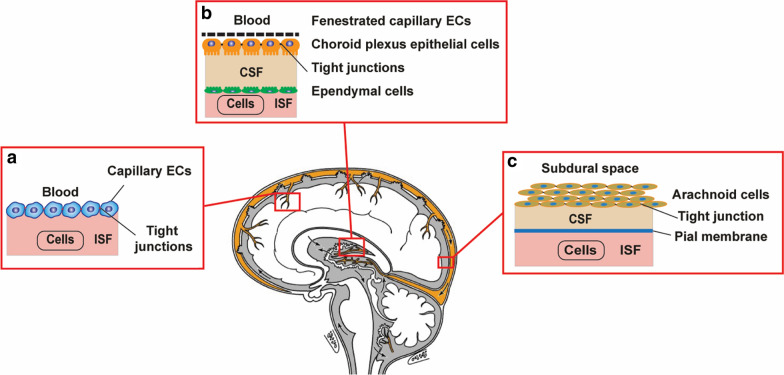
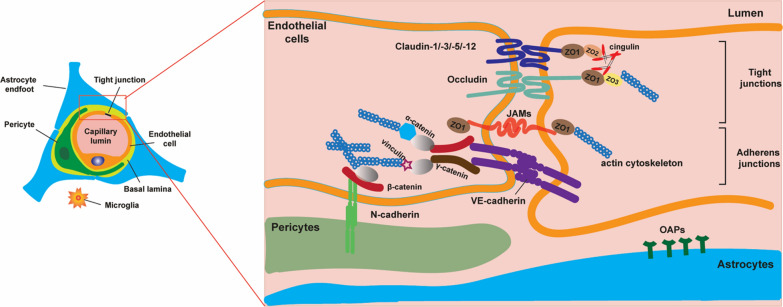
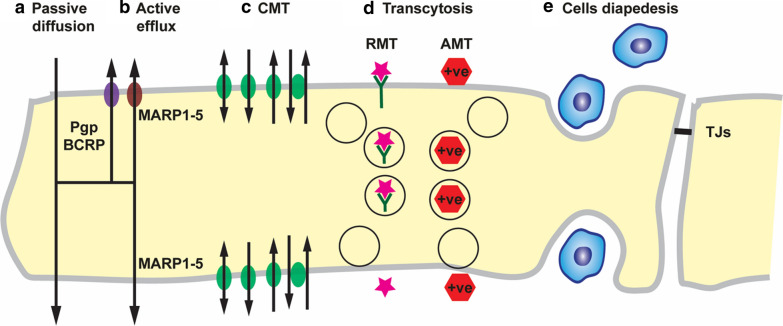
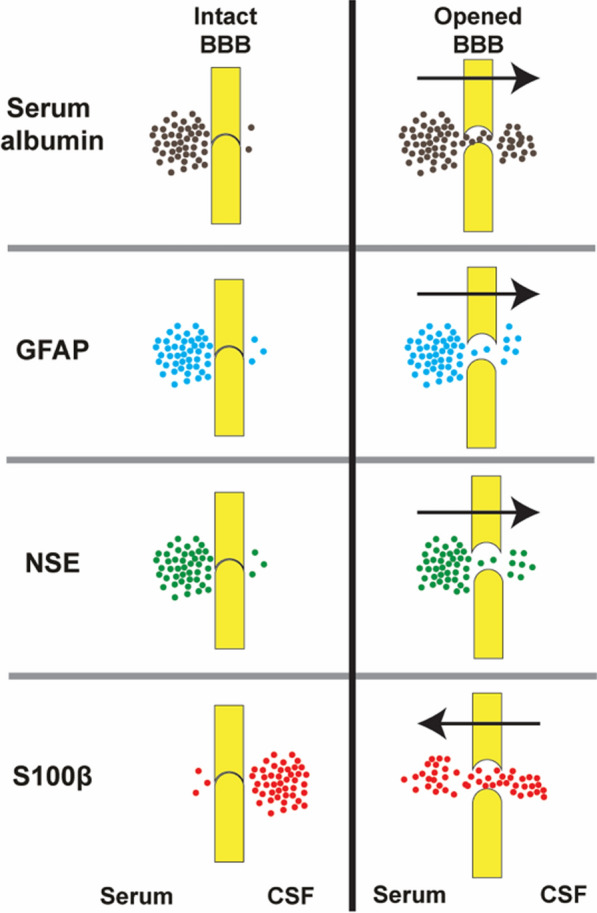
Verification
Claims the paper makes
The claims and statistics of this paper haven’t been checked yet.
Free: it reads the open-access text and checks the first 5 claims that cite a source we can check. Create a free account to check every claim.
Claims other papers make about this one
Each is checked against this paper’s own text: does it say what the citing paper says it does?
The source backs part of the claim, not all of it — or backs it for a different population, condition or comparison.
In the citing paper
“These barriers include the blood–cerebrospinal fluid (blood–CSF) barrier, the blood–retinal barrier, the blood–spinal cord barrier, and the BBB. Among these, the latter is the most extensive and exclusive [5].”
From Advances in Strategies to Transport Nanoparticles Across the Blood–Brain Barrier for Drug Delivery into the Brain for the Treatment of Alzheimer’s Disease (2026) · cites this paper as [5]
Experimental — accuracy not yet measuredThe source backs part of the claim, not all of it — or backs it for a different population, condition or comparison.
In the citing paper
“In the adsorptive-mediated transcytosis (AMT), positively charged molecules interact with the negatively charged ECs, inducing transcytosis and their passage across the barrier.”
From Advances in Strategies to Transport Nanoparticles Across the Blood–Brain Barrier for Drug Delivery into the Brain for the Treatment of Alzheimer’s Disease (2026) · cites this paper as [5]
Experimental — accuracy not yet measuredThe cited source says what the claim attributes to it.
In the citing paper
“The BBB is a physical barrier that separates the CNS from the circulating blood and possesses unique properties for the CNS microvasculature [103].”
From Extracellular vesicles as nanotheranostic platforms for targeted neurological disorder interventions (2024) · cites this paper as [103]
The cited source says what the claim attributes to it.
In the citing paper
“Carrier-mediated transport (CMT) refers to the transport of a variety of molecules facilitated by membrane-bound proteins entitled solute carrier (SLC) transporters [5].”
The cited source says what the claim attributes to it.
In the citing paper
“On the other side, in the receptor-mediated transcytosis (RMT), specific molecules bind to their respective receptors present on the surface of these cells, triggering transcytosis, and their release to the brain environment by detaching from the receptor [5].”
1 more claim about this paper
Create a free account to see every claim other papers make about this one.
Self-check
Percentages, sums and reported differences re-computed from the paper’s own numbers.
The self-check needs the paper’s full text.
Citations
Cites
1 retracted
RETRACTED ARTICLE: Pericyte loss influences Alzheimer-like neurodegeneration in mice
Sagare, A. P., Bell, R. D., Zhao, Z., Ma, Q., Winkler, E. A., Ramanathan, A., & Zlokovic, B. V. (2013) · Nature Communications · doi:10.1038/ncomms3932 · Cited by 589 · cited 1×
“Furthermore, pericytes may display phagocyting functions helping with the removal of toxic metabolites [37].”
BackgroundRetracted(1982) · Trends in Neurosciences · doi:10.1016/0166-2236(82)90076-5 · Cited by 9,089
Astrocyte-endothelial interactions at the blood-brain barrier
Abbott, N. J., Rönnbäck, L., & Hansson, E. (2006) · Nature Reviews Neuroscience · doi:10.1038/nrn1824 · Cited by 5,595 · cited 6×
“As mentioned early, soluble factors released by many of the cell types associated with brain microvessels (including microglia and astrocytes) as well as nerve terminals adjacent to the endothelial extracellular matrix/basal lamina (such as vasoactive agents and cytokines) can modify tight junction assembly and barrie…”
BackgroundInfluentialAstrocytes: Biology and pathology
Sofroniew, M. V., & Vinters, H. V. (2010) · Acta Neuropathologica · doi:10.1007/s00401-009-0619-8 · Cited by 5,196 · cited 1×
“These latter include (1) compartmentalization of the neural parenchyma; (2) maintenance of the ionic homeostasis of the extracellular space; (3) pH regulation; (4) neurotransmitter uptake and processing by providing energy-rich substrates to the neurons; (5) mediation of signals from neurons to the vasculature [51].”
BackgroundStructure and function of the blood–brain barrier
Abbott, N. J., Patabendige, A. A. K., Dolman, D. E. M., Yusof, S. R., & Begley, D. J. (2010) · Neurobiology of Disease · doi:10.1016/j.nbd.2009.07.030 · Cited by 5,185 · cited 11×
“During embryonic angiogenesis, the differentiation of the endothelium into a functioning barrier layer begins and is maintained during adulthood by a close inductive association with other cell types within the NVU, as we mentioned early [2].”
BackgroundInfluentialHenry, M. A. (1995) · The Journal of the American Dental Association · doi:10.14219/jada.archive.1995.0108 · Cited by 3,416
Harold, D., Abraham, R., Hollingworth, P., Sims, R., Gerrish, A., Hamshere, M. L., Pahwa, J. S., Moskvina, V., Dowzell, K., Williams, A., et al. (2009) · Nature Genetics · doi:10.1038/ng.440 · Cited by 3,326
The Blood-Brain Barrier in Health and Chronic Neurodegenerative Disorders
Zlokovic, B. V. (2008) · Neuron · doi:10.1016/j.neuron.2008.01.003 · Cited by 3,280 · cited 1×
“However, specific neuroactive peptides [135], regulatory proteins, hormones, and growth factors get the use of RMT systems to cross the BBB [136].”
BackgroundGhose, A. K., Viswanadhan, V. N., & Wendoloski, J. J. (1999) · Journal of Combinatorial Chemistry · doi:10.1021/cc9800071 · Cited by 3,068 · cited 1×
“There are > 7000 drugs in the Comprehensive Medicinal Chemistry (CMC) database, and only 5% of these drugs treat the CNS [125].”
BackgroundNeurovascular pathways to neurodegeneration in Alzheimer’s disease and other disorders
Zlokovic, B. V. (2011) · Nature Reviews Neuroscience · doi:10.1038/nrn3114 · Cited by 2,969 · cited 8×
“Abbreviations BBB: Blood–brain barrier; CNS: Central nervous system; CSF: Cerebrospinal fluid; BCB: Blood–CSF barrier; ISF: Interstitial fluid; TJs: Tight junctions; P-gp: P-glycoprotein; BCRP: Breast cancer resistance protein; OATP: Organic anion transporting polypeptide; CYP 450: Cytochrome P450; BM: Basement membra…”
BackgroundInfluential
Research works printed but not linked: 1
- Benagiano V Virgintino D Maiorano E Rizzi A Palombo S Roncali L VIP-like immunoreactivity within neurons and perivascular neuronal processes of the human cerebral cortex Eur J Histochem 1996 40 1 53 56 8741100
Cited by
Items 501–600 of 1,004
Gan, J., Yang, X., Zhang, G., Li, X., Liu, S., Zhang, W., & Ji, Y. (2023) · Frontiers in Aging Neuroscience · doi:10.3389/fnagi.2023.1088140 · Cited by 20
“The blood-brain barrier (BBB) is a selective diffusion barrier to separate the central nervous system (CNS) from the peripheral blood circulation and maintains homeostasis in the CNS by regulating ion balance, facilitating nutritional transport, and preventing influx of potentially neurotoxic molecules from circulatio…”
BackgroundDiaz, M. D., Kandell, R. M., Wu, J. R., Chen, A., Christman, K. L., & Kwon, E. J. (2023) · Advanced Healthcare Materials · doi:10.1002/adhm.202300782 · Cited by 21
Biomarkers for systemic lupus erythematosus – a focus on organ damage
Ding, H., Shen, Y., Hong, S.-M., Xiang, C., & Shen, N. (2023) · Expert Review of Clinical Immunology · doi:10.1080/1744666x.2023.2260098 · Cited by 19
“Cerebrospinal fluid (CSF) is a valuable source of biomarkers in CNS disease due to the presence of the blood-brain barrier (BBB), which tightly regulates the exchange of substances between the brain and the bloodstream [216].”
BackgroundHuang, W., Chen, X.-J., Lin, Y.-K., Shi, J.-F., Li, H., Wu, H.-D., Jiang, R.-L., Chen, S., Wang, X., Tan, X., et al. (2024) · European Journal of Pharmacology · doi:10.1016/j.ejphar.2024.176521 · Cited by 20
Nipah Virus Neurotropism: Insights into Blood-Brain Barrier Disruption
Al‐Obaidi, M. M. J., Muthanna, A., & Desa, M. N. M. (2024) · Journal of Integrative Neuroscience · doi:10.31083/j.jin2305090 · Cited by 20
“The BBB thus serves the purpose of maintaining the optimal fluid environment required for proper brain functioning alongside safeguarding the CNS tissue [4].”
BackgroundSystems-level computational modeling in ischemic stroke: from cells to patients
Li, G., Zhao, Y., Ma, W., Gao, Y., & Zhao, C. (2024) · Frontiers in Physiology · doi:10.3389/fphys.2024.1394740 · Cited by 21
Cheng, W., Ren, W., Ye, P., Li, H., Bao, D., Yue, T., Lai, J., Wu, Y., Wei, Y., Wu, Z., et al. (2024) · Biomaterials · doi:10.1016/j.biomaterials.2024.122702 · Cited by 19
Shaheen, M. A., Darwish, K. M., Kishk, S. M., El‐Sayed, M. A. ‐., & Salama, I. (2025) · Bioorganic Chemistry · doi:10.1016/j.bioorg.2025.108153 · Cited by 19
Diagnostics of brain tumor in the early stage: current status and future perspectives
Ijaz, M., Hasan, I., Aslam, B., Yan, Y., Zeng, W., Gu, J., Jin, J., Zhang, Y., Wang, S., Xing, L., et al. (2025) · Biomaterials Science · doi:10.1039/d4bm01503g · Cited by 20
Role of Blood-Brain barrier in bacterial translocation
Aborode, A. T., Adesola, R. O., Scott, G. Y., Adepoju, V. A., Akan, O. D., Ogunyemi, A. D., Adetunji, A. P.-G., Arogundade, F. Q., Kwaku, S. D., Emmanuel, A. O., et al. (2025) · Neuroscience · doi:10.1016/j.neuroscience.2025.06.037 · Cited by 20
Schreiner, T. G., Menéndez‐González, M., & Popescu, B. O. (2022) · Biomedicines · doi:10.3390/biomedicines10071509 · Cited by 20
Alarcan, H., Ojaimi, Y. A., Lanznaster, D., Escoffre, J., Corcia, P., Vourc’h, P., Andres, C. R., Veyrat‐Durebex, C., & Blasco, H. (2022) · Journal of Personalized Medicine · doi:10.3390/jpm12071071 · Cited by 19
“Finally, the arachnoid barrier surrounding the brain under the dura is avascular and presents a small surface area, which limits its role in the exchanges between the blood and the brain [5].”
BackgroundNagy, A. G., Székács, I., Bonyár, A., & Horváth, R. (2022) · European Journal of Cell Biology · doi:10.1016/j.ejcb.2022.151273 · Cited by 22
Lye, P., Bloise, E., & Matthews, S. G. (2023) · Fluids and Barriers of the CNS · doi:10.1186/s12987-023-00409-4 · Cited by 19
“P-gp and BCRP are involved in neuroinflammatory responses within the CNS [10] and can be modified by infection and inflammation in different biological barriers, including the BBB [4, 11–13], as well as the intestine [14], the placenta [15–20] and the yolk sac [21–23].”
BackgroundInfluentialDifferent Mechanisms in Doxorubicin-Induced Neurotoxicity: Impact of BRCA Mutations
Bhatt, K. S., Singh, A., Marwaha, G. S., Ravendranathan, N., Sandhu, I. S., Kim, K., Singh, E., Frisbee, J. C., & Singh, K. K. (2025) · International Journal of Molecular Sciences · doi:10.3390/ijms26104736 · Cited by 19
“Brain microvascular endothelial cells (BMECs) that line cerebral capillaries to form the BBB express tight junctions, are non-fenestrated, do not have pinocytic activity, and have active transport mechanisms such as drug efflux [31].”
Yao, L., Jing, R., Wang, C.-C., Wang, Y., Li, X., Wu, X. M., Wang, Y., Liu, L., Mu, L.-H., Liu, P., et al. (2025) · Journal of Ethnopharmacology · doi:10.1016/j.jep.2025.120011 · Cited by 18
Xiao, H., Yu, X., Yushan, L., Jiang, W., Meng, X., Dong, Z., & Wang, F. (2025) · Stem Cell Research & Therapy · doi:10.1186/s13287-025-04457-5 · Cited by 20
“The BBB prevents harmful substances from entering the brain and while selectively regulating the passage of molecules to maintain neuronal and brain function [70, 75, 76].”
Blood‑brain barrier dysfunction in schizophrenia: Mechanisms and implications (Review)
Lv, S., & Luo, C. (2025) · International Journal of Molecular Medicine · doi:10.3892/ijmm.2025.5594 · Cited by 20
“These alterations not only exacerbate neuroinflam‑ mation but also disrupt neurotransmitter systems, thereby influencing symptom severity and treatment response (100).”
Phased blood-brain barrier disruption in ischaemic stroke: implications for therapy?
Blase, A., di Girasole, C. G., Benjamin, L. A., & Turowski, P. (2025) · Fluids and Barriers of the CNS · doi:10.1186/s12987-025-00701-5 · Cited by 20
“However, unique characteristics in BBB ECs include expression of tight junction (TJ) networks connecting with adjacent ECs [22], next-to-no pinocytic activity due to the lack of caveolae at the luminal surface, and a nearly complete absence of fenestrae [23–25].”
Exercise and the blood–brain barrier: Mechanistic insights and therapeutic implications
Sun, Z.-X., Xie, F., Zhao, Y. F., Wang, X., Sun, Z.-W., Qian, L., & Feng, H. (2025) · Neurobiology of Disease · doi:10.1016/j.nbd.2025.107166 · Cited by 18
Inflammation Unleashed in Viral-Induced Epileptogenesis
DePaula-Silva, A. B., Bell, L. A., Wallis, G. J., & Wilcox, K. S. (2021) · Epiliepsy currents/Epilepsy currents · doi:10.1177/15357597211040939 · Cited by 20
“Under physiological conditions, the BBB limits the access of peripheral immune cells to the CNS; however, disruption of the BBB and secretion of chemokines allow these cells to migrate into the CNS, contributing to neuroinflammation.(38,39) The macrophage chemoattractant factor C-C motif ligand 2 (CCL2) is produced by…”
BackgroundBlood Vessels as a Key Mediator for Ethanol Toxicity: Implication for Neuronal Damage
Nakayama, K., & Hasegawa, H. (2022) · Life · doi:10.3390/life12111882 · Cited by 20
Romanò, N., Lafont, C., Campos, P., Guillou, A., Fiordelisio, T., Hodson, D. J., Mollard, P., & Schaeffer, M. (2023) · JCI Insight · doi:10.1172/jci.insight.165763 · Cited by 20
“Although reduced blood flow might locally impact oxygen and nutrient delivery, gasses and small molecules are highly diffusible and rely less on vessel fenestration for diffusion (41).”
Gu, C., Mo, W., Wang, K., Gao, M., Chen, J., Zhang, F., & Shen, J. (2023) · Aging · doi:10.18632/aging.204573 · Cited by 18
Samuels, J. D., Lotstein, M. L., Lehmann, M. L., ELKAHLOUN, A. G., Banerjee, S., & Herkenham, M. A. (2023) · Journal of Neuroinflammation · doi:10.1186/s12974-023-02827-5 · Cited by 18
Nowak, I., Madej, M., Secemska, J., Sarna, R., & Strzałka‐Mrozik, B. (2023) · Pharmaceutics · doi:10.3390/pharmaceutics15071931 · Cited by 18
Applications and Considerations for Microfluidic Systems To Model the Blood–Brain Barrier
Floryanzia, S., & Nance, E. A. (2023) · ACS Applied Bio Materials · doi:10.1021/acsabm.3c00364 · Cited by 18
(2023) · doi:10.1016/j.nbd.2023.106316
“The BBB is essential for maintaining brain homeostasis (Abbott et al., 2010; Kadry et al., 2020).”
Wnt7a Decreases Brain Endothelial Barrier Function Via β-Catenin Activation
Manukjan, N., Chau, S., Caiment, F., van Herwijnen, M. H. M., Smeets, H. J. M., Fulton, D. J., Ahmed, Z., Blankesteijn, W. M., & Foulquier, S. (2023) · Molecular Neurobiology · doi:10.1007/s12035-023-03872-0 · Cited by 18
Balaji, P. G., Bhimrao, L. S., & Yadav, A. K. (2024) · Molecular Neurobiology · doi:10.1007/s12035-024-04215-3 · Cited by 19
“3) [45].”
Mineiro, R., Cardoso, M. R., Duarte, A. C., Santos, C. R. A., Cipolla‐Neto, J., do Amaral, F. G., Costa, D. R. B., & Quintela, T. (2024) · Frontiers in Neuroendocrinology · doi:10.1016/j.yfrne.2024.101158 · Cited by 18
Lee, Y., Kang, S., Thủy, L. T. T., Son, M., Park, J. Y., Ahn, S., Kang, M., Oh, J., Choi, J. S., & Lee, M. (2024) · Asian Journal of Pharmaceutical Sciences · doi:10.1016/j.ajps.2024.101006 · Cited by 19
Mohammed, P. N., Hussen, N. H., Hasan, A. H., Salh, H. J. H., Jamalis, J., Ahmed, S., Bhat, A. R., & Kamal, M. A. (2025) · EXCLI journal · doi:10.17179/excli2024-7163 · Cited by 25
Drug Delivery Systems for Hedgehog Inhibitors in the Treatment of SHH-Medulloblastoma
Caimano, M., Severini, L. L., Loricchio, E., Infante, P., & Marcotullio, L. D. (2021) · Frontiers in Chemistry · doi:10.3389/fchem.2021.688108 · Cited by 19
“The structure of BBB, consisting of brain endothelial cells connected by tight junctions and covered by pericytes and basement membrane, limits the transport of many hydrophilic, protein-bound drugs, especially when their molecular weight exceeds 400 Da (Kadry et al., 2020).”
BackgroundA Deep Dive: SIWV Tetra-Peptide Enhancing the Penetration of Nanotherapeutics into the Glioblastoma
Kang, R. H., Park, J., Kim, J., Chowdhury, T., Oh, J. H., Kim, J., Shin, J., Kim, M., Park, C., Lee, S.-J., et al. (2021) · ACS Biomaterials Science & Engineering · doi:10.1021/acsbiomaterials.1c00653 · Cited by 18
Senescent cells in the brain and where to find them
Rachmian, N., & Krizhanovsky, V. (2022) · FEBS Journal · doi:10.1111/febs.16649 · Cited by 20
Microenvironments Matter: Advances in Brain-on-Chip
Akçay, G., & Lüttge, R. (2023) · Biosensors · doi:10.3390/bios13050551 · Cited by 21
Models and mechanisms of post-stroke dementia and cognitive impairment
Khan, R., Devlin, P., Urayama, A., & Ritzel, R. M. (2025) · Frontiers in Stroke · doi:10.3389/fstro.2025.1563924 · Cited by 18
“There is limited translational research and literature on the chronic effects of stroke, particularly the post-stroke period associated with accelerated cognitive decline, in laboratory models such as rodent models.”
Kaur, R., Kumar, S., & Singh, L. (2025) · Cytokine · doi:10.1016/j.cyto.2025.156974 · Cited by 20
Follicle on the Roof: Tertiary Lymphoid Structures in Central Nervous System Autoimmunity
Zuo, M., Wang, A. A., & Gommerman, J. L. (2025) · Immunological Reviews · doi:10.1111/imr.70045 · Cited by 18
From vulnerability to resilience: unraveling the role of oxidative stress in preterm brain injury
Jiang, Q., Wen, J., Ding, Y., & Cui, H. (2025) · The Italian Journal of Pediatrics/Italian journal of pediatrics · doi:10.1186/s13052-025-02079-4 · Cited by 19
“Additionally, the function of endothelial cells, crucial in maintaining BBB integrity, is impaired under OS, destabilizing the cerebral microvascular environment [89, 90].”
Ahirwar, L. K., Blackburn, S., McBride, D. W., & Pandit, P. K. T. (2025) · Molecular Psychiatry · doi:10.1038/s41380-025-03200-z · Cited by 17
“These junctions are formed by transmembrane proteins such as claudins, occludin, and zonula occludens (ZO) proteins, which regulate the diffusion of substances between cells [112].”
Oh, J., Reed, S. K., Riviere-Cazaux, C., Kim, M., Mladek, A. C., Illamola, S. M., Zhang, W., Vaubel, R. A., Caron, A. A., Regan, M. S., et al. (2025) · Neuro-Oncology · doi:10.1093/neuonc/noaf204 · Cited by 18
“2–4 The extent of BBB disruption in different brain tumor pathologies is apparent on brain magnetic resonance imaging (MRI).”
Viral Infection and the Blood-Brain Barrier: Molecular Research Insights and Therapies
Boardman, S., Hetherington, C., Hughes, T., Cook, C., Galea, I., Hilton, O., Solomon, T., Luster, A. D., Allan, S. M., Kurt‐Jones, E. A., et al. (2025) · The Journal of Infectious Diseases · doi:10.1093/infdis/jiaf455 · Cited by 18
“The blood-CSF barrier is considered more permeable due to consisting of epithelial cells of the choroid plexus with less restrictive TJs [10].”
Inhibition of HSP90 Preserves Blood–Brain Barrier Integrity after Cortical Spreading Depression
Palomino, S. M., Levine, A. A., Wahl, J., Liktor‐Busa, E., Streicher, J. M., & Largent‐Milnes, T. M. (2022) · Pharmaceutics · doi:10.3390/pharmaceutics14081665 · Cited by 17
“3 brain endothelial cells; the endothelial cells comprise the first layer of the BBB [18].”
BackgroundMandato, C., Colucci, A., Lanzillo, R., Staiano, A., Scarpato, E., Schiavo, L., Operto, F. F., Serra, M. R., Monaco, C. D., Napoli, J. S., et al. (2023) · Children · doi:10.3390/children10061022 · Cited by 17
“The BBB consists of multiple biological barriers including the proper blood-brain barrier, the blood-cerebrospinal fluid barrier, and the arachnoid barrier [22,53] (Figure 2).”
BackgroundDiao, X., Han, H., Li, B., Guo, Z., Fu, J. F., & Wu, W. (2023) · Marine Drugs · doi:10.3390/md21070406 · Cited by 18
“TJs consist of over forty kinds of proteins, m inly including claudins (CLDNs), occludin (OCLN), and junctional adhesion molecules (JAMs) [4].”
BackgroundLei, Y., Sun, Y., Wu, W., Liu, H., Wang, X., Shu, Y., & Fang, S. (2023) · Virology Journal · doi:10.1186/s12985-023-02163-3 · Cited by 18
“Besides, the primary cytoplasmic actin-binding protein zonula occludens protein-1 (ZO-1) was detected because it connects the TJs to the cell cytoskeleton and plays an essential role in the interaction between TJs and AJs [34, 35].”
BackgroundDavies, M. R., Greenberg, Z., van Vuurden, D. G., Cross, C., Zannettino, A. C. W., Bardy, C., & Wardill, H. R. (2023) · Brain Behavior and Immunity · doi:10.1016/j.bbi.2023.10.013 · Cited by 17
“BMECs also highly express efflux transporters to further limit access of toxins to the CNS (Kadry et al., 2020).”
BackgroundHelbing, D. L., Dommaschk, E.-M., Danyeli, L. V., Liepinsh, E., Refisch, A., Şen, Z. D., Zvejniece, L., Rocktäschel, T., Stabenow, L. K., Schiöth, H. B., et al. (2024) · European Archives of Psychiatry and Clinical Neuroscience · doi:10.1007/s00406-023-01734-3 · Cited by 18
“…[31], and consequently may contribute to neuropsychiatric symptomatology, as many metabolites can cross the blood–brain barrier (BBB) [30, 58] (e.g., short chain fatty acids (SCFAs) derived from the gut microbiota such as acetate [40], amino acids such as tryptophan [52] and also…”
Halvorson, C. S., Sánchez-Lafuente, C. L., Johnston, J. N., Kalynchuk, L. E., & Caruncho, H. J. (2024) · International Journal of Molecular Sciences · doi:10.3390/ijms25020814 · Cited by 19
“Following the chronic unpredictable model of stress (CUMS), mice exhibited BBB breakdown associated with stress vulnerability and this was accompanied by a loss of Claudin-5, the tight junction protein that makes up the majority of the BBB [115,116].”
BackgroundSalmina, A. B., Alexandrova, O. P., Сергеевич, А. А., Korsakova, S. A., Saridis, M. R., Illarioshkin, S. N., & Yurchenko, S. O. (2024) · Journal of Tissue Engineering · doi:10.1177/20417314241235527 · Cited by 18
“35 In early development, SVZ is formed due to terminal differentiation of telencephalic radial glial cells into either adult NSCs or EpCs.”
BackgroundShin, M., Schuck, A., Kang, M., & Kim, Y. (2024) · Biosensors · doi:10.3390/bios14100510 · Cited by 18
“ApoE4 enhances the cytotoxicity of A β oligomers, which contributes to the disruption of the blood–brain barrier that separates circulating blood from the brain’s extracellular fluid, thereby impairing the brain’s ability to clear A β aggregations [10,12,14,19,20].”
BackgroundNagori, K., Nakhate, K. T., Yadav, K., Thakur, A., Ajazuddin, M., & Pradhan, M. (2024) · Inorganic Chemistry Communications · doi:10.1016/j.inoche.2024.113604 · Cited by 17
Hanumanthappa, R., Parthasarathy, A., Heggannavar, G. B., Kiran, P. C., Nanjaiah, H., Kumbhar, R., & Devaraju, K. S. (2024) · Neuroprotection/Neuroprotection (Chichester, England. Print) · doi:10.1002/nep3.60 · Cited by 17
“Carrier ‐ mediated transport by endothelial cells allows for the transport of certain classes of substances, such as amino acids and hexoses, across the BBB. 34 Although many carriers have high af fi nity for speci fi c molecules, they can often transport nontarget molecules with similar properties.”
InfluentialNeuroinflammatory Loop in Schizophrenia, Is There a Relationship with Symptoms or Cognition Decline?
Pardo, C. C., Oyarce, K., & Vera-Montecinos, A. (2025) · International Journal of Molecular Sciences · doi:10.3390/ijms26010310 · Cited by 17
Kopalli, S. R., Behl, T., Kyada, A., Rekha, M. M., Kundlas, M., Rani, P., Nathiya, D., Naidu, K. S., Gulati, M., Bhise, M. R., et al. (2025) · Neuroscience · doi:10.1016/j.neuroscience.2025.02.007 · Cited by 19
The curse of blood–brain barrier and blood–tumor barrier in malignant brain tumor treatment
Kawauchi, D., & Narita, Y. (2025) · International Journal of Clinical Oncology · doi:10.1007/s10147-025-02777-3 · Cited by 17
“It tightly regulates the entry of critical molecules required for neural function while preventing harmful substances from reaching the brain [6, 7].”
Neurocoagulation from a Mechanistic Point of View in the Central Nervous System
Stein, E. S., Berkowitz, S. H., Gofrit, S. G., Altman, K., Weinberg, N., & Maggio, N. (2022) · Seminars in Thrombosis and Hemostasis · doi:10.1055/s-0041-1741569 · Cited by 19
Martinelli, I., Tayebati, S. K., Tomassoni, D., Nittari, G., Roy, P., & Amenta, F. (2022) · Cells · doi:10.3390/cells11071120 · Cited by 18
Carlo, E. D., Bertoli, E., Conte, A. D., Stanzione, B., Berto, E., Revelant, A., Spina, M., & Bearz, A. (2022) · International Journal of Molecular Sciences · doi:10.3390/ijms23126477 · Cited by 20
Sakamoto, K. (2022) · Biochemistry and Biophysics Reports · doi:10.1016/j.bbrep.2022.101367 · Cited by 19
Pisani, F., Pisani, V., Arcangeli, F., Harding, A., & Singhrao, S. K. (2023) · International Journal of Environmental Research and Public Health · doi:10.3390/ijerph20021007 · Cited by 19
“The BBB protects the brain parenchyma with a highly selective interface facilitating the transport of nutrients into the brain and preventing access to pathogenic blood-borne agents including bacteria [72,73].”
BackgroundJakimiuk, A. A., Piechal, A., Wiercińska‐Drapało, A., Nowaczyk, A., & Mirowska-Guzel, D. M. (2023) · Pharmacological Reports · doi:10.1007/s43440-023-00515-y · Cited by 18
“On the other hand, inappropriate intervention at these barriers can disrupt their natural functions, increasing the risk of infection or opening channels for pathogens [19].”
BackgroundMethodZhang, E., Yan, X., Shen, H., Zhao, M., Gao, X., & Huang, Y. (2025) · International Journal of Molecular Sciences · doi:10.3390/ijms26073316 · Cited by 16
“Additionally, due to the regulatory role of the blood–brain barrier, changes in specific biomarkers in the blood may indirectly reflect the progression of brain diseases [34].”
Hyperglycemia-induced blood-brain barrier dysfunction: Mechanisms and therapeutic interventions
Chen, C., Xu, X., Lu, J., Xiang, Y., Shi, L., & Liu, D. (2025) · Microvascular Research · doi:10.1016/j.mvr.2025.104820 · Cited by 19
Current understanding and controversy on brain access of GLP-1 and GLP-1 receptor agonists
Feng, J., & Jin, T. (2025) · Journal of Translational Internal Medicine · doi:10.1515/jtim-2025-0026 · Cited by 17
Neutrophils-astrocyte interactions in central nervous system inflammation
Yuan, B., Zhang, X., Liu, L., Chai, Y., Zhang, J., & Chen, X. (2025) · Cell Death and Disease · doi:10.1038/s41419-025-07945-x · Cited by 19
“This system comprises the BBB, blood-meningeal barrier (BMB), and blood-cerebrospinal fl uid (CSF) barrier, which collectively form a selective interface controlling immune cell traf fi cking [13, 14].”
Antoniou, A., Stavrou, M., Evripidou, N., Georgiou, E., Kousiappa, I., Koupparis, A. M., Papacostas, S., Kleopa, K. A., & Damianou, C. (2023) · Journal of Ultrasound · doi:10.1007/s40477-023-00805-4 · Cited by 17
“Tight junctions (TJs) are formed between these cells, with several transporters regulating the influx and efflux of compounds, such as nutrients and small peptides [1].”
BackgroundRecent advances towards overcoming the blood–brain barrier
Ali, A. A. A., Arshad, M. S., Khan, M. A., Chang, M., & Ahmad, Z. (2023) · Drug Discovery Today · doi:10.1016/j.drudis.2023.103735 · Cited by 18
Fernández, M., Nigro, M., Travagli, A., Pasquini, S., Vincenzi, F., Varani, K., Borea, P. A., Merighi, S., & Gessi, S. (2023) · Pharmaceutics · doi:10.3390/pharmaceutics15102441 · Cited by 16
“…microenvironment are: the blood–brain barrier (BBB) constituted by brain microvessel endothelial cells; the blood–cerebrospinal fluid barrier (BCSFB) or blood CSF barrier, formed by choroid plexus epithelial cells; and the meningeal barrier, formed by arachnoid epithelial cells [4] (Figure 1).”
BackgroundInfluentialGao, C., Liu, Y., Zhang, T., Luo, Y., Gao, J., Chu, J., Gong, B., Chen, X., Yin, T., Zhang, J., et al. (2023) · International Journal of Nanomedicine · doi:10.2147/ijn.s436774 · Cited by 19
“13,14 Second, the BBB offers an enzymatic barrier to metabolize substances, further preventing molecules from passing through the endothelial cell-based physical barrier and entering the brain parenchyma, which may interfere with neuronal activity.”
BackgroundRe-framing the importance of Group B Streptococcus as a gut-resident pathobiont
Ling, J., & Hryckowian, A. J. (2024) · Infection and Immunity · doi:10.1128/iai.00478-23 · Cited by 16
Association of APOE genotype with blood-brain barrier permeability in neurodegenerative disorders
Libri, I., Silvestri, C., Caratozzolo, S., Alberici, A., Pilotto, A., Archetti, S., Trainini, L., Borroni, B., Padovani, A., & Benussi, A. (2024) · Neurobiology of Aging · doi:10.1016/j.neurobiolaging.2024.04.003 · Cited by 16
Marcellin, D. F. H., & Huang, J. (2024) · Viruses · doi:10.3390/v16040629 · Cited by 17
“Mfsd2a, a member of the major facilitator superfamily (MFS), represents one of the most extensive and diverse membrane transporters [105].”
BackgroundEmerging Perspectives on Prime Editor Delivery to the Brain
BenDavid, E., Ramezanian, S., Lu, Y., Rousseau, J., Schroeder, A., Lavertu, M., & Tremblay, J. P. (2024) · Pharmaceuticals · doi:10.3390/ph17060763 · Cited by 17
“…accident (CVA), carcinogenetic neoplasms, infections, injuries, ischemic events, neuroinflammation, neurodegenerative diseases (i.e., AD), and hydrocephalus may compromise these protective barrier structures, permeability, and functionality and potentially increase the BBB’s permeability [93–95].”
BackgroundMicroneedle-mediated drug delivery for neurological diseases
Tan, S., Wang, Y., Wei, X., Xiao, X., & Gao, L. (2024) · International Journal of Pharmaceutics · doi:10.1016/j.ijpharm.2024.124400 · Cited by 17
Yaqoob, Z., Batool, S. A., Basit, M. A., Konain, K., Malik, R. A., Rehman, S. U., Hussain, S. W., Alrobei, H., & Rehman, M. A. U. (2024) · Materials Chemistry and Physics · doi:10.1016/j.matchemphys.2024.129698 · Cited by 16
Biomimetic nanoparticle-driven strategies for targeted drug delivery in glioblastoma
Panchal, K. N., Mutalik, S., & Manikkath, J. (2024) · Journal of Nanoparticle Research · doi:10.1007/s11051-024-06104-1 · Cited by 17
“Along the brain and spinal cord’s blood vessels, the BBB acts as a highly selective interface, regulating the passage of molecules between the bloodstream and the central nervous system (CNS) to maintain homeostasis [71].”
Fuorivia, V., Attili, I., Corvaja, C., Asnaghi, R., Schianca, A. C., Aliaga, P. T., Signore, E. D., Spitaleri, G., Passaro, A., & de Marinis, F. (2024) · Current Oncology · doi:10.3390/curroncol31090379 · Cited by 17
“Cytotoxic chemotherapy plays a limited role in controlling brain metastases because of the drugs’ inability to cross the pharmacological sanctuary of the blood–brain barrier (BBB) and penetrate the CNS [88,89].”
BackgroundSigma-1 receptor signaling: A potential therapeutic approach for ischemic stroke
Ngo, A., Fattakhov, N. S., & Toborek, M. J. (2024) · Journal of Cerebral Blood Flow & Metabolism · doi:10.1177/0271678x241281547 · Cited by 16
“Intact tight junctions (TJs) between brain endothelial cells protect the brain parenchyma from blood-borne agents and provide a significant obstacle to the entry of immune cells and exogenous compounds into the CNS. 35,36 Following an ischemic stroke, there is a reduction in BBB integrity, leading to heightened parace…”
Evolution of lipid nanoparticles as charioteers of Alzheimer's disease therapeutics
Chakraborty, B., Patel, G., Padhan, B., Das, J., & Patel, M. (2024) · Applied Materials Today · doi:10.1016/j.apmt.2024.102442 · Cited by 18
Acute high-fat high-sugar diet rapidly increases blood-brain barrier permeability in mice
Leidmaa, E., Zimmer, A., Stein, V., & Gellner, A. (2025) · The journal of nutrition health & aging · doi:10.1016/j.jnha.2025.100574 · Cited by 16
“The effective BBB also has a downside; many potential new drug candidates for mental and neurological diseases do not readily cross the BBB [1].”
Hu, D., Huang, C., Tang, L. Y., Lei, J., Wang, J., Hu, W., Chen, M., Song, S., Lü, L., & Xu, P. (2025) · Cellular and Molecular Life Sciences · doi:10.1007/s00018-025-05755-0 · Cited by 17
Fang, A., Yuan, Y., Huang, F., Wang, C., Tian, D., Zhou, R., Zhou, M., Chen, H., Fu, Z. F., & Zhao, L. (2022) · Journal of Virology · doi:10.1128/jvi.01050-22 · Cited by 17
Key brain cell interactions and contributions to the pathogenesis of Alzheimer’s disease
Saavedra, J., Nascimento, M., Liz, M. A., & Cardoso, I. (2022) · Frontiers in Cell and Developmental Biology · doi:10.3389/fcell.2022.1036123 · Cited by 16
“At the BBB, ECs mainly present two distinct receptors that allow the transport of Aβ, LRP1 and RAGE (Alemi et al., 2016).”
BackgroundInfluentialThe battle of lipid-based nanocarriers against blood-brain barrier: a critical review
Abla, K. K., & Mehanna, M. M. (2023) · Journal of drug targeting · doi:10.1080/1061186x.2023.2247583 · Cited by 19
Pramoda, G., Verma, R. K., Kesharwani, P., & Shukla, R. (2025) · Journal of Molecular Liquids · doi:10.1016/j.molliq.2025.127938 · Cited by 15
Patwardhan, A., Wilkinson, T., Meng, Y., Alhashyan, I., Black, S. E., Lipsman, N., & Masellis, M. (2024) · The Journal of Prevention of Alzheimer's Disease · doi:10.14283/jpad.2024.85 · Cited by 15
“The BBB poses a system of high biological impedance and low paracellular and transcellular permeability that results in selective permeability to ions and small lipid-soluble molecules less than 400 Daltons (Da) in size (4).”
LncRNA regulation in ischemic stroke and their application prospects
Chen, Q., Xu, X., Li, S., & Xiong, T. (2025) · Neural Regeneration Research · doi:10.4103/nrr.nrr-d-24-00924 · Cited by 17
“Cell-derived particles, such as microvesicles, are particularly promising because of their inherent stability in the bloodstream and their capacity to cross the BBB. Additionally, these particles can package and protect bioactive substances (Diehl et al., 2023) and could enable the targeted delivery of clot-dissolving…”
InfluentialThe application of telmisartan in central nervous system disorders
Quan, W., Zhang, S.-X., Zhang, X.-Y., Chen, X., Yang, C., Li, Z., & Hu, R. (2025) · Pharmacological Reports · doi:10.1007/s43440-025-00737-2 · Cited by 19
“Beyond providing nutrients to the brain and helping to create a microenvironment conducive to neuronal function and activity, the BBB also protects the brain from damage caused by metabolism, infections, and toxins [154 ].”
Revisiting strategies to target ABC transporter-mediated drug resistance in CNS cancer
Amawi, H. A., Hammad, A. M., Hall, F. S., Hussein, N. A., Rataan, A. O., Mrayyan, A., Al-kofahi, T., Hmedat, A., Ashby, C. R., & Tiwari, A. K. (2025) · Cancer Biology and Medicine · doi:10.20892/j.issn.2095-3941.2025.0060 · Cited by 19
“The endothelial cells are the primary cellular structures of blood capillaries 46 .”
Ferrari, I., Limiti, E., Giannitelli, S. M., Trombetta, M., Rainer, A., D’Amelio, M., Barbera, L. L., & Gori, M. (2025) · International Journal of Molecular Sciences · doi:10.3390/ijms26199478 · Cited by 15
“Shear stress also induces the expression of endothelial drug transporters and metabolic pathways that enhance the BBB’s ability to protect the CNS from harmful substances [13,50].”
Overcoming the blood-brain barrier: targeted delivery strategies for gliomas
Du, X., Chen, C., Zeng, Y., & Lin, Z. (2025) · Frontiers in Pharmacology · doi:10.3389/fphar.2025.1705234 · Cited by 16
Cardiovascular disease and depression: a bidirectional relationship and its clinical implications
Wu, J., Tian, Z., Qi, Z., Liu, X., & Yu, P. (2026) · Frontiers in Psychiatry · doi:10.3389/fpsyt.2025.1675680 · Cited by 16
“AJs are intercellular adhesions generated by the plasma membranes of neighboring cells and are formed by the attachment of calreticulin to the actin cytoskeleton through the intermediary protein catenin (189).”
Hocaoğlu, R., Zıkşahna, K., & Ihlamur, M. (2026) · Health Nanotechnology · doi:10.1186/s44301-026-00026-8 · Cited by 19
Conserved YKL-40 changes in mice and humans after postoperative delirium
David‐Bercholz, J., Acker, L., Caceres, A. I., Wu, P. Y., Goenka, S., Franklin, N. O., Rodriguiz, R. M., Wetsel, W. C., Devinney, M. J., Cooter, M. L., et al. (2022) · Brain Behavior & Immunity - Health · doi:10.1016/j.bbih.2022.100555 · Cited by 17
“B ) RT-PCR log 2 of fold changes of Occludin, Cd31, Zo1, Claudin5, and Aq-4 revealed BBB impairment at 9 and 24 h following tibial fracture.”
InfluentialFeng, Y., Cao, Y., Qu, Z., Janjua, T. I., & Popat, A. (2023) · Pharmaceutics · doi:10.3390/pharmaceutics15092239 · Cited by 17
Serum Zonula Occludens-1 and Claudin-5 Levels in Patients with Insomnia Disorder: A Pilot Study
Fan, M., Deng, F., Rui, T., Cai, Y., Zhang, X., Li, H., Xiang, T., & Pan, J. (2023) · Nature and Science of Sleep · doi:10.2147/nss.s424756 · Cited by 15
“16 Furthermore, it is becoming increasingly clear that, in addition to impaired intestinal barrier, increased blood-brain barrier (BBB) permeability may also be part of the clinical picture in schizophrenia, bipolar disorder, major depression, autism, 17,18 and early-onset psychosis.”
BackgroundSonosensitive Cavitation Nuclei—A Customisable Platform Technology for Enhanced Therapeutic Delivery
Lyons, B., Balkaran, J. P. R., Dunn-Lawless, D. M., Lucian, V. M., Keller, S. B., O’Reilly, C. S., Hu, L., Rubasingham, J., Nair, M., Carlisle, R. C., et al. (2023) · Molecules · doi:10.3390/molecules28237733 · Cited by 15
Metadata
- Authors
- Kadry, H., Noorani, B., & Cucullo, L.
- Affiliations
- Texas Tech University Health Sciences Center (US)
- Oakland University (US)
- Corresponding author
- Cucullo, Luca
- Venue
- Fluids and Barriers of the CNS
- Published
- 2020-11-18
- Volume
- 17
- Issue
- 1
- Pages
- 69-69
- ISSN
- 2045-8118 (ISSN-L)
- PMC
- PMC7672931
- OpenAlex
- W3104682194
- Cited by
- 1,853
- References
- 266
- Citations by year
- 2026: 342 · 2025: 491 · 2024: 480 · 2023: 299 · 2022: 176 · 2021: 63
- FWCI
- 13.39
- Type
- journal article
- Language
- en
- Open access
- gold
- doi.org
- Licence
- cc-by
- creativecommons.org/licenses/by/4.0/ (tdm)
- creativecommons.org/licenses/by/4.0/ (vor)
- Locations
- Fluids and Barriers of the CNS (publishedVersion, cc-by)
- PubMed Central (publishedVersion, cc-by)
- PubMed (publishedVersion)
- DOAJ (DOAJ: Directory of Open Access Journals) (submittedVersion, cc-by-sa)
- Funders
- National Institute on Drug Abuse (2R01-DA029121-01A1, 1R01DA049737-01)
- National Institute of Neurological Disorders and Stroke (1R01NS117906-01)
- Topics
- Life Sciences › Neuroscience › Neurology › Barrier Structure and Function Studies
- Health Sciences › Medicine › Oncology › Drug Transport and Resistance Mechanisms
- Life Sciences › Biochemistry, Genetics and Molecular Biology › Molecular Biology › Ion Transport and Channel Regulation
- Keywords
- blood-brain barrier, blood-brain barrier integrity, blood-brain barrier disruption, shear stress, blood-brain barrier permeability, brain homeostasis, neurological disorders
- MeSH terms
- Biological Transport, Blood-Brain Barrier, Brain Diseases, Humans, Biomarkers
About these checks
Registry, retraction, Cites and statistics results are computed, not judged, with one exception: a printed reference that no index lists is read once by a model before it counts as a citation error. Claims are extracted by a model and kept only when their quote appears verbatim in the text; each cited source is then checked, with a model’s help, for whether it says what the claim relies on. Those verdicts can be wrong — read the claim’s quote and the cited source before relying on one.
Statistics and arithmetic are recomputed, not judged.
Confidence bands are shown only for fields calibrated on our annotated test set. None is calibrated yet, so no band is shown.
What counts as a claim ›How we measure confidence ›How we check this ›
Are you an author, or do you see a problem with this page? Request a review
Data sources
Bibliographic data: Semantic Scholar, OpenAlex, Crossref.
Contains information from the Semantic Scholar Academic Graph Datasets, made available under the ODC Attribution License (ODC-BY 1.0).
Semantic Scholar’s data is described in: Kinney, R., et al. (2023). The Semantic Scholar Open Data Platform. arXiv:2301.10140.
