

A blood–brain barrier overview on structure, function, impairment, and biomarkers of integrity
Open accessThe DOI matches its Crossref record; 269 of the 269 references it cites were found in a registry or an index.
Abstract
The blood–brain barrier is playing a critical role in controlling the influx and efflux of biological substances essential for the brain’s metabolic activity as well as neuronal function. Thus, the functional and structural integrity of the BBB is pivotal to maintain the homeostasis of the brain microenvironment. The different cells and structures contributing to developing this barrier are summarized along with the different functions that BBB plays at the brain–blood interface. We also explained the role of shear stress in maintaining BBB integrity. Furthermore, we elaborated on the clinical aspects that correlate between BBB disruption and different neurological and pathological conditions. Finally, we discussed several biomarkers that can help to assess the BBB permeability and integrity in-vitro or in-vivo and briefly explain their advantages and disadvantages.
Overview
The claims and statistics of this paper haven’t been checked yet.
Free: it reads the open-access text and checks the first 5 claims that cite a source we can check. Create a free account to check every claim.
Integrity signals
Registry
Cites
Statistics
Figures
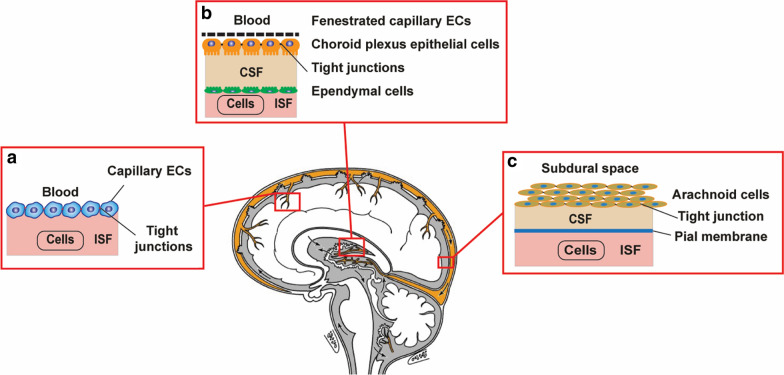
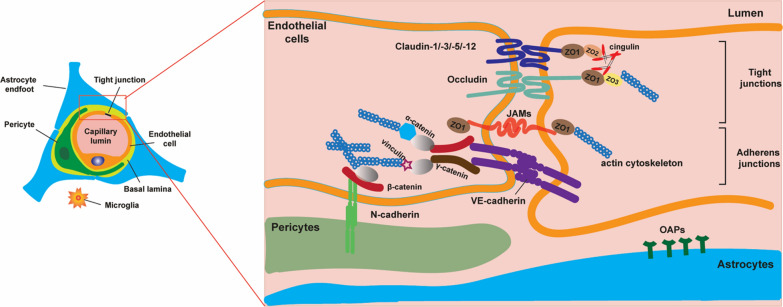
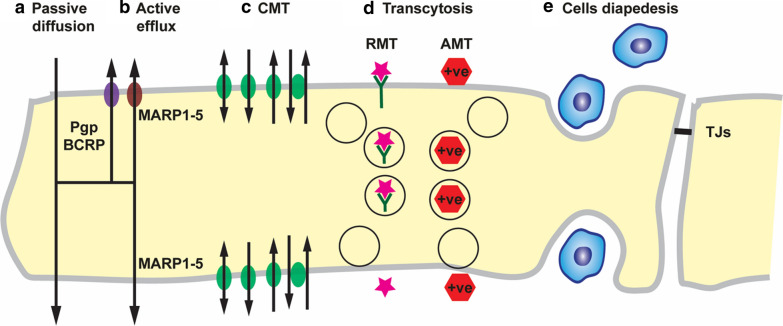
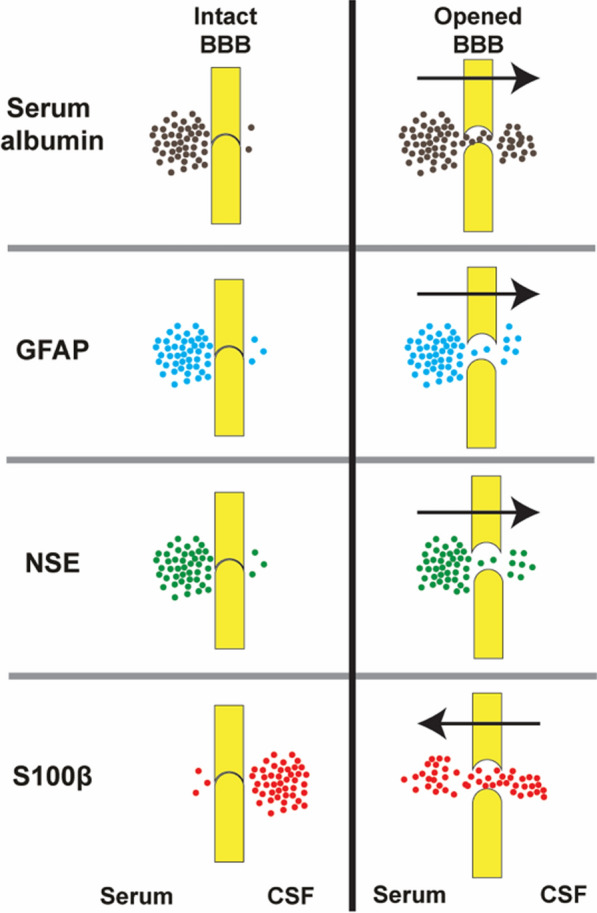
Verification
Claims the paper makes
The claims and statistics of this paper haven’t been checked yet.
Free: it reads the open-access text and checks the first 5 claims that cite a source we can check. Create a free account to check every claim.
Claims other papers make about this one
Each is checked against this paper’s own text: does it say what the citing paper says it does?
The source backs part of the claim, not all of it — or backs it for a different population, condition or comparison.
In the citing paper
“These barriers include the blood–cerebrospinal fluid (blood–CSF) barrier, the blood–retinal barrier, the blood–spinal cord barrier, and the BBB. Among these, the latter is the most extensive and exclusive [5].”
From Advances in Strategies to Transport Nanoparticles Across the Blood–Brain Barrier for Drug Delivery into the Brain for the Treatment of Alzheimer’s Disease (2026) · cites this paper as [5]
Experimental — accuracy not yet measuredThe source backs part of the claim, not all of it — or backs it for a different population, condition or comparison.
In the citing paper
“In the adsorptive-mediated transcytosis (AMT), positively charged molecules interact with the negatively charged ECs, inducing transcytosis and their passage across the barrier.”
From Advances in Strategies to Transport Nanoparticles Across the Blood–Brain Barrier for Drug Delivery into the Brain for the Treatment of Alzheimer’s Disease (2026) · cites this paper as [5]
Experimental — accuracy not yet measuredThe cited source says what the claim attributes to it.
In the citing paper
“The BBB is a physical barrier that separates the CNS from the circulating blood and possesses unique properties for the CNS microvasculature [103].”
From Extracellular vesicles as nanotheranostic platforms for targeted neurological disorder interventions (2024) · cites this paper as [103]
The cited source says what the claim attributes to it.
In the citing paper
“Carrier-mediated transport (CMT) refers to the transport of a variety of molecules facilitated by membrane-bound proteins entitled solute carrier (SLC) transporters [5].”
The cited source says what the claim attributes to it.
In the citing paper
“On the other side, in the receptor-mediated transcytosis (RMT), specific molecules bind to their respective receptors present on the surface of these cells, triggering transcytosis, and their release to the brain environment by detaching from the receptor [5].”
1 more claim about this paper
Create a free account to see every claim other papers make about this one.
Self-check
Percentages, sums and reported differences re-computed from the paper’s own numbers.
The self-check needs the paper’s full text.
Citations
Cites
1 retracted
RETRACTED ARTICLE: Pericyte loss influences Alzheimer-like neurodegeneration in mice
Sagare, A. P., Bell, R. D., Zhao, Z., Ma, Q., Winkler, E. A., Ramanathan, A., & Zlokovic, B. V. (2013) · Nature Communications · doi:10.1038/ncomms3932 · Cited by 589 · cited 1×
“Furthermore, pericytes may display phagocyting functions helping with the removal of toxic metabolites [37].”
BackgroundRetracted(1982) · Trends in Neurosciences · doi:10.1016/0166-2236(82)90076-5 · Cited by 9,089
Astrocyte-endothelial interactions at the blood-brain barrier
Abbott, N. J., Rönnbäck, L., & Hansson, E. (2006) · Nature Reviews Neuroscience · doi:10.1038/nrn1824 · Cited by 5,595 · cited 6×
“As mentioned early, soluble factors released by many of the cell types associated with brain microvessels (including microglia and astrocytes) as well as nerve terminals adjacent to the endothelial extracellular matrix/basal lamina (such as vasoactive agents and cytokines) can modify tight junction assembly and barrie…”
BackgroundInfluentialAstrocytes: Biology and pathology
Sofroniew, M. V., & Vinters, H. V. (2010) · Acta Neuropathologica · doi:10.1007/s00401-009-0619-8 · Cited by 5,196 · cited 1×
“These latter include (1) compartmentalization of the neural parenchyma; (2) maintenance of the ionic homeostasis of the extracellular space; (3) pH regulation; (4) neurotransmitter uptake and processing by providing energy-rich substrates to the neurons; (5) mediation of signals from neurons to the vasculature [51].”
BackgroundStructure and function of the blood–brain barrier
Abbott, N. J., Patabendige, A. A. K., Dolman, D. E. M., Yusof, S. R., & Begley, D. J. (2010) · Neurobiology of Disease · doi:10.1016/j.nbd.2009.07.030 · Cited by 5,185 · cited 11×
“During embryonic angiogenesis, the differentiation of the endothelium into a functioning barrier layer begins and is maintained during adulthood by a close inductive association with other cell types within the NVU, as we mentioned early [2].”
BackgroundInfluentialHenry, M. A. (1995) · The Journal of the American Dental Association · doi:10.14219/jada.archive.1995.0108 · Cited by 3,416
Harold, D., Abraham, R., Hollingworth, P., Sims, R., Gerrish, A., Hamshere, M. L., Pahwa, J. S., Moskvina, V., Dowzell, K., Williams, A., et al. (2009) · Nature Genetics · doi:10.1038/ng.440 · Cited by 3,326
The Blood-Brain Barrier in Health and Chronic Neurodegenerative Disorders
Zlokovic, B. V. (2008) · Neuron · doi:10.1016/j.neuron.2008.01.003 · Cited by 3,280 · cited 1×
“However, specific neuroactive peptides [135], regulatory proteins, hormones, and growth factors get the use of RMT systems to cross the BBB [136].”
BackgroundGhose, A. K., Viswanadhan, V. N., & Wendoloski, J. J. (1999) · Journal of Combinatorial Chemistry · doi:10.1021/cc9800071 · Cited by 3,068 · cited 1×
“There are > 7000 drugs in the Comprehensive Medicinal Chemistry (CMC) database, and only 5% of these drugs treat the CNS [125].”
BackgroundNeurovascular pathways to neurodegeneration in Alzheimer’s disease and other disorders
Zlokovic, B. V. (2011) · Nature Reviews Neuroscience · doi:10.1038/nrn3114 · Cited by 2,969 · cited 8×
“Abbreviations BBB: Blood–brain barrier; CNS: Central nervous system; CSF: Cerebrospinal fluid; BCB: Blood–CSF barrier; ISF: Interstitial fluid; TJs: Tight junctions; P-gp: P-glycoprotein; BCRP: Breast cancer resistance protein; OATP: Organic anion transporting polypeptide; CYP 450: Cytochrome P450; BM: Basement membra…”
BackgroundInfluential
Research works printed but not linked: 1
- Benagiano V Virgintino D Maiorano E Rizzi A Palombo S Roncali L VIP-like immunoreactivity within neurons and perivascular neuronal processes of the human cerebral cortex Eur J Histochem 1996 40 1 53 56 8741100
Cited by
Items 301–400 of 1,004
Kršek, A., Jagodic, A., & Batičić, L. (2024) · Medicina · doi:10.3390/medicina60091384 · Cited by 38
Zailani, H., Wang, W.-L., Satyanarayanan, S. K., Chiu, W., Liu, W., Sung, Y.-S., Chang, J. P., & Su, K. (2024) · The Yale Journal of Biology and Medicine · doi:10.59249/yzlq4631 · Cited by 35
“The BBB is further supported by astrocytes surrounding the blood vessels, providing structural re-inforcement [31].”
A guide for blood–brain barrier models
Soliman, Y., Al‐khodor, J., Koken, G. Y., & Mustafaoğlu, N. (2024) · FEBS Letters · doi:10.1002/1873-3468.15053 · Cited by 32
“…high-throughput blood circulation in brain capillaries, many molecules are restricted from entering the brain by the BBB. Notably, the rate of transport of molecules through tight junctions (TJ) between endothelial cells in BBB vessels is significantly lower compared to vessels outside the CNS [32].”
Guardia, G. S., Li, H., Willemse, L., Lebenberg, J., Jouvent, É., & Tuladhar, A. M. (2025) · Alzheimer s & Dementia · doi:10.1002/alz.70212 · Cited by 34
Metabolic adaptations of brain metastasis
Parida, P. K., & Malladi, S. (2025) · Nature reviews. Cancer · doi:10.1038/s41568-025-00848-1 · Cited by 35
The Blood–Brain Barrier: Much More Than a Selective Access to the Brain
Sánchez-Cano, F., Hernández‐Kelly, L. C., & Ortega, A. (2021) · Neurotoxicity Research · doi:10.1007/s12640-021-00431-0 · Cited by 35
Zhu, H., Ren, F. Z., Wang, T., Jiang, Z., Sun, Q., & Li, Z. (2022) · Small · doi:10.1002/smll.202202201 · Cited by 31
Leikin-Frenkel, A. I., Beeri, M. S., & Cooper, I. (2022) · Nutrients · doi:10.3390/nu14235091 · Cited by 31
“The BBB is a crucial player in maintaining brain health as it prevents the entrance of unfavorable molecules and removes physiological waste from the brain’s parenchyma, if the BBB’s clearance machinery operates properly [2].”
BackgroundLi, J., Yang, Z., Yan, J., Zhang, K., Ning, X., Wang, T., Ji, J., Zhang, G., Yin, S., & Zhao, C. (2023) · Ecotoxicology and Environmental Safety · doi:10.1016/j.ecoenv.2023.114749 · Cited by 32
Blood–brain barrier microfluidic chips and their applications
Li, M., Zhu, M., Huang, R., Wang, K., Zeng, Z., Xiao, L. X., Lin, Y., & Liu, D. (2023) · Organs-on-a-Chip · doi:10.1016/j.ooc.2023.100027 · Cited by 35
Teixeira, M. I., Lopes, C. M., Gonçalves, H., Catita, J. A. M., Silva, A. M., Rodrigues, F., Amaral, M. H., & Costa, P. C. (2023) · Journal of Molecular Liquids · doi:10.1016/j.molliq.2023.122749 · Cited by 33
Current status and advances to improving drug delivery in diffuse intrinsic pontine glioma
Arms, L., Duchatel, R. J., Jackson, E. R., Sobrinho, P. G., Dun, M. D., & Hua, S. (2024) · Journal of Controlled Release · doi:10.1016/j.jconrel.2024.05.018 · Cited by 33
Drouyer, M., Merjane, J., Nedelkoska, T., Westhaus, A., Scott, S., Lee, S., Burke, P. G. R., McMullan, S., Lanciego, J. L., Vicente, A. F., et al. (2024) · Molecular Therapy — Nucleic Acids · doi:10.1016/j.omtn.2024.102264 · Cited by 32
“17 The BBB is a biological barrier that plays a key role in brain homeostasis by strictly controlling the exchanges between the blood and the brain compartments and protecting the CNS from viral and bacterial infections.”
Zeynalzadeh, E., Khodadadi, E., Khodadadi, E., Ahmadian, Z., Kazeminava, F., Rasoulzadehzali, M., & Kafil, H. S. (2024) · Heliyon · doi:10.1016/j.heliyon.2024.e35562 · Cited by 33
Mathew, S., Peindl, M., Neundorf, P., Dandekar, G., Metzger, M., Nickl, V., & Appelt‐Menzel, A. (2024) · Journal of Neuro-Oncology · doi:10.1007/s11060-024-04760-w · Cited by 30
“It chiefly serves to maintain central nervous system (CNS) homeostasis and protects the brain against neurotoxic substances and pathogens [6, 7].”
BackgroundOxidative stress alters mitochondrial homeostasis in isolated brain capillaries
Velmurugan, G. V., Vekaria, H. J., Hartz, A. M. S., Bauer, B., & Hubbard, W. B. (2024) · Fluids and Barriers of the CNS · doi:10.1186/s12987-024-00579-9 · Cited by 31
“Both efflux transporters and metabolizing enzymes are found in brain endothelial cells where they protect the brain from harmful substances and compounds [9, 10].”
BackgroundTraumatic brain injury: Bridging pathophysiological insights and precision treatment strategies
Lu, Y., Jin, J., Zhang, H., Lu, Q., Zhang, Y., Liu, C., Liang, Y., Tian, S., Zhao, Y., & Fan, H. (2025) · Neural Regeneration Research · doi:10.4103/nrr.nrr-d-24-01398 · Cited by 32
“Once these immune cells infiltrate the brain parenchyma, they release a new round of inflammatory mediators, such as cytokines, reactive oxygen species, and matrix metalloproteinases, further exacerbating the neuroinflammatory response (Kadry et al., 2020).”
Tumour brain: Pretreatment cognitive and affective disorders caused by peripheral cancers
Mampay, M., Flint, M. S., & Sheridan, G. K. (2021) · British Journal of Pharmacology · doi:10.1111/bph.15571 · Cited by 32
“ment membrane and tight junctions of the BBB (Kadry et al., 2020; Wardill et al., 2016).”
BackgroundInfections in the Developing Brain: The Role of the Neuro-Immune Axis
Kim, J., Erice, C., Rohlwink, U. K., & Tucker, E. W. (2022) · Frontiers in Neurology · doi:10.3389/fneur.2022.805786 · Cited by 30
Puris, E., Auriola, S. O. K., Petralla, S., Hartman, R., Gynther, M., de Lange, E. C. M., & Fricker, G. (2022) · Neurobiology of Disease · doi:10.1016/j.nbd.2022.105741 · Cited by 31
“The BBB is primarily formed by the brain microvascular endothelial cells (ECs), which protective function is attributed to the presence of tight junctions between the ECs, expression of metabolizing enzymes, and membrane transporters (Kadry et al., 2020).”
BackgroundDendrimers in the context of targeting central nervous system disorders
Palan, F., & Chatterjee, B. (2022) · Journal of Drug Delivery Science and Technology · doi:10.1016/j.jddst.2022.103474 · Cited by 34
da Rocha, G. H. O., Loiola, R. A., de Paula-Silva, M., Shimizu, F., Kanda, T., Vieira, A., Gosselet, F., & Farsky, S. H. P. (2022) · International Journal of Molecular Sciences · doi:10.3390/ijms232112781 · Cited by 32
Li, X., Cai, Q., Wilson, B. A., Fan, H., Dave, H., Giannotta, M., Bachoo, R. M., & Qin, Z. (2023) · Nanoscale · doi:10.1039/d2nr05062e · Cited by 32
Nanomedicine based strategies for oligonucleotide traversion across the blood–brain barrier
Amulya, E., Sikder, A., Vambhurkar, G. B., Shah, S., Khatri, D. K., Raghuvanshi, R. S., Singh, S. B., & Srivastava, S. (2023) · Journal of Controlled Release · doi:10.1016/j.jconrel.2023.01.031 · Cited by 30
Stanca, S., Rossetti, M., Panichi, L. B., & Bongioanni, P. (2024) · International Journal of Molecular Sciences · doi:10.3390/ijms25021250 · Cited by 32
“…are characterized by a unique regulation of the crosstalk between the brain and the vascular system, by regulating the transit into the brain context of different molecular types, from ions, systemic metabolites, proteins, and fatty and nucleic acids [22] to drugs and exogenous agents [23,24].”
BackgroundCircadian Rhythms of the Blood-Brain Barrier and Drug Delivery
Kim, M., Keep, R. F., & Zhang, S. (2024) · Circulation Research · doi:10.1161/circresaha.123.323521 · Cited by 30
From Immunity to Neurogenesis: Toll-like Receptors as Versatile Regulators in the Nervous System
Abarca-Merlin, D. M., Martínez-Durán, J. A., Medina-Pérez, J. D., Rodríguez-Santos, G., & Álvarez‐Arellano, L. (2024) · International Journal of Molecular Sciences · doi:10.3390/ijms25115711 · Cited by 30
“…and selective structure found in the brain that controls the exchange of substances between circulating blood and nervous tissue, limiting the access of potent harmful or toxic substances circulating in the blood, which allows the maintenance of homeostasis of the CNS microenvironment [48,49].”
BackgroundInfluentialNicolae, C.-L., Pîrvulescu, D.-C., Antohi, A. M., Niculescu, A.-G., Grumezescu, A. M., & Croitoru, G.-A. (2024) · Romanian Journal of Morphology and Embryology · doi:10.47162/rjme.65.2.03 · Cited by 31
“However, this selective permeability makes it difficult for certain drugs to pass through and treat a neurological disorder [41, 42].”
BackgroundAlaqel, S. I., Imran, M., Khan, A., & Nayeem, N. (2025) · Biogerontology · doi:10.1007/s10522-025-10209-y · Cited by 30
“It forms the basis of this heterogeneous nature of the rate of development and even the degree of aging at molecular, cellular, and systemic levels (Kadry et al. 2020a).”
InfluentialRevamping Parkinson’s disease therapy using PLGA-based drug delivery systems
Lababidi, J. M., & Azzazy, H. M. E.-S. (2025) · npj Parkinson s Disease · doi:10.1038/s41531-025-01081-1 · Cited by 34
“Moreover,activeef fl uxtransporters,suchasbreastcancerresistanceprotein (BCRP), P-glycoprotein (P-gp), and multidrug resistance-associated proteins(MRPs),expelmany therapeuticagentsfrom theendothelial cellsback into the bloodstream, signi fi cantly reducing their CNS in fi ltration 69,70 .”
The Energetic Collapse of the Alzheimer's Brain: Metabolic Inflexibility Across Cells and Networks
Constantino, N. J., Ashley, C. C., & Macauley, S. L. (2025) · Journal of Neurochemistry · doi:10.1111/jnc.70294 · Cited by 32
“Importantly, the brain largely does not produce its own fuel; it relies on peripheral metabolism to supply metabolites on demand (Padamsey and Rochefort 2023; Magistretti et al. 2018; Pellerin et al. 2012; Kadry et al. 2020; Carroll and Macauley 2019).”
Purinergic Regulation of Endothelial Barrier Function
Aslam, M., Gündüz, D., Troidl, C., Heger, J., Hamm, C. W., & Schulz, R. (2021) · International Journal of Molecular Sciences · doi:10.3390/ijms22031207 · Cited by 32
“The blood–brain barrier is a highly specialised structure formed by a very tight monolayer of microvascular ECs that are distinct from ECs of other vascular beds [60].”
BackgroundPhotodynamic therapy for glioblastoma: A light at the end of the tunnel
Miretti, M., Graglia, M. A. G., Suárez, A. I., & Prucca, C. G. (2023) · Journal of Photochemistry and Photobiology · doi:10.1016/j.jpap.2023.100161 · Cited by 31
Biomimetic nanotherapeutics for targeted drug delivery to glioblastoma multiforme
Lim, X. Y., Capinpin, S. M., Bolem, N., Foo, A. S. C., Yip, G. W., Kumar, A. P., & Teh, D. B. L. (2023) · Bioengineering & Translational Medicine · doi:10.1002/btm2.10483 · Cited by 31
Tang, J., Yousaf, M., Wu, Y., Li, Q., Xu, Y., & Liu, D. (2023) · International Journal of Biological Macromolecules · doi:10.1016/j.ijbiomac.2023.127553 · Cited by 31
Polyamidoamine Dendrimers: Brain-Targeted Drug Delivery Systems in Glioma Therapy
Yan, X., & Chen, Q. (2024) · Polymers · doi:10.3390/polym16142022 · Cited by 28
“…into the brain tissue, the BBB acts as a protective shield for the CNS, preventing external disturbances from a ff ecting brain health and function [70–72]. the entry of potentially harmful substances, toxins and certain macromolecules and pathogens from the bloodstream into the brain tissue, the…”
BackgroundOrgan-on-a-Chip Models—New Possibilities in Experimental Science and Disease Modeling
Wysoczański, B., Świątek, M., & Wójcik-Gładysz, A. (2024) · Biomolecules · doi:10.3390/biom14121569 · Cited by 29
Blood–Brain Barrier: Structure, Function, Diseases, and Drug Delivery Systems
He, Y., Qu, M., Yu, L., He, L., Lu, Y., Hong, J., Sun, M., Yang, H., Mi, W., Guo, H., et al. (2026) · MedComm · doi:10.1002/mco2.70712 · Cited by 33
“This selective permeability is achieved through specialized transport systems including CMT, RMT, and adsorptive-mediated transcytosis (AMT) [ 3 ].”
Böhmwald, K., Andrade, C. A., & Kalergis, A. M. (2021) · Pharmaceuticals · doi:10.3390/ph14040340 · Cited by 29
Saleem, S., & Kannan, R. R. (2021) · Nanoscale Research Letters · doi:10.1186/s11671-021-03592-1 · Cited by 29
Casas, B. S., Vitória, G., Prieto, C. P., Casas, M., Chacón, C., Uhrig, M., Ezquer, F. E., Ezquer, M., Rehen, S. K., & Palma, V. (2022) · Molecular Psychiatry · doi:10.1038/s41380-022-01653-0 · Cited by 29
Prospects of green nanotechnology for efficient management of neurodegenerative diseases
Chaudhary, V. (2022) · Frontiers in Nanotechnology · doi:10.3389/fnano.2022.1055708 · Cited by 28
“Moreover, transport through the BBB also occurs by efflux mechanisms like P-glycoprotein (Pgp) mechanism (Kadry et al., 2020).”
BackgroundCAR T-cells to treat brain tumors
Guzman, G., Pellot, K., Reed, M. R., & Rodriguez, A. (2023) · Brain Research Bulletin · doi:10.1016/j.brainresbull.2023.02.014 · Cited by 30
“VEGF by brain tumors may be also involved in the down-regulation of tight junctions and the increase of the vascular permeability (Kadry et al., 2020; Papadopoulos et al., 2001).”
BackgroundEffect of β-amyloid on blood-brain barrier properties and function
Petrushanko, I. Y., Mitkevich, V. A., & Makarov, A. А. (2023) · Biophysical Reviews · doi:10.1007/s12551-023-01052-x · Cited by 29
Fallahi, S., Zangbar, H. S., Farajdokht, F., Rahbarghazi, R., Mohaddes, G., & Ghiasi, R. (2024) · CNS Neuroscience & Therapeutics · doi:10.1111/cns.14752 · Cited by 28
“63 Despite the importance of BBB in protecting the brain from exogenous threats and maintaining its homeostasis, the penetration of pharmacological agents such as exosomes through drug delivery approaches is vital in treating neuropsychological conditions.”
BackgroundAbnormal Cerebrovascular Activity, Perfusion, and Glymphatic Clearance in Lewy Body Diseases
Ryman, S. G., Vakhtin, A. A., Mayer, A. R., van der Horn, H. J., Shaff, N. A., Nitschke, S. R., Julio, K. R., Tarawneh, R. M., Rosenberg, G. A., Diaz, S. V., et al. (2024) · Movement Disorders · doi:10.1002/mds.29867 · Cited by 28
“…of the neurovascular complex, including the anatomic diversity of the neurovascular unit along the vascular tree, 10,44 the molecular pathways that regulate CBF, 10,44 the BBB ’ s selective transport system, 45,46 and the separate but complementary waste clearance pathway, the glymphatic sys-tem.”
The potential of exosomes as a new therapeutic strategy for glioblastoma
Silva, L. C., Branco, F., Cunha, J., Vitorino, C., Gomes, C. M. F., Carrascal, M. A., Falcão, A. C., Neves, B. M., & Cruz, M. T. (2024) · European Journal of Pharmaceutics and Biopharmaceutics · doi:10.1016/j.ejpb.2024.114460 · Cited by 30
Endothelial-Ercc1 DNA repair deficiency provokes blood-brain barrier dysfunction
Hansen, C. E., Vacondio, D., van der Molen, L., Jüttner, A. A., Fung, W. K., Karsten, M., van het Hof, B., Fontijn, R. D., Kooij, G., Witte, M. E., et al. (2025) · Cell Death & Disease · doi:10.1038/s41419-024-07306-0 · Cited by 27
“Brain endothelial tight junctions (i.e. Claudin-5) and adherens junction proteins (i.e. VE-cadherin) ensure the BBB-speci fi c paracellular resistance, which prevents uncontrolled entry of blood components and in fi ltration of peripheral immune cells into the brain [1].”
Macdonald, D. W., Berdoy, M., & Webster, J. P. (2015) · Oxford University Press eBooks · doi:10.1093/acprof:oso/9780198745501.003.0011 · Cited by 27
Epithelial Transport in Disease: An Overview of Pathophysiology and Treatment
Clemente‐Suárez, V. J., Martín-Rodríguez, A., Redondo-Flórez, L., Villanueva-Tobaldo, C. V., Sepulveda, R. A. Y., & Tornero-Aguilera, J. F. (2023) · Cells · doi:10.3390/cells12202455 · Cited by 28
“Permeability edema, on the other hand, is caused by disruptions in the physical structure of the pores in the microvascular membrane, making the barrier less effective in terms of restricting the movement of macromolecules from the blood to the interstitial fluid [165].”
BackgroundFenestrated Endothelial Cells across Organs: Insights into Kidney Function and Disease
Mou, X., Leeman, S. M., Roye, Y., Miller, C., & Musah, S. (2024) · International Journal of Molecular Sciences · doi:10.3390/ijms25169107 · Cited by 27
“Choroid plexus ECs line the luminal surface of the choroid plexus capillaries and are characterized by diaphragmed fenestrations [36].”
BackgroundBrain Delivery Strategies for Biomacromolecular Drugs: Intranasal Administration
Wu, H., Li, C., Yuan, H., Zhao, J., & Li, S. (2025) · International Journal of Nanomedicine · doi:10.2147/ijn.s520768 · Cited by 29
“62 The BBB is situated at the microvascular level within the brain and comprises five essential components that together form a sophisticated barrier 63 (Figure 3).”
Unraveling the Vicious Cycle: Oxidative Stress and Neurotoxicity in Neurodegenerative Diseases
Wang, X., Dong, B., Gan, Q., Li, J., Wu, P., Guan, Y., & Wang, J. (2025) · FASEB BioAdvances · doi:10.1096/fba.2025-00093 · Cited by 28
The Therapeutic Role of Exercise and Probiotics in Stressful Brain Conditions
Martínez‐Guardado, I., Arboleya, S., Pérez, F. J. G., Kaliszewska, A., Gueimonde, M., & Arias, N. (2022) · International Journal of Molecular Sciences · doi:10.3390/ijms23073610 · Cited by 27
Huwart, S. J. P., d’Oplinter, A. D. W., Rastelli, M., Hul, M. V., de Vos, W. M., Luquet, S. H., Cani, P. D., & Everard, A. (2022) · Cells · doi:10.3390/cells11162534 · Cited by 28
Role of macrophages in HIV pathogenesis and cure: NIH perspectives
Joseph, J., Daley, W., Lawrence, D. M. P., Lorenzo, E., Perrin, P., Rao, V. R., Tsai, S., & Varthakavi, V. (2022) · Journal of Leukocyte Biology · doi:10.1002/jlb.4mr0722-619r · Cited by 28
Dendrimer-based delivery of macromolecules for the treatment of brain tumor
Choudhury, H., Pandey, M., Mohgan, R., Jong, J. S. J., David, R. N., Ngan, W. Y., Chin, T. L., Ting, S., Kesharwani, P., & Gorain, B. (2022) · Biomaterials Advances · doi:10.1016/j.bioadv.2022.213118 · Cited by 29
Huang, C., Hoque, M. T., & Bendayan, R. (2023) · Frontiers in Pharmacology · doi:10.3389/fphar.2023.1118580 · Cited by 33
“The blood-brain barrier (BBB) is the major physiological barrier that separates the brain parenchyma from the systemic circulation and plays a central role in maintaining central nervous system (CNS) homeostasis (Xu et al., 2019; Kadry et al., 2020).”
BackgroundInnovative drug delivery strategies to the CNS for the treatment of multiple sclerosis
Mwema, A., Muccioli, G. G., & Rieux, A. D. (2023) · Journal of Controlled Release · doi:10.1016/j.jconrel.2023.10.052 · Cited by 28
Nanomaterial-Based Drug Delivery Systems for Ischemic Stroke
Jiang, C., Zhou, Y., Chen, R., Yang, M., Zhou, H., Tang, Z., Shi, H., & Qin, D. (2023) · Pharmaceutics · doi:10.3390/pharmaceutics15122669 · Cited by 27
“On the one hand, it lies in the insufficient concentration of drugs that reach the ischemic area because of the limitations of the blood–brain barrier (BBB) [5].”
BackgroundRole of regulatory non-coding RNAs in traumatic brain injury
Li, S., Qiu, N., Ni, A., Hamblin, M. H., & Yin, K. (2023) · Neurochemistry International · doi:10.1016/j.neuint.2023.105643 · Cited by 27
Extracellular vesicles as nanotheranostic platforms for targeted neurological disorder interventions
Choi, H. K., Chen, M., Goldston, L. L., & Lee, K.-B. (2024) · Nano Convergence · doi:10.1186/s40580-024-00426-5 · Cited by 26
The role of reactive oxygen species in the regulation of the blood-brain barrier
Shuvalova, M. L., Dmitrieva, A., Belousov, V. V., & Nosov, G. (2024) · Tissue Barriers · doi:10.1080/21688370.2024.2361202 · Cited by 26
“2,152 ROS activate redox-sensitive transcriptional factors, such as NF-κB, leading to upregulation of proinflammatory factors and adhesion molecules in ECs.”
Unveiling the hidden connection: the blood-brain barrier’s role in epilepsy
Han, J., Wang, Y., Wei, P., Lu, D., & Shan, Y. (2024) · Frontiers in Neurology · doi:10.3389/fneur.2024.1413023 · Cited by 30
Neurological glycogen storage diseases and emerging therapeutics
Colpaert, M. G., Singh, P. K., Donohue, K. J., Pires, N. T., Fuller, D. D., Corti, M., Byrne, B. J., Sun, R. C., Kooi, C. W. V., & Gentry, M. S. (2024) · Neurotherapeutics · doi:10.1016/j.neurot.2024.e00446 · Cited by 28
Molecular Motors in Blood–Brain Barrier Maintenance by Astrocytes
Sobral, A. F., Costa, I. D., Teixeira, V., Silva, R. V. D. S., & Barbosa, D. J. (2025) · Brain Sciences · doi:10.3390/brainsci15030279 · Cited by 26
“…astrocytes. have been developed to investigate neuron–glia interactions within tripartite synapses: presynaptic neurons, synaptic terminals, postsynaptic neurons, and Simulations were able to replicate diverse neuronal population behaviors, including regular spiking, demonstrating that astrocytes…”
Stragier, H., Vandersmissen, H. P., Ordies, S., Thiessen, S., Mesotten, D., Peuskens, D., & Cate, H. T. (2025) · Frontiers in Neurology · doi:10.3389/fneur.2025.1587091 · Cited by 34
“This infiltration leads to the release of additional proinflammatory substances, further exacerbating BBB disruption (11, 35, 39).”
Bioengineered microfluidic blood-brain barrier models in oncology research
Augustine, R., Aqel, A. H., Kalva, S. N., Joshy, K. S., Nayeem, A., & Hasan, A. (2021) · Translational Oncology · doi:10.1016/j.tranon.2021.101087 · Cited by 26
Kiran, P., Debnath, S. K., Neekhra, S., Pawar, V. S., Khan, A., Dias, F., Pallod, S., & Srivastava, R. (2021) · Wiley Interdisciplinary Reviews Nanomedicine and Nanobiotechnology · doi:10.1002/wnan.1768 · Cited by 28
Astrocytes and human artificial blood-brain barrier models
Zidarič, T., Gradišnik, L., & Velnar, T. (2022) · Bosnian Journal of Basic Medical Sciences · doi:10.17305/bjbms.2021.6943 · Cited by 32
Mohi-ud-din, R., Mir, R. H., Mir, P. A., Banday, N., Shah, A. J., Sawhney, G., Bhat, M. M., Batiha, G. E., & Pottoo, F. H. (2022) · Current Drug Metabolism · doi:10.2174/1389200223666220817115003 · Cited by 27
Song, J., Bang, S., Choi, N., & Kim, H. N. (2022) · Biomicrofluidics · doi:10.1063/5.0121476 · Cited by 26
Constant, O., Maarifi, G., Barthelemy, J., Martin, M. F., Tinto, B., Savini, G., de Perre, P. V., Nisole, S., Simonin, Y., & Salinas, S. (2023) · Emerging Microbes & Infections · doi:10.1080/22221751.2022.2156815 · Cited by 28
“Interactions with brain barriers are crucial for viral access but also induced-pathology as in some cases barrier modulation and dysfunction have deleterious effects on brain homeostasis [3,4].”
BackgroundExosomes; multifaceted nanoplatform for targeting brain cancers
Mardi, N., Salahpour‐Anarjan, F., Nemati, M., Baher, N. S., Rahbarghazi, R., & Zarebkohan, A. (2023) · Cancer Letters · doi:10.1016/j.canlet.2023.216077 · Cited by 27
Advances in Focused Ultrasound for the Treatment of Brain Tumors
Rao, R., Patel, A., Hanchate, K., Robinson, E., Edwards, A., Shah, S., Higgins, D. M. O., Haworth, K. J., Lucke-Wold, B. P., Krummel, D. P., et al. (2023) · Tomography · doi:10.3390/tomography9030090 · Cited by 26
“Cellular adhesion molecules (CAMs) are another cellular component of the BBB which have been shown to aid in the transmigration of CD4+ T-cells across the BBB via an interaction with T-cell associated lymphocyte function-associated antigen 1 (LFA-1) [44].”
BackgroundRecent Update on Pharmacokinetics and Drug Metabolism in CNS-based Drug Discovery
Sanap, S. N., Bisen, A. C., Kedar, A. S., Agrawal, S., & Bhatta, R. S. (2023) · Current Pharmaceutical Design · doi:10.2174/1381612829666230707121415 · Cited by 27
M1-type microglia-derived exosomes contribute to blood–brain barrier damage
Jiang, W., Wu, Y., Pang, A., Li, P., & Mei, S. (2024) · Brain Research · doi:10.1016/j.brainres.2024.148919 · Cited by 27
The impact of manganese on vascular endothelium
Oliveira‐Paula, G. H., Martins, A. C., Ferrer, B., Tinkov, A. A., Skalny, A. V., & Aschner, M. (2024) · Toxicological Research · doi:10.1007/s43188-024-00260-1 · Cited by 28
“In the central nervous system, the endothelium plays a vital role in forming and maintaining the blood–brain barrier (BBB), a highly selective barrier that regulates the exchange of substances between the brain and bloodstream [12].”
BackgroundLiu, Y., Zhao, P., Cai, Z., He, P., Wang, J., He, H., Zhu, Z., Guo, X., Ma, K., Peng, K., et al. (2024) · Chinese Medicine · doi:10.1186/s13020-024-00991-1 · Cited by 26
“The tight junction between the cells ensures the BBB’s physical barrier function [46].”
BackgroundPost-COVID-19 Parkinsonism and Parkinson’s Disease Pathogenesis: The Exosomal Cargo Hypothesis
Mysiris, D. S., Vavougios, G. D., Karamichali, E., Papoutsopoulou, S., Stavrou, V. T., Papayianni, E., Boutlas, S., Mavridis, T., Foka, P., Zarogiannis, S. G., et al. (2022) · International Journal of Molecular Sciences · doi:10.3390/ijms23179739 · Cited by 25
“Functional and structural integrity of the BBB is pivotal in maintaining brain homeostasis [126].”
BackgroundExtracellular vesicles as contributors in the pathogenesis of multiple sclerosis
Zamboni, S., D’Ambrosio, A., & Margutti, P. (2023) · Multiple Sclerosis and Related Disorders · doi:10.1016/j.msard.2023.104554 · Cited by 27
Cell membrane-based nanomaterials for therapeutics of neurodegenerative diseases
Nguyen‐Thi, P., Nguyen, T. T., Phan, H. L., Ho, T.-T., Toi, V. V., & Giau, V. V. (2023) · Neurochemistry International · doi:10.1016/j.neuint.2023.105612 · Cited by 25
Microfluidic models of the neurovascular unit: a translational view
Wevers, N. R., & de Vries, H. E. (2023) · Fluids and Barriers of the CNS · doi:10.1186/s12987-023-00490-9 · Cited by 28
“The entire system contributing to BBB function is referred to as the neuro-vascular unit (NVU), and includes brain endothelial cells, pericytes, and astrocytes, but also neurons, oligodendrocytes, microglia, and the basement membrane [12, 19] (Fig.”
BackgroundThe Neurovascular Unit as a Locus of Injury in Low-Level Blast-Induced Neurotrauma
Elder, G. A., Sosa, M. A. G., Gasperi, R. D., Garcia, G. S. P., Perez, G. M., Abutarboush, R., Kawoos, U., Zhu, C. W., Janssen, W. G. M., Stone, J. R., et al. (2024) · International Journal of Molecular Sciences · doi:10.3390/ijms25021150 · Cited by 26
“Astrocytes promote the expression of a number of junctional proteins, enzymatic pathways, and specific transporters, including the glucose transporter-1 (GLUT-1) [128–131].”
BackgroundTang, T., Chen, H., Hu, L., Ye, J., Jing, C., Xu, C., Wu, X., Chen, Y., Chen, Z., Zhou, H., et al. (2024) · Stroke and Vascular Neurology · doi:10.1136/svn-2023-002956 · Cited by 25
Cerebral Edema in Traumatic Brain Injury
Cardona-Collazos, S., Gonzalez, W. D., Pabon-Tsukamoto, P., Gao, G., Younsi, A., Paiva, W. S., & Rubiano, A. M. (2025) · Biomedicines · doi:10.3390/biomedicines13071728 · Cited by 25
“Among the theoretical benefits of the procedure are reducing swelling and washing away harmful substances that can facilitate secondary injury or prolong the homeostatic disorder [12,21,39–41, Cisternostomy has shown promising results in recent studies [28,33,34].”
Intranasal nerve growth factor for prevention and recovery of the outcomes of traumatic brain injury
Manni, L., Conti, G., Chiaretti, A., & Soligo, M. (2022) · Neural Regeneration Research · doi:10.4103/1673-5374.354513 · Cited by 25
“They regulate the cerebral perfusion, maintain the brain blood flow (Marina et al., 2020), preserve the blood-brain barrier integrity (Kadry et al., 2020), and regulate neurotransmitter homeostasis, uptaking and metabolizing synaptically-released neurotransmitters and releasing their precursors…”
BackgroundAnti-Hormonal Therapy in Breast Cancer and Its Effect on the Blood-Brain Barrier
Curtaz, C. J., Kiesel, L., Meybohm, P., Wöckel, A., & Burek, M. (2022) · Cancers · doi:10.3390/cancers14205132 · Cited by 27
“With tight junctions (TJs) and adherens junctions (AJs), the endothelial cells are closely connected, so that paracellular exchange of substances and fluids can be largely prevented [61], although limited transcellular transport occurs [62].”
BackgroundKong, A. H.-Y., Wu, A. J., Ho, O. K.-Y., Leung, M. M.-K., Huang, S., Yu, Y., Zhang, G., Lü, A., Li, M., & Cheung, K. (2023) · International Journal of Molecular Sciences · doi:10.3390/ijms241411780 · Cited by 27
Unravelling the connection between COVID-19 and Alzheimer’s disease: a comprehensive review
Shajahan, S. R., Kumar, S., & Ramli, M. D. C. (2024) · Frontiers in Aging Neuroscience · doi:10.3389/fnagi.2023.1274452 · Cited by 27
Mechanism of Cu entry into the brain: many unanswered questions
Roy, S., & Lutsenko, S. (2024) · Neural Regeneration Research · doi:10.4103/1673-5374.393107 · Cited by 26
“The estimated surface of the BBB – 12–18 m 2 (Kadry et al., 2020) – is approximately 2-fold larger than that of BCB (Johanson et al., 2011).”
Patil, N., Dhariwal, R., Mohammed, A., Wei, L. S., & Jain, M. (2024) · Heliyon · doi:10.1016/j.heliyon.2024.e28852 · Cited by 28
“The primary function of the BBB is to maintain CNS homeostasis by restricting the transport of harmful substances while facilitating the removal of metabolic byproducts from the brain [28].”
BackgroundBlood-brain barrier biomarkers
Zapata-Acevedo, J. F., Mantilla-Galindo, A., Vargas-Sánchez, K., & González-Reyes, R. E. (2024) · Advances in clinical chemistry · doi:10.1016/bs.acc.2024.04.004 · Cited by 29
Ritson, M., Wheeler-Jones, C. P. D., & Stolp, H. B. (2024) · Journal of Neuroimmunology · doi:10.1016/j.jneuroim.2024.578363 · Cited by 27
Yadava, S., Dontiboina, H. R., Nakka, V. P., Anusha, V. L., Dumala, N., Viswanadh, M. K., Chakravarthi, G., Nalluri, B. N., & Ramakrishna, K. (2024) · Neuroscience · doi:10.1016/j.neuroscience.2024.12.024 · Cited by 29
Modular tissue-in-a-CUBE platform to model blood-brain barrier (BBB) and brain interaction
Koh, I., & Hagiwara, M. (2024) · Communications Biology · doi:10.1038/s42003-024-05857-8 · Cited by 24
“5), showing agreement with literature reporting luminal localisation of ef fl ux transporters 56,60 – 62 .”
Rodriguez, S. M. B., Tătăranu, L. G., Kamel, A., Turliuc, Ș., Rizea, R. E., & Dricu, A. (2024) · International Journal of Molecular Sciences · doi:10.3390/ijms251910765 · Cited by 26
“The blood-brain barrier (BBB) is a highly selective semipermeable structure that protects the brain from all potentially harmful blood-borne agents and exogenous compounds (drugs, neurotoxins) that may damage the CNS [43,44].”
BackgroundBreakdown of the blood-brain barrier in depressed mice induced by chronic unpredictable mild stress
Shi, W., Zhang, S., Yao, K., Meng, Q., Lu, Y., Ren, Y., Li, L., & Zhao, J. (2024) · Journal of Psychiatric Research · doi:10.1016/j.jpsychires.2024.10.004 · Cited by 24
A systematic review of exposure to toxic elements and neurocognitive development in children
Guo, T., Najafi, M. L., & Zhang, J. (2025) · Ecotoxicology and Environmental Safety · doi:10.1016/j.ecoenv.2025.117792 · Cited by 24
“Exposure to these metals may compromise the integrity of the BBB, facilitating the entry of toxic elements into the brain parenchyma and directly impacting neuronal cells with neurotoxic effects (Kadry et al., 2020).”
Role of gut microbiota in neuroinflammation: a focus on perioperative neurocognitive disorders
Zhou, Q., Chen, T., Wang, X., Xu, Z., Song, Y., Liu, S., Ge, Y., & Gao, J. (2025) · Frontiers in Cellular and Infection Microbiology · doi:10.3389/fcimb.2025.1582909 · Cited by 24
Metadata
- Authors
- Kadry, H., Noorani, B., & Cucullo, L.
- Affiliations
- Texas Tech University Health Sciences Center (US)
- Oakland University (US)
- Corresponding author
- Cucullo, Luca
- Venue
- Fluids and Barriers of the CNS
- Published
- 2020-11-18
- Volume
- 17
- Issue
- 1
- Pages
- 69-69
- ISSN
- 2045-8118 (ISSN-L)
- PMC
- PMC7672931
- OpenAlex
- W3104682194
- Cited by
- 1,853
- References
- 266
- Citations by year
- 2026: 342 · 2025: 491 · 2024: 480 · 2023: 299 · 2022: 176 · 2021: 63
- FWCI
- 13.39
- Type
- journal article
- Language
- en
- Open access
- gold
- doi.org
- Licence
- cc-by
- creativecommons.org/licenses/by/4.0/ (tdm)
- creativecommons.org/licenses/by/4.0/ (vor)
- Locations
- Fluids and Barriers of the CNS (publishedVersion, cc-by)
- PubMed Central (publishedVersion, cc-by)
- PubMed (publishedVersion)
- DOAJ (DOAJ: Directory of Open Access Journals) (submittedVersion, cc-by-sa)
- Funders
- National Institute on Drug Abuse (2R01-DA029121-01A1, 1R01DA049737-01)
- National Institute of Neurological Disorders and Stroke (1R01NS117906-01)
- Topics
- Life Sciences › Neuroscience › Neurology › Barrier Structure and Function Studies
- Health Sciences › Medicine › Oncology › Drug Transport and Resistance Mechanisms
- Life Sciences › Biochemistry, Genetics and Molecular Biology › Molecular Biology › Ion Transport and Channel Regulation
- Keywords
- blood-brain barrier, blood-brain barrier integrity, blood-brain barrier disruption, shear stress, blood-brain barrier permeability, brain homeostasis, neurological disorders
- MeSH terms
- Biological Transport, Blood-Brain Barrier, Brain Diseases, Humans, Biomarkers
About these checks
Registry, retraction, Cites and statistics results are computed, not judged, with one exception: a printed reference that no index lists is read once by a model before it counts as a citation error. Claims are extracted by a model and kept only when their quote appears verbatim in the text; each cited source is then checked, with a model’s help, for whether it says what the claim relies on. Those verdicts can be wrong — read the claim’s quote and the cited source before relying on one.
Statistics and arithmetic are recomputed, not judged.
Confidence bands are shown only for fields calibrated on our annotated test set. None is calibrated yet, so no band is shown.
What counts as a claim ›How we measure confidence ›How we check this ›
Are you an author, or do you see a problem with this page? Request a review
Data sources
Bibliographic data: Semantic Scholar, OpenAlex, Crossref.
Contains information from the Semantic Scholar Academic Graph Datasets, made available under the ODC Attribution License (ODC-BY 1.0).
Semantic Scholar’s data is described in: Kinney, R., et al. (2023). The Semantic Scholar Open Data Platform. arXiv:2301.10140.
