

A blood–brain barrier overview on structure, function, impairment, and biomarkers of integrity
Open accessThe DOI matches its Crossref record; 269 of the 269 references it cites were found in a registry or an index.
Abstract
The blood–brain barrier is playing a critical role in controlling the influx and efflux of biological substances essential for the brain’s metabolic activity as well as neuronal function. Thus, the functional and structural integrity of the BBB is pivotal to maintain the homeostasis of the brain microenvironment. The different cells and structures contributing to developing this barrier are summarized along with the different functions that BBB plays at the brain–blood interface. We also explained the role of shear stress in maintaining BBB integrity. Furthermore, we elaborated on the clinical aspects that correlate between BBB disruption and different neurological and pathological conditions. Finally, we discussed several biomarkers that can help to assess the BBB permeability and integrity in-vitro or in-vivo and briefly explain their advantages and disadvantages.
Overview
The claims and statistics of this paper haven’t been checked yet.
Free: it reads the open-access text and checks the first 5 claims that cite a source we can check. Create a free account to check every claim.
Integrity signals
Registry
Cites
Statistics
Figures
Verification
Claims the paper makes
The claims and statistics of this paper haven’t been checked yet.
Free: it reads the open-access text and checks the first 5 claims that cite a source we can check. Create a free account to check every claim.
Claims other papers make about this one
Each is checked against this paper’s own text: does it say what the citing paper says it does?
The source backs part of the claim, not all of it — or backs it for a different population, condition or comparison.
In the citing paper
“These barriers include the blood–cerebrospinal fluid (blood–CSF) barrier, the blood–retinal barrier, the blood–spinal cord barrier, and the BBB. Among these, the latter is the most extensive and exclusive [5].”
From Advances in Strategies to Transport Nanoparticles Across the Blood–Brain Barrier for Drug Delivery into the Brain for the Treatment of Alzheimer’s Disease (2026) · cites this paper as [5]
Experimental — accuracy not yet measuredThe source backs part of the claim, not all of it — or backs it for a different population, condition or comparison.
In the citing paper
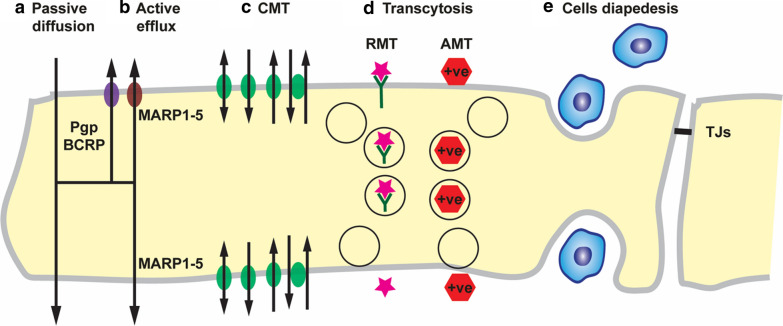
“In the adsorptive-mediated transcytosis (AMT), positively charged molecules interact with the negatively charged ECs, inducing transcytosis and their passage across the barrier.”
From Advances in Strategies to Transport Nanoparticles Across the Blood–Brain Barrier for Drug Delivery into the Brain for the Treatment of Alzheimer’s Disease (2026) · cites this paper as [5]
Experimental — accuracy not yet measuredThe cited source says what the claim attributes to it.
In the citing paper
“The BBB is a physical barrier that separates the CNS from the circulating blood and possesses unique properties for the CNS microvasculature [103].”
From Extracellular vesicles as nanotheranostic platforms for targeted neurological disorder interventions (2024) · cites this paper as [103]
The cited source says what the claim attributes to it.
In the citing paper
“Carrier-mediated transport (CMT) refers to the transport of a variety of molecules facilitated by membrane-bound proteins entitled solute carrier (SLC) transporters [5].”
The cited source says what the claim attributes to it.
In the citing paper
“On the other side, in the receptor-mediated transcytosis (RMT), specific molecules bind to their respective receptors present on the surface of these cells, triggering transcytosis, and their release to the brain environment by detaching from the receptor [5].”
1 more claim about this paper
Create a free account to see every claim other papers make about this one.
Self-check
Percentages, sums and reported differences re-computed from the paper’s own numbers.
The self-check needs the paper’s full text.
Citations
Cites
1 retracted
RETRACTED ARTICLE: Pericyte loss influences Alzheimer-like neurodegeneration in mice
Sagare, A. P., Bell, R. D., Zhao, Z., Ma, Q., Winkler, E. A., Ramanathan, A., & Zlokovic, B. V. (2013) · Nature Communications · doi:10.1038/ncomms3932 · Cited by 589 · cited 1×
“Furthermore, pericytes may display phagocyting functions helping with the removal of toxic metabolites [37].”
BackgroundRetracted(1982) · Trends in Neurosciences · doi:10.1016/0166-2236(82)90076-5 · Cited by 9,089
Astrocyte-endothelial interactions at the blood-brain barrier
Abbott, N. J., Rönnbäck, L., & Hansson, E. (2006) · Nature Reviews Neuroscience · doi:10.1038/nrn1824 · Cited by 5,595 · cited 6×
“As mentioned early, soluble factors released by many of the cell types associated with brain microvessels (including microglia and astrocytes) as well as nerve terminals adjacent to the endothelial extracellular matrix/basal lamina (such as vasoactive agents and cytokines) can modify tight junction assembly and barrie…”
BackgroundInfluentialAstrocytes: Biology and pathology
Sofroniew, M. V., & Vinters, H. V. (2010) · Acta Neuropathologica · doi:10.1007/s00401-009-0619-8 · Cited by 5,196 · cited 1×
“These latter include (1) compartmentalization of the neural parenchyma; (2) maintenance of the ionic homeostasis of the extracellular space; (3) pH regulation; (4) neurotransmitter uptake and processing by providing energy-rich substrates to the neurons; (5) mediation of signals from neurons to the vasculature [51].”
BackgroundStructure and function of the blood–brain barrier
Abbott, N. J., Patabendige, A. A. K., Dolman, D. E. M., Yusof, S. R., & Begley, D. J. (2010) · Neurobiology of Disease · doi:10.1016/j.nbd.2009.07.030 · Cited by 5,185 · cited 11×
“During embryonic angiogenesis, the differentiation of the endothelium into a functioning barrier layer begins and is maintained during adulthood by a close inductive association with other cell types within the NVU, as we mentioned early [2].”
BackgroundInfluentialHenry, M. A. (1995) · The Journal of the American Dental Association · doi:10.14219/jada.archive.1995.0108 · Cited by 3,416
Harold, D., Abraham, R., Hollingworth, P., Sims, R., Gerrish, A., Hamshere, M. L., Pahwa, J. S., Moskvina, V., Dowzell, K., Williams, A., et al. (2009) · Nature Genetics · doi:10.1038/ng.440 · Cited by 3,326
The Blood-Brain Barrier in Health and Chronic Neurodegenerative Disorders
Zlokovic, B. V. (2008) · Neuron · doi:10.1016/j.neuron.2008.01.003 · Cited by 3,280 · cited 1×
“However, specific neuroactive peptides [135], regulatory proteins, hormones, and growth factors get the use of RMT systems to cross the BBB [136].”
BackgroundGhose, A. K., Viswanadhan, V. N., & Wendoloski, J. J. (1999) · Journal of Combinatorial Chemistry · doi:10.1021/cc9800071 · Cited by 3,068 · cited 1×
“There are > 7000 drugs in the Comprehensive Medicinal Chemistry (CMC) database, and only 5% of these drugs treat the CNS [125].”
BackgroundNeurovascular pathways to neurodegeneration in Alzheimer’s disease and other disorders
Zlokovic, B. V. (2011) · Nature Reviews Neuroscience · doi:10.1038/nrn3114 · Cited by 2,969 · cited 8×
“Abbreviations BBB: Blood–brain barrier; CNS: Central nervous system; CSF: Cerebrospinal fluid; BCB: Blood–CSF barrier; ISF: Interstitial fluid; TJs: Tight junctions; P-gp: P-glycoprotein; BCRP: Breast cancer resistance protein; OATP: Organic anion transporting polypeptide; CYP 450: Cytochrome P450; BM: Basement membra…”
BackgroundInfluential
Research works printed but not linked: 1
- Benagiano V Virgintino D Maiorano E Rizzi A Palombo S Roncali L VIP-like immunoreactivity within neurons and perivascular neuronal processes of the human cerebral cortex Eur J Histochem 1996 40 1 53 56 8741100
Cited by
Items 601–700 of 1,004
Conway, G. E., Paranjape, A. N., Chen, X., & Villanueva, F. S. (2023) · Ultrasound in Medicine & Biology · doi:10.1016/j.ultrasmedbio.2023.12.005 · Cited by 16
Bendig, J., Frank, A. K., & Reichmann, H. (2024) · Ageing and Neurodegenerative Diseases · doi:10.20517/and.2023.36 · Cited by 18
Cell-Penetrating Peptides-Mediated Therapeutic Agents Delivery into the Central Nervous System
Wei, Y., Bao, H., Wang, L., Cao, Y., Liu, Z., Zhu, X., Chen, T., Wu, A., & Li, J. (2024) · ACS Materials Letters · doi:10.1021/acsmaterialslett.4c00397 · Cited by 16
Kim, K., Kang, J. H., Thai, H. B. D., Back, J. H., Mao, C., Lee, J. E., Ko, Y. T., & Ahn, D. (2024) · Small Methods · doi:10.1002/smtd.202400902 · Cited by 19
Quellec, J., Piro-Mégy, C., Cannac, M., Nisole, S., Marty, F. H., Gosselet, F., Shimizu, F., Kanda, T., Cêtre-Sossah, C., & Salinas, S. (2024) · Journal of Virology · doi:10.1128/jvi.01267-24 · Cited by 15
“The NVU is a complex organiza tion of different cell types: supporting cells (astrocytes, pericytes, and microglia) help and regulate the neurovascular endothelium, more commonly named the blood–brain barrier (BBB) (36, 37).”
BackgroundAquaporin proteins: A promising frontier for therapeutic intervention in cerebral ischemic injury
Mannan, A., Mohan, M., Gulati, A., Dhiman, S., & Singh, T. G. (2024) · Cellular Signalling · doi:10.1016/j.cellsig.2024.111452 · Cited by 16
Hassan, A., Huang, Y., Mahjabina, Sudiro, O. H., Wang, X., He, J., Wei, Y., Liao, X., & Wang, G. (2024) · iMetaOmics. · doi:10.1002/imo2.33 · Cited by 16
“Hence, it is essential to protect the functional and structural integrity of the BBB to uphold the equilibrium and stability of the brain's microenvironment [189, 190].”
Deciphering the Blood–Brain Barrier Paradox in Brain Metastasis Development and Therapy
Peters, J. J., Teng, C., Peng, K., & Li, X. (2025) · Cancers · doi:10.3390/cancers17020298 · Cited by 16
RNA‐Based Therapies for Neurodegenerative Diseases Targeting Pathogenic Proteins
Rabbani, S. A., El‐Tanani, M., Sharma, S., El‐Tanani, Y., Kumar, R., Saini, M., Yadav, M., Khan, M. A., & Parvez, S. (2025) · European Journal of Neuroscience · doi:10.1111/ejn.70110 · Cited by 16
“It regulates the movement of molecules between the blood and the brain, safeguarding neuronal function by preventing the entry of neurotoxins (Kadry et al. 2020; Yang et al. 2021).”
Targeting autophagy in astrocytes: a potential for neurodegenerative disease intervention
Potokar, M., & Jorgačevski, J. (2025) · Frontiers in Cellular Neuroscience · doi:10.3389/fncel.2025.1584767 · Cited by 15
Traumatic Brain Injury and Dementia: Mechanisms, Risk Stratification, and Clinical Management
Al-Rubaie, A. (2025) · Journal of Clinical Neurology · doi:10.3988/jcn.2025.0079 · Cited by 18
“55 Activated microglia and astrocytes produce ROS (reactive oxygen species) and RNS (reactive nitrogen species) that can damage lipids, proteins, and DNA within brain cells.”
Kouki, M. A., Pritchard, A. B., Alder, J. E., & Crean, S. (2021) · Journal of Alzheimer s Disease · doi:10.3233/jad-215103 · Cited by 18
“The BBB serves as a protector for the brain parenchyma, by being a highly selective interface that facilitates transport of nutrients into the brain whilst preventing access to pathogenic blood-borne agents [64].”
Fedele, G., Cazzaniga, A., Castiglioni, S., Locatelli, L., Tosoni, A., Nebuloni, M., & Maier, J. A. M. (2022) · Biochemical and Biophysical Research Communications · doi:10.1016/j.bbrc.2022.07.112 · Cited by 16
Wang, K., Zhang, F., WEN, C., HUANG, Z., ZHANG, Y., HU, Z., HU, F., & Wen, L. (2021) · Oncology Research Featuring Preclinical and Clinical Cancer Therapeutics · doi:10.32604/or.2022.025696 · Cited by 15
“The primary function of BBB is to maintain the normal physiological part of the brain and the balance of the central nervous systems (CNS) environment [3,4].”
BackgroundRani, V., & Prabhu, A. (2022) · Current Research in Translational Medicine · doi:10.1016/j.retram.2022.103376 · Cited by 16
The Influence of the Gut Microbiota on Alzheimer's Disease: A Narrative Review
Yin, J.-T., Xu, X., Jin, C.-Y., Yuan, X., & Wang, X. (2023) · Journal of Integrative Neuroscience · doi:10.31083/j.jin2202038 · Cited by 15
“lar endothelial cells, preventing polar molecules from passing freely between the blood and the brain [75].”
BackgroundMenéndez‐González, M., Tamba, B.-I., Leclere, M., Mabrouk, M., Schreiner, T. G., Ciobanu, R. C., & Tomás‐Zapico, C. (2023) · Pharmaceutics · doi:10.3390/pharmaceutics15030768 · Cited by 16
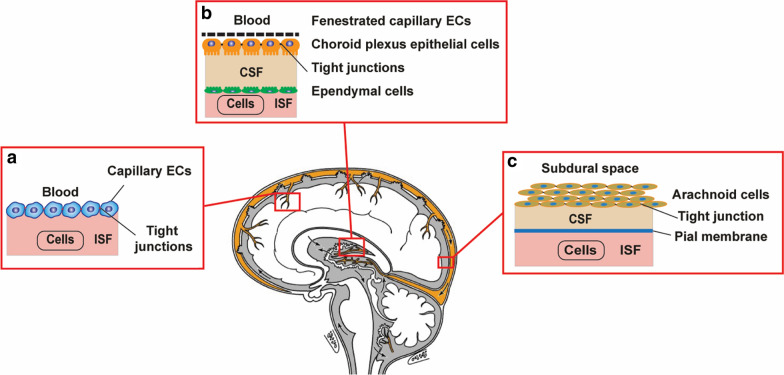
“According to the classical paradigm, the primary role of the choroid plexus epithelial cells is the secretion of CSF into the brain ventricles; however, recent research acknowledges the protective role of the BCSFB for the cerebral parenchyma [5].”
BackgroundInfluentialGranata, A. (2023) · BMC Cardiovascular Disorders · doi:10.1186/s12872-023-03227-6 · Cited by 15
Current Small Molecule–Based Medicinal Chemistry Approaches for Neurodegeneration Therapeutics
Sanghai, N., Vuong, B., Berk, A. B., Afridi, M. S. K., & Tranmer, G. K. (2024) · ChemMedChem · doi:10.1002/cmdc.202300705 · Cited by 16
Olejnik, P., Golenia, A., & Małyszko, J. (2025) · International Journal of Molecular Sciences · doi:10.3390/ijms26041590 · Cited by 15
“It primarily regulates the entry of substances into the CNS and facilitates the removal of metabolites from it [50].”
Bridging regional neurovascular unit heterogeneity and cognitive function: a review
Tsintzou, A., Poirier, R., Harati, R., Kustubayeva, A., Disdier, C., Hamoudi, R., & Mabondzo, A. M. (2025) · Fluids and Barriers of the CNS · doi:10.1186/s12987-025-00697-y · Cited by 17
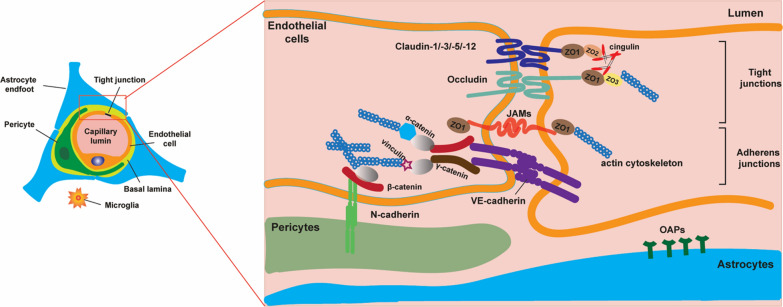
“This regulation is provided by tight junctions (TJs) that firmly seal neighbouring ECs, low rates of transcytosis, expression of a wide variety of transporters, and expression of metabolic enzymes [1, 18].”
3D-QSAR, molecular docking and ADMET studies of thioquinazolinone derivatives against breast cancer
Rhabori, S. E., Aissouq, A. E., Chtita, S., & Khalil, F. (2022) · Journal of the Indian Chemical Society · doi:10.1016/j.jics.2022.100675 · Cited by 14
Histological examination of choroid plexus epithelia changes in schizophrenia
Williams, M. R., Macdonald, C. M., & Turkheimer, F. (2023) · Brain Behavior and Immunity · doi:10.1016/j.bbi.2023.04.016 · Cited by 17
Zhu, Y., Wang, X., He, Z., Zhao, P., Ren, H., & Qi, Z. (2023) · Journal of Medical Virology · doi:10.1002/jmv.28915 · Cited by 14
“The BBB is a functional barrier composed of nonfenestrated brain microvascular endothelial cells (HBMECs), tight junction molecules and adhesion junction molecules, astrocytes, basement membranes, and pericytes.(5) Infection and replication in HBMECs or transcytosis of HBMECs have been regarded as the initial events o…”
BackgroundMartín‐Hernández, D., Muñoz‐López, M., Tendilla‐Beltrán, H., Caso, J. R., García‐Bueno, B., Menchen, L. A., & Leza, J. C. (2023) · International Journal of Molecular Sciences · doi:10.3390/ijms241612634 · Cited by 16
“The conventional notion of a singular BBB has evolved into the recognition of several distinct brain barriers, each occupying specific neuroanatomic locations and comprising unique structural components that regulate interactions between brain parenchyma and blood-born molecules or cells [41,42]:”
BackgroundPathogenesis and management of low-pressure hydrocephalus: A narrative review
Duan, S., & Hu, J. (2024) · Journal of the Neurological Sciences · doi:10.1016/j.jns.2024.122988 · Cited by 15
Yusof, N. I. S. M., & Fauzi, F. M. (2024) · Neurochemistry International · doi:10.1016/j.neuint.2024.105738 · Cited by 15
Nunes, R. G. D. S., de Amorim, L. C., Bezerra, I. C., da Silva, A. J., dos Santos, C. A. L., Gubert, P., de Menezes, I. R. A., Duarte, A. E., Barros, L. M., Andrade‐da‐Costa, B. L. D. S., et al. (2024) · Journal of Toxicology and Environmental Health · doi:10.1080/15287394.2024.2338431 · Cited by 16
“The BBB is a dynamic structure that safeguards the brain from potentially harmful substances and regulates the permeation of molecules (Kadry, Noorani, and Cucullo 2020).”
BackgroundZhang, J., Yang, A., Cui, W. Q., Zhang, J., Niu, A., Hu, X., & Li, Q. (2024) · Ecotoxicology and Environmental Safety · doi:10.1016/j.ecoenv.2024.116351 · Cited by 14
Immune cell infiltration and inflammatory landscape in primary brain tumours
Luce, A., Abate, M., Scognamiglio, G., Montella, M., Iervolino, D., Campione, S., Mauro, A. D., Sepe, O., Gigantino, V., Tathode, M. S., et al. (2024) · Journal of Translational Medicine · doi:10.1186/s12967-024-05309-1 · Cited by 14
Lee, H. L., Go, M. J., Lee, H. S., & Heo, H. J. (2024) · Antioxidants · doi:10.3390/antiox13080951 · Cited by 15
“In particular, it was confirmed that the”
Zhao, Y., Tang, X., Lei, T., Fu, D., & Zhang, H. (2024) · Frontiers in Oncology · doi:10.3389/fonc.2024.1448089 · Cited by 16
“Astrocytes play a decisive role in maintaining and regulating the integrity of the BBB by directly interacting with endothelial cells and modulating the barrier function through their foot processes and organic anion transporters (76).”
BackgroundMnO2 and sonosensitizer-based nano-platforms for cancer sonodynamic therapy
Yang, J., Man, Y., Qu, D., Cao, Y., Shi, H., Guo, X., Liu, Z., & Shi, M. (2024) · Chemical Engineering Journal · doi:10.1016/j.cej.2024.157232 · Cited by 14
Guglielmi, G., Zamagni, C., Re, M. D., Danesi, R., & Fogli, S. (2024) · European Journal of Pharmacology · doi:10.1016/j.ejphar.2024.177076 · Cited by 14
Navigating the nano-bio immune interface: advancements and challenges in CNS nanotherapeutics
Moulton, C., Baroni, A., Quagliarini, E., Leone, L., Digiacomo, L., Morotti, M., Caracciolo, G., Podda, M. V., & Tasciotti, E. (2024) · Frontiers in Immunology · doi:10.3389/fimmu.2024.1447567 · Cited by 15
Cognitive decline and neuroinflammation in a mouse model of obesity: An accelerating role of ageing
Rajput, M., Malik, I. A., Methi, A., Silva, J. A. C., Fey, D., Wirths, O., Fischer, A., Wilting, J., & Arnim, C. A. F. V. (2024) · Brain Behavior and Immunity · doi:10.1016/j.bbi.2024.12.154 · Cited by 14
“BBB comprises of tight junctions and adherens junctions, which are formed by several interacting proteins (Kadry et al., 2020).”
Zhang, Z., Wang, H., Tao, B., Shi, X., Chen, G., Ma, H., Peng, R., & Zhang, J. (2025) · Journal of Neurotrauma · doi:10.1089/neu.2023.0580 · Cited by 15
Nanomedicine: Pioneering Advances in Neural Disease, Stroke and Spinal Cord Injury Treatment
Loushambam, B., Yanglem, S., Krishnaswami, V., Kumar, M., & Vijayaraghavalu, S. (2025) · Neuroglia · doi:10.3390/neuroglia6010009 · Cited by 17
“For a therapeutic agent or molecule to penetrate the brain, it must traverse the BBB by engaging with specific protein transporters or receptors expressed on the brain capillary endothelial cells [10].”
The Australian Diagnostic Criteria for Contrast-Induced Encephalopathy
Mariajoseph, F. P., Lai, L., Praeger, A., Chandra, R. V., Moore, J. M., Asadi, H., de Villiers, L., Goldschlager, T., Gan, C., Zhou, K. Z., et al. (2025) · Neuroradiology · doi:10.1007/s00234-025-03601-5 · Cited by 14
“Firstly, the blood–brain barrier (BBB) is disrupted, allowing passage of contrast agents into the central nervous system (CNS), which is usually protected [13, 14].”
Boncristiani, C., Gilio, A. D., Castro, F. D., Nardini, A., Palmisani, J., Vàzquez, R. M., de Gennaro, G., Fanizzi, F. P., Ciccarella, G., & Vergaro, V. (2025) · Journal of Materials Chemistry B · doi:10.1039/d4tb02499k · Cited by 14
Quan, Y., Wang, Y., Gao, S., Yuan, S., Song, S., Liu, B., & Wang, Y. (2025) · Cell Communication and Signaling · doi:10.1186/s12964-025-02248-2 · Cited by 17
“The TJs are located at the site of fusion and articulate adjacent BECs or the outer surface of the plasma membrane of the same cell, whereas the adhesive link consists of the calreticulin-conjugated protein complex and its associated proteins [13].”
InfluentialLiu, Y., Zhang, P., & Sun, H. (2025) · Frontiers in Psychiatry · doi:10.3389/fpsyt.2025.1588135 · Cited by 18
“The aforementioned neurotransmitters enter the central nervous system (CNS) via the enteric nervous system (ENS) and in fl uence the physiological functions of the brain (54, 55).”
InfluentialNeutrophil-to-Lymphocyte Ratio in the Alzheimer’s Disease Continuum
Aprile, D., Marchi, F. D., Menegon, F., Comi, C., & Tondo, G. (2025) · International Journal of Molecular Sciences · doi:10.3390/ijms26115157 · Cited by 18
“In addition, the BBB restricts the entry of most immune cells into the CNS, at least under physiological conditions [97].”
Ball, B. K., Park, J. H., Bergendorf, A. M., Proctor, E. A., & Brubaker, D. K. (2025) · npj Systems Biology and Applications · doi:10.1038/s41540-025-00539-5 · Cited by 16
“The BBB is a selectivesemipermeablemembraneconsistingofendothelialcells,pericytes, andastrocytes,whichprotectsthebrainfromharmfulsubstancesand regulatesthepassageofimmunecellsandnutrientsintothebrain 23,24 .”
Rijmers, J., Lebre, M. C., Beijnen, J. H., & Schinkel, A. H. (2025) · Acta Pharmaceutica Sinica B · doi:10.1016/j.apsb.2025.06.002 · Cited by 15
“These components together are also called a neurovascular unit 26 .”
Therapeutic Potential of Natural Compounds for Brain Ischemia-Reperfusion Injury
Yoo, K., Won, M., Ahn, J. H., & Park, J. H. (2025) · Biology · doi:10.3390/biology14091153 · Cited by 16
Zhou, X., Azimi, M., Handin, N., Riselli, A. M., Vora, B., Chun, E., Dang, Z., Huang, E. J., Yee, S. W., Artursson, P., et al. (2025) · Scientific Reports · doi:10.1038/s41598-025-31224-6 · Cited by 15
Karthika, C., Najda, A., Klepacka, J., Zehravi, M., Akter, R., Akhtar, M. F., Saleem, A., Al‐Shaeri, M., Mondal, B., Ashraf, G. M., et al. (2022) · Molecules · doi:10.3390/molecules27144663 · Cited by 14
“Furthermore, the neurovascular unit develops differently in the cancer core compared to the cancer periphery and neuroparenchyma, the latter of which has an intact blood–brain barrier (BBB) as BT lesions grow [15].”
BackgroundNeed for a Paradigm Shift in the Treatment of Ischemic Stroke: The Blood-Brain Barrier
Alonso-Alonso, M. L., Sampedro‐Viana, A., Fernández‐Rodicio, S., Bazarra‐Barreiros, M., Ouro, A., Sobrino, T., Campos, F., Castillo, J., Hervella, P., & Iglesias‐Rey, R. (2022) · International Journal of Molecular Sciences · doi:10.3390/ijms23169486 · Cited by 14
“other mechanisms increase the exchange of substances from the blood to the CNS and vice versa [29].”
BackgroundInfluentialLee, K. (2022) · Cell & Bioscience · doi:10.1186/s13578-022-00920-5 · Cited by 14
“The pineal gland secretes the hormone melatonin directly into the systemic circulation [11].”
BackgroundEllis, R. J., Fan, Y., Grelotti, D., Tang, B., Letendre, S., & He, J. J. (2022) · Journal of Neurology and Psychology · doi:10.13188/2332-3469.1000048 · Cited by 15
Glial cell activity in cardiovascular diseases and risk of acute myocardial infarction
Truter, N., Malan, L., & Essop, M. F. (2023) · American Journal of Physiology-Heart and Circulatory Physiology · doi:10.1152/ajpheart.00332.2022 · Cited by 14
Wang, K., Zou, S.-S., Chen, H., Higazy, D., Gao, X., Zhang, Y., Cao, S., & Cui, M. (2023) · Virology · doi:10.1016/j.virol.2023.03.006 · Cited by 14
Thakur, A., Liang, L., Banerjee, S., & Zhang, K. (2023) · Brain Sciences · doi:10.3390/brainsci13050762 · Cited by 15
“The structure of the BBB is typically composed of astrocytes, endothelial cells, and pericytes, which play an important role in maintaining the health of the BBB [33].”
BackgroundAducanumab delivery via focused ultrasound-induced transient blood–brain barrier opening in vivo
Jeong, J., Han, M., Jeon, S., Kim, Y., Choi, H. J., Choi, W., Kwon, K., Choi, J.-R., & Lee, E.-H. (2025) · Scientific Reports · doi:10.1038/s41598-025-02412-1 · Cited by 13
Qiu, B., Pompe, S., Xenaki, K. T., Maggio, A. D., Henegouwen, P. M. P. V. B. E., Oliveira, S., Mastrobattista, E., & Caiazzo, M. (2025) · Journal of Controlled Release · doi:10.1016/j.jconrel.2025.114257 · Cited by 15
Lorca, C., Serra, A., & Gallart‐Palau, X. (2025) · Redox Biology · doi:10.1016/j.redox.2025.103925 · Cited by 14
“It is now widely recognized that the BBB is dynamic and context-sensitive, and can become functionally compromised under states of inflammation, infection, trauma, or neuro-degeneration [33].”
Role of Blood–Brain Barrier Permeability in Delirium Pathophysiology and Treatment
Gruenbaum, B. F., Zlotnik, A. A., Dubilеt, M., Negev, S., Zeldetz, V., Merchant, K. S., & Boyko, M. (2025) · Anesthesiology · doi:10.1097/aln.0000000000005722 · Cited by 14
Gut–brain axis in health and brain disease
Olasunkanmi, O. I., Zheng, L., & Zheng, P. (2026) · Chinese Medical Journal · doi:10.1097/cm9.0000000000003920 · Cited by 14
Alharbi, H. O. A., Sarwar, T., & Rahmani, A. H. (2026) · International Journal of Molecular Sciences · doi:10.3390/ijms27031536 · Cited by 15
“These carriers comprise nutrient transporters such as glucose transporters (GLUT), peptide transporters, amino acid transporters, ion transporters, choline transporters, and so on [228].”
Non-Invasive, Targeted Nanoparticle-Mediated Drug Delivery across a Novel Human BBB Model
Kaya, S., Callan, B., & Hawthorne, S. J. (2023) · Pharmaceutics · doi:10.3390/pharmaceutics15051382 · Cited by 13
Tremblay, T., Alata, W., Slinn, J., Baumann, E., Delaney, C. E., Moreno, M., Haqqani, A. S., Stanimirovic, D. B., & Hill, J. J. (2024) · Fluids and Barriers of the CNS · doi:10.1186/s12987-024-00523-x · Cited by 13
“The luminal surface of endothelial cells is in direct contact with blood and includes a wide variety of transporter proteins that shuttle nutrients and metabolites across the BBB in a tightly-regulated manner via transcytosis [6].”
BackgroundKantawala, B., Shariff, S., Ramadan, N., Fawaz, V., Hassan, Y., Mugisha, N., Yenkoyan, K. B., Nazir, A., & Uwishema, O. (2024) · Annals of Medicine and Surgery · doi:10.1097/ms9.0000000000001887 · Cited by 15
“The organ-on-a-chip technique integrates in-vivo and in-vitro models, enhancing physiological microenvironments, imaging systems, and real-time sensor outputs [36] .”
BackgroundTumor versus Tumor Cell Targeting in Metal-Based Nanoparticles for Cancer Theranostics
Urbano‐Gámez, J. D., Guzzi, C., Bernal, M., Solivera, J., Martínez-Zubiaurre, I., Caro, C., & García‐Martín, M. L. (2024) · International Journal of Molecular Sciences · doi:10.3390/ijms25105213 · Cited by 14
“The junctions between these cells are tight and very stable, preventing the paracellular transport of molecules and cells into the brain [62].”
BackgroundResearch progress of neurovascular units involved in ischemic stroke
Yang, Y., Tong, H., Ye, Z., Xu, Z., & Tao, T. (2024) · Ibrain · doi:10.1002/ibra.12166 · Cited by 15
“9 Under normal conditions, the BBB expresses a variety of ion transport proteins, and ion channels provide essential nutrients for the brain tissue and eliminate metabolic waste from the brain, thereby effectively maintaining a stable state of the CNS. 10 The BBB acts as a highly selective barrier…”
Ibrahim, R. M., Teaima, M. H. M., El-Nabarawi, M. A., & Badawi, N. M. (2024) · Journal of Drug Delivery Science and Technology · doi:10.1016/j.jddst.2024.105885 · Cited by 15
Cecchi, R., Camatti, J., Schirripa, M. L., Ragona, M., Pinelli, S., & Cucurachi, N. (2024) · Forensic Science Medicine and Pathology · doi:10.1007/s12024-024-00874-9 · Cited by 14
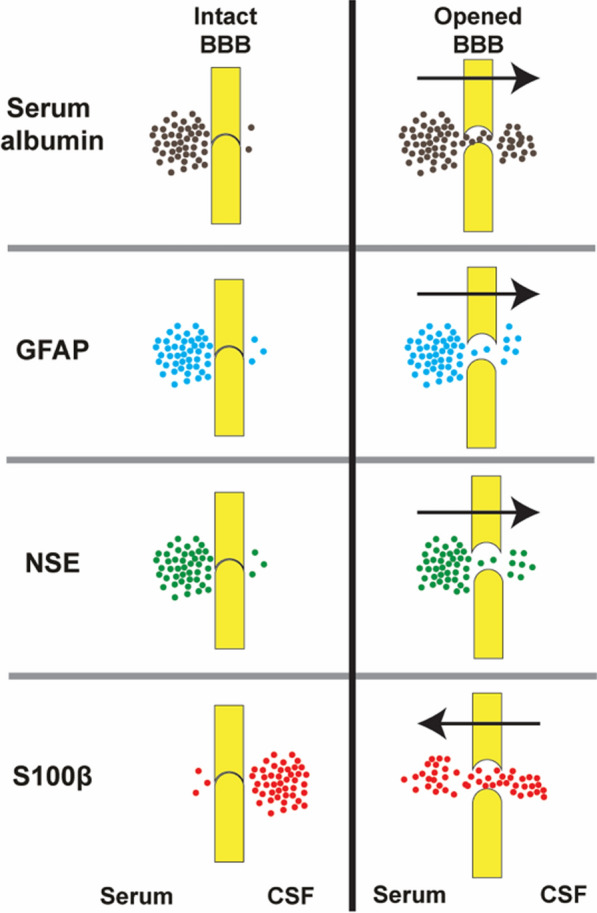
“Kadry et al. stated that, under physiological conditions, S100B is more concentrated in CSF than in plasma: a disruption of BBB results in S100B release into the blood circulation [47 ].”
InfluentialImpact of Peptide Transport and Memory Function in the Brain
Cheng, L., Shi, C., Li, X., & Matsui, T. (2024) · Nutrients · doi:10.3390/nu16172947 · Cited by 13
“It comprises tightly packed endothelial cells lining the blood vessels in the brain, along with astrocyte endfeet and pericytes, which together create a highly selective filter [11] (Figure 1).”
BackgroundA comprehensive review on organ-on-chips as powerful preclinical models to study tissue barriers
Filiz, Y., Esposito, A., Maria, C. D., Vozzi, G., & Yeşil-Çeliktaş, Ö. (2024) · Progress in Biomedical Engineering · doi:10.1088/2516-1091/ad776c · Cited by 13
NX210c drug candidate peptide strengthens mouse and human blood-brain barriers
Greene, C., Rebergue, N., Fewell, G. D., Janigro, D., Godfrin, Y., Campbell, M., & Lemarchant, S. (2024) · Fluids and Barriers of the CNS · doi:10.1186/s12987-024-00577-x · Cited by 15
“The brain vasculature is characterized by continuous TJ complexes between endothelial cells which allows BBB tightness and restricts passage of immune cells and molecules between the blood and the brain, and ensures a proper functioning of the brain [59].”
BackgroundMolecular imaging-guided diagnosis and treatment integration for brain diseases
Yu, D., Liu, M., Ding, Q., Wu, Y., Wang, T., Song, L., Li, X., Qian, K., Cheng, Z., Gu, M., et al. (2024) · Biomaterials · doi:10.1016/j.biomaterials.2024.123021 · Cited by 13
Tran, V., Flores, J., Sheldon, M., Pena-Hernandez, C., & NUGENT, K. M. (2025) · Journal of Clinical Medicine · doi:10.3390/jcm14030756 · Cited by 13
Tran, V. T. A., Zhu, X., Jamsranjav, A., Lee, L. P., & Cho, H. (2025) · Communications Biology · doi:10.1038/s42003-025-07787-5 · Cited by 13
“As astrocytic end-feet creates direct communication between the vascular systemandtheneurogliawithintheCNS 35 ,astrogliosismaybeinitiated fi rst upon E. coli K1 infection, which releases antimicrobial pro-in fl ammatory cytokinessuchasIFN-γ 36 .”
Shafie, A. S. M., Kamarudin, S. N., Affandi, M. M. R. M. M., & Siran, R. (2025) · Nutritional Neuroscience · doi:10.1080/1028415x.2025.2499559 · Cited by 16
“While serving as a protective shield, the BBB poses a challenge by restricting the entry of beneficial substances, including therapeutic agents, to the target site [30,31].”
Wang, L., Curran, G. L., Zhong, R., Xue, Z., Veerareddy, V., Thieschafer, J. S., Min, H.-K. P., Li, L., Lowe, V. J., & Kandimalla, K. K. (2025) · Journal of Cerebral Blood Flow & Metabolism · doi:10.1177/0271678x251332493 · Cited by 14
Talat, A., Zuberi, A., & Khan, A. U. (2025) · Current Microbiology · doi:10.1007/s00284-025-04370-3 · Cited by 13
Antibody-conjugated polymer nanoparticles for brain cancer
Tai, S. S. A., Loo, H. L., Bakhtiar, A., Ho, P. C., & Chuah, L. (2025) · Drug Delivery and Translational Research · doi:10.1007/s13346-025-01947-0 · Cited by 15
“Only small, lipophilic molecules with a molecular weight of less than 400 Da can cross the BBB via passive diffusion [89].”
Mi, X., Ye, Z.-L., Zhang, X., Chen, X., & Dai, X. (2025) · Biology of Sex Differences · doi:10.1186/s13293-025-00751-2 · Cited by 14
“The anatomical substrate of the BBB is the cerebral microvascular endothelium, which, together with perivascular elements such as astrocyte end-feet, pericytes, basement membranes, and neurons, constitutes the neurovascular unit (NVU), a construct crucial for the stability of the CNS [1, 2].”
Nanocarriers based therapy and diagnosis of brain diseases: cross the blood-brain barrier
An, L., Zhang, J., Wang, X., Ge, Y., Sun, K., Dong, J., Wang, P., Li, W., Li, M., Hu, X., et al. (2025) · Science and Technology of Advanced Materials · doi:10.1080/14686996.2025.2554048 · Cited by 14
“These carriers include nutrient transporters such as glucose transporters (GLUT) and amino acid transporters, ion transporters, peptide transporters, choline transporters and so on [32].”
Aijaz, M., Ahmad, M., Ahmad, S., Afzal, M., & Kothiyal, P. (2025) · Naunyn-Schmiedeberg s Archives of Pharmacology · doi:10.1007/s00210-025-04776-7 · Cited by 17
Viral vectors as a promising nanotherapeutic approach against neurodegenerative disorders
Srivastava, V., Singh, A., Jain, G. K., Ahmad, F. J., Shukla, R., & Kesharwani, P. (2021) · Process Biochemistry · doi:10.1016/j.procbio.2021.07.002 · Cited by 13
Recent advances in drug delivery to the central nervous system by inhalation
Tai, W., & Kwok, P. C. L. (2022) · Expert Opinion on Drug Delivery · doi:10.1080/17425247.2022.2074975 · Cited by 13
“The major obstacle is the blood–brain barrier, which protects the CNS from foreign entities [1].”
BackgroundAdvances in nano-based materials for glioblastoma multiforme diagnosis: A mini-review
Gusmão, L. A., Matsuo, F. S., Barbosa, H. F. G., & Tedesco, A. C. (2022) · Frontiers in Nanotechnology · doi:10.3389/fnano.2022.836802 · Cited by 13
“, 2017; Steeg, 2021), the BBB also protects against pathogens and exogenous compounds (Kadry et al., 2020).”
BackgroundPotential of astrocytes in targeting therapy for Alzheimer’s disease
Bi, W., Lei, T., Cai, S., Zhang, X., Yang, Y., Xiao, Z., Wang, L., & Du, H. (2022) · International Immunopharmacology · doi:10.1016/j.intimp.2022.109368 · Cited by 13
First in vivo fluorine-19 magnetic resonance imaging of the multiple sclerosis drug siponimod
Starke, L., Millward, J. M., Prinz, C., Sherazi, F., Waiczies, H., Lippert, C., Nazaré, M., Paul, F., Niendorf, T., & Waiczies, S. (2023) · Theranostics · doi:10.7150/thno.77041 · Cited by 13
“However, apart from diffusion, active mechanisms such as receptor-mediated transport exist for drug uptake into the CNS [79].”
Mitochondrial-targeting fluorescent small molecule IR-780 alleviates radiation-induced brain injury
Zhang, C., Zheng, J., Chen, W., Yang, W., Tan, X., Fan, X., Shen, G., Qu, L., Chen, Z., & Shi, C. (2023) · Brain Research · doi:10.1016/j.brainres.2023.148285 · Cited by 13
Gautam, A. S., Pandey, S. K., Lasure, V., Dubey, S., & Singh, R. K. (2023) · Expert Opinion on Biological Therapy · doi:10.1080/14712598.2023.2227378 · Cited by 15
Li, Q., Tang, Z., Zhang, Y., Yuan, T., Yuan, B., Du, L., & Jin, Y. (2023) · International Journal of Pharmaceutics · doi:10.1016/j.ijpharm.2023.123191 · Cited by 14
Grabowska, A. D., Wątroba, M., Witkowska, J., Mikulska, A., Sepúlveda, N., & Szukiewicz, D. (2023) · International Journal of Molecular Sciences · doi:10.3390/ijms241411640 · Cited by 13
“Formation and maintenance of the BBB depend primarily on the interaction between the endothelium, astrocytic end feet, and pericytes [2,3].”
BackgroundNeuroprotective compounds from marine invertebrates
Rivai, B., & Umar, A. K. (2023) · Beni-Suef University Journal of Basic and Applied Sciences · doi:10.1186/s43088-023-00407-3 · Cited by 13
Annexin A1 in the nervous and ocular systems
Wang, A., Zhang, H., Li, X., & Zhao, Y. (2023) · Neural Regeneration Research · doi:10.4103/1673-5374.380882 · Cited by 13
Tan, R., Hong, R., Sui, C., Yang, D., Tian, H., Zhu, T., & Yang, Y. (2023) · Frontiers in Cellular Neuroscience · doi:10.3389/fncel.2023.1233762 · Cited by 13
“They also compete with oligodendrocytes for BBB junctions, heightening CNS inflammation (Lovejoy and Krauzlis, 2010; Horng et al., 2017; Kadry et al., 2020).”
BackgroundLv, M., Ma, X., Zhang, K., Zhang, M., Ji, Y., Cheng, L., Shao, X., Guan, Z., Cui, J., Gao, Y., et al. (2023) · Chemico-Biological Interactions · doi:10.1016/j.cbi.2023.110743 · Cited by 13
Emerging drug delivery systems with traditional routes – A roadmap to chronic inflammatory diseases
Min, K., Sahu, A., Jeon, S. H., & Tae, G. (2023) · Advanced Drug Delivery Reviews · doi:10.1016/j.addr.2023.115119 · Cited by 14
Galeano, P., de Ceglia, M., Mastrogiovanni, M., Campanelli, L., Vera, D. M., Campolo, N., Novack, G. V., Rosell‐Valle, C., Suárez, J., Aicardo, A., et al. (2023) · International Journal of Molecular Sciences · doi:10.3390/ijms242317009 · Cited by 15
“All diets were fed as pellets.”
Osuna‐Ramos, J. F., Camberos-Barraza, J., Torres-Mondragón, L. E., Rábago-Monzón, Á. R., Camacho-Zamora, A., Valdez-Flores, M. A., Angulo‐Rojo, C., Guadrón‐Llanos, A. M., Picos-Cárdenas, V. J., Calderón-Zamora, L., et al. (2023) · International Journal of Molecular Sciences · doi:10.3390/ijms242417458 · Cited by 14
“The main function of tight junctions is to restrict the paracellular pathway for the diffusion of hydrophilic solutes, thereby allowing for the control of chemical substances present in the circulatory system that can access the brain [26,27].”
BackgroundAhirwar, K., Kumar, A., Srivastava, N., Saraf, S. A., & Shukla, R. (2024) · International Journal of Biological Macromolecules · doi:10.1016/j.ijbiomac.2024.131048 · Cited by 14
Shao, R., Wang, T., Hang, C., An, L., Wang, X., Zhang, L., Yu, J., Shan, Z., Yang, Q., & Tang, Z. (2024) · Critical Care · doi:10.1186/s13054-024-05045-4 · Cited by 13
“The possible reason for this may be that rs-fMRI BOLD signals can be direct indicators of changes in local brain activity, whereas the serum NSE concentration is an indirect indicator based on its release into the peripheral blood through the compromised blood brain barrier (BBB) [38].”
BackgroundAdscheid, S. A., Türeli, A. E., Günday-Türeli, N., & Schneider, M. (2024) · Beilstein Journal of Nanotechnology · doi:10.3762/bjnano.15.113 · Cited by 14
Liu, G., Bai, X., Yang, J., Duan, Y., Zhu, J., & Li, X. (2023) · Drug Metabolism Reviews · doi:10.1080/03602532.2023.2180028 · Cited by 12
“Similarly, the blood–brain barrier preserves stable axonal and synaptic morphology inside the central nervous system and promotes normal neuronal signaling function, it also transports oxygen and nutrients in accordance with the needs of the brain’s neurons (Kadry et al. 2020).”
Background
Metadata
- Authors
- Kadry, H., Noorani, B., & Cucullo, L.
- Affiliations
- Texas Tech University Health Sciences Center (US)
- Oakland University (US)
- Corresponding author
- Cucullo, Luca
- Venue
- Fluids and Barriers of the CNS
- Published
- 2020-11-18
- Volume
- 17
- Issue
- 1
- Pages
- 69-69
- ISSN
- 2045-8118 (ISSN-L)
- PMC
- PMC7672931
- OpenAlex
- W3104682194
- Cited by
- 1,853
- References
- 266
- Citations by year
- 2026: 342 · 2025: 491 · 2024: 480 · 2023: 299 · 2022: 176 · 2021: 63
- FWCI
- 13.39
- Type
- journal article
- Language
- en
- Open access
- gold
- doi.org
- Licence
- cc-by
- creativecommons.org/licenses/by/4.0/ (tdm)
- creativecommons.org/licenses/by/4.0/ (vor)
- Locations
- Fluids and Barriers of the CNS (publishedVersion, cc-by)
- PubMed Central (publishedVersion, cc-by)
- PubMed (publishedVersion)
- DOAJ (DOAJ: Directory of Open Access Journals) (submittedVersion, cc-by-sa)
- Funders
- National Institute on Drug Abuse (2R01-DA029121-01A1, 1R01DA049737-01)
- National Institute of Neurological Disorders and Stroke (1R01NS117906-01)
- Topics
- Life Sciences › Neuroscience › Neurology › Barrier Structure and Function Studies
- Health Sciences › Medicine › Oncology › Drug Transport and Resistance Mechanisms
- Life Sciences › Biochemistry, Genetics and Molecular Biology › Molecular Biology › Ion Transport and Channel Regulation
- Keywords
- blood-brain barrier, blood-brain barrier integrity, blood-brain barrier disruption, shear stress, blood-brain barrier permeability, brain homeostasis, neurological disorders
- MeSH terms
- Biological Transport, Blood-Brain Barrier, Brain Diseases, Humans, Biomarkers
About these checks
Registry, retraction, Cites and statistics results are computed, not judged, with one exception: a printed reference that no index lists is read once by a model before it counts as a citation error. Claims are extracted by a model and kept only when their quote appears verbatim in the text; each cited source is then checked, with a model’s help, for whether it says what the claim relies on. Those verdicts can be wrong — read the claim’s quote and the cited source before relying on one.
Statistics and arithmetic are recomputed, not judged.
Confidence bands are shown only for fields calibrated on our annotated test set. None is calibrated yet, so no band is shown.
What counts as a claim ›How we measure confidence ›How we check this ›
Are you an author, or do you see a problem with this page? Request a review
Data sources
Bibliographic data: Semantic Scholar, OpenAlex, Crossref.
Contains information from the Semantic Scholar Academic Graph Datasets, made available under the ODC Attribution License (ODC-BY 1.0).
Semantic Scholar’s data is described in: Kinney, R., et al. (2023). The Semantic Scholar Open Data Platform. arXiv:2301.10140.
