

A blood–brain barrier overview on structure, function, impairment, and biomarkers of integrity
Open accessThe DOI matches its Crossref record; 269 of the 269 references it cites were found in a registry or an index.
Abstract
The blood–brain barrier is playing a critical role in controlling the influx and efflux of biological substances essential for the brain’s metabolic activity as well as neuronal function. Thus, the functional and structural integrity of the BBB is pivotal to maintain the homeostasis of the brain microenvironment. The different cells and structures contributing to developing this barrier are summarized along with the different functions that BBB plays at the brain–blood interface. We also explained the role of shear stress in maintaining BBB integrity. Furthermore, we elaborated on the clinical aspects that correlate between BBB disruption and different neurological and pathological conditions. Finally, we discussed several biomarkers that can help to assess the BBB permeability and integrity in-vitro or in-vivo and briefly explain their advantages and disadvantages.
Overview
The claims and statistics of this paper haven’t been checked yet.
Free: it reads the open-access text and checks the first 5 claims that cite a source we can check. Create a free account to check every claim.
Integrity signals
Registry
Cites
Statistics
Figures
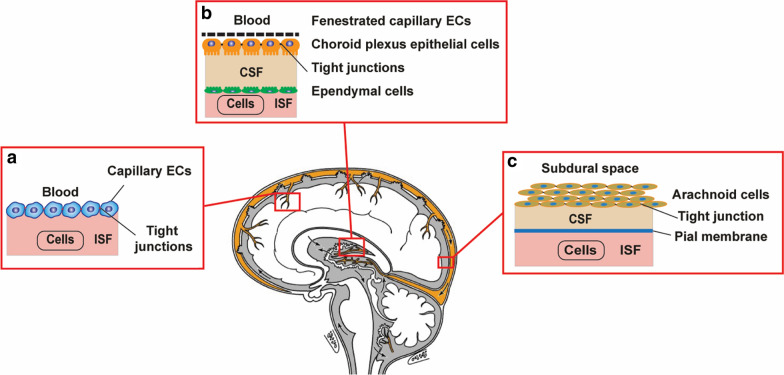
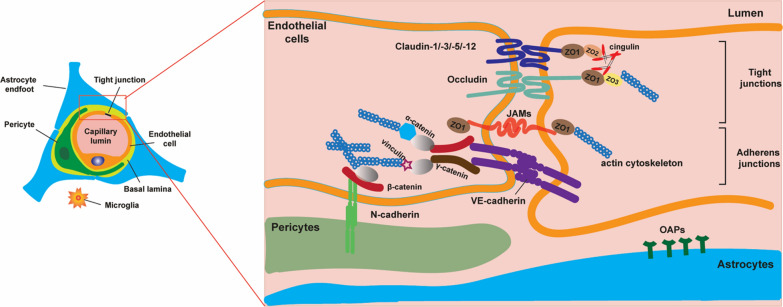
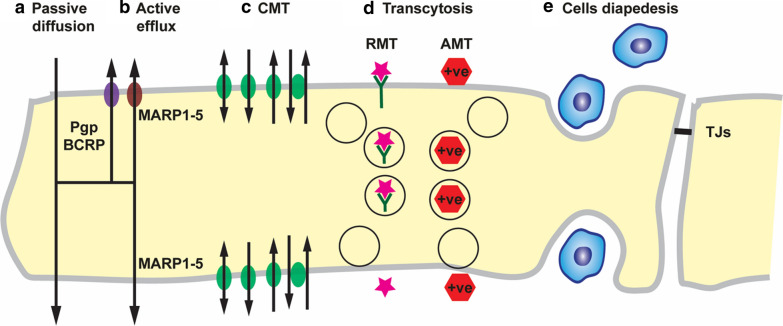
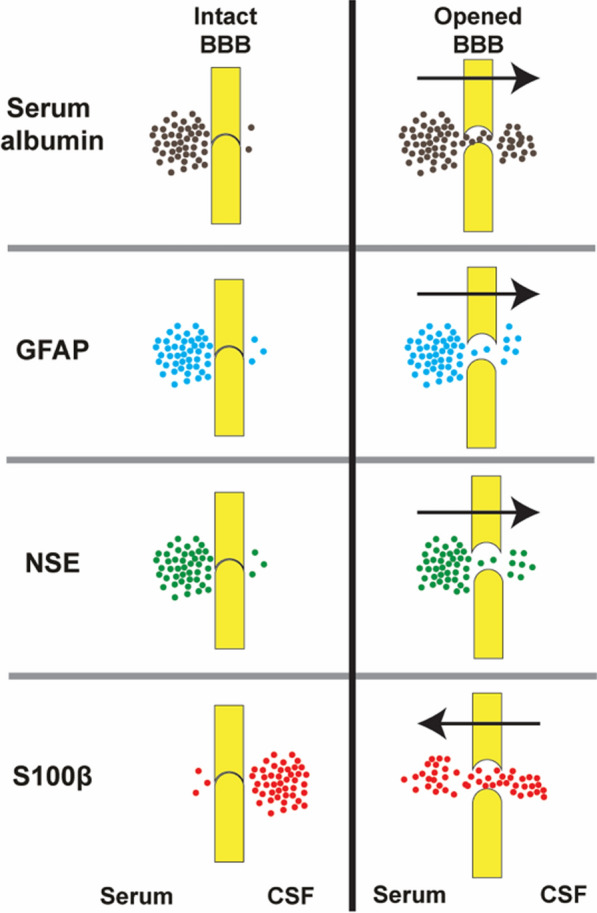
Verification
Claims the paper makes
The claims and statistics of this paper haven’t been checked yet.
Free: it reads the open-access text and checks the first 5 claims that cite a source we can check. Create a free account to check every claim.
Claims other papers make about this one
Each is checked against this paper’s own text: does it say what the citing paper says it does?
The source backs part of the claim, not all of it — or backs it for a different population, condition or comparison.
In the citing paper
“These barriers include the blood–cerebrospinal fluid (blood–CSF) barrier, the blood–retinal barrier, the blood–spinal cord barrier, and the BBB. Among these, the latter is the most extensive and exclusive [5].”
From Advances in Strategies to Transport Nanoparticles Across the Blood–Brain Barrier for Drug Delivery into the Brain for the Treatment of Alzheimer’s Disease (2026) · cites this paper as [5]
Experimental — accuracy not yet measuredThe source backs part of the claim, not all of it — or backs it for a different population, condition or comparison.
In the citing paper
“In the adsorptive-mediated transcytosis (AMT), positively charged molecules interact with the negatively charged ECs, inducing transcytosis and their passage across the barrier.”
From Advances in Strategies to Transport Nanoparticles Across the Blood–Brain Barrier for Drug Delivery into the Brain for the Treatment of Alzheimer’s Disease (2026) · cites this paper as [5]
Experimental — accuracy not yet measuredThe cited source says what the claim attributes to it.
In the citing paper
“The BBB is a physical barrier that separates the CNS from the circulating blood and possesses unique properties for the CNS microvasculature [103].”
From Extracellular vesicles as nanotheranostic platforms for targeted neurological disorder interventions (2024) · cites this paper as [103]
The cited source says what the claim attributes to it.
In the citing paper
“Carrier-mediated transport (CMT) refers to the transport of a variety of molecules facilitated by membrane-bound proteins entitled solute carrier (SLC) transporters [5].”
The cited source says what the claim attributes to it.
In the citing paper
“On the other side, in the receptor-mediated transcytosis (RMT), specific molecules bind to their respective receptors present on the surface of these cells, triggering transcytosis, and their release to the brain environment by detaching from the receptor [5].”
1 more claim about this paper
Create a free account to see every claim other papers make about this one.
Self-check
Percentages, sums and reported differences re-computed from the paper’s own numbers.
The self-check needs the paper’s full text.
Citations
Cites
1 retracted
RETRACTED ARTICLE: Pericyte loss influences Alzheimer-like neurodegeneration in mice
Sagare, A. P., Bell, R. D., Zhao, Z., Ma, Q., Winkler, E. A., Ramanathan, A., & Zlokovic, B. V. (2013) · Nature Communications · doi:10.1038/ncomms3932 · Cited by 589 · cited 1×
“Furthermore, pericytes may display phagocyting functions helping with the removal of toxic metabolites [37].”
BackgroundRetracted(1982) · Trends in Neurosciences · doi:10.1016/0166-2236(82)90076-5 · Cited by 9,089
Astrocyte-endothelial interactions at the blood-brain barrier
Abbott, N. J., Rönnbäck, L., & Hansson, E. (2006) · Nature Reviews Neuroscience · doi:10.1038/nrn1824 · Cited by 5,595 · cited 6×
“As mentioned early, soluble factors released by many of the cell types associated with brain microvessels (including microglia and astrocytes) as well as nerve terminals adjacent to the endothelial extracellular matrix/basal lamina (such as vasoactive agents and cytokines) can modify tight junction assembly and barrie…”
BackgroundInfluentialAstrocytes: Biology and pathology
Sofroniew, M. V., & Vinters, H. V. (2010) · Acta Neuropathologica · doi:10.1007/s00401-009-0619-8 · Cited by 5,196 · cited 1×
“These latter include (1) compartmentalization of the neural parenchyma; (2) maintenance of the ionic homeostasis of the extracellular space; (3) pH regulation; (4) neurotransmitter uptake and processing by providing energy-rich substrates to the neurons; (5) mediation of signals from neurons to the vasculature [51].”
BackgroundStructure and function of the blood–brain barrier
Abbott, N. J., Patabendige, A. A. K., Dolman, D. E. M., Yusof, S. R., & Begley, D. J. (2010) · Neurobiology of Disease · doi:10.1016/j.nbd.2009.07.030 · Cited by 5,185 · cited 11×
“During embryonic angiogenesis, the differentiation of the endothelium into a functioning barrier layer begins and is maintained during adulthood by a close inductive association with other cell types within the NVU, as we mentioned early [2].”
BackgroundInfluentialHenry, M. A. (1995) · The Journal of the American Dental Association · doi:10.14219/jada.archive.1995.0108 · Cited by 3,416
Harold, D., Abraham, R., Hollingworth, P., Sims, R., Gerrish, A., Hamshere, M. L., Pahwa, J. S., Moskvina, V., Dowzell, K., Williams, A., et al. (2009) · Nature Genetics · doi:10.1038/ng.440 · Cited by 3,326
The Blood-Brain Barrier in Health and Chronic Neurodegenerative Disorders
Zlokovic, B. V. (2008) · Neuron · doi:10.1016/j.neuron.2008.01.003 · Cited by 3,280 · cited 1×
“However, specific neuroactive peptides [135], regulatory proteins, hormones, and growth factors get the use of RMT systems to cross the BBB [136].”
BackgroundGhose, A. K., Viswanadhan, V. N., & Wendoloski, J. J. (1999) · Journal of Combinatorial Chemistry · doi:10.1021/cc9800071 · Cited by 3,068 · cited 1×
“There are > 7000 drugs in the Comprehensive Medicinal Chemistry (CMC) database, and only 5% of these drugs treat the CNS [125].”
BackgroundNeurovascular pathways to neurodegeneration in Alzheimer’s disease and other disorders
Zlokovic, B. V. (2011) · Nature Reviews Neuroscience · doi:10.1038/nrn3114 · Cited by 2,969 · cited 8×
“Abbreviations BBB: Blood–brain barrier; CNS: Central nervous system; CSF: Cerebrospinal fluid; BCB: Blood–CSF barrier; ISF: Interstitial fluid; TJs: Tight junctions; P-gp: P-glycoprotein; BCRP: Breast cancer resistance protein; OATP: Organic anion transporting polypeptide; CYP 450: Cytochrome P450; BM: Basement membra…”
BackgroundInfluential
Research works printed but not linked: 1
- Benagiano V Virgintino D Maiorano E Rizzi A Palombo S Roncali L VIP-like immunoreactivity within neurons and perivascular neuronal processes of the human cerebral cortex Eur J Histochem 1996 40 1 53 56 8741100
Cited by
Items 201–300 of 1,004
Emerging Role of ABC Transporters in Glia Cells in Health and Diseases of the Central Nervous System
Villa, M., Wu, J., Hansen, S. M., & Pahnke, J. (2024) · Cells · doi:10.3390/cells13090740 · Cited by 44
“The BBB is a highly selective and dynamic structure composed of endothelial cells, pericytes, and astrocyte end-feet that regulates the exchange of substances between the blood and the brain [103].”
BackgroundKumar, V., Banerjee, A., & Roy, K. (2024) · Journal of Chemical Information and Modeling · doi:10.1021/acs.jcim.4c00433 · Cited by 43
Pharmacological mTOR inhibitors in ameliorating Alzheimer’s disease: current review and perspectives
Xie, P.-L., Zheng, M.-Y., Han, R., Chen, W., & Mao, J.-H. (2024) · Frontiers in Pharmacology · doi:10.3389/fphar.2024.1366061 · Cited by 48
Weller, M., Remón, J., Rieken, S., Vollmuth, P., Ahn, M., Minniti, G. C., Rhun, É. L., Westphal, M., Brastianos, P. K., Soo, R. A., et al. (2024) · Cancer Treatment Reviews · doi:10.1016/j.ctrv.2024.102807 · Cited by 43
Claudin-5 and occludin levels in patients with psychiatric disorders − A systematic review
Maridaki, Z., Syrros, G., Delichatsiou, S. G., Warsh, J. J., & Konstantinou, G. (2024) · Brain Behavior and Immunity · doi:10.1016/j.bbi.2024.11.006 · Cited by 46
“…defensive role extends to safeguarding the brain against peripheral toxins and pathogens (Knox et al., 2022), alongside its contributions to ionic balance, plasma micromolecule regulation, neurotransmitter levels in the cerebral milieu, and nutritional support to neural tissue (Kadry et al., 2020).”
BackgroundMicroplastic pollution: a review of specific blood-tissue barrier breaches and health effects
Obeng, E. M., Hodge, C., & You, J. (2025) · Environmental Pollution · doi:10.1016/j.envpol.2025.126416 · Cited by 44
Patel, J. C., Shukla, M., & Shukla, M. (2025) · Cells · doi:10.3390/cells14120918 · Cited by 49
Hourfar, H., Aliakbari, F., Aqdam, S. R., Nayeri, Z., Bardania, H., Otzen, D. E., & Morshedi, D. (2022) · International Journal of Biological Macromolecules · doi:10.1016/j.ijbiomac.2022.12.134 · Cited by 43
Liu, Q., Song, T., Chen, B., Zhang, J., & Li, W. (2023) · The FASEB Journal · doi:10.1096/fj.202201765r · Cited by 44
Microfluidic Brain‐on‐a‐Chip: From Key Technology to System Integration and Application
Wang, Z., Zhang, Y., Li, Z., Wang, H., Li, N., & Deng, Y. (2023) · Small · doi:10.1002/smll.202304427 · Cited by 47
Lipid bilayer-based biological nanoplatforms for sonodynamic cancer therapy
Li, S., Mok, G. S. P., & Dai, Y. (2023) · Advanced Drug Delivery Reviews · doi:10.1016/j.addr.2023.115110 · Cited by 42
Ahmed, H. S. (2024) · Molecular Neurobiology · doi:10.1007/s12035-024-04506-9 · Cited by 46
“The blood–brain barrier (BBB) is a selectively permeable barrier that separates the circulating blood from the brain and extracellular fluid in the central nervous system [1].”
Carbon nanotubes in brain targeted drug delivery: A comprehensive review
Das, S., Roy, S., Dinda, S. C., Bose, A., Mahapatra, C., Basu, B., & Prajapati, B. G. (2025) · Results in Chemistry · doi:10.1016/j.rechem.2025.102206 · Cited by 46
Wang, H., Yiqiang, Z., Cai, J., & Guo, J. (2025) · Frontiers in Immunology · doi:10.3389/fimmu.2025.1716041 · Cited by 46
Nair, A. B., Chaudhary, S. A., Jacob, S., Patel, D., Shinu, P., Shah, H., Chaudhary, A., Al‐Dhubiab, B. E., Almuqbil, R. M., Alnaim, A., et al. (2023) · Gels · doi:10.3390/gels9020130 · Cited by 41
Pinkiewicz, M., Pinkiewicz, M., Walecki, J. M., Zaczyński, A., & Zawadzki, M. (2024) · Cancers · doi:10.3390/cancers16010236 · Cited by 42
“…and abluminal—each side having distinct lipids and proteins responsible for the blockage of the paracellular transport of small and large water-soluble molecules into the brain, with the exception of minuscule or gaseous molecules such as water and carbon dioxide (Figure 3) [1,3,26,27].”
BackgroundInfluentialStankovic, I., Notaras, M. J., Wolujewicz, P., Lu, T. M., Lis, R., Ross, M. E., & Colak, D. (2024) · Translational Psychiatry · doi:10.1038/s41398-024-02740-2 · Cited by 43
“Moreover, neurovascular endothelial cells interact with surrounding astrocytes and other glial cells to regulate the ef fl ux of immune factors and water-soluble molecules into the brain [27, 28].”
BackgroundMikolajewicz, N., Yee, P. P., Bhanja, D., Trifoi, M. D., Miller, A. M., Métellus, P., Bagley, S. J., Balaj, L., Filho, L. D. M., Zacharia, B. E., et al. (2024) · Journal of Clinical Oncology · doi:10.1200/jco.23.01621 · Cited by 42
Varghese, S. M., Patel, S., Nandan, A., Jose, A., Ghosh, S., Sah, R. K., Menon, B., Athira, K. V., & Chakravarty, S. (2024) · Molecular Neurobiology · doi:10.1007/s12035-024-04205-5 · Cited by 42
Porro, G., Basile, M., Xie, Z., Tuveri, G. M., Battaglia, G., & Lopes, C. D. F. (2025) · Advanced Drug Delivery Reviews · doi:10.1016/j.addr.2025.115637 · Cited by 42
Andrade, S., Loureiro, J. A., & Pereira, M. D. C. (2022) · Pharmaceutics · doi:10.3390/pharmaceutics14102163 · Cited by 40
Macedo-Pereira, A., Martins, C., Lima, J., & Sarmento, B. (2023) · Journal of Controlled Release · doi:10.1016/j.jconrel.2023.04.038 · Cited by 38
Lam, M. S. Y., Aw, J., Tan, D., Vijayakumar, R., Lim, H. Y. G., Yada, S., Pang, Q. Y., Barker, N., Tang, C., Ang, B. T., et al. (2023) · Small · doi:10.1002/smll.202302280 · Cited by 41
Caverzán, M. D., & Ibarra, L. E. (2024) · International Journal of Biological Macromolecules · doi:10.1016/j.ijbiomac.2024.134777 · Cited by 46
Peixoto-Rodrigues, M. C., Monteiro-Neto, J. R., Téglás, T., Toborek, M. J., Quinete, N., Hauser‐Davis, R. A., & Adesse, D. (2024) · Journal of Hazardous Materials · doi:10.1016/j.jhazmat.2024.136832 · Cited by 41
“Vulnerability is heightened during this phase, as the BBB is not yet fully formed [130].”
Translational nanorobotics breaking through biological membranes
Ressnerova, A., Heger, Z., & Pumera, M. (2025) · Chemical Society Reviews · doi:10.1039/d4cs00483c · Cited by 42
Ahn, S. J., Taoka, T., Moon, W., & Naganawa, S. (2022) · Journal of Magnetic Resonance Imaging · doi:10.1002/jmri.28117 · Cited by 42
The Multiple Roles of Pericytes in Vascular Formation and Microglial Functions in the Brain
Hattori, Y. (2022) · Life · doi:10.3390/life12111835 · Cited by 42
“The tight and adherens junctions forming the BBB tightly control the influx and efflux of biological substances, such as ions and molecules, and the infiltration of circulating cells between the bloodstream and the brain parenchyma, thereby providing a favorable environment for brain cells [44,45].”
BackgroundMa, M., Huo, S., Zhang, M., Qian, S., Zhu, X., Pu, J., Rasam, S. S., Xue, C., Shen, S., An, B., et al. (2022) · Nature Communications · doi:10.1038/s41467-022-35367-2 · Cited by 41
Ronaldson, P. T., & Davis, T. P. (2022) · Pharmaceutics · doi:10.3390/pharmaceutics14071501 · Cited by 40
Saglam‐Metiner, P., Yıldırım, E., Dincer, C., Başak, O., & Yeşil-Çeliktaş, Ö. (2024) · Microchimica Acta · doi:10.1007/s00604-023-06165-4 · Cited by 41
“The BBB comprises three cellular components: endothelial cells, pericytes, and astrocytes, where permeability is controlled by tight junctions, adherens junctions, and gap junctions [112, 136–138].”
Liu, Z. S.-J., Truong, T. T. T., Bortolasci, C. C., Spolding, B., Panizzutti, B., Swinton, C., Kim, J. H., Hernández, D., Kidnapillai, S., Gray, L. J., et al. (2024) · Molecular Psychiatry · doi:10.1038/s41380-024-02525-5 · Cited by 41
“Top 20 pathways transcriptionally regulated following treatment of NT2-N cells with baicalin at three concentrations. toxins and pathogens (for review see [57]).”
BackgroundMatrix metalloproteinase‑9 in hemorrhagic transformation after acute ischemic stroke (Review)
Guo, P., Li, H., Zhang, X., Liu, Y., Xue, S., Yong, V. W., & Xue, M. (2025) · Molecular Medicine Reports · doi:10.3892/mmr.2025.13590 · Cited by 44
Chen, X., Luo, X., Yin, W., Cui, W., He, Y., Tian, T., & Lin, Y. (2025) · ACS Nano · doi:10.1021/acsnano.5c03945 · Cited by 41
Copper neurotoxicity: Induction of cognitive dysfunction: A review
Feng, D., Zhao, Y., Li, W., Li, X., Wan, J., & Wang, F. (2023) · Medicine · doi:10.1097/md.0000000000036375 · Cited by 38
“[37] The BBB is involved in the pathogenesis of AD, and its dysfunction triggers neuroinflammation and oxidative stress, promotes A β production, and leads to cognitive dysfunction.”
BackgroundAdvances in Brain Tumor Therapy Based on the Magnetic Nanoparticles
Xu, S., Zhang, G., Zhang, J., Liu, W., Wang, Y., & Fu, X. (2023) · International Journal of Nanomedicine · doi:10.2147/ijn.s444319 · Cited by 39
“…the transport of lipid-soluble molecules and small molecules; 12 (2) Unlike other endothelia, the BBB lacks active transport and endocytosis mechanisms for regulating essential motifs and preventing the transfer of endogenous and exogenous toxic substances; 10 and (3) the absence of fenestration.”
BackgroundMicrophysiological Blood‐Brain Barrier Systems for Disease Modeling and Drug Development
Mulay, A. R., Hwang, J., & Kim, D. (2024) · Advanced Healthcare Materials · doi:10.1002/adhm.202303180 · Cited by 39
Nanotechnology to Overcome Blood–Brain Barrier Permeability and Damage in Neurodegenerative Diseases
Jiménez, A., Estudillo, E., Guzmán‐Ruiz, M. A., Herrera, N., Victoria-Acosta, G., Cortés-Malagón, E. M., & López-Ornelas, A. (2025) · Pharmaceutics · doi:10.3390/pharmaceutics17030281 · Cited by 42
“Moreover, BBB disruption in multiple sclerosis is considered essential for the infiltration of T cells and their interaction with microglia to induce neuro-inflammation [38].”
Bridging the brain and gut: neuroimmune mechanisms of neuroinflammation and therapeutic insights
Müller, L., & Benedetto, S. D. (2025) · Frontiers in Cellular Neuroscience · doi:10.3389/fncel.2025.1590002 · Cited by 41
Bandara, E. M. S., Asih, P. R., Pedrini, S., Hone, E., Fernando, W. M. A. D. B., & Martins, R. N. (2025) · Molecular Neurobiology · doi:10.1007/s12035-025-05219-3 · Cited by 38
“While the BBB, blood-CSF, and arachnoid barriers generally restrict the movement of large proteins [125, 126], neuroinflammation or CNS injury can compromise these barriers, allowing GFAP to enter circulation [127–129].”
Pinkiewicz, M., Zaczyński, A., Walecki, J. M., & Zawadzki, M. (2025) · International Journal of Molecular Sciences · doi:10.3390/ijms26157050 · Cited by 39
Schreiner, T. G., Menéndez‐González, M., Schreiner, O. D., & Ciobanu, R. C. (2025) · Biomedicines · doi:10.3390/biomedicines13092167 · Cited by 39
“Moreover, the blood–brain barrier (BBB), the highly selective semipermeable border that protects the central nervous system (CNS), simultaneously restricts the entry of potentially therapeutic agents [12].”
Special delEVery: Extracellular Vesicles as Promising Delivery Platform to the Brain
Pauwels, M. J., Vandendriessche, C., & Vandenbroucke, R. E. (2021) · Biomedicines · doi:10.3390/biomedicines9111734 · Cited by 39
Kung, Y., Chen, K., Liao, W., Hsu, Y.-H., Wu, C., Hsiao, M., Huang, A. P., & Chen, W. (2022) · Fluids and Barriers of the CNS · doi:10.1186/s12987-021-00303-x · Cited by 39
“However, the mechanisms by which the BBB and the BCSFB protect the brain/CSF from pathogens and toxins also block drug delivery [1, 2].”
BackgroundBarberio, C., Withers, A. M., Mishra, Y., Couraud, P., Romero, I. A., Weksler, B. B., & Owens, R. M. (2022) · Frontiers in Cellular Neuroscience · doi:10.3389/fncel.2022.1065193 · Cited by 40
“It is worth mentioning that within the human NVU a close physical interaction exists between the BBB and the surrounding pericytes/astrocytes (Iadecola, 2017; Bhalerao et al., 2020; Kadry et al., 2020) (i.”
BackgroundIon Channels in Gliomas—From Molecular Basis to Treatment
Elias, A. F., Lin, B. C., & Piggott, B. J. (2023) · International Journal of Molecular Sciences · doi:10.3390/ijms24032530 · Cited by 44
“In contrast, the transcellular transport pathway has a major role in the transport function of the BBB and is conveyed mainly through pericytes and endothelial cells via several mechanisms, including passive diffusion, active efflux, carrier-mediated transport, receptormediated transport, and immune cell function [238…”
BackgroundMetabolic Endotoxemia: From the Gut to Neurodegeneration
Chmielarz, M., Sobieszczańska, B., & Środa-Pomianek, K. (2024) · International Journal of Molecular Sciences · doi:10.3390/ijms25137006 · Cited by 38
“Hence, the neuroprotective functions of the BBB can be impaired by systemic inflammation induced by infection or toxic metabolites [119].”
BackgroundDaraban, B. S., Popa, A. S., & Stan, M. S. (2024) · Molecules · doi:10.3390/molecules29174056 · Cited by 40
“…and controls the entry of These unique characteristics of EC enable rapid oxygen diffusion from the blood to the brain and carbon dioxide diffusion in the opposite direction, playing a vital role in brain metabolism and pH regulation [45]. large molecules from the bloodstream into the brain.”
BackgroundInfluentialRafanan, J., Ghani, N., Kazemeini, S., Nadeem-Tariq, A., Shih, R. M., & Vida, T. A. (2025) · International Journal of Molecular Sciences · doi:10.3390/ijms26030917 · Cited by 41
“Composed of microvascular endothelial cells, astrocytes, and pericytes, it restricts most substances except small lipid-soluble molecules and gases like O 2 [24,25].”
Du, Z., Li, Y., Jiang, X., & Gao, J. (2025) · Small · doi:10.1002/smll.202410404 · Cited by 39
Si, J., Liu, Z., Gu, F., Jin, X., & Ma, Y. (2025) · International Journal of Oncology · doi:10.3892/ijo.2025.5789 · Cited by 38
“A key feature of BBB endothelial cells is their exceptionally high transendothelial electrical resistance, often exceeding 1,000‑2,000 Ω cm 2 in vivo , which effectively limits paracellular diffusion of water‑soluble and charged molecules (20,21).”
Vascularizing the brain in vitro
Aazmi, A., Zhou, H., Lv, W., Yu, M., Xu, X., Yang, H., Zhang, Y. S., & Ma, L. (2022) · iScience · doi:10.1016/j.isci.2022.104110 · Cited by 39
“Unlike peripheral blood vessels, the BBB ECs are structurally characterized by their lack of fenestrae, low pinocytosis, flattened shape, and a high number of mitochondria (Castro Dias et al., 2019; Kadry et al., 2020).”
BackgroundCDNF Interacts with ER Chaperones and Requires UPR Sensors to Promote Neuronal Survival
Eesmaa, A., Yu, L.-Y., Göös, H., Danilova, T., Nõges, K., Pakarinen, E., Varjosalo, M. T., Lindahl, M., Lindholm, P., & Saarma, M. (2022) · International Journal of Molecular Sciences · doi:10.3390/ijms23169489 · Cited by 38
“However, the impermeability of the blood–brain barrier (BBB) to proteins such as neurotrophic factors creates a clinical challenge, as NTFs have to be delivered to the brain directly to be able to bind their cognate receptors [8,12].”
BackgroundDiscerning the Role of Blood Brain Barrier Dysfunction in Alzheimer’s Disease
Tao, Q., Lin, R.-R., Chen, Y.-H., & Wu, Z. (2022) · Aging and Disease · doi:10.14336/ad.2022.0130-1 · Cited by 38
“Several cellular elements such as endothelial cells, astrocyte endfeet, and pericytes involve in the formation of BBB [12].”
BackgroundGoto, A., Yamamoto, S., & Iwasaki, S. (2022) · Biopharmaceutics & Drug Disposition · doi:10.1002/bdd.2338 · Cited by 37
“In a study using PEG‐PCL‐Tat including anti‐ TNF‐alpha siRNA, its intranasal administration to a rat model of cerebral ischemia‐reperfusion injury led to reduced TNF‐alpha production, shrinkage of the infarcted area, and a significant improvement in neurological scores (Kanazawa et al., 2014).”
BackgroundMethodInfluentialThe emerging role of brain neuroinflammatory responses in Alzheimer’s disease
AmeliMojarad, M., AmeliMojarad, M., & Cui, X. (2024) · Frontiers in Aging Neuroscience · doi:10.3389/fnagi.2024.1391517 · Cited by 40
Recent Insights into the Neurobiology of Alzheimer’s Disease and Advanced Treatment Strategies
Anitha, K., Singh, M. K., Kohat, K., Varshini, T. S., Chenchula, S., Padmavathi, R., Amerneni, L. S., Vishnu Vardhan, K., Mythili Bai, K., Chavan, M. R., et al. (2024) · Molecular Neurobiology · doi:10.1007/s12035-024-04384-1 · Cited by 42
“Brain endothelial cells produce extracellular matrix proteins such as laminin, fibronectin, and proteoglycans and secrete growth factors such as endothelium-derived growth factor (EDGF), platelet-derived growth factor (PDGF), and fibroblast growth factor (FGF) [35].”
Rodríguez, A., Castrejón-Godínez, M. L., & Monterrosas‐Brisson, N. (2025) · Stresses · doi:10.3390/stresses5020031 · Cited by 44
NIR‐II AIEgens for High‐Contrast Intravital Fluorescence Angiography: Recent Advances and Prospects
Zhang, Z., Li, X., Yang, H., You, C., Ren, K., Yang, Z., Kang, M., Wang, D., & Tang, B. Z. (2025) · Aggregate · doi:10.1002/agt2.70102 · Cited by 40
“The brain, a crucial organ governing language, memory, cognition, and emotions, contains an extraordinarily intricate vascular network [82–85].”
Kadry, H., Noorani, B., Bickel, U., Abbruscato, T. J., & Cucullo, L. (2021) · Fluids and Barriers of the CNS · doi:10.1186/s12987-021-00261-4 · Cited by 36
“This setup is ideal for parallel BBB permeability studies and assesses the barrier’s integrity using paracellular markers that are metabolically inert, non-toxic at the applied doses, not bound to other molecules (such as proteins in plasma or tissues), and can be reliably quantifiable [48].”
BackgroundSelf-citationHugon, G., Goutal, S., Dauba, A., Breuil, L., Larrat, B., Winkeler, A., Novell, A., & Tournier, N. (2021) · Pharmaceutics · doi:10.3390/pharmaceutics13111752 · Cited by 36
“Low MW is associated with enhanced sensitivity to subtle change in barrier permeability compared with higher MW compounds such as Evan’s blue (EB, MW = 961, highly bound to plasma proteins), radiolabeled proteins (albumin MW = 65,000), dextrans (MW = 1500–70,000) or inulin (MW = 6179) [1,21].”
BackgroundInfluentialAlkahtani, S. H., AL–Johani, N. S., & Alarifi, S. A. (2023) · International Journal of Molecular Sciences · doi:10.3390/ijms24021340 · Cited by 39
“It is also assumed that the astrocytes secrete soluble factors that induce the formation of TJs for regulating blood flow in the brain [36,90,91].”
BackgroundModulation of blood-brain tumor barrier for delivery of magnetic hyperthermia to brain cancer
Wu, H., Liu, L., Ma, M., & Zhang, Y. (2023) · Journal of Controlled Release · doi:10.1016/j.jconrel.2023.01.072 · Cited by 39
HDAC1 is Involved in Neuroinflammation and Blood-Brain Barrier Damage in Stroke Pathogenesis
Wang, H., Su, Y.-T., Ho, Y., Lee, Y., Chu, T., Chen, K.-T., & Wu, C. (2023) · Journal of Inflammation Research · doi:10.2147/jir.s416239 · Cited by 35
“…2, 3, 4, 5, 6, 7, and 9), sodium 4-phenylbutyrate (a nonspecific HDAC inhibitor), valproic acid (VPA, a selective inhibitor of HDAC1, 2, 3, and 8), and trichostatin A (TSA, a selective inhibitor of HDAC1, 4, 6, 10, and 11), that exert neuroprotective effects to ameliorate inflammation,…”
BackgroundLiu, R., Collier, J. M., Abdul‐Rahman, N., Capuk, O., Zhang, Z., & Begum, G. (2024) · Aging and Disease · doi:10.14336/ad.2023.1201 · Cited by 44
“Additionally, perivascular macrophages reside between the vascular cells and astrocytic endfeet, providing immune surveillance [2].”
BackgroundBetulinic Acid for Glioblastoma Treatment: Reality, Challenges and Perspectives
Fernandes, S., Vieira, M., Prudêncio, C., & Ferraz, R. (2024) · International Journal of Molecular Sciences · doi:10.3390/ijms25042108 · Cited by 27
“…even though this barrier is compromised in glioblastoma patients, with the downregulation of tight junction proteins causing it to become leakier [60,61], many therapeutic drugs still cannot cross this barrier, and others cannot reach a concentration that has a therapeutic effect, reducing even…”
BackgroundYin, X., Duan, C., Zhang, L., Zhu, Y., Qiu, Y., Shi, K., Wang, S., Zhang, X., Zhang, H., Hao, Y., et al. (2024) · Journal of Neuroinflammation · doi:10.1186/s12974-024-03061-3 · Cited by 36
“Astrocytes are involved in the composition of the BBB, and microglia regulate the integrity of the BBB [34].”
BackgroundLee, D., Shen, A. M., Garbuzenko, O. B., & Minko, T. (2024) · The AAPS Journal · doi:10.1208/s12248-024-00967-x · Cited by 40
“In particular, BBB blocks more than 98% of small molecules into the central nervous system (CNS) and further pumps out therapeutic molecules through efflux transporters (21).”
Computational Modeling of Pharmaceuticals with an Emphasis on Crossing the Blood–Brain Barrier
Alves, P. A., Camargo, L. C., de Souza, G. M., Mortari, M. R., & Homem-de-Mello, M. (2025) · Pharmaceuticals · doi:10.3390/ph18020217 · Cited by 41
“In this context, strategies to bypass the BBB, such as developing prodrug pharmaceuticals or using direct administration techniques into the CNS, have been the subject of intense research [1,2].”
InfluentialOverview of blood-brain barrier dysfunction in methamphetamine abuse
Pang, L., & Wang, Y. (2023) · Biomedicine & Pharmacotherapy · doi:10.1016/j.biopha.2023.114478 · Cited by 38
Pathophysiology of Contrast-Induced Neurotoxicity: A Narrative Review of Possible Mechanisms
Mariajoseph, F. P., Lai, L., Moore, J. M., Chandra, R. V., Goldschlager, T., Praeger, A., & Slater, L. (2023) · European Neurology · doi:10.1159/000535928 · Cited by 35
“Astrocyte foot processes represent the intersection between the “ blood ” and the “ brain ” of the BBB [29].”
BackgroundIL-8 (CXCL8) Correlations with Psychoneuroimmunological Processes and Neuropsychiatric Conditions
Shkundin, A., & Halaris, A. E. (2024) · Journal of Personalized Medicine · doi:10.3390/jpm14050488 · Cited by 37
Blood brain barrier dysfunction in healthy aging and dementia: Why, how, what for?
Cunha, S., Bicker, J., Sereno, J., Falcão, A. C., & Fortuna, A. C. (2024) · Ageing Research Reviews · doi:10.1016/j.arr.2024.102395 · Cited by 38
Kim, S. Y., & Cheon, J. (2024) · Ageing Research Reviews · doi:10.1016/j.arr.2024.102446 · Cited by 36
Wang, Y.-H., Liao, J., Jan, M., Wang, M., Su, H.-H., Tsai, W.-H., Liu, P.-H., Tsuei, Y.-S., & Huang, S. (2024) · Brain Behavior and Immunity · doi:10.1016/j.bbi.2024.10.026 · Cited by 37
“The normal structure of BBB is crucial for maintaining the homeostasis of the cerebral microenvironment (Kadry et al., 2020).”
Block, N., Nauclér, P., Wagner, P., Morfeldt, E., & Henriques‐Normark, B. (2022) · Journal of Internal Medicine · doi:10.1111/joim.13488 · Cited by 40
Human mini-blood–brain barrier models for biomedical neuroscience research: a review
Tran, M., Heo, C., Lee, L. P., & Cho, H. (2022) · Biomaterials Research · doi:10.1186/s40824-022-00332-z · Cited by 34
“For example, in an in vitro BBB model, the junctional localization of specific tight junction proteins (ZO-1/2/3, occludin, claudin-3, claudin-5), adherence junction proteins (PECAM-1, E-cadherin, N-cadherin, and VE-cadherin), and transporters (GLU-1 and transferrin) have been effectively established [126].”
BackgroundKusmierz, C. D., Callmann, C. E., Kudruk, S., Distler, M. E., & Mirkin, C. A. (2022) · Bioconjugate Chemistry · doi:10.1021/acs.bioconjchem.2c00389 · Cited by 33
Glucocorticoid Hormones as Modulators of the Kynurenine Pathway in Chronic Pain Conditions
Jovanović, F., Jovanovic, V., & Knežević, N. N. (2023) · Cells · doi:10.3390/cells12081178 · Cited by 34
“The effects of probenecid, a known organic acid trans- port inhibitor from the CSF, on the increased cerebral content of KYNA (up to 1300-fold from baseline concentrations) have been previously described [55,56].”
BackgroundBlood-spinal cord barrier disruption in degenerative cervical myelopathy
Kim, H. W., Hu, Y. S., & Shea, G. K. (2023) · Fluids and Barriers of the CNS · doi:10.1186/s12987-023-00463-y · Cited by 34
“Edema of spinal cord parenchyma is an early macroscopic manifestation of barrier disruption that is correlated with contusion force [40–43].”
BackgroundDietary (Poly)phenols and the Gut–Brain Axis in Ageing
Láng, L., McArthur, S., Lázár, A. S., Pourtau, L., Gaudout, D., Pontifex, M. G., Müller, M. M., & Vauzour, D. (2024) · Nutrients · doi:10.3390/nu16101500 · Cited by 34
Beyond wrecking a wall: revisiting the concept of blood–brain barrier breakdown in ischemic stroke
Castillo-González, J., & González‐Rey, E. (2024) · Neural Regeneration Research · doi:10.4103/nrr.nrr-d-24-00392 · Cited by 39
Recent advances in liposomes and peptide-based therapeutics for glioblastoma treatment
Jourdain, M. A., & Eyer, J. (2024) · Journal of Controlled Release · doi:10.1016/j.jconrel.2024.10.037 · Cited by 35
Huwart, S. J. P., Fayt, C., Gangarossa, G., Luquet, S. H., Cani, P. D., & Everard, A. (2024) · Journal of Neuroinflammation · doi:10.1186/s12974-024-03297-z · Cited by 36
Velmurugan, G. V., Vekaria, H. J., Patel, S. P., Sullivan, P. G., & Hubbard, W. B. (2024) · Journal of Cerebral Blood Flow & Metabolism · doi:10.1177/0271678x241306054 · Cited by 38
Agarwala, S., Naik, B., & Ramachandra, N. B. (2021) · Brain Behavior & Immunity - Health · doi:10.1016/j.bbih.2021.100269 · Cited by 36
“These altered microorganisms can render this blood-brain barrier permeable, which impacts brain development and functionality (Kadry et al., 2020; Logsdon et al., 2018; Segarra et al., 2021).”
BackgroundStress Granules and Acute Ischemic Stroke: Beyond mRNA Translation
Aramburu-Núñez, M., Custodia, A., Pérez‐Mato, M., Iglesias‐Rey, R., Campos, F., Castillo, J., Ouro, A., Romaus‐Sanjurjo, D., & Sobrino, T. (2022) · International Journal of Molecular Sciences · doi:10.3390/ijms23073747 · Cited by 34
“The BBB is composed of endothelial cells, pericytes, an astrocyte end-foot, and a basement membrane [37,38].”
BackgroundEffects of fasudil on blood–brain barrier integrity
Sato, K. A., Nakagawa, S., Morofuji, Y., Matsunaga, Y., Fujimoto, T., Watanabe, D., Izumo, T., Niwa, M., Walter, F. R., Vigh, J. P., et al. (2022) · Fluids and Barriers of the CNS · doi:10.1186/s12987-022-00336-w · Cited by 35
“In addition, these changes lead to increased BBB permeability, which in turn may result in hemorrhagic transformation, an important poor prognosis factor [6, 15].”
BackgroundResultBrain vasculature disturbance in schizophrenia
Puvogel, S., Palma, V., & Sommer, I. E. (2022) · Current Opinion in Psychiatry · doi:10.1097/yco.0000000000000789 · Cited by 32
“Oxygen diffuses freely from the blood to the brain across the BBB, as does carbon dioxide in the opposite direction [103], and diverse glucose transporters expressed in BECs ensure a continuous delivery of glucose to the brain [104].”
BackgroundThe Role of Progranulin (PGRN) in the Pathogenesis of Ischemic Stroke
Purrahman, D., Shojaeian, A., Poniatowski, Ł. A., Piechowski‐Jóźwiak, B., & Mahmoudian‐Sani, M. (2023) · Cellular and Molecular Neurobiology · doi:10.1007/s10571-023-01396-8 · Cited by 32
Roles of Microglia in Neurodegenerative Diseases
Nakaso, K. (2024) · Yonago acta medica · doi:10.33160/yam.2024.02.001 · Cited by 33
Brain injury biomarkers and applications in neurological diseases
Zhang, H., Wang, J., Qu, Y., Yang, Y., & Guo, Z. (2024) · Chinese Medical Journal · doi:10.1097/cm9.0000000000003061 · Cited by 38
Comprehensive analysis of the cerebrospinal fluid and serum metabolome in neurological diseases
Otto, C., Kalantzis, R., Kübler, D., Kühn, A. A., Böld, T., Regler, A., Strathmeyer, S., Wittmann, J., Ruprecht, K., & Heelemann, S. (2024) · Journal of Neuroinflammation · doi:10.1186/s12974-024-03218-0 · Cited by 34
“In contrast, metabolites, which show no dependency on blood–brain barrier function may reach the CNS by transporters [6].”
BackgroundDelivering therapeutic RNA into the brain using extracellular vesicles
Shirmast, P., Shahri, M. A., Brent, A., Idris, A., & McMillan, N. A. J. (2024) · Molecular Therapy — Nucleic Acids · doi:10.1016/j.omtn.2024.102373 · Cited by 34
Recent Advances in the Mechanisms of Postoperative Neurocognitive Dysfunction: A Narrative Review
Wang, T., Huang, X., Sun, S., Wang, Y., Han, L., Zhang, T., Zhang, T., & Chen, X. (2025) · Biomedicines · doi:10.3390/biomedicines13010115 · Cited by 42
“Hypertension and diabetes, among other metabolic diseases, can worsen vascular wall damage, leading to cerebral hypoperfusion and increasing the risk of cognitive dysfunction [135].”
Understanding the Blood-Brain Barrier: From Physiology to Pathology
Garcia-Gallardo, A., & Campbell, M. (2025) · Advances in experimental medicine and biology · doi:10.1007/978-3-031-89525-8_1 · Cited by 30
Drug Repurposing, a Fast-Track Approach to Develop Effective Treatments for Glioblastoma
Ntafoulis, I., Koolen, S. L. W., Leenstra, S., & Lamfers, M. L. M. (2022) · Cancers · doi:10.3390/cancers14153705 · Cited by 32
Application and advances of biomimetic membrane materials in central nervous system disorders
Liao, W., Lu, Z., Wang, C., Zhu, X., Yang, Y., Zhou, Y. L., & Gong, P. (2024) · Journal of Nanobiotechnology · doi:10.1186/s12951-024-02548-8 · Cited by 32
Contribution of CNS and extra-CNS infections to neurodegeneration: a narrative review
Kettunen, P., Koıstınaho, J., & Rõlova, T. (2024) · Journal of Neuroinflammation · doi:10.1186/s12974-024-03139-y · Cited by 33
“In animal studies, a wider range of dyes, diffusible tagged molecules, and in vivo and ex vivo imaging techniques are available [377].”
BackgroundAdvancements in strategies for overcoming the blood–brain barrier to deliver brain-targeted drugs
Qu, Z., Luo, J., Li, Z., Yang, R., Zhao, J., Chen, X., Yu, S., & Shu, H. (2024) · Frontiers in Aging Neuroscience · doi:10.3389/fnagi.2024.1353003 · Cited by 34
“Simultaneously, the efflux transporter at the blood–brain barrier, p-glycoprotein, actively removes foreign macro-molecules (Obermeier et al., 2013; Arvanitis et al., 2020; Kadry et al., 2020).”
Background
Metadata
- Authors
- Kadry, H., Noorani, B., & Cucullo, L.
- Affiliations
- Texas Tech University Health Sciences Center (US)
- Oakland University (US)
- Corresponding author
- Cucullo, Luca
- Venue
- Fluids and Barriers of the CNS
- Published
- 2020-11-18
- Volume
- 17
- Issue
- 1
- Pages
- 69-69
- ISSN
- 2045-8118 (ISSN-L)
- PMC
- PMC7672931
- OpenAlex
- W3104682194
- Cited by
- 1,853
- References
- 266
- Citations by year
- 2026: 342 · 2025: 491 · 2024: 480 · 2023: 299 · 2022: 176 · 2021: 63
- FWCI
- 13.39
- Type
- journal article
- Language
- en
- Open access
- gold
- doi.org
- Licence
- cc-by
- creativecommons.org/licenses/by/4.0/ (tdm)
- creativecommons.org/licenses/by/4.0/ (vor)
- Locations
- Fluids and Barriers of the CNS (publishedVersion, cc-by)
- PubMed Central (publishedVersion, cc-by)
- PubMed (publishedVersion)
- DOAJ (DOAJ: Directory of Open Access Journals) (submittedVersion, cc-by-sa)
- Funders
- National Institute on Drug Abuse (2R01-DA029121-01A1, 1R01DA049737-01)
- National Institute of Neurological Disorders and Stroke (1R01NS117906-01)
- Topics
- Life Sciences › Neuroscience › Neurology › Barrier Structure and Function Studies
- Health Sciences › Medicine › Oncology › Drug Transport and Resistance Mechanisms
- Life Sciences › Biochemistry, Genetics and Molecular Biology › Molecular Biology › Ion Transport and Channel Regulation
- Keywords
- blood-brain barrier, blood-brain barrier integrity, blood-brain barrier disruption, shear stress, blood-brain barrier permeability, brain homeostasis, neurological disorders
- MeSH terms
- Biological Transport, Blood-Brain Barrier, Brain Diseases, Humans, Biomarkers
About these checks
Registry, retraction, Cites and statistics results are computed, not judged, with one exception: a printed reference that no index lists is read once by a model before it counts as a citation error. Claims are extracted by a model and kept only when their quote appears verbatim in the text; each cited source is then checked, with a model’s help, for whether it says what the claim relies on. Those verdicts can be wrong — read the claim’s quote and the cited source before relying on one.
Statistics and arithmetic are recomputed, not judged.
Confidence bands are shown only for fields calibrated on our annotated test set. None is calibrated yet, so no band is shown.
What counts as a claim ›How we measure confidence ›How we check this ›
Are you an author, or do you see a problem with this page? Request a review
Data sources
Bibliographic data: Semantic Scholar, OpenAlex, Crossref.
Contains information from the Semantic Scholar Academic Graph Datasets, made available under the ODC Attribution License (ODC-BY 1.0).
Semantic Scholar’s data is described in: Kinney, R., et al. (2023). The Semantic Scholar Open Data Platform. arXiv:2301.10140.
