

A blood–brain barrier overview on structure, function, impairment, and biomarkers of integrity
Open accessThe DOI matches its Crossref record; 269 of the 269 references it cites were found in a registry or an index.
Abstract
The blood–brain barrier is playing a critical role in controlling the influx and efflux of biological substances essential for the brain’s metabolic activity as well as neuronal function. Thus, the functional and structural integrity of the BBB is pivotal to maintain the homeostasis of the brain microenvironment. The different cells and structures contributing to developing this barrier are summarized along with the different functions that BBB plays at the brain–blood interface. We also explained the role of shear stress in maintaining BBB integrity. Furthermore, we elaborated on the clinical aspects that correlate between BBB disruption and different neurological and pathological conditions. Finally, we discussed several biomarkers that can help to assess the BBB permeability and integrity in-vitro or in-vivo and briefly explain their advantages and disadvantages.
Overview
The claims and statistics of this paper haven’t been checked yet.
Free: it reads the open-access text and checks the first 5 claims that cite a source we can check. Create a free account to check every claim.
Integrity signals
Registry
Cites
Statistics
Figures
Verification
Claims the paper makes
The claims and statistics of this paper haven’t been checked yet.
Free: it reads the open-access text and checks the first 5 claims that cite a source we can check. Create a free account to check every claim.
Claims other papers make about this one
Each is checked against this paper’s own text: does it say what the citing paper says it does?
The source backs part of the claim, not all of it — or backs it for a different population, condition or comparison.
In the citing paper
“These barriers include the blood–cerebrospinal fluid (blood–CSF) barrier, the blood–retinal barrier, the blood–spinal cord barrier, and the BBB. Among these, the latter is the most extensive and exclusive [5].”
From Advances in Strategies to Transport Nanoparticles Across the Blood–Brain Barrier for Drug Delivery into the Brain for the Treatment of Alzheimer’s Disease (2026) · cites this paper as [5]
Experimental — accuracy not yet measuredThe source backs part of the claim, not all of it — or backs it for a different population, condition or comparison.
In the citing paper
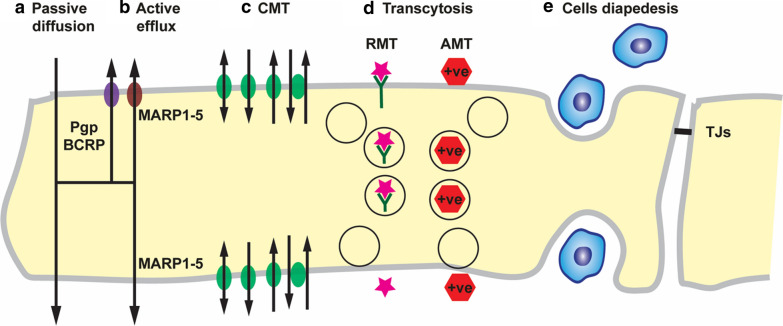
“In the adsorptive-mediated transcytosis (AMT), positively charged molecules interact with the negatively charged ECs, inducing transcytosis and their passage across the barrier.”
From Advances in Strategies to Transport Nanoparticles Across the Blood–Brain Barrier for Drug Delivery into the Brain for the Treatment of Alzheimer’s Disease (2026) · cites this paper as [5]
Experimental — accuracy not yet measuredThe cited source says what the claim attributes to it.
In the citing paper
“The BBB is a physical barrier that separates the CNS from the circulating blood and possesses unique properties for the CNS microvasculature [103].”
From Extracellular vesicles as nanotheranostic platforms for targeted neurological disorder interventions (2024) · cites this paper as [103]
The cited source says what the claim attributes to it.
In the citing paper
“Carrier-mediated transport (CMT) refers to the transport of a variety of molecules facilitated by membrane-bound proteins entitled solute carrier (SLC) transporters [5].”
The cited source says what the claim attributes to it.
In the citing paper
“On the other side, in the receptor-mediated transcytosis (RMT), specific molecules bind to their respective receptors present on the surface of these cells, triggering transcytosis, and their release to the brain environment by detaching from the receptor [5].”
1 more claim about this paper
Create a free account to see every claim other papers make about this one.
Self-check
Percentages, sums and reported differences re-computed from the paper’s own numbers.
The self-check needs the paper’s full text.
Citations
Cites
1 retracted
RETRACTED ARTICLE: Pericyte loss influences Alzheimer-like neurodegeneration in mice
Sagare, A. P., Bell, R. D., Zhao, Z., Ma, Q., Winkler, E. A., Ramanathan, A., & Zlokovic, B. V. (2013) · Nature Communications · doi:10.1038/ncomms3932 · Cited by 589 · cited 1×
“Furthermore, pericytes may display phagocyting functions helping with the removal of toxic metabolites [37].”
BackgroundRetracted(1982) · Trends in Neurosciences · doi:10.1016/0166-2236(82)90076-5 · Cited by 9,089
Astrocyte-endothelial interactions at the blood-brain barrier
Abbott, N. J., Rönnbäck, L., & Hansson, E. (2006) · Nature Reviews Neuroscience · doi:10.1038/nrn1824 · Cited by 5,595 · cited 6×
“As mentioned early, soluble factors released by many of the cell types associated with brain microvessels (including microglia and astrocytes) as well as nerve terminals adjacent to the endothelial extracellular matrix/basal lamina (such as vasoactive agents and cytokines) can modify tight junction assembly and barrie…”
BackgroundInfluentialAstrocytes: Biology and pathology
Sofroniew, M. V., & Vinters, H. V. (2010) · Acta Neuropathologica · doi:10.1007/s00401-009-0619-8 · Cited by 5,196 · cited 1×
“These latter include (1) compartmentalization of the neural parenchyma; (2) maintenance of the ionic homeostasis of the extracellular space; (3) pH regulation; (4) neurotransmitter uptake and processing by providing energy-rich substrates to the neurons; (5) mediation of signals from neurons to the vasculature [51].”
BackgroundStructure and function of the blood–brain barrier
Abbott, N. J., Patabendige, A. A. K., Dolman, D. E. M., Yusof, S. R., & Begley, D. J. (2010) · Neurobiology of Disease · doi:10.1016/j.nbd.2009.07.030 · Cited by 5,185 · cited 11×
“During embryonic angiogenesis, the differentiation of the endothelium into a functioning barrier layer begins and is maintained during adulthood by a close inductive association with other cell types within the NVU, as we mentioned early [2].”
BackgroundInfluentialHenry, M. A. (1995) · The Journal of the American Dental Association · doi:10.14219/jada.archive.1995.0108 · Cited by 3,416
Harold, D., Abraham, R., Hollingworth, P., Sims, R., Gerrish, A., Hamshere, M. L., Pahwa, J. S., Moskvina, V., Dowzell, K., Williams, A., et al. (2009) · Nature Genetics · doi:10.1038/ng.440 · Cited by 3,326
The Blood-Brain Barrier in Health and Chronic Neurodegenerative Disorders
Zlokovic, B. V. (2008) · Neuron · doi:10.1016/j.neuron.2008.01.003 · Cited by 3,280 · cited 1×
“However, specific neuroactive peptides [135], regulatory proteins, hormones, and growth factors get the use of RMT systems to cross the BBB [136].”
BackgroundGhose, A. K., Viswanadhan, V. N., & Wendoloski, J. J. (1999) · Journal of Combinatorial Chemistry · doi:10.1021/cc9800071 · Cited by 3,068 · cited 1×
“There are > 7000 drugs in the Comprehensive Medicinal Chemistry (CMC) database, and only 5% of these drugs treat the CNS [125].”
BackgroundNeurovascular pathways to neurodegeneration in Alzheimer’s disease and other disorders
Zlokovic, B. V. (2011) · Nature Reviews Neuroscience · doi:10.1038/nrn3114 · Cited by 2,969 · cited 8×
“Abbreviations BBB: Blood–brain barrier; CNS: Central nervous system; CSF: Cerebrospinal fluid; BCB: Blood–CSF barrier; ISF: Interstitial fluid; TJs: Tight junctions; P-gp: P-glycoprotein; BCRP: Breast cancer resistance protein; OATP: Organic anion transporting polypeptide; CYP 450: Cytochrome P450; BM: Basement membra…”
BackgroundInfluential
Research works printed but not linked: 1
- Benagiano V Virgintino D Maiorano E Rizzi A Palombo S Roncali L VIP-like immunoreactivity within neurons and perivascular neuronal processes of the human cerebral cortex Eur J Histochem 1996 40 1 53 56 8741100
Cited by
Items 401–500 of 1,004
Muller, S. M., Kufner, A., Dell’Orco, A., Rackoll, T., Mekle, R., Piper, S. K., Fiebach, J. B., Villringer, K., Flöel, A., Endres, M., et al. (2021) · Frontiers in Neurology · doi:10.3389/fneur.2021.730923 · Cited by 26
López-Ornelas, A., Jiménez, A., Pérez‐Sánchez, G., Rodríguez-Pérez, C. E., Corzo‐Cruz, A., Velasco, I., & Estudillo, E. (2022) · International Journal of Molecular Sciences · doi:10.3390/ijms231710136 · Cited by 25
“Three brain barriers protect and maintain the brain microenvironment: the arachnoid barrier, the blood-cerebrospinal fluid barrier, and the BBB [75,76].”
BackgroundCai, S., Li, Q., Fan, J., Zhong, H., Cao, L., & Duan, M. (2022) · Neurochemical Research · doi:10.1007/s11064-022-03824-5 · Cited by 24
Blood brain barrier-on-a-chip to model neurological diseases
Reshma, S. C., Megha, K. B., Amir, S., Rukhiya, S., & Mohanan, P. V. (2023) · Journal of Drug Delivery Science and Technology · doi:10.1016/j.jddst.2023.104174 · Cited by 24
Noorani, B., Chowdhury, E. A., Alqahtani, F., Ahn, Y., Nozohouri, E., Zoubi, S., Patel, D., Wood, L. M., Huang, J., Siddique, M. B., et al. (2023) · Journal of Pharmacology and Experimental Therapeutics · doi:10.1124/jpet.122.001281 · Cited by 25
Self-citationExploiting sound for emerging applications of extracellular vesicles
Wu, Z., Cai, H., Tian, C., Ao, Z., Jiang, L., & Guo, F. (2023) · Nano Research · doi:10.1007/s12274-023-5840-6 · Cited by 25
Functionalized nanoparticles crossing the brain–blood barrier to target glioma cells
Wu, Y., Qian, Y., Peng, W., & Qi, X. (2023) · PeerJ · doi:10.7717/peerj.15571 · Cited by 25
Terceiro, L. E. L., Ikeogu, N. M., de Lima, M. F., Edechi, C. A., Nickel, B. E., Fischer, G., Leygue, E., McManus, K. J., & Myal, Y. (2023) · International Journal of Molecular Sciences · doi:10.3390/ijms241512034 · Cited by 28
“Not only does the BBB control the permeability of the brain microenvironment to macromolecules, but it is also involved in transmitting signals and maintaining the homeostasis of the nervous system [33].”
BackgroundShaheryar, Z. A., Khan, M. A., Hameed, H., Zaidi, S. A. A., Anjum, İ., & Rahman, M. S. U. (2023) · European Journal of Pharmacology · doi:10.1016/j.ejphar.2023.175990 · Cited by 27
Chemotherapy in pediatric brain tumor and the challenge of the blood–brain barrier
Reza, M. J., Podany, A. T., Κhan, P., Shaffer, C. L., Siddiqui, J. A., Baranowska‐Kortylewicz, J., Lê, J., Fletcher, C. V., Ether, S. A., & Avedissian, S. N. (2023) · Cancer Medicine · doi:10.1002/cam4.6647 · Cited by 26
“65,67,68 The unique features of the BBB enable ionic homeostasis and optimal nutrition maintenance in the CNS. 69 There is passive permeability for essential water-soluble nutrients across the BBB, while other nutrients engage with specific transporters for nervous tissue requirements.”
BackgroundHan, Z., Yuan, M., Nguyen, N., Zhou, H.-C. “., Hubbard, J. E., & Wang, Y. (2024) · Coordination Chemistry Reviews · doi:10.1016/j.ccr.2024.215926 · Cited by 27
Feng, Y., Huang, Z., Ma, X., Zong, X., Tešić, V., Ding, B., Wu, C. Y., Lee, R. H., & Zhang, Q. (2024) · Antioxidants · doi:10.3390/antiox13060633 · Cited by 25
“…for the first time, provide novel insights into the role of PBMT in preventing cerebrovascular senescence in the peri-infarct microvasculature through eNOS phosphorylation and anti-DNA damage (Figure 8). in preventing cerebrovascular senescence in the peri-infarct microvasculature through eNOS…”
BackgroundCharge-switchable cell-penetrating peptides for rerouting nanoparticles to glioblastoma treatment
Mendes, M., Nunes, S. C. C., Cova, T. F. G. G., Branco, F., Dyrks, M., Koksch, B., Vale, N., Sousa, J., Pais, A. A. C. C., & Vitorino, C. (2024) · Colloids and Surfaces B Biointerfaces · doi:10.1016/j.colsurfb.2024.113983 · Cited by 24
“…pericytes, astrocytes, and efflux transporters) that (i) acts as a protective shield against pathogens and toxins, (ii) controls the influx and efflux of biological substances (nutrients, ions, or molecules), and (iii) regulates neurotransmitter levels, and consequently brain activity [3,4].”
Tissues: the unexplored frontier of antibody mediated immunity
Webb, N. E., Bernshtein, B., & Alter, G. (2021) · Current Opinion in Virology · doi:10.1016/j.coviro.2021.01.001 · Cited by 27
Sato, Y., Minami, K., Hirato, T., Tanizawa, K., Sonoda, H., & Schmidt, M. (2022) · Metabolic Brain Disease · doi:10.1007/s11011-021-00893-3 · Cited by 25
Genome Integrity and Neurological Disease
Scheijen, E. E. M., & Wilson, D. M. (2022) · International Journal of Molecular Sciences · doi:10.3390/ijms23084142 · Cited by 25
“In addition, the CNS is shielded from many circulating external factors, such as toxins, by the blood–brain barrier [18].”
BackgroundHypothalamic neuronal-glial crosstalk in metabolic disease
Nguyen, L. T., & Dodd, G. T. (2024) · npj Metabolic Health and Disease · doi:10.1038/s44324-024-00026-1 · Cited by 25
“Tightjunctionproteins include the claudin family members (occludins, claudins and junctional adhesion molecules), which localise to the plasma membrane to seal together neighbouring cells, supported by intracellular structural proteins such as zonula occludens (ZO) proteins 88,89 .”
The Mechanism and Latest Research Progress of Blood–Brain Barrier Breakthrough
Wang, F., Qi, L., Zhang, Z., Duan, H., Wang, Y., Zhang, K., & Li, J. (2024) · Biomedicines · doi:10.3390/biomedicines12102302 · Cited by 25
“BBB permeability is influenced by a number of physiological factors, such as cerebral blood flow, enzymatic activity, plasma protein binding, and efflux transporters like P-glycoprotein (P-gp) [35,36].”
BackgroundROS Regulation in CNS Disorder Therapy: Unveiling the Dual Roles of Nanomedicine
Quan, Z., Wang, S., Xie, H., Zhang, J., Duan, R., Li, M., & Zhang, J. (2024) · Small · doi:10.1002/smll.202410031 · Cited by 24
Assessing the impact of e-cigarettes on human barrier systems: A systematic review
Lupo, G., Anfuso, C. D., Smecca, G., Cosentino, A., Agafonova, A., Prinzi, C., Ferrauto, R. J., Turzo, S., Rapisarda, V., & Ledda, C. (2025) · Translational research · doi:10.1016/j.trsl.2025.01.001 · Cited by 26
“33 Other barriers, such as the blood-testis barrier, 34 skin, 35 mucosal surfaces, 36 placental barrier, 37 and gut barrier, 38 all have specialized roles in maintaining overall health and preventing disease.”
Application of Novel Drug‐Delivery Strategies in Neurological Disorders
Li, C., Yao, S., Li, Z., & Gao, Y. (2025) · Advanced Materials · doi:10.1002/adma.202503646 · Cited by 30
O’Halloran, L., Akinsete, O., Kogan, A. L., Wrona, M., & Mahdi, A. F. (2025) · Frontiers in Pharmacology · doi:10.3389/fphar.2025.1637602 · Cited by 26
The Breakdown of Neurovascular Barriers: Molecular Mechanisms of Tight Junction Dysfunction
Gopal, S. S., Kaur, M., Lanzkron, S., & Srivastava, A. K. (2025) · Molecular Neurobiology · doi:10.1007/s12035-025-05592-z · Cited by 26
“In the microvasculature of the brain, intact TJs play a crucial dual role in regulating permeability and maintaining barrier integrity [82].”
Altered Blood Brain Barrier Permeability and Oxidative Stress in Cntnap2 Knockout Rat Model
Memis, I., Mittal, R., Furar, E., White, I., Eshraghi, R. S., Mittal, J., & Eshraghi, A. A. (2022) · Journal of Clinical Medicine · doi:10.3390/jcm11102725 · Cited by 26
Schreiner, T. G., Creangă-Murariu, I., Tamba, B.-I., Lucanu, N., & Popescu, B. O. (2022) · Biomolecules · doi:10.3390/biom12081136 · Cited by 26
“Its complex cytoarchitecture provides a highly selective environment that allows a bidirectional but strictly controlled passage of different solutes between the brain and the systemic circulation [2].”
BackgroundNasyrova, R. F., Shnayder, N. A., Osipova, S. M., Khasanova, A. K., Efremov, I. S., Al-Zamil, M., Петрова, М. М., Narodova, E. A., Garganeeva, N. P., & Shipulin, G. A. (2023) · Genes · doi:10.3390/genes14051085 · Cited by 23
“Due to the presence of the BBB, circulating molecules do not have free access to the brain [18,19,22].”
Pan, F., Zhu, M., Liang, Y., Yuan, C., Zhang, Y., Wang, Y.-C., Fan, H., Waldor, M. K., & Ma, Z. (2023) · Proceedings of the National Academy of Sciences · doi:10.1073/pnas.2219435120 · Cited by 23
“The barrier is mainly formed by microvascular endothelial cells and astrocytes and provides a significant obstacle to the entry of not only drugs but also pathogens into the brain (12, 13).”
BackgroundSun, Y., Wang, S., Liu, B., Hu, W., & Zhu, Y. (2023) · International Journal of Molecular Sciences · doi:10.3390/ijms241310820 · Cited by 24
Kaur, S., Sehrawat, A., Mastana, S. S., Kandimalla, R., Sharma, P. K., Bhatti, G. K., & Bhatti, J. S. (2023) · Life Sciences · doi:10.1016/j.lfs.2023.121995
Astrocytes Are a Key Target for Neurotropic Viral Infection
Potokar, M., Zorec, R., & Jorgačevski, J. (2023) · Cells · doi:10.3390/cells12182307 · Cited by 26
“The BBB was first demonstrated by Paul Ehrlich in the late 1800s when he noticed that acidic dyes injected intravenously stained the tissues of the body but not the brain [19].”
BackgroundInfluentialJoshi, R., Missong, H., Mishra, J., Kaur, S., Saini, S., Kandimalla, R. J. L., Reddy, P. H., Babu, A. M., Bhatti, G. K., & Bhatti, J. S. (2023) · Journal of Drug Delivery Science and Technology · doi:10.1016/j.jddst.2023.105067 · Cited by 25
Munteanu, C., Iordan, D. A., Hoteteu, M., Popescu, C., POSTOIU, R. L., Onu, I., & Onose, G. (2023) · International Journal of Molecular Sciences · doi:10.3390/ijms242015481 · Cited by 24
“The brain’s microvasculature serves as a robust gateway, the blood–brain barrier (BBB), that protects the neural milieu from potential toxins [94].”
BackgroundRahban, M., Joushi, S., Bashiri, H., Saso, L., & Sheibani, V. (2024) · Frontiers in Chemistry · doi:10.3389/fchem.2023.1325214 · Cited by 25
Astroglial Cells: Emerging Therapeutic Targets in the Management of Traumatic Brain Injury
Czyżewski, W., Mazurek, M., Sakwa, L., Szymoniuk, M., Pham, J., Pasierb, B., Litak, J., Czyżewska, E., Turek, M., Piotrowski, B., et al. (2024) · Cells · doi:10.3390/cells13020148 · Cited by 25
Click3D: Click reaction across deep tissues for whole-organ 3D fluorescence imaging
Tamura, I., Sakamoto, D. M., Yi, B., Saito, Y., Yamada, N., Morimoto, J., Takakusagi, Y., Kuroda, M., Kubota, S. I., Yatabe, H., et al. (2024) · Science Advances · doi:10.1126/sciadv.ado8471 · Cited by 23
“The BBB strictly restricts the penetration of compounds into the brain parenchyma, generally allowing only small and lipophilic compounds to permeate ( 36 ).”
BackgroundSmall Scale, Big Impact: Nanotechnology-Enhanced Drug Delivery for Brain Diseases
Miao, K., Xia, X., Zou, Y., & Shi, B. (2024) · Molecular Pharmaceutics · doi:10.1021/acs.molpharmaceut.4c00387 · Cited by 24
Li, S., Zeng, F., Zhou, Q., Li, L., Lo, H., Chen, J., Fan, Z., Huang, G., & Nie, L. (2024) · Advanced Healthcare Materials · doi:10.1002/adhm.202403108 · Cited by 23
Puris, E., Saveleva, L., Maciel, I. D. S., Kanninen, K. M., Auriola, S. O. K., & Fricker, G. (2022) · Molecular Neurobiology · doi:10.1007/s12035-022-03111-y · Cited by 25
Schwinghamer, K., & Siahaan, T. J. (2023) · Journal of Nanotheranostics · doi:10.3390/jnt4040020 · Cited by 23
“The molecular permeability of the BBB is primarily hindered by brain capillary endothelial cells (BECs), while pericytes and astrocytes in the neurovascular unit (NVU) contribute to structural stability and release chemical factors that maintain BBB integrity [7–9].”
BackgroundPotential mechanisms of Treponema pallidum breaching the blood-brain barrier
Zhou, Y., Xie, Y., & Xu, M. (2024) · Biomedicine & Pharmacotherapy · doi:10.1016/j.biopha.2024.117478 · Cited by 22
Sleep deprivation-induced shifts in gut microbiota: Implications for neurological disorders
Wankhede, N. L., Kale, M. B., Kyada, A., Rekha, M. M., Chaudhary, K., Naidu, K. S., Rahangdale, S. R., Shende, P. V., Taksande, B. G., Khalid, M., et al. (2024) · Neuroscience · doi:10.1016/j.neuroscience.2024.11.070 · Cited by 24
Extracellular Vesicles From Preeclampsia Disrupt the Blood-Brain Barrier by Reducing CLDN5
Sandoval, H., Ibáñez, B., Contreras, M., Troncoso, F., Castro, F. O., Caamaño, D., Mendez, L., Escudero-Guevara, E., Nualart, F., Mistry, H. D., et al. (2024) · Arteriosclerosis Thrombosis and Vascular Biology · doi:10.1161/atvbaha.124.321077 · Cited by 22
Tashima, T. (2025) · Pharmaceutics · doi:10.3390/pharmaceutics17020201 · Cited by 22
“This is particularly evident for hydrophobic low-molecular-weight compounds and hydrophilic high-molecular-weight compounds, which cannot cross the blood–brain barrier (BBB) to enter the brain [12].”
Autophagy in alzheimer disease pathogenesis and its therapeutic values
Angst, G., Jia, N., Esqueda, L. T., Fan, Y., Cai, Q., & Wang, C. (2025) · Autophagy Reports · doi:10.1080/27694127.2025.2471677 · Cited by 27
Simões‐Pires, E. N., Torrente, D., Singh, P., Strickland, S., & Norris, E. H. (2025) · Alzheimer's & Dementia · doi:10.1002/alz.70119 · Cited by 21
“12,13 HumanstudieshavedemonstratedincreasedBBBpermeabil-ity in individuals with dementia as compared to those without.”
Wang, S., Song, H., Yin, C., & Huo, F. (2025) · Coordination Chemistry Reviews · doi:10.1016/j.ccr.2025.216940 · Cited by 23
Activatable small-molecule NIR fluorescent/photoacoustic probes for brain disease imaging
Zou, J., Kim, Y., Lee, Y., Hong, S. J., Lee, K., Zhang, F., Mao, Z., & Kim, J. S. (2025) · Coordination Chemistry Reviews · doi:10.1016/j.ccr.2025.217149 · Cited by 24
Meena, M., Vandormael, R., Laere, M. D., Pintelon, I., Berneman, Z. N., Watts, R., & Cools, N. (2022) · Brain Sciences · doi:10.3390/brainsci12101293 · Cited by 26
“K+ ion permeability has been widely studied in different BBB models since potassium homeostasis in known to control neuronal excitability but is also essential for the transmigration of macrophage across the BBB and is also involved in the modulation of BBB integrity and endothelial morphology [58,122,123].”
BackgroundDrug delivery to the brain – lipid nanoparticles-based approach
Gugleva, V., & Andonova, V. (2023) · Pharmacia · doi:10.3897/pharmacia.70.e98838 · Cited by 24
Dardet, J. P., Serrano, N., Andras, I. E., & Toborek, M. J. (2022) · Frontiers in Drug Delivery · doi:10.3389/fddev.2022.855017 · Cited by 22
“This group of enzymes can also cause oxidation of a large group of drugs, including antiepileptic drugs (Kadry et al., 2020).”
BackgroundInfluentialAdipose tissue as a therapeutic target for vascular damage in Alzheimer's disease
Bettinetti‐Luque, M., Trujillo‐Estrada, L., García‐Fuentes, E., Andreo‐Lopez, J., Sanchez-Varo, R. M., Garrido‐Sánchez, L., Mediavilla, A. G., López, M. G., García‐Caballero, M., Gutiérrez, A., et al. (2023) · British Journal of Pharmacology · doi:10.1111/bph.16243 · Cited by 24
“In the CNS, IL-6 is produced mainly by microglial cells, although astrocytes and ECs from brain microvessels can release significant amounts of this cytokine (Fabry et al., 1993; Lieberman et al., 1989).”
BackgroundInfluentialNuthikattu, S., Milenković, D., Norman, J., & Villablanca, A. C. (2023) · Biochimica et Biophysica Acta (BBA) - Molecular Basis of Disease · doi:10.1016/j.bbadis.2023.166970 · Cited by 22
Dufour, B. D., Bartley, T., McBride, E., Allen, E., McLennan, Y. A., Hagerman, R. J., & Martínez‐Cerdeño, V. (2024) · Annals of Neurology · doi:10.1002/ana.26851 · Cited by 23
“46 Surrounding the VECs and PCs is the glia limitans perivascularis, a basement membrane that contributes to vascular structural integrity which is created and regulated by astrocytes.”
BackgroundNanomodulators That Target Alzheimer’s Disease: A Review
Pradhan, N., & Jana, N. R. (2024) · ACS Applied Nano Materials · doi:10.1021/acsanm.3c04846 · Cited by 25
Su, Q., Su, C., Zhang, Y., Guo, Y., Liu, Y., Liu, Y., Yong, V. W., & Xue, M. (2024) · International Immunopharmacology · doi:10.1016/j.intimp.2024.111962 · Cited by 23
Anwarkhan, S., Koilpillai, J., & Narayanasamy, D. (2024) · Cureus · doi:10.7759/cureus.68419 · Cited by 22
Unlocking the Gates: Therapeutic Agents for Noninvasive Drug Delivery Across the Blood-Brain Barrier
Culkins, C., Adomanis, R., Phan, N., Robinson, B., Slaton, E. W., Lothrop, E., Chen, Y., & Kimmel, B. R. (2024) · Molecular Pharmaceutics · doi:10.1021/acs.molpharmaceut.4c00604 · Cited by 25
Getting closer to modeling the gut-brain axis using induced pluripotent stem cells
Hall, V. J., & Bendtsen, K. M. (2023) · Frontiers in Cell and Developmental Biology · doi:10.3389/fcell.2023.1146062 · Cited by 23
“The BBB protects the brain tissues from potentially harmful circulating substances, while simultaneously allowing neurotransmitters, oxygen, metabolites, glucose, and other intrinsic essentials to pass through (Kadry et al., 2020).”
BackgroundThe Blood–Brain Barrier in Health and Disease
Rihani, S. B. A., Batarseh, Y. S., & Kaddoumi, A. (2023) · International Journal of Molecular Sciences · doi:10.3390/ijms24119261 · Cited by 22
“This barrier plays a critical role in maintaining a stable and healthy environment for neurons to function by preventing the entry of harmful substances, such as toxins and pathogens, into the brain and removing brain waste products [1].”
BackgroundNanoparticles induced neurotoxicity
Tripathy, D. B., Pradhan, S., Gupta, A., & Agarwal, P. (2025) · Nanotoxicology · doi:10.1080/17435390.2025.2488310 · Cited by 21
“…altered surface characteristics, and given their dispersion at the cellular and tissues level, can traverse biological obstacles such as the blood-brain-barrier (BBB) and have potential adverse impacts on neural cells/tissues (Kadry, Noorani, and cucullo 2020, teleanu et al. 2019, wu et al. 2023).”
Yılmaz, H., & Bayraktutan, U. (2025) · Current Issues in Molecular Biology · doi:10.3390/cimb47040232 · Cited by 22
“As pericytes are embedded in the EC lining, any pathology affecting their numbers and function can also affect the integrity of the BBB [46,47].”
Brain delivery of biotherapeutics via receptor-mediated transcytosis across the blood–brain barrier
Boado, R. J. (2025) · RSC Pharmaceutics · doi:10.1039/d5pm00204d · Cited by 23
Edwards, N. C., Lao, P. J., Alshikho, M. J., Mazen, J., Huber, B. D., Hale, C., Berroa, J., Morel, N., Pacheco, A., Walker, S., et al. (2025) · Neurology · doi:10.1212/wnl.0000000000214220 · Cited by 21
Immunomodulatory effects of extracellular vesicles in glioblastoma
Low, J. J. W., Sulaiman, S. A., Johdi, N. A., & Abu, N. (2022) · Frontiers in Cell and Developmental Biology · doi:10.3389/fcell.2022.996805 · Cited by 21
“EC is also vital for the formation of the bloodbrain barrier (Kadry et al., 2020) yet a study by Treps et al.”
BackgroundNeto, J., Jantsch, J., Rodrigues, F. D. S., Squizani, S., Eller, S. C. W. D. S., de Oliveira, T. F., Silveira, A. K., Moreira, J. C. F., Giovenardi, M., Porawski, M., et al. (2022) · Physiology & Behavior · doi:10.1016/j.physbeh.2022.114068 · Cited by 23
Mamana, J., Humber, G. M., Espinal, E. R., Seo, S., Vollmuth, N., Sin, J., & Kim, B. J. (2023) · Frontiers in Cellular and Infection Microbiology · doi:10.3389/fcimb.2023.1171275 · Cited by 21
“Interestingly the CP has been described as a potential CNS access point for a number of viral pathogens including CVB3 (Falangola et al., 1995; Feuer et al., 2003; Tabor-Godwin et al., 2010; Schneider et al., 2012; Dahm et al., 2017; Dahm et al., 2018; Lauer et al., 2018; Jacob et al., 2020; Kim et al., 2020; O’hara e…”
BackgroundInfluentialYu, Y., Weiss, R. M., & Wei, S. (2024) · Journal of the American Heart Association · doi:10.1161/jaha.123.032533 · Cited by 22
“7,8 In normal circumstances, endothelial cells within the BBB exhibit minimal vesicular transport activity, thus constraining transcellular movement.”
Model construction and drug therapy of primary ovarian insufficiency by ultrasound-guided injection
Dai, F., Liu, H., He, J., Jing-lin, W., Yuan, C., Wang, R., Yuan, M., Yang, D., Deng, Z., Wang, L., et al. (2024) · Stem Cell Research & Therapy · doi:10.1186/s13287-024-03646-y · Cited by 21
“The reason may be that the blood–brain barrier blocks the penetration of drugs into the brain [16].”
BackgroundKomorowska, J., Wątroba, M., Bednarzak, M., Grabowska, A. D., & Szukiewicz, D. (2024) · International Journal of Molecular Sciences · doi:10.3390/ijms25063110 · Cited by 24
“Endothelial cells within the BBB are strictly connected with occlusion zones, without fenestrations [49].”
BackgroundBoylin, K., Aquino, G. V., Purdon, M., Abedi, K., Kasendra, M. J., & Barrile, R. (2024) · Biofabrication · doi:10.1088/1758-5090/ad4c08 · Cited by 23
Cheng, L., Zhang, Y., Lv, M., Huang, W., Zhang, K., Guan, Z., Feng, X., Yang, Y., Gao, Y., & Liu, X. (2024) · Ecotoxicology and Environmental Safety · doi:10.1016/j.ecoenv.2024.117016 · Cited by 22
Statins for vascular dementia: A hype or hope
Raja, H. G., Al-Kuraishy, H. M., Shokr, M. M., Al-Gareeb, A. I., Al‐Harchan, N. A., Alruwaili, M., Papadakis, M., Alexiou, A. T., & Batiha, G. E. (2024) · Neuroscience · doi:10.1016/j.neuroscience.2024.12.059 · Cited by 21
“In addition, the BBB conserves the homeostasis of brain micro-environment (Kadry et al., 2020) .”
Trajectory of Cardiogenic Dementia: A New Perspective
Alrawili, N. F., Al-Kuraishy, H. M., Al-Gareeb, A. I., Abdel‐Fattah, M. M., Al‐Harchan, N. A., Alruwaili, M., Papadakis, M., Alexiou, A. T., & Batiha, G. E. (2025) · Journal of Cellular and Molecular Medicine · doi:10.1111/jcmm.70345 · Cited by 21
Drug Delivery Systems and Strategies to Overcome the Barriers of Brain
Garg, Y., Kapoor, D. N., Sharma, A. K., & Bhatia, A. (2021) · Current Pharmaceutical Design · doi:10.2174/1381612828666211222163025 · Cited by 21
Wu, Q., Duan, W.-Z., Chen, J., Zhao, X.-P., Li, X., Liu, Y., Ma, Q., Xue, Z., & Chen, J. (2022) · Frontiers in Pharmacology · doi:10.3389/fphar.2022.843412 · Cited by 23
“Nevertheless, the BBB permits transmembrane diffusion of lipid soluble (lipophilic) molecules smaller than 400 Da and can selectively transport some compounds into and out of the brain (Sanchez-Covarrubias et al., 2014).”
BackgroundInfluentialRhabori, S. E., Aissouq, A. E., Chtita, S., & Khalil, F. (2022) · Anti-Cancer Drugs · doi:10.1097/cad.0000000000001318 · Cited by 21
Bessa, I. A. A., Cruz, J. V. R., Sousa, M. O. B., Marques, F. D., Archanjo, B. S., Rocco, M. L. M., Nascimento, V., Pinto, L. F. R., dos Santos, T. C., Costa, N. M. D., et al. (2025) · ACS Applied Nano Materials · doi:10.1021/acsanm.4c06995 · Cited by 20
Nowaczewska-Kuchta, A., Ksiazek-Winiarek, D. J., & Glabinski, A. R. (2025) · International Journal of Molecular Sciences · doi:10.3390/ijms26094437 · Cited by 22
“Under the right physiological conditions, the BBB is relatively impermeable [2].”
InfluentialHaro-Martínez, E., Muscolino, E., Moral, N., Durán, J., & Fornaguera, C. (2025) · Drug Delivery and Translational Research · doi:10.1007/s13346-025-01887-9 · Cited by 24
“One such mechanism is carrier-mediated transport (CMT), which is responsible for the uptake of a variety of compounds, including amino acids, carbohydrates, hormones, vitamins, and some drugs [17].”
Manothiya, P., Dash, D., & Koiri, R. K. (2025) · Medicine in Microecology · doi:10.1016/j.medmic.2025.100157 · Cited by 25
Abikenari, M. A., Sjöholm, M., Liu, J., Nageeb, G., Ha, J. H., Wu, J. Y., Ren, A. L., Sayadi, J. J., Lim, J., Cho, K. B., et al. (2025) · Frontiers in Physics · doi:10.3389/fphy.2025.1723329 · Cited by 21
Neuroimmune signaling at the brain borders
Frederick, N. M., Tavares, G. A., & Louveau, A. (2022) · Immunological Reviews · doi:10.1111/imr.13126 · Cited by 20
Babkina, A. S., Yadgarov, M. Y., Ostrova, I. V., Zakharchenko, V. E., Kuzovlev, A. N., Grechko, A. V., Lyubomudrov, M. A., & Golubev, A. M. (2022) · Current Issues in Molecular Biology · doi:10.3390/cimb44100332 · Cited by 20
“These events appear to be mediated by the release of soluble factors, including cytokines, VEGF, and NO [70].”
BackgroundZhou, Y.-T., Xu, Y.-N., Ren, X., & Zhang, X. (2023) · Food and Chemical Toxicology · doi:10.1016/j.fct.2023.113692 · Cited by 20
Cellular junction dynamics and Alzheimer’s disease: a comprehensive review
Asghari, K., Niknam, Z., Mohammadpour-Asl, S., & Chodari, L. (2024) · Molecular Biology Reports · doi:10.1007/s11033-024-09242-w · Cited by 20
“The main function of the BBB is to protect the brain from harmful substances and toxins while allowing essential nutrients and signaling molecules to pass through [66].”
Updates of the role of B-cells in ischemic stroke
Wu, S., Tabassum, S., Payne, C. T., Hu, H., Gusdon, A. M., Choi, H., & Ren, X. (2024) · Frontiers in Cellular Neuroscience · doi:10.3389/fncel.2024.1340756 · Cited by 16
Cogill, S. A., Lee, J.-H., Jeon, M., Kim, D.-G., & Chang, Y. (2024) · Cells · doi:10.3390/cells13100789 · Cited by 22
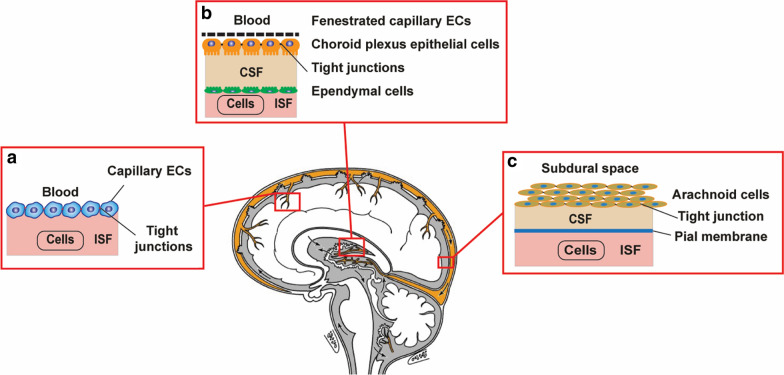
“Figure 1 below demonstrates the basic structure of the BBB. Structural changes in the BBB are related to autoimmune diseases such as MS and microvascular injuries such as strokes [17].”
BackgroundObende, S. O., Ochieng, C. O., Shikanga, E. A., Cruz, J. N., Santos, C. B. R., & Kimani, N. M. (2024) · South African Journal of Botany · doi:10.1016/j.sajb.2024.06.031 · Cited by 23
Banik, M., Ledray, A. P., Wu, Y., & Lu, Y. (2024) · ACS Central Science · doi:10.1021/acscentsci.4c00563 · Cited by 21
Claudin-5 Affects Endothelial Autophagy in Response to Early Hypoxia
Yu, P., Li, Y., Zhong, G., Li, W., Chen, B., & Zhang, J. (2021) · Frontiers in Physiology · doi:10.3389/fphys.2021.737474 · Cited by 21
Rhythms in barriers and fluids: Circadian clock regulation in the aging neurovascular unit
Skapetze, L., Owino, S., Lo, E. H., Arai, K., Merrow, M. W., & Harrington, M. E. (2023) · Neurobiology of Disease · doi:10.1016/j.nbd.2023.106120 · Cited by 20
“The transport of molecules across the blood-brain barrier is a bidirectional, energy-consuming process, and it is highly regulated in order to both protect neurons from harmful substances as well to remove metabolic waste- and by-products (Kadry et al., 2020).”
BackgroundInfluentialZhang, W., Oh, J.-H., Zhang, W., Rathi, S., Le, J., Talele, S., Sarkaria, J. N., & Elmquist, W. F. (2023) · Pharmaceutical Research · doi:10.1007/s11095-023-03574-1 · Cited by 19
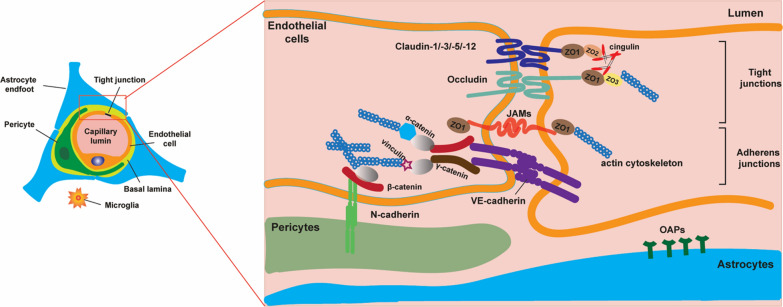
“These transmembrane proteins in ECs bind with the same type of proteins expressed on adjacent ECs (homophilic oligomerization) to form the seal of TJs, the lack of which can result in the loss of integrity of the BBB [23–25].”
The role of ABCG2 in health and disease: Linking cancer therapy resistance and other disorders
El‐Ashmawy, N. E., Al‐Ashmawy, G. M., Hamada, O. B., & Khedr, N. F. (2024) · Life Sciences · doi:10.1016/j.lfs.2024.123245 · Cited by 19
Cheon, S. Y., Cho, M. R., Kim, S. Y., & Koo, B. (2025) · Experimental Neurology · doi:10.1016/j.expneurol.2025.115146 · Cited by 20
Koh, H. J., & Joo, J. D. (2025) · Biomedicines · doi:10.3390/biomedicines13020506 · Cited by 19
Chitosan nanocarriers: A promising approach for glioblastoma therapy
Sarkar, P., Manna, A., Bera, S., Sen, O., Das, P., Nandi, G., & Manna, S. (2025) · Carbohydrate Polymers · doi:10.1016/j.carbpol.2025.123823 · Cited by 20
Early-life gut microbiome maturity regulates blood–brain barrier and cognitive development
Zemmel, Z. M., Fan, X., Yu, Y., Markiewicz, E. J., Tsai, H., Lu, L., Little, J., Ramaswamy, R., Andrews, B., Claud, E. C., et al. (2025) · Gut Microbes · doi:10.1080/19490976.2025.2551879 · Cited by 20
Impact of Textile-Derived Micro- and Nanoplastics on Brain Health: An Emerging Environmental Risk
Bayattork, M., Rahman, M., Hossain, M. I., Zhang, Y., Haque, A. N. M. A., Kim, B., & Naebe, M. (2026) · Environmental Science & Technology · doi:10.1021/acs.est.5c10338 · Cited by 20
Lei, Y., Xiao, T., Hu, X., & Lin, H. (2026) · Drugs in R&D · doi:10.1007/s40268-026-00538-9 · Cited by 22
Intergenerational Perioperative Neurocognitive Disorder
Ju, L.-S., Morey, T. E., Seubert, C. N., & Martynyuk, A. E. (2023) · Biology · doi:10.3390/biology12040567 · Cited by 21
Metadata
- Authors
- Kadry, H., Noorani, B., & Cucullo, L.
- Affiliations
- Texas Tech University Health Sciences Center (US)
- Oakland University (US)
- Corresponding author
- Cucullo, Luca
- Venue
- Fluids and Barriers of the CNS
- Published
- 2020-11-18
- Volume
- 17
- Issue
- 1
- Pages
- 69-69
- ISSN
- 2045-8118 (ISSN-L)
- PMC
- PMC7672931
- OpenAlex
- W3104682194
- Cited by
- 1,853
- References
- 266
- Citations by year
- 2026: 342 · 2025: 491 · 2024: 480 · 2023: 299 · 2022: 176 · 2021: 63
- FWCI
- 13.39
- Type
- journal article
- Language
- en
- Open access
- gold
- doi.org
- Licence
- cc-by
- creativecommons.org/licenses/by/4.0/ (tdm)
- creativecommons.org/licenses/by/4.0/ (vor)
- Locations
- Fluids and Barriers of the CNS (publishedVersion, cc-by)
- PubMed Central (publishedVersion, cc-by)
- PubMed (publishedVersion)
- DOAJ (DOAJ: Directory of Open Access Journals) (submittedVersion, cc-by-sa)
- Funders
- National Institute on Drug Abuse (2R01-DA029121-01A1, 1R01DA049737-01)
- National Institute of Neurological Disorders and Stroke (1R01NS117906-01)
- Topics
- Life Sciences › Neuroscience › Neurology › Barrier Structure and Function Studies
- Health Sciences › Medicine › Oncology › Drug Transport and Resistance Mechanisms
- Life Sciences › Biochemistry, Genetics and Molecular Biology › Molecular Biology › Ion Transport and Channel Regulation
- Keywords
- blood-brain barrier, blood-brain barrier integrity, blood-brain barrier disruption, shear stress, blood-brain barrier permeability, brain homeostasis, neurological disorders
- MeSH terms
- Biological Transport, Blood-Brain Barrier, Brain Diseases, Humans, Biomarkers
About these checks
Registry, retraction, Cites and statistics results are computed, not judged, with one exception: a printed reference that no index lists is read once by a model before it counts as a citation error. Claims are extracted by a model and kept only when their quote appears verbatim in the text; each cited source is then checked, with a model’s help, for whether it says what the claim relies on. Those verdicts can be wrong — read the claim’s quote and the cited source before relying on one.
Statistics and arithmetic are recomputed, not judged.
Confidence bands are shown only for fields calibrated on our annotated test set. None is calibrated yet, so no band is shown.
What counts as a claim ›How we measure confidence ›How we check this ›
Are you an author, or do you see a problem with this page? Request a review
Data sources
Bibliographic data: Semantic Scholar, OpenAlex, Crossref.
Contains information from the Semantic Scholar Academic Graph Datasets, made available under the ODC Attribution License (ODC-BY 1.0).
Semantic Scholar’s data is described in: Kinney, R., et al. (2023). The Semantic Scholar Open Data Platform. arXiv:2301.10140.
