

A blood–brain barrier overview on structure, function, impairment, and biomarkers of integrity
Open accessThe DOI matches its Crossref record; 269 of the 269 references it cites were found in a registry or an index.
Abstract
The blood–brain barrier is playing a critical role in controlling the influx and efflux of biological substances essential for the brain’s metabolic activity as well as neuronal function. Thus, the functional and structural integrity of the BBB is pivotal to maintain the homeostasis of the brain microenvironment. The different cells and structures contributing to developing this barrier are summarized along with the different functions that BBB plays at the brain–blood interface. We also explained the role of shear stress in maintaining BBB integrity. Furthermore, we elaborated on the clinical aspects that correlate between BBB disruption and different neurological and pathological conditions. Finally, we discussed several biomarkers that can help to assess the BBB permeability and integrity in-vitro or in-vivo and briefly explain their advantages and disadvantages.
Overview
The claims and statistics of this paper haven’t been checked yet.
Free: it reads the open-access text and checks the first 5 claims that cite a source we can check. Create a free account to check every claim.
Integrity signals
Registry
Cites
Statistics
Figures
Verification
Claims the paper makes
The claims and statistics of this paper haven’t been checked yet.
Free: it reads the open-access text and checks the first 5 claims that cite a source we can check. Create a free account to check every claim.
Claims other papers make about this one
Each is checked against this paper’s own text: does it say what the citing paper says it does?
The source backs part of the claim, not all of it — or backs it for a different population, condition or comparison.
In the citing paper
“These barriers include the blood–cerebrospinal fluid (blood–CSF) barrier, the blood–retinal barrier, the blood–spinal cord barrier, and the BBB. Among these, the latter is the most extensive and exclusive [5].”
From Advances in Strategies to Transport Nanoparticles Across the Blood–Brain Barrier for Drug Delivery into the Brain for the Treatment of Alzheimer’s Disease (2026) · cites this paper as [5]
Experimental — accuracy not yet measuredThe source backs part of the claim, not all of it — or backs it for a different population, condition or comparison.
In the citing paper
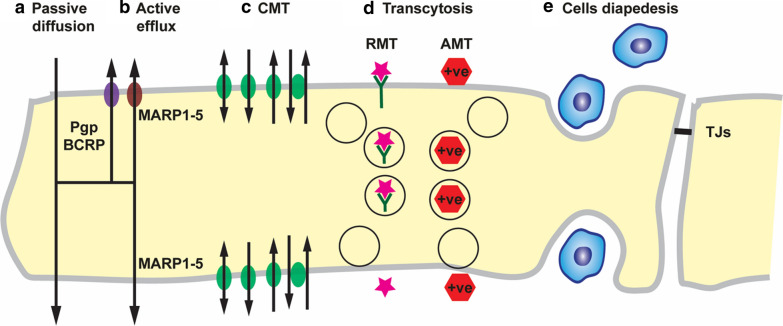
“In the adsorptive-mediated transcytosis (AMT), positively charged molecules interact with the negatively charged ECs, inducing transcytosis and their passage across the barrier.”
From Advances in Strategies to Transport Nanoparticles Across the Blood–Brain Barrier for Drug Delivery into the Brain for the Treatment of Alzheimer’s Disease (2026) · cites this paper as [5]
Experimental — accuracy not yet measuredThe cited source says what the claim attributes to it.
In the citing paper
“The BBB is a physical barrier that separates the CNS from the circulating blood and possesses unique properties for the CNS microvasculature [103].”
From Extracellular vesicles as nanotheranostic platforms for targeted neurological disorder interventions (2024) · cites this paper as [103]
The cited source says what the claim attributes to it.
In the citing paper
“Carrier-mediated transport (CMT) refers to the transport of a variety of molecules facilitated by membrane-bound proteins entitled solute carrier (SLC) transporters [5].”
The cited source says what the claim attributes to it.
In the citing paper
“On the other side, in the receptor-mediated transcytosis (RMT), specific molecules bind to their respective receptors present on the surface of these cells, triggering transcytosis, and their release to the brain environment by detaching from the receptor [5].”
1 more claim about this paper
Create a free account to see every claim other papers make about this one.
Self-check
Percentages, sums and reported differences re-computed from the paper’s own numbers.
The self-check needs the paper’s full text.
Citations
Cites
1 retracted
RETRACTED ARTICLE: Pericyte loss influences Alzheimer-like neurodegeneration in mice
Sagare, A. P., Bell, R. D., Zhao, Z., Ma, Q., Winkler, E. A., Ramanathan, A., & Zlokovic, B. V. (2013) · Nature Communications · doi:10.1038/ncomms3932 · Cited by 589 · cited 1×
“Furthermore, pericytes may display phagocyting functions helping with the removal of toxic metabolites [37].”
BackgroundRetracted(1982) · Trends in Neurosciences · doi:10.1016/0166-2236(82)90076-5 · Cited by 9,089
Astrocyte-endothelial interactions at the blood-brain barrier
Abbott, N. J., Rönnbäck, L., & Hansson, E. (2006) · Nature Reviews Neuroscience · doi:10.1038/nrn1824 · Cited by 5,595 · cited 6×
“As mentioned early, soluble factors released by many of the cell types associated with brain microvessels (including microglia and astrocytes) as well as nerve terminals adjacent to the endothelial extracellular matrix/basal lamina (such as vasoactive agents and cytokines) can modify tight junction assembly and barrie…”
BackgroundInfluentialAstrocytes: Biology and pathology
Sofroniew, M. V., & Vinters, H. V. (2010) · Acta Neuropathologica · doi:10.1007/s00401-009-0619-8 · Cited by 5,196 · cited 1×
“These latter include (1) compartmentalization of the neural parenchyma; (2) maintenance of the ionic homeostasis of the extracellular space; (3) pH regulation; (4) neurotransmitter uptake and processing by providing energy-rich substrates to the neurons; (5) mediation of signals from neurons to the vasculature [51].”
BackgroundStructure and function of the blood–brain barrier
Abbott, N. J., Patabendige, A. A. K., Dolman, D. E. M., Yusof, S. R., & Begley, D. J. (2010) · Neurobiology of Disease · doi:10.1016/j.nbd.2009.07.030 · Cited by 5,185 · cited 11×
“During embryonic angiogenesis, the differentiation of the endothelium into a functioning barrier layer begins and is maintained during adulthood by a close inductive association with other cell types within the NVU, as we mentioned early [2].”
BackgroundInfluentialHenry, M. A. (1995) · The Journal of the American Dental Association · doi:10.14219/jada.archive.1995.0108 · Cited by 3,416
Harold, D., Abraham, R., Hollingworth, P., Sims, R., Gerrish, A., Hamshere, M. L., Pahwa, J. S., Moskvina, V., Dowzell, K., Williams, A., et al. (2009) · Nature Genetics · doi:10.1038/ng.440 · Cited by 3,326
The Blood-Brain Barrier in Health and Chronic Neurodegenerative Disorders
Zlokovic, B. V. (2008) · Neuron · doi:10.1016/j.neuron.2008.01.003 · Cited by 3,280 · cited 1×
“However, specific neuroactive peptides [135], regulatory proteins, hormones, and growth factors get the use of RMT systems to cross the BBB [136].”
BackgroundGhose, A. K., Viswanadhan, V. N., & Wendoloski, J. J. (1999) · Journal of Combinatorial Chemistry · doi:10.1021/cc9800071 · Cited by 3,068 · cited 1×
“There are > 7000 drugs in the Comprehensive Medicinal Chemistry (CMC) database, and only 5% of these drugs treat the CNS [125].”
BackgroundNeurovascular pathways to neurodegeneration in Alzheimer’s disease and other disorders
Zlokovic, B. V. (2011) · Nature Reviews Neuroscience · doi:10.1038/nrn3114 · Cited by 2,969 · cited 8×
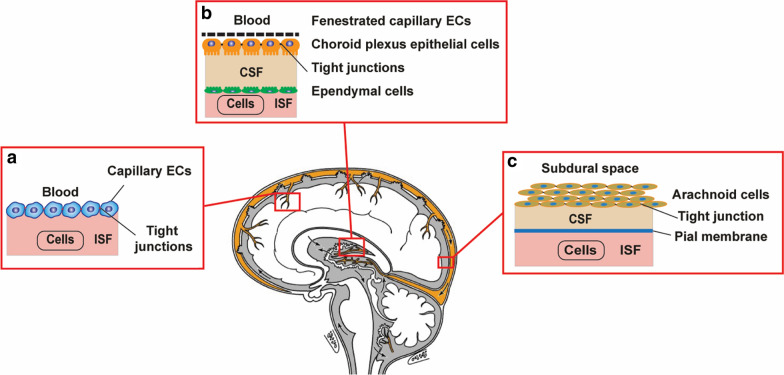
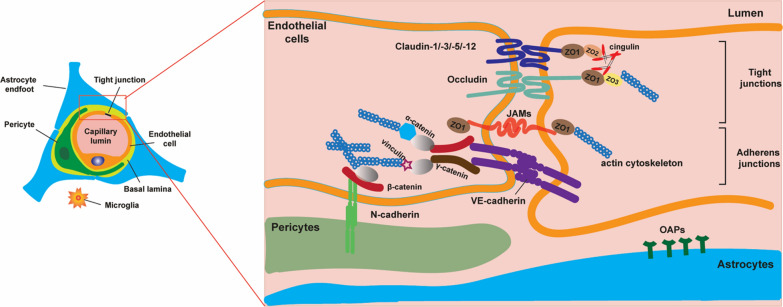
“Abbreviations BBB: Blood–brain barrier; CNS: Central nervous system; CSF: Cerebrospinal fluid; BCB: Blood–CSF barrier; ISF: Interstitial fluid; TJs: Tight junctions; P-gp: P-glycoprotein; BCRP: Breast cancer resistance protein; OATP: Organic anion transporting polypeptide; CYP 450: Cytochrome P450; BM: Basement membra…”
BackgroundInfluential
Research works printed but not linked: 1
- Benagiano V Virgintino D Maiorano E Rizzi A Palombo S Roncali L VIP-like immunoreactivity within neurons and perivascular neuronal processes of the human cerebral cortex Eur J Histochem 1996 40 1 53 56 8741100
Cited by
Items 801–900 of 1,004
Bao, Y., & Lu, W. (2023) · Expert Opinion on Drug Delivery · doi:10.1080/17425247.2023.2193390 · Cited by 10
“It is worth noting that the BBB develops seven main mechanisms in order to perform its normal physiological function of substance transports [12,13,15,17,23,27]: (i) transcellular diffusion: lipid-soluble small molecules (e.g. oxygen, carbon dioxide, anesthetics, alcohol, steroid hormones, etc.)…”
BackgroundInfluentialThe Therapeutic Role of Nanoparticle Shape in Traumatic Brain Injury : An in vitro Comparative Study
Youn, D. H., Jung, H., Tran, N. M., Jeon, J. P., & Yoo, H. (2022) · Journal of Korean Neurosurgical Society · doi:10.3340/jkns.2021.0185 · Cited by 10
KRASG12C Inhibitors in Non-Small Cell Lung Cancer: A Review
Tang, M., Wu, Y., Bai, X., & Lü, Y. (2024) · OncoTargets and Therapy · doi:10.2147/ott.s473368 · Cited by 9
“10 In addition, the BBB prevents drugs from passively permeating through the high levels of expressed efflux transporters and tight intracellular junctions.”
BackgroundThe canine blood-brain barrier in health and disease: focus on brain protection
Bassalo, D., Matthews, S. G., & Bloise, E. (2025) · Veterinary Quarterly · doi:10.1080/01652176.2025.2450041 · Cited by 10
“The BBB regulates the transfer of ions, nutrients, oxygen, toxins, drugs, and pathogens between the bloodstream and the CNS; not only ensuring that essential compounds enter the brain, but also effectively preventing the transfer of harmful molecules/agents into the CNS (Kadry et al. 2020).”
Biological Barrier Models-on-Chips: A Novel Tool for Disease Research and Drug Discovery
Caragnano, G., Monteduro, A. G., Rizzato, S., Giannelli, G., & Maruccio, G. (2025) · Biosensors · doi:10.3390/bios15060338 · Cited by 12
“In this way, the BBB performs a protective action against pathogens and harmful substances while maintaining brain homeostasis [34–36] but also represents a relevant barrier for drug delivery.”
Yang, L. G., Zou, Y., Fan, J., Yin, P., Qin, H., Li, Z., Wu, F., Li, X., Teng, H., Zhang, Y., et al. (2025) · Pharmaceuticals · doi:10.3390/ph18060816 · Cited by 11
“Moreover, interspecies differences in blood–brain barrier (BBB) permeability between mice and humans may reduce the bioavailability of WA in clinical settings [62–64], even though it can cross the BBB in mice [22].”
RETRACTED: Transferrin-guided liposomal nanocarriers: A strategy for targeted cancer treatment
Saeed, M., Altamash, M., Almoyad, M. A. A., Wahab, S., Gupta, G., Goh, K. W., & Kesharwani, P. (2025) · International Journal of Biological Macromolecules · doi:10.1016/j.ijbiomac.2025.145377 · Cited by 9
RetractedGlia-derived noncanonical fatty acid binding protein modulates brain lipid storage and clearance
Yin, J., Chen, H.-L., Grigsby-Brown, A., He, Y., Cotten, M. L., Short, J., Dermady, A., Lei, J., Gibbs, M., Cheng, E. S., et al. (2025) · Science Advances · doi:10.1126/sciadv.adv2902 · Cited by 11
Network spreading and local biological vulnerability in amyotrophic lateral sclerosis
Farahani, A., Hansen, J. Y., Bazinet, V., Shafiei, G., Collins, D. L., Dadar, M., Kalra, S., Dagher, A., & Mišić, B. (2025) · Communications Biology · doi:10.1038/s42003-025-08561-3 · Cited by 11
“Endothelial cells are single-layer cells lining the blood vessels [64].”
Alaseem, A. M., & Alrehaili, J. A. (2025) · Medical Oncology · doi:10.1007/s12032-025-02984-y · Cited by 9
“The distinct anatomy of BBB is a well-organized neurovascular unit, primarily consisting of cerebrovascular endothelial cells, tight junctions, pericytes, astrocytic endfeet, and a basal lamina [36].”
Pathogenic breaches: how viruses compromise blood-tissue barriers
Apoorva, & Singh, S. K. (2025) · Tissue Barriers · doi:10.1080/21688370.2025.2549020 · Cited by 12
“7,8,120 Similar to the BBB, BRB is made up of pigmented epithelial cells.”
Reetz, L., Ghanam, J., Chetty, V. K., Barthel, L., Tippelt, S., Fleischhack, G., Böckmann, M., Reinhardt, K., & Thakur, B. K. (2025) · International Journal of Molecular Sciences · doi:10.3390/ijms26199279 · Cited by 10
“In a physiological state, the BBB is an extremely selective and semipermeable barrier of endothelial cells, regulating the transfer of chemicals and solutes between the circulatory system and the CNS [9].”
Ajayi, E. D., Elazazy, M., Abouzid, K. A. M., & Ali, H. I. (2025) · European Journal of Medicinal Chemistry · doi:10.1016/j.ejmech.2025.118219 · Cited by 9
Chen, Y., Sun, X., Xi, Y., Luo, Z., Lai, H., Zhu, D., Zhang, Y., Xu, F., Li, J., Zhou, J., et al. (2025) · Acta Pharmaceutica Sinica B · doi:10.1016/j.apsb.2025.10.016 · Cited by 10
“Considering the harsh requirements of diffusion and passive transportation, only gases like oxygen and carbon dioxide, as well as lipophilic drugs with small molecular weights 400 Da, are granted free passage through BBB 35 .”
Li, C., Wang, H., Lin, X., Zeng, G., Li, X., Chen, W., Lu, H., Pan, J., Zhang, X., Rong, X., et al. (2025) · Communications Biology · doi:10.1038/s42003-025-09235-w · Cited by 10
“Additionally, our study also examined the endothelial cell tight junction proteins closely related to the BBB: ZO-1, occludin, and claudin-5, where ZO-1 is a cytoplasmic protein and occludin and claudin-5aretransmembraneproteins 10 .”
De, R., Shi, S., & Kim, K. (2025) · Advanced Science · doi:10.1002/advs.202517004 · Cited by 20
The significance of trained immunity in cancer
Qu, J., Guo, X., Wang, X., Meng, H., Li, P., & Sun, Z. (2025) · Frontiers in Immunology · doi:10.3389/fimmu.2025.1665099 · Cited by 9
Nguyen, T., Rana, M. M., Mukta, F. T., Zhan, C., & Nguyen, D. D. (2026) · Molecular Systems Design & Engineering · doi:10.1039/d5me00175g · Cited by 9
Purwaningsih, I., Maksum, I. P., Sumiarsa, D., & Sriwidodo, S. (2025) · Journal of Toxicology · doi:10.1155/jt/7251602 · Cited by 12
Yang, J., Tang, N., Dai, R., Chen, J., Li, Z., Jiang, F., Li, S., & Meng, Q. (2026) · Molecular Neurobiology · doi:10.1007/s12035-025-05650-6 · Cited by 9
Apolipoprotein E4 in Alzheimer’s Disease: Role in Pathology, Lipid Metabolism, and Drug Treatment
Al-Ghraiybah, N. F., Alkhalifa, A. E., Itokazu, Y., Farr, T., Pérez, N., Ali, H., & Kaddoumi, A. (2026) · International Journal of Molecular Sciences · doi:10.3390/ijms27021004 · Cited by 11
“Collectively, these components uphold brain homeostasis by preventing the infiltration of blood-borne toxins, selectively mediating the transport of nutrients, and facilitating waste removal [47–49].”
Toxoplasma rhoptry proteins that affect encephalitis outcome
Wang, X., Qu, L., Chen, J., Jin, Y., Hu, K., Zhou, Z., Zhang, J., An, Y., & Zheng, J. (2023) · Cell Death Discovery · doi:10.1038/s41420-023-01742-1 · Cited by 9
“ROP29 has been recommended as a vaccine candidate for toxoplasmosis [20].”
BackgroundFujii, T., Nakano, Y., Hagita, D., Onishi, N., Endo, A., Nakagawa, M., Yoshiura, T., Otsuka, Y., Takeuchi, S., Suzuki, M., et al. (2023) · Cancers · doi:10.3390/cancers16010009 · Cited by 9
“…the treatment of gliomas that are highly refractory to various chemotherapeutic agents and where blood–brain barrier-mediated impaired drug delivery to the intracranial tumor tissue is an issue [47], multiple targets and their candidate drugs may increase the chances of overcoming these problems.”
BackgroundZhou, L., Godse, S., Sinha, N., Kodidela, S., Singh, U. P., & Kumar, S. (2024) · Pharmaceutics · doi:10.3390/pharmaceutics16040555 · Cited by 10
“…the brain’s homeostasis, features tight junctions and drug efflux transporters, such as multidrug-resistance protein 1 (MRP1) and P-glycoprotein (P-gp) along with cytochrome P450 (CYP) enzymes, which significantly restrict the permeability and bioavailability of ART drugs to the brain [10–13].”
BackgroundKumar, V., Banerjee, A., & Roy, K. (2024) · Molecular Systems Design & Engineering · doi:10.1039/d4me00056k · Cited by 10
Thomas, D. C., Deichmann, R., Nöth, U., Langkammer, C., Ferreira, M., Golbach, R., Hattingen, E., & Wenger, K. J. (2024) · Neuro-Oncology Advances · doi:10.1093/noajnl/vdae117 · Cited by 9
“9,10 16 T1 is by far the most robust of all quantitative MRI parameters, provided careful consideration is given to the correction of all the biases in the mapping procedure.”
BackgroundArgueta, D. L., Brice, K. N., Wu‐Chung, E. L., Chen, M. A., Lai, V., Paoletti, J., Denny, B. T., Green, C., Medina, L. D., Schulz, P. E., et al. (2024) · Psychoneuroendocrinology · doi:10.1016/j.psyneuen.2024.107140 · Cited by 11
Brain-to-blood transport of fluorescein in vitro
Schoknecht, K., & Eilers, J. (2024) · Scientific Reports · doi:10.1038/s41598-024-77040-2 · Cited by 9
“We investigated whether fluorescein, a BBB tracer often applied i.v. 25,28,33 , is subject to efflux, i.e. is exported from the brain parenchyma to blood vessels in vitro .”
BackgroundWagemann, O., Nübling, G., Martínez-Murcia, F. J., Wlasich, E., Loosli, S. V., Sandkühler, K., Stockbauer, A., Prix, C., Katzdobler, S., Petrera, A., et al. (2025) · Alzheimer s & Dementia · doi:10.1002/alz.70040 · Cited by 9
“29,38,39 Analyzing PPI, large clusters related to enhanced processes such as regulation of leucocyte proliferation, cytokine production, synaptic function, and lipid metabolism in DS.”
A Safe MRI- and PET-guided Method for Increasing Osmotic Blood-Brain Barrier Permeability
Qiao, G., Chu, C., Gulisashvili, D., Sharma, S., Kalkowski, L., Fadon-Padilla, L., Ostovitz, J., Lesniak, W. G., Deredge, D. J., Walczak, M., et al. (2025) · Radiology · doi:10.1148/radiol.243396 · Cited by 9
Noorani, B., Cucullo, L., Ahn, Y., Kadry, H., Bhalerao, A., Raut, S., Nozohouri, E., & Chowdhury, E. A. (2022) · Current Neuropharmacology · doi:10.2174/1570159x20666220706112711 · Cited by 9
“BBB plays a vital function in protecting the CNS from undesired endogenous or exogenous molecules and maintaining the homeostasis of the brain environment for optimal neuronal activity [92].”
BackgroundInfluentialSelf-citationThe specific DNA methylation landscape in focal cortical dysplasia ILAE type 3D
Wang, D., Katoch, M., Jabari, S., Blümcke, I., Blumenthal, D. B., Lu, D., Coras, R., Wang, Y., Shi, J., Zhou, W., et al. (2023) · Acta Neuropathologica Communications · doi:10.1186/s40478-023-01618-6 · Cited by 9
“With its established role in gene regulation, DNA methylation has further received attention as disease mechanism contributing to the pathogenesis of epilepsy and associated structural brain lesions [20–22].”
BackgroundNanomedicine strategies for central nervous system (CNS) diseases
Nagri, S., Rice, O., & Chen, Y. (2023) · Frontiers in Biomaterials Science · doi:10.3389/fbiom.2023.1215384 · Cited by 9
“…by (Sofroniew and Vinters, 2010; Jo et al., 2013; Cabezas et al., 2014; Daneman and Prat, 2015; Serlin et al., 2015; Herland et al., 2016; Stephen and Barrand, 2016; Dong, 2018; Gastfriend et al., 2018; Ayloo and Gu, 2019; Kim et al., 2019; Kadry et al., 2020; Galea, 2021; Rice et al., 2022)).”
BackgroundBlood–Brain Barrier Permeability: Is 5-Hydroxytryptamine Receptor Type 4 a Game Changer?
Becker, G., Silva, S. D., Sabo, A.-N., Antal, M. C., Kemmel, V., & Monassier, L. (2021) · Pharmaceutics · doi:10.3390/pharmaceutics13111856 · Cited by 9
“substances circulating in the blood and to control the flow of substances required for brain function [2].”
BackgroundMulti-omic analysis reveals the unique glycan landscape of the blood-brain barrier glycocalyxPreprint
Larsen, R. O., Kucharz, K., Aydin, S., Micael, M. K. B., Choudhury, B., Paulchakrabarti, M., Lønstrup, M., Lin, D., Abeln, M., Münster-Kühnel, A., et al. (2025) · bioRxiv (Cold Spring Harbor Laboratory) · doi:10.1101/2025.04.07.645297 · Cited by 9
Tsap, M. I., Yatsenko, A. S., Hegermann, J., Beckmann, B., Tsikas, D., & Shcherbata, H. R. (2024) · eLife · doi:10.7554/elife.98020 · Cited by 8
“The BBB is formed by microvascular endothelial cells lining the cerebral capillaries penetrating the brain and spinal cord of most mammals and other organisms with a well-developed CNS ( Kadry et al., 2020 ).”
BackgroundGarcía‐Bonilla, M., Yahanda, A. T., Isaacs, A. M., Baksh, B. S., Akbari, S. H. A., Botteron, H. E., Morales, D. M., Han, R. H., McAllister, J. P., Mathur, A., et al. (2024) · Fluids and Barriers of the CNS · doi:10.1186/s12987-024-00512-0 · Cited by 9
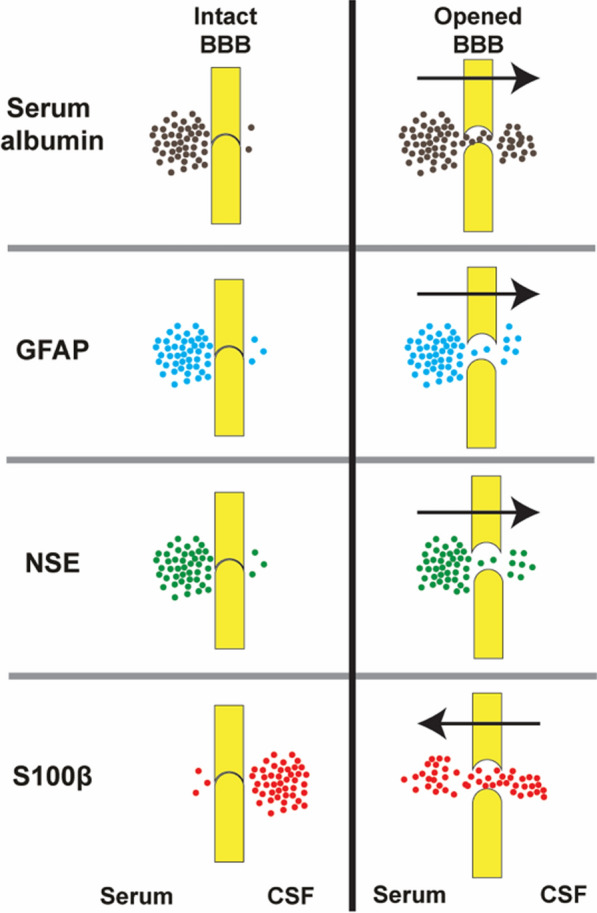
“Also, a compromised BBB may result in increased CSF protein levels as well as elevated total cell count [37].”
BackgroundProgresses in the establishment, evaluation, and application of in vitro blood–brain barrier models
Yin, P., & Wang, X. (2024) · Journal of Neuroscience Research · doi:10.1002/jnr.25359 · Cited by 8
“The BBB plays an important role in controlling the influx and outflux of blood-borne substances, blocking pathogens and harmful substances, and ensuring the normal metabolic activity and function of the brain (Coucha et al., 2018; Kadry et al., 2020).”
BackgroundPooni, R., Zheng, W., Ma, M., Silverman, M. A., Xie, Y., Farhadian, B., Thienemann, M., Mellins, E., & Frankovich, J. (2024) · Frontiers in Behavioral Neuroscience · doi:10.3389/fnbeh.2024.1342486 · Cited by 8
“Abnormalities of CSF total protein and albumin quotient may reflect changes in permeability of the BBB; however, these tests are insensitive if the BBB disruption is limited to a small area (i.e., localized inflammation) (Kadry et al., 2020; Galea, 2021).”
BackgroundLao, D., Gong, Z., Li, T., Mo, X., & Huang, W. (2024) · Neurochemical Research · doi:10.1007/s11064-024-04270-1 · Cited by 9
“Since occludin and ZO-1 are the major proteins involved in TJ formation [4], western blot and qRT-PCR analysis were performed to determine the expression levels of occludin and ZO-1.”
InfluentialIsolating Astrocyte-Derived Extracellular Vesicles From Urine
Xie, X., Chen, M., Xu, S., Mei, J., Yang, Q. K., Wang, C., Lyu, H., Gong, Q., & Liu, Z. (2025) · International Journal of Nanomedicine · doi:10.2147/ijn.s492381 · Cited by 8
To splice or not to splice: pseudoexons in neurological disease and opportunities for intervention
Fletcher, S., Keegan, N., Mejzini, R., & Pitout, I. L. (2025) · Current Opinion in Genetics & Development · doi:10.1016/j.gde.2025.102343 · Cited by 8
Neuroadaptation in neurodegenerative diseases: compensatory mechanisms and therapeutic approaches
Kopalli, S. R., Behl, T., Baldaniya, L. H., Ballal, S., Joshi, K. K., Arya, R., Chaturvedi, B., Chauhan, A. S., Verma, R. K., Patel, M., et al. (2025) · Progress in Neuro-Psychopharmacology and Biological Psychiatry · doi:10.1016/j.pnpbp.2025.111375 · Cited by 8
Wu, Y., Sun, C., Jin, K., & Dong, C. (2025) · International Journal of Nanomedicine · doi:10.2147/ijn.s517928 · Cited by 9
“110,111 However, their effectiveness is limited by the BBB. Nanoparticles encapsulating these inhibitors facilitate improved delivery to brain metastases, enhancing drug transport across the BBB and activating the immune response at the tumor site.”
Arcos-Encarnación, B., Cortes-Flores, E., Barón-Mendoza, I., Almazán, J. L., Valle‐García, D., de León‐Guerrero, S. D., Hovan, L., Meza‐Sosa, K. F., Camacho‐Concha, N., Gil, J., et al. (2025) · Journal of Neuroinflammation · doi:10.1186/s12974-025-03426-2 · Cited by 9
“Remarkable examples of such diseases encompass Parkinson’s disease, Huntington’s disease, vascular dementia, frontotemporal dementia, and Alzheimer’s disease (AD) [1, 2].”
Li, C., Ma, W., Shen, H., Hou, Z., Chen, J., Yang, L., & Sun, W. Y. (2025) · Colloids and Surfaces B Biointerfaces · doi:10.1016/j.colsurfb.2025.115059 · Cited by 9
Okai, T., Sato, S., Yasuno, H., Nakayama, M., Yamamoto, S., Sjöqvist, S., Otake, K., Nakashima, M., Deshpande, M., Galbreath, E. J., et al. (2025) · Molecular Therapy — Methods & Clinical Development · doi:10.1016/j.omtm.2025.101593 · Cited by 9
“1 As delivery method direct cerebrospinal fluid (CSF) delivery has been explored to target AAVs to the CNS, including intrathecal (IT/lumbar puncture), intracerebroventricular (ICV), and intra-cisterna magna (ICM).”
Stress-induced regional characteristics of the blood-brain barrier
Zhou, M.-Y., Xie, F., Zhao, Y. F., Wang, X., Sun, Z., & Qian, L. (2025) · Brain Research Bulletin · doi:10.1016/j.brainresbull.2025.111548 · Cited by 9
The therapeutic efficacy of nanoparticles in the treatment of alzheimer’s disease
Ntondini, T. L., Naki, T., & Alven, S. (2025) · Acta Neurologica Belgica · doi:10.1007/s13760-025-02905-w · Cited by 8
“The specific pathways that these receptors participate in are referred to as receptor-mediated transcytosis (RMT), these receptors are commonly known as “RMT receptors [51 ].”
Wang, W., Cui, J., Guo, Y., Kang, X., Liu, H., & Hao, Z. (2025) · Lab on a Chip · doi:10.1039/d5lc00937e · Cited by 9
Cillis, F. D., Begni, V., D’Aprile, I., Petrillo, G., Riva, M. A., & Cattaneo, A. (2025) · Brain Behavior & Immunity - Health · doi:10.1016/j.bbih.2025.101155 · Cited by 12
“The BBB is a highly selective, semipermeable interface formed by endothelial cells, tight junction proteins, pericytes, and astrocytic end-feet, maintaining CNS homeostasis by regulating the passage of molecules and immune cells between the periphery and the brain (Kadry et al., 2020).”
Selvam, S., Reis, R. S., Wagner, M. C. E., Krishnakumar, R., Kamyar Keshavarz, F., Ebrahimkhani, M. R., & Ayyavoo, V. (2026) · Scientific Reports · doi:10.1038/s41598-025-33940-5 · Cited by 9
Pediaditakis, I., Tsakali, S., Lemieux, M. R., Brennan, M., Robinson, W. H., Papapetropoulos, S., & Papapetropoulos, A. (2026) · Pharmacological Reviews · doi:10.1016/j.pharmr.2026.100118 · Cited by 10
Moussaoui, M., Baammi, S., Baassi, M., Kerraj, S., Soufi, H., Rachdi, Y., Idrissi, M. E., Salah, M., Belghiti, M. E., Daoud, R., et al. (2026) · International Journal of Molecular Sciences · doi:10.3390/ijms27021050 · Cited by 8
“Additionally, a LogPS value higher than − 2 is indicative of sufficient CNS penetration, whereas a LogPS below − 3 suggests limited CNS access [13,14].”
Bykova, K. M., Savvina, I. A., Валерьевна, Б. Н., & Zabrodskaya, Y. M. (2022) · Russian Journal of Anesthesiology and Reanimatology · doi:10.17116/anaesthesiology202204192 · Cited by 8
DiLucia, S., Kendrick, B. J., & Sims‐Robinson, C. (2023) · International Journal of Molecular Sciences · doi:10.3390/ijms241914670 · Cited by 8
“Given the contribution of various cell types to the overall functioning of the BBB [42], a notable limitation to our study is the use of a single cell-type culture.”
BackgroundCarlos, A. F., Sekiya, H., Koga, S., Gatto, R. G., Casey, M. C., Pham, N. T. T., Sintini, I., Machulda, M. M., Jack, C. R., Lowe, V. J., et al. (2023) · Journal of Neuropathology & Experimental Neurology · doi:10.1093/jnen/nlad105 · Cited by 8
Cui, S., Chen, S., Wu, X., & Wang, Q. (2024) · Frontiers in Neuroscience · doi:10.3389/fnins.2024.1294417 · Cited by 9
Doxorubicin-Polysorbate 80 conjugates: targeting effective and sustained delivery to the brain
Prasad, S. R., Leena, S. S., Deepthi, A., Resmi, A. N., Jayasree, R. S., Sandhya, K., & Jayakrishnan, A. (2024) · RSC Pharmaceutics · doi:10.1039/d4pm00053f · Cited by 8
Jiang, F., Chen, X., Fan, X., Yang, S., Fan, W., Li, M., Song, J., Wei, W., Chen, H., Zhong, D., et al. (2024) · Neuroscience · doi:10.1016/j.neuroscience.2024.05.010 · Cited by 8
The Acute Impact of Propofol on Blood–Brain Barrier Integrity in Mice
Nozohouri, E., Ahn, Y., Zoubi, S., Patel, D., Archie, S. R., Akter, K. A., Siddique, M. B., Huang, J., Abbruscato, T. J., & Bickel, U. (2024) · Pharmaceutical Research · doi:10.1007/s11095-024-03735-w · Cited by 8
“The functional integrity of the BBB can be compromised by a range of both acute and chronic CNS disorders, including stroke, multiple sclerosis, Alzheimer's Disease, and brain tumors, as well as peripheral pathophysiological conditions like sepsis [1, 2].”
Gene Expression at the Tripartite Synapse: Bridging the Gap Between Neurons and Astrocytes
Imrie, G., Gray, M. B., Raghuraman, V., & Farhy-Tselnicker, I. (2024) · Advances in neurobiology · doi:10.1007/978-3-031-64839-7_5 · Cited by 8
Green synthesis of metal nanocarriers: A perspective for targeting glioblastoma
Docrat, T. F., Eltahir, A. O. E., Hussein, A. A., & Marnewick, J. L. (2024) · Drug Discovery Today · doi:10.1016/j.drudis.2024.104219 · Cited by 8
Chen, Y., Li, L., Li, W., Li, Y., Zhang, D., Huang, Y., Cai, J., Wangkahart, E., Jian, J., & Wang, B. (2024) · Fish & Shellfish Immunology · doi:10.1016/j.fsi.2024.110039 · Cited by 9
Gil, J., Kim, D., Choi, S., & Bae, O. (2025) · Toxicology and Applied Pharmacology · doi:10.1016/j.taap.2025.117233 · Cited by 8
Wong, C. Y. J., Leite, E., Ong, H. X., & Traini, D. (2025) · Journal of Pharmaceutical Sciences · doi:10.1016/j.xphs.2025.103795 · Cited by 8
The Potential Role of Exosomes in Communication Between Astrocytes and Endothelial Cells
Czpakowska, J., Glabinski, A. R., & Szpakowski, P. (2025) · International Journal of Molecular Sciences · doi:10.3390/ijms26104676 · Cited by 8
“The transporters specialized in the regulation of neurotransmitter levels restrict amino acid flow in CNS, therefore preventing the harmful consequences of their altered levels [1,6].”
InfluentialPisoni, L., Donini, L., Gagni, P., Pennuto, M., Ratti, A., Verde, F., Ticozzi, N., Mandrioli, J., Calvo, A., & Basso, M. (2025) · Cells · doi:10.3390/cells14110848 · Cited by 8
An update on cerebral malaria for therapeutic intervention
Panda, C., & Mahapatra, R. K. (2022) · Molecular Biology Reports · doi:10.1007/s11033-022-07625-5 · Cited by 8
Zhang, F., Wang, R., Huang, J., Zhang, H., Wang, L., Zhong, Z., Ruan, J., & Liu, H. (2022) · Veterinary Medicine and Science · doi:10.1002/vms3.918 · Cited by 8
“In animal brain, BBB is mainly composed of brain microvascular endothelial cells (BMECs), astrocytes (ACs), pericytes (PCs) and tight junctions (TJs) of cells or protein skeletons (Kadry et al., 2020).”
BackgroundAir pollution exposure increases ABCB1 and ASCT1 transporter levels in mouse cortex
Puris, E., Saveleva, L., Górová, V., Vartiainen, P., Kortelainen, M., Lamberg, H., Sippula, O., Malm, T., Jalava, P., Auriola, S. O. K., et al. (2022) · Environmental Toxicology and Pharmacology · doi:10.1016/j.etap.2022.104003 · Cited by 8
de la Rosa, A., Metzendorf, N. G., Morrison, J. I., Faresjö, R., Rofo, F., Petrovic, A., O’Callaghan, P., Syvänen, S., & Hultqvist, G. (2022) · Scientific Reports · doi:10.1038/s41598-022-25965-x · Cited by 8
Wanat, K., Agata, R., & Brzezińska, E. (2023) · Cells · doi:10.3390/cells12030421 · Cited by 8
Blood-Brain Barrier Function as a Biomarker in Toxicology: Impact of Environmental Toxicants
Kelly, G., Watase, C. K., & Ho, D. H. (2023) · Biomarkers in disease · doi:10.1007/978-3-031-07392-2_36 · Cited by 8
Modeling the Blood-Brain Barrier Using Human-Induced Pluripotent Stem Cells
Mesentier-Louro, L. A., Suhy, N., Broekaart, D. W. M., Bula, M., Pereira, A. C., & Blanchard, J. (2023) · Methods in molecular biology · doi:10.1007/978-1-0716-3287-1_11 · Cited by 9
Kim, D., Oh, E., Kim, H. R., Baek, S. M., Cho, J., Kim, E.-H., Choi, S., Bian, Y., Kim, W., & Bae, O. (2023) · Food and Chemical Toxicology · doi:10.1016/j.fct.2023.113985 · Cited by 8
An Introduction: Overview of Nervous System and Brain Disorders
Ayub, M., & Mallamaci, A. (2023) · Food bioactive ingredients · doi:10.1007/978-3-031-41188-5_1 · Cited by 9
Targeted transport of biotherapeutics at the blood-brain barrier
Moos, T., Thomsen, M. S., Burkhart, A., Hede, E., & Laczek, B. (2023) · Expert Opinion on Drug Delivery · doi:10.1080/17425247.2023.2292697 · Cited by 8
“…presence of the tight junctions leads to high transendothelial electrical resistance (TEER) estimated to be as high as 8000 Ω·cm2 [13] and explains the extremely low paracellular permeability to molecules virtually irrespective of size, except for simple inorganic molecules like Na + and K + [14].”
BackgroundVasculature of the Suprachiasmatic Nucleus: Pathways for Diffusible Output Signals
Yao, Y., Green, I. K., Taub, A., Tazebay, R., LeSauter, J., & Silver, R. (2023) · Journal of Biological Rhythms · doi:10.1177/07487304231189537 · Cited by 8
“However, carrier-mediated transporter system or receptor-mediated transporter system can facilitate the transportation of large molecules across the BBB (Kadry et al., 2020).”
BackgroundInfluentialAntibody drug conjugates for glioblastoma: current progress towards clinical use
Gan, H. K., Parakh, S., Osellame, L. D., Cher, L., Uccellini, A., Hafeez, U., Menon, S., & Scott, A. M. (2023) · Expert Opinion on Biological Therapy · doi:10.1080/14712598.2023.2282729 · Cited by 8
“Specifically, compounds with a polar surface area in excess of 80 Å2 and with six or more hydrogen bonds are considered to be unable to cross the BBB [72,73].”
BackgroundYun, G. S., In, Y. N., Kang, C., Park, J. S., You, Y., Min, J. H., Ahn, H. J., Yoo, I. S., Kim, S. W., Oh, S. K., et al. (2022) · Medicine · doi:10.1097/md.0000000000029644 · Cited by 9
Antibody Engineering for Receptor-Mediated Transcytosis Across the Blood–Brain Barrier
Guo, K., Cao, D., Marchese-Thomas, L. P., & Dong, Y. (2025) · Bioconjugate Chemistry · doi:10.1021/acs.bioconjchem.5c00379 · Cited by 8
Tsap, M. I., Yatsenko, A. S., Hegermann, J., Beckmann, B., Tsikas, D., & Shcherbata, H. R. (2023) · doi:10.1101/2023.08.11.552934 · Cited by 8
Donor Variability Alters the Characteristics of Human Brain Microvascular Endothelial Cells
Ya, J., & Bayraktutan, U. (2025) · Current Issues in Molecular Biology · doi:10.3390/cimb47020073 · Cited by 7
“Bearing this in mind, it is reasonable to hypothesize that any change in endothelial phenotype and/or characteristics can profoundly influence the expression and localization of these proteins and therefore adversely affect the integrity and function of the BBB [4].”
Begenisic, T., Pavese, C., Aiachini, B., Nardone, A., & Rossi, D. (2021) · Restorative Neurology and Neuroscience · doi:10.3233/rnn-211169 · Cited by 7
Biostasis: A Roadmap for Research in Preservation and Potential Revival of Humans
McKenzie, A. T., Wowk, B. G., Arkhipov, A. S., Wróbel, B., Cheng, N., & Kendziorra, E. F. (2024) · Brain Sciences · doi:10.3390/brainsci14090942 · Cited by 7
“Cryoprotectants must penetrate the BBB by passing through capillary endothelial cell membranes by passive diffusion, a process facilitated by hydrophobicity and a molecular mass less than 400 g/mol [46].”
BackgroundKaddoura, R., Abdalbari, K., Kadom, M., Badla, B. A., Hijleh, A. A., Hanifa, M., Alashkar, M., Asbaita, M., Othman, D., Faraji, H., et al. (2024) · International Journal of Molecular Sciences · doi:10.3390/ijms252011053 · Cited by 7
“Consequently, more immune cells are recruited, disturbing homeostasis and causing damage to the brain [31].”
BackgroundNeurological Biomarker Profiles in Royal Canadian Air Force (RCAF) Pilots and Aircrew
Rhind, S. G., Shiu, M. Y., Vartanian, O. A., Allen, S., Palmer, M., Ramirez, J., Gao, F., Scott, C. J. M., Homes, M. F., Gray, G. W., et al. (2024) · Brain Sciences · doi:10.3390/brainsci14121296 · Cited by 9
“Elevated levels of these biomarkers reflect glial activation, neuronal and axonal damage, BBB disruption, and neuroinflammation [23,45].”
Yang, P., Fan, Y., & Tang, W. (2025) · Scientific Reports · doi:10.1038/s41598-025-00019-0 · Cited by 7
“Fluctuations in blood pressure have been associated with increased levels of pro-inflammatory cytokines, which can cross the blood–brain barrier and activate microglia 46,47 .”
Tumor Microenvironment in Melanoma Brain Metastasis: A New Potential Target?
Caruso, G., Moreira, C. G. G., Iaboni, E., Tripodo, M., Ferrarotto, R., Abbritti, R. V., Conte, L., & Caffo, M. (2025) · International Journal of Molecular Sciences · doi:10.3390/ijms26115018 · Cited by 7
“The CNS is separated, and at the same time protected, by the BBB, a dynamic structure consisting of a complex cellular system composed of endothelial cells with their tight-junction adhesions, pericytes, and astrocytes with their extensions surrounded by a basement membrane [20,21].”
3D Brain Vascular Niche Model Captures Glioblastoma Infiltration, Dormancy, and Gene Signatures
Lee, V. K., Tejero, R., Silvia, N., Sattiraju, A., Ramakrishnan, A., Shen, L., Wojcinski, A., Kesari, S., Friedel, R. H., Zou, H., et al. (2025) · Advanced Science · doi:10.1002/advs.202500689 · Cited by 11
Astrocytes: Unveiling their role in the molecular mechanism of natural antidepressants
Lv, S., Shang, R., Zhong, X., Lu, Y., Gao, H., Zhang, G., Kong, L., Yi, Y., Huang, Y., Ma, Y., et al. (2025) · Journal of Pharmaceutical Analysis · doi:10.1016/j.jpha.2025.101370 · Cited by 9
“Therefore, preserving the homeostasis of the brain microenvironment depends on the structural and functional integrity of the BBB [23].”
Rathore, D., Jain, S., Patel, S., Dharwal, N., Shukla, N., Desai, C. J., Shah, J., & Dave, H. V. (2025) · Medical Oncology · doi:10.1007/s12032-025-02846-7 · Cited by 7
“The brain’s protective layer between the circulatory system and the brain., the blood–brain barrier (BBB), offers protection from foreign/harmful molecules and tumor cells by limiting their transport into brain tissues [81].”
Toxicological effects of diquat on the central nervous system and associated treatment challenges
Wang, X., Liu, Y., Wang, Y., Wang, Y., Guo, F., & Wang, L. (2025) · NeuroToxicology · doi:10.1016/j.neuro.2025.103327 · Cited by 7
Targeting angiogenesis: Effects and mechanisms of action of ginsenosides
Lu, Y.-W., Zhang, J., Chen, C., Lin, H.-M., & Li, W. (2025) · Phytomedicine · doi:10.1016/j.phymed.2025.157353 · Cited by 7
Advances in 3D bioprinting for modeling the blood-brain barrier in neurodegenerative diseases
Tan, S., Qiu, L., Lee, J. W. L., & Zeng, L. (2025) · Frontiers in Molecular Biosciences · doi:10.3389/fmolb.2025.1703403 · Cited by 8
“…the dysfunction of the blood-brain barrier (BBB) (Sweeney et al., 2018; Tran et al., 2022), which plays a central role in maintaining central nervous system (CNS) homeostasis by tightly regulating molecular exchange between the bloodstream and the brain (Kadry et al., 2020; Segarra et al., 2021).”
Hydrogel-based microfluidic model of the blood-brain barrier: progress and future perspectives
Guo, F., Chen, J., Wang, L., Li, M., Lv, Q., Wang, J., Hong, W., & Yang, G. (2025) · Fluids and Barriers of the CNS · doi:10.1186/s12987-025-00727-9 · Cited by 7
“BMECs are the primary functional components of the BBB [16], actively participating in secretion, synthesis, metabolism, immunity, and surface expression.”
Bloodstream Infection-induced Neuroinflammation: from Systemic Infection To Brain Invasion
Anand, G., & Lahariya, R. (2025) · Current Microbiology · doi:10.1007/s00284-025-04626-y · Cited by 7
Cheng, S., Luo, X., Yang, L., Dong, M., Zhang, W., Cai, X., Peng, X., Zhao, C., Mano, J. F., Huang, W., et al. (2026) · Materials Today · doi:10.1016/j.mattod.2025.12.035 · Cited by 8
Uti, D. E., Omang, W. A., Alum, E. U., Ugwu, O. P.-C., Wokoma, M. A., Oplekwu, I. R., Atangwho, I. J., & Egbung, G. E. (2026) · Nutrition and Metabolic Insights · doi:10.1177/11786388251408961 · Cited by 8
Metadata
- Authors
- Kadry, H., Noorani, B., & Cucullo, L.
- Affiliations
- Texas Tech University Health Sciences Center (US)
- Oakland University (US)
- Corresponding author
- Cucullo, Luca
- Venue
- Fluids and Barriers of the CNS
- Published
- 2020-11-18
- Volume
- 17
- Issue
- 1
- Pages
- 69-69
- ISSN
- 2045-8118 (ISSN-L)
- PMC
- PMC7672931
- OpenAlex
- W3104682194
- Cited by
- 1,853
- References
- 266
- Citations by year
- 2026: 342 · 2025: 491 · 2024: 480 · 2023: 299 · 2022: 176 · 2021: 63
- FWCI
- 13.39
- Type
- journal article
- Language
- en
- Open access
- gold
- doi.org
- Licence
- cc-by
- creativecommons.org/licenses/by/4.0/ (tdm)
- creativecommons.org/licenses/by/4.0/ (vor)
- Locations
- Fluids and Barriers of the CNS (publishedVersion, cc-by)
- PubMed Central (publishedVersion, cc-by)
- PubMed (publishedVersion)
- DOAJ (DOAJ: Directory of Open Access Journals) (submittedVersion, cc-by-sa)
- Funders
- National Institute on Drug Abuse (2R01-DA029121-01A1, 1R01DA049737-01)
- National Institute of Neurological Disorders and Stroke (1R01NS117906-01)
- Topics
- Life Sciences › Neuroscience › Neurology › Barrier Structure and Function Studies
- Health Sciences › Medicine › Oncology › Drug Transport and Resistance Mechanisms
- Life Sciences › Biochemistry, Genetics and Molecular Biology › Molecular Biology › Ion Transport and Channel Regulation
- Keywords
- blood-brain barrier, blood-brain barrier integrity, blood-brain barrier disruption, shear stress, blood-brain barrier permeability, brain homeostasis, neurological disorders
- MeSH terms
- Biological Transport, Blood-Brain Barrier, Brain Diseases, Humans, Biomarkers
About these checks
Registry, retraction, Cites and statistics results are computed, not judged, with one exception: a printed reference that no index lists is read once by a model before it counts as a citation error. Claims are extracted by a model and kept only when their quote appears verbatim in the text; each cited source is then checked, with a model’s help, for whether it says what the claim relies on. Those verdicts can be wrong — read the claim’s quote and the cited source before relying on one.
Statistics and arithmetic are recomputed, not judged.
Confidence bands are shown only for fields calibrated on our annotated test set. None is calibrated yet, so no band is shown.
What counts as a claim ›How we measure confidence ›How we check this ›
Are you an author, or do you see a problem with this page? Request a review
Data sources
Bibliographic data: Semantic Scholar, OpenAlex, Crossref.
Contains information from the Semantic Scholar Academic Graph Datasets, made available under the ODC Attribution License (ODC-BY 1.0).
Semantic Scholar’s data is described in: Kinney, R., et al. (2023). The Semantic Scholar Open Data Platform. arXiv:2301.10140.
