

A blood–brain barrier overview on structure, function, impairment, and biomarkers of integrity
Open accessThe DOI matches its Crossref record; 269 of the 269 references it cites were found in a registry or an index.
Abstract
The blood–brain barrier is playing a critical role in controlling the influx and efflux of biological substances essential for the brain’s metabolic activity as well as neuronal function. Thus, the functional and structural integrity of the BBB is pivotal to maintain the homeostasis of the brain microenvironment. The different cells and structures contributing to developing this barrier are summarized along with the different functions that BBB plays at the brain–blood interface. We also explained the role of shear stress in maintaining BBB integrity. Furthermore, we elaborated on the clinical aspects that correlate between BBB disruption and different neurological and pathological conditions. Finally, we discussed several biomarkers that can help to assess the BBB permeability and integrity in-vitro or in-vivo and briefly explain their advantages and disadvantages.
Overview
The claims and statistics of this paper haven’t been checked yet.
Free: it reads the open-access text and checks the first 5 claims that cite a source we can check. Create a free account to check every claim.
Integrity signals
Registry
Cites
Statistics
Figures
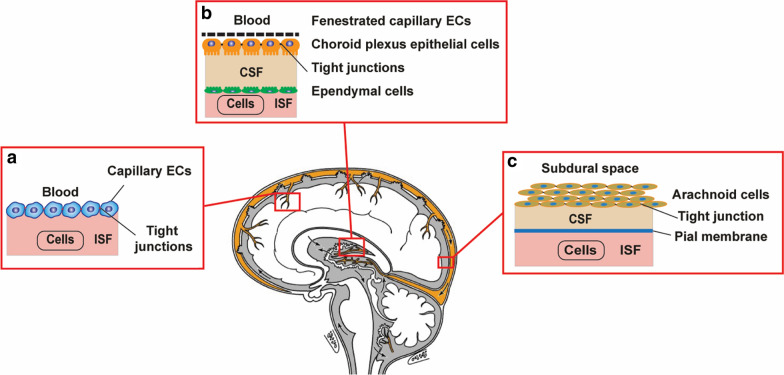
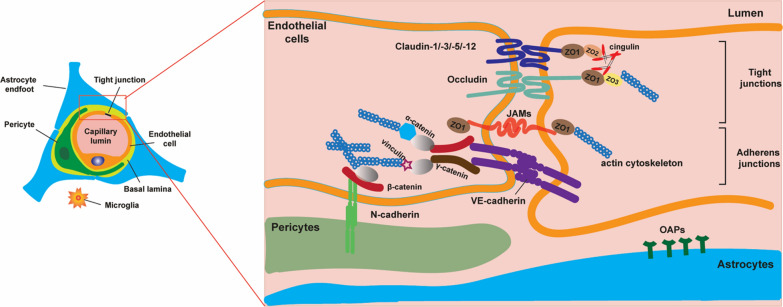
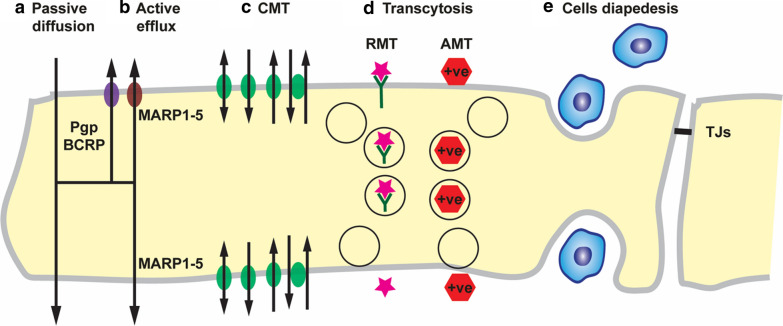
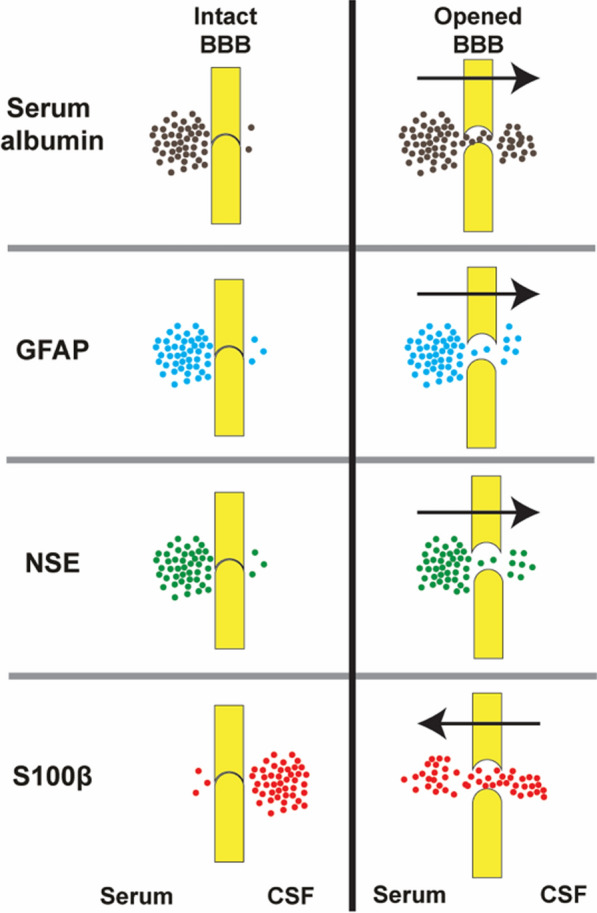
Verification
Claims the paper makes
The claims and statistics of this paper haven’t been checked yet.
Free: it reads the open-access text and checks the first 5 claims that cite a source we can check. Create a free account to check every claim.
Claims other papers make about this one
Each is checked against this paper’s own text: does it say what the citing paper says it does?
The source backs part of the claim, not all of it — or backs it for a different population, condition or comparison.
In the citing paper
“These barriers include the blood–cerebrospinal fluid (blood–CSF) barrier, the blood–retinal barrier, the blood–spinal cord barrier, and the BBB. Among these, the latter is the most extensive and exclusive [5].”
From Advances in Strategies to Transport Nanoparticles Across the Blood–Brain Barrier for Drug Delivery into the Brain for the Treatment of Alzheimer’s Disease (2026) · cites this paper as [5]
Experimental — accuracy not yet measuredThe source backs part of the claim, not all of it — or backs it for a different population, condition or comparison.
In the citing paper
“In the adsorptive-mediated transcytosis (AMT), positively charged molecules interact with the negatively charged ECs, inducing transcytosis and their passage across the barrier.”
From Advances in Strategies to Transport Nanoparticles Across the Blood–Brain Barrier for Drug Delivery into the Brain for the Treatment of Alzheimer’s Disease (2026) · cites this paper as [5]
Experimental — accuracy not yet measuredThe cited source says what the claim attributes to it.
In the citing paper
“The BBB is a physical barrier that separates the CNS from the circulating blood and possesses unique properties for the CNS microvasculature [103].”
From Extracellular vesicles as nanotheranostic platforms for targeted neurological disorder interventions (2024) · cites this paper as [103]
The cited source says what the claim attributes to it.
In the citing paper
“Carrier-mediated transport (CMT) refers to the transport of a variety of molecules facilitated by membrane-bound proteins entitled solute carrier (SLC) transporters [5].”
The cited source says what the claim attributes to it.
In the citing paper
“On the other side, in the receptor-mediated transcytosis (RMT), specific molecules bind to their respective receptors present on the surface of these cells, triggering transcytosis, and their release to the brain environment by detaching from the receptor [5].”
1 more claim about this paper
Create a free account to see every claim other papers make about this one.
Self-check
Percentages, sums and reported differences re-computed from the paper’s own numbers.
The self-check needs the paper’s full text.
Citations
Cites
1 retracted
RETRACTED ARTICLE: Pericyte loss influences Alzheimer-like neurodegeneration in mice
Sagare, A. P., Bell, R. D., Zhao, Z., Ma, Q., Winkler, E. A., Ramanathan, A., & Zlokovic, B. V. (2013) · Nature Communications · doi:10.1038/ncomms3932 · Cited by 589 · cited 1×
“Furthermore, pericytes may display phagocyting functions helping with the removal of toxic metabolites [37].”
BackgroundRetracted(1982) · Trends in Neurosciences · doi:10.1016/0166-2236(82)90076-5 · Cited by 9,089
Astrocyte-endothelial interactions at the blood-brain barrier
Abbott, N. J., Rönnbäck, L., & Hansson, E. (2006) · Nature Reviews Neuroscience · doi:10.1038/nrn1824 · Cited by 5,595 · cited 6×
“As mentioned early, soluble factors released by many of the cell types associated with brain microvessels (including microglia and astrocytes) as well as nerve terminals adjacent to the endothelial extracellular matrix/basal lamina (such as vasoactive agents and cytokines) can modify tight junction assembly and barrie…”
BackgroundInfluentialAstrocytes: Biology and pathology
Sofroniew, M. V., & Vinters, H. V. (2010) · Acta Neuropathologica · doi:10.1007/s00401-009-0619-8 · Cited by 5,196 · cited 1×
“These latter include (1) compartmentalization of the neural parenchyma; (2) maintenance of the ionic homeostasis of the extracellular space; (3) pH regulation; (4) neurotransmitter uptake and processing by providing energy-rich substrates to the neurons; (5) mediation of signals from neurons to the vasculature [51].”
BackgroundStructure and function of the blood–brain barrier
Abbott, N. J., Patabendige, A. A. K., Dolman, D. E. M., Yusof, S. R., & Begley, D. J. (2010) · Neurobiology of Disease · doi:10.1016/j.nbd.2009.07.030 · Cited by 5,185 · cited 11×
“During embryonic angiogenesis, the differentiation of the endothelium into a functioning barrier layer begins and is maintained during adulthood by a close inductive association with other cell types within the NVU, as we mentioned early [2].”
BackgroundInfluentialHenry, M. A. (1995) · The Journal of the American Dental Association · doi:10.14219/jada.archive.1995.0108 · Cited by 3,416
Harold, D., Abraham, R., Hollingworth, P., Sims, R., Gerrish, A., Hamshere, M. L., Pahwa, J. S., Moskvina, V., Dowzell, K., Williams, A., et al. (2009) · Nature Genetics · doi:10.1038/ng.440 · Cited by 3,326
The Blood-Brain Barrier in Health and Chronic Neurodegenerative Disorders
Zlokovic, B. V. (2008) · Neuron · doi:10.1016/j.neuron.2008.01.003 · Cited by 3,280 · cited 1×
“However, specific neuroactive peptides [135], regulatory proteins, hormones, and growth factors get the use of RMT systems to cross the BBB [136].”
BackgroundGhose, A. K., Viswanadhan, V. N., & Wendoloski, J. J. (1999) · Journal of Combinatorial Chemistry · doi:10.1021/cc9800071 · Cited by 3,068 · cited 1×
“There are > 7000 drugs in the Comprehensive Medicinal Chemistry (CMC) database, and only 5% of these drugs treat the CNS [125].”
BackgroundNeurovascular pathways to neurodegeneration in Alzheimer’s disease and other disorders
Zlokovic, B. V. (2011) · Nature Reviews Neuroscience · doi:10.1038/nrn3114 · Cited by 2,969 · cited 8×
“Abbreviations BBB: Blood–brain barrier; CNS: Central nervous system; CSF: Cerebrospinal fluid; BCB: Blood–CSF barrier; ISF: Interstitial fluid; TJs: Tight junctions; P-gp: P-glycoprotein; BCRP: Breast cancer resistance protein; OATP: Organic anion transporting polypeptide; CYP 450: Cytochrome P450; BM: Basement membra…”
BackgroundInfluential
Research works printed but not linked: 1
- Benagiano V Virgintino D Maiorano E Rizzi A Palombo S Roncali L VIP-like immunoreactivity within neurons and perivascular neuronal processes of the human cerebral cortex Eur J Histochem 1996 40 1 53 56 8741100
Cited by
Items 101–200 of 1,004
Hernandez, L., Ward, L. J., Arefin, S., Ebert, T., Laucyte-Cibulskiene, A., Collaborators, G.-F., Pilote, L., Norris, C. M., Raparelli, V., Kautzky-Willer, A., et al. (2022) · Scientific Reports · doi:10.1038/s41598-022-08387-7 · Cited by 67
Mitochondrial Transplantation in Mitochondrial Medicine: Current Challenges and Future Perspectives
D’Amato, M., Morra, F., Meo, I. D., & Tiranti, V. (2023) · International Journal of Molecular Sciences · doi:10.3390/ijms24031969 · Cited by 82
The Gut–Vascular Barrier as a New Protagonist in Intestinal and Extraintestinal Diseases
Tommaso, N. D., Santopaolo, F., Gasbarrini, A., & Ponziani, F. R. (2023) · International Journal of Molecular Sciences · doi:10.3390/ijms24021470 · Cited by 83
Nanoparticles in Medicine: Current Status in Cancer Treatment
Pavelić, K., Pavelić, S. K., Bulog, A., Agaj, A., Rojnić, B., Čolić, M., & Trivanović, D. (2023) · International Journal of Molecular Sciences · doi:10.3390/ijms241612827 · Cited by 78
The path to leptomeningeal metastasis
Remšík, J., & Boire, A. A. (2024) · Nature reviews. Cancer · doi:10.1038/s41568-024-00700-y · Cited by 78
“The central nervous system and the immune systems co-evolved in phylogenetic time generating several barrier mechanisms 137 .”
Nanogels as Novel Nanocarrier Systems for Efficient Delivery of CNS Therapeutics
Zhang, Y., Zou, Z., Liu, S., Miao, S., & Liu, H. (2022) · Frontiers in Bioengineering and Biotechnology · doi:10.3389/fbioe.2022.954470 · Cited by 86
Shinde, A. S., Illath, K., Kasiviswanathan, U., Nagabooshanam, S., Gupta, P., Dey, K., Chakrabarty, P., Nagai, M., Rao, S. R., Kar, S., et al. (2023) · Analytical Chemistry · doi:10.1021/acs.analchem.2c05036 · Cited by 76
Chen, X., Huang, X., Liu, C., Li, S., Yang, Z., Zhang, F., Chen, X., Shan, H., Tao, L., & Zhang, M. (2022) · Acta Biomaterialia · doi:10.1016/j.actbio.2022.11.021 · Cited by 72
Applications of nanobodies in brain diseases
Zheng, F., Pang, Y., Li, L., Pang, Y., Zhang, J., Wang, X., & Raes, G. (2022) · Frontiers in Immunology · doi:10.3389/fimmu.2022.978513 · Cited by 69
Hard, S. A. A. A., Shivakumar, H. N., & Redhwan, M. A. M. (2023) · International Journal of Biological Macromolecules · doi:10.1016/j.ijbiomac.2023.127217 · Cited by 72
Markowicz-Piasecka, M., Markiewicz, A., Darłak, P., Sikora, J., Adla, S. K., Bagina, S., & Huttunen, K. M. (2022) · Neurotherapeutics · doi:10.1007/s13311-022-01228-5 · Cited by 74
Damage mechanism and therapy progress of the blood-brain barrier after ischemic stroke
Gao, H., Chen, H., Cui, G.-Y., & Hu, J.-X. (2023) · Cell & Bioscience · doi:10.1186/s13578-023-01126-z · Cited by 70
“It also regulates the level of neurotransmitters in the brain and restricts the infiltration of plasma proteins and neurotoxins into the brain [46].”
BackgroundSun, P., Hamblin, M. H., & Yin, K. (2022) · Fluids and Barriers of the CNS · doi:10.1186/s12987-022-00317-z · Cited by 68
Soda, T., Brunetti, V., Berra‐Romani, R., & Moccia, F. D. (2023) · International Journal of Molecular Sciences · doi:10.3390/ijms24043914 · Cited by 71
Hemorrhagic Conversion of Acute Ischemic Stroke
Zubair, A. S., & Sheth, K. N. (2023) · Neurotherapeutics · doi:10.1007/s13311-023-01377-1 · Cited by 72
The Blood–Brain Barrier—A Key Player in Multiple Sclerosis Disease Mechanisms
Schreiner, T. G., Romanescu, C., & Popescu, B. O. (2022) · Biomolecules · doi:10.3390/biom12040538 · Cited by 56
van Hameren, G., Aboghazleh, R., Parker, E., Dreier, J. P., Kaufer, D., & Friedman, A. (2024) · Nature Reviews Neurology · doi:10.1038/s41582-024-00973-9 · Cited by 67
“Prolonged BBBD leads to a chain of events that culminate in excessive neuroinflammation (reviewed elsewhere 19,142–147 ).”
The ins and outs of microglial cells in brain health and disease
Pallarés-Moratalla, C., & Bergers, G. (2024) · Frontiers in Immunology · doi:10.3389/fimmu.2024.1305087 · Cited by 67
Liao, J., He, W., Li, L., Wang, J., Gong, L., Zhang, Q., & Lin, Z. (2025) · Cell Biomaterials · doi:10.1016/j.celbio.2025.100016 · Cited by 77
Mosharaf, M. P., Alam, K., Gow, J., & Mahumud, R. A. (2025) · Scientific Reports · doi:10.1038/s41598-024-82992-6 · Cited by 72
The microenvironment of brain metastases from solid tumors
Srinivasan, E. S., Deshpande, K., Neman, J., Winkler, F., & Khasraw, M. (2021) · Neuro-Oncology Advances · doi:10.1093/noajnl/vdab121 · Cited by 70
Başer, K. H. C., Haskologlu, I. C., & Erdağ, E. (2025) · Molecules · doi:10.3390/molecules30091888 · Cited by 69
Ankul Singh, S., & Vellapandian, C. (2023) · Current Drug Metabolism · doi:10.2174/1389200224666230608110349 · Cited by 65
Peptide-Hitchhiking for the Development of Nanosystems in Glioblastoma
Branco, F., Cunha, J., Mendes, M., Vitorino, C., & Sousa, J. (2024) · ACS Nano · doi:10.1021/acsnano.4c01790 · Cited by 66
Ding, L., Kshirsagar, P., Agrawal, P., & Murry, D. J. (2025) · Pharmaceutics · doi:10.3390/pharmaceutics17060706 · Cited by 62
Chaves, J. C. S., Dando, S. J., White, A. R., & Oikari, L. E. (2024) · Biochimica et Biophysica Acta (BBA) - Molecular Basis of Disease · doi:10.1016/j.bbadis.2023.166967 · Cited by 62
Kempuraj, D., Aenlle, K. K., Cohen, J., Mathew, A., Isler, D., Pangeni, R. P., Nathanson, L., Theoharides, T. C., & Klimas, N. G. (2023) · The Neuroscientist · doi:10.1177/10738584231194927 · Cited by 67
Recent advances in blood-brain barrier-on-a-chip models
Vetter, J., Palagi, I., Waisman, A., & Blaeser, A. (2025) · Acta Biomaterialia · doi:10.1016/j.actbio.2025.03.041 · Cited by 64
Gonzales‐Aloy, E., Ahmed-Cox, A., Tsoli, M., Ziegler, D. S., & Kavallaris, M. (2023) · Advanced Drug Delivery Reviews · doi:10.1016/j.addr.2023.114777 · Cited by 61
Kochman, U., Sitka, H., Kuźniar, J., Czaja, M., Kozubek, P., Beszłej, J. A., & Leszek, J. (2026) · Molecular Neurobiology · doi:10.1007/s12035-025-05417-z · Cited by 60
Relationships between Inflammation and Age-Related Neurocognitive Changes
Jin, R., Chan, A. K. Y., Wu, J., & Lee, T. M. C. (2022) · International Journal of Molecular Sciences · doi:10.3390/ijms232012573 · Cited by 63
“The BBB is a specialized structure comprising astrocytes, pericytes, and endothelial cells [101].”
BackgroundRazavi, Z. S., Alizadeh, S. S., Razavi, F. S., Souri, M., & Soltani, M. (2025) · International Journal of Pharmaceutics · doi:10.1016/j.ijpharm.2025.125186 · Cited by 65
The Role of Endothelial-to-Mesenchymal Transition in Cardiovascular Disease
Peng, Q., Shan, D., Cui, K., Li, K. S., Zhu, B., Wu, H., Wang, B., Wong, S., Norton, V., Dong, Y., et al. (2022) · Cells · doi:10.3390/cells11111834 · Cited by 60
Mishra, A., Kumar, R., Mishra, J., Dutta, K., Ahlawat, P., Kumar, A., Dhanasekaran, S., Gupta, A. K., Sinha, S., Bishi, D. K., et al. (2023) · Journal of Drug Delivery Science and Technology · doi:10.1016/j.jddst.2023.104694 · Cited by 63
Yue, J., Mo, L., Zeng, G., Ma, P., Zhang, X., Peng, Y., Zhang, X., Zhou, Y. L., Jiang, Y., Huang, N., et al. (2025) · Journal of Neuroinflammation · doi:10.1186/s12974-025-03395-6 · Cited by 64
“TJs are consist of integral membrane proteins such as Claudin, Occludin, along with cytoplasmic accessory proteins like Zonula occludens (ZO-1, ZO-2, ZO-3), and junction adhesion molecules (JAMs) and cingulin [35].”
3D In Vitro Blood‐Brain‐Barrier Model for Investigating Barrier Insults
Wei, W., Cardes, F., Hierlemann, A. R., & Modena, M. M. (2023) · Advanced Science · doi:10.1002/advs.202205752 · Cited by 60
Early- and Late-Onset Alzheimer’s Disease: Two Sides of the Same Coin?
Valdez-Gaxiola, C. A., Rosales-Leycegui, F., Gaxiola-Rubio, A., Moreno-Ortiz, J. M., & Figuera, L. E. (2024) · Diseases · doi:10.3390/diseases12060110
Disruption of the cerebrospinal fluid–plasma protein balance in cognitive impairment and aging
Farinas, A., Rutledge, J., Bot, V. A., Western, D., Ying, K., Lawrence, K. A., Oh, H. S., Yoon, S., Ding, D. Y., Tsai, A. P., et al. (2025) · Nature Medicine · doi:10.1038/s41591-025-03831-3 · Cited by 60
“The system of barriers separating the blood from the brain is complex and dynamic, including a variety of anatomical and cellular components 9 .”
Cuitavi, J., Torres-Pérez, J. V., Lorente, J. D., Campos‐Jurado, Y., Andrés‐Herrera, P., Polache, A., Agustín‐Pavón, C., & Hipólito, L. (2022) · Neuroscience & Biobehavioral Reviews · doi:10.1016/j.neubiorev.2022.105011 · Cited by 57
Sasaki, K., Fukakusa, S., Torikai, Y., Suzuki, C., Sonohata, I., Kawahata, T., Magata, Y., Kawai, K., & Haruta, S. (2023) · Journal of Controlled Release · doi:10.1016/j.jconrel.2023.06.005 · Cited by 57
Current and Emerging Strategies for Enhancing Antibody Delivery to the Brain
Bajracharya, R., Caruso, A. C., Vella, L. J., & Nisbet, R. M. (2021) · Pharmaceutics · doi:10.3390/pharmaceutics13122014 · Cited by 54
Wang, C., Yang, C., Western, D., Ali, M., Wang, Y., Phuah, C., Budde, J., Wang, L., Gorijala, P., Timsina, J., et al. (2024) · Nature Genetics · doi:10.1038/s41588-024-01973-7 · Cited by 57
“Of the 205 independent association signals in CSF, 108 signals had been in blood and urine due to blood–brain barrier, the metabolism of brain cells 17 and the brain-specific genetic effects on transcript and protein levels that influence downstream metabolic pathways 18,19 .”
Form and Function of the Vertebrate and Invertebrate Blood-Brain Barriers
Dunton, A. D., Göpel, T., Ho, D. H., & Burggren, W. W. (2021) · International Journal of Molecular Sciences · doi:10.3390/ijms222212111 · Cited by 58
“Additionally, the involvement of astrocytes in the development and maintenance of the BBB is crucial in birds [95], similar to mammals [16].”
BackgroundFaucher, Q., van der Made, T. K., de Lange, E. C. M., & Masereeuw, R. (2023) · European Journal of Pharmaceutical Sciences · doi:10.1016/j.ejps.2023.106462 · Cited by 56
“Due to its special properties, the BBB regulates the exchange of a broad range of molecules ( e.g. nutrients, ions, toxins and drugs) between the brain and the systemic circulation, also coordinated by membrane transporters (Abbott et al., 2010; Banks, 2016; Kadry et al., 2020; Morris et al., 2017).”
Neurotoxicity of ochratoxin A: Molecular mechanisms and neurotherapeutic strategies
Obafemi, B. A., Adedara, I. A., & da Rocha, J. B. T. (2023) · Toxicology · doi:10.1016/j.tox.2023.153630 · Cited by 58
Shahzadi, Z., Yousaf, Z., Anjum, İ., Bilal, M., Yasin, H., Aftab, A., Booker, A., Ullah, R., & Bari, A. (2024) · Bioresources and Bioprocessing · doi:10.1186/s40643-024-00764-6 · Cited by 63
“The blood–brain barrier is a protective barrier formed by endothelial cells in the blood vessels of the brain, which effectively blocks the entry of numerous toxins into brain tissues (Kadry et al. 2020; Alajangi et al. 2022).”
BackgroundDevice-assisted strategies for drug delivery across the blood-brain barrier to treat glioblastoma
Mokarram, N., Case, A. G., Hossainy, N. N., Lyon, J. G., MacDonald, T. J., & Bellamkonda, R. V. (2025) · Communications Materials · doi:10.1038/s43246-024-00721-y · Cited by 56
Kong, D., Park, K. H., Kim, D.-H., Kim, N. G., Lee, S.-E., Shin, N., Kook, M. G., Kim, Y. B., & Kang, K.-S. (2023) · Cell Death Discovery · doi:10.1038/s41420-022-01288-8 · Cited by 47
“The expression of tight junctions including ZO1, claudin-5 between adjacent ECs preventing the unregulated molecular passage [23].”
BackgroundRaghav, M., Gupta, V., Awasthi, R., Singh, A. K., & Kulkarni, G. T. (2023) · Journal of Drug Delivery Science and Technology · doi:10.1016/j.jddst.2023.104756 · Cited by 63
Drug Nanocrystals: Focus on Brain Delivery from Therapeutic to Diagnostic Applications
Zingale, E., Bonaccorso, A., Carbone, C., Musumeci, T., & Pignatello, R. (2022) · Pharmaceutics · doi:10.3390/pharmaceutics14040691 · Cited by 57
Salvador, E., Kessler, A. F., Domröse, D., Hörmann, J., Schaeffer, C. M., Giniunaite, A., Burek, M., Tempel-Brami, C., Voloshin, T., Volodin, A., et al. (2022) · Biomolecules · doi:10.3390/biom12101348 · Cited by 57
Delivery of RNAs to Specific Organs by Lipid Nanoparticles for Gene Therapy
Godbout, K., & Tremblay, J. P. (2022) · Pharmaceutics · doi:10.3390/pharmaceutics14102129 · Cited by 53
Salvato, I., & Marchini, A. (2024) · Cancers · doi:10.3390/cancers16071276 · Cited by 57
Nanotherapy of Glioblastoma—Where Hope Grows
Grzegorzewski, J., Michalak, M., Wołoszczuk, M., Bulicz, M., & Majchrzak‐Celińska, A. (2025) · International Journal of Molecular Sciences · doi:10.3390/ijms26051814 · Cited by 54
Dobson, G. P., Morris, J. L., & Letson, H. L. (2022) · Frontiers in Medicine · doi:10.3389/fmed.2022.968453 · Cited by 55
Ernst, L. M., Mondragón, L., Ramis, J., Gustà, M. F., Yudina, T., Casals, E., Bastús, N. G., Fernández‐Varo, G., Casals, G., Jiménez, W., et al. (2023) · Antioxidants · doi:10.3390/antiox12030765 · Cited by 57
“Tight junctions deserve special attention, including the blood-brain barrier (BBB), placenta, retinal, and testis barriers, where pores smaller than 1 nm (400 Da) have been reported, preventing NP passive accumulation [57].”
BackgroundChiariello, M., Inzalaco, G., Barone, V., & Gherardini, L. M. (2023) · Frontiers in Cellular Neuroscience · doi:10.3389/fncel.2023.1327621 · Cited by 57
“Water-soluble nutrients, metabolites and small lipid-soluble molecules can passively diffuse through the BBB and enter the brain (Kadry et al., 2020).”
BackgroundSusa, F., Arpicco, S., Pirri, C. F., & Limongi, T. (2024) · Pharmaceutics · doi:10.3390/pharmaceutics16070849 · Cited by 60
“Only in the late 1960s did Reese and Karnovsky visualize the BBB during electron microscopy experiments [7,8].”
BackgroundInamdar, A., Gurupadayya, B., Halagali, P., Tippavajhala, V. K., Khan, F. R., Pathak, R., & Sharma, H. (2024) · Current Drug Targets · doi:10.2174/0113894501339455241101065040 · Cited by 59
Stéen, E. J. L., Vugts, D. J., & Windhorst, A. D. (2022) · Frontiers in Nuclear Medicine · doi:10.3389/fnume.2022.853475 · Cited by 55
Ependymal cells and neurodegenerative disease: outcomes of compromised ependymal barrier function
Nelles, D. G., & Hazrati, L. (2022) · Brain Communications · doi:10.1093/braincomms/fcac288 · Cited by 55
“pillary endothelial cells that control the movement of molecules into the brain to confer protection against foreign substances, blood-borne pathogens and toxins.(14) Disruption to the blood–brain barrier has been identified as a key component in the pathogenesis of several neurodegenerative diseases and neurological…”
BackgroundPurinergic signaling: A gatekeeper of blood-brain barrier permeation
Wang, Y., Zhu, Y., Wang, J., Dong, L., Liu, S., Li, S., & Wu, Q. (2023) · Frontiers in Pharmacology · doi:10.3389/fphar.2023.1112758 · Cited by 58
Gold and silver nanoparticles in Alzheimer's and Parkinson's diagnostics and treatments
Scarpa, E., Cascione, M., Griego, A., Pellegrino, P., Moschetti, G., & Matteis, V. D. (2023) · Ibrain · doi:10.1002/ibra.12126 · Cited by 53
“32 Unlike the other endothelial cells characterizing the capillaries, the junctions are narrower, for enhancing the filtering ability that is greater than other body districts.”
Mattisson, I. Y., & Christoffersen, C. (2021) · Atherosclerosis · doi:10.1016/j.atherosclerosis.2021.08.039 · Cited by 53
Extracellular Vesicles at CNS barriers: Mode of action
Krämer‐Albers, E. (2022) · Current Opinion in Neurobiology · doi:10.1016/j.conb.2022.102569 · Cited by 52
Immune Dysfunction in Schizophrenia Spectrum Disorders
Gangadin, S. S., Enthoven, A.-S. D., van Beveren, N. J. M., Laman, J. D., & Sommer, I. E. (2024) · Annual Review of Clinical Psychology · doi:10.1146/annurev-clinpsy-081122-013201 · Cited by 57
Exosomes as nature's nano carriers: Promising drug delivery tools and targeted therapy for glioma
Rana, R., Devi, S. N., Bhardwaj, A. K., Yashavarddhan, M. H., Bohra, D., & Ganguly, N. K. (2024) · Biomedicine & Pharmacotherapy · doi:10.1016/j.biopha.2024.117754 · Cited by 51
The Role of Microglia in Brain Metastases: Mechanisms and Strategies
Feng, Y., Hu, X., Zhang, Y., & Wang, Y. (2024) · Aging and Disease · doi:10.14336/ad.2023.0514 · Cited by 51
“In addition to endothelial cells, astrocytes and pericytes are important components of the BBB [24].”
BackgroundMethods of miRNA delivery and possibilities of their application in neuro-oncology
Фанилевич, Г. И., Beylerli, O., Тамразов, Р. И., Ilyasova, T., Shumadalova, A. V., Du, W., & Yang, B. (2023) · Non-coding RNA Research · doi:10.1016/j.ncrna.2023.10.002 · Cited by 51
“1) [6].”
Mohapatra, P., Gopikrishnan, M., Doss, C. G. P., & Chandrasekaran, N. (2024) · International Journal of Nanomedicine · doi:10.2147/ijn.s442520 · Cited by 54
“6,7 The presence of peripheral and blood–brain barriers (BBB) makes it more challenging to deliver drug molecules to target sites in the CNS. 8 The most delicate and intricate organs in the human brain are shielded by the BBB.”
BackgroundInfluentialBiomaterial strategies for regulating the neuroinflammatory response
Galindo, A. N., Rubio, D. A. F., & Hettiaratchi, M. H. (2024) · Materials Advances · doi:10.1039/d3ma00736g · Cited by 50
“50,92 The extent of BBB damage depends on the severity of injury and magnitude of subsequent inflammatory events.”
BackgroundExosomes as drug delivery systems in glioma immunotherapy
Hao, X., Wang, S., Wang, L., Li, J., Li, Y., & Liu, J. (2024) · Journal of Nanobiotechnology · doi:10.1186/s12951-024-02611-4 · Cited by 50
“Among these components, BMECs, which form the primary structure of the BBB, display a flattened cell morphology, limited caveolae on the luminal surface, abundant mitochondria, and tight intercellular junctions [13].”
BackgroundPolymer-based nanocarriers to transport therapeutic biomacromolecules across the blood-brain barrier
Romero‐Ben, E., Goswami, U., Soto-Cruz, J., Mansoori-Kermani, A., Mishra, D., Martín‐Saldaña, S., Ugartemendia, J. M., Sosnik, A., Calderón, M., Beloqui, A., et al. (2025) · Acta Biomaterialia · doi:10.1016/j.actbio.2025.02.065 · Cited by 50
Targeted Drug Delivery to the Central Nervous System Using Extracellular Vesicles
Zhou, L., Kodidela, S., Godse, S., Thomas-Gooch, S. M., Kumar, A., Raji, B., Zhi, K., Kochat, H., & Kumar, S. (2022) · Pharmaceuticals · doi:10.3390/ph15030358 · Cited by 55
“The ECs that are located in the CNS are uniquely distinctive from other EC locations given that CNS ECs have a flattened shape, have fewer caveolae at the luminal surface, have an increased quantity of mitochondria, and express interendothelial tight junctions [35].”
BackgroundTranslating ultrasound-mediated drug delivery technologies for CNS applications
Perolina, E., Meissner, S., Raos, B. J., Harland, B. C., Thakur, S. S., & Svirskis, D. M. (2024) · Advanced Drug Delivery Reviews · doi:10.1016/j.addr.2024.115274 · Cited by 52
Cerebrospinal fluid flow extends to peripheral nerves further unifying the nervous system
Ligocki, A. P., Vinson, A. V., Yachnis, A. T., Dunn, W. A., Smith, D. E., Scott, E. A., Alvarez-Castanon, J. V., Montalvo, D. E. B., Frisone, O. G., Brown, G. A. J., et al. (2024) · Science Advances · doi:10.1126/sciadv.adn3259 · Cited by 51
Sun, J., Ou, W., Han, D., Paganini-Hill, A., Fisher, M. J., & Sumbria, R. K. (2022) · PLOS ONE · doi:10.1371/journal.pone.0268860 · Cited by 47
Popat, S., Ahn, M., Ekman, S., Leighl, N. B., Ramalingam, S. S., Reungwetwattana, T., Siva, S., Tsuboi, M., Wu, Y.-L. L. C., & Yang, J. C. (2023) · Targeted Oncology · doi:10.1007/s11523-022-00941-7 · Cited by 53
The blood-brain barrier, a key bridge to treat neurodegenerative diseases
Hang, Z., Zhou, L., Xing, C., Wen, Y., & Du, H. (2023) · Ageing Research Reviews · doi:10.1016/j.arr.2023.102070 · Cited by 48
Recent advances in understanding the human host immune response in tuberculous meningitis
Barnacle, J. R., Davis, A., & Wilkinson, R. J. (2024) · Frontiers in Immunology · doi:10.3389/fimmu.2023.1326651 · Cited by 53
Ma, Y., Yang, H., Niu, S., Guo, M., & Xue, Y. (2025) · NeuroToxicology · doi:10.1016/j.neuro.2025.06.003 · Cited by 50
The dual nature of neuroinflammation in networked brain
Müller, L., Benedetto, S. D., & Müller, V. (2025) · Frontiers in Immunology · doi:10.3389/fimmu.2025.1659947 · Cited by 51
The role of astrocytes in epileptic disorders
Hayatdavoudi, P., Hosseini, M., Hajali, V., Hosseini, A., & Rajabian, A. (2022) · Physiological Reports · doi:10.14814/phy2.15239 · Cited by 55
“It has been argued that direct contact between astrocytes and endothelial cells or humoral factors released from astrocytes is required to induce BBB properties (Heithoff et al., 2021; Kadry et al., 2020).”
BackgroundSantos, J. X., Rasga, C., Marques, A. R., Martiniano, H., Asif, M., Vilela, J. E. R., Oliveira, G., Sousa, L., Nunes, A., & Vicente, A. M. (2022) · Frontiers in Neuroscience · doi:10.3389/fnins.2022.862315 · Cited by 51
“In the BBB, the tight junctions formed between the endothelial cells confer a semi-permeability to various neurotoxins, and therefore form a barrier to the free movement of molecules from the early stages of brain development (Kadry et al., 2020).”
BackgroundThe immunopathology of B lymphocytes during stroke-induced injury and repair
Malone, M. K., Ujas, T. A., Britsch, D. R. S., Cotter, K. M., Poinsatte, K., & Stowe, A. M. (2022) · Seminars in Immunopathology · doi:10.1007/s00281-022-00971-3 · Cited by 46
“The blood–brain barrier (BBB) is located between the brain parenchyma and brain circulation and functions not only to nourish brain tissue, but also filters various compounds from the brain to the blood or cerebrospinal fluid (CSF) for maintaining brain health [38].”
BackgroundRecent Studies of Artificial Intelligence on In Silico Drug Distribution Prediction
Tran, T. T. V., Tayara, H., & Chong, K. T. (2023) · International Journal of Molecular Sciences · doi:10.3390/ijms24031815 · Cited by 50
Imaging blood–brain barrier disruption in neuroinflammation and Alzheimer’s disease
Lee, R., & Funk, K. E. (2023) · Frontiers in Aging Neuroscience · doi:10.3389/fnagi.2023.1144036 · Cited by 49
“Blood vessel walls within the CNS are formed by thin, continuous non-fenestrated endothelial cells (EC) that envelop the lumen of the vessel (Daneman and Prat, 2015; Kadry et al., 2020).”
BackgroundInfluentialNon-Viral Carriers for Nucleic Acids Delivery: Fundamentals and Current Applications
Shtykalova, S., Deviatkin, D., Freund, S., Egorova, A., & Kiselev, A. (2023) · Life · doi:10.3390/life13040903 · Cited by 49
“These molecules are extremely selective and implement the efflux transport of endogenous metabolites [142].”
BackgroundExosome-based approaches in the management of Alzheimer’s disease
Kandimalla, R., Saeed, M., Tyagi, N., Gupta, R. C., & Aqil, F. (2022) · Neuroscience & Biobehavioral Reviews · doi:10.1016/j.neubiorev.2022.104974 · Cited by 48
Blood-brain barrier pathology in cerebral small vessel disease
Jia, R., Guardia, G. S., & Kiliaan, A. J. (2023) · Neural Regeneration Research · doi:10.4103/1673-5374.385864 · Cited by 47
“…release vascular inflammation-related factors, such as cell adhesion molecules and von Willebrand factor, which promote SVD progression and cognitive impairment through endothelial activation and immune cells adhesion and aggregation (Denorme et al., 2019; Yousef et al., 2019; Kadry et al., 2020).”
Tincu, C.-E., Andrițoiu, C. V., Popa, M., & Ochiuz, L. (2023) · Polymers · doi:10.3390/polym15193969 · Cited by 51
Ronaldson, P. T., & Davis, T. P. (2024) · Expert Opinion on Drug Delivery · doi:10.1080/17425247.2024.2306138 · Cited by 45
“Passive permeability across the BBB can be enhanced when molecular weight is less than 400 Da, cLogP = 1.5–2.5, and an upper limit of approximately 80 Å 2 for polar surface area is imposed (Table 1) [38,72–77].”
BackgroundInfluentialUnveiling the impact of aging on BBB and Alzheimer's disease: Factors and therapeutic implications
Nelson, V. K., Jha, N. K., Nuli, M. V., Gupta, S. K., Kanna, S., Gahtani, R. M., Hani, U., Singh, A. K., Abomughaid, M. M., Abomughayedh, A. M., et al. (2024) · Ageing Research Reviews · doi:10.1016/j.arr.2024.102224 · Cited by 48
Ureña-Vacas, I., Belén, A. D. L. R. M., Serrano, D. R., & González‐Burgos, E. (2024) · Current Research in Biotechnology · doi:10.1016/j.crbiot.2024.100235 · Cited by 46
Shamul, J. G., Wang, Z., Gong, H., Ou, W., White, A. M., Garcia, D. P. M., Gu, S., Clyne, A. M., Quiñones‐Hinojosa, A., & He, X. (2024) · Nature Biomedical Engineering · doi:10.1038/s41551-024-01250-2 · Cited by 46
Ткаченко, Г. М., Buyun, L., Kołodziejska, R., Kamiński, P., & Kurhaluk, N. (2025) · International Journal of Molecular Sciences · doi:10.3390/ijms26188907 · Cited by 55
“Upregulation of tight junction proteins helps to maintain BBB selectivity and homeostasis, while mitochondrial protection and improved energy metabolism support endothelial resistance and function [132,133].”
A Quasi-Physiological Microfluidic Blood-Brain Barrier Model for Brain Permeability Studies
Noorani, B., Bhalerao, A., Raut, S., Nozohouri, E., Bickel, U., & Cucullo, L. (2021) · Pharmaceutics · doi:10.3390/pharmaceutics13091474 · Cited by 45
“The BBB, a unique physiological feature in vertebrates, is responsible for maintaining brain homeostasis [3,4].”
BackgroundSelf-citationInterorgan communication networks in the kidney–lung axis
Komaru, Y., Bai, Y. Z., Kreisel, D., & Herrlich, A. (2023) · Nature Reviews Nephrology · doi:10.1038/s41581-023-00760-7 · Cited by 50
“For example, the blood–brain barrier shows selective permeability in certain areas of the brain, such as the choroid plexus 44,45 .”
Oh, J., Kwon, T. W., Choi, J. H., Kim, Y., Moon, S., Nah, S.-Y., & Cho, I. (2023) · Phytomedicine · doi:10.1016/j.phymed.2023.155065 · Cited by 48
Prajapati, S. K., Shah, R., Alford, N., Mishra, S. P., Jain, S., HANSEN, B. C., Sanberg, P. R., Molina, A. J. A., & Yadav, H. (2023) · The Journals of Gerontology Series A · doi:10.1093/gerona/glad226 · Cited by 43
Metadata
- Authors
- Kadry, H., Noorani, B., & Cucullo, L.
- Affiliations
- Texas Tech University Health Sciences Center (US)
- Oakland University (US)
- Corresponding author
- Cucullo, Luca
- Venue
- Fluids and Barriers of the CNS
- Published
- 2020-11-18
- Volume
- 17
- Issue
- 1
- Pages
- 69-69
- ISSN
- 2045-8118 (ISSN-L)
- PMC
- PMC7672931
- OpenAlex
- W3104682194
- Cited by
- 1,853
- References
- 266
- Citations by year
- 2026: 342 · 2025: 491 · 2024: 480 · 2023: 299 · 2022: 176 · 2021: 63
- FWCI
- 13.39
- Type
- journal article
- Language
- en
- Open access
- gold
- doi.org
- Licence
- cc-by
- creativecommons.org/licenses/by/4.0/ (tdm)
- creativecommons.org/licenses/by/4.0/ (vor)
- Locations
- Fluids and Barriers of the CNS (publishedVersion, cc-by)
- PubMed Central (publishedVersion, cc-by)
- PubMed (publishedVersion)
- DOAJ (DOAJ: Directory of Open Access Journals) (submittedVersion, cc-by-sa)
- Funders
- National Institute on Drug Abuse (2R01-DA029121-01A1, 1R01DA049737-01)
- National Institute of Neurological Disorders and Stroke (1R01NS117906-01)
- Topics
- Life Sciences › Neuroscience › Neurology › Barrier Structure and Function Studies
- Health Sciences › Medicine › Oncology › Drug Transport and Resistance Mechanisms
- Life Sciences › Biochemistry, Genetics and Molecular Biology › Molecular Biology › Ion Transport and Channel Regulation
- Keywords
- blood-brain barrier, blood-brain barrier integrity, blood-brain barrier disruption, shear stress, blood-brain barrier permeability, brain homeostasis, neurological disorders
- MeSH terms
- Biological Transport, Blood-Brain Barrier, Brain Diseases, Humans, Biomarkers
About these checks
Registry, retraction, Cites and statistics results are computed, not judged, with one exception: a printed reference that no index lists is read once by a model before it counts as a citation error. Claims are extracted by a model and kept only when their quote appears verbatim in the text; each cited source is then checked, with a model’s help, for whether it says what the claim relies on. Those verdicts can be wrong — read the claim’s quote and the cited source before relying on one.
Statistics and arithmetic are recomputed, not judged.
Confidence bands are shown only for fields calibrated on our annotated test set. None is calibrated yet, so no band is shown.
What counts as a claim ›How we measure confidence ›How we check this ›
Are you an author, or do you see a problem with this page? Request a review
Data sources
Bibliographic data: Semantic Scholar, OpenAlex, Crossref.
Contains information from the Semantic Scholar Academic Graph Datasets, made available under the ODC Attribution License (ODC-BY 1.0).
Semantic Scholar’s data is described in: Kinney, R., et al. (2023). The Semantic Scholar Open Data Platform. arXiv:2301.10140.
