

The DOI matches its Crossref record; 186 of the 187 references it cites were found in a registry or an index.
Restoring Wnt/β-catenin signaling is a promising therapeutic strategy for Alzheimer’s disease
Open accessAbstract
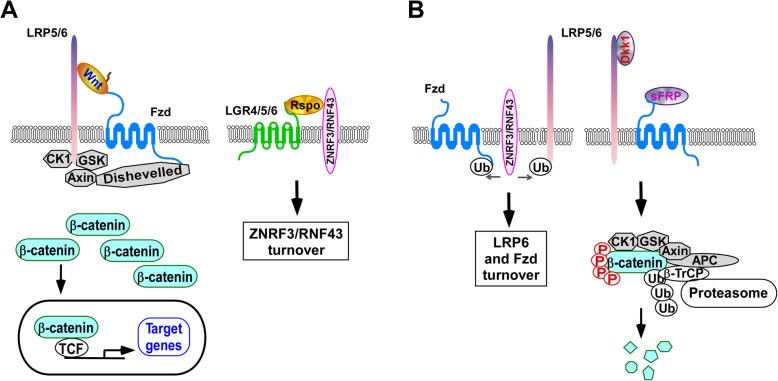
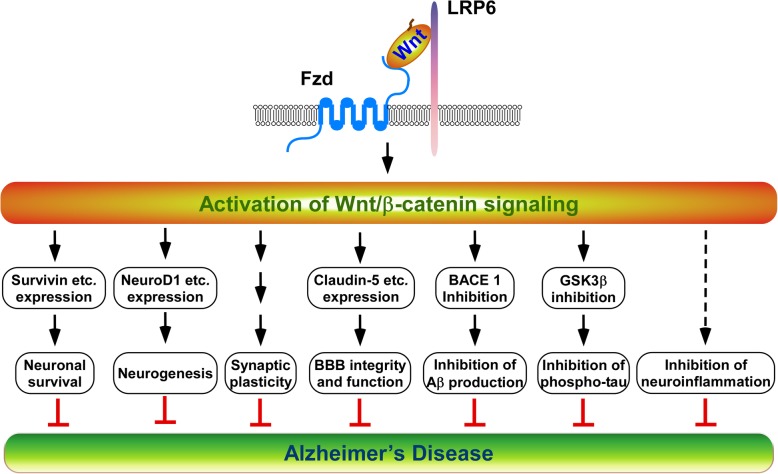
Alzheimer’s disease (AD) is an aging-related neurological disorder characterized by synaptic loss and dementia. Wnt/β-catenin signaling is an essential signal transduction pathway that regulates numerous cellular processes including cell survival. In brain, Wnt/β-catenin signaling is not only crucial for neuronal survival and neurogenesis, but it plays important roles in regulating synaptic plasticity and blood-brain barrier integrity and function. Moreover, activation of Wnt/β-catenin signaling inhibits amyloid-β production and tau protein hyperphosphorylation in the brain. Critically, Wnt/β-catenin signaling is greatly suppressed in AD brain via multiple pathogenic mechanisms. As such, restoring Wnt/β-catenin signaling represents a unique opportunity for the rational design of novel AD therapies.
Overview
The claims and statistics of this paper haven’t been checked yet.
Run the check — free, no account needed. It reads the open-access text and checks the sources it cites.
Integrity signals
Registry
Cites
Statistics
Figures
Verification
Claims the paper makes
The claims and statistics of this paper haven’t been checked yet.
Run the check — free, no account needed. It reads the open-access text and checks the sources it cites.
Claims other papers make about this one
Each is checked against this paper’s own text: does it say what the citing paper says it does?
The cited source says what the claim attributes to it.
In the citing paper
“restoring Wnt/β-catenin signaling, which is greatly suppressed in AD brains, is a promising therapeutic strategy”
From CI-994 is a dual modulator of class I HDACs and Wnt/β-catenin signaling for the treatment of Alzheimer's disease (2026) · cites this paper as [14]
The cited source says what the claim attributes to it.
In the citing paper
“Wnt/β-catenin signaling is not only crucial for neuronal survival and neurogenesis but also plays important roles in regulating synaptic plasticity and blood–brain barrier integrity and function [14].”
From CI-994 is a dual modulator of class I HDACs and Wnt/β-catenin signaling for the treatment of Alzheimer's disease (2026) · cites this paper as [14]
Self-check
Percentages, sums and reported differences re-computed from the paper’s own numbers.
The self-check needs the paper’s full text.
Citations
Cites
Neuroinflammation in Alzheimer's disease
Heneka, M. T., Carson, M. J., Khoury, J. E., Landreth, G. E., Brosseron, F., Feinstein, D. L., Jacobs, A. H., Wyss-Coray, T., Vitorica, J., Ransohoff, R. M., et al. (2015) · The Lancet Neurology · doi:10.1016/s1474-4422(15)70016-5 · Cited by 6,226
The amyloid hypothesis of Alzheimer's disease at 25 years
Selkoe, D. J., & Hardy, J. (2016) · EMBO Molecular Medicine · doi:10.15252/emmm.201606210 · Cited by 6,164
Zhang, Y., Chen, K., Sloan, S. A., Bennett, M. L., Scholze, A. R., O'Keeffe, S., Phatnani, H. P., Guarnieri, P., Caneda, C., Ruderisch, N., et al. (2014) · The Journal of Neuroscience · doi:10.1523/jneurosci.1860-14.2014 · Cited by 4,875
Goate, A., Chartier-Harlin, M.-C., Mullan, M., Brown, J., Crawford, F., Fidani, L., Giuffra, L., Haynes, A., Irving, N., James, L., et al. (1991) · Nature · doi:10.1038/349704a0 · Cited by 4,659
Terry, R. D., Masliah, E., Salmon, D. P., Butters, N., DeTeresa, R., Hill, R., Hansen, L. A., & Katzman, R. (1991) · Annals of Neurology · doi:10.1002/ana.410300410 · Cited by 4,397
Wnt/β-Catenin Signaling, Disease, and Emerging Therapeutic Modalities
Nusse, R., & Clevers, H. (2017) · Cell · doi:10.1016/j.cell.2017.05.016 · Cited by 4,342
Cloning of a gene bearing missense mutations in early-onset familial Alzheimer's disease
Sherrington, R., Rogaev, E. I., Liang, Y., Rogaeva, E. A., Levesque, G., Ikeda, M., Chi, H., Lin, C., Li, G., Holman, K., et al. (1995) · Nature · doi:10.1038/375754a0 · Cited by 4,051
Neuropathological alterations in Alzheimer disease
Serrano-Pozo, A., Frosch, M. P., Masliah, E., & Hyman, B. T. (2011) · Cold Spring Harbor Perspectives in Medicine · doi:10.1101/cshperspect.a006189 · Cited by 3,345
Alzheimer Disease: An Update on Pathobiology and Treatment Strategies
Long, J. M., & Holtzman, D. M. (2019) · Cell · doi:10.1016/j.cell.2019.09.001 · Cited by 3,204
Blood–brain barrier breakdown in Alzheimer disease and other neurodegenerative disorders
Sweeney, M. D., Sagare, A. P., & Zlokovic, B. V. (2018) · Nature Reviews Neurology · doi:10.1038/nrneurol.2017.188 · Cited by 3,076
Scheuner, D., Eckman, C., Jensen, M., Song, X., Citron, M., Suzuki, N., Bird, T. D., Hardy, J., Hutton, M., Kukull, W., et al. (1996) · Nature Medicine · doi:10.1038/nm0896-864 · Cited by 2,599
Synapse loss in frontal cortex biopsies in Alzheimer's disease: Correlation with cognitive severity
DeKosky, S. T., & Scheff, S. W. (1990) · Annals of Neurology · doi:10.1002/ana.410270502 · Cited by 2,376
Bloom (2014) · doi:10.1001/jamaneurol.2013.5847 · Cited by 2,194
Control of β-Catenin Phosphorylation/Degradation by a Dual-Kinase Mechanism
Liu, C., Li, Y., Semënov, M. V., Han, C., Baeg, G., Tan, Y., Zhang, Z., Lin, X., & He, X. (2002) · Cell · doi:10.1016/s0092-8674(02)00685-2 · Cited by 2,129
Self-citationWNT signaling in bone homeostasis and disease: From human mutations to treatments
Baron, R., & Kneissel, M. (2013) · Nature Medicine · doi:10.1038/nm.3074 · Cited by 2,093
Blood–brain barrier breakdown is an early biomarker of human cognitive dysfunction
Nation, D. A., Sweeney, M. D., Montagne, A., Sagare, A. P., D’Orazio, L. M., Pachicano, M., Sepehrband, F., Nelson, A. R., Buennagel, D. P., Harrington, M. G., et al. (2019) · Nature Medicine · doi:10.1038/s41591-018-0297-y · Cited by 1,728
Moreno-Jiménez, E. P., Flor-García, M., Terreros-Roncal, J., Rábano, A., Cafini, F., Pallas-Bazarra, N., Ávila, J., & Llorens-Martín, M. (2019) · Nature Medicine · doi:10.1038/s41591-019-0375-9 · Cited by 1,577
Wnt signalling regulates adult hippocampal neurogenesis
Lie, D. C., Colamarino, S. A., Song, H., Désiré, L., Mira, H., Consiglio, A., Lein, E. S., Jessberger, S., Lansford, H., Dearie, A. R., et al. (2005) · Nature · doi:10.1038/nature04108 · Cited by 1,544
The complex world of WNT receptor signalling
Niehrs, C. (2012) · Nature Reviews Molecular Cell Biology · doi:10.1038/nrm3470 · Cited by 1,538
Apolipoprotein E and Alzheimer disease: pathobiology and targeting strategies
Yamazaki, Y., Zhao, N., Caulfield, T. R., Liu, C.-C., & Bu, G. (2019) · Nature Reviews Neurology · doi:10.1038/s41582-019-0228-7 · Cited by 1,425
Human hippocampal neurogenesis drops sharply in children to undetectable levels in adults
Sorrells, S. F., Paredes, M. F., Cebrian-Silla, A., Sandoval, K., Qi, D., Kelley, K. W., James, D., Mayer, S., Chang, J., Auguste, K. I., et al. (2018) · Nature · doi:10.1038/nature25975 · Cited by 1,422
Human Hippocampal Neurogenesis Persists throughout Aging
Boldrini, M., Fulmore, C. A., Tartt, A. N., Simeon, L. R., Pavlova, I., Poposka, V., Rosoklija, G. B., Stankov, A., Arango, V., Dwork, A. J., et al. (2018) · Cell Stem Cell · doi:10.1016/j.stem.2018.03.015 · Cited by 1,345
The GSK3 hypothesis of Alzheimer’s disease
Hooper, C., Killick, R., & Lovestone, S. (2008) · Journal of Neurochemistry · doi:10.1111/j.1471-4159.2007.05194.x · Cited by 1,191
Can we safely target the WNT pathway?
Kahn, M. (2014) · Nature Reviews Drug Discovery · doi:10.1038/nrd4233 · Cited by 1,061
The role of brain vasculature in neurodegenerative disorders
Sweeney, M. D., Kisler, K., Montagne, A., Toga, A. W., & Zlokovic, B. V. (2018) · Nature Neuroscience · doi:10.1038/s41593-018-0234-x · Cited by 998
Tumour suppressor RNF43 is a stem-cell E3 ligase that induces endocytosis of Wnt receptors
Koo, B.-K., Spit, M., Jordens, I., Low, T. Y., Stange, D. E., van de Wetering, M., van Es, J. H., Mohammed, S., Heck, A. J. R., Maurice, M. M., et al. (2012) · Nature · doi:10.1038/nature11308 · Cited by 980
ZNRF3 promotes Wnt receptor turnover in an R-spondin-sensitive manner
Hao, H.-X., Xie, Y., Zhang, Y., Charlat, O., Oster, E., Avello, M., Lei, H., Mickanin, C., Liu, D., Ruffner, H., et al. (2012) · Nature · doi:10.1038/nature11019 · Cited by 962
Functional morphology of the blood–brain barrier in health and disease
Liebner, S., Dijkhuizen, R. M., Reiss, Y., Plate, K. H., Agalliu, D., & Constantin, G. (2018) · Acta Neuropathologica · doi:10.1007/s00401-018-1815-1 · Cited by 872
Wnt/β-catenin signaling controls development of the blood–brain barrier
Liebner, S., Corada, M., Bangsow, T., Babbage, J., Taddei, A., Czupalla, C. J., Reis, M., Felici, A., Wolburg, H., Fruttiger, M., et al. (2008) · The Journal of Cell Biology · doi:10.1083/jcb.200806024 · Cited by 860
TREM2 Is a Receptor for β-Amyloid that Mediates Microglial Function
Zhao, Y., Wu, X., Li, X., Jiang, L.-L., Gui, X., Liu, Y., Sun, Y., Zhu, B., Piña-Crespo, J. C., Zhang, M., et al. (2018) · Neuron · doi:10.1016/j.neuron.2018.01.031 · Cited by 763
Self-citationWnt/β-catenin signaling is required for CNS, but not non-CNS, angiogenesis
Daneman, R., Agalliu, D., Zhou, L., Kuhnert, F., Kuo, C. J., & Barres, B. A. (2009) · Proceedings of the National Academy of Sciences · doi:10.1073/pnas.0805165106 · Cited by 753
Alzheimer’s disease: A matter of blood–brain barrier dysfunction?
Montagne, A., Zhao, Z., & Zlokovic, B. V. (2017) · Journal of Experimental Medicine · doi:10.1084/jem.20171406 · Cited by 672
The R-spondin/Lgr5/Rnf43 module: regulator of Wnt signal strength
de Lau, W., Peng, W. C., Gros, P., & Clevers, H. (2014) · Genes & Development · doi:10.1101/gad.235473.113 · Cited by 656
Wnt-mediated activation of NeuroD1 and retro-elements during adult neurogenesis
Kuwabara, T., Hsieh, J., Muotri, A., Yeo, G., Warashina, M., Lie, D. C., Moore, L., Nakashima, K., Asashima, M., & Gage, F. H. (2009) · Nature Neuroscience · doi:10.1038/nn.2360 · Cited by 648
Canonical Wnt Signaling Regulates Organ-Specific Assembly and Differentiation of CNS Vasculature
Stenman, J. M., Rajagopal, J., Carroll, T. J., Ishibashi, M., McMahon, J., & McMahon, A. P. (2008) · Science · doi:10.1126/science.1164594 · Cited by 641
Emerging roles of Wnts in the adult nervous system
Inestrosa, N. C., & Arenas, E. (2009) · Nature reviews. Neuroscience · doi:10.1038/nrn2755 · Cited by 622
Human Hippocampal Neurogenesis Persists in Aged Adults and Alzheimer’s Disease Patients
Tobin, M. K., Musaraca, K., Disouky, A., Shetti, A., Bheri, A., Honer, W. G., Kim, N., Dawe, R. J., Bennett, D. A., Arfanakis, K., et al. (2019) · Cell Stem Cell · doi:10.1016/j.stem.2019.05.003 · Cited by 603
Late onset Alzheimer’s disease genetics implicates microglial pathways in disease risk
Efthymiou, A. G., & Goate, A. M. (2017) · Molecular Neurodegeneration · doi:10.1186/s13024-017-0184-x · Cited by 562
Tiwari, S. K., Agarwal, S., Seth, B., Yadav, A., Nair, S., Bhatnagar, P., Karmakar, M., Kumari, M., Chauhan, L. K. S., Patel, D. K., et al. (2014) · ACS Nano · doi:10.1021/nn405077y · Cited by 558
Destabilization of β-catenin by mutations in presenilin-1 potentiates neuronal apoptosis
Zhang, Z., Hartmann, H., Do, V. M., Abramowski, D., Sturchler, C., Staufenbiel, M., Sommer, B., van de Wetering, M., Clevers, H. C., Säftig, P., et al. (1998) · Nature · doi:10.1038/27208 · Cited by 515
Symptom onset in autosomal dominant Alzheimer disease: A systematic review and meta-analysis
Ryman, D. C., Acosta-Baena, N., Aisen, P. S., Bird, T., Danek, A., Fox, N. C., Goate, A., Frommelt, P., Ghetti, B., Langbaum, J. B. S., et al. (2014) · Neurology · doi:10.1212/wnl.0000000000000596 · Cited by 502
New insights into the role of TREM2 in Alzheimer’s disease
Gratuze, M., Leyns, C. E. G., & Holtzman, D. M. (2018) · Molecular Neurodegeneration · doi:10.1186/s13024-018-0298-9 · Cited by 489
Wayman, G. A., Impey, S., Marks, D., Saneyoshi, T., Grant, W. F., Derkach, V., & Soderling, T. R. (2006) · Neuron · doi:10.1016/j.neuron.2006.05.008 · Cited by 466
Physical exercise and cognitive performance in the elderly: Current perspectives.
Kirk-Sanchez, N., & McGough, E. (2013) · Clinical Interventions in Aging · doi:10.2147/cia.s39506 · Cited by 465
Therapeutic strategies for Alzheimer's disease in clinical trials
Godyń, J., Jończyk, J., Panek, D., & Malawska, B. (2015) · Pharmacological Reports · doi:10.1016/j.pharep.2015.07.006 · Cited by 462
GSK-3β, a pivotal kinase in Alzheimer disease
Llorens-MarÃtin, M., Jurado, J., Hernández, F., & Ãvila, J. (2014) · Frontiers in Molecular Neuroscience · doi:10.3389/fnmol.2014.00046 · Cited by 451
Rangaraju, S., Dammer, E. B., Raza, S. A., Rathakrishnan, P., Xiao, H., Gao, T., Duong, D. M., Pennington, M. W., Lah, J. J., Seyfried, N. T., et al. (2018) · Molecular Neurodegeneration · doi:10.1186/s13024-018-0254-8 · Cited by 430
TREM2 in Neurodegenerative Diseases
Jay, T. R., von Saucken, V. E., & Landreth, G. E. (2017) · Molecular Neurodegeneration · doi:10.1186/s13024-017-0197-5 · Cited by 427
Sex and the development of Alzheimer's disease
Pike, C. J. (2016) · Journal of Neuroscience Research · doi:10.1002/jnr.23827 · Cited by 416
The age factor in Alzheimer’s disease
Guerreiro, R., & Bras, J. (2015) · Genome Medicine · doi:10.1186/s13073-015-0232-5 · Cited by 415
Glial contributions to neurodegeneration in tauopathies
Leyns, C. E. G., & Holtzman, D. M. (2017) · Molecular Neurodegeneration · doi:10.1186/s13024-017-0192-x · Cited by 409
Reimagining Alzheimer's Disease—An Age-Based Hypothesis
Herrup, K. (2010) · Journal of Neuroscience · doi:10.1523/jneurosci.4521-10.2010 · Cited by 407
Update on Wnt signaling in bone cell biology and bone disease
Monroe, D. G., McGee‐Lawrence, M. E., Oursler, M. J., & Westendorf, J. J. (2011) · Gene · doi:10.1016/j.gene.2011.10.044 · Cited by 399
Caricasole, A., Copani, A., Caraci, F., Aronica, E., Rozemüller, A. J. M., Caruso, A., Storto, M., Gaviraghi, G., Terstappen, G. C., & Nicoletti, F. (2004) · Journal of Neuroscience · doi:10.1523/jneurosci.1381-04.2004 · Cited by 398
Zhong, L., Xu, Y., Zhuo, R., Wang, T., Wang, K., Huang, R., Wang, D., Gao, Y., Zhu, Y., Sheng, X., et al. (2019) · Nature Communications · doi:10.1038/s41467-019-09118-9 · Cited by 371
GSK3 and tau: Two convergence points in Alzheimer’s disease
Hernandez, F., Lucas, J. J., & Avila, J. (2012) · Journal of Alzheimer's Disease · doi:10.3233/jad-2012-129025 · Cited by 359
Canonical WNT signaling components in vascular development and barrier formation
Zhou, Y., Wang, Y., Tischfield, M. A., Williams, J., Smallwood, P. M., Rattner, A., Taketo, M. M., & Nathans, J. (2014) · Journal of Clinical Investigation · doi:10.1172/jci76431 · Cited by 356
Ferrari, G. V. D., Chacón, M. A., Barría, M. I., Garrido, J., Godoy, J. A., Olivares, G. H., Reyes, A. E., Alvarez, A. R., Bronfman, M., & Inestrosa, N. C. (2003) · Molecular Psychiatry · doi:10.1038/sj.mp.4001208 · Cited by 331
Ewers, M., Franzmeier, N., Suárez-Calvet, M., Morenas-Rodriguez, E., Caballero, M. A. A., Kleinberger, G., Piccio, L., Cruchaga, C., Deming, Y., Dichgans, M., et al. (2019) · Science Translational Medicine · doi:10.1126/scitranslmed.aav6221 · Cited by 327
Wnt signaling in the nervous system and in Alzheimer's disease
Inestrosa, N. C., & Varela-Nallar, L. (2014) · Journal of Molecular Cell Biology · doi:10.1093/jmcb/mjt051 · Cited by 324
TREM2 Promotes Microglial Survival by Activating Wnt/β-Catenin Pathway
Zheng, H., Jia, L., Liu, C.-C., Rong, Z., Zhong, L., Yang, L., Chen, X.-F., Fryer, J. D., Wang, X., Zhang, Y.-W., et al. (2017) · The Journal of Neuroscience · doi:10.1523/jneurosci.2459-16.2017 · Cited by 317
Self-citationNovel insights into the development and maintenance of the blood-brain barrier
Engelhardt, B., & Liebner, S. (2014) · Cell and Tissue Research · doi:10.1007/s00441-014-1811-2 · Cited by 313
Bemiller, S. M., McCray, T. J., Allan, K., Formica, S. V., Xu, G., Wilson, G., Kokiko-Cochran, O. N., Crish, S. D., Lasagna-Reeves, C. A., Ransohoff, R. M., et al. (2017) · Molecular Neurodegeneration · doi:10.1186/s13024-017-0216-6 · Cited by 299
Activity-dependent synaptic Wnt release regulates hippocampal long term potentiation
Chen, J., Park, C. S., & Tang, S.-J. (2006) · Journal of Biological Chemistry · doi:10.1074/jbc.m511920200 · Cited by 298
Blood–brain-barriers in aging and in Alzheimer’s disease
Marques, F., Sousa, J. C., Sousa, N., & Palha, J. A. (2013) · Molecular Neurodegeneration · doi:10.1186/1750-1326-8-38 · Cited by 285
Advances in developing novel therapeutic strategies for Alzheimer’s disease
Cao, J., Hou, J., Ping, J., & Cai, D. (2018) · Molecular Neurodegeneration · doi:10.1186/s13024-018-0299-8 · Cited by 283
Ma, Q., Zhao, Z., Sagare, A. P., Wu, Y., Wang, M., Owens, N. C., Verghese, P. B., Herz, J., Holtzman, D. M., & Zlokovic, B. V. (2018) · Molecular Neurodegeneration · doi:10.1186/s13024-018-0286-0 · Cited by 281
Ataman, B., Ashley, J., Gorczyca, M. G., Ramachandran, P., Fouquet, W., Sigrist, S. J., & Budnik, V. (2008) · Neuron · doi:10.1016/j.neuron.2008.01.026 · Cited by 279
The MS4A gene cluster is a key modulator of soluble TREM2 and Alzheimer’s disease risk
Deming, Y., Filipello, F., Cignarella, F., Cantoni, C., Hsu, S., Mikesell, R., Li, Z., Del-Aguila, J. L., Dube, U., Farias, F. G., et al. (2019) · Science Translational Medicine · doi:10.1126/scitranslmed.aau2291 · Cited by 271
Ferrari, G. V. D., Papassotiropoulos, A., Biechele, T. L., DeVriéze, F. W., Ávila, M. E., Major, M. B., Myers, A., Sáez, K. L., Henríquez, J. P., Zhao, A. S., et al. (2007) · Proceedings of the National Academy of Sciences · doi:10.1073/pnas.0603523104 · Cited by 267
Vanhollebeke, B., Stone, O. A., Bostaille, N., Cho, C., Zhou, Y., Maquet, E., Gauquier, A., Cabochette, P., Fukuhara, S., Mochizuki, N., et al. (2015) · eLife · doi:10.7554/elife.06489 · Cited by 267
Zhou, Y., & Nathans, J. (2014) · Developmental Cell · doi:10.1016/j.devcel.2014.08.018 · Cited by 265
Use of statins and incidence of dementia and cognitive impairment without dementia in a cohort study
Cramer, C., Haan, M. N., Galea, S., Langa, K. M., & Kalbfleisch, J. D. (2008) · Neurology · doi:10.1212/01.wnl.0000319647.15752.7b · Cited by 255
Gpr124 is essential for blood–brain barrier integrity in central nervous system disease
Chang, J., Mancuso, M. R., Maier, C. M., Liang, X., Yuki, K., Yang, L., Kwong, J. W., Wang, J., Rao, V., Vallon, M., et al. (2017) · Nature Medicine · doi:10.1038/nm.4309 · Cited by 253
Esposito, G., Filippis, D. D., Carnuccio, R., Izzo, A. A., & Iuvone, T. (2005) · Journal of Molecular Medicine · doi:10.1007/s00109-005-0025-1 · Cited by 252
Cho, C., Smallwood, P. M., & Nathans, J. (2017) · Neuron · doi:10.1016/j.neuron.2017.07.031 · Cited by 251
Pivotal role of glycogen synthase kinase-3: A therapeutic target for Alzheimer's disease
Maqbool, M., Mobashir, M., & Hoda, N. (2015) · European Journal of Medicinal Chemistry · doi:10.1016/j.ejmech.2015.10.018 · Cited by 235
Presenilin Couples the Paired Phosphorylation of β-Catenin Independent of Axin
Kang, D. E., Soriano, S., Xia, X., Eberhart, C. G., Strooper, B. D., Zheng, H., & Koo, E. H. (2002) · Cell · doi:10.1016/s0092-8674(02)00970-4 · Cited by 232
Effects of gender on nigral gene expression and parkinson disease
Cantuti‐Castelvetri, I., Keller-McGandy, C. E., Bouzou, B., Asteris, G., Clark, T. W., Frosch, M. P., & Standaert, D. G. (2007) · Neurobiology of Disease · doi:10.1016/j.nbd.2007.02.009 · Cited by 229
Liu, C.-C., Tsai, C.-W., Deak, F., Rogers, J., Penuliar, M., Sung, Y. M., Maher, J. N., Fu, Y., Li, X., Xu, H., et al. (2014) · Neuron · doi:10.1016/j.neuron.2014.08.048 · Cited by 222
Nishimura, M., Yu, G., Lévesque, G., Zhang, D. M., Ruel, L., Chen, F., Milman, P., Holmes, E., Liang, Y., Kawarai, T., et al. (1999) · Nature Medicine · doi:10.1038/5526 · Cited by 221
WNT signaling in activated microglia is proinflammatory
Halleskog, C., Mulder, J., Dahlström, J., Mackie, K., Hortobágyi, T., Tanila, H., Puli, L., Färber, K., Harkany, T., & Schulte, G. (2010) · Glia · doi:10.1002/glia.21081 · Cited by 219
Tran, K. A., Zhang, X., Predescu, D., Huang, X., Machado, R. F., Göthert, J. R., Malik, A. B., Valyi-Nagy, T., & Zhao, Y.-Y. (2016) · Circulation · doi:10.1161/circulationaha.115.015982 · Cited by 219
REST and neural gene network dysregulation in iPSC models of Alzheimer’s disease
Meyer, K., Feldman, H. M., Lu, T., Drake, D., Lim, E. T., Ling, K.-H., Bishop, N. A., Pan, Y., Seo, J., Lin, Y.-T., et al. (2019) · Cell Reports · doi:10.1016/j.celrep.2019.01.023 · Cited by 216
Wnt-3a overcomes β-amyloid toxicity in rat hippocampal neurons
Alvarez, A. R., Godoy, J. A., Müllendorff, K., Olivares, G. H., Bronfman, M., & Inestrosa, N. C. (2004) · Experimental Cell Research · doi:10.1016/j.yexcr.2004.02.028 · Cited by 212
Toward a Neurocentric View of Learning
Titley, H. K., Brunel, N., & Hansel, C. (2017) · Neuron · doi:10.1016/j.neuron.2017.05.021 · Cited by 209
Soriano, S., Kang, D. E., Fu, M., Pestell, R. G., Chevallier, N., Zheng, H., & Koo, E. H. (2001) · The Journal of Cell Biology · doi:10.1083/jcb.152.4.785 · Cited by 208
Secreted Frizzled-Related Protein 3 Regulates Activity-Dependent Adult Hippocampal Neurogenesis
Jang, M., Bonaguidi, M. A., Kitabatake, Y., Sun, J., Song, J., Kang, E., Jun, H., Zhong, C., Su, Y., Guo, J. U., et al. (2013) · Cell stem cell · doi:10.1016/j.stem.2012.11.021 · Cited by 203
Karalay, Ö., Doberauer, K., Vadodaria, K. C., Knobloch, M., Berti, L., Miquelajauregui, A., Schwark, M., Jagasia, R., Taketo, M. M., Tarabykin, V., et al. (2011) · Proceedings of the National Academy of Sciences · doi:10.1073/pnas.1013456108 · Cited by 201
Jiang, X., Charlat, O., Zamponi, R., Yang, Y., & Cong, F. (2015) · Molecular Cell · doi:10.1016/j.molcel.2015.03.015 · Cited by 199
The secreted Wnt antagonist Dickkopf-1 is required for amyloid β-mediated synaptic loss
Purro, S. A., Dickins, E. M., & Salinas, P. C. (2012) · The Journal of Neuroscience · doi:10.1523/jneurosci.4562-11.2012 · Cited by 195
Kang, D. E., Soriano, S., Frosch, M. P., Collins, T., Naruse, S., Sisodia, S. S., Leibowitz, G., Levine, F., & Koo, E. H. (1999) · Journal of Neuroscience · doi:10.1523/jneurosci.19-11-04229.1999 · Cited by 194
L’Episcopo, F., Tirolo, C., Testa, N., Caniglia, S., Morale, M. C., Cossetti, C., D’Adamo, P., Zardini, E., Andreoni, L., Ihekwaba, A., et al. (2010) · Neurobiology of Disease · doi:10.1016/j.nbd.2010.10.023 · Cited by 189
Apolipoprotein E4, inhibitory network dysfunction, and Alzheimer’s disease
Najm, R., Jones, E. A., & Huang, Y. (2019) · Molecular Neurodegeneration · doi:10.1186/s13024-019-0324-6 · Cited by 183
Zhang, Q.-G., Wang, R., Khan, M. B., Mahesh, V. B., & Brann, D. W. (2008) · Journal of Neuroscience · doi:10.1523/jneurosci.2752-08.2008 · Cited by 183
Reduction in paracrine Wnt3 factors during aging causes impaired adult neurogenesis
Okamoto, M., Inoue, K., Iwamura, H., Terashima, K., Soya, H., Asashima, M., & Kuwabara, T. (2011) · The FASEB Journal · doi:10.1096/fj.11-184697 · Cited by 171
Increased Dickkopf‐1 expression in transgenic mouse models of neurodegenerative disease
Rosi, M. C., Luccarini, I., Grossi, C., Fiorentini, A., Spillantini, M. G., Prisco, A., Scali, C., Gianfriddo, M., Caricasole, A., Terstappen, G. C., et al. (2009) · Journal of Neurochemistry · doi:10.1111/j.1471-4159.2009.06566.x · Cited by 168
Fracture Risk in Patients with Alzheimer's Disease
Melton, L. J., Beard, C. M., Kokmen, E., Atkinson, E. J., & O’Fallon, W. M. (1994) · Journal of the American Geriatrics Society · doi:10.1111/j.1532-5415.1994.tb06859.x · Cited by 167
Looker, A. C., Borrud, L. G., Dawson-Hughes, B. F., Shepherd, J., & Wright, N. C. (2012) · PubMed · Cited by 165
Lim, J. C., Kania, K., Wijesuriya, H. C., Chawla, S., Sethi, J. K., Pułaski, Ł., Romero, I. A., Couraud, P. O., Weksler, B. B., Hladky, S. B., et al. (2008) · Journal of Neurochemistry · doi:10.1111/j.1471-4159.2008.05537.x · Cited by 163
Wnt7a Regulates Multiple Steps of Neurogenesis
Qu, Q., Sun, G., Murai, K., Ye, P., Li, W., Asuelime, G. E., Cheung, Y.-T., & Shi, Y. (2013) · Molecular and Cellular Biology · doi:10.1128/mcb.00325-13 · Cited by 158
Hollands, C., Tobin, M. K., Hsu, M., Musaraca, K., Yu, T., Mishra, R., Kernie, S. G., & Lazarov, O. (2017) · Molecular Neurodegeneration · doi:10.1186/s13024-017-0207-7 · Cited by 153
Teo, J.-L., Ma, H., Nguyen, C., Lam, C., & Kahn, M. (2005) · Proceedings of the National Academy of Sciences · doi:10.1073/pnas.0504600102 · Cited by 153
Hippocampal gene expression patterns underlying the enhancement of memory by running in aged mice
Stranahan, A. M., Lee, K., Becker, K. G., Zhang, Y., Maudsley, S. R., Martin, B., Cutler, R. G., & Mattson, M. P. (2008) · Neurobiology of Aging · doi:10.1016/j.neurobiolaging.2008.10.016 · Cited by 153
Miranda, C. J., Braun, L., Jiang, Y., Hester, M. E., Zhang, L., Riolo, M., Wang, H., Rao, M., Altura, R. A., & Kaspar, B. K. (2012) · Aging Cell · doi:10.1111/j.1474-9726.2012.00816.x · Cited by 153
Vargas, J., Fuenzalida, M., & Inestrosa, N. C. (2014) · Journal of Neuroscience · doi:10.1523/jneurosci.0862-13.2014 · Cited by 149
Regulation of NMDA-Receptor Synaptic Transmission by Wnt Signaling
Cerpa, W. F., Gambrill, A. C., Inestrosa, N. C., & Barría, A. (2011) · Journal of Neuroscience · doi:10.1523/jneurosci.6311-10.2011 · Cited by 147
Wnt signaling in Alzheimer's disease: Up or down, that is the question
Boonen, R. A. C. M., van Tijn, P., & Živković, D. (2008) · Ageing Research Reviews · doi:10.1016/j.arr.2008.11.003 · Cited by 143
Apolipoprotein E4 impairs spontaneous blood brain barrier repair following traumatic brain injury
Main, B. S., Villapol, S., Sloley, S. S., Barton, D. J., Parsadanian, M., Iweka, C. A., Stefos, K. A., McCann, M. S., Washington, P. M., Rodriguez, O. C., et al. (2018) · Molecular Neurodegeneration · doi:10.1186/s13024-018-0249-5 · Cited by 142
Mutant Presenilin-1 Induces Apoptosis and Downregulates Akt/PKB
Weihl, C. C., Ghadge, G. D., Kennedy, S. G., Hay, N., Miller, R. J., & Roos, R. P. (1999) · Journal of Neuroscience · doi:10.1523/jneurosci.19-13-05360.1999 · Cited by 137
Reversal of Synapse Degeneration by Restoring Wnt Signaling in the Adult Hippocampus
Marzo, A., Galli, S., Lopes, D. M., McLeod, F., Podpolny, M., Segovia‐Roldán, M., Ciani, L., Purro, S. A., Cacucci, F., Gibb, A. J., et al. (2016) · Current Biology · doi:10.1016/j.cub.2016.07.024 · Cited by 137
Bettermann, K., Arnold, A. M., Williamson, J. D., Rapp, S. R., Sink, K. M., Toole, J. F., Carlson, M. C., Yaşar, S., DeKosky, S. T., & Burke, G. L. (2011) · Journal of Stroke and Cerebrovascular Diseases · doi:10.1016/j.jstrokecerebrovasdis.2010.11.002 · Cited by 135
Arenas, E. (2014) · Journal of Molecular Cell Biology · doi:10.1093/jmcb/mju001 · Cited by 128
Scali, C., Caraci, F., Gianfriddo, M., Diodato, E., Roncarati, R., Pollio, G., Gaviraghi, G., Copani, A., Nicoletti, F., Terstappen, G. C., et al. (2006) · Neurobiology of Disease · doi:10.1016/j.nbd.2006.06.016 · Cited by 128
A RECK-WNT7 Receptor-Ligand Interaction Enables Isoform-Specific Regulation of Wnt Bioavailability
Vallon, M., Yuki, K., Nguyen, T. D., Chang, J., Yuan, J., Siepe, D. H., Miao, Y., Essler, M., Noda, M., García, K. C., et al. (2018) · Cell Reports · doi:10.1016/j.celrep.2018.09.045 · Cited by 124
Impaired Wnt Signaling in the Prefrontal Cortex of Alzheimer’s Disease
Folke, J., Pakkenberg, B., & Brudek, T. (2019) · Molecular Neurobiology · doi:10.1007/s12035-018-1103-z · Cited by 123
Zhang, X., Yin, W., Shi, X.-D., & Li, Y. (2011) · European Journal of Pharmaceutical Sciences · doi:10.1016/j.ejps.2011.02.009 · Cited by 116
Self-citationParr, C., Mirzaei, N., Christian, M., & Sastre, M. (2014) · The FASEB Journal · doi:10.1096/fj.14-253211 · Cited by 114
Quintanilla, R. A., Muñoz, F. J., Metcalfe, M., Hitschfeld, M., Olivares, G. H., Godoy, J. A., & Inestrosa, N. C. (2005) · Journal of Biological Chemistry · doi:10.1074/jbc.m411936200 · Cited by 113
A role for APP in Wnt signalling links synapse loss with β-amyloid production
Elliott, C., Rojo, A. I., Ribé, E. M., Broadstock, M., Xia, W., Morin, P., Semënov, M. V., Baillie, G. S., Cuadrado, A., Al‐Shawi, R., et al. (2018) · Translational Psychiatry · doi:10.1038/s41398-018-0231-6 · Cited by 111
Wnt proteins as modulators of synaptic plasticity
McLeod, F., & Salinas, P. C. (2018) · Current Opinion in Neurobiology · doi:10.1016/j.conb.2018.06.003 · Cited by 109
The impact of curcumin and its modified formulations on Alzheimer's disease
Farkhondeh, T., Samarghandian, S., Pourbagher‐Shahri, A. M., & Sedaghat, M. (2019) · Journal of Cellular Physiology · doi:10.1002/jcp.28411 · Cited by 109
Canonical Wnt Signaling is Necessary for Object Recognition Memory Consolidation
Fortress, A. M., Schram, S., Tuscher, J. J., & Frick, K. M. (2013) · Journal of Neuroscience · doi:10.1523/jneurosci.0659-13.2013 · Cited by 105
Li, H., Liu, C.-C., Zheng, H., & Huang, T. Y. (2018) · Translational Neurodegeneration · doi:10.1186/s40035-018-0139-3 · Cited by 103
APPswe/Aβ regulation of osteoclast activation and RAGE expression in an age-dependent manner
Cui, S., Xiong, F., Hong, Y., Jung, J.-U., Li, X.-S., Liu, J.-Z., Yan, R., Mei, L., Feng, X., & Xiong, W.-C. (2011) · Journal of Bone and Mineral Research · doi:10.1002/jbmr.299 · Cited by 101
Inhibition of the canonical Wnt signaling pathway by apolipoprotein E4 in PC12 cells
Caruso, A., Motolese, M., Iacovelli, L., Caraci, F., Copani, A., Nicoletti, F., Terstappen, G. C., Gaviraghi, G., & Caricasole, A. (2006) · Journal of Neurochemistry · doi:10.1111/j.1471-4159.2006.03867.x · Cited by 101
Orellana, A. M., Vasconcelos, A. R., Leite, J. A., Lima, L. D. S., Andreotti, D. Z., Munhoz, C. D., Kawamoto, E. M., & Scavone, C. (2015) · Aging · doi:10.18632/aging.100853 · Cited by 99
Zhu, H., Zhang, W., Zhao, Y., Shu, X., Wang, W., Wang, D., Yang, Y., He, Z., Wang, X., & Ying, Y. (2018) · Molecular Neurodegeneration · doi:10.1186/s13024-018-0295-z · Cited by 99
Gao, K., Shen, Z., Yuan, Y., Han, D., Song, C., Guo, Y., & Mei, X. (2015) · Journal of Neurochemistry · doi:10.1111/jnc.13382 · Cited by 97
SFRPs act as negative modulators of ADAM10 to regulate retinal neurogenesis
Esteve, P., Sandonís, Á., Cardozo, M. J., Malapeira, J., Ibáñez, C., Crespo, I., Marcos, S., González-García, S., Toribio, M. L., Arribas, J., et al. (2011) · Nature Neuroscience · doi:10.1038/nn.2794 · Cited by 94
Merlo, S., Spampinato, S. F., & Sortino, M. A. (2017) · European Journal of Pharmacology · doi:10.1016/j.ejphar.2017.05.059 · Cited by 94
Curcumin improves bone microarchitecture and enhances mineral density in APP/PS1 transgenic mice
Yang, M.-W., Wang, T.-H., Yan, P., Chu, L.-W., Yu, J., Gao, Z.-D., Li, Y.-Z., & Guo, B.-L. (2010) · Phytomedicine · doi:10.1016/j.phymed.2010.05.011 · Cited by 89
Self-citationCho, C., Smallwood, P. M., & Nathans, J. (2017) · Neuron · doi:10.1016/j.neuron.2017.08.032 · Cited by 88
Tapia‐Rojas, C., & Inestrosa, N. C. (2017) · Journal of Neurochemistry · doi:10.1111/jnc.14278 · Cited by 87
A population-based study on the association between dementia and hip fractures in 85-year olds
Johansson, C., & Skoog, I. G. (1996) · Aging Clinical and Experimental Research · doi:10.1007/bf03339676 · Cited by 84
Amjadi‐Moheb, F., & Akhavan‐Niaki, H. (2019) · Journal of Cellular Physiology · doi:10.1002/jcp.28207 · Cited by 84
Dobrowolski, R., Vick, P., Ploper, D., Gumper, I., Snitkin, H., Sabatini, D. D., & Robertis, E. M. D. (2012) · Cell Reports · doi:10.1016/j.celrep.2012.09.026 · Cited by 83
Wu, X., Piña-Crespo, J., Zhang, Y., Chen, X., & Xu, H. (2017) · Chinese Medical Journal · doi:10.4103/0366-6999.220313 · Cited by 81
Self-citationMcLeod, F., Bossio, A., Marzo, A., Ciani, L., Sibilla, S., Hannan, S. B., Wilson, G. A., Palomer, E., Smart, T. G., Gibb, A. J., et al. (2018) · Cell Reports · doi:10.1016/j.celrep.2018.03.119 · Cited by 80
Tapia‐Rojas, C., Burgos, P. V., & Inestrosa, N. C. (2016) · Journal of Neurochemistry · doi:10.1111/jnc.13873 · Cited by 76
The effects of aging on the expression of Wnt pathway genes in mouse tissues
Hofmann, J. W., McBryan, T., Adams, P. D., & Sedivy, J. M. (2014) · AGE · doi:10.1007/s11357-014-9618-3 · Cited by 73
Phosphatase WIP1 regulates adult neurogenesis and WNT signaling during aging
Zhu, Y., Demidov, O. N., Goh, A. M., Virshup, D. M., Lane, D. P., & Bulavin, D. V. (2014) · Journal of Clinical Investigation · doi:10.1172/jci73015 · Cited by 73
Simvastatin Promotes Adult Hippocampal Neurogenesis by Enhancing Wnt/β-Catenin Signaling
Robin, N. C., Agoston, Z., Biechele, T. L., James, R. G., Berndt, J. D., & Moon, R. T. (2013) · Stem Cell Reports · doi:10.1016/j.stemcr.2013.11.002 · Cited by 73
Frizzled-1 receptor regulates adult hippocampal neurogenesis
Mardones, M. D., Andaur, G. A., Varas‐Godoy, M., Henriquez, J. F., Salech, F., Behrens, M. I., Couve, A., Inestrosa, N. C., & Varela‐Nallar, L. (2016) · Molecular Brain · doi:10.1186/s13041-016-0209-3 · Cited by 72
García‐Velázquez, L., & Arias, C. (2017) · Ageing Research Reviews · doi:10.1016/j.arr.2017.06.001 · Cited by 70
Chemical-Genetic Screen Identifies Riluzole as an Enhancer of Wnt/β-catenin Signaling in Melanoma
Biechele, T. L., Camp, N. D., Fass, D. M., Kulikauskas, R. M., Robin, N. C., White, B. D., Taraska, C. M., Moore, E. C., Muster, J., Karmacharya, R., et al. (2010) · Chemistry & Biology · doi:10.1016/j.chembiol.2010.08.012 · Cited by 69
Downregulation of canonical Wnt signaling in hippocampus of SAMP8 mice
Bayod, S., Felice, P., Andrés‐Benito, P., Rosa, P., Camins, A., Pallàs, M., & Canudas, A.-M. (2014) · Neurobiology of Aging · doi:10.1016/j.neurobiolaging.2014.09.017 · Cited by 63
Li, X., Shan, J., Chang, W., Kim, I., Bao, J., Lee, H., Zhang, X., Samuel, V. T., Shulman, G. I., Liu, D., et al. (2012) · Proceedings of the National Academy of Sciences · doi:10.1073/pnas.1205015109 · Cited by 63
Wnt pathway regulation by long-term moderate exercise in rat hippocampus
Bayod, S., Menella, I., Sanchez‐Roige, S., Lalanza, J. F., Escorihuela, R. M., Camins, A., Pallàs, M., & Canudas, A. M. (2013) · Brain Research · doi:10.1016/j.brainres.2013.10.048 · Cited by 62
Dengler-Crish, C. M., Smith, M. A., & Wilson, G. N. (2016) · Journal of Alzheimer's Disease · doi:10.3233/jad-160658 · Cited by 61
Targeting psychologic stress signaling pathways in Alzheimer’s disease
Futch, H. S., Croft, C. L., Truong, V., Krause, E. G., & Golde, T. E. (2017) · Molecular Neurodegeneration · doi:10.1186/s13024-017-0190-z · Cited by 61
Dengler-Crish, C. M., Ball, H. C., Lin, L., Novak, K. M., & Cooper, L. N. (2018) · Neurobiology of Aging · doi:10.1016/j.neurobiolaging.2018.03.021 · Cited by 58
Statins and Cognitive Decline in Older Adults with Normal Cognition or Mild Cognitive Impairment
Steenland, K., Zhao, L., Goldstein, F. C., & Levey, A. I. (2013) · Journal of the American Geriatrics Society · doi:10.1111/jgs.12414 · Cited by 56
Berwick, D. C., Javaheri, B., Wetzel, A., Hopkinson, M., Nixon‐Abell, J., Grannò, S., Pitsillides, A. A., & Harvey, K. (2017) · Molecular Neurodegeneration · doi:10.1186/s13024-017-0153-4 · Cited by 54
Qiao, L., Kang, K. L., & Heo, J. S. (2011) · Molecules and Cells · doi:10.1007/s10059-011-0107-6 · Cited by 54
The role of DKK1 in Alzheimer’s disease: A potential intervention point of brain damage prevention?
Ren, C., Gu, X.-X., Li, H.-H., Lei, S., Wang, Z., Wang, J., Yin, P., Zhang, C., Wang, F., & Liu, C. (2019) · Pharmacological Research · doi:10.1016/j.phrs.2019.04.033 · Cited by 54
Buechler, J., & Salinas, P. C. (2018) · Frontiers in Synaptic Neuroscience · doi:10.3389/fnsyn.2018.00038 · Cited by 53
Salašová, A., Yokota, C., Potěšil, D., Zdráhal, Z., Bryja, V., & Arenas, E. (2017) · Molecular Neurodegeneration · doi:10.1186/s13024-017-0193-9 · Cited by 52
High prevalence of dementia in women with osteoporosis
Amouzougan, A., Lafaie, L., Marotte, H., Dẻnariẻ, D., Collet, P., Pallot-Prades, B., & Thomas, T. (2017) · Joint Bone Spine · doi:10.1016/j.jbspin.2016.08.002 · Cited by 51
Lin, C.-L., Ho, C., Tung, C., Huang, W., Chang, P., Yang, J., & Wang, J.-Y. (2007) · American Journal of Nephrology · doi:10.1159/000111142 · Cited by 50
Salins, P. B., Shawesh, S., He, Y., Dibrov, A., Kashour, T. S., Arthur, G., & Amara, F. (2007) · Neuroscience Letters · doi:10.1016/j.neulet.2006.07.045 · Cited by 50
Presenilin Affects Arm/β-Catenin Localization and Function in Drosophila
Noll, E., Medina, M., Hartley, D. M., Zhou, J., Perrimon, N., & Kosik, K. S. (2000) · Developmental Biology · doi:10.1006/dbio.2000.9925 · Cited by 50
Alarcón, M. A., Medina, M. A., Hu, Q., Ávila, M. E., Bustos, B. I., Pérez‐Palma, E., Peralta, A. B., Salazar, P. L., Ugarte, G. D., Reyes, A. E., et al. (2012) · Neurobiology of Aging · doi:10.1016/j.neurobiolaging.2012.11.004 · Cited by 49
Sharma, K., Choi, S., Zhang, Y., Nieland, T. J. F., Long, S., Li, M., & Huganir, R. L. (2013) · Cell Reports · doi:10.1016/j.celrep.2013.11.008 · Cited by 49
Effect of curcumin on memory impairment: A systematic review
Sanei, M., & Saberi-Demneh, A. (2018) · Phytomedicine · doi:10.1016/j.phymed.2018.06.016 · Cited by 48
A Screen for Mutations That Suppress the Phenotype of Drosophila armadillo, the β-Catenin Homolog
Cox, R. T., McEwen, D. G., Myster, D. L., Duronio, R. J., Loureiro, J., & Peifer, M. A. (2000) · Genetics · doi:10.1093/genetics/155.4.1725 · Cited by 43
Beaumont, V., Thompson, S. A., Choudhry, F., Nuthall, H. N., Glantschnig, H., Lipfert, L., David, G. R., Swain, C. J., McAllister, G., & Muñoz-Sanjuán, I. (2007) · Molecular and Cellular Neuroscience · doi:10.1016/j.mcn.2007.03.004 · Cited by 42
Wnt signalling tunes neurotransmitter release by directly targeting Synaptotagmin-1
Ciani, L., Marzo, A., Boyle, K. A., Stamatakou, E., Lopes, D. M., Anane, D., McLeod, F., Rosso, S. B., Gibb, A. J., & Salinas, P. C. (2015) · Nature Communications · doi:10.1038/ncomms9302 · Cited by 42
L’Episcopo, F., Tirolo, C., Testa, N., Caniglia, S., Morale, M. C., Cossetti, C., D’Adamo, P., Zardini, E., Andreoni, L., Ihekwaba, A., et al. (2011) · Neurobiology of Disease · doi:10.1016/j.nbd.2011.01.015 · Cited by 40
Vargas, J., Ahumada, J., Arrázola, M. S., Fuenzalida, M., & Inestrosa, N. C. (2014) · Experimental Neurology · doi:10.1016/j.expneurol.2014.11.005 · Cited by 36
Qiu, C.-W., Liu, Z.-Y., Hou, K., Liu, S.-Y., Hu, Y.-X., Zhang, L., Zhang, F.-L., Lv, K.-Y., Kang, Q., Hu, W.-Y., et al. (2018) · Experimental Neurology · doi:10.1016/j.expneurol.2018.07.011 · Cited by 36
Dynamic presenilin 1 and synaptotagmin 1 interaction modulates exocytosis and amyloid β production
Zoltowska, K. M., Maesako, M., Lushnikova, I., Takeda, S., Keller, L. J., Skibo, G., Hyman, B. T., & Berezovska, O. (2017) · Molecular Neurodegeneration · doi:10.1186/s13024-017-0159-y · Cited by 36
Functional Characterization of a Small-Molecule Inhibitor of the DKK1-LRP6 Interaction
Iozzi, S., Remelli, R., Lelli, B., Diamanti, D., Pileri, S., Bracci, L., Roncarati, R., Caricasole, A., & Bernocco, S. (2012) · ISRN Molecular Biology · doi:10.5402/2012/823875 · Cited by 34
Lee, S. H., Lutz, D., Mossalam, M., Bolshakov, V. Y., Frotscher, M., & Shen, J. (2017) · Molecular Neurodegeneration · doi:10.1186/s13024-017-0189-5 · Cited by 34
Schneider, R., Koop, B. E., Schröter, F., Cline, J. E., Ingwersen, J., Berndt, C., Hartung, H., Aktaş, O., & Prozorovski, T. (2016) · Molecular Neurodegeneration · doi:10.1186/s13024-016-0117-0 · Cited by 32
Amyloid precursor protein modulates β-catenin degradation
Chen, Y., & Bodles, A. M. (2007) · Journal of Neuroinflammation · doi:10.1186/1742-2094-4-29 · Cited by 31
Anti-aggregant tau mutant promotes neurogenesis
Joseph, M., Anglada‐Huguet, M., Paesler, K., Mandelkow�, E., & Mandelkow, E. (2017) · Molecular Neurodegeneration · doi:10.1186/s13024-017-0230-8 · Cited by 30
The role of β-catenin stability in mutant PS1-associated apoptosis
Weihl, C. C., Miller, R. J., & Roos, R. P. (1999) · Neuroreport · doi:10.1097/00001756-199908200-00017 · Cited by 30
Shared mechanisms: osteoporosis and Alzheimer’s disease?
Crish, S. D., & Elefteriou, F. (2019) · Aging · doi:10.18632/aging.101828 · Cited by 28
Scott, E. L., Zhang, Q.-G., Han, D. K., Desai, B. N., & Brann, D. W. (2012) · Steroids · doi:10.1016/j.steroids.2012.11.004 · Cited by 27
Mpousis, S., Thysiadis, S., Avramidis, N., Katsamakas, S., Efthimiopoulos, S., & Sarli, V. (2015) · European Journal of Medicinal Chemistry · doi:10.1016/j.ejmech.2015.11.024 · Cited by 26
The effect of statins on rate of cognitive decline in mild cognitive impairment
Smith, K. B., Kang, P. T., Sabbagh, M. N., & Initiative, A. D. N. (2017) · Alzheimer s & Dementia Translational Research & Clinical Interventions · doi:10.1016/j.trci.2017.01.001 · Cited by 24
Thysiadis, S., Katsamakas, S., Mpousis, S., Avramidis, N., Efthimiopoulos, S., & Sarli, V. (2018) · Bioorganic Chemistry · doi:10.1016/j.bioorg.2018.06.018 · Cited by 23
The amyloid precursor protein binds to β-catenin and modulates its cellular distribution
Zhang, N., Parr, C., Birch, A. M., Goldfinger, M., & Sastre, M. (2018) · Neuroscience Letters · doi:10.1016/j.neulet.2018.08.044 · Cited by 17
Statin Use is Associated with Better Cognitive Function in Elderly with Type 2 Diabetes
Heymann, A. D., Ravona‐Springer, R., Moshier, E. L., Godbold, J., & Beeri, M. S. (2015) · Journal of Alzheimer s Disease · doi:10.3233/jad-142571 · Cited by 10
Bayod, S., Mennella, I., Sanchez‐Roige, S., Lalanza, J. F., Escorihuela, R. M., Camins, A., Pallàs, M., & Canudas, A. M. (2014) · Brain Research · doi:10.1016/j.brainres.2014.12.001 · Cited by 6
Cited by
Sorted by citations
Wnt/β-catenin signalling: function, biological mechanisms, and therapeutic opportunities
Liu, J., Xiao, Q., Xiao, J., Niu, C., Li, Y., Zhang, X., Zhou, Z., Shu, G., & Yin, G. (2022) · Signal Transduction and Targeted Therapy · doi:10.1038/s41392-021-00762-6 · Cited by 2,519
Self-citationWnt signaling pathway: A comprehensive review
Hayat, R., Manzoor, M., & Hussain, A. (2022) · Cell Biology International · doi:10.1002/cbin.11797 · Cited by 356
Ramakrishna, K., Nalla, L. V., Dumala, N., Venkateswarlu, K., Viswanadh, M. K., Nalluri, B. N., Chakravarthy, G., Duguluri, S., Singh, P., Nand, S., et al. (2023) · Diseases · doi:10.3390/diseases11030089 · Cited by 204
Identification of altered exosomal microRNAs and mRNAs in Alzheimer's disease
Su, L., Li, R., Zhang, Z.-Q., Liu, J., Du, J., & Wei, H. (2021) · Ageing Research Reviews · doi:10.1016/j.arr.2021.101497 · Cited by 118
Primary cilia and ciliary signaling pathways in aging and age-related brain disorders
Ma, R., Kutchy, N. A., Chen, L., Meigs, D. D., & Hu, G. (2022) · Neurobiology of Disease · doi:10.1016/j.nbd.2021.105607 · Cited by 114
Metadata
- Authors
- Jia, L., Piña-Crespo, J., & Li, Y.
- Affiliations
- Mayo Clinic (US)
- Sanford Burnham Prebys Medical Discovery Institute (US)
- Corresponding author
- Li, Yonghe
- Venue
- Molecular Brain
- Published
- 2019-12
- Volume
- 12
- Issue
- 1
- Pages
- 104-104
- ISSN
- 1756-6606 (ISSN-L)
- PMC
- PMC6894260
- OpenAlex
- W2992486783
- Cited by
- 288
- References
- 187
- Citations by year
- 2026: 31 · 2025: 42 · 2024: 48 · 2023: 48 · 2022: 57 · 2021: 45 · 2020: 16
- FWCI
- 3.47
- Type
- journal article
- Language
- en
- Open access
- gold
- doi.org
- Licence
- Locations
- Molecular Brain (publishedVersion, cc-by)
- PubMed Central (publishedVersion, cc-by)
- PubMed (publishedVersion)
- DOAJ (DOAJ: Directory of Open Access Journals) (submittedVersion, cc-by-sa)
- Funders
- The Ed and Ethel Moore Alzheimer’s Disease Research Program Pilot Grant from the Florida Department of Health (9AZ09)
- Topics
- Life Sciences › Neuroscience › Cellular and Molecular Neuroscience › Alzheimer's disease research and treatments
- Life Sciences › Biochemistry, Genetics and Molecular Biology › Molecular Biology › Wnt/β-catenin signaling in development and cancer
- Health Sciences › Medicine › Psychiatry and Mental health › Dementia and Cognitive Impairment Research
- Keywords
- Alzheimer's disease, Wnt/β-catenin signaling, therapeutic target, synaptic plasticity, blood-brain barrier, amyloid-beta production, tau hyperphosphorylation, neuronal survival, neurogenesis, synaptic loss
- MeSH terms
- Alzheimer Disease, Animals, Brain, Humans, Neuronal Plasticity, Neurogenesis, Molecular Targeted Therapy, Wnt Signaling Pathway
About these checks
Registry, retraction, Cites and statistics results are computed, not judged, with one exception: a printed reference that no index lists is read once by a model before it counts as a citation error. Claims are extracted by a model and kept only when their quote appears verbatim in the text; each cited source is then checked, with a model’s help, for whether it says what the claim relies on. Those verdicts can be wrong — read the claim’s quote and the cited source before relying on one.
Statistics and arithmetic are recomputed, not judged.
Confidence bands are shown only for fields calibrated on our annotated test set. None is calibrated yet, so no band is shown.
What counts as a claim ›How we measure confidence ›How we check this ›
Are you an author, or do you see a problem with this page? Request a review
